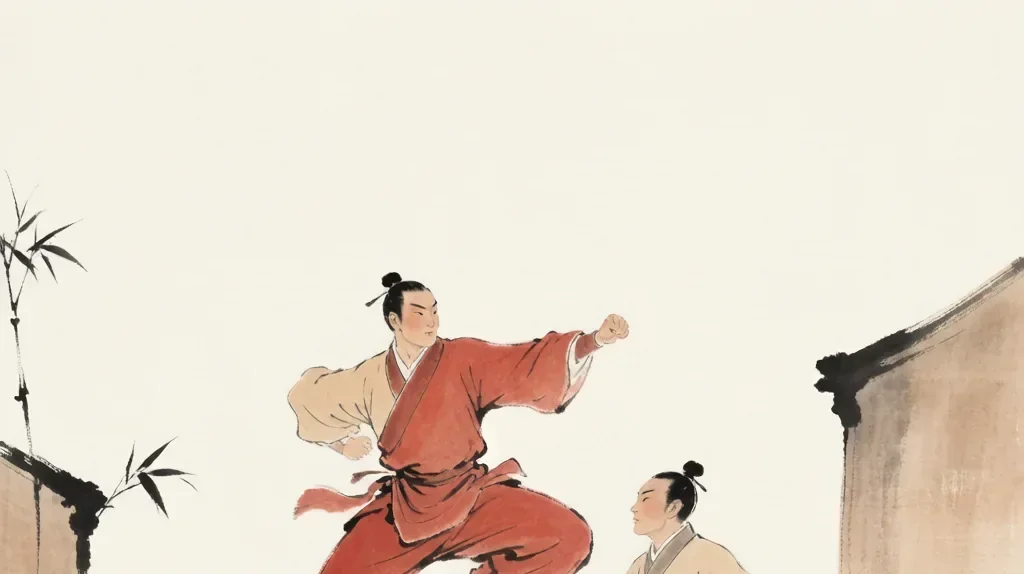
Chinese acrobatics (杂技, zájì) is one of the world's oldest continuously practiced performance arts, a dazzling blend of balance, strength, flexibility, and comic timing that grew out of the streets, markets, and festivals of China. Unlike narrative opera, acrobatics tells no single story; instead it astonishes through feats of the human body—spinning plates, stacking chairs, juggling, contortion, and gravity-defying balances. For more than two thousand years it has entertained emperors and villagers alike, and today it ranks among China's most admired stage arts.
Ancient Origins
The roots of Chinese acrobatics reach back to the Han dynasty and earlier, when performers known as "wandering entertainers" amazed crowds with tumbling, sword-swallowing, and animal acts. Archaeological relics and carved stones show musicians and acrobats performing together at court banquets, suggesting the art was already well developed in antiquity.
During the Tang dynasty, acrobatics reached a golden age as part of the cosmopolitan entertainments of the capital. Performers from across Eurasia mingled at the imperial courts, and feats of balance and equestrian skill became set pieces of grand celebrations.
Through the Song and later dynasties, acrobatics moved freely between court and common folk, finding a natural home in the marketplaces and temple fairs where itinerant troupes competed for coins and applause.
Street Entertainment and the Marketplace
For most of its history, Chinese acrobatics was a popular, open-air art. Jugglers, tightrope walkers, and conjurers set up wherever a crowd gathered—outside city gates, along canals, at seasonal fairs. This street heritage explains the art's emphasis on direct, wordless spectacle anyone can enjoy.
Because performers relied on portable props and their own bodies, the repertoire favored skills that needed little scenery: balancing poles, diabolos, hoops, and jars. The close bond with everyday audiences kept the art cheerful, inventive, and physically demanding.
Core Skills and Repertoire
Chinese acrobatics is built from a handful of fundamental disciplines. Balance acts place performers atop stacked chairs or spinning objects; plate-spinning keeps dozens of dishes whirling on slender sticks; contortion displays extraordinary suppleness; and juggling and diabolo acts test timing and coordination.
Aerial work—swinging, looping, and suspended balances—adds height and risk, while ground tumbling and human-pyramid builds demonstrate collective strength. Many acts weave several skills together, so a single performer may balance, spin, and toss objects at once.
Comic routines, often featuring a clumsy "clown" figure, provide relief between strenuous feats and show that acrobatics values charm and timing as much as raw ability.
Training and the Acrobat's Body
Chinese acrobats typically begin training as young children in specialized schools attached to state or provincial troupes. Days are spent drilling flexibility, strength, and the exact mechanics of each trick until movement becomes second nature.
Discipline is intense and long-term; a single signature act can take years to perfect. Teachers pass down not only technique but also the unspoken knowledge of how to fall safely and how to read an audience's mood.
This apprenticeship system is why Chinese troupes can field such polished ensemble work, with dozens of performers moving as one body in large-scale productions.
Music, Costume, and Stagecraft
Though wordless in story, acrobatics is rarely silent. Live or recorded music shapes the pace of an act, quickening for juggling and swelling for a climactic balance. Traditional drums and gongs still appear, often blended with modern orchestral scores.
Costumes are bright and theatrical, chosen to flatter the line of the body and to read clearly from the back of a hall. A spinning plate act might use simple street clothes, while a grand finale calls for sequined robes and coordinated color.
Modern stages add lighting, lifts, and designed sets, but the most admired productions keep the focus on the performer's skill rather than on machinery.
From Folk Art to National Treasure
In the twentieth century, scattered family troupes were gathered into professional state companies, most famously in Beijing and Shanghai. These ensembles turned a ragged folk craft into a codified art with standard training, original choreography, and international tours.
Chinese acrobatics troupes became cultural ambassadors, touring the world and winning prizes at international circus and variety festivals. Their blend of precision and poetry distinguished them from Western circus tradition.
Today the major companies run year-round theatres and collaborate with directors from dance and circus arts, continually refreshing the repertoire while honoring its roots.
Acrobatics and Chinese Opera
Acrobatics and Chinese opera share a long kinship. Many martial roles in opera draw on tumbling and weapon-play that originated in acrobatic training, and the two arts often appeared on the same bill in the past.
The stylized combat of opera—flips, leaps, and weapon spins—owes much to acrobatic technique, while opera contributed music and character to variety entertainments. Even today, audiences see the family resemblance in the bodily control both demand.
Notable Acts and International Fame
Certain acts have become signatures of the Chinese style. The "chair stack," in which a performer balances atop a teetering tower of chairs, and the "jars on the head," where ceramic vessels are balanced and tossed, are crowd favorites with deep roots.
Plate-spinning and the flying meteors (liuxing) have been refined to astonishing levels of speed and number. Troupes regularly set records for the most plates or the tallest human pyramid, though the art values artistry over mere quantity.
On the international stage, Chinese acrobats have headlined in resident shows abroad and influenced global circus renewal, helping spark the modern "cirque" movement's taste for narrative and elegance.
Acrobatics in Modern China
Acrobatics remains a living, popular entertainment in China, featured on television galas during the Lunar New Year and at dedicated theatres in major cities. Amateur and children's programs keep the pipeline of talent full.
Cultural authorities recognize it as an intangible heritage worth safeguarding, supporting schools that preserve rare acts before they vanish. At the same time, younger choreographers experiment with fusion pieces that mix acrobatics, dance, and multimedia.
The result is an art that honors two millennia of street wisdom while speaking confidently to contemporary audiences at home and abroad.
❓ Frequently Asked Questions
What is Chinese acrobatics?
It is a variety performance art combining balance, juggling, contortion, and comic timing, practiced in China for over two thousand years and enjoyed without spoken story.
How old is the tradition?
Its origins reach back to the Han dynasty and earlier, with carved relics showing acrobats performing at ancient court banquets.
What are the main acts?
Core acts include plate-spinning, chair-stacking balances, contortion, diabolo, juggling, aerial work, and comic routines.
How do acrobats train?
They usually enter troupe schools as children and drill flexibility, strength, and exact technique for years until tricks become second nature.
How is it different from Western circus?
Chinese acrobatics stresses precision, ensemble discipline, and poetic presentation over animal acts and slapstick, though the two share variety-show DNA.
Is it still popular today?
Yes. It features on holiday television galas, in resident city theatres, and on international tours, and is protected as cultural heritage.