👘
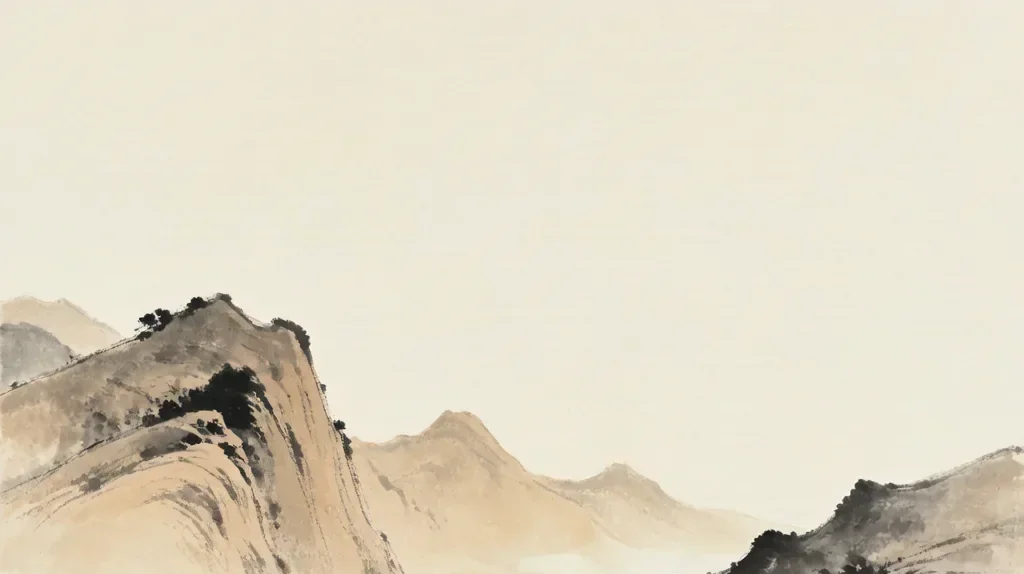
The Baidi: The Ancient Cotton Garments of the South
The Baidi are the white cotton garments of southern peoples — the plain, practical dress of the non-Han south.
Read story →Explore 401 stories across 8 topics
The Baidi are the white cotton garments of southern peoples — the plain, practical dress of the non-Han south.
Read story →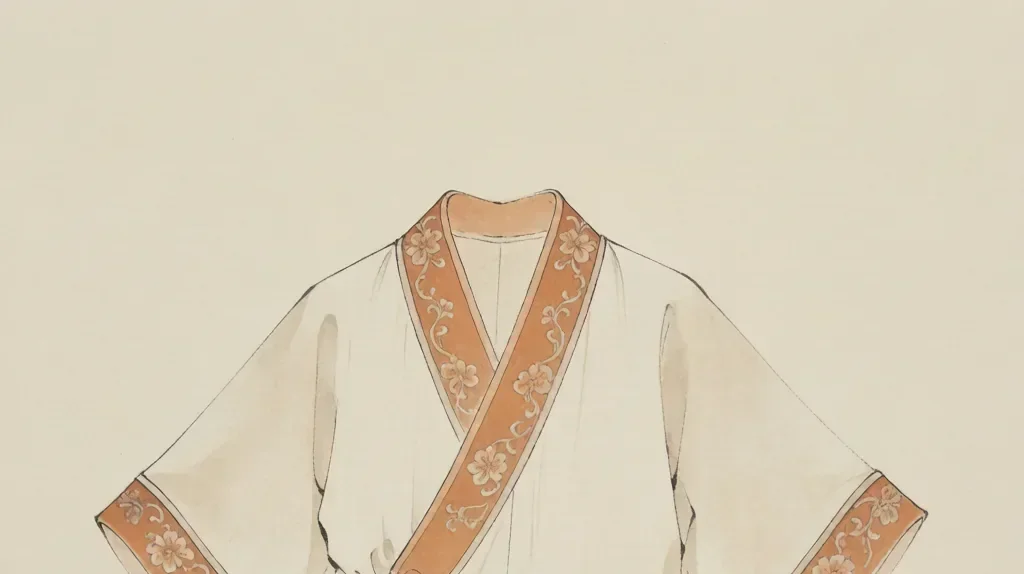
The Banbi is the half-sleeve jacket of the Tang — a short, sleeveless-over vest worn over the ru for ease and style.
Read story →
Hanging from a man's belt in old China, small enough to cup in one hand, might be a tiny embroidered pouch that held far more than the coins or herbs inside it. The hezi pouch (, Hé bāo) was a small cloth satchel worn at the waist, used to carry money, seals, or fragrant herbs — but above all it was a love token. A woman would stitch one for the man she admired, packing it with her hours of work and, sometimes, a hidden message in its pattern. To receive a hezi was to receive a piece of someone's heart, worn openly at the hip. In a culture that prized restraint, the little pouch was one of the few accepted ways to say "I think of you" without speaking.
Read story →
The water sleeve is the long, flowing cuff of opera — an extension of the actor's arm that speaks in silk.
Read story →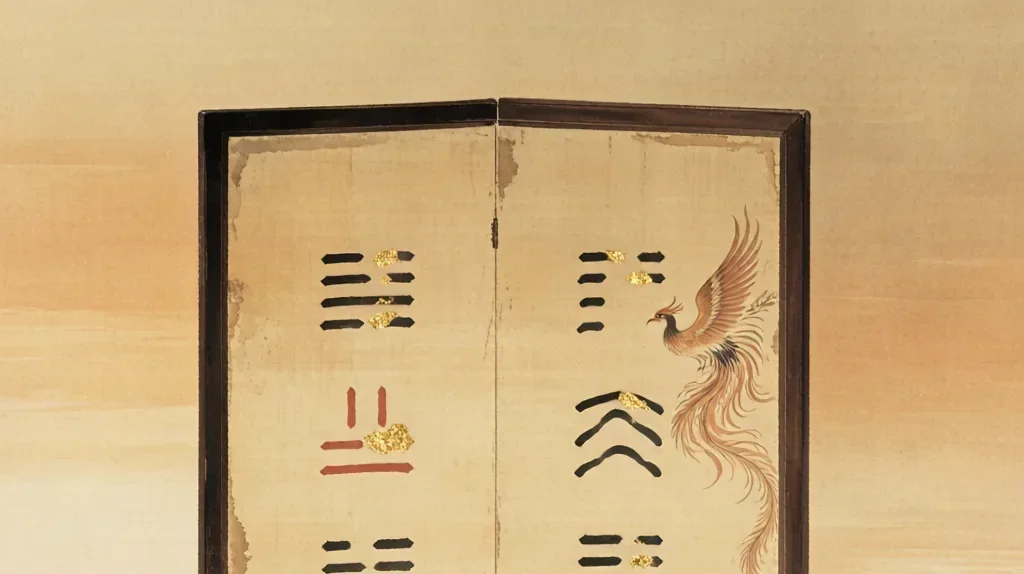
Few systems of symbol have shaped Chinese life as deeply as the Bā Guà , the Eight Trigrams. Composed of stacked broken and unbroken lines, these eight simple figures are the alphabet of classical Chinese divination, medicine, architecture, and philosophy. To learn the trigrams is to learn a language in which heaven, earth, wind, water, thunder, mountain, fire, and lake each speak, and in which the whole cosmos is arranged as a readable map.
Read story →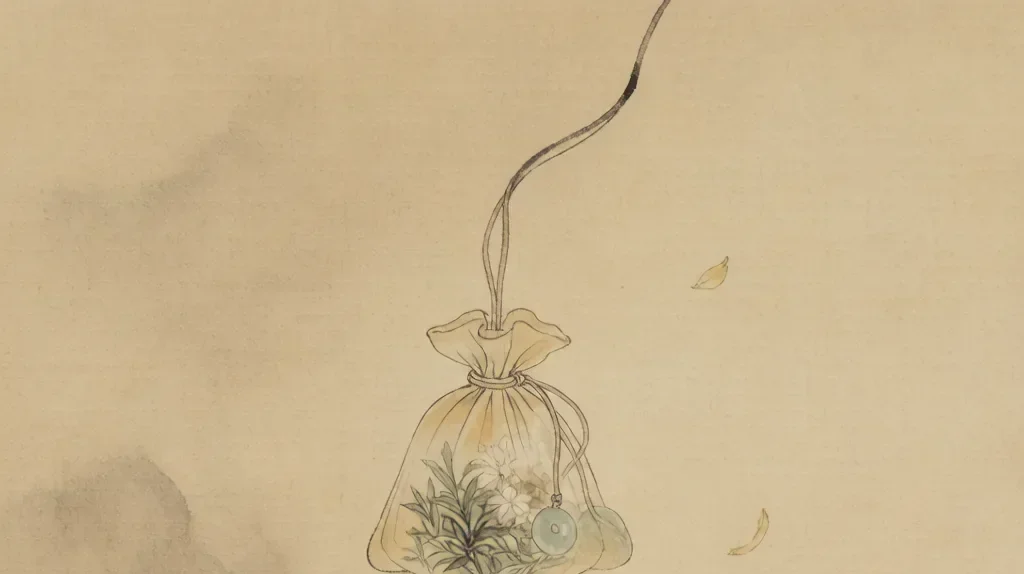
Small, soft, and sweet-smelling, the Xiāng Náng , the sachet or fragrance pouch, is one of the most intimate objects in Chinese material culture. Worn at the belt, hung in the room, or given as a love token, it carries aromatic herbs that please the nose and, in traditional belief, guard the body from illness and evil. The sachet is scent made into a charm — a pocket of protection you can hold in your hand.
Read story →
In Chinese culture, numbers and colors are never just numbers and colors. They are dense with meaning — carriers of luck and misfortune, joy and sorrow, power and humility. This symbolic system, rooted in linguistic homophones, ancient cosmology, and thousands of years of cultural practice, shapes everything from the price of a Beijing apartment to the color of a wedding dress, from the floor numbering in skyscrapers to the date chosen for a business opening. For visitors to China — and increasingly for anyone doing business with China — understanding this vocabulary of symbols is essential to navigating the culture with sensitivity and insight.
Read story →
At the heart of Chinese visual philosophy sits a single circle split by an S-curve, half black and half white, each half cradling a dot of its opposite. This is the Tài Jí Tú , the Diagram of the Supreme Ultimate — perhaps the most recognizable symbol of Chinese thought in the world. More than a pretty emblem, it compresses an entire worldview: that reality is woven from complementary opposites, that nothing is pure, and that stillness and motion are two faces of one continuous whole.
Read story →
The Chinese classical garden is not merely a designed landscape — it is a three-dimensional poem, a living painting, and a philosophical meditation on the relationship between humanity and nature. For over two millennia, Chinese scholars, poets, and emperors have created gardens that embody the Daoist ideal of harmony between human artifice and natural spontaneity (, tiān rén hé yī). Unlike the formal symmetry of French gardens or the expansive lawns of English landscapes, the Chinese garden operates on principles of concealment and revelation, borrowed views and framed vistas, winding paths that never reveal their destination, and seemingly natural arrangements that are, in fact, meticulously composed. The great gardens of Suzhou — nine of which were collectively designated a UNESCO World Heritage Site in 1997 — represent the pinnacle of this tradition. The Chinese garden is, in essence, a microcosm: a world in miniature that contains mountains and waters, pavilions and bridges, flowers and rocks.
Read story →
Chinese kinship terminology is among the most elaborate in the world, requiring speakers to distinguish between relatives that English collapses into single terms. A single English "uncle" expands into at least six distinct Chinese terms based on whether the relative is paternal or maternal, elder or younger, and related by blood or marriage. This complexity is not accidental — it reflects the centrality of patrilineal family structure in traditional Chinese society and the importance of hierarchy even within the family.
Read story →
Beyond the Lunar New Year, the Chinese calendar is punctuated by festivals that each carry their own etiquette for visiting and gift-giving. The Mid-Autumn Festival calls for mooncakes; the Dragon Boat Festival involves zongzi (sticky rice dumplings); the Qingming Festival is reserved for ancestor veneration. Each festival has its own emotional register — celebratory, contemplative, or solemn — and the visitor's behavior must match the occasion.
Read story →
The departure from a Chinese social visit is not a simple farewell but a ritual that extends the hospitality beyond the doorstep. The guest who attempts a quick exit will find themselves repeatedly stopped, the host insisting they stay longer, the guest insisting they must leave. This scripted exchange is not a failure to communicate but a final performance of mutual regard. Mastering the leave-taking ritual is essential to being remembered as a gracious guest.
Read story →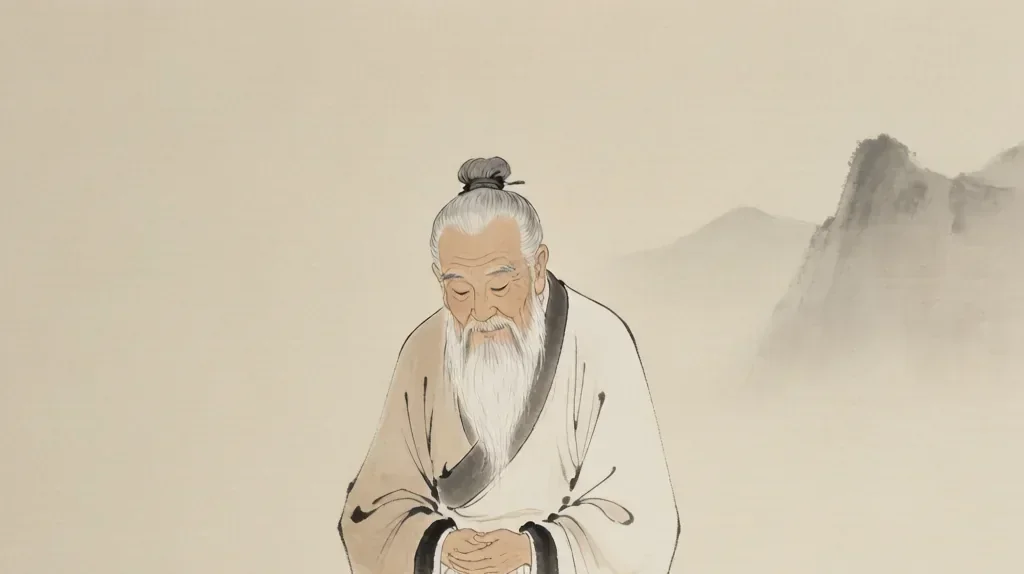
In China the teacher has never been merely an employee of the school. For more than two thousand years the master who opens a child's mind has been ranked among the most honored figures in society — beside the parent who gave life and, in older formulations, just below the emperor who gave order. This reverence is captured in four characters, (zūnshī zhòngdào), "revere the teacher and value the Way." It is a cornerstone of Chinese etiquette, shaping how students bow, how families treat tutors, and how the whole culture thinks about learning. To grasp it is to understand why a single teacher's word could redirect a life, and why gratitude to a master could last a lifetime.
Read story →
The Chinese letter-writing tradition — xiě xìn — developed a formal structure so elaborate that it was practically a literary genre. A traditional letter opened with a salutation that included the recipient's full title and a respectful epithet, followed by polite inquiries about health and family. The body was composed in classical Chinese. The closing included a humble self-reference and the date according to the lunar calendar. While modern communication has simplified these formalities, the principles of respectful address and structured correspondence survive in email and even WeChat messaging.
Read story →
A single bamboo pole, split into a hundred whisper-thin strips, can become a basket, a hat, a chair, a child's toy, or an intricate artwork worth thousands of dollars. Bamboo weaving (, zhú biān) is perhaps China's most versatile folk craft — one that combines the structural logic of engineering with the visual sensitivity of art. The bamboo groves of southern China provide an endless supply of raw material, and the weavers of Zhejiang, Fujian, and Sichuan have developed techniques that transform this humble grass into objects of breathtaking beauty and utility.
Read story →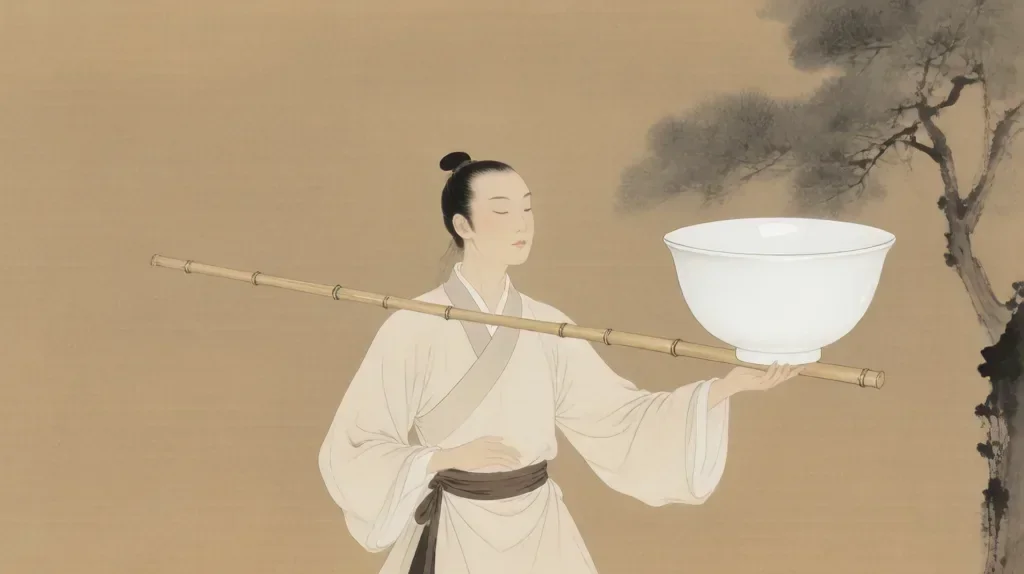
A performer balances a porcelain bowl on a bamboo pole held in her teeth while spinning a plate on each hand and walking across a tightrope. This is Chinese folk acrobatics (, zá jì) — an art form that combines physical training approaching the limits of human capability with the theatrical flair of the circus. China has one of the world's oldest continuous acrobatic traditions, with a history stretching back over 2,000 years. In the villages and market towns of rural China, acrobatics was never a separate profession — farmers and laborers were the performers, and the skills they displayed were developed through the physical demands of their daily work.
Read story →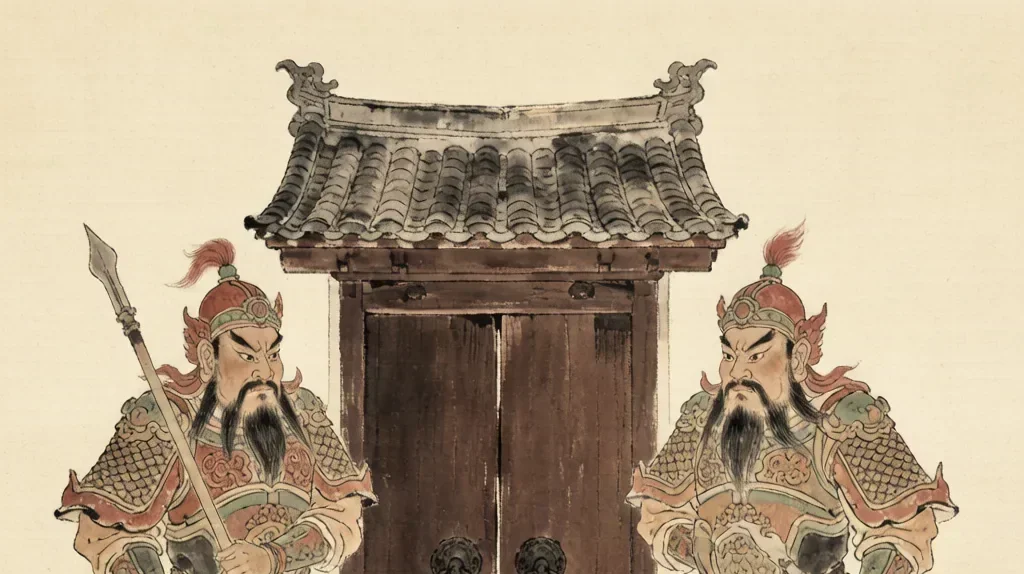
On either side of a traditional Chinese household's main gate, two fierce generals stand eternal guard. One has a dark face and a lance; the other has a pale face and a sword. Their eyes bulge, their armor gleams, and their expressions promise violence to any evil spirit that dares approach the threshold. These are the Door Gods (, mén shén), and the paintings that bear their images are among the most ancient and enduring of all Chinese folk art traditions. Door god painting is not merely decorative — it is an act of spiritual protection, a ritual that transforms a wooden door into a supernatural barrier.
Read story →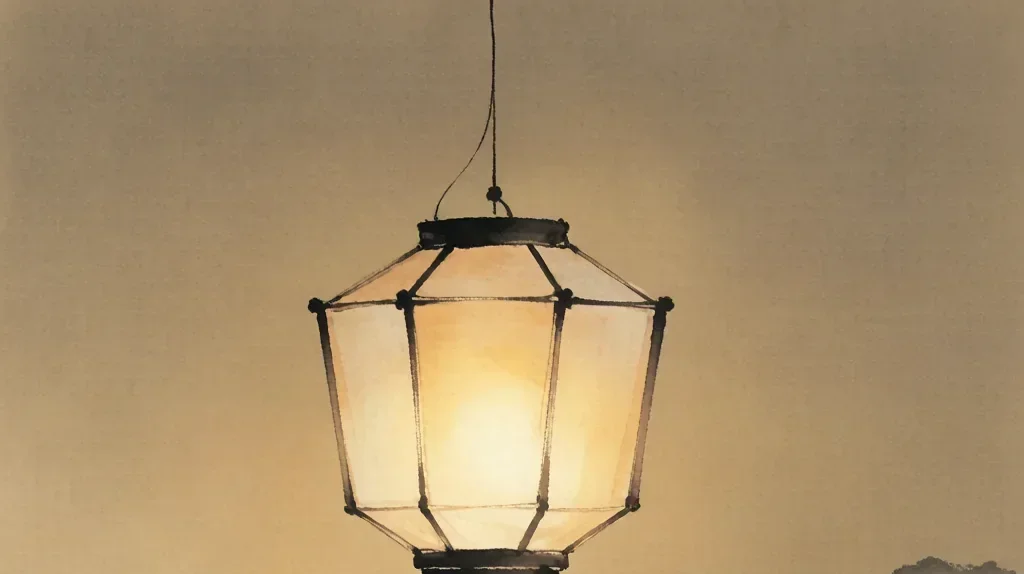
A lantern hangs in the night, its paper skin glowing with warm light. On a strip of paper attached to the lantern, a riddle is written: 'What is the thing that becomes more valuable the more it is used?' Passersby stop, read, and think. The answer is 'a friendship' — but the puzzle is that the Chinese character for 'friendship' contains the character for 'use.' The lantern riddle (, dēng mí) is a unique Chinese folk art that combines visual spectacle with literary wordplay, turning the Lantern Festival into a giant outdoor puzzle for the entire community.
Read story →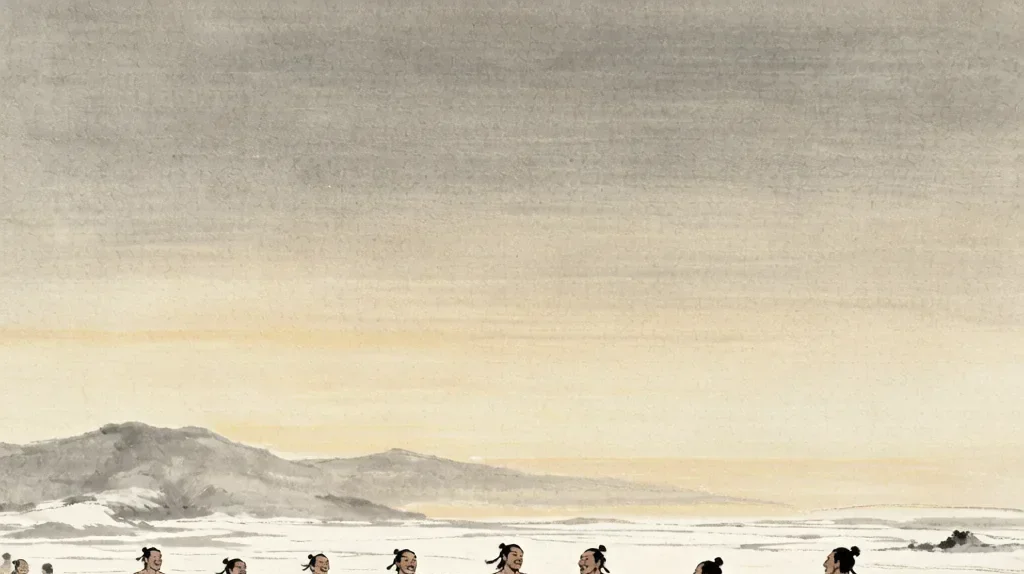
In the frozen winter fields of northern China, farmers shed their padded jackets and form long snaking lines through the village streets, waving red silk fans and beating waist drums. Their faces are painted bright red, their movements are exuberant and earthy, and the music — a pounding drumbeat overlaid with the shrill wail of suonas — can be heard from miles away. This is yangge dance (, yāng gē), the 'rice-sprout song' that has been the defining folk dance of north China for centuries.
Read story →
What looks like a tangle of nine metal loops on a single handle, yet hides one of the oldest puzzles in the world? Meet the jiǔ lián huán , or the Nine-Link Puzzle, a Chinese ring puzzle that has fascinated mathematicians, scholars, and curious hands for more than two thousand years. More than a toy, it is a quiet meditation on patience and order, a pocket-sized lesson in recursion long before computers existed. To understand the nine-link puzzle is to glimpse how Chinese ingenuity turned logic into play, and play into a training of the mind.
Read story →
String drawn to the cheek, breath held, and a single arrow loosed toward the heart of the target. The art of shè , or archery, holds a place in Chinese civilization unlike almost any other sport: it was one of the Six Arts that a gentleman was expected to master. More than a martial skill, archery in ancient China was ritual, philosophy, and self-cultivation. To understand it is to see how the Chinese tradition fused violence with virtue, and strength with restraint.
Read story →
Hide and seek is the ancient children's game of concealment — a pastime recorded since the Tang.
Read story →
Rock-paper-scissors has Chinese origins in the 'gesture wager' of the Han — a three-way hand game of chance.
Read story →
Paper flower folding is the folk craft game of shaping paper into blossoms — a children's and festival art.
Read story →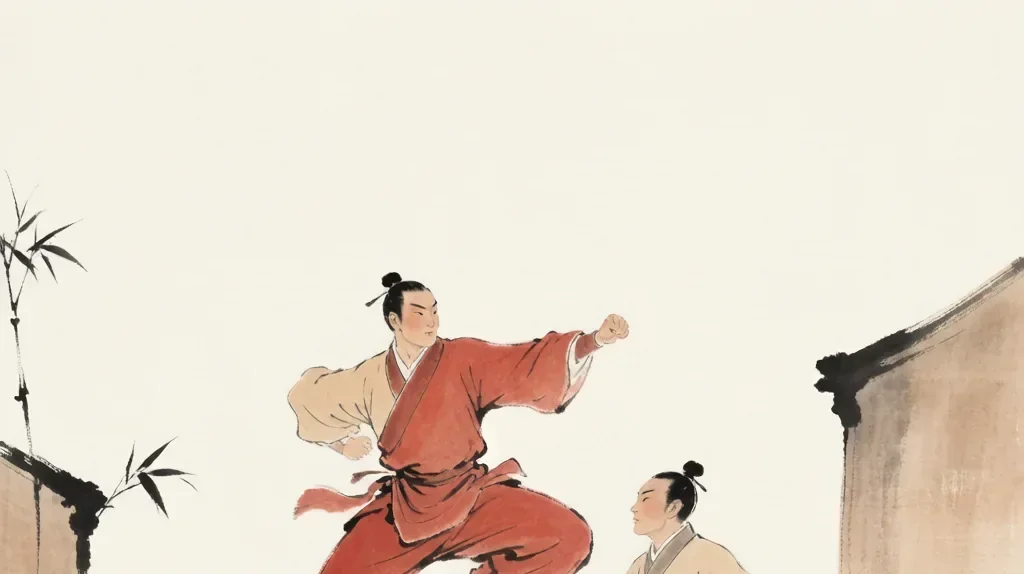
Martial opera is the acrobatic battle — the stylized combat of tumbling, spear-work, and flips on the stage.
Read story →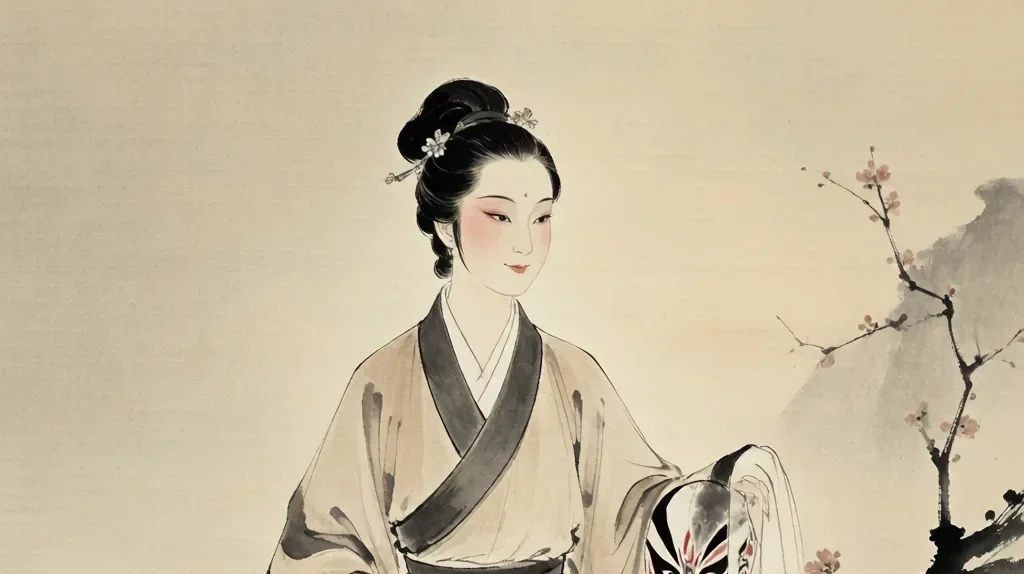
Han opera is the mother of Peking opera — the Hubei tradition whose tunes and actors shaped Jingju.
Read story →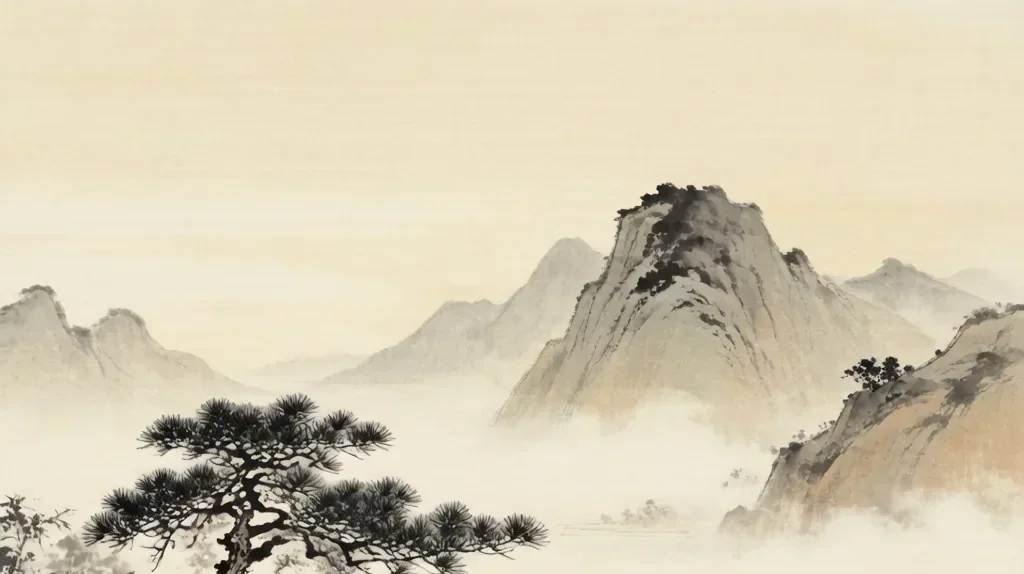
Nanxi, or Nán Xì , the "Southern Drama," is the ancestor of almost all later Chinese opera, the form in which sung drama as we know it was first born. It arose in the Wenzhou region of southern Zhejiang during the Southern Song dynasty, around the twelfth century, when local folk songs and ritual entertainments crystallized into full-length plays with plotted action, role types, and arias. From this Wenzhou cradle flowed the great river of Chinese musical theatre: it fathered the Ming kunqu, fed the regional operas, and set the template of "singing, speaking, acting, and dancing as one" that every later xiqu would follow. To study Nanxi is to stand at the source of a thousand-year stream, and to read the oldest plays still performable in the Chinese theatre.
Read story →
The Sheng is the male lead of the opera — the scholar, the general, the upright hero.
Read story →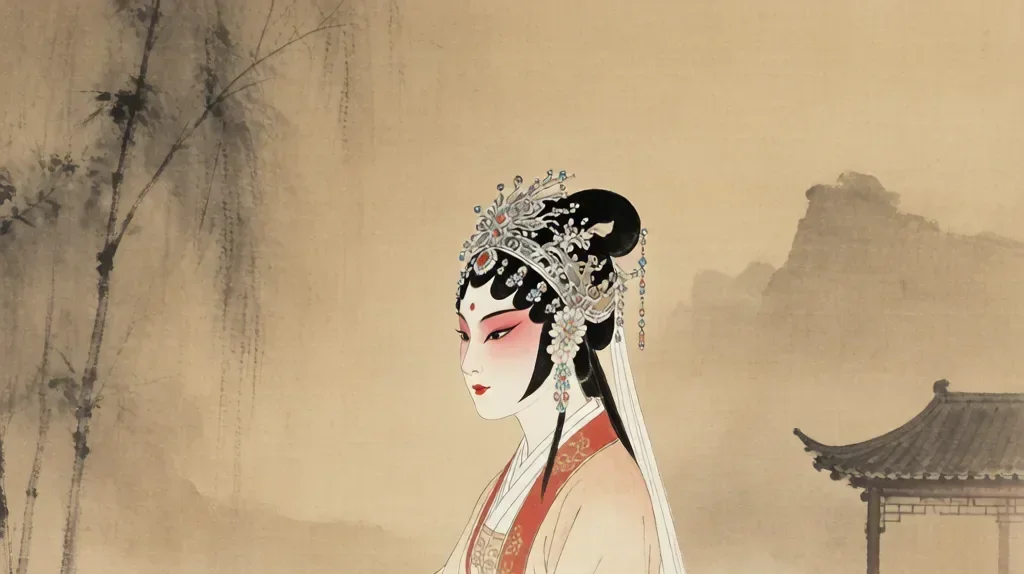
Yue opera is the women's opera of the south — the gentle, lyrical Zhejiang tradition played largely by actresses.
Read story →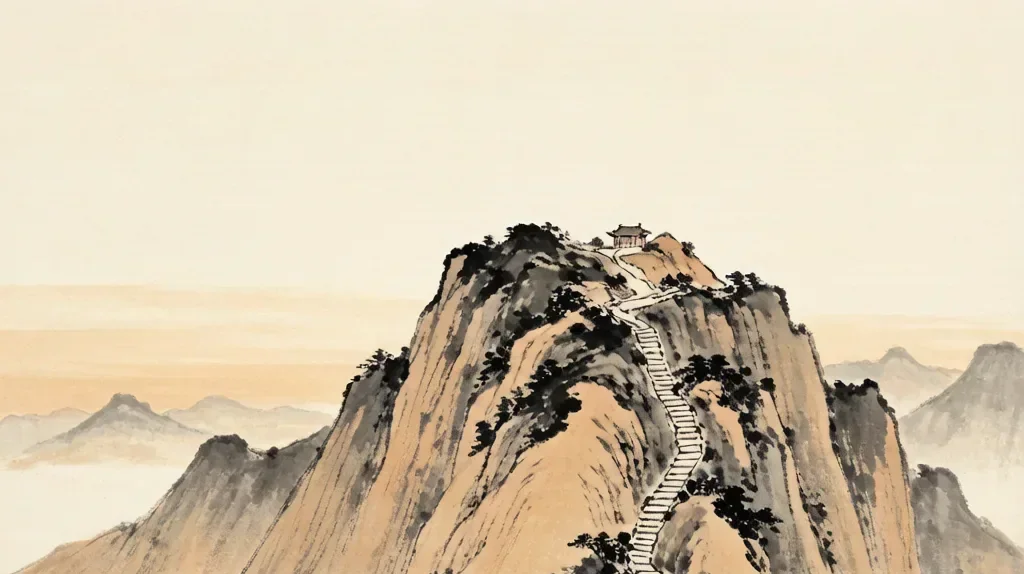
From the plains of Shandong, it rises like a sleeping dragon — Mount Tai (, Tài Shān), the most sacred mountain in Chinese history. For over three thousand years, emperors, pilgrims, and seekers have climbed its slopes to perform the highest rituals of the Chinese tradition: the Feng and Shan sacrifices (, fēng shàn), ceremonies in which the emperor communicated directly with Heaven and Earth from the summit of the world. The Altar of Tai Shan was not merely a place of worship; it was the cosmic axis, the point where Heaven and Earth were closest, and where the Son of Heaven could fulfill his highest duty.
Read story →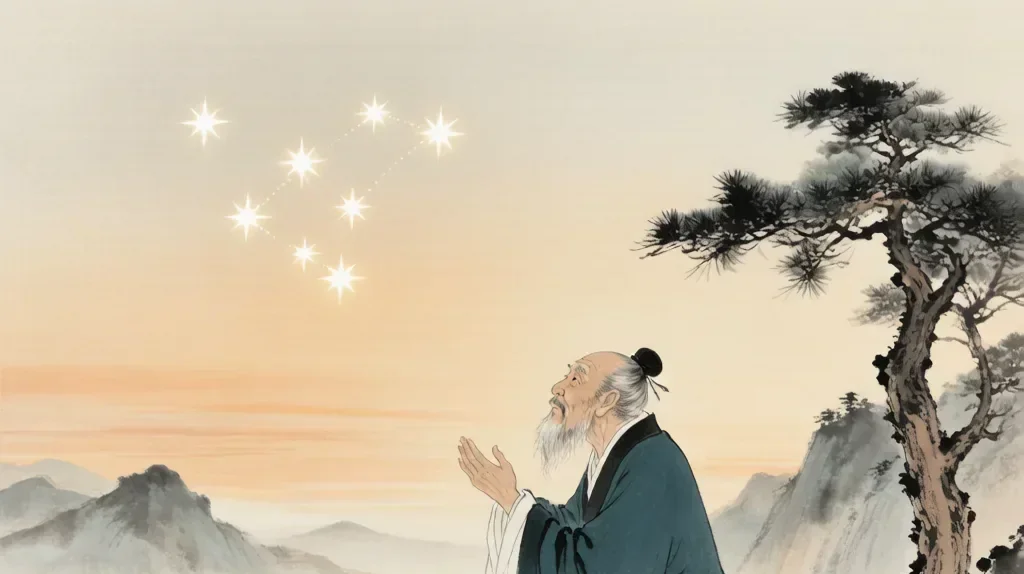
On a high mountain terrace before dawn, the Daoist priest raised his voice in a chant that was older than the temple behind him. He wore a robe embroidered with the eight trigrams and the stars of the Big Dipper. In his hands, he held a sword of peach wood and a bell whose ringing was said to reach the celestial realms. The Daoist Offering (, dào jiào zhāi jiào) was the great ritual of the Daoist tradition — a cosmic ceremony that realigned the forces of the universe, petitioned the celestial bureaucracy, and brought the blessings of the immortals down to earth. In the Daoist worldview, the offering was not merely a request for divine favor but a technical intervention in the workings of the cosmos, a ritual technology that maintained the harmony of Heaven, Earth, and Humanity.
Read story →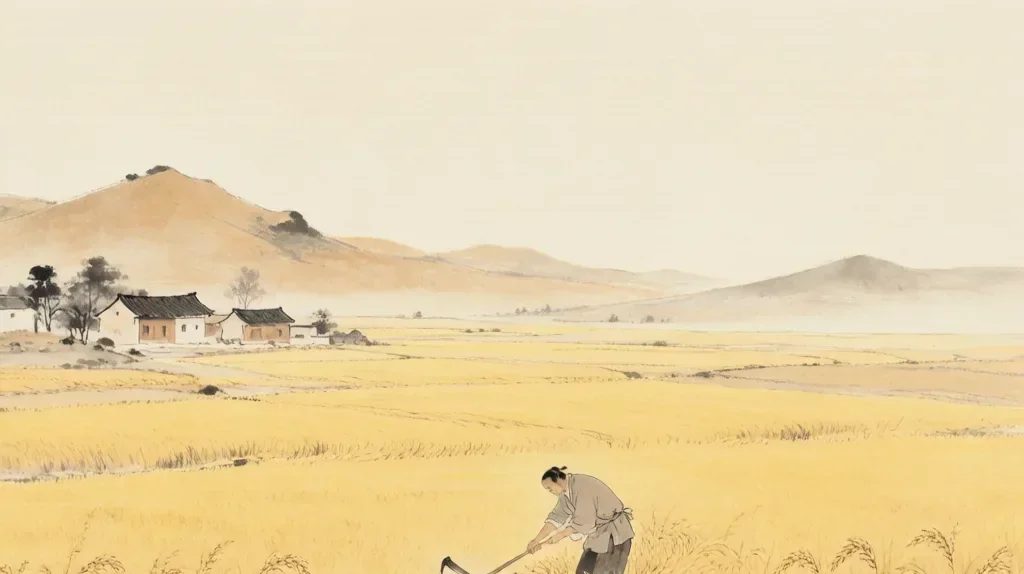
In the golden autumn fields, when the rice had been cut and the granaries were full, the entire village gathered at the edge of the fields — the oldest farmers carrying bundles of the first sheaves, the children carrying gourds of new wine, and the women carrying baskets of freshly steamed cakes. The Harvest Sacrifice (, jì gǔ) was the agricultural community's greatest annual ritual, a ceremony of thanks to the gods and spirits who had brought the crops to maturity. In a civilization whose foundations were built on rice and millet, the harvest sacrifice was not optional piety but existential necessity — a communication with the powers of the earth that ensured the cycle of planting and reaping would continue for another year.
Read story →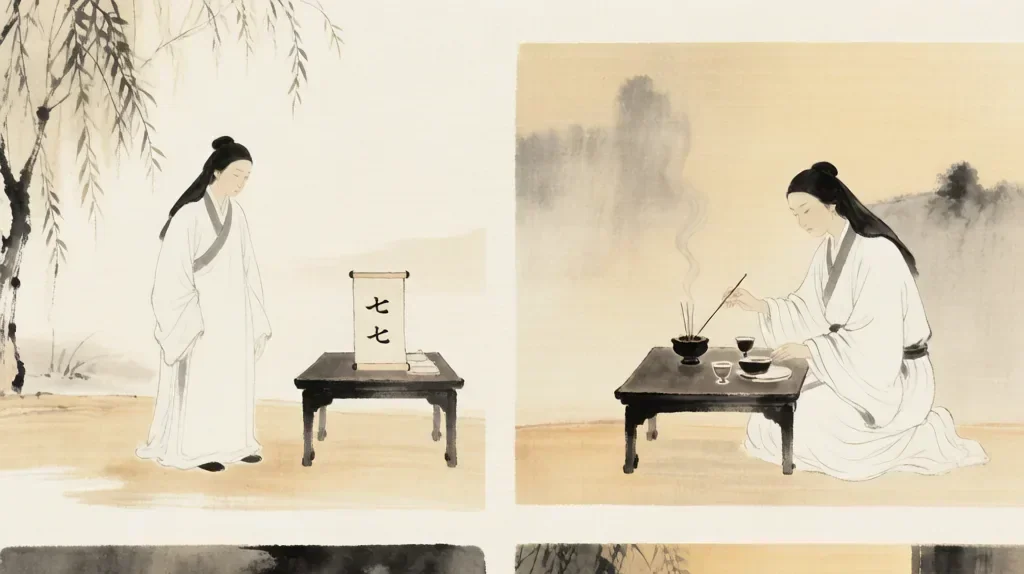
Every seven days, from the moment of death until the forty-ninth day, a candle was lit, incense was burned, and the family gathered before the spirit tablet to offer food, wine, and prayers. The Seven Sevens (, qī qī) ritual cycle is one of the most distinctive and psychologically profound elements of Chinese death practice, a seven-week liminal period during which the soul of the deceased navigates the perils of the underworld, faces judgment, and gradually transforms from a frightened ghost into a settled ancestor. For the living, the seven weeks of ritual service were an intensive course in grief, a structured schedule of ceremonies that gave shape and meaning to the chaos of bereavement.
Read story →
Among Chinese birthday rites, none is more delightful than zhuazhou (, zhuā zhōu), the "grab the week" ceremony held when a child turns one. On that day the family lays a spread of ordinary objects before the toddler and watches, with more hope than science, to see which one the child first seizes. The chosen brush, coin, or stethoscope is read as a prophecy of the child's future calling. Equal parts parlor game, family photo opportunity, and quiet wish-making, zhuazhou has entertained Chinese households for well over a thousand years — and still fills social-media feeds every spring.
Read story →
After a baby is born, Chinese tradition prescribes a carefully guarded month of recovery for the mother known as (Zuò Yuè Zi), "sitting the month." For roughly thirty days following childbirth, the new mother rests, eats specially prepared foods, and avoids cold, exertion, and exposure, while family members take over the work of the household. Far from a quaint folk habit, Zuò Yuè Zi is a sophisticated system of postpartum care rooted in traditional medicine and centuries of observed experience. It reflects a culture that takes the physical toll of birth seriously and wraps the mother in structured support at her most vulnerable moment.
Read story →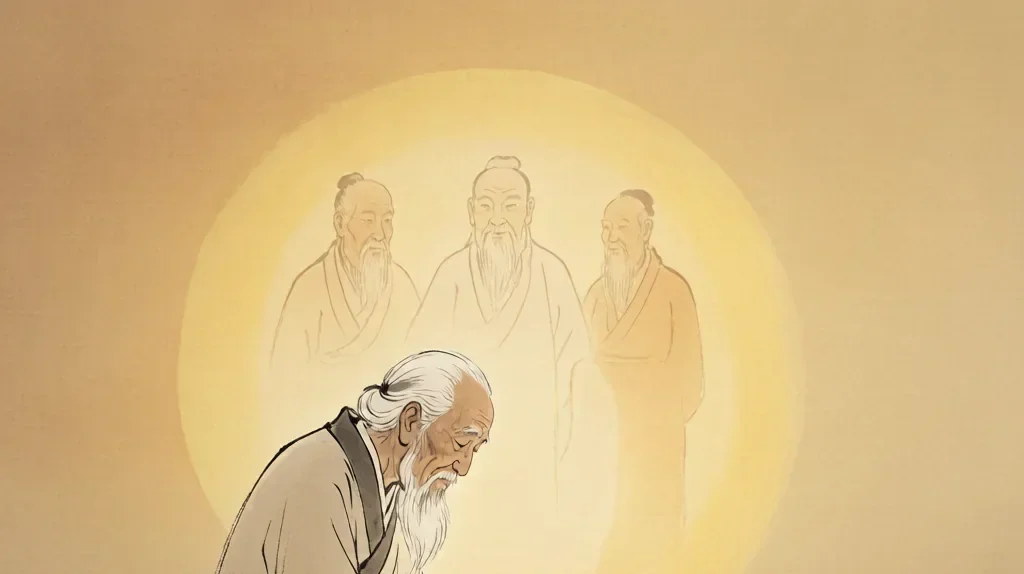
In the West, death is often understood as a definitive separation — a boundary beyond which the dead no longer participate in the lives of the living. In Chinese culture, no such boundary exists. Ancestor worship (, jìzǔ) is not merely a ritual obligation or a superstitious practice; it is a profound expression of one of the most enduring values in Chinese civilization: that the living and the dead remain bound together in an unbroken chain of mutual care, obligation, and love. This practice, which predates recorded history and has survived revolutions, modernization, and diaspora, reveals a fundamentally different understanding of what it means to be human — not as an isolated individual, but as a link in a chain stretching from the distant past into the unimaginable future.
Read story →
Among the many small yet charged rituals of a Chinese wedding, few are as intimate as the jiāo bēi jiǔ, the "cross-cup wine" shared by bride and groom. Literally meaning "exchange-cup liquor," this toast is far more than a photo opportunity: it is a symbolic merging of two lives, two families, and two fortunes into one. To understand it is to glimpse how Chinese culture wraps love, duty, and luck into a single shared sip. This article explores where the custom came from, what it once meant, how it is performed today, and why a small gesture of intertwined arms still carries the weight of a marriage vow.
Read story →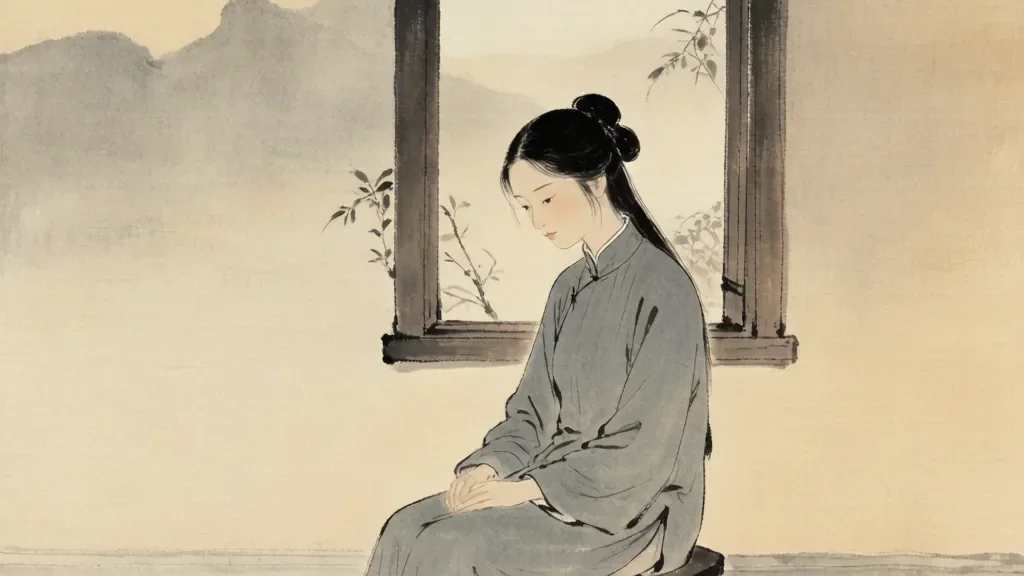
Long after the reunion dinner is cleared away, many Chinese families do something that seems simple yet carries deep meaning: they stay awake together until the morning of the new year. This is (Shǒu Suì), "keeping the year" or "guarding the old year," the cherished custom of staying up through the final night of the lunar calendar. Far from a mere test of endurance, Shǒu Suì is an intimate family vigil that blends farewell with welcome, honoring the year that is passing while standing watch for the one about to arrive. In an age of bright screens and short nights, the old practice of sitting up until dawn remains a tender emblem of family togetherness and respect for time itself.
Read story →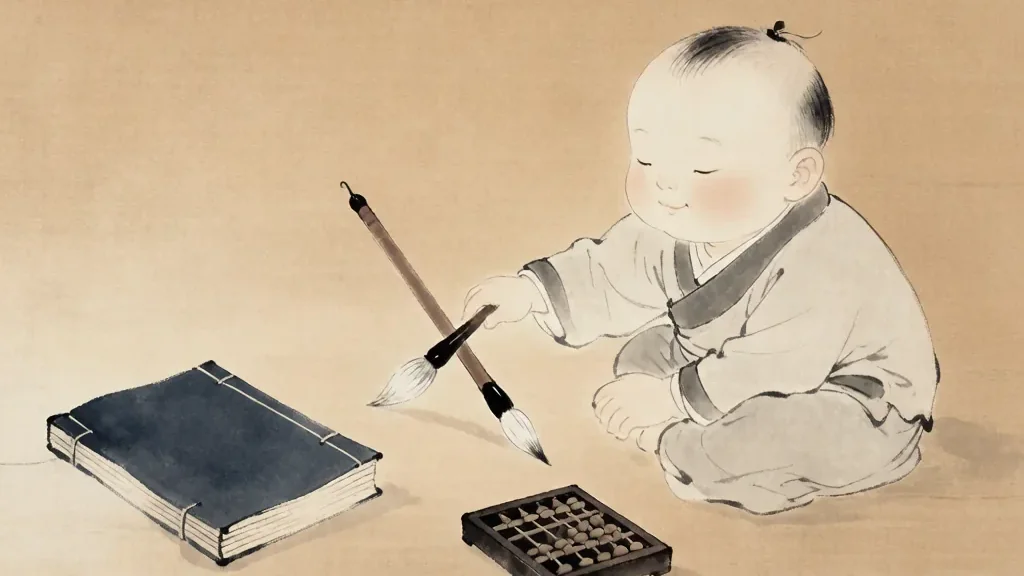
Among the most charming and quietly suspenseful rituals in Chinese family life is (Zhuā Zhōu), "the one-year grab," held when a baby reaches its first birthday. On this day the child is placed before a spread of symbolic objects, books, brushes, coins, food, and tools, and the item it reaches for is read as a playful prophecy of its future character, talents, and calling. Lighthearted though it may seem, Zhuā Zhōu is a tender snapshot of parental hope, an occasion that turns a simple grasp of tiny fingers into a family story retold for years. It reveals how Chinese culture has long linked early childhood to learning, destiny, and the dreams parents pour into the next generation.
Read story →