📚 All Stories

Explore 2171 stories across 9 themes of Chinese culture

🎊 Festivals & Traditions

170 articles
See more →
Aiwowo: Steamed Rice Balls with Filling

Aiwowo: Steamed Rice Balls with Filling

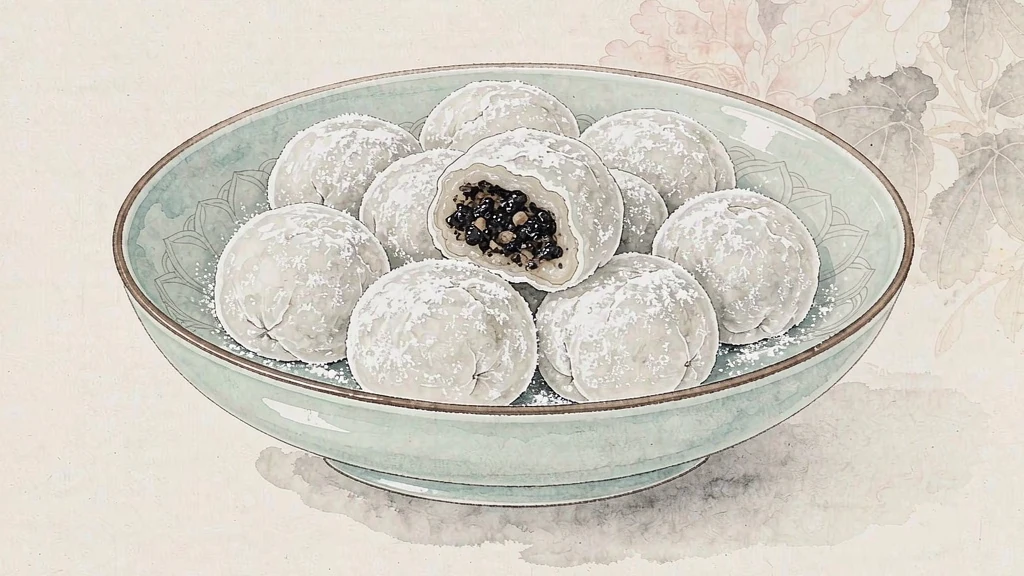
In the gentle pantry of old Beijing sweets, ài wō wo (艾窝窝) is the quiet one — a round, snowy ball of steamed glutinous rice cradling a sweet filling, dusted with dry rice flour so it looks like a tiny snowball. Its name is onomatopoeic and folkish, and the snack has been a favorite of the capital's children and elders for centuries. Unlike the chewy lvdagun, aiwowo is tender and almost melt-in-the-mouth, with a filling that might be red bean, mashed sesame, or walnut. It is a dessert of subtlety, representing the northern Chinese talent for turning rice and sugar into something delicate. To eat aiwowo is to taste the softer, sweeter side of Beijing's snack heritage.

Read story →
What is Rain Water (Yushui)? China's 2nd Solar Term Explained

What is Rain Water (Yushui)? China's 2nd Solar Term Explained

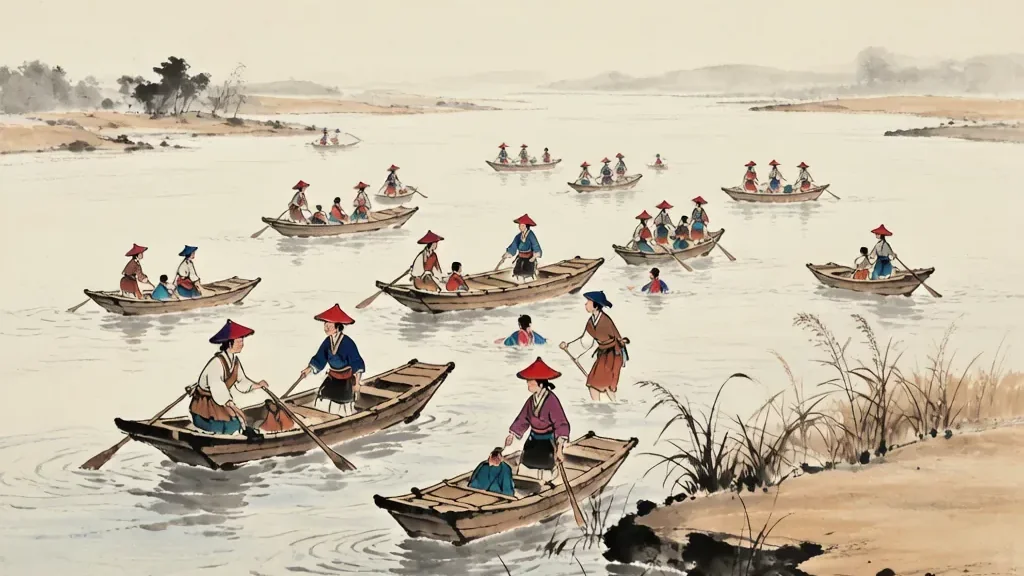
Rain Water (雨水, Yǔshuǐ) arrives as the second solar term in the traditional Chinese calendar, usually falling between February 18th and 20th. Unlike the dramatic storms of summer, Rain Water brings a gentler transformation — the slow thawing of frozen earth, the first tentative drizzle of spring, and the quiet awakening of dormant seeds beneath the soil. For Chinese farmers across millennia, this moment has signaled the true beginning of the agricultural year, when the land becomes receptive once again to the seeds that will feed the nation.

Read story →

🏮 Customs & Daily Life

402 articles
See more →
The Nine-Link Puzzle

The Nine-Link Puzzle

What looks like a tangle of nine metal loops on a single handle, yet hides one of the oldest puzzles in the world? Meet the jiǔ lián huán (九连环), or the Nine-Link Puzzle, a Chinese ring puzzle that has fascinated mathematicians, scholars, and curious hands for more than two thousand years. More than a toy, it is a quiet meditation on patience and order, a pocket-sized lesson in recursion long before computers existed. To understand the nine-link puzzle is to glimpse how Chinese ingenuity turned logic into play, and play into a training of the mind.

Read story →
The Month of Confinement After Birth

The Month of Confinement After Birth

After a baby is born, Chinese tradition prescribes a carefully guarded month of recovery for the mother known as 坐月子 (Zuò Yuè Zi), "sitting the month." For roughly thirty days following childbirth, the new mother rests, eats specially prepared foods, and avoids cold, exertion, and exposure, while family members take over the work of the household. Far from a quaint folk habit, Zuò Yuè Zi is a sophisticated system of postpartum care rooted in traditional medicine and centuries of observed experience. It reflects a culture that takes the physical toll of birth seriously and wraps the mother in structured support at her most vulnerable moment.

Read story →

🐉 Myths & Legends

222 articles
See more →
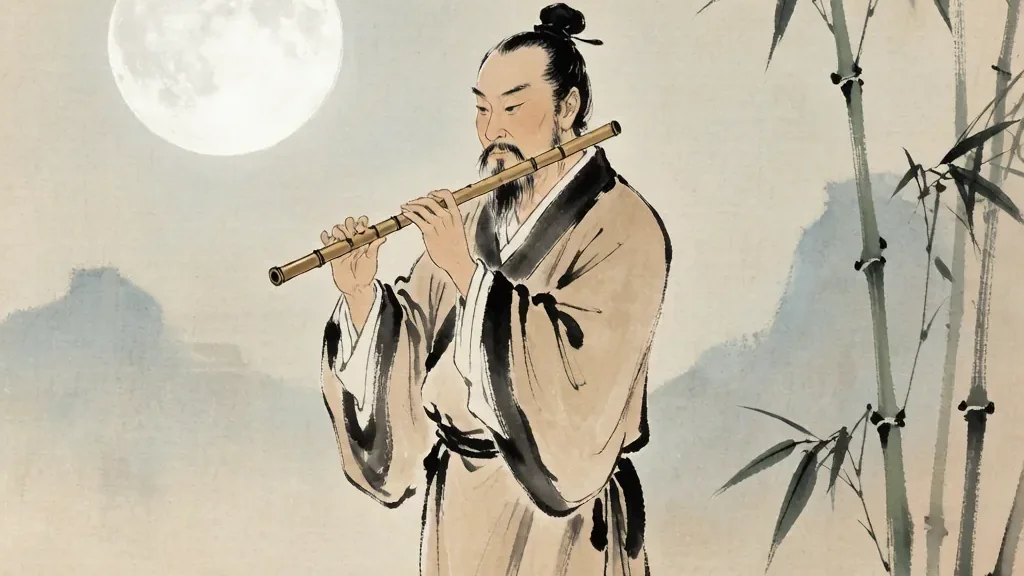
The Eight Immortals (Baxian): Who Are They? Complete Guide

The Eight Immortals (Baxian): Who Are They? Complete Guide

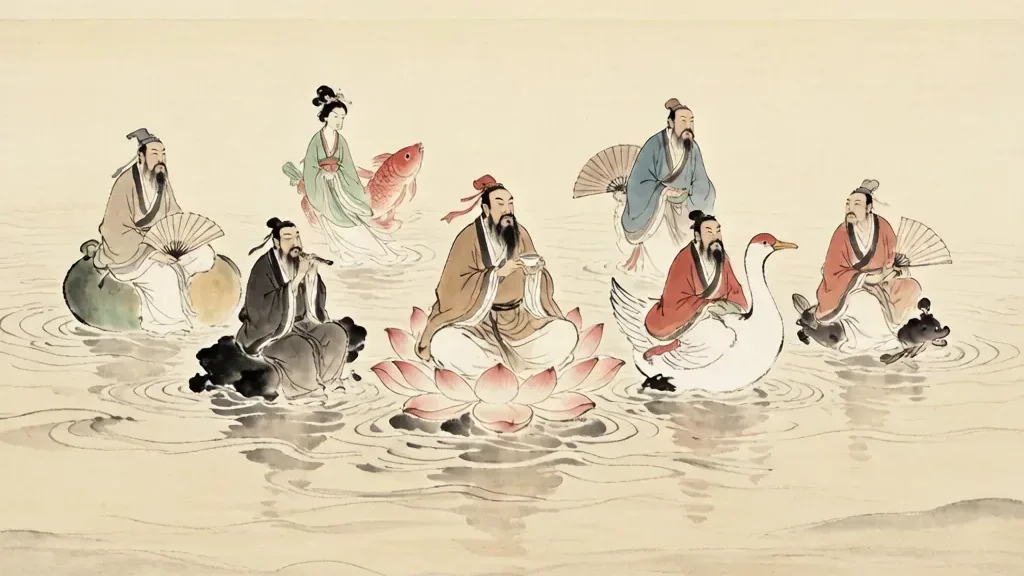
Of all the colorful figures in Chinese mythology, few are as beloved — or as varied — as the Eight Immortals. They are not a uniform pantheon of perfect gods. They are a messy, wonderful ensemble: a cripple, a nobleman, a hermaphrodite, an old man, a young woman, a scholar, a musician, and a royal. Together, they represent the Daoist ideal that enlightenment is not reserved for any single type of person, but can be attained by anyone, from any walk of life.

Read story →
🔤 Language & Writing

335 articles
See more →
The Erya: China's First Dictionary

The Erya: China's First Dictionary

This article explores Ancient Dictionary Er Ya an essential topic for understanding Chinese characters. Ancient Dictionary Er Ya reveals how the Chinese writing system encodes meaning and history in its structure. By studying ancient dictionary er ya learners gain deeper insight into the logic behind Chinese characters and how they have evolved over three millennia of continuous use. This topic connects ancient traditions with modern usage offering practical knowledge for anyone serious about mastering the Chinese writing system.

Read story →
What is Tang Poetry? China's Golden Age of Verse Explained

What is Tang Poetry? China's Golden Age of Verse Explained

When scholars speak of the "golden age" of Chinese poetry, they invariably point to the Tang Dynasty (618-907 CE). This remarkable period produced nearly 50,000 surviving poems by over 2,200 known poets, collected in the monumental anthology Quan Tang Shi (Complete Tang Poems). More than a literary achievement, Tang poetry represents the very soul of classical Chinese culture — a tradition so deeply woven into the fabric of Chinese identity that schoolchildren still memorize these verses today, more than a millennium after they were written.

Read story →

☯ Philosophy & Thought

152 articles
See more →
Amoghavajra: The Esoteric Master of the Tang Court

Amoghavajra: The Esoteric Master of the Tang Court

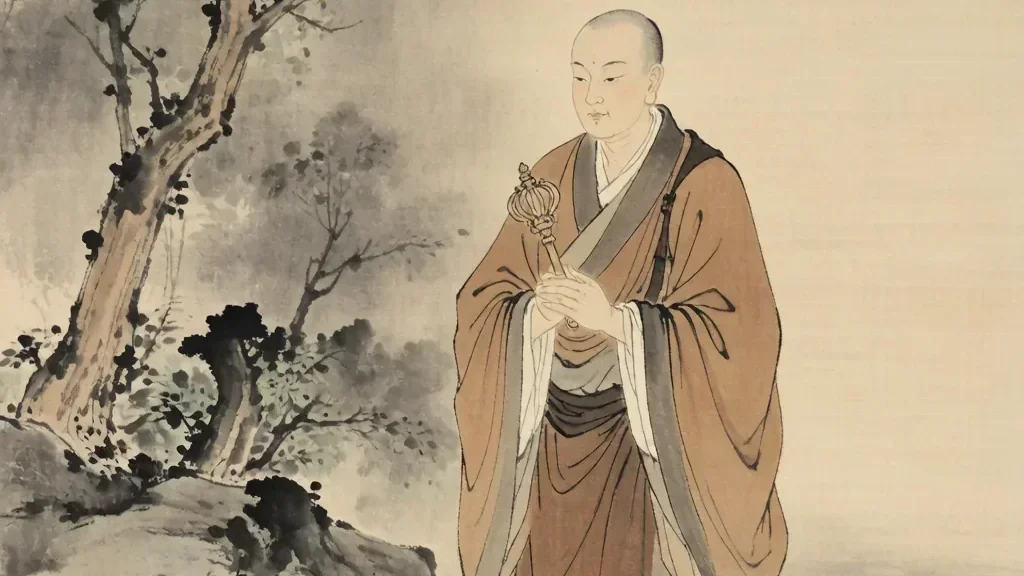
From a remote monastery in Sri Lanka to the innermost chambers of the Tang imperial palace, the life of Amoghavajra reads like a Silk Road adventure story — except that every step was driven by an unshakeable conviction that the secret, ritual methods of Esoteric Buddhism could protect an empire, heal its emperors, and reveal the cosmic truth hidden beneath ordinary reality. Amoghavajra (不空, bù kōng) was not just a monk; he was a diplomat, a miracle-worker, a translator, and arguably the most politically powerful Buddhist monk in Chinese history.

Read story →
What Are the 18 Arhats of Shaolin? Complete Guide

What Are the 18 Arhats of Shaolin? Complete Guide

The Shaolin 18 Arhats (少林十八罗汉, Shaolin Shiba Luohan) is one of the most famous and historically significant forms in Chinese martial arts. The "Eighteen Arhats" — enlightened disciples of the Buddha who have attained liberation from the cycle of rebirth and serve as protectors of the Dharma (the Buddhist teachings) — have been depicted in Chinese Buddhist art for nearly two millennia, each with distinctive postures, expressions, and attributes. The Shaolin Temple transformed these static iconographic poses into a dynamic martial arts form, creating a sequence of movements that embody the spiritual and combative dimensions of Shaolin practice. The 18 Arhats form is not merely a method of combat — it is a moving mandala, a physical meditation in which the practitioner embodies the qualities of these enlightened beings, developing both martial skill and spiritual realization through the discipline of the body.

Read story →

🏯 History & Heritage

291 articles
See more →
Anyang: The Cradle of Oracle Bones (安阳)

Anyang: The Cradle of Oracle Bones (安阳)

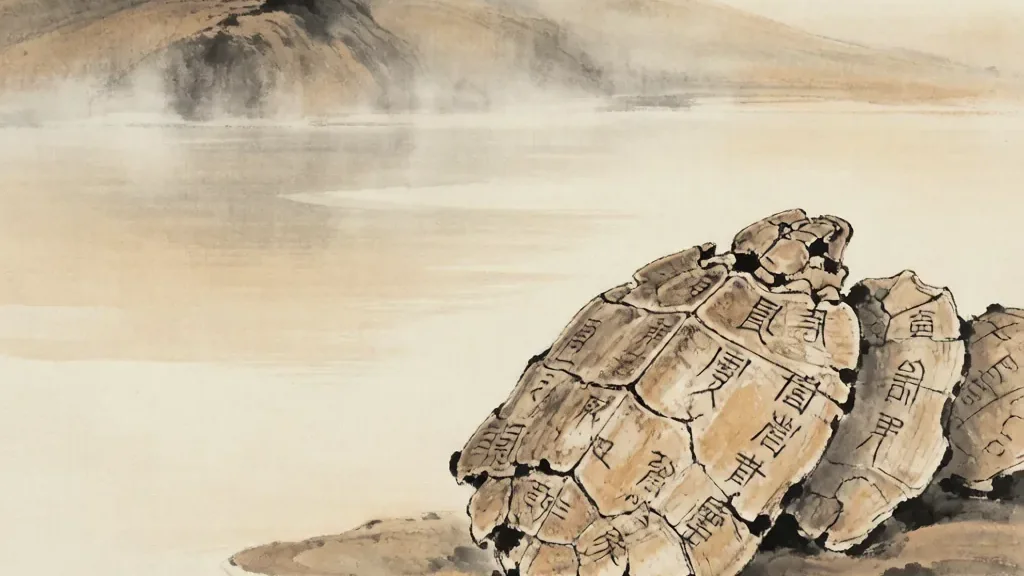
Long before Chang'an or Beijing, a capital rose on the banks of the Huan River in the heart of the Yellow River plain, and there the Chinese written language was born. Anyang (安阳, ān yáng) was the site of Yin (殷, Yīn), the late capital of the Shang dynasty (商, Shāng), and from its soil came the oracle bones — the earliest substantial Chinese writing we possess. Anyang is the capital that lets us read the thoughts of a Bronze Age court, and it is the threshold of recorded Chinese history.

Read story →
Bai Juyi: The Poet Who Wrote for the Common Heart

Bai Juyi: The Poet Who Wrote for the Common Heart

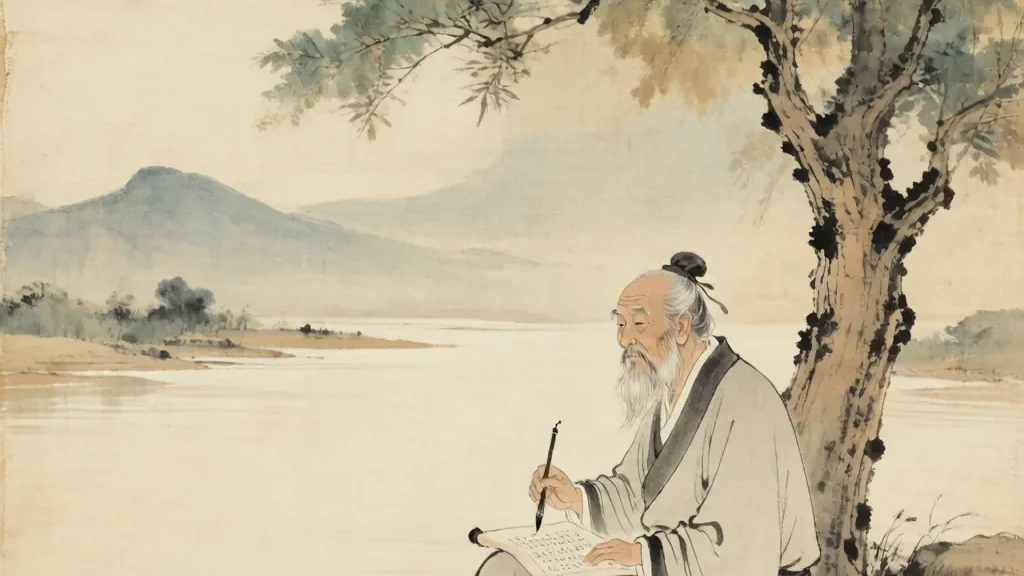
Among the poets of China's golden Tang dynasty, one name has always been loved by ordinary readers as much as by scholars. That name is Bai Juyi (白居易, Bái Jūyì), a poet of the ninth century who made it his lifelong mission to write verse that a village woman or a toothless farmer could understand and feel. While many Tang masters prized obscurity and refined allusion, Bai Juyi pursued clarity, compassion, and direct speech. He is remembered today not only for beautiful lines but for a conscience that ran through his poetry like a spine. To read Bai Juyi is to meet a writer who believed that literature should serve people, not merely impress them.

Read story →
Who Calculated Pi? Zu Chongzhi's Record Achievement

Who Calculated Pi? Zu Chongzhi's Record Achievement

In the fifth century CE, while Europe was entering the so-called Dark Ages and mathematical knowledge across the continent was largely confined to the rudimentary arithmetic of monastery schools, a Chinese mathematician working in the southern city of Jiankang (modern Nanjing) accomplished a feat of calculation that would not be matched anywhere in the world for the next thousand years. Zu Chongzhi (祖冲之, Zǔ Chōngzhī, 429–500 CE) determined the value of pi (π) — the ratio of a circle's circumference to its diameter — to an accuracy of seven decimal places: 3.1415926 < π < 3.1415927. This astonishing achievement, along with his calculation of two highly accurate rational approximations for pi (22/7 and the remarkable 355/113), places Zu Chongzhi among the greatest mathematicians in human history and stands as one of the most impressive demonstrations of the sophistication of ancient Chinese mathematics.

Read story →

🎨 Arts & Crafts

242 articles
See more →
Bei and Tie: Stele and Model-Book Calligraphy (碑帖)

Bei and Tie: Stele and Model-Book Calligraphy (碑帖)

For over two millennia, the st, Chinese calligraphy has been transmitted through two distinct but complementary channels: Bei (碑, bēi, "stele") and Tie (帖, tiè, "model-book" or "rubbing"). One is carved into living rock with hammer and chisel; the other is traced in ink from the original brushwork of the masters. Together they form the dual bloodstream of the calligraphic tradition — and for two centuries of Chinese art history, partisans of each have argued passionately about which path leads to the truest expression of the art.

Read story →
Kung Pao Chicken: A Governor's Fiery Favorite

Kung Pao Chicken: A Governor's Fiery Favorite

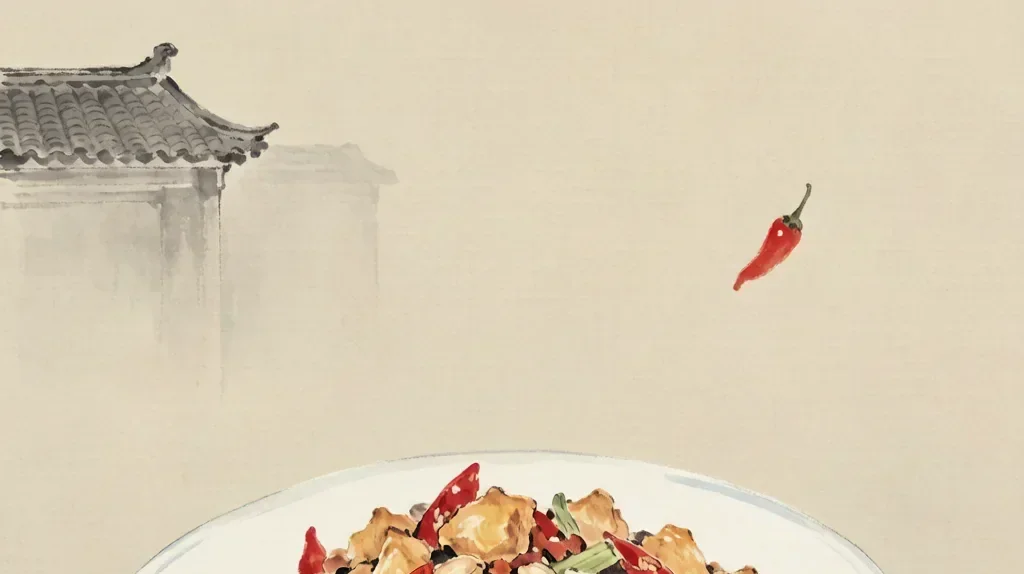
Kung Pao chicken is probably the dish that introduced more Westerners to Chinese food than any other, yet its real Chinese self is richer and more interesting than the sweet, sticky version often found on overseas takeout menus. In Mandarin it is gōng bǎo jī dīng, written 宫保鸡丁. The name is a title, not an ingredient: gōng bǎo was an official rank, and the dish is said to honor a Qing-dynasty governor who loved it. At its heart it is diced chicken, dry-fried with chili and peanuts, brightened by a sweet-sour-savory glaze. The result is crunchy, tender, gently hot, and impossibly moreish. This article traces the dish from a provincial official's table to the world's dinner tables, and explains what makes an authentic version sing.

Read story →
The Yongle Bell: The Voice of Bronze

The Yongle Bell: The Voice of Bronze

The Yongle Bell (永乐大钟, Yǒnglè Dà Zhōng) is the most extraordinary bell ever cast in China, and one of the greatest achievements of Chinese bronze casting. Weighing 46 tons and standing over 5 meters tall, the bell was cast in 1421 during the reign of the Yongle Emperor of the Ming dynasty. Its surface is covered with over 230,000 characters of Buddhist scripture, making it the most heavily inscribed object in the world.

Read story →

🌿 Nature & World

248 articles
See more →
The Ant: Industry and the Power of the Collective

The Ant: Industry and the Power of the Collective

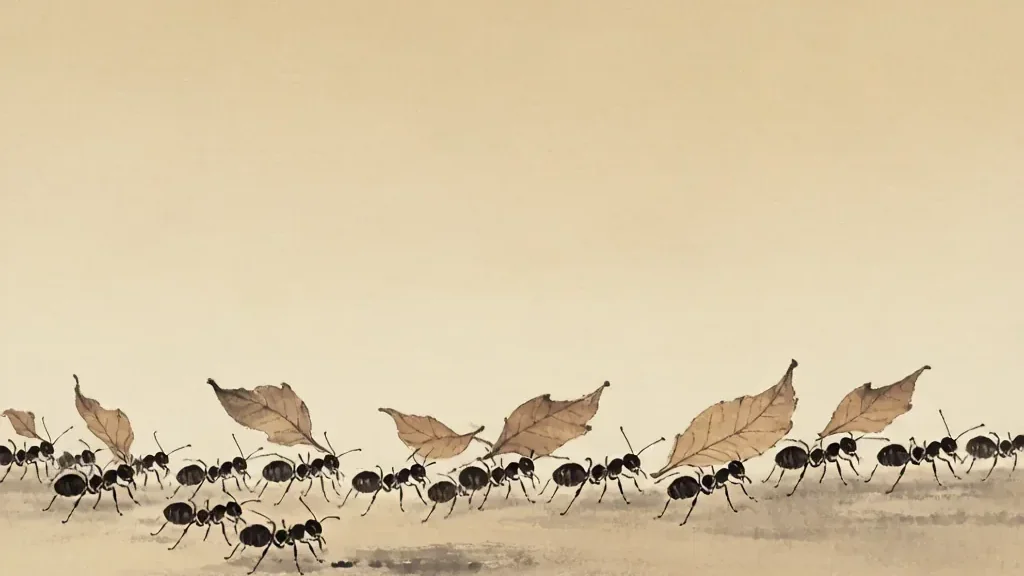
The ant (蚂蚁, mǎyǐ) is the most populous creature in Chinese literature — a tiny protagonist in a vast civilization that human beings can barely perceive. Chinese philosophers and poets have long been fascinated by the ant's collective organization, its extraordinary strength relative to its size, and its ceaseless labor. In a culture that valued social harmony, hard work, and humility, the ant was a natural moral exemplar. But the ant also raised uncomfortable questions: if ants can organize themselves into complex societies without language, without laws, without individual ambition, what does that say about the necessity of human institutions? The ant's underground cities, its division of labor, its apparent selflessness — all challenged Chinese thinkers to consider whether civilization was a uniquely human achievement or a pattern that nature had already perfected in miniature.

Read story →
Precession: The Slow Wobble China Could Not Ignore

Precession: The Slow Wobble China Could Not Ignore

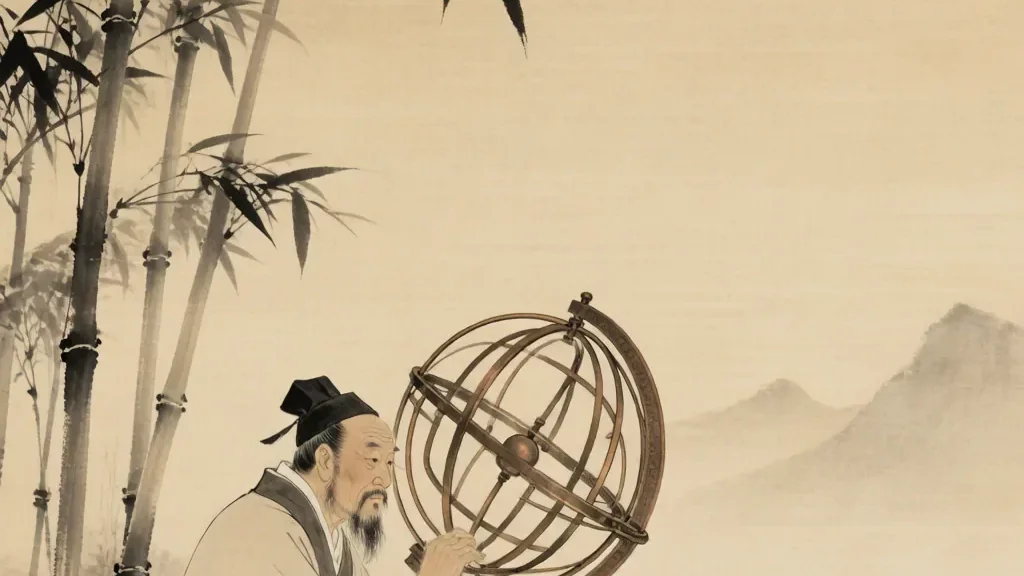
By the fourth century CE, Chinese astronomers had been measuring the winter solstice for over a thousand years, and something was wrong. The point in the sky where the sun rose on the solstice had drifted noticeably since the Han dynasty — the position recorded by the Zhou kings no longer matched the reality their instruments showed. The astronomer Yu Xi (虞喜, fl. 307–338 CE) was the first in China to articulate the cause: the entire celestial sphere was slowly wobbling, causing all the stars to shift their positions over centuries. He called this phenomenon "the retreat of the stars" (天左旋, tiān zuǒ xuán), and his discovery of precession — made independently of the Greek astronomer Hipparchus — revealed a deep and previously unsuspected rhythm in the motion of the heavens.

Read story →
What Does Bamboo Symbolize in Chinese Culture?

What Does Bamboo Symbolize in Chinese Culture?

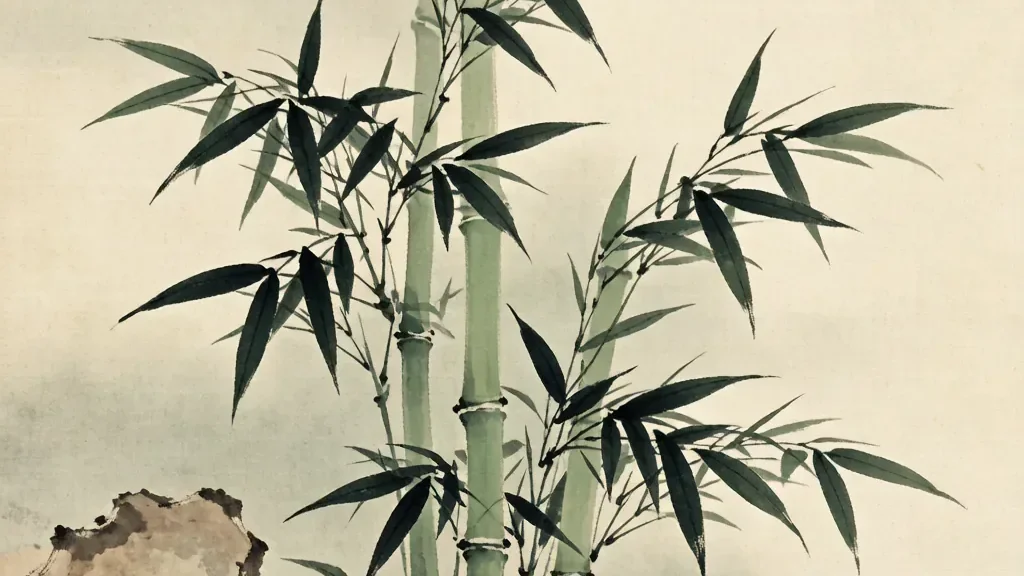
If you were asked to name the single plant that best represents China, you might say the plum blossom or the peony. But you would be wrong. The true botanical soul of China is bamboo. It feeds the nation's most beloved animal, builds its scaffolding and furniture, provides the raw material for its writing brushes and paper, and inspires its poets and painters. Bamboo is not just a plant in China — it is a civilization's companion, a teacher of virtue, and a way of life.

Read story →

🎶 Peoples & Arts

109 articles
See more →
Who Are the Zhuang People? China's Largest Minority

Who Are the Zhuang People? China's Largest Minority

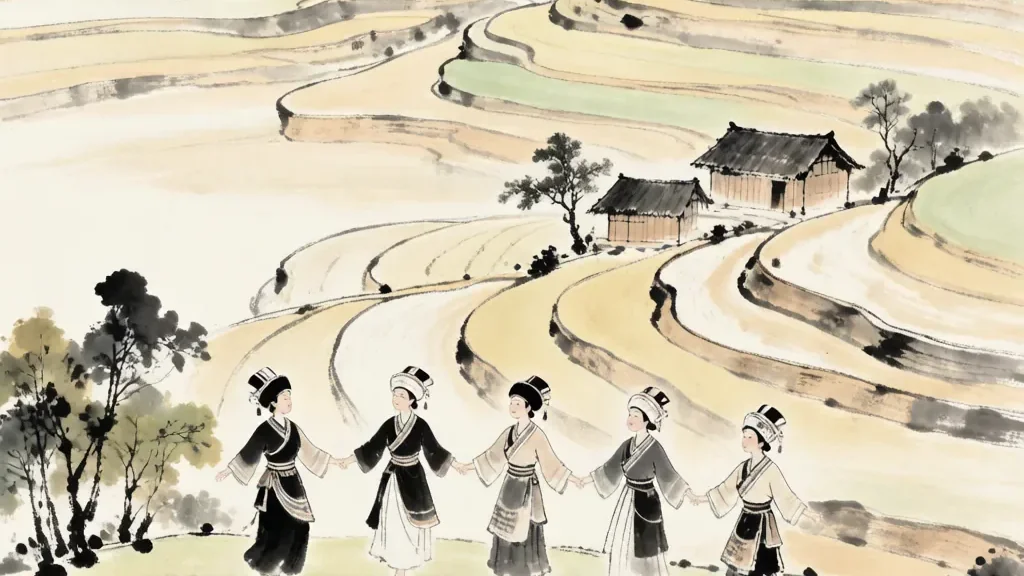
With a population exceeding eighteen million, the Zhuang people (壮族, Zhuàng zú) constitute China's largest ethnic minority — a vibrant community whose culture has shaped the landscape of southern China for millennia. Centered in the Guangxi Zhuang Autonomous Region, with communities extending into Yunnan, Guangdong, and Guizhou, the Zhuang have developed a civilization deeply rooted in the karst mountains and rice terraces of their homeland. Their culture, expressed through song, textile art, and a profound connection to the land, represents one of the great indigenous traditions of southern China.

Read story →