🐲

The White Tiger: The Western Guardian of Metal
The White Tiger is the western guardian of the Four Symbols, lord of the metal element and autumn, a beast of martial prowess and righteousness.
Read story →Explore 222 stories across 4 topics
Chinese mythology is one of the world's oldest living story traditions. For more than three thousand years it has explained how the world began, why the seasons turn, and what it means to be human. These are not dusty fables: they survive in festivals, family names, fortune-telling, and the everyday phrases Chinese speakers still use. On this page you'll find our growing collection of myths, legends, deities, and folk beliefs — from the Jade Emperor's heavenly court to the dragon kings who rule the seas.
The White Tiger is the western guardian of the Four Symbols, lord of the metal element and autumn, a beast of martial prowess and righteousness.
Read story →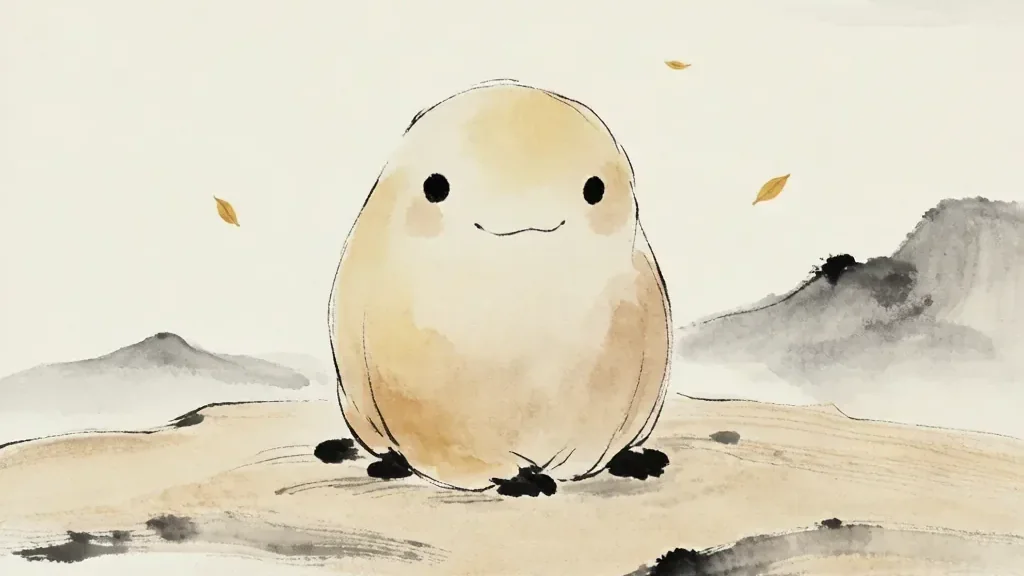
Baize is the beast that knew the name of every spirit and demon, dictating a bestiary so humans could ward off 11,000 evils.
Read story →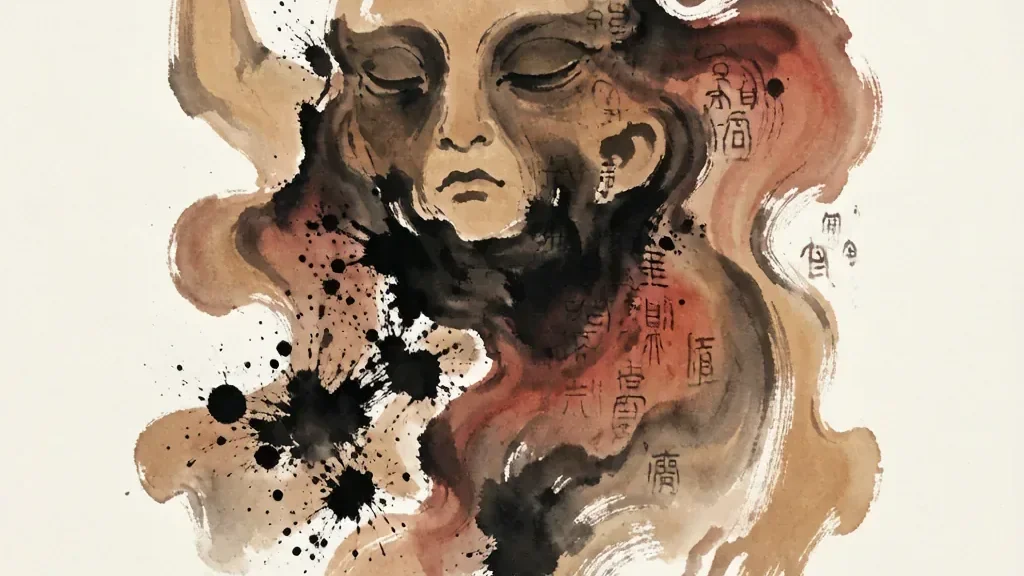
Before the heavens and earth took form, before yin separated from yang, before the first breath of creation stirred the void — there was Hundun , the primordial chaos. In Chinese cosmology and mythology, Hundun represents the undifferentiated state that preceded the ordered universe, a concept that bridges mythology, philosophy, and metaphysics. Unlike the orderly pantheon of Chinese gods and the structured hierarchy of mythical beasts, Hundun is formlessness itself: a being without face, without sensory organs, without the distinctions that define existence. The famous Daoist parable from the Zhuangzi, compiled around the 3rd century BCE, tells of Hundun as the Emperor of the Center, a being of pure wholeness who perished when well-meaning visitors tried to carve seven facial orifices into his formless body. This haunting story encapsulates a core Daoist insight: that differentiation and categorization, while necessary for worldly life, also destroy the primordial unity from which all things emerge.
Read story →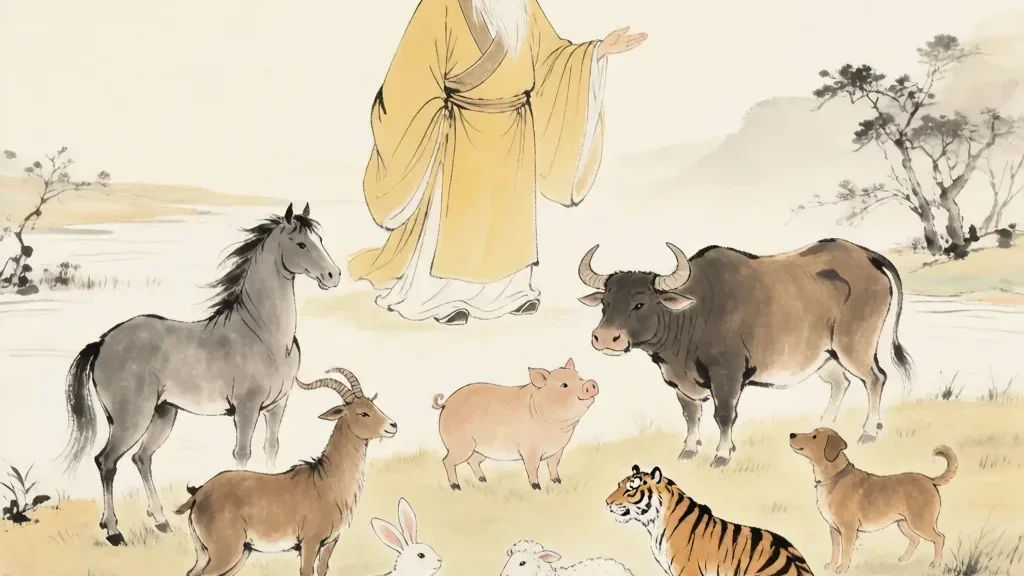
Long ago, the Jade Emperor, ruler of heaven, decided that time itself needed order. He decreed that the years would be named after twelve animals, and to determine their order, he summoned all creatures to a great race across a mighty river. The first twelve to cross the finish line on the far bank would earn a place in the zodiac, and their finishing order would become the order of the years for all eternity.
Read story →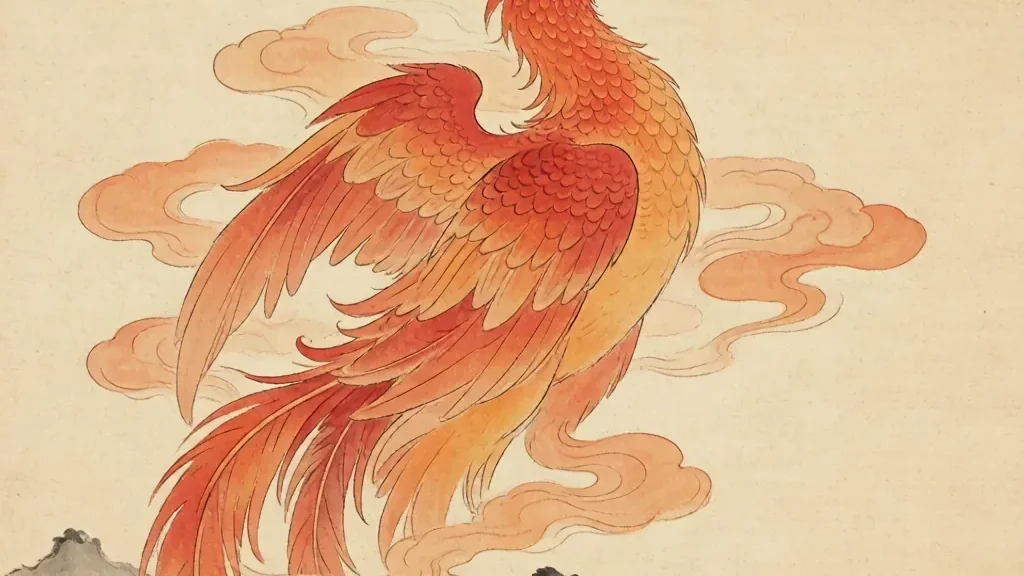
The Vermilion Bird is the southern guardian of the Four Symbols, a phoenix-like firebird of summer and the south.
Read story →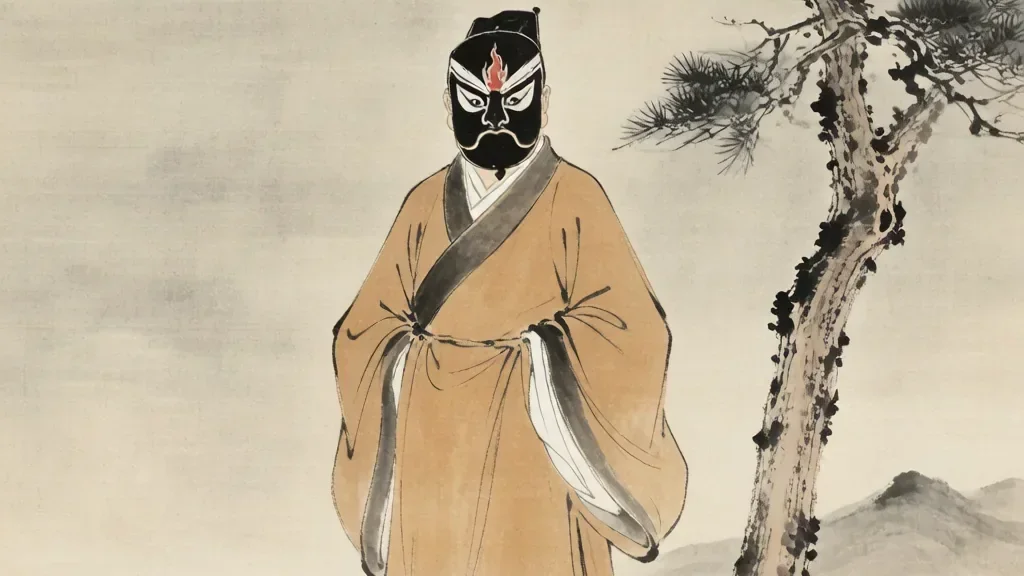
Bao Zheng was a historical Song dynasty official famous for his impartial justice. He became deified as the god of justice who judges the dead in the underworld.
Read story →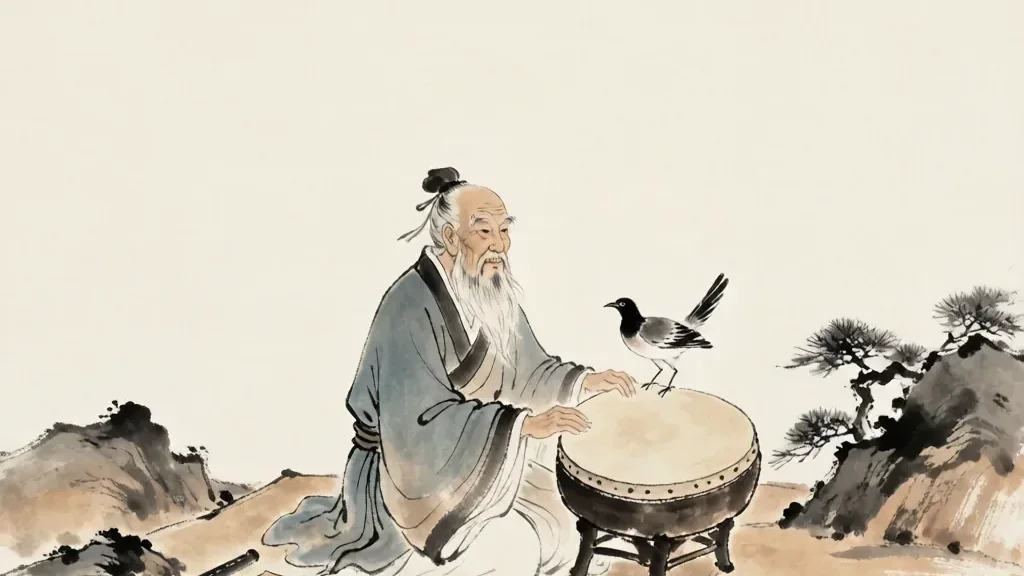
Fuxi is a legendary culture hero credited with inventing writing, fishing, trapping, and the Eight Trigrams that form the basis of the I Ching.
Read story →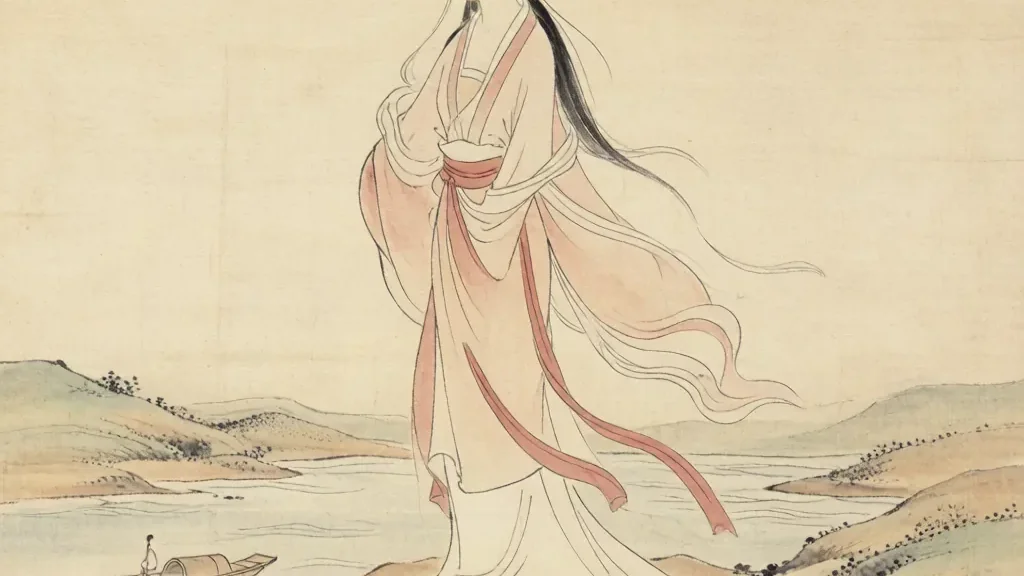
The Luowu Fairy is a minor goddess associated with a specific mountain or locale, embodying the Chinese tradition of local nature spirits.
Read story →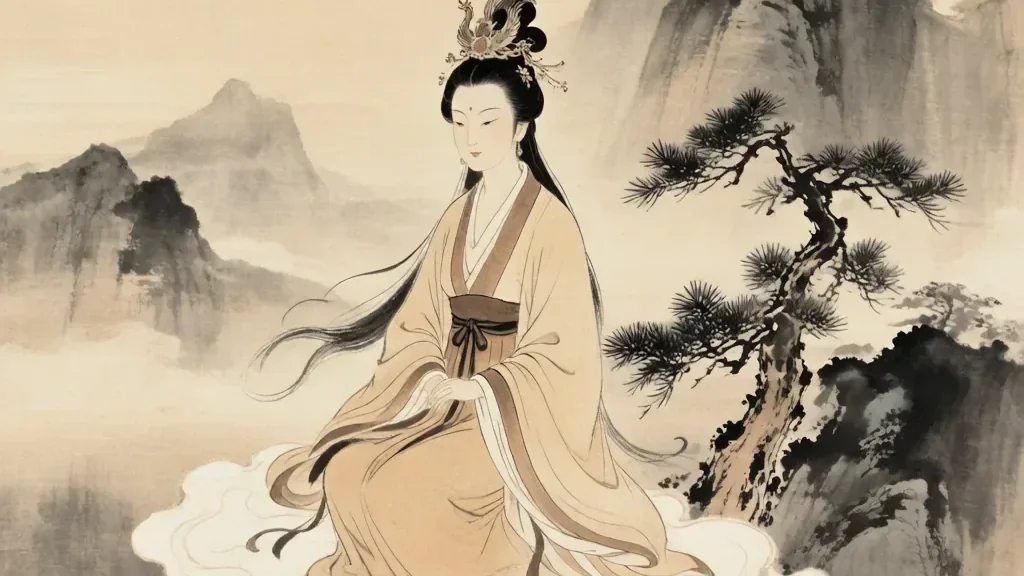
The Queen Mother of the West rules over the mythical Kunlun Mountain and possesses the peaches of immortality. She is one of the most ancient Chinese deities, predating Daoist organized religion.
Read story →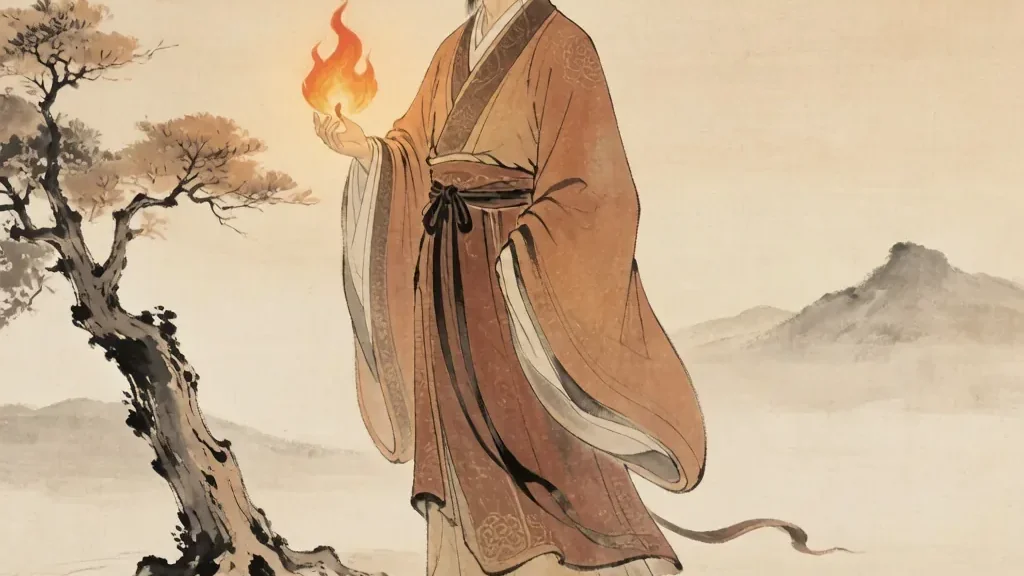
Zhurong is the god of fire, associated with the south, summer, and the element of fire. He was an official in charge of fire under the legendary emperor Zhuanxu.
Read story →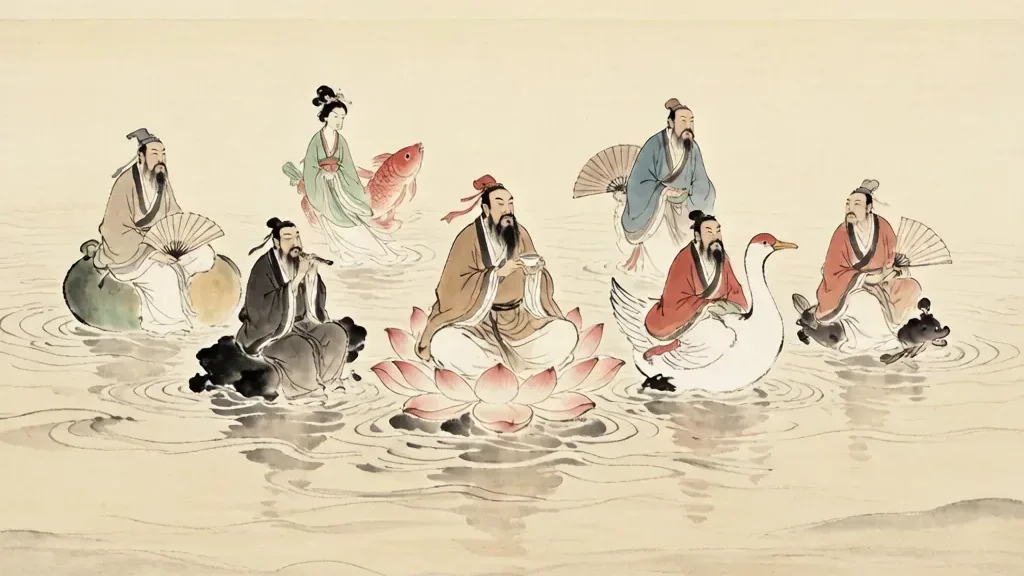
Of all the colorful figures in Chinese mythology, few are as beloved — or as varied — as the Eight Immortals. They are not a uniform pantheon of perfect gods. They are a messy, wonderful ensemble: a cripple, a nobleman, a hermaphrodite, an old man, a young woman, a scholar, a musician, and a royal. Together, they represent the Daoist ideal that enlightenment is not reserved for any single type of person, but can be attained by anyone, from any walk of life.
Read story →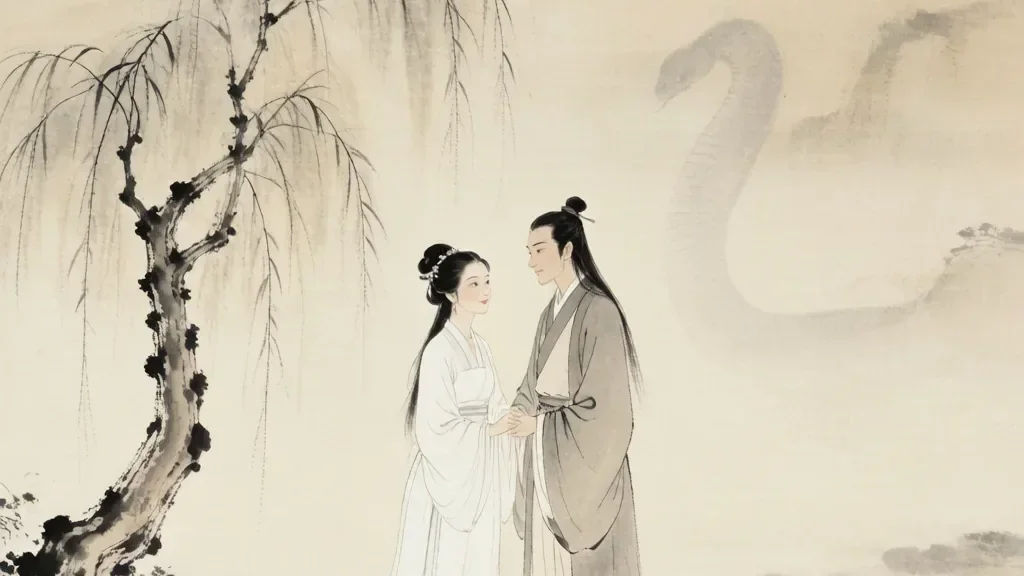
The Legend of the White Snake is the romance of Lady White, a snake spirit who loves a mortal and is imprisoned by a monk beneath the Leifeng Pagoda.
Read story →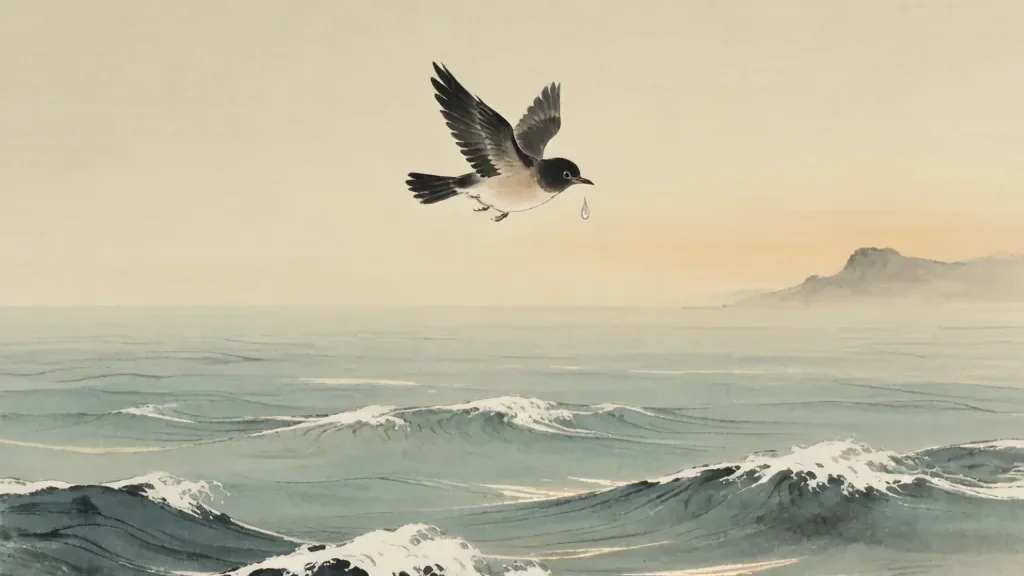
Some stories are remembered not because they end happily, but because they refuse to end at all. The myth of Jingwei is one of the most poignant and haunting tales in Chinese mythology — a story about a young girl whose life was cut tragically short, and who transformed her grief into an eternal mission that continues to this day. It is a tale that asks a profound question: what does it mean to never give up, even when the task is literally impossible?
Read story →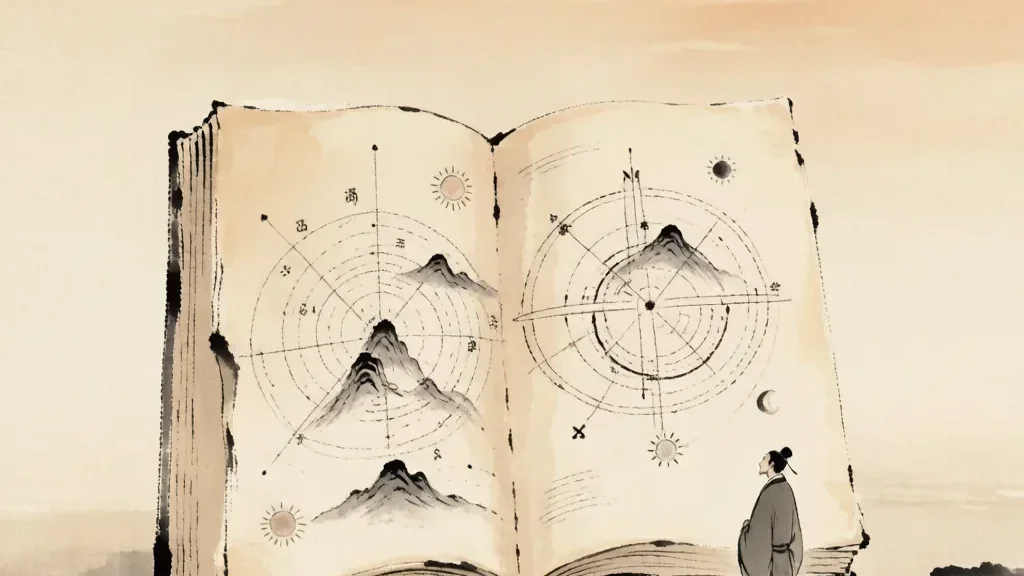
Imagine a book that is part geography, part bestiary, part mythological compendium, and part fever dream — a book that describes mountains no one has ever climbed, rivers no one has ever navigated, and creatures so strange that they seem to have crawled out of a world adjacent to our own. Such a book exists. It is called the "Classic of Mountains and Seas" (, Shānhǎi Jīng), and it is one of the most extraordinary documents in the history of Chinese literature, if not world literature.
Read story →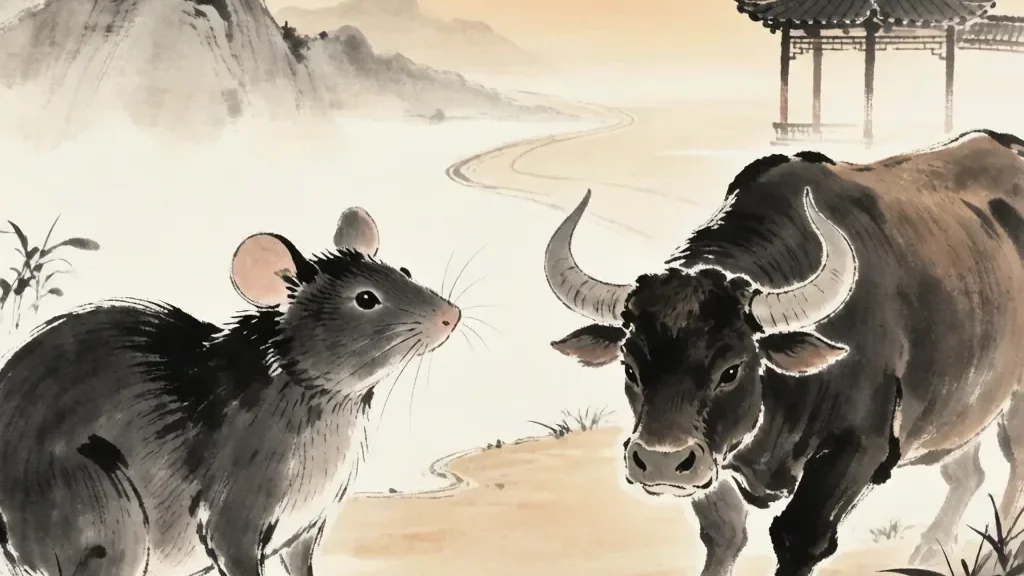
Why does the Year of the Rat come before the mighty Ox, and why is the Cat absent while the Pig trails last? Chinese tradition answers with one of its most charming tales: the story of the Great Zodiac Race ( — Shēngxiào Qǐyuán). Long ago, the Jade Emperor resolved to measure time by naming twelve animals as guardians of the years, and he summoned the creatures of the earth to a great race across a river. The order in which they finished would fix their place in the cycle forever. The race explains not only the sequence of the twelve signs but also the characters and friendships the Chinese still read into every birth year.
Read story →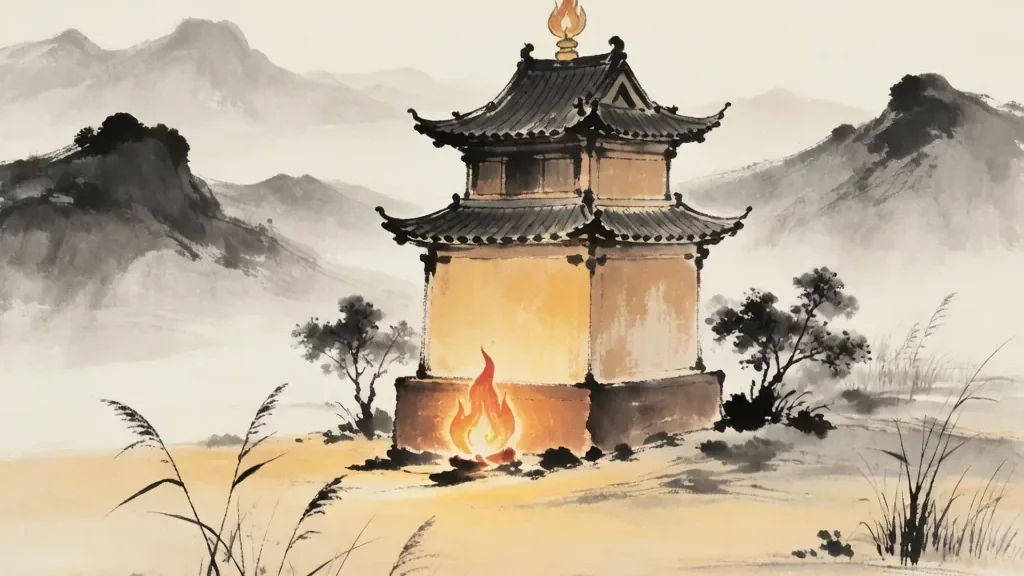
Zoroastrianism in China was the 'fire religion' of Sogdian merchants who lit their temples in the Tang cosmopolis.
Read story →
External alchemy sought immortality in prepared elixirs of cinnabar, gold, and mercury — a pursuit that often poisoned its devotees.
Read story →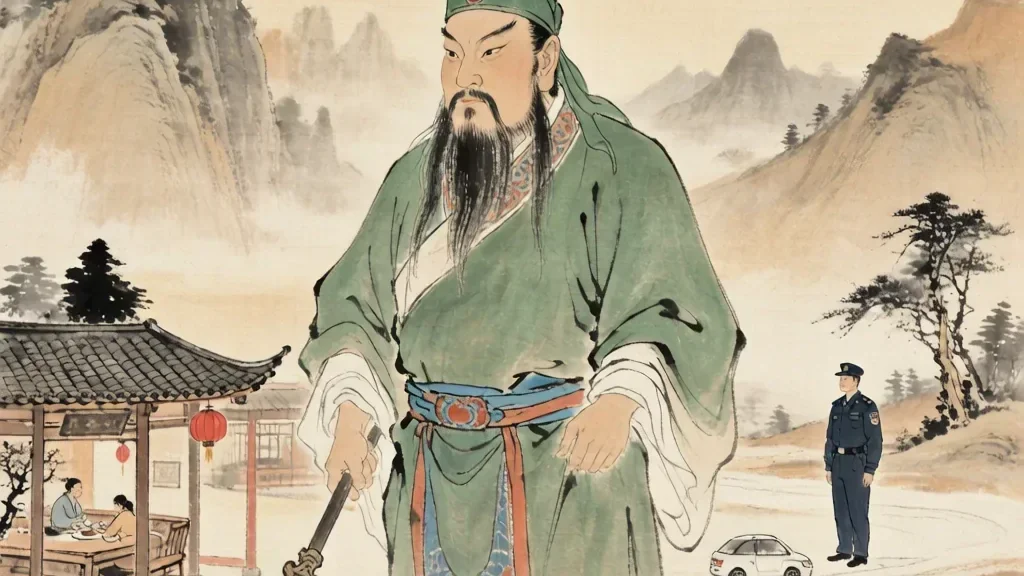
Walk into a Chinese restaurant, a police station, or a triad headquarters anywhere in the world, and you are likely to see the same figure: a fierce-looking man with a red face, a long black beard, and a crescent-moon blade. This is Guan Gong , also known as Guan Yu or Guan Di — a historical general from the turbulent Three Kingdoms period who, over the centuries, ascended to become one of the most widely worshipped deities in the Chinese world. His journey from mortal soldier to divine protector is one of the most remarkable transformations in religious history.
Read story →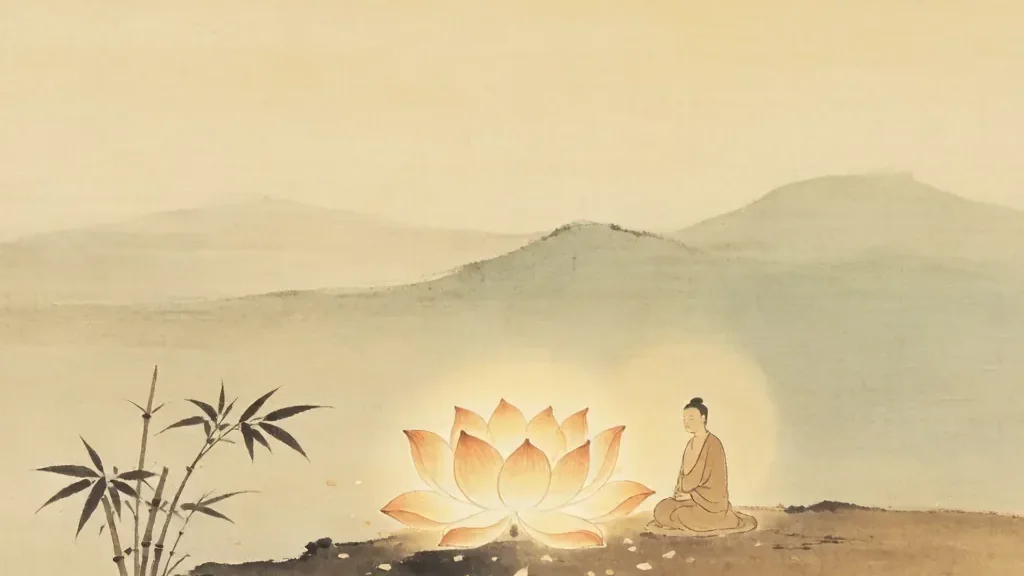
Pure Land faith teaches salvation by calling the name of Amitabha, whose western paradise receives the faithful.
Read story →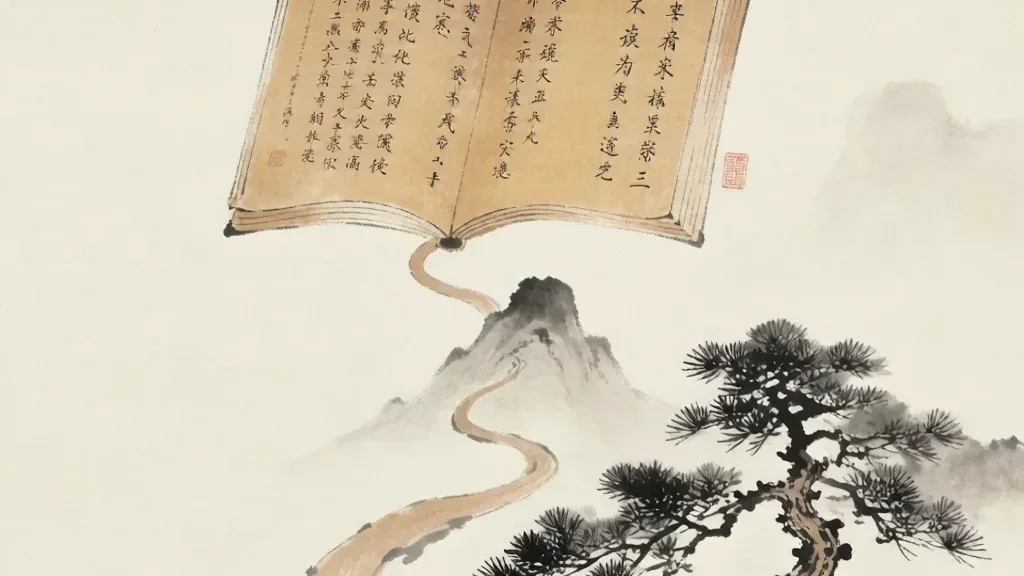
The Zhuangzi is the book of wandering — the Daoist masterwork of paradox, freedom, and the equality of things.
Read story →