🎭 Chinese Opera
47 articles — Peking opera, Kunqu, and regional dramas

Huangmei Opera: The Folk Songs of Anhui
Huangmei opera (黄梅戏, Huángméi Xì) is one of China's five major opera traditions and the most beloved folk opera of the Yangtze River region, originating from the tea-picking songs and folk melodies of Huangmei County in Anhui Province during the late 18th century. Unlike the grandiose historical epics of Peking opera or the raw intensity of Qinqiang, Huangmei opera is characterized by lyrical, flowing melodies, naturalistic acting styles, and stories that celebrate love, ordinary life, and the beauty of the Jiangnan countryside.

Kunqu: The Mother of Chinese Opera
In the lush water towns of Jiangnan near Suzhou, a musical revolution began in the 14th century that would change the face of Chinese theater forever. Kunqu, or Kun Opera, is the oldest surviving form of Chinese opera still performed today, and it is revered as the "mother of a hundred operas.
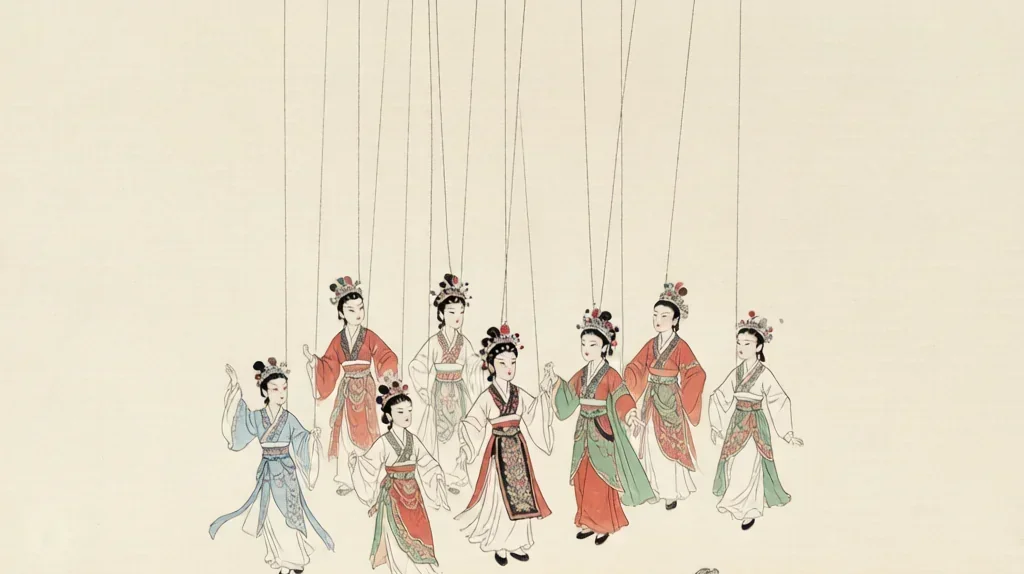
Chinese Puppet Theater: Strings of Tradition
In a small temple courtyard in Quanzhou, Fujian province, an audience gathers as dusk falls. A stage appears — not for human actors, but for wooden figures barely two feet tall.
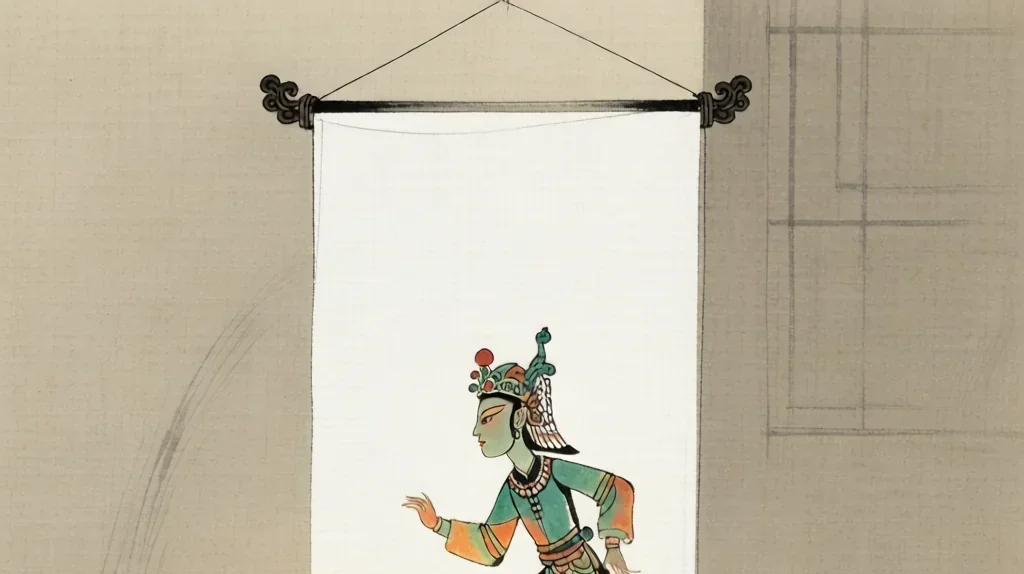
Shadow Puppetry: Magic Behind the Screen
Before cinema, before television, before the magic lantern, there was shadow puppetry. In a darkened room, a single oil lamp illuminates a white cloth screen.
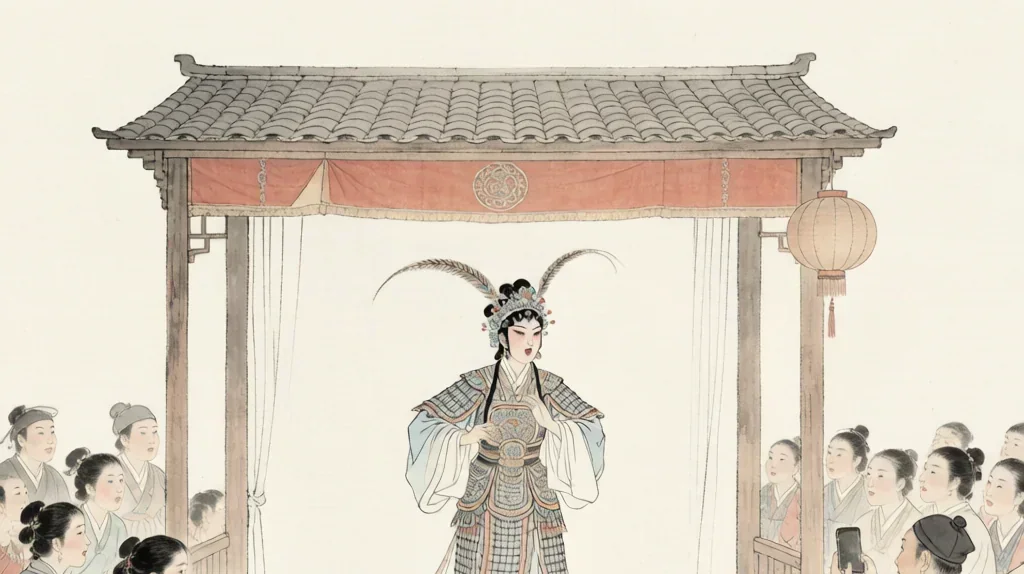
Henan Opera: The Voice of the Central Plains
If you travel across China and ask people to name a regional opera, Henan Opera — or Yu Opera — will be one of the most common answers. With more professional performers than any other Chinese opera form, this vibrant tradition from the Central Plains has captured hearts with its bold, powerful sound and deeply relatable stories.
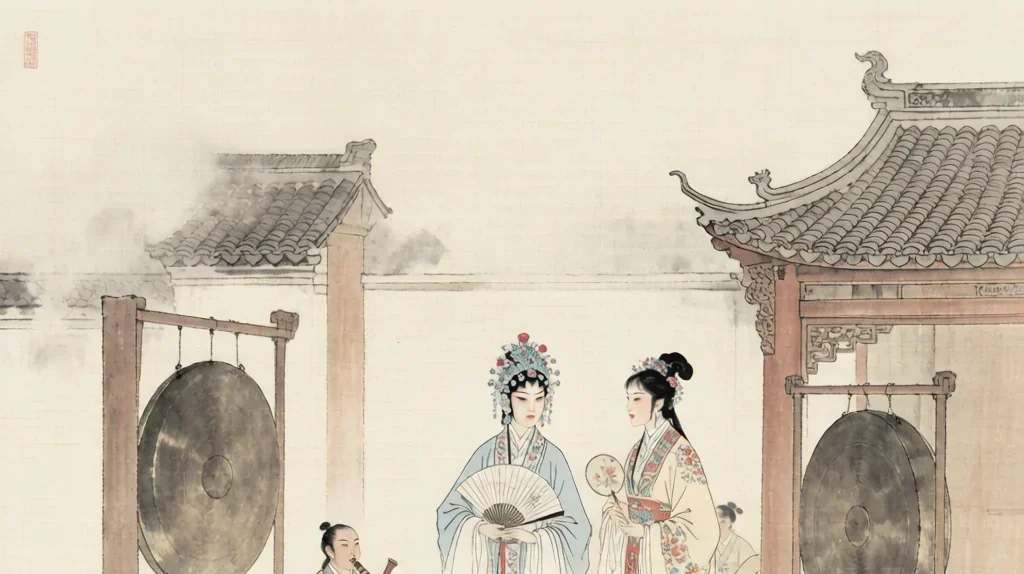
Chaoju: The Opera of the Teochew
Chaoju, or Cháo Jù (潮剧), is the opera of the Teochew (Chaozhou) people, a slender musical tradition from the coastal corner of eastern Guangdong that has outlived dynasties and crossed oceans. Sung in the soft, ancient Chaozhou dialect and accompanied by a chamber of strings and a single deep drum, Chaoju is often called one of the oldest living forms of Chinese opera, carrying melodies and staging ideas that reach back toward the Southern Drama of the Song and Yuan.
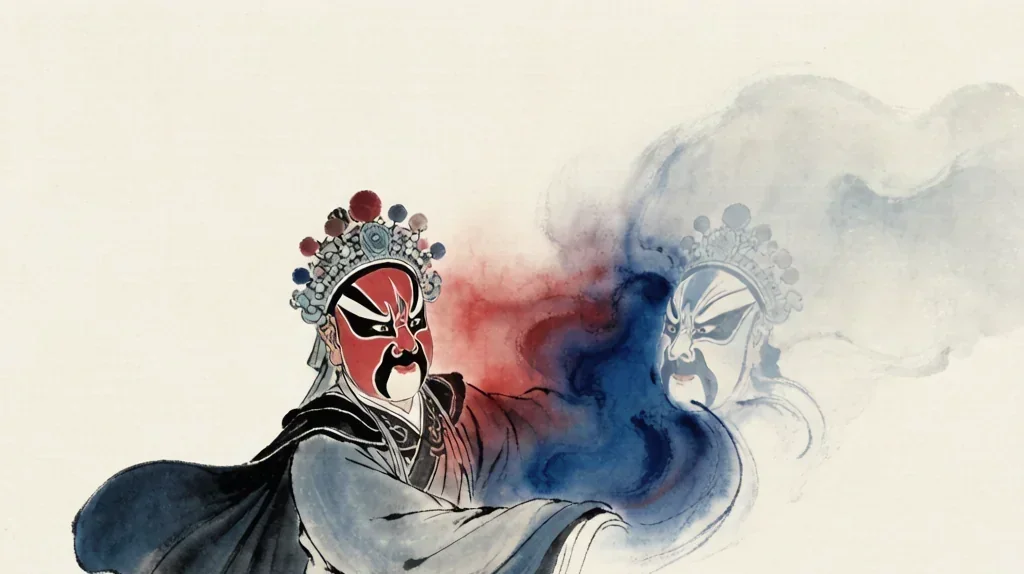
Sichuan Opera (川剧) — The Art of Face-Changing
Sichuan opera (川剧, Chuān Jù) is the regional operatic tradition of Sichuan Province and the municipality of Chongqing in southwestern China, renowned worldwide for one of the most visually spectacular performance techniques in all of theater: 'face-changing' (变脸, biàn liǎn), in which performers instantaneously switch between dramatically different painted masks in the blink of an eye. While face-changing has become the internationally recognized symbol of Sichuan opera, the art form encompasses far more — it is a rich synthesis of over 300 years of cultural evolution, combining music, acrobatics, comedy, and drama into a uniquely vibrant theatrical tradition.
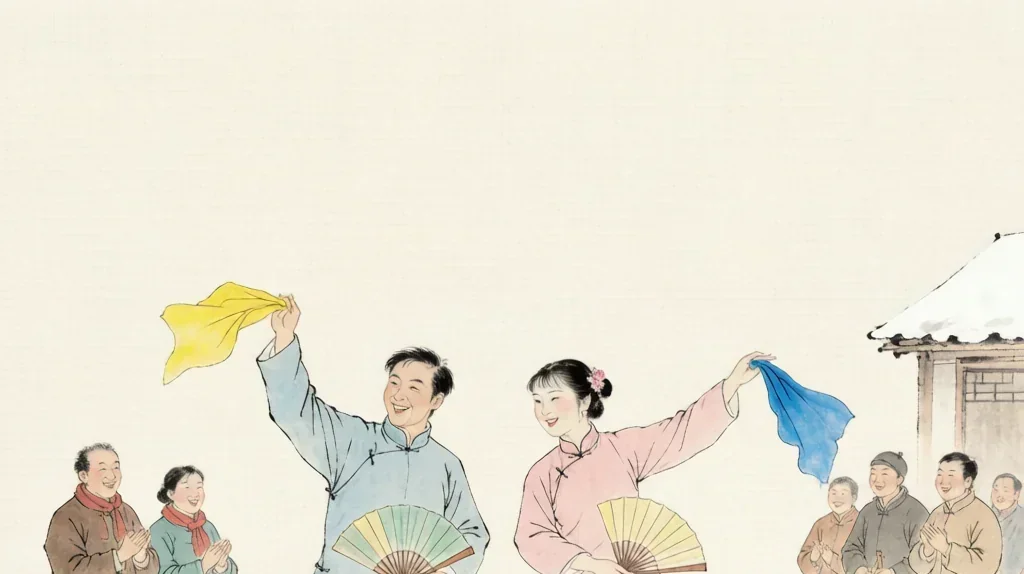
Errenzhuan: The Song-and-Dance Duet
Errenzhuan, or Èr Rén Zhuàn (二人转), the "song-and-dance duet" of China's Northeast (东北), is the raucous, irresistible folk performance that turns two people, a pair of fans, and a handful of instruments into a whole evening's entertainment. Born in the frozen fields of Liaoning, Jilin, and Heilongjiang from the mingling of Hebei and Shandong migrants' songs with local Manchu and folk dance, errenzhuan is part singing, part comedy, part acrobatics, and entirely alive.
Hanju: The Han Opera of Hubei
Hanju, or Hàn Jù (汉剧), is the opera of Hubei and one of the senior members of the Chinese theatrical family, a graceful, ancient form that supplied the crucial "xipi" (西皮) melody to the mixture that became Peking opera. Long known in the Yangzi middle basin as Chu tune (楚调) and Han tune (汉调), Hanju matured centuries before its northern fame, with a refined system of ten role types and a repertoire prized for both lyric beauty and comic wit.
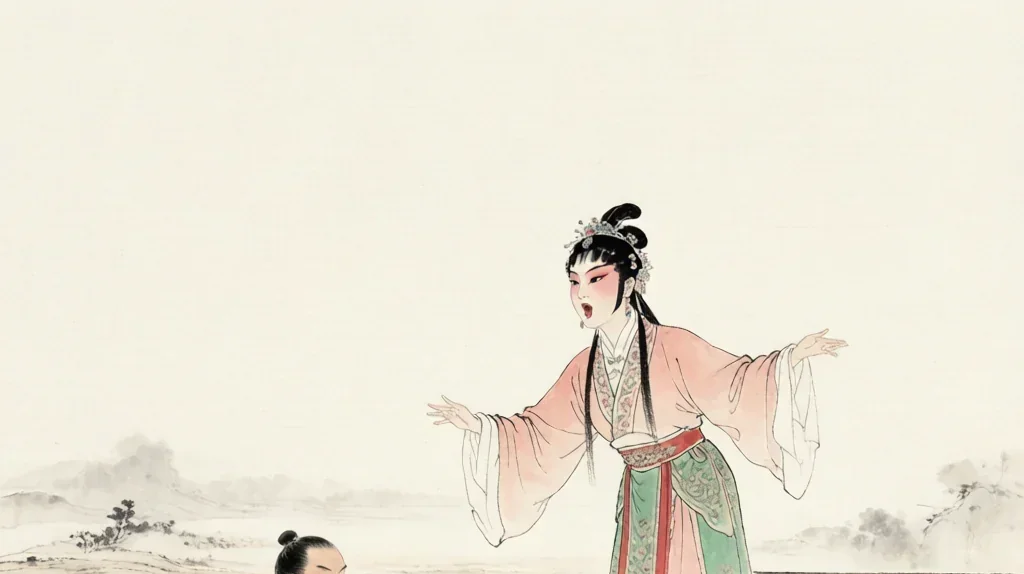
Hebei Clapper Opera
Hebei Bangzi, or Hé Běi Bāng Zi (河北梆子), the Hebei Clapper Opera, is the ringing, high-pitched voice of the North China plain, a bangzi (clapper) tradition that once shook the rafters of Beijing and Tianjin and carried the passions of the common people in music as sharp as a winter wind. Emerging in the early nineteenth century from the clapper songs of the borderlands between Hebei and Shanxi, it rose to become one of the most popular operas of the late Qing, famous for its soaring female arias and its fiery, outsized emotion.
Huagu Opera: Flower-Drum Songs
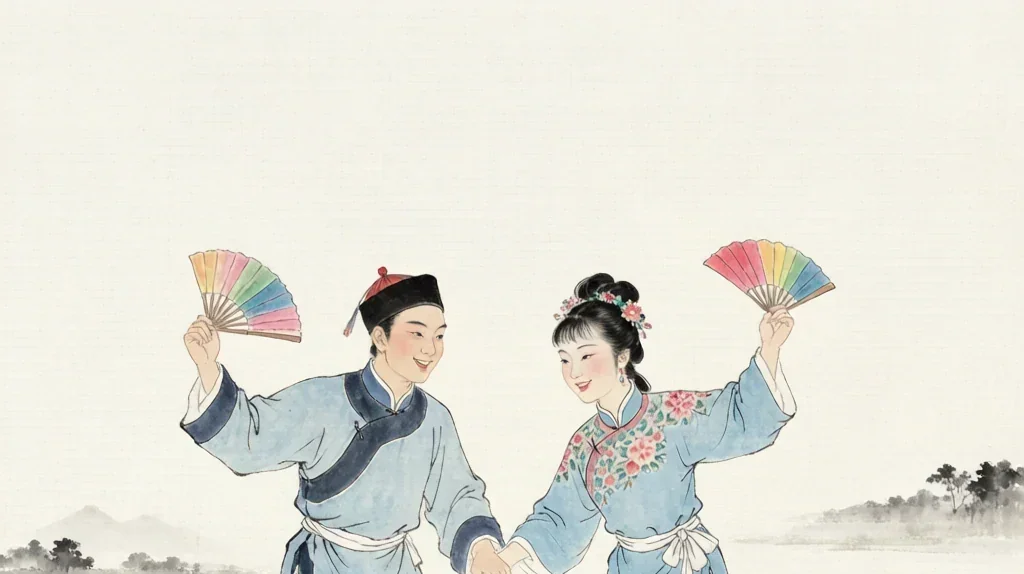
Huagu, or Huā Gǔ Xì (花鼓戏), the "flower-drum opera," is the sunny, singable folk theatre of the middle Yangzi, named for the decorated drum that accompanies its dancers and for the flower imagery woven through its love songs. Flourishing across Hunan, Hubei, and Anhui, Huagu is less a single uniform opera than a family of related regional forms—Hunan Huagu being the best known—all built on the same cheerful idea: a small troupe, a few melodic ditties, and stories of courtship, labor, and village comedy acted with a bounce in the step.
Huiju: The Root of Peking Opera
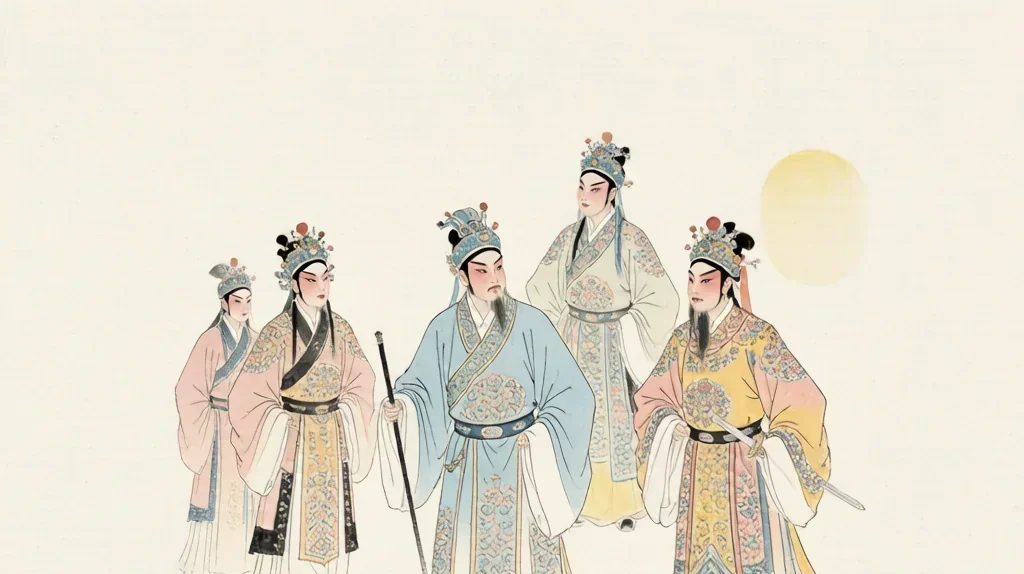
Huiju, or Huī Jù (徽剧), is the opera of Anhui that history remembers as the root of Peking opera. In 1790, to celebrate the eightieth birthday of the Qianlong Emperor, the famous "Four Great Anhui Troupes" (四大徽班) traveled north to Beijing, and from their meeting with the Han opera of Hubei there blossomed, within decades, the art the world now calls Jingju (京剧).
Jinju: Shanxi Opera
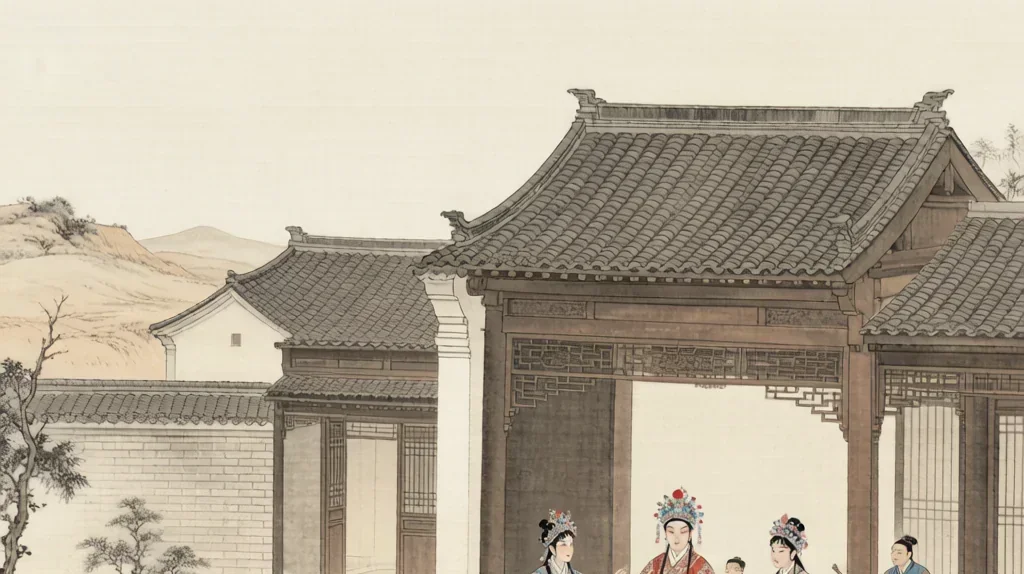
Jinju, or Jìn Jù (晋剧), known in full as Zhonglu Bangzi (中路梆子, the "middle-route clapper"), is the opera of Shanxi, the loess plateau province whose merchants once bankrolled half of China. A proud member of the bangzi (clapper) family, Jinju sings in a bright, ringing tenor that seems to cut through the dry northern air, and it is celebrated above all for its qingyi (青衣) — the sorrowful, upright married women whose arias can reduce an audience to tears.
The Opera Facial Makeup
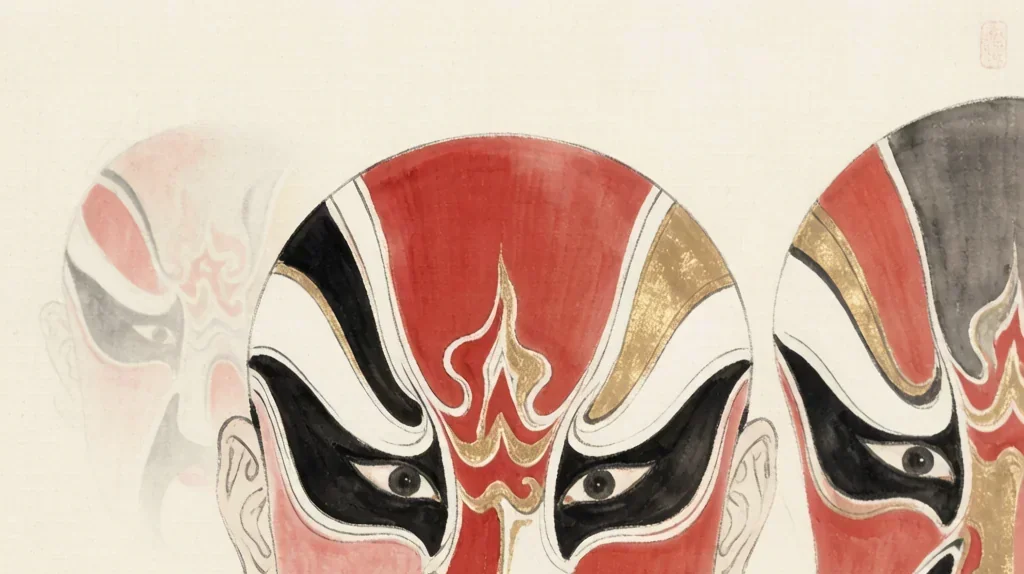
Lianpu, or Liǎn Pǔ (脸谱), is the painted facial makeup of Chinese opera, the blazing code of colors and patterns by which a single glance tells you a character's soul. Seen above all on the jing (净, the "painted-face" role) and the chou (丑, the clown), lianpu turns the human face into a symbolic map: red announces loyalty, white proclaims treachery, black declares uprightness, and a whole bestiary of patterns marks gods, demons, and notorious villains.
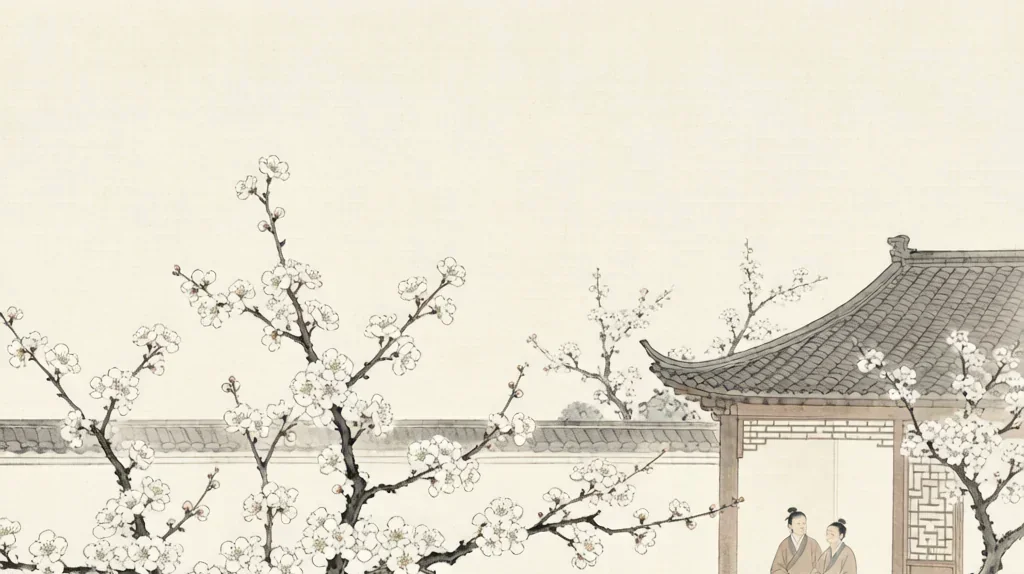
The Pear Garden: Cradle of Chinese Theatre
The Lí Yuán (梨园), or "Pear Garden," is not an opera but the legendary cradle of all Chinese theatre—the name by which the performing profession still knows itself more than a thousand years after it was founded. According to tradition, it was the Tang dynasty emperor Xuanzong (唐玄宗, the Bright Emperor) who, in the eighth century, established a royal academy of music and drama in the pear orchards of the capital, training hundreds of boy and girl performers in song, dance, and mime.

Luju: Anhui's Folk Opera
Luju, or Lú Jù (庐剧), is the humble, warm-hearted folk opera of central Anhui, sung in the dialects of the Lu River (庐江) basin and the hills around Hefei. Often called one of the "local drums and songs" (luodi shu) traditions, Luju grew from the work chants, mountain ditties, and door-to-door folk tunes of Anhui villagers, and it keeps that rustic intimacy to this day.
Nanxi: The Southern Drama
Nanxi, or Nán Xì (南戏), the "Southern Drama," is the ancestor of almost all later Chinese opera, the form in which sung drama as we know it was first born. It arose in the Wenzhou (温州) region of southern Zhejiang during the Southern Song dynasty, around the twelfth century, when local folk songs and ritual entertainments crystallized into full-length plays with plotted action, role types, and arias.

Pingju: The Opera of the North China Plain
Pingju, or Píng Jù (评剧), is a young and distinctly northern voice in the vast chorus of Chinese opera, born on the windswept North China Plain and raised to fame in the tea houses of Tianjin and the theaters of the Northeast. Unlike the centuries-old southern forms that trace their lineage back to the Song dynasty, Pingju is barely more than a hundred years old, yet it became one of the most beloved operatic genres in northern China because of its plainspoken realism and its gift for telling the stories of ordinary women.
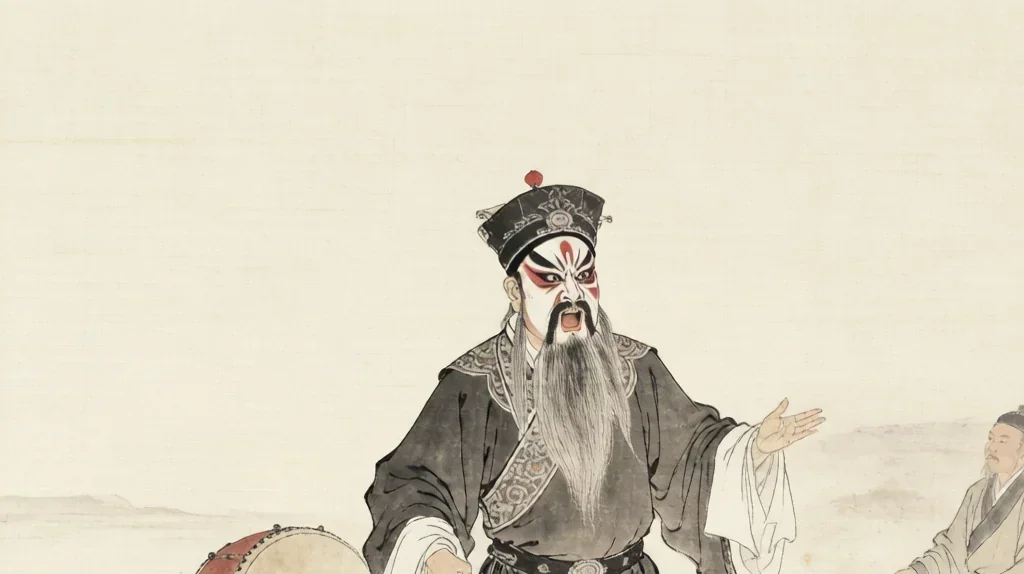
Qinqiang Opera (秦腔) — The Oldest Chinese Opera
Qinqiang opera (秦腔, Qín Qiāng), literally 'the melody of Qin,' is widely recognized as the oldest surviving form of Chinese opera, with roots stretching back over 2,000 years to the Qin Dynasty (221–206 BCE) and the ancient state of Qin in what is now Shaanxi Province. The art form as it is known today crystallized during the Ming Dynasty (1368–1644), but its musical foundations lie in the folk songs, work chants, and ritual performances of the Yellow River basin's earliest agricultural communities.
Wuju: Zhejiang's Eclectic Opera
Wuju, or Wù Jù (婺剧), is the dazzlingly eclectic opera of central Zhejiang, centered on the old prefecture of Wuzhou—today's Jinhua—where the hills meet the rice valleys and a dozen theatrical streams once flowed together. Rather than a single pure style, Wuju is a "combined opera" (合班) that fuses several older forms: the ancient gaoqiang (高腔) chant, the elegant kunqu, the Anhui-derived huiju tunes, the tanhuang (滩簧) song-drama, and local folk plays.
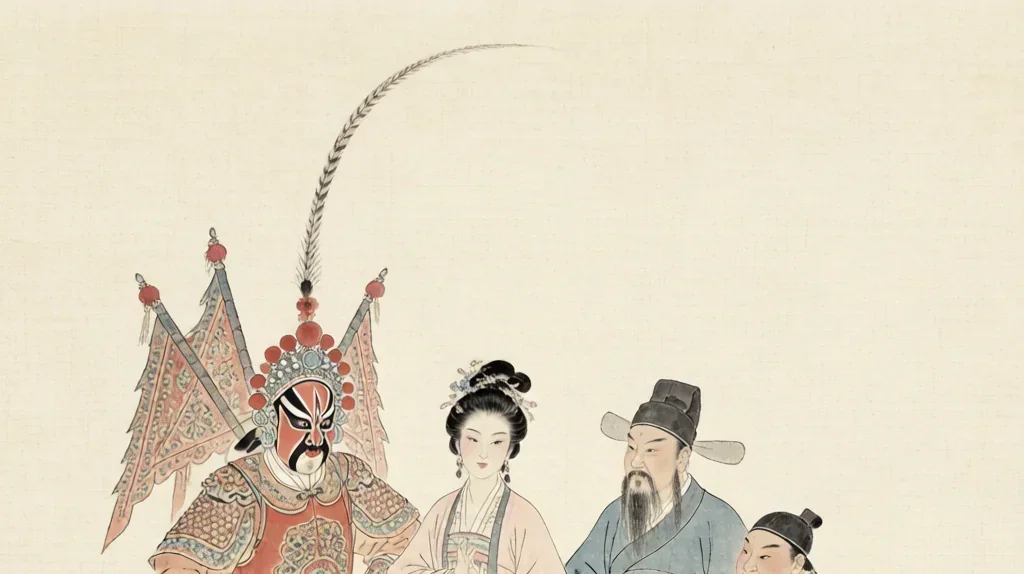
Xiqu: The Grand Term for Chinese Opera
Xiqu, or Xì Qǔ (戏曲), is the grand Chinese term for "traditional theatre" or "Chinese opera" as a whole—the umbrella that covers more than three hundred distinct regional forms, from the courtly Peking opera to the rustic flower-drum plays of the Yangzi. More than a genre, xiqu is a complete performing aesthetic: a synthesis of singing, dialogue, acting, dance, and martial acrobatics in which every gesture is stylized and every emotion externalized through convention.
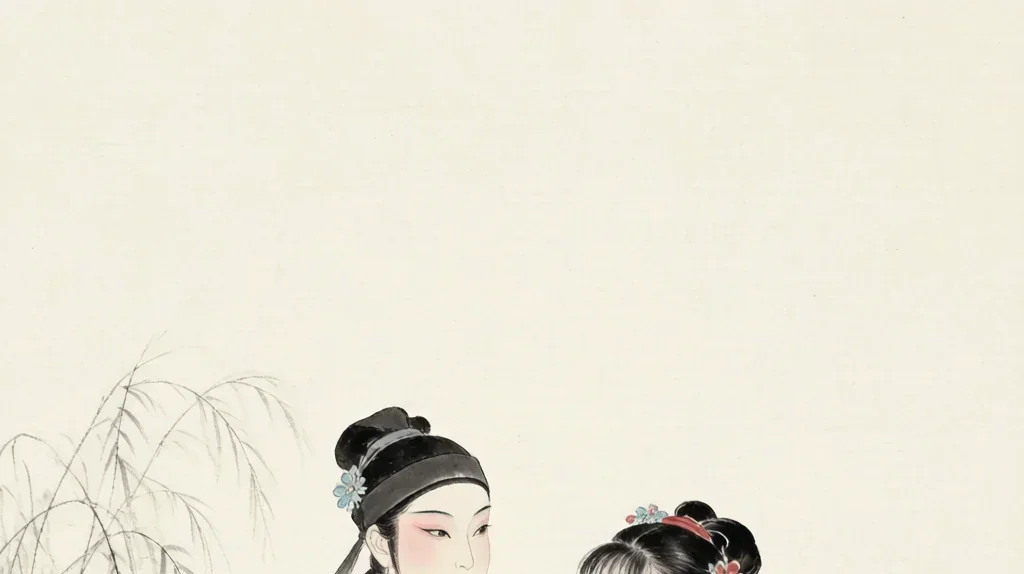
Yueju Opera: The Poetry of Chinese Theater
If Peking Opera (京剧) is the grand symphony of Chinese theater — bold, percussive, and dazzling — then Yueju Opera (越剧) is its chamber music: intimate, lyrical, and suffused with a delicate emotional intensity that has earned it the title "the poetry of Chinese theater. " Originating in the early 20th century in the verdant hills of Zhejiang Province, Yueju has grown from a humble local folk art into China's second most popular opera form, beloved especially in the Yangtze River Delta region.
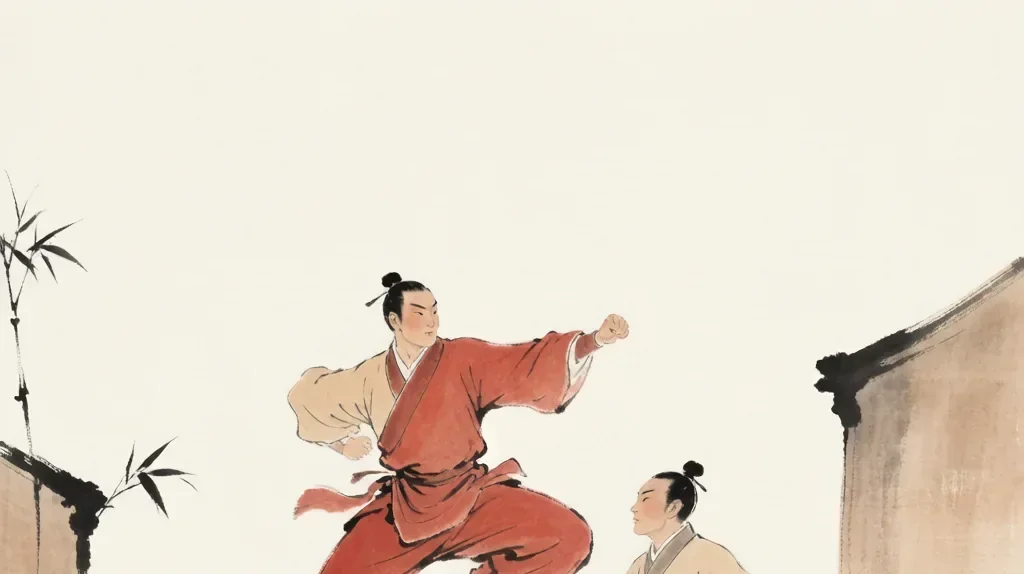
Martial Opera: The Acrobatic Battle
Martial opera (武戏) is the acrobatic battle — the stylized combat of tumbling, spear-work, and flips on the stage.
Hui Opera: The Anhui Tradition
Hui opera (徽剧) is the Anhui tradition whose troupes, summoned to Beijing, seeded the birth of Peking opera.
Min Opera: The Fujian Tradition
Min opera (闽剧) is the Fujian tradition — the local opera of Fuzhou with its own tunes and string bands.
Cantonese Opera: The Voice of the South
Cantonese opera (粤剧) is the voice of the south — the Guangdong tradition famed for its melodic singing and martial grace.
Henan Opera: The Most Popular Opera of China
Henan opera (豫剧) is among the most popular operas of China — the plain, stirring song of the central plains.
Han Opera: The Mother of Peking Opera
Han opera (汉剧) is the mother of Peking opera — the Hubei tradition whose tunes and actors shaped Jingju.
The Orchestra: Instruments of the Opera Stage
The opera orchestra (文武场) is the stage's engine — the percussion 'martial' and the string 'civil' sides that drive every scene.
Gan Opera: The Jiangxi School
Gan opera (赣剧) is the Jiangxi school — the provincial opera of the Gan river region with ancient tunes.
Opera Movement: The Poetry of the Body
Opera movement (身段) is the poetry of the body — the stylized walk, turn, and pose that carries meaning without words.
Opera Costume: The Wardrobe of Character
Opera costume (行头) is the wardrobe of character — the robes, flags, and armor whose color and cut tell rank and role at a glance.
Opera Dance: The Gesture Language of the Stage
Opera dance (舞) is the gesture language of the stage — stylized steps and flips that stand for walking, fighting, or weeping.
Opera Masks: The Face of the Character
Opera masks (脸谱) are the face of the character — the painted patterns whose colors reveal a role's very soul.
Pingxian: The Story-Singing of Qinghai
Pingxian (平弦) is the story-singing of Qinghai — a plucked, narrative art of the northwest.
The Chou Role: The Clown of the Opera Stage
The Chou (丑) is the clown of the opera stage — the quick-witted comic, often the audience's friend.
The Dan Role: Female Characters in Chinese Opera
The Dan (旦) is the female role in Chinese opera — from maidens to matrons, all played with stylized grace.
The Jing Role: The Painted Face of Power
The Jing (净) is the painted face of power — the bold, full-mask role of generals and gods.

The Sheng Role: The Male Lead of the Opera
The Sheng (生) is the male lead of the opera — the scholar, the general, the upright hero.
Lu Opera: The Folk Opera of Shandong
Lu opera (鲁剧) is the folk opera of Shandong — the provincial tradition grown from local tune and story.
Shanghai Opera: The Story of the City
Shanghai opera (沪剧) is the story of the city — the modern local opera born of the Yangtze delta's tunes.
Jin Opera: The Shanxi Tradition
Jin opera (晋剧) is the Shanxi tradition — the bold, high-pitched opera of the loess north.
Shaoxing Opera: The Monkey King Stage
Shaoxing opera (绍剧) is the Monkey King stage — the Zhejiang tradition famed for the warrior-monkey plays.
Sichuan Opera: The Art of Changing Faces
Sichuan opera (川剧) is the art of changing faces (变脸) — the southwestern opera of sudden masks and fire.
Opera Singing: The Voice of a Hundred Roles
Opera singing (唱) is the voice of a hundred roles — the arias whose tune and timbre define each part.
Dian Opera: The Opera of the Yunnan Plateau
Dian opera (滇剧) is the opera of the Yunnan plateau — the provincial tradition blending local and migrant tunes.
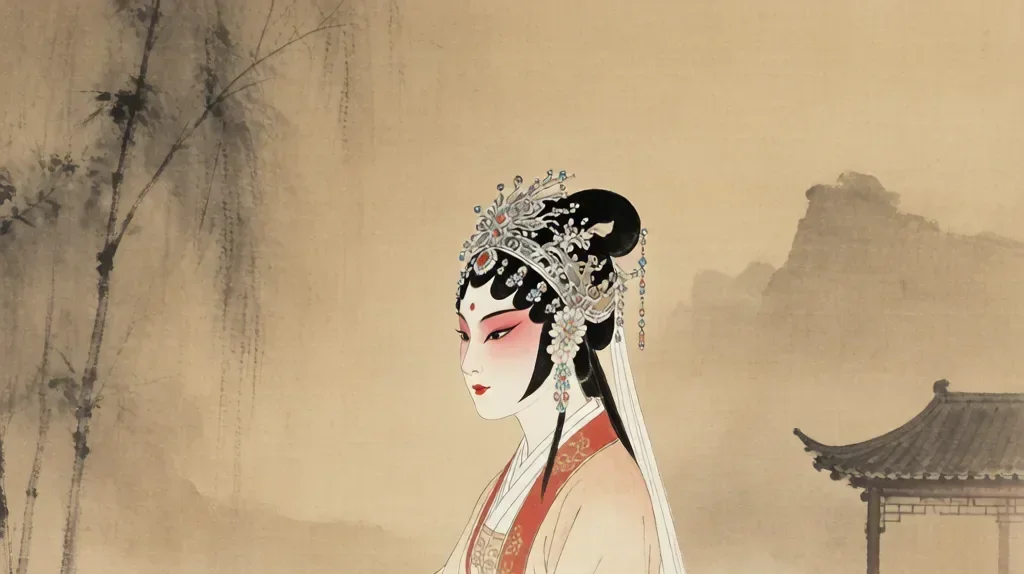
Yue Opera: The Women Opera of the South
Yue opera (越剧) is the women's opera of the south — the gentle, lyrical Zhejiang tradition played largely by actresses.