๐ŸŒฟ Nature & World

Explore 248 stories across 5 topics

๐Ÿพ Animals

๐Ÿพ
The Ant: Industry and the Power of the Collective

The Ant: Industry and the Power of the Collective

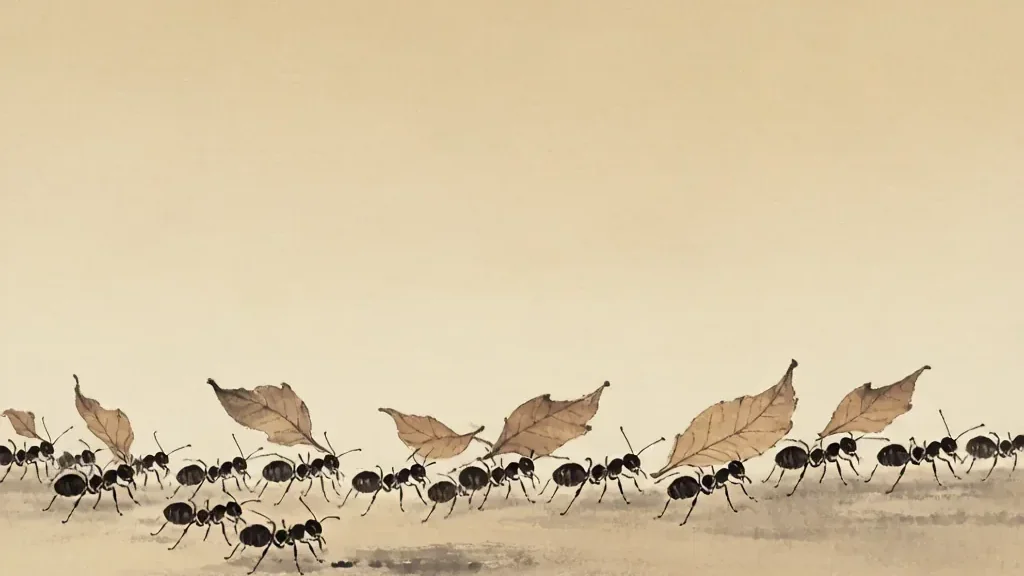
The ant (, mวŽyว) is the most populous creature in Chinese literature โ€” a tiny protagonist in a vast civilization that human beings can barely perceive. Chinese philosophers and poets have long been fascinated by the ant's collective organization, its extraordinary strength relative to its size, and its ceaseless labor. In a culture that valued social harmony, hard work, and humility, the ant was a natural moral exemplar. But the ant also raised uncomfortable questions: if ants can organize themselves into complex societies without language, without laws, without individual ambition, what does that say about the necessity of human institutions? The ant's underground cities, its division of labor, its apparent selflessness โ€” all challenged Chinese thinkers to consider whether civilization was a uniquely human achievement or a pattern that nature had already perfected in miniature.

Read story →
๐Ÿพ
The Badger: The Joyful Spirit of Reunion

The Badger: The Joyful Spirit of Reunion

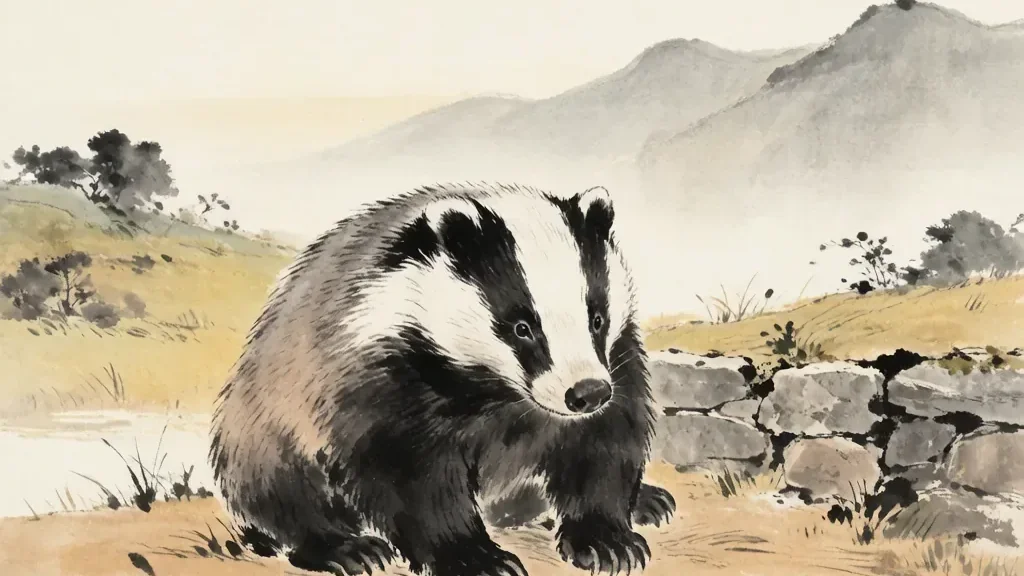
Among the smaller mammals of the Chinese countryside, the badger (, huฤn) holds an unusual position: it is a creature both hunted and honored, eaten and worshipped. The badger's nocturnal habits, its powerful digging claws, and its distinctive black-and-white facial markings made it a creature of mystery in traditional China, associated simultaneously with wealth (because of its burrowing, which was thought to uncover hidden treasure) and with danger (because of its fierce bite and its tendency to carry rabies). The badger's Chinese name is a homophone for "joy" or "happiness" in certain contexts, and its image appears in Chinese folk art as a symbol of good fortune. Yet the badger also suffers from its unfortunate physical resemblance to the weasel and the ferret, animals with which it is often confused in Chinese folk classification, and its reputation varies dramatically from one region to another.

Read story →
๐Ÿพ
The Eagle: The King of the Skies

The Eagle: The King of the Skies

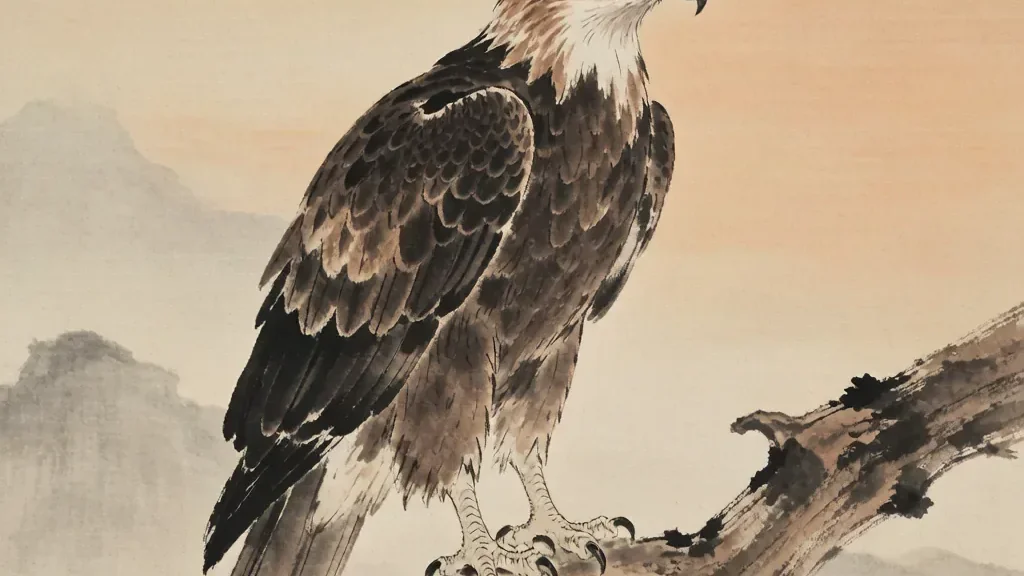
The eagle (, yฤซng) commands the Chinese sky with a majesty that no other bird can match. Its ability to soar at altitudes beyond the range of human vision, to strike with devastating precision, and to fix its prey with an unblinking gaze made the eagle a symbol of the supreme power โ€” of the emperor, of the general, of the sage who sees all things from a superior perspective. In Chinese culture, the eagle is the bird of war and the bird of vision, associated with the military virtues of courage, decisiveness, and strategic clarity. But the eagle also has a dark side โ€” its predation on smaller birds and domestic animals made it a figure of oppression in Chinese folk tradition, and its fierce independence made it difficult to incorporate into the Confucian system of mutual obligation and social harmony.

Read story →
๐Ÿพ
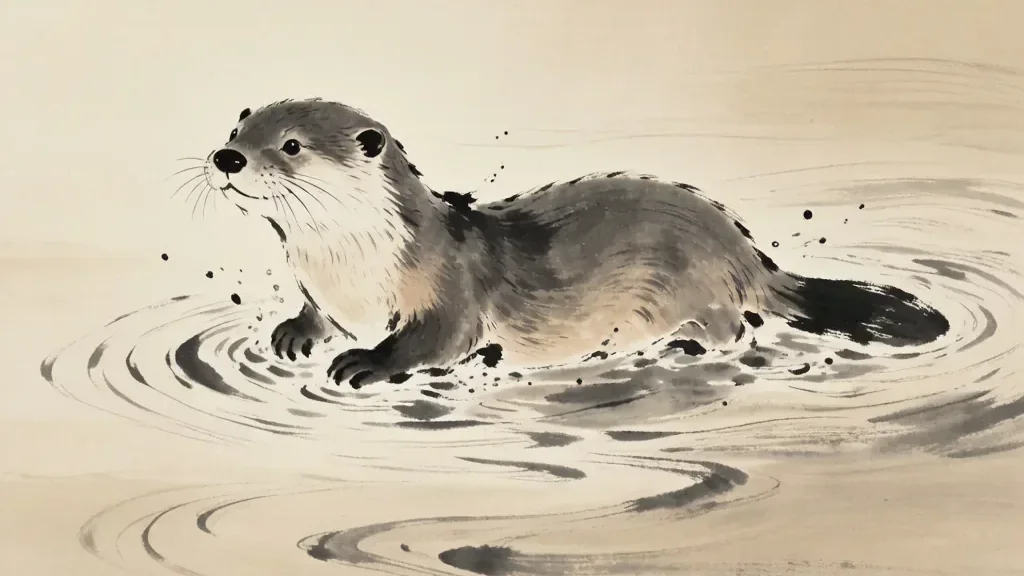
The Otter: The Playful River Dancer

The Otter: The Playful River Dancer

The otter (, shuวtวŽ) glides through Chinese culture as silently as it glides through the rivers of the Yangtze basin โ€” a creature more often sensed than seen, its existence marked by fish bones left on riverbanks and by the fishermen who once trained it as a working partner. In classical Chinese texts, the otter is a figure of methodical competence: the Book of Rites notes that otters arrange their catch on the riverbank before eating, a behavior that the Chinese interpreted as a form of ritual offering. The otter's ability to catch fish with uncanny efficiency made it a symbol of prosperity and resourcefulness, but its nocturnal habits and amphibious nature also gave it an aura of mystery. Like the otter itself, the otter's place in Chinese culture is neither at the center nor at the margin but in the in-between spaces where land meets water and wildness meets domestication.

Read story →
๐Ÿพ
The Wolf: Ferocity and the Northern Sky

The Wolf: Ferocity and the Northern Sky

In the Chinese imagination, the wolf (, lรกng) has always been the outsider โ€” the creature that lurks beyond the wall, the predator that emerges from the steppe when civilization sleeps. Unlike the tiger, which was respected as a king of beasts, or the fox, which was feared as a trickster, the wolf in traditional Chinese culture was almost purely malevolent: greedy, treacherous, and insatiable. Chinese idioms and proverbs consistently associate the wolf with cruelty and rapacity. Yet in recent decades, this ancient reputation has undergone a remarkable transformation. The wolf has been rehabilitated as a symbol of toughness, teamwork, and survival โ€” first by the Mongol and Manchu peoples who admired it, and more recently by Chinese business writers and self-help gurus who see the wolf as a model for success in a competitive world.

Read story →

๐Ÿ›๏ธ Architecture

๐Ÿ›๏ธ
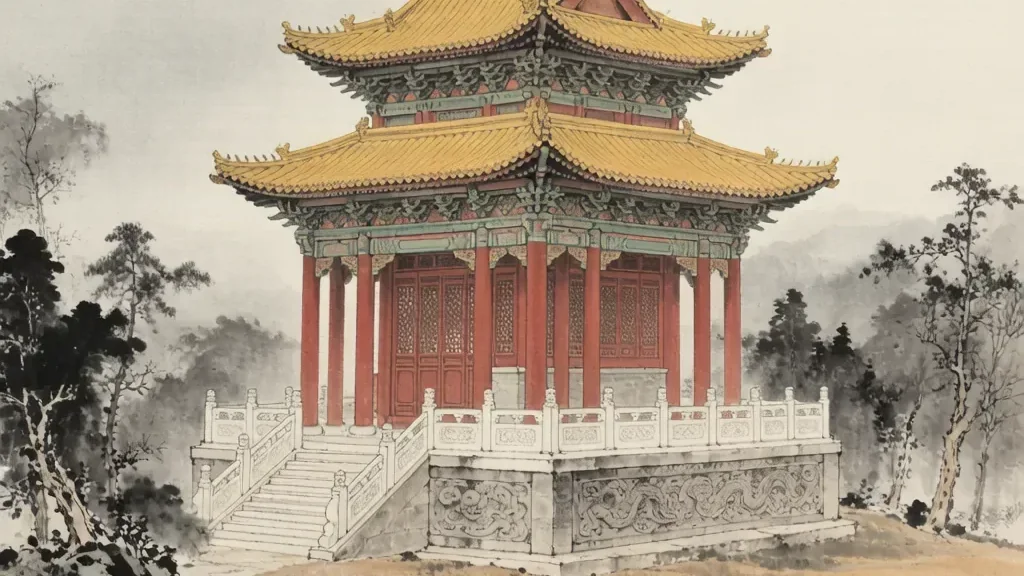
The Altar: Communicating with Heaven

The Altar: Communicating with Heaven

In Chinese religious architecture, the altar mountain (, jรฌ tรกn) represents the most direct connection between the human and the divine โ€” an open-air platform where heaven and earth met through the medium of imperial sacrifice. Unlike the enclosed halls of temples and palaces, the altar mountain was exposed to the sky, designed to place the worshipper in direct relationship with the cosmos. The most famous of these is the Temple of Heaven complex in Beijing, but altar mountains were built throughout China for the worship of heaven, earth, the sun, the moon, and the gods of grain, rain, and fertility.

Read story →
๐Ÿ›๏ธ
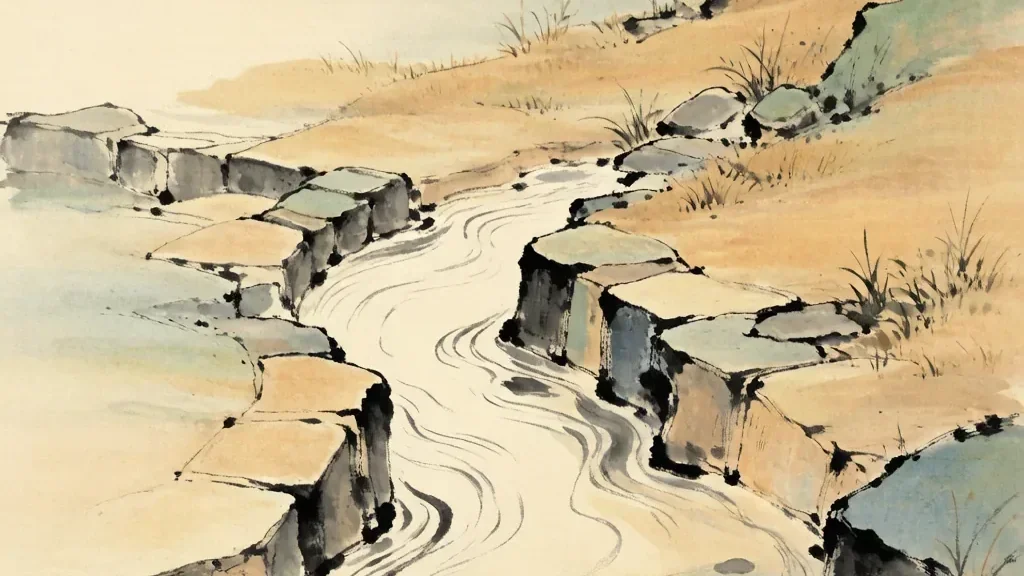
The Ancient Drain: Engineering Beneath the City

The Ancient Drain: Engineering Beneath the City

The drainage system (, pรกi shu01d xรฌ t01ng) is one of the most underappreciated achievements of Chinese architecture. While the grand halls and gate towers of Chinese cities are celebrated, the networks of underground channels, settling tanks, and overflow pipes that kept those buildings dry and habitable are rarely mentioned. Yet Chinese engineers developed drainage technology of extraordinary sophistication, from the urban sewers of the Han dynasty capitals to the rain-collection systems of the Forbidden City, which have kept the palace dry for more than six centuries.

Read story →
๐Ÿ›๏ธ
The Mausoleum: Tombs of the Emperors

The Mausoleum: Tombs of the Emperors

The Chinese imperial mausoleum (, lรญng mรน) is among the most ambitious architectural creations of any civilization โ€” a city of the dead that mirrored the city of the living, designed to serve the emperor in his afterlife as his palace had served him in life. Ringed by walls, approached by spirit ways lined with stone guardians, and buried beneath enormous earth mounds, the mausoleum was the final and most permanent statement of imperial power. The Ming and Qing tombs, clustered around Beijing, represent the culmination of two millennia of funerary architecture, their geography and geometry aligned with the principles of feng shui to ensure cosmic harmony for eternity.

Read story →
๐Ÿ›๏ธ
What Is Siheyuan? A Guide to Beijing's Courtyard Houses

What Is Siheyuan? A Guide to Beijing's Courtyard Houses

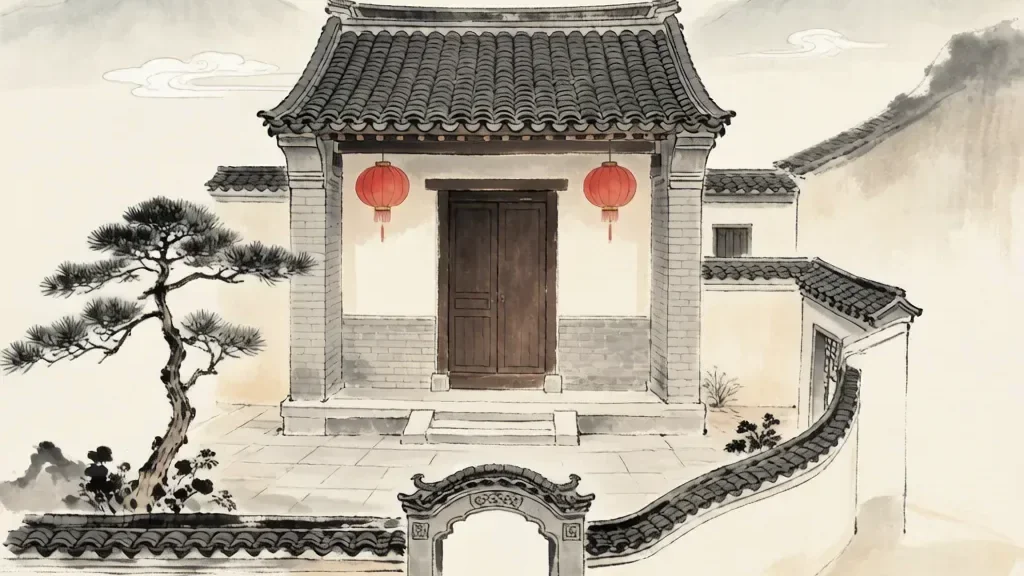
The siheyuan โ€” whose name literally means "a courtyard enclosed by four sides" โ€” is the quintessential traditional residence of Beijing and northern China. For over a thousand years, this architectural form has defined the urban fabric of China's capital, organizing family life around a central open courtyard with buildings on all four sides. More than just a house, the siheyuan is a physical manifestation of Confucian social order, feng shui cosmology, and the Chinese understanding of the relationship between heaven, earth, and humanity. To walk through a siheyuan is to read a three-dimensional book about Chinese values, family structure, and the art of harmonious living.

Read story →
๐Ÿ›๏ธ
What Is Yaodong? The Cave Dwellings of the Plateau

What Is Yaodong? The Cave Dwellings of the Plateau

The yaodong โ€” literally "kiln cave" or "cave dwelling" โ€” is one of the oldest and most remarkable forms of human habitation still in widespread use today. Carved into the soft loess cliffs of the Loess Plateau in northern China, these cave homes have sheltered generations of families for over four thousand years. An estimated 40 million people still live in yaodong across the provinces of Shaanxi, Shanxi, Gansu, and Henan, making it perhaps the most enduring architectural tradition in human history. To the casual observer, a yaodong village might seem invisible โ€” just a series of arched doorways set into a cliff face, with no buildings visible above ground. But step inside, and you enter a world of surprising comfort: warm in the bitter northern winter, cool in the scorching summer, and imbued with the deep sense of connection to the earth that has sustained Chinese civilization since its earliest days.

Read story →

๐ŸŒŒ Astronomy

๐ŸŒŒ
Precession: The Slow Wobble China Could Not Ignore

Precession: The Slow Wobble China Could Not Ignore

By the fourth century CE, Chinese astronomers had been measuring the winter solstice for over a thousand years, and something was wrong. The point in the sky where the sun rose on the solstice had drifted noticeably since the Han dynasty โ€” the position recorded by the Zhou kings no longer matched the reality their instruments showed. The astronomer Yu Xi (, fl. 307โ€“338 CE) was the first in China to articulate the cause: the entire celestial sphere was slowly wobbling, causing all the stars to shift their positions over centuries. He called this phenomenon "the retreat of the stars" (, tiฤn zuว’ xuรกn), and his discovery of precession โ€” made independently of the Greek astronomer Hipparchus โ€” revealed a deep and previously unsuspected rhythm in the motion of the heavens.

Read story →
๐ŸŒŒ
The Twenty-Eight Lunar Mansions : China's Ancient Star Map

The Twenty-Eight Lunar Mansions : China's Ancient Star Map

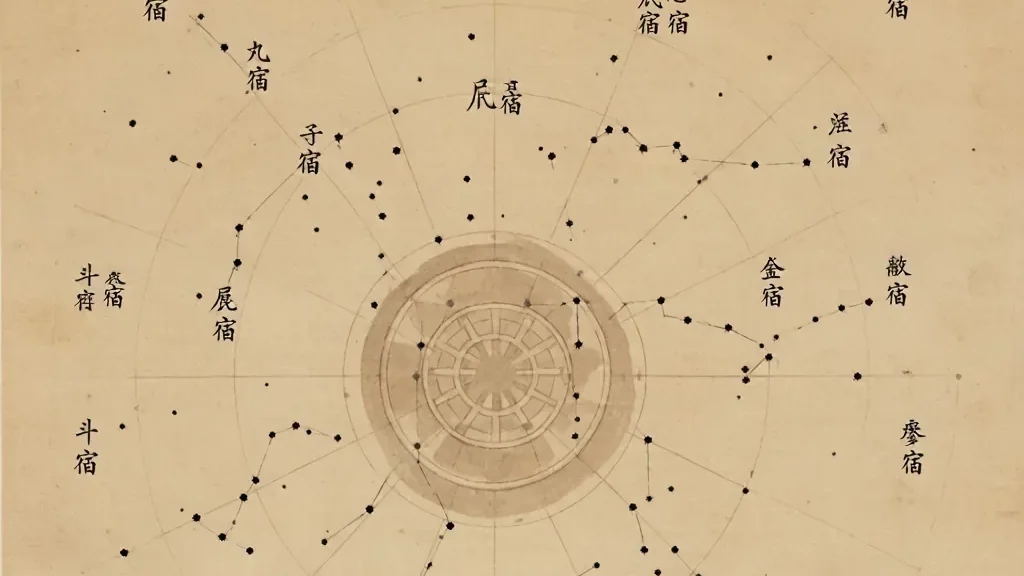
Long before the zodiac constellations of the West were codified, Chinese astronomers had already divided the sky into a wholly different grid. Instead of focusing on the sun's annual circuit through the ecliptic, they built their primary star map around the moon's daily journey. The result is the er shi ba xiu (, รจr shรญ bฤ xiรน) โ€” the "Twenty-Eight Lunar Mansions" โ€” a system of 28 asterisms that ring the celestial equator like a beaded belt. For more than three thousand years, these mansions were the fundamental coordinates of Chinese astronomy, astrology, and calendrical science.

Read story →
๐ŸŒŒ
The Canopy of Heaven: China's Oldest Cosmology

The Canopy of Heaven: China's Oldest Cosmology

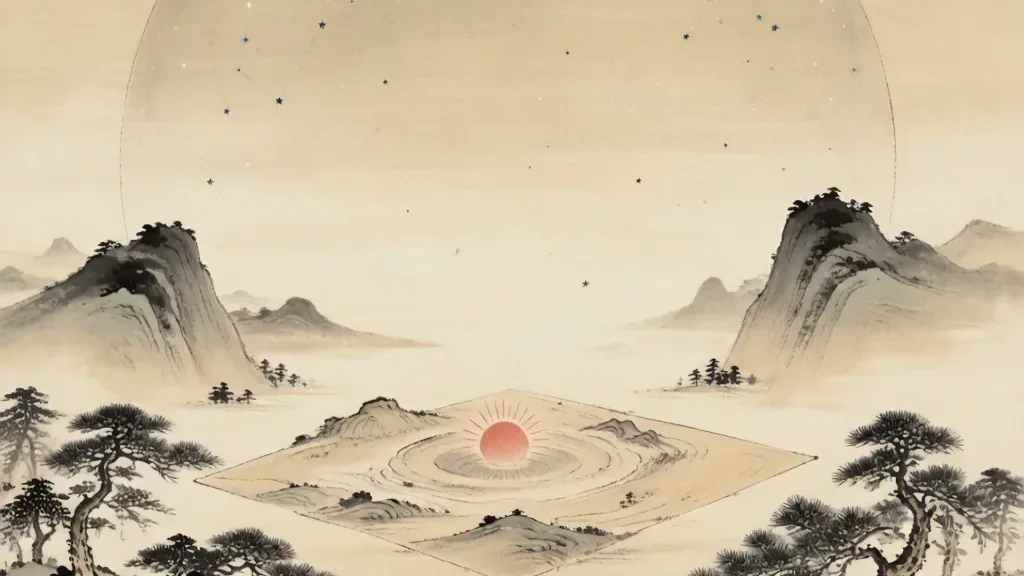
The earliest Chinese model of the universe was not a sphere or an infinite void but a canopy โ€” a hemispherical dome covering a flat, square earth, like an umbrella suspended over a table. This was the Gaitian theory (, gร i tiฤn shuล), the "Canopy Heaven" cosmology, which emerged during the Zhou dynasty and remained influential for over a thousand years. While later astronomers would reject its literal claims, the Gaitian theory provided the conceptual foundation on which all subsequent Chinese cosmological speculation was built, establishing the categories of thought โ€” heaven above, earth below, and a curved sky covering a flat land โ€” that shaped Chinese astronomy from its origins.

Read story →
๐ŸŒŒ
The North Star: The Still Center of the Chinese Cosmos

The North Star: The Still Center of the Chinese Cosmos

The fixed point in the northern sky that we call the North Star was not always Polaris. When the first Chinese astronomers began mapping the heavens, the pole lay somewhere near the star Thuban in the constellation Draco, and the star that served as the celestial pivot was Kochab (Beta Ursae Minoris), a modest second-magnitude star in the Little Dipper. Yet despite this slow drift โ€” caused by the 26,000-year cycle of the precession of the equinoxes โ€” the Chinese concept of a central celestial point that never moved remained one of the most stable and powerful ideas in their cosmology. The North Star was not merely a navigational convenience; it was the axis of the entire cosmos, the still point around which the universe revolved.

Read story →
๐ŸŒŒ
Zhang Heng: The Polymath Who Explored the Cosmos

Zhang Heng: The Polymath Who Explored the Cosmos

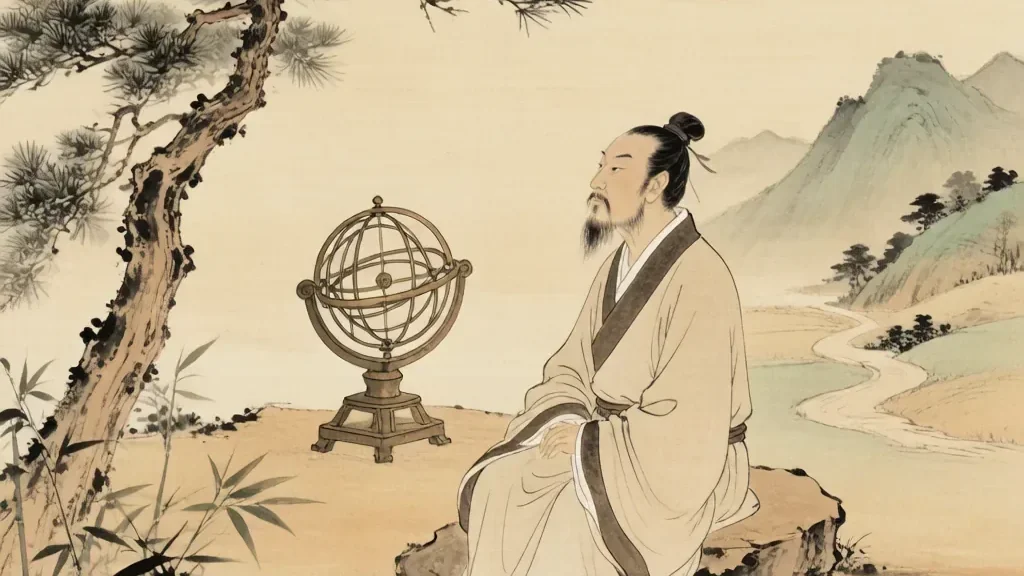
The Han dynasty scholar Zhang Heng (, 78โ€“139 CE) is remembered as the inventor of the world's first seismoscope, but his contributions to astronomy were equally groundbreaking. He built the first water-powered armillary sphere, mapped over 2,500 stars, calculated the value of pi to 3.1466, and proposed a cosmological model in which the universe was like an egg with the earth as its yolk. Zhang Heng was the archetypal Chinese polymath โ€” astronomer, mathematician, inventor, poet, and cartographer โ€” and his work established the standards of precision and mechanical ingenuity that would define Chinese astronomy for the next millennium.

Read story →

๐Ÿ—บ๏ธ Geography

๐Ÿ—บ๏ธ
The Loess Plateau: Cradle of Chinese Farming

The Loess Plateau: Cradle of Chinese Farming

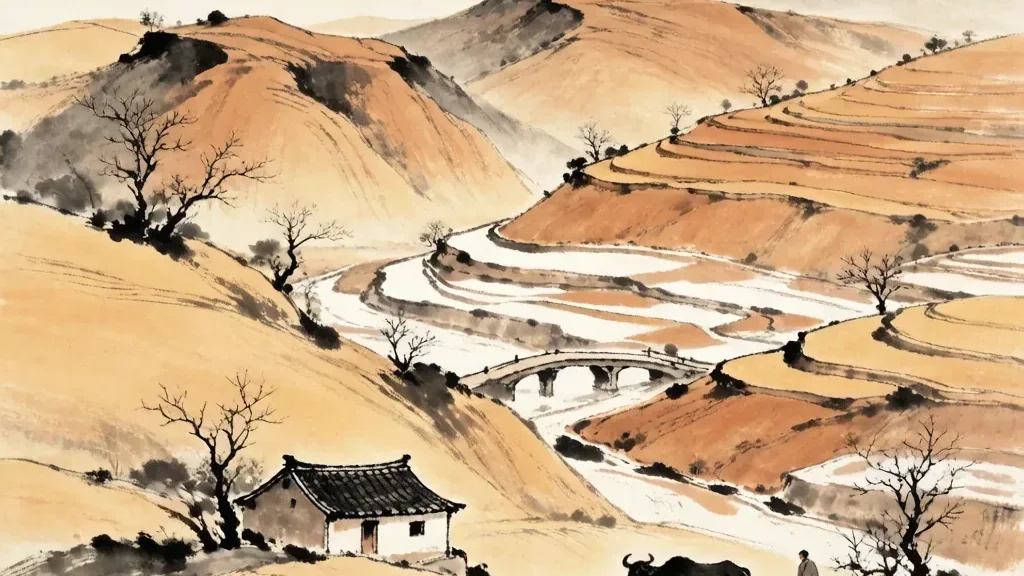
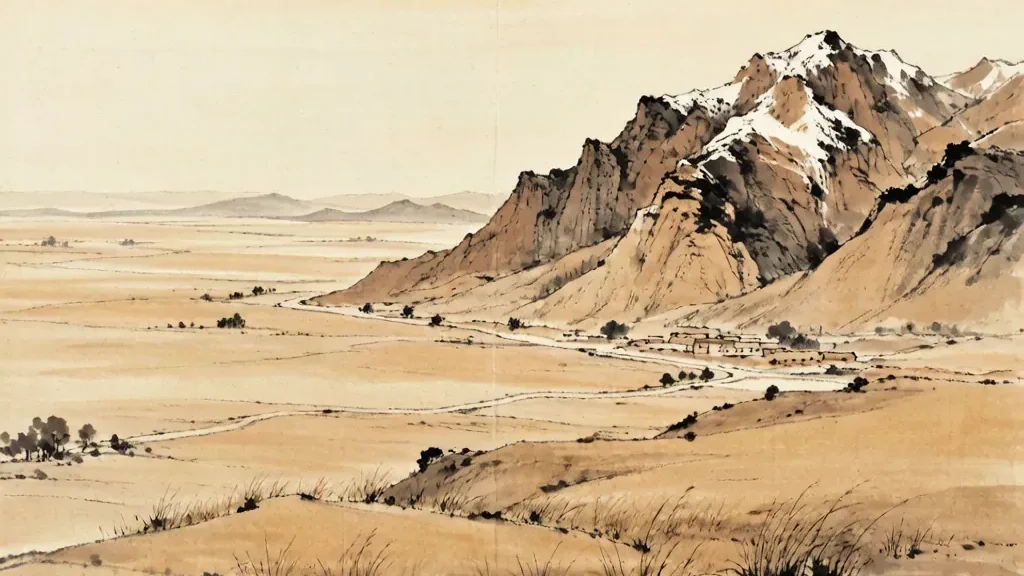
Covering a vast sweep of north-central China is a landscape the color of dust and history: the Loess Plateau โ€” (Huรกngtว” Gฤoyuรกn), the "yellow-earth highland." Built from wind-blown silt laid down over hundreds of thousands of years, this region is one of the most distinctive physical features of China and, remarkably, one of the birthplaces of Chinese farming. To understand the Loess Plateau is to understand where settled Chinese civilization took root and how people learned to live with both the generosity and the danger of the earth.

Read story →

๐ŸŒฑ Plants

๐ŸŒฑ
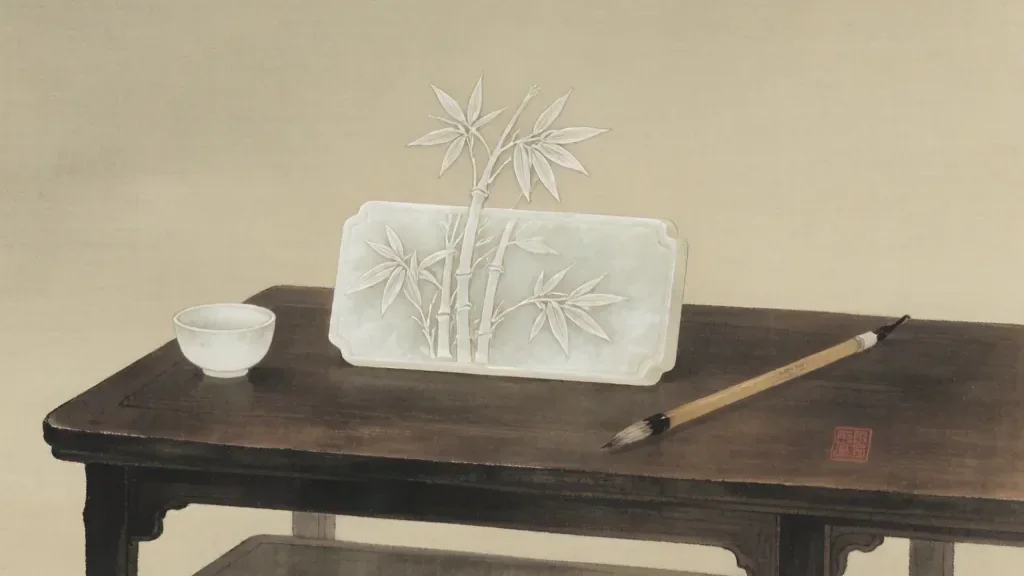
What Does Bamboo Symbolize in Chinese Culture?

What Does Bamboo Symbolize in Chinese Culture?

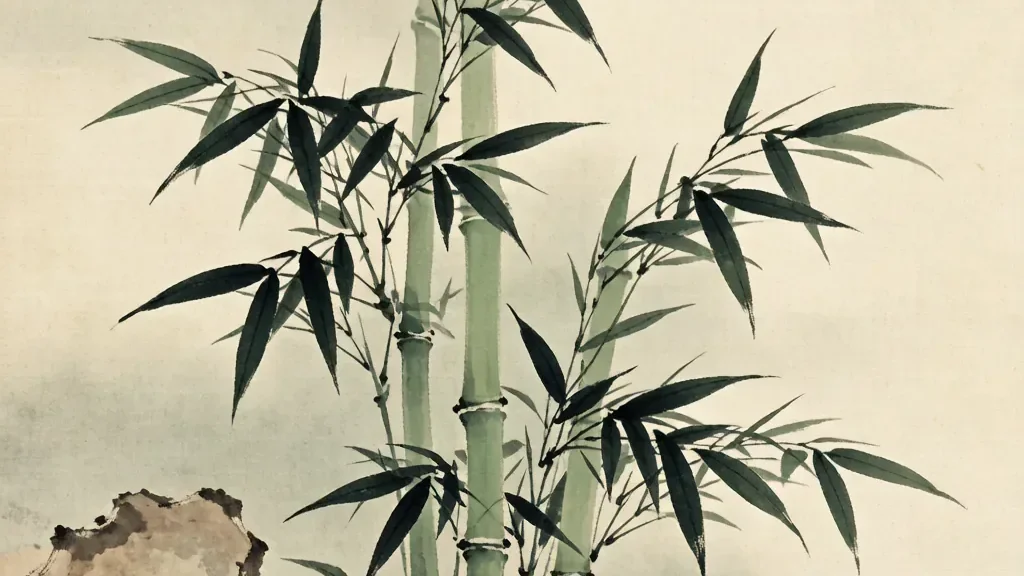
If you were asked to name the single plant that best represents China, you might say the plum blossom or the peony. But you would be wrong. The true botanical soul of China is bamboo. It feeds the nation's most beloved animal, builds its scaffolding and furniture, provides the raw material for its writing brushes and paper, and inspires its poets and painters. Bamboo is not just a plant in China โ€” it is a civilization's companion, a teacher of virtue, and a way of life.

Read story →
๐ŸŒฑ
The Apricot: The Fruit of the Healing Spring

The Apricot: The Fruit of the Healing Spring

In early spring, before the leaves appear, the apricot tree erupts in a cloud of pale pink blossoms that seem to glow against the still-winter landscape. The apricot (, xรฌng) is the tree of early spring, bearing fruit in early summer and offering both beauty and sustenance. But in Chinese culture, the apricot carries a surprising association: the word for "apricot" sounds like the word for "good fortune" , and the apricot blossom is traditionally linked to the medical profession. The phrase "the warmth of the apricot grove" is a compliment paid to a skilled doctor. The humble apricot, which most people know only as a small orange fruit, is woven into Chinese medicine, poetry, and the very language of healing.

Read story →
๐ŸŒฑ
The Lotus Root: A Hundred Threads of Connection

The Lotus Root: A Hundred Threads of Connection

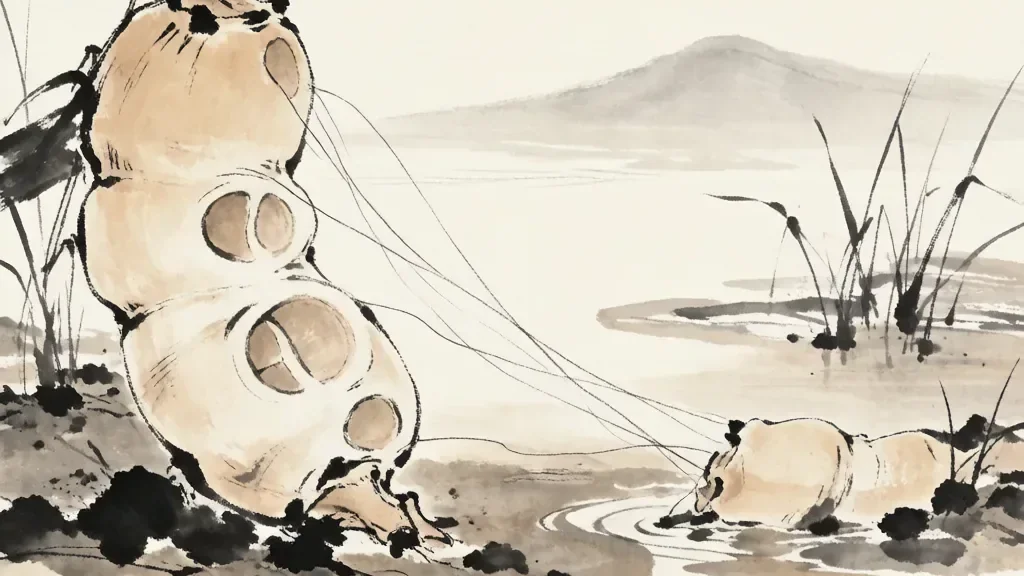
Pull a lotus root from the mud of a drained pond, wash it clean, and you will hold a chain of pale segments connected by thin threads โ€” each segment with a pattern of holes that looks almost designed. The lotus root (, liรกn ว’u) is the hidden part of the sacred flower, the stem that grows in darkness yet produces the purest blossom. In Chinese cuisine, it is the vegetable of winter, harvested when the lotus leaves have died back and the energy of the plant has retreated into its root. Crisp, sweet, and versatile, lotus root is one of the most distinctive ingredients in Chinese cooking, and its visual beauty โ€” those elegant holes โ€” makes it a favorite for decorative dishes.

Read story →
๐ŸŒฑ
The Plum Blossom: Bravery in Winter

The Plum Blossom: Bravery in Winter

While the rest of the botanical world waits for spring, the plum tree blooms on snow-covered branches, opening delicate five-petaled flowers before a single leaf appears. This defiance of winter has made the plum blossom (, mรฉi huฤ) the foremost symbol of resilience in Chinese culture โ€” the flower that proves life persists through the coldest dark. For poets it is courage; for painters it is the brushstroke that captures the moment between death and rebirth; for the nation it is the flower chosen to represent the very character of China. No other bloom carries as much weight in the Chinese imagination, and no other flower has been so thoroughly loved, analyzed, and celebrated as the plum blossom.

Read story →
๐ŸŒฑ
What Is the Ginkgo Tree? History in China

What Is the Ginkgo Tree? History in China

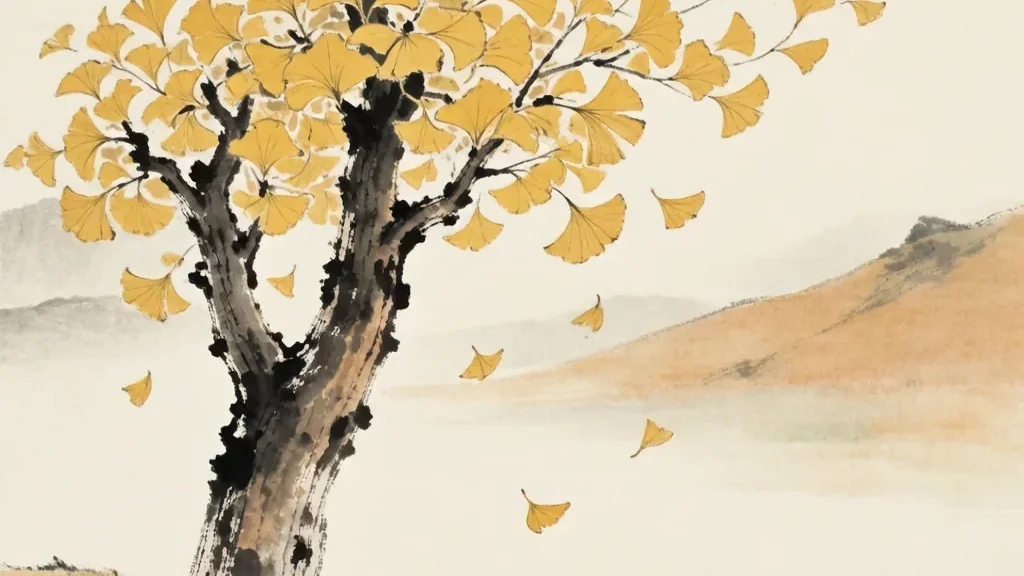
The ginkgo tree (, yรญnxรฌng), Ginkgo biloba, is a botanical marvel without parallel โ€” the sole surviving species of an entire division of plants (Ginkgophyta) that first appeared in the fossil record approximately 270 million years ago, during the Permian period, predating the dinosaurs. Often described as a 'living fossil,' the ginkgo has no close living relatives and represents a lineage that has witnessed the rise and fall of countless species. In China, the ginkgo has been cultivated for at least 1,000 years, with ancient specimens dotting temple grounds, imperial gardens, and mountain monasteries. The tree's Chinese name, , literally means 'silver apricot,' referring to the silvery sheen of its seeds. Buddhist monks were instrumental in preserving the ginkgo, planting them in monastery courtyards where their spectacular golden autumn foliage served as a meditation on the beauty of impermanence โ€” a core Buddhist teaching.

Read story →
← Back to All Stories