Chinese Surnames
54 articles — Explore the culture of Chinese surnames and personal names: the Hundred Family Surnames, the origins of clan names, China's major surnames, commandery homelands, bestowed and changed names, clan totems, minority surnames, and the art of naming a child.

The Hundred Family Surnames (百家姓)
Long before Chinese children learned to read novels or newspapers, they learned to recite a single four-character rhyme: 「赵钱孙李,周吴郑王」 — "Zhao, Qian, Sun, Li; Zhou, Wu, Zheng, Wang. " This chant is the Bai Jia Xing (百家姓, bǎi jiā xìng), the "Hundred Family Surnames," a list of hundreds of Chinese family names arranged purely for sound and status.
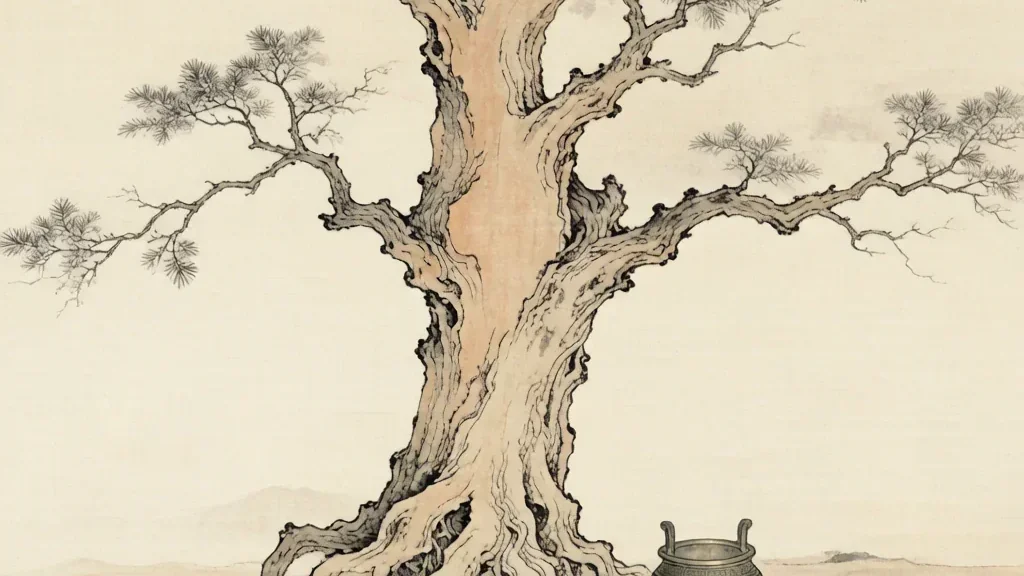
The Origins of Chinese Surnames (姓氏起源)
The first thing a Chinese person will ask when meeting a stranger is not "What is your name? " but "What is your surname?
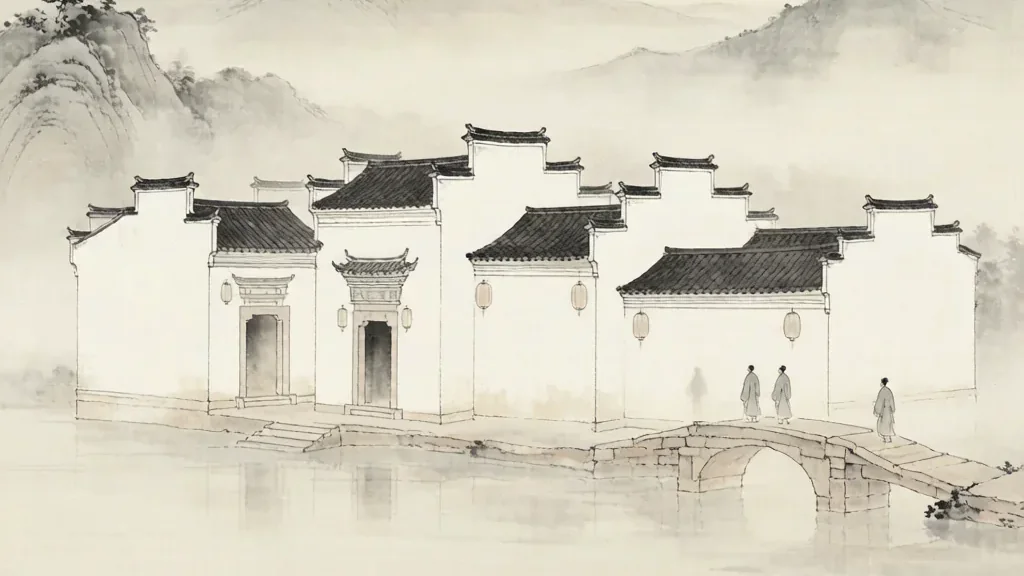
China's Major Surnames (李王张刘陈)
Walk into any crowd in China and you will notice something striking: an astonishing number of people share the same handful of family names. A popular children's rhyme sums up the giants — 「王李张刘陈,杨赵黄周吴」 — "Wang, Li, Zhang, Liu, Chen; Yang, Zhao, Huang, Zhou, Wu.
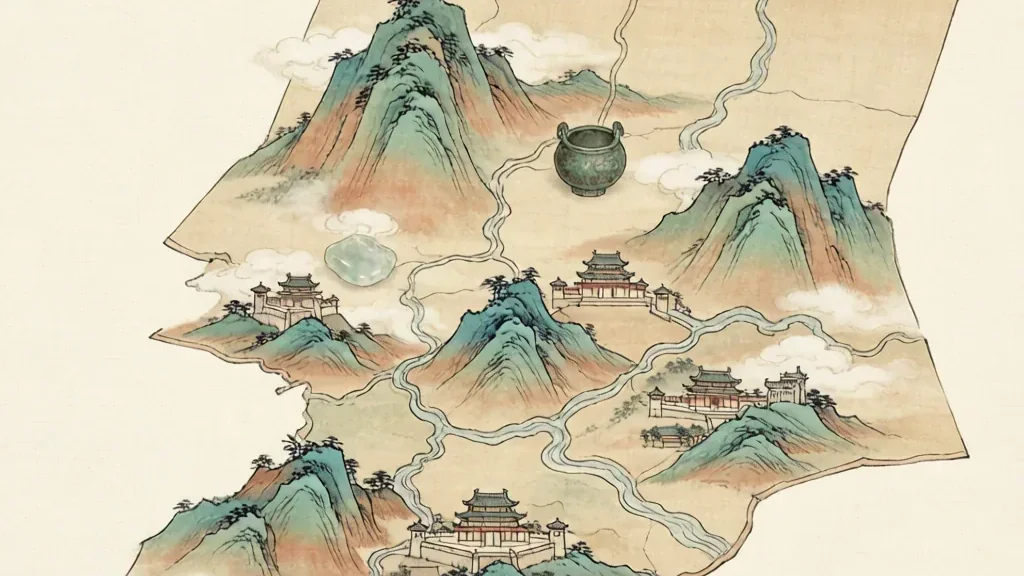
Junwang: Surname Homelands (郡望)
Two strangers named Li meet for the first time. Before asking where the other lives, a traditional Chinese gentleman might ask a different question: "Which Li are you — the Li of Longxi, or the Li of Zhao commandery?

Bestowed and Changed Surnames (赐姓与改姓)
For all the reverence Chinese culture shows the ancestral surname, names have never been as fixed as they appear. Across three thousand years, surnames were granted by emperors, discarded in disgrace, swapped to dodge a taboo, and rewritten after conquest.

Surname Totems and Clan Emblems (姓氏图腾)
Long before Chinese surnames were written in characters, the clans that bore them may have been known by the beasts and plants they revered. The idea of the tuteng (图腾, "totem") — a natural emblem a group treats as its ancestor and guardian — helps explain some of the most puzzling features of early Chinese naming.

Surnames of Ethnic Minorities (少数民族姓氏)
When people speak of "Chinese surnames," they usually mean the Han system of single-character names passed down the male line. But China is home to dozens of ethnic minorities, each with its own naming heritage.
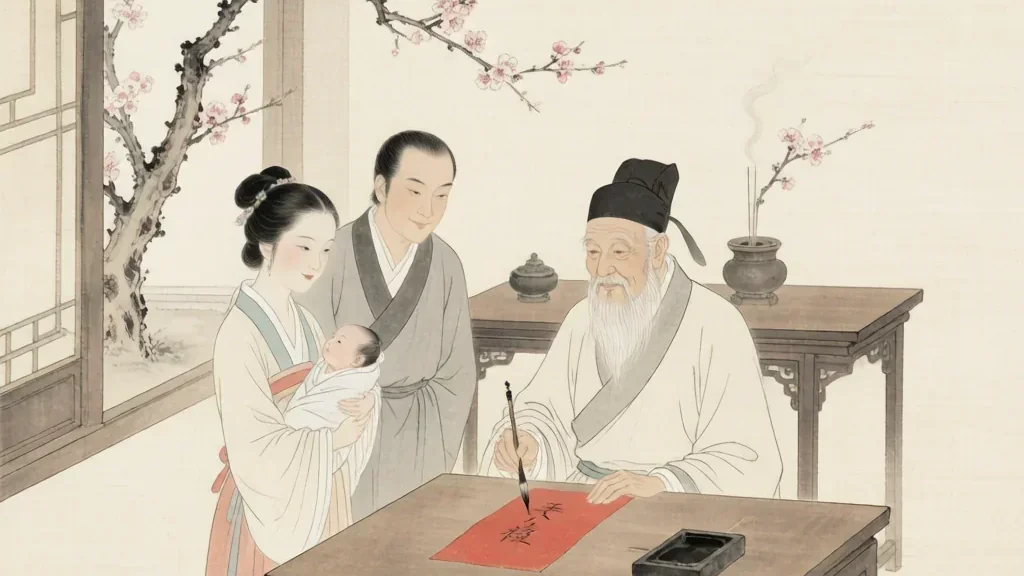
The Art of Chinese Personal Names (姓名文化)
To name a Chinese child is to write a small poem and a quiet prayer at once. A full traditional name carries the hereditary surname (姓, xìng), the given name (名, míng) chosen at birth, and often a courtesy name (字, zì) granted at adulthood — three layers that together speak of family, aspiration, and social role.
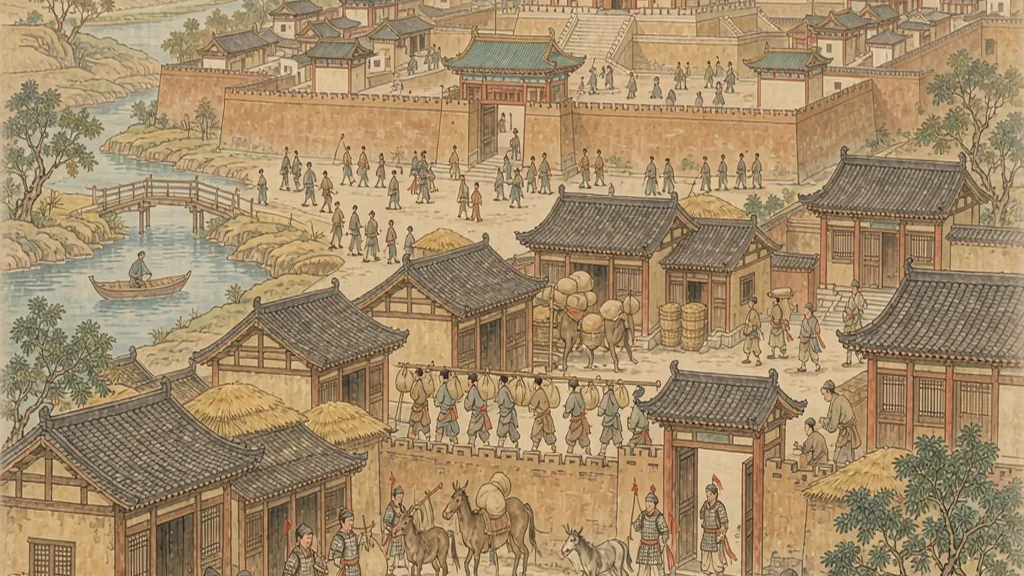
Cai: The Harvest of an Ancient Feudal State
蔡 means 'tortoise shell.' It originated from the state of Cai during the Zhou dynasty.

Cao: The Official Who Gave His Name
曹 means 'class' or 'group.' It originated from the state of Cao during the Zhou dynasty.
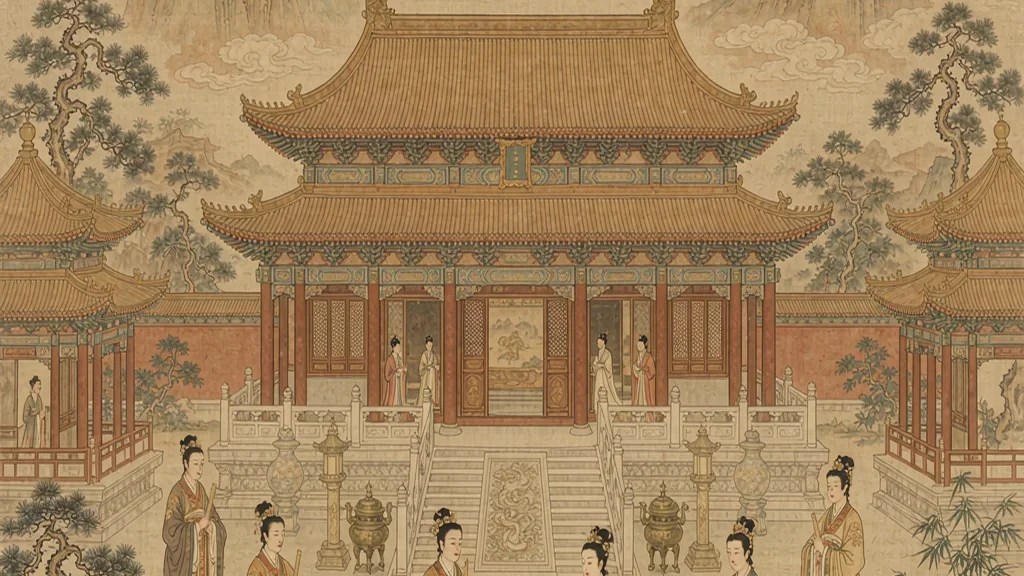
Chen: An Ancient Royal House
陈 means 'to exhibit' or 'to state.' The surname originated from the state of Chen in the Zhou dynasty and is one of the most common surnames in Southeast Asia.
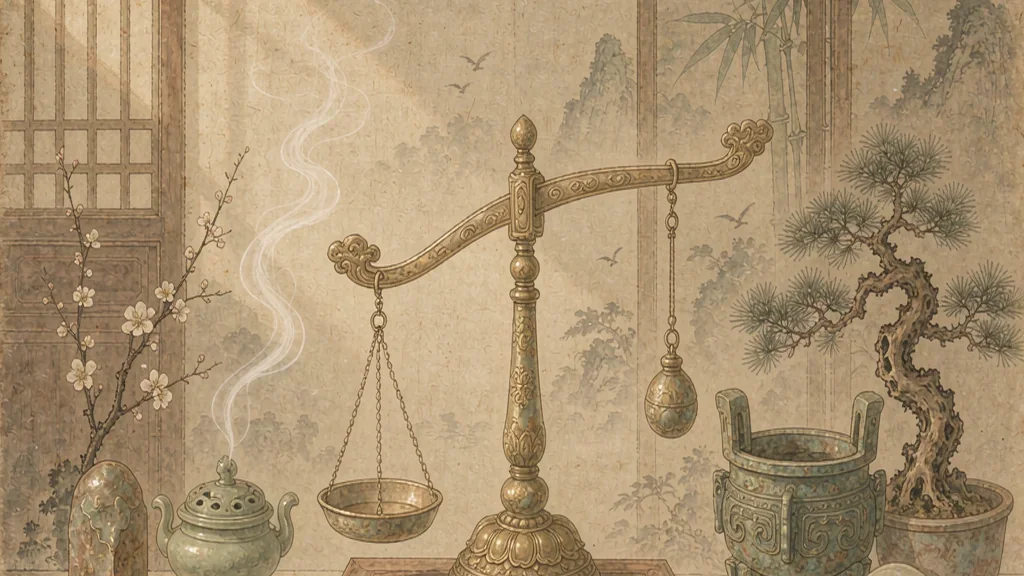
Cheng: The Measure of a Surname
程 means 'rule' or 'order.' It originated from the state of Cheng.
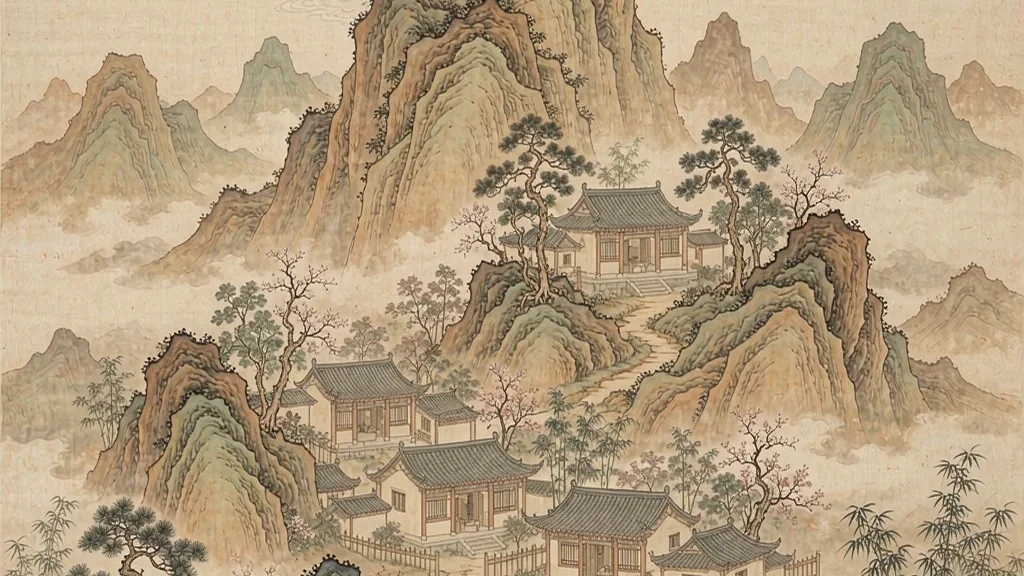
Deng: The Hill That Became a Family
邓 originated from the state of Deng during the Shang dynasty.
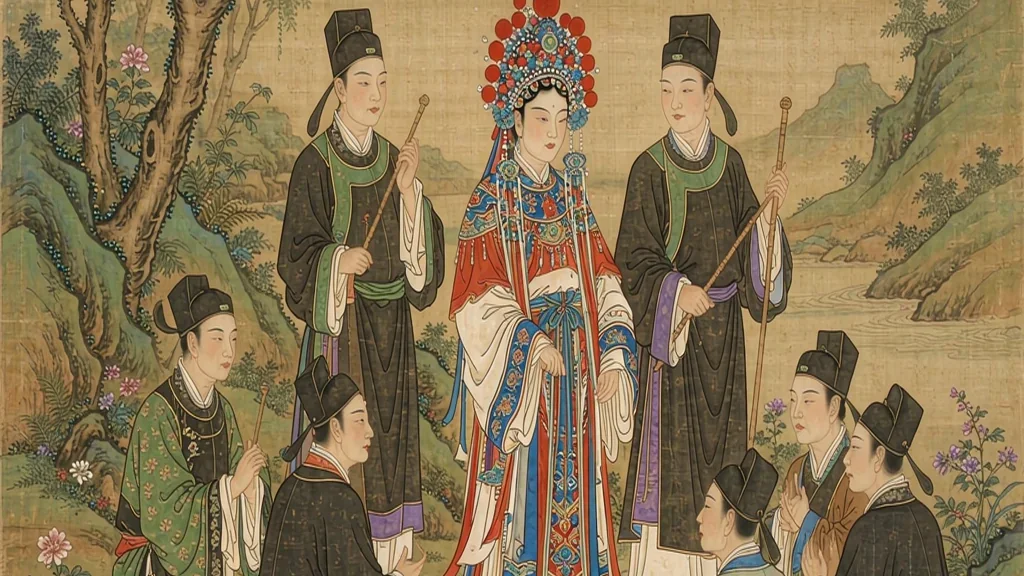
Dong: The Supervisor's Surname
董 means 'to supervise.' It originated from an official title.

Du: The Stopping Place of a Surname
Du means 'to stop.' It originated from the state of Du.
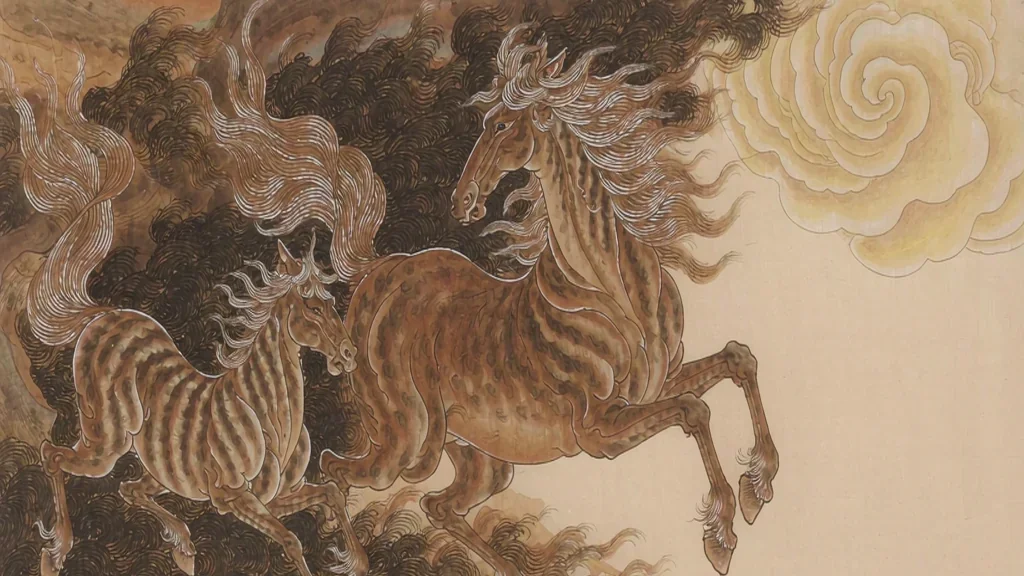
Feng: The Galloping Name
冯 means 'gallop.' It originated from the state of Feng.
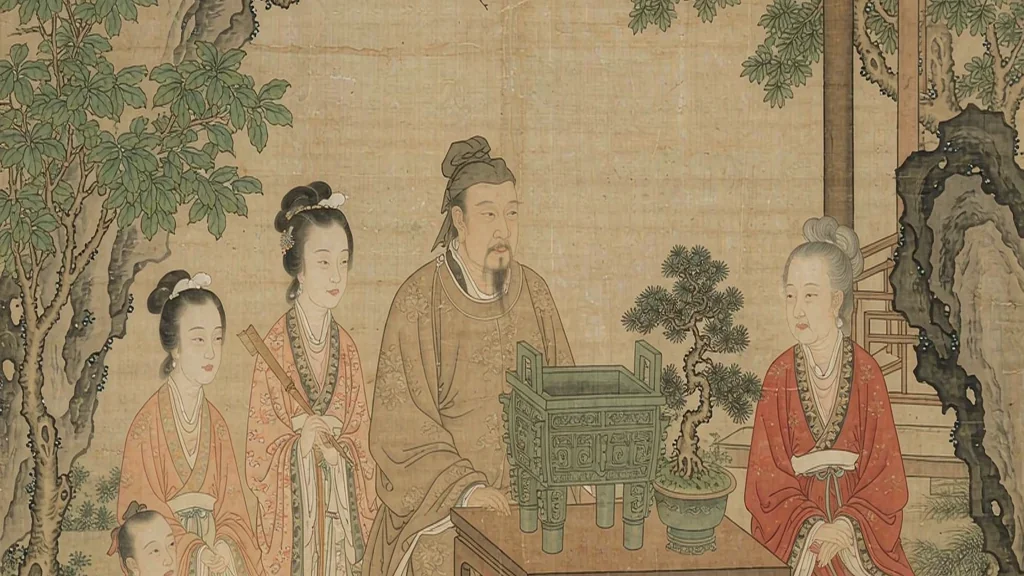
Fu: The Trust in a Surname
Fu means 'teacher.' It originated from an official title.

Gao: The Tall Surname
高 means 'tall' or 'high.' It originated from an official title.

Guo: The Wall of the Family
郭 means 'outer wall of a city.' It originated from the position of city wall official.
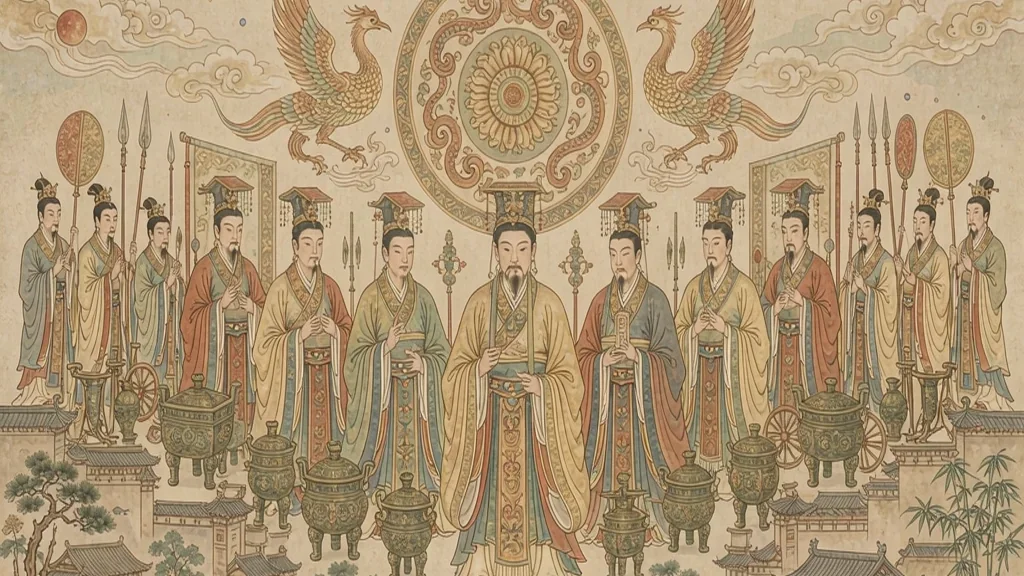
Han: The Surname of a Ancient State
韩 originated from the state of Han during the Warring States period.
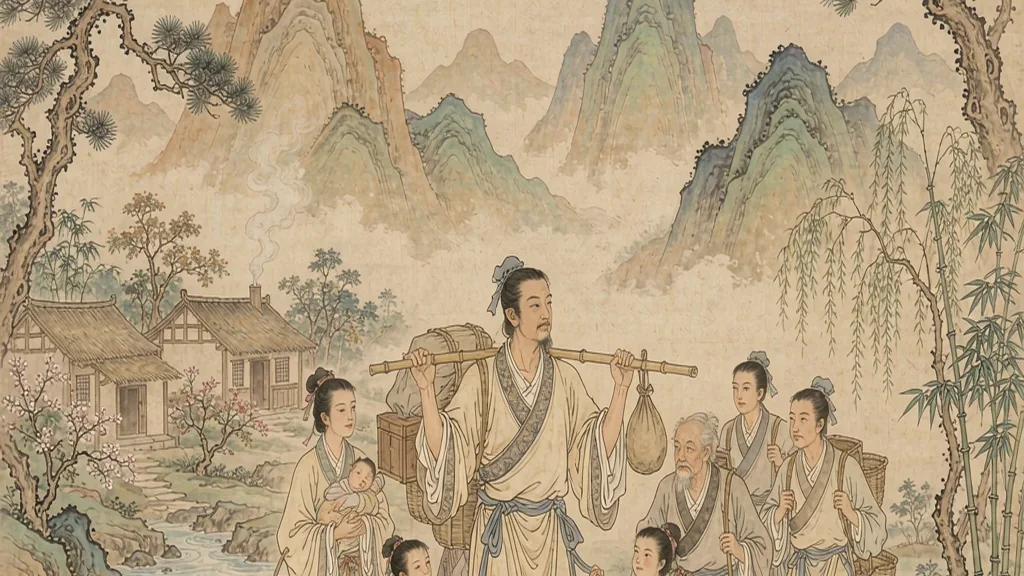
He: The Surname of Burden and Bearing
何 means 'what' or 'how.' It originated from a simplification of the Han surname.

Hu: The Barbarian's Legacy as a Surname
胡 means 'foreign' or 'barbarian.' It originated from the state of Hu during the Zhou dynasty.
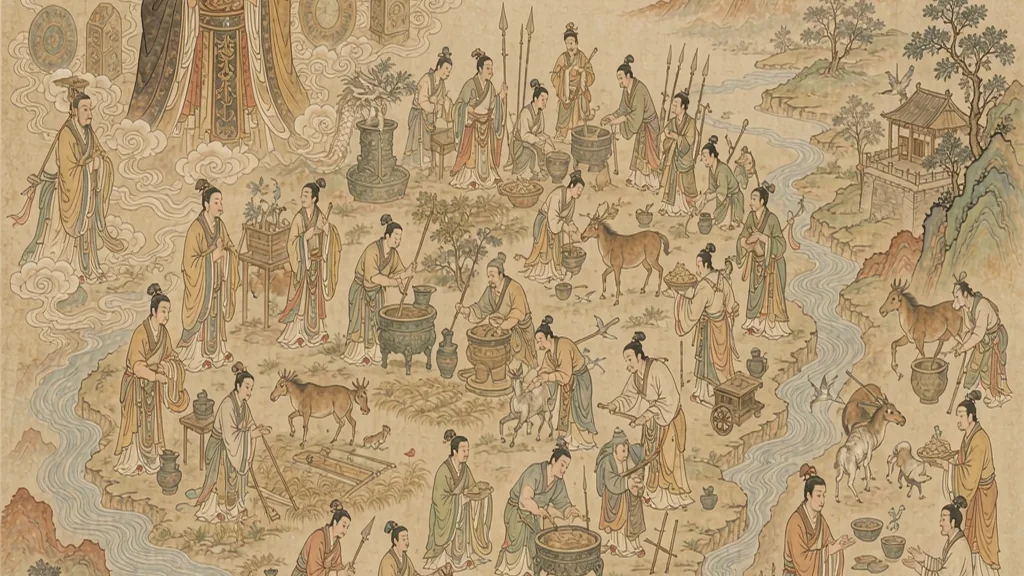
Huang: The Yellow Emperor's Descendants
黄 means 'yellow.' The surname originated from the state of Huang during the Shang dynasty and is associated with the Yellow Emperor.
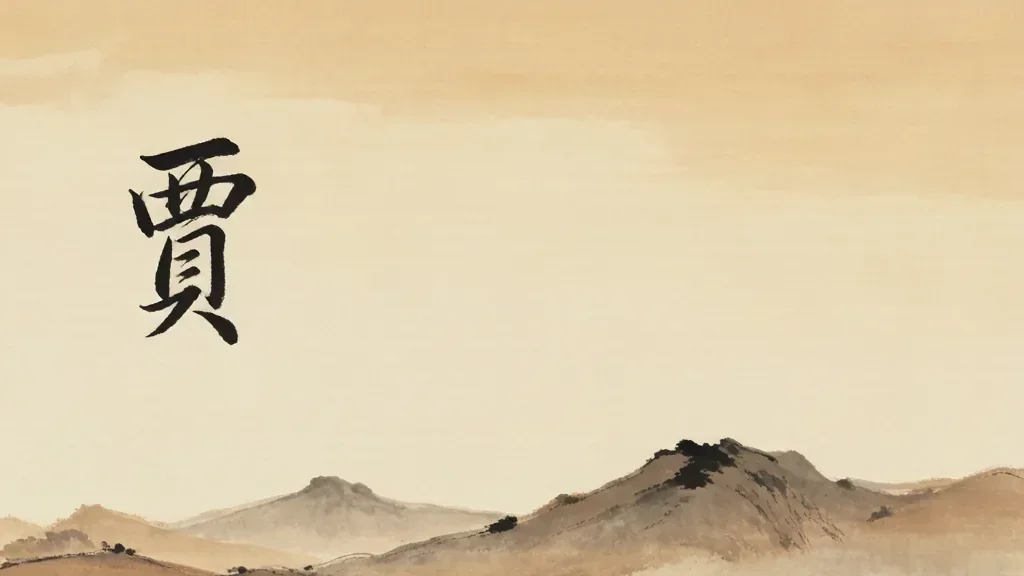
Jia: The Merchant's Name
Jia means 'merchant.' It originated from the state of Jia.
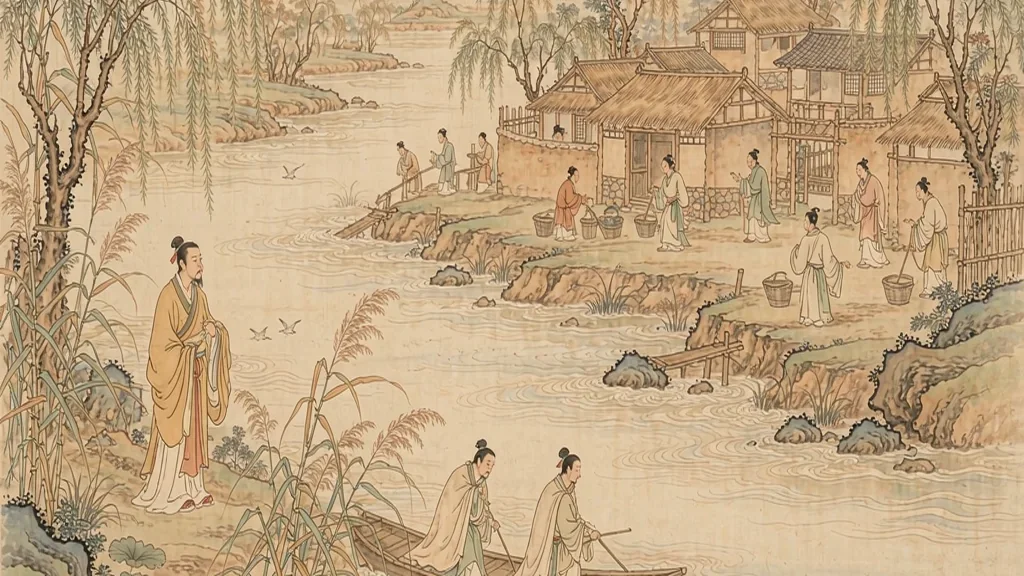
Jiang: The Reed That Became a Surname
Jiang means 'reed.' It originated from the state of Jiang during the Zhou dynasty.
Li: The Most Common Surname in the World
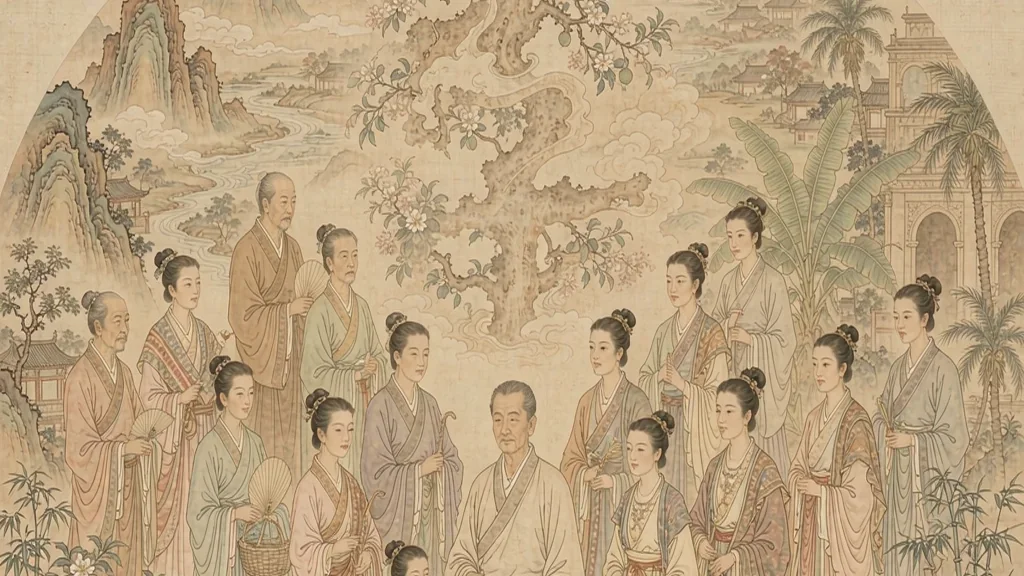
李 is the most common surname in China and the second most common in the world. It originated from the title of an official in charge of justice under the legendary Emperor Zhuanxu, whose symbol was the 李 (plum) tree.
Liang: The Bridge Between Generations
梁 means 'beam' or 'bridge.' It originated from the state of Liang.
Lin: The Forest Clan
林 means 'forest.' It originated from loyal officials of the Shang dynasty who fled to the forest.

Liu: The Dynasty That Gave Its Name
刘 means 'kill' or 'destroy' in ancient Chinese. It was the surname of the imperial family of the Han dynasty, one of China's greatest golden ages.
Luo: The Net That Gathered a Family
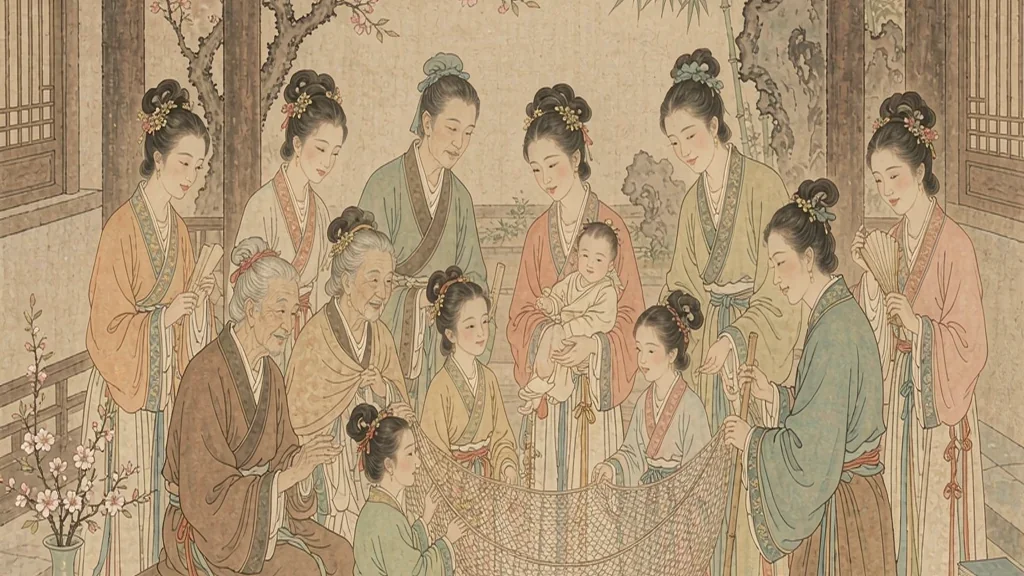
罗 means 'net' or 'gauze.' It originated from the state of Luo during the Zhou dynasty.
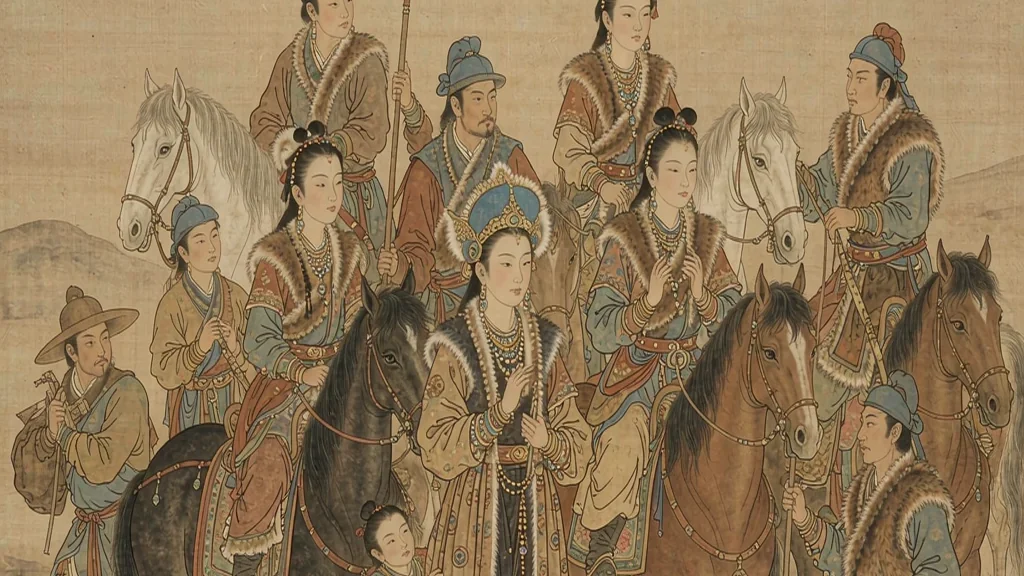
Ma: The Horse Clan
马 means 'horse.' It originated from a noble of the Zhao state who was enfeoffed at Mafu and whose descendants took the character for horse.

Pan: The Surname of the Water's Edge
潘 originated from the state of Pan.
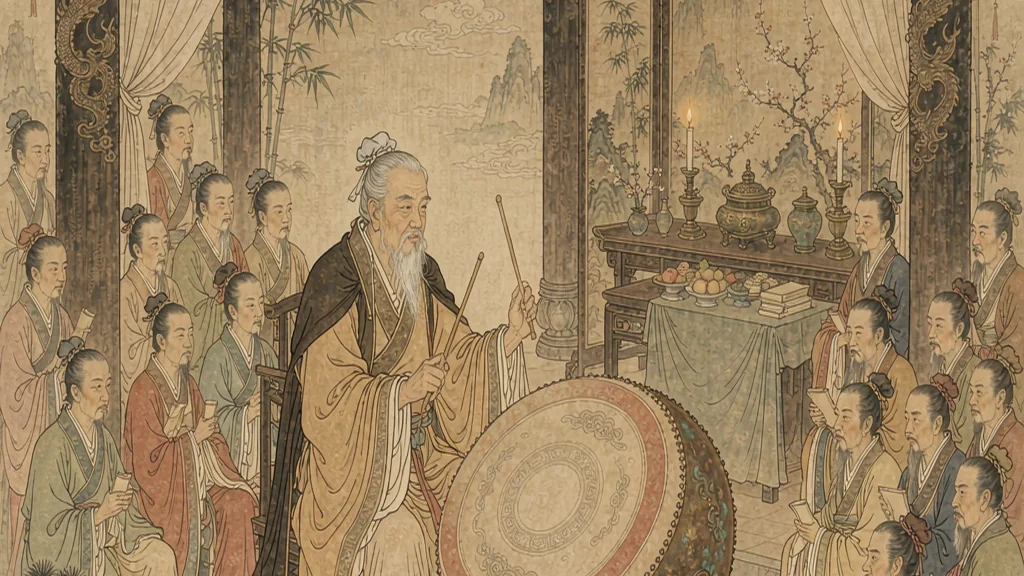
Peng: The Drumbeat of an Elder Clan
彭 originated from the state of Peng during the Shang dynasty.
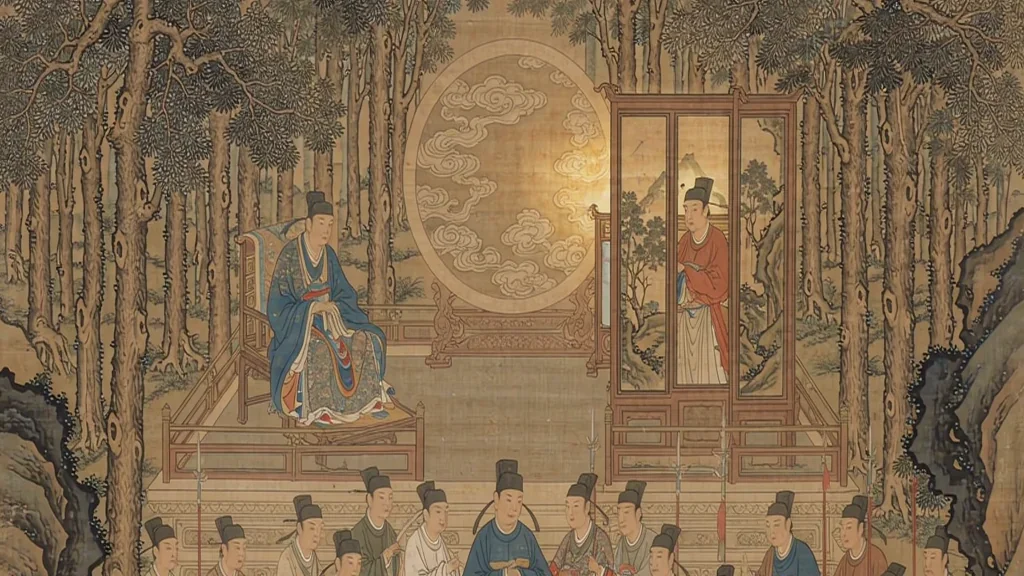
Song: The Dynasty that Named a People
宋 originated from the state of Song during the Zhou dynasty.

Su: The Reviving Name of a People
Su means 'revive.' It originated from the state of Su during the Zhou dynasty.
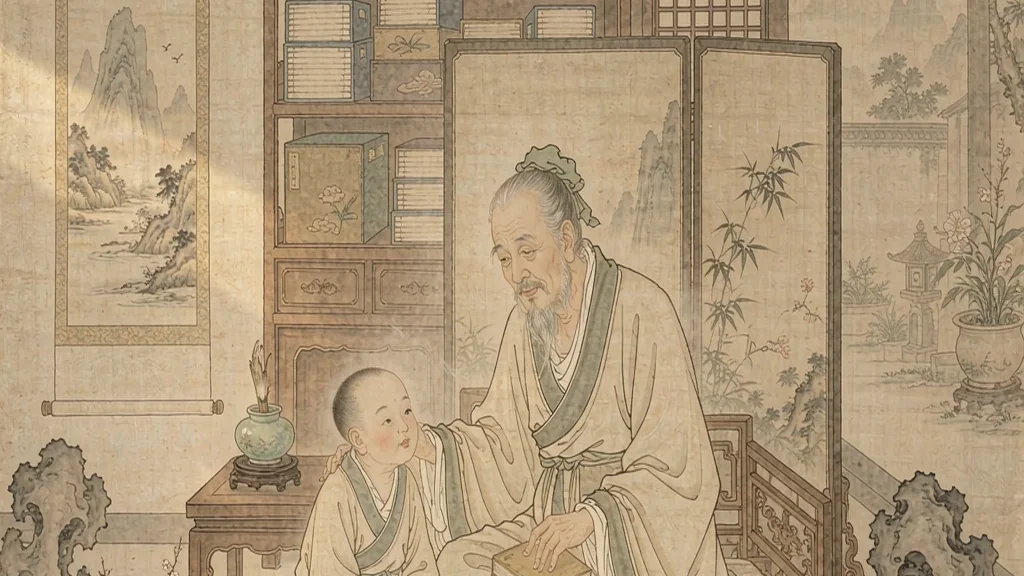
Sun: The Grandson's Surname
孙 means 'grandson' or 'descendant.' It is famously borne by Sun Tzu (Sunzi), author of The Art of War.

Tang: The Golden Age's Namesake
唐 means 'boastful' or 'grand.' It was the surname of the Tang dynasty's imperial family.
Tian: The Field That Feeds a Clan
Tian means 'field.' It originated from the state of Tian.

Wang: The King Among Chinese Surnames
王 means 'king' or 'monarch.' The surname originated from royal families who were overthrown and adopted their former title as their surname. It is the most common surname in China by some counts.
Wu: The Kingdom That Became a Surname
吴 refers to the ancient state of Wu in present-day Jiangsu province.
Xiao: The Surname of the Bleak and Brave
肖 means 'resemble.' It is a variant of the more ancient Xiao (萧) surname.
Xie: The Grateful Surname of Decline
Xie means 'to thank.' It originated from the state of Xie.
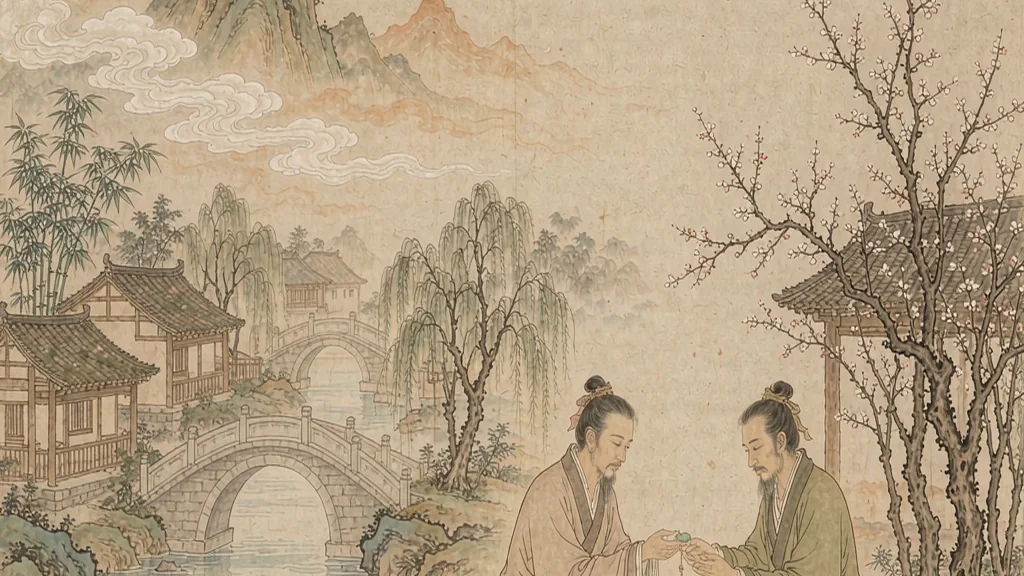
Xu: The Promise in a Surname
许 means 'to allow' or 'to promise.' It originated from the state of Xu.

Xu: The Surname of Slow and Steady
徐 means 'slowly' or 'gently.' It originated from the state of Xu during the Xia dynasty.

Yang: The Willow of Chinese Family Names
杨 means 'poplar tree.' The surname originated from the state of Yang during the Zhou dynasty.
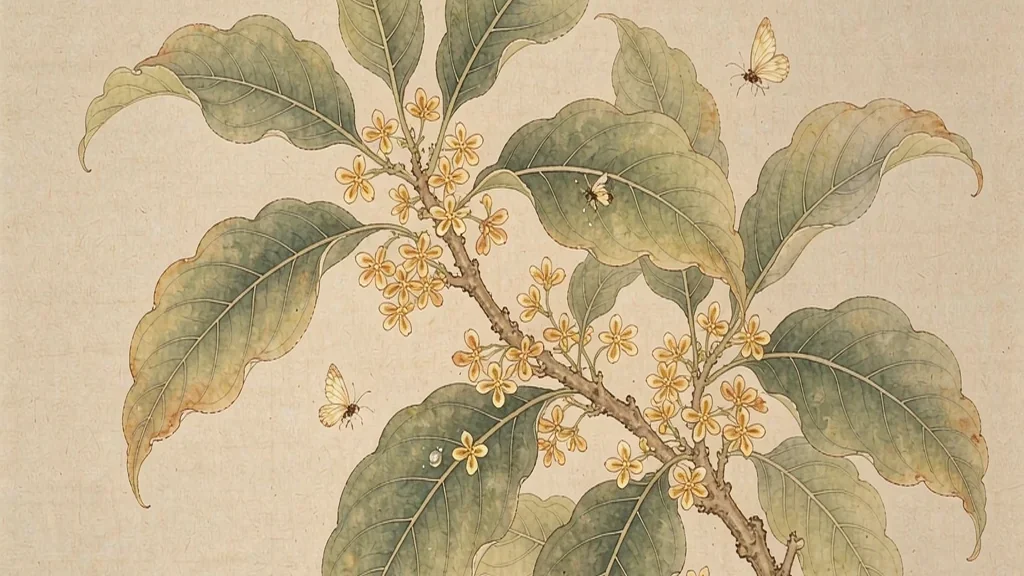
Ye: The Leaf That Named a Thousand Homes
Ye means 'leaf.' It originated from the city of Ye.
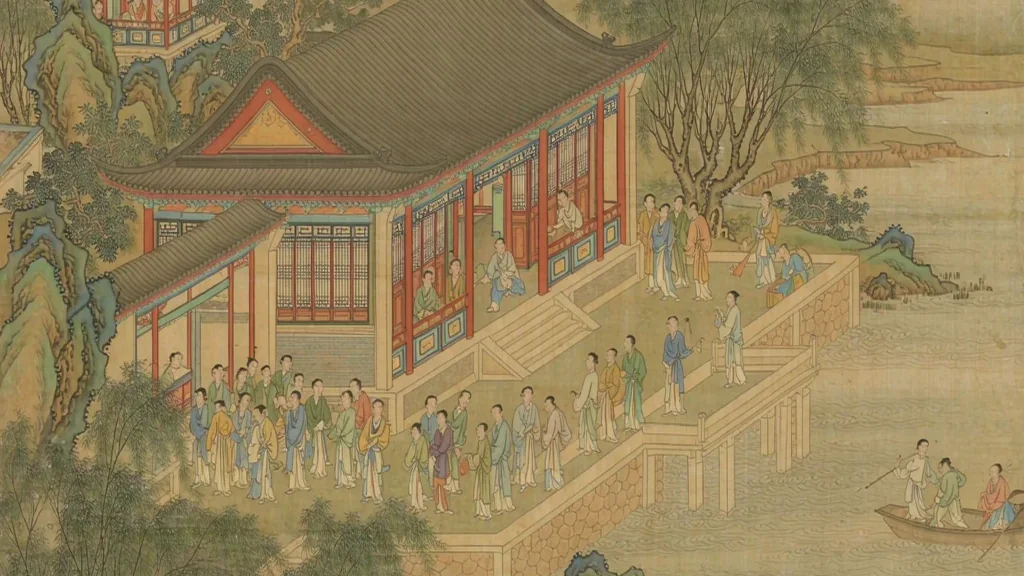
Yu: The Surplus of a Family's Fortune
余 means 'surplus' or 'I.' It originated from the state of Yu.
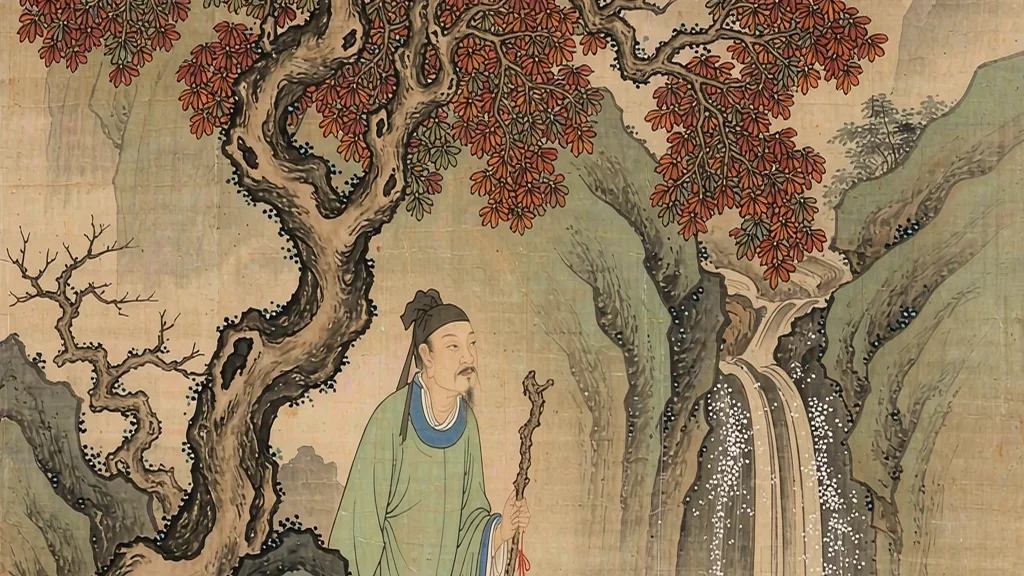
Yu: The Given Surname of Simplicity
于 means 'in' or 'at.' It originated from the state of Yu.

Yuan: The Long Robe of a Surname
袁 originated from the state of Yuan.
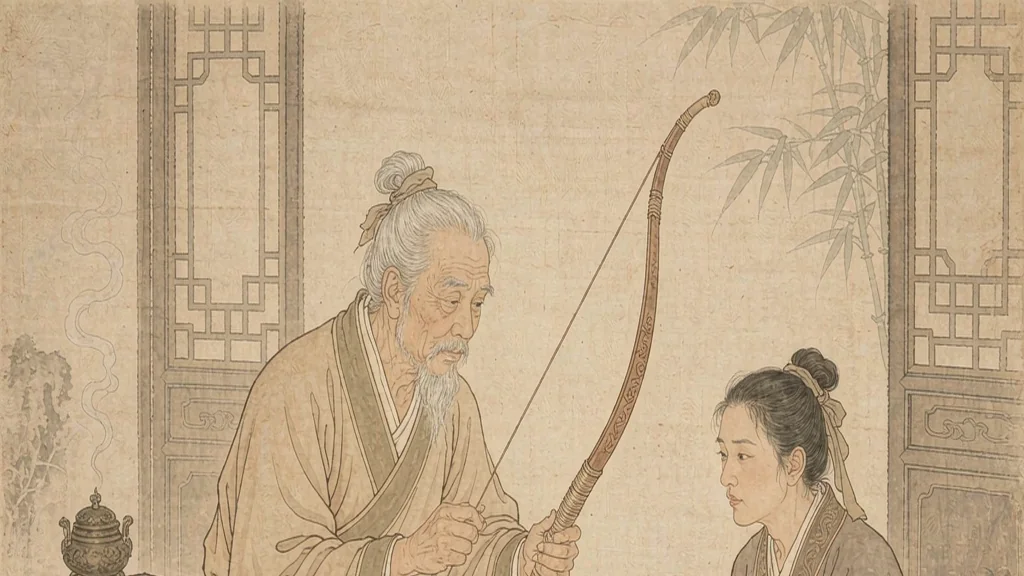
Zhang: The Archer's Legacy
张 literally means 'to draw a bow.' The surname originated from an archer named Hui who served as an official in the state of Jin during the Spring and Autumn period.
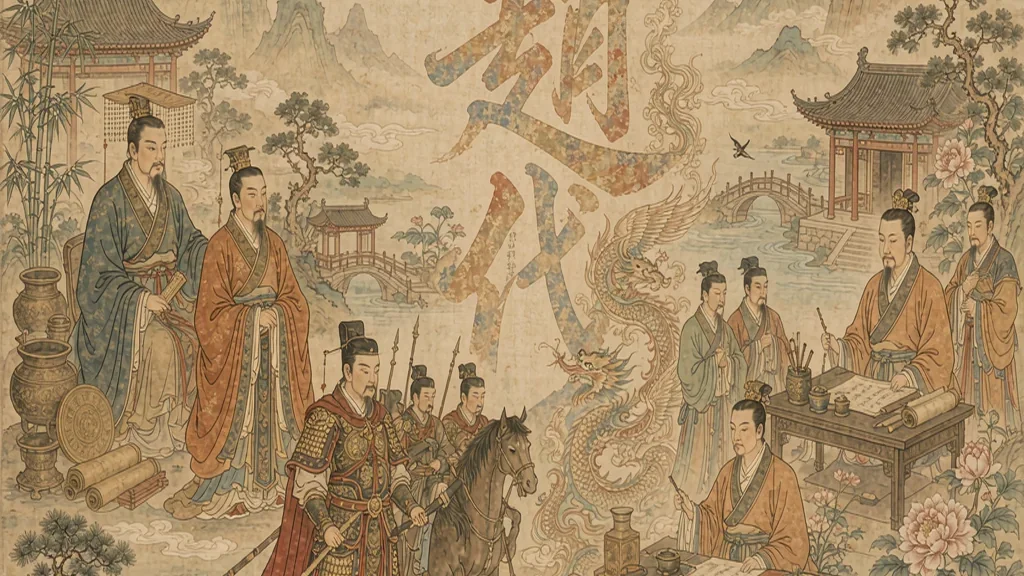
Zhao: The First Surname of the Hundred
赵 was the surname of the imperial family of the Song dynasty. It means 'to walk quickly' and originated from the state of Zhao during the Warring States period.
Zheng: The Serious Name of an Ancient State
Zheng originated from the state of Zheng during the Zhou dynasty.

Zhou: The Name of a Dynasty and Its People
周 means 'circumference' or 'cycle.' It was the surname of the Zhou dynasty's royal family.
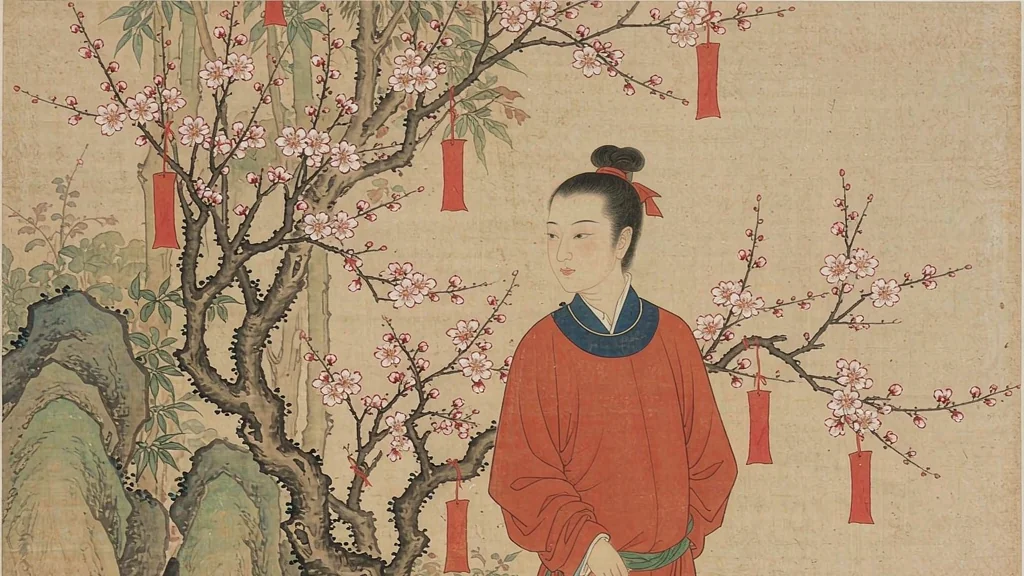
Zhu: The Vermilion Surname of Ming Emperors
朱 means 'vermilion red.' It was the surname of the Ming dynasty's imperial family.