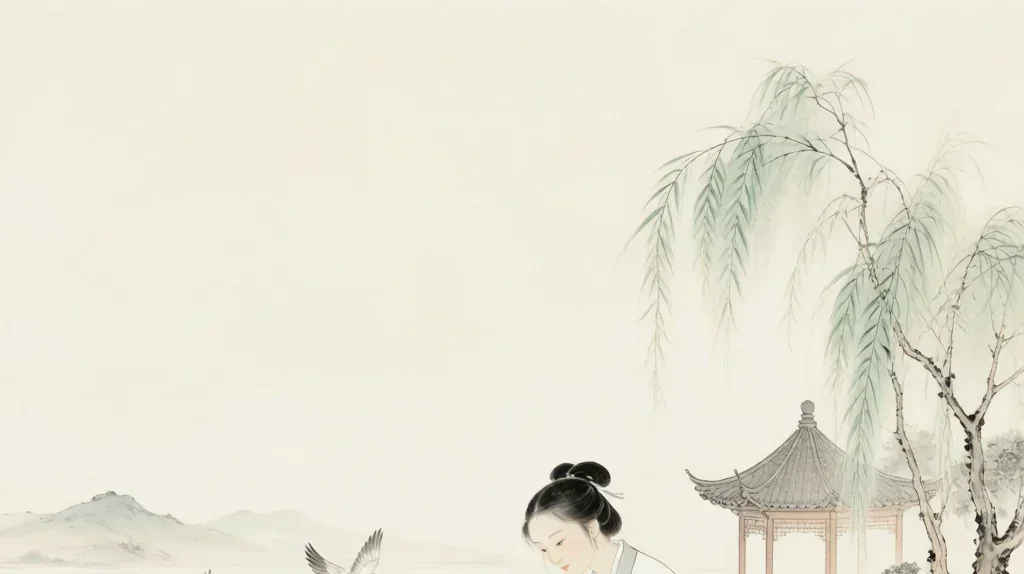
The practice of fang sheng (放生), often translated as "releasing life" or "mercy release," is the Buddhist-influenced custom of freeing captive animals as an act of compassion and merit. Bought from markets and set loose into water or open sky, the creatures — fish, turtles, birds, and sometimes insects — become living prayers for the welfare of the releaser and of all beings. While rooted in Indian Buddhist teachings against killing, the practice took deep local root in China, blending with native ideas about the sanctity of life and the accumulation of blessing, and it remains a visible part of religious life across the Chinese world today.
Buddhist Roots: The First Precept
The custom rests on the Buddhist first precept, to abstain from taking life, and on the boundless compassion (karuna) that seeks to relieve the suffering of sentient beings. Releasing a captive directly enacts that compassion.
The Sutra on Releasing Life and similar texts promise that such acts bring long life and merit to the doer, framing release not as sentimentality but as a disciplined spiritual exercise.
In the logic of karma, sparing a life generates protective merit, and the practice became one of the most accessible forms of Buddhist piety, open to anyone with a few coins.
Arrival and Growth in China
Mercy release spread with Buddhism from the early centuries of the common era, gaining imperial patronage at times; some emperors and empresses sponsored large-scale releases of animals.
It blended readily with Chinese valuing of life and with local customs of seasonal observance, so that releasing creatures became a recognized way to mark birthdays, funerals, and festival days.
By the Tang and Song periods, dedicated "release ponds" (fang sheng chi) were maintained at temples, and certain lakes were declared protected so that fish would never be netted there.
How the Ritual Is Performed
Typically a devotee buys animals destined for the cooking pot — live fish, turtles, eels, or caged birds — and, often after a priest chants a short blessing, sets them free in a suitable place.
The act is accompanied by the wish that the creature live out its natural life and, in the Buddhist frame, that the merit accrued benefit both the releaser and the released being on its path.
Birthdays are a popular occasion: rather than killing for a feast, one "buys life" by releasing, turning a personal celebration into an act of generosity toward others.
Confucian and Daoist Resonance
Although Buddhist in origin, the practice resonated with the Confucian stress on humane treatment (ren) and with Daoist reverence for the spontaneous life of nature, easing its acceptance.
The native taboo on wanton killing of creatures, especially at certain times of year, provided common ground, so that even non-Buddhists might join a release as a general good deed.
In this syncretic form, fang sheng became less a sectarian act than a broadly Chinese gesture of kindness toward living things.
Temples, Ponds, and Protected Waters
Many monasteries keep a pond where released turtles and fish may live undisturbed, a visible institution of mercy in the temple precinct. Visitors add creatures on auspicious days.
Some famous lakes and sections of rivers were declared "release waters" by local authorities or religious communities, with fishing banned so that the animals would be safe after freedom.
These protected waters became small sanctuaries, an early form of what we might now call a wildlife refuge, sustained by religious rather than scientific motive.
Connections to Festivals
Releasing life is often tied to the Lunar New Year, the birthday of the Buddha (as celebrated in some schools), and the Chongyang and Qingming seasons of remembrance.
At Qingming, when families sweep graves, releasing a creature can be an offering on behalf of the departed, linking mercy to filial devotion across the living and the dead.
The practice thus threads through the ritual calendar, appearing wherever compassion and commemoration meet.
Literary and Artistic Echoes
Classical poets wrote of buying and releasing a captured bird or fish, treating the moment as a small enlightenment, a relief from the cage that mirrored the soul's own longing for liberation.
Paintings of released cranes or fish drift through lakeside scenery carry the same quiet message, and the motif appears in folk illustration as a genre scene of piety.
The phrase "release life" entered the moral vocabulary as shorthand for any merciful, noninstrumental kindness toward the weak.
Modern Criticism and Ecology
In recent decades the practice has drawn criticism when commercialized: vendors capture animals precisely to be bought and released, and some released species are non-native and harm local ecosystems.
Well-meaning releases of farmed turtles or tropical fish into unsuitable waters can cause suffering and ecological imbalance, prompting temples and governments to issue guidelines.
Contemporary Buddhist leaders increasingly counsel "wise release," choosing native species, healthy habitats, and avoiding markets that profit from the demand, aligning mercy with ecological responsibility.
Meaning and Continuity
At its core, fang sheng teaches a simple, radical idea: that a creature's life is not merely a resource for human use, and that kindness shown to the small and speechless is itself a form of wealth.
For practitioners it remains a tangible way to translate doctrine into a single decisive gesture — the opening of a cage — that connects personal faith to the fate of another being.
Whether performed at a temple pond or a riverside on a birthday, the release of life continues to express one of China's enduring moral intuitions: that to let live is among the highest things a person can do.
❓ Frequently Asked Questions
What is fang sheng?
Fang sheng, or "releasing life," is the Buddhist-influenced custom of buying captive animals and setting them free as an act of compassion and merit.
Where does the practice come from?
It derives from the Buddhist first precept against killing and the ideal of compassion, spreading to China with Buddhism and blending with native valuing of life.
When is mercy release performed?
It is common on birthdays, at New Year, at the Buddha's birthday, and at Qingming, often accompanied by a priest's blessing and a wish for the creature's welfare.
Why keep a temple release pond?
A release pond gives freed fish and turtles a safe, undisturbed home, functioning as a small sanctuary sustained by religious rather than scientific motive.
What are the modern criticisms?
Commercial capture-for-release and the release of non-native or unsuitable species can cause ecological harm, prompting calls for "wise release" using native species and proper habitats.
Is fang sheng only Buddhist?
Though Buddhist in origin, it resonated with Confucian humaneness and Daoist nature reverence, so it became a broadly Chinese gesture of kindness.