🔍 Cultural Details
45 articles — Numbers, colors, and cultural symbolism
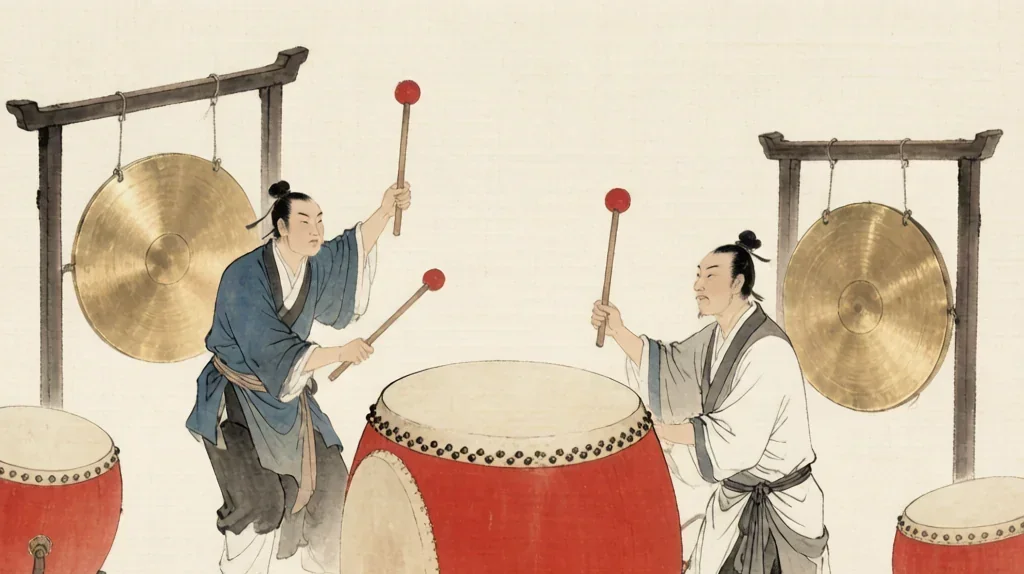
Chinese Drum Music: Thunder and Rhythm
Close your eyes and imagine the sound: a single deep beat, then another, then a cascade of strikes building to a thunderous crescendo that vibrates through your chest. This is the sound of Chinese drum music, one of the oldest and most powerful musical traditions in the world.
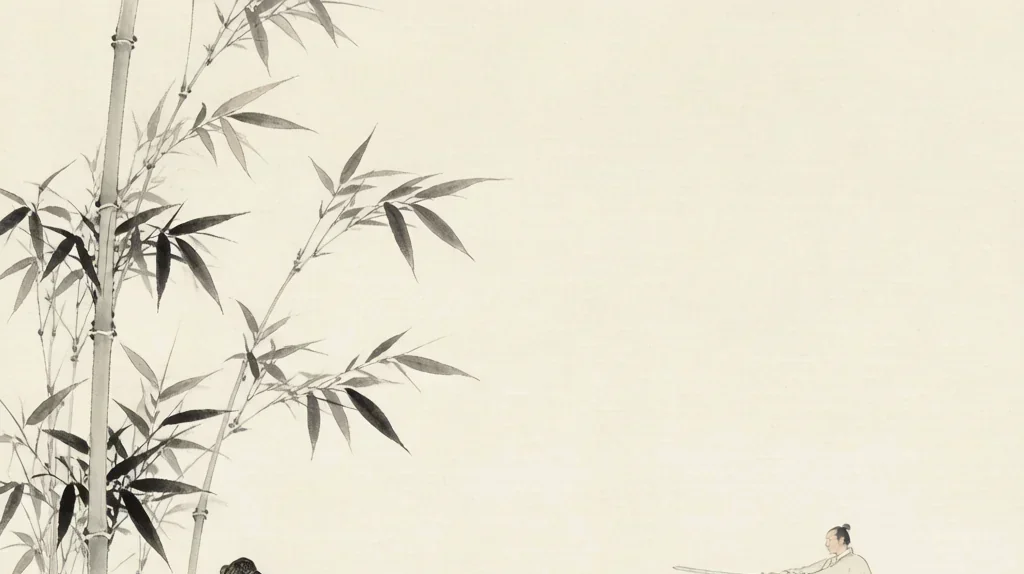
The Chinese Sword: Gentleman of Weapons
In the pantheon of Chinese weapons, the Jian (剑) — the straight, double-edged sword — occupies a unique position. It is called the "Gentleman of Weapons" (君子之器), a tool not merely of violence but of cultivation, refinement, and moral character.
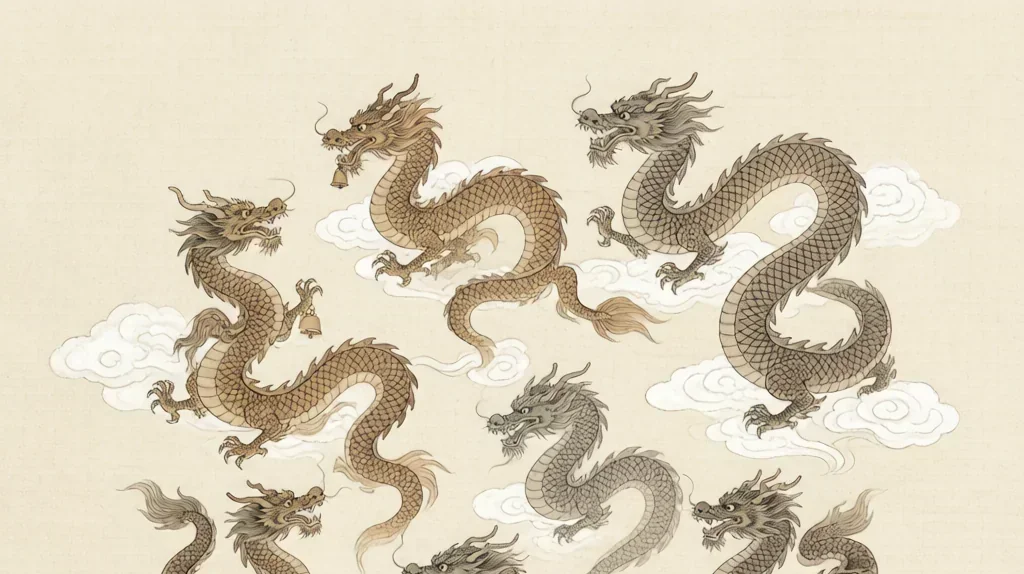
The Nine Sons of the Dragon
There is a well-known Chinese saying: "The dragon has nine sons, and each is different" (龙生九子,各有所好). The Chinese dragon — that magnificent, serpentine creature of clouds and rain — did not, according to legend, father more dragons.

Mendang Hudui: The Architecture of Marriage
In Chinese, when people say that a couple is "well-matched," they use the phrase Mendang Hudui (门当户对). Translated literally, it means "the door stones match, and the gate ornaments pair.
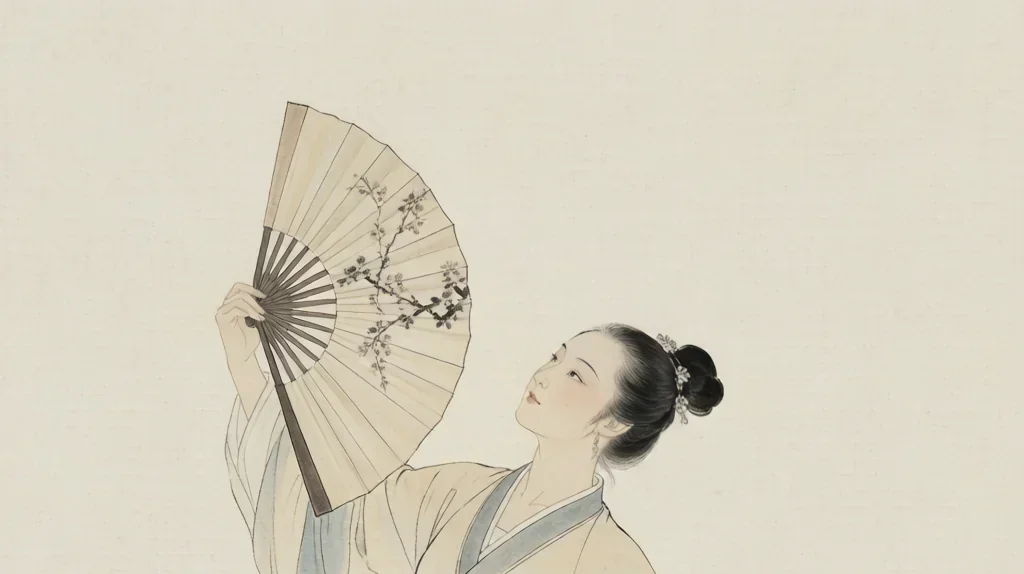
Chinese Fan Dance: Poetry in Motion
On a stage lit by soft lantern light, a dancer moves in silence. In her hands, a folding fan opens and closes with the precision of a butterfly's wing.

Guardian Lions: The Stone Protectors
Stand before any traditional Chinese building of importance — a temple, a palace, a government office, even a bank or wealthy home — and you will be met by a pair of stone lions. One male, one female.
Chinese Number Culture: Lucky and Unlucky Digits
In 2003, a Chinese airline paid $280,000 for the phone number 8888-8888. In 2016, a license plate reading "88888" sold at auction for over $2 million.

Wenwan: The Art of Collecting Culture
In a Beijing tea house, an elderly man sits quietly, a pair of walnuts rolling between his palms. The walnuts are not for eating — they are polished to a deep mahogany sheen, their ridges worn smooth by decades of handling.
Xiangqi: Chinese Chess, the Game of Generals
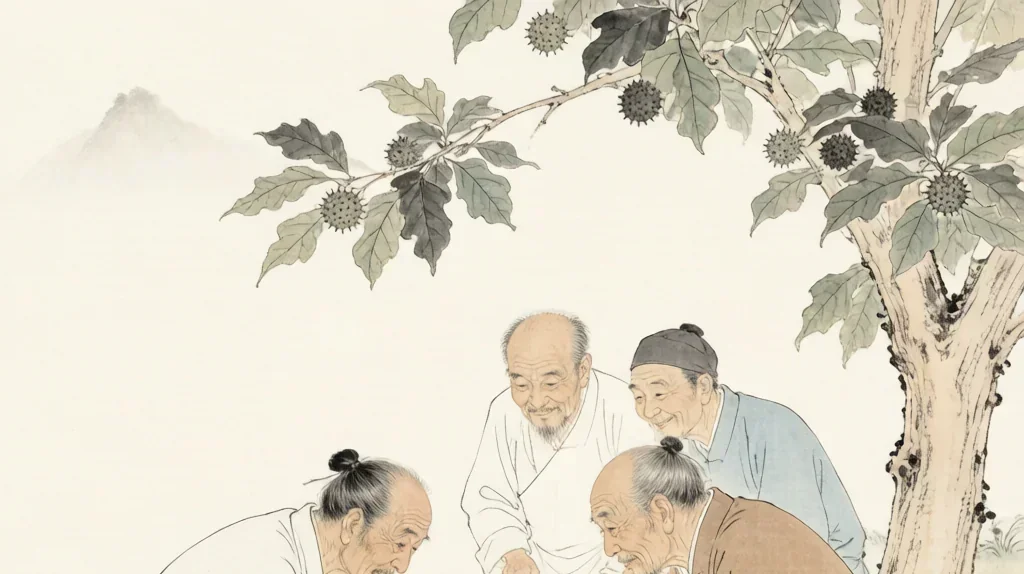
On any given afternoon in cities across China, you can find them: clusters of men crouched around wooden boards, voices rising and falling as pieces clack against the wood. These are Xiangqi players, engaged in what is arguably the world's most popular board game — Chinese chess.
Chinese Seals: The Signature of Emperors
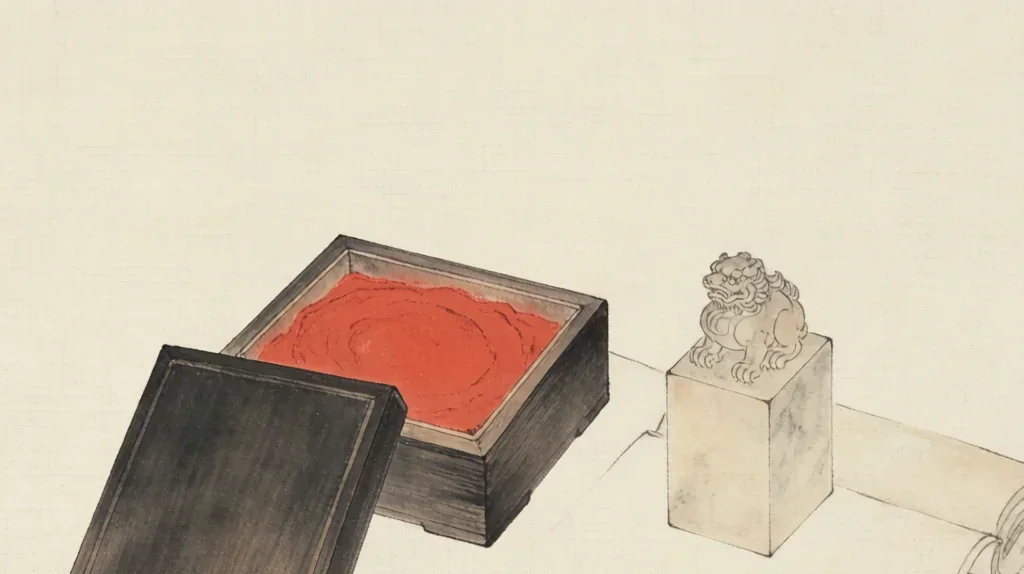
Before there were signatures in China, there were seals. For over 3,000 years, the small red square of a seal impression has been the ultimate mark of identity, authority, and authenticity in Chinese civilization.
The Eight Trigrams
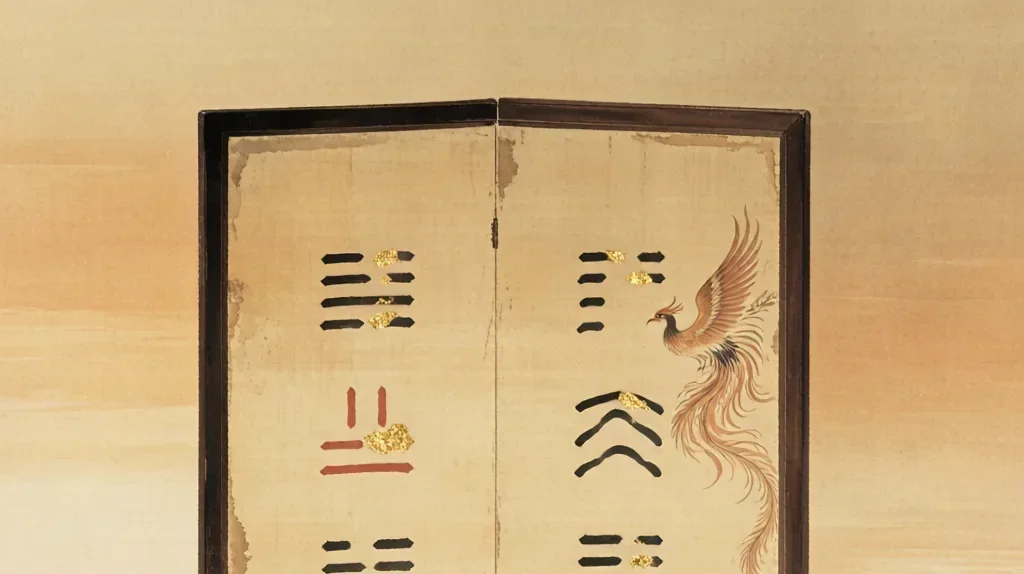
Few systems of symbol have shaped Chinese life as deeply as the Bā Guà (八卦), the Eight Trigrams. Composed of stacked broken and unbroken lines, these eight simple figures are the alphabet of classical Chinese divination, medicine, architecture, and philosophy.
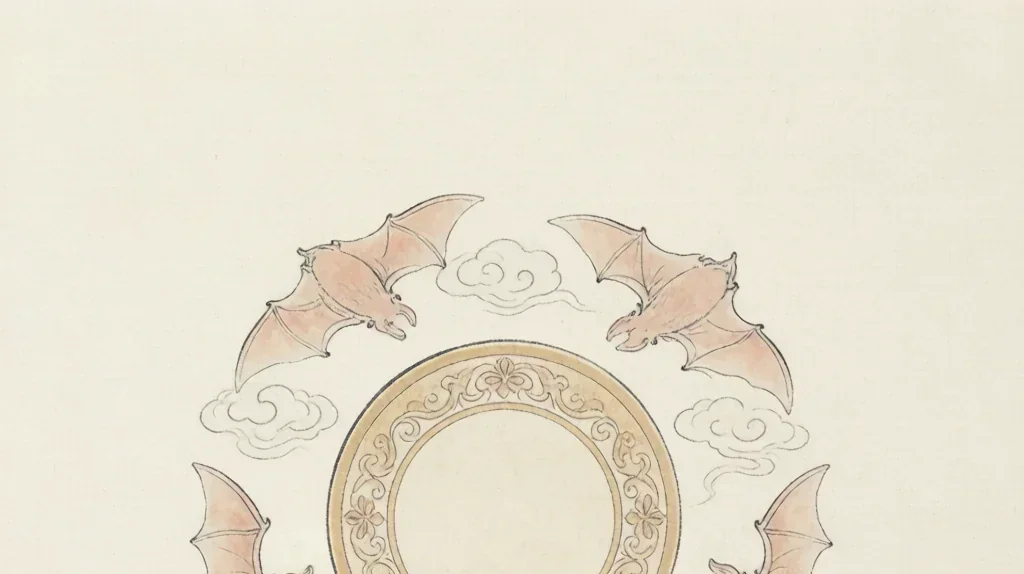
The Bat: A Beast of Good Fortune
To Western eyes a bat is a creature of caves and fear, but in Chinese art the Biān Fú (蝙蝠) is a welcome guest. The reason is a happy accident of sound: the word for bat, fú (蝠), is a near-twin of the word for fortune and blessing, fú (福).
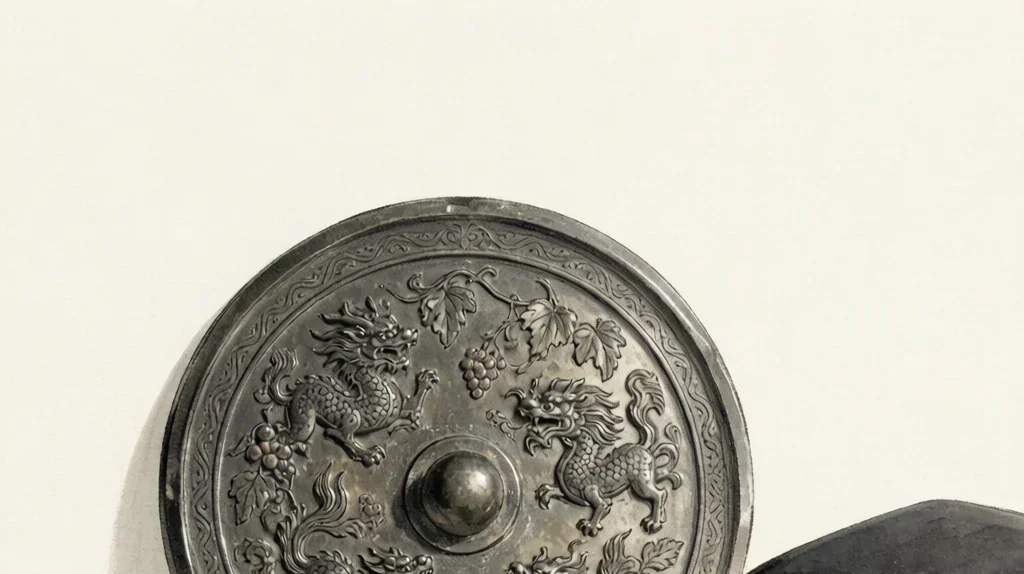
The Bronze Mirror: Portal to the Other World
Before glass mirrors, the Chinese polished bronze to a shine and called it the Tóng Jìng (铜镜), the bronze mirror. But this was no mere toilet article.
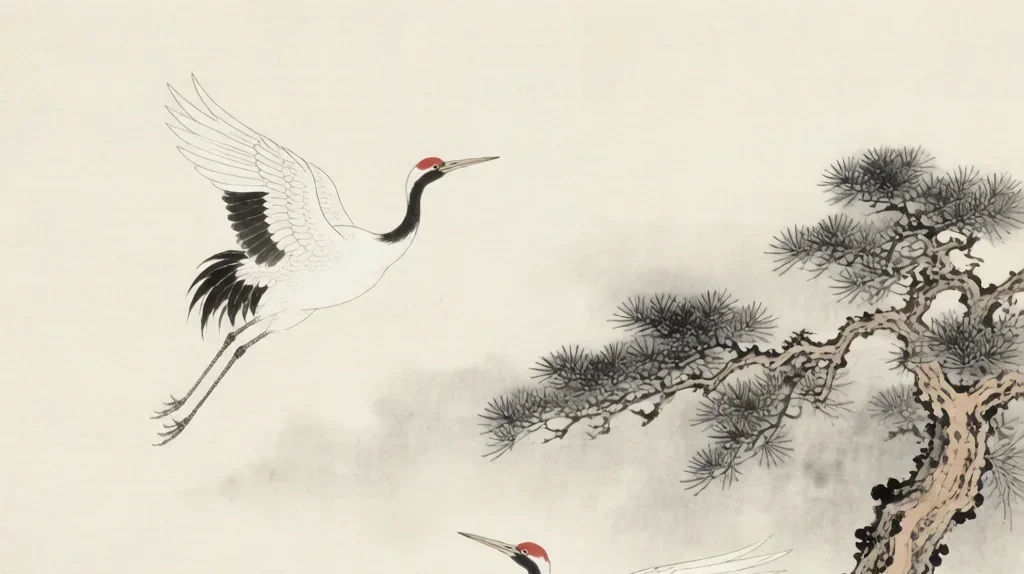
The Crane: Messenger of Immortality
Standing on one leg in a still pond, the Hè (鹤), the crane, is the supreme emblem of longevity and transcendence in Chinese culture. White, tall, and seemingly untouchable by age, it is the messenger of the immortals, the companion of scholars, and the first-rank bird of the official robe.
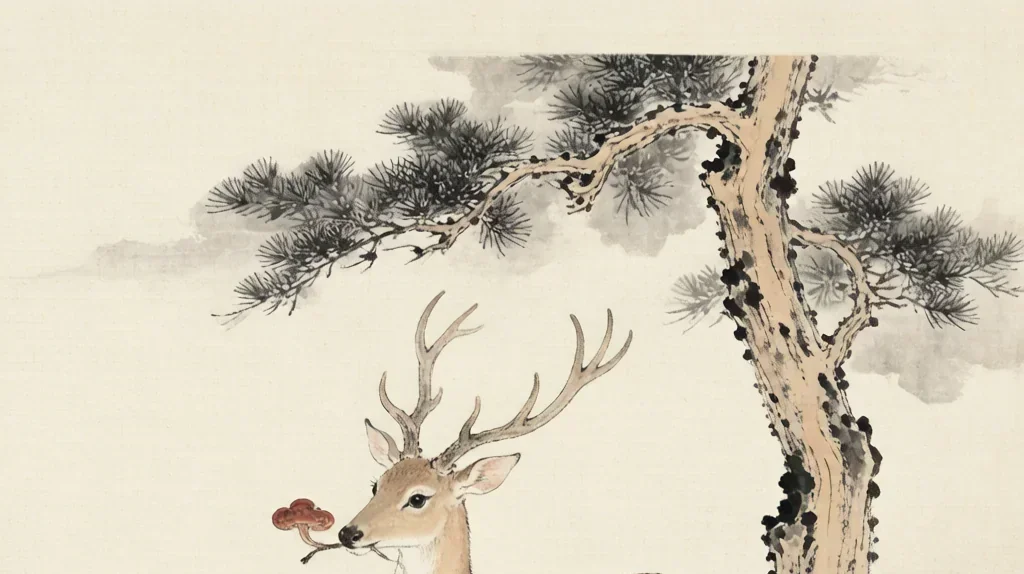
The Deer: Emblem of Rank and Longevity
Graceful, gentle, and crowned with branching antlers, the Lù (鹿), the deer, is a creature of double blessing in Chinese symbolism. First, the word lù (鹿) is a homophone of lù (禄), official salary or rank, so the deer became the emblem of career success and government emolument.
The Release of Captive Lives
To buy a caged creature and set it free is, in Chinese practice, an act of mercy with a name: Fàng Shēng (放生), the release of captive lives. Rooted in Buddhist compassion and echoed in Daoist reverence for life, the custom turns a small kindness into merit.
The Fish: A Symbol of Abundance
Gliding through ponds, porcelain, and New Year prints, the Yú (鱼), the fish, is one of China's oldest and warmest symbols of abundance. The reason is another of those productive puns that fill Chinese design: yú (鱼, fish) sounds like yú (余, surplus).
The Gourd: Gourd of Blessings
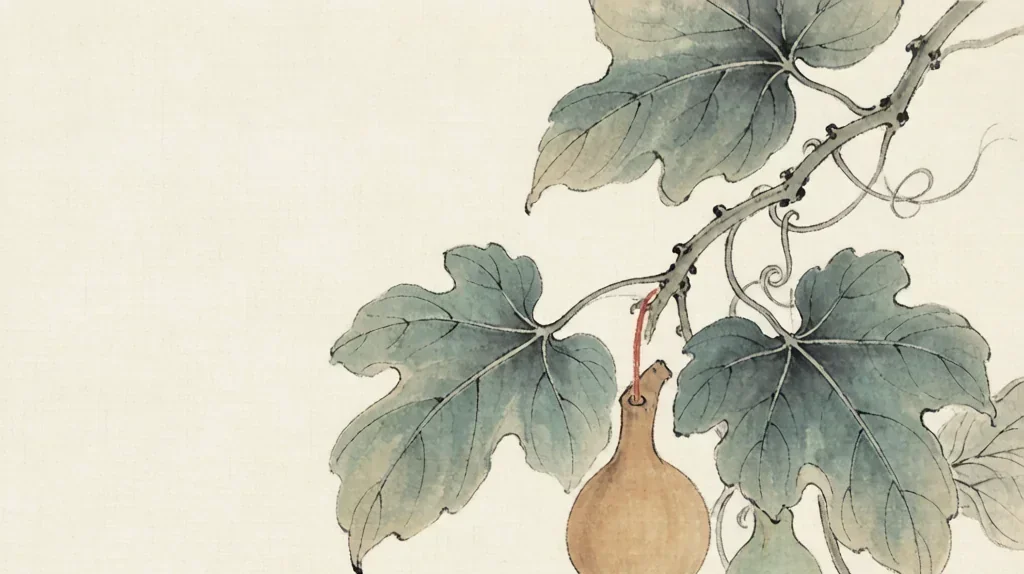
With its double-bulb shape like a figure eight, the Hú Lu (葫芦), the gourd, is one of the most beloved and useful forms in Chinese material culture. It is at once a vegetable, a bottle, a musical instrument, a medicine case, and a charm.

The River Chart and Luo Writing
In the long river of Chinese thought, few images are as mysterious or as foundational as the Hé Tú Luò Shū (河图洛书), the River Chart and the Luo Writing. These are two ancient cosmic diagrams of dots and numbers said to have arisen from sacred waters, and they lie at the very root of Chinese cosmology, mathematics, and divination.

The Ornamental Column
Rising before palaces and tombs, a tall carved column crowned with a twisting cloud and a seated beast gazes down the avenue — this is the Huá Biǎo (华表), the ornamental column. At once a monument, a street marker, and a silent critic of rulers, it is one of the grandest yet most overlooked symbols of imperial China.
The Sachet: A Pouch of Fragrance and Protection
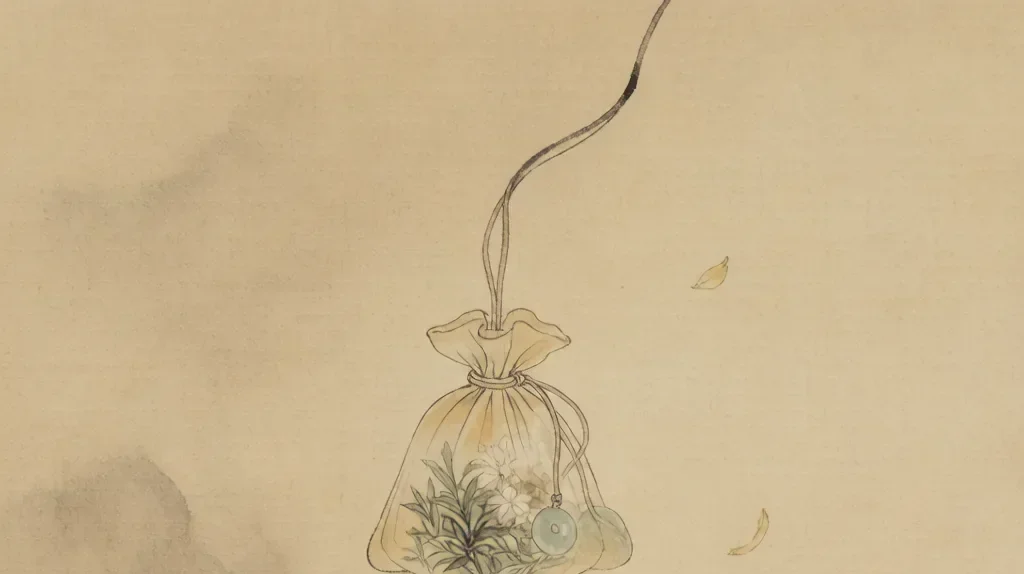
Small, soft, and sweet-smelling, the Xiāng Náng (香囊), the sachet or fragrance pouch, is one of the most intimate objects in Chinese material culture. Worn at the belt, hung in the room, or given as a love token, it carries aromatic herbs that please the nose and, in traditional belief, guard the body from illness and evil.
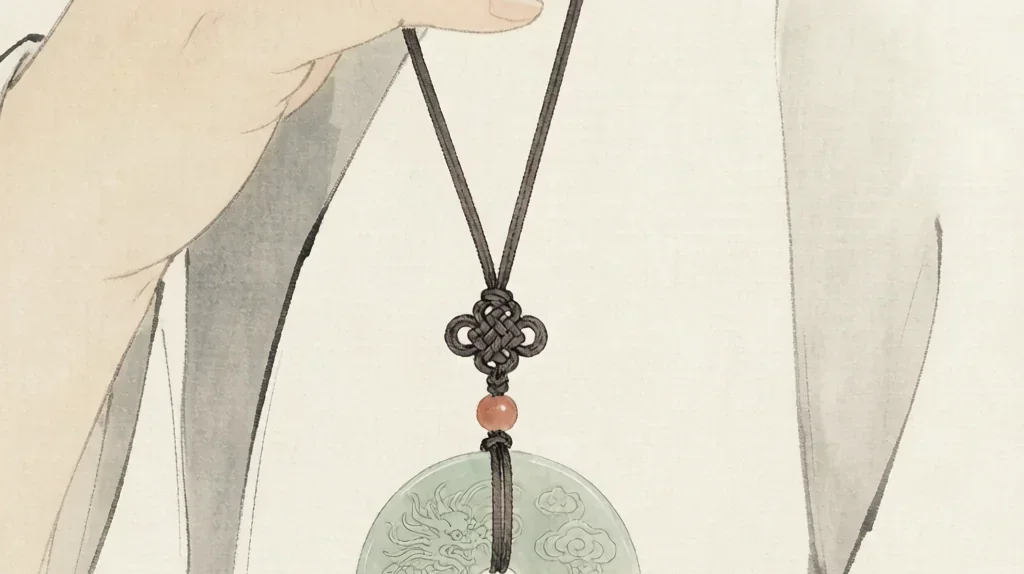
The Jade Pendant
Carved, cool, and translucent, the Yù Pèi (玉佩), the jade pendant, is more than jewelry in Chinese culture — it is a worn philosophy. For three thousand years the gentleman wore jade at his belt not to dazzle but to remind himself how to behave: jade is smooth yet hard, quiet yet resonant, beautiful yet useful.
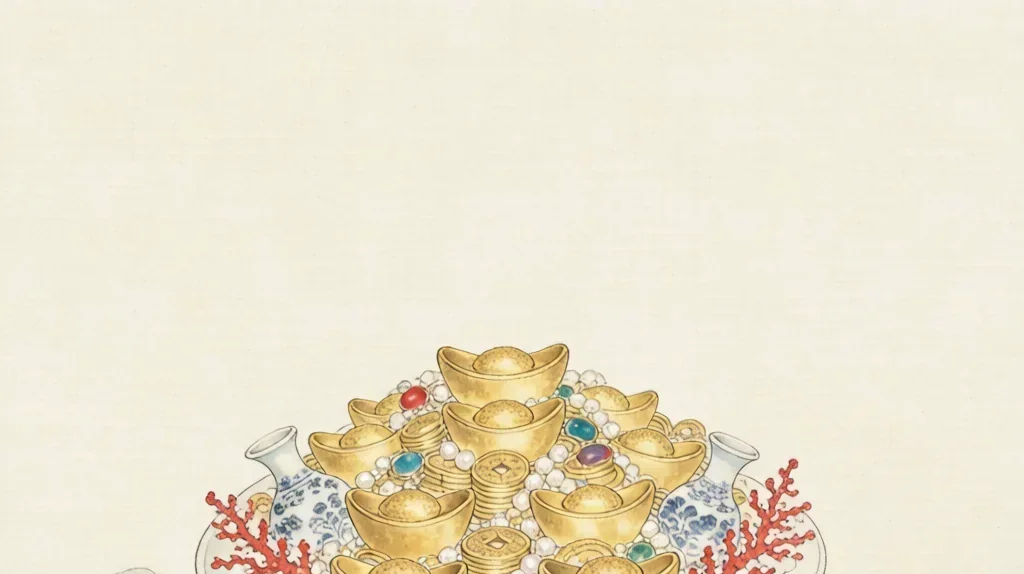
The Treasure Basin
Imagine a basin that, once filled, never empties — drop in a single coin and it returns a flood of them. This is the Jù Bǎo Pén (聚宝盆), the Treasure Basin, a beloved motif of inexhaustible wealth in Chinese folklore and art.
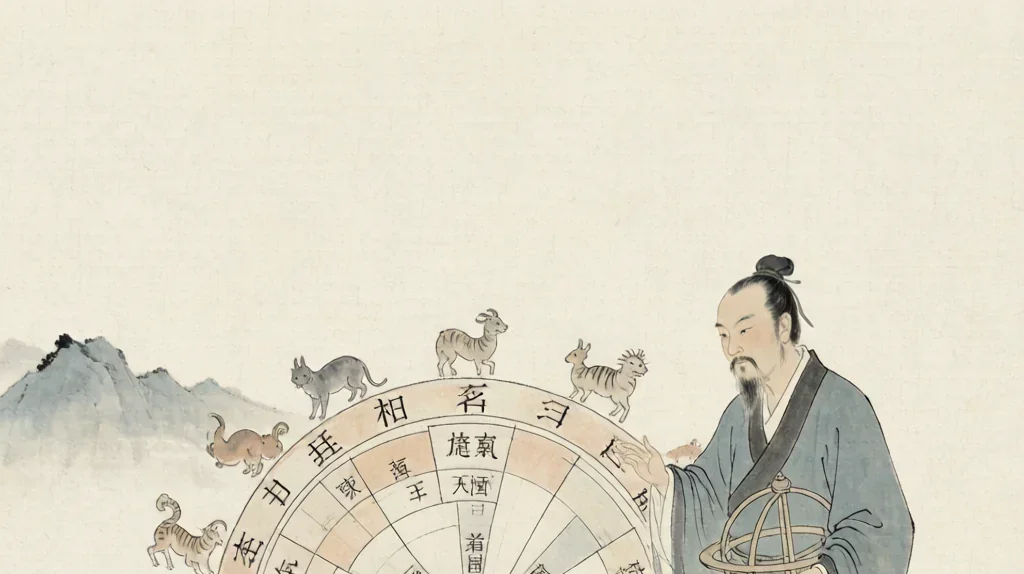
The Sexagenary Cycle of Sixty Years
Imagine a calendar that never repeats a year's name for sixty years. This is the Liù Shí Jiǎ Zǐ (六十甲子), the Sexagenary Cycle, the great wheel of sixty combinations by which the Chinese traditionally counted years, months, days, and hours.
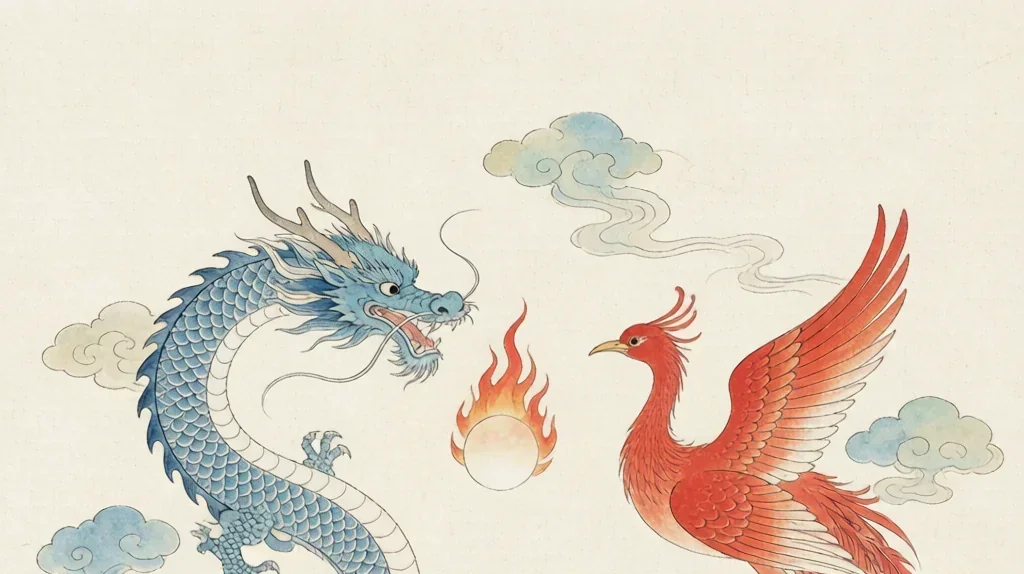
Dragon and Phoenix Culture (龙凤文化): The Yin-Yang of Chinese Symbolism
In the symbolic vocabulary of Chinese culture, no pairing is more fundamental, more ubiquitous, or more resonant than the dragon (龙, lóng) and the phoenix (凤, fèng). Together, these two mythical creatures form a complementary dyad that represents the fundamental duality of Chinese cosmology: yang and yin, heaven and earth, masculine and feminine, power and grace, emperor and empress.
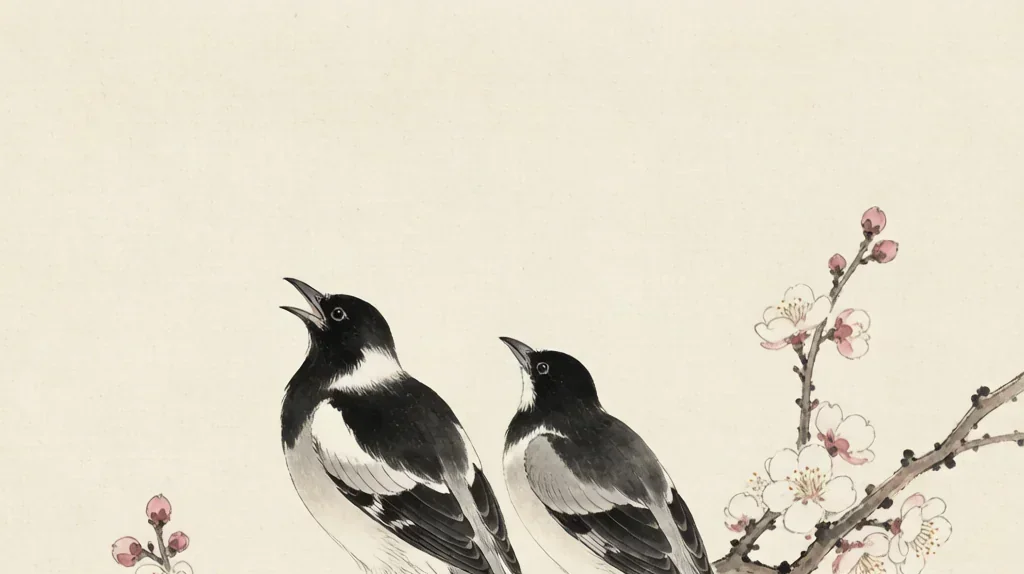
The Magpie: Bringer of Good News
In Chinese art a plump black-and-white bird with a long tail is rarely just a bird. The Xǐ Què (喜鹊), the magpie, is honored as the bearer of happy news, the "bird of joy" whose chatter at the window means a guest is coming or good fortune is near.

The Mandarin Duck: A Pair of Love
On a quiet lake, two small, brightly colored birds drift side by side — this is the Yuān Yāng (鸳鸯), the Mandarin duck, the great emblem of conjugal love in Chinese culture. Unlike the wild goose that signals separation, the Mandarin duck is always shown in a pair, faithful and close.
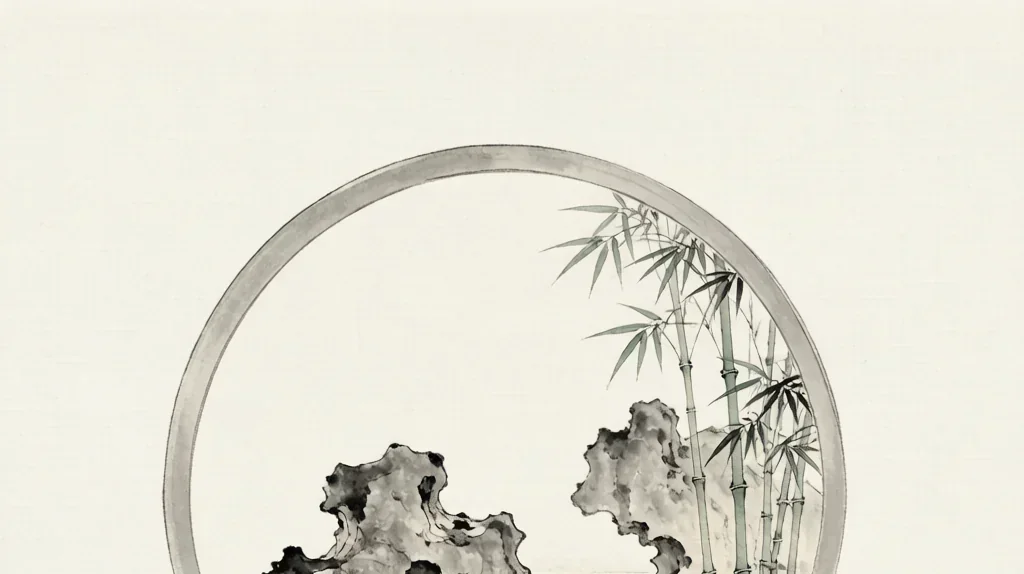
The Moon Gate
Set into a garden wall, a perfect circle of opening invites you through — this is the Yuè Dòng Mén (月洞门), the Moon Gate. Neither door nor window, it is a framed passage that turns a walk in the garden into a series of living pictures.

Numbers & Colors in Chinese Culture: Symbolism and Superstition
In Chinese culture, numbers and colors are never just numbers and colors. They are dense with meaning — carriers of luck and misfortune, joy and sorrow, power and humility.

The Memorial Archway
Spanning a street or marking a sacred path, the Pái Fāng (牌坊), the memorial archway, is one of the most dignified structures in the Chinese built world. Though it looks like a gate, it usually has no door to close — it is a threshold of meaning rather than of wood.
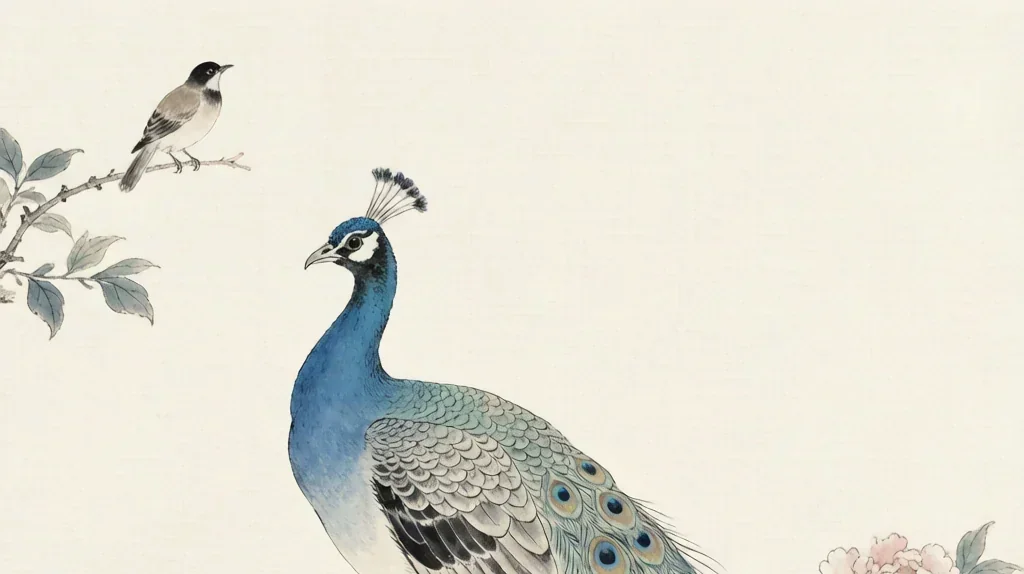
The Peacock
With a train that turns into a living fan of eyes, the Kǒng Què (孔雀), the peacock, is among the most spectacular birds in Chinese symbolism. It is at once an emblem of beauty, dignity, and protection — a creature whose dazzling plume was once reserved for the robes of the highest officials.
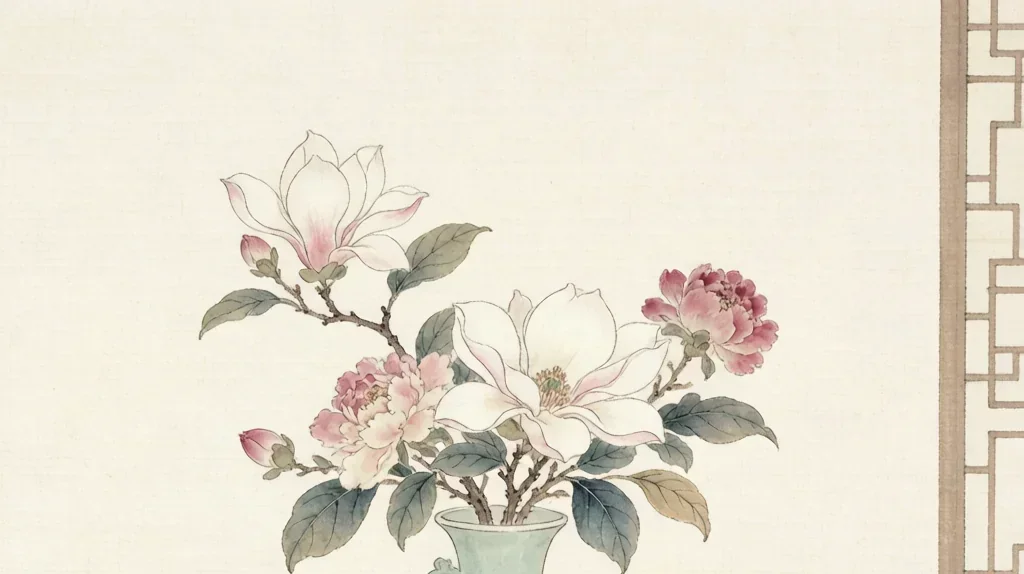
The Vase: A Vessel of Peace
In Chinese homes you will often see a vase standing in a place of honor, not for its flowers but for its name. The Píng (瓶), the vase, is a wish for peace.

The Pomegranate: Fruit of Many Sons
Cut open a Shí Liu (石榴), the pomegranate, and you find a chamber packed with ruby seeds — a natural image of a large family. For this reason the pomegranate is the great Chinese emblem of many sons, a fruit carried into the bridal chamber and painted on wedding chests to pray for children.
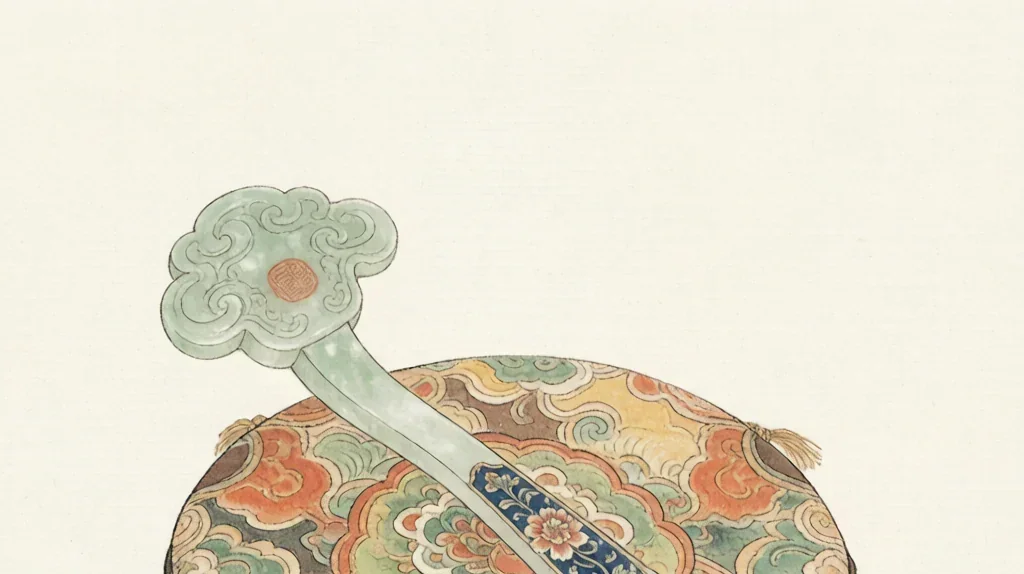
The Ruyi: Scepter of Everything-As-You-Wish
Shaped like a slightly squashed cloud or a fragment of a fungus, the Rú Yì (如意), the "as-you-wish" scepter, is one of the most elegant objects in the Chinese lexicon of good fortune. Its very name is a sentence: rú yì means "according to your wish" or "everything as you desire.
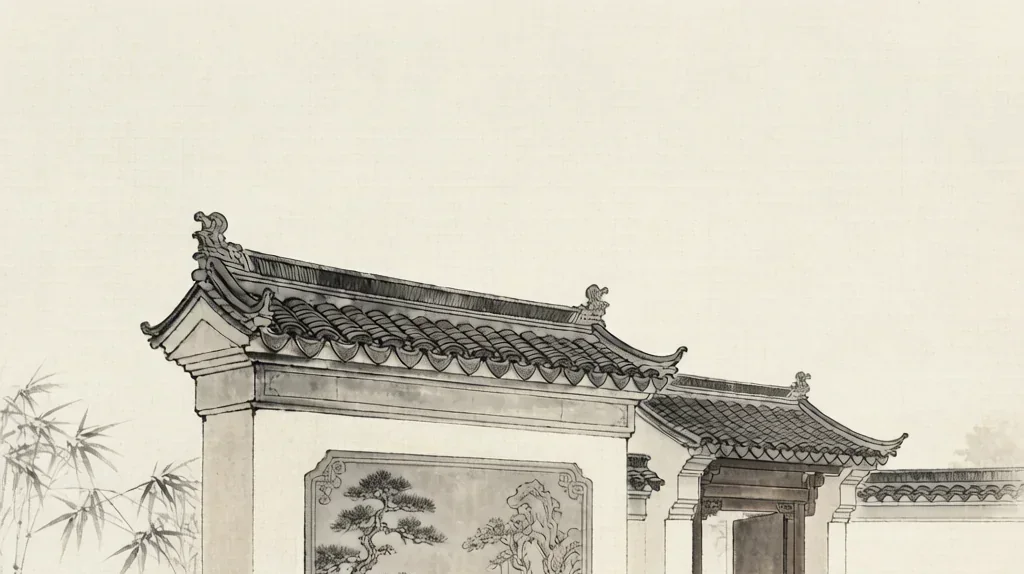
The Spirit Screen
Just inside the gate of a traditional Chinese courtyard, you often meet a wall that blocks the view of the home beyond. This is the Yǐng Bì (影壁), the spirit screen or "shadow wall.

The Longevity Character
Of all the characters in the Chinese writing system, few are as cherished as the Shòu Zì (寿字), the character for longevity. Written, embroidered, carved, and baked into birthday peaches, it is the centerpiece of every Chinese celebration of old age.

The Taiji Diagram: A Circle of Opposites
At the heart of Chinese visual philosophy sits a single circle split by an S-curve, half black and half white, each half cradling a dot of its opposite. This is the Tài Jí Tú (太极图), the Diagram of the Supreme Ultimate — perhaps the most recognizable symbol of Chinese thought in the world.

The Five Blessings
If you could name the five things that make a life good, what would they be? The Chinese answered this question long ago in the Wǔ Fú (五福), the Five Blessings: longevity, wealth, health, love of virtue, and a natural death in old age.
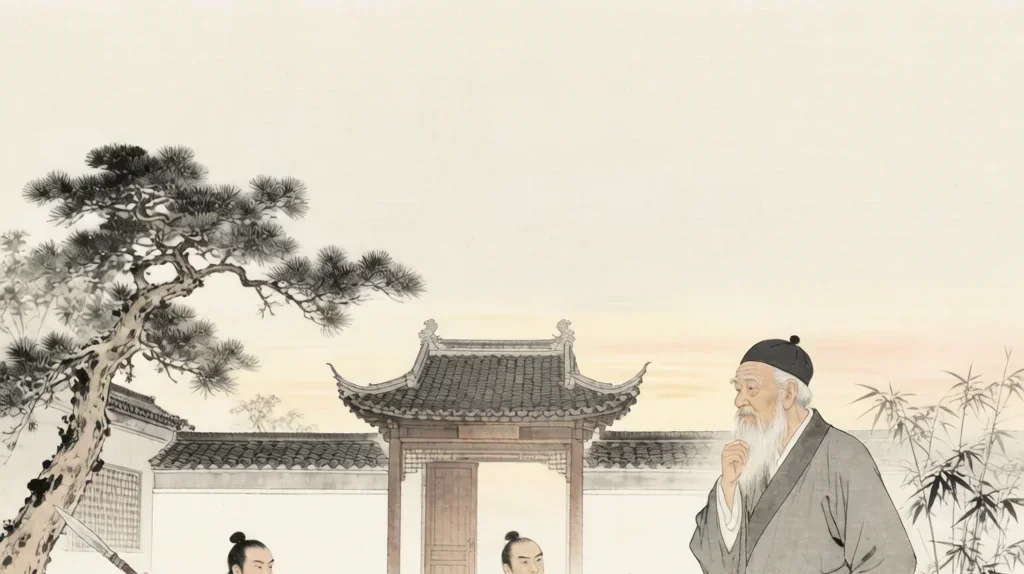
Martial Arts Culture (武术文化): Wushu as Cultural Heritage
Chinese martial arts (武术, wǔshù) — known in the West as kung fu (功夫, gōngfū) — represent far more than a system of combat techniques. They constitute a comprehensive cultural tradition that integrates physical training with philosophy, medicine, spirituality, and performance, embodying core Chinese values of self-cultivation, discipline, and the harmonious integration of body and mind.

The Double Happiness Character
Two characters for "joy" locked together as a single square — this is the Xǐ Zì (喜字), most often seen as the "double happiness" (shuāng xǐ) glyph pasted on every wedding door in China. If one shòu wishes for years, one xǐ wishes for joy, and the doubled form wishes it doubly, for the joining of two into one.
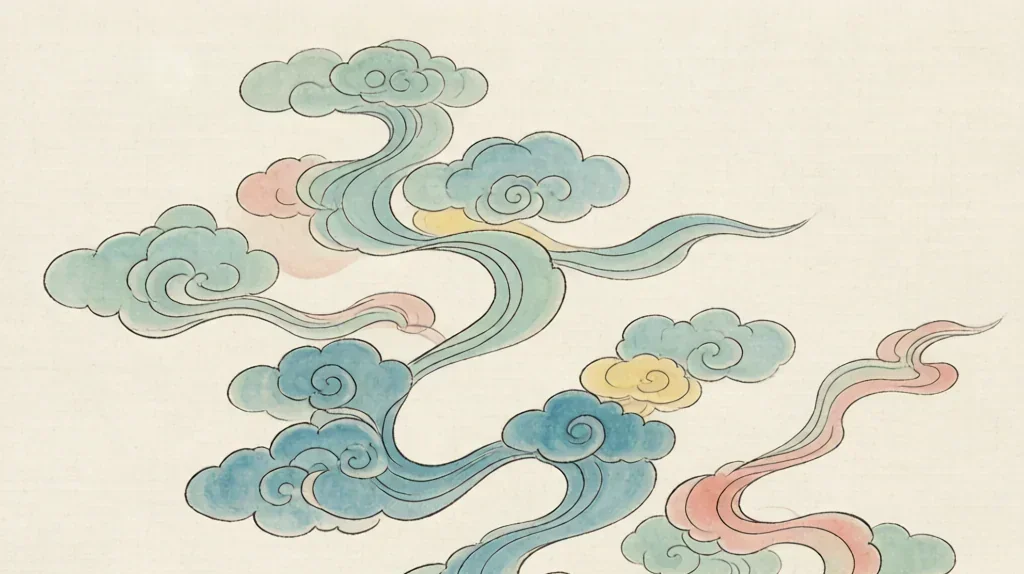
The Auspicious Cloud
Curling like ribbons across the sky of Chinese art, the Xiáng Yún (祥云), the auspicious cloud, is the gentle constant of the decorative heavens. Unlike the storm clouds of the West, Chinese clouds are benign, stylized scrolls that carry immortals, frame emperors, and fill every empty space with good omen.

The Money-Shaking Tree
A tree whose branches rain coins when shaken — this is the Yáo Qián Shù (摇钱树), the Money-Shaking Tree, one of the most delightful images of wealth in Chinese folklore. Part archaeological artifact, part fairy tale, the money tree captures a cheerful conviction: that fortune grows like fruit and can be harvested by a willing hand.
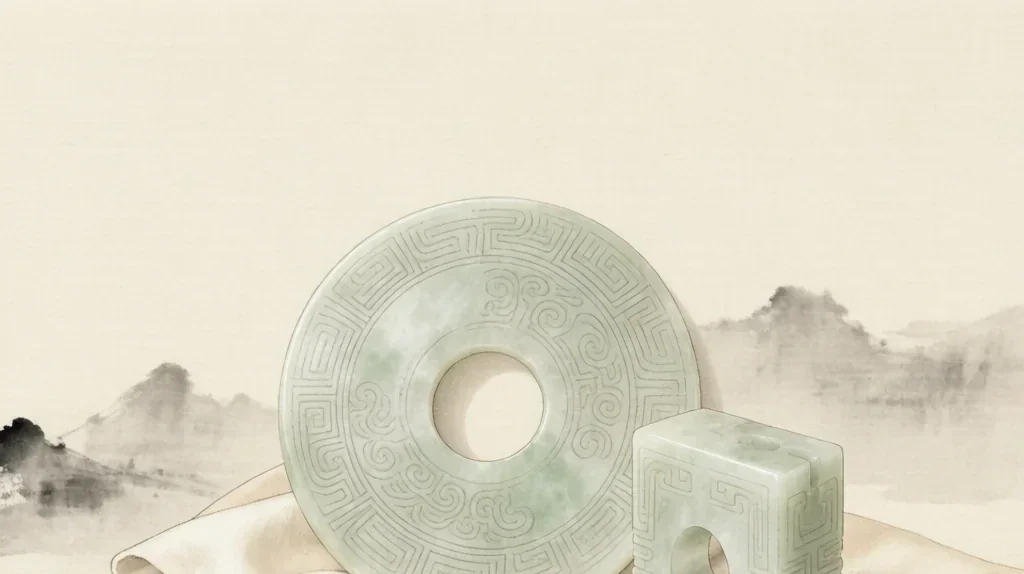
Jade Culture (玉文化): The Stone of Heaven in Chinese Civilization
No civilization in world history has been as profoundly and continuously shaped by a single material as China has been by jade (玉, yù). For over eight millennia, the Chinese have carved, worn, collected, traded, and philosophized about this stone, which they call the Stone of Heaven and the essence of heaven and earth.

The Silver Ingot of Wealth
With its boat-like body and two rounded, upturned ends, the Yuán Bǎo (元宝), the silver or gold ingot, is the most recognizable emblem of wealth in Chinese visual culture. Long after the real ingots left circulation, their cheerful silhouette survives in New Year sweets, in shop emblems, and in the piles of "gold" offered to the God of Wealth.
Chinese Garden Art (园林文化): The Poetic Landscape of Classical Gardens
The Chinese classical garden is not merely a designed landscape — it is a three-dimensional poem, a living painting, and a philosophical meditation on the relationship between humanity and nature. For over two millennia, Chinese scholars, poets, and emperors have created gardens that embody the Daoist ideal of harmony between human artifice and natural spontaneity (天人合一, tiān rén hé yī).