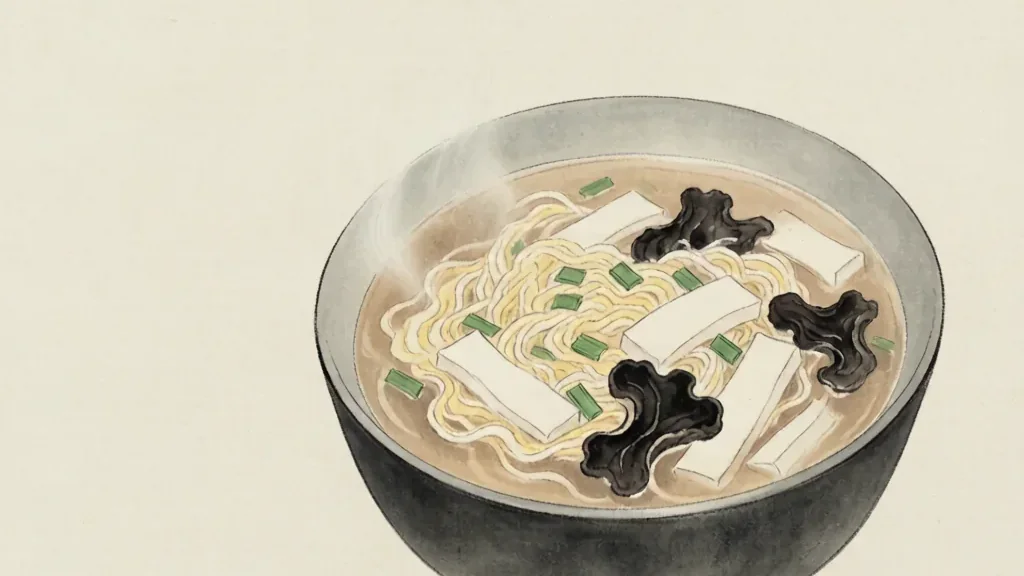
Suanlatang, "hot and sour soup," is a savory, tangy, and mildly spicy Chinese soup built on a broth thickened with vinegar's sourness and white pepper's heat, studded with ingredients such as tofu, wood-ear fungus, bamboo shoot, sliced pork, and sometimes lily buds and egg ribbons. Best known through the version served in Chinese restaurants worldwide — often glossy with cornstarch and trailing egg threads — the soup has roots in northern and Sichuan cooking, where "suan la" (hot-sour) is a cherished flavor pairing. Eaten as a warming starter or a soothing remedy for colds, suanlatang balances brightness and depth in a single bowl, and its gentle heat makes it a comfort food as much as a flavor showcase. Regional versions differ in thickness, spice, and toppings, but all share the defining sour-and-hot frame.
The Flavor Profile
The name suan la tang spells out the dish: suan (sour, from vinegar), la (spicy, from white pepper and sometimes chili), and tang (soup). The sour comes from black or white vinegar added near the end so its edge survives the heat; the heat from ground white pepper, which warms the throat rather than burning the tongue like chili.
Unlike many Sichuan dishes that lean on chili oil, classic hot-and-sour soup relies on pepper for pungency, making it aromatic and warming without being red. The balance is the point: too much vinegar and it is sharp; too much pepper and it is harsh. A good bowl is rounded, not aggressive.
Historical Background
Hot-sour soups appear across China, with strong northern and Sichuan lineages. In the north they are a winter warmer using pantry ferments and dried goods; in Sichuan the suanla frame is one of the province's recognized flavor families, applied to soups, jelly, and noodles alike. The restaurant "egg drop" version familiar abroad is a polished descendant.
The soup's thrift also shaped it: it makes use of dried lilies, wood-ear, and tofu — humble, long-keeping items — stretched with broth and starch. This economy helped it spread as a household and banquet staple alike.
Core Ingredients
A typical bowl contains firm tofu cut in silken cubes, rehydrated wood-ear fungus for crunch, julienned bamboo shoot, and sometimes slippery lily buds (golden needles). Sliced pork or chicken adds body, while a beaten egg is streamed in to form ribbons. Scallion and a little sesame oil finish it.
The supporting cast can vary widely: some add shrimp, mushrooms, or corn; vegetarian versions omit meat. What unifies them is the sour-pepper broth and the cornstarch veil that gives the soup its signature silky, medium body rather than a thin consommé.
Thickening and Egg Ribbons
Cornstarch is the quiet engine of the dish. A slurry stirred into the simmering broth thickens it to a velvety, clinging consistency that carries the sour and pepper notes across the palate. Without it, the soup would taste flat and thin despite the same seasonings.
The egg is added last: beaten egg is poured in a slow thread while the broth circles, setting into delicate yellow ribbons that float through the bowl. This "egg-drop" step is the visual signature of the restaurant version and adds soft protein richness.
Regional Variations
Northern styles tend clearer and more pepper-forward; Sichuan versions may add a little chili oil and douban for redness and depth; Hunan renditions push the sour higher. The famous "hot and sour soup" of overseas Chinese restaurants is a standardized, cornstarch-heavy form designed to please broad palates.
Despite differences, the sour-pepper frame holds everywhere, proving the flavor pairing is the dish's true identity. Travelers find that "suanlatang" means something slightly different in each region yet remains instantly recognizable.
How It Is Served
Suanlatang is usually a first course in a banquet or a light meal on its own, served in a tureen or individual bowls. A drizzle of chili oil or extra vinegar is often offered at the table so diners tune the balance. It pairs with rice or noodles but is substantial enough to stand alone.
In home cooking it is a quick restorative, thrown together from dried and fresh odds and ends. Its warmth and acidity make it a go-to when appetites are low or weather is cold, fitting the Chinese idea of food as gentle medicine.
Health and Comfort Role
The soup's warmth, pepper, and vinegar give it a reputation as a cold-season remedy and digestive aid in folk practice. White pepper is believed to "disperse cold" in traditional Chinese food theory, and the hot-sour combination is thought to open the appetite and clear congestion.
Nutritionally it is light if made with modest oil, offering protein from tofu and egg and fiber from vegetables. While restaurant versions can be salty and starch-heavy, a home bowl is a reasonably wholesome, soothing choice.
Suanlatang in Restaurants Abroad
In Chinese restaurants outside Asia, hot and sour soup is usually one of the first items listed, a reliable opener that introduces diners to the sour-pepper frame before richer mains. The overseas formula tends to be thicker and more uniformly spiced than regional Chinese versions, calibrated for broad appeal.
Its familiarity has made it a comfort order for regulars and a benchmark by which diners judge a kitchen's balance of vinegar and pepper. Though standardized, the restaurant bowl still demonstrates the core lesson of the dish: that sour and hot, handled with care, create a soup greater than the sum of pantry staples.
Making Suanlatang at Home
Home preparation starts with a simple broth (chicken or vegetable), to which tofu, wood-ear, bamboo, and pork are added and simmered. Vinegar and white pepper go in at the end, the cornstarch slurry thickens, and the egg is streamed in. Scallion and sesame oil finish.
The key is seasoning late: adding vinegar too early cooks off its sourness, and pepper loses punch if boiled long. With a well-stocked pantry, a convincing suanlatang comes together in twenty minutes, making it an ideal weeknight soup.
❓ Frequently Asked Questions
What is suanlatang?
It is Chinese hot-and-sour soup: a broth thickened with cornstarch and flavored with vinegar's sourness and white pepper's heat.
Is hot and sour soup very spicy?
It is warming rather than fiery; the heat comes from white pepper, which tingles the throat more than burns the tongue.
What is in suanlatang?
Typically tofu, wood-ear fungus, bamboo shoot, sliced pork, and egg ribbons in a sour-pepper broth.
Where does it come from?
It has northern and Sichuan roots; the suanla hot-sour frame is a classic Chinese flavor pairing.
Is it healthy?
A home version is light and soothing with protein from tofu and egg, though restaurant versions can be salty and starchy.
Can I make it vegetarian?
Yes, by omitting meat and using vegetable broth; the sour-pepper flavor and texture remain the same.