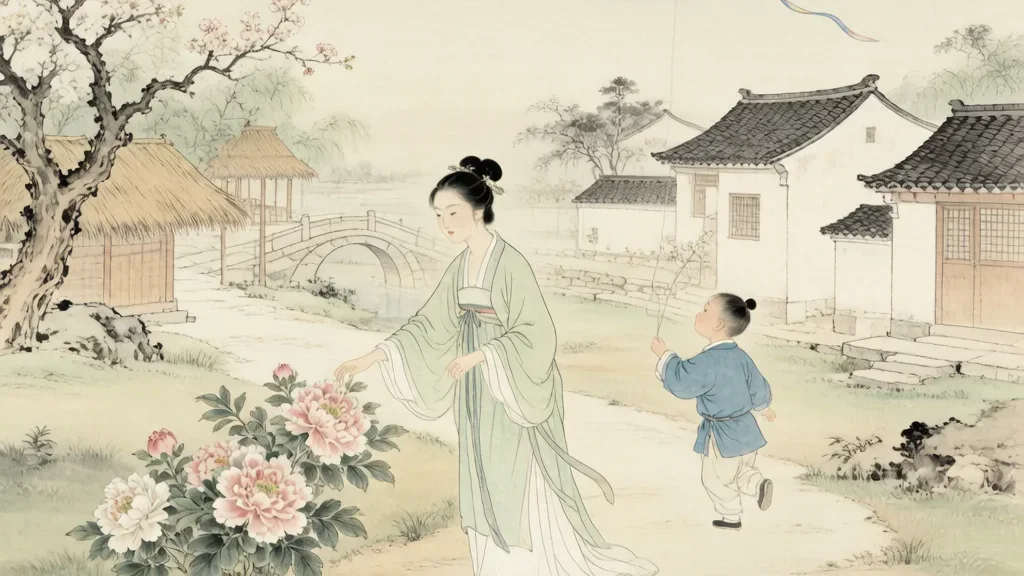
Qīngmíng (清明), the "Pure Brightness" or "Clear and Bright" solar term, is the fifth of the twenty-four solar terms and usually arrives around April 4 or 5. It sits between Chūnfēn (spring equinox) and Gǔyǔ (grain rain), a time when the weather turns warm, rains nourish the soil, and the landscape greens fully. Uniquely among the terms, Qīngmíng is also a major festival of remembrance, when families sweep ancestral graves, offer food, and enjoy the outdoors—blending solemnity with the pleasures of spring.
Place Among the Solar Terms
Qīngmíng is defined as the moment the sun reaches the celestial longitude of 15°. It follows Chūnfēn and precedes Gǔyǔ, placing it deep in the spring quarter when temperatures rise steadily across most of China.
The name captures the season's character: the air is clear, the sky bright, and the earth freshly washed by spring rains. Agrarian almanacs note that this is when "all things grow and become clear and bright," giving the term both a meteorological and a poetic meaning.
Because Qīngmíng is set by the sun, its Gregorian date is stable near April 4 or 5, unlike the movable lunar festivals. This solar fixity helped it function as a reliable marker for farming and ritual alike.
From a Solar Term to a Festival
Qīngmíng's identity as a day of grave-sweeping grew from older customs. It absorbed practices associated with the ancient "Cold Food" observance and with the Shangsi outing festival, gradually becoming the occasion for honoring the dead in spring.
The Tang dynasty formally recognized Qīngmíng as a holiday for court and commoners to visit graves, and the custom has continued ever since. What makes Qīngmíng distinctive is that it is at once a solar term, a festival, and a public holiday in modern China.
This layering means the day carries two moods: reverence for ancestors and delight in the returning life of nature, a combination that puzzles outside observers but feels natural to those who observe it.
The Cold Food Connection
The "Cold Food Festival" (Hánshí) traditionally forbade lighting fires and required eating prepared cold food for a few days, commemorating a loyal minister of antiquity. As the two observances converged, Qīngmíng inherited some of Cold Food's restraint and grave-visit customs.
Over time the fire ban faded, but the association with tomb sweeping and with refraining from certain festivities endured. Historians note the blending as an example of how Chinese festivals evolved by merging related seasonal rites.
Today most families no longer keep cold food, yet the memory of the connection survives in folk accounts that explain why Qīngmíng involves both quiet graveside ritual and later outdoor enjoyment.
Tomb Sweeping and Ancestor Veneration
The central act of Qīngmíng is "sweeping the graves" (sǎomù). Families travel to ancestral burial grounds to clear weeds, repair the mound, wipe the tombstone, and present offerings of food, wine, and spirit money.
The rite affirms continuing bonds between the living and the dead. By tending the grave and sharing a meal in spirit with ancestors, families express filial piety and maintain the household's place within its lineage.
Beyond the family plot, communities may also use the season to remember public figures and martyrs, showing how a private ritual of kinship broadens into civic remembrance in modern times.
Spring Outings and the Pleasures of the Season
Qīngmíng is also a time for "spring outings" (tàqīng), when people leave the house to walk in the countryside, admire blossoms, and enjoy the mild weather. The contrast with the solemn grave visit is deliberate and complementary.
Traditional advice held that one should both mourn and rejoice: the dead are honored, yet life goes on and should be celebrated. Outings, picnics, and flower viewing give the festival its lighter, restorative side.
In cities, parks and riversides fill with strollers during the holiday. The dual nature of Qīngmíng—sorrow and renewal—mirrors the season itself, poised between the chill of early year and the fullness of summer.
The Willow and Other Symbols
Willow branches are closely tied to Qīngmíng. People once planted willows by doors or wore them in hair, believing the plant's vitality could dispel misfortune and that its early green suited the season.
Other motifs include fresh peach and willow shoots, and the imagery of swallows returning and rains softening the soil. These symbols appear in folk art, songs, and seasonal decorations around the festival.
The willow's flexibility and quick rooting made it a natural emblem of spring resilience, and its presence at Qīngmíng distinguishes the festival's visual language from the red and gold of winter New Year celebrations.
Qīngmíng and the Tradition of Flying Kites
Flying kites is a beloved Qīngmíng pastime in many regions. Children and adults take to open fields and riverbanks, and in some places people cut the string at night so the kite drifts away, a gesture thought to carry away illness or bad luck.
The custom dovetails with the season's breezy, dry weather and with the festival's outdoor character. Kite designs range from simple diamond shapes to elaborate figurative forms painted with myths and animals.
Though now mainly recreational, the practice once carried wishes for health and a good year, linking leisure with the same seasonal hopes expressed at the grave and the outing.
Foods of the Qīngmíng Season
Regional Qīngmíng foods often use green plants. In the lower Yangtze area, "qingtuan" are sweet dumplings colored with mugwort or wheatgrass juice and filled with red bean paste, their jade color echoing the season.
Elsewhere, people eat spring vegetables, fresh bamboo shoots, and river fish, matching the general spring preference for light, green, and newly available foods. Some families still prepare cold dishes in memory of the Cold Food heritage.
Sharing these foods during grave visits and outings turns eating into a communal act that binds generations, the living tasting the same season the ancestors once knew.
Qīngmíng in Literature and Memory
The festival is immortalized in a short Tang poem by Du Mu, whose lines picture a drizzle on Qīngmíng and a traveler asking where to find a tavern—an image so familiar that it anchors the holiday in the popular imagination.
Beyond poetry, Qīngmíng appears in paintings of willow-lined rivers, kite-filled skies, and family processions to hillside graves. The subject let artists balance melancholy and brightness within a single scene.
In modern media, Qīngmíng is covered as both a cultural treasure and a travel peak, as millions journey home for tomb sweeping, confirming that an ancient solar term still shapes contemporary mobility and memory.
Modern Observance and Environmental Shifts
Today Qīngmíng is a public holiday in mainland China, and "online tomb sweeping" and flower offerings have grown as alternatives to burning spirit paper, reflecting concern about fire and air quality.
Cemeteries encourage environmentally friendly remembrance, and families increasingly combine the grave visit with a countryside outing rather than large banquets. The festival thus adapts while keeping its core of filial respect.
Even as forms change, the underlying meaning—honoring those who came before while welcoming the life of the new season—remains the steady heart of Qīngmíng across more than a thousand years.
❓ Frequently Asked Questions
What does Qīngmíng mean?
Qīngmíng means "clear and bright" or "pure brightness." It names both the fifth solar term, when the sun reaches 15° of longitude near April 4 or 5, and the festival of grave sweeping held then.
Why do people sweep graves at Qīngmíng?
Tomb sweeping expresses filial piety and keeps bonds with ancestors alive. Families clear the grave, repair the mound, and offer food and spirit items, a custom recognized since the Tang dynasty.
How is Qīngmíng different from the Cold Food Festival?
Cold Food was an older observance with a fire ban and cold meals. Its grave-visit customs merged into Qīngmíng over time, so today most people keep Qīngmíng without the strict cold-food rules.
What foods are eaten at Qīngmíng?
A well-known treat is qingtuan, green dumplings colored with mugwort or wheatgrass and filled with sweet bean paste, alongside seasonal greens, bamboo shoots, and fresh fish.
Why are willows associated with Qīngmíng?
Willows sprout early and symbolize resilience and vitality. Planting or wearing them was thought to invite good fortune and ward off misfortune at the season's turn.
Is Qīngmíng still a holiday now?
Yes. It is a public holiday in mainland China, and millions travel to sweep graves and enjoy outings, while greener alternatives like flower offerings and online memorials have become common.