🌤️ Solar Terms
48 articles — The complete traditional Chinese agricultural calendar
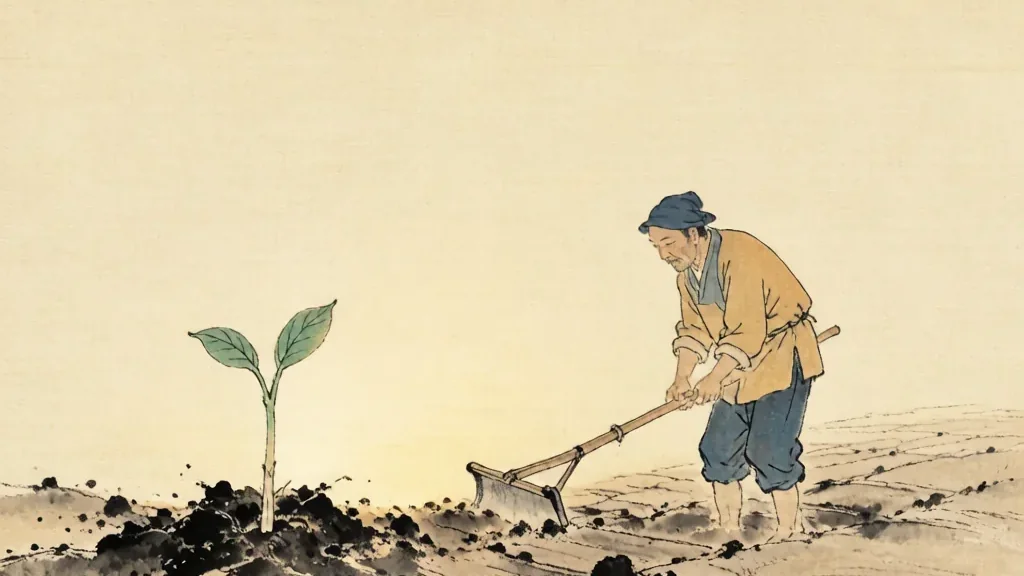
Beginning of Spring
Among all twenty-four solar terms of the traditional Chinese calendar, none carries quite the weight of anticipation as Lichun. Occurring annually between February 3rd and 5th, this first solar term heralds the end of winter's grip and the stirring of life beneath the frozen earth.

Rain Water
Rain Water (雨水, Yǔshuǐ) arrives as the second solar term in the traditional Chinese calendar, usually falling between February 18th and 20th. Unlike the dramatic storms of summer, Rain Water brings a gentler transformation — the slow thawing of frozen earth, the first tentative drizzle of spring, and the quiet awakening of dormant seeds beneath the soil.
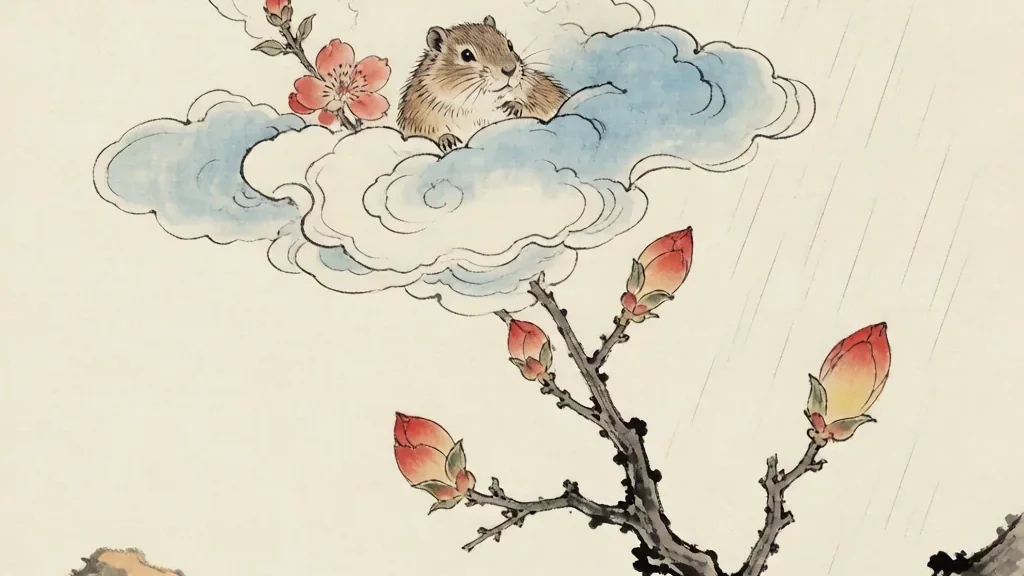
Awakening of Insects
There comes a moment each year, usually around March 5th or 6th, when the sky breaks open. A deep rumble rolls across the land, and with it, the earth seems to exhale.
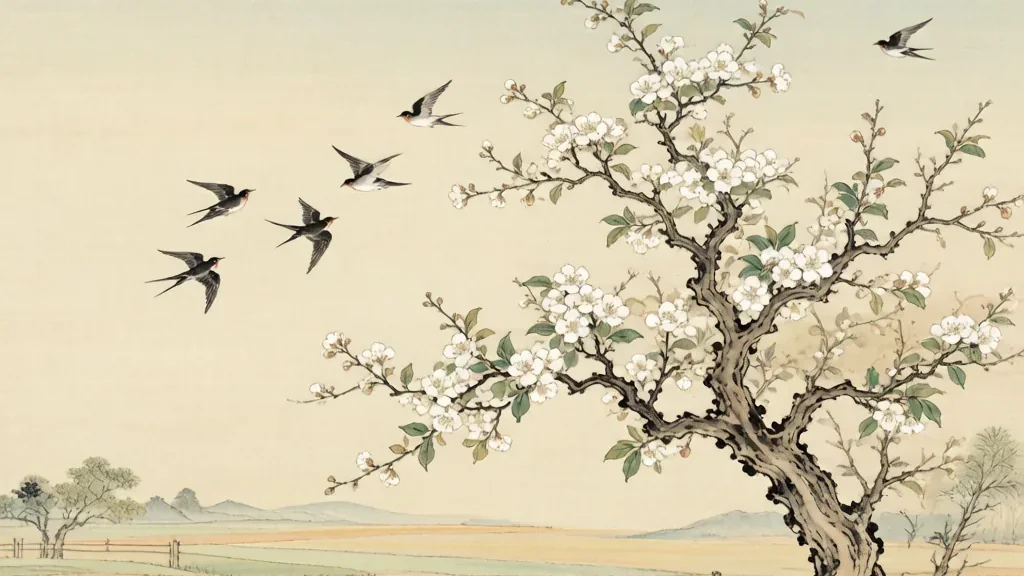
Spring Equinox
The Spring Equinox (春分, Chūnfēn) represents one of the most poetically balanced moments in the Chinese solar calendar — the day when light and darkness stand as equals, when yang and yin achieve perfect equilibrium. Falling annually between March 20th and 22nd, Chunfen marks the fourth solar term and the true midpoint of spring.
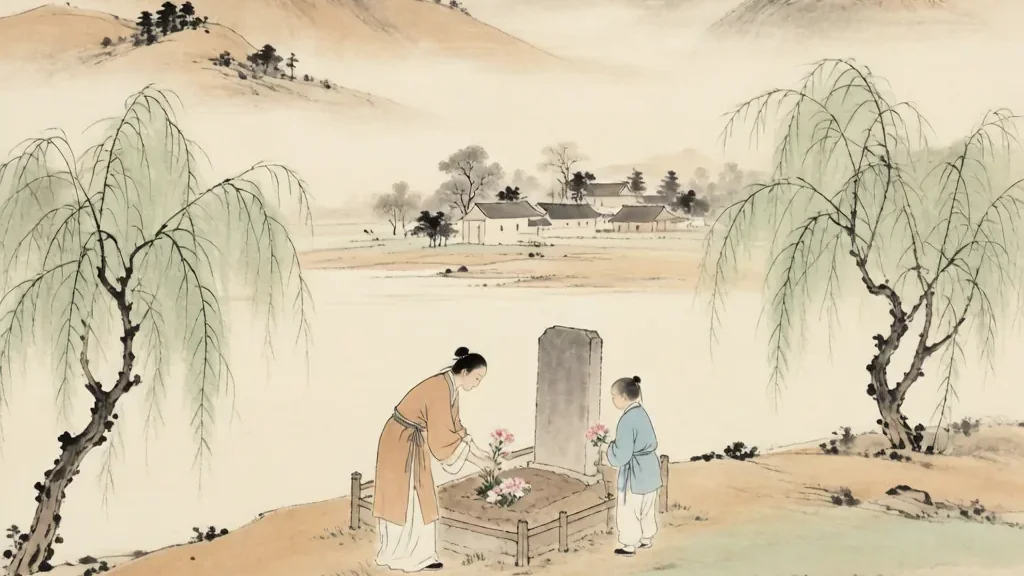
Pure Brightness
Among all twenty-four solar terms, Qingming (清明) occupies a unique position — it is simultaneously an astronomical marker, a traditional festival, and one of China's most emotionally resonant occasions. Falling annually between April 4th and 6th, this fifth solar term arrives when spring is at its most radiant, when the landscape has been washed clean by gentle rains and the world appears fresh, bright, and full of promise.
Grain Rain
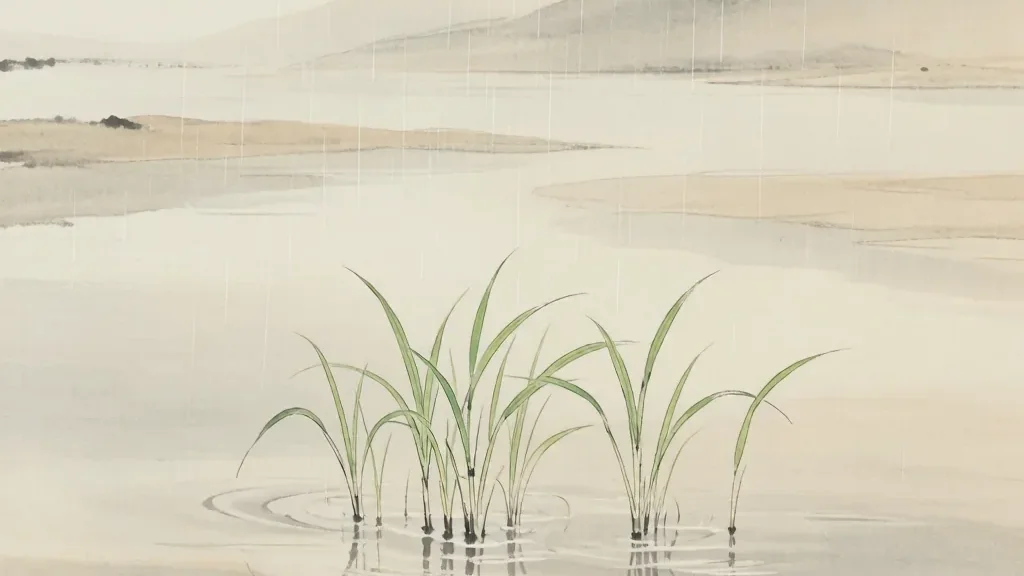
Grain Rain (谷雨, Gǔyǔ) arrives as the sixth and final solar term of spring, typically falling between April 19th and 21st. Its name carries a beautiful simplicity: 谷 (gǔ) means grain, and 雨 (yǔ) means rain — together declaring that the spring rains nourish the hundred grains.
Beginning of Summer
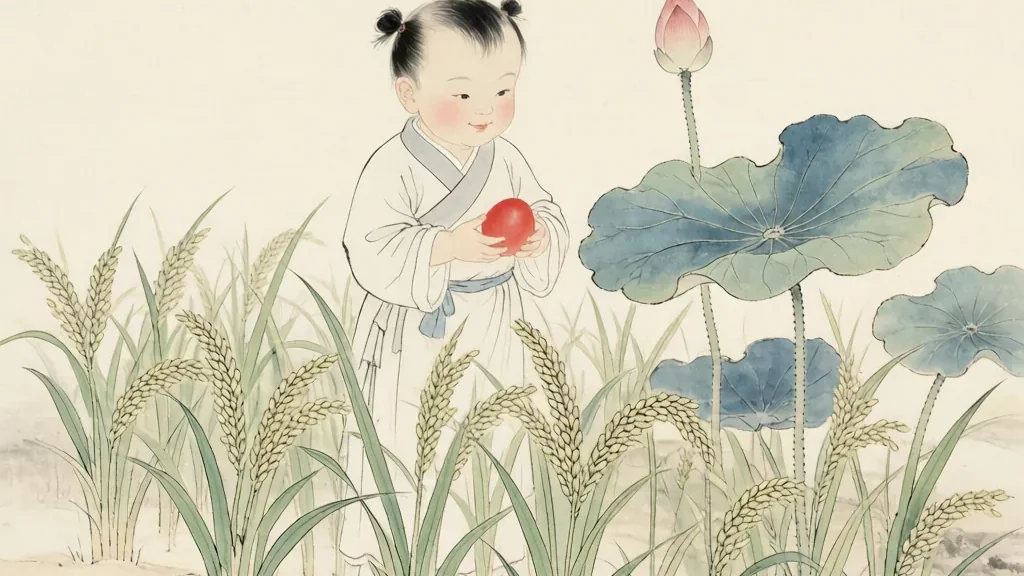
The Beginning of Summer (立夏, Lìxià) arrives as the seventh solar term in the Chinese calendar, typically falling between May 5th and 7th. The character 立 (lì) means "to establish" or "to begin," while 夏 (xià) means "summer" — together declaring that the season of heat and vigorous growth has officially arrived.
Grain Full
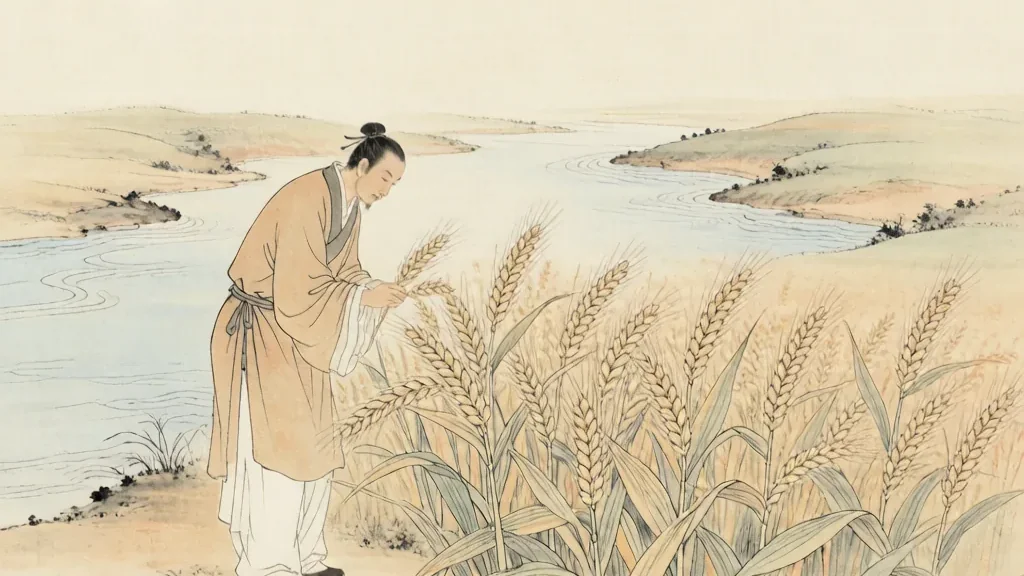
Grain Full (小满, Xiǎomǎn) occupies a unique place among the twenty-four solar terms — it is the only one whose name contains the character 小 (xiǎo), meaning "small" or "lesser. " Falling between May 20th and 22nd, Xiaoman describes a state of incompleteness that Chinese philosophy regards as the most auspicious condition of all.

Grain in Ear
Grain in Ear (芒种, Mángzhòng) arrives as the ninth solar term in the Chinese calendar, typically falling between June 5th and 7th, and it is universally recognized as the busiest agricultural period of the entire year. The name itself captures the dual urgency of the season: 芒 (máng) refers to the awns — the bristly beard-like appendages — of wheat, barley, and other cereal grains that signal their ripeness, while 种 (zhòng) means "to plant.
Summer Solstice
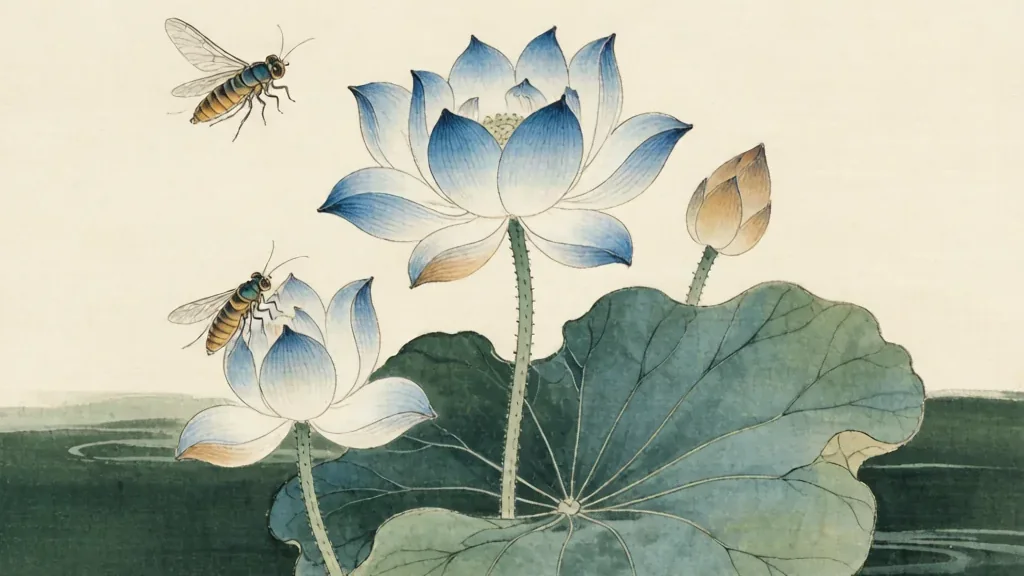
On the longest day of the year, when the sun climbs to its highest point in the northern sky and daylight stretches far into evening, China observes Xiazhi — the Summer Solstice. Occurring around June 21st or 22nd, this tenth solar term marks the official peak of summer, the moment when yang energy reaches its absolute maximum.
Minor Heat
Minor Heat (小暑, Xiǎoshǔ) arrives as the eleventh solar term in the Chinese calendar, typically falling between July 6th and 8th. Despite its name suggesting "minor" or "lesser" heat, Xiaoshu marks the true beginning of the hottest period of the year — the onset of the infamous 三伏天 (sānfútiān), or "three periods of hiding," when the combination of temperature and humidity reaches levels that the ancient Chinese considered genuinely dangerous.
Major Heat
Major Heat (大暑, Dàshǔ) arrives as the twelfth solar term and the climatic climax of the Chinese year, typically falling between July 22nd and 24th. As the name declares — 大 (dà) meaning "great" or "major," and 暑 (shǔ) meaning "heat" — this is the hottest period of the entire annual cycle, when the sun's energy, accumulated through months of lengthening days, reaches its absolute peak.

Beginning of Autumn
There is a particular moment in the Chinese calendar, usually around August 7th or 8th, when the air changes. It is still hot — sometimes oppressively so — but something has shifted.
End of Heat
Among the twenty-four solar terms, none marks a more welcome transition than Chushu (处暑), the End of Heat. Arriving annually between August 22nd and 24th, this fourteenth solar term signals the moment when the oppressive humidity and scorching temperatures of the summer months finally begin their long retreat.
Autumn Equinox
The Autumn Equinox (秋分, Qiūfēn) arrives as one of the most perfectly balanced moments in the entire annual cycle — the sixteenth solar term, when day and night once again stand as equals, as they did six months earlier at the Spring Equinox. Falling between September 22nd and 24th, Qiufen marks the exact midpoint of autumn, the pivot upon which the season turns from early golden warmth toward the crisp chill of late autumn.
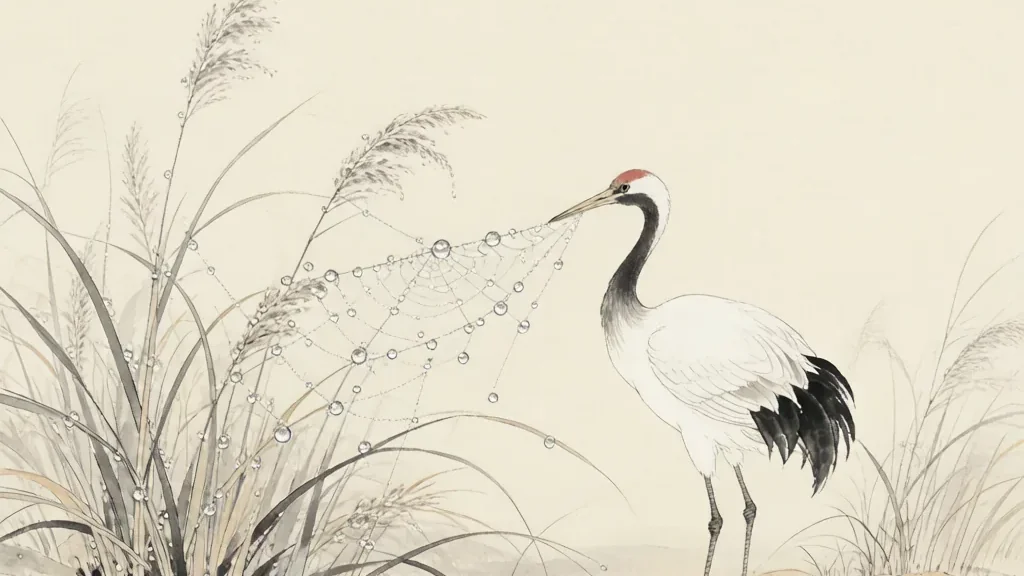
White Dew
There is a morning in early September when you step outside and see the world transformed. Every blade of grass wears a crystalline droplet.
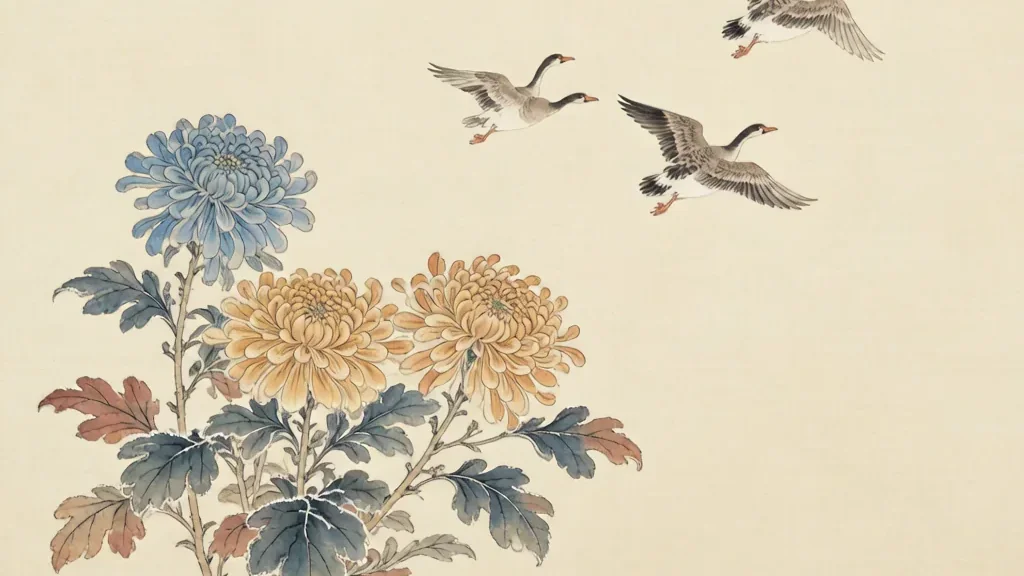
Cold Dew
Cold Dew (寒露, Hánlù) arrives as the seventeenth solar term, marking the moment when autumn's gentle coolness sharpens into genuine cold. Falling around October 8th or 9th, Hanlu is the first solar term to carry the character 寒 (hán) — "cold" — in its name, a linguistic signal that the season has crossed a threshold.

Frost's Descent
When the morning grass crunches underfoot and a crystalline layer coats the autumn chrysanthemums, the Chinese calendar declares Shuangjiang — Frost's Descent. Arriving around October 23rd or 24th, this eighteenth solar term is the last of autumn, the final pause before winter's arrival.
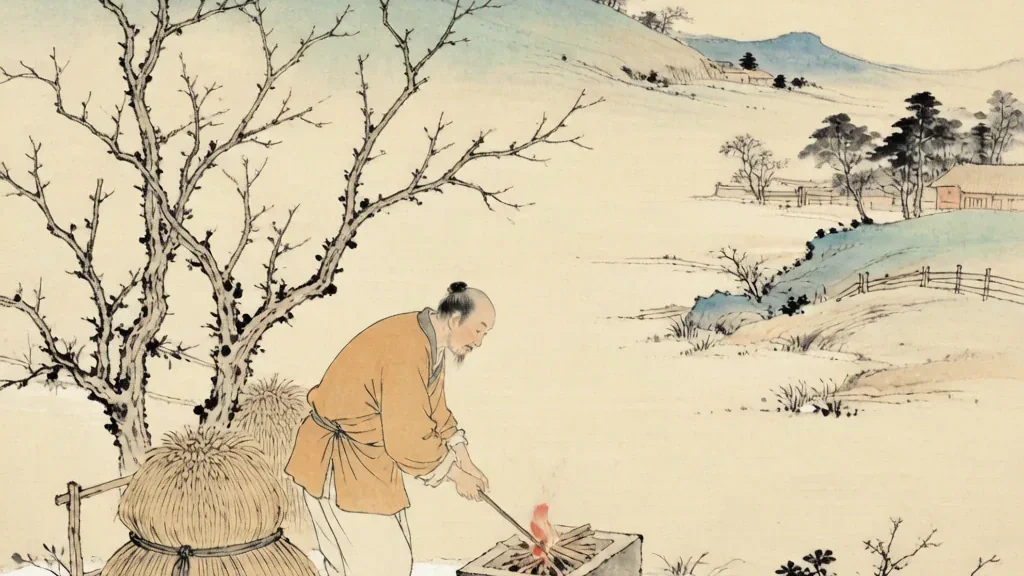
Beginning of Winter
The Beginning of Winter (立冬, Lìdōng) arrives as the nineteenth solar term, the official threshold between autumn's golden decline and winter's stark dominion. Falling annually around November 7th or 8th, Lidong carries profound weight in the Chinese calendar — it is the moment when the year's energy, having spent itself in the exuberant growth of spring and summer and the gathering harvest of autumn, turns definitively inward.

Minor Snow
There is a particular quality to the first snow of winter — a gentleness that the blizzards of deep winter lack. The flakes drift rather than drive, settle rather than smother, and transform the world without violence.
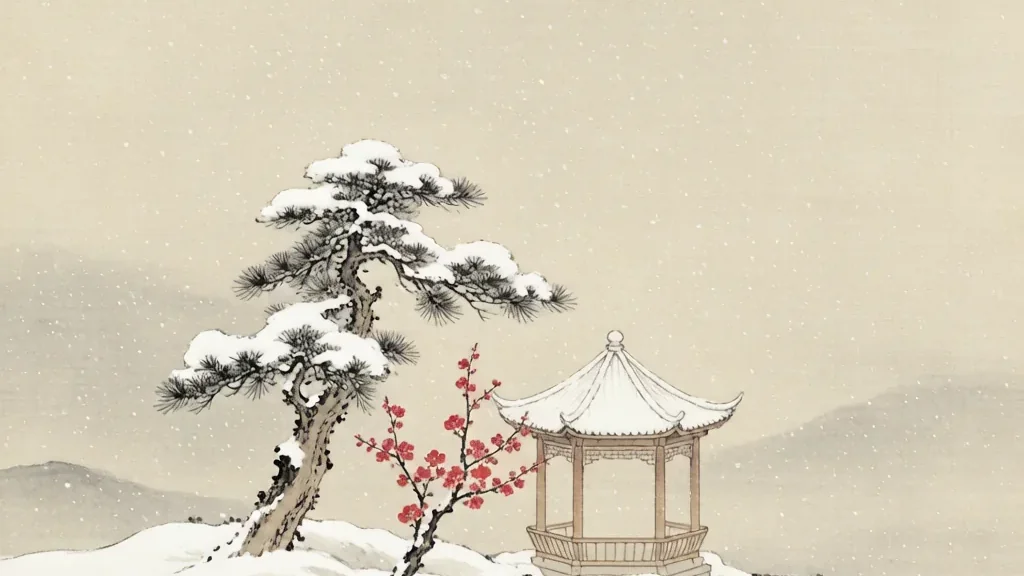
Major Snow
Major Snow (大雪, Dàxuě) arrives as the twenty-first solar term, the moment when winter's grip tightens and the world begins its transformation into a landscape of white. Falling annually between December 6th and 8th, Daxue marks the period when snowfall becomes heavy and sustained, when the ground stays white from one storm to the next, and when the full, silent beauty of deep winter settles over the land.
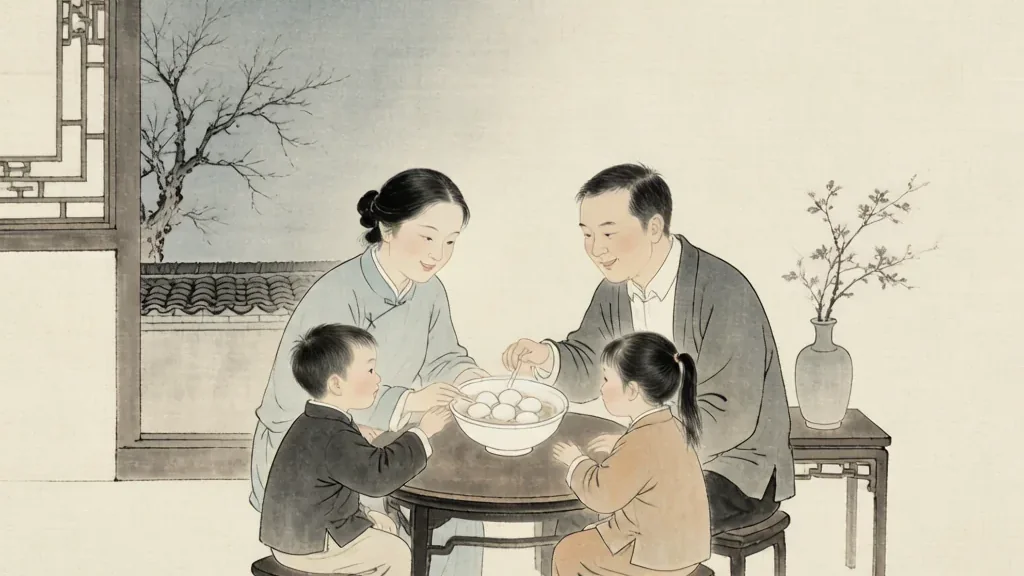
Winter Solstice
The Winter Solstice (冬至, Dōngzhì) stands as one of the most significant moments in the entire Chinese calendar — the twenty-second solar term, when the northern hemisphere experiences its shortest day and longest night. Falling annually between December 21st and 23rd, Dongzhi represents the extreme of yin energy, the moment when darkness reaches its maximum dominion and the sun appears at its lowest point in the sky.
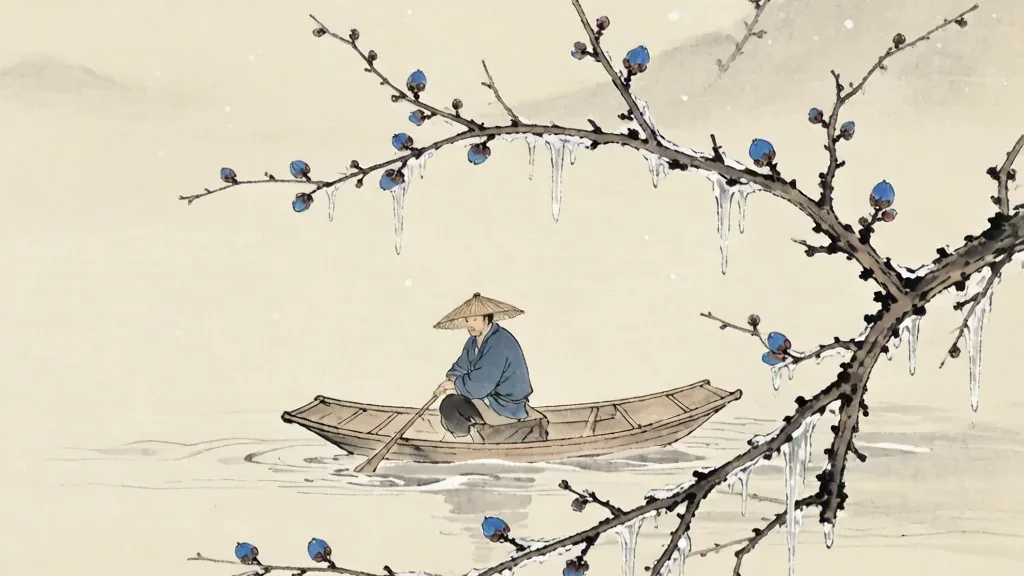
Minor Cold
Minor Cold (小寒, Xiǎohán) arrives as the twenty-third solar term, and despite its diminutive name, it often brings the most bitter cold of the entire year. Falling annually between January 5th and 7th, Xiaohan marks the period when winter reaches its deepest intensity — when the wind cuts like a knife, when breath crystallizes in the air, and when the frozen earth seems to hold its breath, waiting for the distant promise of spring.
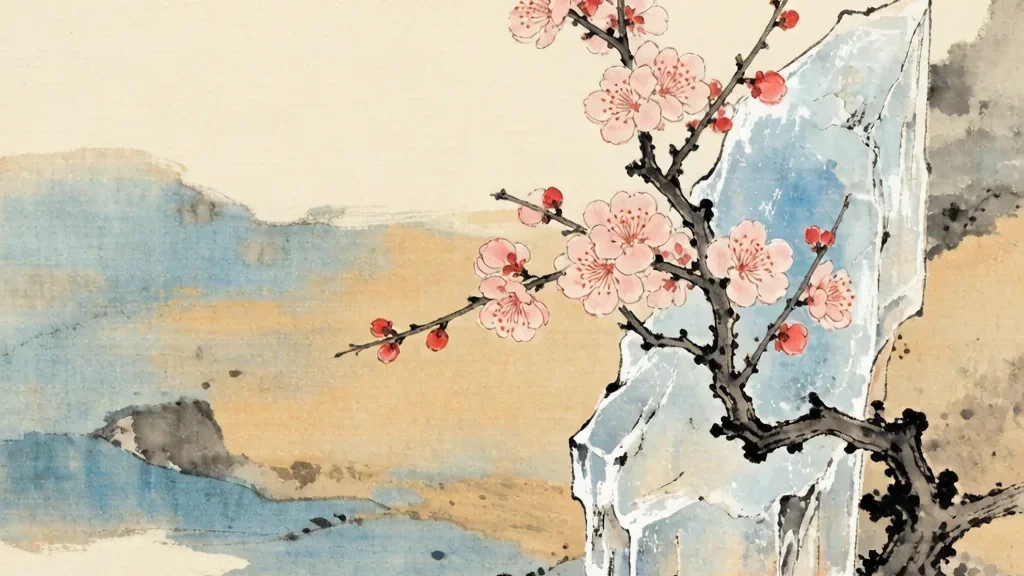
Major Cold
In the depths of winter, when the northern winds cut like blades and the sun seems a distant memory, the Chinese calendar reaches its coldest point: Dahan, the Great Cold. Arriving around January 20th or 21st, this twenty-fourth and final solar term represents winter at its most absolute.
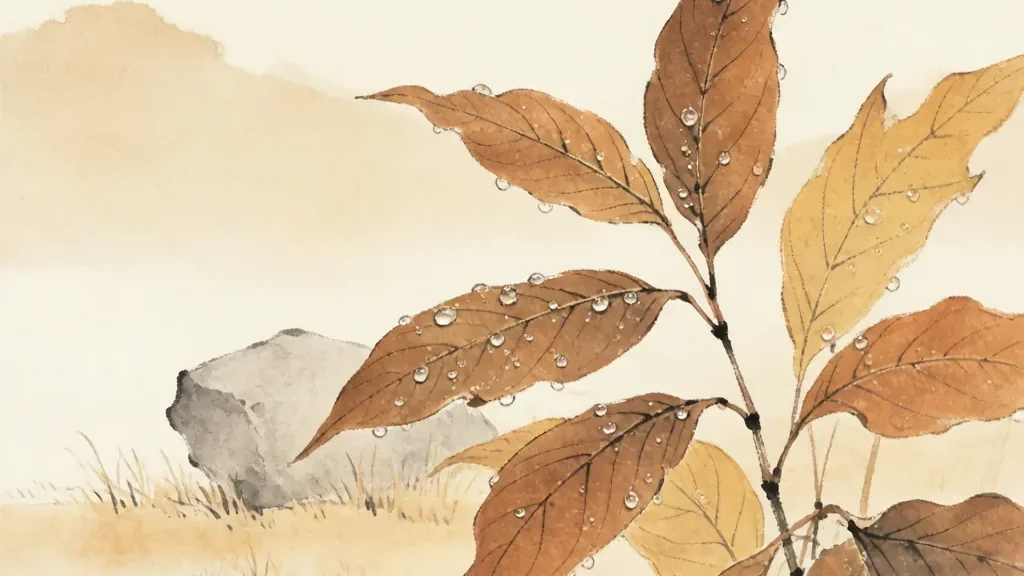
White Dew: The Autumn Dew Descends
The White Dew (白露, Báilù) arrives around September 7, when the sun reaches 165° along the ecliptic. As one of the twenty-four solar terms that have organized Chinese agriculture and daily life for more than two millennia, it is far more than a date on the calendar: it is a carefully observed turning point in the dialogue between heaven, earth, and human labor. Farmers, physicians, poets, and cooks have all read its signals, adjusting their work, diet, and rituals to stay in step with the season.

Spring Equinox: Day and Night Equal
The Spring Equinox (春分, Chūnfēn) arrives around March 20, when the sun reaches 0° along the ecliptic. As one of the twenty-four solar terms that have organized Chinese agriculture and daily life for more than two millennia, it is far more than a date on the calendar: it is a carefully observed turning point in the dialogue between heaven, earth, and human labor. Farmers, physicians, poets, and cooks have all read its signals, adjusting their work, diet, and rituals to stay in step with the season.
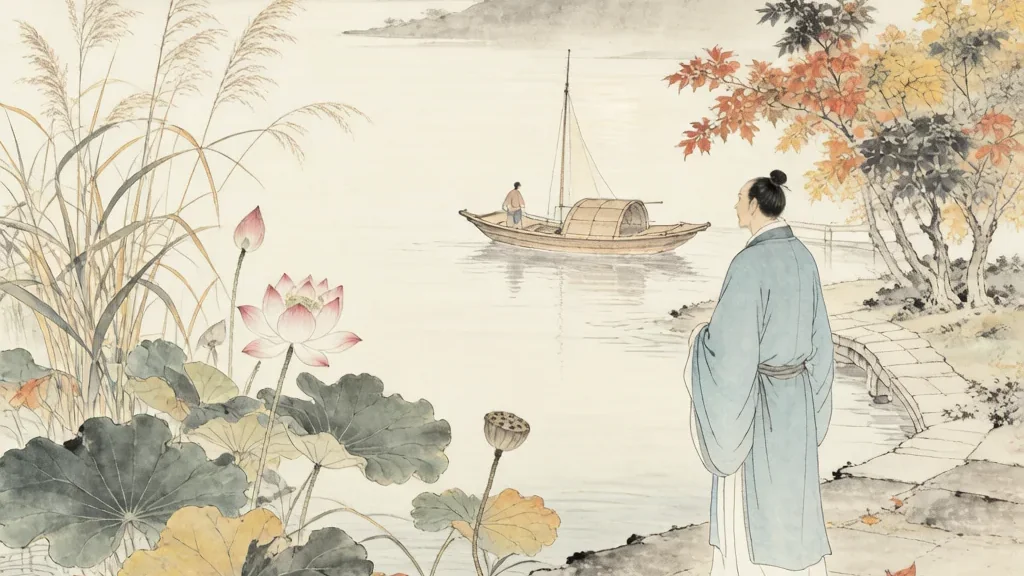
End of Heat: The Retreat of Summer
The End of Heat (处暑, Chǔshǔ) arrives around August 23, when the sun reaches 150° along the ecliptic. As one of the twenty-four solar terms that have organized Chinese agriculture and daily life for more than two millennia, it is far more than a date on the calendar: it is a carefully observed turning point in the dialogue between heaven, earth, and human labor. Farmers, physicians, poets, and cooks have all read its signals, adjusting their work, diet, and rituals to stay in step with the season.
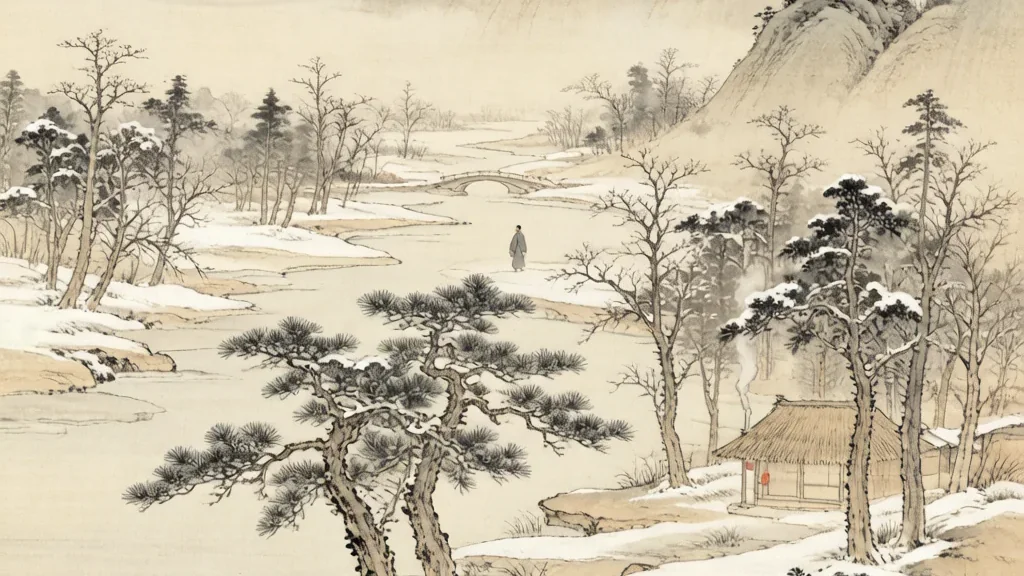
Major Cold: The Depths of Winter
The Major Cold (大寒, Dàhán) arrives around January 20, when the sun reaches 300° along the ecliptic. As one of the twenty-four solar terms that have organized Chinese agriculture and daily life for more than two millennia, it is far more than a date on the calendar: it is a carefully observed turning point in the dialogue between heaven, earth, and human labor. Farmers, physicians, poets, and cooks have all read its signals, adjusting their work, diet, and rituals to stay in step with the season.

Major Heat: The Peak of the Summer Sun
The Major Heat (大暑, Dàshǔ) arrives around July 23, when the sun reaches 120° along the ecliptic. As one of the twenty-four solar terms that have organized Chinese agriculture and daily life for more than two millennia, it is far more than a date on the calendar: it is a carefully observed turning point in the dialogue between heaven, earth, and human labor. Farmers, physicians, poets, and cooks have all read its signals, adjusting their work, diet, and rituals to stay in step with the season.
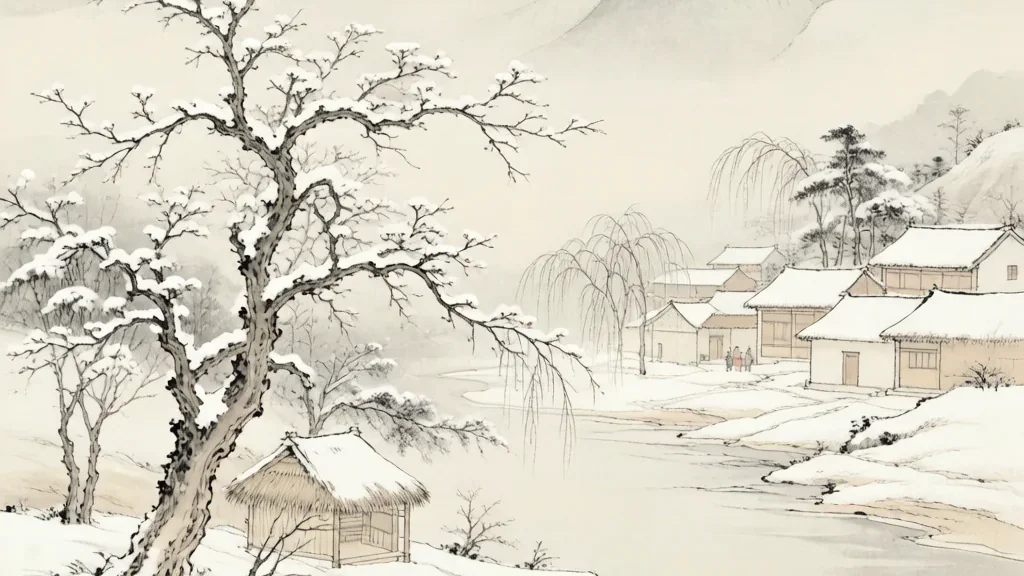
Major Snow: The Deepening Winter
The Major Snow (大雪, Dàxuě) arrives around December 7, when the sun reaches 255° along the ecliptic. As one of the twenty-four solar terms that have organized Chinese agriculture and daily life for more than two millennia, it is far more than a date on the calendar: it is a carefully observed turning point in the dialogue between heaven, earth, and human labor. Farmers, physicians, poets, and cooks have all read its signals, adjusting their work, diet, and rituals to stay in step with the season.
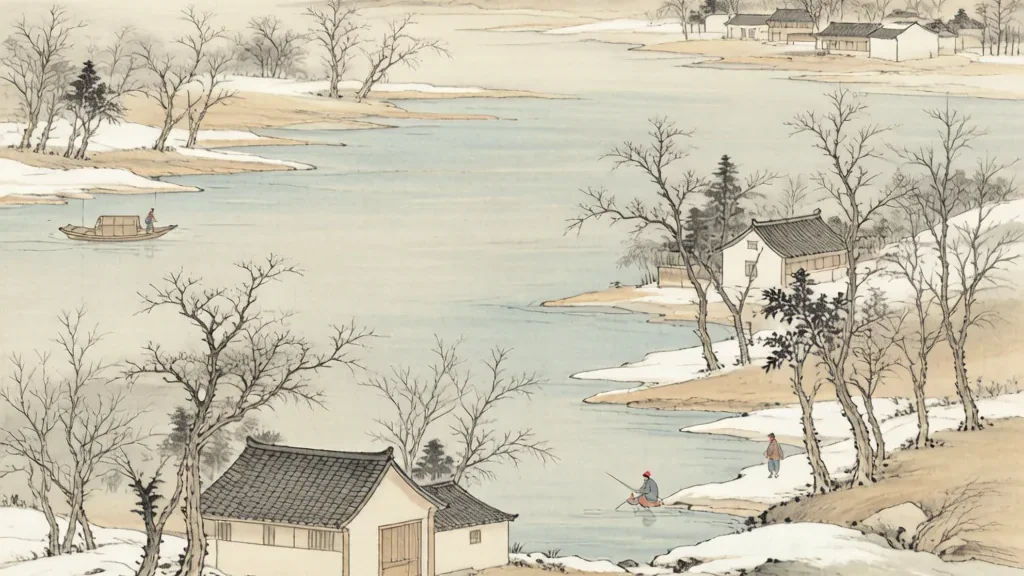
Winter Solstice: The Shortest Day
The Winter Solstice (冬至, Dōngzhì) arrives around December 21, when the sun reaches 270° along the ecliptic. As one of the twenty-four solar terms that have organized Chinese agriculture and daily life for more than two millennia, it is far more than a date on the calendar: it is a carefully observed turning point in the dialogue between heaven, earth, and human labor. Farmers, physicians, poets, and cooks have all read its signals, adjusting their work, diet, and rituals to stay in step with the season.

Grain Rain: The Nourishing Shower
The Grain Rain (谷雨, Gǔyǔ) arrives around April 20, when the sun reaches 30° along the ecliptic. As one of the twenty-four solar terms that have organized Chinese agriculture and daily life for more than two millennia, it is far more than a date on the calendar: it is a carefully observed turning point in the dialogue between heaven, earth, and human labor. Farmers, physicians, poets, and cooks have all read its signals, adjusting their work, diet, and rituals to stay in step with the season.

Cold Dew: The Chill of Late Autumn
The Cold Dew (寒露, Hánlù) arrives around October 8, when the sun reaches 195° along the ecliptic. As one of the twenty-four solar terms that have organized Chinese agriculture and daily life for more than two millennia, it is far more than a date on the calendar: it is a carefully observed turning point in the dialogue between heaven, earth, and human labor. Farmers, physicians, poets, and cooks have all read its signals, adjusting their work, diet, and rituals to stay in step with the season.
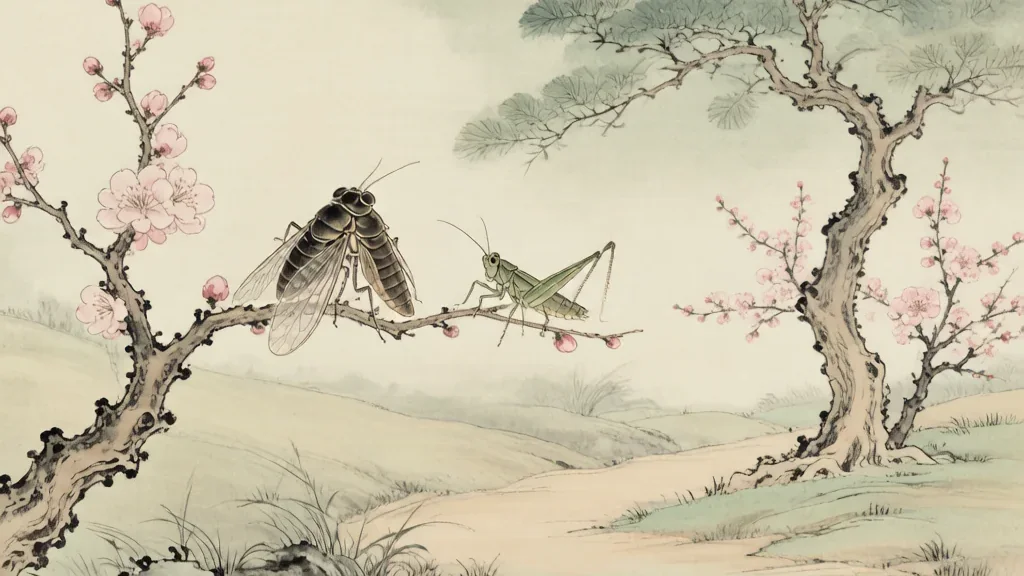
Waking of Insects: Spring Thunder Roars
The Awakening of Insects (惊蛰, Jīngzhé) arrives around March 5, when the sun reaches 345° along the ecliptic. As one of the twenty-four solar terms that have organized Chinese agriculture and daily life for more than two millennia, it is far more than a date on the calendar: it is a carefully observed turning point in the dialogue between heaven, earth, and human labor. Farmers, physicians, poets, and cooks have all read its signals, adjusting their work, diet, and rituals to stay in step with the season.
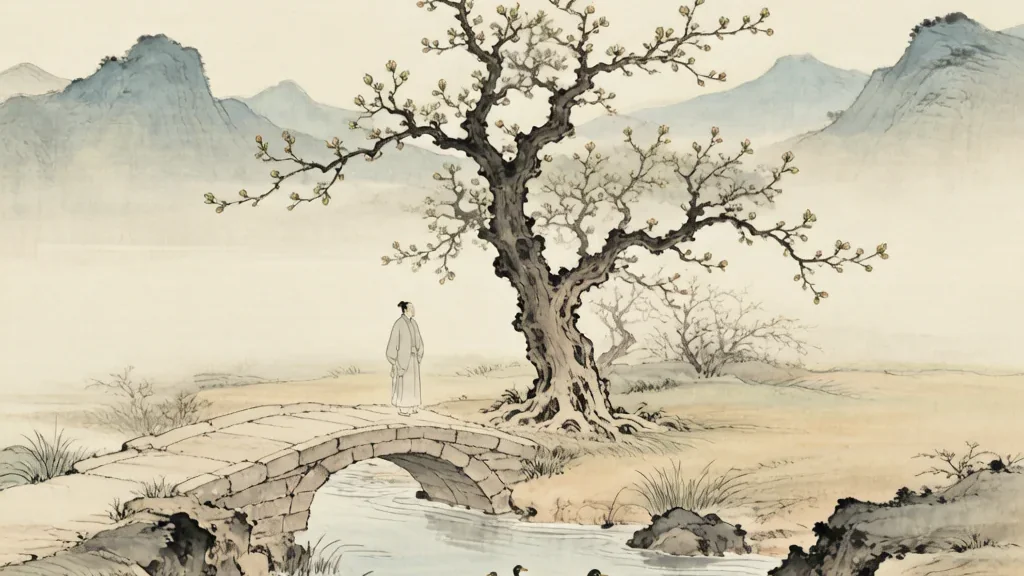
Beginning of Spring: Awakening the Year
The Beginning of Spring (立春, Lìchūn) arrives around February 4, when the sun reaches 315° along the ecliptic. As one of the twenty-four solar terms that have organized Chinese agriculture and daily life for more than two millennia, it is far more than a date on the calendar: it is a carefully observed turning point in the dialogue between heaven, earth, and human labor. Farmers, physicians, poets, and cooks have all read its signals, adjusting their work, diet, and rituals to stay in step with the season.
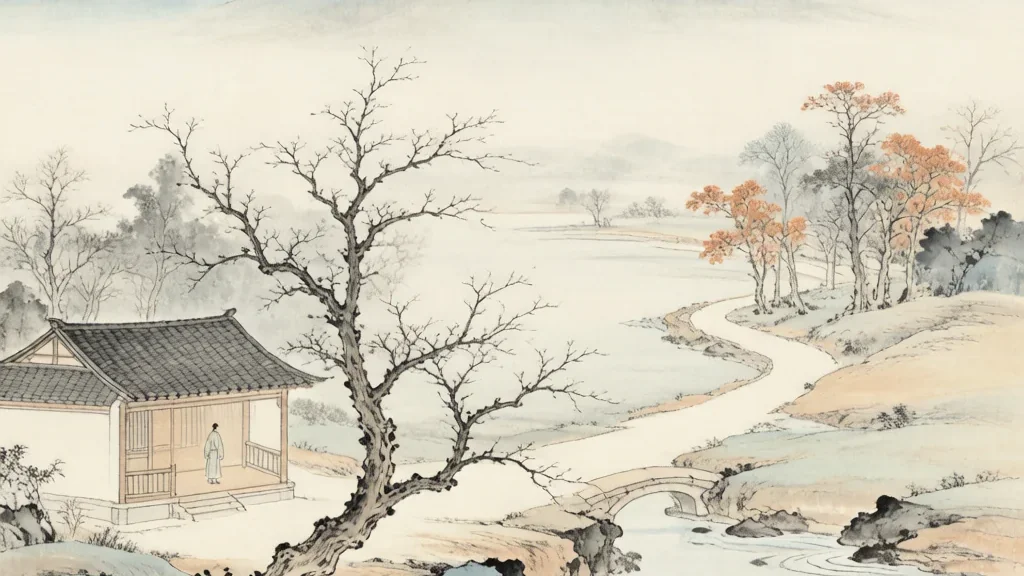
Beginning of Winter: Resting the Land
The Beginning of Winter (立冬, Lìdōng) arrives around November 7, when the sun reaches 225° along the ecliptic. As one of the twenty-four solar terms that have organized Chinese agriculture and daily life for more than two millennia, it is far more than a date on the calendar: it is a carefully observed turning point in the dialogue between heaven, earth, and human labor. Farmers, physicians, poets, and cooks have all read its signals, adjusting their work, diet, and rituals to stay in step with the season.
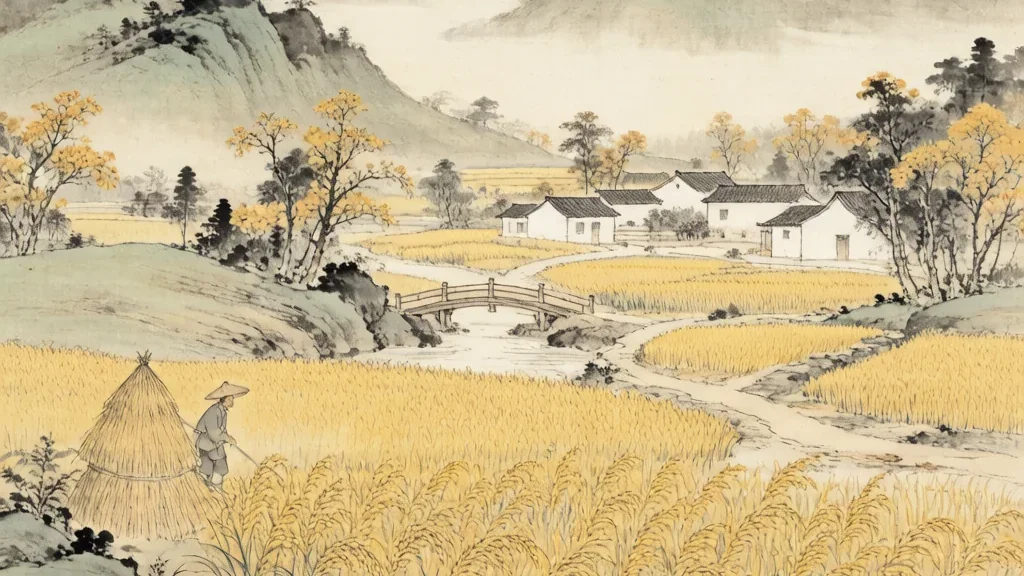
Beginning of Autumn: Harvest Beckons
The Beginning of Autumn (立秋, Lìqiū) arrives around August 7, when the sun reaches 135° along the ecliptic. As one of the twenty-four solar terms that have organized Chinese agriculture and daily life for more than two millennia, it is far more than a date on the calendar: it is a carefully observed turning point in the dialogue between heaven, earth, and human labor. Farmers, physicians, poets, and cooks have all read its signals, adjusting their work, diet, and rituals to stay in step with the season.
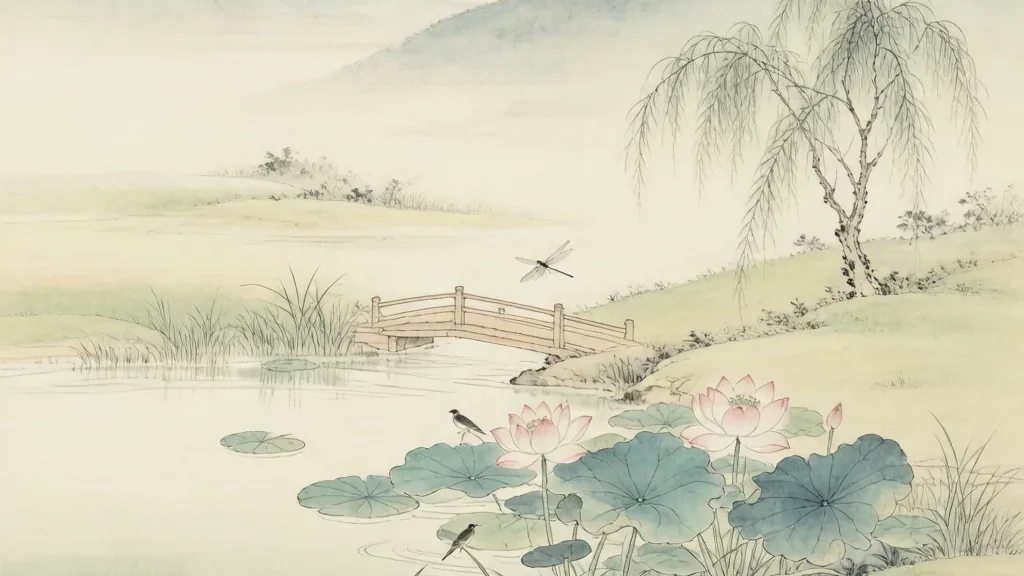
Beginning of Summer: Heat Returns
The Beginning of Summer (立夏, Lìxià) arrives around May 5, when the sun reaches 45° along the ecliptic. As one of the twenty-four solar terms that have organized Chinese agriculture and daily life for more than two millennia, it is far more than a date on the calendar: it is a carefully observed turning point in the dialogue between heaven, earth, and human labor. Farmers, physicians, poets, and cooks have all read its signals, adjusting their work, diet, and rituals to stay in step with the season.
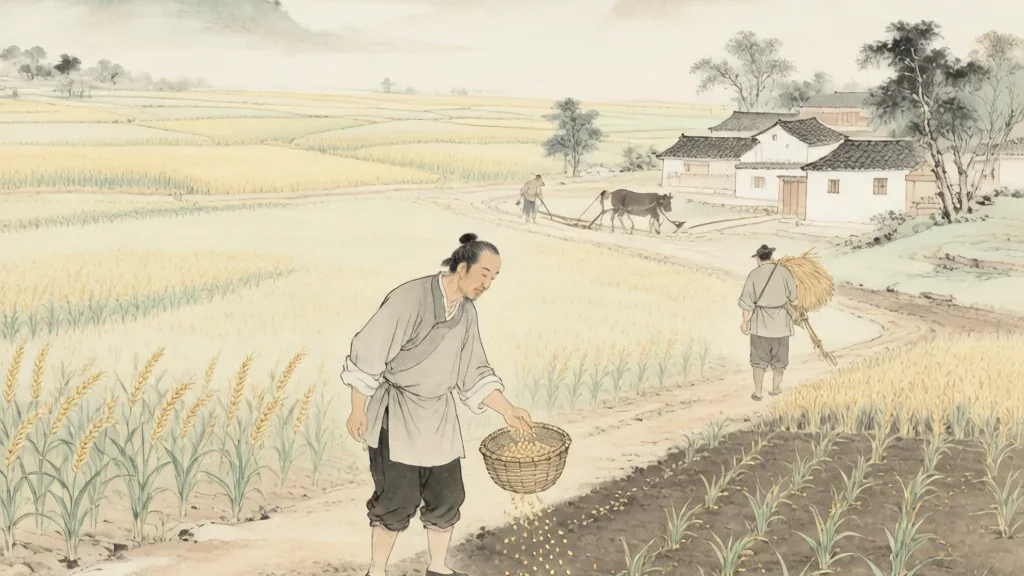
Grain in Ear: The Sowing Season
The Grain in Ear (芒种, Mángzhòng) arrives around June 6, when the sun reaches 75° along the ecliptic. As one of the twenty-four solar terms that have organized Chinese agriculture and daily life for more than two millennia, it is far more than a date on the calendar: it is a carefully observed turning point in the dialogue between heaven, earth, and human labor. Farmers, physicians, poets, and cooks have all read its signals, adjusting their work, diet, and rituals to stay in step with the season.
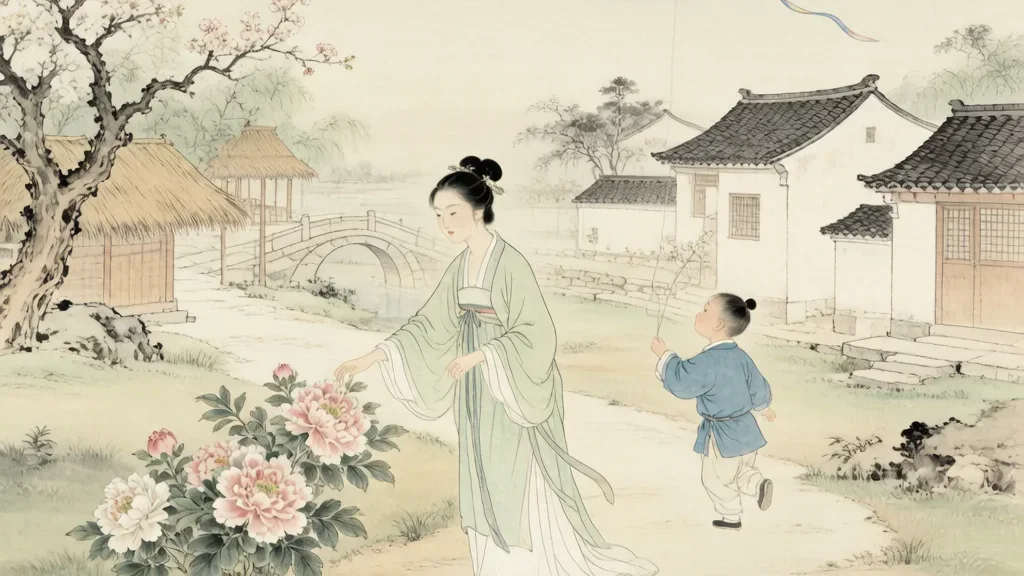
Clear and Bright: The Festival of the Dead
The Clear and Bright (清明, Qīngmíng) arrives around April 4, when the sun reaches 15° along the ecliptic. As one of the twenty-four solar terms that have organized Chinese agriculture and daily life for more than two millennia, it is far more than a date on the calendar: it is a carefully observed turning point in the dialogue between heaven, earth, and human labor. Farmers, physicians, poets, and cooks have all read its signals, adjusting their work, diet, and rituals to stay in step with the season.
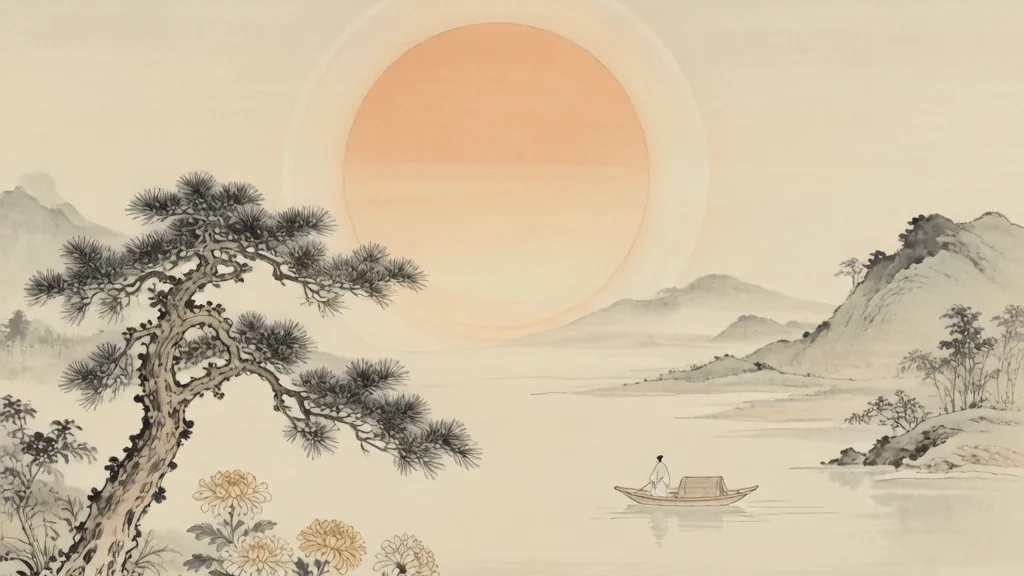
Autumn Equinox: Balance of Light
The Autumn Equinox (秋分, Qiūfēn) arrives around September 23, when the sun reaches 180° along the ecliptic. As one of the twenty-four solar terms that have organized Chinese agriculture and daily life for more than two millennia, it is far more than a date on the calendar: it is a carefully observed turning point in the dialogue between heaven, earth, and human labor. Farmers, physicians, poets, and cooks have all read its signals, adjusting their work, diet, and rituals to stay in step with the season.
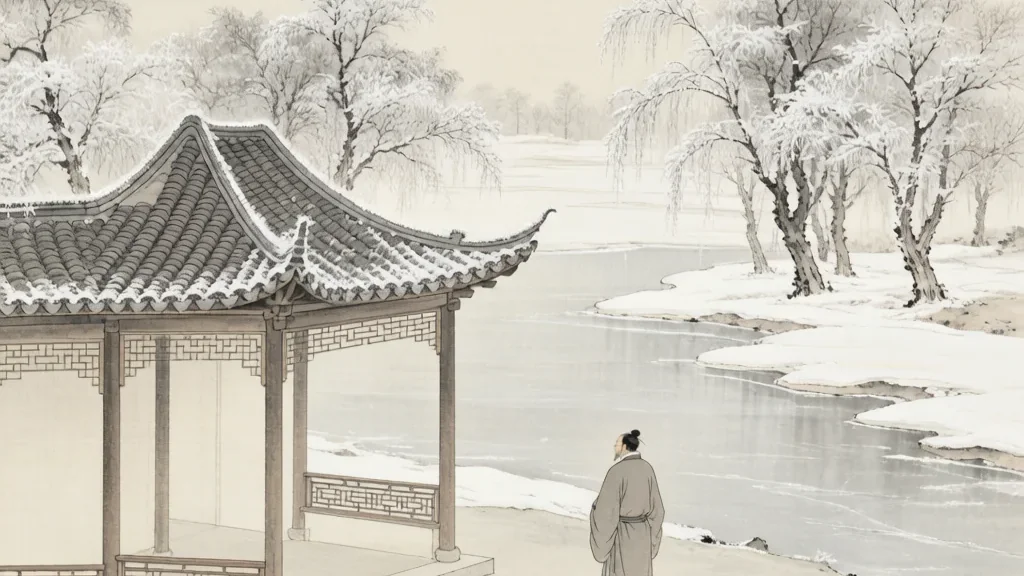
Frost Descent: The White Blanket
The Frost Descent (霜降, Shuāngjiàng) arrives around October 23, when the sun reaches 210° along the ecliptic. As one of the twenty-four solar terms that have organized Chinese agriculture and daily life for more than two millennia, it is far more than a date on the calendar: it is a carefully observed turning point in the dialogue between heaven, earth, and human labor. Farmers, physicians, poets, and cooks have all read its signals, adjusting their work, diet, and rituals to stay in step with the season.
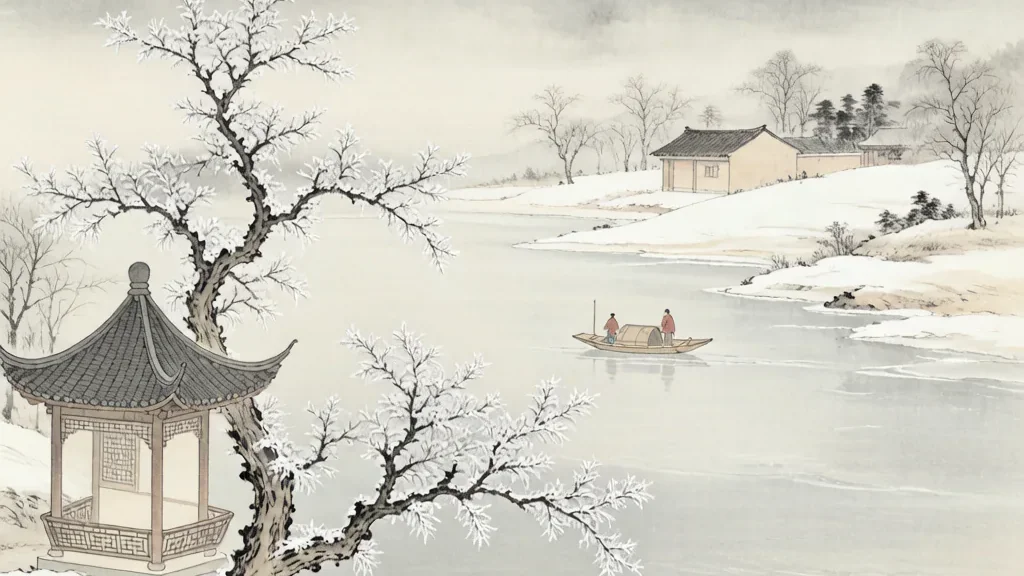
Minor Cold: The Bitter Frost
The Minor Cold (小寒, Xiǎohán) arrives around January 6, when the sun reaches 285° along the ecliptic. As one of the twenty-four solar terms that have organized Chinese agriculture and daily life for more than two millennia, it is far more than a date on the calendar: it is a carefully observed turning point in the dialogue between heaven, earth, and human labor. Farmers, physicians, poets, and cooks have all read its signals, adjusting their work, diet, and rituals to stay in step with the season.
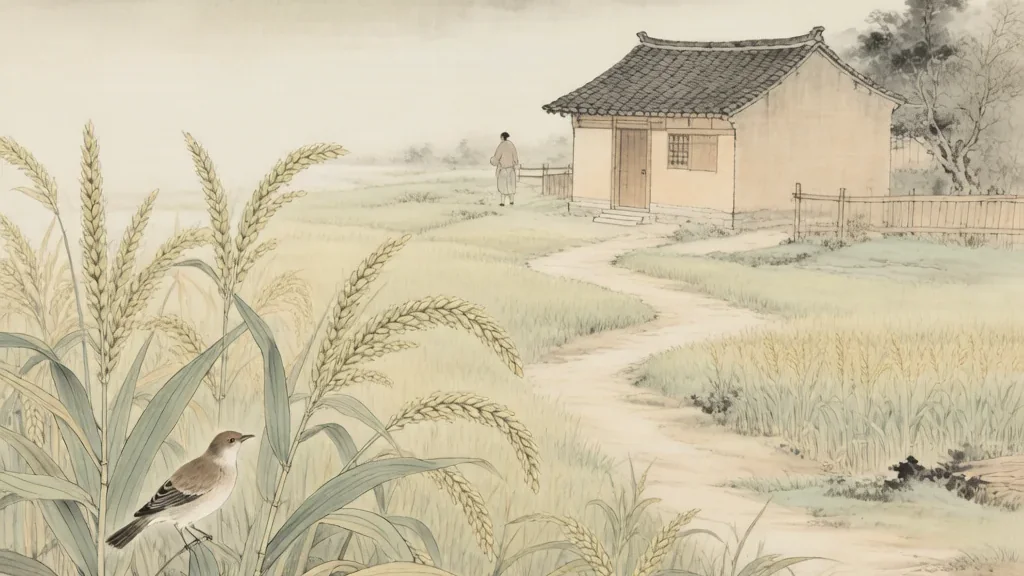
Grain Buds: The Promise of Harvest
The Grain Buds (小满, Xiǎomǎn) arrives around May 21, when the sun reaches 60° along the ecliptic. As one of the twenty-four solar terms that have organized Chinese agriculture and daily life for more than two millennia, it is far more than a date on the calendar: it is a carefully observed turning point in the dialogue between heaven, earth, and human labor. Farmers, physicians, poets, and cooks have all read its signals, adjusting their work, diet, and rituals to stay in step with the season.
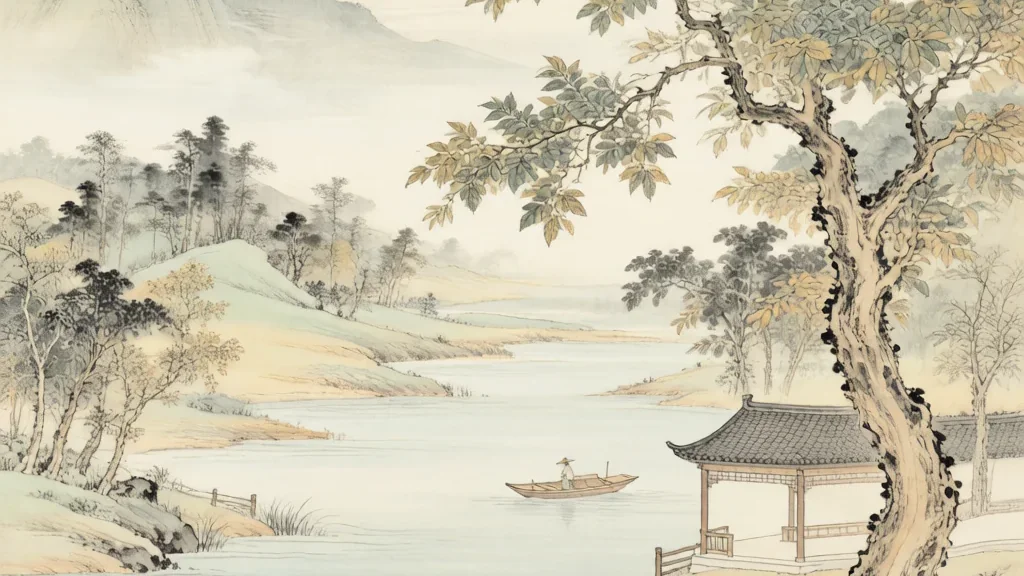
Minor Heat: The First Fever of Summer
The Minor Heat (小暑, Xiǎoshǔ) arrives around July 7, when the sun reaches 105° along the ecliptic. As one of the twenty-four solar terms that have organized Chinese agriculture and daily life for more than two millennia, it is far more than a date on the calendar: it is a carefully observed turning point in the dialogue between heaven, earth, and human labor. Farmers, physicians, poets, and cooks have all read its signals, adjusting their work, diet, and rituals to stay in step with the season.
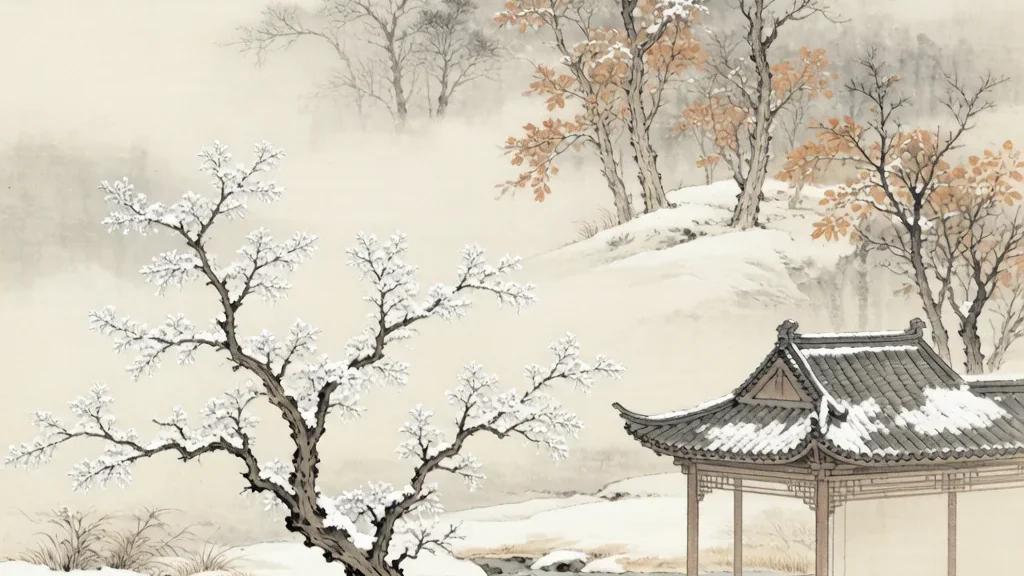
Minor Snow: The First Flakes
The Minor Snow (小雪, Xiǎoxuě) arrives around November 22, when the sun reaches 240° along the ecliptic. As one of the twenty-four solar terms that have organized Chinese agriculture and daily life for more than two millennia, it is far more than a date on the calendar: it is a carefully observed turning point in the dialogue between heaven, earth, and human labor. Farmers, physicians, poets, and cooks have all read its signals, adjusting their work, diet, and rituals to stay in step with the season.
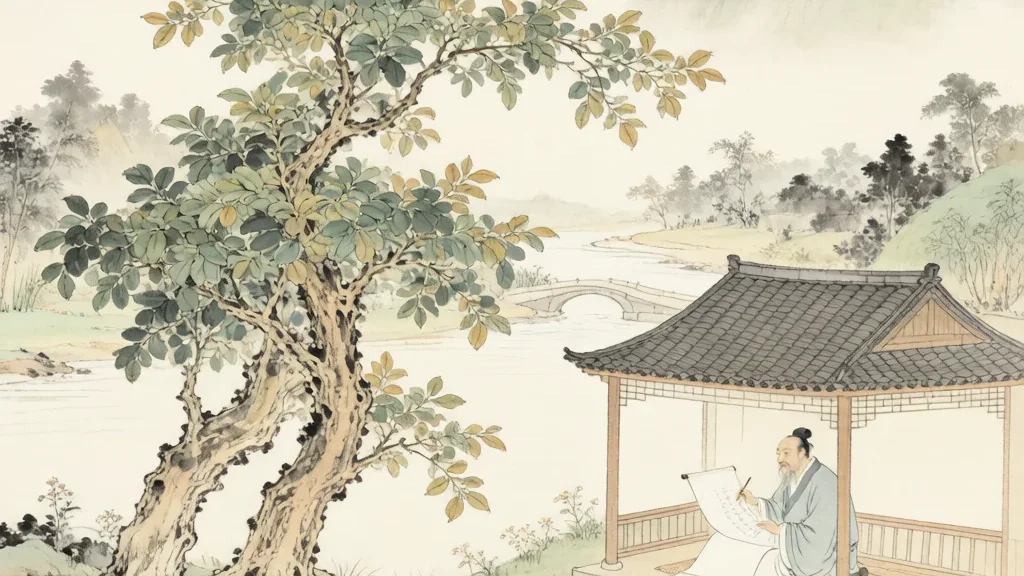
Summer Solstice: The Longest Day
The Summer Solstice (夏至, Xiàzhì) arrives around June 21, when the sun reaches 90° along the ecliptic. As one of the twenty-four solar terms that have organized Chinese agriculture and daily life for more than two millennia, it is far more than a date on the calendar: it is a carefully observed turning point in the dialogue between heaven, earth, and human labor. Farmers, physicians, poets, and cooks have all read its signals, adjusting their work, diet, and rituals to stay in step with the season.
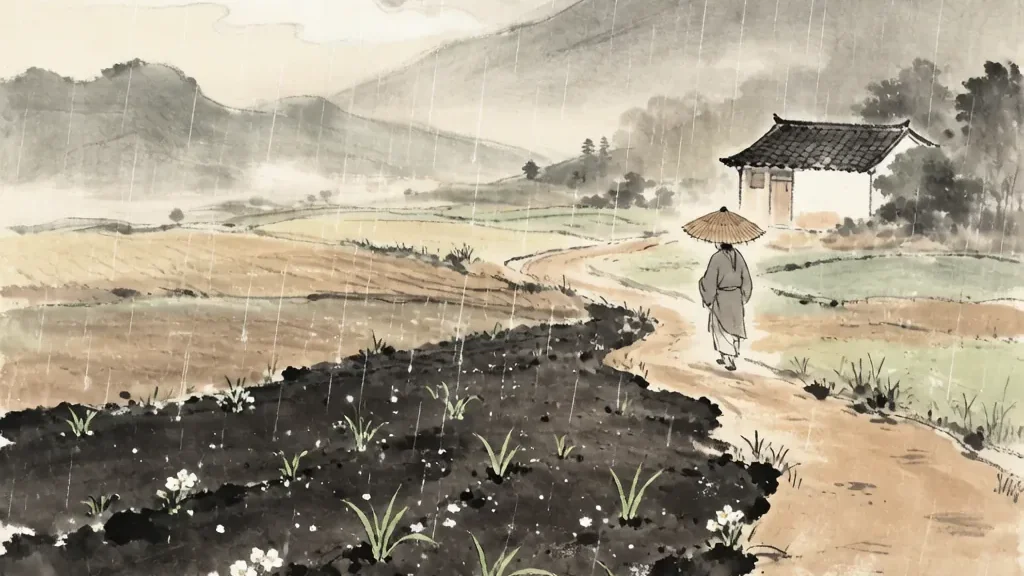
Rain Water: The Thaw Begins
The Rain Water (雨水, Yǔshuǐ) arrives around February 19, when the sun reaches 330° along the ecliptic. As one of the twenty-four solar terms that have organized Chinese agriculture and daily life for more than two millennia, it is far more than a date on the calendar: it is a carefully observed turning point in the dialogue between heaven, earth, and human labor. Farmers, physicians, poets, and cooks have all read its signals, adjusting their work, diet, and rituals to stay in step with the season.