🐲 Mythical Beasts
60 articles — Sacred animals and mythical creatures
Chinese mythology teems with sacred animals and fantastic creatures — from the dragon that commands rain and rivers to the phoenix of the east, the gentle qilin, and a whole menagerie of auspicious beasts. Unlike the monsters of Western lore, most Chinese mythical creatures are protectors and omens of good fortune, woven into art, architecture, and daily life for thousands of years. This guide gathers the best-known beasts of legend and lore.
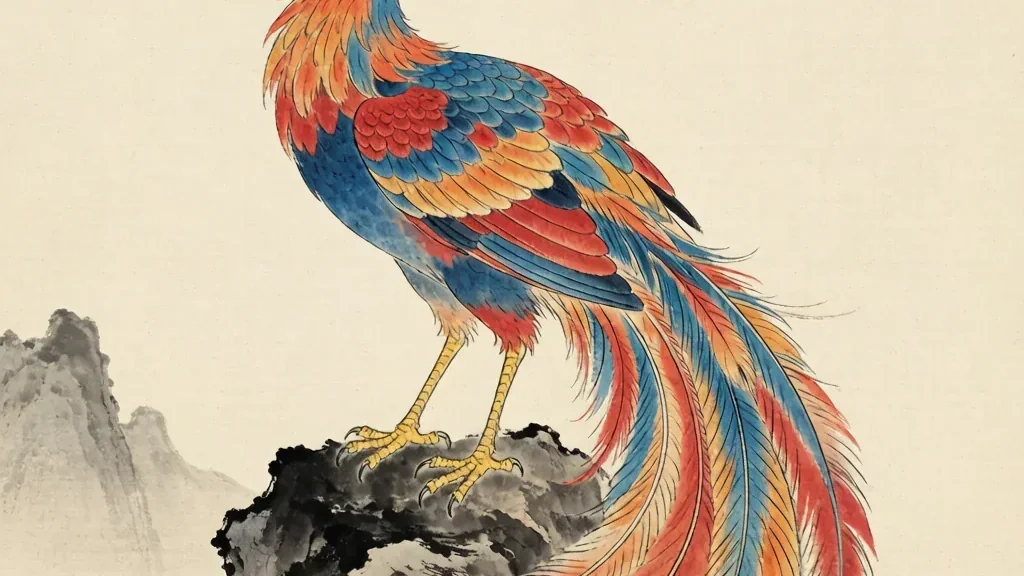
Fenghuang: The Phoenix of the East
In Western mythology, the phoenix is a solitary creature — a magnificent bird that lives for centuries, bursts into flame, and is reborn from its own ashes. The Chinese Fenghuang (凤凰) shares some of this symbolism of renewal and immortality, but it is a far richer and more complex mythological being.
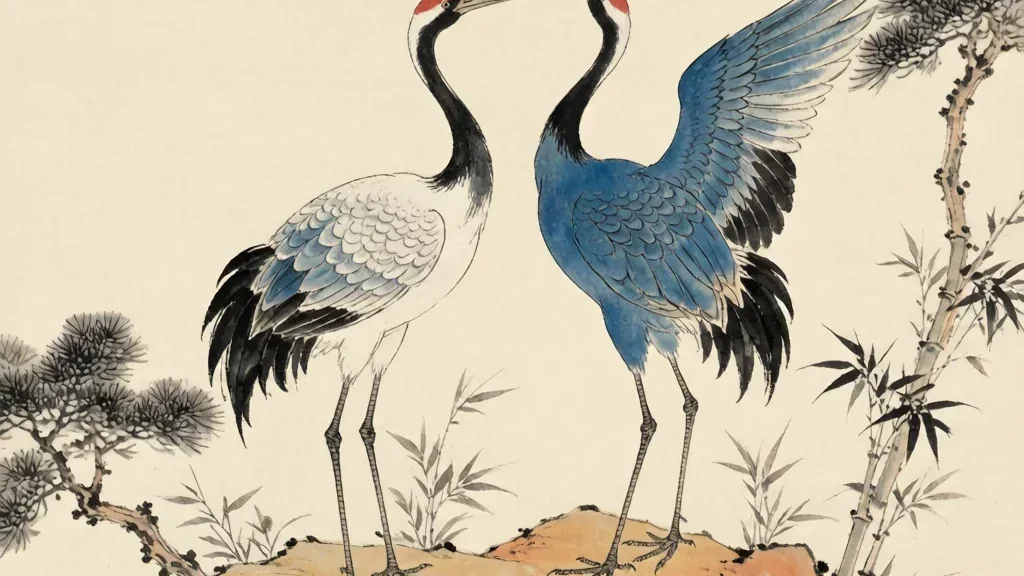
The Turtle: Symbol of Longevity
Of all the creatures in the Chinese symbolic universe, none embodies the concept of longevity more perfectly than the turtle (龟) . Living for decades — and in some species, well over a century — the turtle has been a symbol of long life, stability, and cosmic order in China for at least four thousand years.
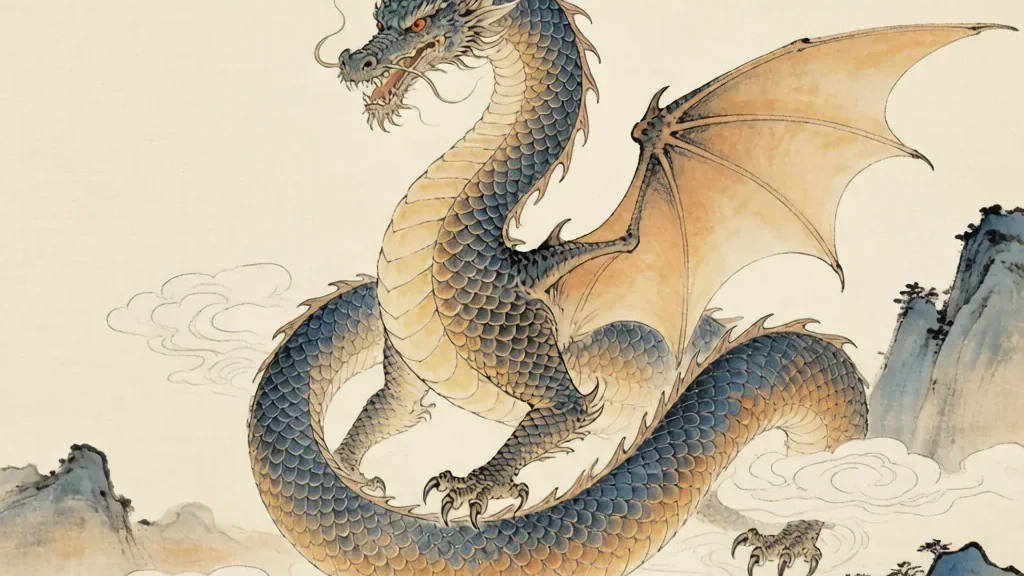
The Chinese Dragon: Lord of Water and Sky
When a Westerner hears the word "dragon," they likely picture a fire-breathing monster — a treasure-hoarding, maiden-eating villain to be slain by a knight in shining armor. But in China, the dragon (龙, lóng) could not be more different.
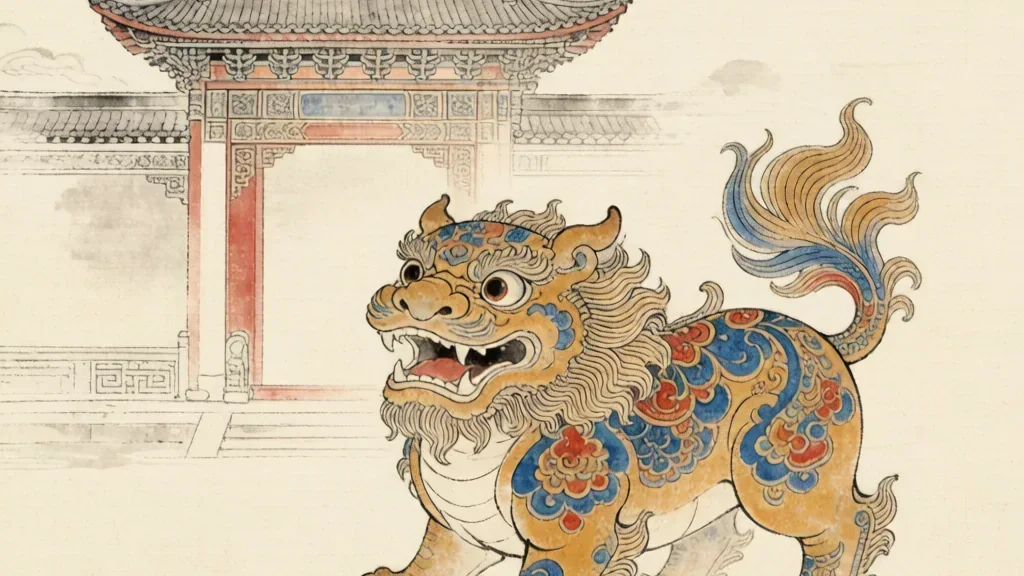
Pixiu: The Wealth-Attracting Beast
Walk through any Chinese business district, casino, or home, and you are likely to encounter a peculiar creature: a winged lion-like beast with a gaping mouth, often carved from jade or cast in gold, sitting on a desk or guarding a doorway. This is the Pixiu (貔貅) , the most popular wealth-attracting charm in Chinese culture.

Qilin: The Gentle Unicorn
Of all the mythical creatures in the Chinese bestiary, the Qilin (麒麟) is perhaps the most enigmatic. Is it a unicorn?
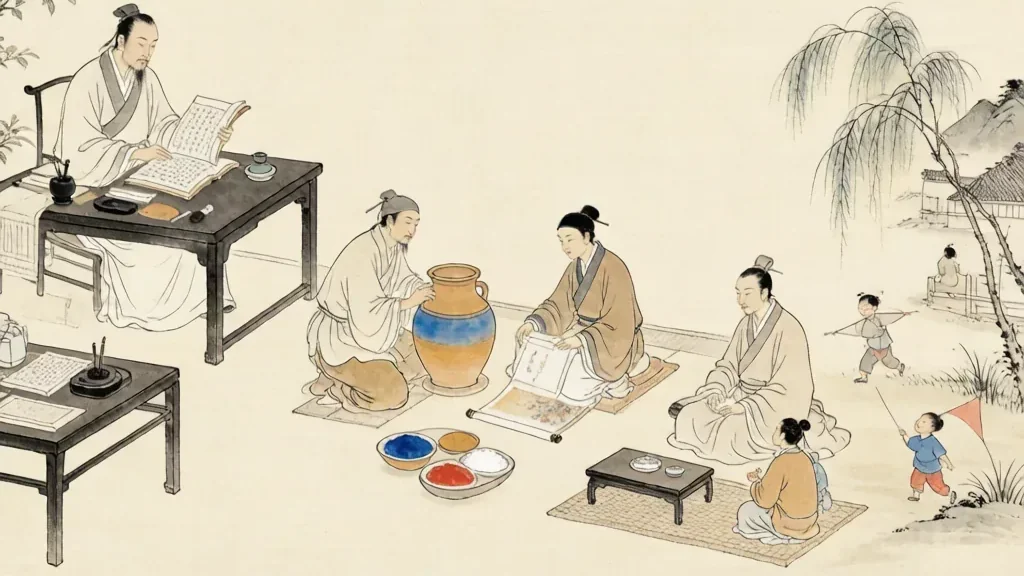
The Five Colors of China: A Cultural Spectrum
Color in Chinese culture is not merely a matter of aesthetics. It is a language — a symbolic system as rich and structured as the written word.

The Baize: The Beast That Knew All Evil
Imagine a beast so wise that it knows the name and weakness of every monster in the world, and so kind that it wrote them all down to keep humanity safe. That is the Baize, called 白泽 ( Báizé ), one of the most unusual creatures in Chinese mythology.
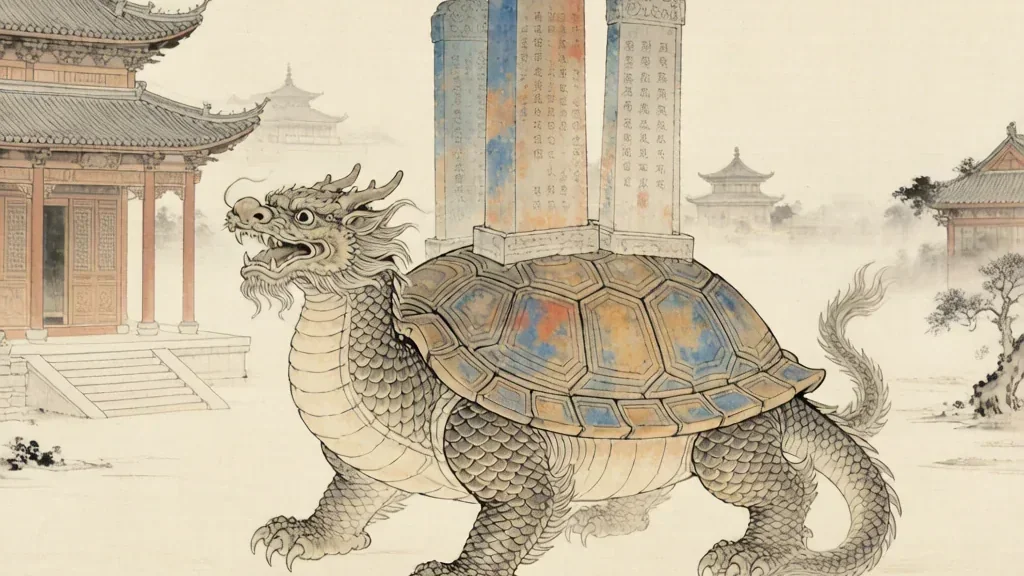
Bixi (赑屃): The Dragon-Turtle That Carries Steles
Across the temple courtyards, imperial tombs, and ancient academies of China, a remarkable sight greets visitors: massive stone tortoises, their shells intricately carved with scales, laboring under the weight of towering stone steles inscribed with calligraphy. These are not ordinary tortoises but Bixi (赑屃), one of the legendary Nine Sons of the Dragon in Chinese mythology.
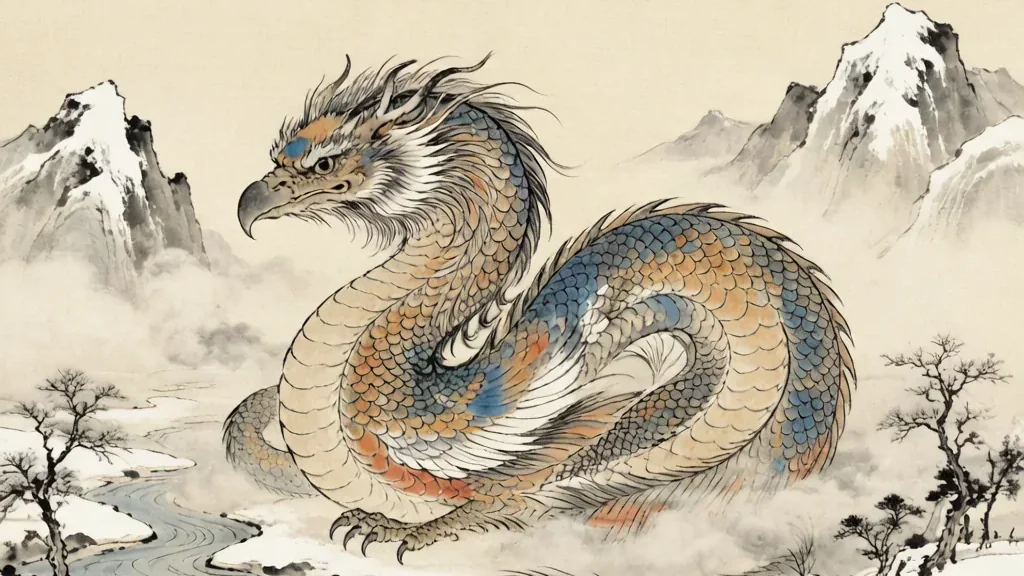
The Black Tortoise: Guardian of the North
At the cold northern edge of the Chinese cosmos coils a creature older than empires, a black tortoise entwined with a snake, its shell like a mountain and its gaze like deep water. The Black Tortoise, called 玄武 ( Xuánwǔ ), is the celestial guardian of the north.
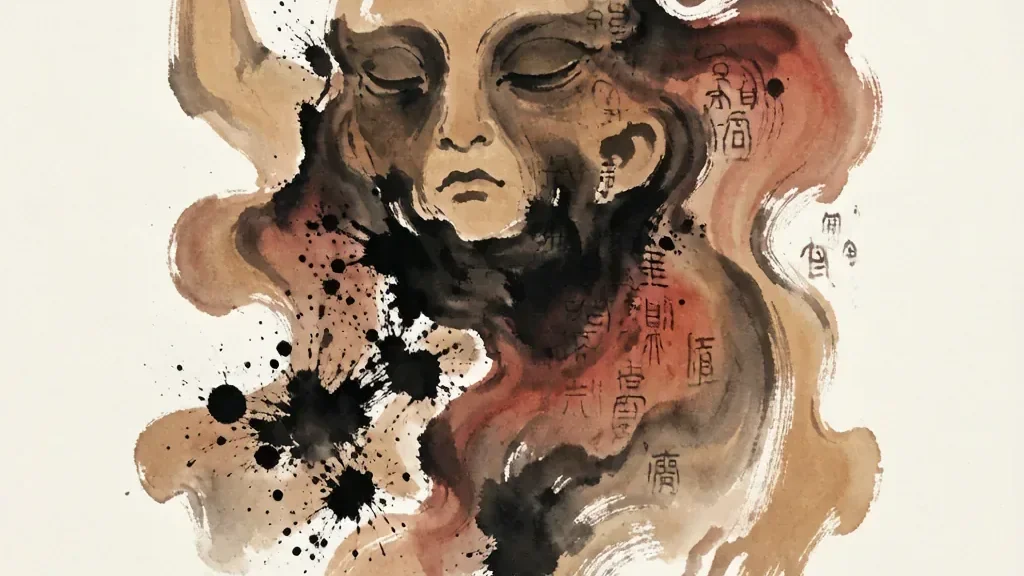
Hundun (混沌): The Primordial Chaos Creature
Before the heavens and earth took form, before yin separated from yang, before the first breath of creation stirred the void — there was Hundun (混沌), the primordial chaos. In Chinese cosmology and mythology, Hundun represents the undifferentiated state that preceded the ordered universe, a concept that bridges mythology, philosophy, and metaphysics.

The Jiaolong: The Hornless Dragon of the Deep
Far below the surface of rivers and seas, where light fails and the water turns to ink, a dragon without horns moves through the dark. The Jiaolong, called 蛟龙 ( Jiāolóng ), is the hornless dragon of the deep in Chinese mythology.

The Nine Sons of the Dragon
Everyone knows the Chinese dragon as a single mighty animal, but in one of the most charming corners of Chinese lore the dragon is a parent. The saying 龙生九子 ( Lóng Shēng Jiǔ Zǐ ), "the dragon gave birth to nine sons," tells of nine offspring who, though born of a dragon, each turned out different, with its own taste and its own job in the world.

The Nine-Tailed Fox: Trickster of the Myths
Somewhere in the misty mountains of ancient Chinese legend, a creature with nine tails and eyes that glow like embers waits to test the wisdom of anyone who passes. The Nine-Tailed Fox, known in Chinese as 九尾狐 ( Jiǔwěi Hú ), is among the most shape-shifting figures in Chinese mythology.
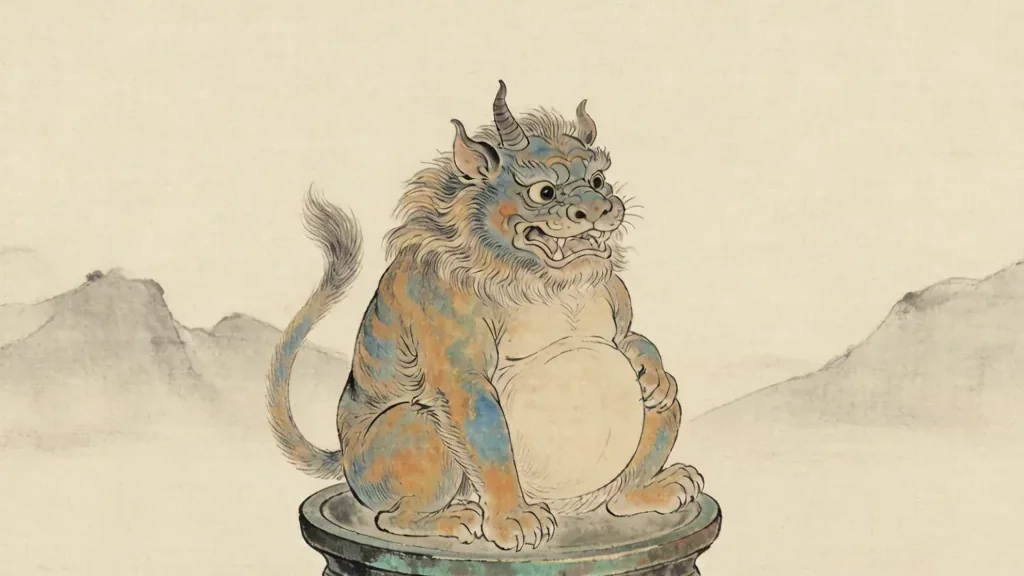
Taotie (饕餮): The Gluttonous Beast of Bronze Vessels
Among the most enigmatic and instantly recognizable motifs in Chinese art history, the Taotie (饕餮) face has stared out from bronze ritual vessels for over three thousand years. This zoomorphic mask design — characterized by two large staring eyes, curling horns, and a gaping mouth often lacking a lower jaw — appears on countless Shang Dynasty (circa 1600-1046 BCE) and Zhou Dynasty (1046-256 BCE) bronzes.
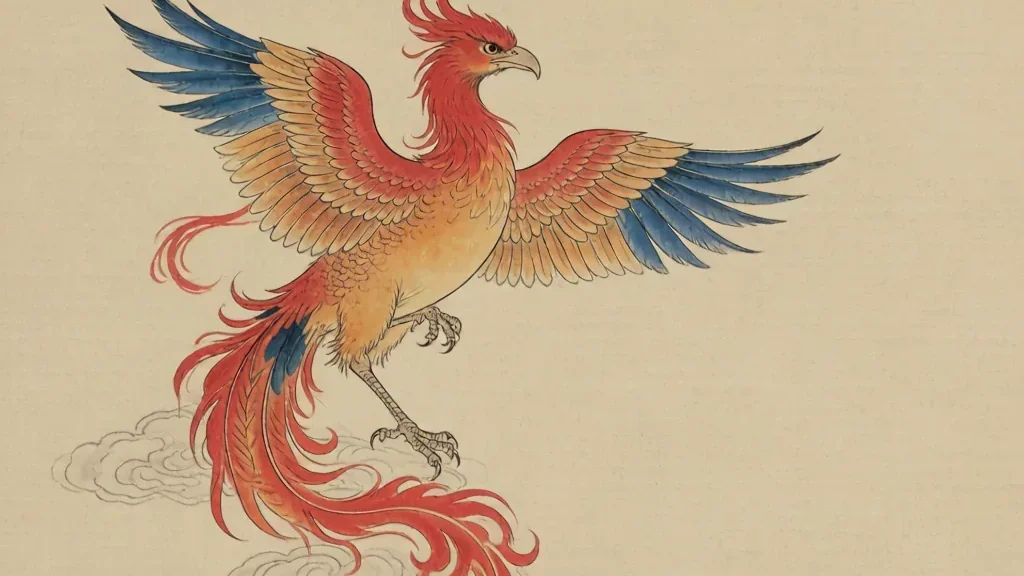
The Vermillion Bird: Guardian of the South
High above the southern sky, a bird of crimson plume and eternal fire spreads wings that never tire. The Vermillion Bird, known as 朱雀 ( Zhūquè ), is the celestial guardian of the south in Chinese mythology.
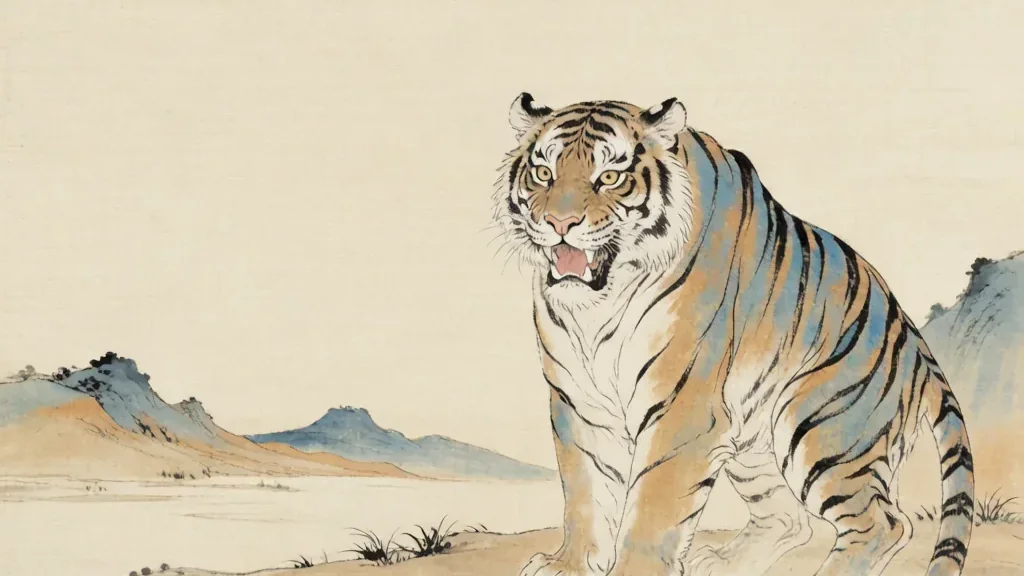
The White Tiger: Guardian of the West
In the Chinese imagination the four directions are guarded by four powerful creatures, and the ruler of the west is a great white beast with stripes like cloud and eyes like cold stars. The White Tiger, called 白虎 ( Báihǔ ), is one of the most revered animals in Chinese myth.

Xiezhi (獬豸): The One-Horned Beast of Justice
In the rich tapestry of Chinese mythology, few creatures embody moral clarity as powerfully as the Xiezhi (獬豸). This legendary beast, resembling a goat or ox with a single horn growing from its forehead, was believed to possess the supernatural ability to distinguish truth from falsehood and right from wrong.
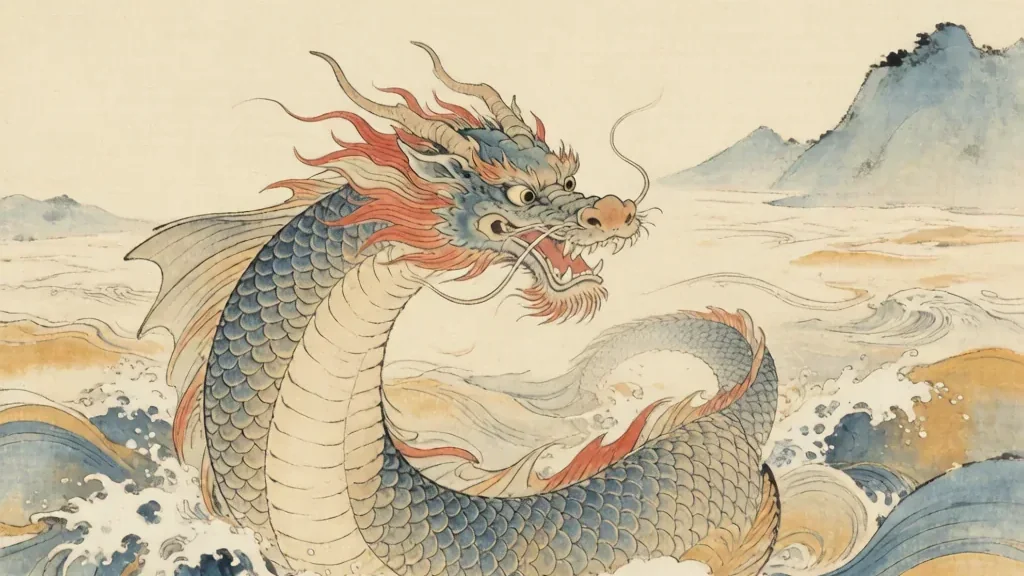
Yinglong: The Winged Dragon of the Floods
When the great floods threatened to drown the world, a dragon with wings rose from the storm to answer the call. Yinglong, the 应龙 ( Yìnglóng ), is the winged dragon of Chinese myth, the creature who brought the rains that ended the deluge and who aided the heroes who shaped early China.

The White Tiger: The Western Guardian of Metal
The White Tiger (白虎) is the western guardian of the Four Symbols, lord of the metal element and autumn, a beast of martial prowess and righteousness.
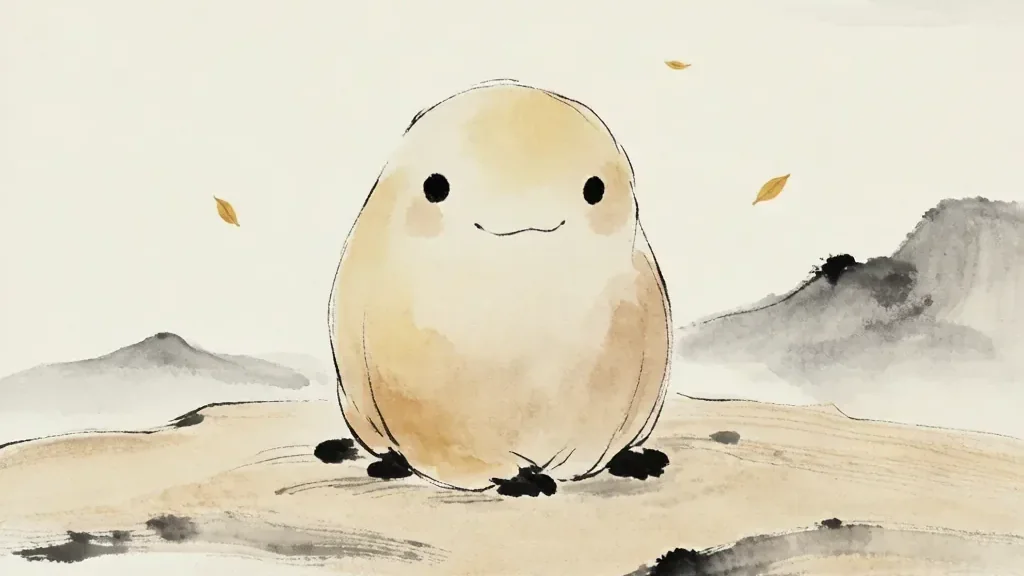
The Baize: The Beast That Knew Every Name
Baize (白泽) is the beast that knew the name of every spirit and demon, dictating a bestiary so humans could ward off 11,000 evils.

The Bian: The Tiger-Dragon of the Prison Gate
The Bi'an (狴犴) is the tiger-dragon that guards prison gates — one of the dragon's nine sons, fierce in upholding the law.
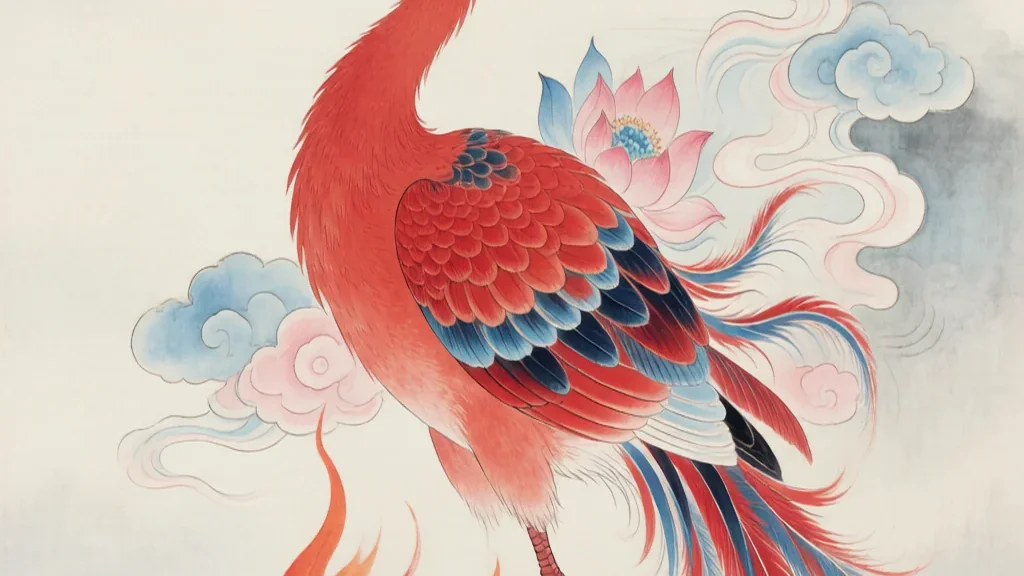
The Bifang: The Crane of the Burning Mountain
The Bifang (毕方) is the one-legged crane of fire, a bird omen whose appearance foretold conflagration.
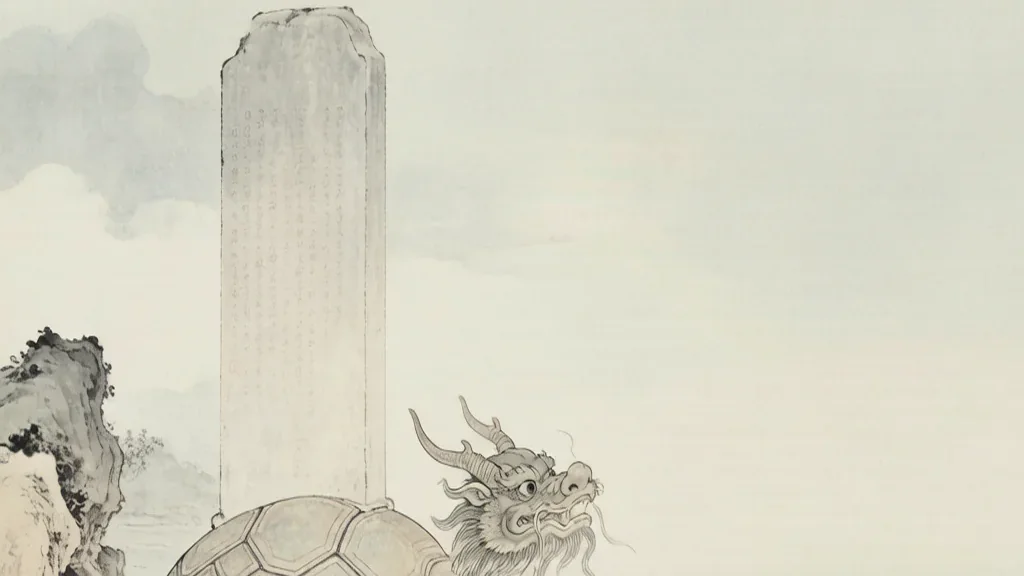
The Bixi: The Tortoise-Dragon That Holds the Universe
Bixi (赑屃) is the dragon son shown as a tortoise carrying steles — the beast that 'holds the universe' in stone.
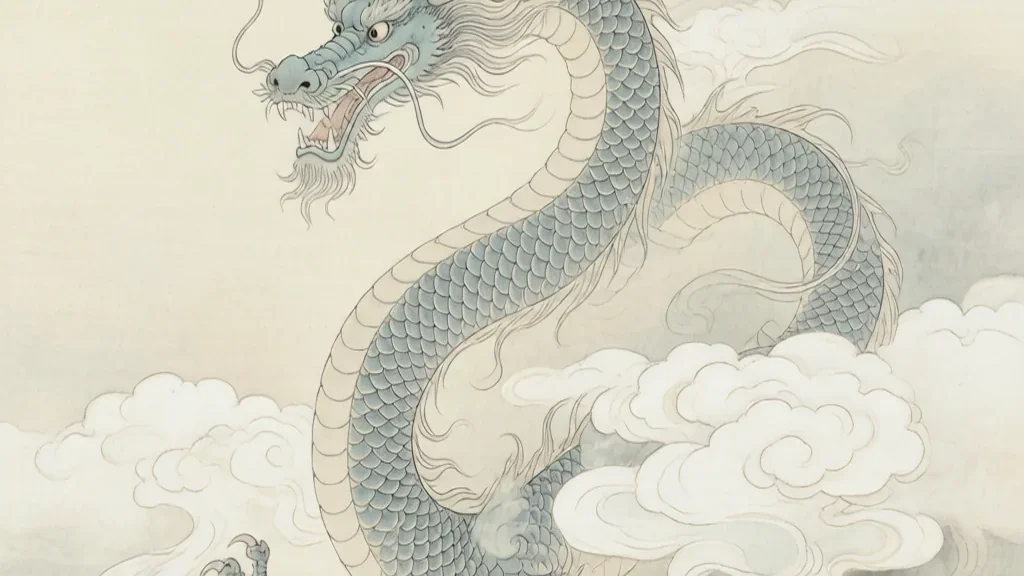
The Azure Dragon: The Guardian of the Eastern Sky
The Azure Dragon (青龙) is the eastern guardian of the Four Symbols, master of the wood element and spring, the most revered of the dragon quarters.
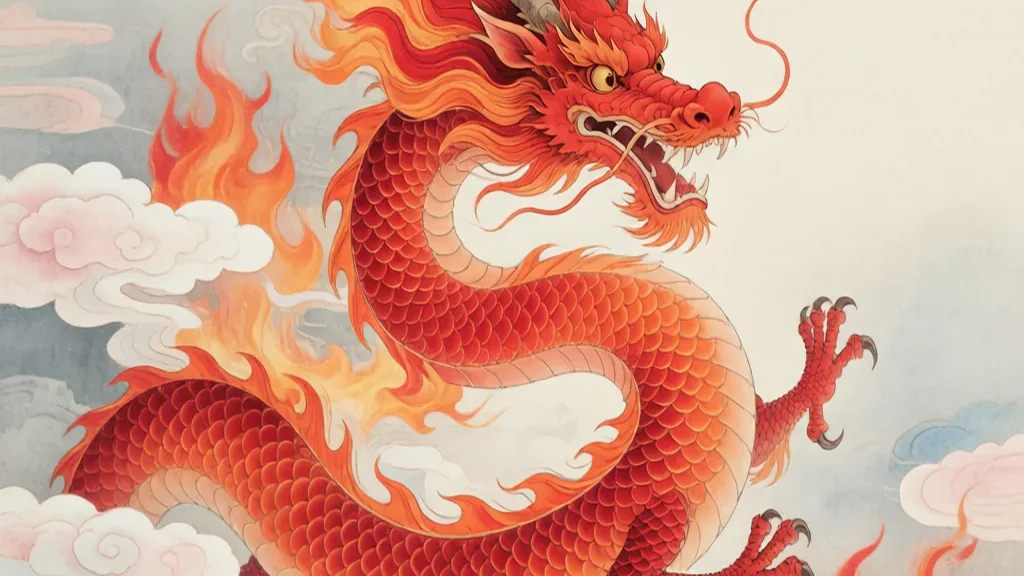
The Hornless Dragon: The Guardian of the Roof
The Chi (螭) is the hornless dragon, a water spirit carved on roofs and eaves to ward off fire.

The Story of the Dog: How It Joined the Chinese Zodiac
Of all the animals that gathered for the Jade Emperor's Great Race, the Dog should have been the favorite. Dogs are natural swimmers — their strong legs, buoyant bodies, and instinctive paddling motion make them perfectly suited for crossing water. No other animal, not even the Ox or the Tiger, could match the Dog's natural advantages in the river. And yet, the Dog finished eleventh. The reason why reveals everything you need to know about the Dog's wonderful, playful, easily distracted heart.

The Story of the Dragon: How It Joined the Chinese Zodiac
Of all the creatures summoned to the Jade Emperor's Great Race, only one had no need to cross the river at all. The Dragon, magnificent and divine, could simply fly over the water and claim first place before any other animal had even entered the current. Everyone expected it. The other animals had resigned themselves to competing for second place. But the Dragon's story would unfold very differently, revealing that true greatness is not measured by speed alone.
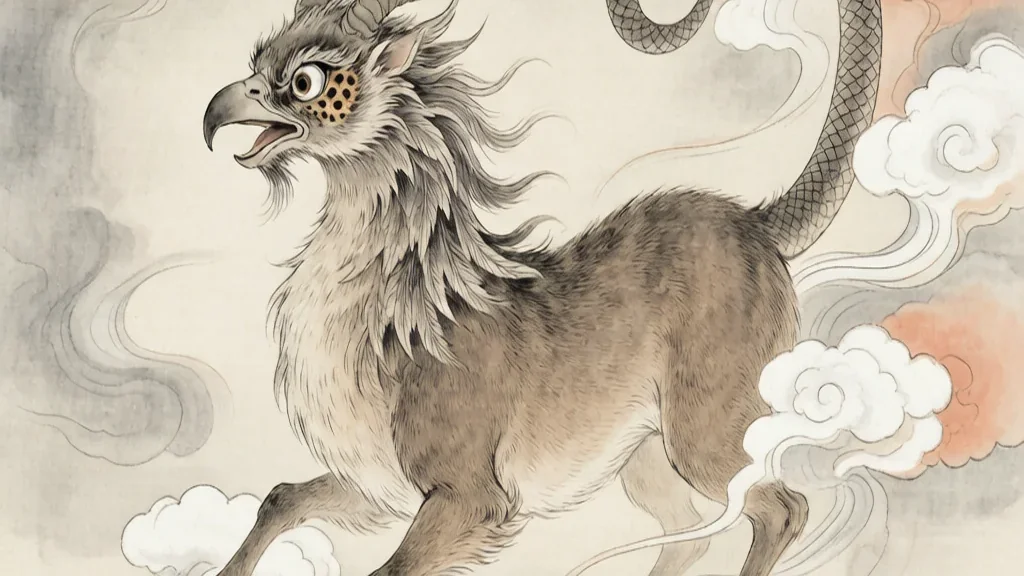
The Feilian: The Wind God in the Form of a Bird
Feilian (飞廉) is the wind god, imaged as a bird-headed, deer-bodied beast who rides the gales.
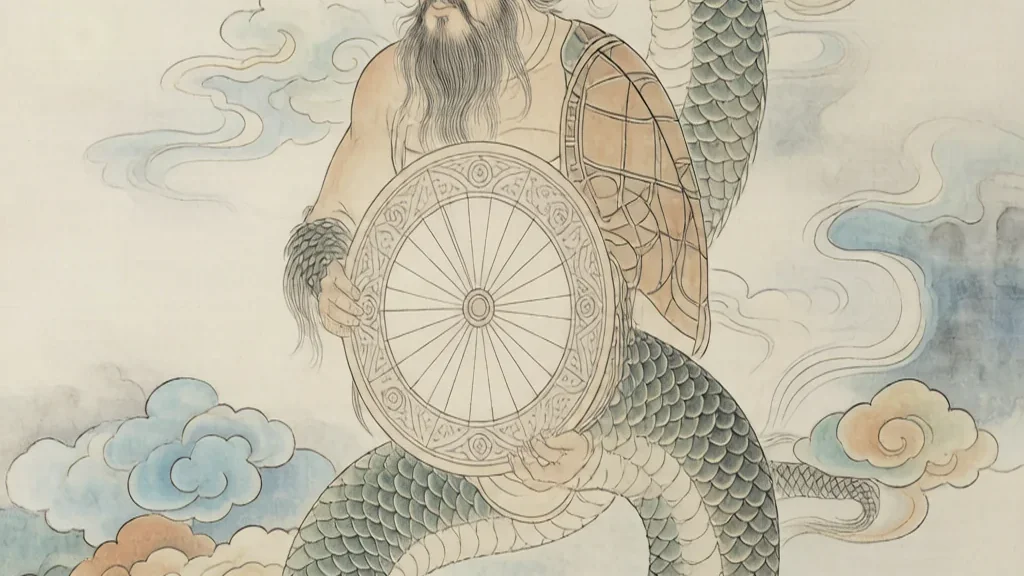
The Dragon of Fuxi: The Serpent Body of the Culture Hero
Fuxi, the culture hero, is often shown with a serpent or dragon body — the ancestor who taught humanity the arts of civilization.
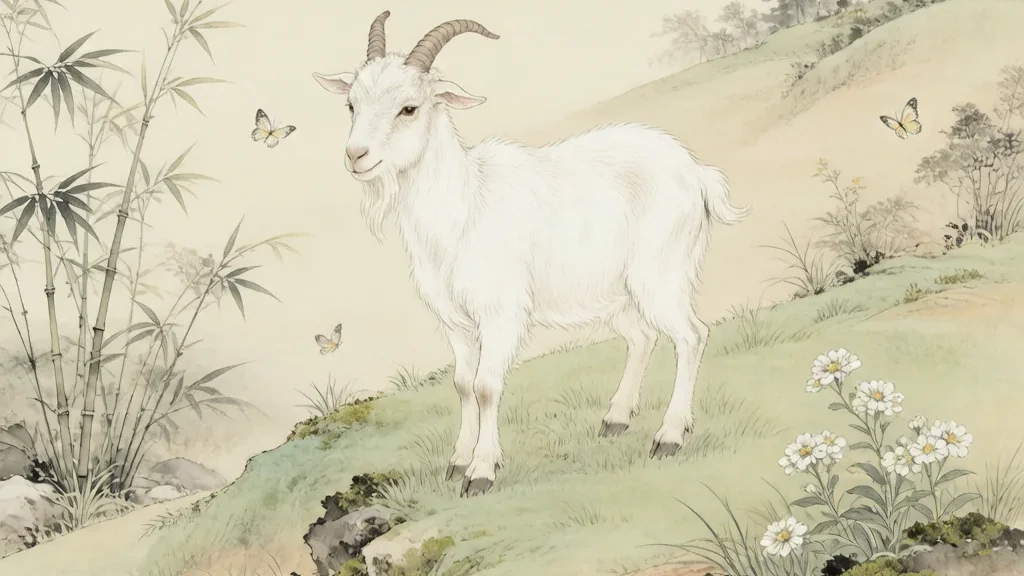
The Story of the Goat: How It Joined the Chinese Zodiac
The Goat is perhaps the gentlest of all the zodiac animals — soft-spoken, kind-hearted, and deeply attuned to the feelings of others. When the Jade Emperor announced the Great Race, the Goat faced a serious problem. It was not a strong swimmer. It could not run swiftly like the Horse or scheme cleverly like the Rat. The Goat's only weapons were its gentle nature and its ability to get along with everyone. As it turned out, those were enough.
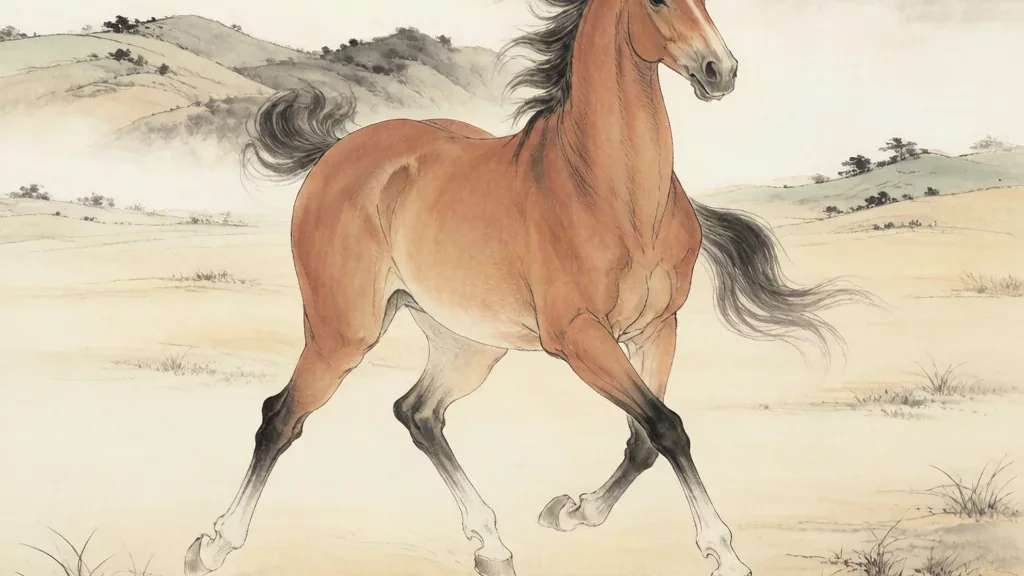
The Story of the Horse: How It Joined the Chinese Zodiac
The Horse is one of the most beloved animals in Chinese culture — a symbol of freedom, energy, and the relentless pursuit of goals. When the Jade Emperor announced the Great Race, the Horse was among the favorites to win. On land, no animal could match its speed. In the water, its powerful legs could churn through currents with remarkable efficiency. The Horse had every reason to be confident. But the Great Race would teach the Horse a lesson it would never forget: sometimes, the greatest dangers are the ones you never see coming.

The Yellow Dragon: The Center of the Four Symbols
The Yellow Dragon (黄龙) is the central dragon of the Five Elements, the rare omen of a sage ruler's virtuous reign.
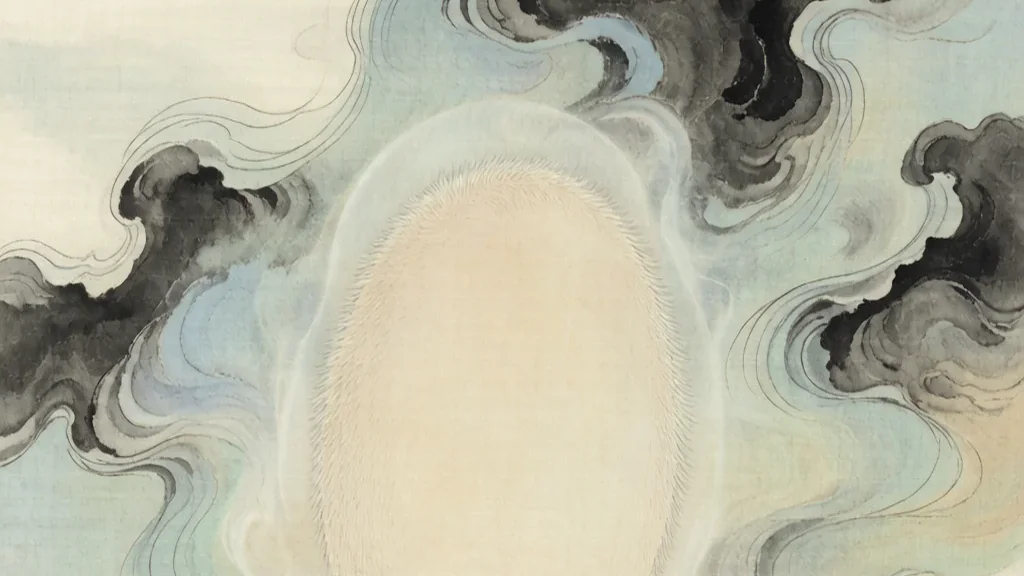
The Hundun: The Chaos Beast of the Wilderness
Hundun (混沌) is primordial chaos — the faceless, unordered whole from which the world took shape.
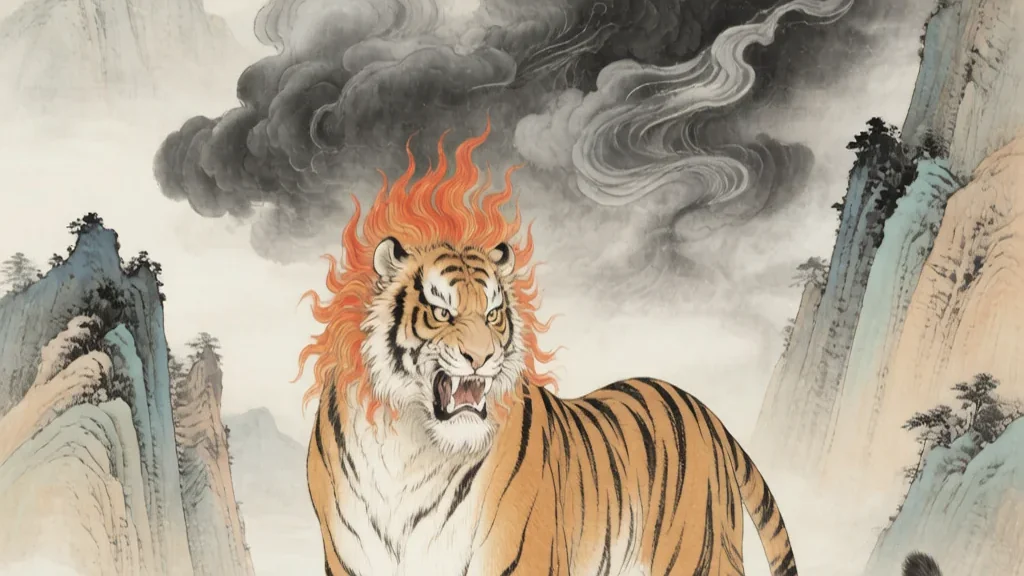
The Wangliang: The Demon of the Rivers and Mountains
The Wangliang (魍魉) are the demons of rivers and mountains — minor wilderness spirits that lure and confuse travelers.

The Flood Dragon: The Serpent of the Deep River
The Jiaolong (蛟龙) is the flood dragon of rivers and lakes — a horned water serpent that stirs storms and floods.
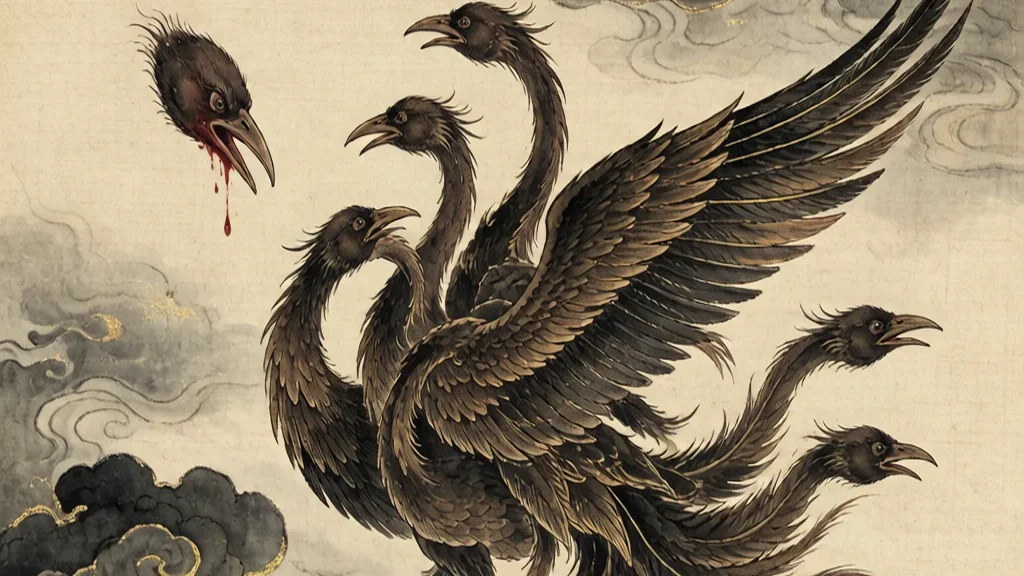
The Nine-Headed Bird: The Ominous Creature of Chu Myth
The Nine-Headed Bird (九头鸟) is an ominous Chu-myth creature whose lost head drips blood — a bird of ill omen.
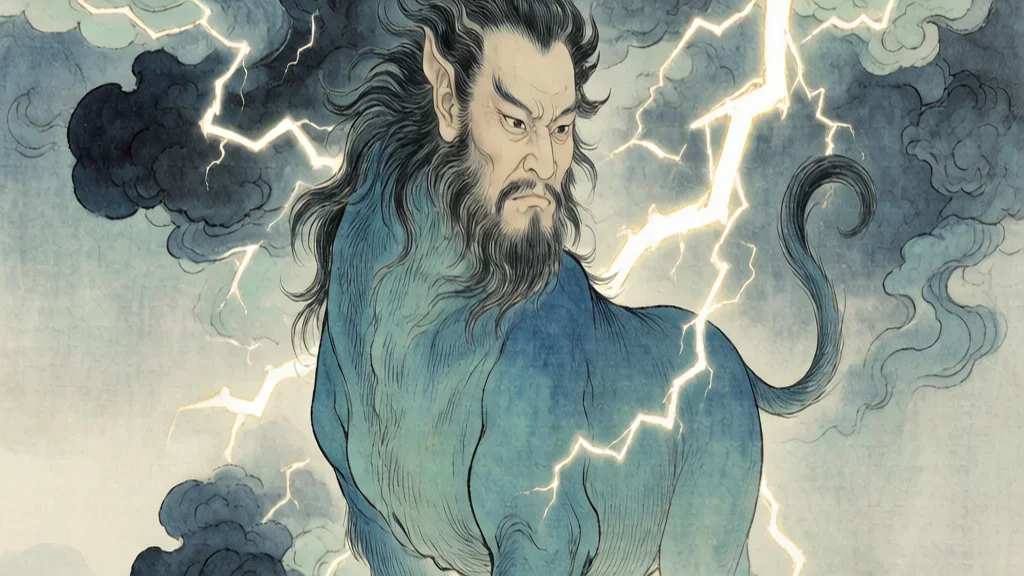
Kui: The One-Legged Thunder Beast of Ancient Myth
Kui (夔) is the one-legged thunder beast whose hide became the drum that roused the armies of the Yellow Emperor.
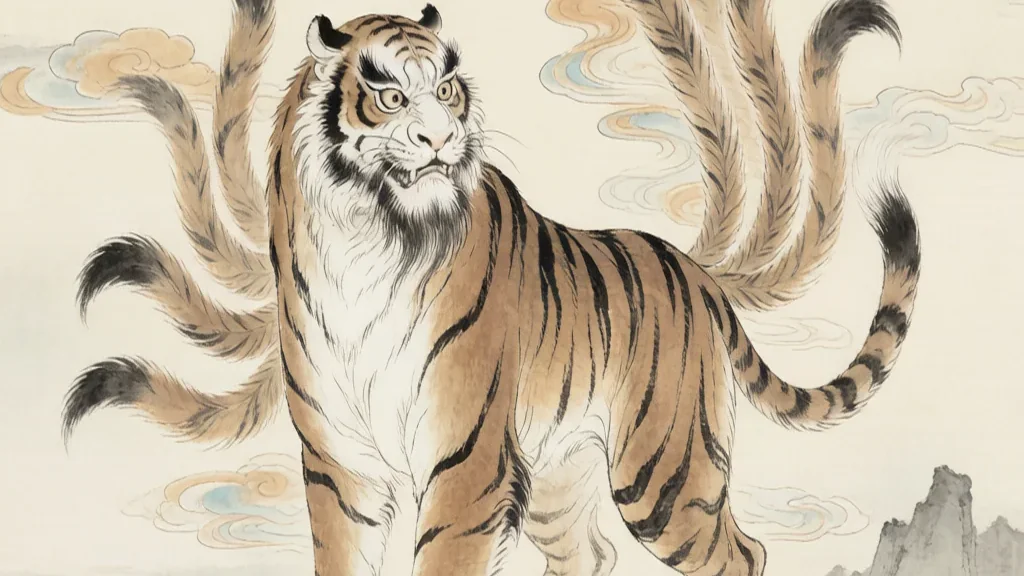
The Luwu: The Gatekeeper of the Heavenly Mountain
Luwu (陆吾) is the feline gatekeeper of Kunlun, the nine-tailed, man-faced guardian of the heavenly mountain.
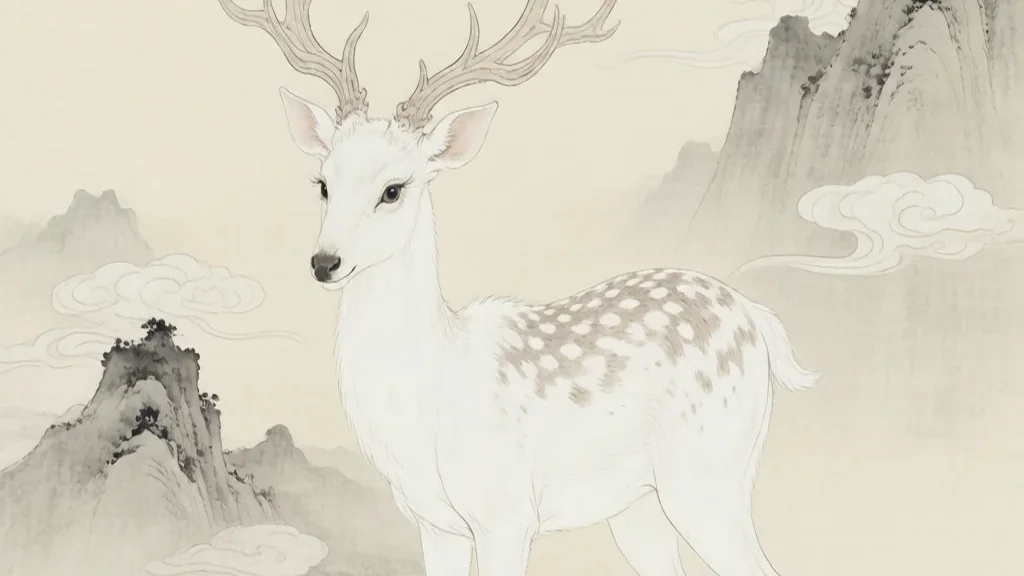
The Xiezhi: The Goat of Justice
The Xiezhi (獬豸) is the one-horned goat of justice, a beast that butts the guilty in legal disputes.

The Story of the Monkey: How It Joined the Chinese Zodiac
The Monkey is the great trickster of the Chinese zodiac — clever, inventive, and endlessly curious. When the Jade Emperor announced the Great Race, the Monkey's first instinct was to find the most creative solution possible. Why swim when you could build something? Why struggle alone when you could recruit a team? The Monkey's story is a testament to the power of ingenuity, improvisation, and the occasional bit of mischief.

The Story of the Ox: How It Joined the Chinese Zodiac
When the Jade Emperor announced the Great Race to determine the order of the zodiac, every animal knew one thing for certain: the Ox was going to win. Strong, tireless, and unwavering in purpose, the Ox was the most powerful creature at the riverbank that morning. What no one could have predicted was that the Ox's greatest strength — his generous, trusting nature — would also be his undoing.
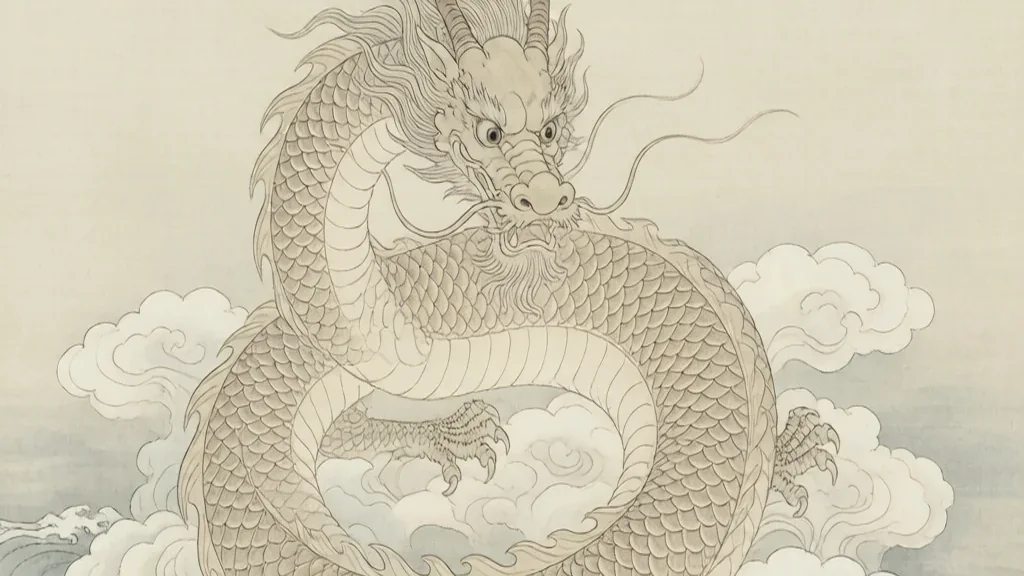
The Coiled Dragon: The Water Spirit of the Lake
The Panlong (蟠龙) is the coiled dragon, a water spirit that lies curled in lakes and wells, master of the depths.

The Pixiu: The Heavenly Beast That Devours Gold
The Pixiu (貔貅) is the heavenly beast that devours gold and never excretes it — the mascot of wealth and protection.

The Story of the Pig: How It Joined the Chinese Zodiac
The Pig is the twelfth and final animal of the Chinese zodiac — a position earned not through slowness or weakness, but through an endearing commitment to enjoying life's simple pleasures. The Pig's story in the Great Race is perhaps the most relatable of all: sometimes, the call of a good meal and a comfortable nap is simply too strong to resist, even when a place in the zodiac hangs in the balance.
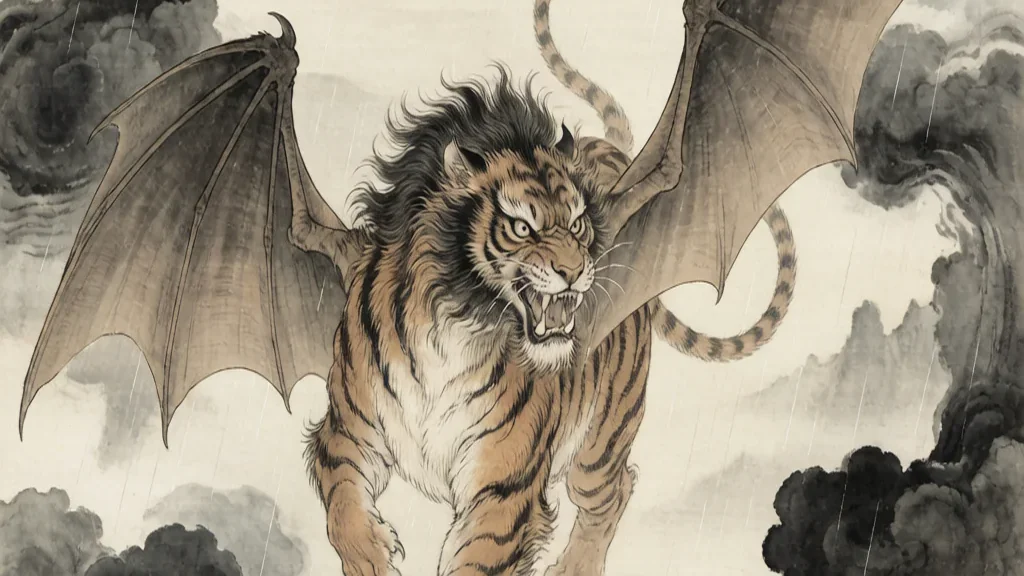
The Qiongqi: The Winged Tiger of Calamity
Qiongqi (穷奇) is the winged tiger of calamity, a perverse beast that punishes the good and rewards the wicked.
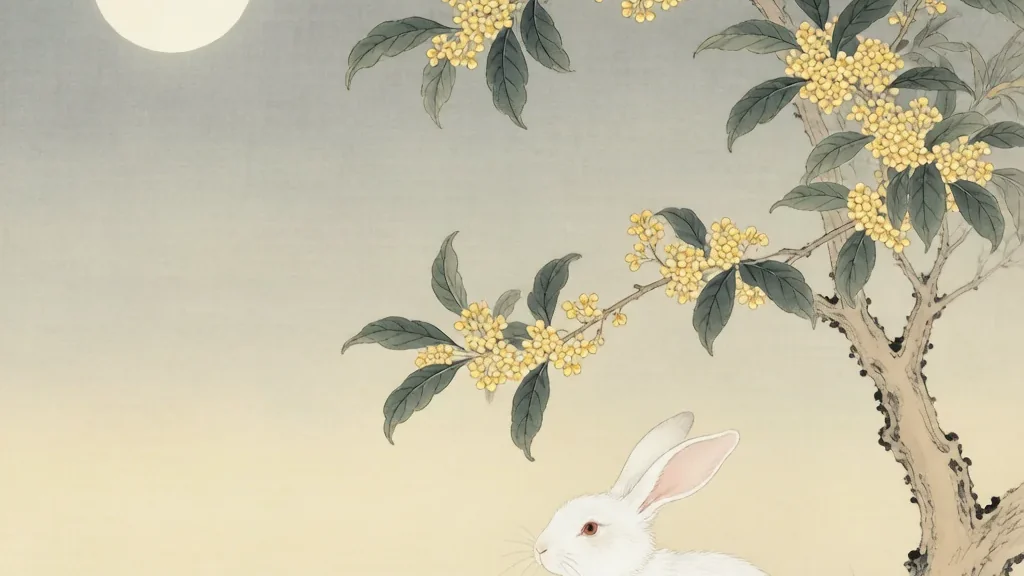
The Story of the Rabbit: How It Joined the Chinese Zodiac
When the Jade Emperor summoned the animals for the Great Race, the Rabbit knew that swimming was not his strength. Small, light, and delicate, he could not possibly battle the currents like the Tiger or power through like the Ox. But the Rabbit had something those larger animals lacked — agility, creativity, and the willingness to find a different path where no path existed.
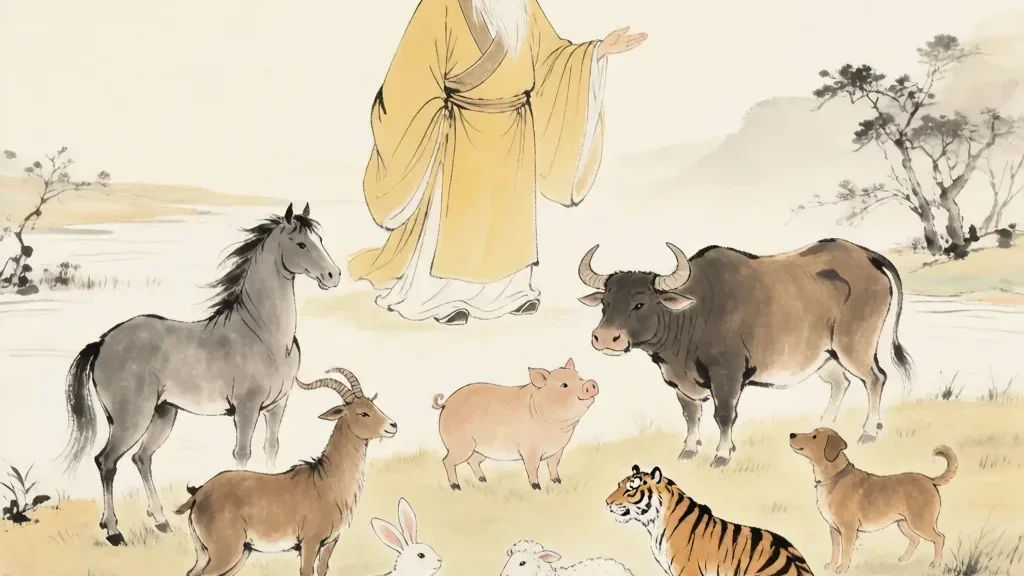
The Story of the Rat: How It Joined the Chinese Zodiac
Long ago, the Jade Emperor, ruler of heaven, decided that time itself needed order. He decreed that the years would be named after twelve animals, and to determine their order, he summoned all creatures to a great race across a mighty river. The first twelve to cross the finish line on the far bank would earn a place in the zodiac, and their finishing order would become the order of the years for all eternity.
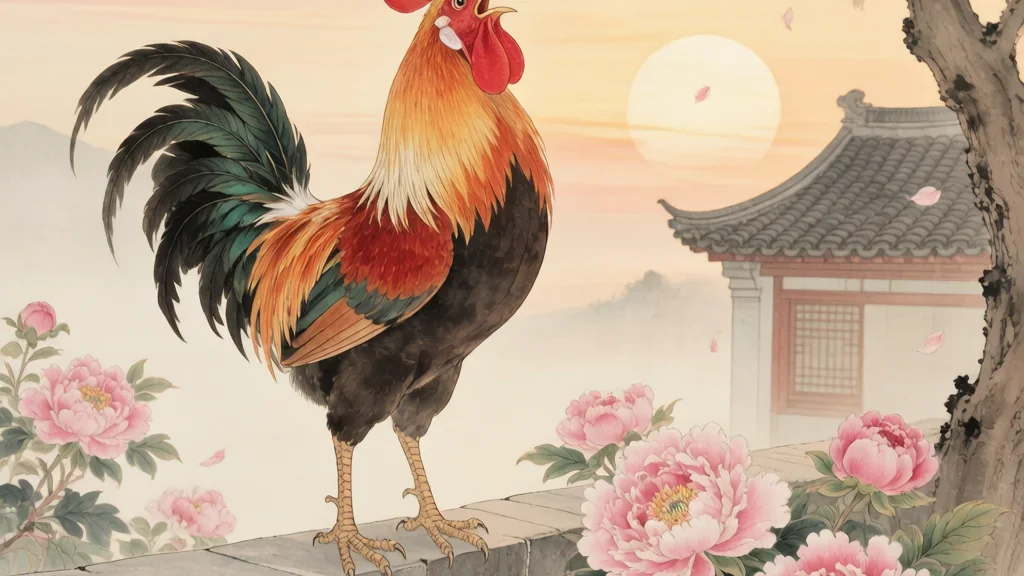
The Story of the Rooster: How It Joined the Chinese Zodiac
The Rooster is the great herald of the Chinese zodiac — the one who announces the dawn, who calls others to action, who never lets an opportunity pass unnoticed. When the Jade Emperor summoned the animals for the Great Race, the Rooster faced a serious problem. Its wings were too small for sustained flight, and its body was not built for swimming. But the Rooster had something more valuable than physical strength: a sharp eye, a loud voice, and the willingness to share its discoveries with others.
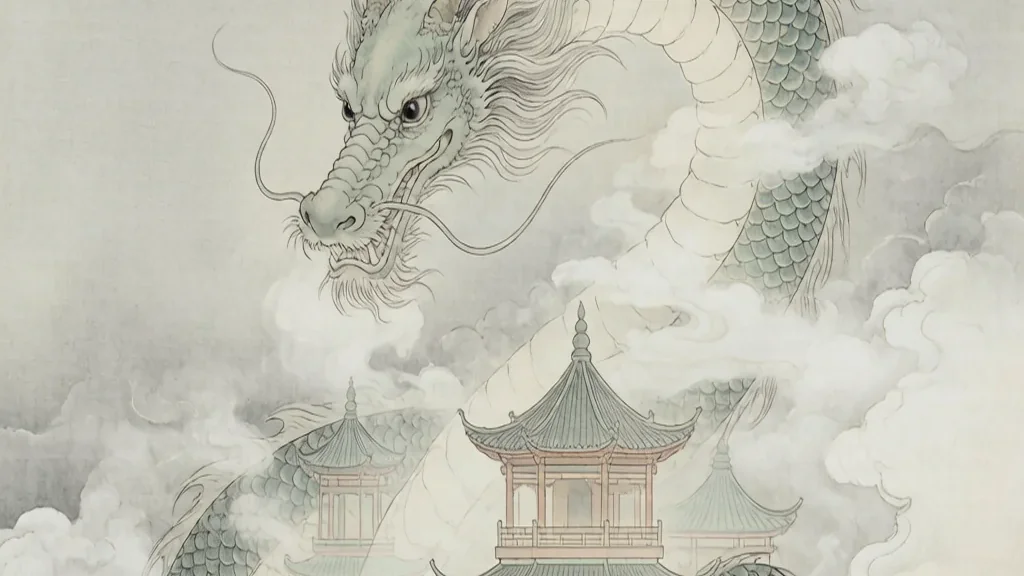
The Divine Dragon: The Weather God of the Sky
The Shenlong (神龙) is the divine dragon, the true celestial dragon that commands weather, rain, and the clouds.

The Ascending Dragon: The Icon of the Emperor
The Shenglong (升龙) is the ascending dragon, the image of rise and imperial authority coiling toward heaven.
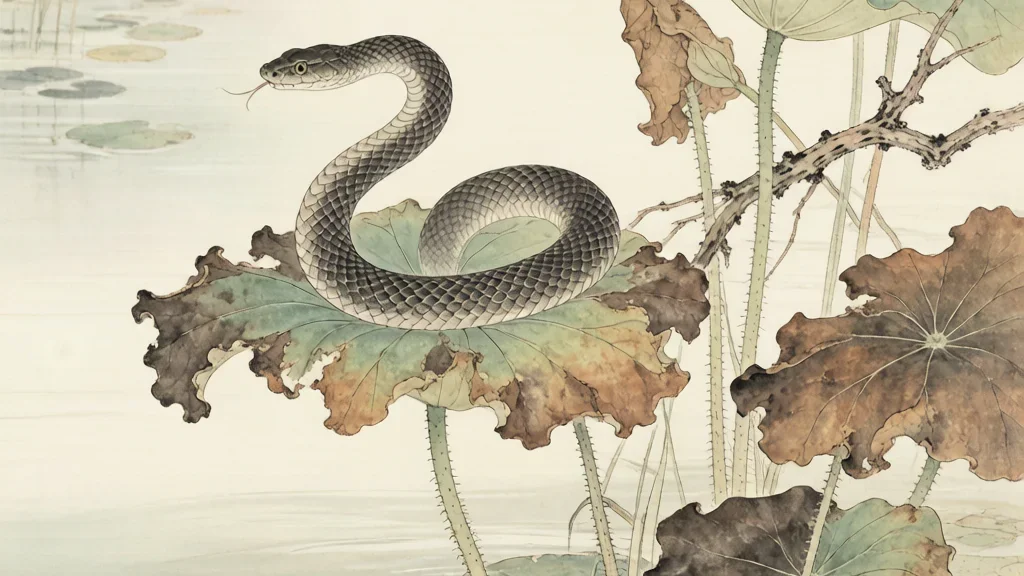
The Story of the Snake: How It Joined the Chinese Zodiac
The Snake has always been one of the most misunderstood creatures in the Chinese zodiac. Silent, subtle, and often feared, the Snake entered the Great Race with no obvious advantages. It could not swim powerfully like the Ox, run swiftly like the Horse, or fly majestically like the Dragon. But the Snake possessed something far more valuable: patience, strategy, and the ability to wait for exactly the right moment to strike.
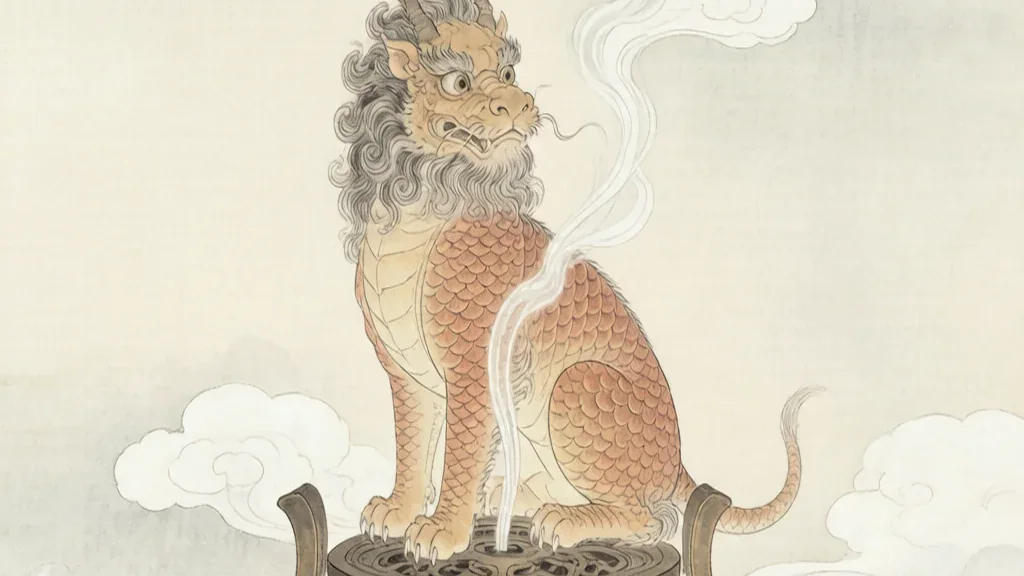
The Suanni: The Lion-Dragon That Guards the Incense
The Suanni (狻猊) is the lion-dragon son who loves incense smoke and sits atop Buddhist incense burners.

The Taowu: The Beast of Arrogance and Ruin
The Taowu (梼杌) is the beast of arrogance and ruin, one of the Four Perils that personifies stubborn wickedness.

The Taotie: The Glutton on the Ancient Bronzes
The Taotie (饕餮) is the glutton carved on ancient bronzes — a mask with a single huge mouth and no body, devouring all.
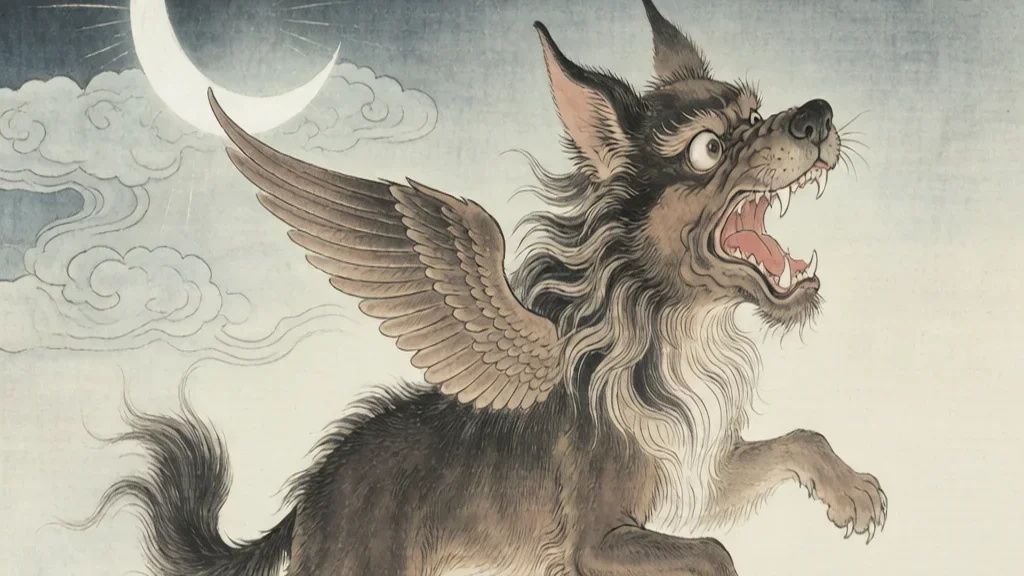
The Celestial Dog: The Eater of the Sun and Moon
The Celestial Dog (天狗) is the creature that eats the sun and moon, causing eclipses in Chinese folklore.
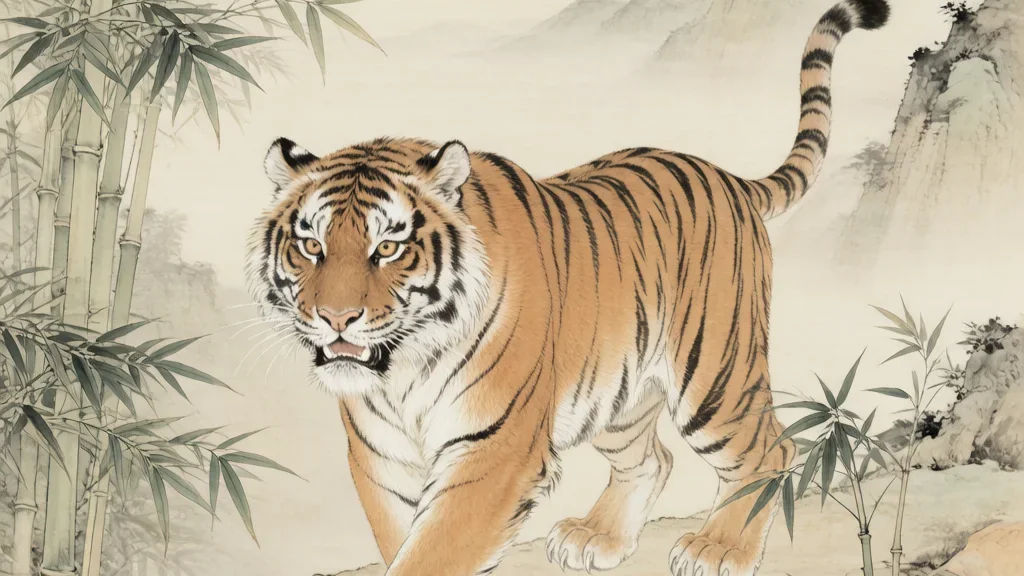
The Story of the Tiger: How It Joined the Chinese Zodiac
Of all the animals that answered the Jade Emperor's call to the Great Race, none approached the starting line with more confidence than the Tiger. King of the beasts, lord of the forest, a creature of unmatched power and ferocity — the Tiger believed the race was his to lose. But the river had other plans, and the Tiger would soon discover that raw strength alone cannot conquer every challenge.
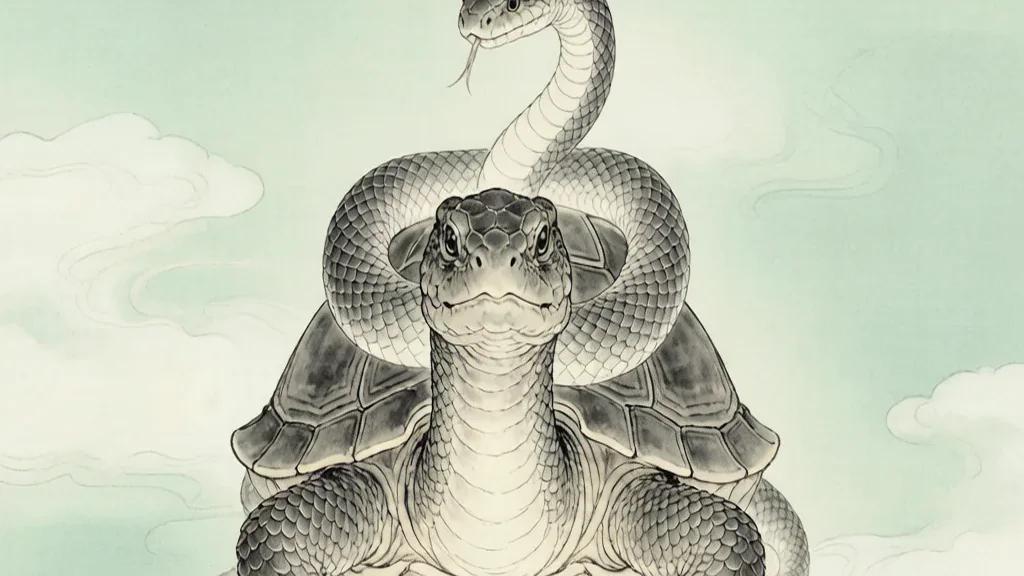
The Black Tortoise: The Northern Guardian of Water
The Black Tortoise (玄武) is the northern guardian of the Four Symbols, a tortoise entwined with a snake, lord of water and winter.
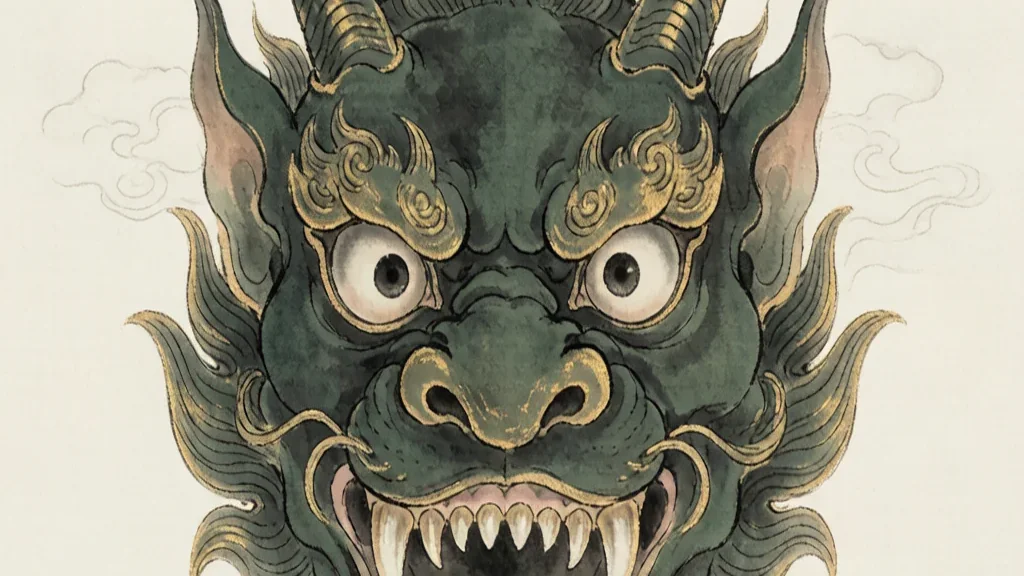
The Yazi: The Dragon Son of Wrath and the Sword
The Yazi (睚眦) is the dragon son of wrath, shown on sword guards and battle gear for its love of combat.
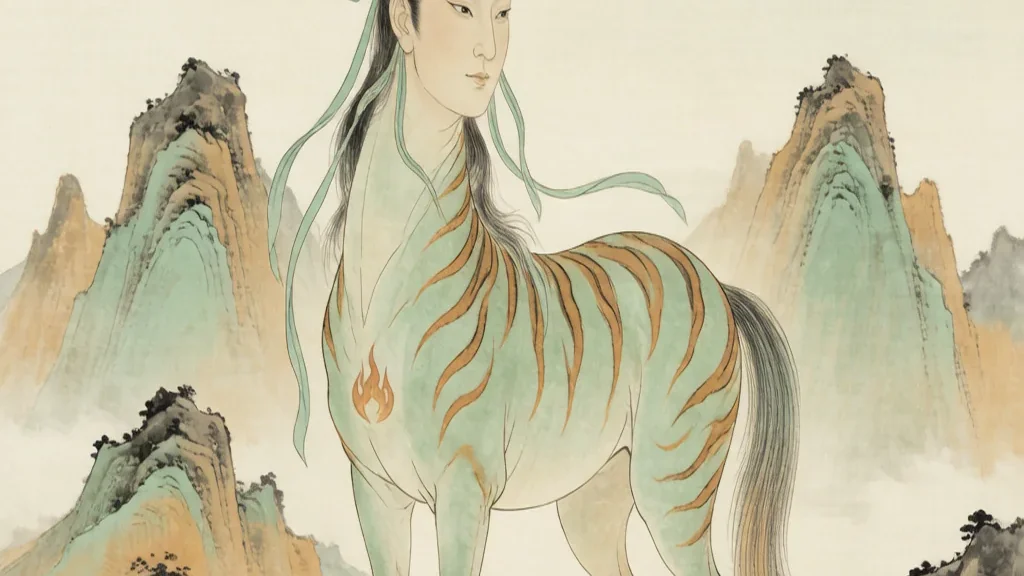
The Yingzhao: The Guardian of the Garden of the Gods
Yingzhao (英招) is the guardian of the Garden of the Gods, a man-faced, horse-bodied, winged beast of Kunlun.
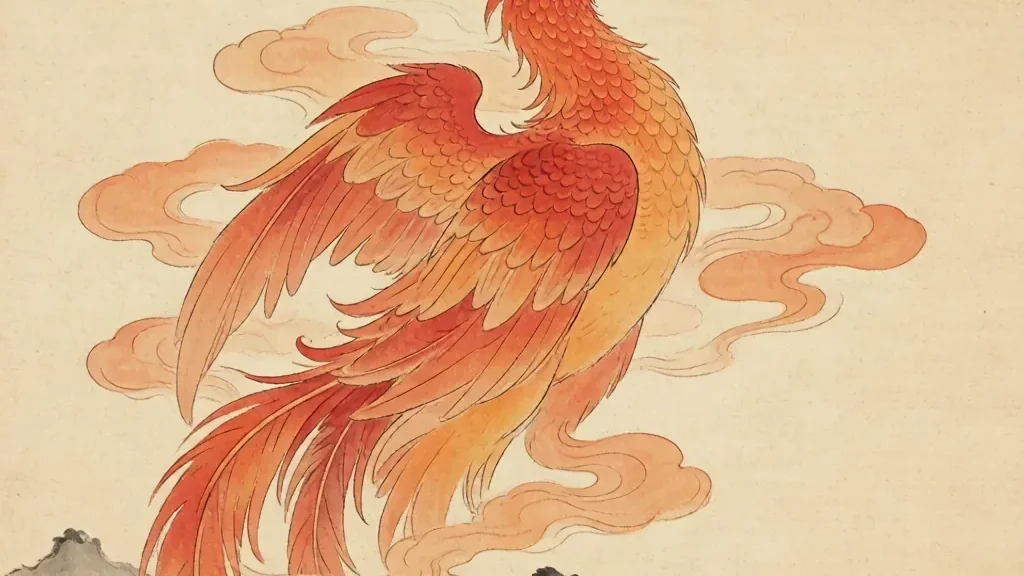
The Vermilion Bird: The Southern Guardian of Fire
The Vermilion Bird (朱雀) is the southern guardian of the Four Symbols, a phoenix-like firebird of summer and the south.