Folk Deities
50 articles — China's beloved household and neighborhood gods: the deities of wealth, kitchen, gate, earth, city, fortune, dragon, and longevity who guard daily life.
China's folk religion is populated less by distant cosmic rulers than by a vast, friendly bureaucracy of household and neighborhood gods — the deities of wealth, the kitchen, the gate, the earth, the city, fortune, and longevity who watch over daily life. From the smiling God of Wealth to the watchful Kitchen God who reports to heaven each New Year, these folk deities turn abstract belief into small, recurring acts of care. This guide gathers the best-loved gods of Chinese homes and streets.
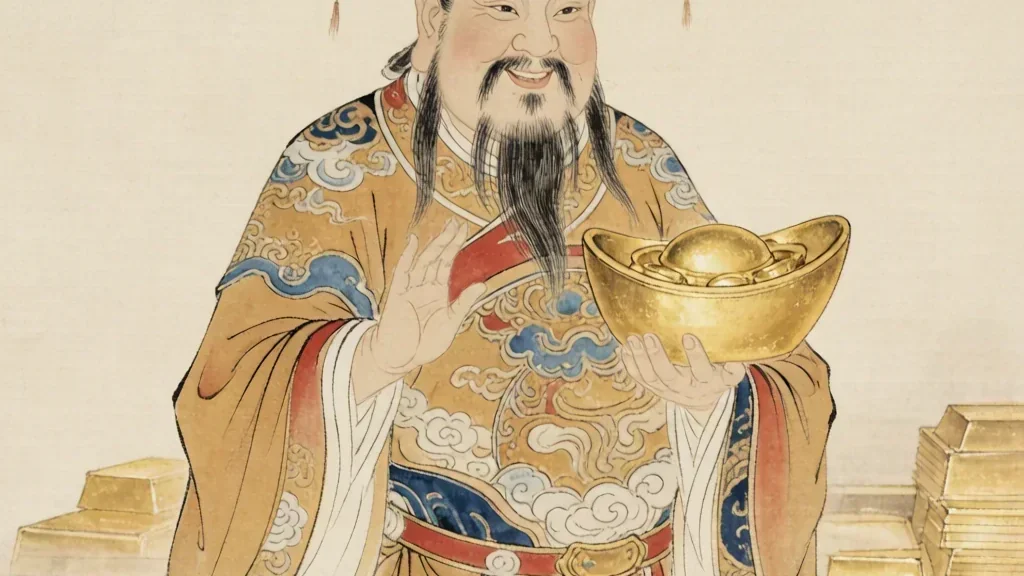
Caishen: The God of Wealth (财神)
Almost every Chinese household, shop, and bank at some point hangs an image of a plump, smiling figure in court robes cradling a golden ingot. This is Caishen (财神, cái shén), the God of Wealth, the most commercial of China's folk deities and the one whose arrival is celebrated with firecrackers in the small hours of the New Year.

Zaoshen: The Kitchen God (灶神)
In the warm corner of nearly every traditional Chinese home, above the stove where three meals a day were cooked, there once hung a modest colored print of an elderly couple. They were Zaoshen (灶神, zào shén), the Kitchen God and his consort, and the family treated them with a strange mix of reverence and nervousness.

Menshen: The Door Gods (门神)
Step through almost any old Chinese gate at New Year and you will meet them before you meet the family: two stern, armored warriors glaring outward from the red doors, weapons at the ready. These are Menshen (门神, mén shén), the Door Gods, the first line of defense in a spiritual security system that has protected Chinese homes for over two thousand years.

Tudishen: The Earth God (土地神)
Tucked beside a village path, under a banyan tree, or in a corner of a market alley, stands the smallest shrine in the Chinese spirit world: a little stone cabinet holding a smiling clay figure with a white beard. This is Tudishen (土地神, tǔ dì shén), the Earth God — not a mighty cosmic ruler but the grassroots guardian of one particular patch of soil.
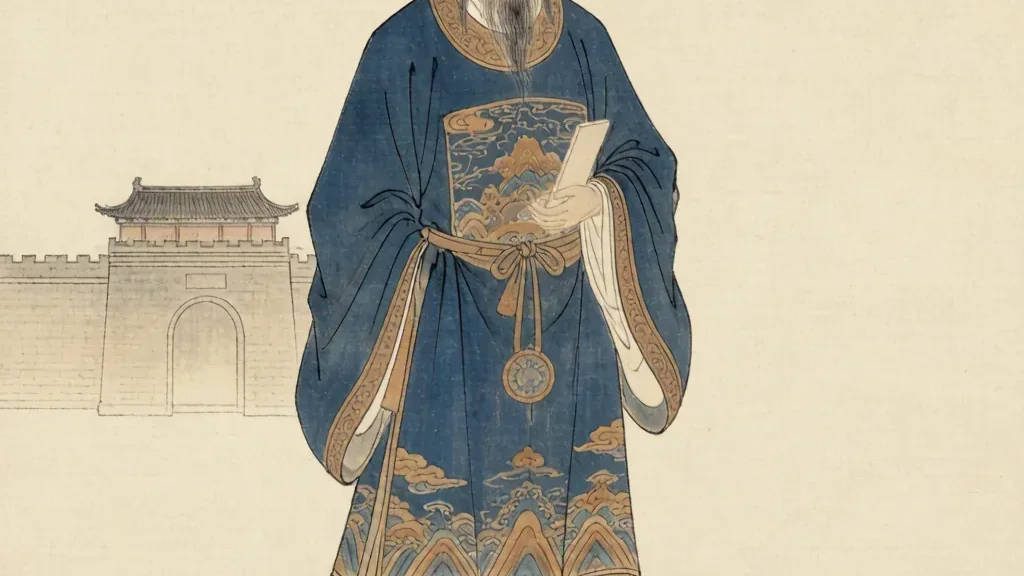
Chenghuang: The City God (城隍)
Every walled city in imperial China had a gate, a magistrate, and a god. The last of these was Chenghuang (城隍, chéng huáng), the City God — a divine official who governed the spirit affairs of the city as surely as the human magistrate governed its taxes and trials.
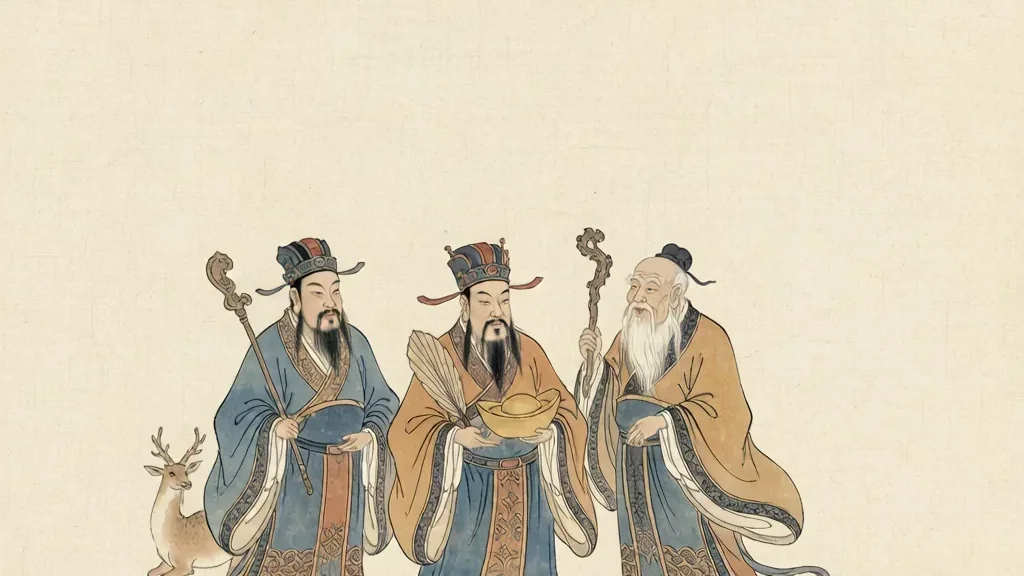
FuluShou: The Three Stars of Fortune (福禄寿)
Ask any Chinese person to name the three things a good life requires, and the answer will flow as one word: FuluShou (福禄寿, fú lù shòu) — Fortune, Emolument, and Longevity. These three character-concepts are so deeply woven into the fabric of Chinese culture that they appear together on everything from New Year prints to wedding scrolls, from children's jade pendants to the carved beams of ancestral halls.
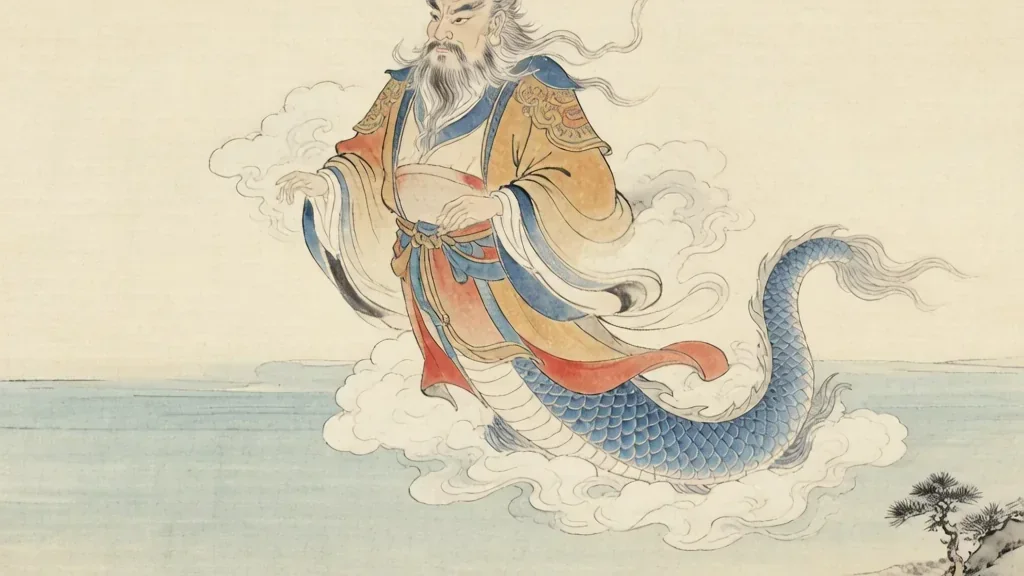
Longwang: The Dragon King (龙王)
In the Chinese imagination, every body of water — from the vast Eastern Sea to the smallest village well — has a ruler. He is the Longwang (龙王, lóng wáng), the Dragon King, a fearsome and beneficent deity who commands rain, controls floods, and dwells in a crystal palace at the bottom of his watery domain.

Shouxing: The God of Longevity (寿星)
Of all the faces in the Chinese pantheon, none is more instantly recognizable than that of Shouxing (寿星, shòu xīng), the God of Longevity. He is the old man with the towering, pear-shaped forehead, a snowy beard, a benevolent smile, and a peach in his hand — the very picture of old age as something not to be feared but aspired to.
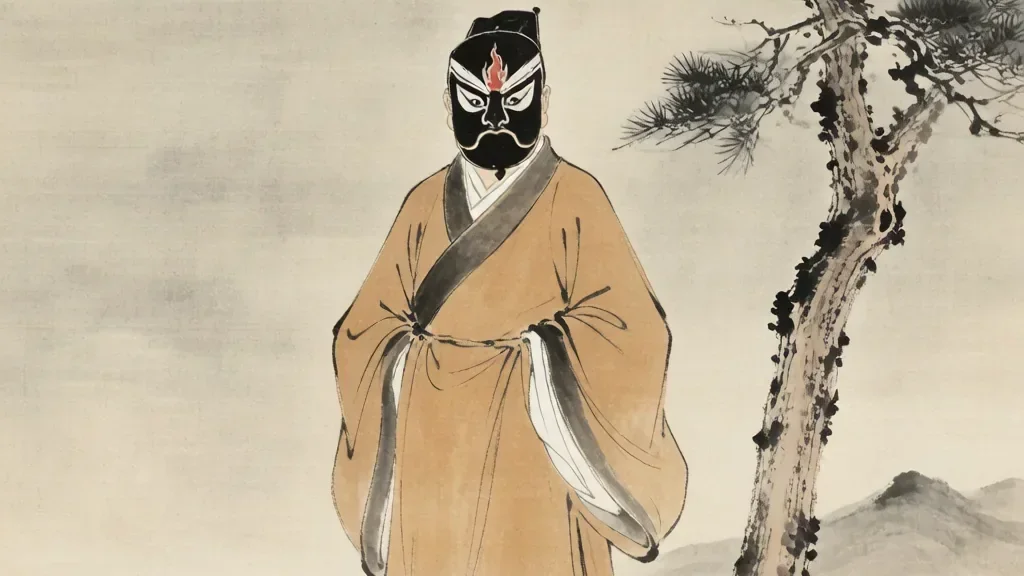
Bao Zheng: The Judge of the Underworld
Bao Zheng was a historical Song dynasty official famous for his impartial justice. He became deified as the god of justice who judges the dead in the underworld.
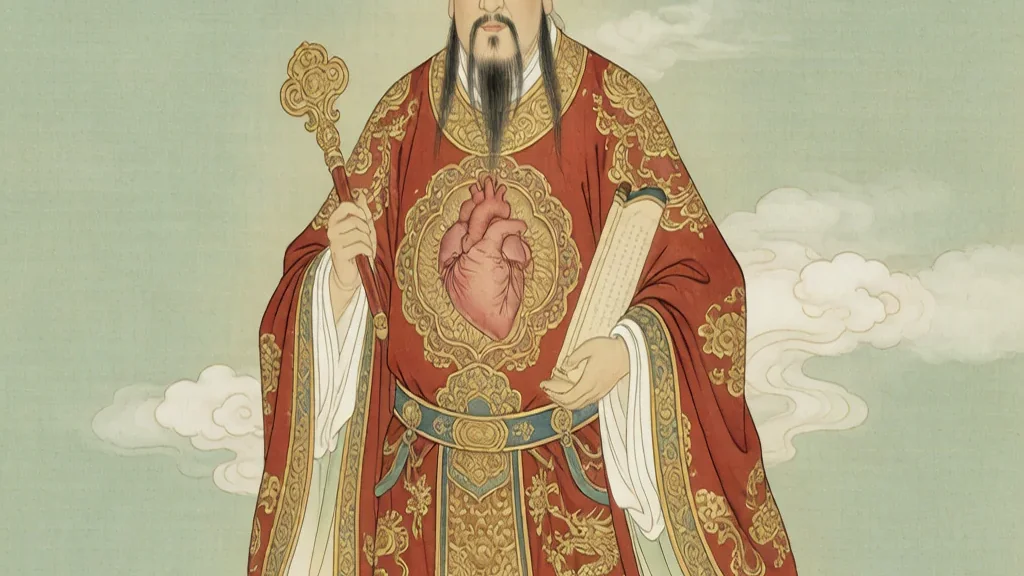
Bi Gan: The God of Wealth Without a Heart
Bi Gan was a virtuous minister of the Shang dynasty who was executed for his honesty. He later became deified as a god of wealth, representing wealth gained through integrity.
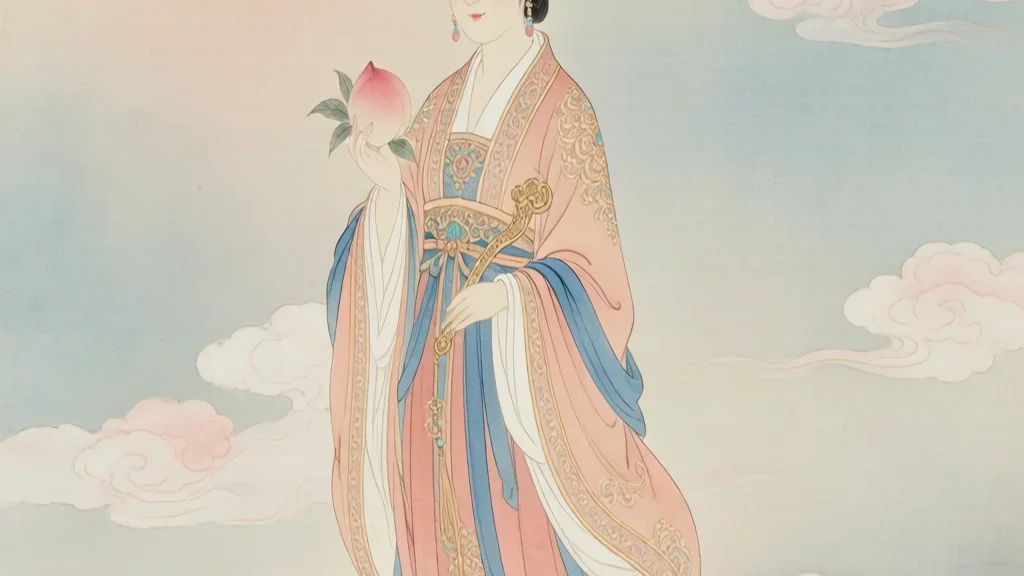
The Goddess of the Clouds: Protector of Women and Children
Bixia Yuanjun is the goddess of Mount Tai, protector of women and children. She is one of the most important female deities in northern Chinese folk religion.
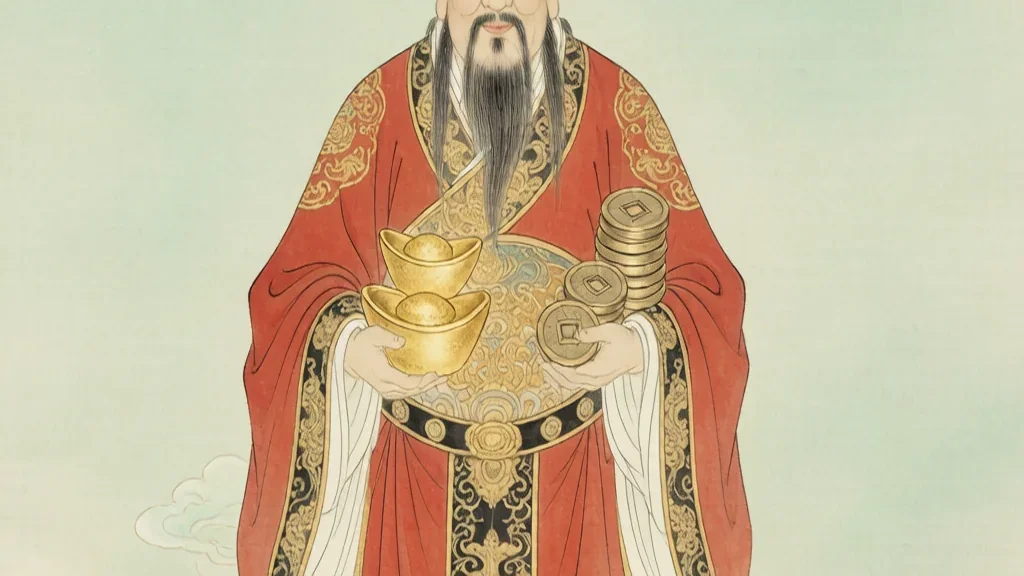
The God of Wealth: The Most Worshipped Deity
Caishen is the Chinese god of wealth and prosperity, invoked during Chinese New Year and at business openings. He is depicted holding a gold ingot and an如意 (rúyì, ceremonial scepter).
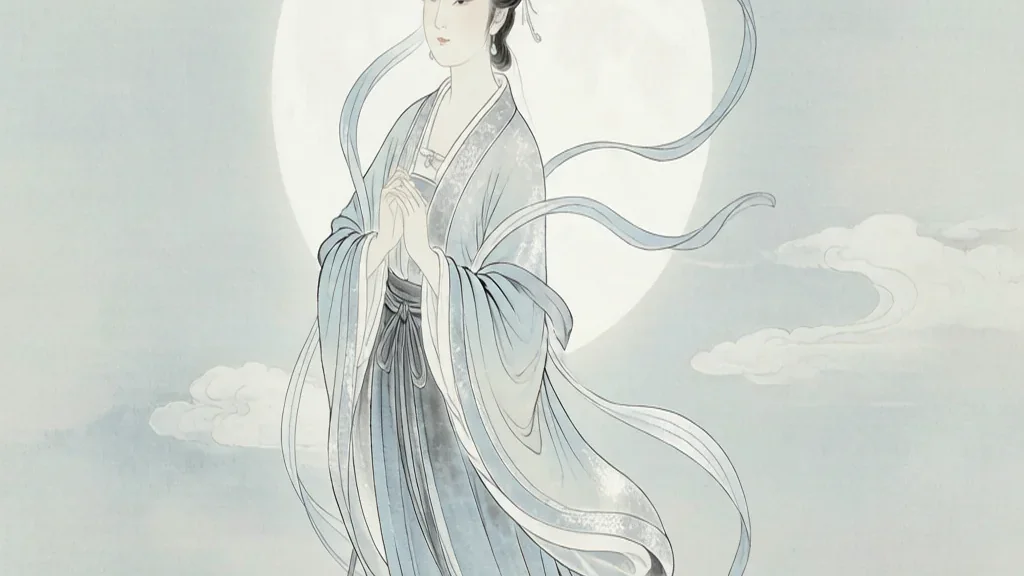
Chang Xi: The Moon Goddess Who Bears the Lunar Months
Changxi is the moon goddess who gives birth to twelve moons. She is associated with lunar cycles and the calendar in ancient Chinese mythology.
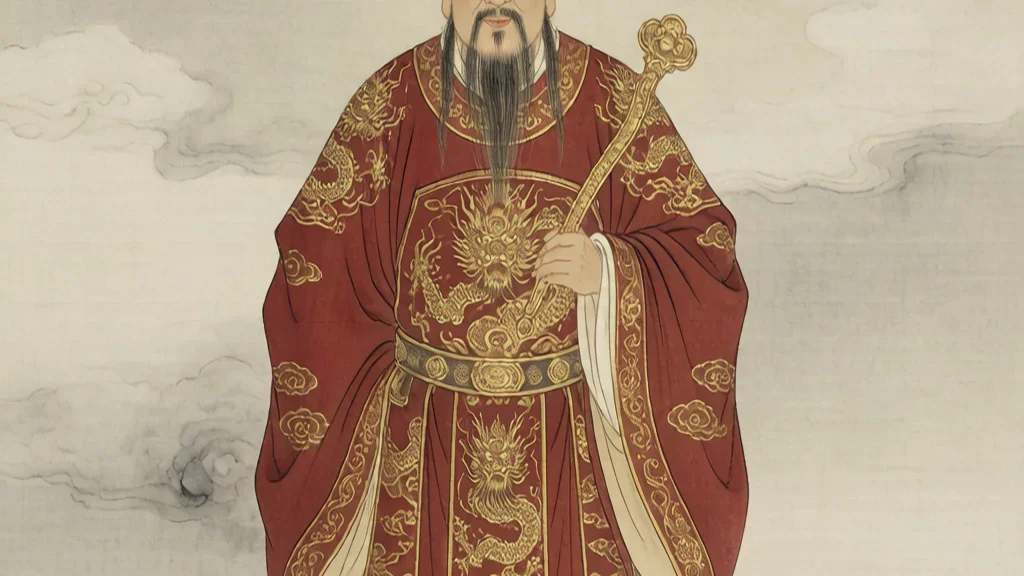
The City God: The Judge of the Afterlife
The City God protects a specific city and judges the dead. Each Chinese city historically had a City God temple where officials prayed for good governance.
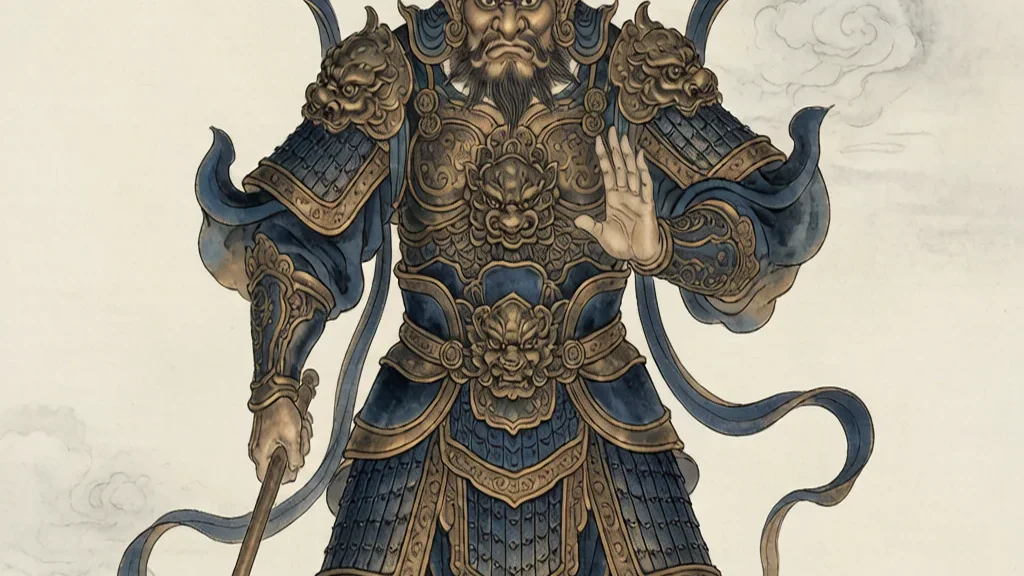
Chi You: The God of War and the Enemy of the Yellow Emperor
Chiyou was a legendary war god and tribal leader who fought the Yellow Emperor at the Battle of Zhuolu. He is worshipped as a god of war and metalworking.

The Lightning Mother: The Flash of Justice
Dianmu is the goddess of lightning, often depicted as Leigong's wife. She uses mirrors to flash lightning across the sky to illuminate the targets of Leigong's thunderbolts.
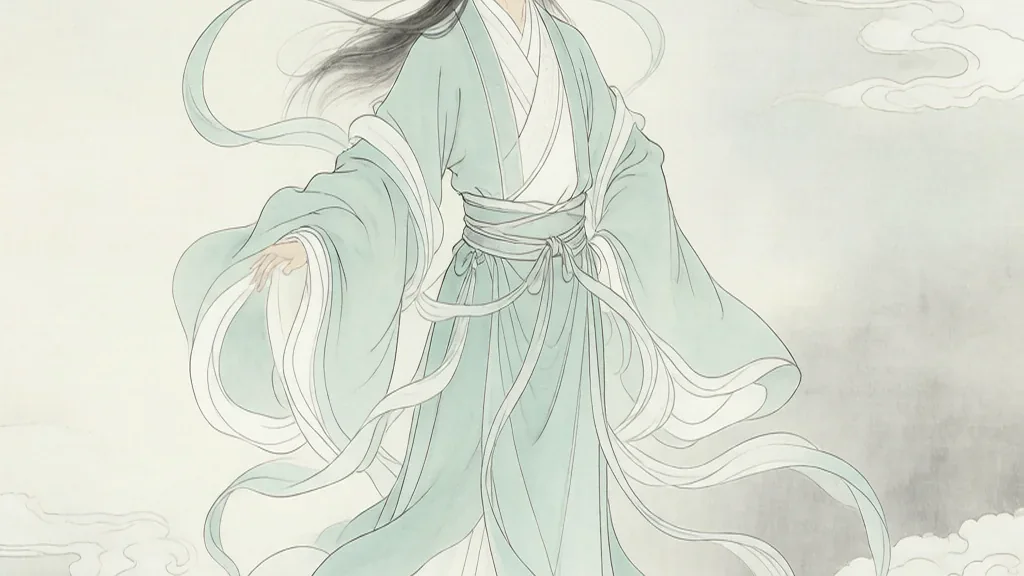
The Earl of Wind: The Breath of the Gods
Fengbo is the Daoist god of wind, responsible for the winds that bring rain, disperse clouds, and sometimes destroy property. He is depicted carrying a large sack of wind.
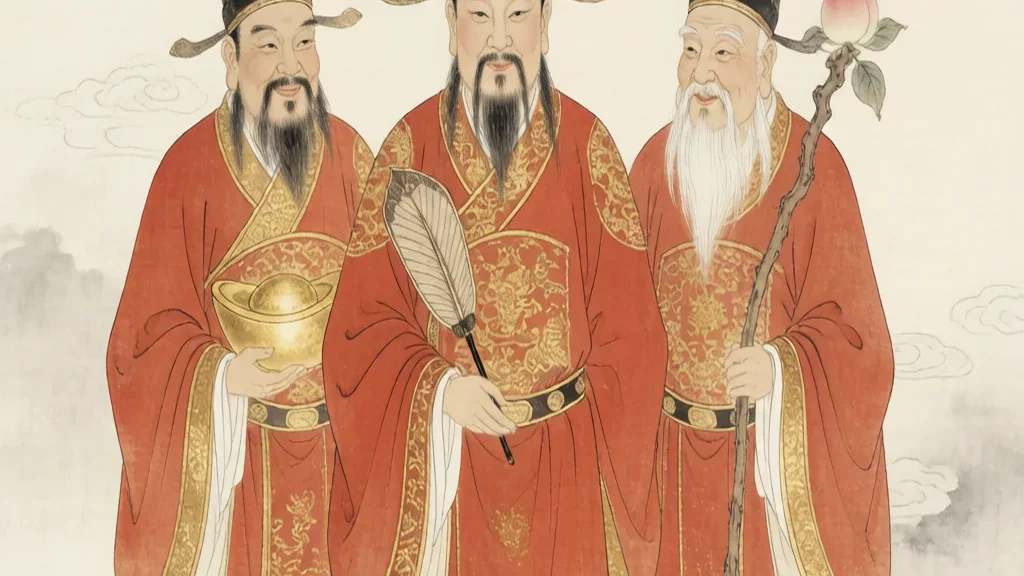
The Three Star Gods: Fortune, Prosperity, Longevity
The Three Stars are the gods of happiness (Fu), prosperity (Lu), and longevity (Shou). They are often depicted together as the most popular trio of deities in Chinese homes.
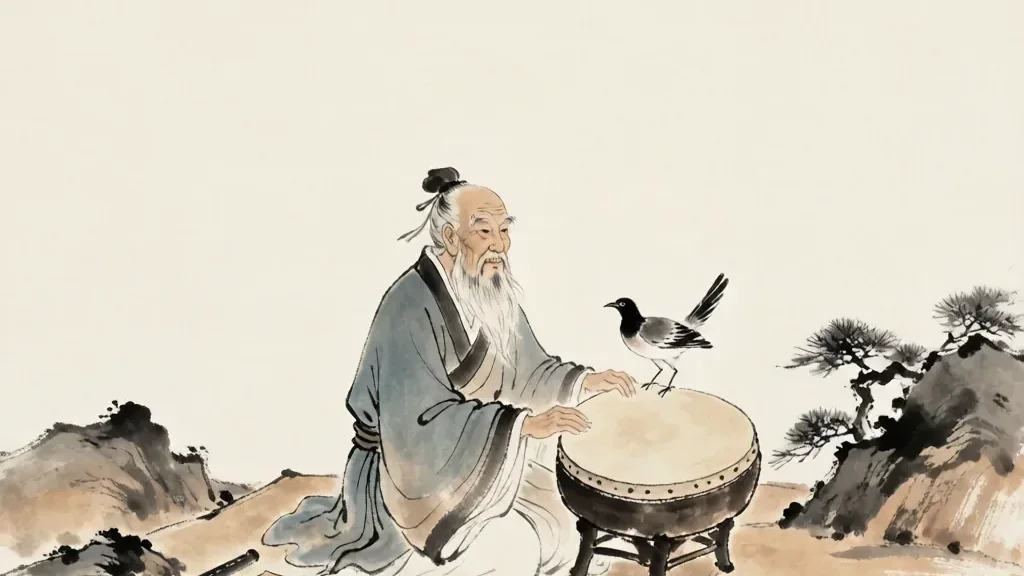
Fuxi: The Culture Hero Who Taught the Arts of Civilization
Fuxi is a legendary culture hero credited with inventing writing, fishing, trapping, and the Eight Trigrams (八卦) that form the basis of the I Ching.
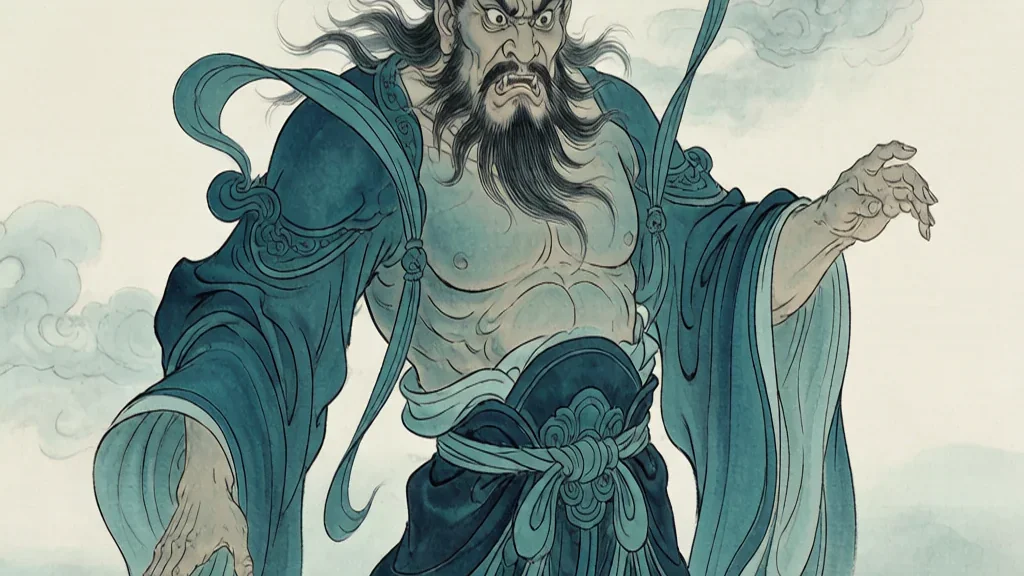
Gong Gong: The Water God Who Collided with the Pillars of Heaven
Gonggong is a destructive water god who, in anger, smashed Mount Buzhou, causing the sky to tilt and the earth to flood. His battle with Zhurong disrupted the cosmic order.
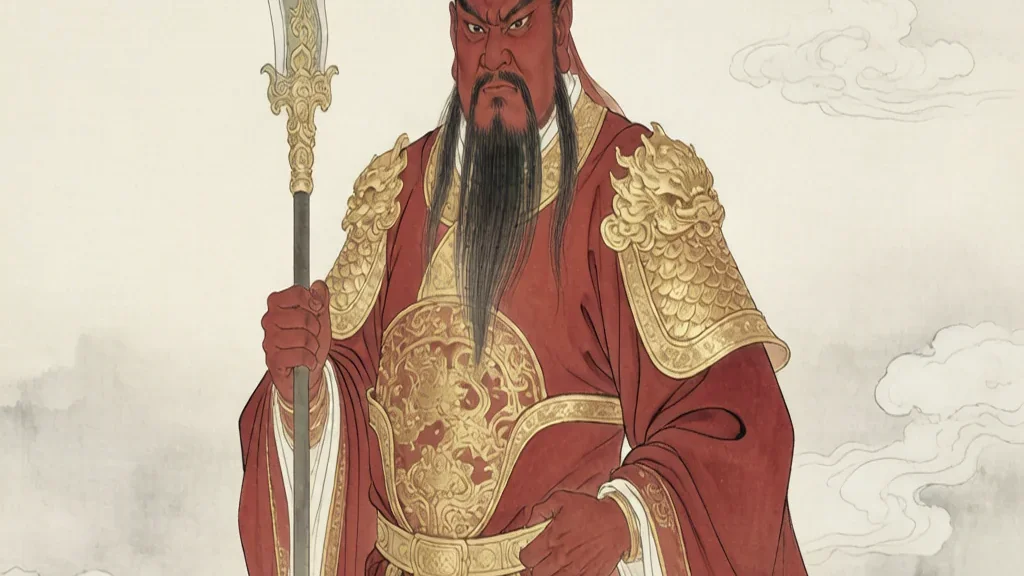
Guan Di: The God of War and Brotherhood
Guandi is the deified form of the historical general Guan Yu from the Three Kingdoms period. He represents loyalty, righteousness, and martial virtue.
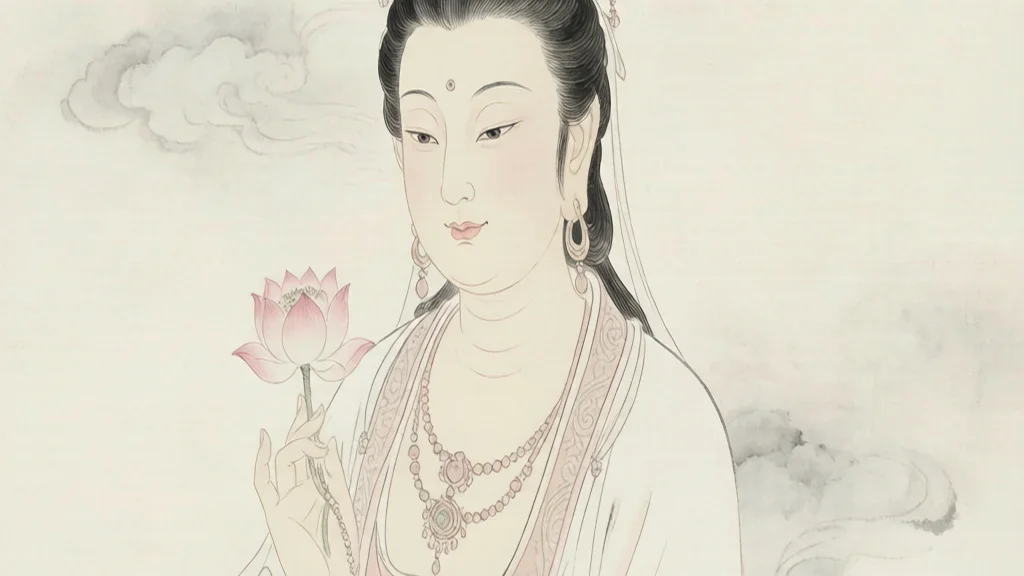
Guanyin: The Bodhisattva of Compassion
Guanyin is the bodhisattva of compassion and mercy, the most widely revered Buddhist deity in China. Originally male in Indian Buddhism, Guanyin transformed into a female figure in Chinese tradition.
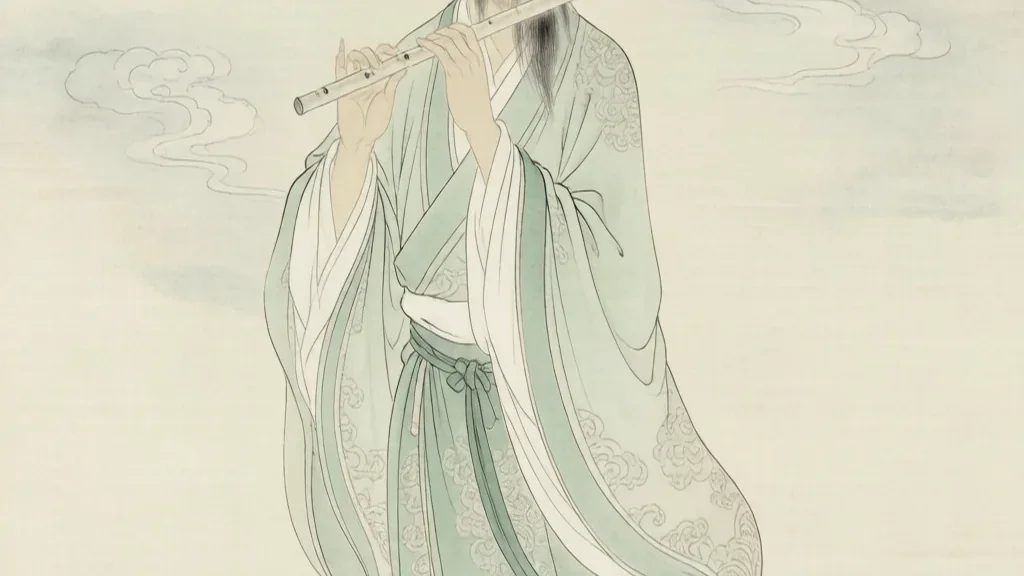
Han Xiangzi: The Flute-Playing Immortal
Han Xiangzi is one of the Eight Immortals (八仙), associated with the flute and representing the power of music and culture to transcend the mundane world.

The River Earl: Lord of the Yellow River
Hebo is the god of the Yellow River, one of the most important water deities in Chinese mythology. He was notoriously temperamental, requiring human sacrifices in ancient times.
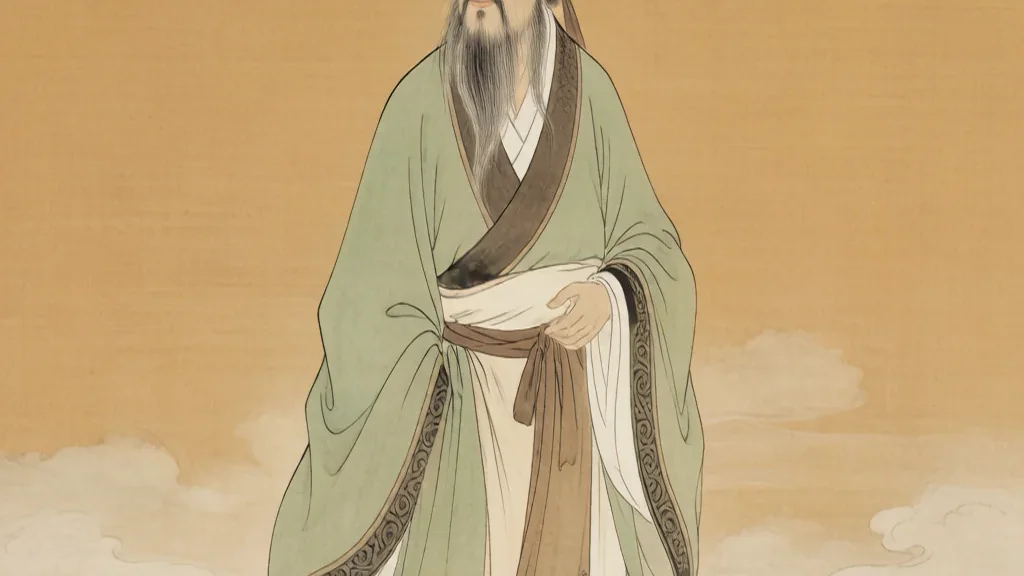
Hua Tuo: The God of Surgery
Hua Tuo was a historical physician who became deified as the god of medicine. He was a master surgeon who developed anesthetic techniques using herbal compounds.
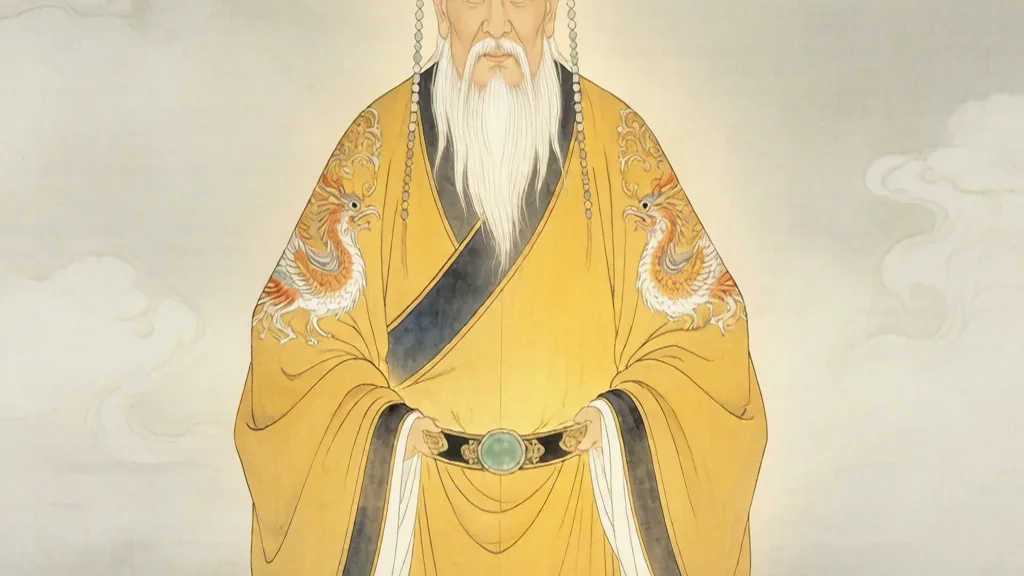
The Yellow Emperor: Ancestor of the Chinese People
The Yellow Emperor is a legendary ruler and culture hero credited with countless inventions including writing, the calendar, medicine, and the compass. He is considered the ancestor of all Chinese people.
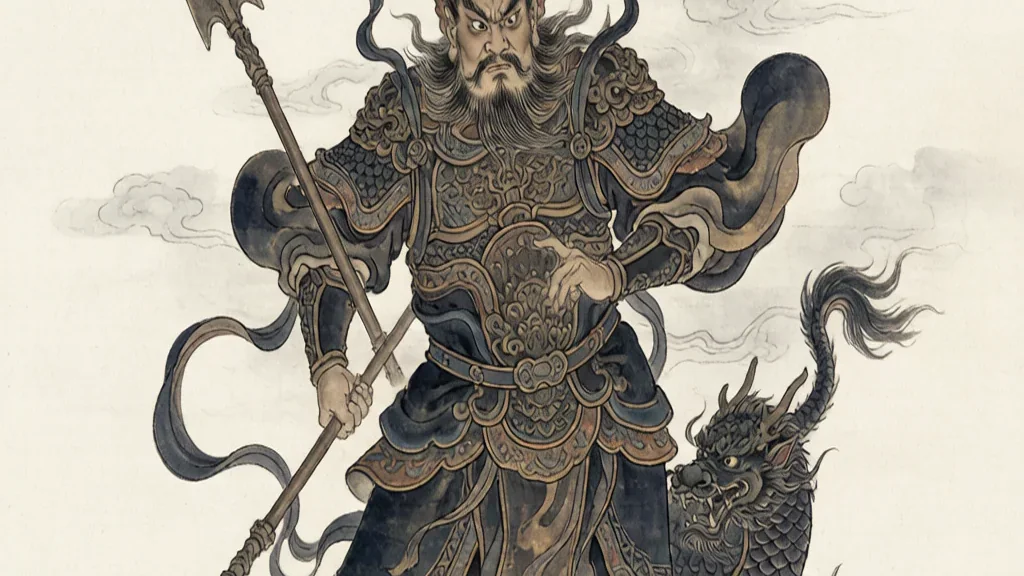
Lei Gong: The Thunder God Who Strikes Evil
Leigong is the Daoist god of thunder who punishes evil-doers and demons. He has a bird-like face, claws, and carries a drum and mallet to produce thunder.

The Dragon Kings: Rulers of the Four Seas
The Dragon Kings are water deities who rule over the seas, rivers, lakes, and rain. Each of the Four Seas has its own Dragon King who commands the weather.
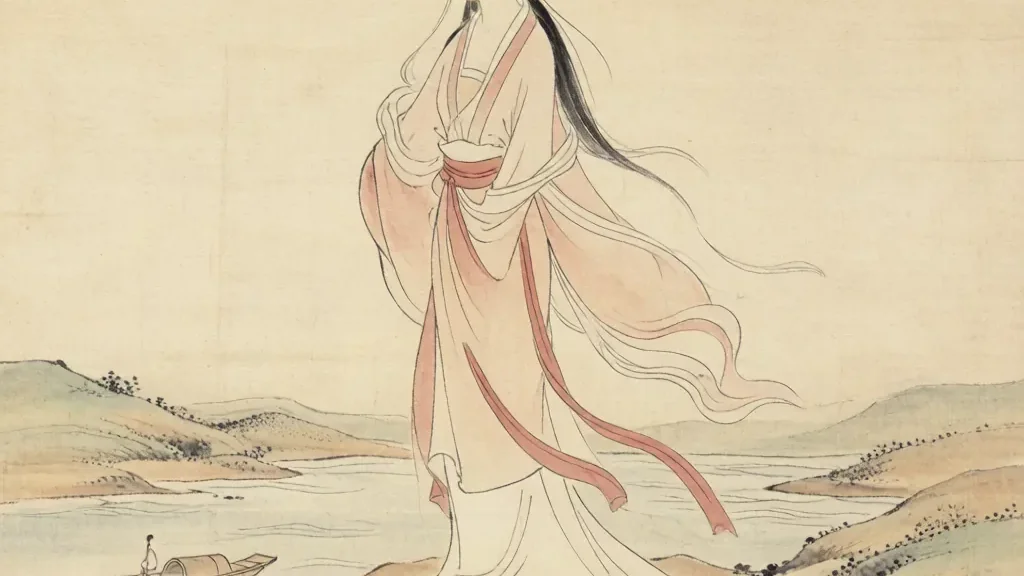
The Luo River Goddess: The Most Beautiful Spirit in Chinese Verse
The Luowu Fairy is a minor goddess associated with a specific mountain or locale, embodying the Chinese tradition of local nature spirits.
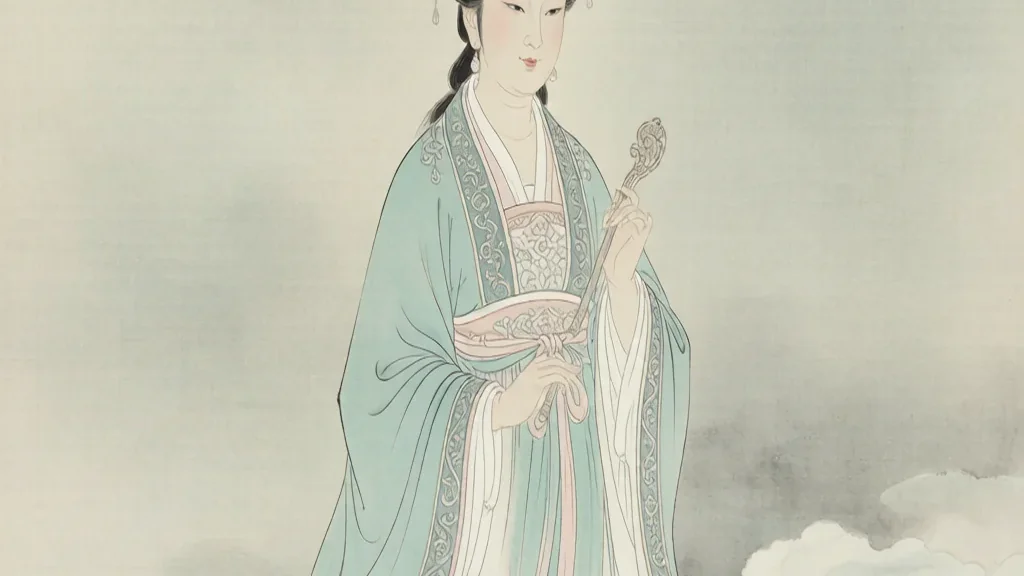
Mazu: The Sea Goddess of the South
Mazu is the goddess of the sea, protector of fishermen and sailors. Originally a 10th-century Fujianese shamaness, she became one of the most popular deities in coastal China and Taiwan.
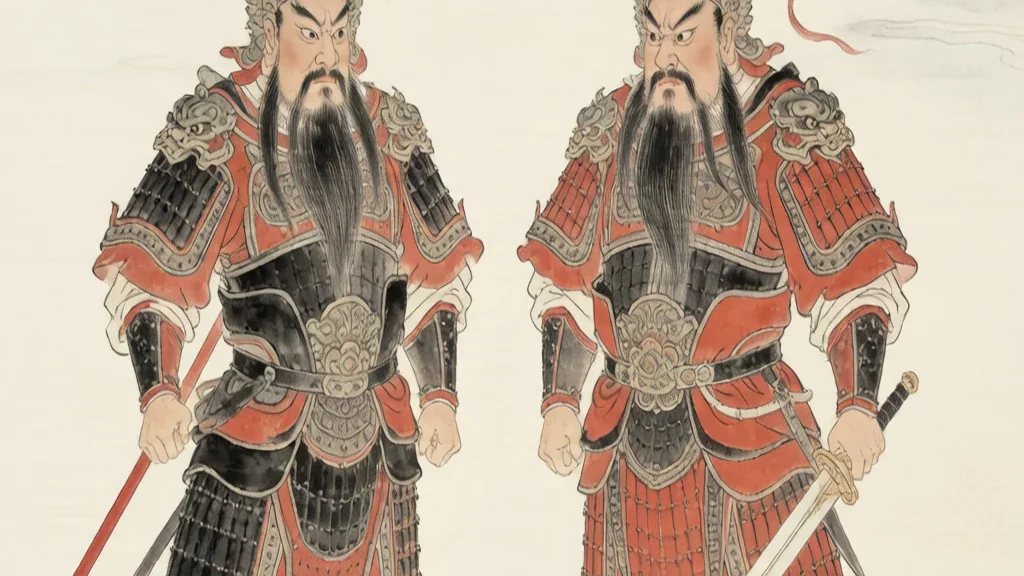
The Door Gods: Guardians of the Threshold
Door Gods are paired deities whose images are pasted on gates to ward off evil spirits. The most famous are the generals Shentu and Yulei, and later the Tang dynasty generals Qin Qiong and Yuchi Gong.
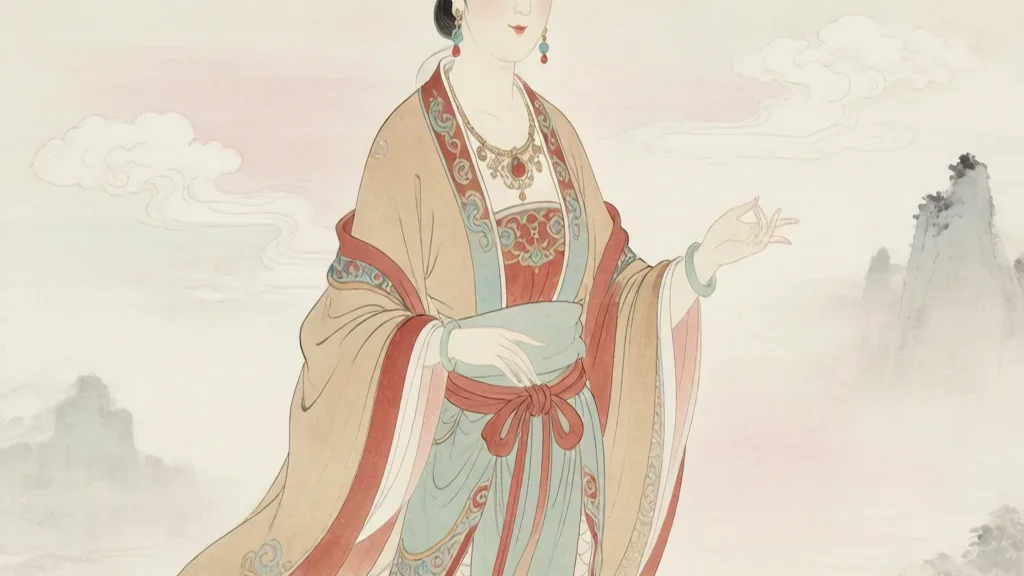
Nuwa: The Goddess Who Molded Humanity
Nüwa is the goddess who created humanity from yellow earth and repaired the sky after a cosmic disaster. She is one of the most important figures in Chinese creation mythology.
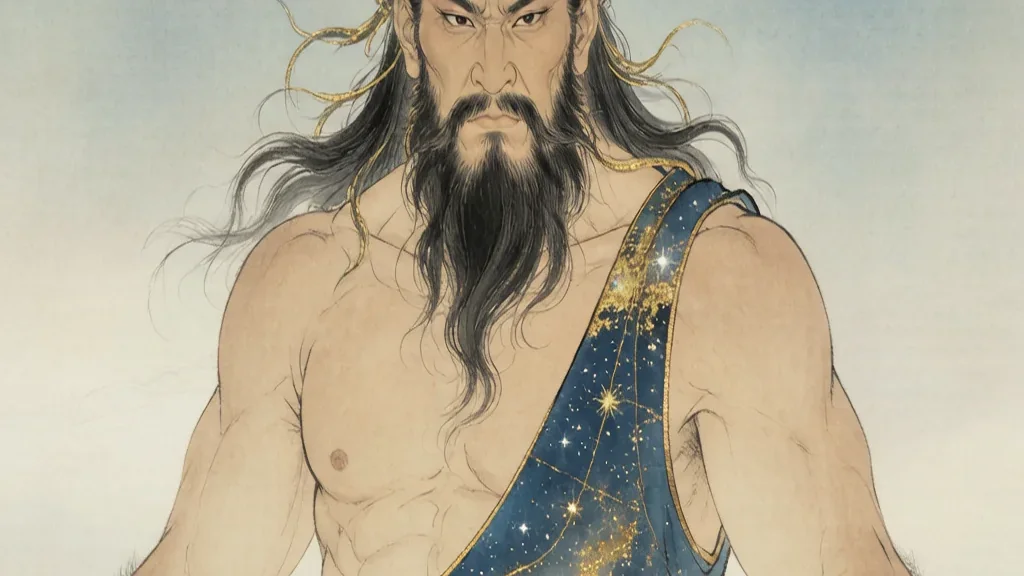
Pangu: The Primordial Giant Who Created the World
Pangu is the primordial creator who emerged from a cosmic egg and separated yin from yang, creating the world. After his death, his body became the mountains, rivers, and all natural features.
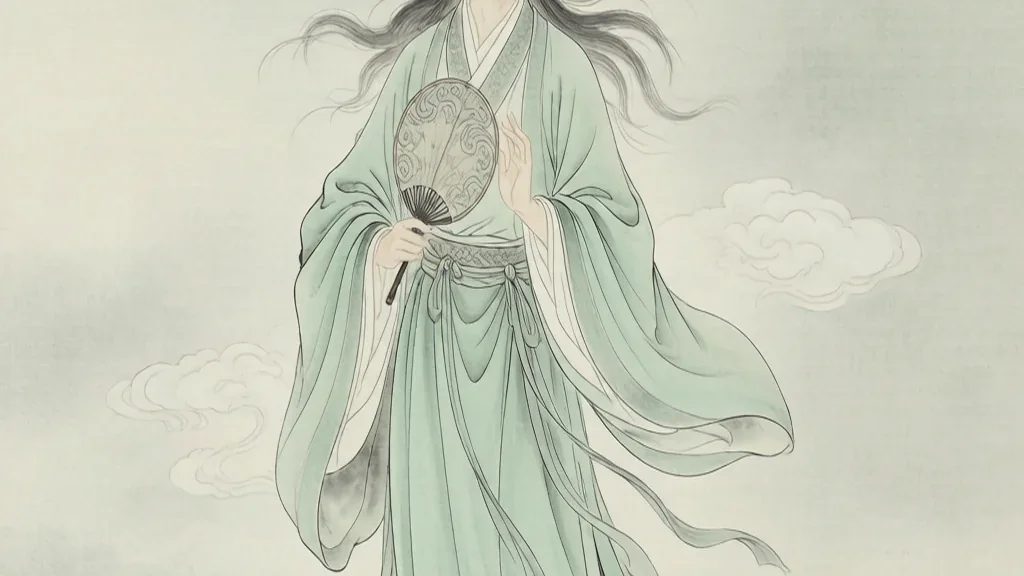
The Wind God of the Mulberry Grove
The Mulberry Forest is a sacred location in Chinese mythology associated with sun myths and the Fusang tree. This spirit oversees the mythical mulberry groves.
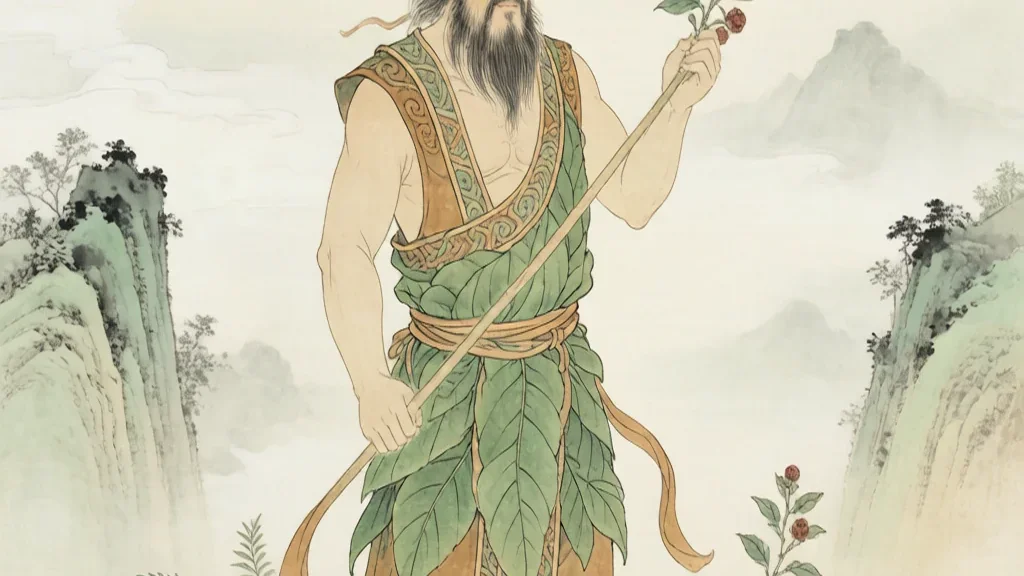
Shennong: The Divine Farmer Who Tasted a Hundred Herbs
Shennong is the Divine Farmer who taught agriculture, herbal medicine, and identified the properties of hundreds of plants. He is a culture hero who founded Chinese medicine.
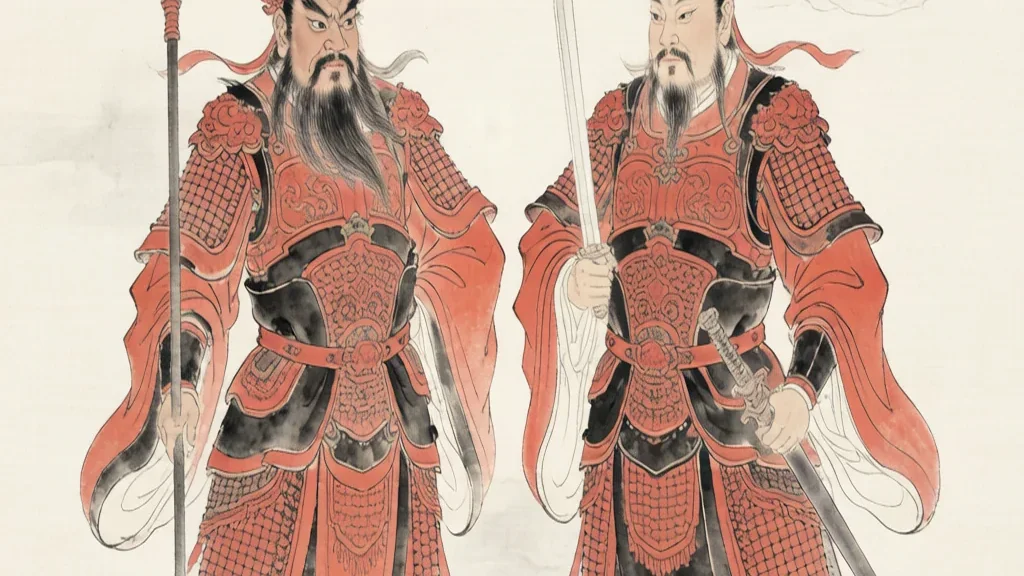
Shenshu and Yulu: The Earliest Door Gods
Shentu and Yulei are two gods who guard the peachwood gate to the spirit world, subduing evil spirits. Their images are the earliest form of Door God.
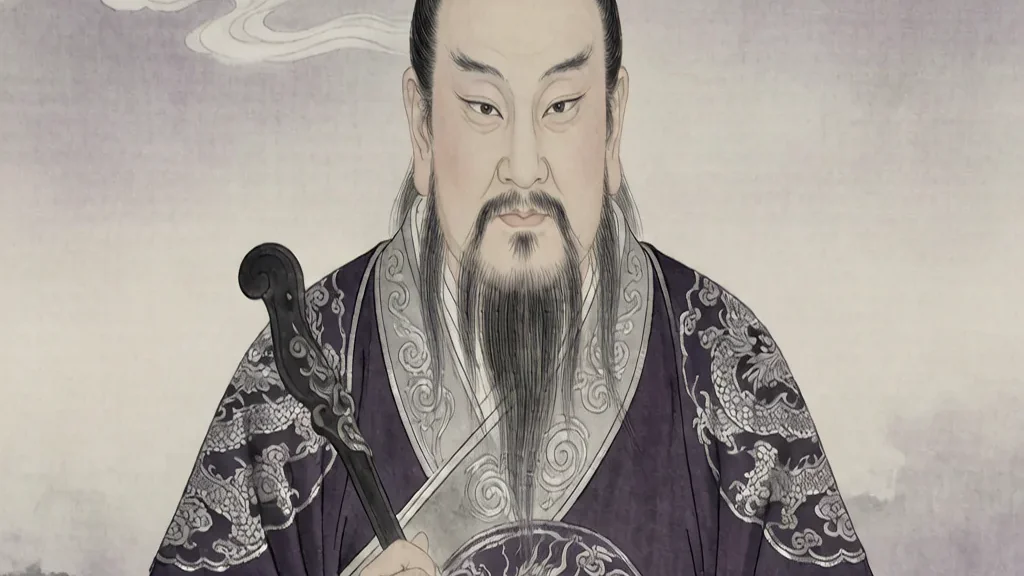
Tai Sui: The Star God Who Must Not Be Offended
Tai Sui is the god of the year, associated with Jupiter's orbit. Each year is presided over by a different Tai Sui, and offending one's Tai Sui is believed to bring bad luck.
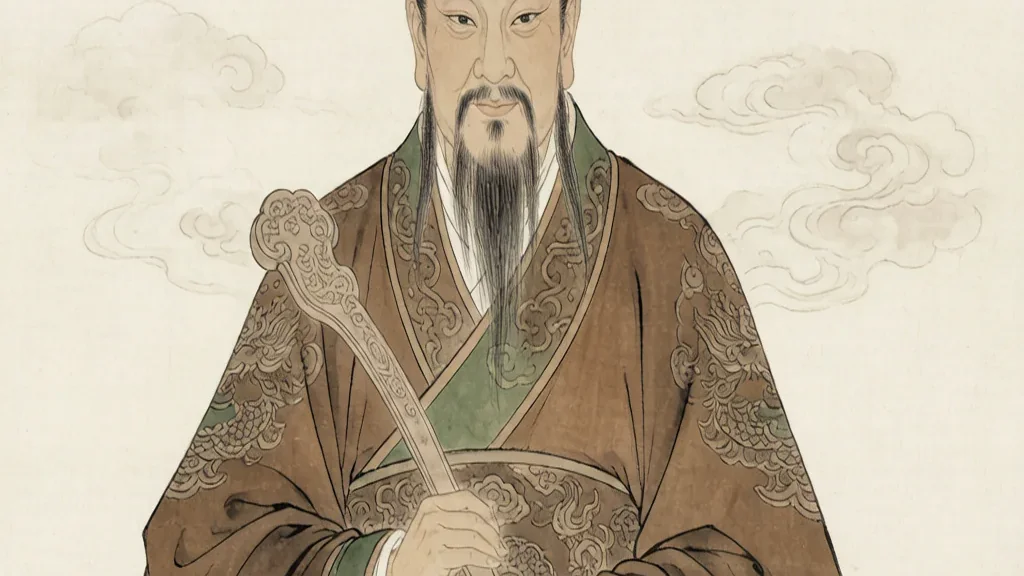
The Earth God: The Guardian of Every Village
Tudi Gong is the local earth god who watches over villages, neighborhoods, and individual plots of land. Small shrines to Tudi Gong are found throughout China.
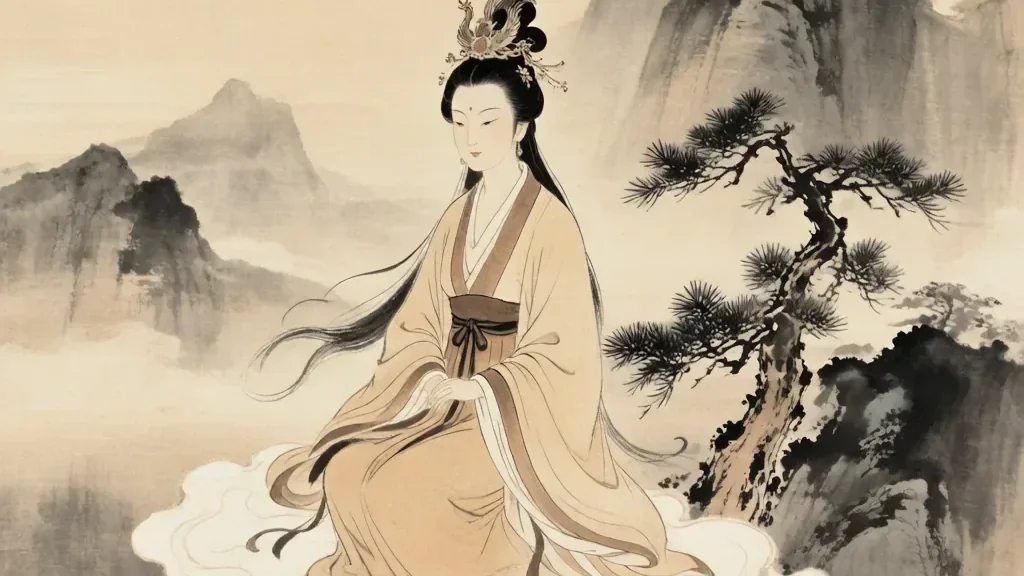
The Queen Mother of the West
The Queen Mother of the West rules over the mythical Kunlun Mountain and possesses the peaches of immortality. She is one of the most ancient Chinese deities, predating Daoist organized religion.
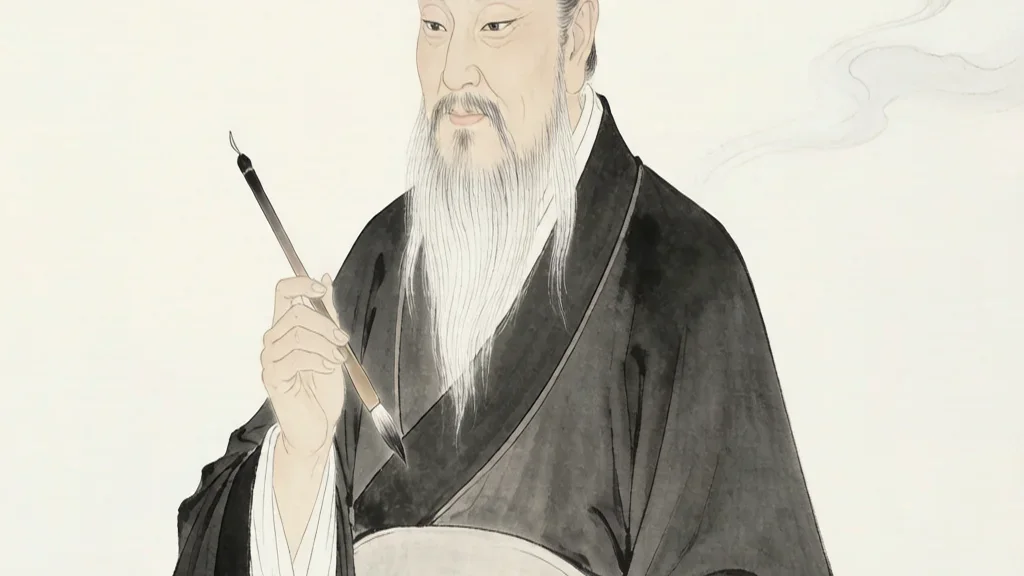
Wenchang: The God of Literature and Exams
Wenchang is the god of culture, literature, and scholarship. Students pray to him before examinations, and his temples are centers of learning in traditional China.
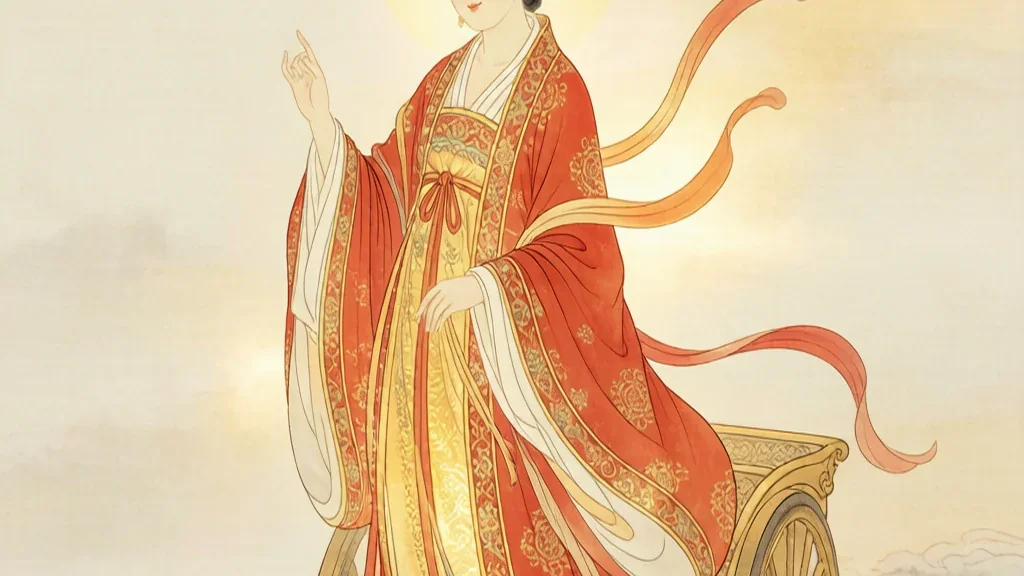
Xi He: The Sun Goddess Who Drives the Chariot of Day
Xihe is the sun goddess who gives birth to ten suns and drives the sun chariot across the sky. She is one of the earliest recorded deities in Chinese mythology.
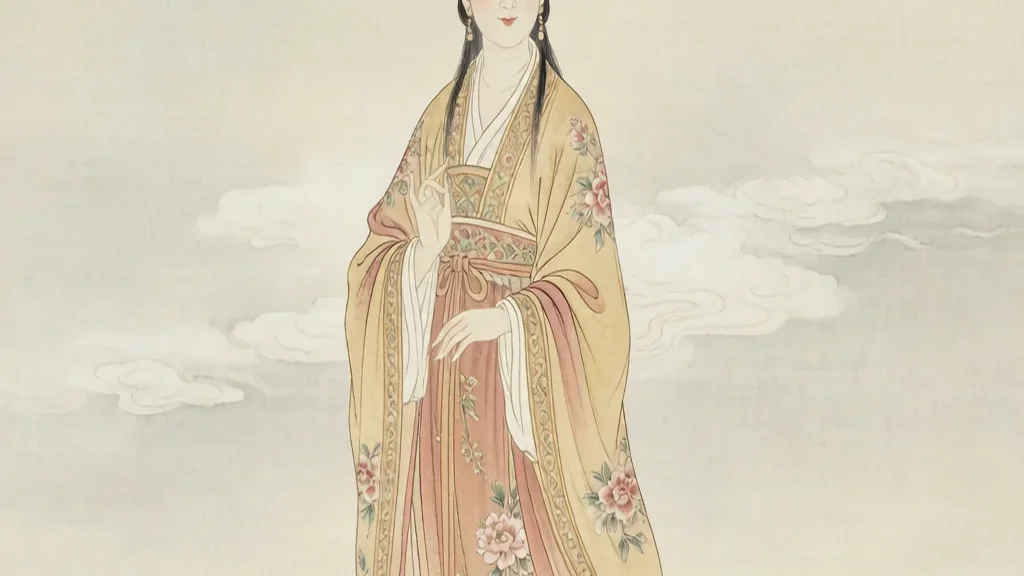
Xi Wangmu: The Goddess Who Owns the Peaches of Immortality
The Queen Mother of the West presides over the peaches of immortality on Kunlun Mountain. She is a major Daoist goddess and one of the earliest recorded Chinese deities.
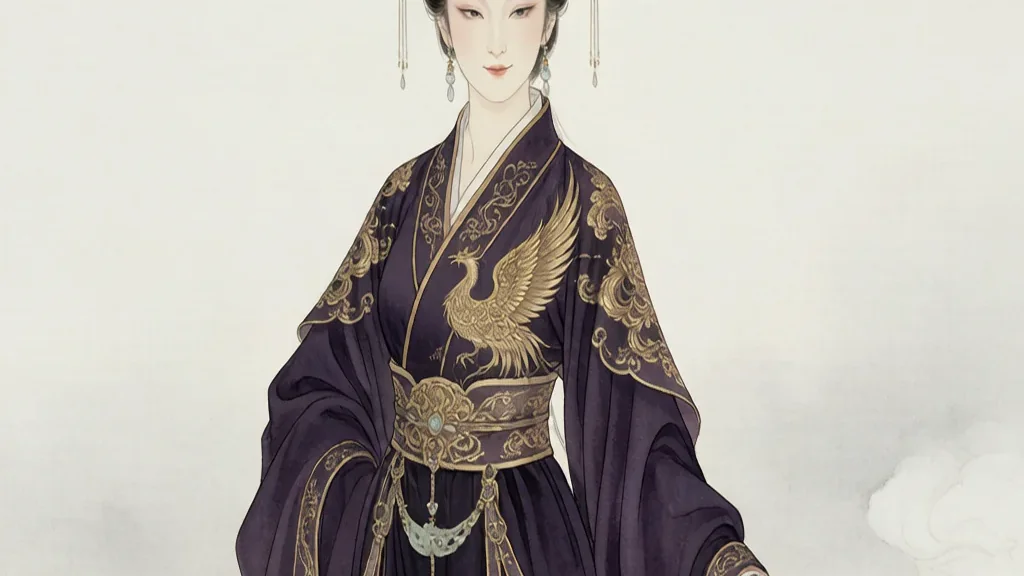
The Mystic Woman: The Goddess of War and Strategy
Xuannü is a Daoist goddess of war, sex, and immortality who taught the Yellow Emperor military strategy. She is a powerful figure in both Daoist and folk traditions.

Yan Di: The Flame Emperor of the Southern People
The Flame Emperor was a legendary ruler associated with fire, agriculture, and the south. He is sometimes identified with Shennong and is celebrated as a founding ancestor.
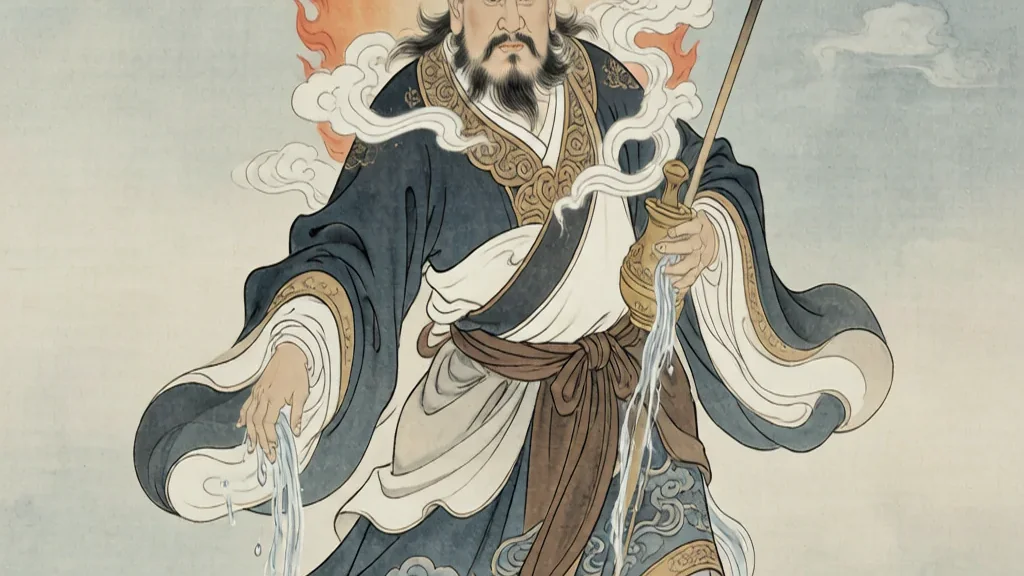
The Rain Master: The Water of Life
Yushi is the Daoist god of rain, responsible for bringing precipitation to nourish crops. Dragon dances and rain ceremonies invoke his power during droughts.
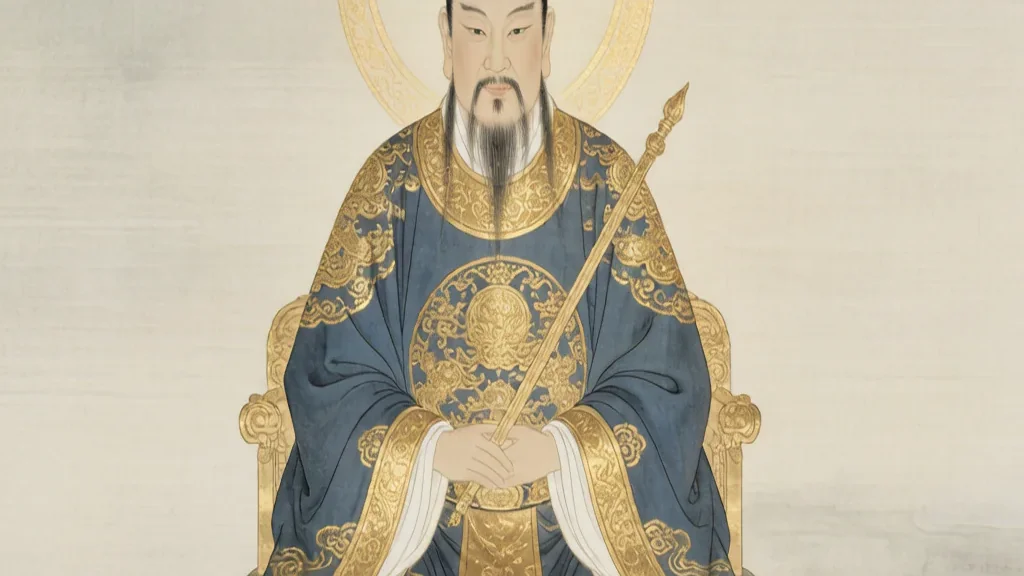
The Jade Emperor: Supreme Ruler of Heaven
The Jade Emperor is the supreme ruler of Heaven in Chinese folk religion and Daoist cosmology. He governs the celestial bureaucracy from his palace in the highest heaven, overseeing all gods, spirits, and humans.
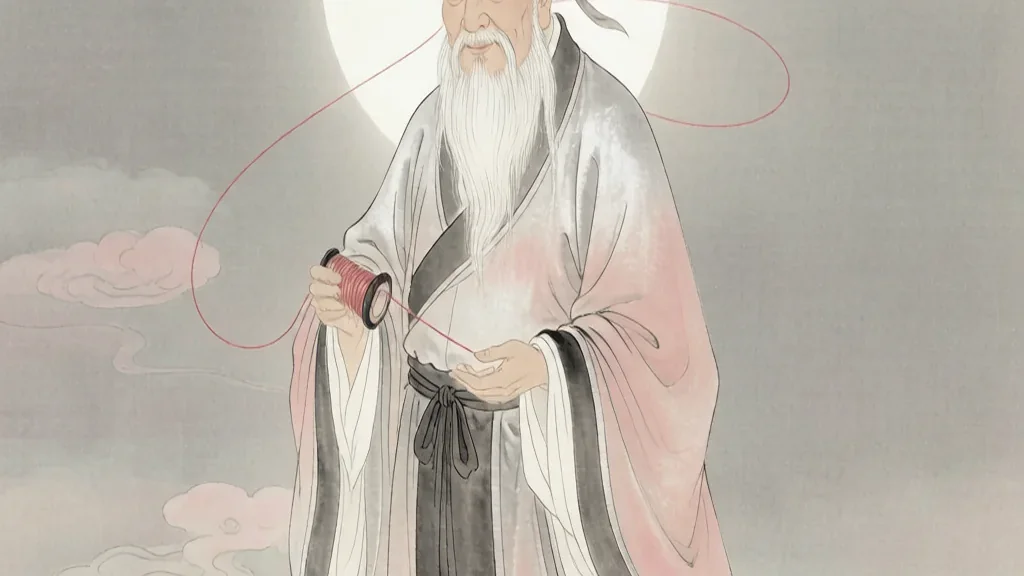
Yue Lao: The Old Man Under the Moon Who Ties the Thread
Yuelao is the god of marriage and matchmaking who ties invisible red threads around the ankles of destined couples. He is invoked by those seeking love.

The Kitchen God: The Eavesdropper of Every Home
The Kitchen God reports on each household's behavior to the Jade Emperor. Families offer sticky rice balls to seal his mouth before his annual New Year journey to heaven.
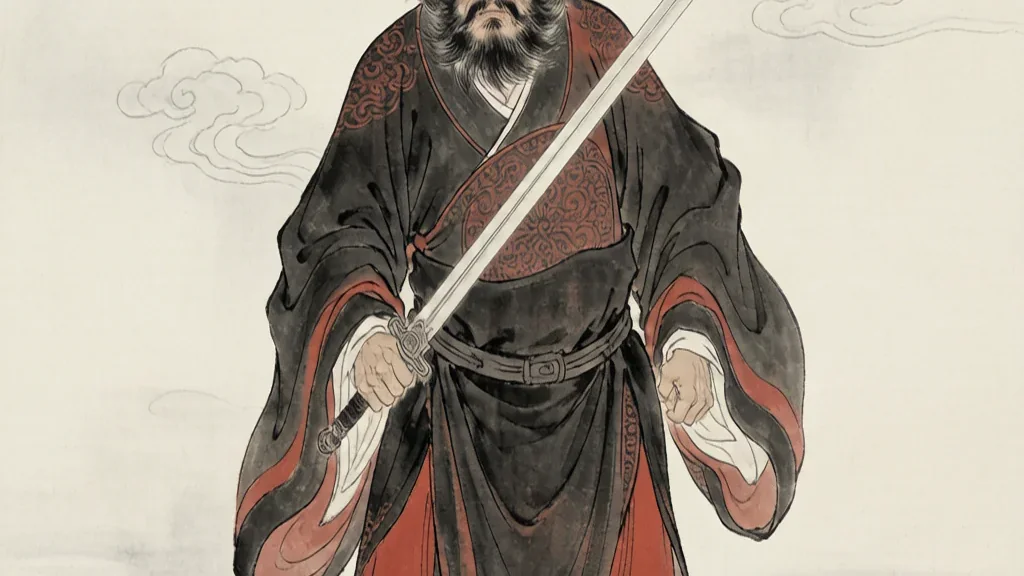
Zhong Kui: The Demon Queller of the Spirit World
Zhong Kui is the vanquisher of ghosts and demons. According to legend, he was a scholar who committed suicide after being unjustly denied a civil service position and became the king of ghosts.
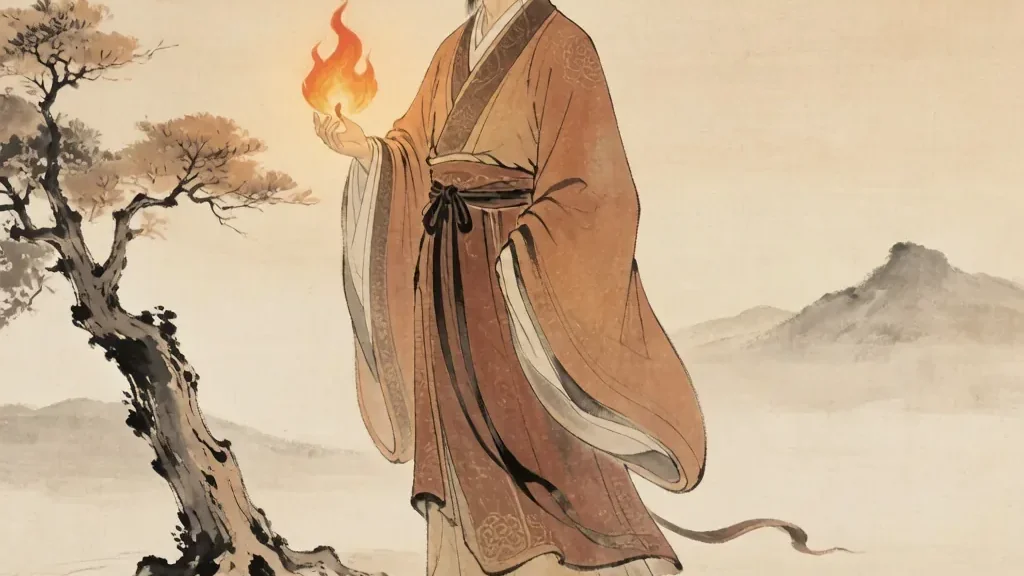
Zhurong: The God of Fire of the Ancient South
Zhurong is the god of fire, associated with the south, summer, and the element of fire. He was an official in charge of fire under the legendary emperor Zhuanxu.