☯️ Religion & Beliefs
52 articles — Buddhism, Taoism, and folk beliefs
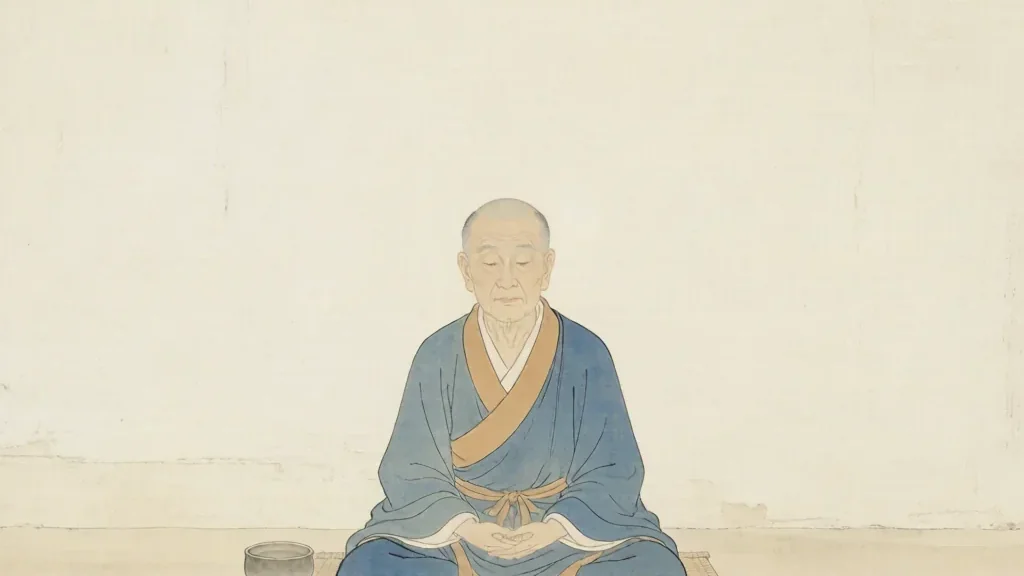
Chan Buddhism: The Way of Sudden Enlightenment
Imagine sitting in silence for nine years, facing a blank wall, saying nothing at all. This was the method of Bodhidharma, the legendary Indian monk who brought a revolutionary form of Buddhism to China.
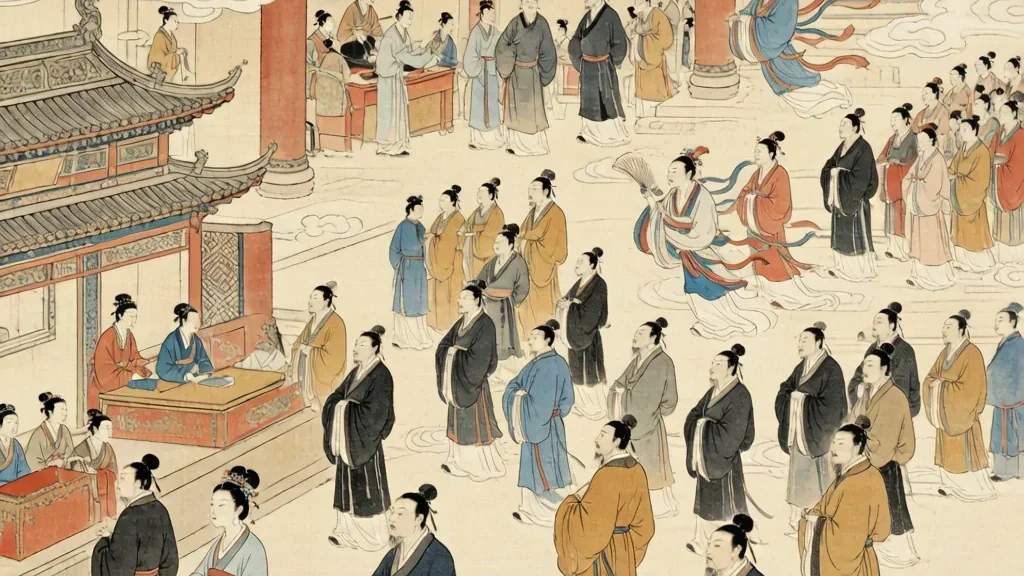
Taoist Gods and Immortals: A Celestial Bureaucracy
Step into a Taoist temple and you enter a world of dizzying complexity. Dozens of deities gaze down from altars, each with a specific title, jurisdiction, and rank.
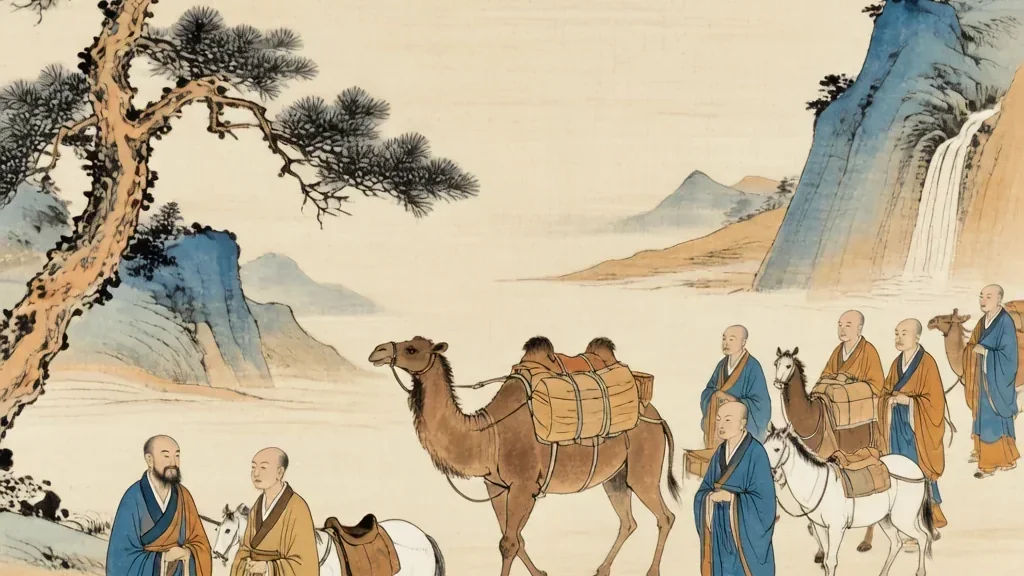
Buddhism in China: The Journey from India to the East
In the first century CE, a strange and wondrous teaching began drifting eastward along the Silk Road. It carried with it the image of a serene figure seated in meditation, the promise of liberation from suffering, and a radical new understanding of the mind.
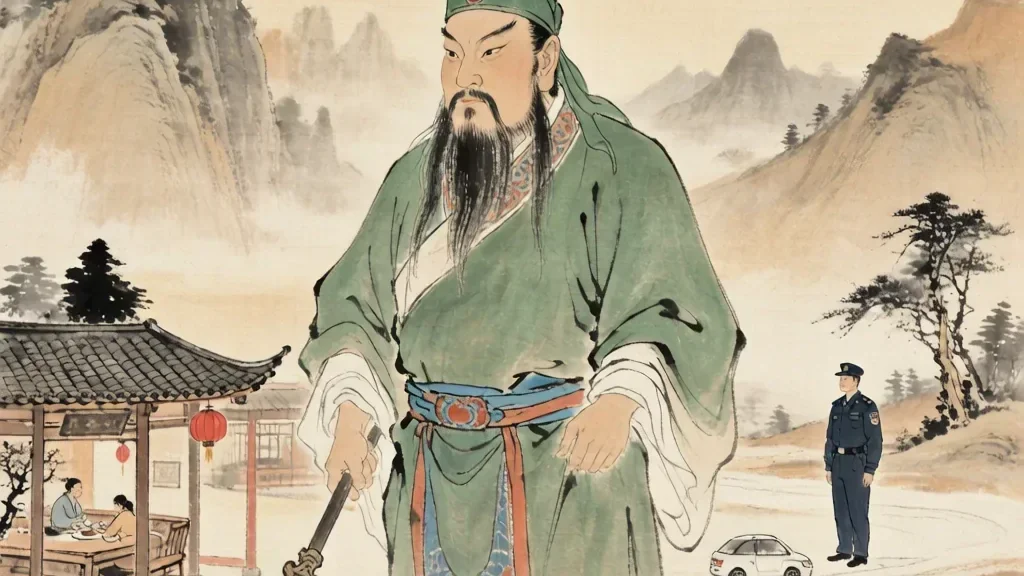
Guan Gong: From General to God
Walk into a Chinese restaurant, a police station, or a triad headquarters anywhere in the world, and you are likely to see the same figure: a fierce-looking man with a red face, a long black beard, and a crescent-moon blade. This is Guan Gong (关公), also known as Guan Yu (关羽) or Guan Di (关帝) — a historical general from the turbulent Three Kingdoms period who, over the centuries, ascended to become one of the most widely worshipped deities in the Chinese world.
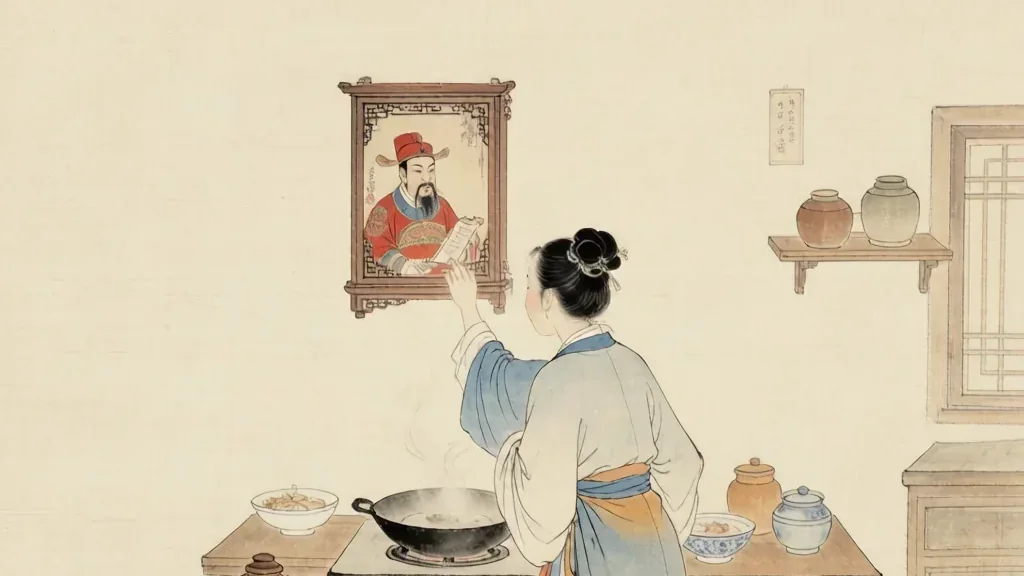
Chinese Folk Religion: Gods of Daily Life
In a traditional Chinese kitchen, you might find a small shrine above the stove. In a fishing village, a temple faces the sea.
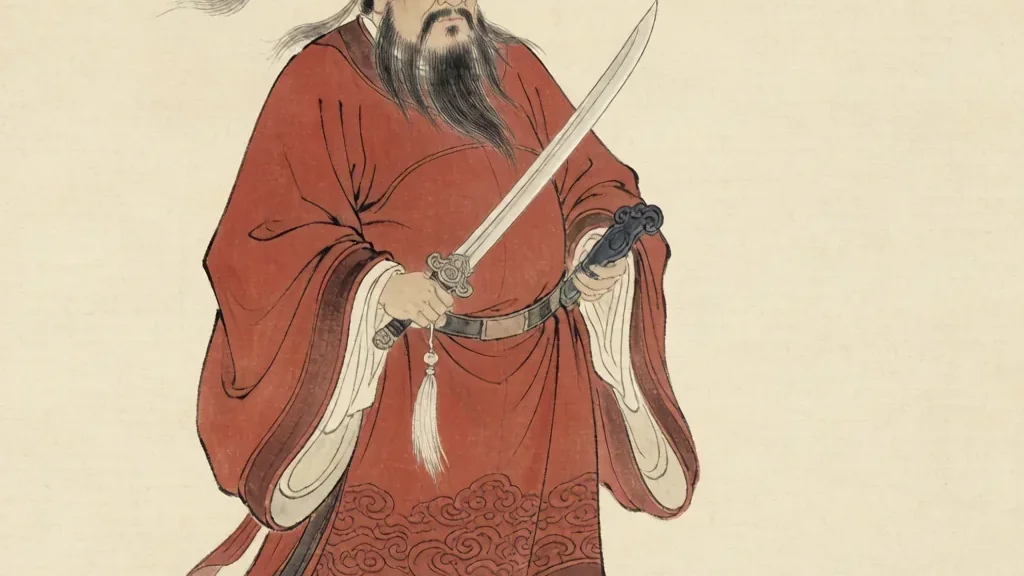
Zhong Kui: The Demon Hunter
Among the pantheon of Chinese deities, one figure stands apart for his sheer ferocity. His face is dark and twisted, with bulging eyes, a bristling beard, and a mouth frozen in a snarl.
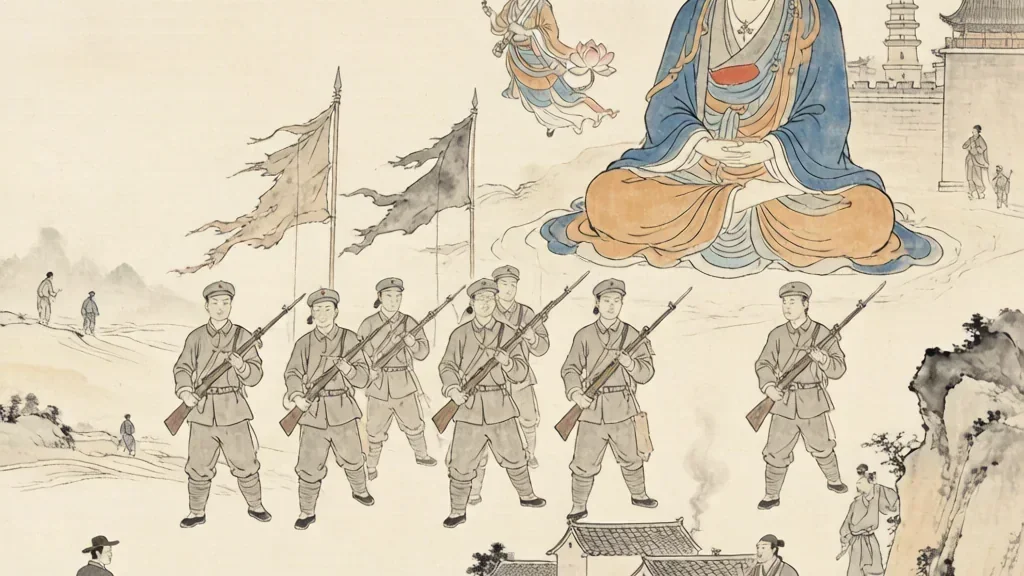
White Lotus (白莲教): Folk Buddhist Sect and Revolutionary Force
Few religious movements in Chinese history have been as resilient, as adaptable, and as feared by the authorities as the White Lotus (白莲教, Bailian Jiao). Emerging in the 12th century as a lay Buddhist society devoted to the Pure Land practice of chanting Amitabha Buddha's name, the White Lotus evolved over eight centuries into a sprawling network of folk religious communities that repeatedly mobilized peasants in massive uprisings against the imperial state.
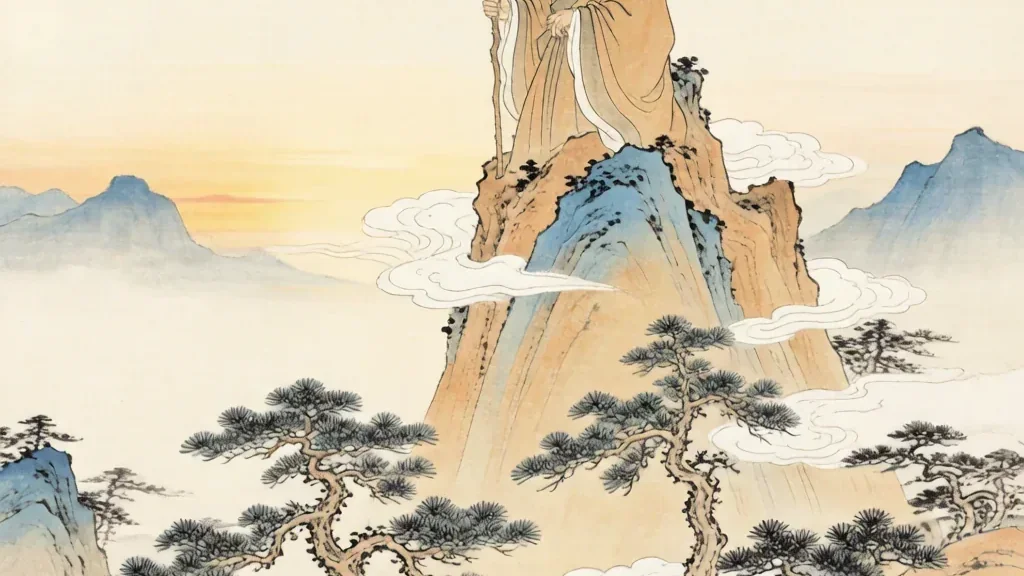
The Great Mountain God of the East
East of the ancient capitals, where the first light of the rising sun strikes the Chinese earth, rises a mountain that the Chinese once called the most sacred of all. This is 东岳 (Dōng Yuè), the Eastern Peak—Mount Tai—and its presiding god is the Great Mountain God of the East, 东岳大帝 (Dōng Yuè Dà Dì).
Doumu: Mother of the Dipper
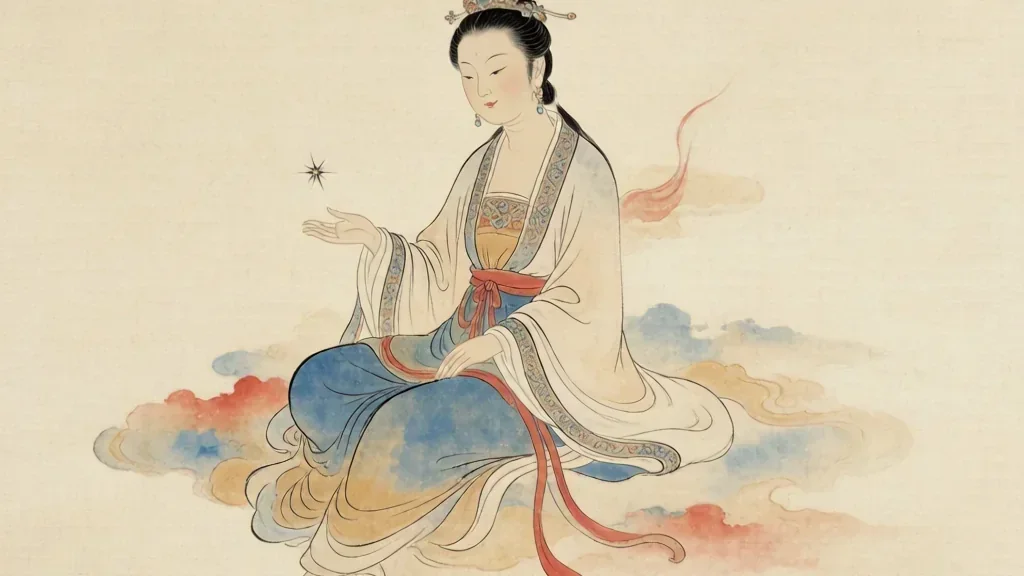
High above the pole star, beyond the reach of ordinary gods, sits a serene maternal figure who governs the very movement of the heavens. She is 斗姆 (Dǒu Mǔ), the "Mother of the Dipper," the cosmic goddess who gave birth to the nine heavenly emperors and who holds the stars in their courses.
Huayan Buddhism
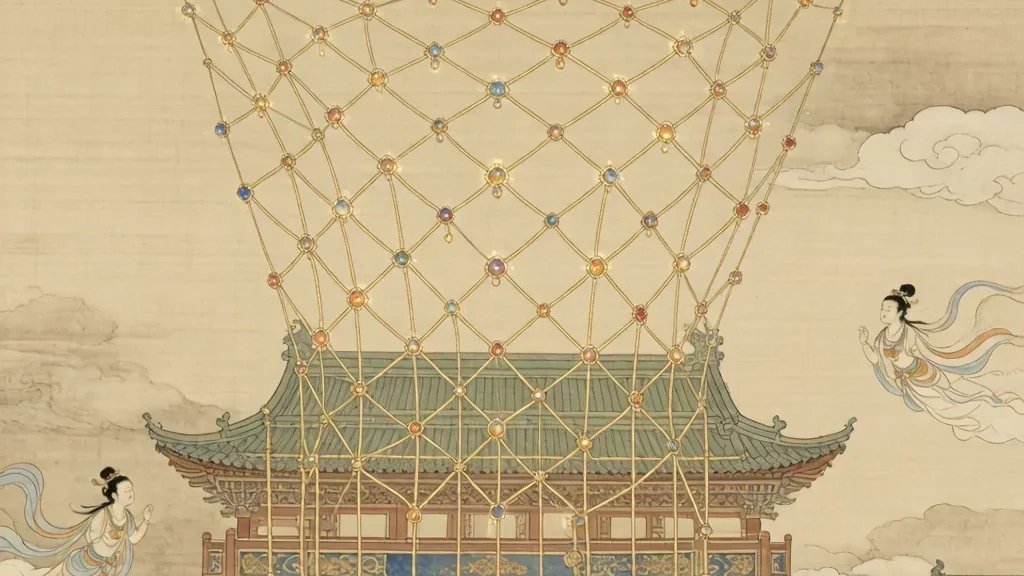
Imagine a vast net hung across the heavens, each knot tied with a luminous jewel, and every jewel reflecting every other jewel, so that in a single pearl you see the entire cosmos and all its companions. This is the image at the center of 华严宗 (Huá Yán Zōng), the Huayan or "Flower Garland" school, one of the most dazzling achievements of Chinese Buddhist thought.
Pure Land Buddhism
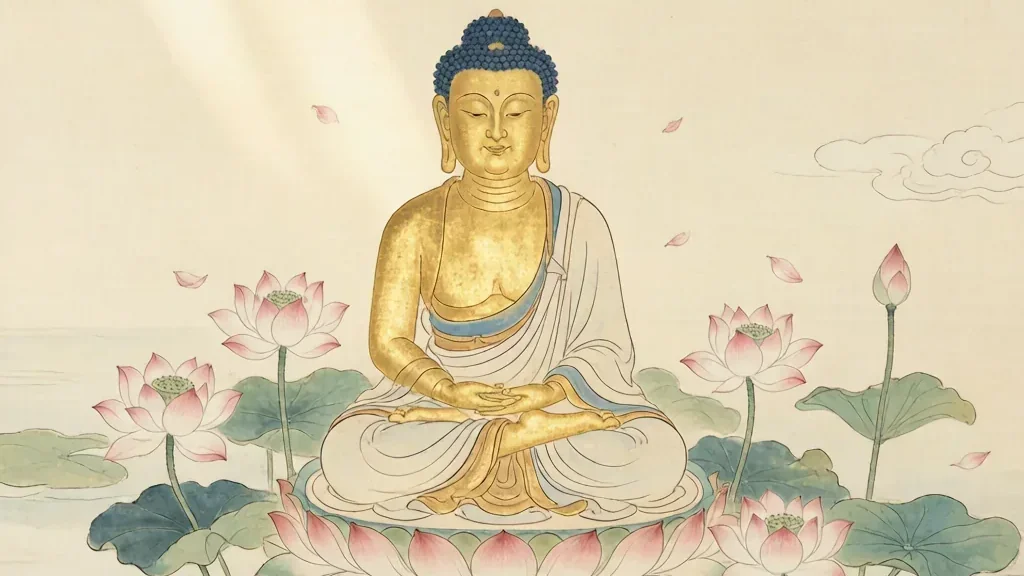
What if salvation required not years of silent meditation or scholarly mastery, but a single heartfelt cry of faith? For hundreds of millions of Buddhists across East Asia, the answer lies in 净土宗 (Jìng Tǔ Zōng), the Pure Land school.
Mount Jiuhua: Realm of Earthly Treasure
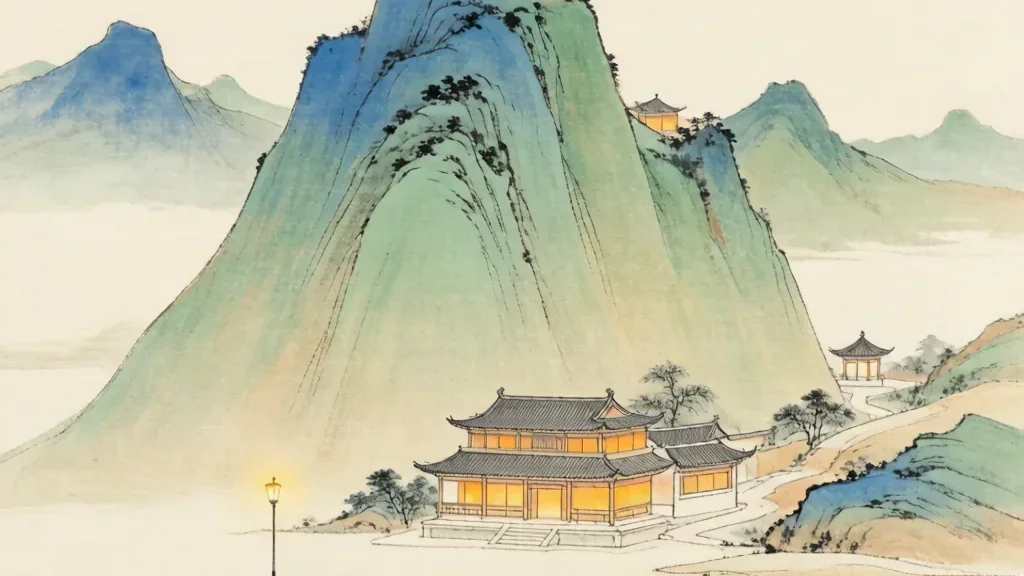
In the green mountains of Anhui stands a peak whose monasteries glow at dusk with the lamps of those who pray for the dead. This is 九华 (Jiǔ Huá), Mount Jiuhua, the sacred mountain of 地藏 (Dìzàng), Ksitigarbha, the bodhisattva who vowed never to become a Buddha until the hells are emptied.
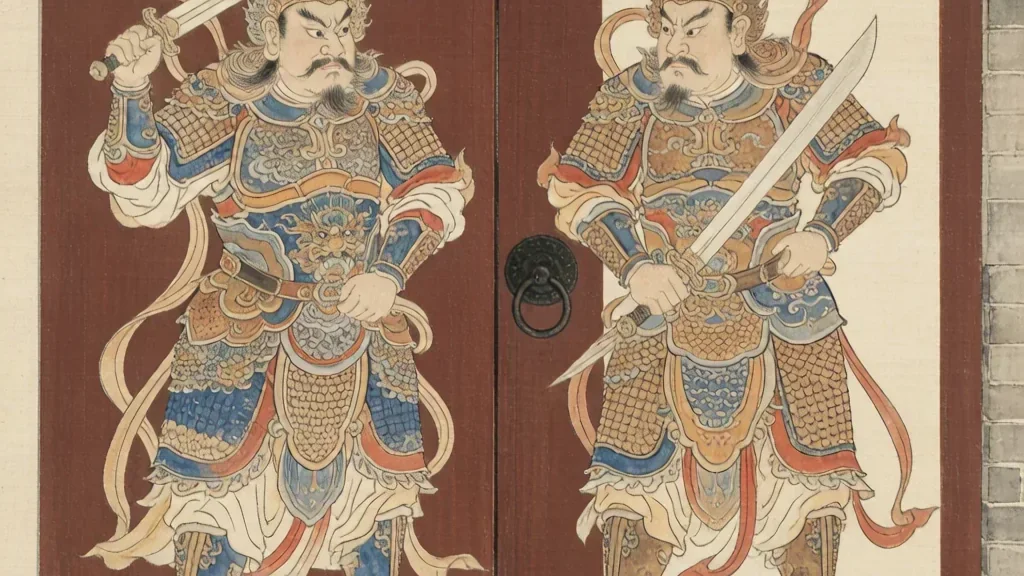
The Door Gods
On the two leaves of nearly every traditional Chinese door, a pair of fierce, armored figures glare outward, spears and maces at the ready, warding off whatever evil might approach. They are 门神 (Mén Shén), the Door Gods, the humble yet indispensable guardians of the threshold.
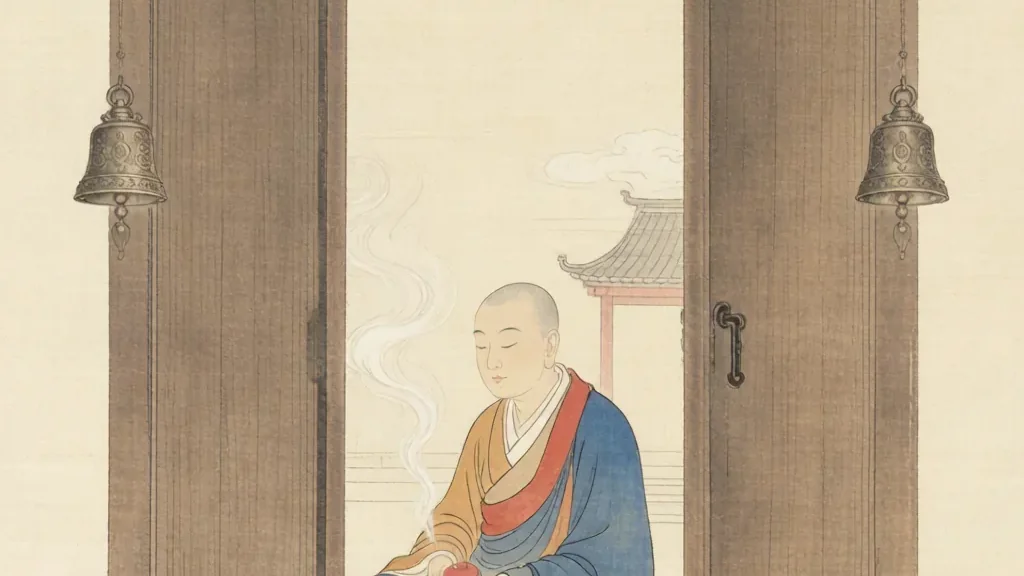
Esoteric Buddhism
Behind closed temple doors, amid the scent of incense and the ring of vajra bells, a monk whispers a secret mantra, visualizes himself as a fearsome yet compassionate deity, and traces mystic hand gestures in the air. This is 密宗 (Mì Zōng), the Esoteric or "Secret" school of Buddhism, known in Sanskrit as Vajrayana.
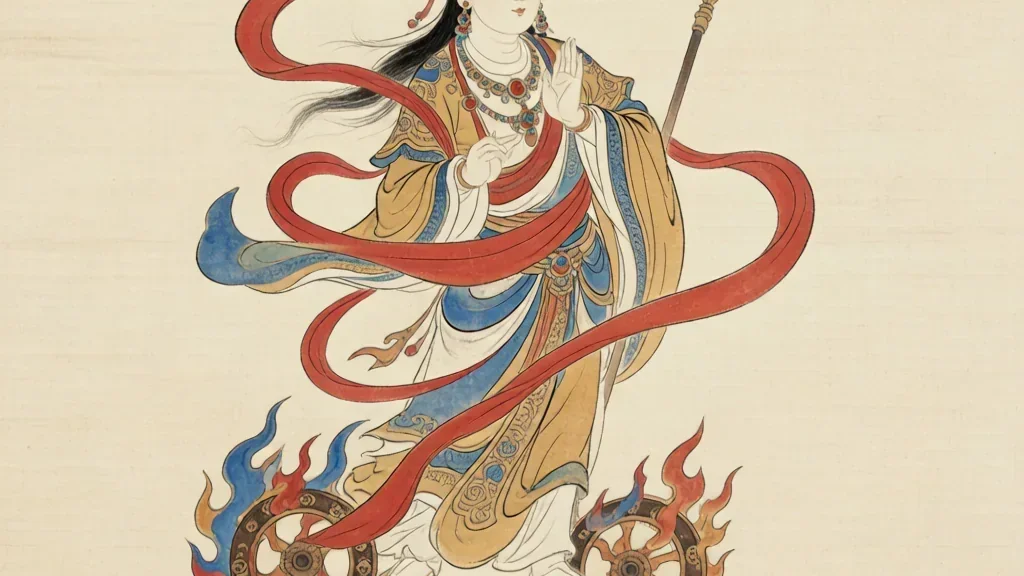
Nezha: The Youthful Protector
With flaming wheels under his feet, a red sash spinning like a storm, and a spear in his hand, a boy of three years wages war against dragons and destiny alike. He is 哪吒 (Né Zhā), the Youthful Protector, one of the most beloved and rebellious figures in Chinese mythology.
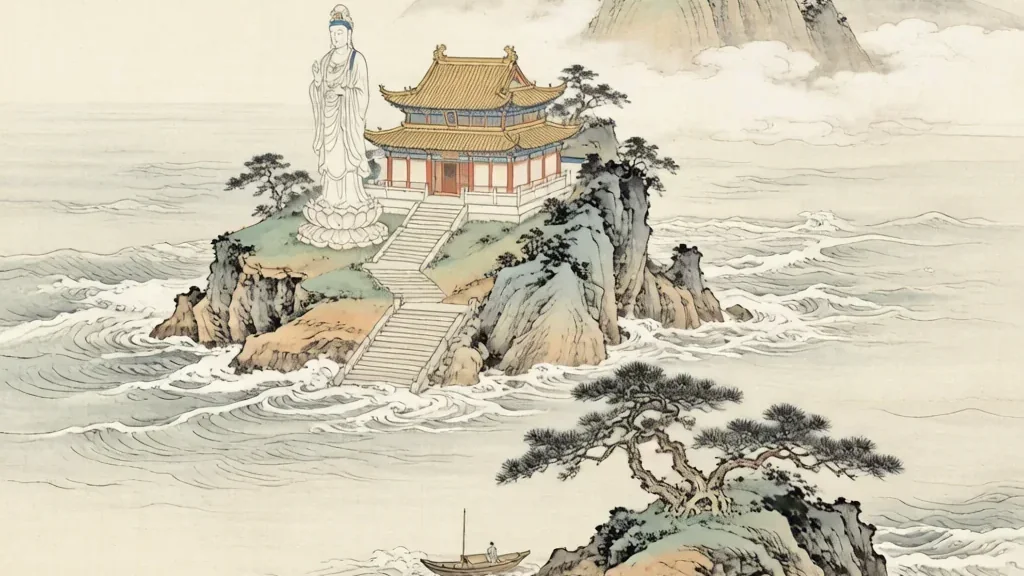
Mount Putuo: Sacred Isle of Guanyin
Off the coast of Zhejiang, where the East China Sea meets the sky in a haze of mist and prayer flags, lies a small island that millions revere as the earthly home of the goddess of mercy. This is 普陀 (Pǔ Tuó), Mount Putuo, one of the Four Sacred Mountains of Chinese Buddhism and the holy isle of 观音 (Guānyīn), Guanyin, the bodhisattva of compassion.
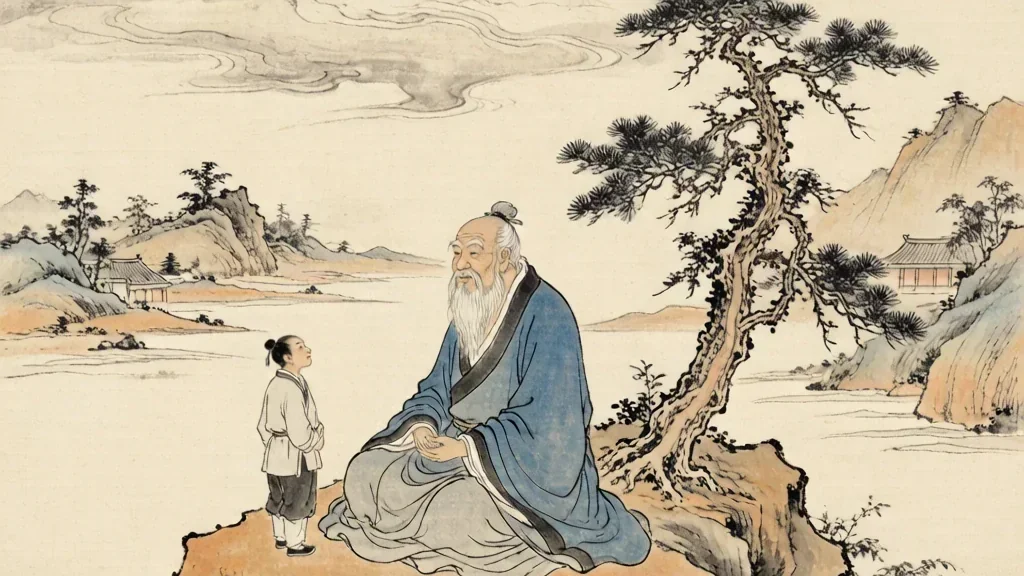
Quanzhen School (全真教): Complete Perfection Daoism
In the turbulent years of the Jurchen Jin Dynasty (1115-1234 CE), when northern China lay under foreign rule and traditional Daoist institutions had fragmented, a visionary reformer named Wang Chongyang (王重阳, 1113-1170 CE) founded a new Daoist movement that would fundamentally reshape Chinese religious culture. The Quanzhen School (全真教), meaning Complete Perfection or Complete Truth, synthesized the meditative practices of Daoism, the monastic discipline of Buddhism, and the ethical teachings of Confucianism into a unified path of spiritual cultivation.
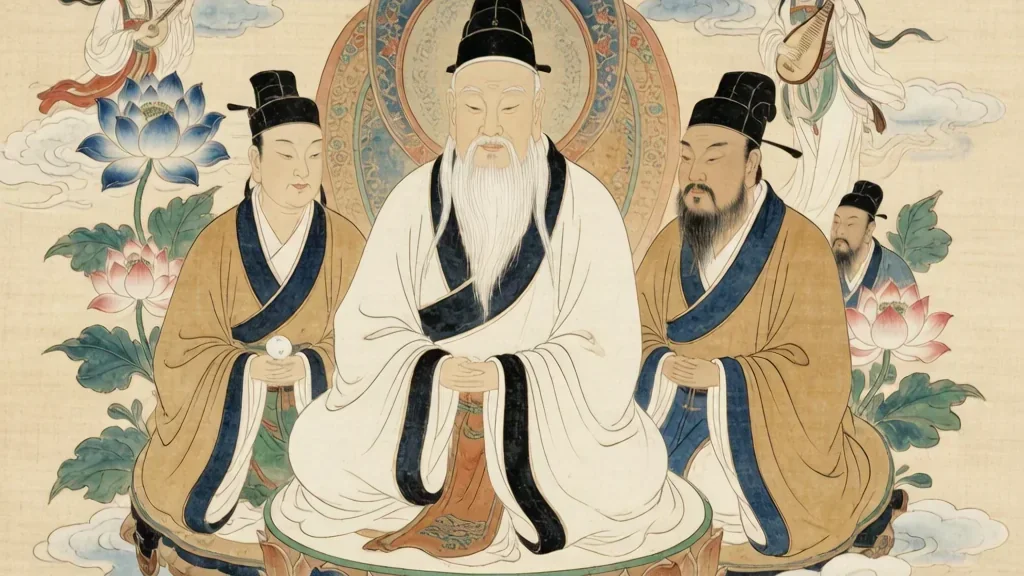
The Three Pure Ones
At the summit of the Daoist cosmos sit three venerable figures, enthroned in the highest heavens, who together preside over the origin, the formation, and the revelation of all things. They are 三清 (Sān Qīng), the Three Pure Ones, the supreme deities of organized Daoism.
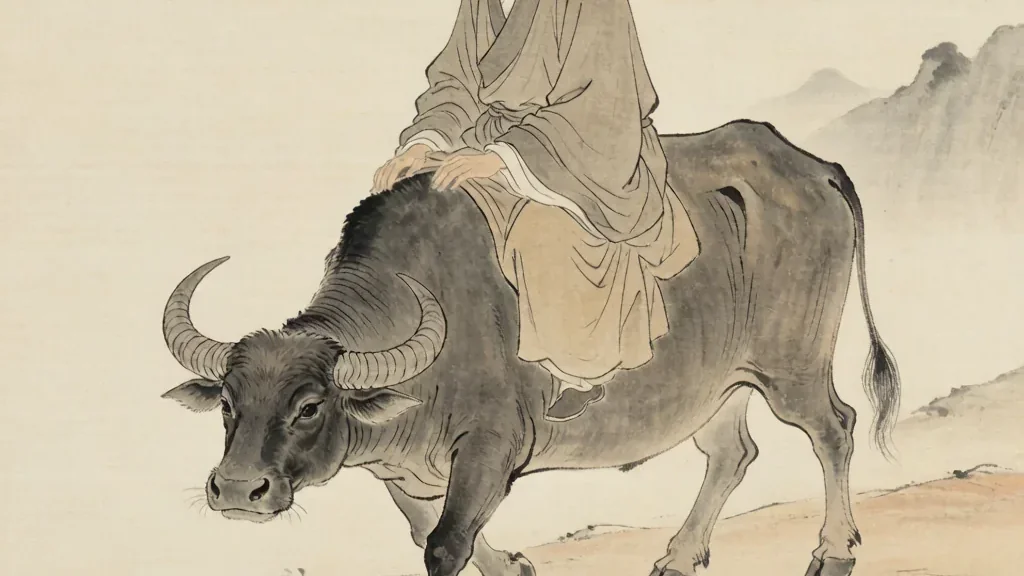
Tai Shang Lao Jun
Long before he became a god, he was a man who rode a water buffalo westward through a mountain pass and dictated a slim book of five thousand characters that would shape Chinese thought for two millennia. That man was Laozi, and as 太上老君 (Tài Shàng Lǎo Jūn), the "Supreme Old Lord," he became one of the most revered deities of Daoism.
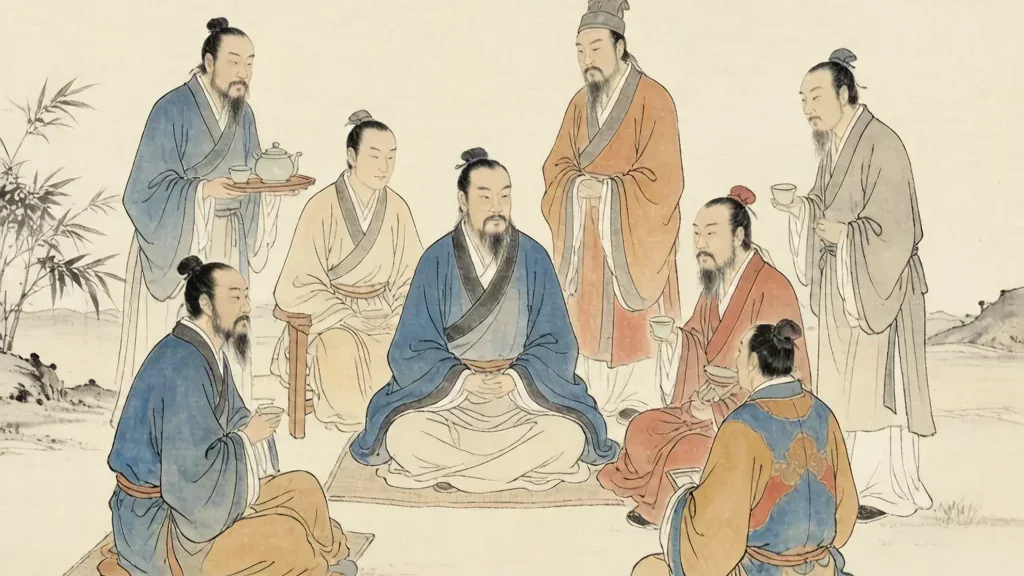
Way of Celestial Masters (天师道): The First Daoist Religious Organization
In the waning years of the Eastern Han Dynasty (25-220 CE), as the imperial order crumbled under the weight of corruption, natural disasters, and the Yellow Turban Rebellion, a remarkable religious movement emerged in the mountainous regions of what is now Sichuan Province. In 142 CE, a man named Zhang Daoling (张道陵) claimed to have received a revelation from the deified Laozi, who bestowed upon him the title Celestial Master and charged him with establishing a new covenant with humanity.
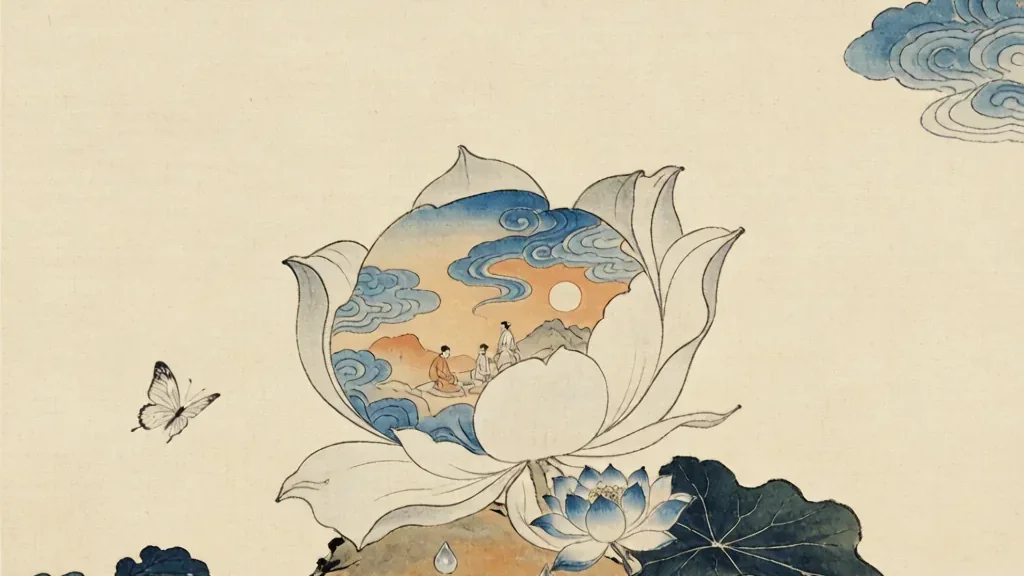
Tiantai Buddhism
How can a single flower contain the entire universe, and a single moment of thought embrace both hell and enlightenment? These are the questions at the heart of 天台宗 (Tiān Tái Zōng), the Tiantai school, the first distinctly Chinese system of Buddhist philosophy.
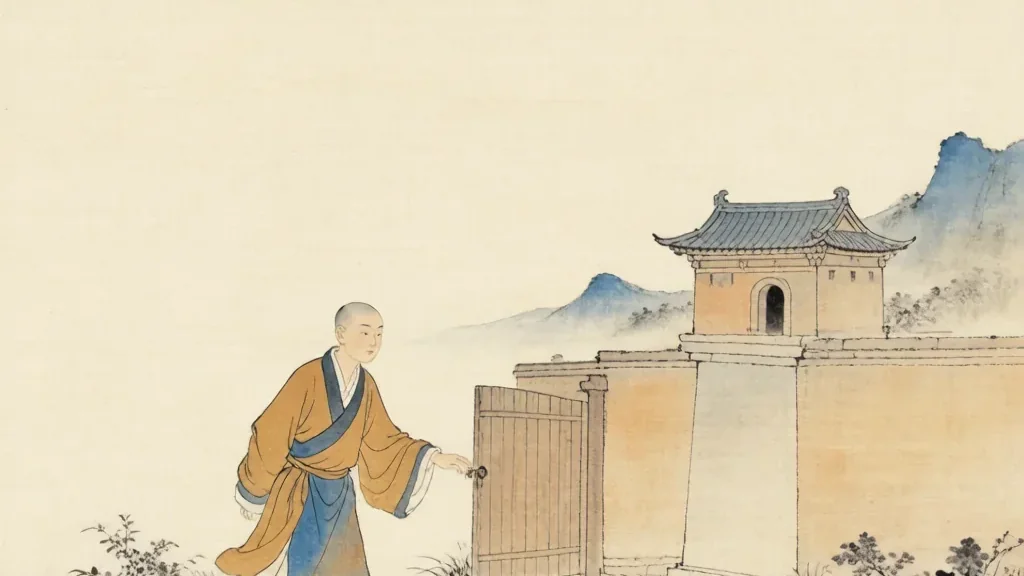
Xuanzang: The Pilgrim of the Scriptures
In the year 629, a young Chinese monk slipped past the closed border of the Tang empire and set out alone across the deserts of Central Asia toward India, driven by a single burning question: what did the Buddha truly teach? That monk was 玄奘 (Xuán Zàng), and his sixteen-year pilgrimage became one of the greatest journeys of the human spirit.
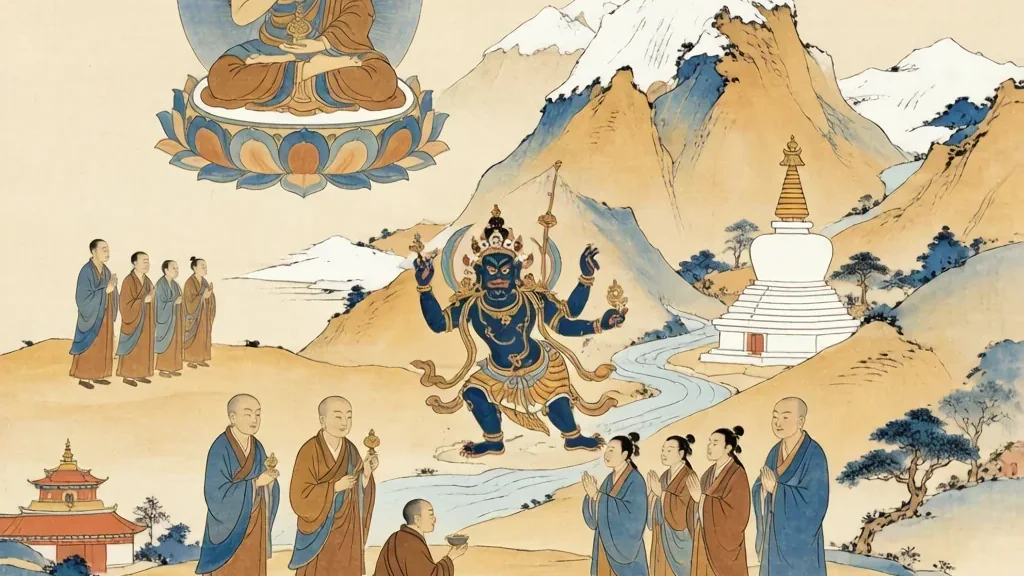
Tibetan Buddhism (藏传佛教): The Vajrayana Path in the Land of Snows
Tibetan Buddhism, known in Chinese as Zangchuan Fojiao (藏传佛教) or Tibetan-transmitted Buddhism, represents one of the most distinctive and spiritually rich branches of the Buddhist tradition. Emerging from the encounter between Indian Mahayana and Vajrayana Buddhism and the indigenous Bon religion of Tibet, this tradition developed a unique synthesis of esoteric rituals, philosophical sophistication, and institutional structures that have shaped Tibetan culture for over 1,300 years.
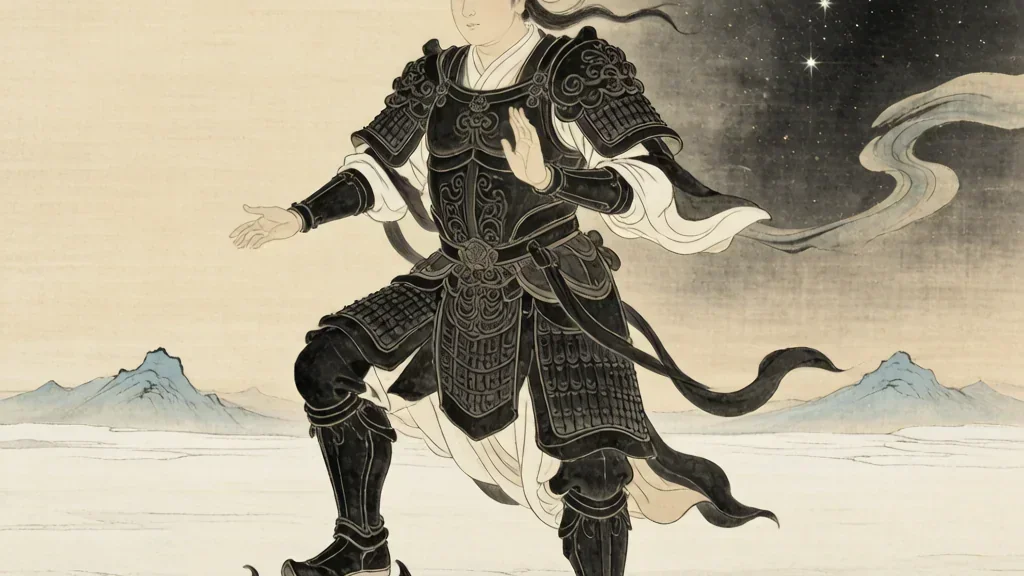
Zhenwu: The Perfected Warrior
In the frozen north of the cosmos stands a warrior clad in black armor, one foot trampling a serpent and the other a tortoise, a sword of divine judgment in his hand. He is 真武大帝 (Zhēn Wǔ Dà Dì), the Perfected Warrior, one of the most beloved and powerful protective deities of Chinese religion.
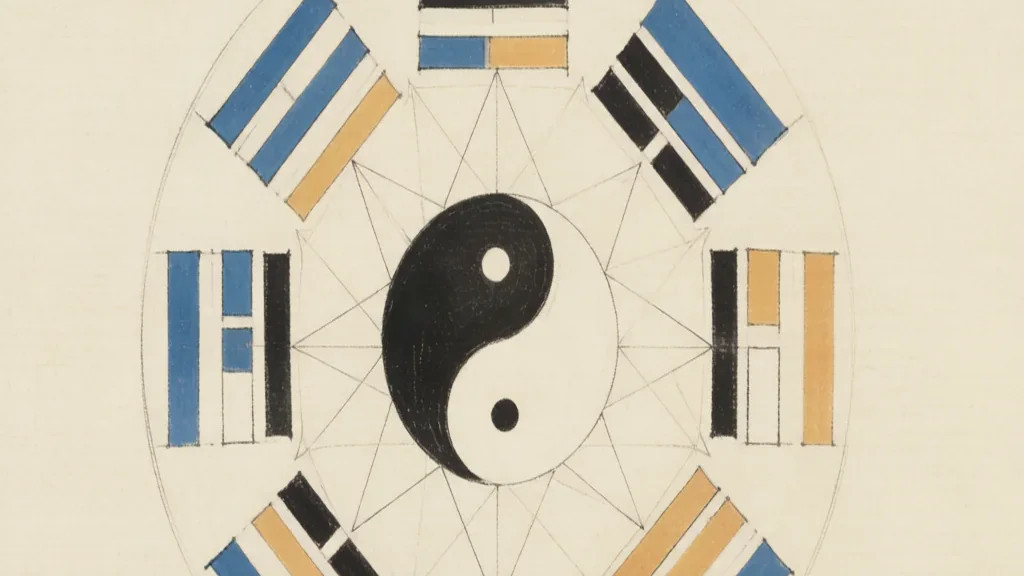
The Eight Trigrams: The Symbols of Change
The Eight Trigrams (八卦) are the eight three-line figures of the Yijing, the basic symbols from which all change is composed.
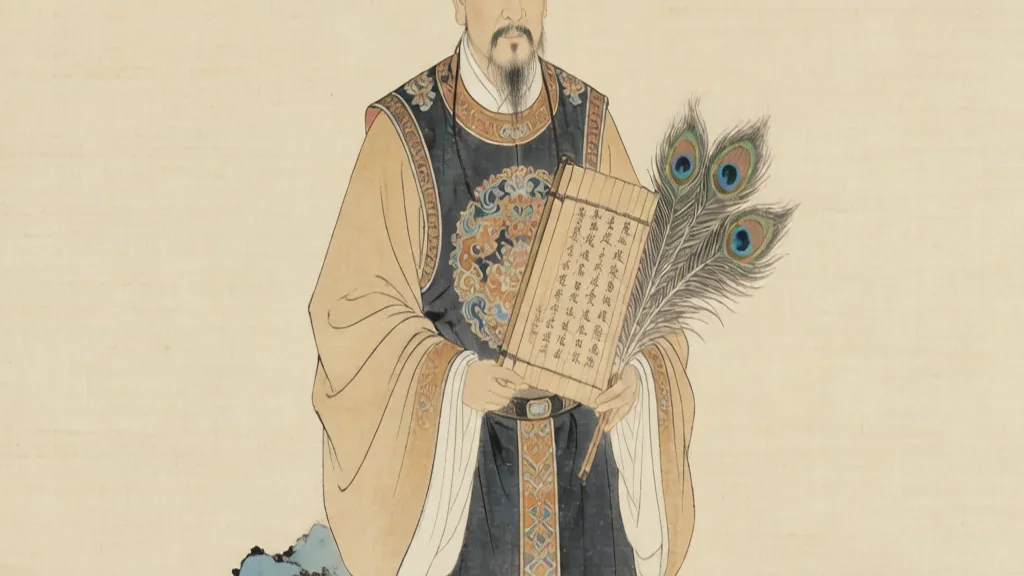
The Bimo: The Shaman-Priests of the Yi
The Bimo (毕摩) are the shaman-priests of the Yi people, keepers of ritual, scripture, and the epic of their nation.
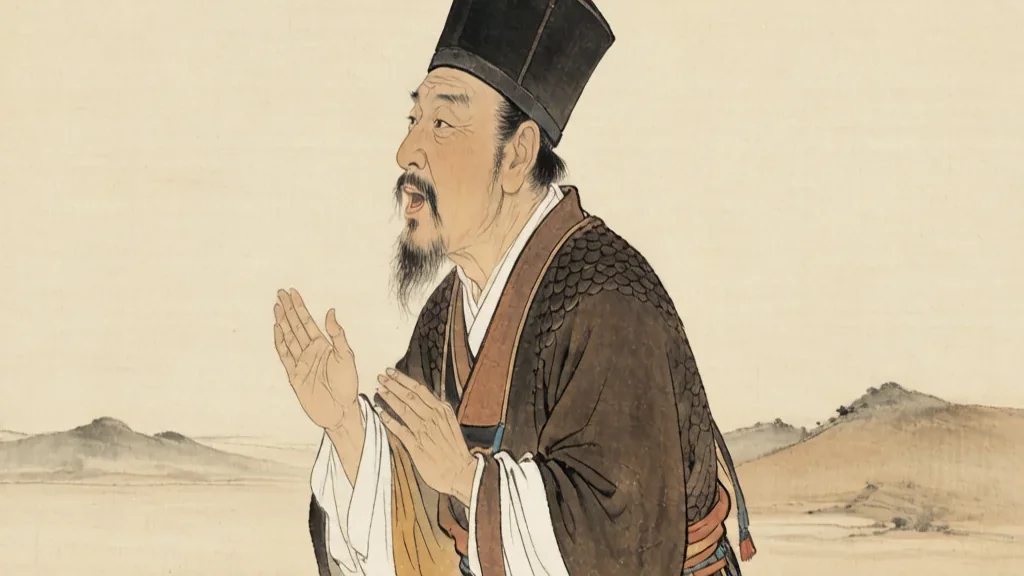
Dongba Religion: The Living Pictographs of the Naxi
The Dongba religion of the Naxi uses a script of living pictographs — the only still-used hieroglyphic system in the world.
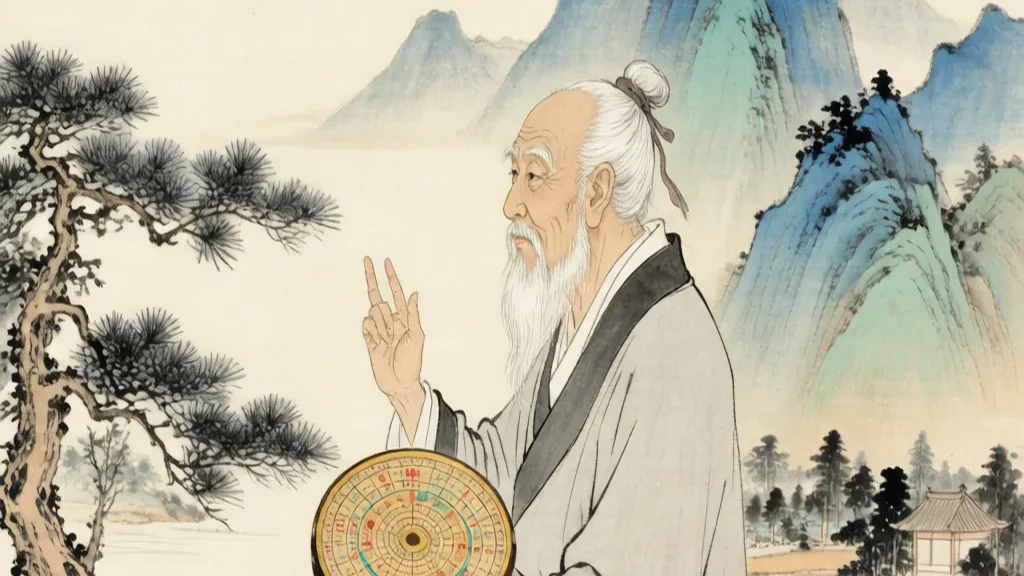
Feng Shui: The Harmony of Place
Feng shui is the art of placing buildings and graves in harmony with wind, water, and terrain — a practical cosmology of place.
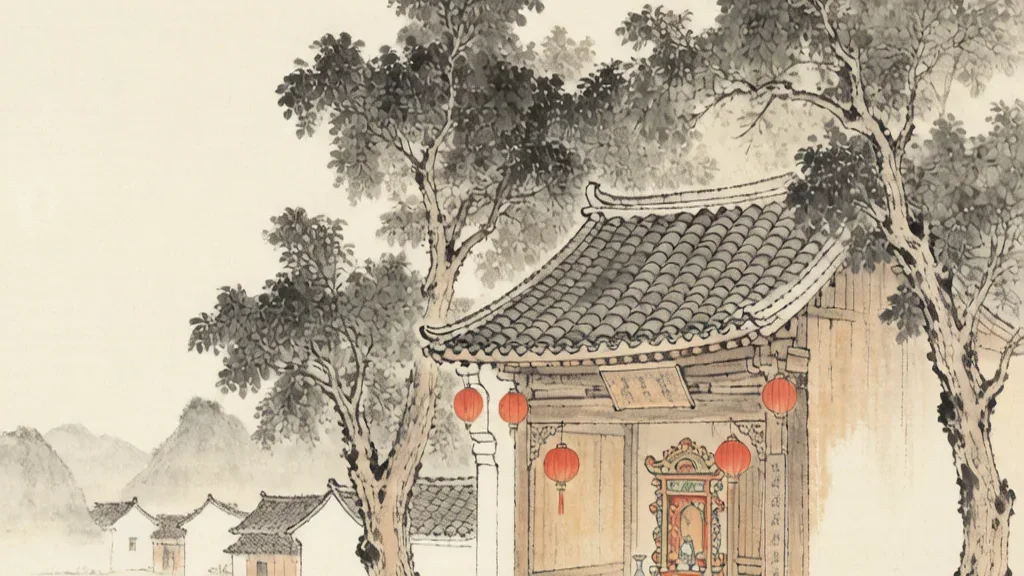
Folk Temples: The Village Shrines
Folk temples are the village shrines to local gods, Earth gods, and ancestors — the everyday religion of the neighborhood.
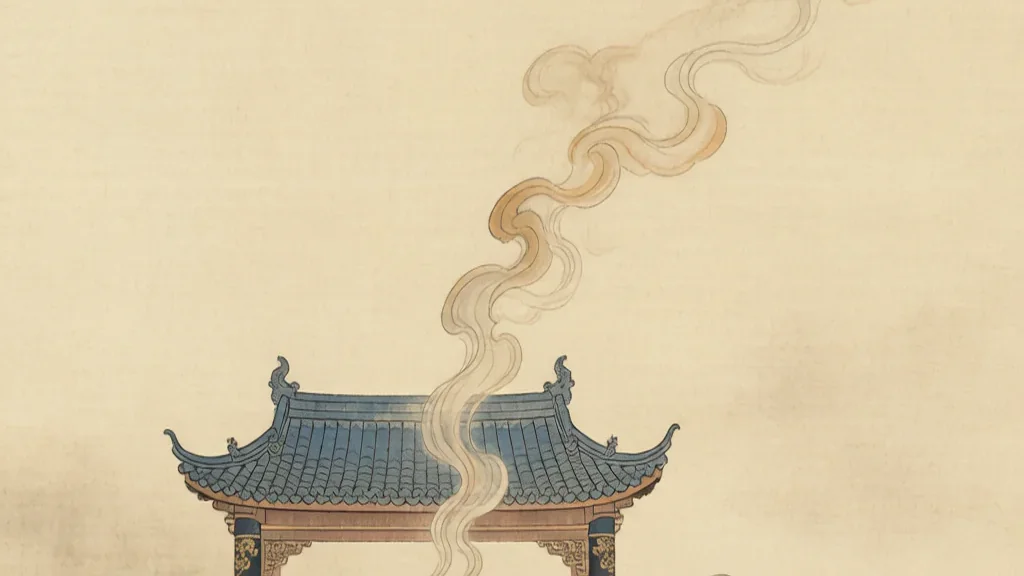
Incense Worship: The Smoke of the Heart
Incense worship is the offering of scented smoke to the gods and ancestors — the 'speech of the heart' rising to heaven.
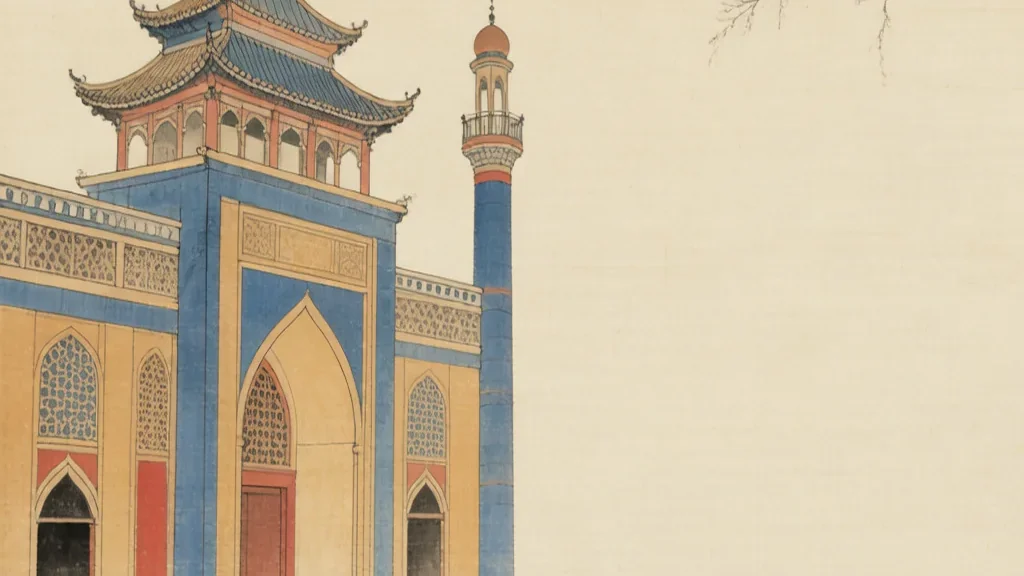
Islam in China: The Crescent Beyond the Wall
Islam in China dates to the Tang and took root among the Hui and other Muslim peoples, blending faith with Chinese life.
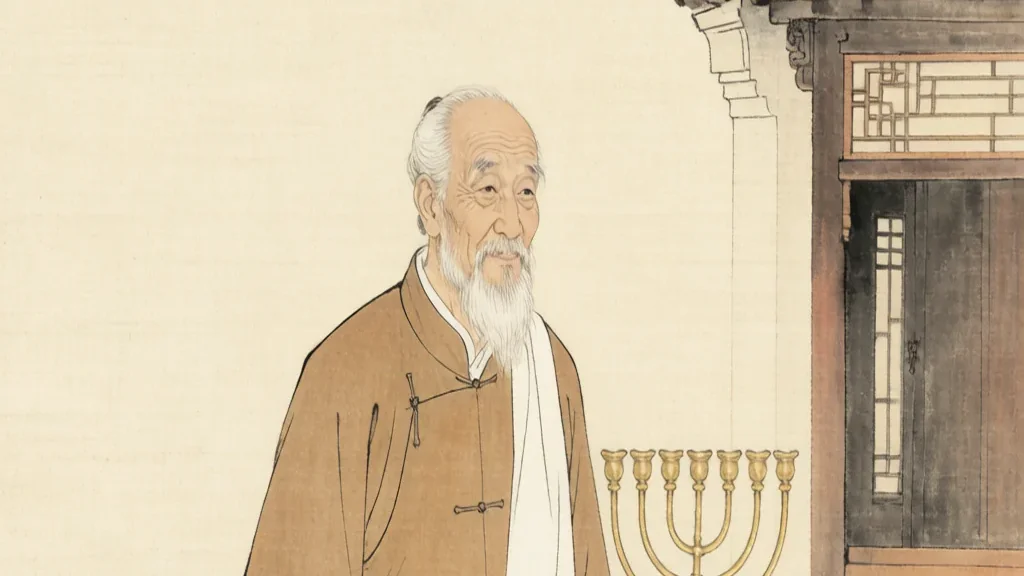
The Jews of Kaifeng: A Lost Tribe in China
The Jews of Kaifeng were a community that thrived from the Song, keeping a synagogue and the Torah in a Confucian surroundings.
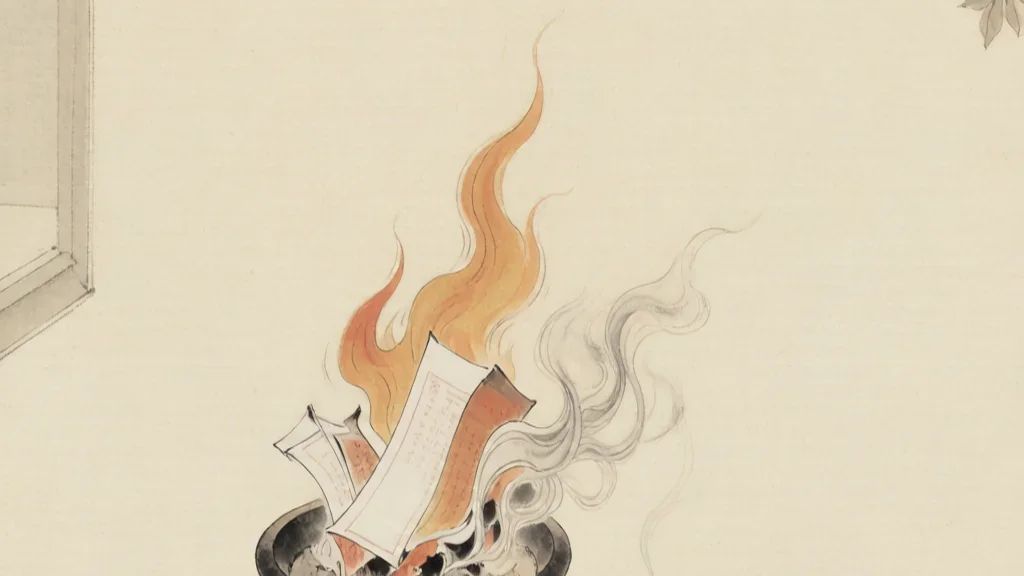
Burning Spirit Money: The Currency of the Afterlife
Burning spirit money (烧纸) sends currency to the dead, feeding and honoring ancestors in the afterlife economy.
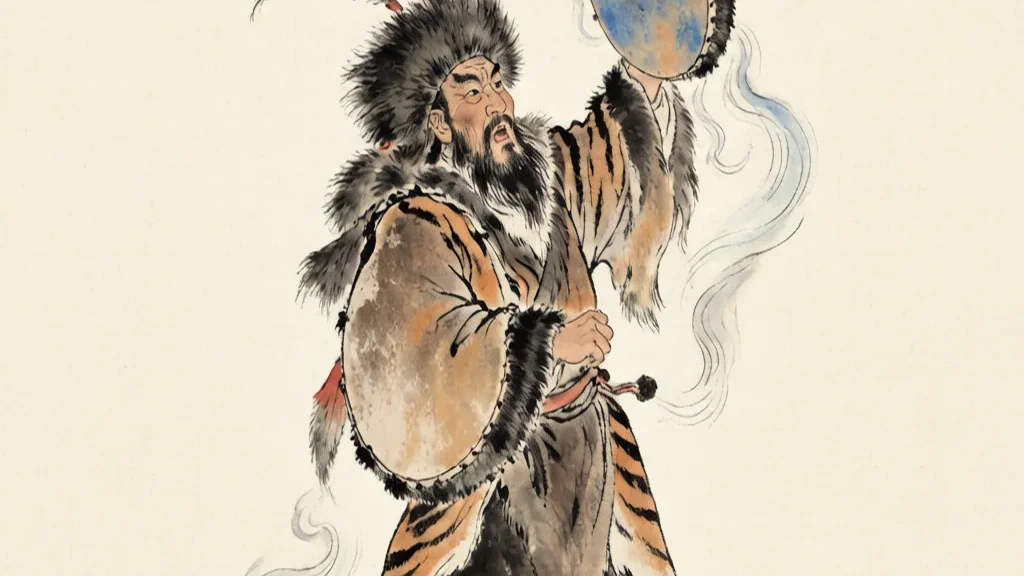
Shamanism in China: The Spirits of the North
Shamanism in China lives among the northern peoples — Tungusic and Mongol spirit-workers who journey for healing and the hunt.
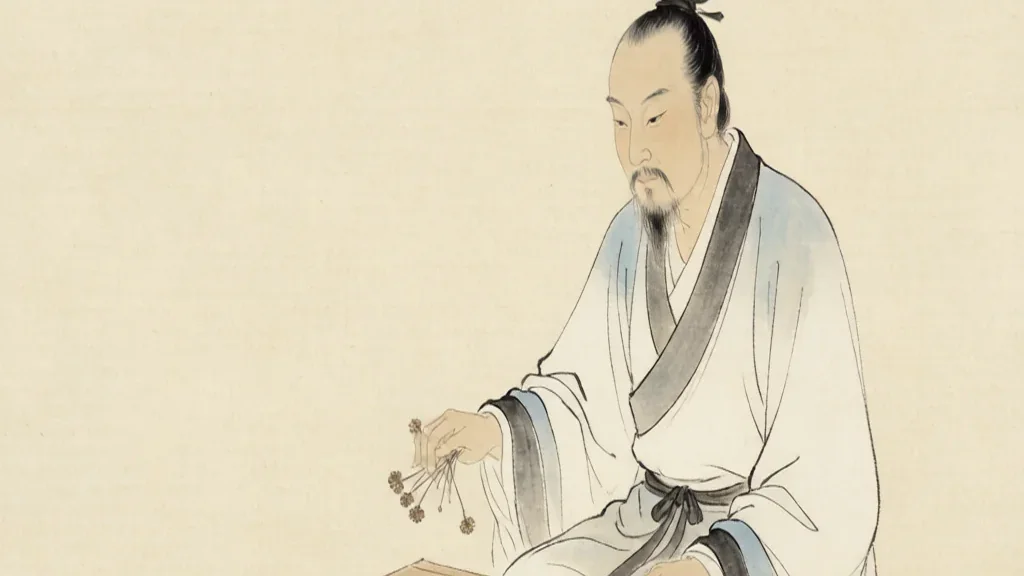
The Yijing: The Book of Changes as Oracle
The Yijing as oracle is the casting of stalks or coins to form hexagrams that mirror the changing moment.
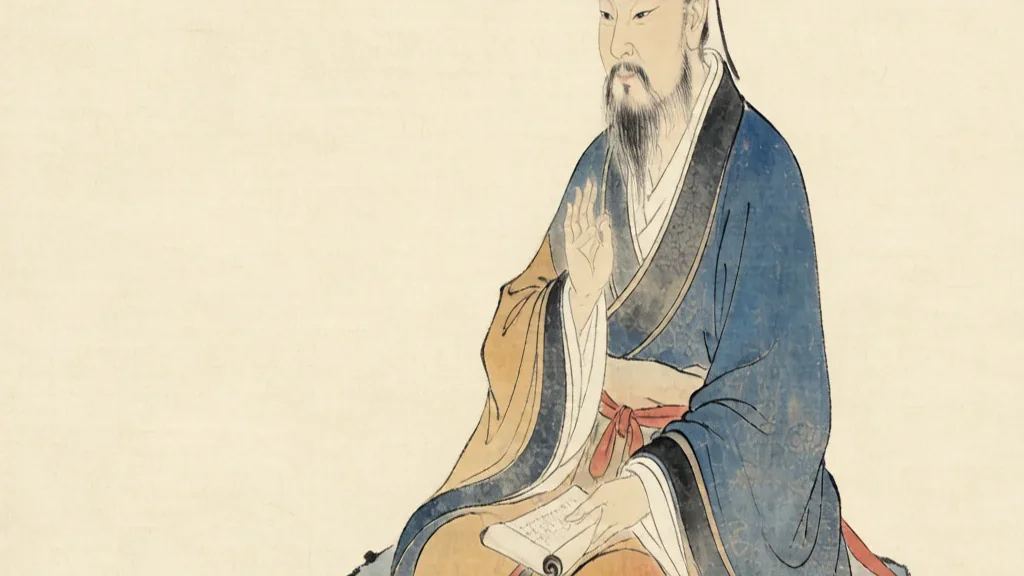
The Three-in-One Teaching: Syncretism of Ming
The Three-in-One Teaching (三一教, Sānyī Jiào) was one of the most ambitious religious experiments in late imperial China. Born in the wealthy coastal counties of Fujian during the Ming dynasty, it proposed that Confucianism, Daoism, and Bu...
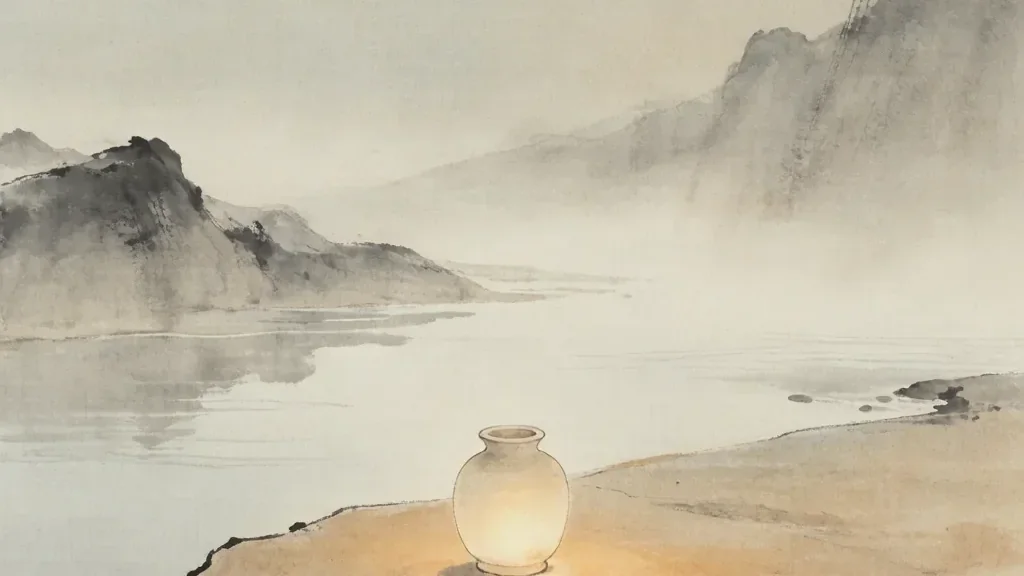
External Alchemy: The Elixir of Immortality
External Alchemy (外丹, Wàidān) was one of the most fascinating—and dangerous—pursuits in medieval China. For centuries, Daoist adepts searched for a pill or elixir that would grant immortality, transform base metals into gold, and perfect...
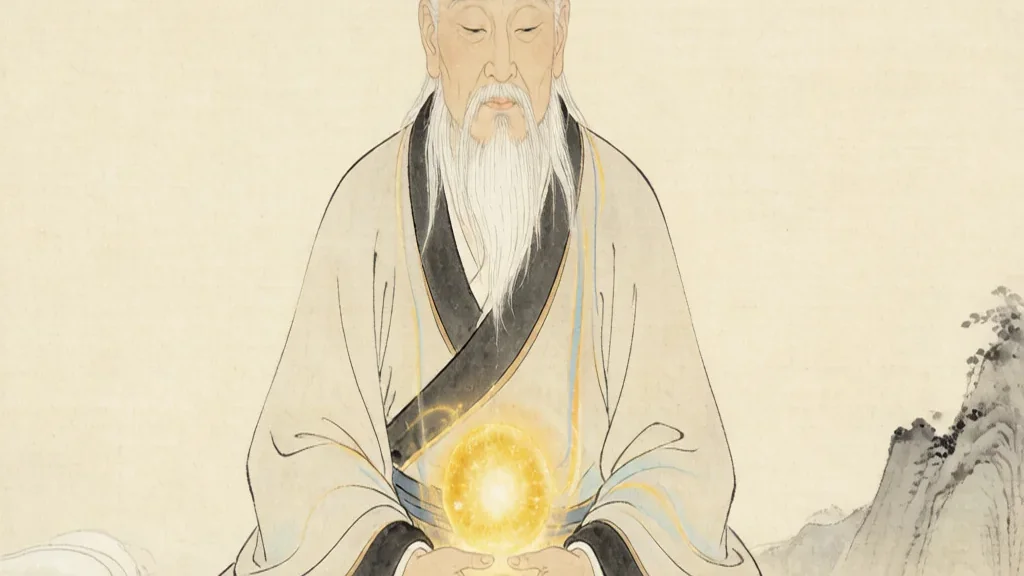
Internal Alchemy: The Elixir Within
Internal Alchemy (内丹, Nèidān) is Daoism’s great method of spiritual transformation. Rather than mixing minerals in a furnace, the neidan practitioner refines the body’s own energies—essence (jing), breath (qi), and spirit (shen)—into an...
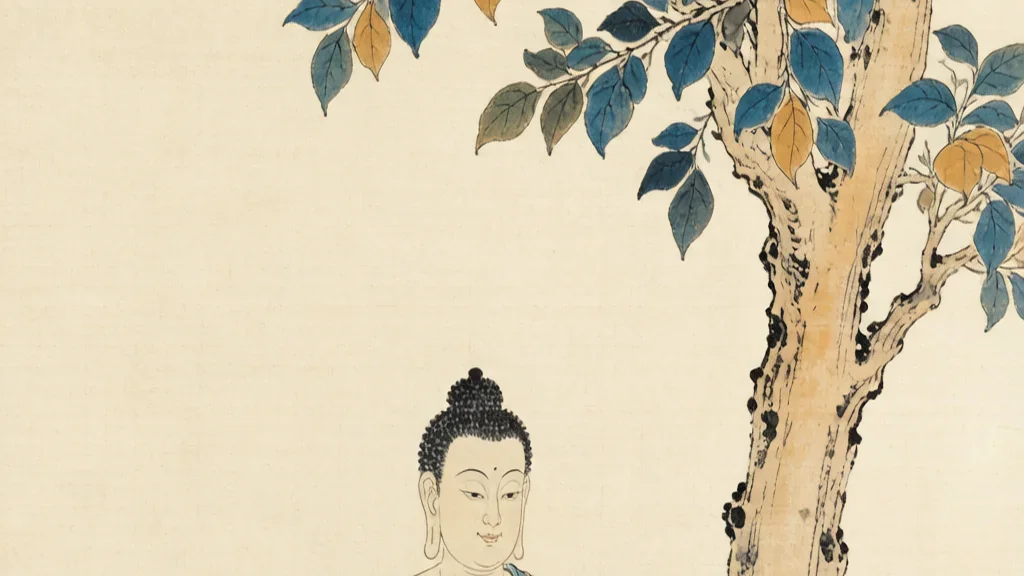
The Life of the Buddha
The life of Siddhartha Gautama, the Buddha, is one of the most influential narratives ever told. Although born in what is now Nepal, his story was translated, retold, and deeply admired in China, where it shaped Buddhist art, literature,...
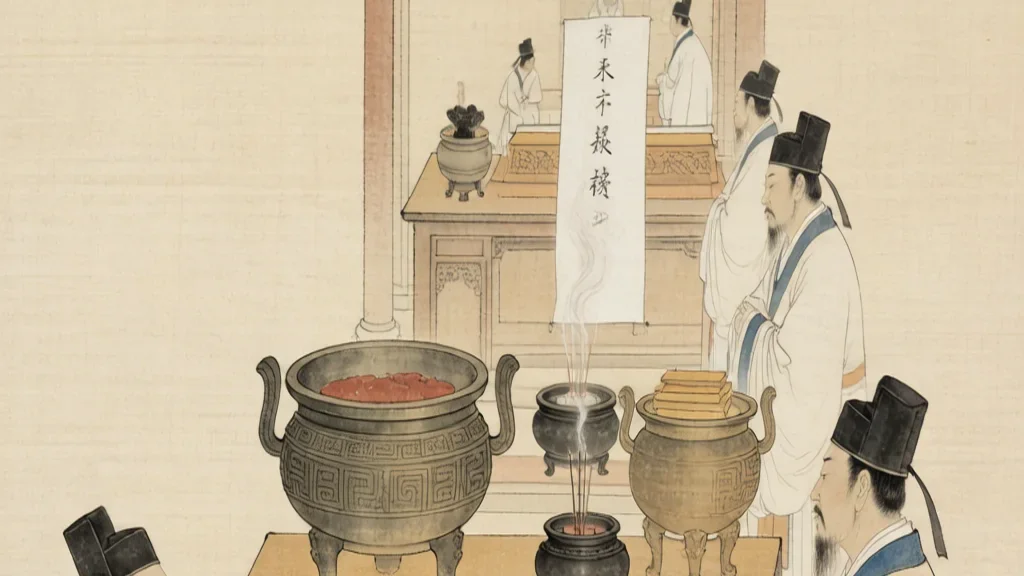
Confucian Worship: The State Cult of the Sages
Confucian worship was never a religion in the Western sense, yet it shaped Chinese spiritual life for more than two millennia. Centered on reverence for Heaven, ancestors, and the sages, it provided the rituals that bound family, state,...
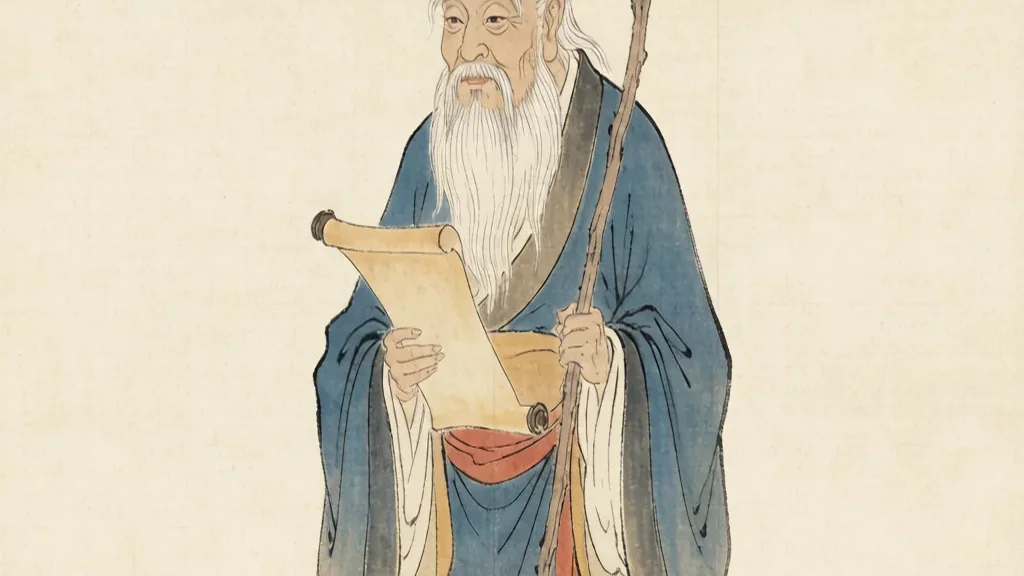
The Dao De Jing: The Book of the Way
The Dao De Jing (道德经, Dàodé Jīng) is the foundational text of Daoism and one of the most translated books in world literature. Attributed to the sage Laozi, its eighty-one brief chapters offer a poetic philosophy of humility, softness, a...
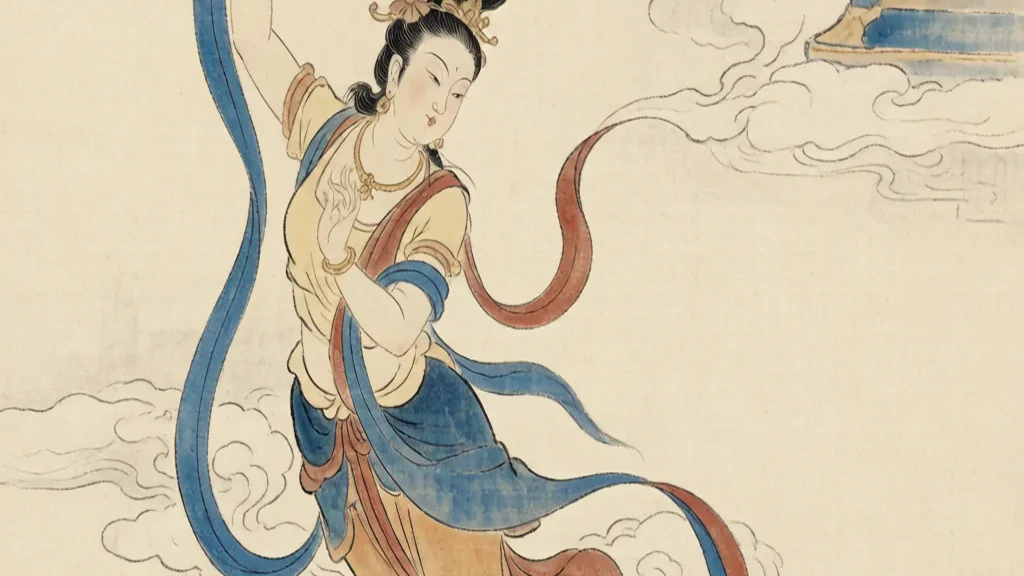
The Flying Immortal: The Goal of Daoist Practice
The flying immortal (飞仙, Fēixiān) is one of the most alluring images in Chinese religion and art. Dressed in flowing robes, riding cranes or clouds, these beings have transcended ordinary mortality and roam freely between heaven and eart...
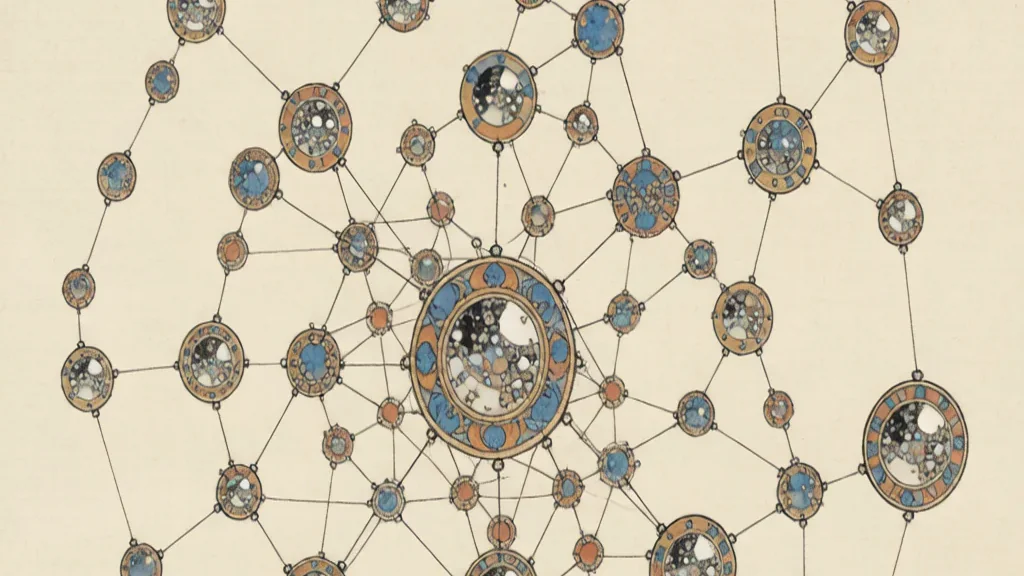
Huayan Philosophy: The Interpenetration of All Things
Huayan philosophy (华严, Huáyán) is one of the most intellectually dazzling schools of Chinese Buddhism. Based on the Avatamsaka Sutra, it presents a cosmos in which every phenomenon contains and reflects every other phenomenon, like a vas...
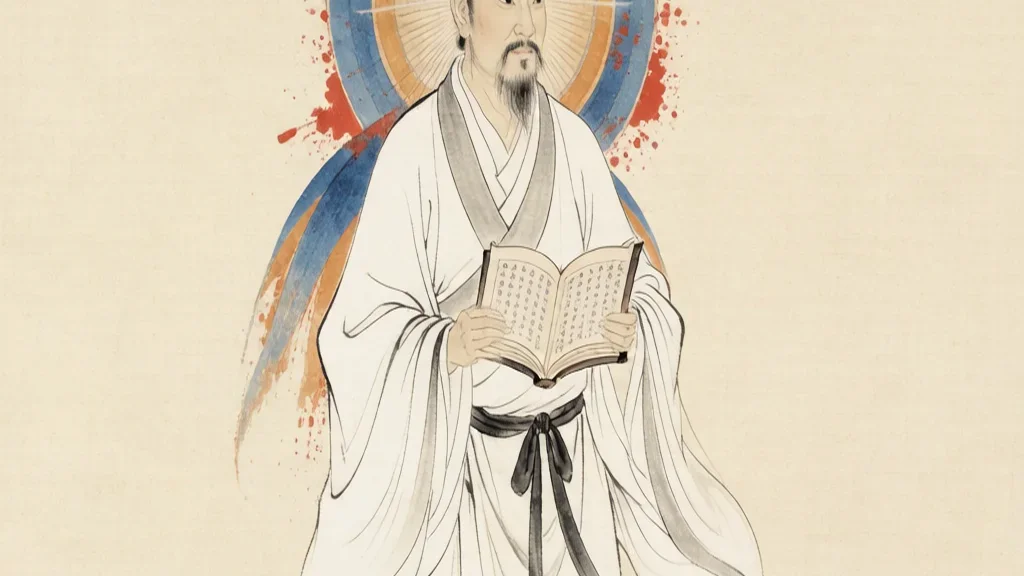
Manichaeism in China: The Light of the East
Manichaeism (摩尼教, Móní Jiào) arrived in China along the Silk Road in the seventh century and survived for centuries as a minority faith. Founded by the Persian prophet Mani, it taught that the universe is a battlefield between light and...
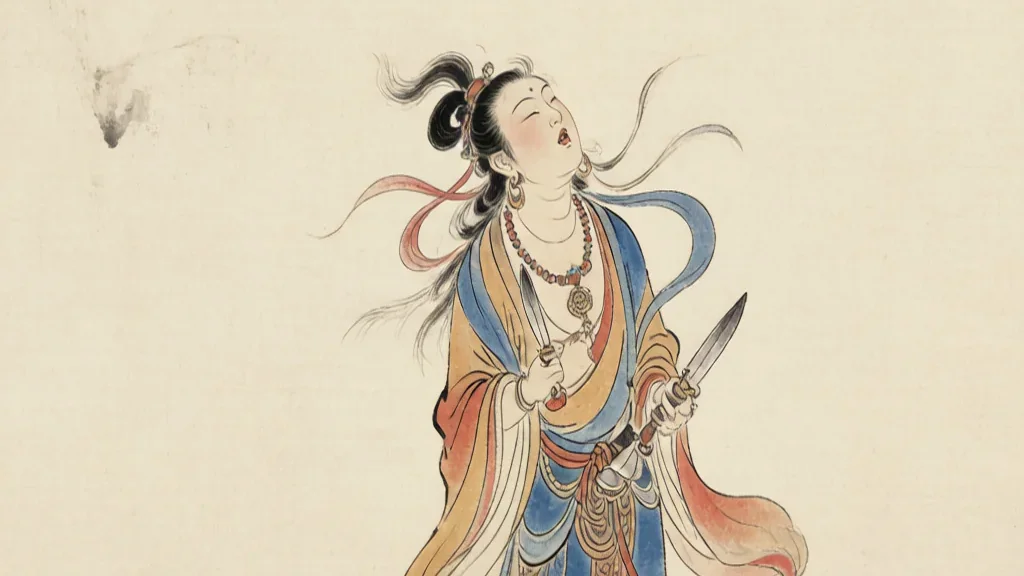
Spirit Mediums: The Messengers Between Worlds
Spirit mediums, known in parts of China as tongji (童乩) or jitong, serve as living bridges between the human world and the spirit realm. Through trance, they transmit messages from gods, ancestors, or wandering souls, offering advice, hea...
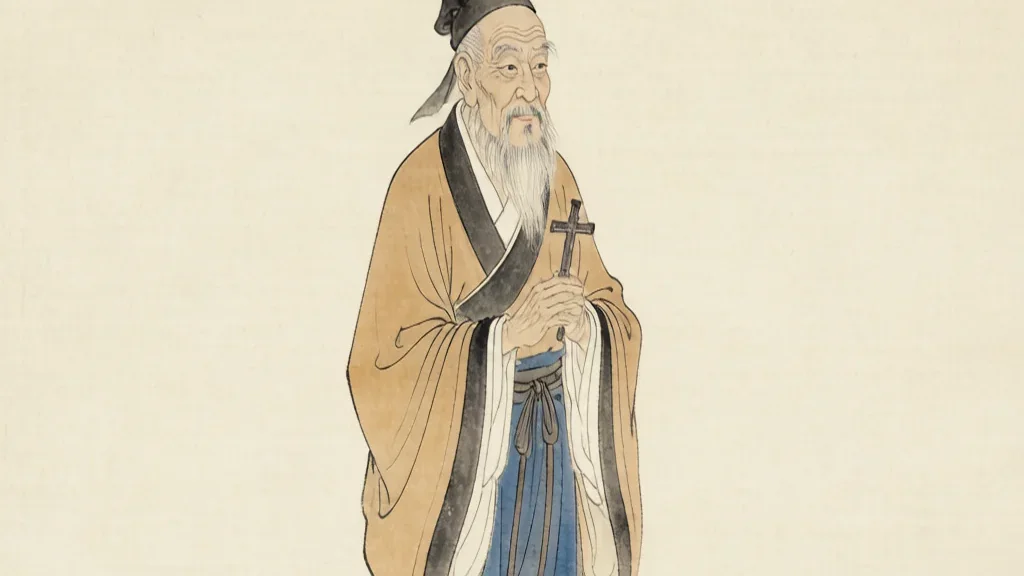
Nestorian Christianity: The Cross in Tang China
The Nestorian Church in China (景教, Jǐngjiào, "Luminous Religion") represents one of the earliest encounters between Christianity and Chinese civilization. In the seventh century, Persian missionaries brought a branch of Eastern Christian...
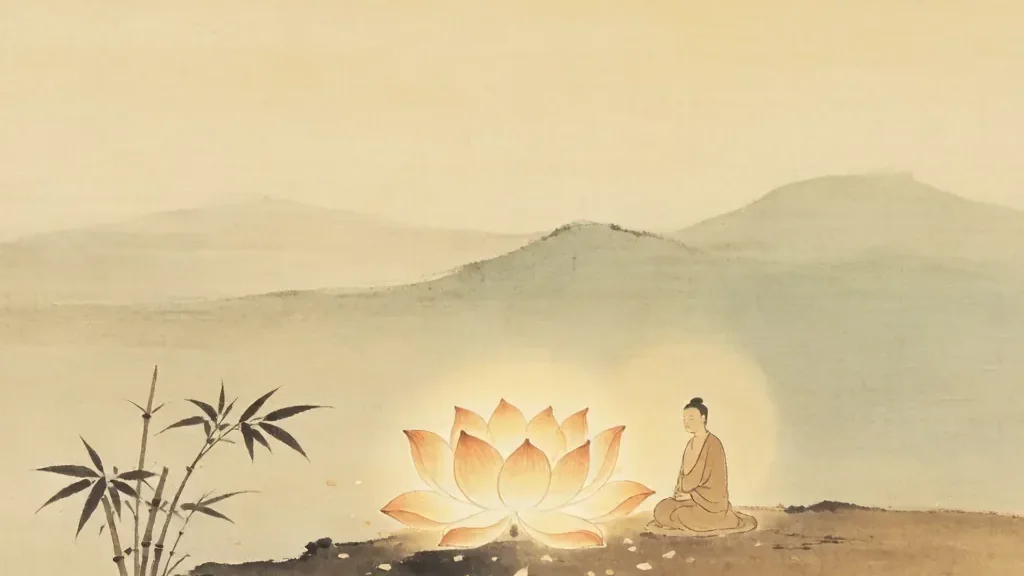
Pure Land Faith: The Grace of Amitabha
Pure Land Buddhism (净土宗, Jìngtǔ Zōng) is one of the most widely practiced forms of Buddhism in East Asia. It offers a path to enlightenment centered on faith in Amitabha Buddha and rebirth in his Pure Land, a paradise where spiritual pro...
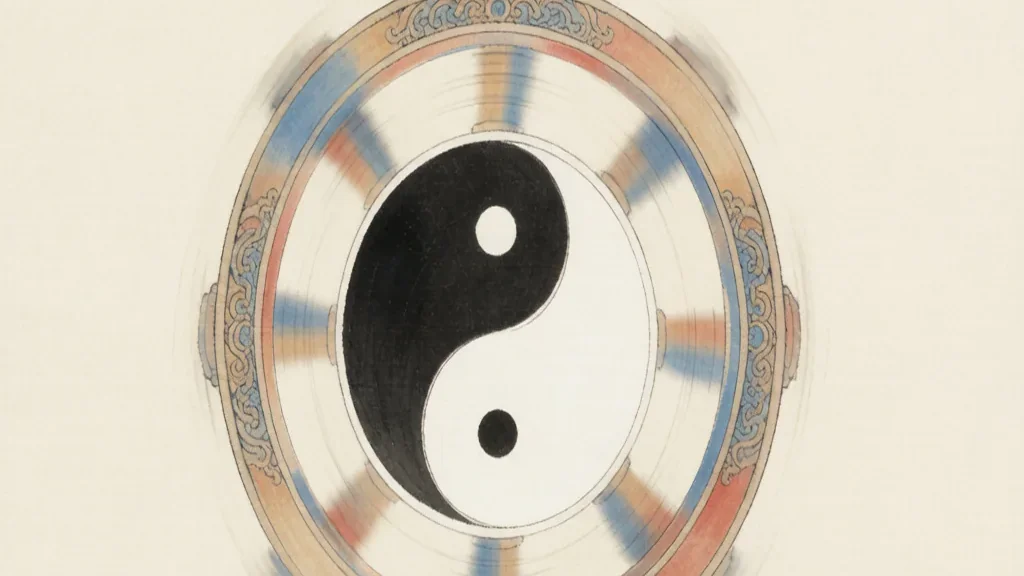
Taiji: The Supreme Ultimate of Daoist Cosmology
Taiji (太极) and Falun (法轮) are two of the most important symbols in Daoist body cultivation. Together they describe the cosmic pattern of yin and yang and its refinement within the human being through meditation, movement, and breath.
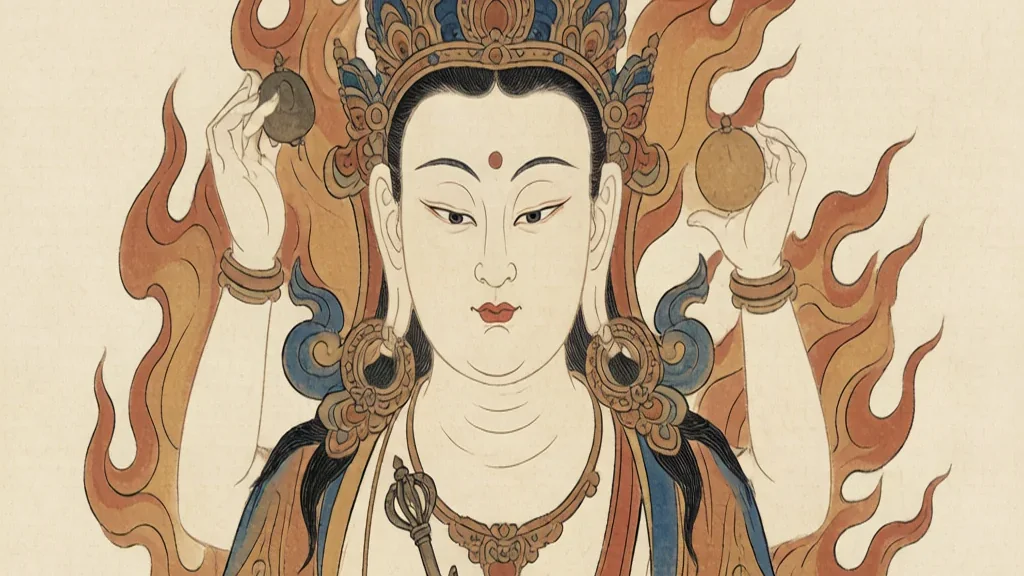
Tantric Ritual: The Esoteric Path of Tang Buddhism
Tantric Buddhism (密宗, Mìzōng), also known as Esoteric Buddhism, reached China during the Tang dynasty and introduced vivid rituals, sacred diagrams, and accelerated methods of enlightenment. Though it did not survive as an independent sc...
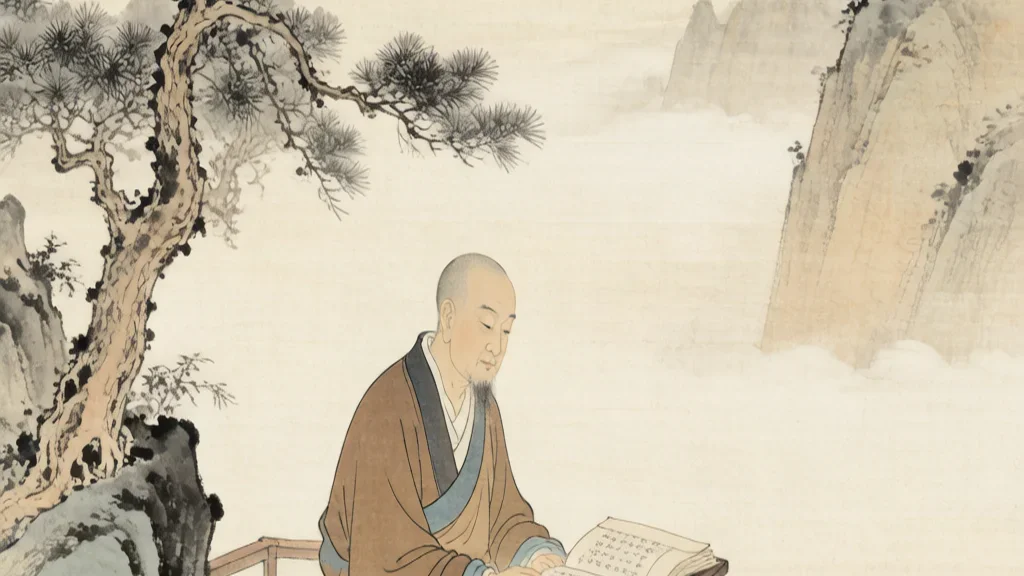
Tiantai Doctrine: The One Vehicle of the Lotus
Tiantai Buddhism (天台宗, Tiāntái Zōng) was the first major school of Chinese Buddhism to create a comprehensive philosophical system of its own. Founded by Zhiyi in the sixth century on Mount Tiantai, it taught that all Buddhist teachings...
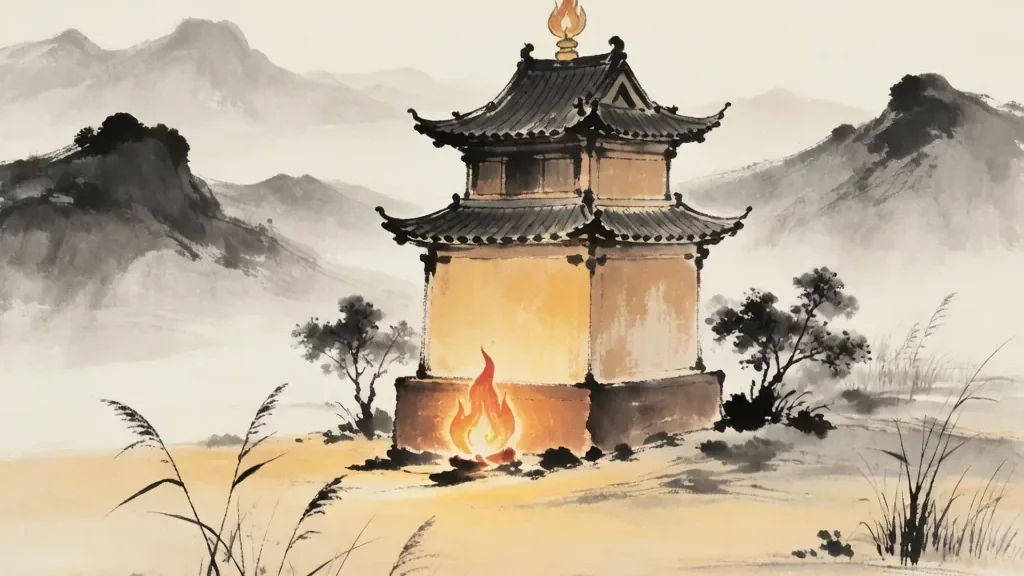
Zoroastrianism in China: The Fire of the West
Zoroastrianism (祆教, Xiānjiào), the ancient Persian religion of fire and cosmic dualism, entered China along the Silk Road in the sixth century. Known to the Chinese as the "Worship of Heaven" or simply the "Foreign Religion," it attracte...
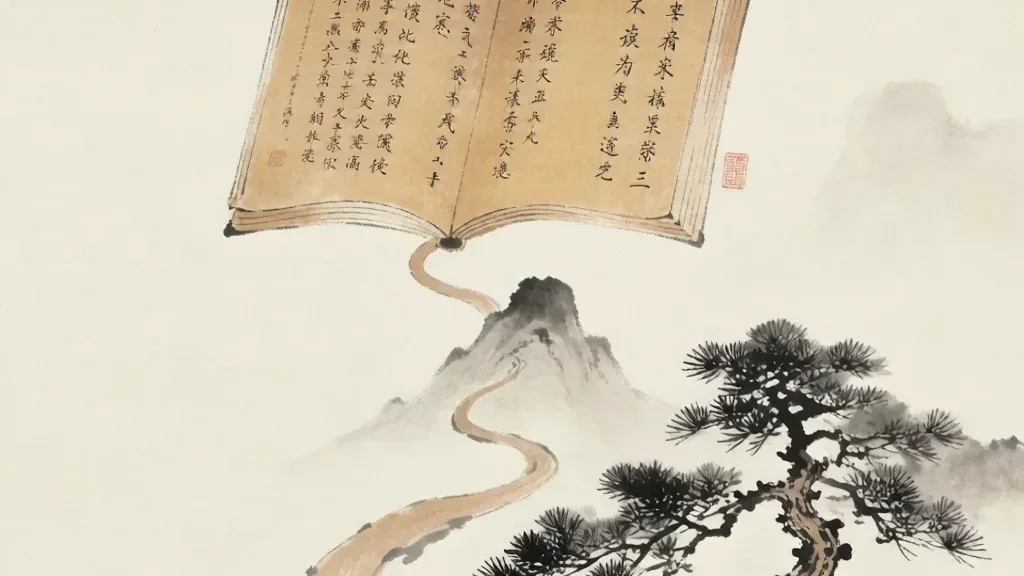
The Zhuangzi: The Book of Wandering
The Zhuangzi (庄子) is one of the masterpieces of Chinese literature and the most playful text in the Daoist tradition. Attributed to the philosopher Zhuang Zhou and his followers, it uses parables, jokes, and paradoxes to challenge our as...