📖 Chinese Legends
60 articles — Classic myths and legendary tales
Long before history was written down, the Chinese told stories about how the world began, how humans were made, and how the sky was saved from falling. These legends — Pangu splitting the cosmic egg, Nuwa molding the first people from clay, Houyi shooting down the extra suns, the Cowherd and Weaver Girl meeting once a year across the Milky Way — explain nature, love, and duty in human terms. This guide gathers the classic tales that every Chinese child grows up hearing.
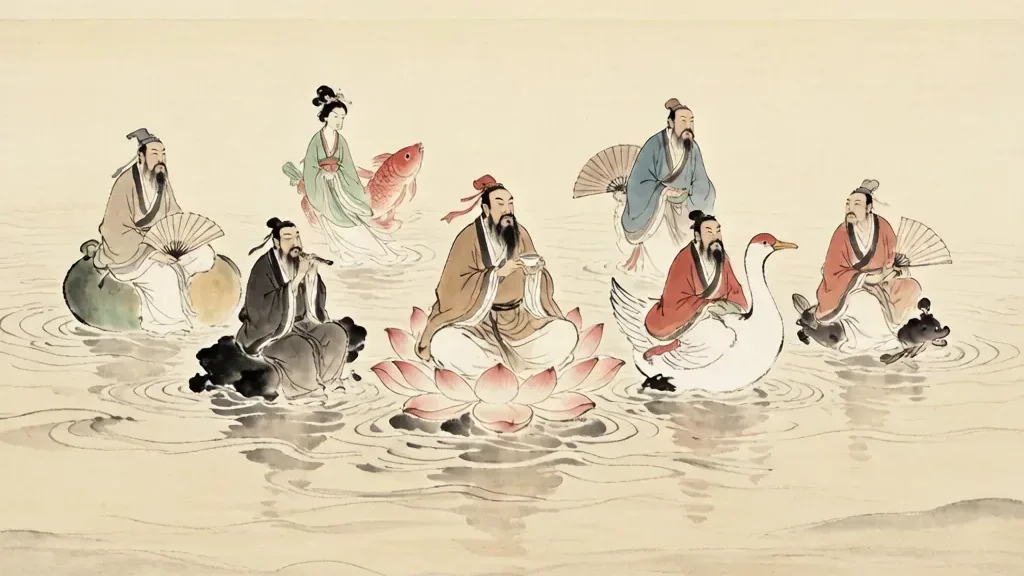
Baxian
Of all the colorful figures in Chinese mythology, few are as beloved — or as varied — as the Eight Immortals. They are not a uniform pantheon of perfect gods.
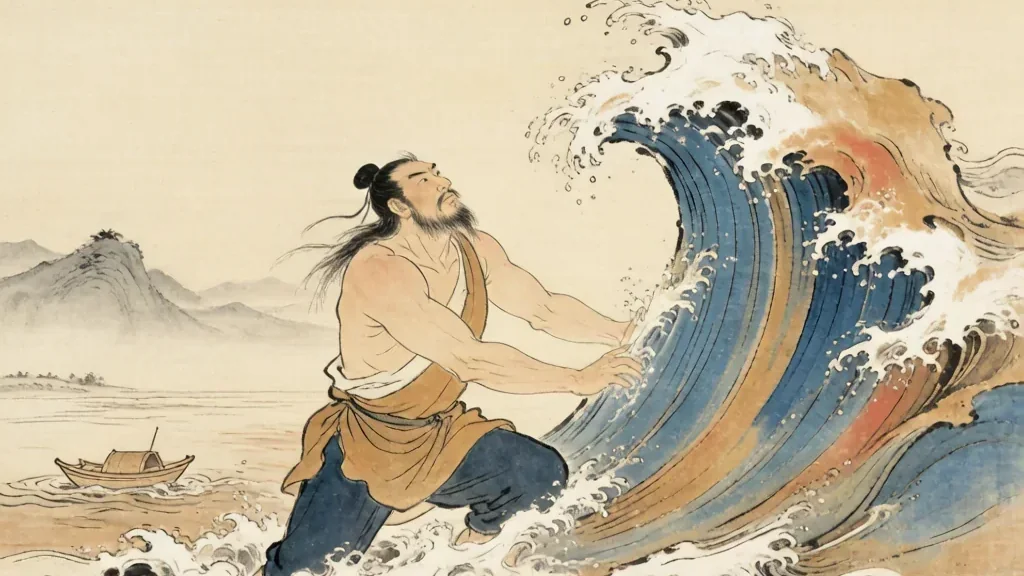
Yu the Great Controls the Flood
Every civilization has its flood myth — a great deluge that nearly destroys humanity and the hero who rises to save it. In ancient China, that hero was Yu the Great, a man whose dedication to his mission was so absolute that he became the very definition of selflessness.
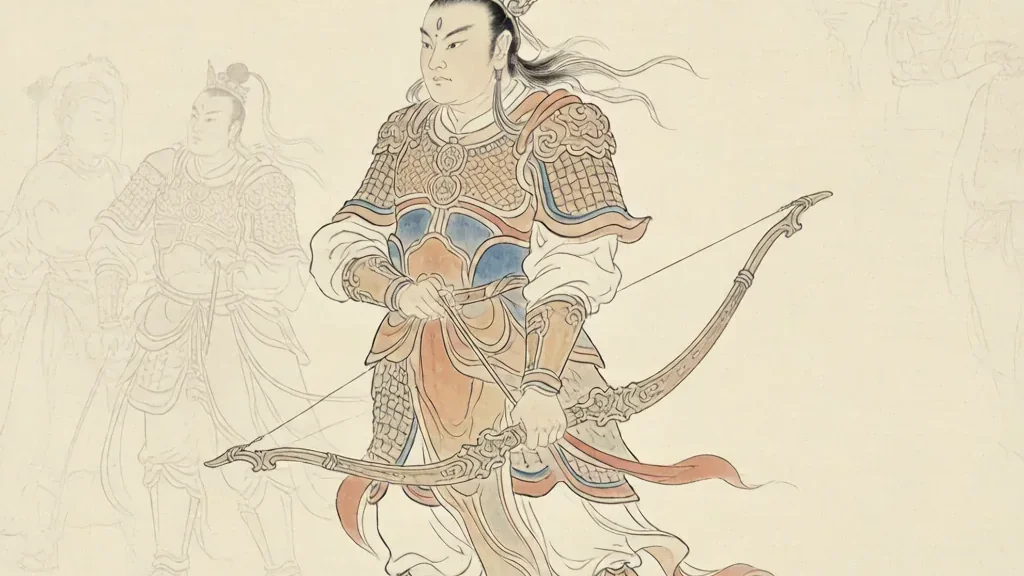
Erlang
In the vast pantheon of Chinese mythology, few deities are as distinctive — or as formidable — as Erlang Shen. He is the warrior god with three eyes, the third set vertically in the center of his forehead, glowing with divine light that sees through all illusions and deceptions.
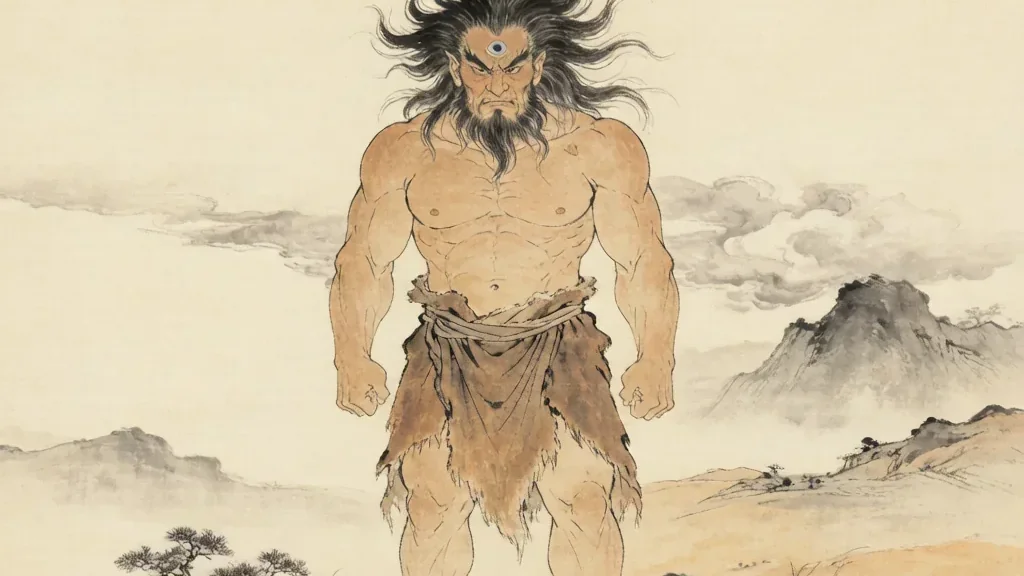
Gonggong
In the mythology of ancient China, the world was not a stable place. It was held together by pillars — great mountains that supported the sky and anchored the earth, keeping the two from collapsing back into the chaos from which they had been formed.
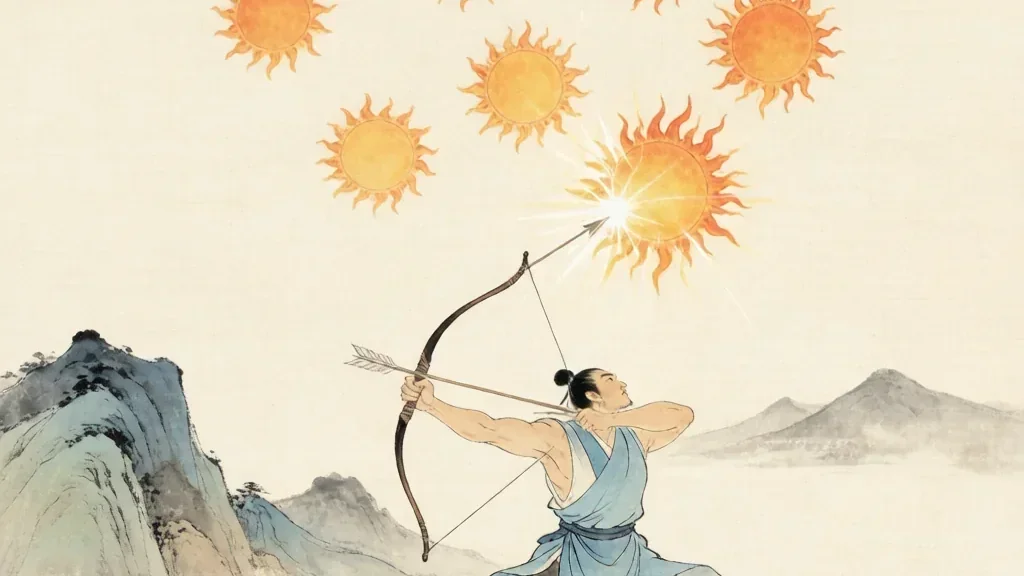
Houyi Shoots the Suns
Imagine waking up one morning to find not one, but ten suns blazing in the sky. The heat is unbearable — rivers evaporate, crops wither into dust, and the very earth cracks open beneath your feet.
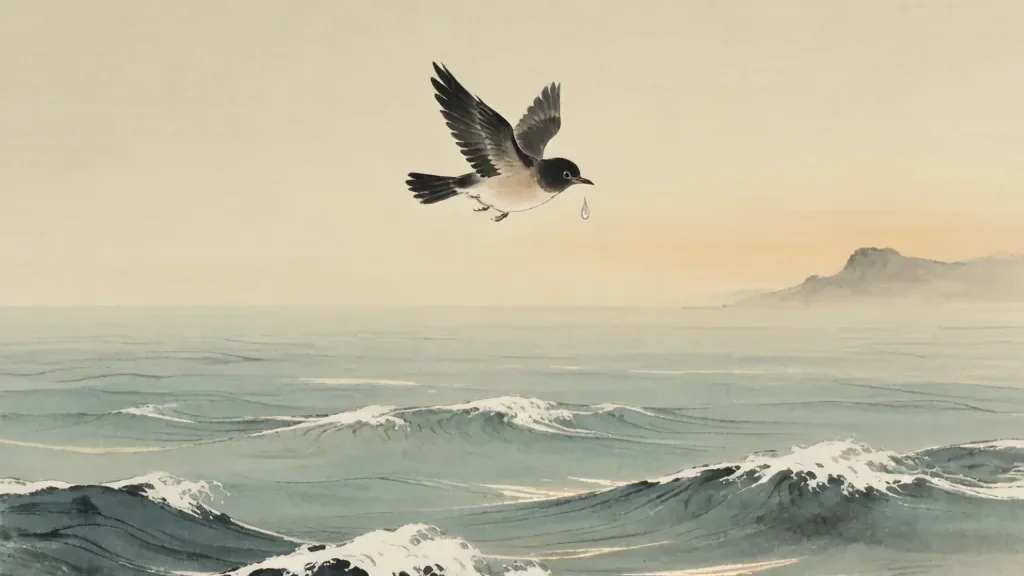
Jingwei Fills the Sea
Some stories are remembered not because they end happily, but because they refuse to end at all. The myth of Jingwei is one of the most poignant and haunting tales in Chinese mythology — a story about a young girl whose life was cut tragically short, and who transformed her grief into an eternal mission that continues to this day.

Kuafu Chases the Sun
There is something deeply human about chasing the impossible. Throughout history, we have been driven to reach for things just beyond our grasp — to climb the highest mountain, to cross the widest ocean, to touch the stars themselves.
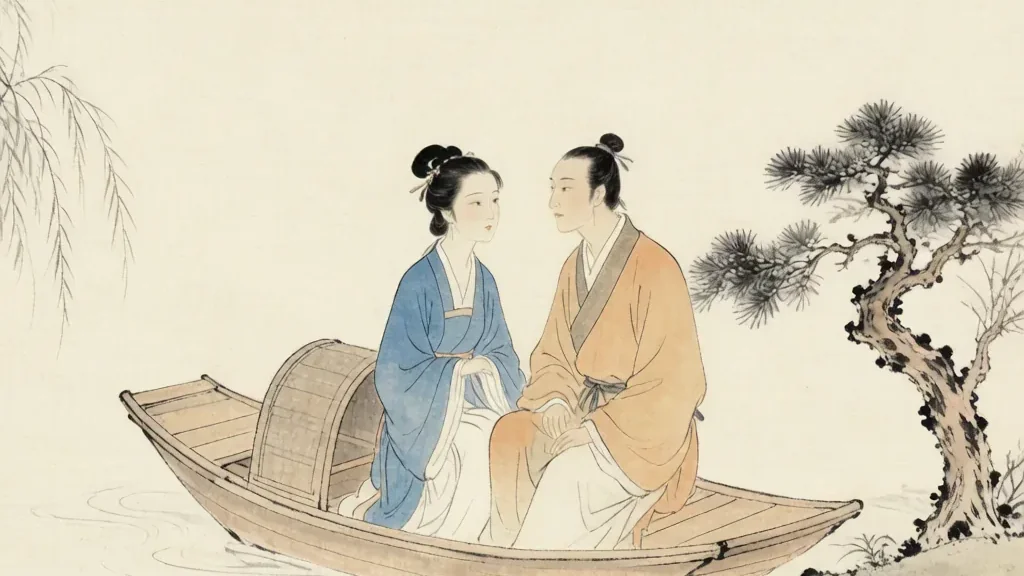
Liangzhu
Every culture has its tragic love story — the tale of two souls who found each other against all odds, only to be torn apart by the world around them. The West has Romeo and Juliet.
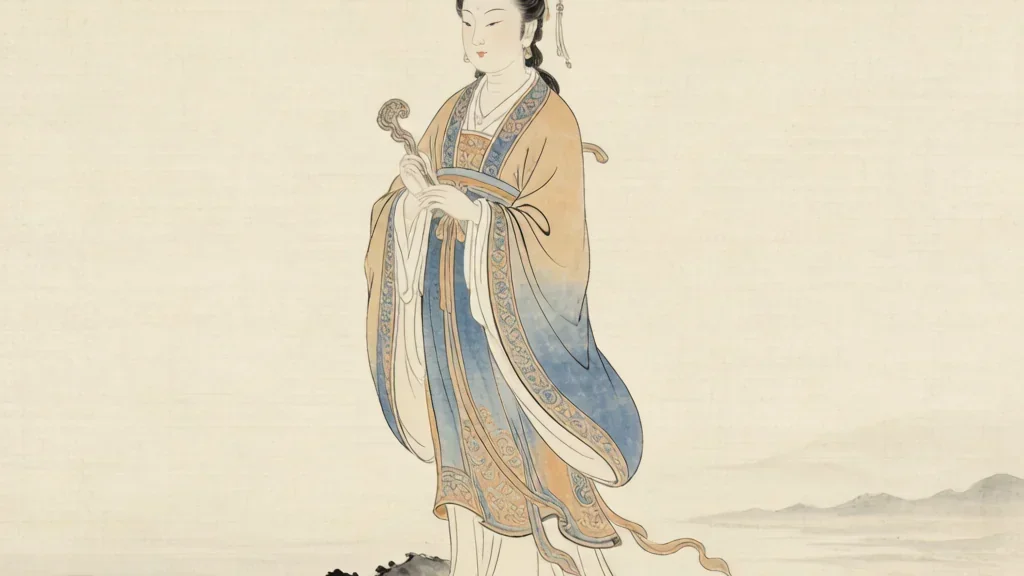
Mazu
Of all the gods and goddesses in the Chinese pantheon, none is more beloved — or more modern — than Mazu. Unlike the ancient deities who emerged from the mists of prehistory, Mazu was a real person, a girl who lived on a small island off the coast of Fujian province during the Song dynasty.
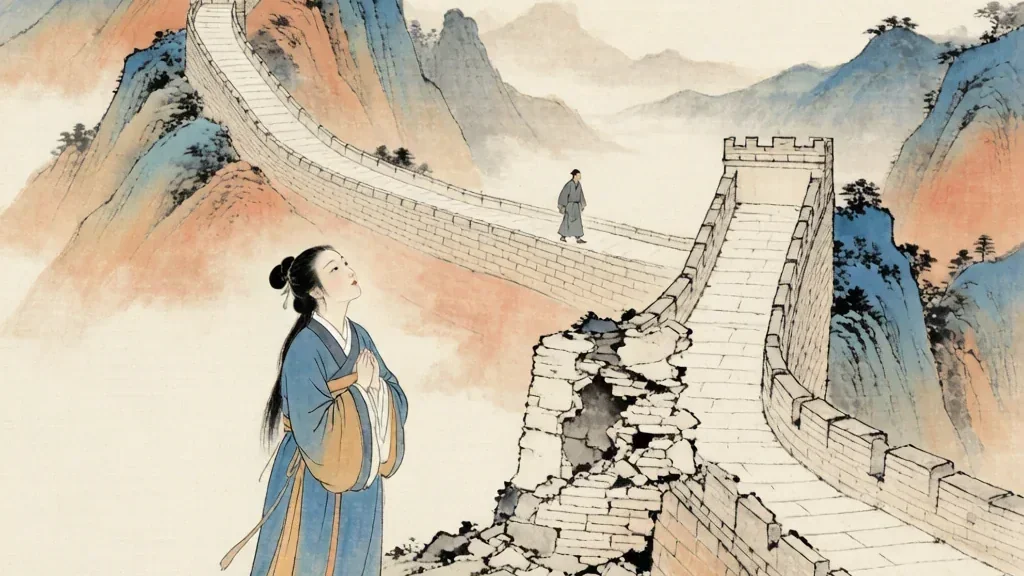
Mengjiangnu
Of all the stories that have been told about the Great Wall of China — and there are many — none is as powerful, as heartbreaking, or as enduring as the legend of Meng Jiangnu. It is a story about love and loss, about the cruelty of empires and the strength of ordinary people.
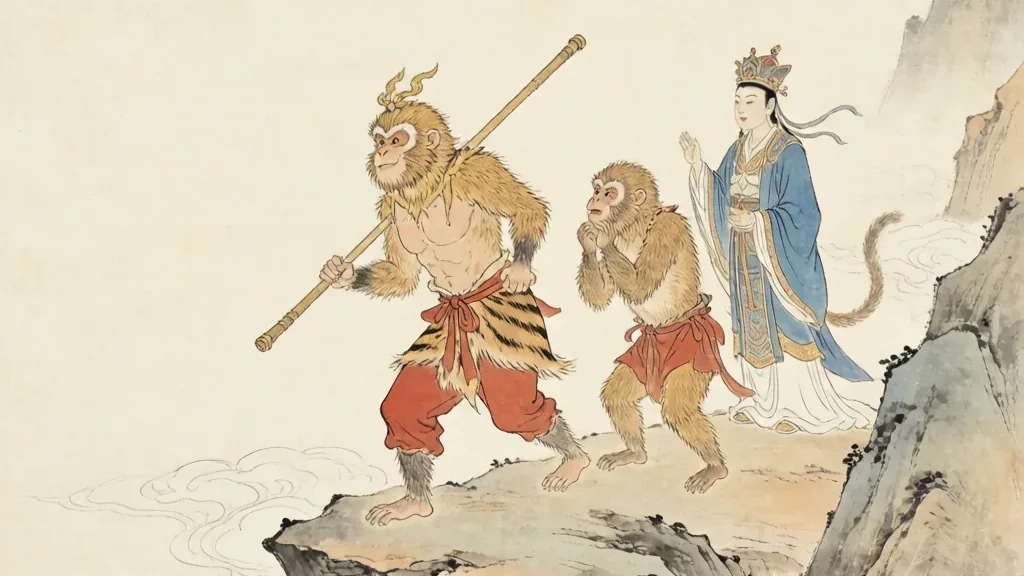
The Monkey King's Rebellion
In the pantheon of world mythology, there are warriors and tricksters, heroes and rebels. But there is only one Monkey King.

The Magic Paintbrush
What if everything you drew became real? What if a sketch of a bird could take flight, a drawing of food could feed the hungry, a painted river could flow with fresh water?

Nezha
Of all the figures in Chinese mythology, few are as beloved — or as complicated — as Nezha. He is a child, a warrior, a rebel, a martyr, and a god, all at once.
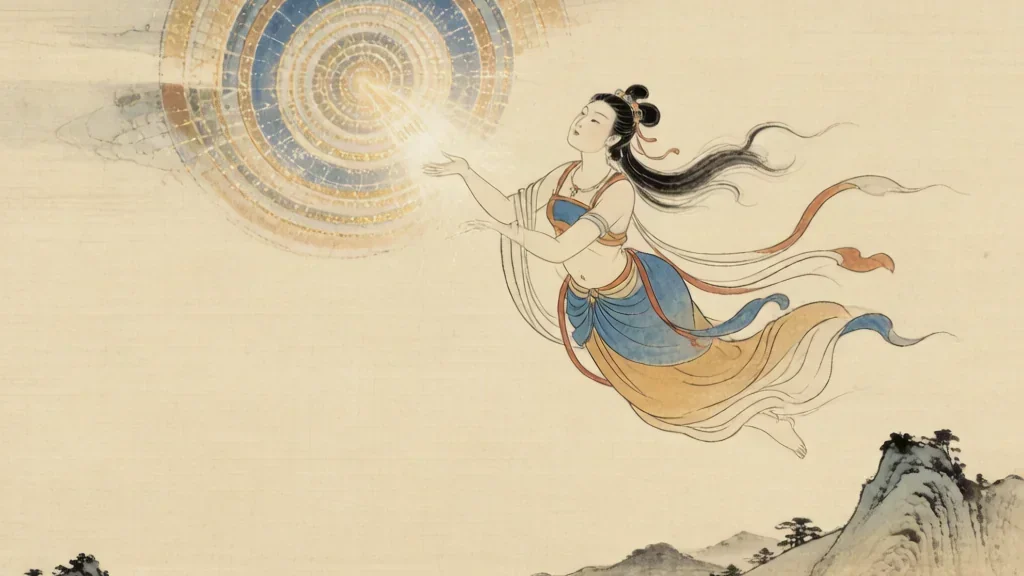
Nüwa Mends the Sky
In the vast tapestry of world mythology, creation stories hold a special place — they tell us where we came from, what forces shaped our existence, and what values our ancestors held dear. Among these ancient narratives, few are as compelling and visually striking as the Chinese myth of Nüwa, the serpent-tailed goddess who not only crafted humanity from clay but also performed the extraordinary feat of mending the heavens themselves.
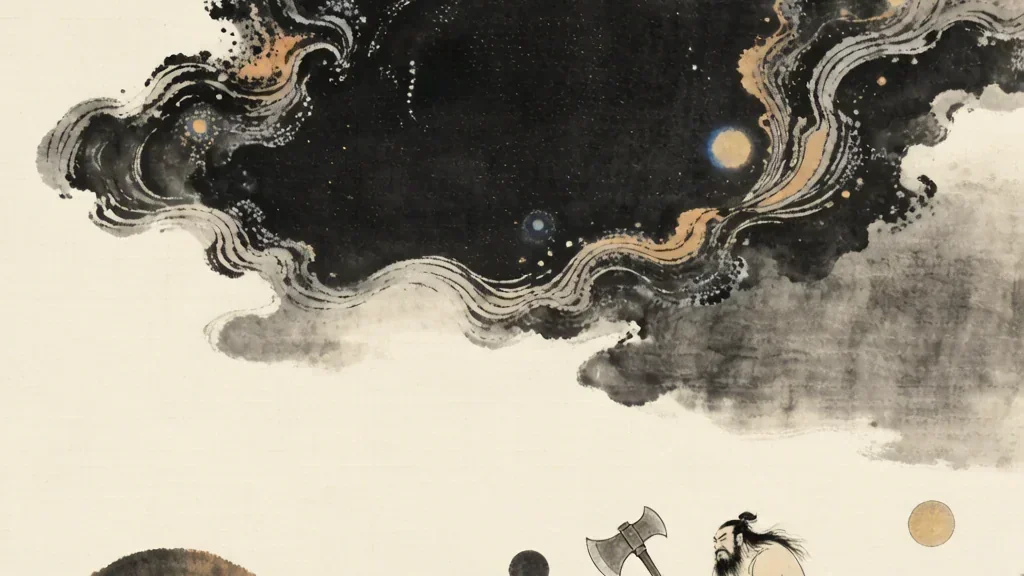
Pangu
Before there was light, before there was earth, before there was even the concept of "before" — there was only one thing. The Chinese called it the cosmic egg, a vast, dark sphere of chaos that contained everything that would ever exist.
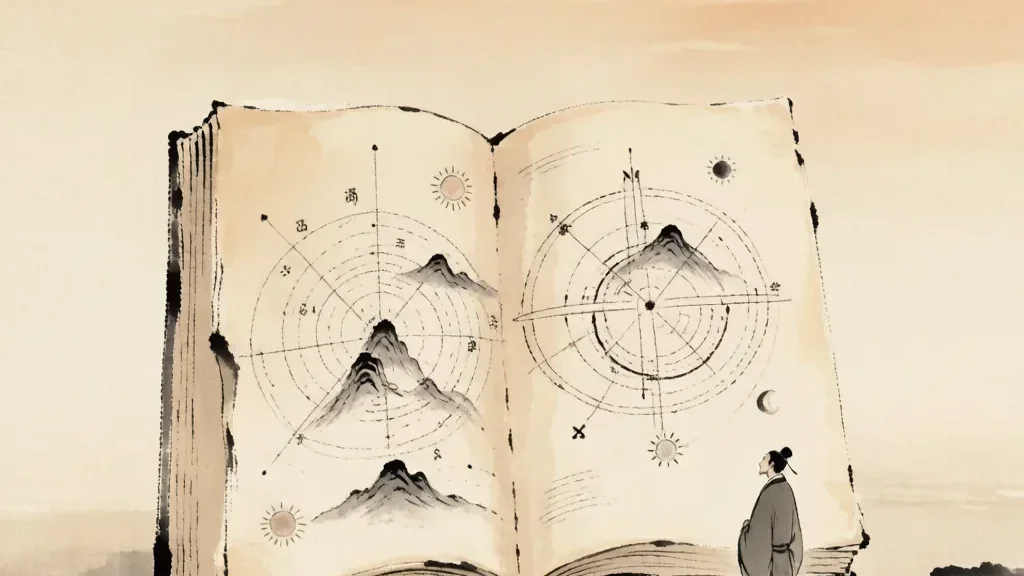
Shanhaijing
Imagine a book that is part geography, part bestiary, part mythological compendium, and part fever dream — a book that describes mountains no one has ever climbed, rivers no one has ever navigated, and creatures so strange that they seem to have crawled out of a world adjacent to our own. Such a book exists.
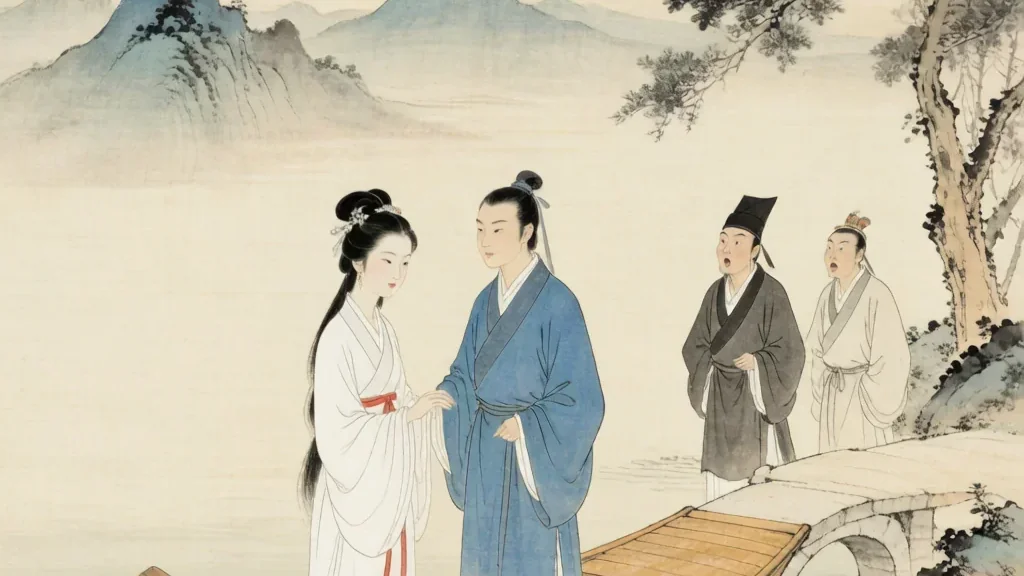
The Legend of the White Snake
Among all the stories in Chinese folklore, few have captured hearts across centuries and continents quite like the Legend of the White Snake. Recognized as one of China's "Four Great Folktales" alongside The Butterfly Lovers, The Cowherd and the Weaver Girl, and Lady Meng Jiang, this sweeping tale of forbidden love between a snake spirit and a mortal man has inspired countless operas, films, television dramas, and works of art.
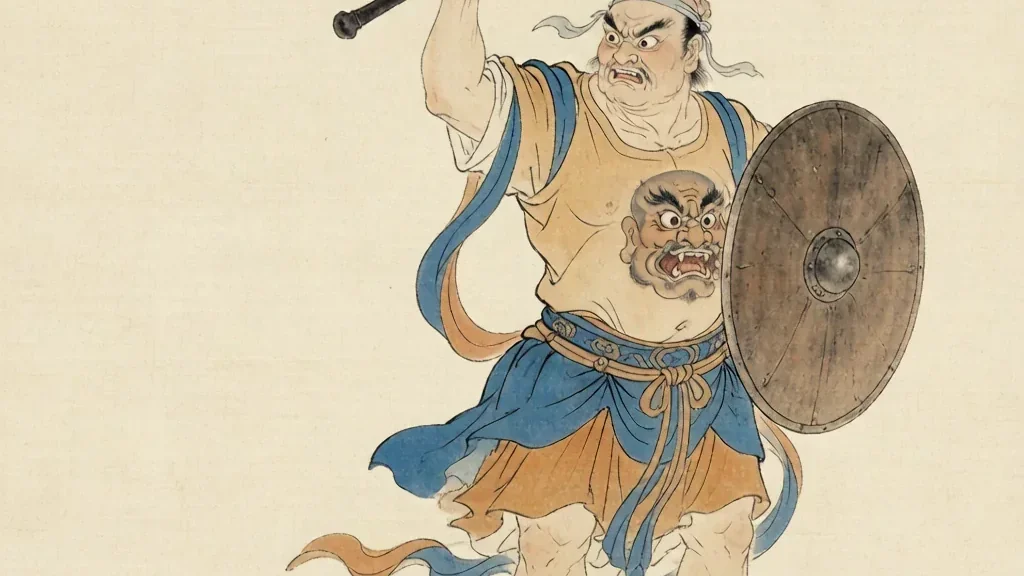
Xingtian
Of all the figures in Chinese mythology, none is as strange, as frightening, or as inspiring as Xing Tian. He is a warrior without a head.

The Dragon King: Ruler of Rivers and Seas
Beneath every river, lake, and sea, Chinese myth places a ruler of scales and storm: the Dragon King ( 龙王 — Lóngwáng ). Unlike the benevolent rain-bringers of some cultures, the Dragon King is a sovereign with a temper, a keeper of water who can drown a province or bless it with rain according to his mood and the prayers he receives.
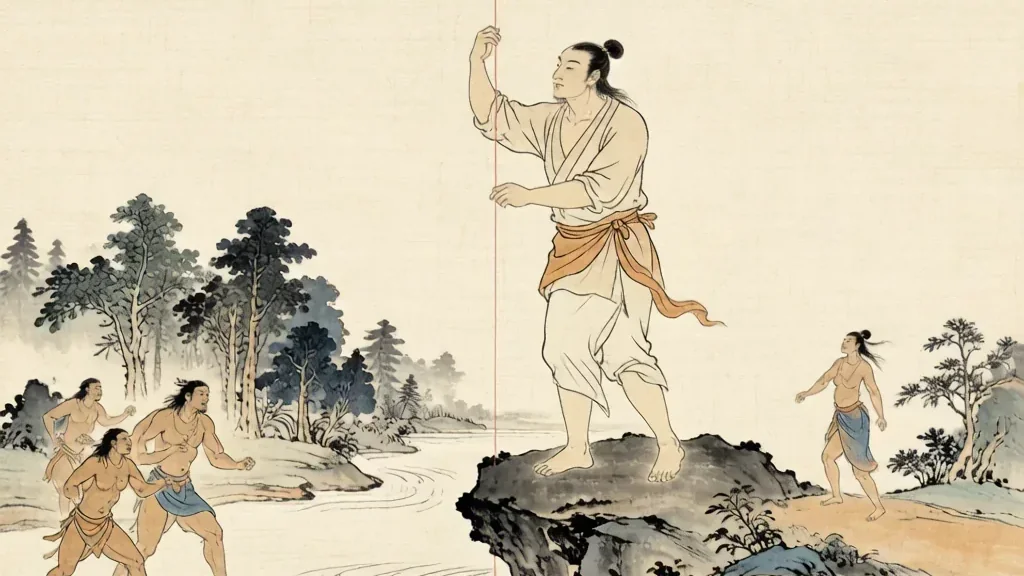
Fu Xi: The Culture Hero Who Gave Us Order
After the world was separated and the first humans wandered without order, Chinese myth tells of a hero who gave them the tools of civilization. His name is Fu Xi ( 伏羲 — Fúxī ), often called the first of the culture heroes, the one who taught people to fish with nets, to cook with fire, to keep records with written signs, and to understand the changing world through the eight trigrams.
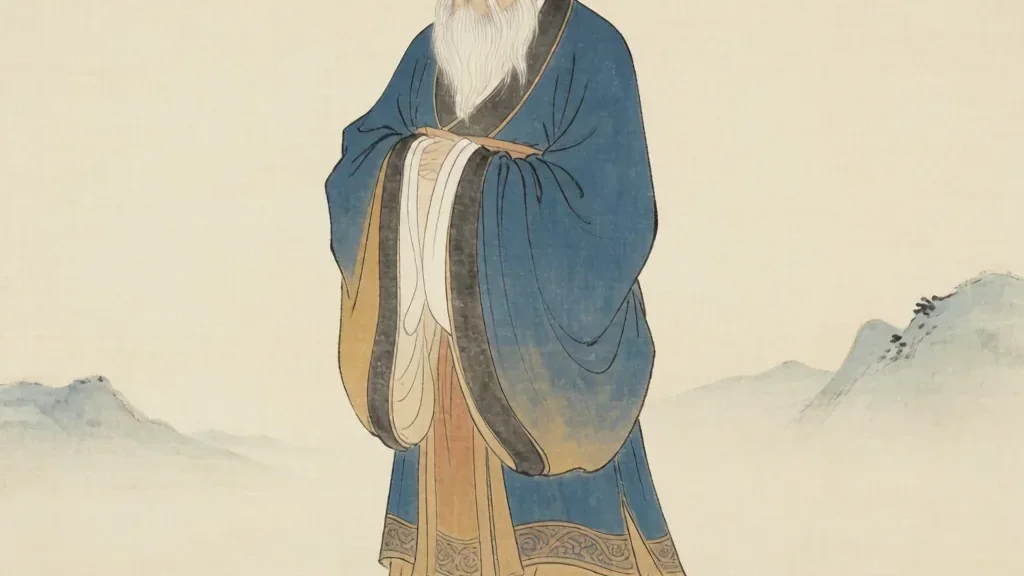
The Yellow Emperor: Ancestor of All Chinese
If there is a single human figure whom Chinese tradition calls the father of the nation, it is Huang Di ( 黄帝 — Huángdì ), the Yellow Emperor. More than a mythic king, he is the ancestor from whom the Chinese people trace their line, the sovereign who defeated the Flame Emperor, tamed a monstrous rival at Zhuolu, and presided over the invention of countless arts of civilization.

The Jade Emperor: Lord of the Heavenly Court
At the summit of the Chinese heavens sits the ruler of all gods and the judge of all affairs below: the Jade Emperor ( 玉皇大帝 — Yùhuáng Dàdì ). He is the lord of the heavenly court, the supreme administrator who receives the reports of spirits, appoints local gods, and watches over the moral order of the world.

Pangu: The Giant Who Cracked the Cosmic Egg
Before the world had shape, there was only a sleeping silence. In the beginning, according to one of the most beloved stories of Chinese mythology, the universe was not empty but whole — a single dark egg, a cloudy sphere in which all things, light and heavy, solid and fluid, were confused together like an unbroken yolk.
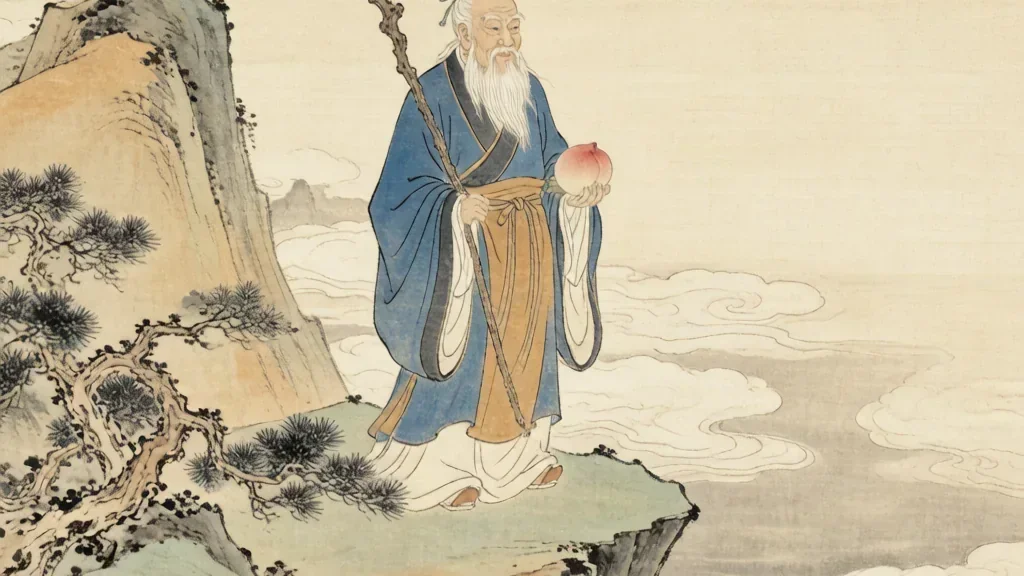
The Queen Mother of the West: Keeper of Immortality
At the farthest west, on the mountain that touches the edge of the world, Chinese myth places one of its most powerful and mysterious goddesses: the Queen Mother of the West ( 西王母 — Xīwángmǔ ). She is the keeper of the peaches of immortality, the ruler of a paradisal realm, and the mother who separates the Weaver Girl from the Cowherd.
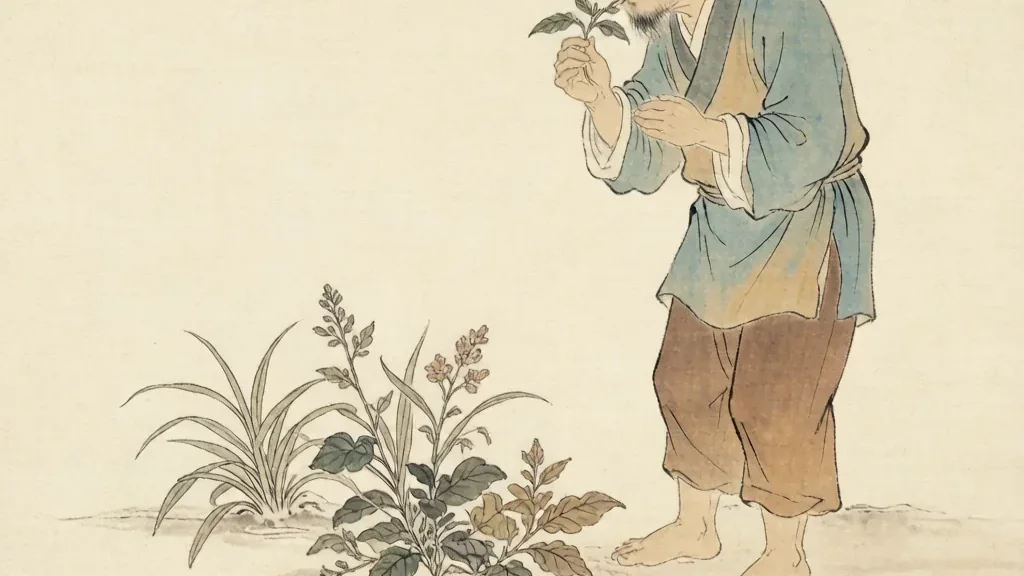
Shennong: The Farmer God Who Tasted a Hundred Herbs
Long before pharmacies and laboratories, Chinese myth tells of a ruler who learned the healing power of plants the hardest possible way: by tasting them himself. His name is Shennong ( 神农 — Shénnóng ), the Divine Farmer, the culture hero who taught people to grow grain, to trade at markets, and to tell food from poison.
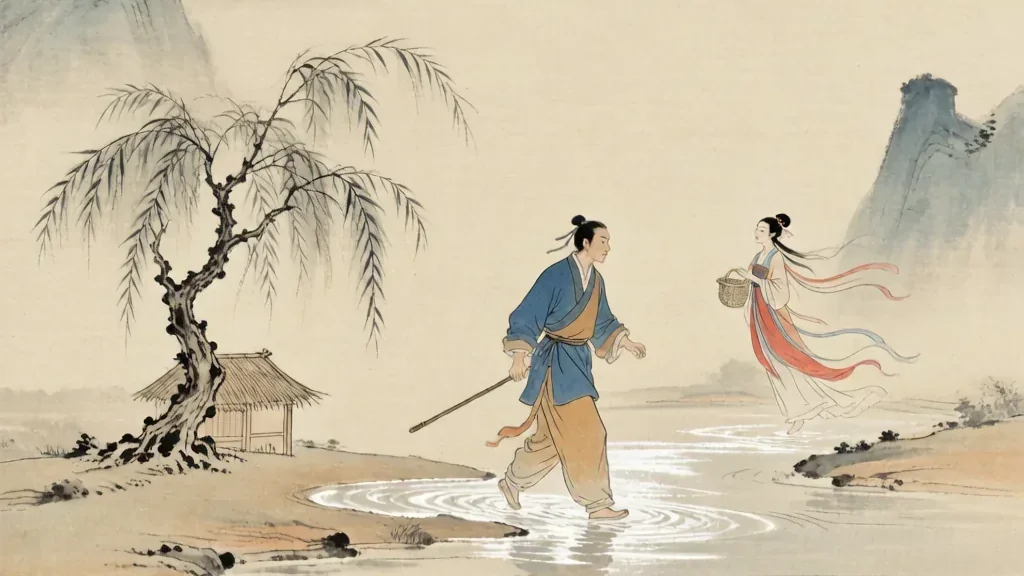
The Cowherd: The Mortal Who Loved a Star
On the earth side of the Silver River stands the other half of China's most famous love story: Niulang , the Cowherd ( 牛郎 — Niúláng ), the star Altair. Unlike the Weaver Girl, he is no princess but a poor orphan who tends cattle for a living, a humble man whose only friend is his wise old ox.
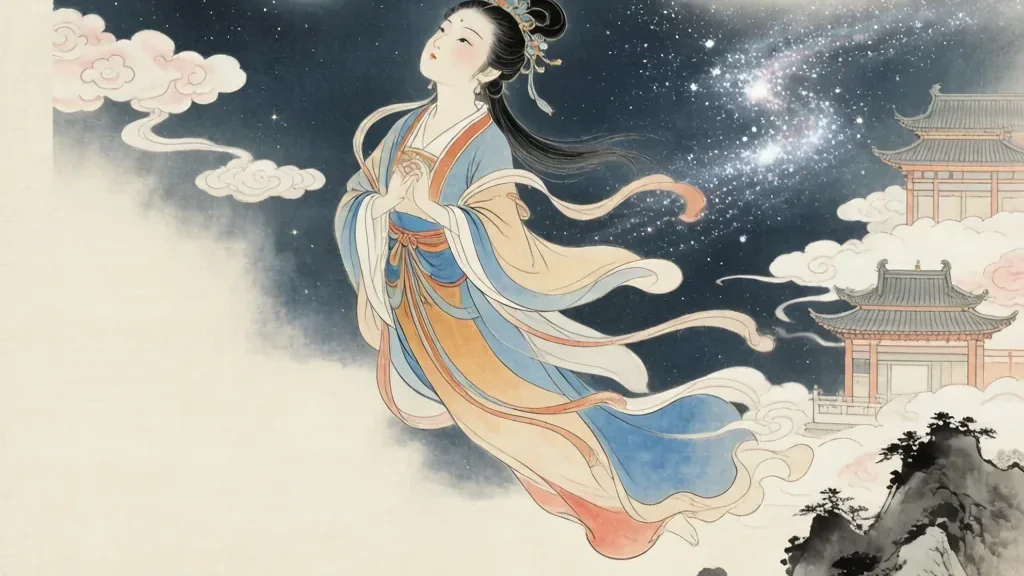
The Weaver Girl: The Star Who Longed for Earth
High above the summer sky, where the Milky Way flows like a silver river, Chinese legend places a weaver who longed for the earth. She is Zhiniang , the Weaver Girl ( 织女 — Zhīnǚ ), daughter of the Queen Mother of the West and the celestial seamstress who spins the clouds and the very fabric of the heavens.
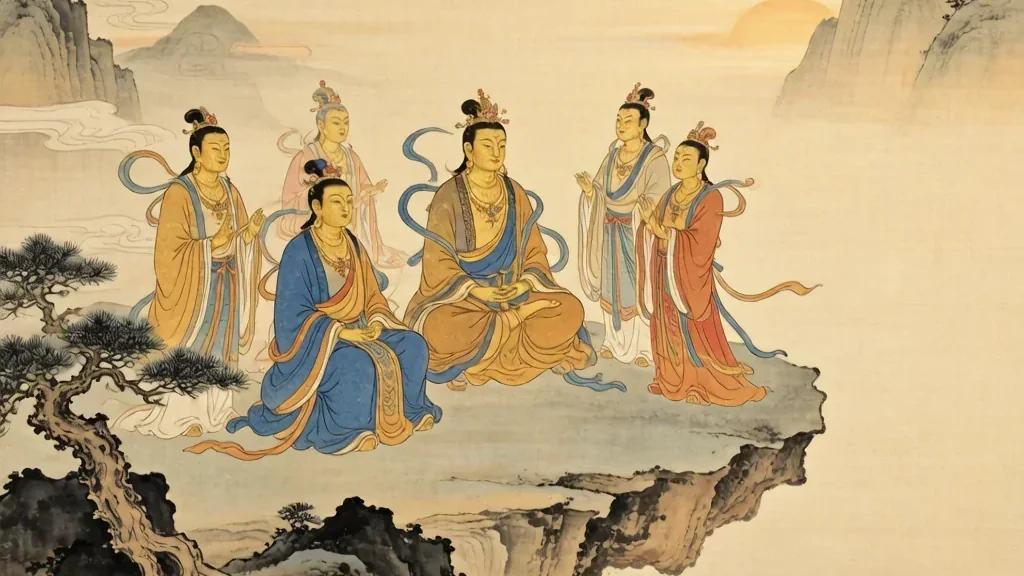
The Three Sovereigns: Demigods of the Dawn
Before dynasties, before emperors, Chinese myth places a golden age of godlike rulers who gave humanity its first tools and laws. These are the Three Sovereigns ( 三皇 — Sānhuáng ), the demigods of the dawn who taught people to survive, to count, to heal, and to live in order.

Yan Di: The Flame Emperor of the South
Fire is the first technology, and in Chinese myth the ruler who commands it is Yan Di ( 炎帝 — Yándì ), the Flame Emperor of the South. Often identified with the Divine Farmer Shennong, Yan Di is a figure of warmth, growth, and the southern reaches of the world.
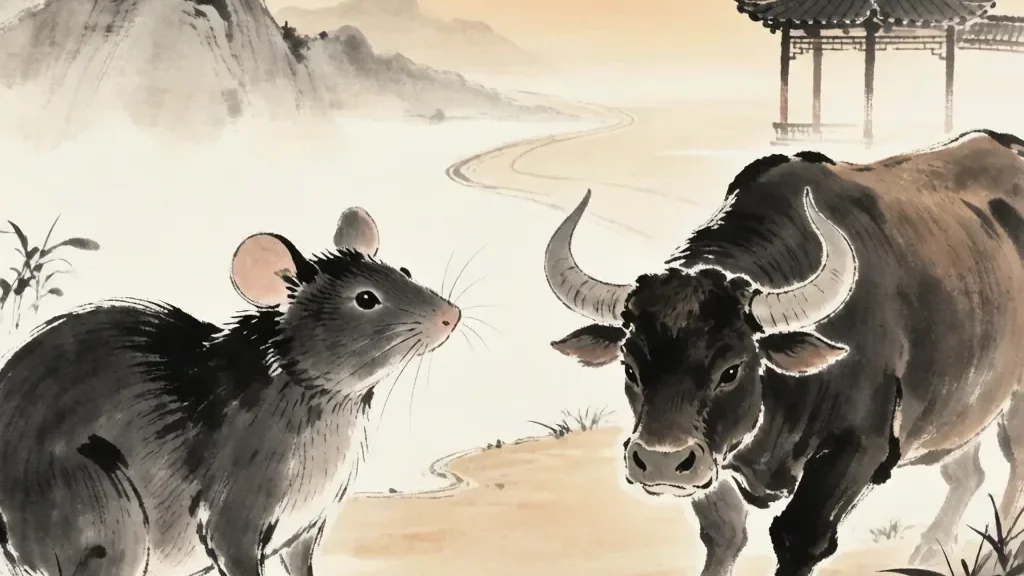
How the Zodiac Was Born: The Great Race
Why does the Year of the Rat come before the mighty Ox, and why is the Cat absent while the Pig trails last? Chinese tradition answers with one of its most charming tales: the story of the Great Zodiac Race ( 生肖起源 — Shēngxiào Qǐyuán ).
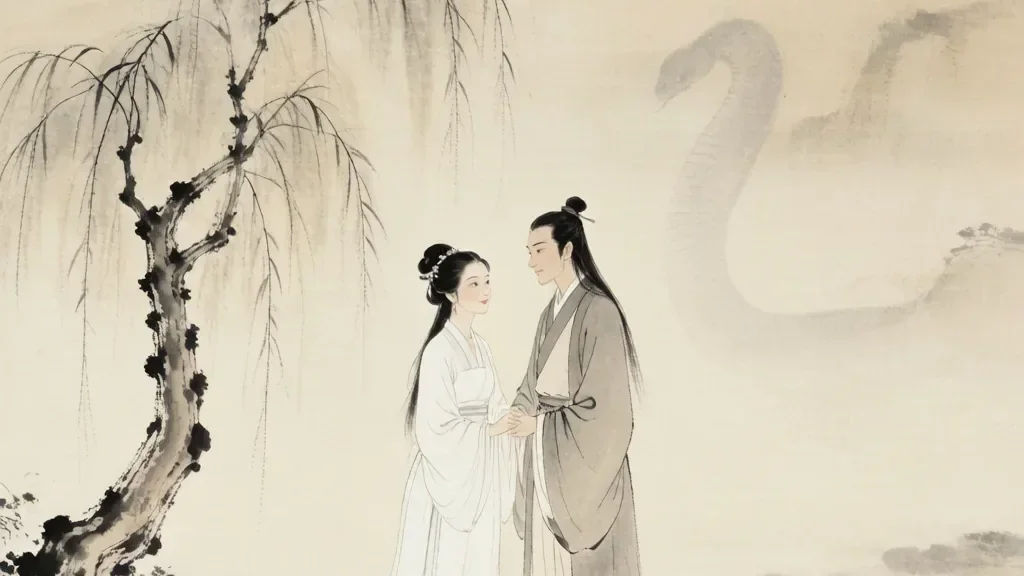
The White Snake: The Immortal Love of Lady White
The Legend of the White Snake (白蛇传) is the romance of Lady White, a snake spirit who loves a mortal and is imprisoned by a monk beneath the Leifeng Pagoda.
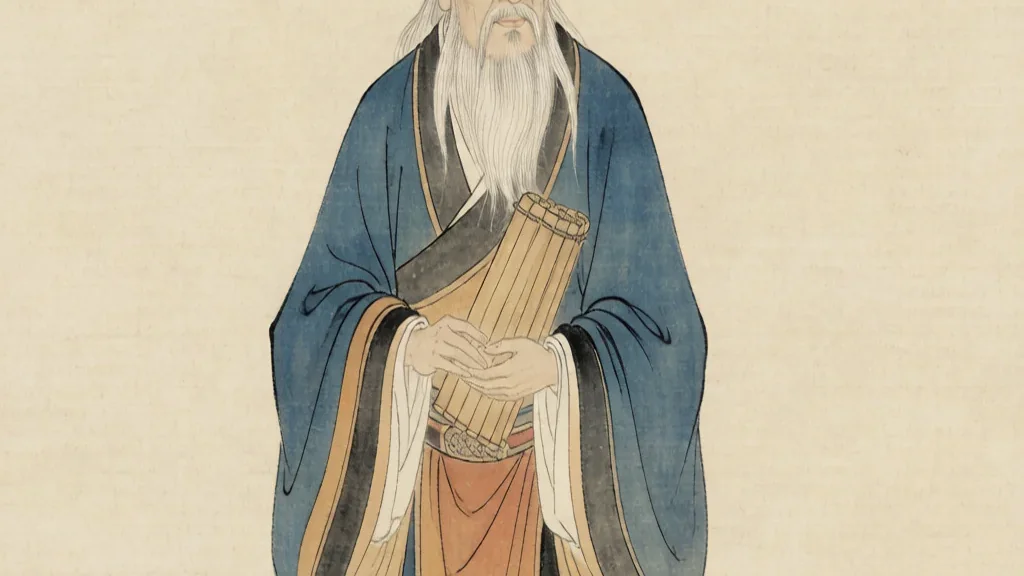
Cangjie: The Man Who Stole Writing from the Gods
Cangjie (仓颉) is the minister who invented Chinese writing after witnessing the tracks of birds and beasts — and made the ghosts weep.
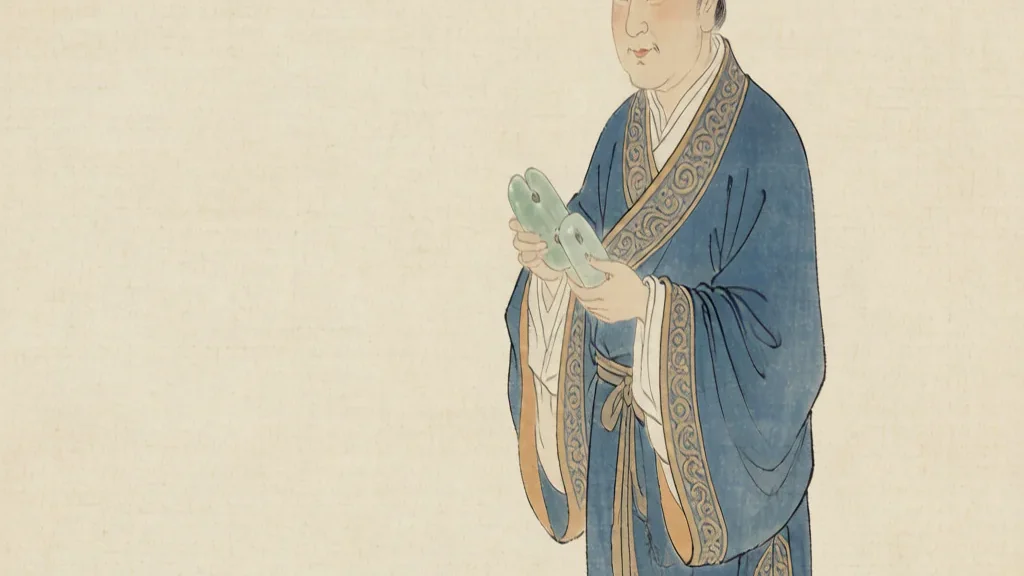
Cao Guojiu: The Royal Uncle of the Eight Immortals
Cao Guojiu is the royal uncle among the Eight Immortals, a statesman who turned to Daoism and is shown with castanets and a court tablet.

Changxi: The Moon Goddess Who Birthed the Stars
Changxi is the moon goddess who bore the twelve moons — the consort who sets the lunar count in myth.
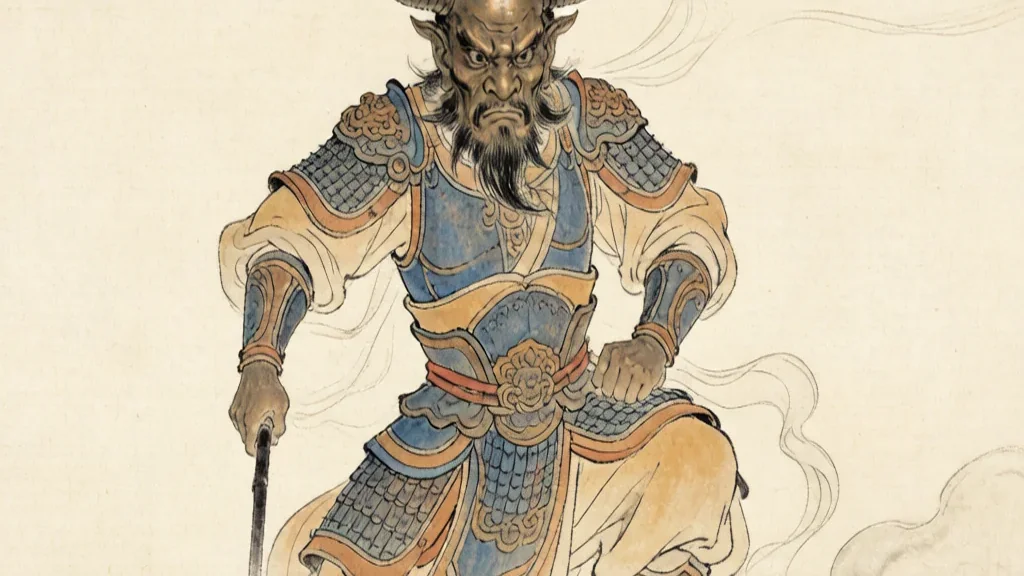
Chi You: The God of War Who Fought the Yellow Emperor
Chi You (蚩尤) is the god of war who fought the Yellow Emperor for the world and, though defeated, became the patron of warriors.
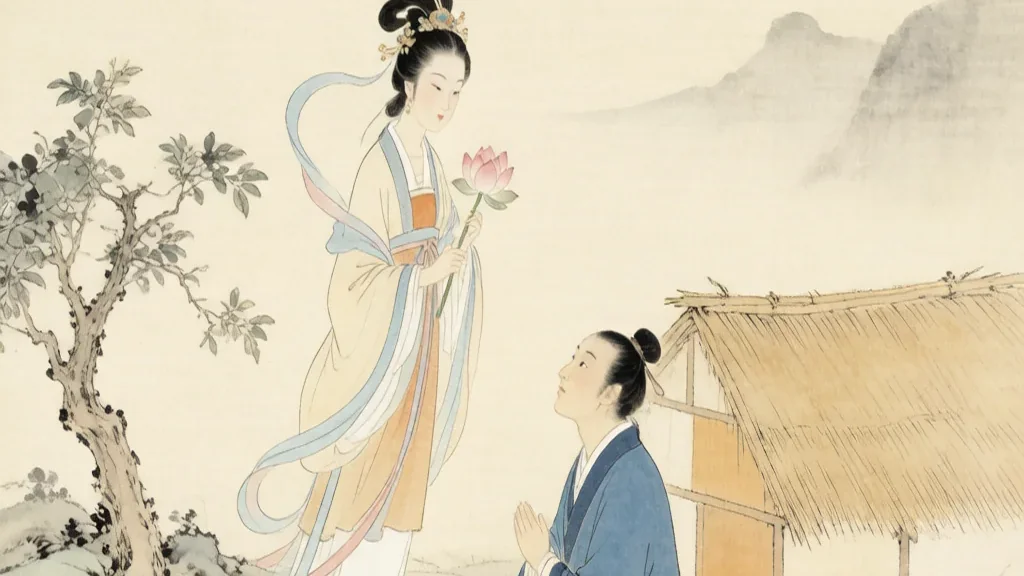
Dong Yong: The Filial Son Who Married a Fairy
Dong Yong is the filial son who sold himself into servitude and was rewarded with a fairy wife who wove for him, a tale of piety repaid.
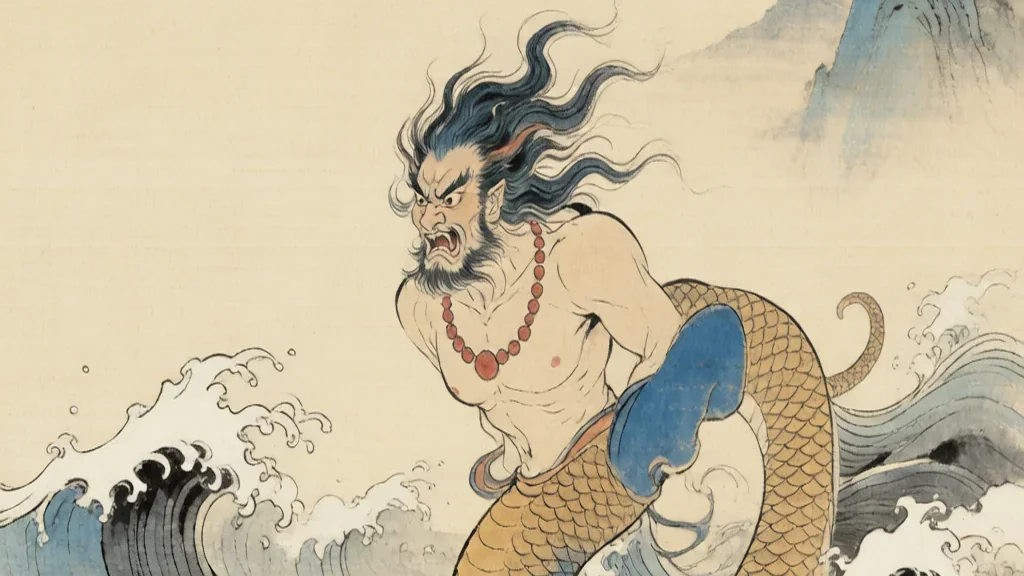
Gong Gong: The Water God Who Broke the Pillars of Heaven
Gong Gong is the water god who, in rage at his defeat, smashed the pillars of heaven and tilted the sky — explaining the rivers' eastward flow.
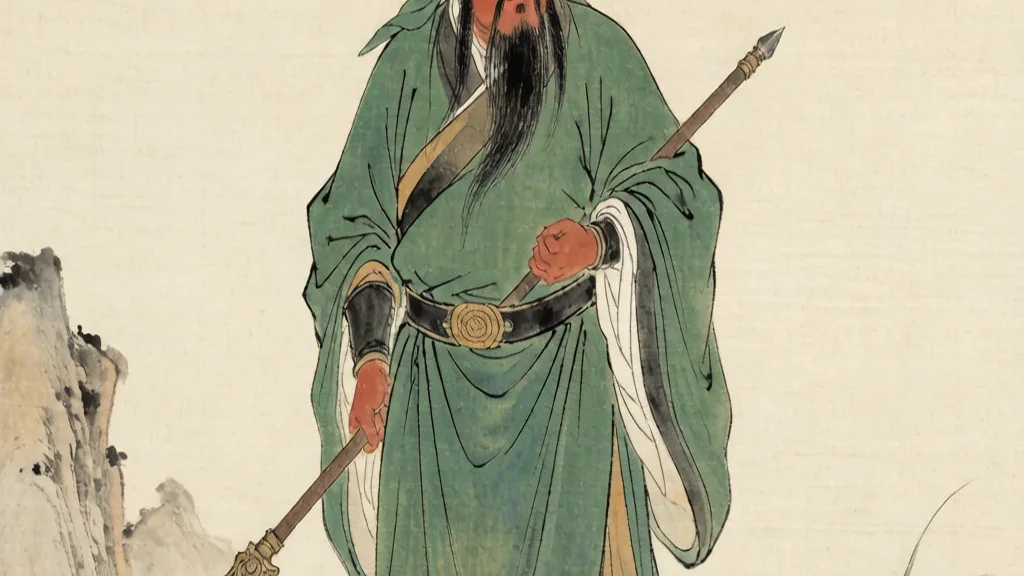
Guan Yu: The God of Loyalty
Guan Yu (关羽) is the god of loyalty and war, the red-faced general of the Three Kingdoms deified as Guan Di, patron of oaths and brotherhood.
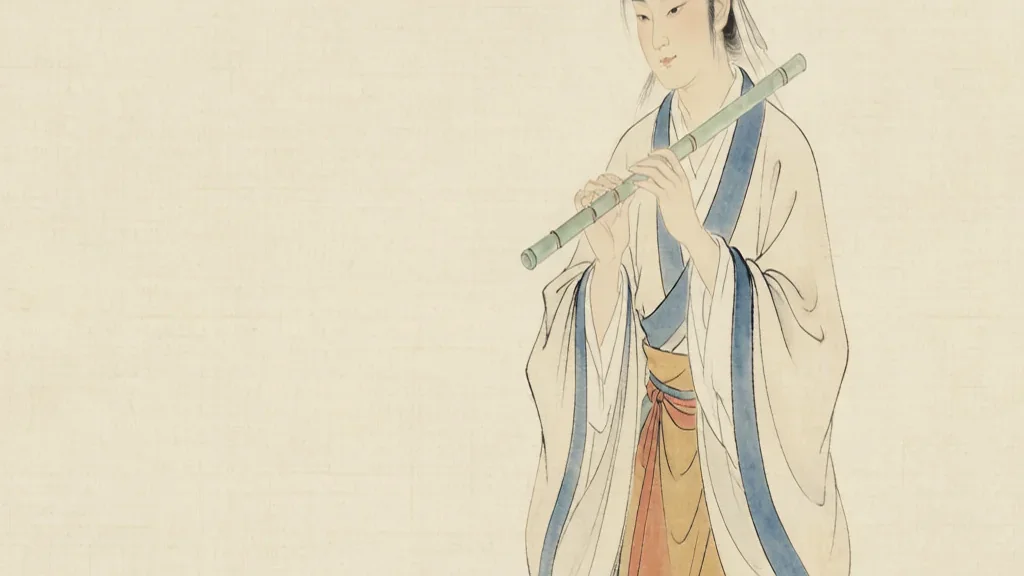
Han Xiangzi: The Flute of the Eight Immortals
Han Xiangzi is the flute-playing immortal of the Eight, a poet-youth who preferred music and freedom to office.

He Xiangu: The Only Woman of the Eight Immortals
He Xiangu is the only woman among the Eight Immortals, shown with a lotus and a peach, the maiden of purity and longevity.
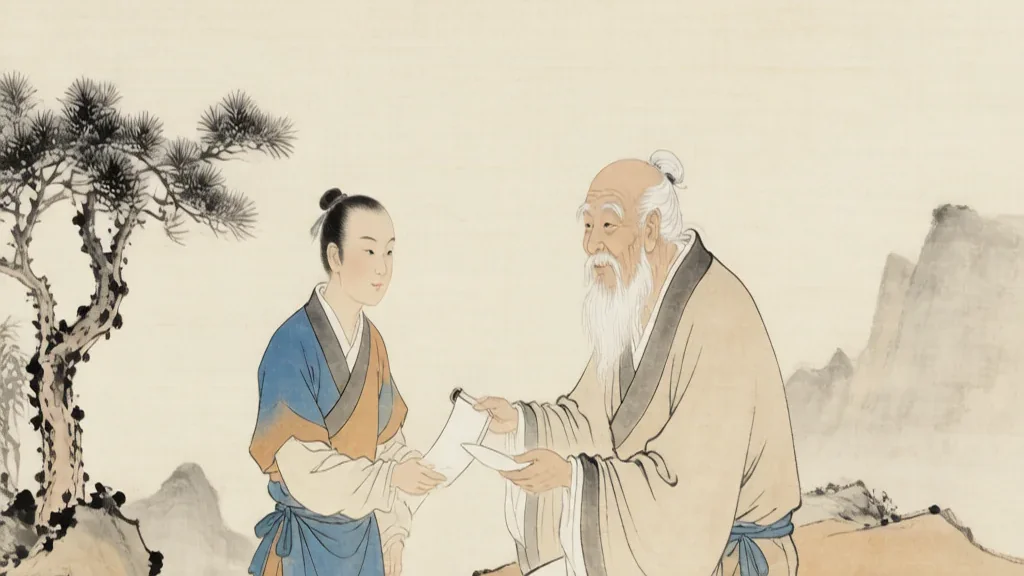
The Yellow Stone Elder: The Daoist Who Tested Zhang Liang
The Yellow Stone Elder (黄石公) is the Daoist sage who tested and tutored Zhang Liang, giving him the book that made him a strategist.
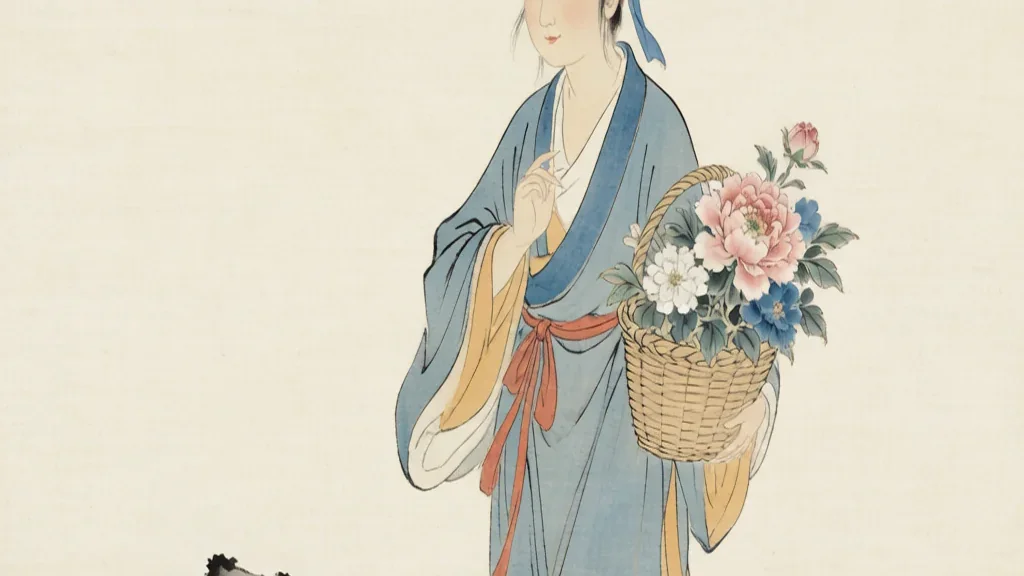
Lan Caihe: The Street Singer of the Eight Immortals
Lan Caihe is the androgynous street singer of the Eight Immortals, a wandering minstrel in rags and flowers.

Li Tieguai: The Iron Crutch of the Eight Immortals
Li Tieguai is the Iron-Crutch immortal, a lame beggar whose soul travels while his body waits — and once returned to the wrong corpse.
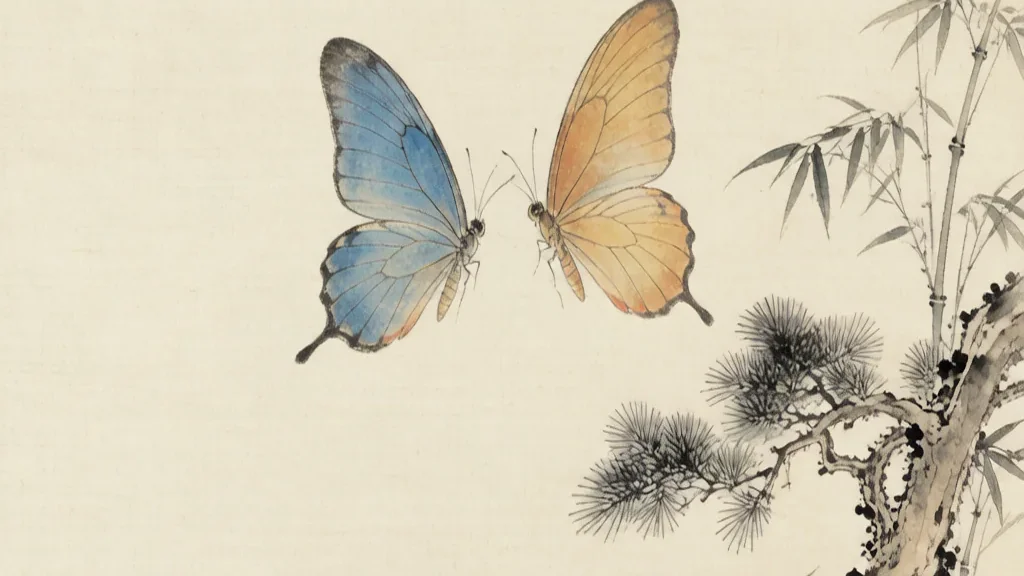
The Butterfly Lovers: A Love That Defied Death
The Butterfly Lovers (梁祝) is the tragedy of Zhu Yingtai and Liang Shanbo, two lovers who unite at last as butterflies.
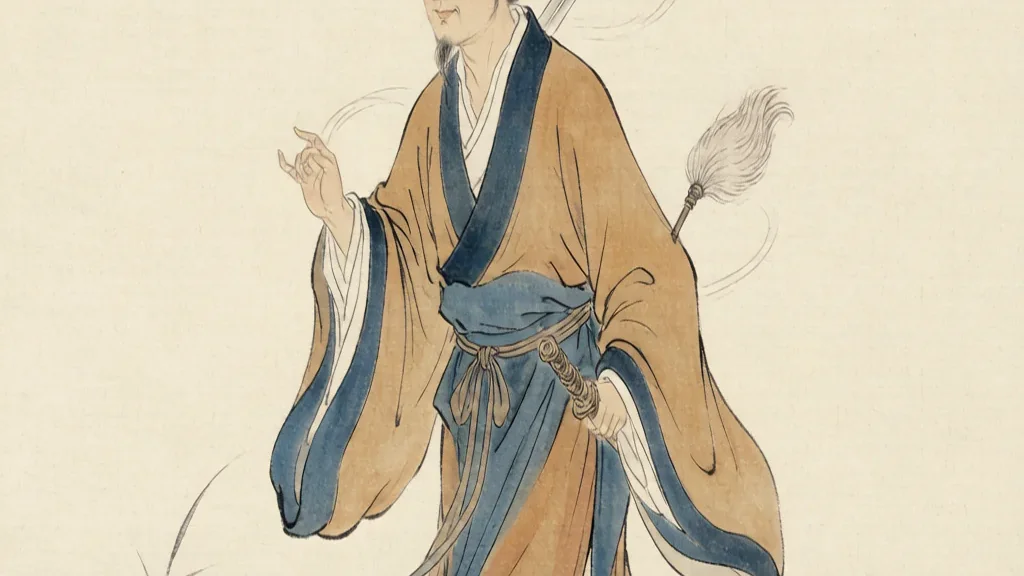
Lu Dongbin: The Leader of the Eight Immortals
Lu Dongbin is the swordsman-leader of the Eight Immortals, a scholar-knight who wields a sword against evil and desire.

Meng Jiangnu: The Wife Who Wept Down the Great Wall
Meng Jiangnu is the wife whose tears collapsed the Great Wall to reveal her husband's bones — a lament against forced labor.
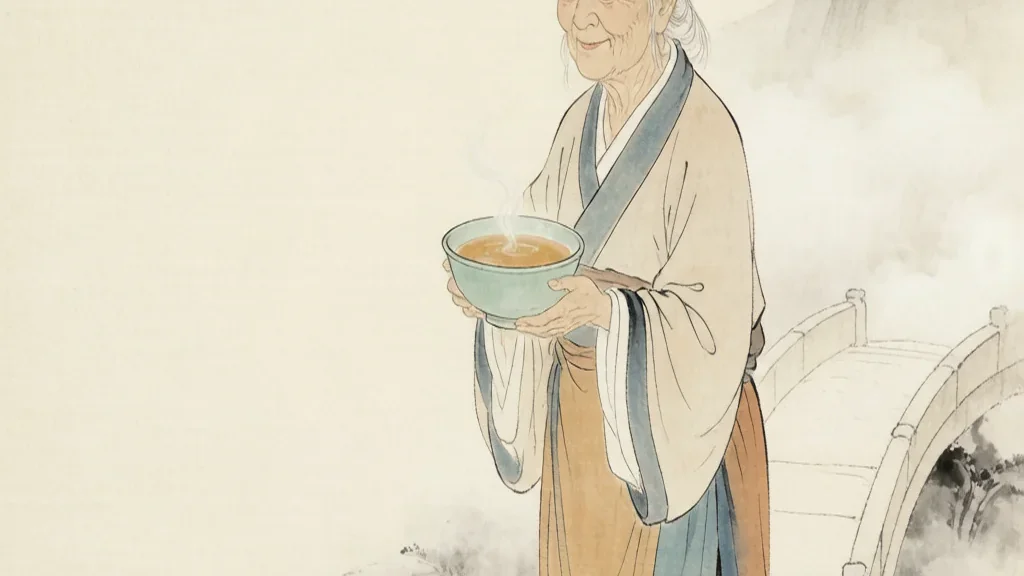
Meng Po: The Woman Who Makes the Soup of Forgetfulness
Meng Po is the old woman at the underworld's bridge who serves the soup of forgetfulness, so the reborn lose their past lives.
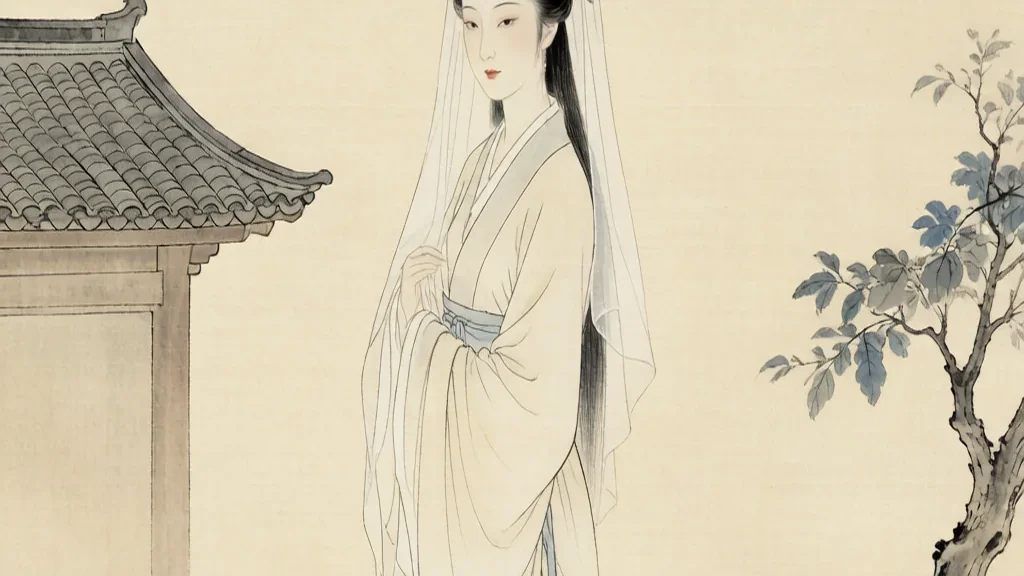
Nie Xiaoqian: The Ghost Who Found Love
Nie Xiaoqian is the ghost who, with the scholar Ning, finds love and salvation — the most famous specter of Chinese folklore.

The Cowherd: The Mortal Who Loved an Immortal
The Cowherd (牛郎) is the mortal youth separated from his weaver-girl lover by the Heavenly River — the stars of the Qixi festival.
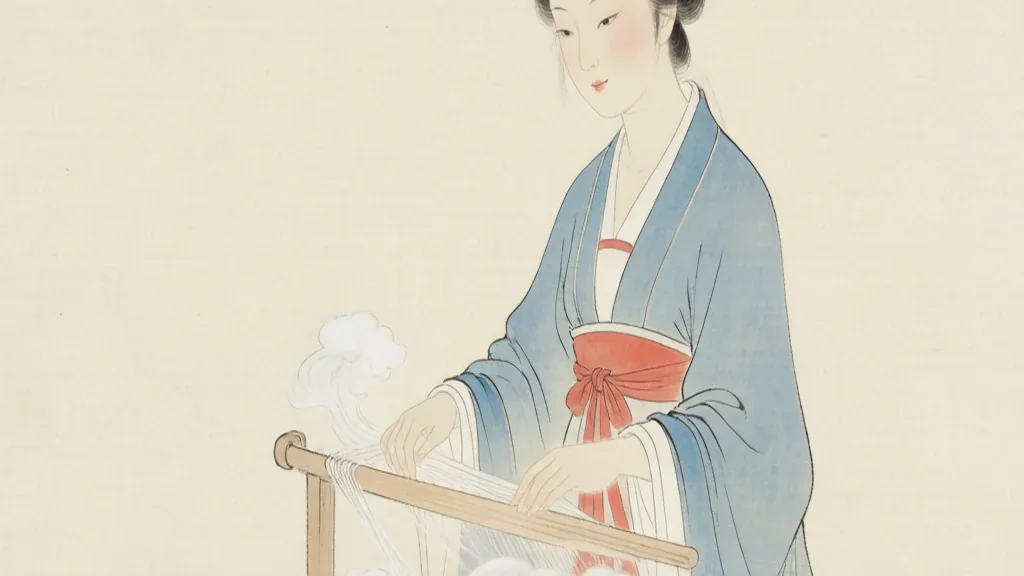
The Weaver Girl and the Cowherd: A Love Across the Milky Way
The Weaver Girl (织女) is the celestial maid who weaves the clouds and loves the Cowherd — the other half of the Qixi star myth.
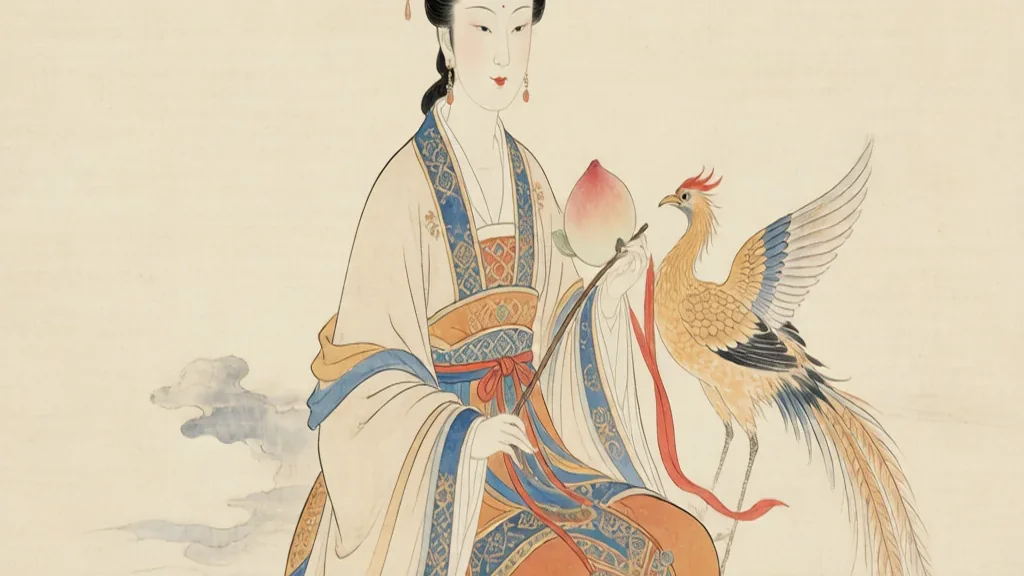
The Queen Mother of the West: The Goddess of Immortality
The Queen Mother of the West (西王母) is the goddess of immortality who keeps the peaches of long life in her Kunlun garden.
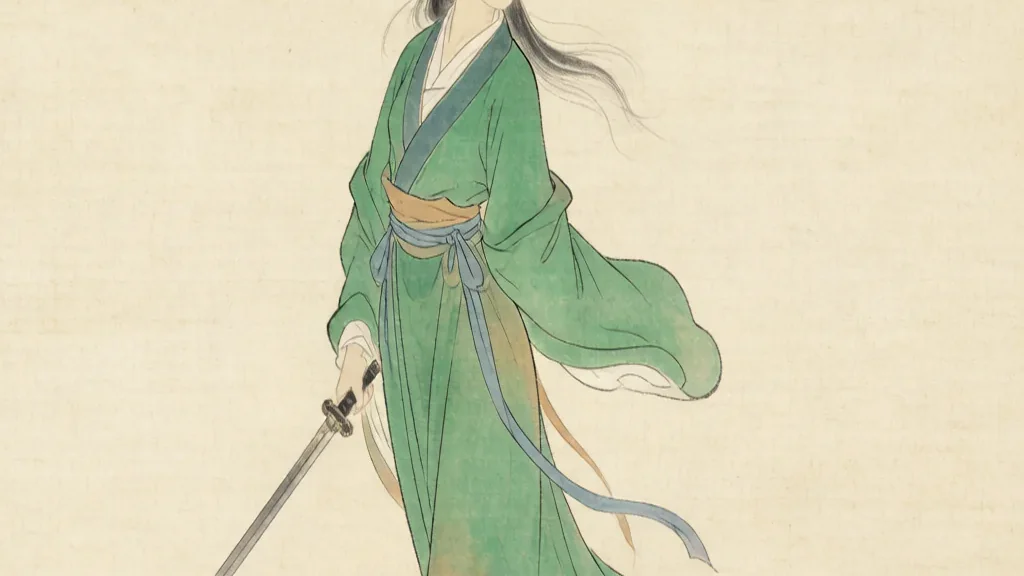
Xiao Qing: The Green Snake of the West Lake Legend
Xiao Qing is the green snake maiden, the loyal companion of Lady White in the Legend of the White Snake.

Xihe: The Sun Goddess Who Drove the Chariot of Day
Xihe is the sun goddess who drove the chariot of the ten suns across the sky each day.
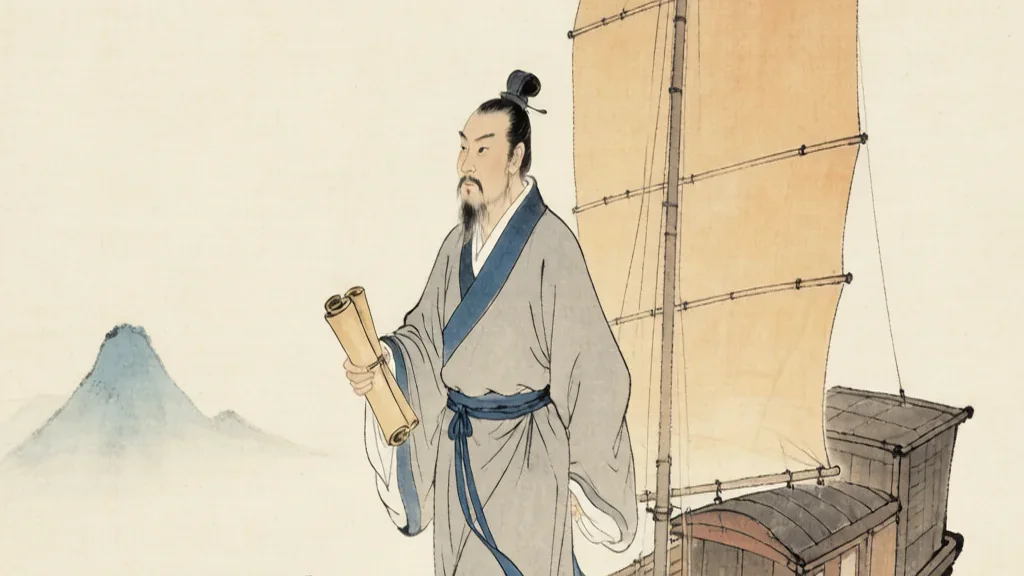
Xu Fu: The Explorer Who Searched for the Elixir of Life
Xu Fu is the Qin court magician who sailed east with boys and girls to find the elixir of immortality — and never returned.
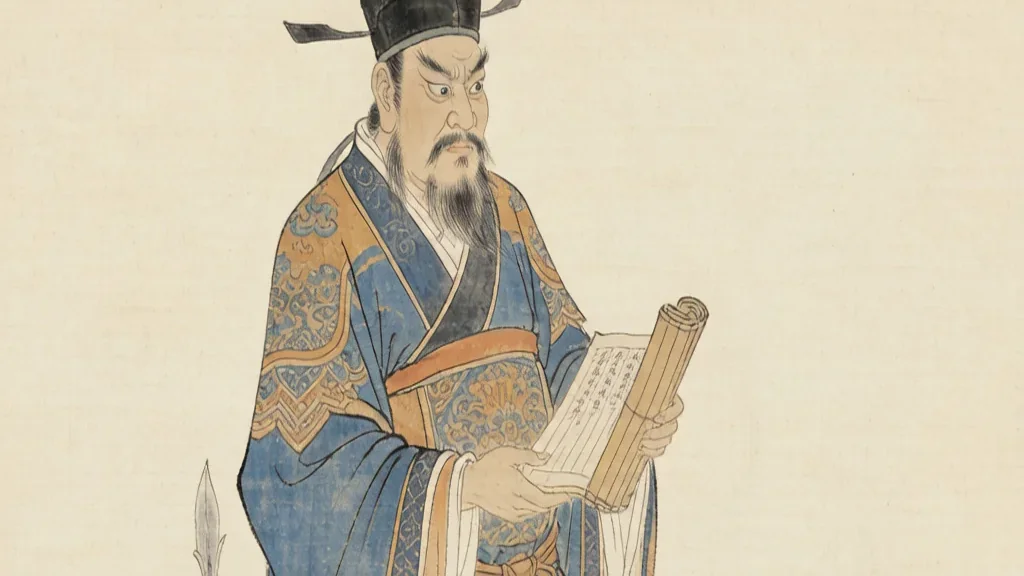
King Yan: The Judge of the Dead in Chinese Hell
King Yan (阎王) is the judge of the dead in Chinese hell, who weighs each soul's life and decrees its next fate.
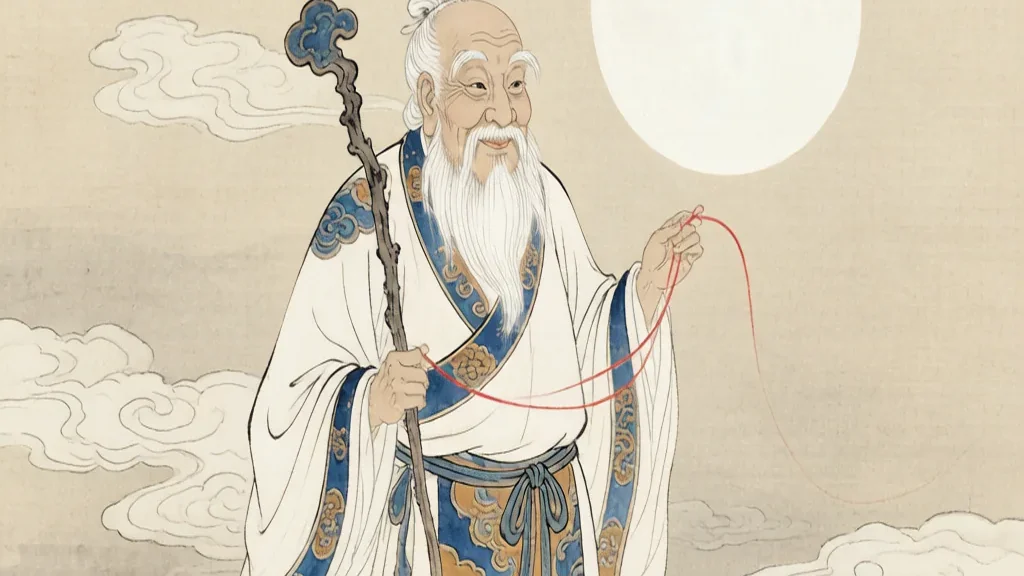
Yue Lao: The Old Man of the Moon Who Ties the Red Thread
Yue Lao (月老) is the Old Man of the Moon who ties the red thread between destined spouses — the god of marriage.
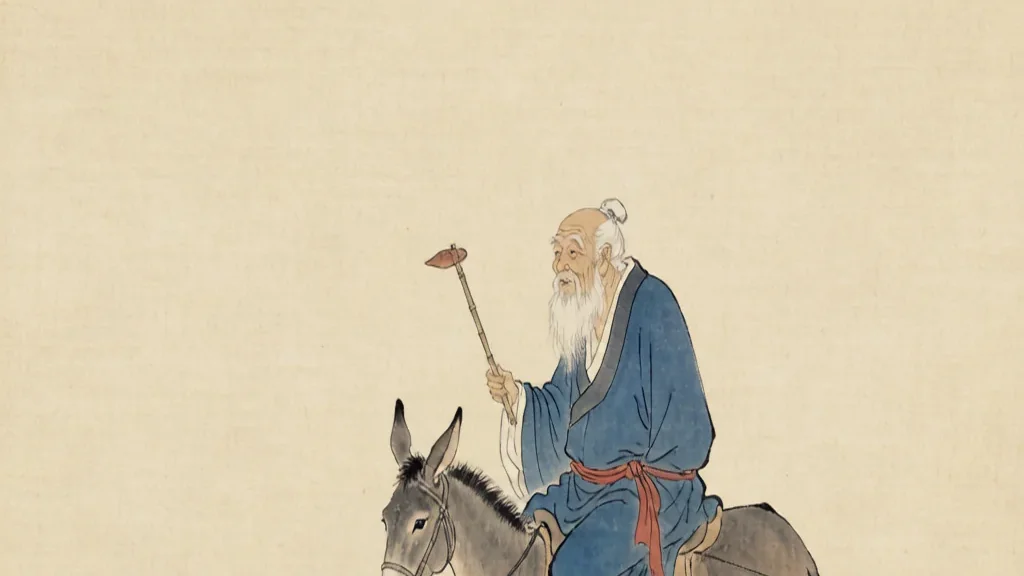
Zhang Guolao: The Old Man on the Donkey of the Eight Immortals
Zhang Guolao is the Eight Immortals' old man who rides a white donkey backward — and folds the donkey away when done.
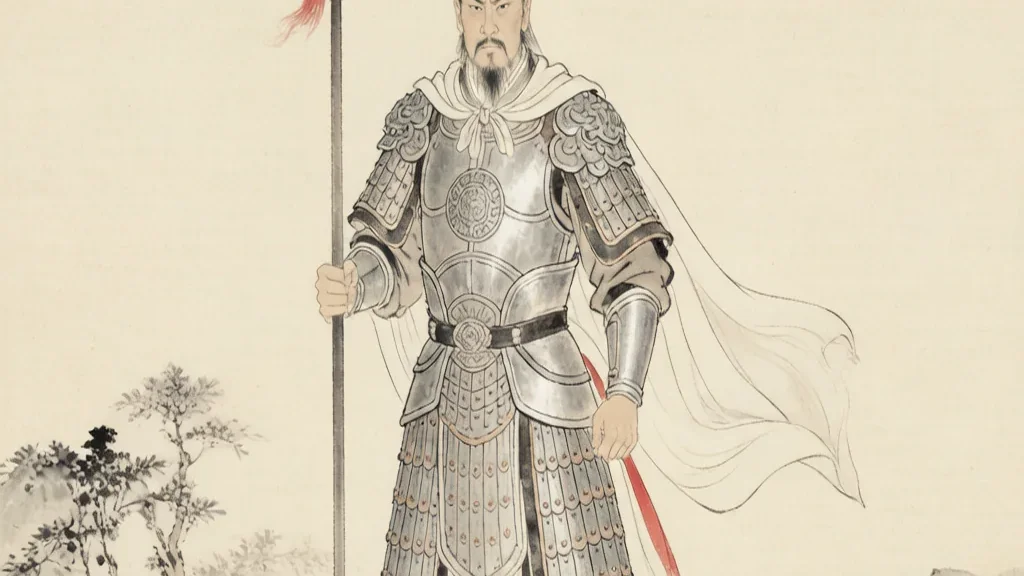
Zhao Yun: The Warrior of the Three Kingdoms
Zhao Yun is the peerless warrior of the Three Kingdoms, the white-robed general famed for saving his lord's heir at Changban.
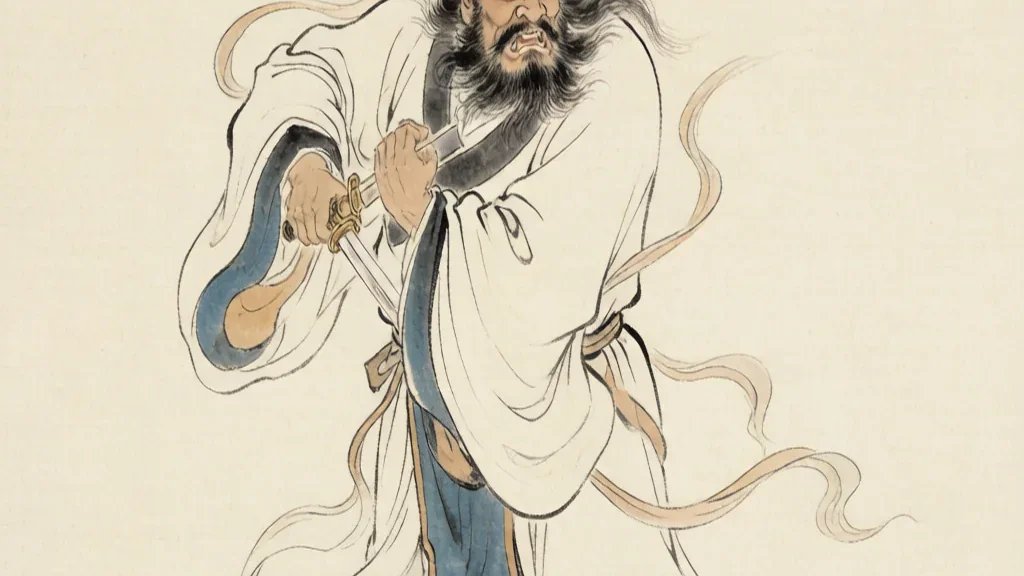
Zhong Kui: The Demon Queller of Chinese Folklore
Zhong Kui is the demon queller, the scorned scholar who became the ghost-king that households hang at New Year to ward evil.
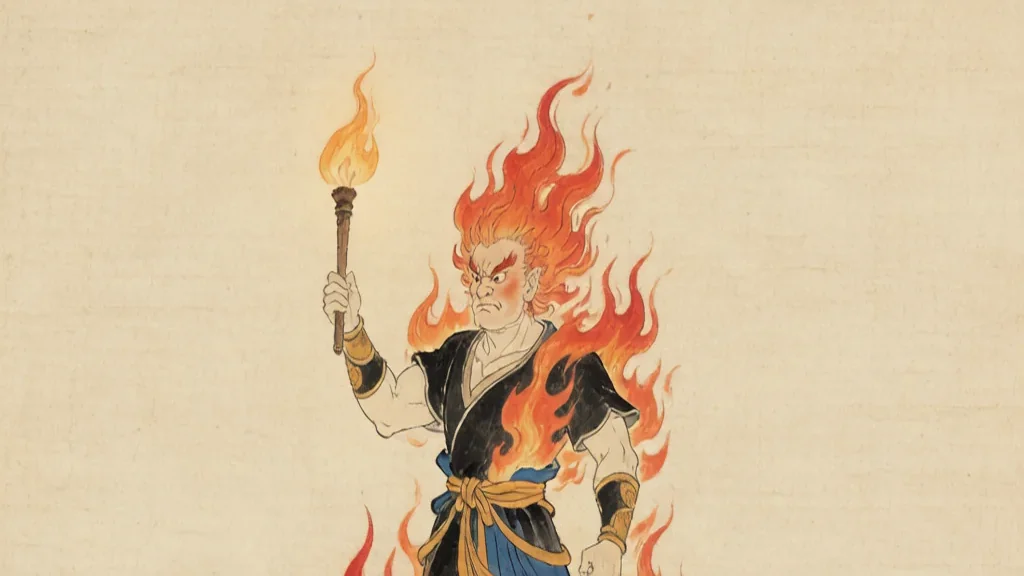
Zhurong: The Fire God Who Lit the World
Zhurong is the fire god who lit the world, the southern deity of flame and the human who brought fire to people.