🎨 Arts & Crafts
59 articles — Porcelain, silk, calligraphy, and painting
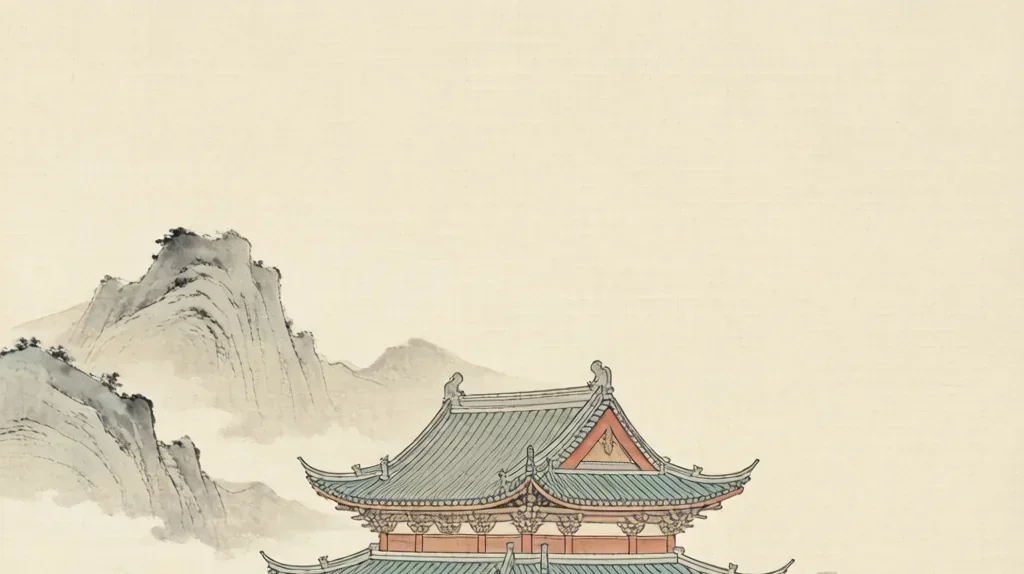
Classical Chinese Architecture: Wood, Harmony, and Heaven
Walk through the great entrance gate of any classical Chinese building complex, and you will notice something remarkable: the world organizes itself around you. To your left and right, buildings balance each other in perfect symmetry.
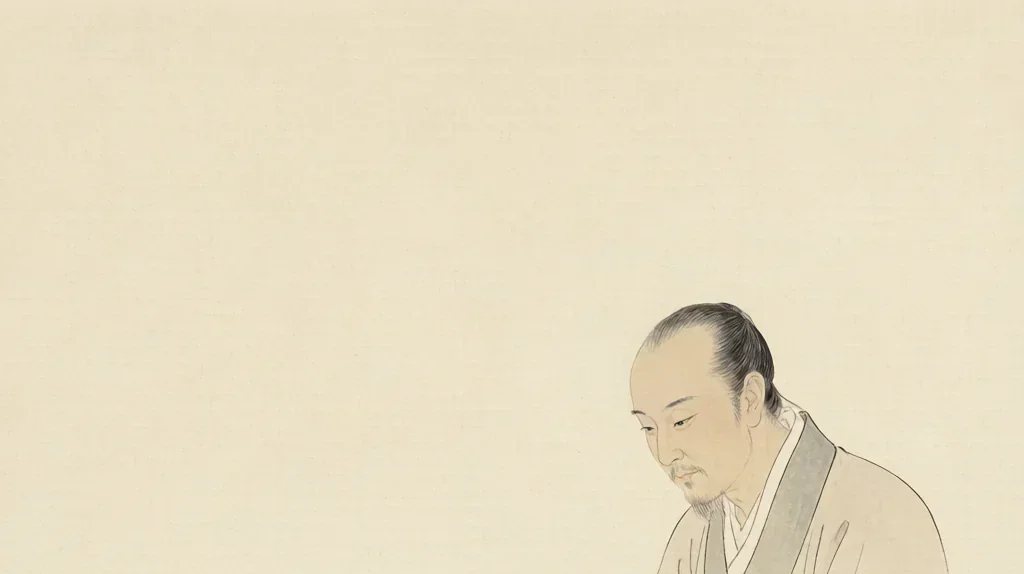
Chinese Painting: Mountains, Water, and Spirit
Step into a world where mountains breathe, water flows with meaning, and a single brushstroke can capture the soul of a plum blossom. This is the world of Chinese painting — guohua (国画), literally "national painting" — an art form that has flourished for over two thousand years and remains one of humanity's most profound visual traditions.
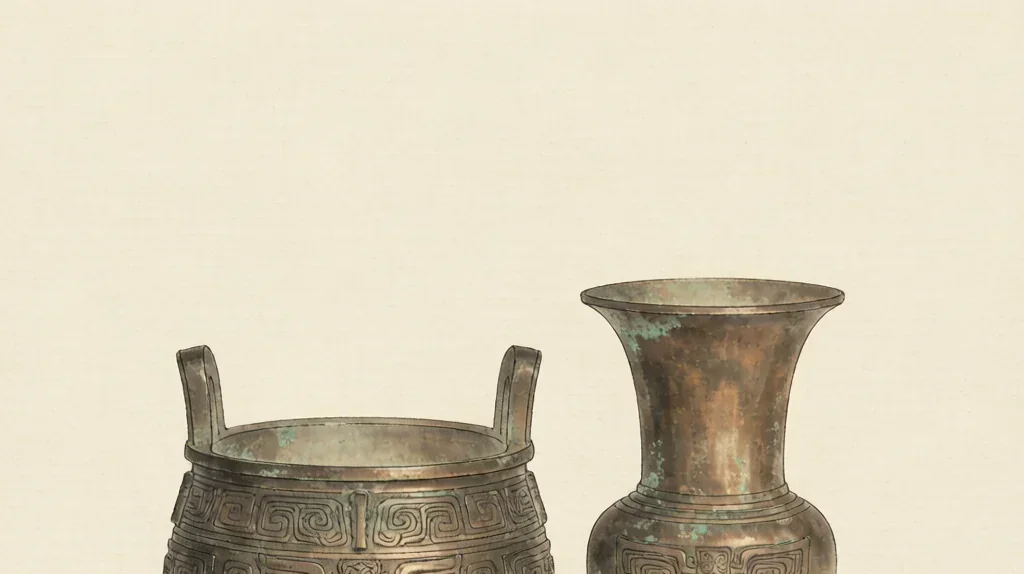
Chinese Bronzes: Ritual Vessels of Power
Imagine a vessel so important that owning it meant you could speak to heaven. Imagine a cauldron so powerful that possessing it legitimized an entire dynasty.
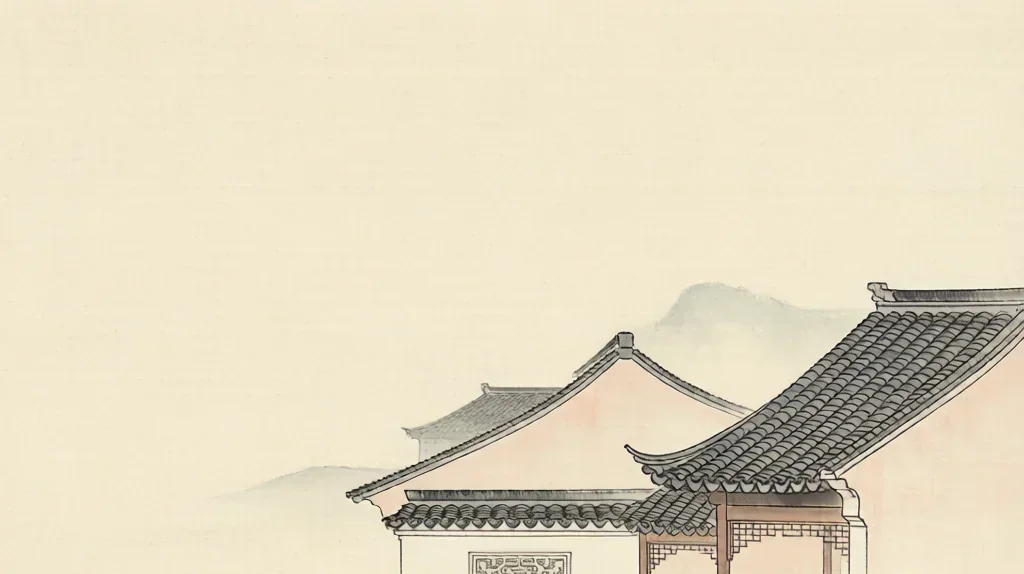
Suzhou Gardens: Heaven on Earth
There is an old Chinese saying: "In heaven there is paradise; on earth, Suzhou and Hangzhou" (上有天堂,下有苏杭). For over a thousand years, the city of Suzhou, located in the lush Yangtze River delta west of Shanghai, has been synonymous with refinement, culture, and beauty.
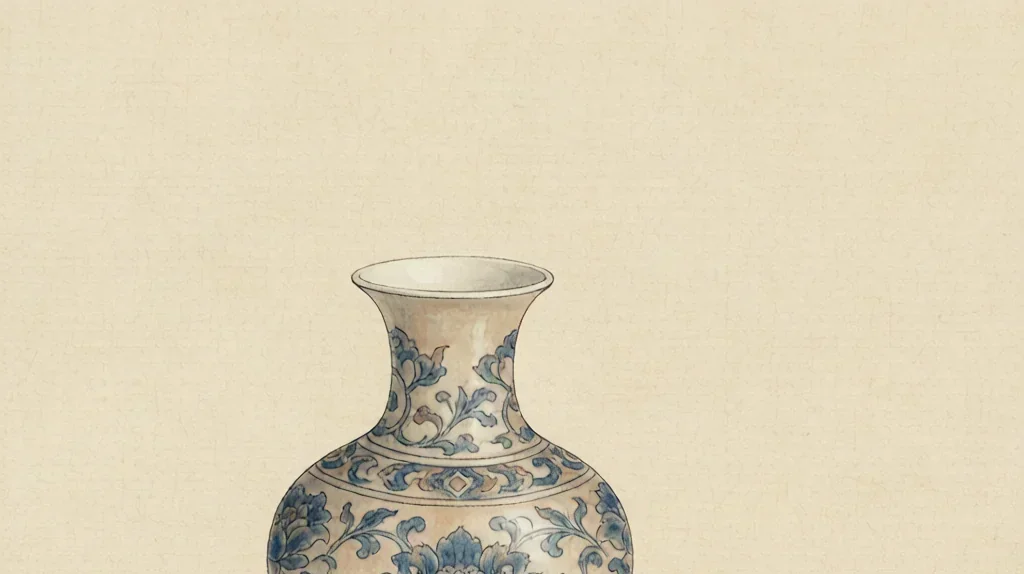
Chinese Ceramics: From Clay to Imperial Treasure
Few human inventions are as universal and yet as culturally distinctive as ceramics. Every civilization has made pottery, but only one culture gave its name to the finest ceramic product the world has ever known.

Chinese Jade: Stone of Heaven
No material is more deeply woven into the fabric of Chinese civilization than jade. Gold, silver, and diamonds have all been treasured at various points in Chinese history, but only jade has been continuously revered for eight millennia .

Paper and Printing: How China Changed Knowledge Forever
Before paper, knowledge was heavy. In the West, scribes scratched letters onto clay tablets or scraped the skins of sheep and calves to make parchment — a single Bible required the hides of approximately 300 animals .

Compass and Gunpowder: Tools of Discovery
Two of humanity's most world-altering inventions share an unlikely birthplace: ancient China. One guided ships across trackless oceans, enabling global exploration and trade.

Bamboo Carving
The scholar's desk in old China held few things, but one was almost always there: a segment of bamboo carved with a poem, a figure, or a scene, its surface glowing from decades of handling. This is 竹雕 ( zhú diāo ), bamboo carving, the gentleman's craft.
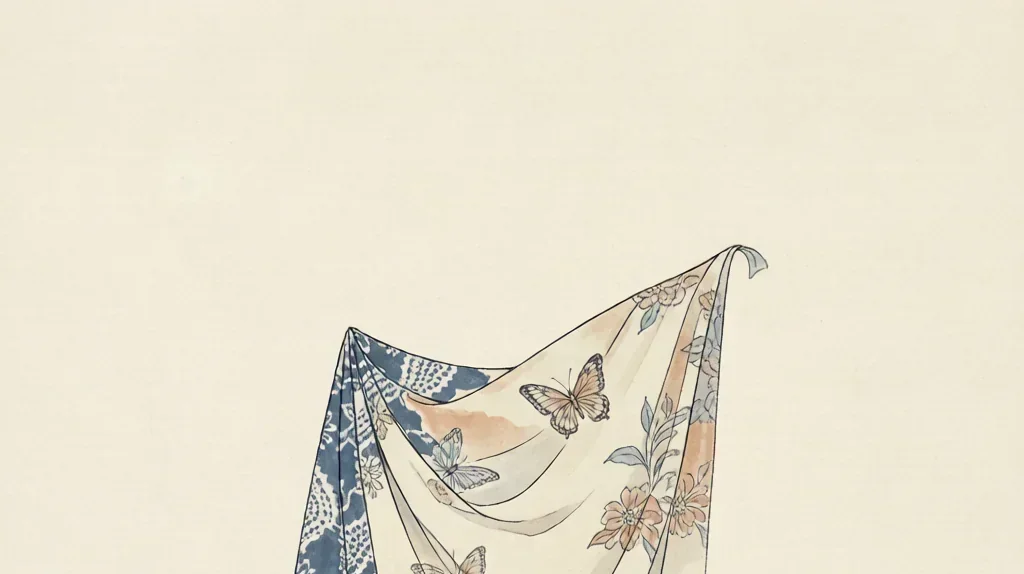
Batik: Wax-Resist Dyeing
Among the terraced mountains of southwest China, women of the Miao, Bai, and Yao peoples still sit by open fires melting beeswax in a small copper bowl. With a flick of the wrist they draw on white cloth, then dip it in deep blue dye — and when the wax is scraped away, a field of cracks and curls blooms into pattern.
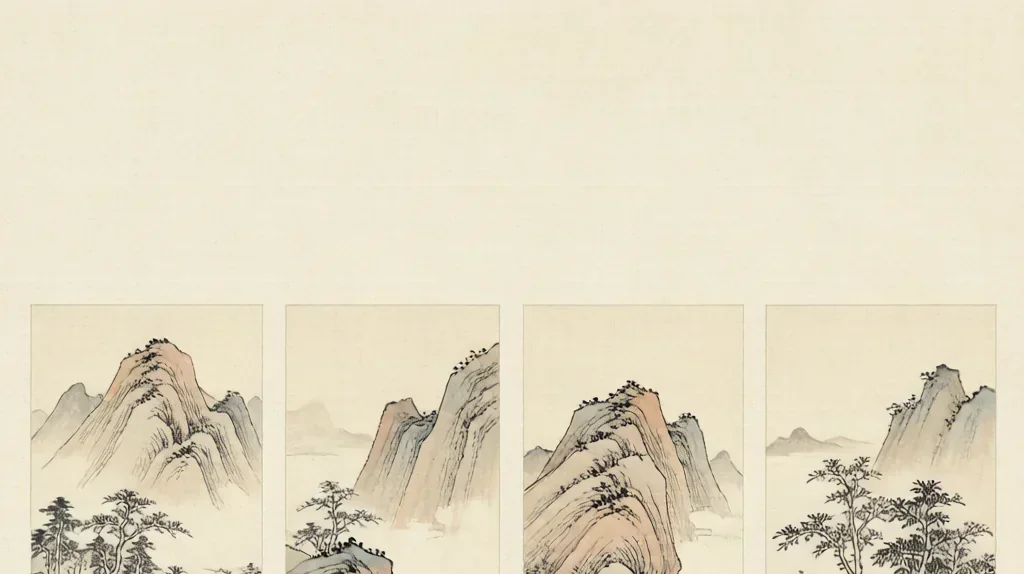
Schools of Chinese Painting: Brush, Ink, and Spirit
When a Chinese painter dips a brush into ink and touches it to silk or paper, the result is not simply a picture — it is a record of the artist's mind, character, and spiritual state at the moment of creation. Unlike Western oil painting, which can be endlessly reworked, Chinese brush painting is a performance in which every stroke is final, every gesture irrecoverable.
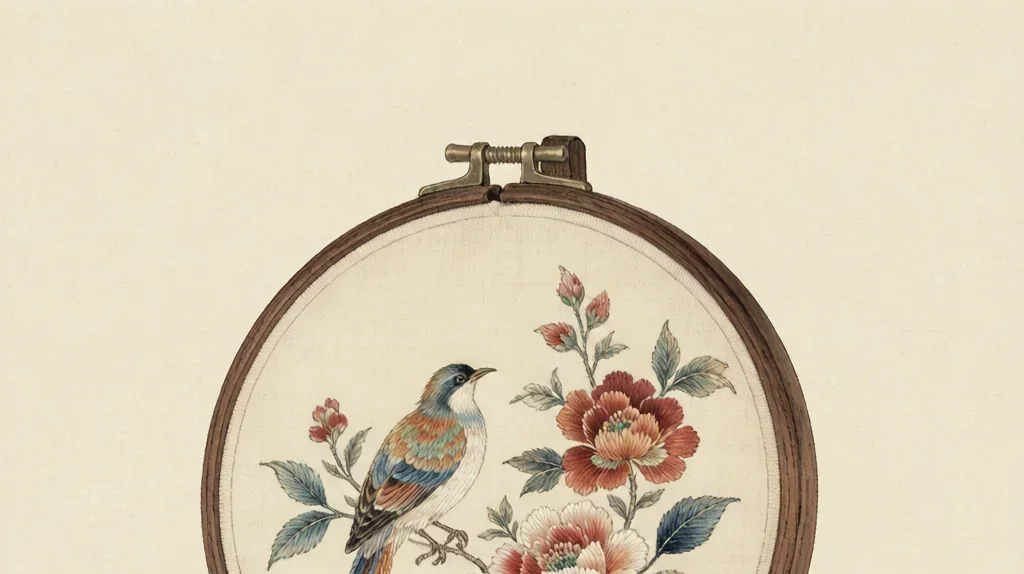
Chinese Embroidery (刺绣): The Four Great Schools of Silk Art
For over three thousand years, Chinese artisans have transformed silk threads into works of breathtaking beauty through the art of embroidery (刺绣, cìxiù). More than mere decoration, Chinese embroidery has served as a medium of cultural expression, social status, gender identity, and even political diplomacy.

Dough Figurine Sculpture
At a temple fair a vendor rolls a pinch of colored dough between his palms and, in a few twists, produces a miniature general with a feathered helmet and a furious expression. This is 面人 ( miàn rén ), the dough figurine sculpture of China, also called 面塑 ( miàn sù ).
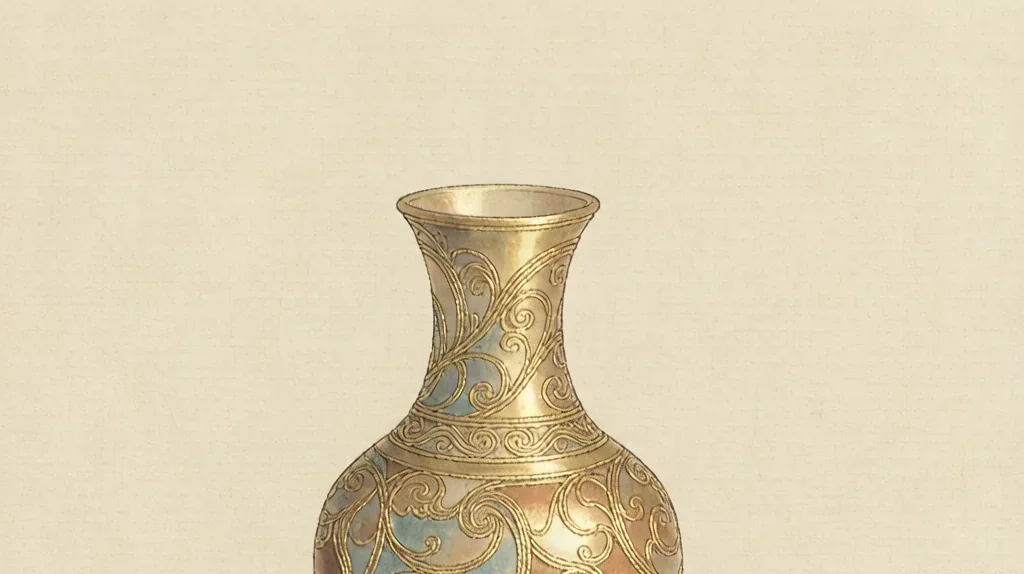
Filigree and Inlay
Gold drawn thinner than a hair, woven like thread, and set with gems and the iridescent feathers of a kingfisher — this is 花丝镶嵌 ( huā sī xiāng qiàn ), the filigree and inlay of Beijing's imperial jewelers. For centuries it supplied the crowns, hairpins, and ritual ornaments of the court, combining the goldsmith's fire with the patience of a lace-maker.
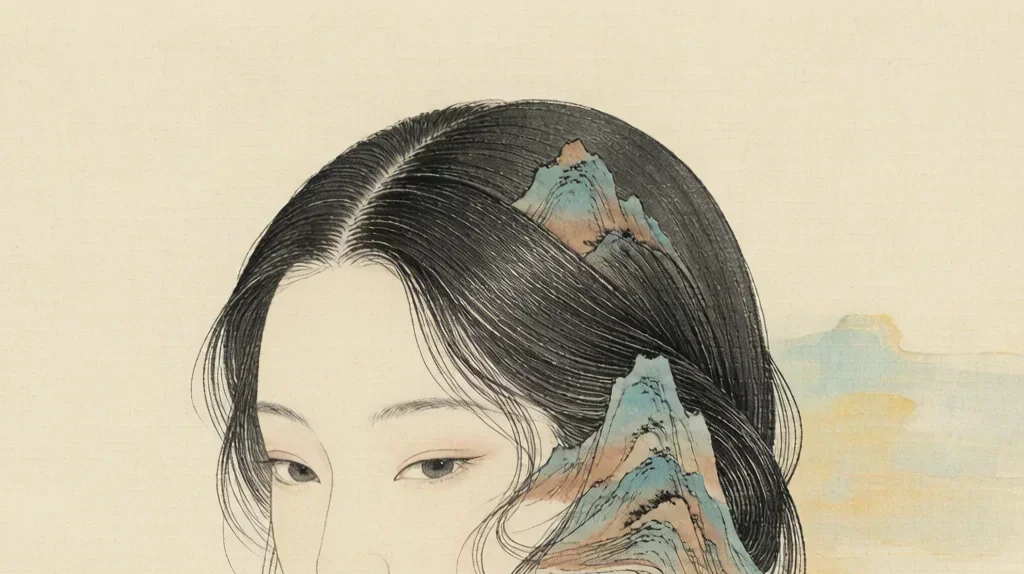
Hair Embroidery
What if your thread were not silk but your own hair? In the workshops of Dongtai, Jiangsu, and in the courts of the Tang dynasty before that, Chinese embroiderers did exactly this, stitching portraits and landscapes with human hair.
Incense Seal Script
Before there were clocks, there were scented clocks. In the scholar's room of Song and later China, a small bronze mold pressed powdered incense into a twisting line that spelled a character or coiled like a dragon; lit at one end, it smoldered slowly, marking the hours by scent as much as by time.
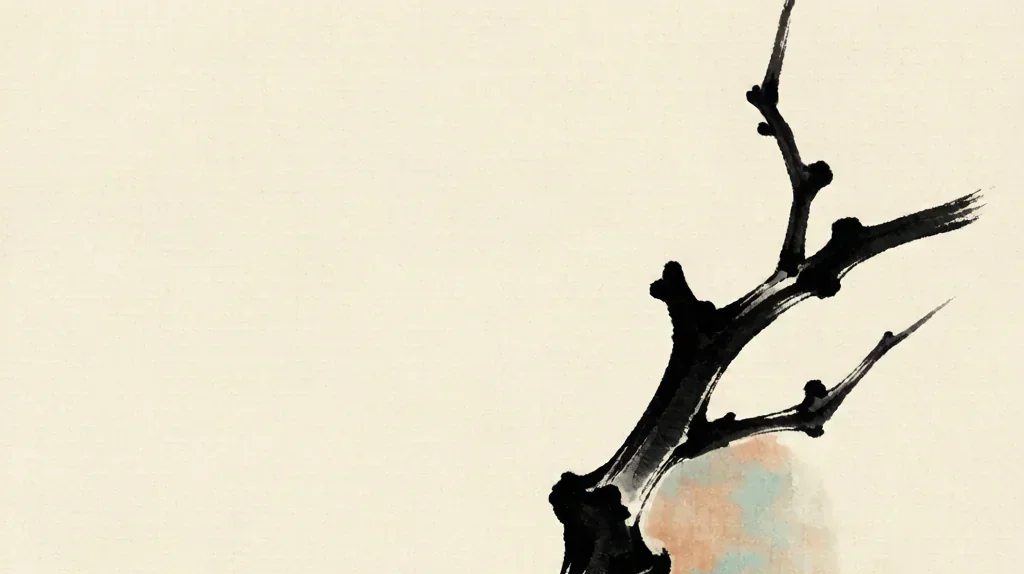
Iron Painting of Wuhu
Most paintings hang on a wall made of paper or silk. In the city of Wuhu, in Anhui province, some of the most striking "paintings" are made of hammered iron, standing in relief against a dark ground.
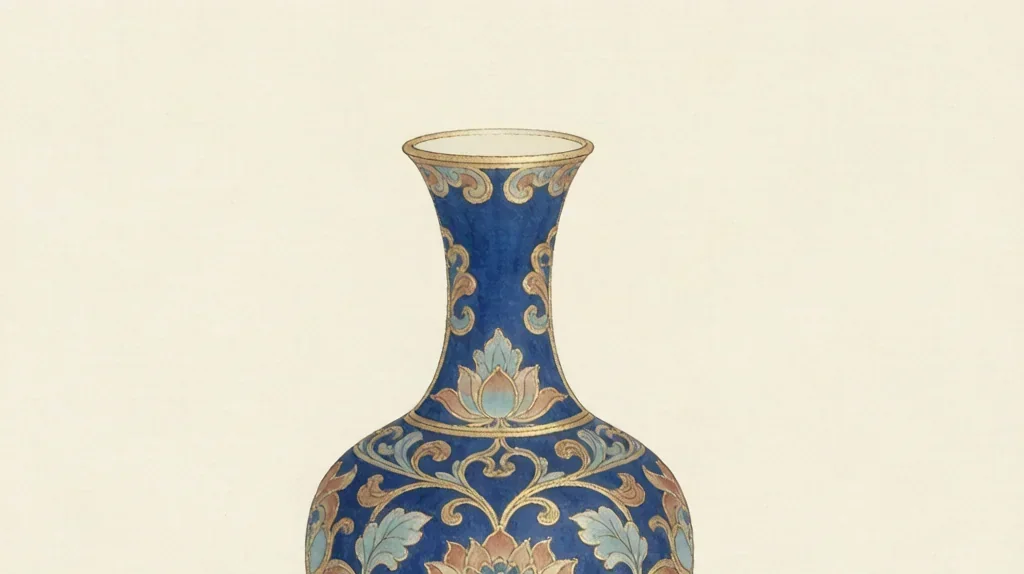
Cloisonné (景泰蓝): The Enamel Art of Imperial China
Among the decorative arts of imperial China, few command attention as immediately as cloisonné (景泰蓝, jǐngtàilán), with its dazzling surfaces of colored enamels separated by delicate metal wires and polished to a jewel-like brilliance. The Chinese term Jingtai Blue refers to the technique's association with the Jingtai reign (1450-1457 CE) of the Ming Dynasty, when the craft reached an early peak of technical and aesthetic refinement.
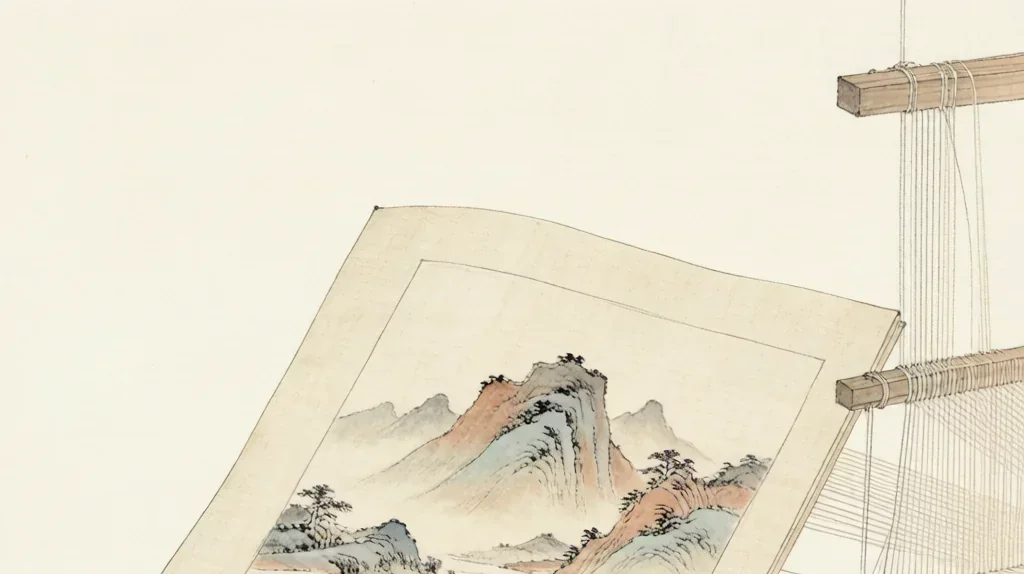
Kesi: The Silk Tapestry of Kings
Inside the great museums of China, behind glass, hang silk scrolls that look at first like fine paintings — until you notice they have no brush strokes at all. They are 缂丝 ( kè sī ), "cut silk," the most painstaking textile of imperial China.
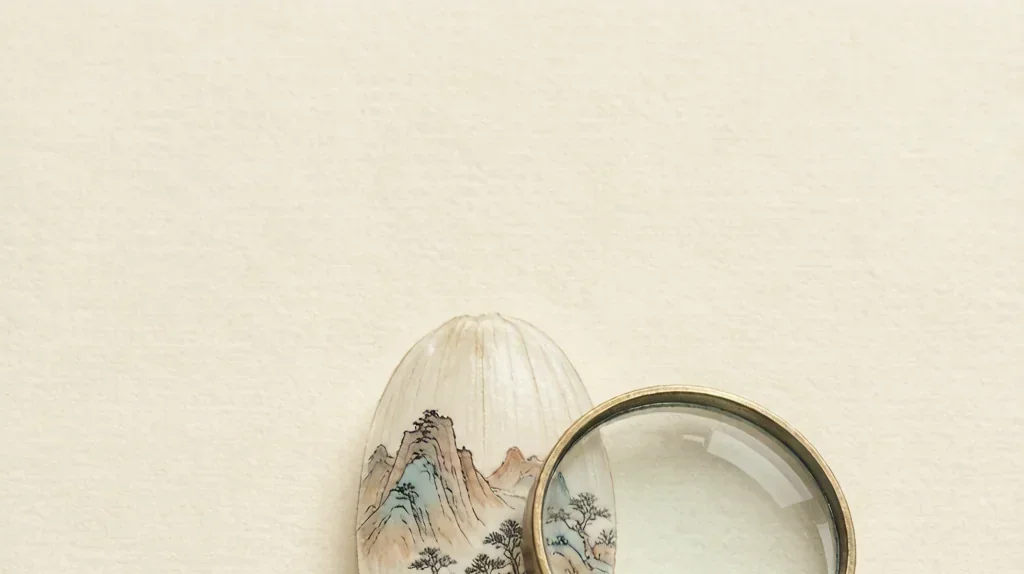
Micro-Carving
On a single grain of rice, a carver inscribes an entire poem of three hundred characters. On a peach pit, he renders a whole boat with eight figures, windows that open, and a scroll of verse.

Lacquerware (漆器): The Ancient Art of Chinese Lacquer
When archaeologists excavated a Neolithic site at Hemudu in Zhejiang Province in 1978, they uncovered a wooden bowl coated with a reddish-brown substance that radiocarbon dating placed at approximately 5,000 BCE — making it the earliest known lacquer object in the world. This discovery confirmed what Chinese historical texts had long suggested: that the art of lacquer (漆器, qīqì) is among the most ancient and enduring craft traditions in Chinese civilization.
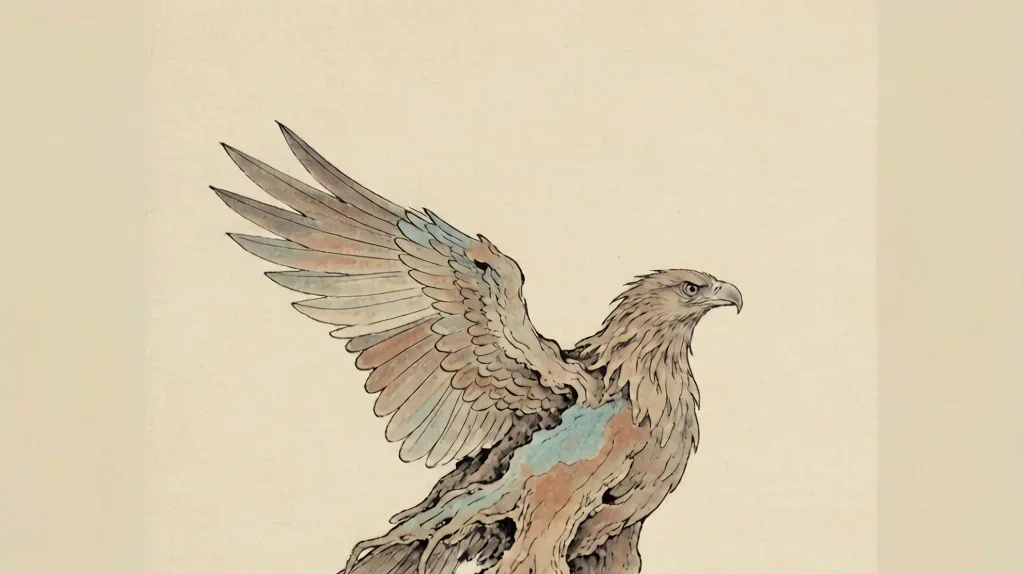
Root Carving
Most sculpture begins with a block and removes what the artist does not want. Root carving begins with nature's own sculpture and simply reveals it.
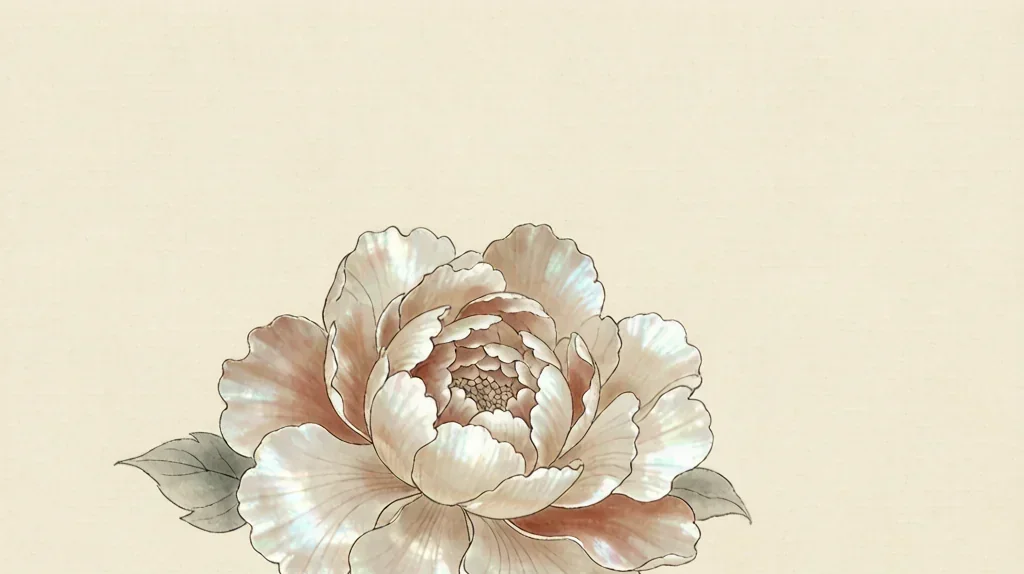
Shell Carving
Take the inside of an oyster shell, that shifting rainbow of pink and green, and cut it into a thousand tiny shapes; set them into a lacquer ground so the light seems to move beneath the surface. This is 贝雕 ( bèi diāo ), Chinese shell carving and inlay, an art that turns the sea's leftovers into shimmering pictures.
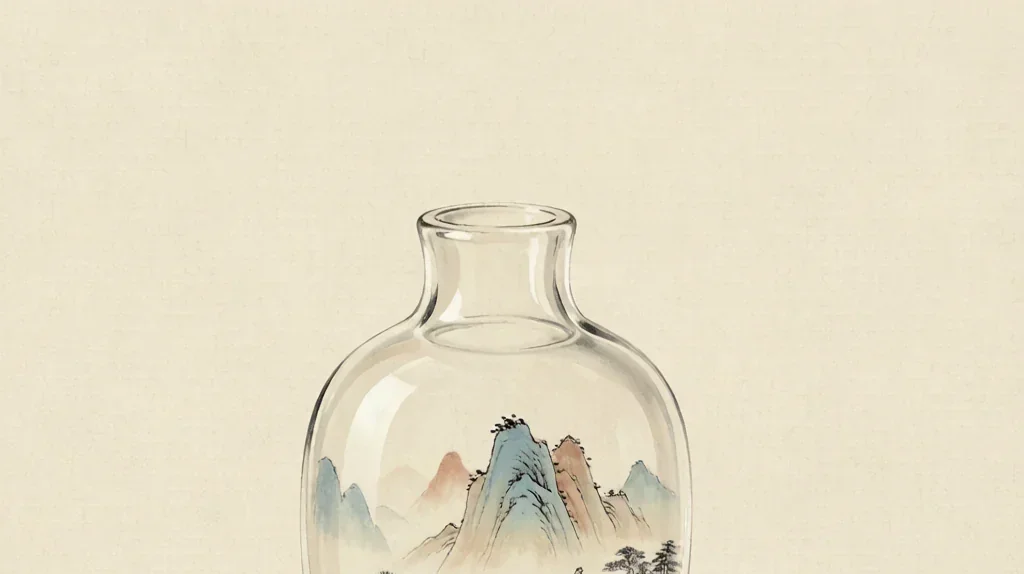
The Snuff Bottle and Inside Painting
It is barely the size of a thumb, yet inside its clear walls a tiny landscape unfolds — mountains, a poem, a face painted in reverse with a brush that entered through the neck. This is the Chinese 鼻烟壶 ( bí yān hú ), snuff bottle, and more specifically the miracle of 内画 ( nèi huà ), inside painting.

Sugar-Figure Art
At a temple fair or a street corner, a vendor lifts a glob of molten amber sugar on a straw and blows — and suddenly there is a rooster, a dragon, a chubby baby, glowing in the sun. This is 糖人 ( táng rén ), the sugar-figure art of China's folk markets.

Tie-Dye: Knots of Color
Long before "tie-dye" became a global symbol of the 1960s, the Bai people of Dali in China's Yunnan province were tying, stitching, and dipping cloth into indigo to make 扎染 ( zā rǎn ), "tie-dye. " The name says it plainly: 扎 means to bind or tie, and 染 means to dye.

Chinese Woodcarving
Walk into a Chinese temple or an old merchant's courtyard and look up: the beams, brackets, and door panels are alive with dragons, flowers, and scenes from legend, all cut from solid wood. This is 木雕 ( mù diāo ), Chinese woodcarving, an art as old as Chinese architecture itself.

Jade Carving (玉雕): The Stone of Heaven in Chinese Art
No material has been more intimately associated with Chinese civilization than jade (玉, yù). For over eight millennia, the Chinese have carved, worn, collected, and revered this stone, which they call the Stone of Heaven.

Nanjing Cloud Brocade
Imagine a fabric so luminous it was reserved for emperors, woven with real gold, silver, and the iridescent eye of a peacock's feather. This is 云锦 ( yún jǐn ), Nanjing Cloud Brocade, named because its patterns seem to float like clouds across the sky.
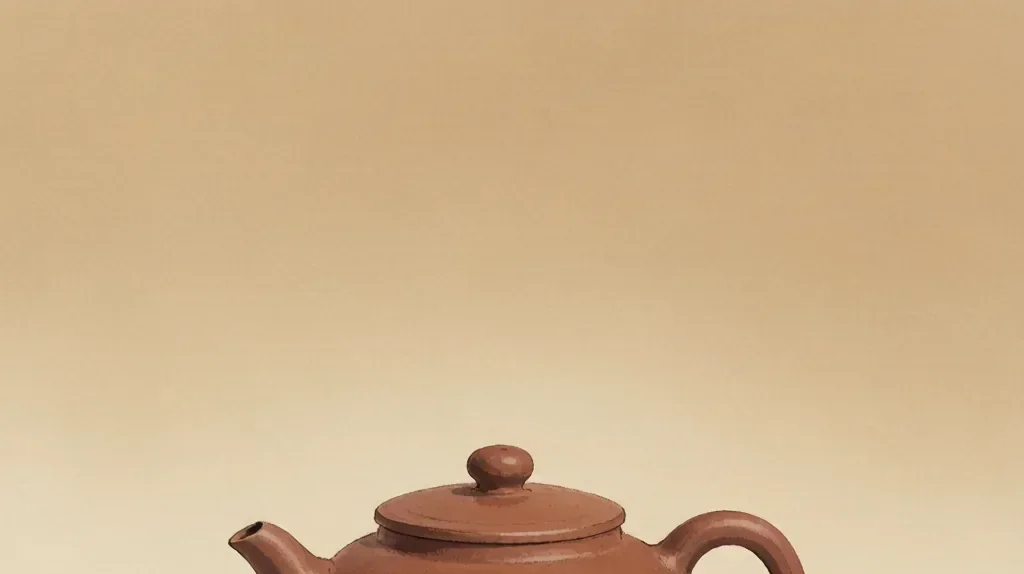
Zisha: The Purple Clay Teapot
There is a teapot in China that you are never supposed to wash with soap. Over decades of use it darkens, deepens in luster, and begins to pour tea that tastes richer than the leaves alone can explain.
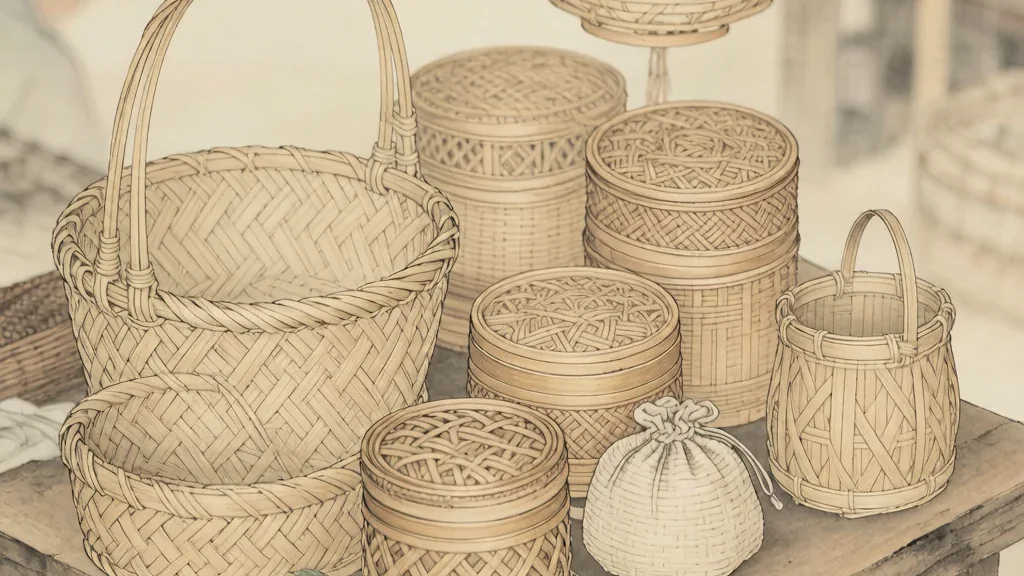
Bamboo Weaving: The Basket of a Thousand Uses
Zhúbiān (竹编), bamboo weaving, turns the fastest-growing plant on earth into baskets, mats, and sculpture through radial splitting and over-under weave.

Bone Carving: The Ancient Art of the Animal Remains
Gǔdiāo (骨雕), bone carving, is one of China's oldest decorative arts, transforming animal bone into figurines, hairpins, and ritual objects.
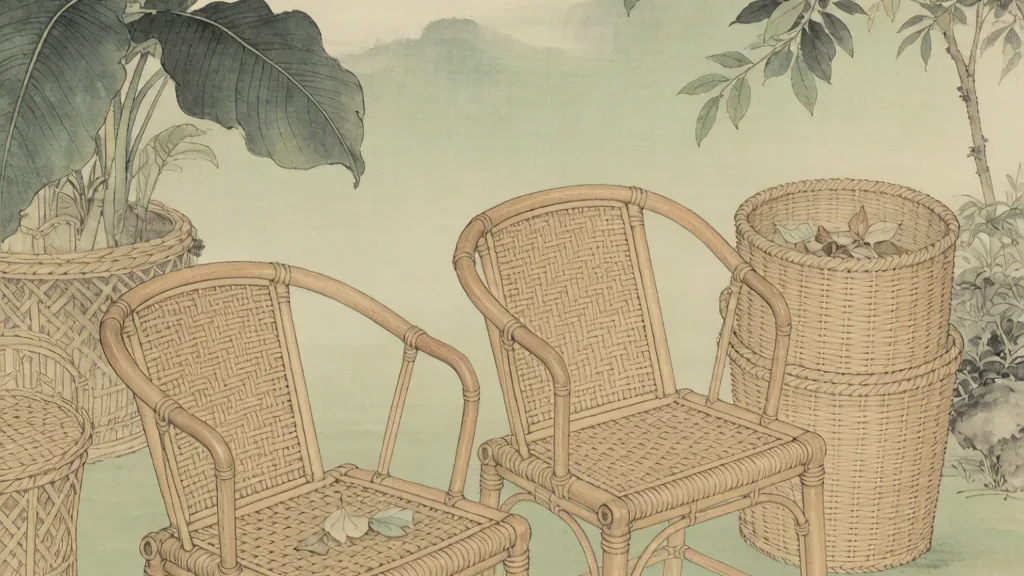
Rattan Weaving: The Flexible Art of the South
Téngbiān (藤编), rattan weaving, is the flexible southern craft of coiling and plaiting rattan into chairs, baskets, and screens.
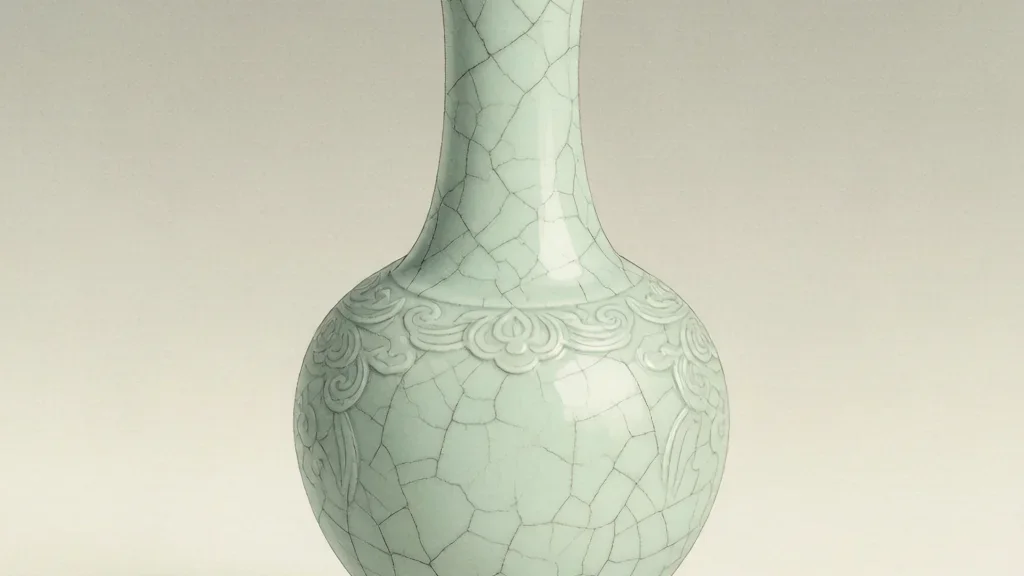
Celadon: The Jade-Green Ceramic of the South
Qīngcí (青瓷), celadon, is the jade-green glazed stoneware that dominated Chinese ceramics for over a thousand years, prized for its subtle color.
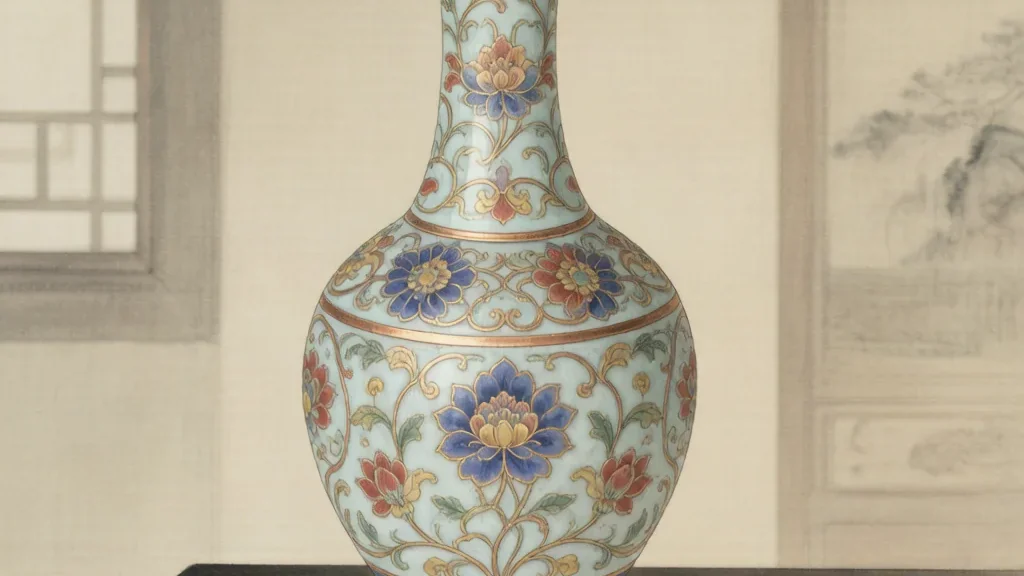
Cloisonne: The Copper and Enamel Art of the Ming
Jǐngtàilán (景泰蓝), cloisonné enamel, builds designs from bent copper wire on a body, filled with colored enamel and fired — a Ming-era luxury craft.
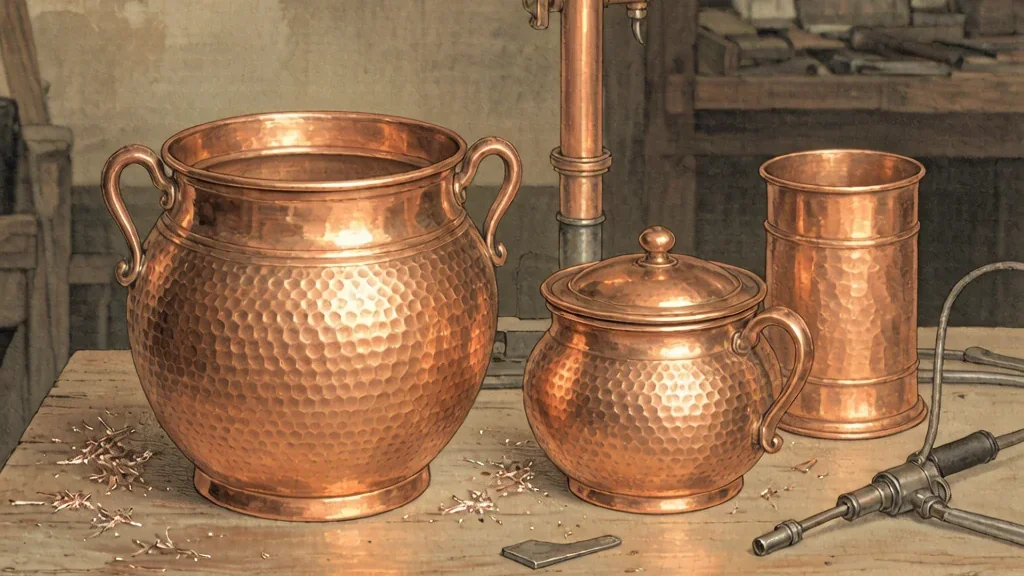
Copperware: The Craft of the Red Metal
Tóngqì (铜器), copperware, ranges from ritual bronzes of antiquity to everyday pots and repoussé wares shaped by hammer and mold.
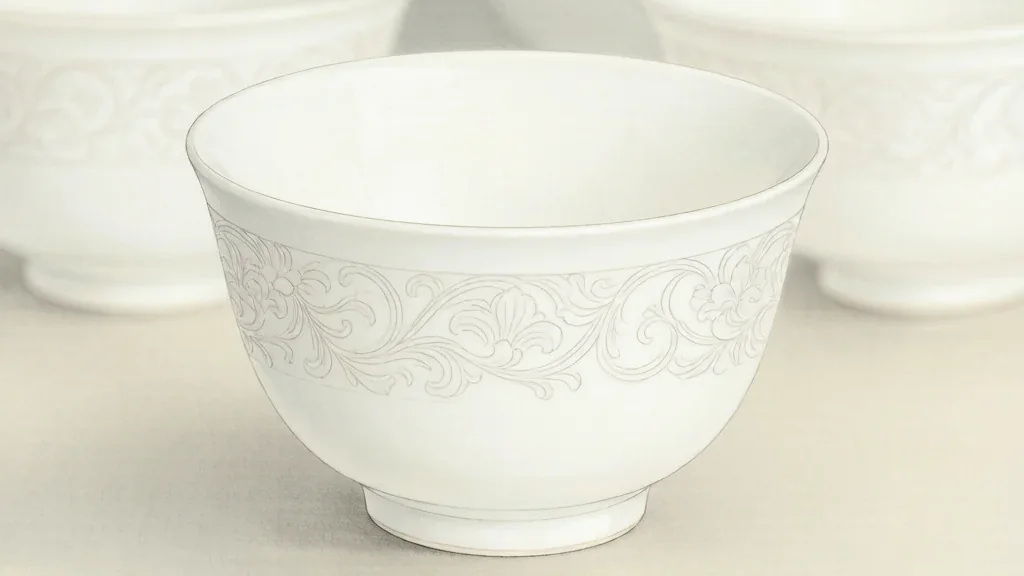
Ding Ware: The White Porcelain of the North
Dìng yáo (定窑) is the white porcelain of the northern Song, famed for ivory-toned glaze and incised, court-refined decoration.
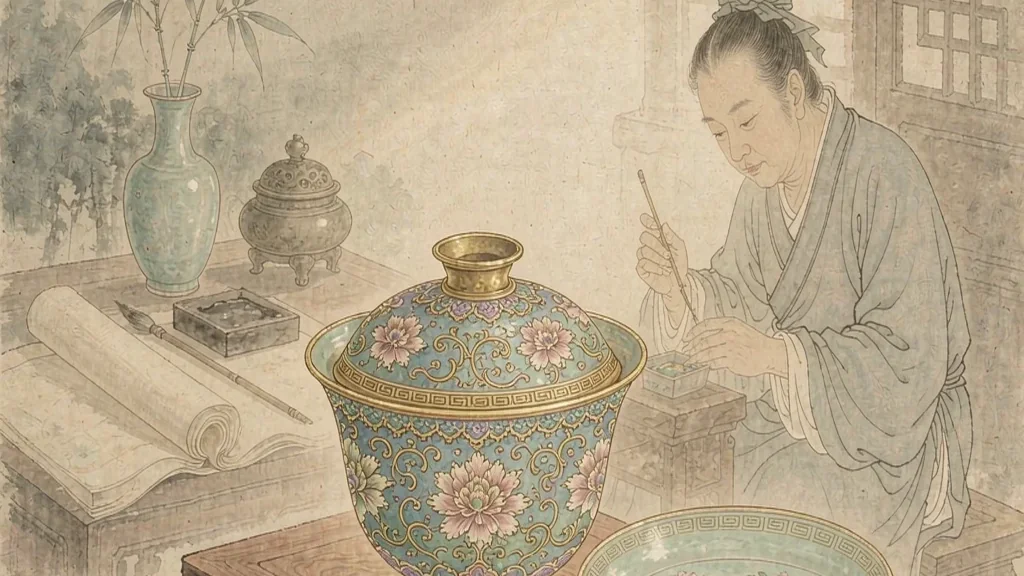
Enamel: The Art of the Colored Glass on Metal
Fàláng (珐琅), enamel on metal, fuses glassy colored paste to a copper or bronze body, ranging from cloisonné cells to painted 'painted enamel' wares.

Fan Making: The Art of the Folding Breeze
Shànzi (扇子), the fan, is both a tool and a canvas — folding fans carry paintings and calligraphy, while round 'palm-leaf' fans cool and decorate.
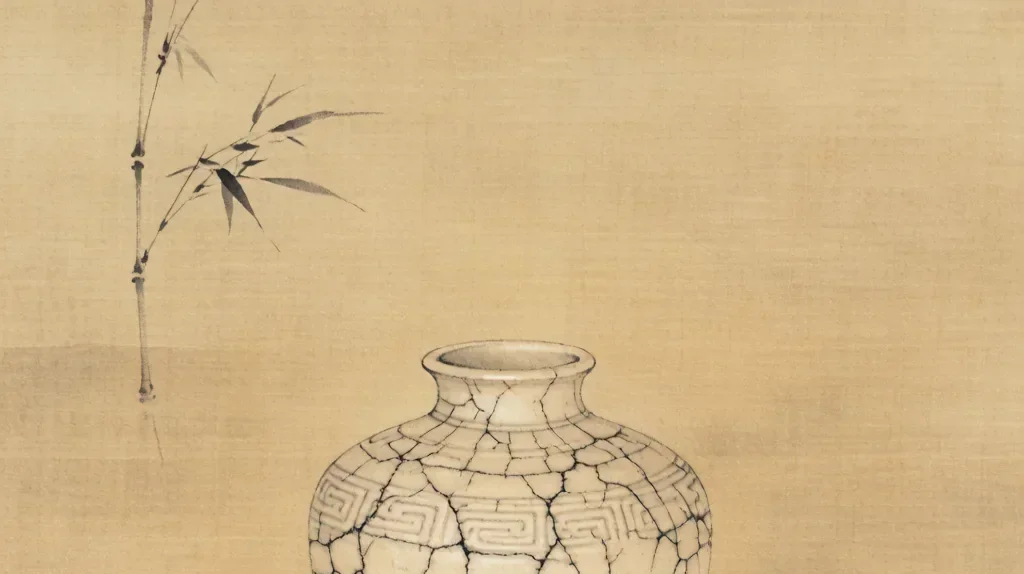
Ge Ware: The Crackled Ceramic of the Brothers
Gē yáo (哥窑) is the 'elder brother' kiln of the Song, celebrated for porcelain purposely crackled with a network of fine glaze lines.
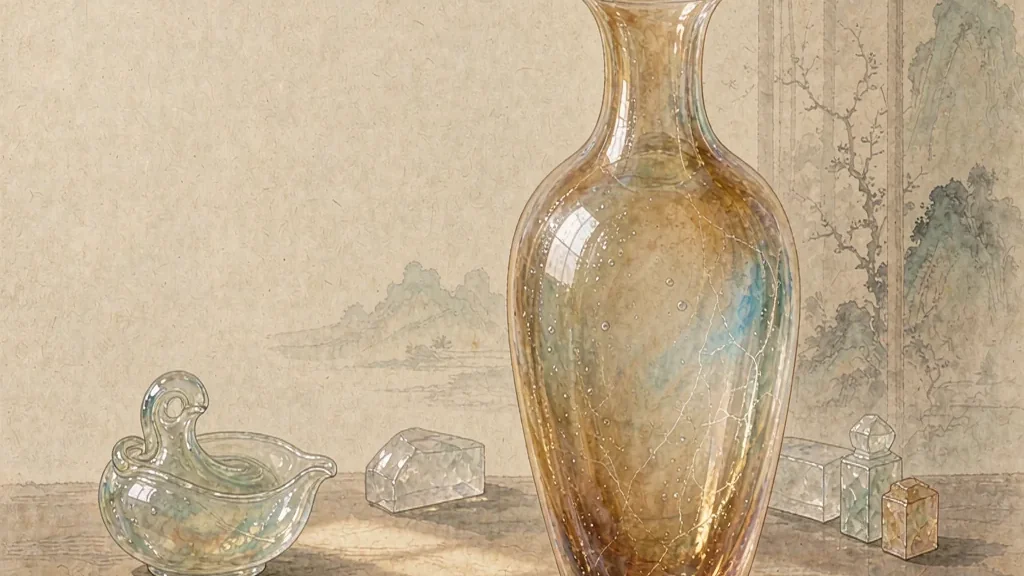
Glass Craft: The Art of the Transparent Material
Liàoqì (料器), glass craft, in China means both imported 'foreign stone' and home techniques of blowing and molding translucent colored glass.

Gold Foil: The Art of the Hammered Leaf
Jīnbo (金箔), gold foil, is hammered gold beaten to leaf thinner than a human hair, used to gild statues, roofs, and paintings.
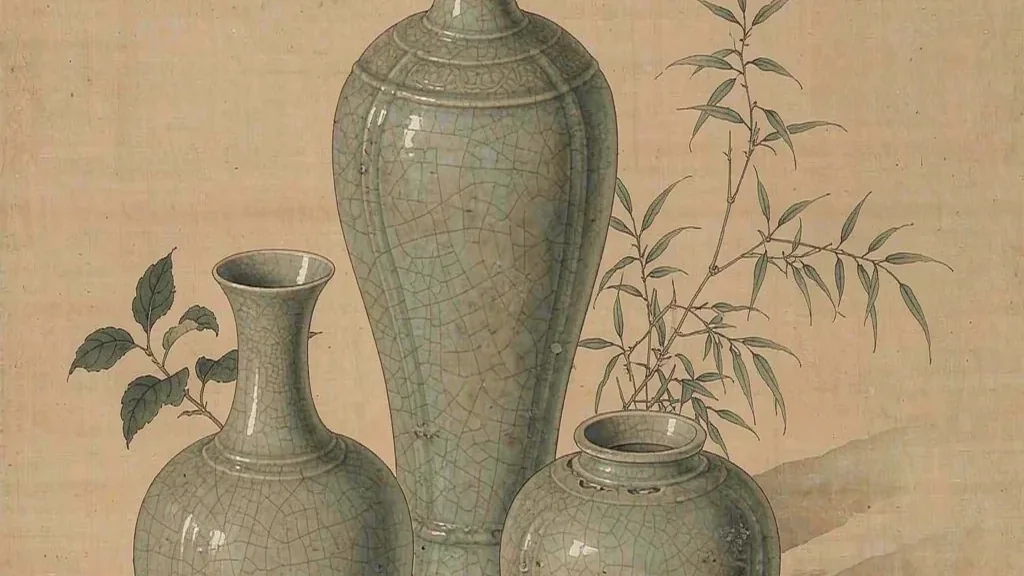
Guan Ware: The Official Ceramic of the Imperial Court
Guān yáo (官窑), the 'official kiln,' produced restrained, crackled porcelain for the Southern Song court — austere and quietly perfect.
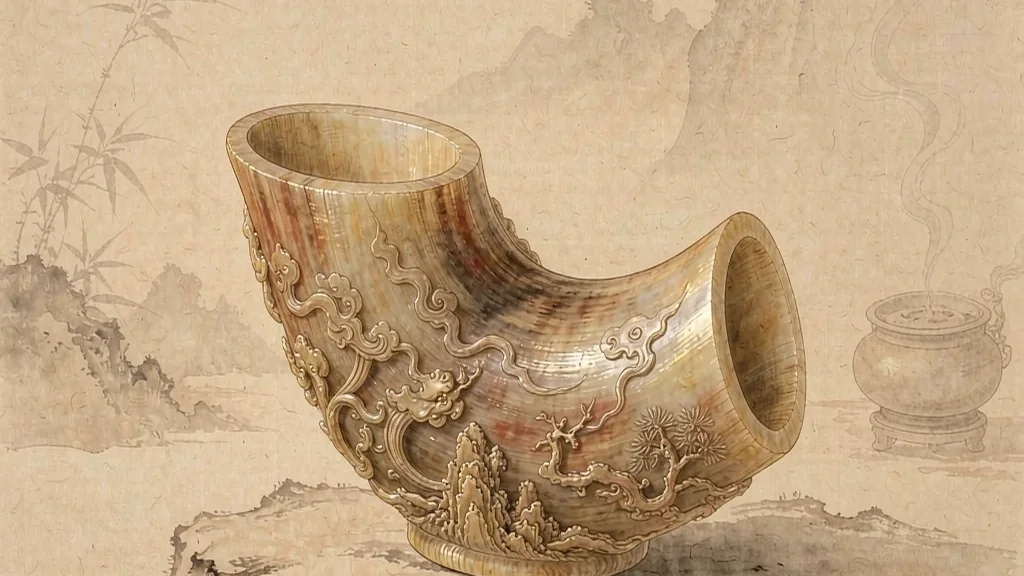
Horn Carving: The Art of the Buffalo Horn
Jiǎodiāo (角雕), horn carving, shapes buffalo and ox horn into combs, cups, and figurines, its translucence prized like a warm amber.
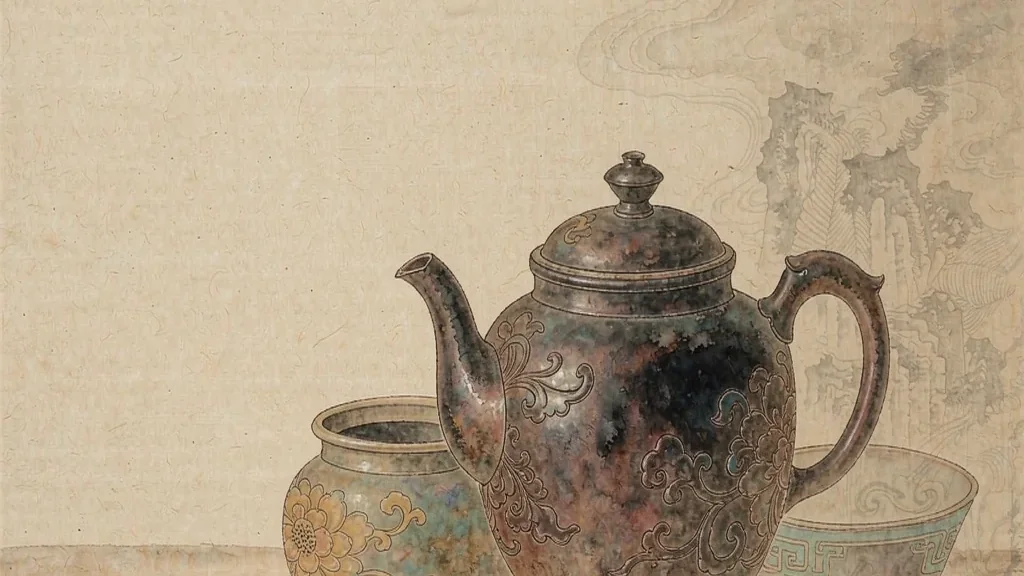
Jianshui Pottery: The Purple Ceramic of Yunnan
Jiànshuǐ zǐtáo (建水紫陶), Yunnan's purple pottery, is a dark, vitreous stoneware decorated by carving through slip and is prized for tea vessels.

Jun Ware: The Flamboyant Ceramic of the Song
Jūn yáo (钧窑) is the Song kiln famous for 'flambé' glazes where copper turns the ware from blue to purple in unpredictable, unrepeatable blooms.
Kite Making: The Art of the Flying Paper Bird
Fēngzhēng (风筝), the kite, is a Chinese folk art of framed paper or silk that flies on wind — part toy, part festival symbol, part folk belief.

Lacquerware: The Art of the Tree's Sap
Qīqì (漆器), lacquerware, is built from layer upon layer of tree sap polished to a deep, durable sheen and often inlaid or carved.
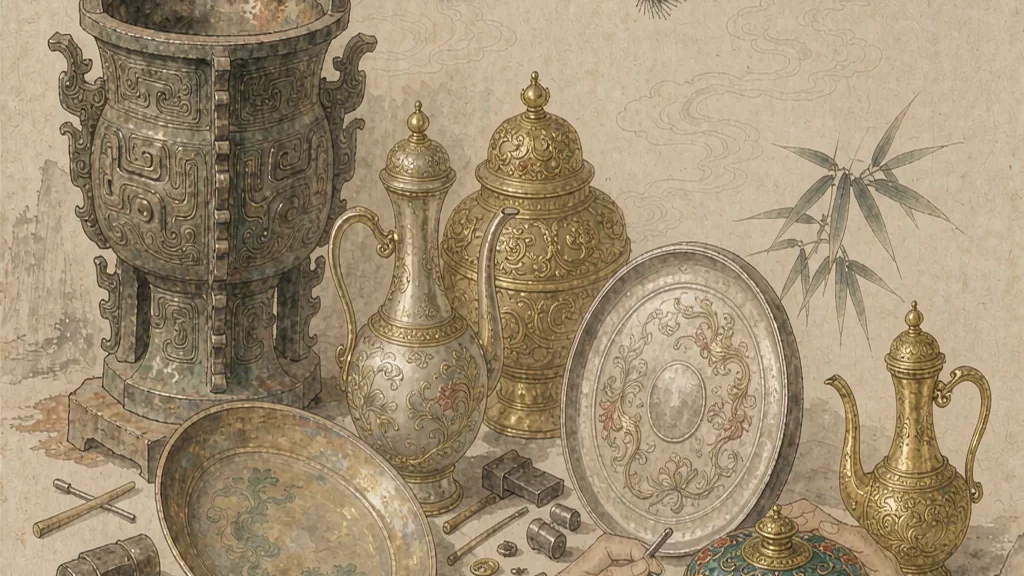
Metalwork: The Craft of the Forge and Filigree
Jīnshǔ gōngyì (金属工艺), metalwork, spans forging, casting, filigree, and repoussé across bronze, gold, silver, and iron.
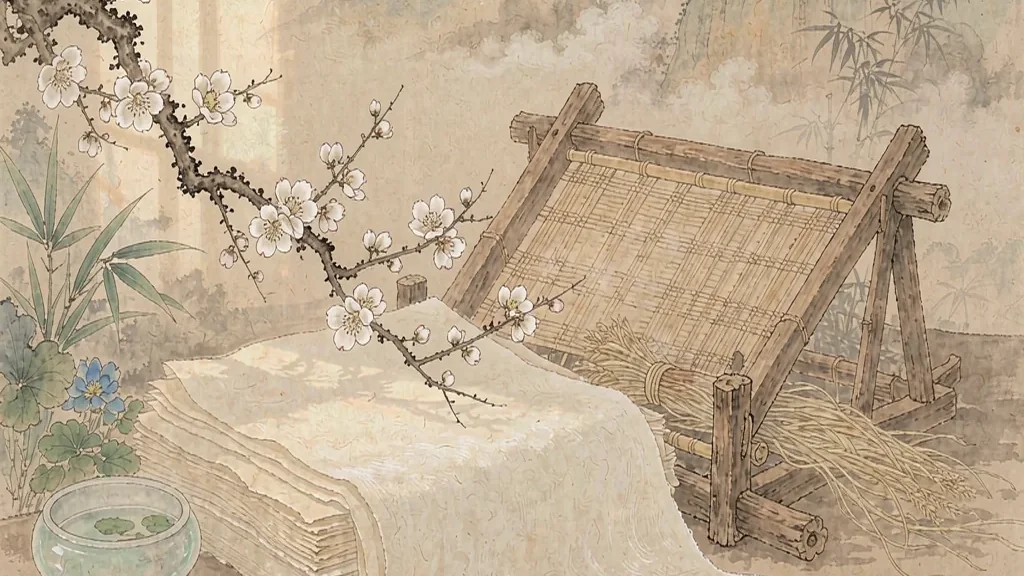
Paper Cutting: The Art of the Scissors
Jiǎnzhǐ (剪纸), paper cutting, is the folk art of folding red paper and snipping symmetrical designs for windows, weddings, and festivals.
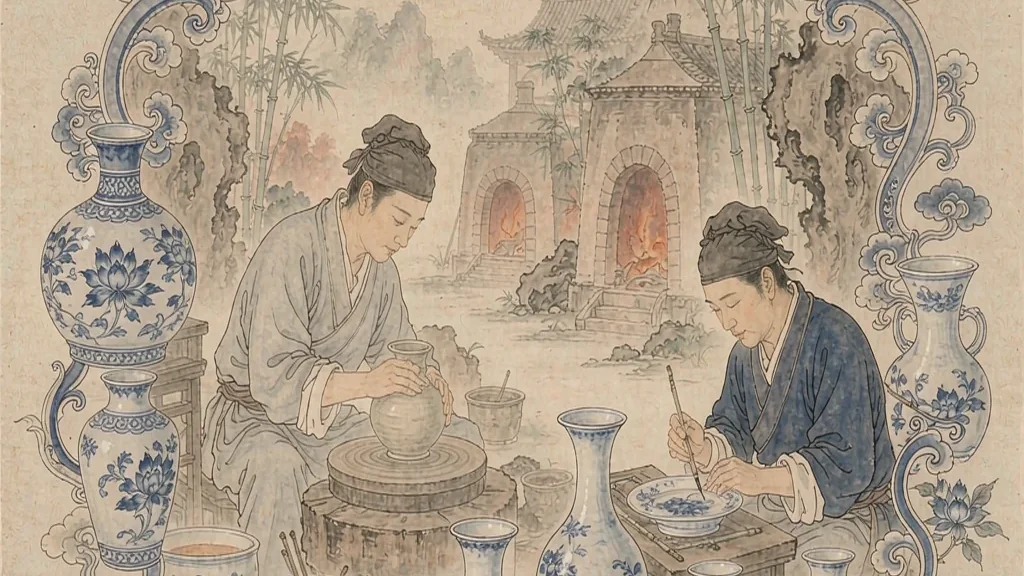
Blue and White Porcelain: The Global Treasure
Qīnghuā (青花), blue-and-white porcelain, paints cobalt under a clear glaze — the global Chinese ceramic that traded from Jingdezhen to Europe.
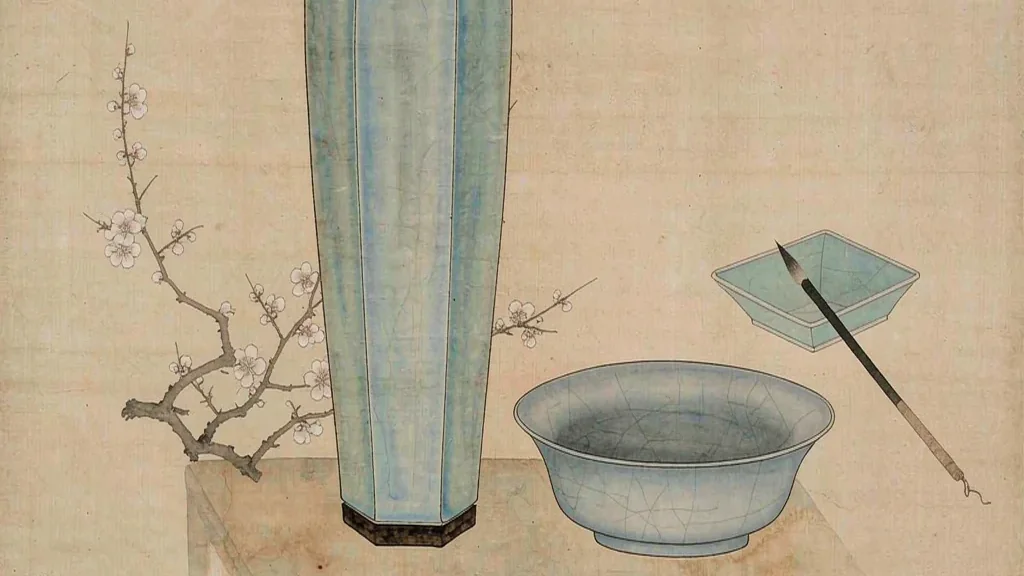
Ru Ware: The Rarest Ceramic of the Song Dynasty
Rǔ yáo (汝窑) is the rarest of the Song's great kilns — a soft, opalescent blue-green porcelain with a 'crackle like ice,' of which few pieces survive.
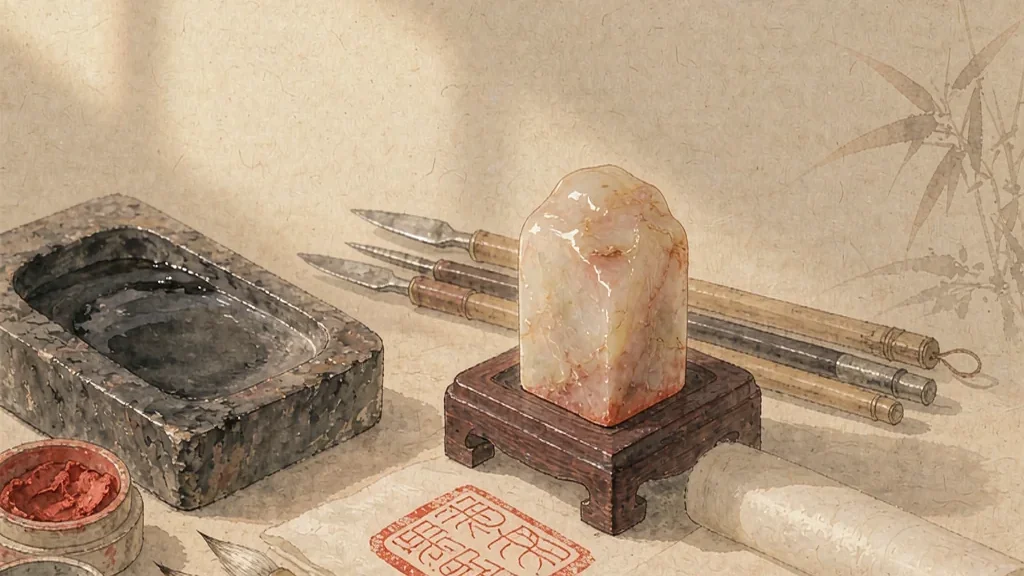
Seal Carving: The Art of the Character in Stone
Zhuànkè (篆刻), seal carving, cuts characters into stone (or jade) to make the personal 'name chop' that authenticates documents and art.

Silverware: The Art of the Precious Metal
Yínqi (银器), silverware, in China means filigree jewelry, repoussé vessels, and engraved wares, long tied to status and bridal wealth.
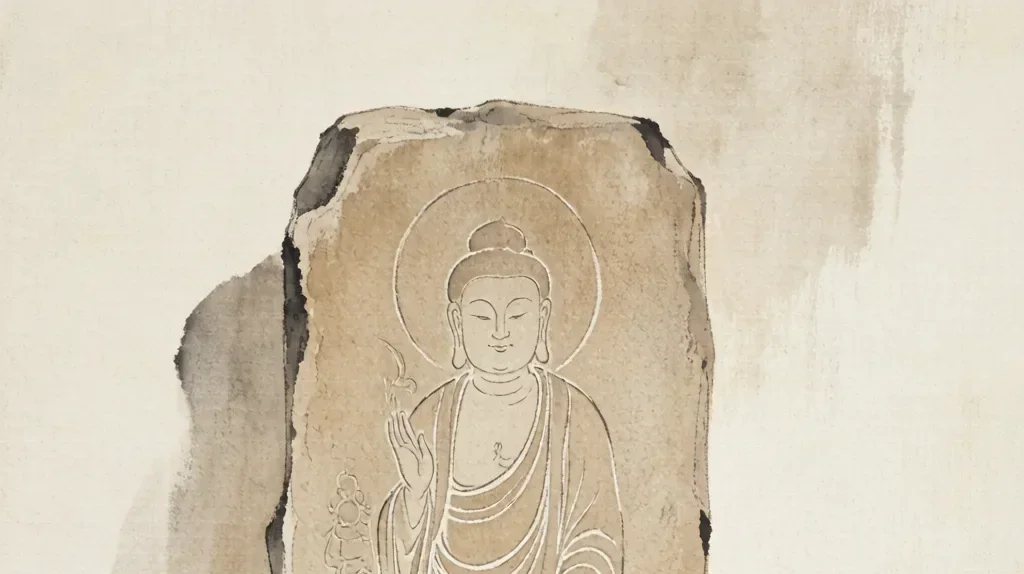
Stone Engraving: The Art of the Chisel on Rock
Shídiāo (石雕), stone engraving, carves figures, steles, and architectural ornament from marble, limestone, and granite across China.
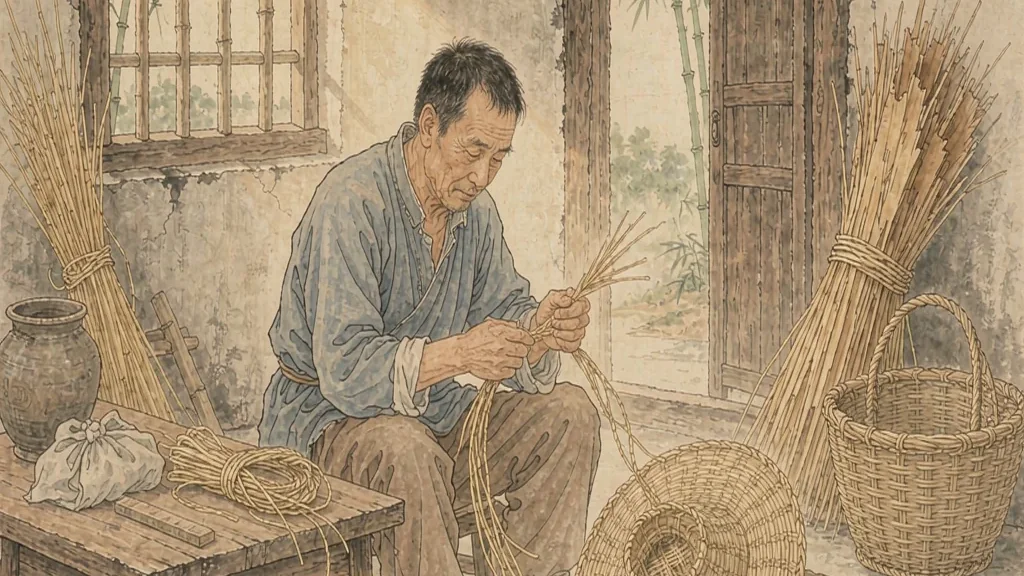
Straw Plaiting: The Weaving of the Harvest
Cǎobiān (草编), straw plaiting, weaves wheat, rush, and palm leaf into hats, mats, and toys — a humble, widespread rural craft.
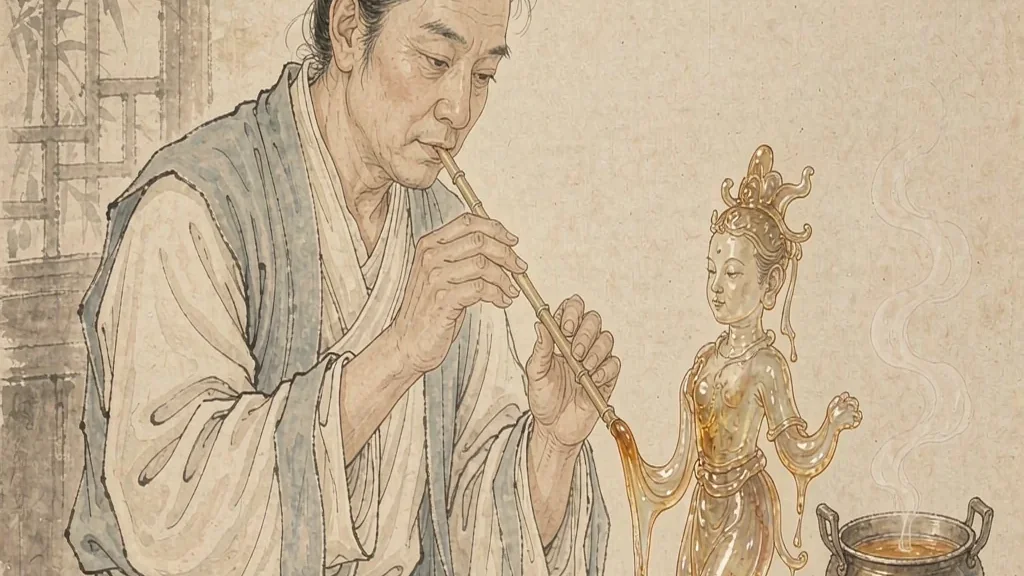
Sugar Blowing: The Sweet Art of the Street
Chuītángrén (吹糖人), sugar-blowing, is a street art where molten sugar is inflated through a tube into glossy, edible figurines.

The Oil Paper Umbrella: The Art of the Rain
Yóuzhǐ sǎn (油纸伞), the oil-paper umbrella, is a hand-made canopy of bamboo ribs and mulberry paper sealed with tung oil — both rain gear and romance.
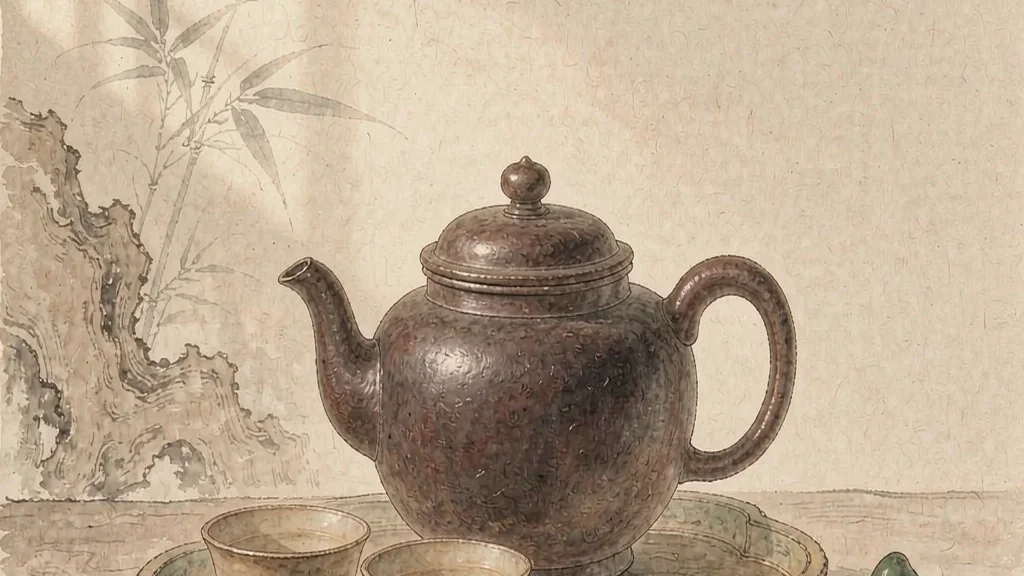
Yixing Zisha: The Purple Sand Teapot of Jiangsu
Yíxīng zǐshā (宜兴紫砂), Yixing purple-clay teapots, are unglazed stoneware whose porous body is said to improve tea with use.