Chinese Painting
47 articles — From misty mountains and blossoming branches to the great masters who shaped the Chinese brush, explore the genres and painters of China's supreme visual art.
Unlike the West, where painting long served religion and then portraiture, China made landscape and ink the heart of its visual art. For a thousand years, scholars painted not to copy the world but to capture its spirit — misted mountains, bending bamboo, and small birds on a branch, brushed with the same tools as calligraphy. A painting was a poem you could see. This guide explores the great genres and the masters, from Gu Kaizhi to Qi Baishi, who turned ink and water into philosophy.

Shanshui: Chinese Landscape Painting (山水画)
Long before the easel and the framed canvas, Chinese artists discovered that the truest subject of painting was not the human figure but the earth itself — its peaks, gorges, rivers, and drifting mist. This art, called shanshui (山水画, shān shuǐ, 『mountains and water』), became the supreme genre of the Chinese brush, a practice at once visual, philosophical, and spiritual.

Huaniao: Bird-and-Flower Painting (花鸟画)
While landscape painters turned their eyes to towering peaks, another tradition bent close to the ground and the branch. Huaniao (花鸟画, huā niǎo huà, 『flower-and-bird painting』) celebrates the small inhabitants of the natural world — a plum branch in snow, a kingfisher on a lotus, a cricket by the grass.
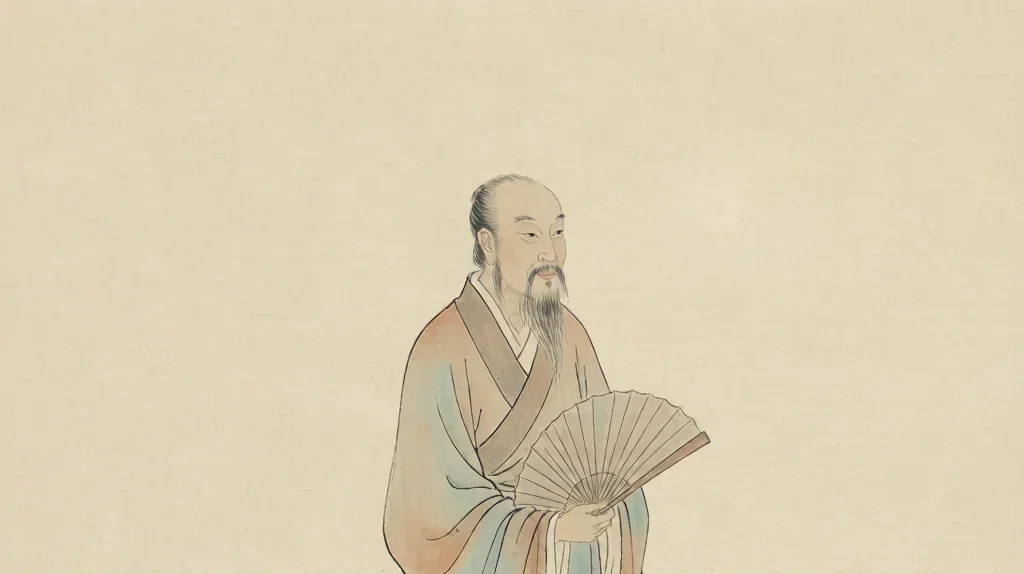
Figure Painting (人物画)
The human figure was the first subject Chinese painters ever set down. Long before artists fell in love with mountains and flowers, they drew people — dancers on Neolithic pots, generals on Han tomb walls, court ladies and philosophers in silk handscrolls.

Wenren Hua: The Literati Painting Tradition (文人画)
In the long history of Chinese art there is one tradition that turned amateurism into a virtue. Wenren hua (文人画, wén rén huà, 『literati painting』) was made not by hired professionals but by scholars, poets, and retired officials — men who painted for themselves, their friends, and their moods.
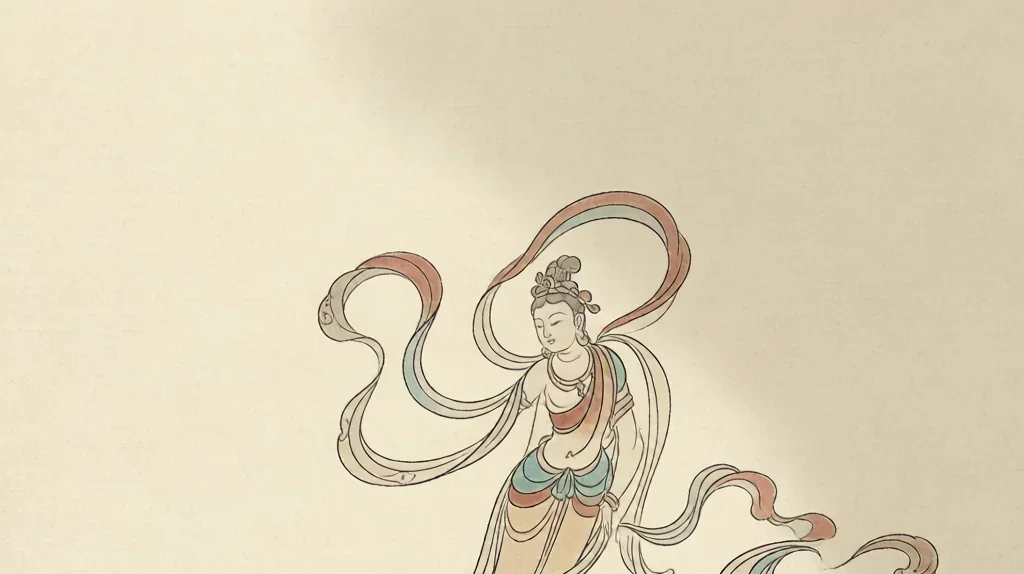
Mural Art: Dunhuang and Yongle Palace (壁画)
Not every great Chinese painting hangs on a silk scroll. Some covers an entire wall, and some lines a cliff-face cave.
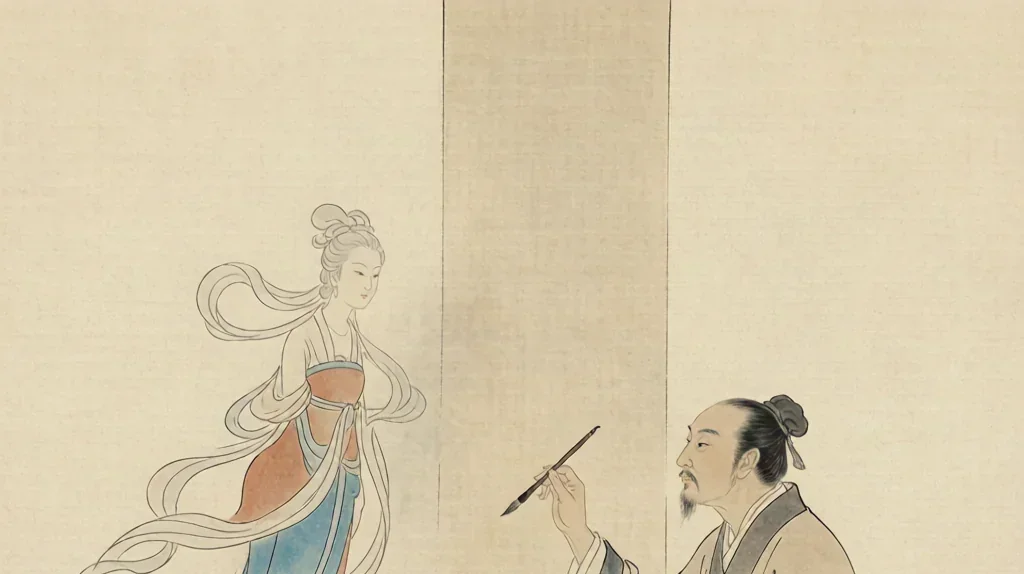
Gu Kaizhi: The Father of Figure Painting (顾恺之)
Almost every tradition has a founder, and Chinese figure painting has one in Gu Kaizhi (顾恺之, Gù Kǎizhī, c. 345–406).
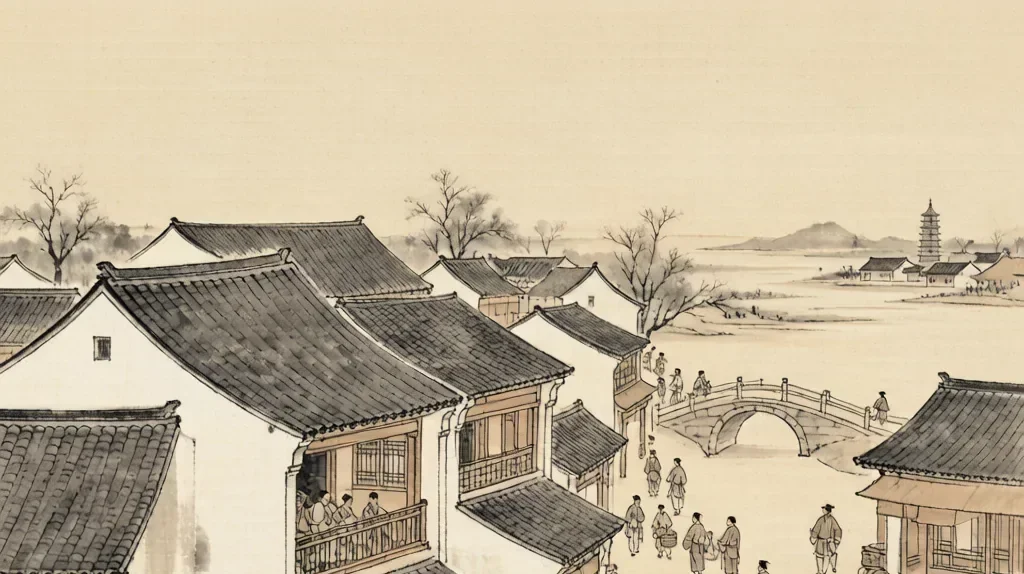
Zhang Zeduan and Along the River During Qingming (清明上河图)
If most Chinese painting turns away from the crowd toward mountain or solitude, one scroll plunges straight into the market. Along the River During Qingming (清明上河图, Qīngmíng shàng hé tú) by Zhang Zeduan (张择端) is the great exception — a five-meter handscroll that walks the viewer through a 12th-century city from a quiet spring suburb to a teeming bridge and a walled metropolis beyond.

Qi Baishi and Xu Beihong (齐白石·徐悲鸿)
When the old empire fell in 1911, Chinese painters faced a hard question: how could an art of mountains, bamboo, and court ladies speak to a modern nation? Two men gave two answers that still define the debate.

Bada Shanren: The Eccentric of the Late Ming
Bada Shanren (八大山人, 1626–1705), born Zhu Da (朱耷), was a direct descendant of the Ming imperial family who survived the Manchu conquest by becoming a Buddhist monk and pretending to be mad. His paintings — fish with startled eyes, birds with hunched shoulders, rocks that seem to float — are among the most powerful expressions of trauma and resistance in Chinese art. He is considered the greatest of the Qing individualist painters.

Fan Kuan: The Monumental Mountains
Fan Kuan (范宽, c. 990–1030) is the most powerful voice in Chinese landscape painting. His masterpiece 'Travelers Among Mountains and Streams' (谿山行旅图, Xīshān Xínglǚ Tú) presents a vision of nature so immense, so solid, so completely present that it has been called 'the first great painting in Chinese history.' Fan Kuan painted mountains that seem to weigh on the viewer, trees that seem to have roots reaching to the center of the earth, and rocks that feel as old as the planet itself.

Guo Xi: The Landscape Master of the Song
Guo Xi (郭熙, c. 1020–1090) was the greatest landscape painter of the Northern Song dynasty and the author of the most important theoretical text on Chinese landscape painting, 'The Lofty Message of Forests and Streams' (林泉高致, Línquán Gāozhì). His surviving paintings, especially 'Early Spring' (早春图, Zǎochūn Tú), are masterpieces of monumental landscape that convey the power and mystery of nature with unparalleled intensity.

Ma Yuan: The Corner Painter of the Southern Song
Ma Yuan (马远, c. 1160–1225) was the defining painter of the Southern Song dynasty, the creator of the 'corner composition' that became the hallmark of the Ma-Xia School. His paintings — spare, elegant, and deeply atmospheric — represent the southern Chinese landscape with a lyrical intimacy that contrasts sharply with the monumental scale of Northern Song painting.

Mi Fu: The Calligrapher Who Painted Clouds
Mi Fu (米芾, 1051–1107) was the most colorful character in Chinese art history — a brilliant painter, calligrapher, and connoisseur whose eccentric behavior became as famous as his art. He washed his hands before every painting session, collected strange rocks that he addressed as 'brother,' and was so obsessed with cleanliness that visitors had to wash before touching his belongings. His painting style was equally unconventional: he invented the 'Mi dot' (米点, mǐ diǎn) technique, painting landscapes entirely with horizontal dots rather than lines.

Shen Zhou: The Gentle Master of the Wu School
Shen Zhou (沈周, 1427–1509) was the founder of the Wu School, the most important painting school of the Ming dynasty. A wealthy landowner from Suzhou who never held government office, Shen Zhou embodied the literati ideal of the scholar who painted for his own pleasure, cultivating his garden and his art in equal measure. His paintings combine the brushwork of the Yuan masters with a warm, personal vision that made him the most influential painter of the 15th century.

Shi Tao: The Individualist of the Qing
Shi Tao (石涛, 1642–1707) was the revolutionary of Chinese painting — a Ming prince turned Chan monk who argued that 'the method has no fixed method' and that every artist must create his own rules. His treatise 'Huayu Lu' (画语录) is one of the most radical texts in Chinese art theory, and his paintings — wild, experimental, endlessly varied — are the practical demonstration of his principles.

Tang Yin: The Fallen Scholar of the Brush
Tang Yin (唐寅, 1470–1524), better known by his style name Tang Bohu (唐伯虎), is the most romantic figure in Chinese art history — a brilliant scholar who was ruined by scandal, a gifted painter forced to sell his work for a living, and the hero of countless folk tales about the 'fallen scholar.' His life was a tragedy of wasted talent; his paintings are celebrations of beauty in the face of disappointment.

Wen Zhengming: The Scholar Who Never Stopped Painting
Wen Zhengming (文徵明, 1470–1559) was the most influential painter of the Ming dynasty, the center of the Suzhou art world for more than half a century. A student of Shen Zhou, Wen Zhengming combined the literati ideals of his teacher with a professional's discipline, producing a vast body of work in landscape, flower, and figure painting that defined Ming taste.
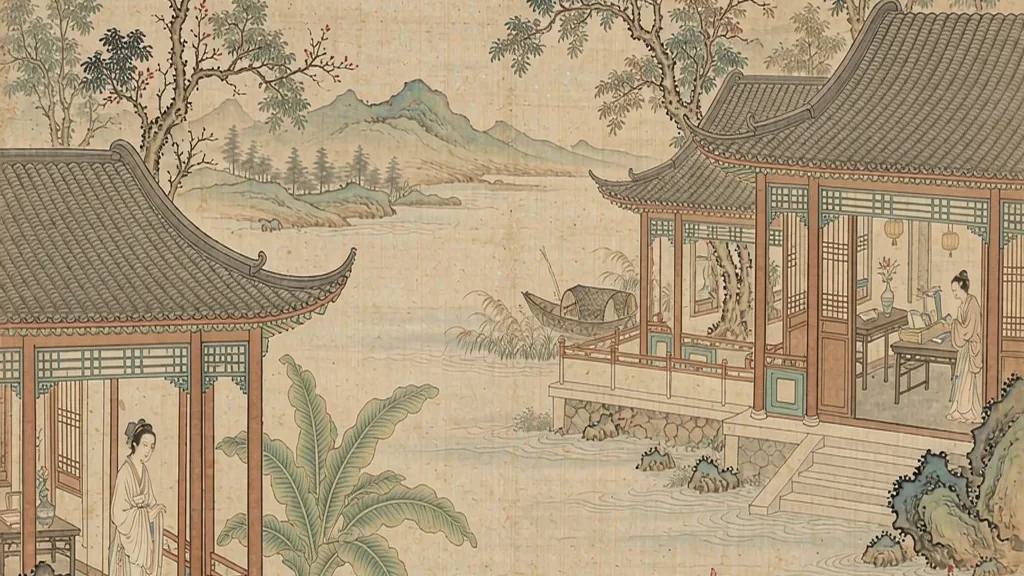
Xia Gui: The Mist and the Mountain
Xia Gui (夏圭, active 1195–1224) was the partner of Ma Yuan in creating the Southern Song corner-composition style. His paintings are even more radically simplified than Ma Yuan's, reducing landscape to its absolute essentials — a single boat on a vast river, a few leaves in a corner of the sky, a fisherman vanishing into the mist. Xia Gui's 'Pure and Remote View of Streams and Mountains' is one of the greatest landscape handscrolls in Chinese art, a journey through a world of mist and silence.

Zhang Zeduan: The Painter of the Qingming Scroll
One painting made Zhang Zeduan (张择端, 1085–1145) immortal. His 'Along the River During the Qingming Festival' (清明上河图, Qīngmíng Shànghé Tú) is the most famous work in all of Chinese art — a handscroll over five meters long that depicts the bustling life of the Song dynasty capital, Bianjing (modern Kaifeng), with a richness of detail that makes it a visual encyclopedia of medieval Chinese civilization. Zhang Zeduan was not a court favorite or a literary celebrity; he was a professional painter who created a single masterpiece that would define Chinese art for a millennium.
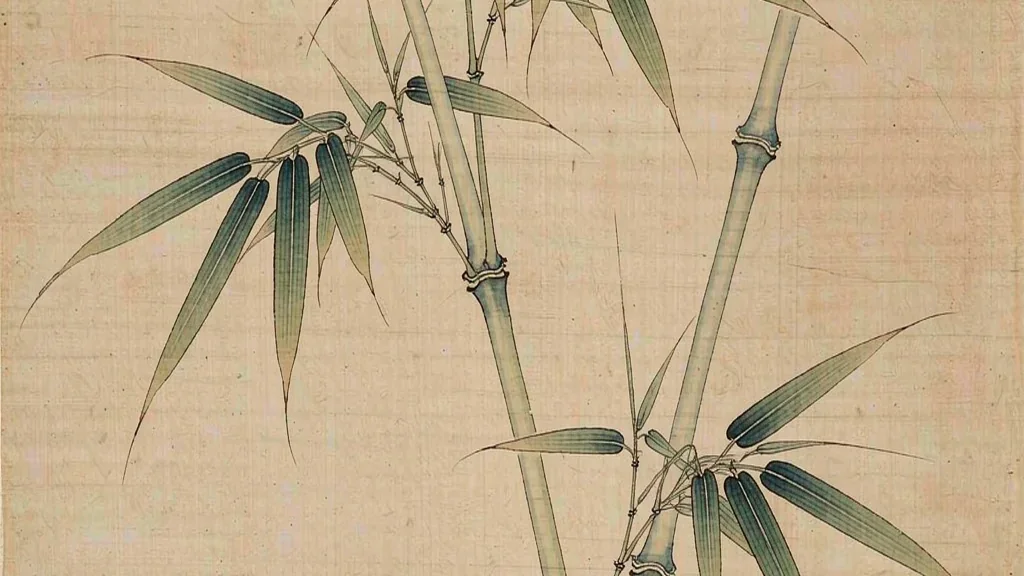
Ink Bamboo: The Scholar's Integrity
In a culture that elevated moral symbolism above mere representation, the bamboo (竹, zhú) became the most philosophically loaded subject in Chinese painting — a plant that was also a lesson in how to live. Chinese bamboo painting (墨竹, mò zhú) is not botany; it is ethics expressed through ink. The bamboo's hollow stem teaches humility and openness, its straight growth teaches integrity, its flexibility in the wind teaches resilience without breaking, and its evergreen leaves teach enduring vitality. For more than a thousand years, Chinese scholars have painted bamboo not because they admired its appearance but because they aspired to its virtues.
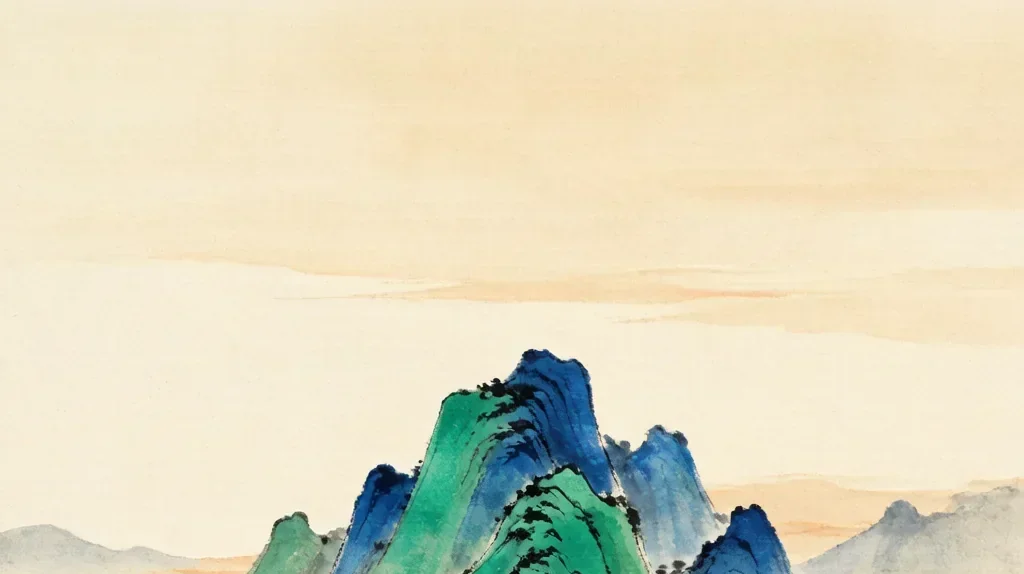
Blue-Green Landscape: The Jeweled Mountains
Imagine a mountain range made of emerald and lapis lazuli, with clouds outlined in gold and trees that glow like jade. This is the world of blue-green landscape painting (青绿山水, qīnglǜ shānshuǐ), the most sumptuous and decorative tradition in Chinese art. Using brilliant mineral pigments derived from azurite, malachite, and gold, Chinese painters created landscapes of fantastic beauty that seem to belong to a different, more perfect world.
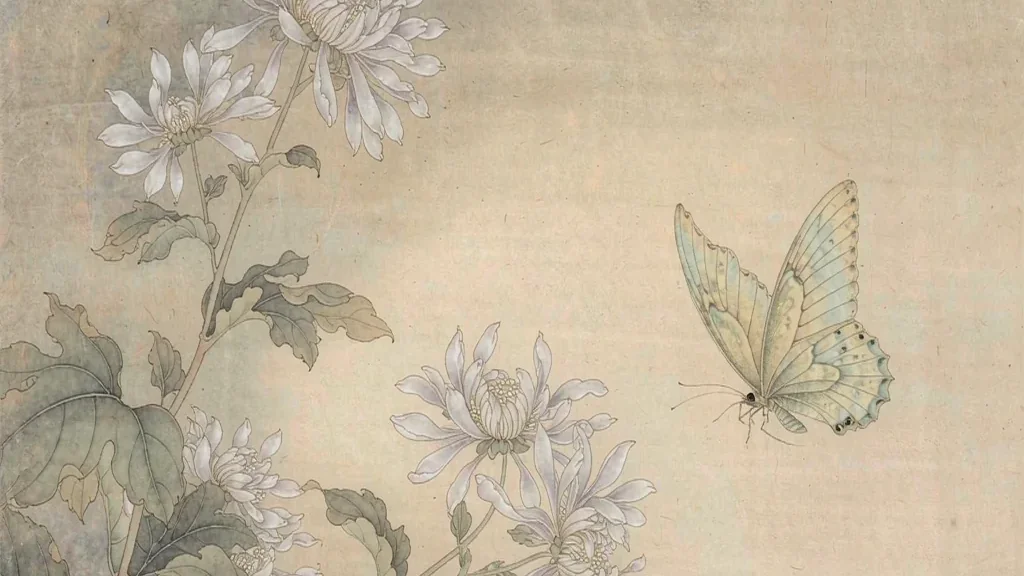
The Boneless Style: Color Without Outline
The Chinese painter approaching a subject has a fundamental choice: to define forms with lines, or to let forms emerge from colored shapes without outlines. The second approach is called 'boneless' painting (没骨画, mògǔ huà) — a technique that abandons the defining 'bone' of the ink outline and uses only color washes to create form. Developed during the Five Dynasties period and revived during the Qing dynasty, boneless painting represents the most coloristic tradition in Chinese ink-and-wash art, a bridge between the linear tradition of Chinese painting and the painterly traditions of the West.
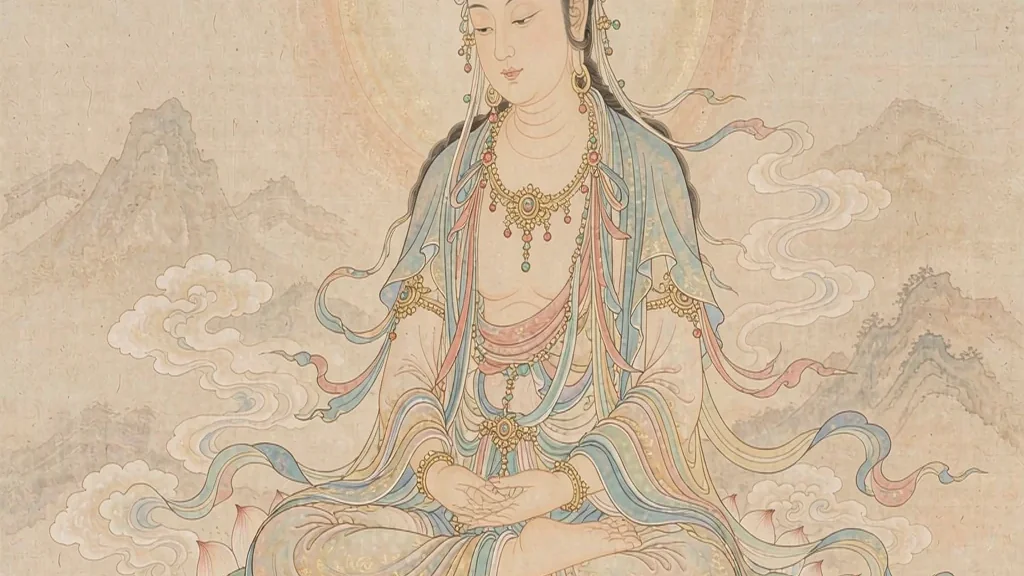
Buddhist Painting: The Sacred Image
When Buddhism traveled the Silk Road from India to China in the early centuries of the Common Era, it brought not only scriptures and philosophies but a rich visual language that would transform Chinese painting forever. The first Buddhist images in China were not Chinese at all — they followed Indian and Central Asian conventions, showing the Buddha with Hellenistic features and draped in monastic robes. But within a few centuries, Chinese artists had indigenized Buddhist iconography, creating a distinctive tradition that blended Indian sacred imagery with Chinese aesthetic sensibilities, producing some of the most magnificent religious art in human history.

Ink Chrysanthemum: Autumn's Defiance
While the plum blossom blooms at the end of winter and the orchid hides in summer valleys, the chrysanthemum (菊花, júhuā) waits until everything else has faded, bursting into color when the garden is preparing for sleep. This timing — late, defiant, beautiful in decay — made the chrysanthemum the perfect symbol for the scholar who remains true to himself in old age, in defeat, or in political retirement. Chrysanthemum painting (画菊, huà jú) is the art of autumn: rich, complex, colored with the knowledge of approaching winter, and utterly unapologetic.

The Court Style: Precision and Splendor
For more than a thousand years, the Chinese imperial court was the single most important patron of painting in the world, employing hundreds of artists who worked to glorify the dynasty, record its achievements, and decorate the endless halls and pavilions of the palace complex. Court painting (宫廷画, gōngtíng huà) was the official art of the Chinese empire — grand, meticulous, and loaded with political meaning. Unlike the personal and expressive works of the literati, court painting served the state, and its greatest masterpieces are documents of imperial ambition, prosperity, and self-image.

Daoist Painting: Immortals on Silk
While Buddhist painters depicted compassionate bodhisattvas and solemn Buddhas, Daoist artists pictured a very different kind of sacred realm — a celestial bureaucracy in which everything from the wind and rain to the kitchen stove was governed by a vast hierarchy of immortals, officials, and guardian spirits. Daoist deity painting (道教神仙画, dàojiào shénxiān huà) emerged alongside Buddhism as a major genre of Chinese religious art, creating a visual system that represented the Daoist cosmos as a mirror of the imperial court, complete with rankings, departments, and divine officials who could be petitioned through ritual and art.

Dragons and Tigers: The Power of Mythical Beasts
In Chinese cosmology, the dragon and the tiger represent the two most potent forces of the natural world: the dragon commands the waters and the heavens, while the tiger rules the mountains and the forests. When these two creatures appear together in Chinese painting, they embody the dynamic interplay of yin and yang, creation and destruction, spirit and matter. Dragon and tiger painting (龙虎图, lóng hǔ tú) is one of the oldest and most symbolically charged genres in Chinese art, reaching back to the Neolithic period and continuing to inspire artists today.

Gongbi: The Meticulous Brush of Detail
If splashed ink is Chinese painting shouting its freedom, fine-brush painting (工笔画, gōngbǐ huà) is the tradition speaking in a carefully modulated whisper — each word precise, each gesture controlled, each detail the result of patient attention. Fine-brush painting is the meticulous tradition of Chinese art: the tradition of the Song imperial academy, of Qiu Ying's palace beauties, of bird-and-flower paintings that capture every feather and stamen with scientific precision. It is the art of patience, craftsmanship, and exquisite control.
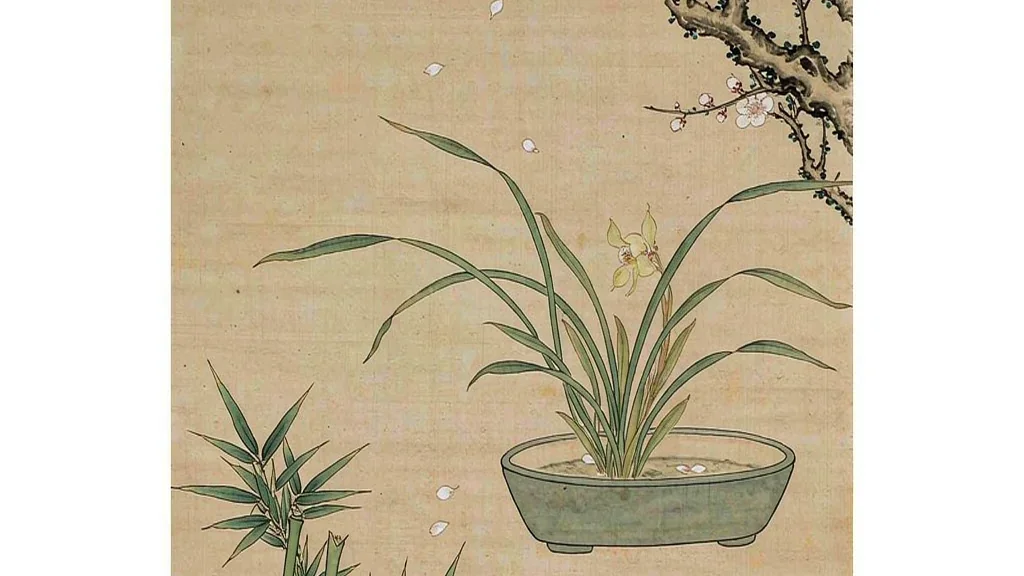
The Four Gentlemen: Bamboo, Orchid, Plum, Chrysanthemum
No single concept better encapsulates the moral and aesthetic ideals of Chinese literati painting than the Four Gentlemen (四君子, sì jūnzǐ) — plum blossom, orchid, bamboo, and chrysanthemum. These four plants, each blooming in a different season, together form a complete symbolic program that maps the life of the virtuous scholar: the plum's defiant hope, the orchid's quiet integrity, the bamboo's resilient flexibility, and the chrysanthemum's dignified acceptance of old age. To paint the Four Gentlemen was to declare oneself a member of the cultivated class, bound by the shared values these plants represented.
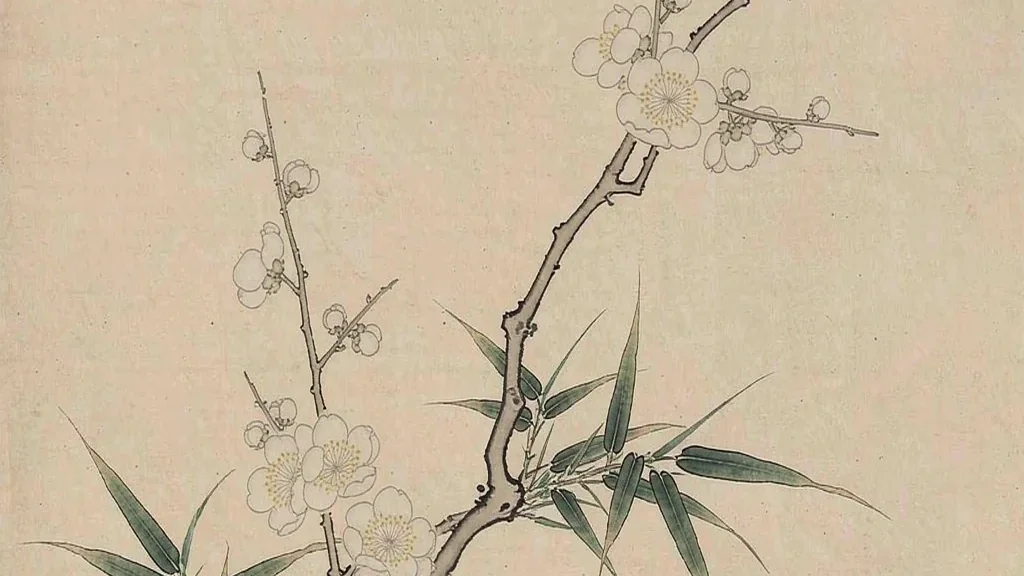
Xieyi: The Freehand Spirit of Chinese Art
In Chinese painting theory, there are two fundamental approaches to rendering the world: meticulous realism and freehand expression. The latter, known as xieyi (写意, literally 'writing the idea'), is the heart of the literati tradition — a method of painting that values spirit over likeness, spontaneity over finish, and the energy of the brush over the precision of the line. Freehand painting is not a rejection of skill but its transcendence: the artist has practiced so long that the brush moves without conscious thought, capturing the essence of a subject in a few swift strokes.
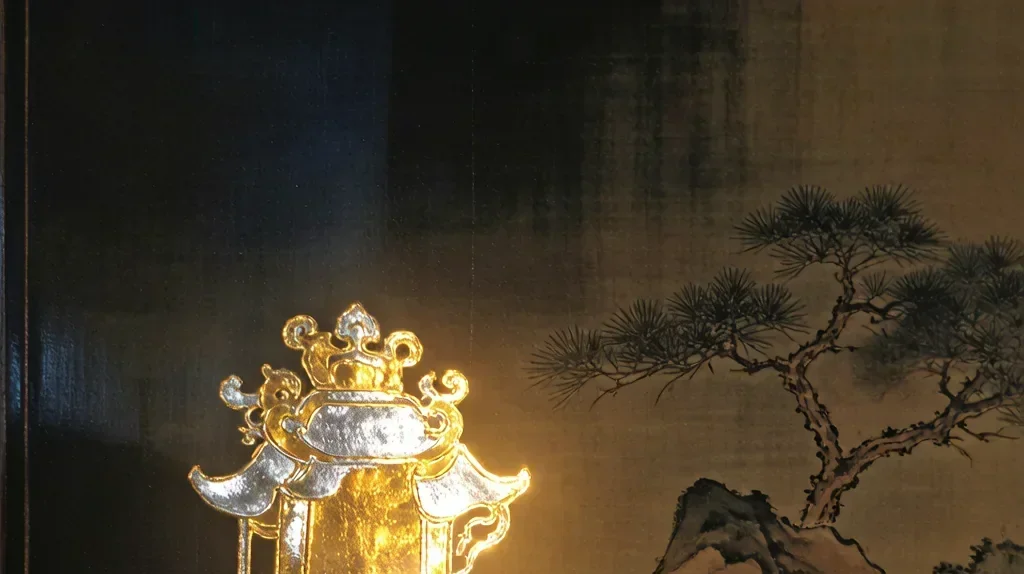
Gold and Silver: The Luminous Paint of the Tang
On a black lacquer screen or a deep blue silk scroll, nothing catches the eye like gold. Chinese painters have used gold and silver as pigments for more than a millennium, creating works of sumptuous beauty that shimmer, reflect, and change with the light. Gold painting (金画, jīnhuà) was never the dominant tradition in Chinese art — the literati considered it vulgar — but in the courts, temples, and luxury workshops of imperial China, gold and silver created some of the most spectacular works in the Chinese repertoire.

Horse Painting: The Spirit of the Steppe
No animal in Chinese art carries a heavier symbolic burden than the horse. For over two millennia, the st, the horse was the measure of military power, the vehicle of imperial authority, the companion of poets, and the symbol of the untamed spirit that the Confucian scholar secretly admired and publicly feared. Chinese horse painting (画马, huà mǎ) emerged as a major genre during the Tang dynasty and reached its apogee under the Yuan, when exiled Mongolian rulers and displaced Chinese scholars both found in the horse a vehicle for expressing their deepest aspirations and anxieties.
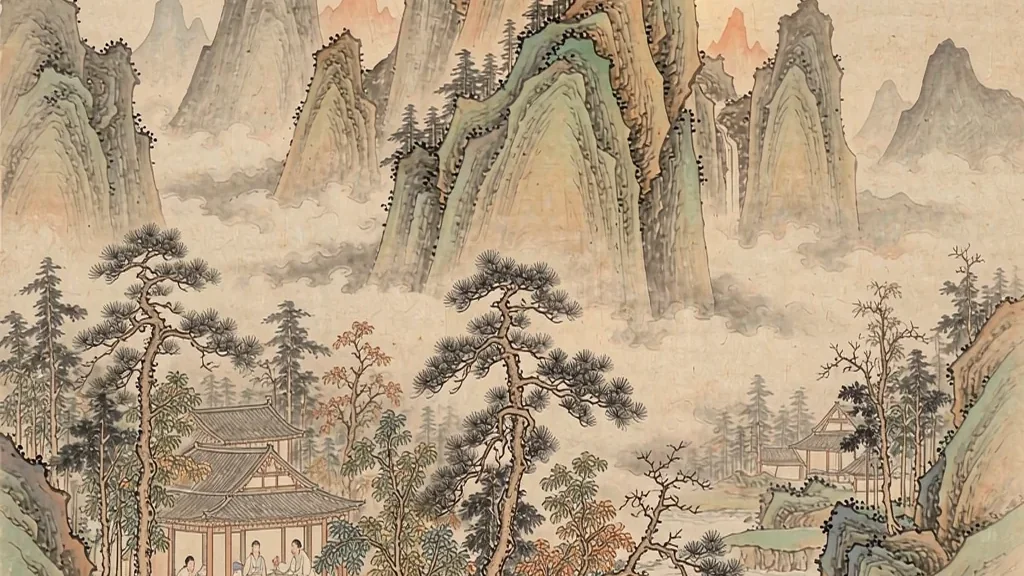
Ink-Wash Landscape: The Poetry of Monochrome
If blue-green landscape is Chinese painting in its festive robes, ink wash landscape (水墨山水, shuǐmò shānshuǐ) is Chinese painting in its plainest, most honest garment — stripped of color, reduced to the elemental dialogue between brush, ink, water, and paper. This is the tradition that produced the greatest masterpieces of Chinese art: vast mountains rendered in shades of black and gray, misty rivers that seem to stretch into eternity, and the tiny figures of travelers who remind us that we are small but not lost.
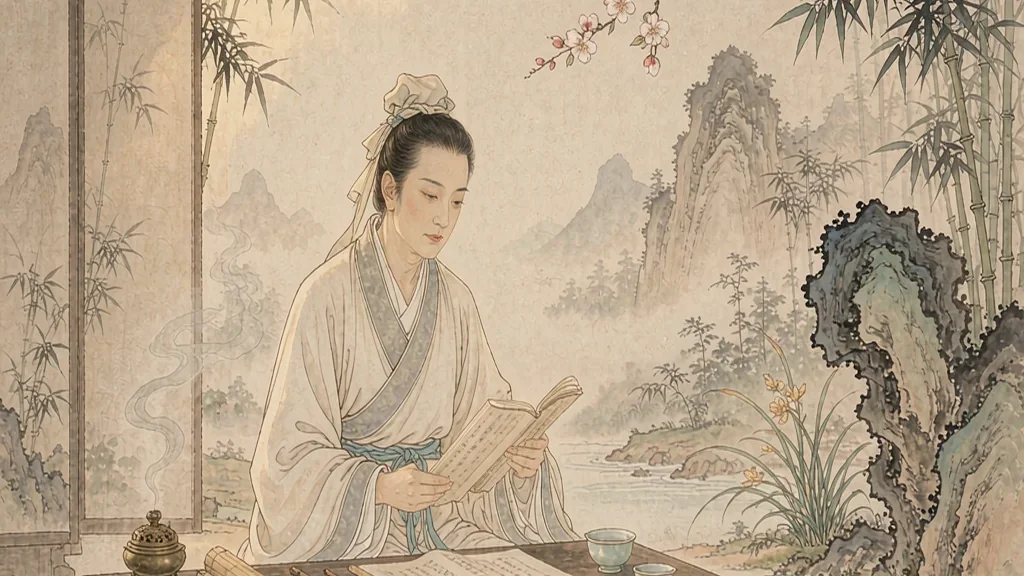
Literati Painting: The Art of the Scholar
The most distinctive contribution of Chinese civilization to world art is the tradition of literati painting (文人画, wénrén huà) — the art of the scholar-official who painted not for money or fame but as a form of personal cultivation and moral expression. In the Confucian system, the scholar was supposed to pursue public service, but the literati painter insisted that the private act of painting could be equally meaningful. Rejecting the meticulous realism of court artists and the commercialism of professional painters, the literatus painted in monochrome ink, with deliberate amateurism, creating works that were valued not for their resemblance to nature but for the quality of the mind they revealed.
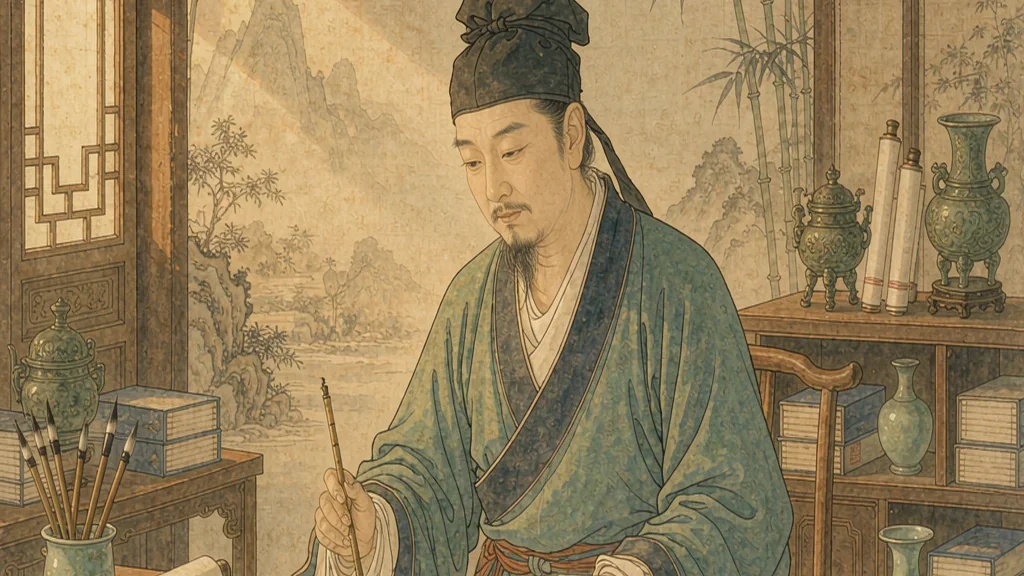
Ming Professional Painters: Art for the Market
If the Yuan dynasty was the age of the literati amateur, the Ming dynasty (1368–1644) was the age of the professional. The restoration of Chinese rule under the Ming brought with it a revival of court patronage, a flourishing of commercial art markets, and the emergence of professional painting schools that served a growing urban clientele. Ming professional painting (明代职业画, Míngdài zhíyè huà) was colorful, skillful, and widely accessible — the opposite of the austere, exclusive works of the Yuan literati.
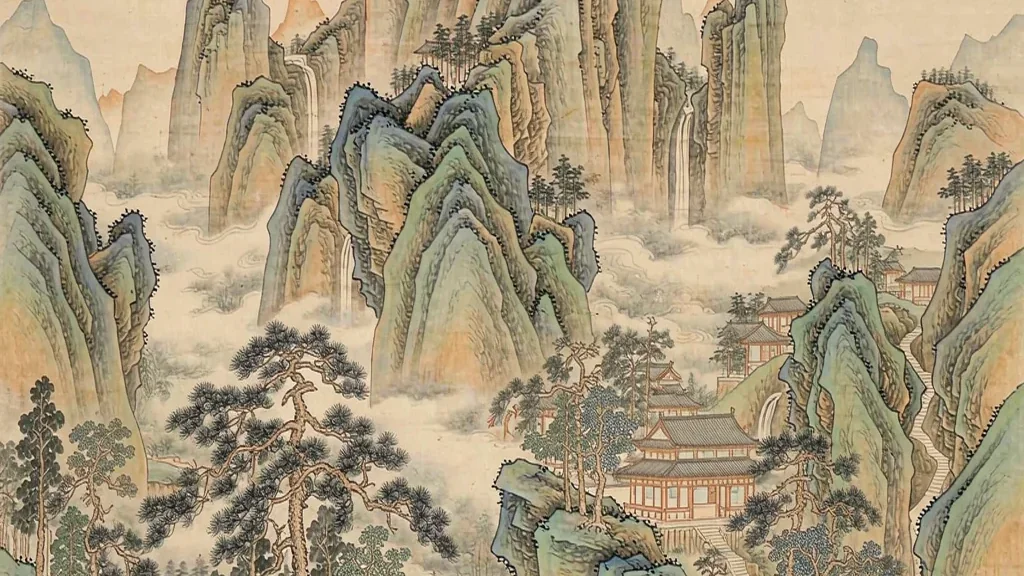
The Northern School: Professional Skill at Court
If the Southern School represented the ideal of the inspired amateur, the Northern School (北宗, Běizōng) represented the reality of the skilled professional — the painter who had trained for years to master the techniques of fine brushwork, mineral pigments, and complex composition. Though relegated to second-class status by the literati critics, the Northern School produced some of the most visually stunning works in Chinese art: the luminous blue-green landscapes of the Tang dynasty, the meticulously observed birds and flowers of the Song imperial academy, and the grand narrative handscrolls of the Ming court.
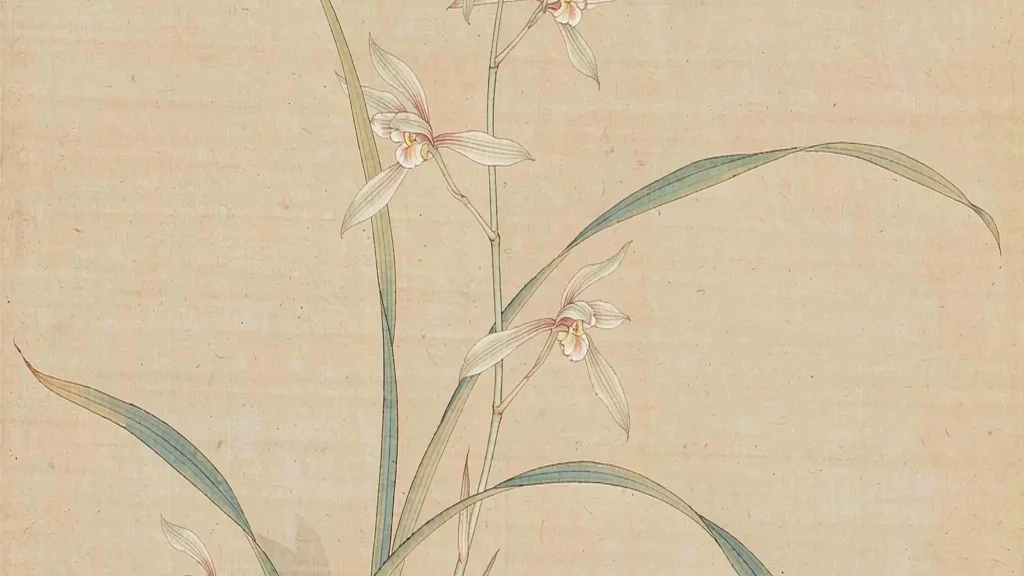
Ink Orchid: The Fragrance Without Words
Of all the plants in the Chinese literati repertoire, none is more elusive than the orchid (兰, lán). Unlike the bamboo's visible strength or the plum's dramatic defiance, the orchid's virtue is subtle — it grows in remote valleys, hidden from view, releasing its fragrance without seeking an audience. Orchid painting (画兰, huà lán) became for Chinese scholars a vehicle for expressing the ideal of the 'gentleman in retirement,' the virtuous man whose worth is known not by his worldly success but by the quiet influence he exerts even in obscurity.
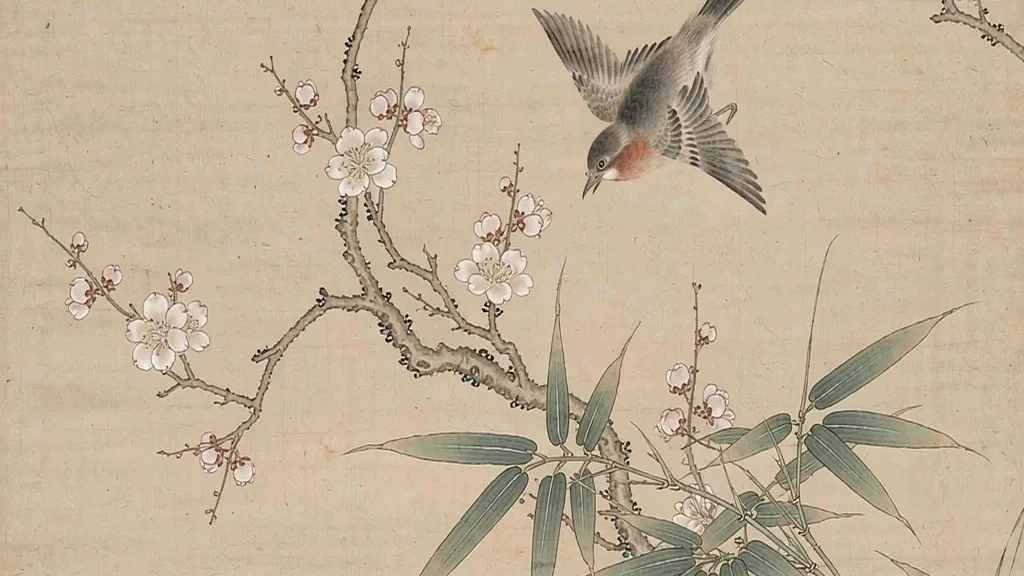
Danqing: The Colors of Chinese Painting
When the Western viewer first encounters a Chinese painting, the question often arises: why so little color? The answer lies not in technical limitation but in philosophical choice. For the Chinese scholar-painter, the five shades of black ink contained all the colors of the universe — and to add actual color was to diminish the painting's spiritual power. But color was never entirely absent. From the mineral greens and blues of Tang landscape to the soft washes of Qing flower painting, color played a complex and evolving role in Chinese art.
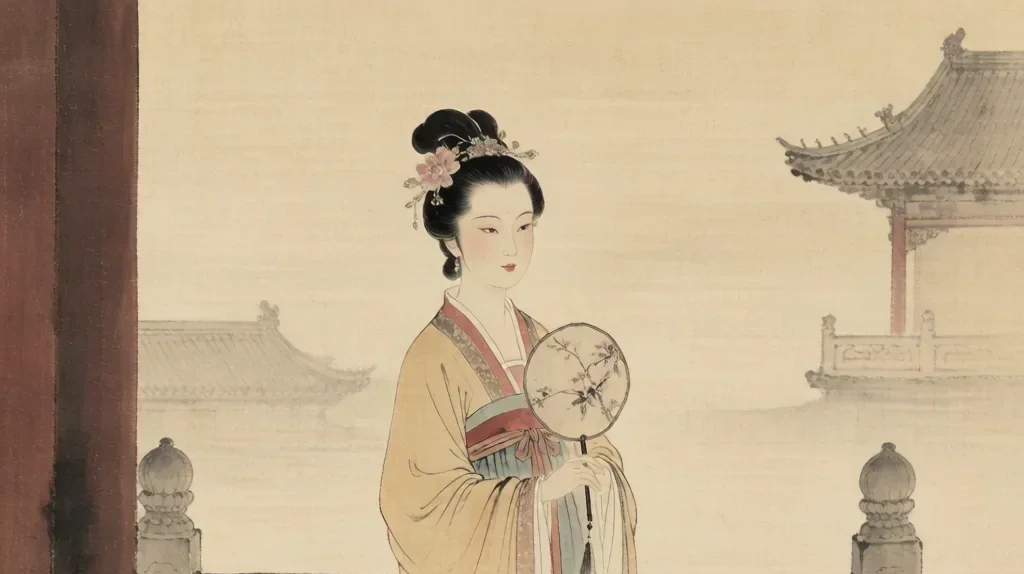
The Palace Beauty: Idealized Women of the Brush
In the secluded inner courts of the Forbidden City and the pleasure pavilions of imperial gardens, a tradition of painting flourished that depicted not the heroic generals and wise ministers of official history but the women of the palace — their beauty, their ennui, their fleeting joys, and their quiet tragedies. Palace beauty painting (仕女画, shìnǚ huà), often translated as 'beautiful women painting,' was one of the most enduring and beloved genres of Chinese figure painting, evolving from didactic illustrations of virtuous ladies to subtle explorations of feminine subjectivity that continue to resonate with viewers today.
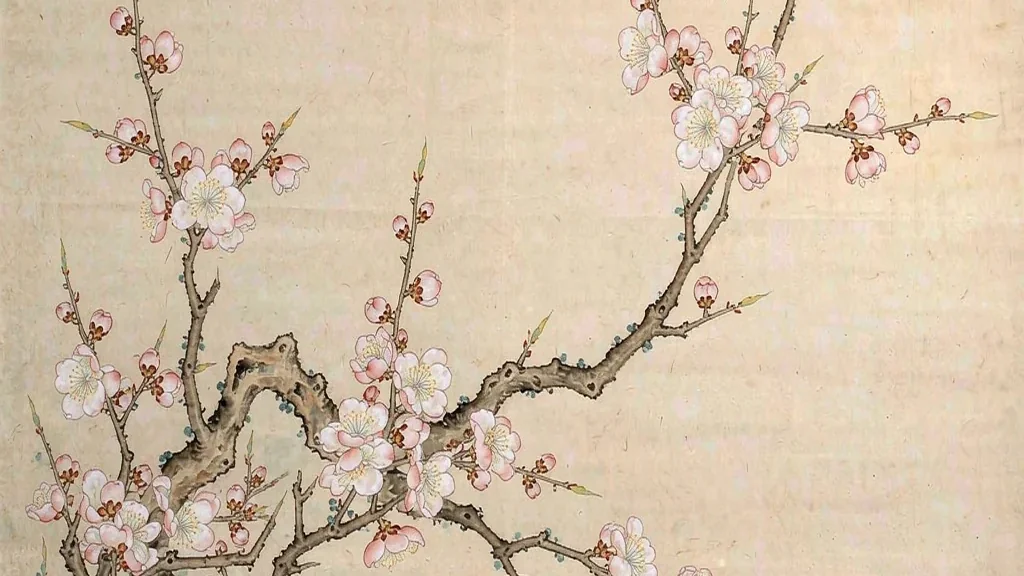
Ink Plum: Winter Blossom on Paper
The plum blossom (梅花, méihuā) blooms in the bitter cold of late winter, when all other flowers are dormant, and this defiance of nature's harshest season made it the supreme symbol of moral integrity in Chinese painting. Plum blossom painting (画梅, huà méi) emerged as a distinct genre during the Song dynasty and became an essential part of the literati repertoire, a subject that allowed scholars to celebrate resilience, purity, and hope in the face of adversity. A painted plum branch is never merely a botanical study; it is a statement of character.

Portrait Painting: The Face as History
The earliest surviving Chinese portraits were not celebrations of individual identity but ritual tools for ancestor worship, capturing the spirit of the deceased to ensure their continued presence in family life. By the time of the Han dynasty, portrait painting had evolved into a sophisticated art that recorded emperors, virtuous officials, and exemplary women, serving both commemorative and didactic purposes. Over the centuries, Chinese portraitists developed techniques that prioritized the sitter's moral character and social role over exact physical likeness, creating images that conveyed inner virtue through symbolic attributes and idealized features.
Qing Individualists: The Lonely Genius
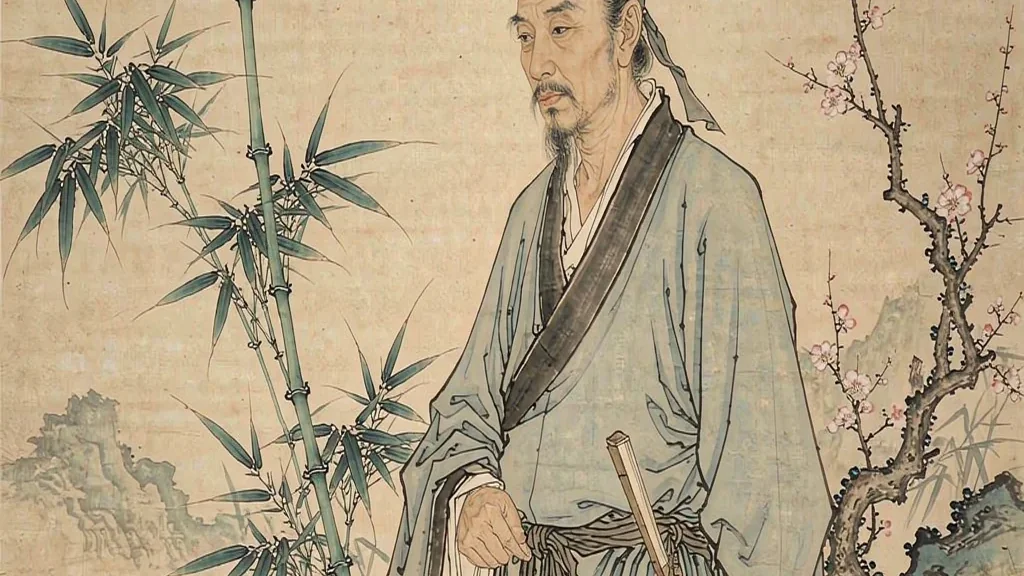
The fall of the Ming dynasty to the Manchu invaders in 1644 produced a crisis of identity for Chinese scholars that found expression in the most unconventional paintings in Chinese history. The individualist painters of the early Qing dynasty (1644–1912) — men who had lived through the collapse of their civilization — created works of furious originality that deliberately broke every rule of the literati tradition. Their paintings are distorted, ugly, strange, and deeply moving. They are the art of trauma, and they are among the most powerful works ever produced in China.
Song Landscape Painting: The Majesty of Nature
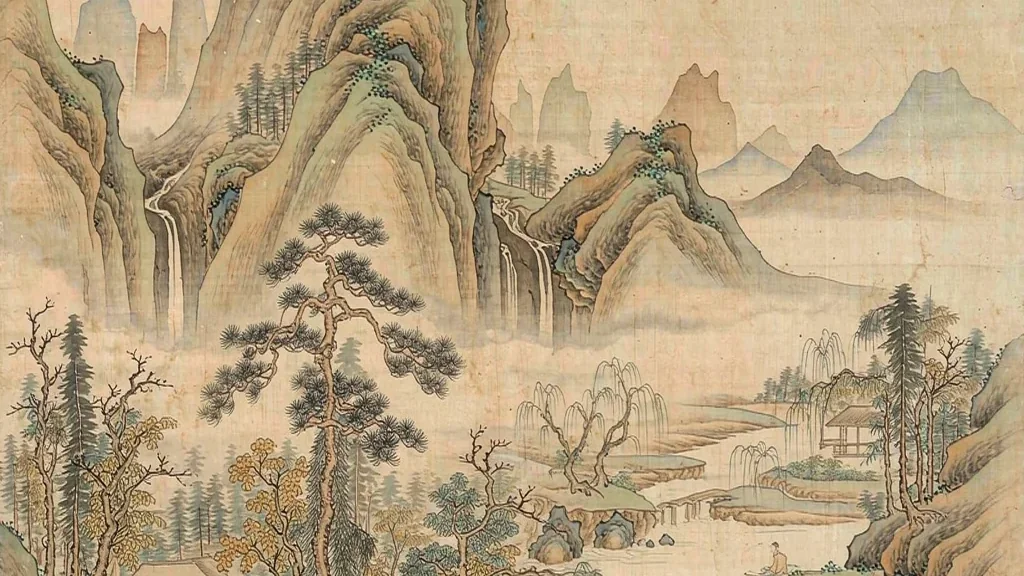
The Song dynasty (960–1279) produced the greatest landscape paintings in Chinese history — works that are not merely depictions of mountains and rivers but philosophical meditations on the nature of reality, the place of humanity in the cosmos, and the relationship between the visible world and the invisible forces that shape it. Song landscape painting is the supreme achievement of Chinese art, the tradition's most perfect expression of its deepest values. To stand before a Song landscape is to enter a world that is at once natural and spiritual, real and transcendent.
The Southern School of Painting: Intuition over Craft
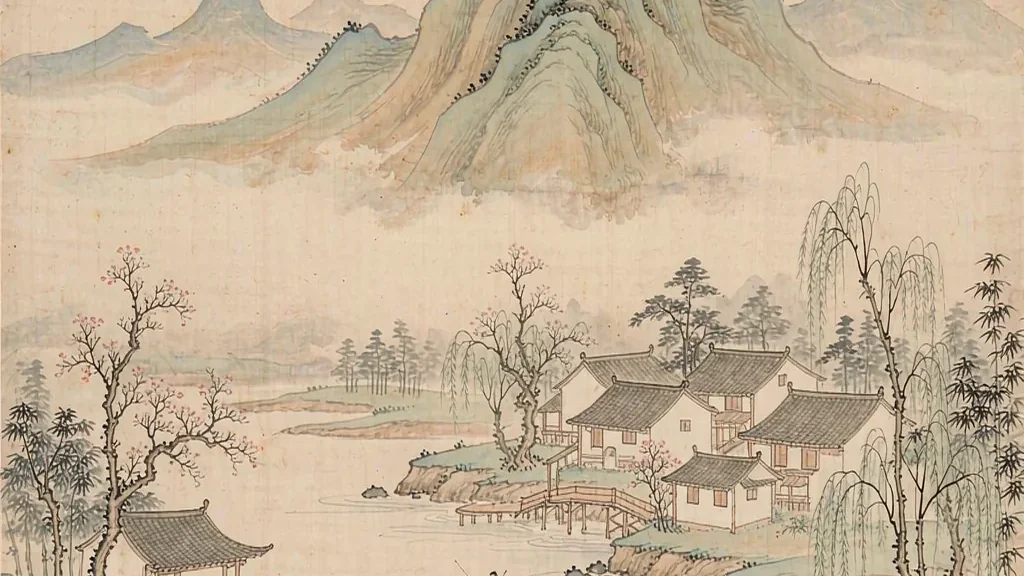
In the history of Chinese painting theory, no single concept has been more influential — or more controversial — than the Southern School (南宗, Nánzōng). First proposed in 1585 by the Ming dynasty critic Dong Qichang (董其昌, 1555–1636), the Southern School theory divided all of Chinese painting into two lineages: a southern tradition of scholarly amateurs who painted with spontaneity and personal expression, and a northern tradition of professional craftsmen who painted with meticulous technique and decorative color. Though historically dubious, Dong's division shaped Chinese art criticism and practice for the next three centuries, elevating the status of literati painting and marginalizing professional art.
Splashed Ink: The Spontaneous Masterpiece
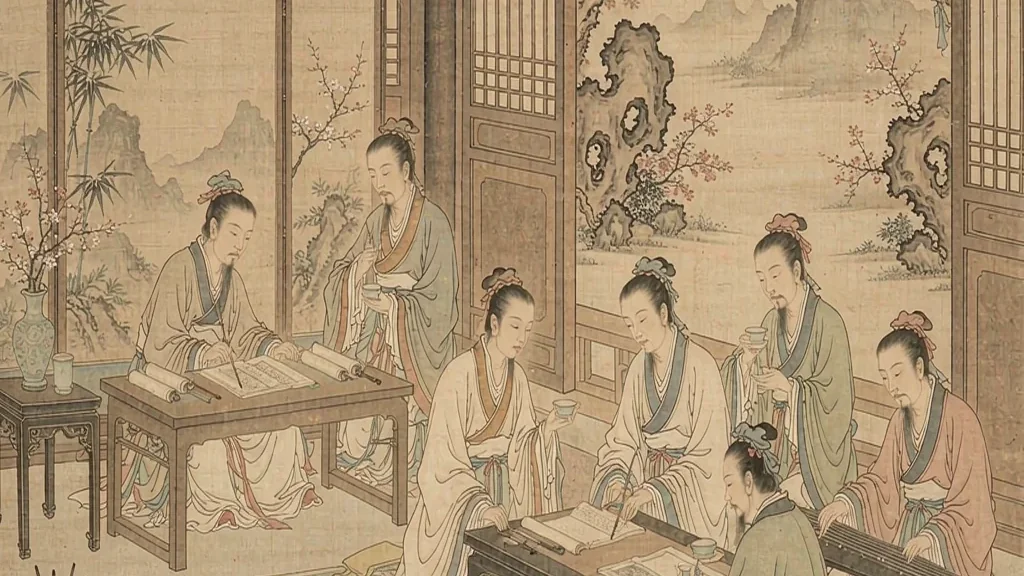
There is a moment in every ink painter's training when discipline gives way to abandon — when the brush seems to take on a life of its own, lashing across the paper with a fury that the conscious mind can neither plan nor control. This is the moment of splashed ink (泼墨, pōmò), the most spontaneous and dangerous technique in the Chinese repertoire. Splashed ink painting rejects the careful deliberation of fine-brush work and the structured elegance of literati painting in favor of raw, explosive energy. It is Chinese painting at its most extreme — and at its most liberating.
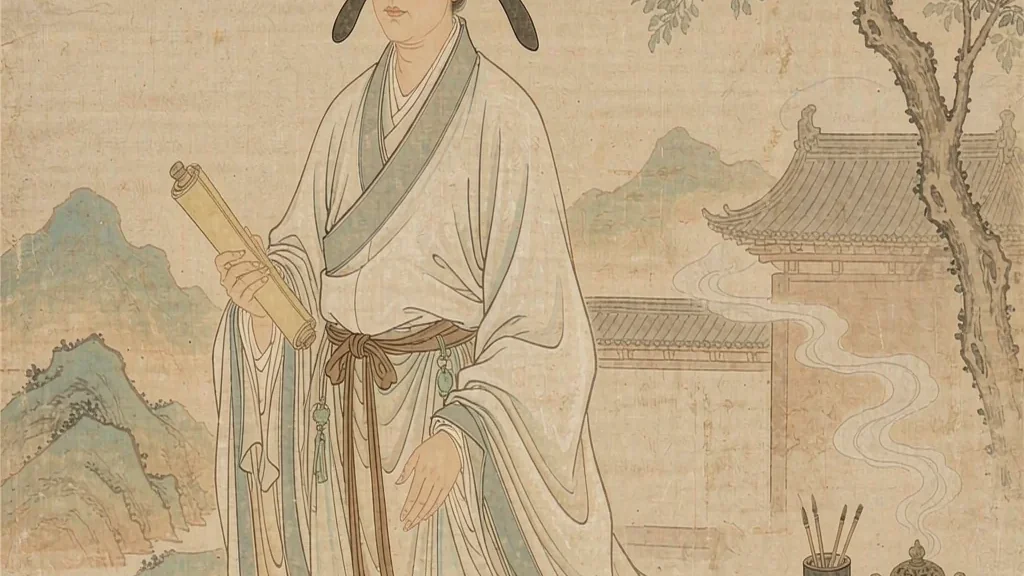
Tang Dynasty Figure Painting: The Golden Age
The Tang dynasty (618–907) was the most cosmopolitan period in Chinese history — an era when the capital Chang'an was the largest and most international city in the world, when Silk Road trade brought Persian, Indian, and Central Asian influences into every aspect of Chinese culture, and when figure painting reached a level of naturalism and vitality that would not be equaled for centuries. Tang figure painting is the art of a confident, outward-looking civilization: the figures are substantial, the colors are brilliant, and the mood is one of worldly enjoyment and spiritual certainty. It is Chinese art at its most accessible and its most magnificent.
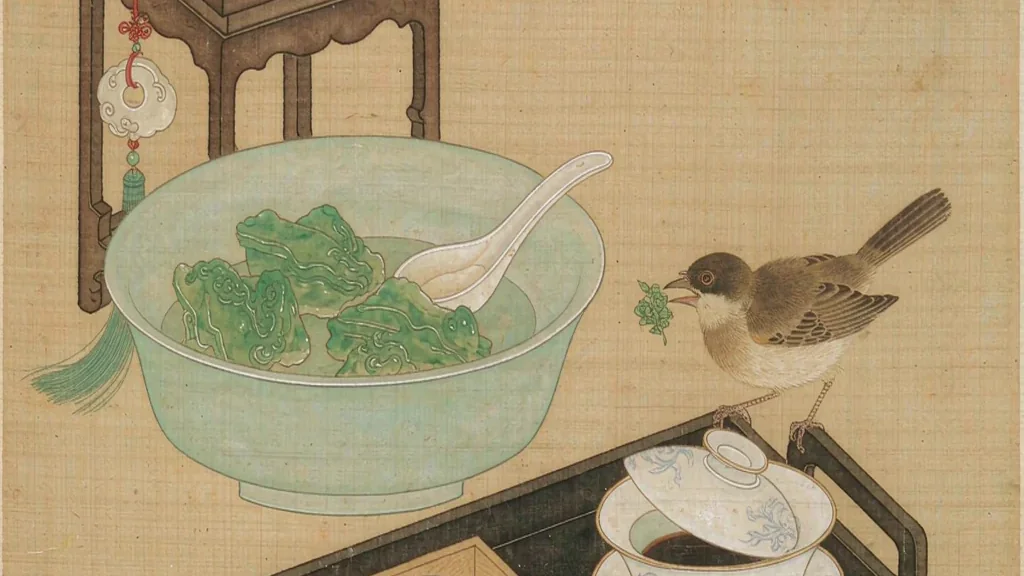
The Four Yuan Masters: The Rise of Literati Painting
The Mongol conquest of China in the thirteenth century was a disaster that produced great art. The Yuan dynasty (1271–1368) was a period of foreign rule that excluded Chinese scholars from political power, suppressed the civil service examinations, and transformed the intellectual class from public servants into private individuals. Denied their traditional role, scholar-officials turned to painting with unprecedented intensity, not as a pastime but as a form of spiritual survival. The result was the Yuan revolution in painting — a transformation of Chinese art that made personal expression the central value of the literati tradition.