Sculpture & Grotto Art
38 articles — China's stone and clay heritage, from the silent legions of the First Emperor to cliff-carved Buddhas and the monumental horses of empire.

The Terracotta Army (兵马俑)
In 1974, a group of farmers sinking a well near the city of Xi'an struck something harder than soil: a broken clay head, a bronze arrowhead, and fragments of a human figure fired in clay. What lay beneath would become one of the most staggering archaeological discoveries on earth.

The Leshan Giant Buddha (乐山大佛)
At the meeting point of three rivers in Sichuan, a cliff was once transformed into a seated figure so vast that its eyelids alone are wider than a person is tall. The Leshan Giant Buddha (乐山大佛, lè shān dà fó) is the largest stone-carved Buddha on the planet — a 71-meter colossus hewn directly out of a riverside mountain over the course of ninety years.
The Dazu Rock Carvings (大足石刻)
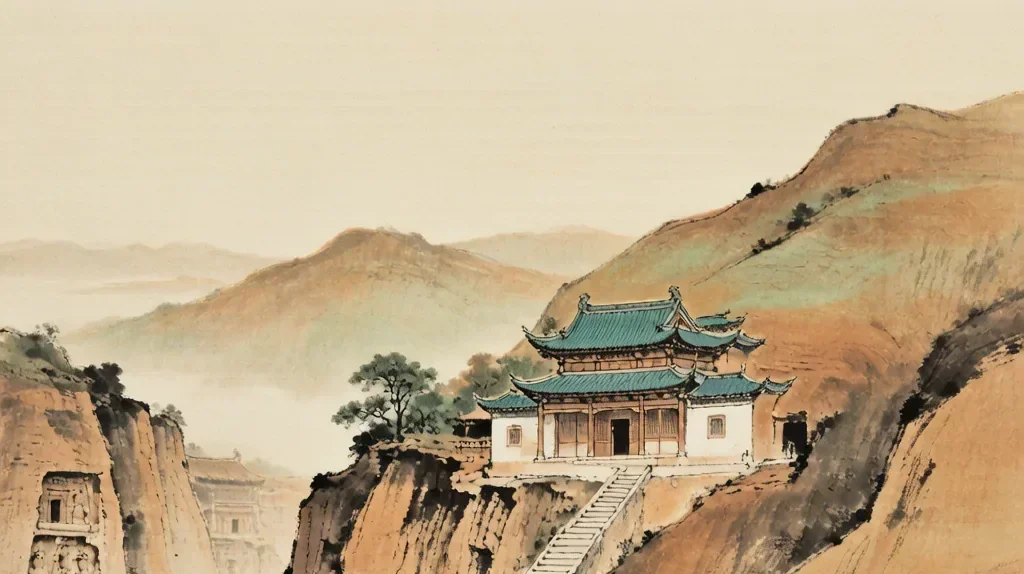
In the hills of present-day Chongqing lies one of the most extraordinary yet under-appreciated treasures of Chinese art: the Dazu Rock Carvings (大足石刻, dà zú shí kè). Spread across some seventy sites and numbering tens of thousands of figures, these cliff-side sculptures were created between the ninth and thirteenth centuries, spanning the late Tang, the Five Dynasties, and the Song.
The Maijishan Grottoes (麦积山石窟)
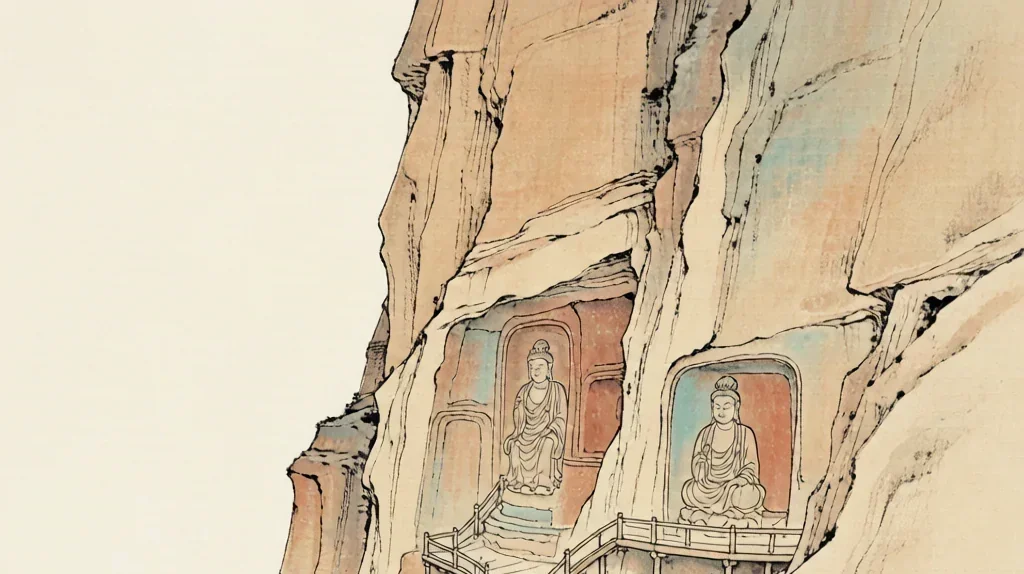
Rising alone from the Gansu plain, a rounded peak the color of rusted earth has been hollowed into one of the most poetic sites in all of Chinese Buddhist art. The Maijishan Grottoes (麦积山石窟, mài jī shān shí kū) — the "Wheat Stack Mountain Caves" — are a honeycomb of nearly two hundred cliff-side chambers whose painted clay Buddhas seem to gaze out over the Silk Road with an uncharacteristic tenderness.
Han Dynasty Sculpture (汉代雕塑)
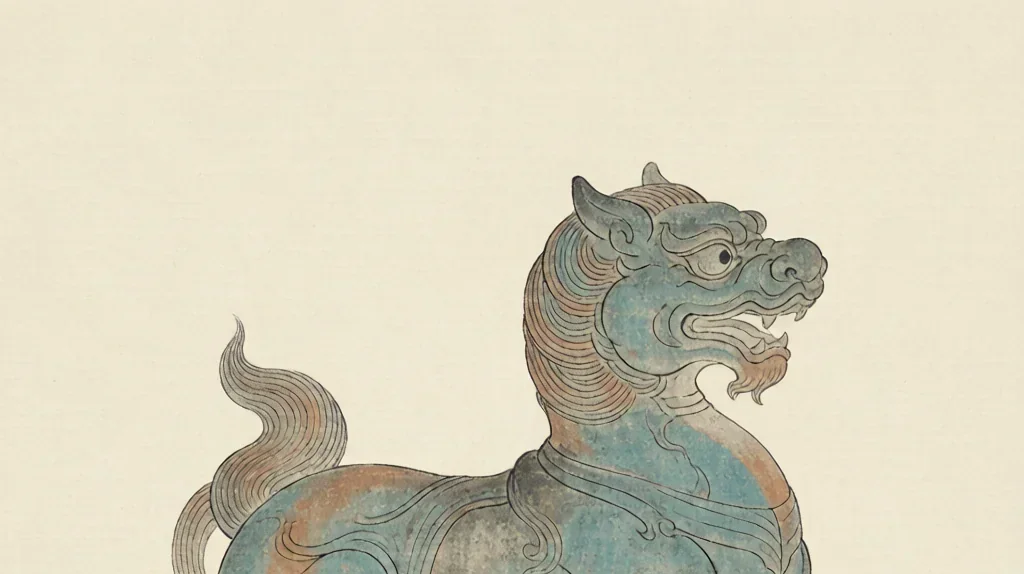
Long before the serene Buddhas of the grottoes, China discovered the power of stone to proclaim earthly glory. The breakthrough came not from a temple but from a tomb — that of a young general who never reached old age.
Tang Dynasty Sculpture (唐代雕塑)
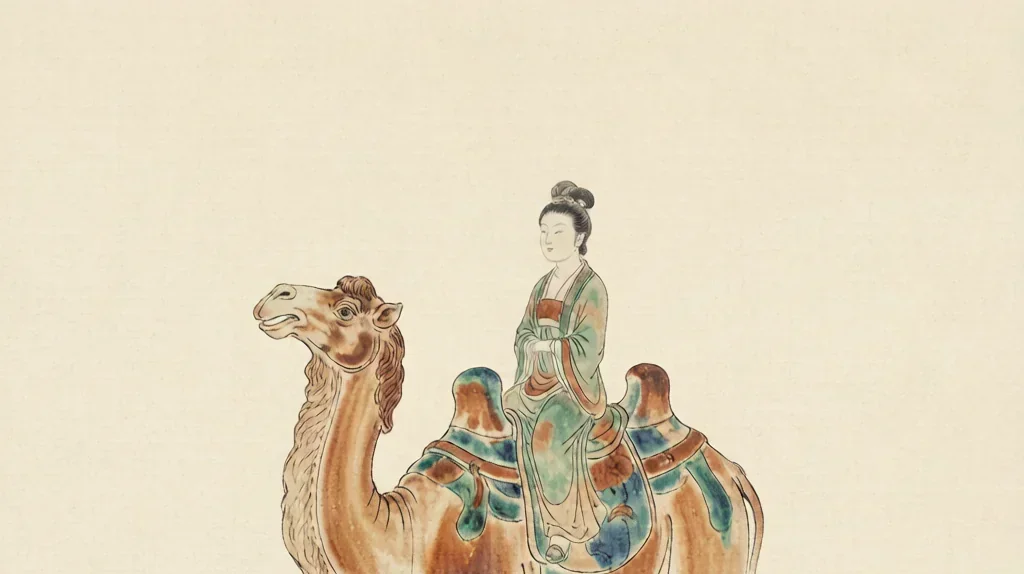
Of all the animals in Chinese art, none carried more political weight than the horse — the engine of empire on the northern frontier. The Tang dynasty (唐, Táng, 618–907 CE) elevated the horse to a symbol of sovereign power, and nowhere more beautifully than in the Six Steeds of the Zhao Mausoleum (昭陵六骏, zhāo líng liù jùn).
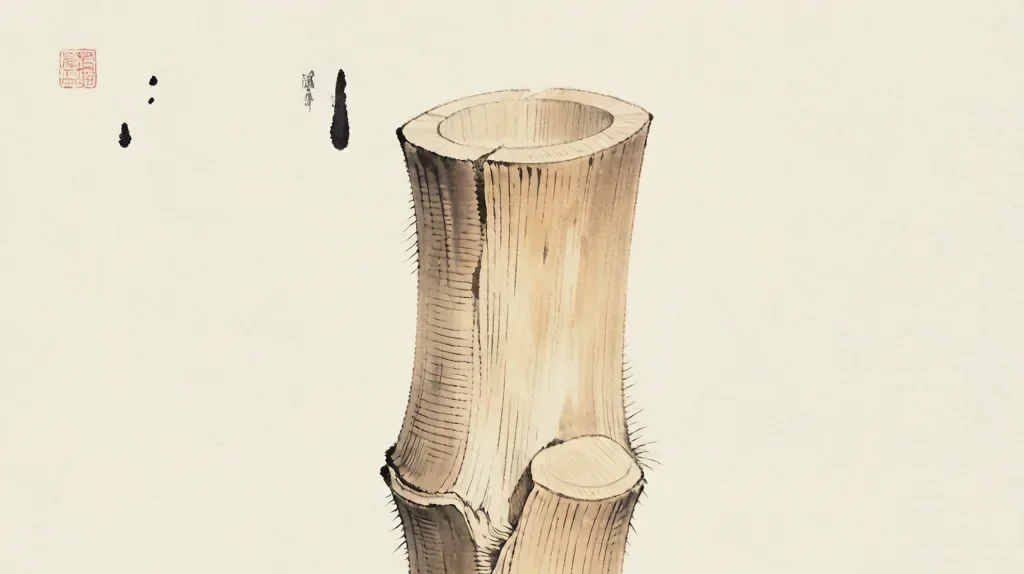
Bamboo Carving: Art in a Simple Reed
While the literati painted bamboo on silk and paper, another tradition carved bamboo into three-dimensional form — turning the hollow stems of this humble grass into brush pots, incense holders, and figurines of exquisite refinement. Bamboo carving (竹雕, zhúdiāo) emerged as a distinctive art form during the Ming dynasty and reached its peak in the Qing, producing works that combined the scholar's appreciation for bamboo with the craftsman's mastery of carving tools.
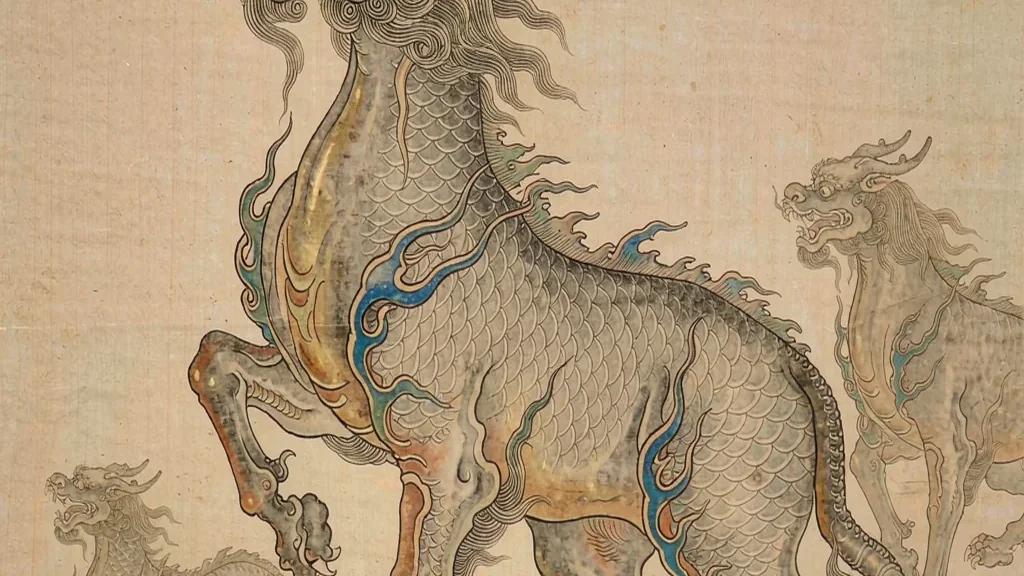
The Bixie: The Mythical Protector
Among the most mysterious and powerful of Chinese sculptural forms are the bixie (辟邪) — winged lion-like creatures that guard tombs and temples. These mythological beasts, which combine features of lions, dragons, and birds, line the 'spirit paths' (神道, shéndào) of imperial tombs, protecting the deceased from evil spirits and announcing the power of the dynasty to all who approach.

Tomb Guardians: The Beasts That Defend Eternity
The spirit paths of Chinese imperial tombs are lined with stone beasts — winged lions, crouching tigers, solemn horses, and mythical creatures that combine features of several animals. These tomb guardians (陵墓石兽, língmù shíshòu) constitute the largest category of monumental stone sculpture in China, ranging from the Han dynasty through the Qing.
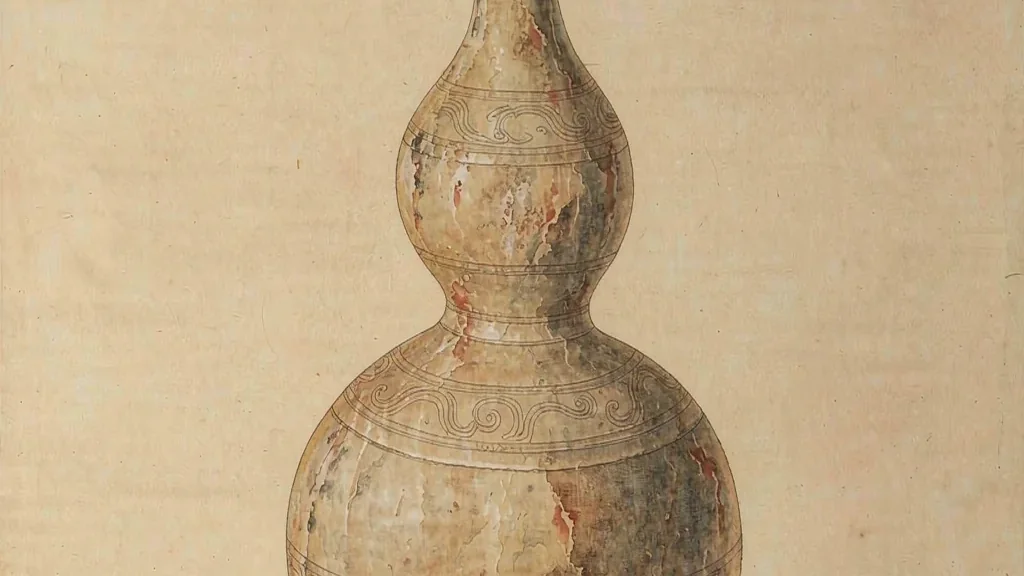
The Gourd: A Sculpture of Fortune
No plant is more deeply woven into Chinese folk art than the bottle gourd (葫芦, húlu). Dried and hollowed, gourd vessels have been used for over 3,000 years as containers for water, medicine, and wine. By the Ming and Qing dynasties, the humble gourd had been transformed into an art form: carved, painted, burned, and molded into objects of extraordinary beauty.
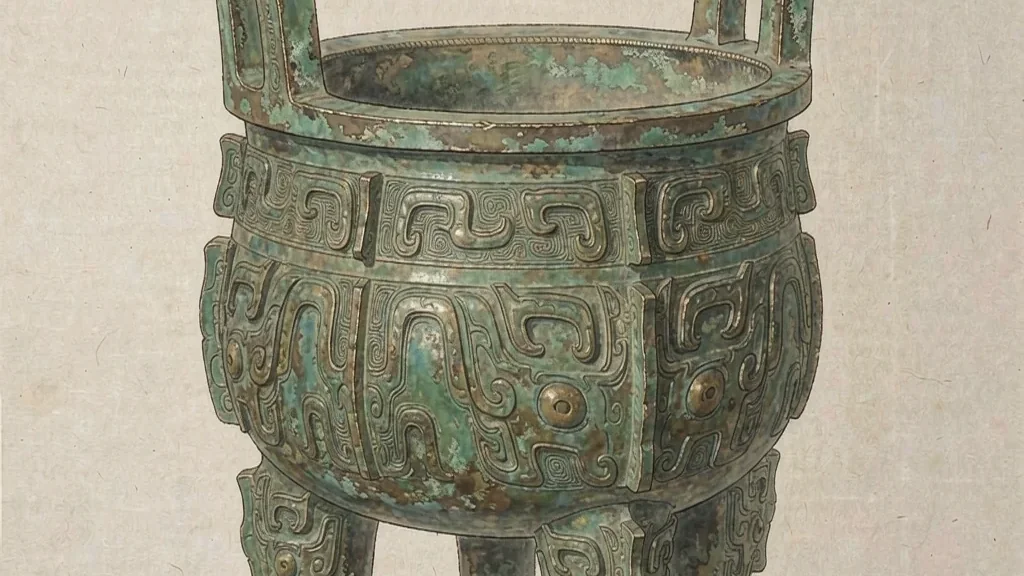
The Ding: The Bronze Cauldron of State
The bronze ding (鼎, dǐng) is the most ancient and politically charged object in Chinese material culture. This three-legged or four-legged cauldron was first cast in the Shang dynasty for cooking ritual offerings, but by the Zhou dynasty it had become the supreme symbol of political authority. The Nine Ding of Yu the Great were said to have been cast by the legendary emperor and passed down through the dynasties — whoever possessed them ruled China.

The Bronze Mirror: Reflecting Beauty and Magic
For over two millennia, the st, the Chinese bronze mirror (铜镜, tóngjìng) was an object of everyday use and profound spiritual significance. Before glass mirrors in the Ming dynasty, the bronze mirror was the only means of seeing one's face — and this act of self-reflection carried deep cosmological meaning. The circular bronze mirror, with its polished front and decorated back, was a model of the cosmos: round like heaven, reflective like the mind, and decorated with symbols of fate.
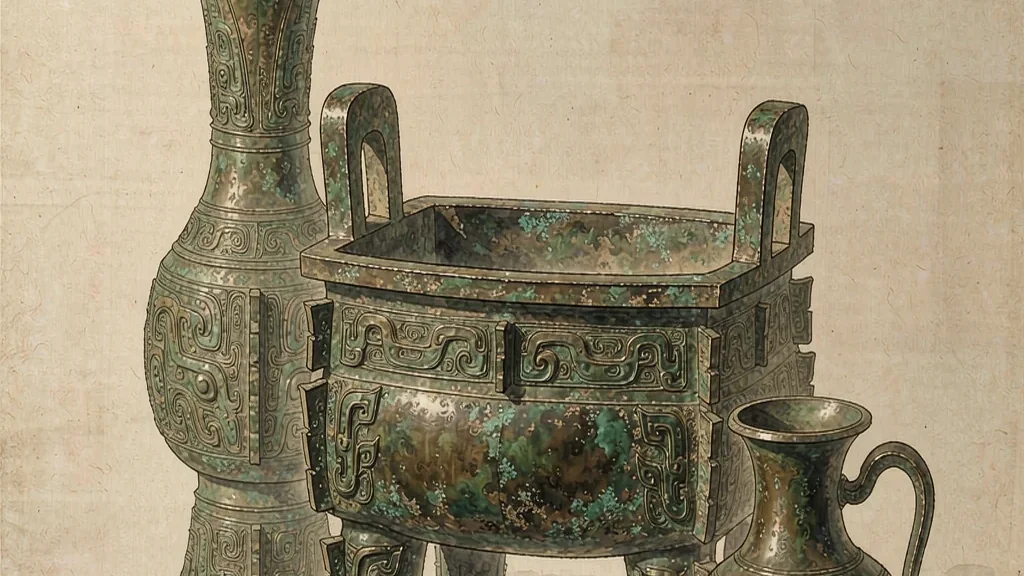
Bronze Vessels: Sacrifice in Metal
Long before the first Chinese painter dipped brush into ink, Chinese artists were casting bronze — and the vessels they created are among the most technically sophisticated and visually powerful works in the global history of art. Chinese bronze vessels (青铜器, qīngtóng qì) of the Shang and Zhou dynasties are not simply containers; they are ritual objects that connected the human world to the realm of ancestors and spirits, their surfaces covered with mysterious animal masks and geometric patterns whose meanings are still debated today.
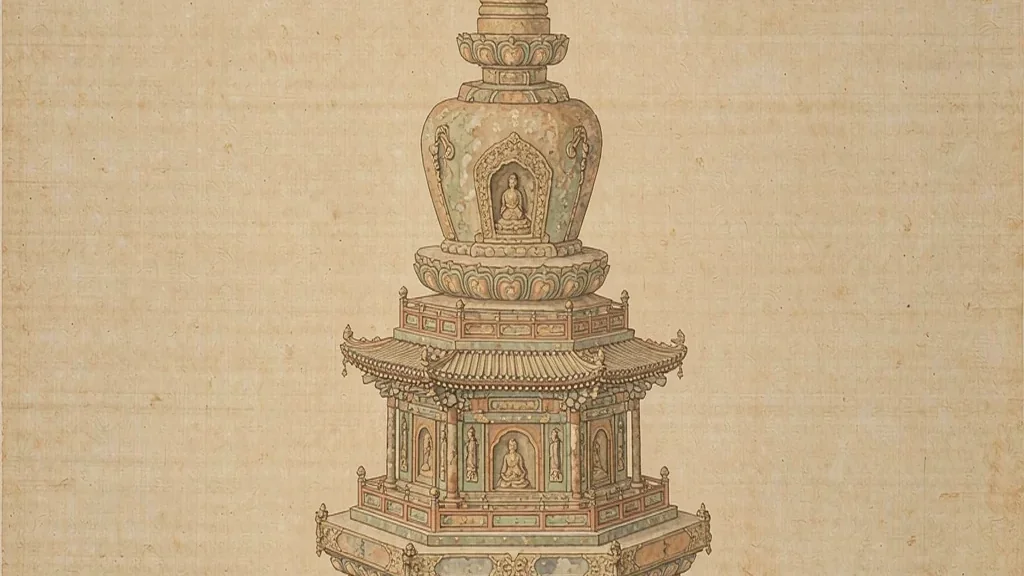
The Miniature Stupa: A Cosmos in Miniature
The Buddhist stupa (佛塔, fótǎ) is the most iconic architectural form of Asian Buddhism — a mound-shaped structure that contains relics of the Buddha or a saint. In China, stupas evolved into the multi-story pagoda, but the original Indian stupa form was preserved in miniature sculptures that served as reliquaries, offering objects, and models for meditation.

Celadon Sculpture: The Green of the Kiln
Celadon (青瓷, qīngcí) is the most poetic of Chinese ceramics — a green glaze that seems to contain the essence of jade, spring water, and bamboo leaves all at once. Celadon sculpture, where this subtle glaze is applied to three-dimensional forms, has been produced for over a thousand years. From the austere vessels of the Song dynasty to the luminous figurines of later dynasties, celadon represents the quiet, contemplative strain of Chinese ceramic art.

The Porcelain Guanyin: Compassion in Clay
The Bodhisattva Guanyin (观音), the embodiment of compassion in Mahayana Buddhism, is the most frequently depicted figure in Chinese ceramic sculpture. From the glazed ceramic figures of the Tang and Song to the blanc de chine (白瓷) porcelains of the Ming and Qing, Guanyin has been rendered in every ceramic technique and at every scale. A ceramic Guanyin is both an object of worship and a masterpiece of ceramic art.
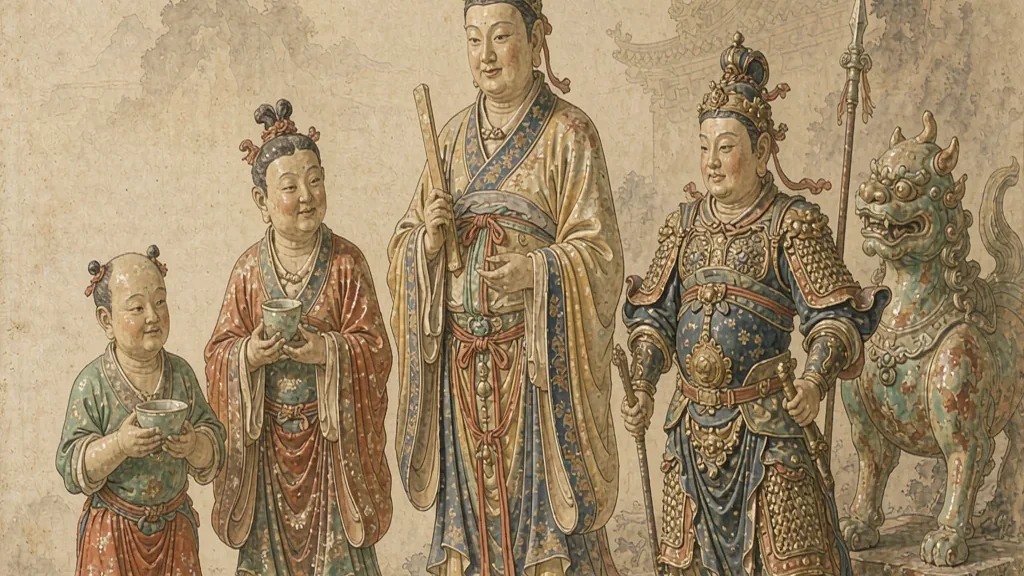
Clay Figurines: Shaping Life from Earth
Clay is the most ancient and democratic of sculptural materials. Chinese clay figurines (泥塑, nísù) span the full range of Chinese history, from the Neolithic pottery of the Yangshao culture to the painted figurines of the Qing dynasty.
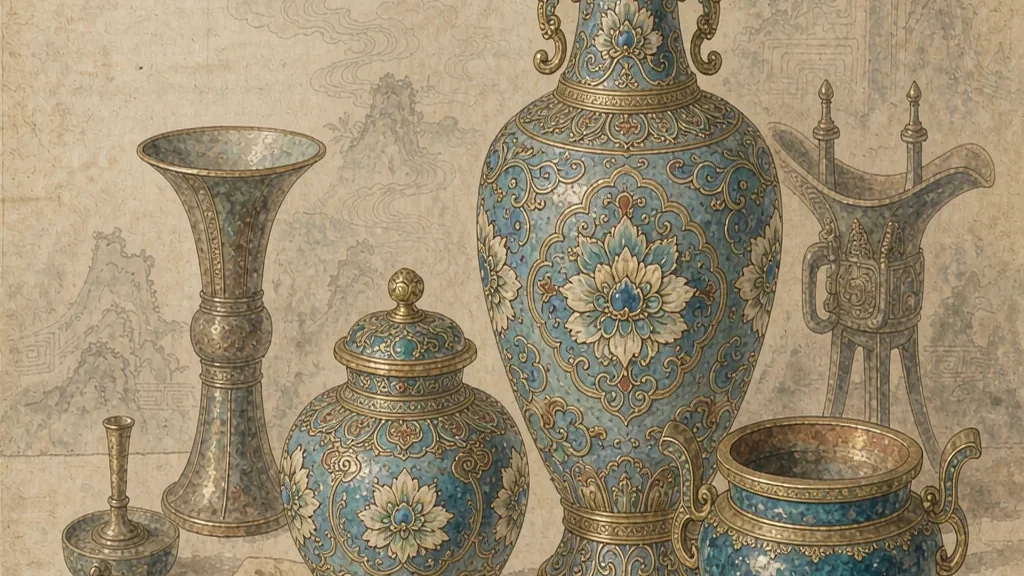
Cloisonné: Fire and Wire in Color
Cloisonne (景泰蓝, jǐngtài lán) is the brightest jewel in the crown of Chinese decorative arts — a technique in which metal wires are soldered onto a bronze body to create compartments that are filled with colored enamel and fired. The result is an object of brilliant, permanent color that never fades or tarnishes. Cloisonne reached its peak during the Ming and Qing dynasties, when the imperial workshops produced thousands of pieces for the Forbidden City.
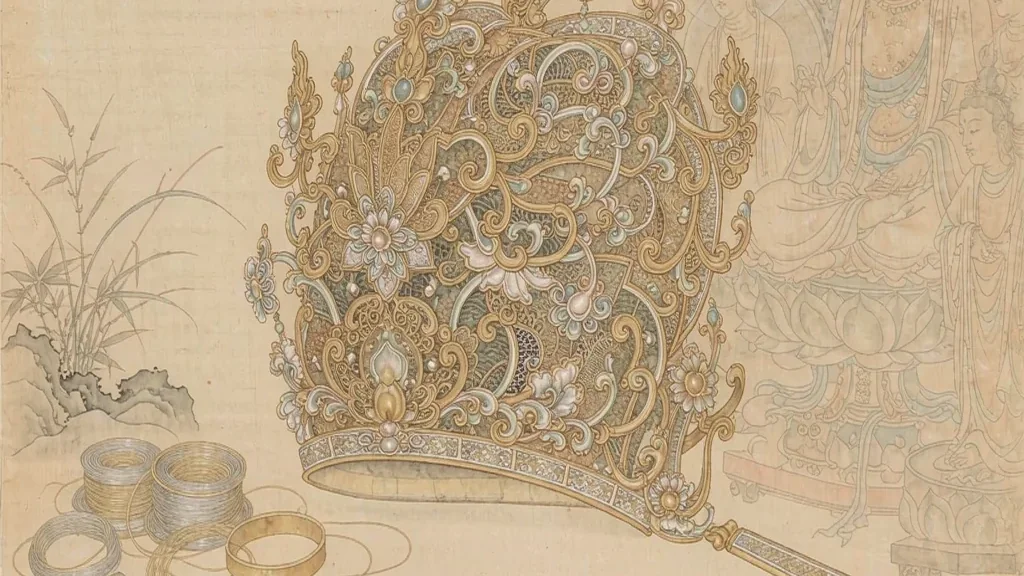
Gold and Silver Filigree: The Precious Craft
Gold and silver have been worked in China for over three thousand years, but the techniques of filigree (金银细工, jīnyín xìgōng) — the twisting and soldering of fine wires into intricate patterns — reached their peak during the Tang, Ming, and Qing dynasties. Chinese goldsmiths created objects of breath-taking delicacy: hairpins so fine they seemed woven from light, boxes covered with spiraling wire patterns, and ceremonial objects encrusted with filigree and gemstones.
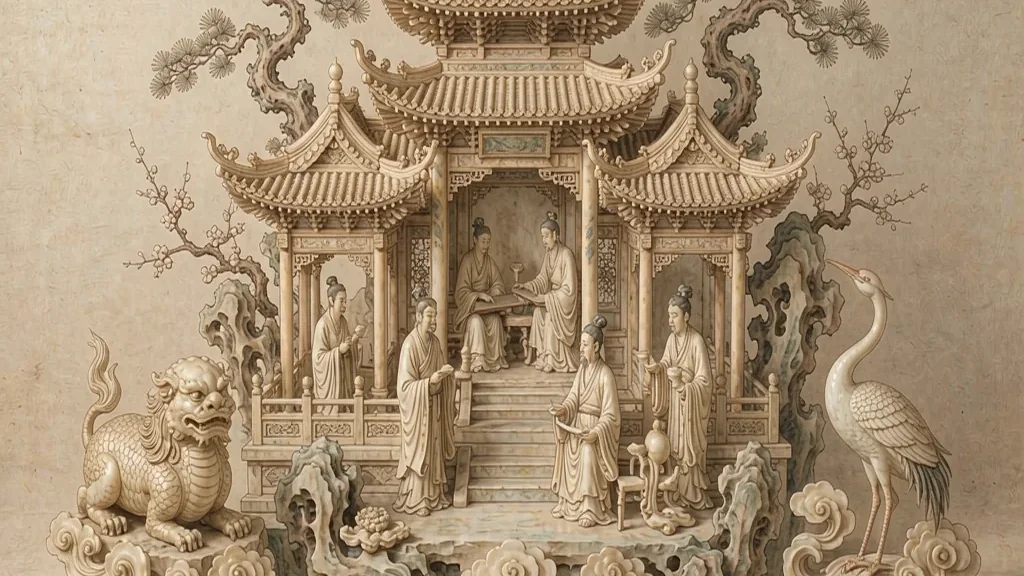
Ivory Carving: The Art of the Precious Tusk
Ivory carving (牙雕, yádiāo) has been practiced in China for over 4,000 years, producing objects of extraordinary delicacy and technical virtuosity. From the simple ivory hairpins of the Neolithic period to the astonishingly complex concentric spheres of the Qing dynasty, Chinese ivory carvers transformed elephant tusks into works of art that push the limits of what can be done with a natural material.
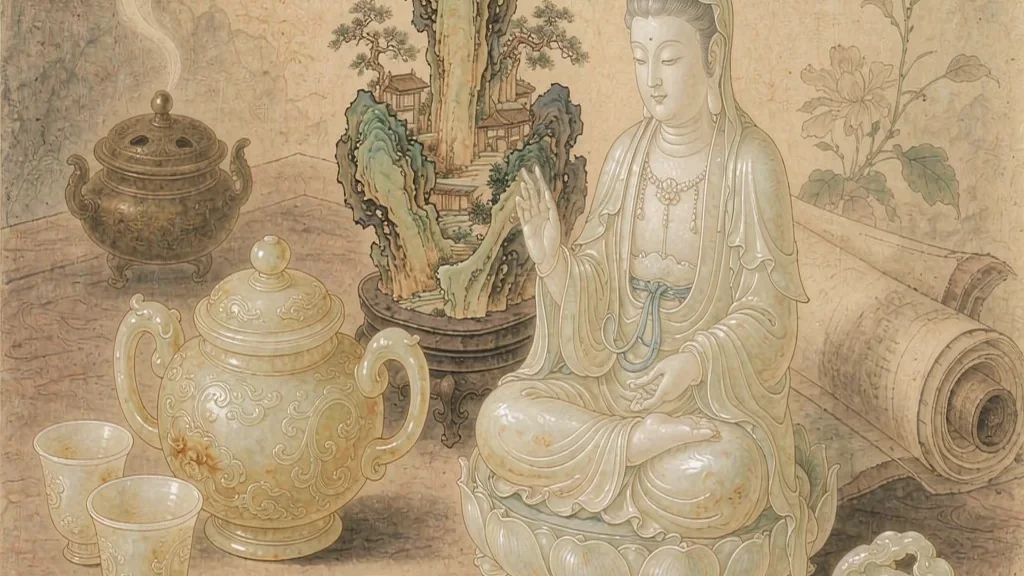
Jade Carving: The Stone of Heaven
For the Chinese, jade (玉, yù) is not merely a beautiful stone — it is the embodiment of virtue, a substance that has been more deeply valued than gold or silver for more than 5,000 years. Jade carving (玉雕, yùdiāo) is the oldest continuously practiced art form in China, predating bronze and surviving through every dynasty to the present day. A Chinese jade carving is not a decorative object but a moral statement, a cosmological diagram, and a physical connection to ancestors who worked the same stone millennia ago.
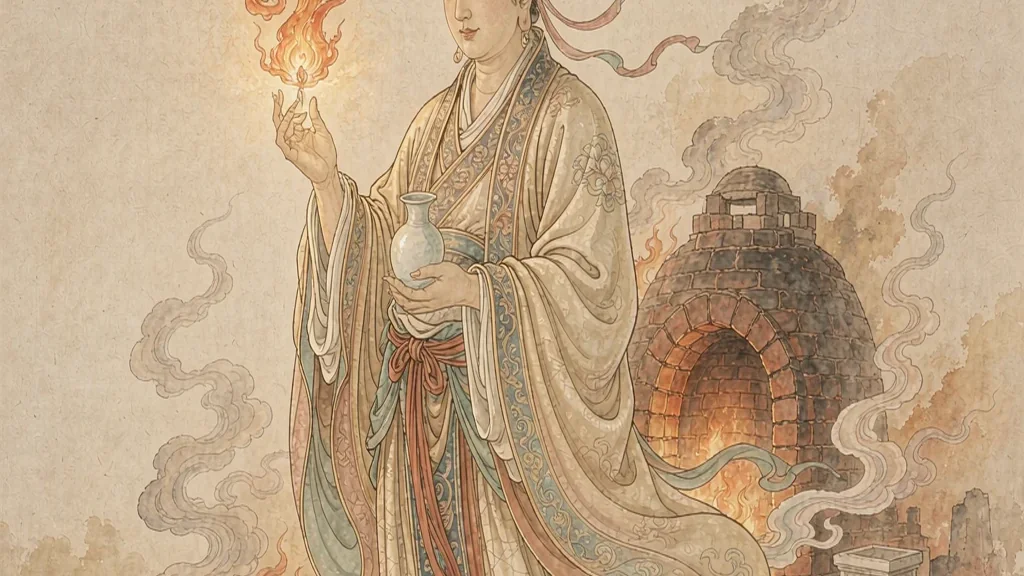
The Kiln God: The Spirit of the Potter's Fire
The Chinese ceramic tradition has always recognized that the kiln itself is a creative force. Kiln spirit (窑神, yáo shén) refers to the belief that a divine force inhabits the kiln, and that the most beautiful ceramic effects — the flow of a glaze, the transformation of a color — are not entirely under the potter's control. The 'kiln spirit' also refers to the shrines and offerings that potters have maintained for thousands of years to ensure successful firings.

Lacquer Carving: Layers of Art
Lacquer (漆, qī) is the sap of the lacquer tree, and in Chinese hands it has been transformed into one of the most versatile and durable of sculptural materials. Lacquer sculpture (漆雕, qīdiāo) ranges from small, precious boxes to monumental temple figures. The material can be carved like wood, molded like clay, or painted like canvas. Its surface, when properly cured, is harder than wood and more resistant to water, insects, and time than almost any other natural material.
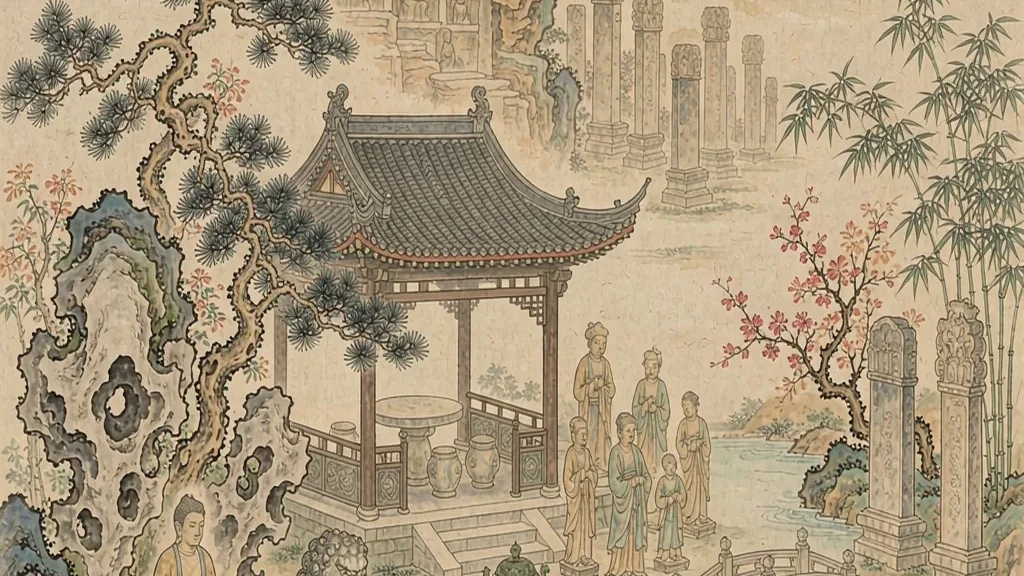
Miniature Gardens: Nature in a Tray
The Chinese scholar who could not retire to the mountains brought the mountains to his desk. Miniature gardens (盆景, pénjǐng) — potted landscapes of miniature trees, rocks, and moss — are living sculptures that represent the pinnacle of the Chinese art of miniaturization. These tiny landscapes require years of training to create and a lifetime of care to maintain.
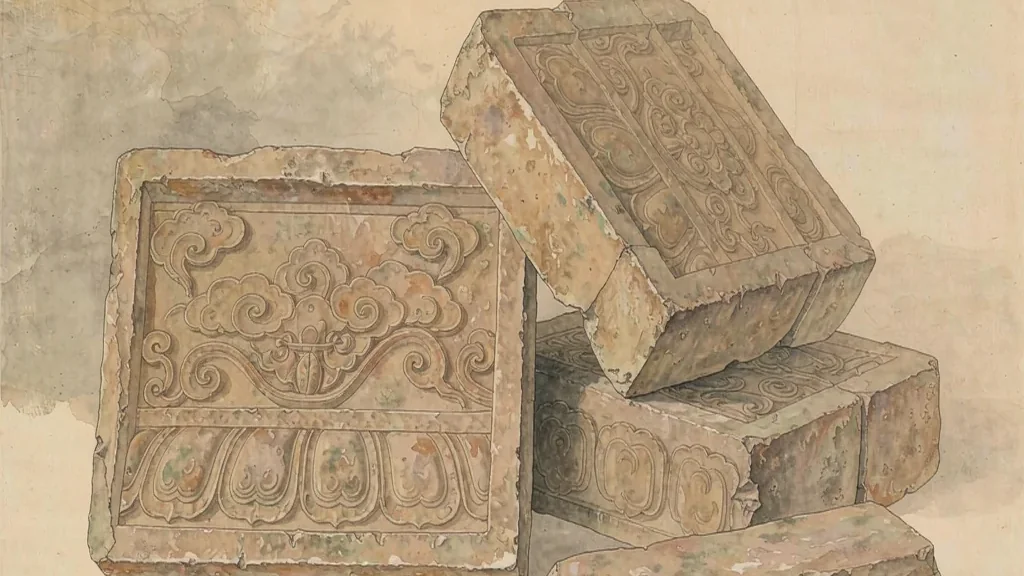
The Picture Brick: Stories Molded in Clay
Before the age of photography, and even before the widespread use of paper, the Chinese recorded their beliefs and daily life in fired clay bricks and tiles. Molded brick (画像砖, huàxiàng zhuān) carvings from the Han dynasty provide a remarkable visual record of Chinese civilization — hunting scenes, myths, philosophical parables, and scenes of agriculture, trade, and entertainment, all preserved in baked clay.
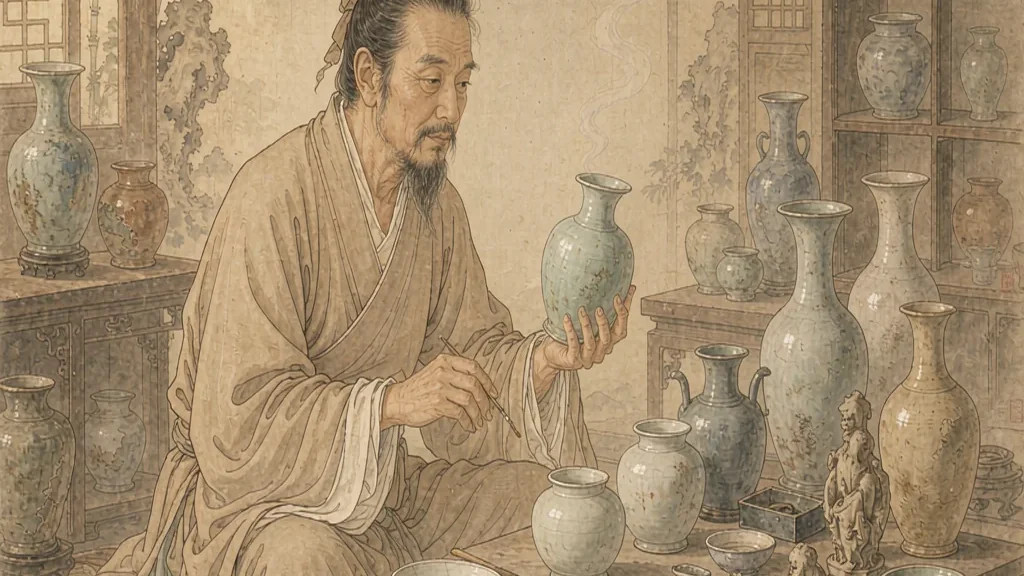
Porcelain Sculpture: The Art of the Kiln
The kilns of China have produced the finest ceramics in the world for over two thousand years. Chinese pottery (陶器, táoqì) and porcelain (瓷器, cíqì) encompass everything from the coarse earthenware of Neolithic farmers to the translucent porcelains of the Qing court that were so fine they were called 'thin as paper, white as jade, bright as a mirror, resonant as a bell.'

Religious Statuary: The Sacred in Stone
In the temples and cave shrines of China, sculpture has served religion for nearly two thousand years. Religious statuary (宗教雕塑, zōngjiào diāosù) is the largest and most ambitious category of Chinese sculpture — works created not as art but as objects of worship, yet whose artistic power has transcended their original religious function.
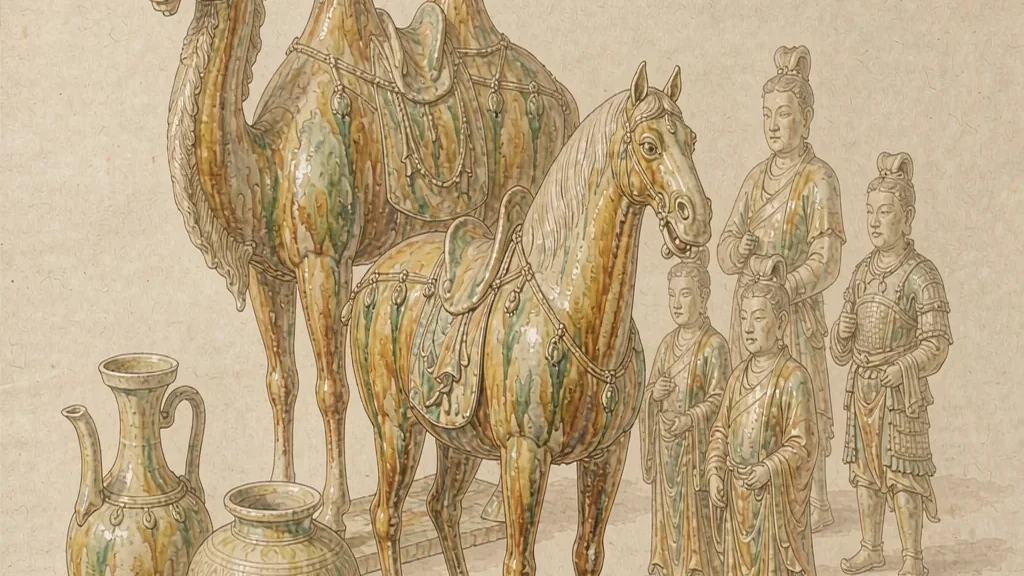
Tang Sancai: Three-Color Glaze
In the kilns of Tang dynasty China, a technical innovation occurred that transformed Chinese ceramic sculpture forever: the development of sancai (三彩, 'three-color') lead glazes. These brilliant glazes — flowing amber, green, and cream — were applied to figurines and vessels, then fired at low temperature to produce surfaces that shimmer and pool in ways that seem almost liquid. Sancai ceramics are the most vivid works of Chinese ceramic sculpture, capturing the cosmopolitan spirit of the Tang dynasty in permanent color.

Scholar's Rocks: Nature as Abstract Art
In the studio of every cultivated Chinese scholar, there was a gongshi (供石) — a naturally formed or minimally carved rock that was contemplated as a microcosm of the natural world. These scholar's rocks (文人石, wénrén shí) are the most minimalist of Chinese sculptures: they require not addition but subtraction, not carving but selection. A single rock, chosen for its shape, texture, and color, could represent a mountain range, a Daoist paradise, or the entire universe in miniature.
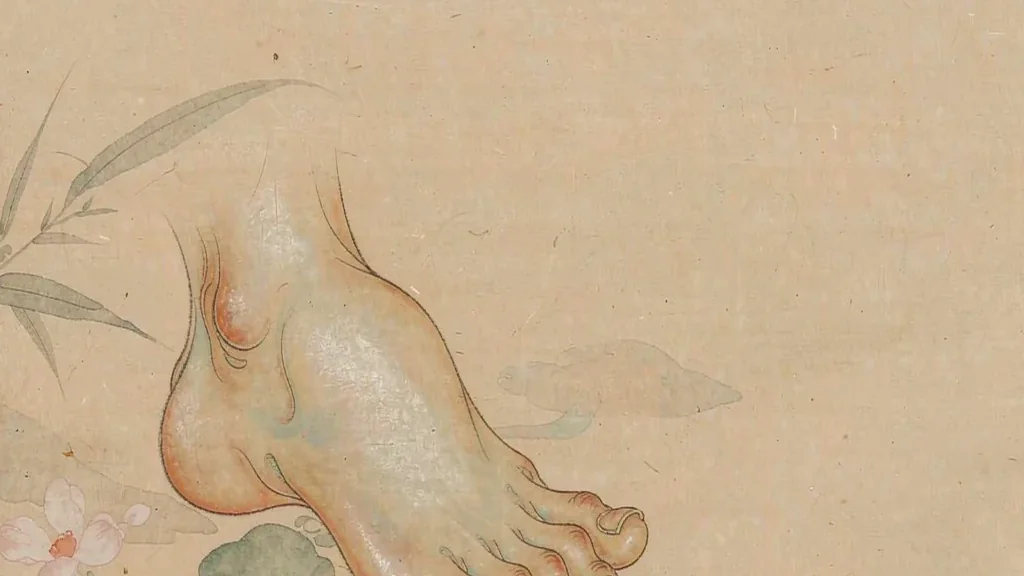
The Bound Foot: A Sculpture of Suffering
No subject in Chinese sculpture is more controversial than the carved and bound foot. For nearly a thousand years, from the Song dynasty to the early 20th century, Chinese women of the elite and middle classes underwent the painful practice of foot binding, and the result — the 'three-inch golden lotus' (三寸金莲, sāncùn jīnlián) — became a subject of sculptural representation in miniature shoes, foot-shaped porcelain pillows, and erotic carvings. The carved foot object is a complex artifact: it is at once an object of desire, a symbol of female submission, a mark of status, and a record of suffering.
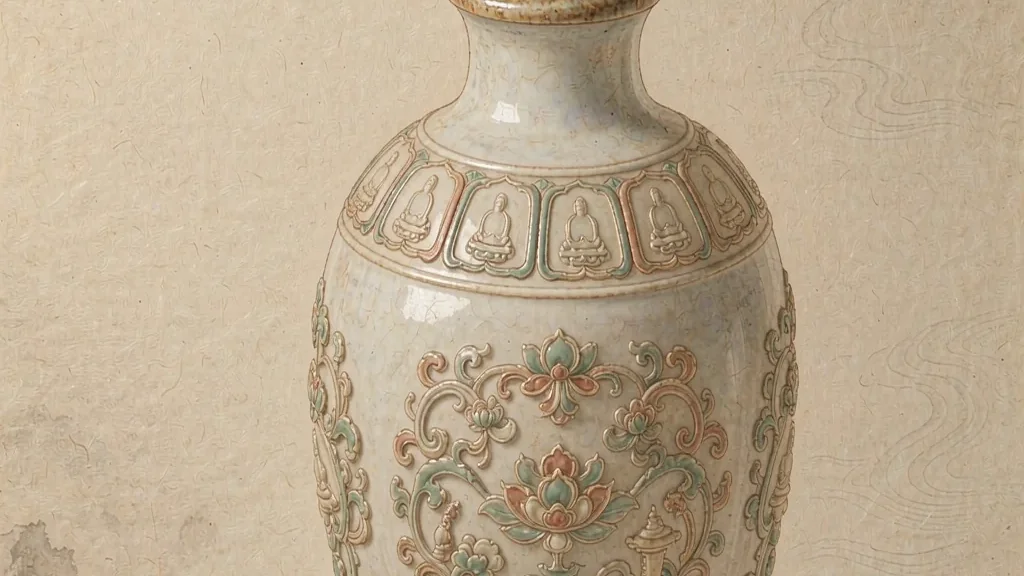
The Snuff Bottle: A Universe in Miniature
No Chinese art form is more intimate and delightful than the snuff bottle (鼻烟壶, bíyānhú). These tiny bottles, typically 5-8 cm tall, were used to hold powdered tobacco and became, during the Qing dynasty, the most personal and highly refined of Chinese decorative arts. From the emperor to the merchant, every man of means carried a snuff bottle, and the finest bottles were small masterpieces that combined every technique in the Chinese repertoire: carved jade, inside-painted glass, enameled porcelain, and carved lacquer.
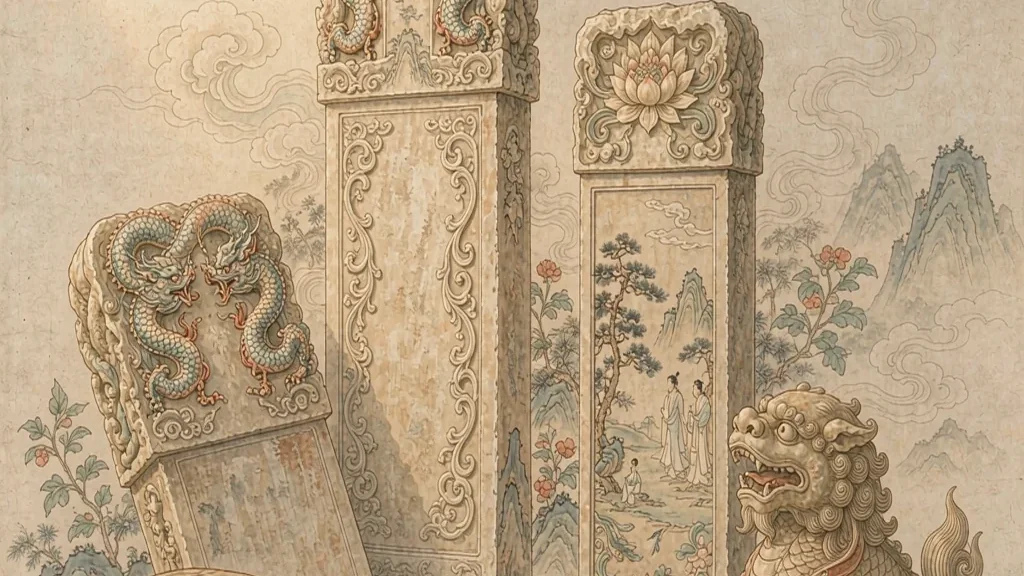
Stone Stele Carving: Text and Image in Rock
In China, stone steles (石碑, shíbēi) are the most permanent form of writing — texts carved into stone to endure for millennia. Chinese stele carving combines calligraphy, sculpture, and historical documentation in a single art form. Steles have recorded everything from imperial edicts and Buddhist sutras to poems, maps, and medical prescriptions. The stonecarver's chisel has preserved Chinese civilization's written record when paper would have crumbled to dust.
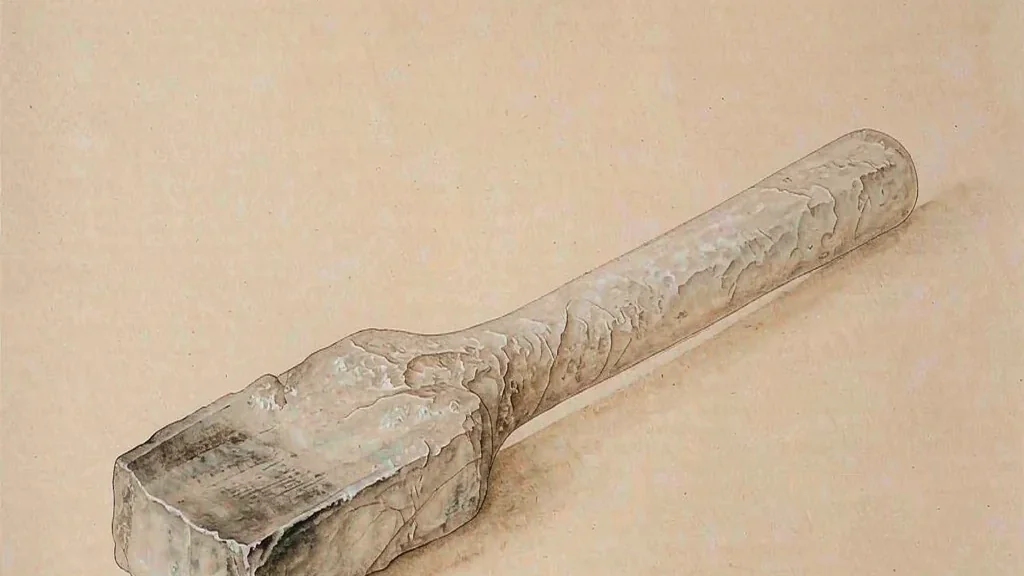
Stone Carving: The Most Ancient Art
The stonecarver's chisel (石凿, shízáo) is the most ancient of Chinese sculptural tools, and its marks have shaped the Chinese landscape for more than two thousand years. From the colossal Buddhas of the cave temples to the smallest jade pendants, stone carving in China encompasses the full range of human scale and ambition. It is an art of patience and permanence — removing material that can never be replaced.
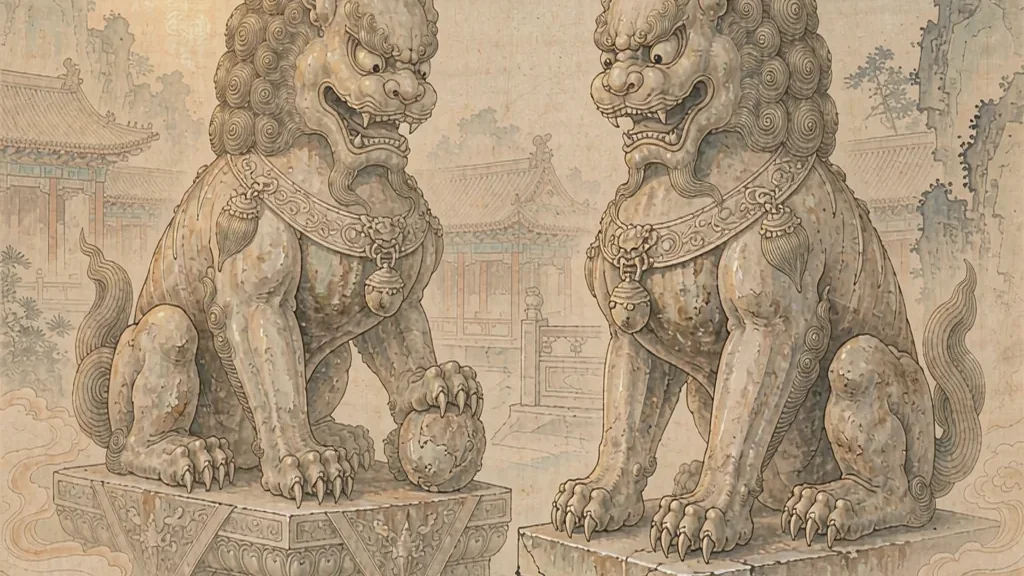
The Stone Lion: The Eternal Guardian
They guard the gates of temples, government buildings, and wealthy homes throughout China — pairs of stone lions (石狮, shíshī) that have stood watch for centuries. With their bulging eyes, snarling mouths, and massive paws resting on embroidered balls or cubs, these stone guardians are among the most recognizable symbols of Chinese culture. They are also among the least understood: the 'lion' in Chinese tradition is not the African or Asian lion of nature but a mythical creature created by sculptors who had never seen a live lion.
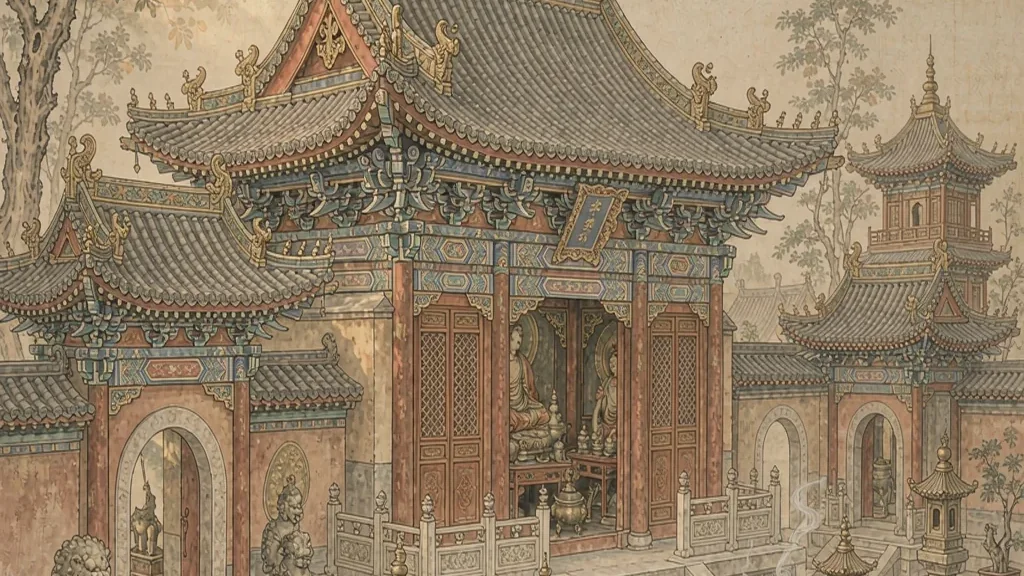
Miniature Architecture: The Art of the Model
For the ancient Chinese, the afterlife required houses, barns, wells, and watchtowers — all provided in miniature ceramic form. Temple models (建筑明器, jiànzhù míngqì) are irreplaceable records of ancient Chinese architecture, preserving the forms of wooden buildings that have long since vanished.
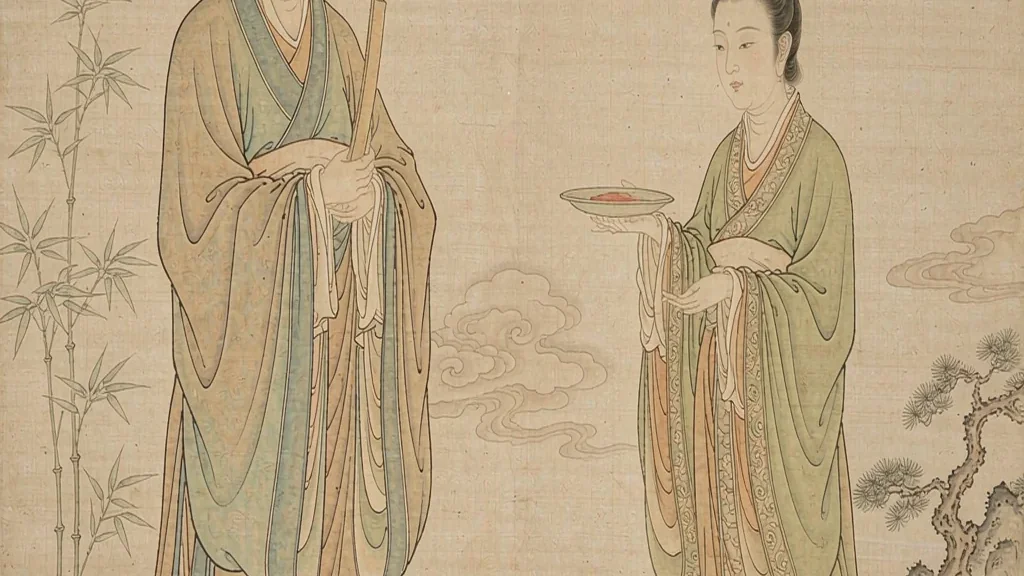
Tomb Figurines: Companions for the Afterlife
For over two millennia, the st, Chinese tombs were populated with ceramic, wood, and metal figurines — small sculptures of servants, soldiers, musicians, dancers, and animals that accompanied the dead into the afterlife. Tomb figurines (俑, yǒng) are the closest thing China has to a democratic sculptural tradition, produced in massive numbers for everyone from emperors to commoners. They provide a portrait of Chinese society across two millennia that no written document can match.
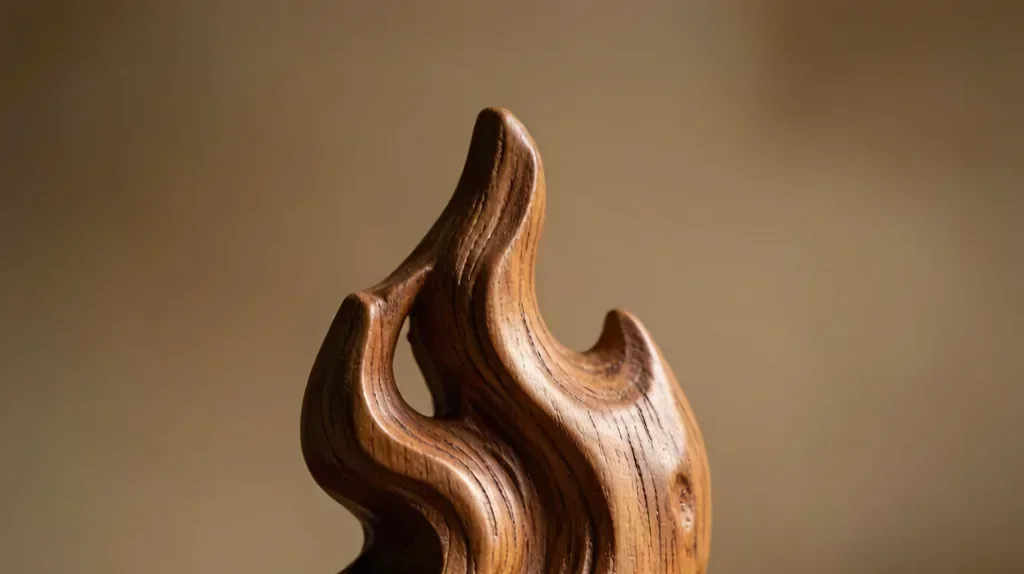
Wood Carving: The Warmth of the Grain
Wood has been the most accessible and widely used material in Chinese sculpture, used for everything from monumental temple figures to intimate desk ornaments. Chinese wood carving (木雕, mùdiāo) spans more than two thousand years, producing works that range from the simple to the spectacular. In the great temple complexes of China, gilded wood bodhisattvas stand as tall as buildings; in the scholar's studio, tiny carved figures sit on inkstone stands. Wood is the humble material that Chinese sculptors have transformed into the sublime.

The Yongle Bell: The Voice of Bronze
The Yongle Bell (永乐大钟, Yǒnglè Dà Zhōng) is the most extraordinary bell ever cast in China, and one of the greatest achievements of Chinese bronze casting. Weighing 46 tons and standing over 5 meters tall, the bell was cast in 1421 during the reign of the Yongle Emperor of the Ming dynasty. Its surface is covered with over 230,000 characters of Buddhist scripture, making it the most heavily inscribed object in the world.