🏮 Customs & Traditions
85 articles — Birth, marriage, funeral, and daily customs
Cupping Therapy: Ancient Healing Through Suction
When Michael Phelps stepped onto the starting blocks at the 2016 Rio Olympics, the world noticed something unusual: the most decorated Olympian in history was covered in circular purple bruises. The marks, scattered across his shoulders and back, were the telltale signs of cupping therapy — an ancient healing practice that had suddenly become the hottest topic in sports medicine.
Chayi
Of all the customs China has given the world, few are as quietly transformative as the act of drinking tea. What begins as a handful of dried leaves and a pot of hot water becomes, in Chinese culture, an entire way of being — a daily ritual of hospitality, a path of meditation, a medicine for the body, and a conversation between human hands and the natural world.
Chinese Lanterns: Illuminating Tradition
Few images are more instantly recognizable as Chinese than the red lantern. Strung across temple courtyards, lining the streets of Chinatowns around the world, glowing in the windows of homes during the Spring Festival, the red lantern has become a universal symbol of Chinese culture and celebration.
Dengmi
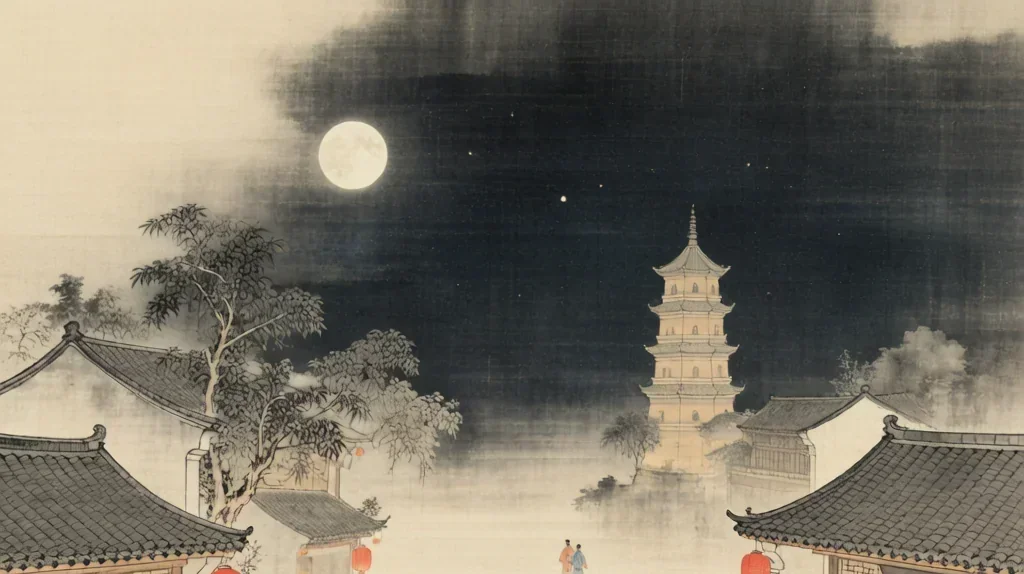
On the 15th night of the first lunar month , the streets of every Chinese town are lit with red lanterns. Some are small enough to hold in a child's hand; some are enormous, spinning figures of horses and dragons taller than a man.

Duilian
A few days before Chinese New Year, every doorway in China begins to transform. Strips of bright red paper, inscribed with bold black or gold characters, appear on either side of gates, on door panels, and above lintels.
Ershixiaoxiao
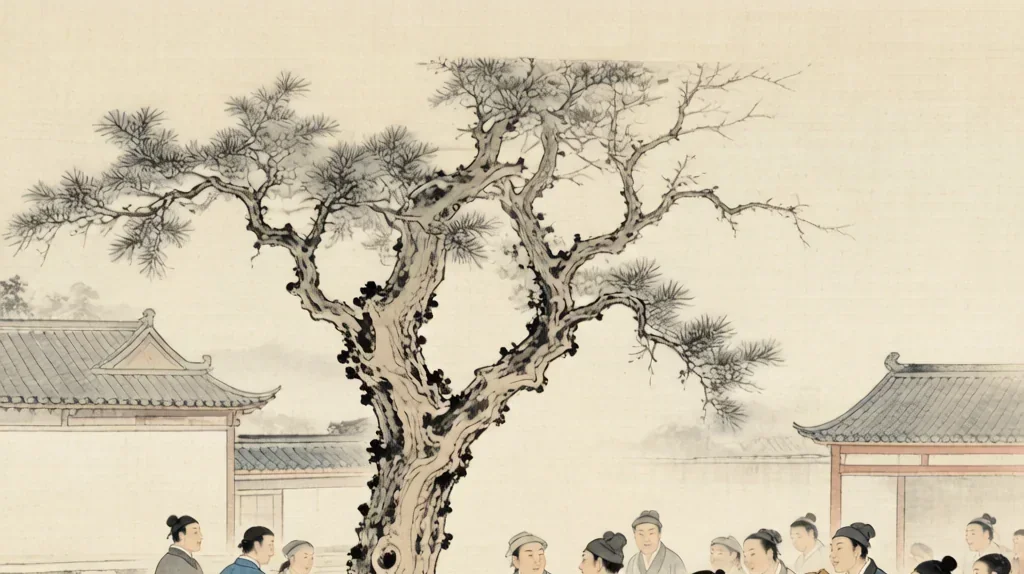
For over six hundred years, every Chinese child who attended a school or heard a story from a grandparent knew the Twenty-Four Filial Exemplars (二十四孝, èr shí sì xiào). Compiled by the Yuan Dynasty scholar Guo Jujing (郭居敬, c.
Fengzheng
On a clear spring day in the northern Chinese city of Weifang, the sky is not blue — it is patterned. Dragons a hundred feet long twist through the air, their segmented bodies rippling.
Gua Sha: Scraping Away Illness
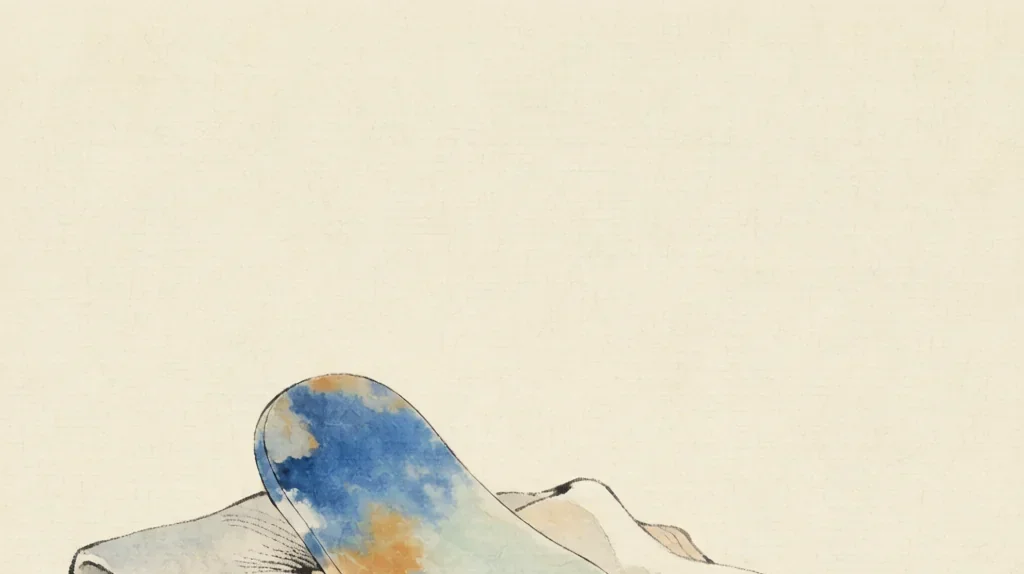
If you have spent any time on social media in recent years, you have likely encountered gua sha. Influencers glide smooth jade stones across their faces in elegant strokes, promising lifted cheekbones, reduced puffiness, and a radiant glow.
Hongbao
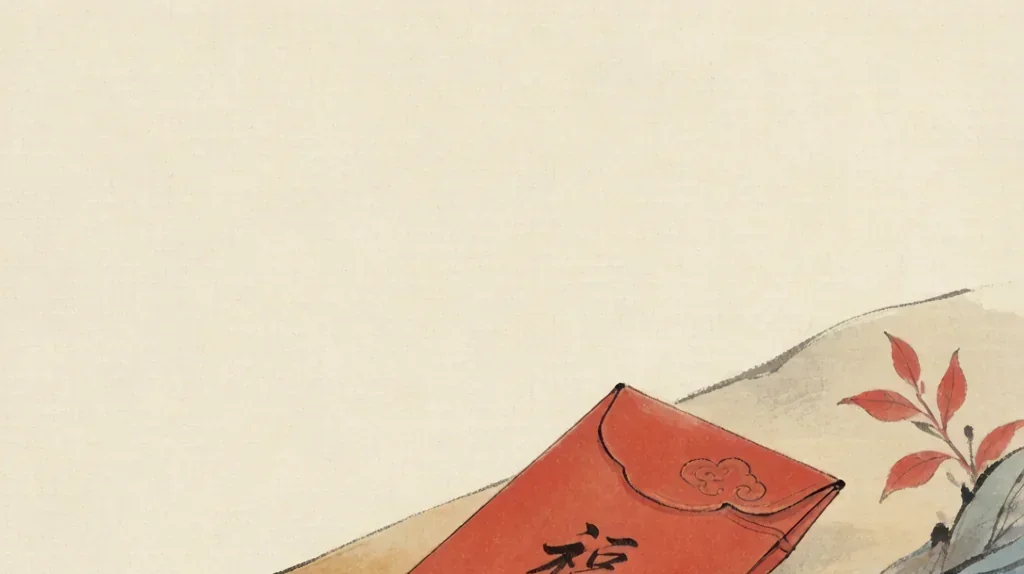
Few objects carry as much meaning in Chinese culture as the humble red envelope — a small crimson paper packet that holds money and a world of significance. Known in Mandarin as 红包 (hóng bāo), literally "red packet," it appears at nearly every major life event: births, birthdays, weddings, New Year celebrations, graduations, and business openings.
Hunjia
Before dawn, the groom's house is already busy. A large red 双喜 (shuāng xǐ, "double happiness") character is pasted on every door and mirror.
Jianzhi
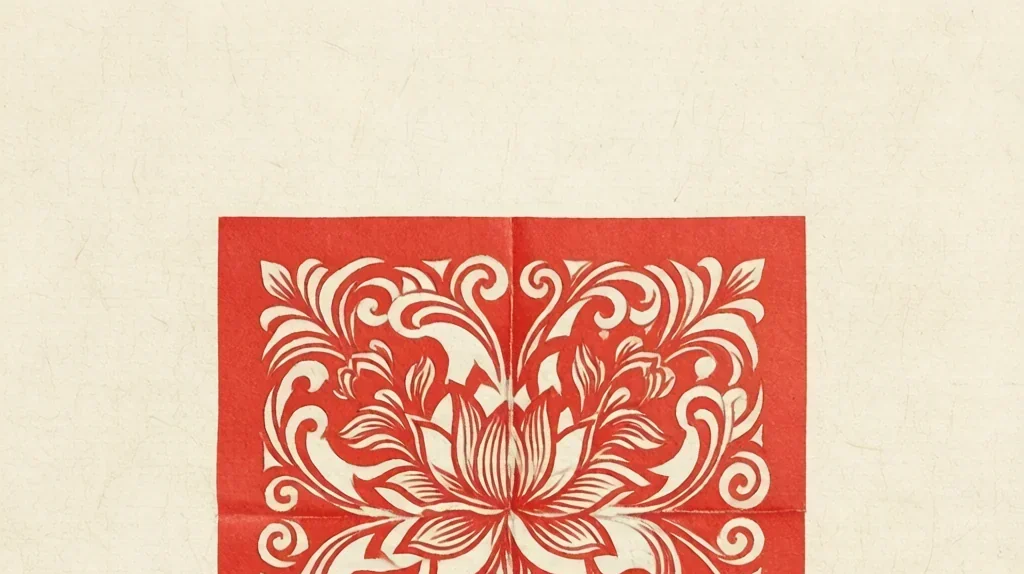
Take a square of red paper, fold it once or twice, and begin cutting with small, decisive snips of the scissors. When you unfold it, a butterfly appears.
Family Genealogy: The Book of Ancestors
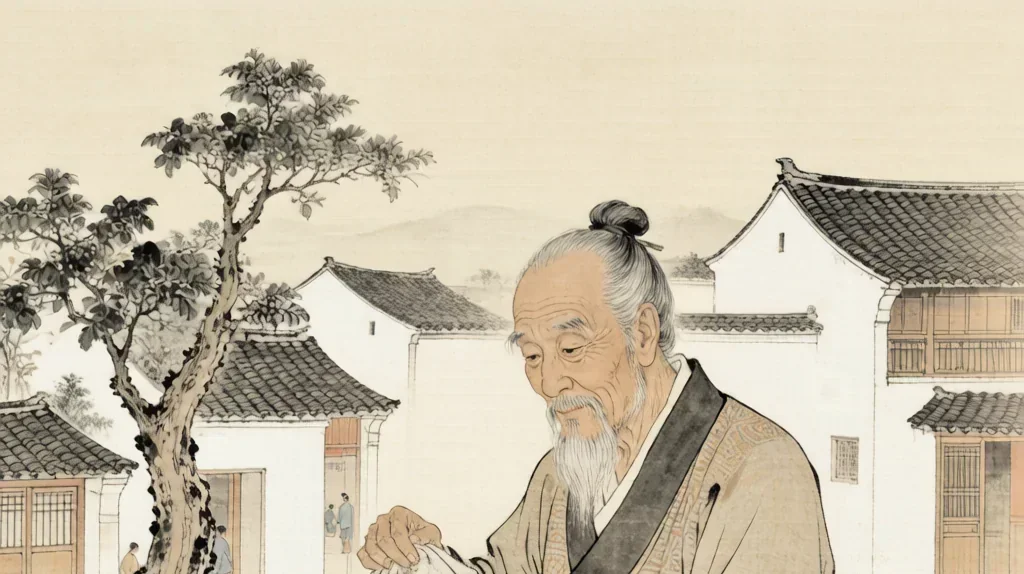
In a village in Fujian Province, an elderly man carefully unwraps a cloth bundle to reveal a thick volume bound in blue silk. The pages are yellowed with age, the characters written in elegant brushstrokes that have faded over the centuries.
Jingju
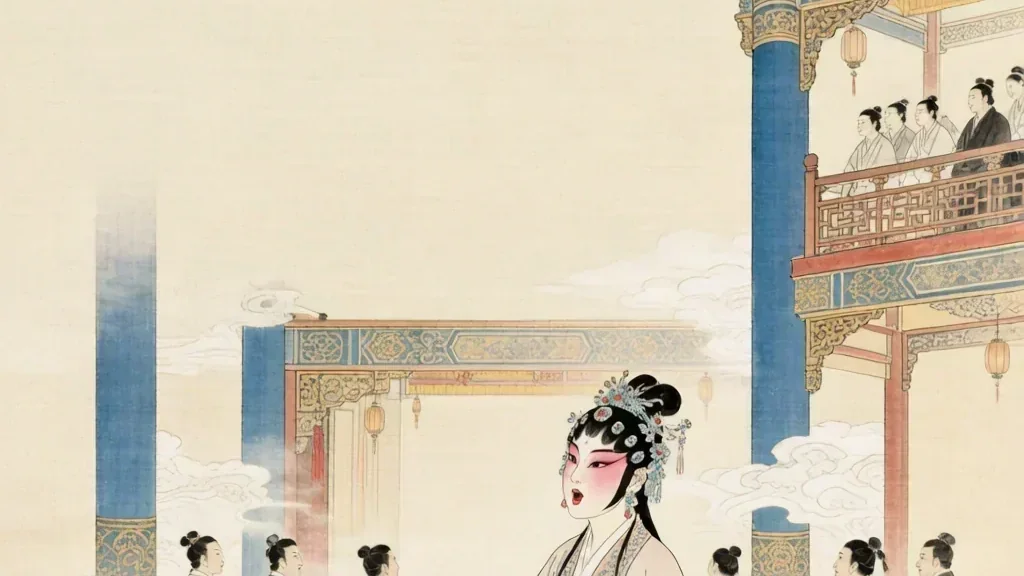
Enter a Chinese theater and the first thing that strikes you is the sound — a piercing cascade of gongs, cymbals, and a high, reedy fiddle sawing through the air. Then a figure strides onto the stage: a general in full armor, his face painted in bold blocks of red, white, and black, his headdress bristling with pheasant feathers six feet long.
Jiu Wenhua
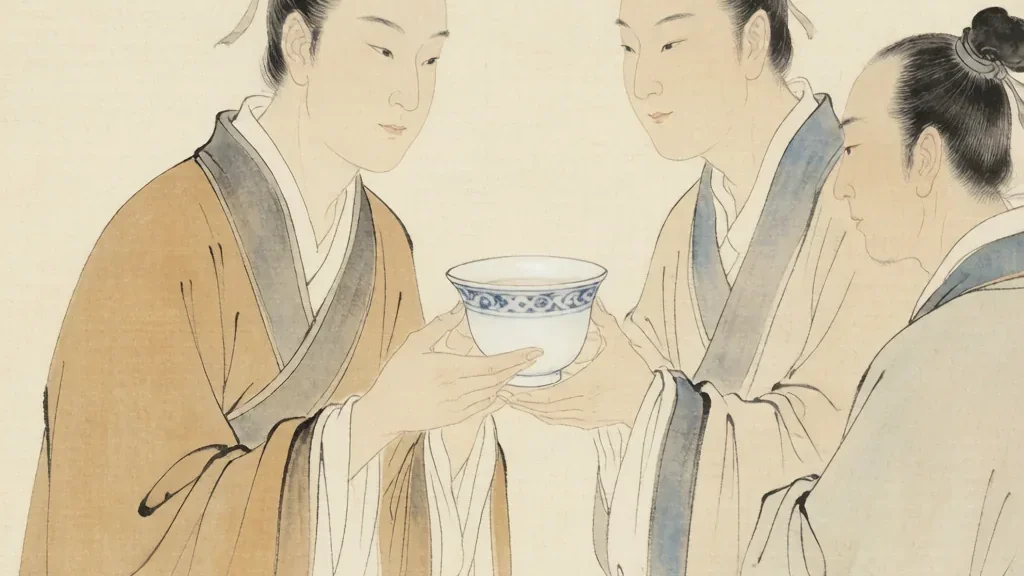
Fill a small porcelain cup with a clear liquid, hold it up with both hands, turn to your host, and drain it in one swallow. The host does the same.
Kuaizi
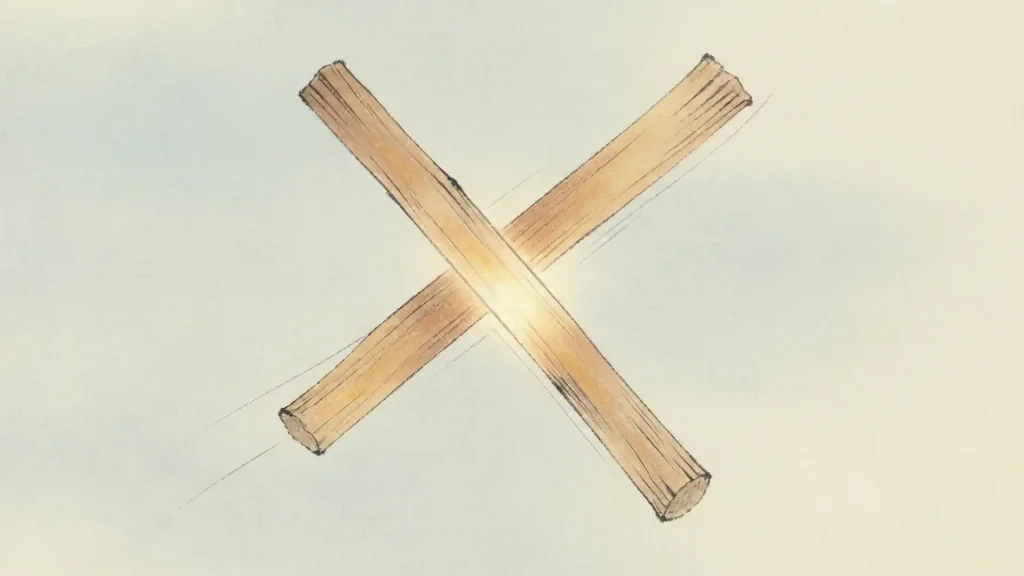
Two simple sticks of wood, no longer than the length of your forearm, have carried the weight of Chinese civilization for over four thousand years. 筷子 (kuài zi) — chopsticks — are so fundamental to daily life in China that a child's first lesson in their use is treated as a small family celebration, and an adult who handles them gracefully is recognized as someone raised with care.
Longwushi
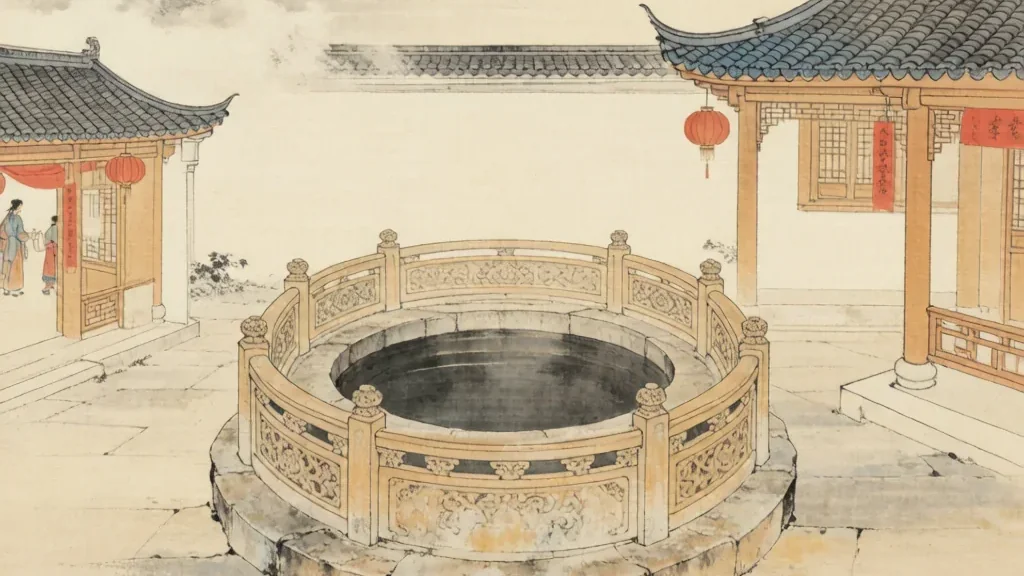
When a new business opens its doors in Chinatown, when the Spring Festival arrives, when a wedding procession moves through the streets of Hong Kong, the first sound you hear is the drums. Then come the cymbals, the gongs, and finally the great crowned heads — a lion leaping on its poles, or a serpentine dragon undulating above a crowd of performers.
Mahjong: The Game of a Thousand Tiles
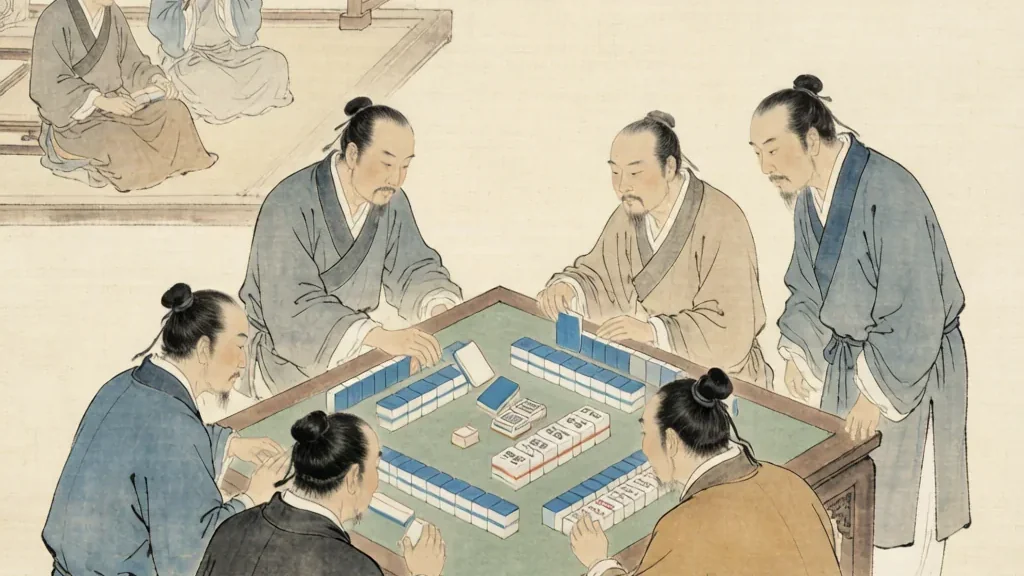
The click of tiles being shuffled, the calls of "Pong! " and "Chow!
Temple Fairs: Where Faith Meets Festivity
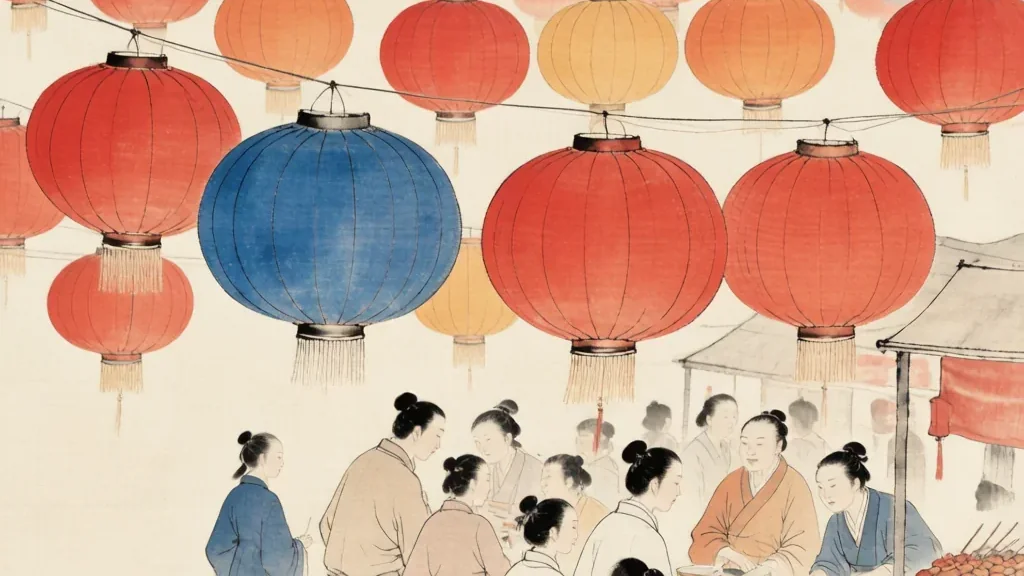
Imagine walking through a sea of red lanterns, the air thick with the aroma of sizzling skewers and sweet candied hawthorn. Drums beat in the distance as a dragon dance weaves through the crowd.

Nianhua
On the eve of the lunar New Year, every household in traditional China performed a small ritual of renewal. The old paper images — faded, smoke-stained from a year of kitchen fires — were peeled from the doors and walls.
The Chinese Fan: More Than Cooling Air
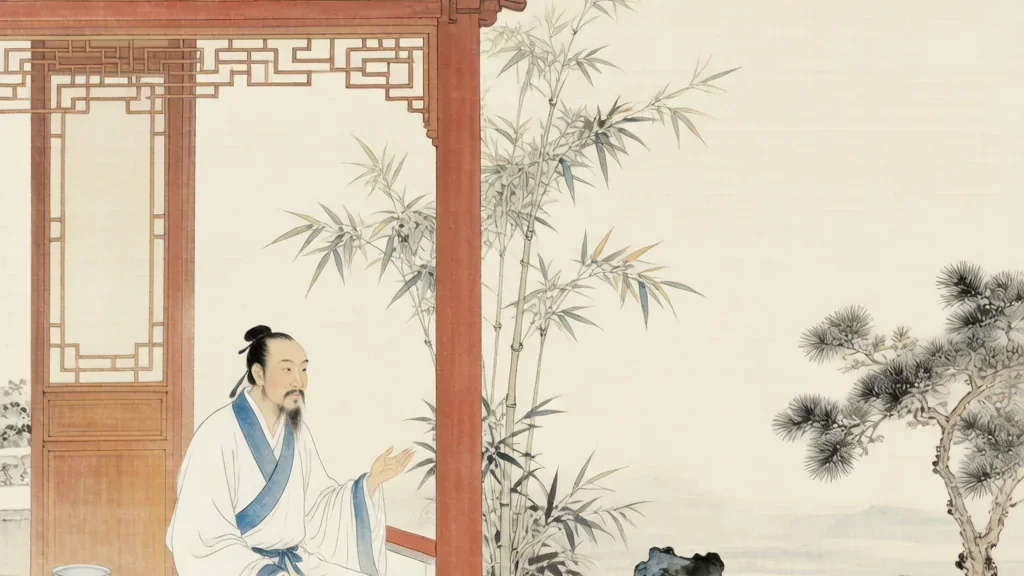
On a sweltering summer day in ancient China, a scholar sat in his garden pavilion, gently waving a fan. But he was not merely cooling himself.
Shufa
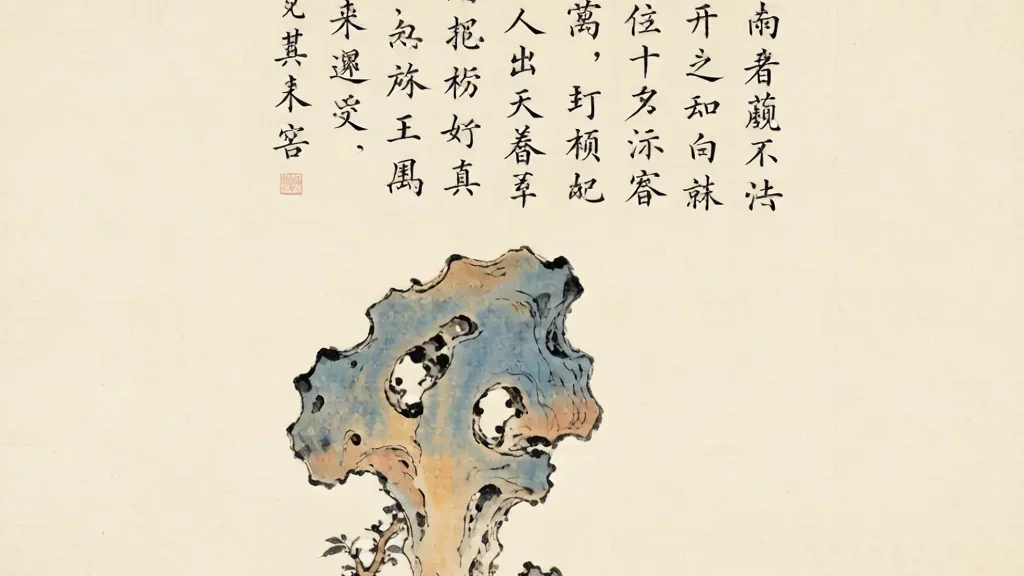
Of all the arts China has given the world, none is more intimately tied to the Chinese soul than calligraphy. In the West, handwriting is a practical skill; in China, 书法 (shū fǎ), "the way of writing," is one of the highest fine arts — ranked alongside poetry and painting as a measure of a person's cultivation.
Taiji
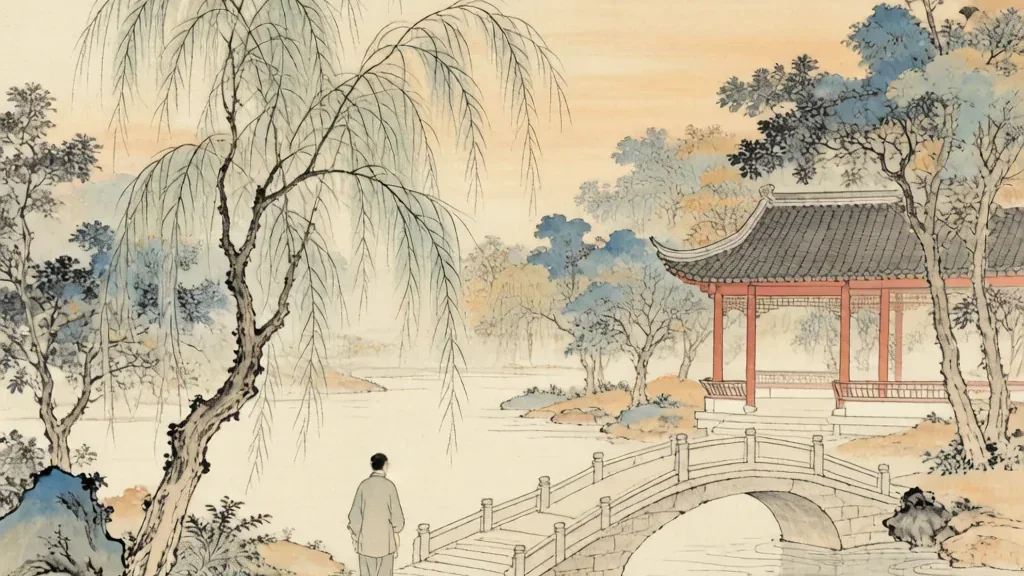
Every morning, before the city is fully awake, the parks of China fill with a quiet sight. Groups of mostly older people, dressed in loose cotton trousers and soft cotton shoes, stand in long rows on the stone paths.
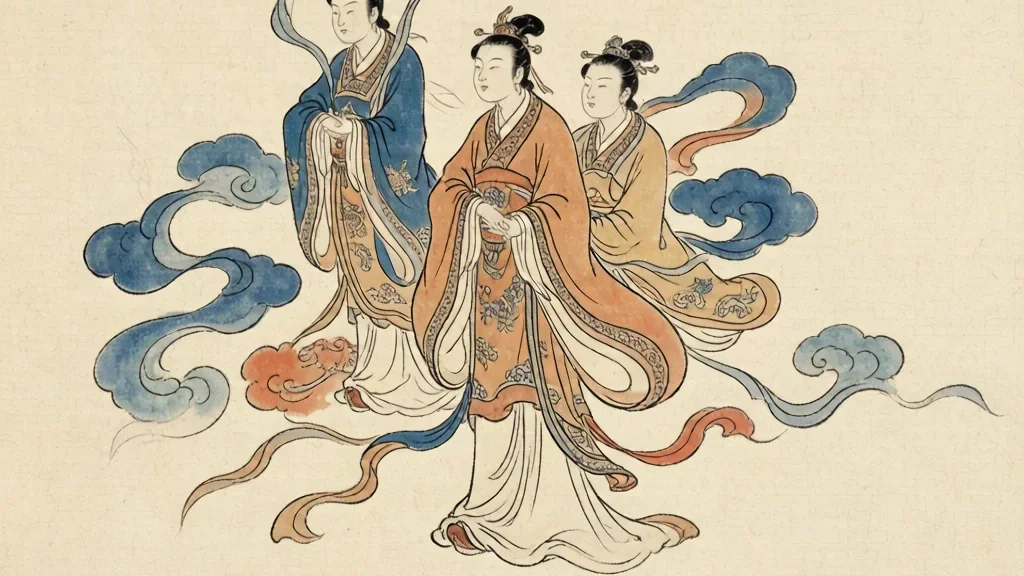
Tiangan Dizhi
A Chinese almanac from any century — or any Feng Shui website today — will tell you that a particular moment was, for example, the 甲子 (jiǎ zǐ) hour of the 丙寅 (bǐng yín) day of the 戊辰 (wù chén) month of the 庚午 (gēng wǔ) year. To a Western reader, this looks like a code.

Weiqi
Two players sit in silence before a plain wooden board, 19 lines by 19 lines, forming 361 intersections. One holds a bowl of black lens-shaped stones made of slate; the other, a bowl of white stones made of clamshell.
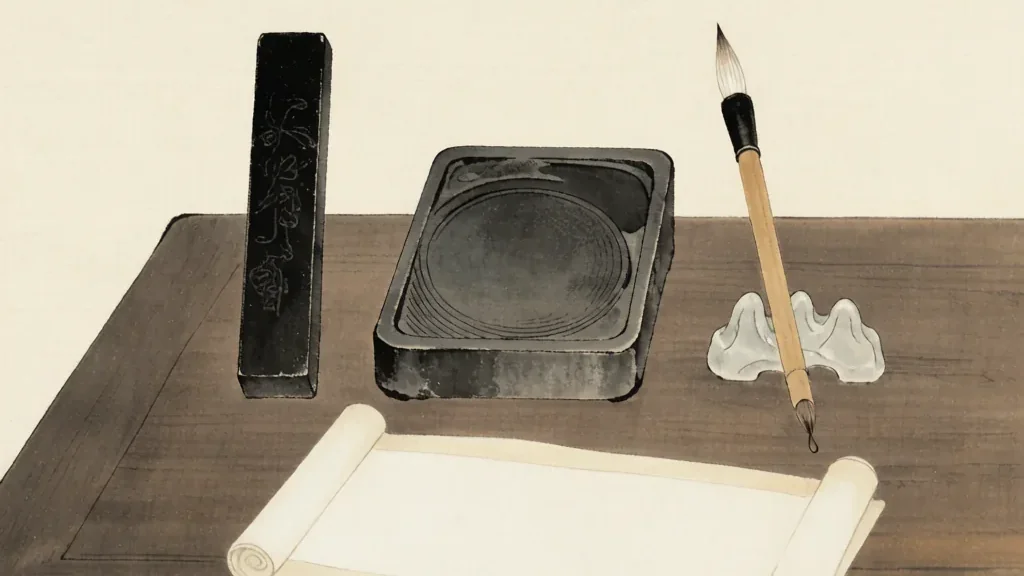
The Four Treasures of the Study
In every traditional Chinese scholar's study, four objects occupied places of honor on the desk. They were not merely tools but treasures — the wenfang sibao , or "Four Treasures of the Study.
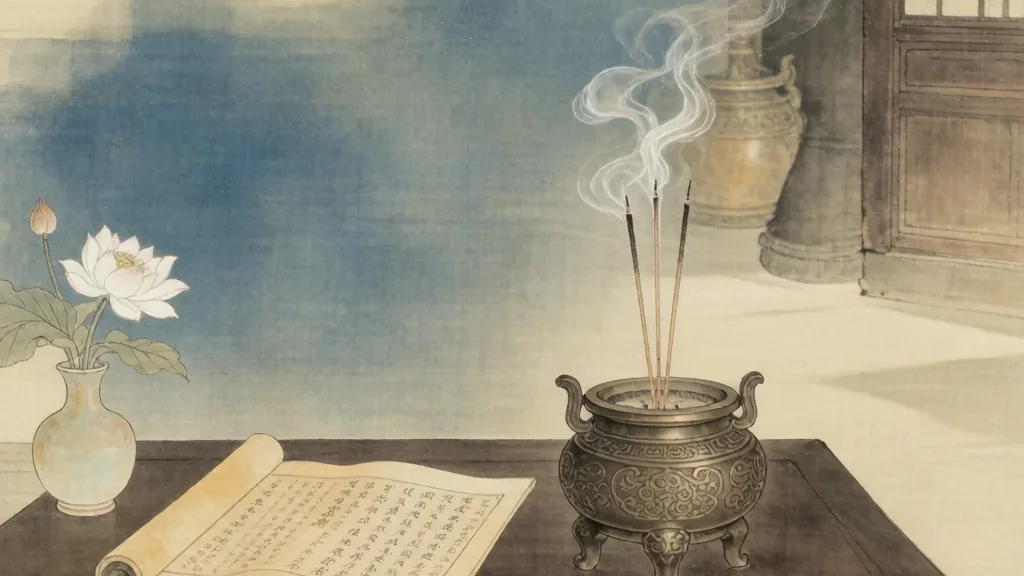
Chinese Incense Culture: The Art of Fragrance
Close your eyes and imagine the interior of an ancient Chinese temple. What do you sense?

Zhenjiu
A patient lies face down on a treatment table. The acupuncturist swabs a point on the lower back with alcohol, takes a thin sterile needle from its package, and taps it in — barely a prick, less than a mosquito bite.
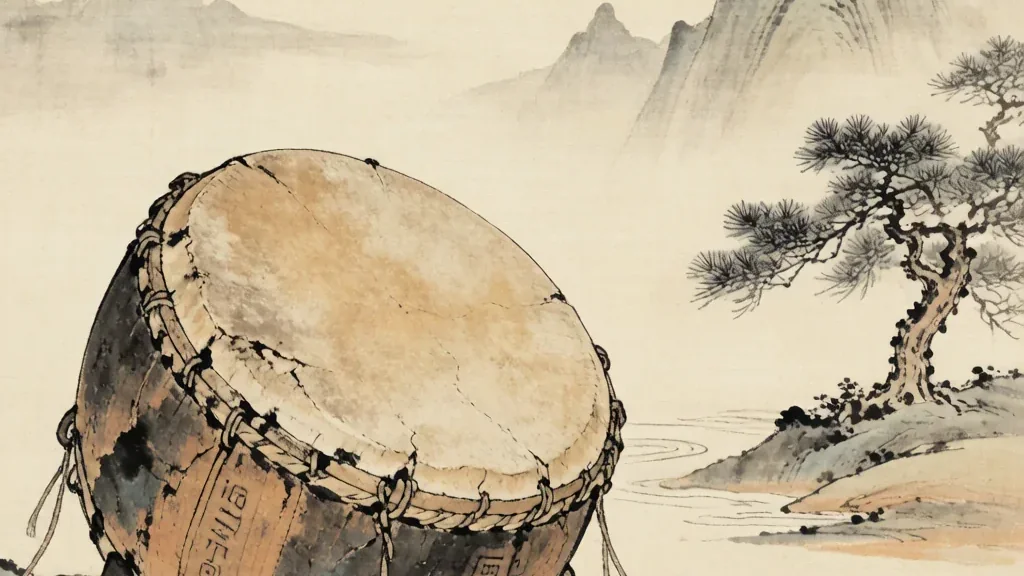
The Chinese Drum: Heartbeat of a Civilization
Long before written language, before bronze bells and silk strings, there was the drum. The deep, resonant voice of the drum has been the heartbeat of Chinese civilization for over seven thousand years — calling warriors to battle, summoning communities to ceremony, marking the rhythms of seasons and celebrations, and connecting the human world to the realm of spirits.
Zhongguojie
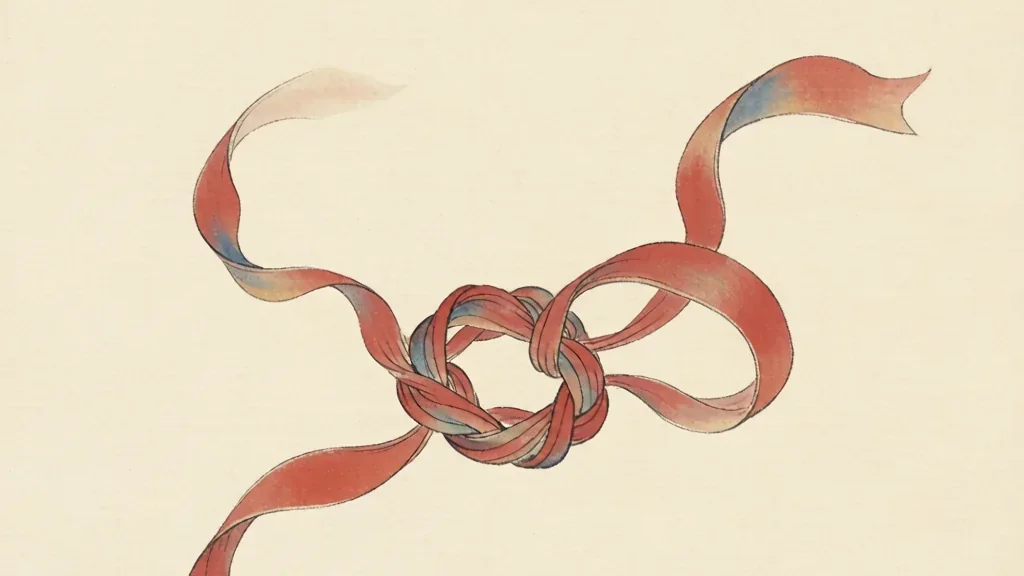
Take a single length of red silk cord, loop it over itself, pull it through, tighten — and a knot appears. Loop it again in the opposite direction, pull, and the knot has grown into a pattern.

Zhongyi
A patient walks into a clinic, sits down, and extends a wrist. The doctor — calm, unhurried — places three fingers on the pulse, closes her eyes, and is silent for a full minute.
Ancestor Worship in Chinese Culture: Honoring the Roots
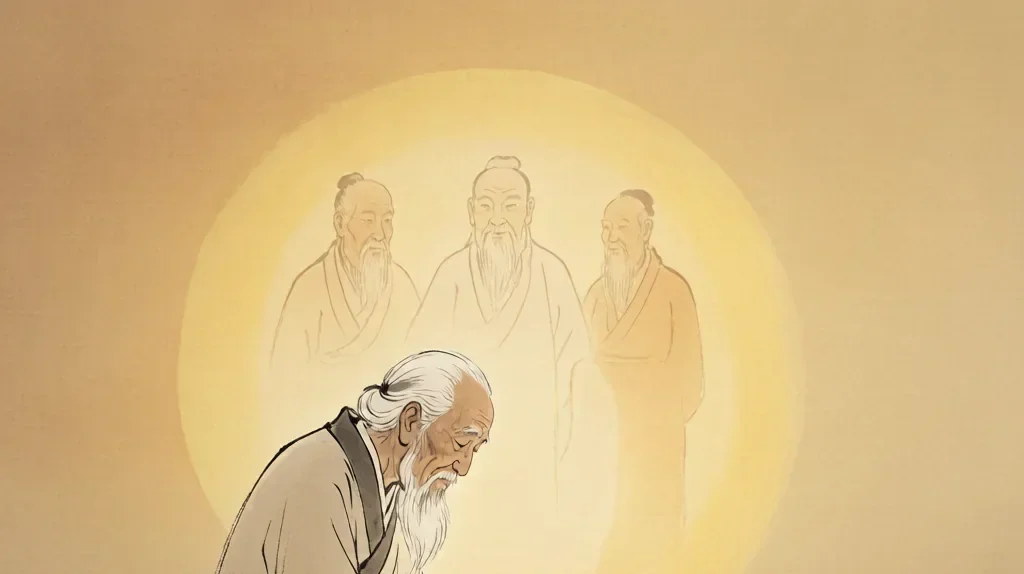
In the West, death is often understood as a definitive separation — a boundary beyond which the dead no longer participate in the lives of the living. In Chinese culture, no such boundary exists.
The Hundred-Families Gown
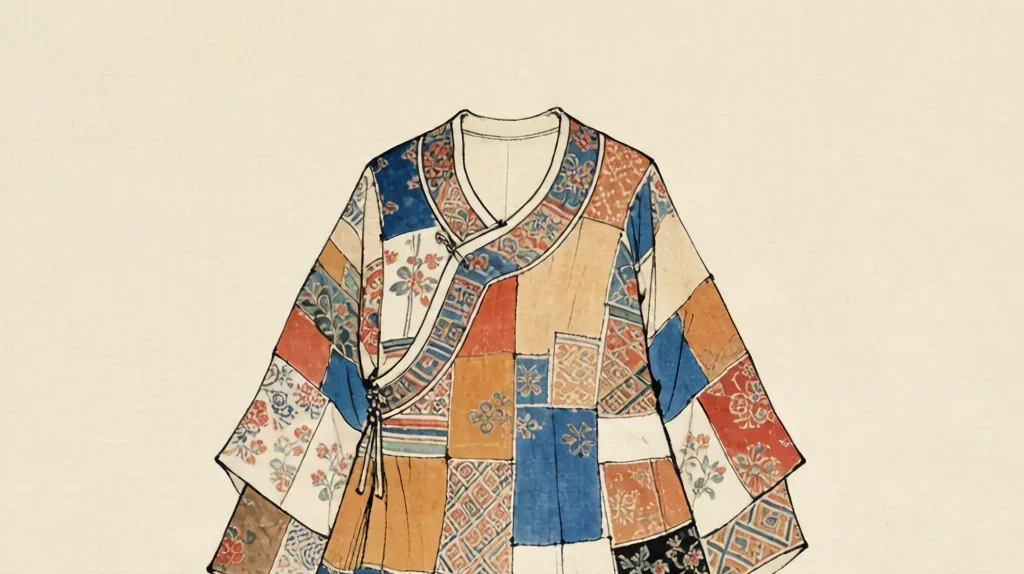
One of the most touching garments in Chinese folk tradition is the 百家衣 (Bǎi Jiā Yī), the "hundred-families gown," a patchwork child's robe assembled from scraps of cloth donated by many households. Stitched together in a riot of colors and patterns, the gown was believed to wrap a baby in the collective blessing of the community, so that a hundred families' goodwill would shield one fragile life.
New Year Visits: The Art of Paying Respects
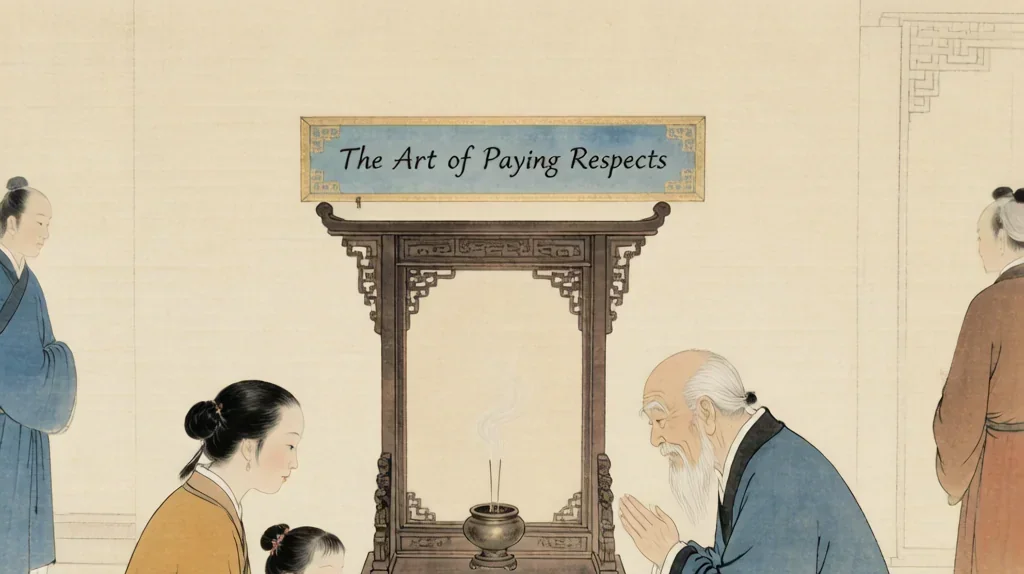
Every culture has its own way of ringing in the new year, but few traditions are as warm, structured, and socially rich as the Chinese custom of 拜年 (Bài Nián), literally "to pay respects for the new year. " Taking place during the first days of the Lunar New Year, Bài Nián is the joyful ritual of visiting relatives, friends, and neighbors to offer good wishes for the months ahead.
Your Zodiac Year: Why Red Protects You
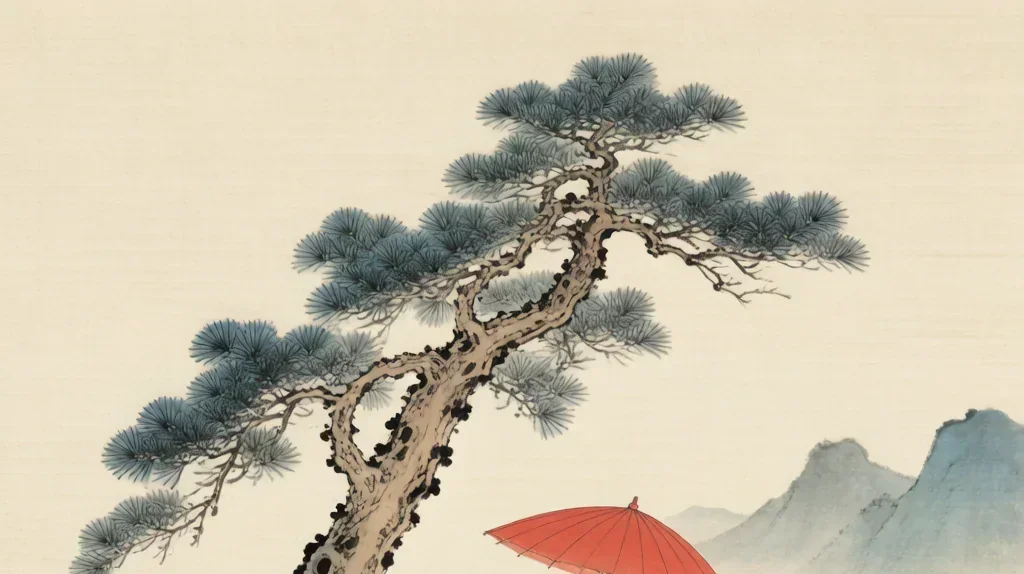
Every twelve years, each person circles back to the animal sign under which they were born, entering what Chinese tradition calls 本命年 (Běn Mìng Nián), one's "year of fate" or zodiac year. Far from a neutral anniversary, the benming year is considered uniquely vulnerable, a time when bad luck lurks and the spirit needs extra guarding.
Firecrackers: Noise to Drive Away Evil
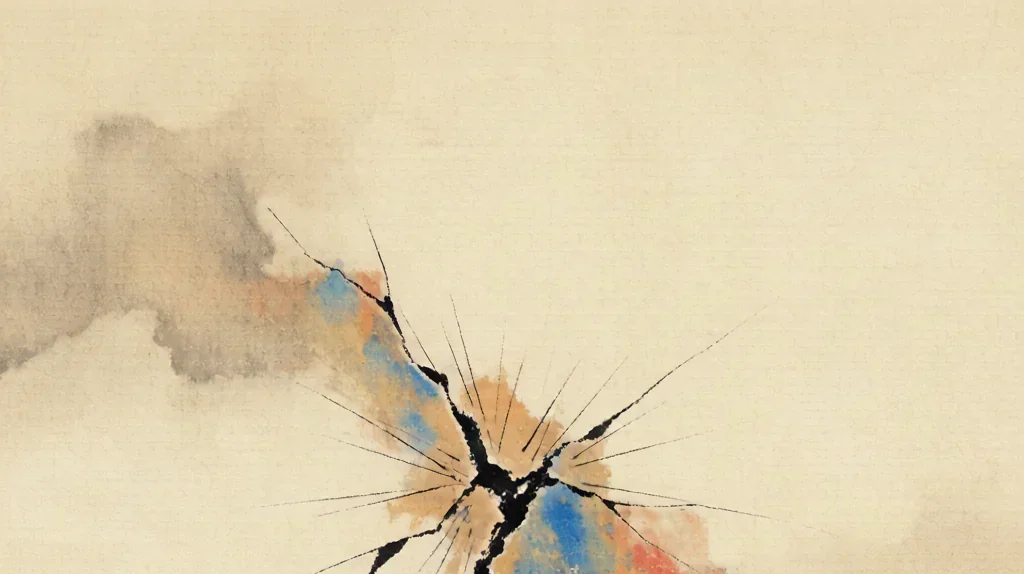
The sharp crack that opens every Chinese New Year is the voice of biān pào , the firecracker. Strung like red fruit on a long fuse, firecrackers are exploded to scare away the monster Nián and any lingering evil, replacing fear with a triumphant racket.
The Princess of the Rosy Clouds
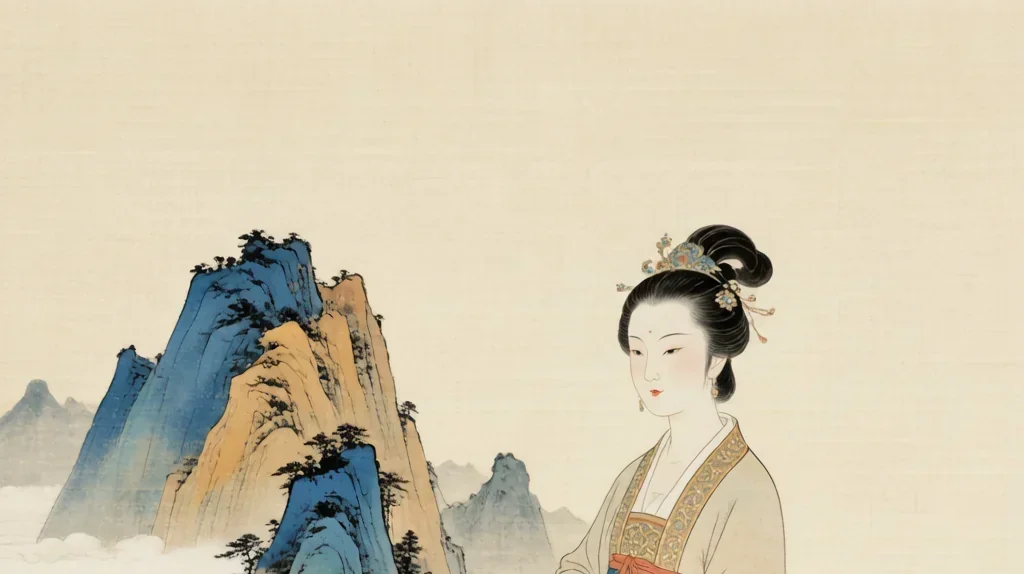
High on the sacred peaks of northern China, especially Mount Tai, dwells a goddess of protection, childbirth, and women's welfare known as 碧霞元君 (Bì Xiá Yuán Jūn), the "Princess of the Rosy Clouds. " Revered for centuries as a compassionate mother-goddess who answers the prayers of women seeking children, safe delivery, and family harmony, she became one of the most popular female deities in Chinese folk religion.
The God of Wealth and How to Welcome Him
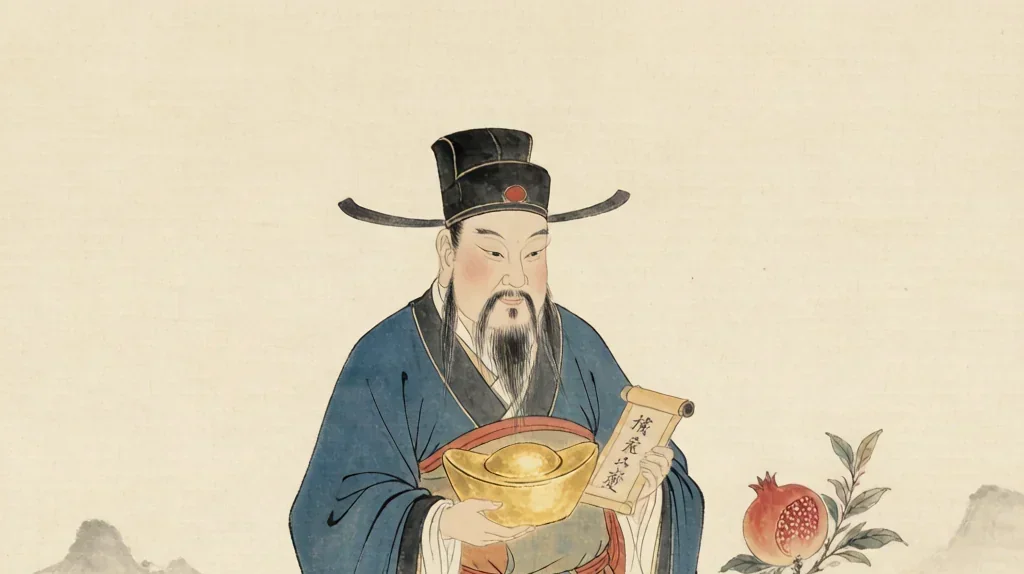
If there is one deity every shopkeeper, investor, and hopeful household wants on their side, it is 财神 (Cái Shén), the God of Wealth. Revered across China in several forms, Cái Shén presides over prosperity, commerce, and good fortune in material matters.

Cang Jie: The Inventor of Chinese Characters
Every writing system has a myth of its birth, and China's is one of the most beautiful: the story of Cāng Jié , the official credited with inventing Chinese characters. Legend says that when he created the first written signs, the heavens rained grain and the ghosts wept in the night, because writing was a power that would change the world forever.
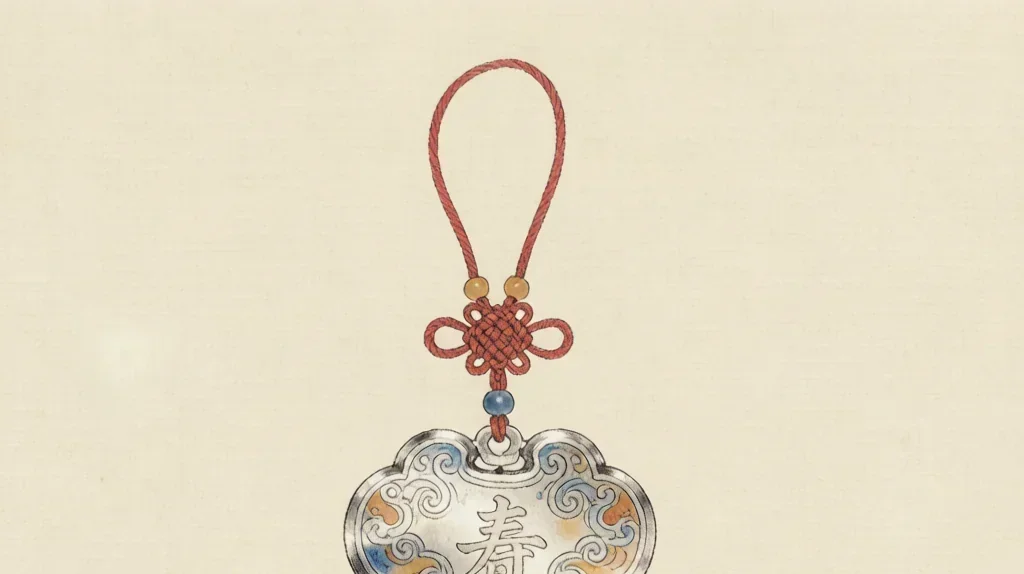
The Longevity Lock: A Child's Silver Guardian
Worn around the neck of countless Chinese toddlers, the 长命锁 (Cháng Mìng Suǒ), or "longevity lock," is one of the most endearing objects in Chinese folk custom. Usually a silver pendant shaped like a padlock or a stylized plaque, it is inscribed with wishes for a long life and tied with a red cord.
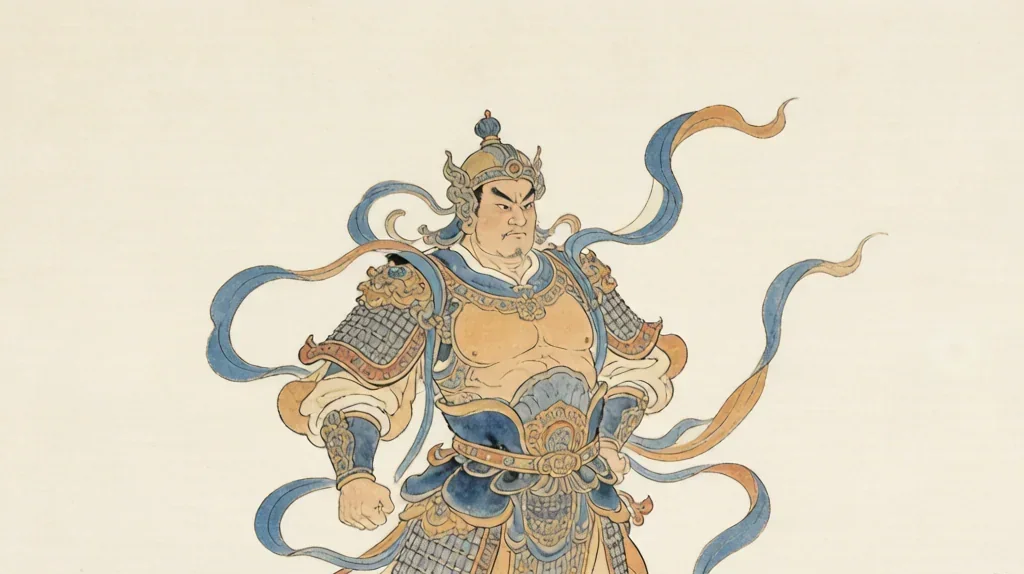
The City God: Guardian of the Walled Town
In the imaginative geography of Chinese folk religion, every walled town once had its own divine administrator: 城隍 (Chéng Huáng), the City God, guardian and magistrate of the locality in the afterlife. Part protective spirit, part bureaucratic judge, the City God ruled over the dead and the living of his city, mirroring the human magistrate who governed its streets.
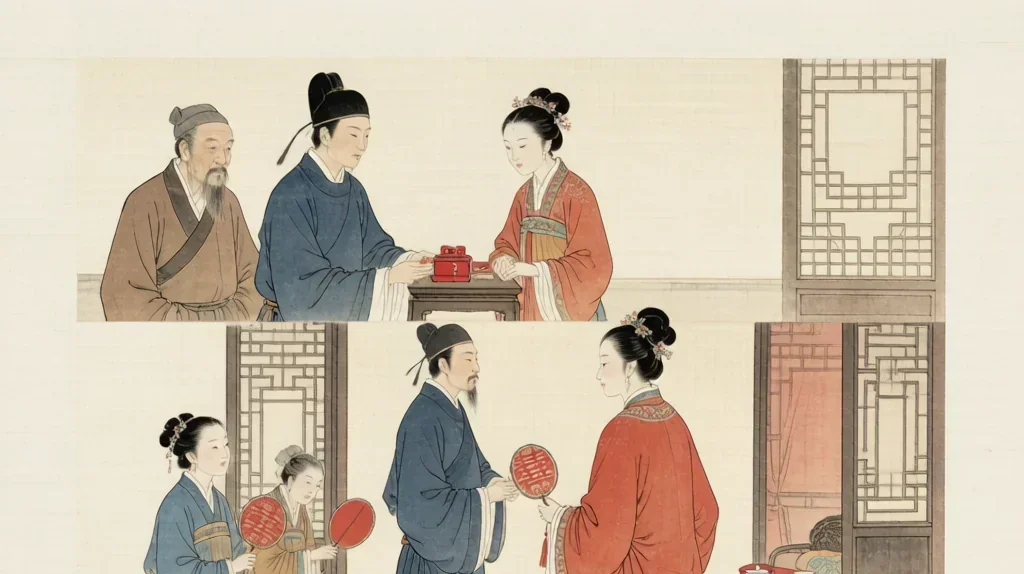
Traditional Chinese Wedding Customs: From Betrothal to Bridal Chamber
In Chinese culture, a wedding is far more than the union of two individuals — it is the joining of two families, two lineages, and two ancestral lines stretching back through generations. Traditional Chinese wedding customs (中式婚礼, Zhōngshì hūnlǐ ), refined over thousands of years, form one of the most elaborate and symbolically rich ritual systems in the world.
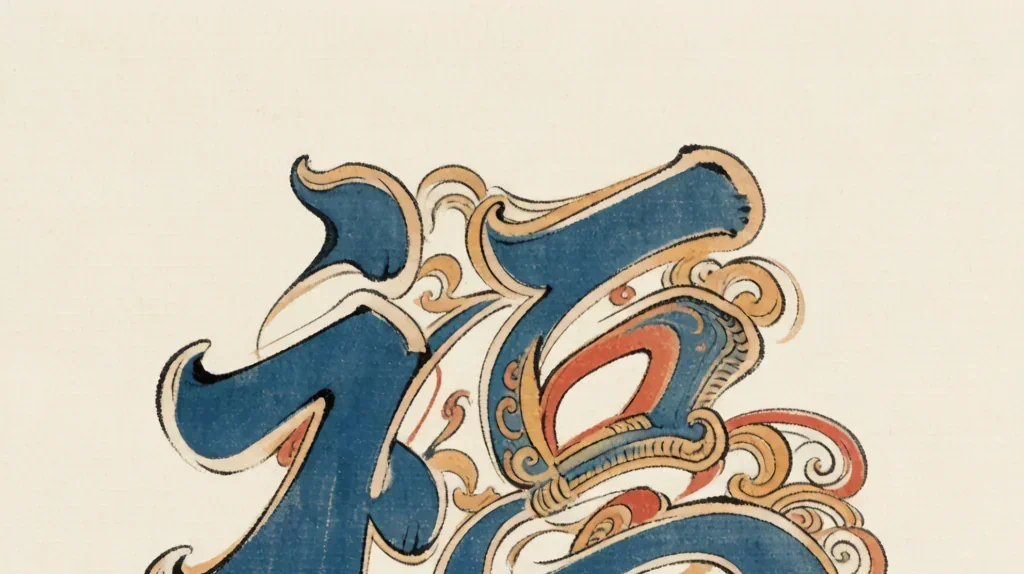
The Upside-Down Fortune Character
Walk through any Chinese community during the Spring Festival and you will spot a small, puzzling sight: the character for fortune, 福 (Fú), posted upside down on doors and windows. To the uninitiated it looks like a mistake, but it is in fact a clever pun and one of the most beloved decorations of the holiday.
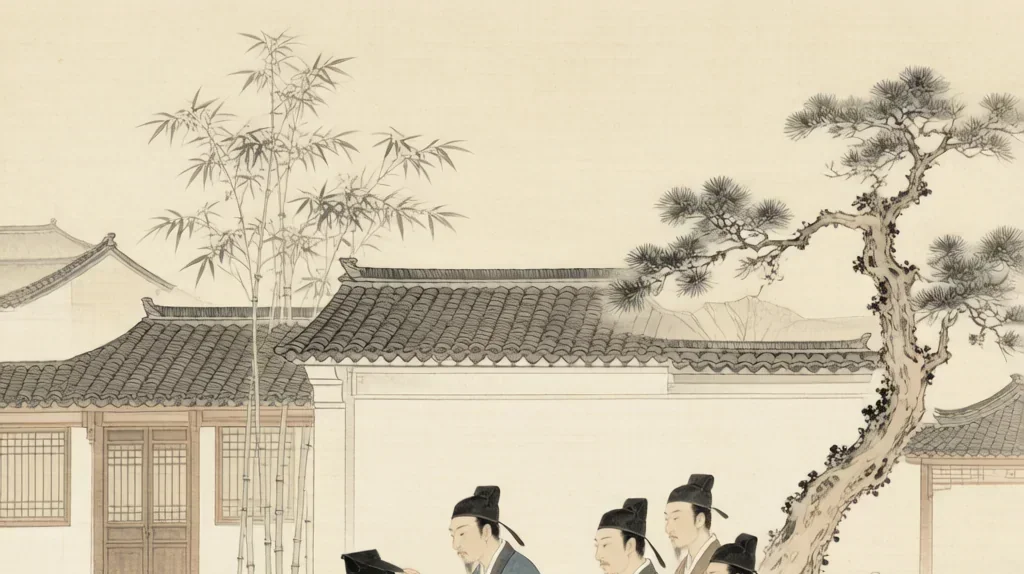
The Capping Ceremony of Adulthood
Long before a young man could be called an adult in traditional China, he had to pass through a single, solemn ceremony: the guàn lǐ , the "Capping Ceremony. " Performed usually between the ages of fifteen and twenty, this rite marked the moment a boy's hair was gathered, pinned, and capped, and his childhood name replaced by an adult name.

The Winter-Clothes Festival for the Dead
On the first day of the tenth lunar month, when the wind turns sharp, Chinese tradition says the dead feel the cold too. The festival of hán yī , the "Winter-Clothes Festival," is the day families send warm clothing to their ancestors—not real cloth, but paper garments burned so the smoke may carry them to the other world.

Matching Birth Charts for Marriage
In traditional China a marriage was too important to rest on romance alone, so families turned to the stars—or rather, to the eight characters. The custom of hé hūn , "matching birth charts," checked whether a man's and a woman's birth data were compatible before betrothal.
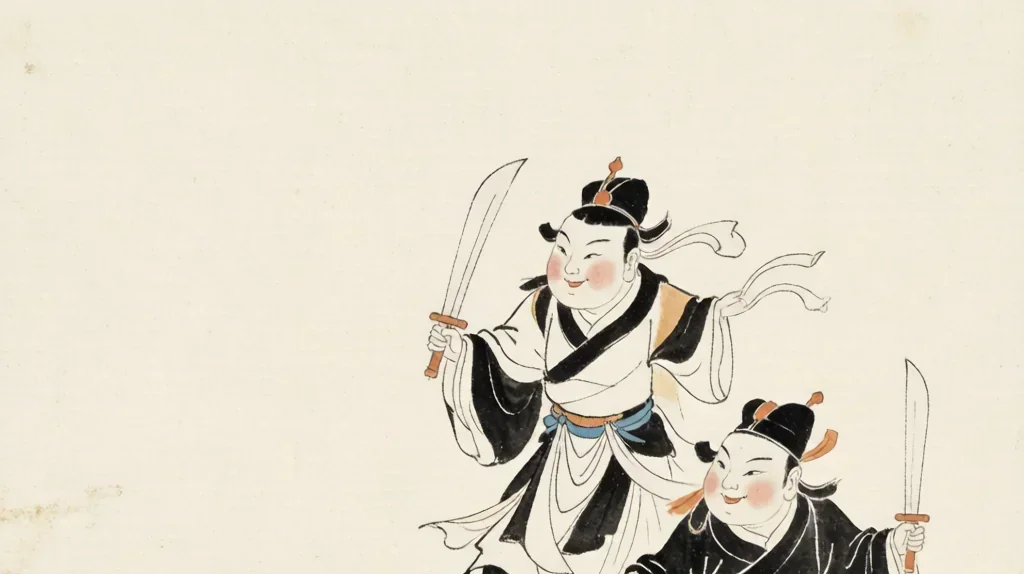
The Black and White Impermanence
In the shadowed bureaucracy of the Chinese underworld, two figures stand out for their eerie, almost comedic appearance and their indispensable job: 黑白无常 (Hēi Bái Wú Cháng), the "Black and White Impermanence," the paired ghosts who escort the dead to the afterlife. One dressed in black, one in white, they are among the most recognizable characters of Chinese folk religion, simultaneously feared as harbingers of death and beloved as oddly loyal civil servants of the spirit world.
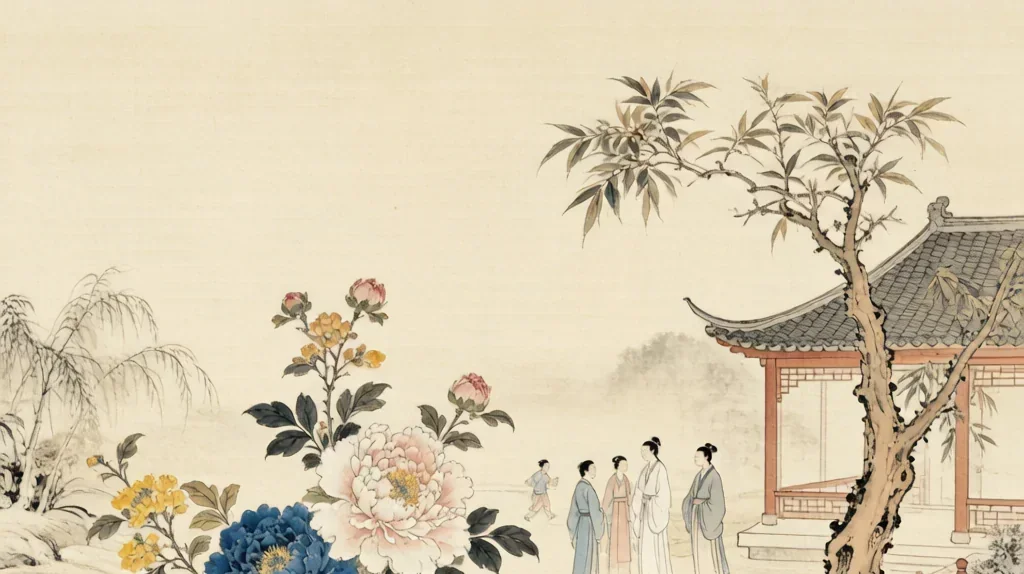
The Flower Festival of the Hundred Flowers
On the twelfth (or in some regions the second) day of the second lunar month, gardens across parts of China once celebrated huā zhāo , the "Flower Festival" or "Birthday of the Hundred Flowers. " On this day the blooms were honored as if they were living beings with a birthday to celebrate—ribbons tied to branches, poetry composed beneath the trees, and girls who hoped the flower goddess would grant them beauty and a good match.

The Cross-Cup Wine of the Wedding Toast
Among the many small yet charged rituals of a Chinese wedding, few are as intimate as the jiāo bēi jiǔ , the "cross-cup wine" shared by bride and groom. Literally meaning "exchange-cup liquor," this toast is far more than a photo opportunity: it is a symbolic merging of two lives, two families, and two fortunes into one.
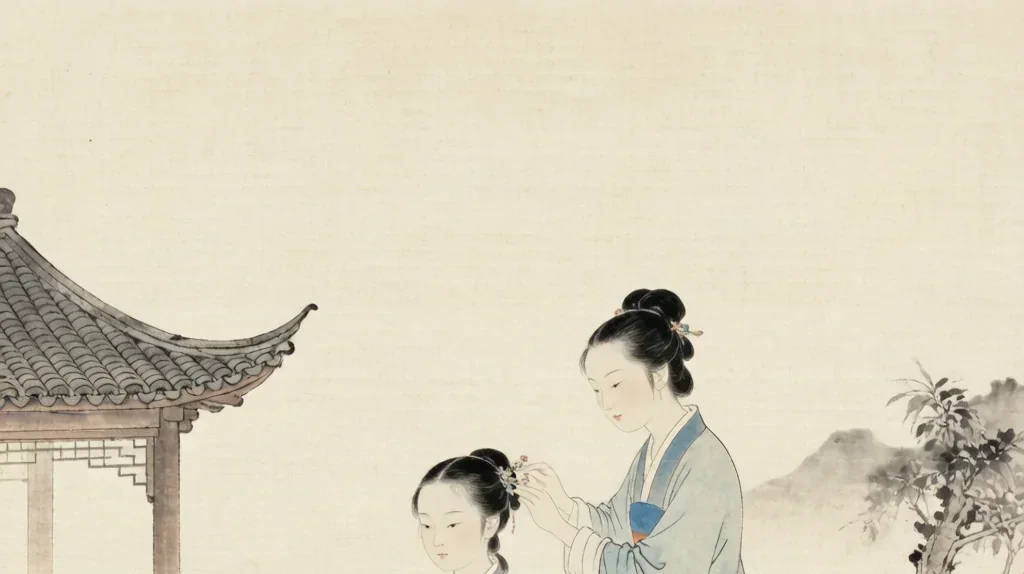
The Hair-Pinning Ceremony for Girls
In the life-cycle rites of traditional China, the moment a girl left childhood behind was marked not by a birthday but by a hairpin. The jí lǐ , the "Hair-Pinning Ceremony," was performed when a young woman reached around fifteen, the age at which she was considered marriageable.
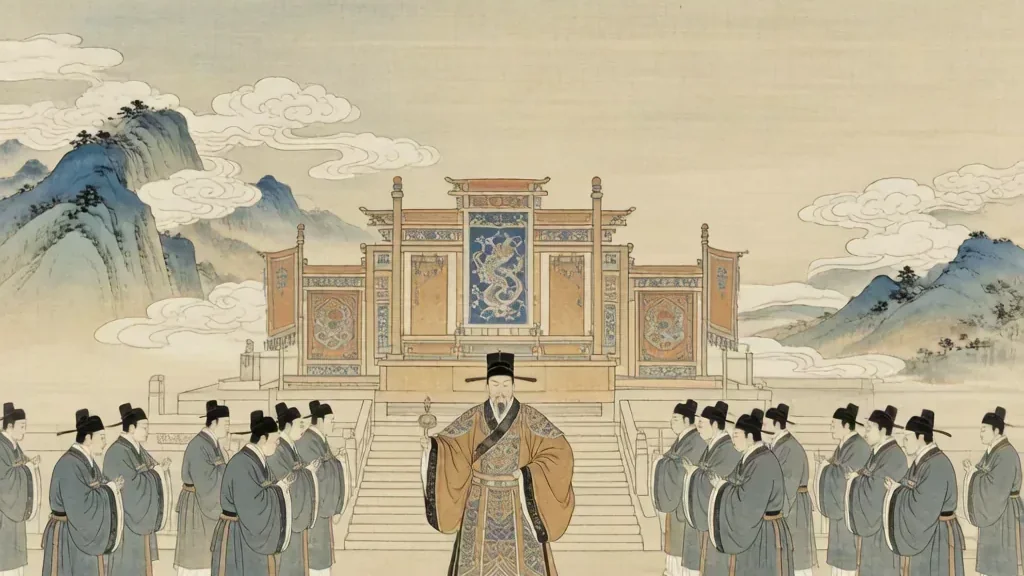
The Grand Rite of Heaven Worship
At the summit of the Chinese ritual order stood a ceremony that no ordinary person could perform: the jì tiān , the "Worship of Heaven. " Reserved for the emperor, the Son of Heaven, this was the supreme state rite, performed to secure Heaven's blessing for the realm—good harvests, peace, and the mandate to rule.

Face Reading: The Art of Physiognomy
Can a face reveal a destiny? In the Chinese art of kàn xiàng , "face reading" or physiognomy, the answer has long been yes.
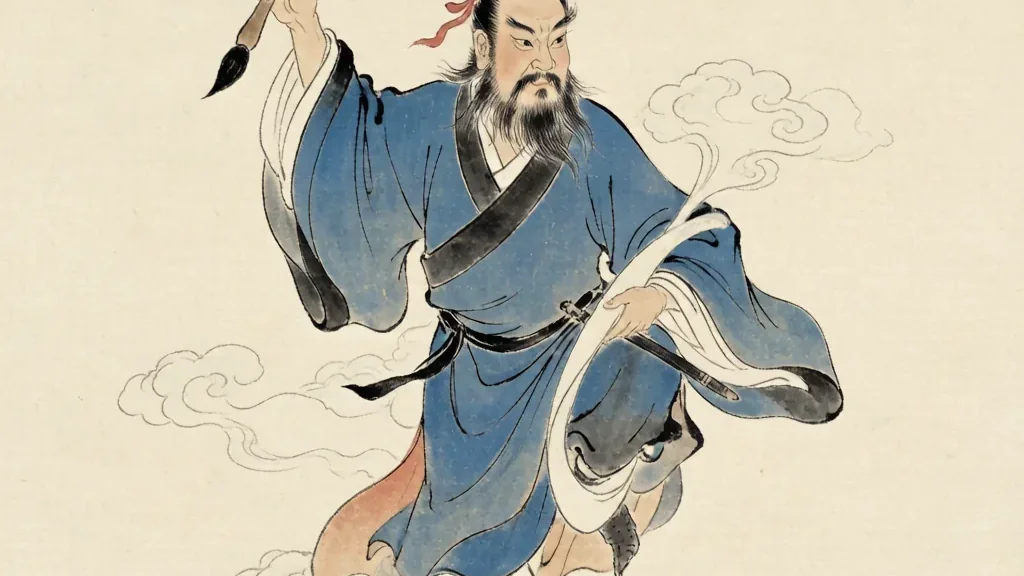
The Star God of Examinations
Among the most distinctive and dynamic figures in the Chinese pantheon is 魁星 (Kuí Xīng), the Star God of Examinations, usually shown as a one-legged, brush-wielding demon-like scholar kicking a writing implement toward the sky. Despite his fearsome looks, he is a beloved patron of students, said to determine who tops the lists and who fails.

Dragon Head-Raising Day
On the second day of the second lunar month, Chinese tradition says the dragon raises its head— lóng tái tóu —and spring truly begins. This festival, also called the "Dragon Head-Raising Day" or informally the "Longtaitou Festival," marks the time when the dragon king, hibernating through winter, awakens to bring rain for the coming fields.
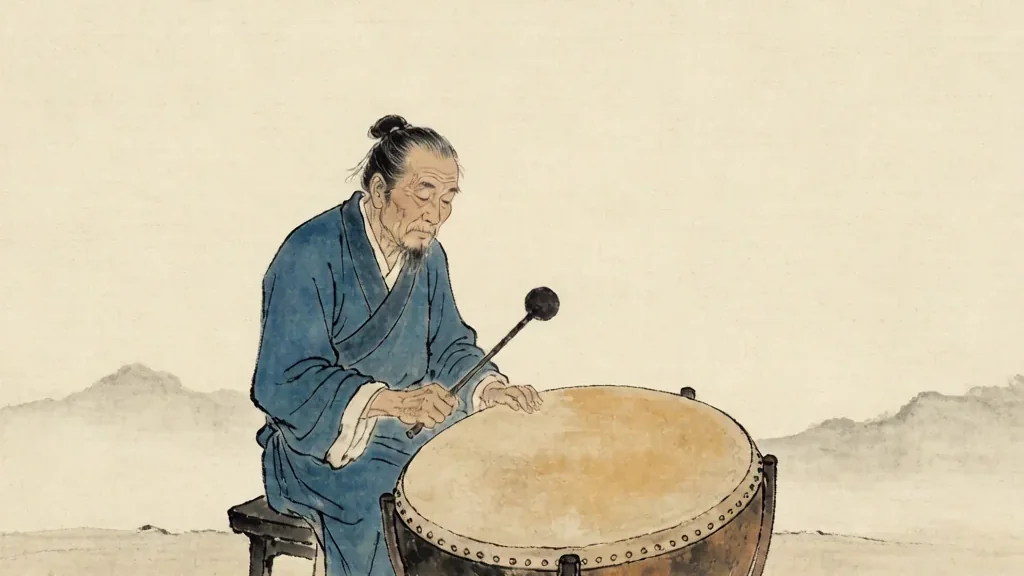
The Gong and Drum Ensemble
Before any band, there was the beat. The luó gǔ , the "gong and drum," is the rhythmic heart of Chinese folk music—the driving pulse behind lion dances, dragon processions, weddings, and harvest celebrations.
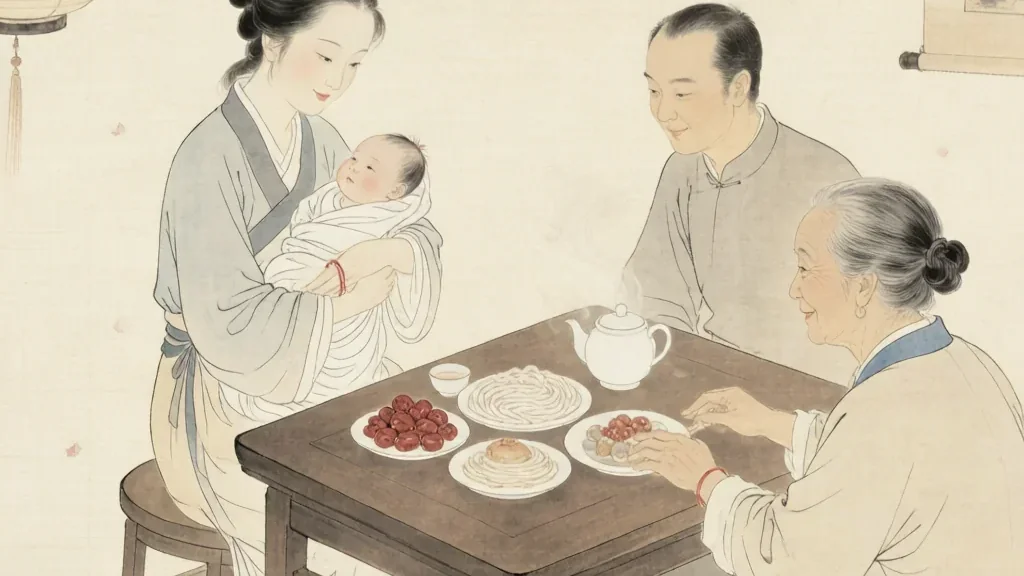
The Full-Month Feast for Newborns
Thirty days after a child is born, Chinese families mark one of the happiest milestones in the domestic calendar: 满月 (Mǎn Yuè), the "full month" celebration for a newborn. This is the day a baby is formally introduced to the wider family and community, and it arrives wrapped in food, red eggs, and heartfelt wishes for health and a long life.

The Lady of Forgetfulness at the Yellow Springs
At the threshold between the world of the living and the realm of the dead in Chinese folklore stands a figure both feared and strangely comforting: 孟婆 (Mèng Pó), the "Lady of Forgetfulness," who serves a bowl of soup that erases the memory of past lives. According to popular belief about the Yellow Springs, the underworld, every soul must drink her brew before reincarnating, so that it enters its new life unburdened by the grief, love, and trauma of the one before.

The Reunion Dinner of New Year's Eve
The single most important meal in the Chinese calendar is 年夜饭 (Nián Yè Fàn), the Reunion Dinner held on New Year's Eve, when families gather from far and wide to share a lavish feast and see the old year out together. More than food, this dinner is the emotional and symbolic climax of the Spring Festival, the moment when the scattered branches of a family reunite around one table.

Traditional Funeral and Mourning Customs
Nowhere does Chinese culture reveal its values more honestly than in how it treats the dead. The cluster of customs known as sāng zàng , "funeral and burial," is one of the most elaborate ritual systems in the world, built on the Confucian conviction that filial piety does not end at the grave.
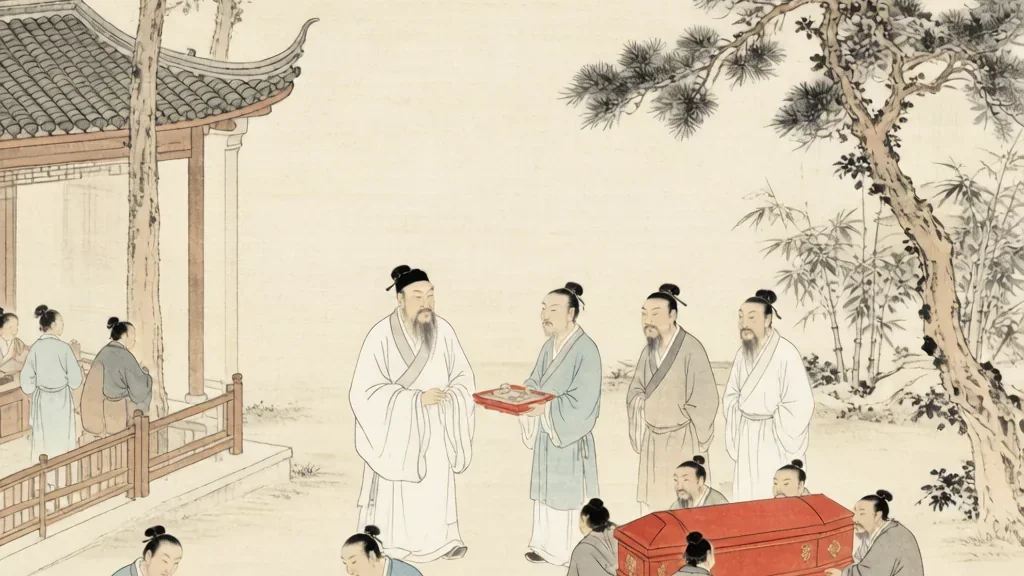
The Three Letters and Six Rites of Marriage
Before a single red lantern is hung or a single cup of cross-cup wine is shared, a traditional Chinese marriage was, above all, a paperwork affair. The system governing it was called sān shū liù lǐ , the "Three Letters and Six Rites.
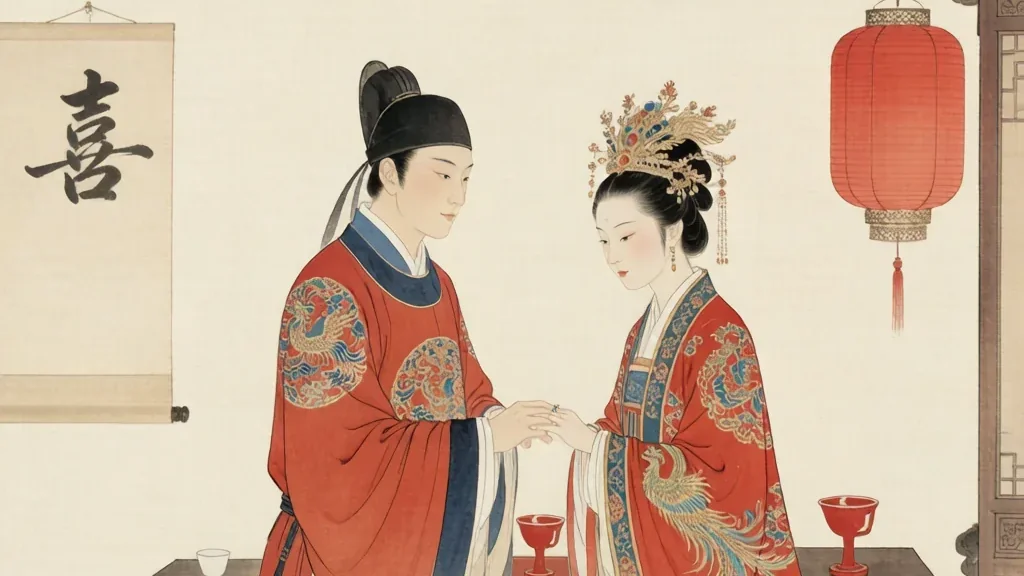
The Three Stars of Fortune, Emolument, Longevity
Among the most beloved images in Chinese homes is a cheerful trio of smiling old men: 福禄寿 (Fú Lù Shòu), the Three Stars of Fortune, Emolument, and Longevity. Personifying the three supreme blessings, wealth, rank, and long life, these figures appear on New Year prints, birthday plaques, and wedding decor as a compact wish for the good life.

Sweeping the Dust: Pre-New-Year Cleaning
In the weeks before the Lunar New Year, Chinese households undertake a ritual as practical as it is symbolic: 扫尘 (Sǎo Chén), "sweeping the dust," the thorough pre-new-year cleaning of the entire home. Windows are washed, cobwebs cleared, stored goods rearranged, and every corner scoured, not merely for hygiene but to sweep away the misfortunes and stale energies of the departing year and make room for incoming luck.

Raising the Roof Beam
Before the roof of a new Chinese house could be closed, the family held a ceremony that turned carpentry into cosmic alignment: the shàng liáng , the "Raising the Roof Beam. " The central beam was the spine of the home, and setting it in place—with offerings, rhymes, and a shower of sweets—was the single most auspicious moment of building.
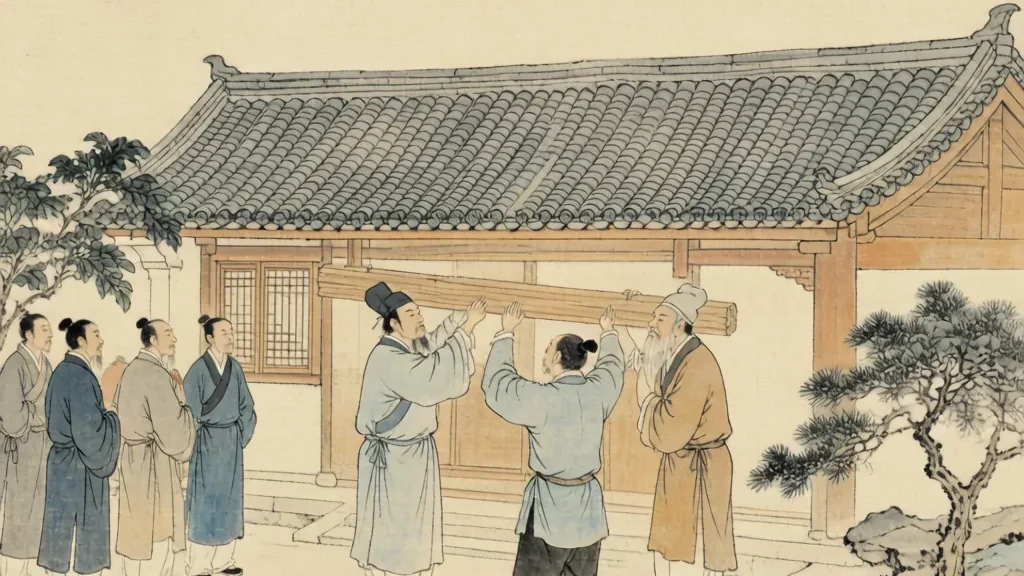
The Spring Purification Festival
Long before it was eclipsed by the Qingming festival, the third day of the third lunar month belonged to shàng sì , the "Spring Purification Festival. " On this day, ancient Chinese gathered at riversides to wash away the grime and ill-luck of winter, float cups of wine on the current, and compose poetry among the blossoms.

Folk Festival Pageantry
When the New Year lanterns dim and the earth wakes, villages across north China erupt in shé huǒ , "community fire" or folk pageantry—a boisterous procession of stilt-walkers, dragon dancers, land boats, and masked gods that turns the street into a stage. The term once meant the communal offerings to the shè (soil god) at his spring festival; over time it came to name the whole carnival of folk performance that still lights up the countryside.
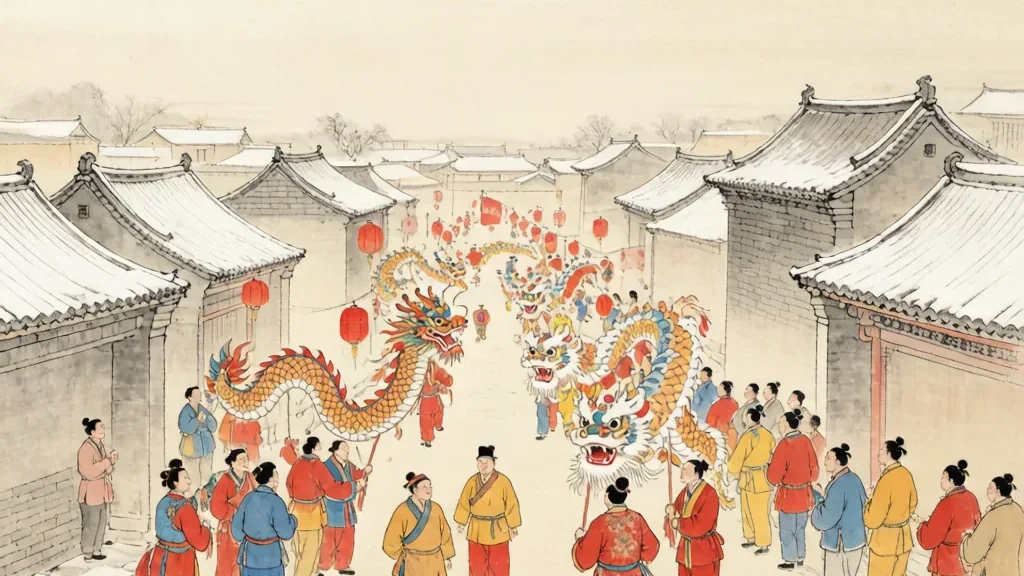
The Altars of Soil and Grain
If Heaven was the highest power in imperial China, the powers closest to daily survival were shè and jì —Soil and Grain. The compound shè jì named the altars where the state sacrificed to the spirits of the land and the five grains, and over time the phrase itself came to mean "the state" or "the nation.
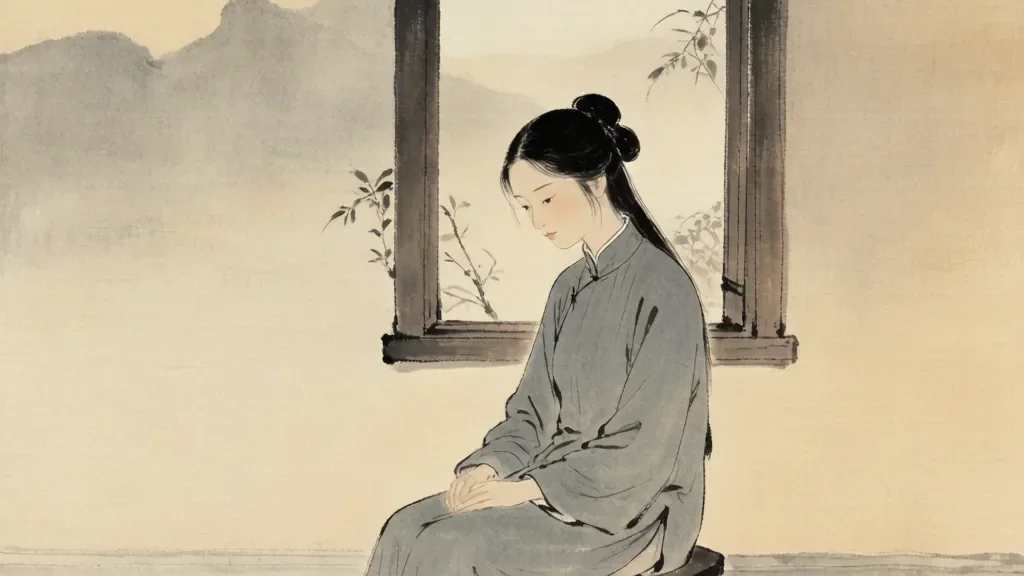
Keeping the Old Year Out: Staying Up on New Year's Eve
Long after the reunion dinner is cleared away, many Chinese families do something that seems simple yet carries deep meaning: they stay awake together until the morning of the new year. This is 守岁 (Shǒu Suì), "keeping the year" or "guarding the old year," the cherished custom of staying up through the final night of the lunar calendar.
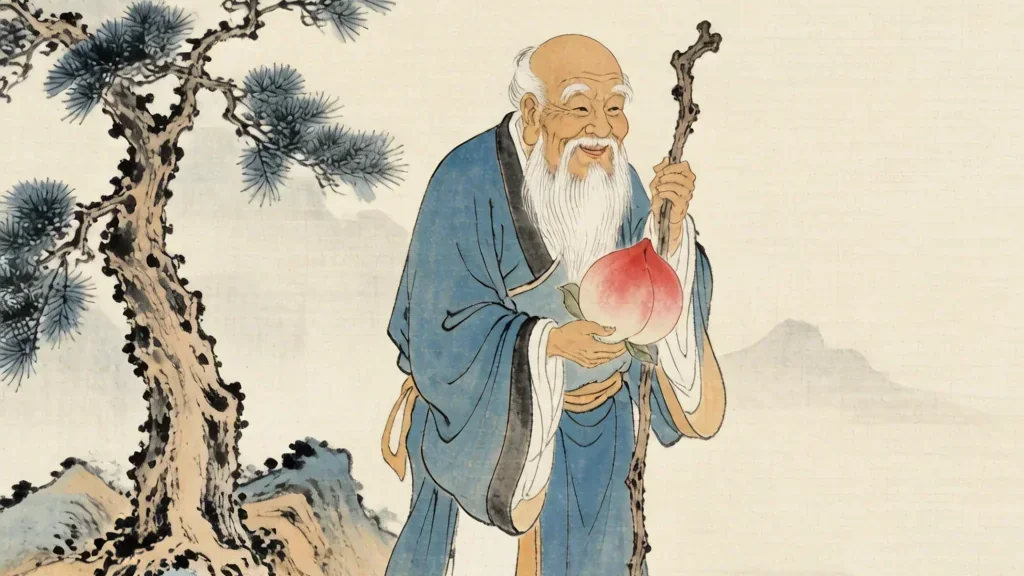
The Star of Longevity
In Chinese birthday celebrations, no image is more cherished than that of 寿星 (Shòu Xīng), the Star of Longevity, the benevolent old man whose presence turns a birthday into a blessing for years to come. With his towering, wrinkled forehead, a peach of immortality in hand, and a staff to lean upon, Shòu Xīng personifies the cultural ideal that the greatest earthly gift is a long and healthy life.
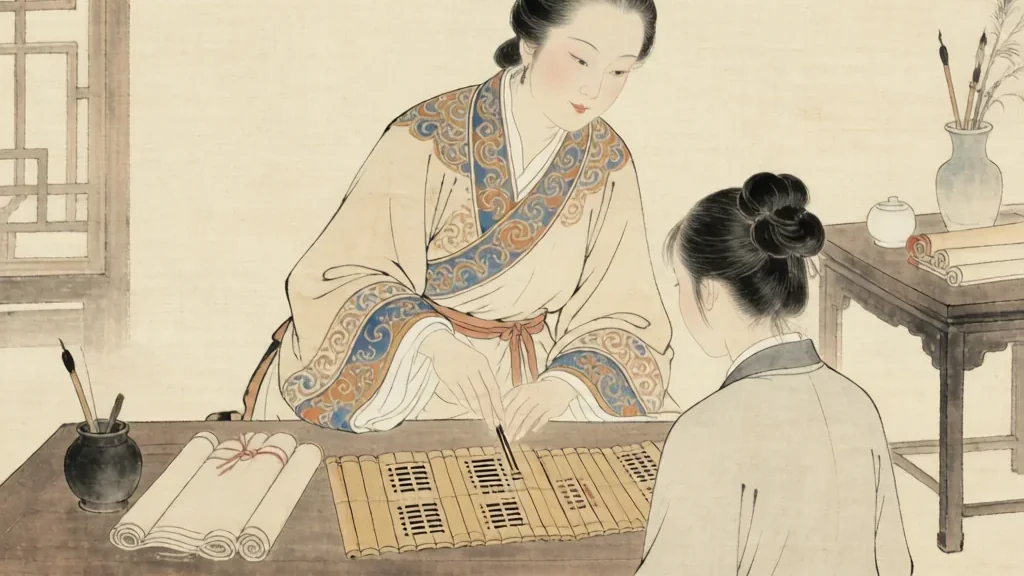
Fortune Telling in Chinese Culture
The phrase suàn mìng means, quite literally, "calculating fate. " It is the broad Chinese practice of forecasting a person's destiny from their birth data, usually the year, month, day, and hour expressed as eight characters ( bā zì ).
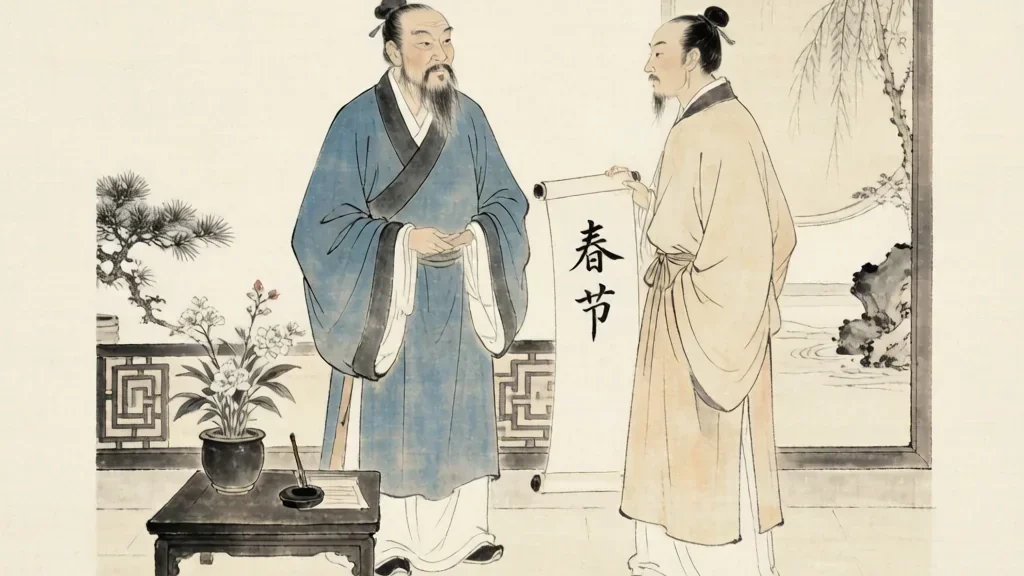
Peach Charms: Forerunners of Spring Couplets
Long before the red paper couplets that now grace every Chinese door at New Year, there were 桃符 (Táo Fú), "peachwood charms," the ancient talismans hung at gateways to keep evil away. Made of peach wood inscribed with the names or images of two door-protecting gods, these charms were the direct ancestors of today's spring couplets.

Fill-the-Granary Day
In the rhythm of the traditional farming year, the harvest was only half the battle; storing it safely was the other half. The festival of tián cāng , "Fill-the-Granary Day," honored exactly that second half.
The Earth God of the Locale
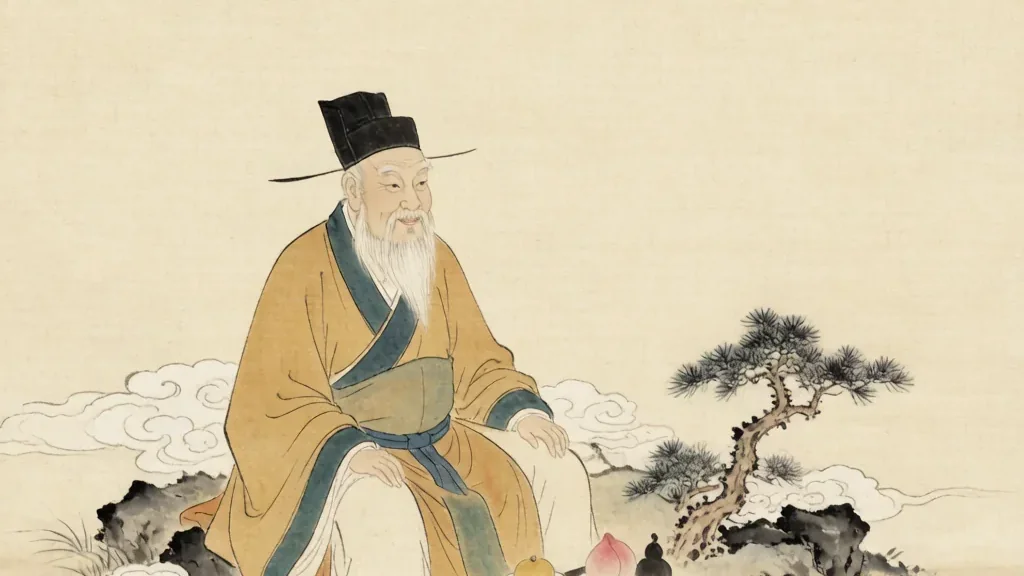
At the humblest level of the Chinese divine hierarchy sits 土地公 (Tǔ Dì Gōng), the "Earth God" or "God of the Soil and Locale," a white-bearded old man who presides over a single village, field, or neighborhood. While the City God governs the metropolis and the Jade Emperor rules heaven, Tǔ Dì Gōng tends the small patch of earth beneath one's feet, blessing crops, business, and the daily peace of local life.
The Rabbit God of Old Beijing
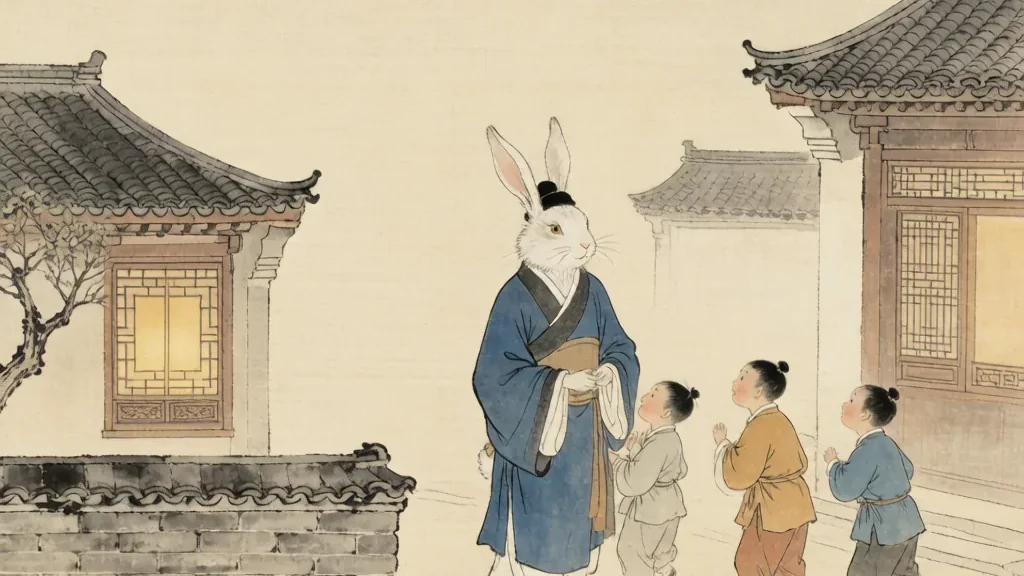
In the old lanes of Beijing, especially during the Mid-Autumn Festival, children once clutched a peculiar toy: a painted clay rabbit seated like a general, often in armor, with a rabbit's head and a human body. This is 兔儿爷 (Tù'er Yé), the "Rabbit God" or "Lord Rabbit," a folk deity and plaything unique to the capital.

The God of Literature
For over a thousand years, the dreams of Chinese students rose toward a single deity: 文昌 (Wén Chāng), the God of Literature, patron of scholars, writers, and all who sat the grueling imperial examinations. Believed to preside over literary achievement and official rank earned through the brush, Wén Chāng was the heavenly sponsor of the meritocratic dream that a poor boy with a good pen could rise to the top.

The Altar of Agriculture
Before there was a Forbidden City full of ministers, there was a field in the capital where the emperor himself took up the plow. The Xiān Nóng Tán , the "Altar of Agriculture" or "Altar of the Former Farmers," was the site where the Son of Heaven performed the "plowing the sacred field" rite ( gēng jí ) each spring.
Little New Year: The Sweep Before Spring
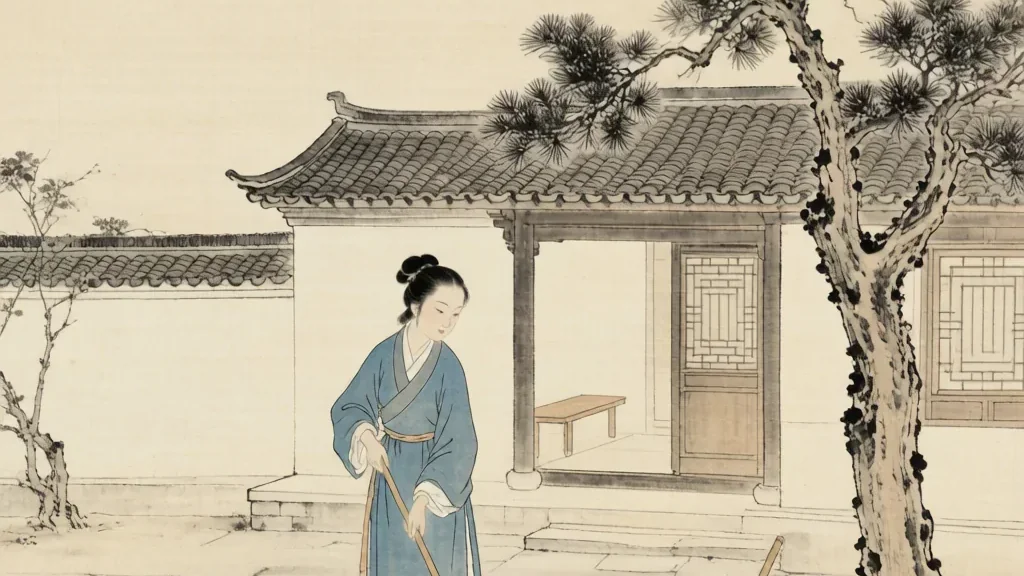
As the Lunar New Year approaches, Chinese households observe a pivotal hinge in the festival calendar: 小年 (Xiǎo Nián), "Little New Year," the preparatory festival that launches the spring cleaning, the sending-off of the Kitchen God, and the final rush of new-year readiness. Falling on the twenty-third or twenty-fourth of the twelfth lunar month, depending on region, Little New Year is less a single day than the opening of a door, the moment the old year is formally ushered toward its end.
The God of Happiness
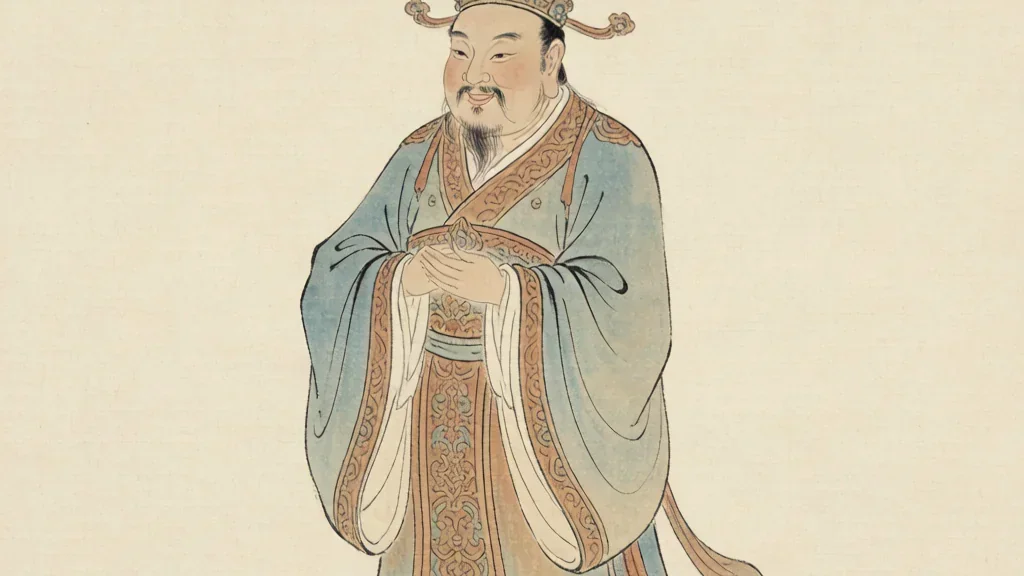
Among the cheerful host of Chinese folk deities, 喜神 (Xǐ Shén), the God of Happiness, occupies a special place as the patron of joy, celebration, and auspicious occasions. Unlike the God of Wealth, who governs the purse, or the Kitchen God, who judges conduct, Xǐ Shén simply presides over happiness itself, the bright emotion that crowns weddings, festivals, and family gatherings.
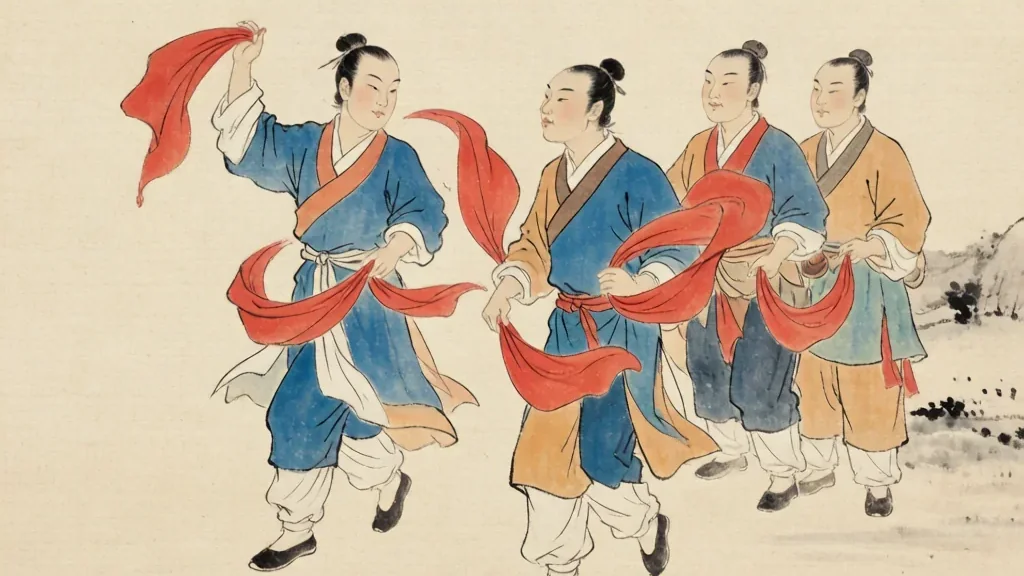
The Rice-Sprout Song Dance
With red silk handkerchiefs twirling and feet beating a cheerful stamp, the yāng gē , the "Rice-Sprout Song," is the most widespread folk dance of north China. Born among farmers who sang in the fields and at festival time, it grew into a communal dance performed in snaking lines at New Year and temple fairs.
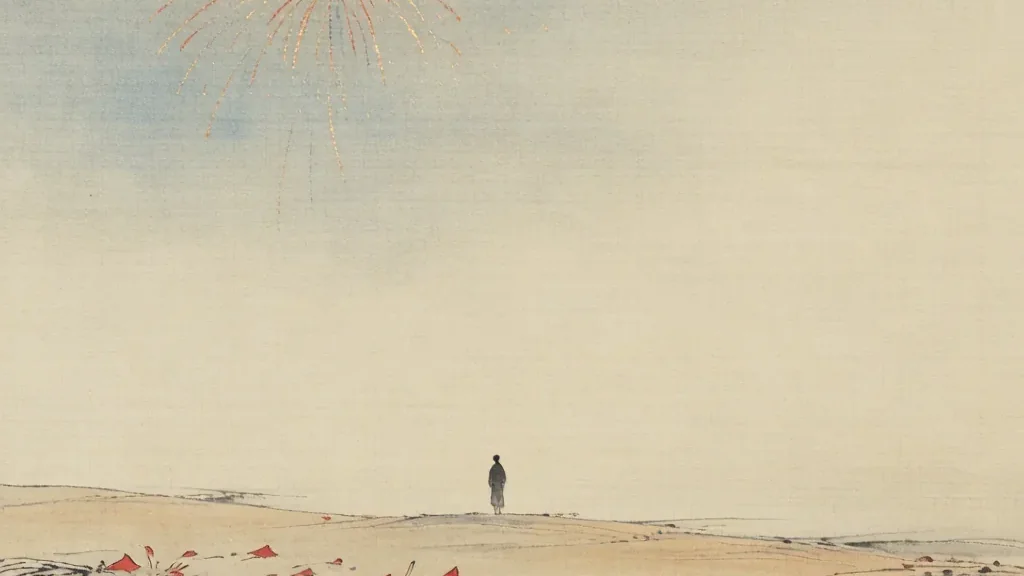
Fireworks Over the New Year
When the firecrackers fade, the sky takes over. The yān huā , "fireworks" or literally "smoke flowers," transform a dark New Year eve into a blooming garden above the rooftops.
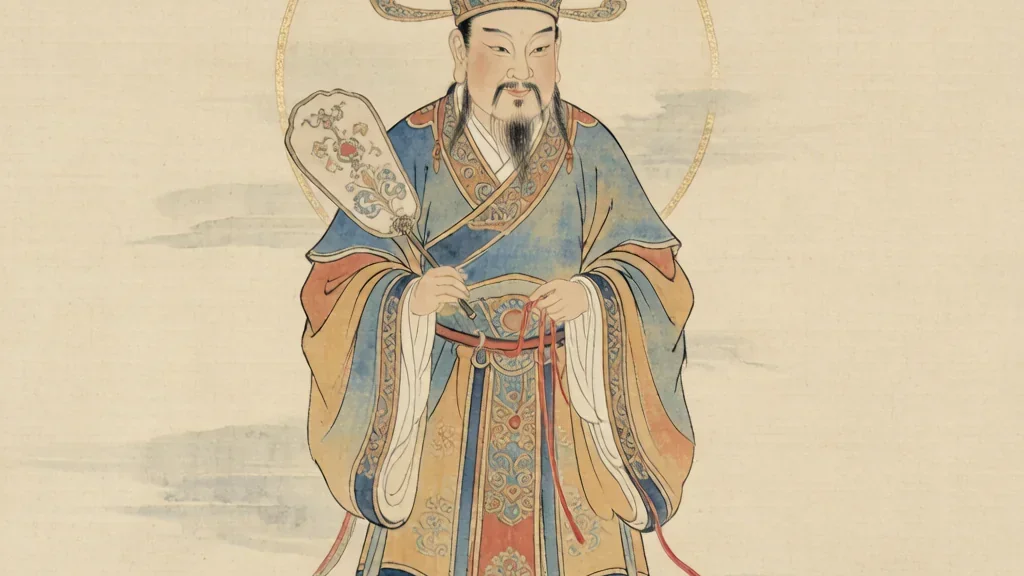
The Old Man Under the Moon: God of Marriage
Every culture has a figure who ties lovers together, but few are as charmingly specific as 月老 (Yuè Lǎo), the "Old Man under the Moon," the Chinese god of marriage and romantic destiny. According to legend, he wanders at night with a book of all the world's predestined couples and a red thread, which he quietly ties around the ankles of those fated to wed.

The Kitchen God Who Reports to Heaven
In the heart of every traditional Chinese kitchen, there presides a small, often overlooked deity: 灶王爷 (Zào Wáng Yé), the Kitchen God, also called the Stove God. More than a household spirit, he is the family's internal auditor, quietly observing the year's behavior and then, on the twenty-third or twenty-fourth of the twelfth lunar month, ascending to Heaven to report on the household's deeds.
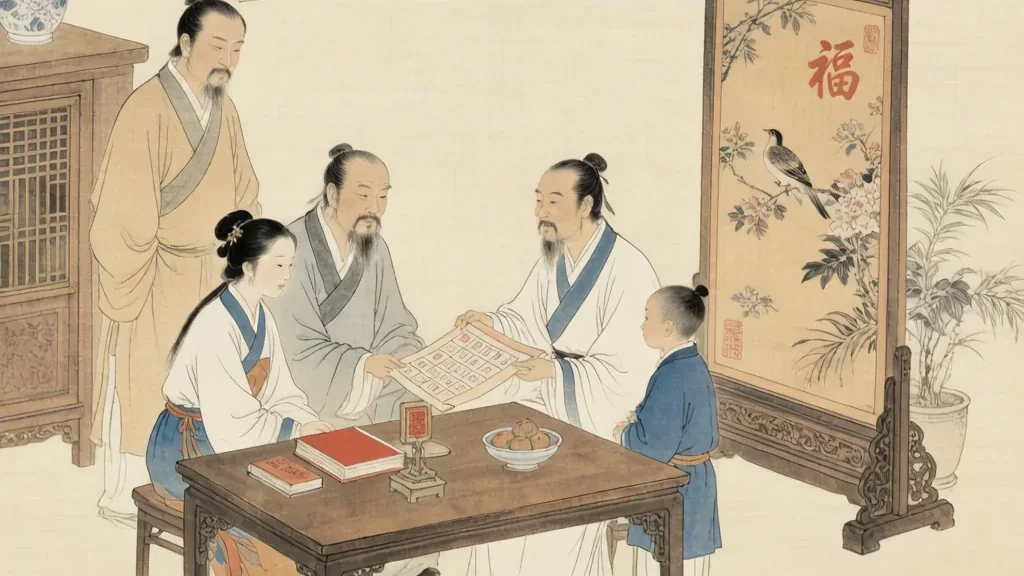
Choosing an Auspicious Day
Before a Chinese wedding, a move, a groundbreaking, or even a haircut, many families still consult the almanac to zé rì —"choose an auspicious day. " The practice treats time as uneven: some days flow with fortune, others clash with it, and wisdom lies in acting on the right one.

The Art of Divination
Long before dice, polls, or probability theory, the Chinese sought the future in cracks, stalks, and shells. The art of zhān bǔ , "divination," is among the oldest continuous practices in Chinese civilization, reaching back to the Shang dynasty and never fully disappearing.
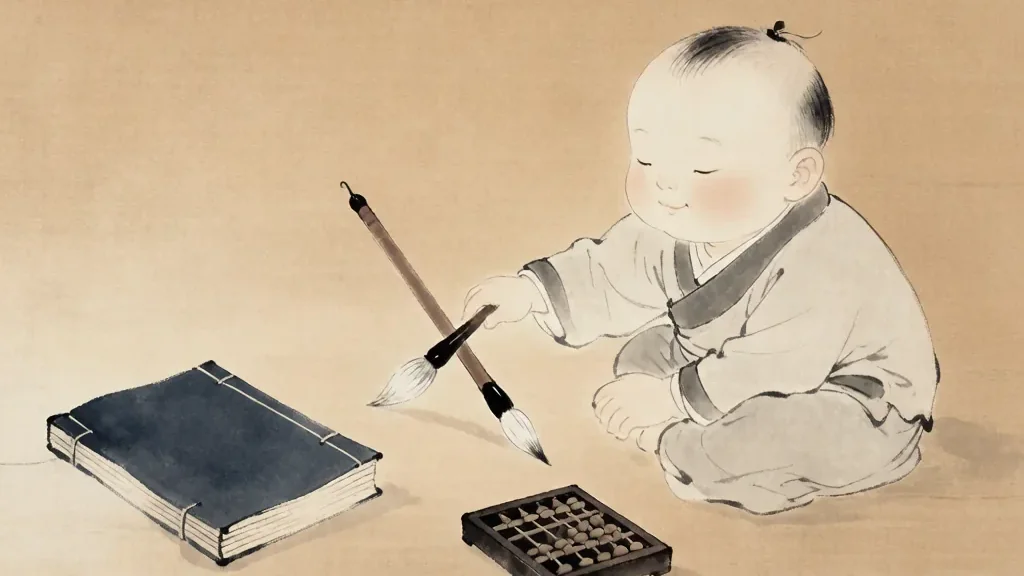
The One-Year Grab: Foretelling a Baby's Future
Among the most charming and quietly suspenseful rituals in Chinese family life is 抓周 (Zhuā Zhōu), "the one-year grab," held when a baby reaches its first birthday. On this day the child is placed before a spread of symbolic objects, books, brushes, coins, food, and tools, and the item it reaches for is read as a playful prophecy of its future character, talents, and calling.

The Month of Confinement After Birth
After a baby is born, Chinese tradition prescribes a carefully guarded month of recovery for the mother known as 坐月子 (Zuò Yuè Zi), "sitting the month. " For roughly thirty days following childbirth, the new mother rests, eats specially prepared foods, and avoids cold, exertion, and exposure, while family members take over the work of the household.
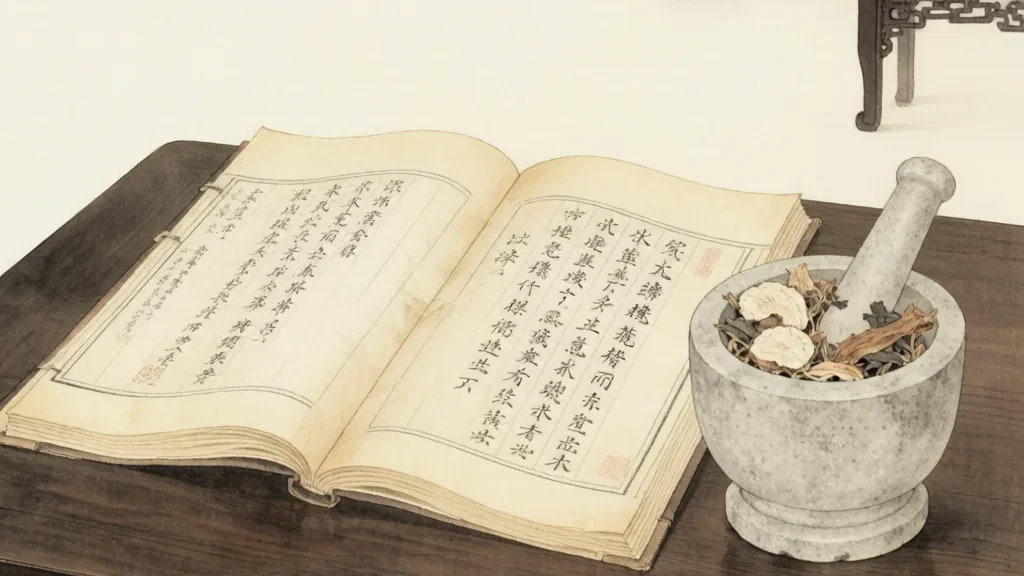
The Classics of Chinese Medicine
For over two thousand years, Chinese medicine has been guided by a corpus of classical texts that rank among the most influential medical writings in human history. These works — the Huangdi Neijing, the Shang Han Lun, the Bencao Gangmu, and others — established a systematic approach to health and disease that continues to inform medical practice worldwide. They represent not just medical knowledge but a comprehensive philosophy of the human body's relationship with nature, and their influence extends far beyond the clinic into Chinese culture itself.