🏛️ World Heritage
35 articles — UNESCO sites and architectural wonders
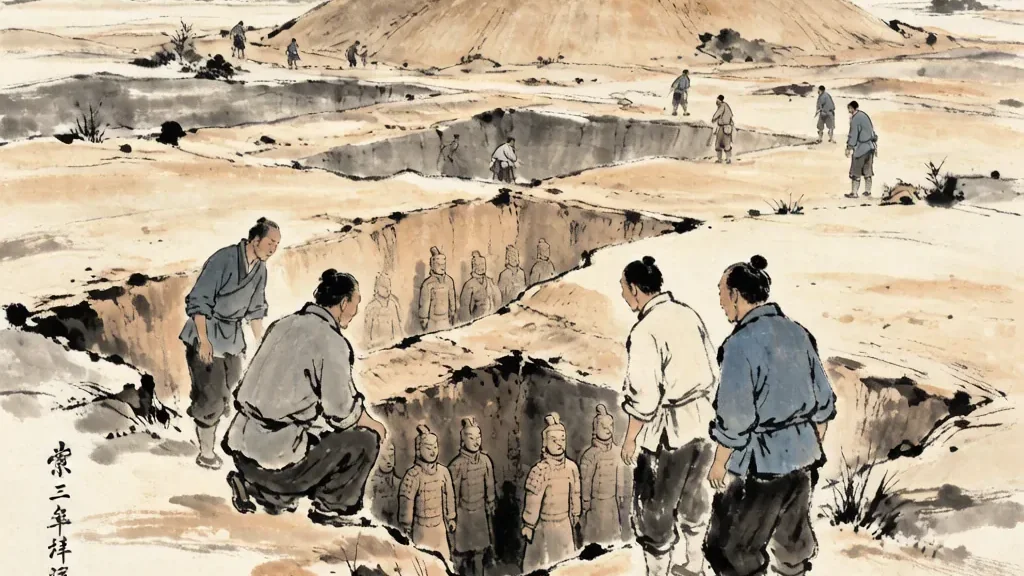
The Terracotta Army: Guardians of the First Emperor
In the spring of 1974, a group of farmers digging a well near the city of Xi'an struck something hard. They had expected water.
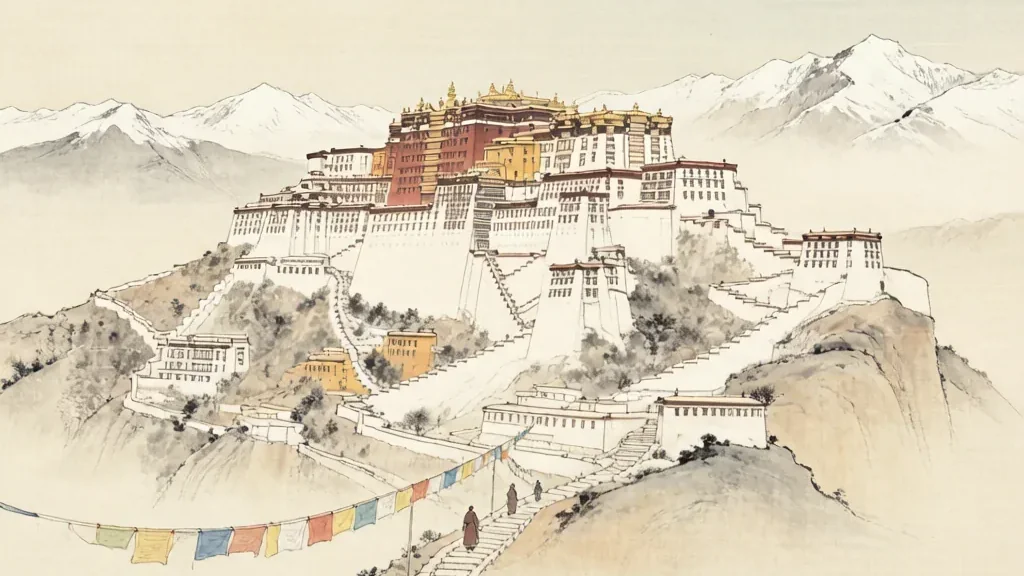
The Potala Palace: Roof of the World
At 3,700 meters above sea level, where the air is thin and the sky is a shade of blue found nowhere else on Earth, a palace rises from a sacred hill like a vision from another world. The Potala Palace in Lhasa, Tibet, is the highest ancient palace on the planet — a 13-story, 1,000-room fortress-monastery-palace that dominates the skyline with its white and red walls, golden roofs, and an aura of spiritual power that has drawn pilgrims and travelers for centuries.
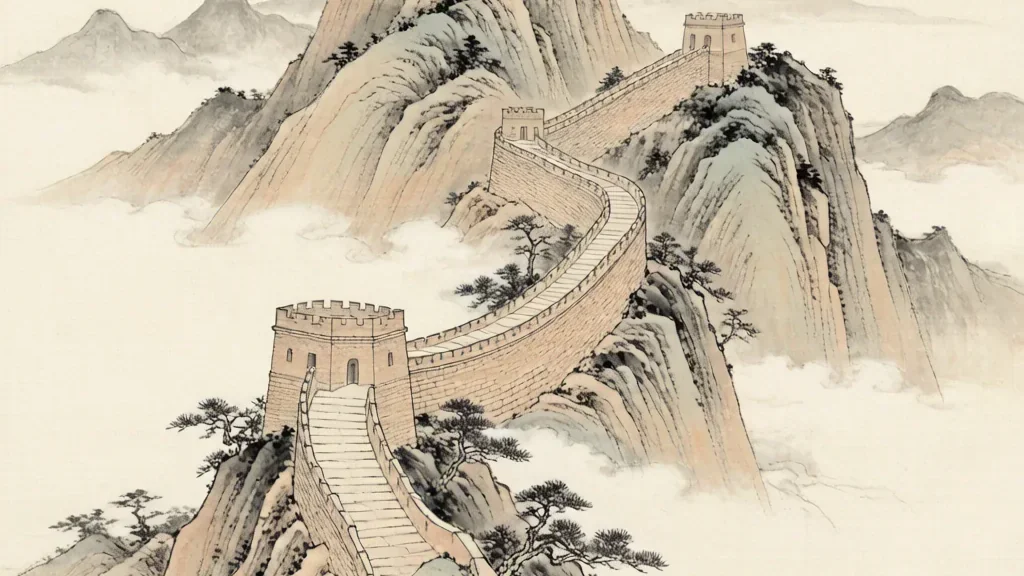
The Great Wall: China's Dragon of Stone
There is nothing else like it on Earth. Snaking across deserts, climbing mountain ridges, and plunging into valleys, the Great Wall of China stretches over 21,000 kilometers — more than half the circumference of the planet.

The Grand Canal: China's Ancient Water Highway
While the Great Wall dominates the northern horizon, another wonder of ancient engineering cuts quietly across the heart of China. The Grand Canal — or the Beijing-Hangzhou Grand Canal, to give it its full name — is the longest artificial waterway ever built, stretching over 1,700 kilometers from Beijing in the north to Hangzhou in the south.

Dunhuang Mogao Caves: A Thousand Years of Buddhist Art
At the edge of the Gobi Desert, where the Silk Road caravans once rested before braving the deadly Taklamakan, a mile-long cliff face holds one of the world's greatest treasures. The Mogao Caves of Dunhuang — 492 grottoes carved into a sandstone escarpment — contain over 45,000 square meters of murals and more than 2,000 painted sculptures, spanning a thousand years of Buddhist art.
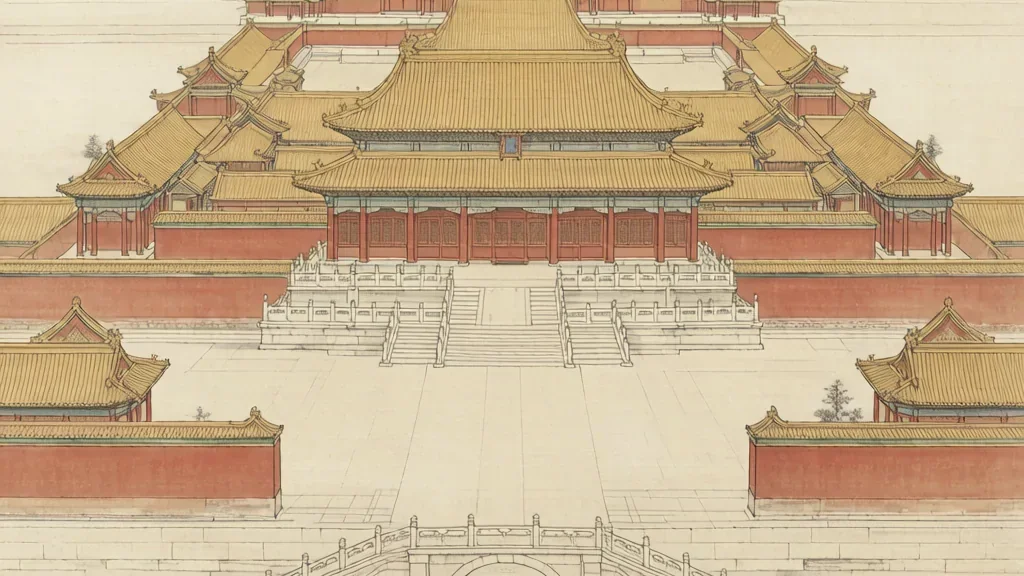
The Forbidden City: Heart of Imperial China
For five centuries, it was the most exclusive address on Earth. Behind its towering crimson walls and beneath its sweeping golden roofs, twenty-four emperors ruled an empire that was, for much of that time, the richest and most powerful on the planet.
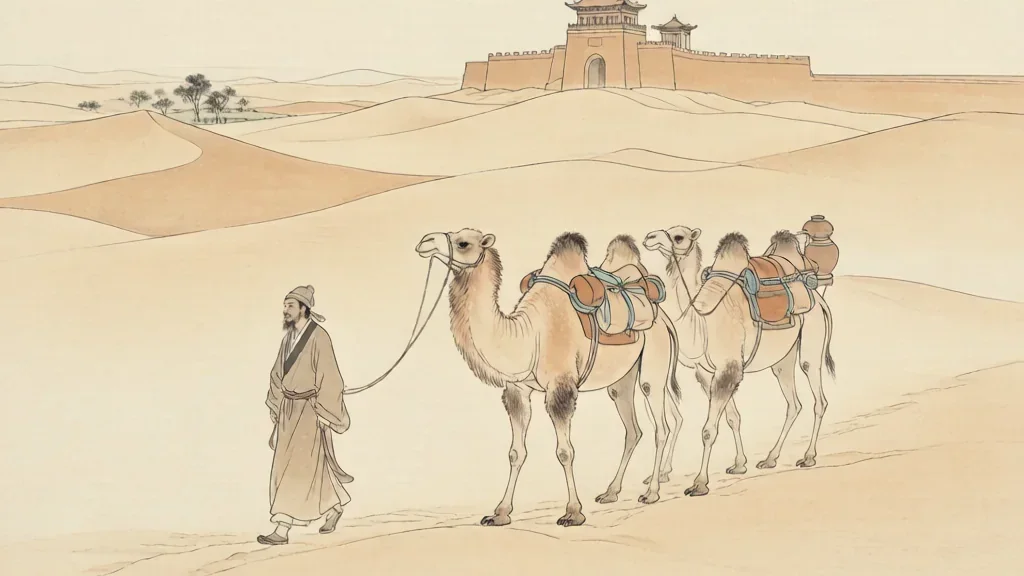
The Silk Road: Bridge Between East and West
The Silk Road was not a single road. It was a sprawling, ever-shifting web of caravan trails, mountain passes, desert crossings, and river routes that, for over 1,500 years, stitched together the civilizations of China, Central Asia, Persia, India, and the Mediterranean.
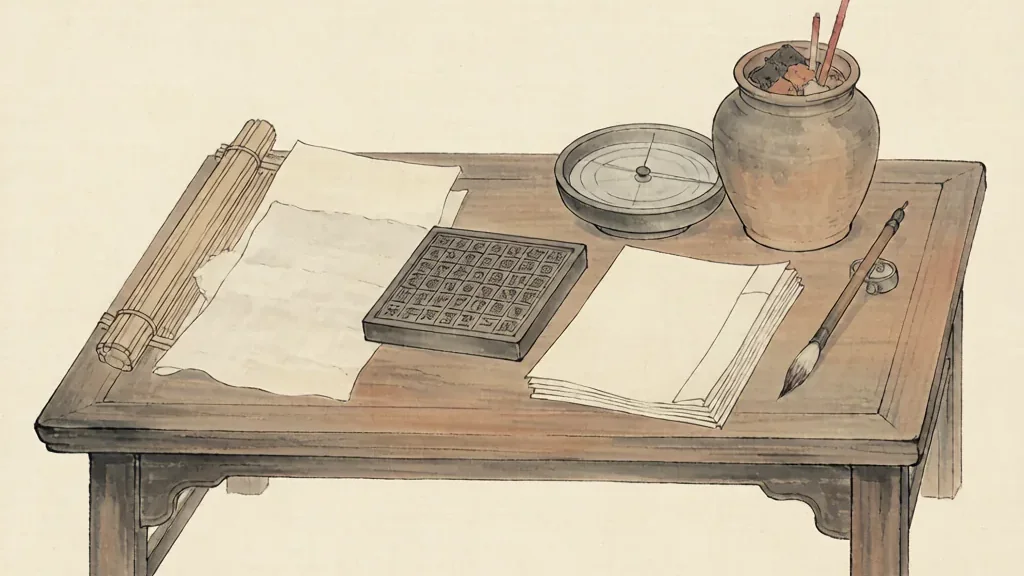
The Four Great Inventions: China's Gifts to the World
Imagine a world without paper. Without books.
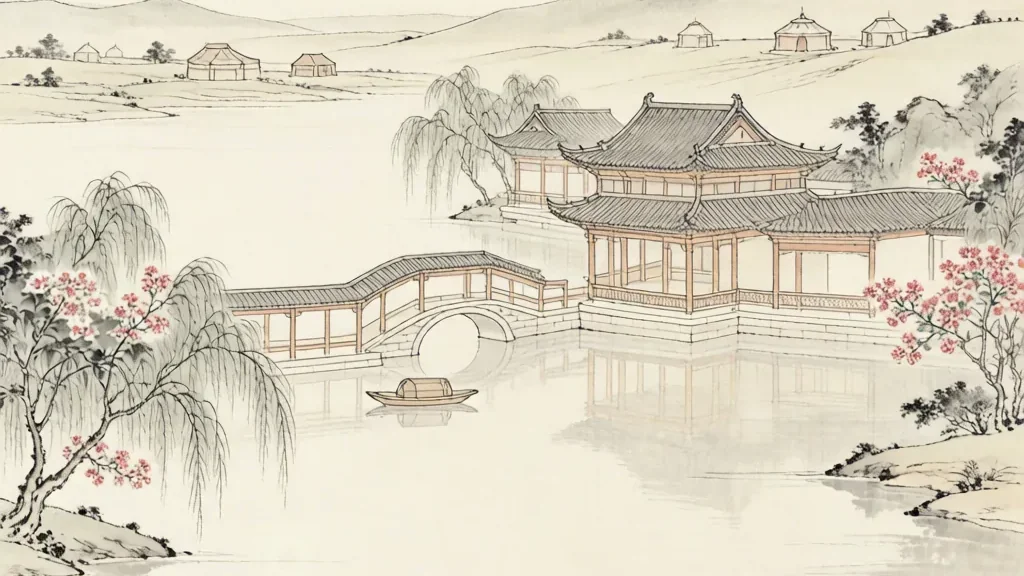
Chengde: The Mountain Retreat of the Qing Emperors
In the mountains northeast of Beijing, near the present-day city of Chengde in Hebei province, the Qing emperors built a retreat unlike any other in China. Called 承德避暑山庄 ( Chéngdé Bìshǔ Shānzhuāng ), the Chengde Mountain Resort, or simply the Summer Resort, it was a vast landscape of lakes, grasslands, and forests where the rulers of the empire escaped the heat of the capital and met representatives of the peoples they governed.
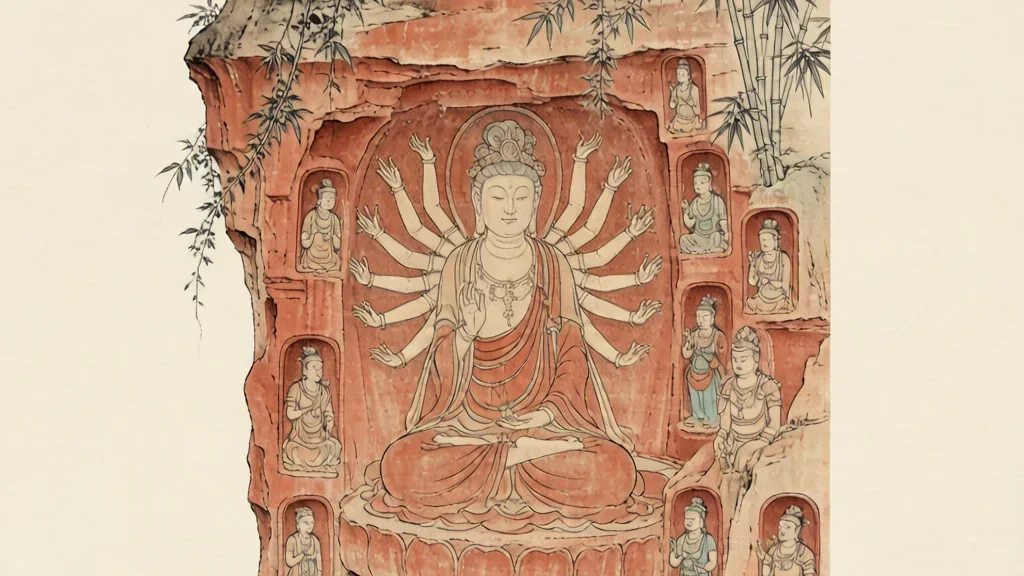
The Dazu Rock Carvings: A Thousand Year's Prayer in Stone
Carved into the soft sandstone cliffs of Chongqing's Dazu district are some of the most extraordinary religious sculptures in the world. Known in Chinese as 大足石刻 (Dàzú Shíkè), the Dazu Rock Carvings are a vast ensemble of more than fifty thousand figures cut into the rock between the ninth and thirteenth centuries, during the late Tang and the Song dynasties.

Dujiangyan (都江堰) — Ancient Irrigation System
Dujiangyan (都江堰, Dūjiāngyàn), located at the foot of the Yulei Mountains in Sichuan Province where the Min River (岷江) emerges from the Tibetan Plateau onto the Chengdu Plain, is arguably the greatest hydraulic engineering achievement of the ancient world — an irrigation and flood control system constructed in 256 BCE under the direction of Li Bing (李冰), the governor of Shu Commandery for the Qin state, that has functioned continuously for over 2,270 years. Unlike modern dams, which block rivers entirely, Dujiangyan works in harmony with natural forces, using an ingenious arrangement of weirs, channels, and spillways to divide the Min River's flow, prevent flooding, and irrigate over 530,000 hectares of farmland across the Chengdu Plain — an area that today supports over 20 million people.
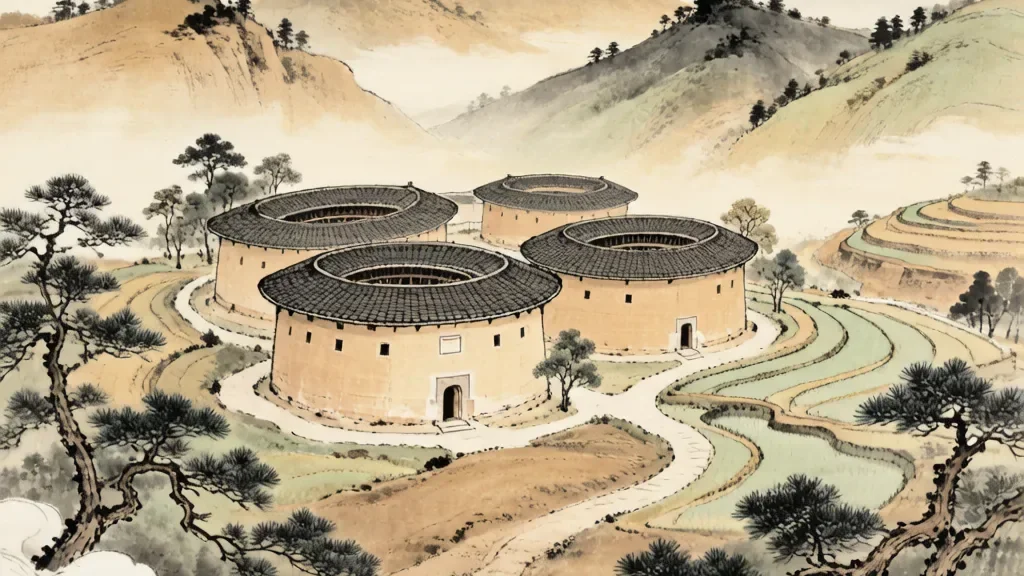
Fujian Tulou (福建土楼) — Hakka Earthen Fortresses as World Heritage
The Fujian Tulou (福建土楼, Fújiàn Tǔlóu) are among the most remarkable vernacular architectural achievements in human history — massive circular or rectangular earthen fortress-dwellings, some housing up to 800 people within walls up to 1. 8 meters thick, rising three to five stories high from the mountainous landscapes of southwestern Fujian Province.
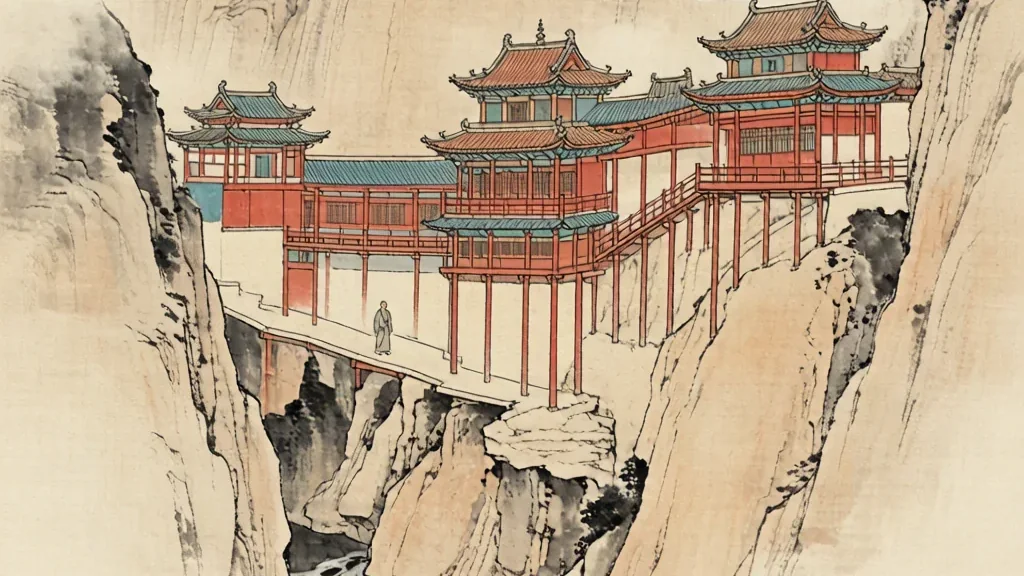
The Hanging Temple: A Monastery on the Cliff
On the face of a sheer cliff in Shanxi province, a wooden temple clings to the rock as though it had grown there. Known in Chinese as 悬空寺 (Xuánkōng Sì), the Hanging Temple is one of the most astonishing structures in all of China — a monastery built into the side of a mountain, supported on beams driven into the cliff and seeming, from below, to defy gravity entirely.
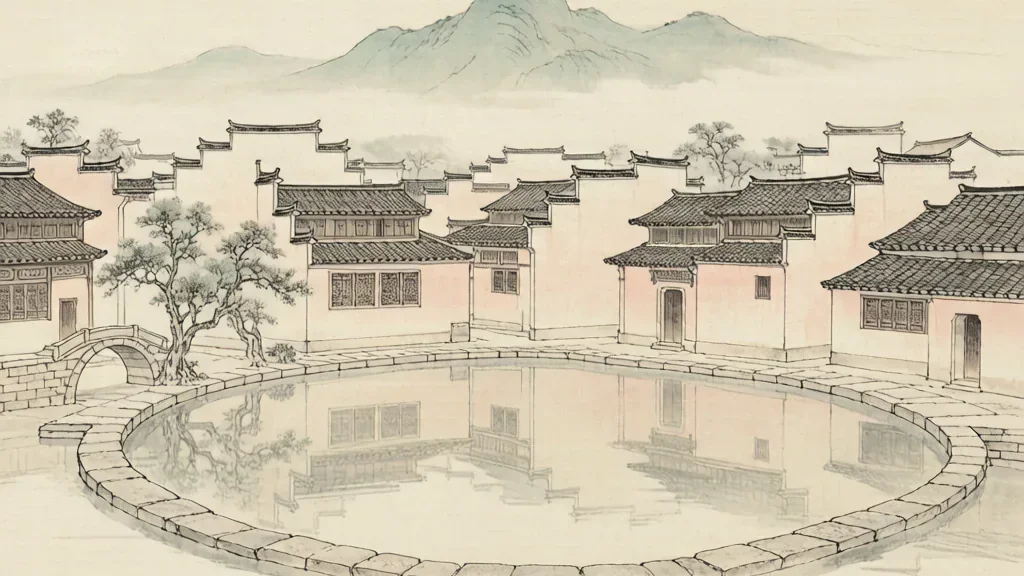
Hongcun: The Village Painted Like a Buffalo
Deep in the rolling hills of Anhui province in eastern China sits a village that looks as though it floated up from a painter's scroll. This is 宏村 ( Hóngcūn ), Hongcun, a settlement whose layout is said to resemble a buffalo resting beside its water.

Kaiping Diaolou (开平碉楼) — Fortified Towers of the Overseas Chinese
The Kaiping Diaolou (开平碉楼, Kāipíng Diāolóu), scattered across the rice paddies and village landscapes of Kaiping County in Guangdong Province, are among the most extraordinary and visually arresting architectural monuments in China — multi-story fortified tower houses that rise abruptly from the flat agricultural plains like medieval castles transplanted into a South Chinese countryside, their facades an astonishing fusion of Chinese defensive architecture and Western decorative styles including Greek columns, Roman arches, Baroque domes, Gothic spires, and Islamic turrets. Numbering approximately 1,833 surviving structures out of an original total of over 3,000, the diaolou were built primarily between the late 19th and early 20th centuries by returning overseas Chinese emigrants (华侨, Huáqiáo) who had made their fortunes in the goldfields of California and Australia, on the rubber plantations of Southeast Asia, and in the laundries and restaurants of North America, and who poured their wealth into constructing these magnificent towers as both status symbols and practical fortifications against the banditry and clan warfare that plagued the region.
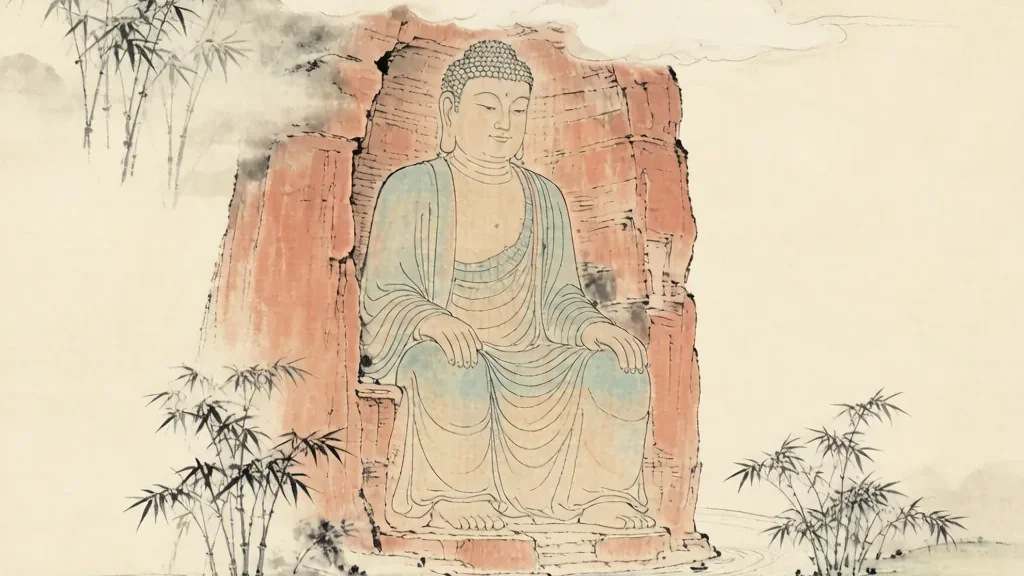
Leshan Giant Buddha (乐山大佛) — World's Largest Stone Buddha at the Confluence of Three Rivers
The Leshan Giant Buddha (乐山大佛, Lèshān Dàfó) is the largest stone Buddha statue in the world and one of the most awe-inspiring achievements of human craftsmanship — a colossal seated figure of Maitreya Buddha (the Buddha of the Future) carved directly into a red sandstone cliff face at the confluence of the Min River, Dadu River, and Qingyi River near the city of Leshan in Sichuan Province. Standing 71 meters (233 feet) tall, the Buddha is so vast that its shoulders span 28 meters, its head is 14.

Lijiang Old Town (丽江古城) — Naxi Ancient City on the Tea Horse Road
Lijiang Old Town (丽江古城, Lìjiāng Gǔchéng), nestled at an elevation of 2,400 meters beneath the towering snow-capped peak of Jade Dragon Snow Mountain (玉龙雪山) in northwestern Yunnan Province, is one of the most remarkable urban environments in China — a labyrinthine water town where crystal-clear mountain streams flow beside every cobblestone lane, where the indigenous Naxi people (纳西族) have preserved a unique culture that blends Tibetan, Bai, Han, and indigenous traditions, and where the architecture and urban layout reflect over 800 years of history as a crucial trading hub on the legendary Tea Horse Road (茶马古道). Designated a UNESCO World Heritage Site in 1997, Lijiang Old Town encompasses three component areas — Dayan Old Town (the main urban core), Baisha Village (the former Naxi political center), and Shuhe Village (a well-preserved market town) — and is distinguished by its ingenious water-supply system, its harmonious integration with the surrounding mountain landscape, and its role as the living cultural heart of the Naxi people, one of China's 56 officially recognized ethnic minorities.
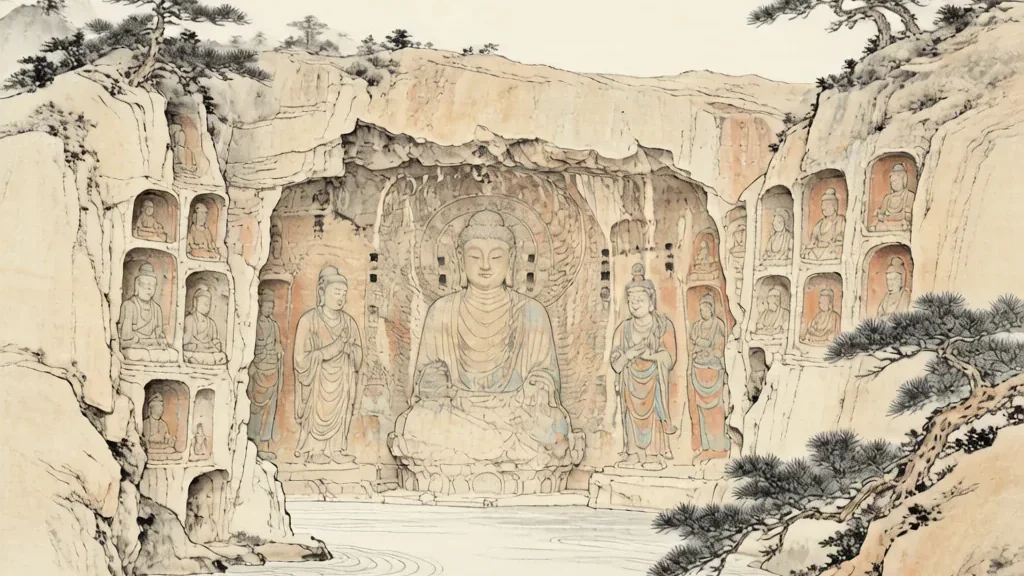
Longmen Grottoes (龙门石窟) — Luoyang Buddhist Caves
The Longmen Grottoes (龙门石窟, Lóngmén Shíkū), carved into the limestone cliffs along the Yi River (伊河) approximately 12 kilometers south of Luoyang in Henan Province, represent the zenith of Chinese Buddhist cave art — a monumental complex of 2,345 caves and niches containing over 100,000 statues, 2,800 inscribed stone tablets, and 60 Buddhist pagodas, created over a period of more than 400 years from the late 5th to the early 10th century CE. The name 'Longmen' means 'Dragon Gate,' a reference to the two hills between which the Yi River flows — West Hill (西山) and East Hill (东山) — which were said to resemble a gateway fit for dragons.
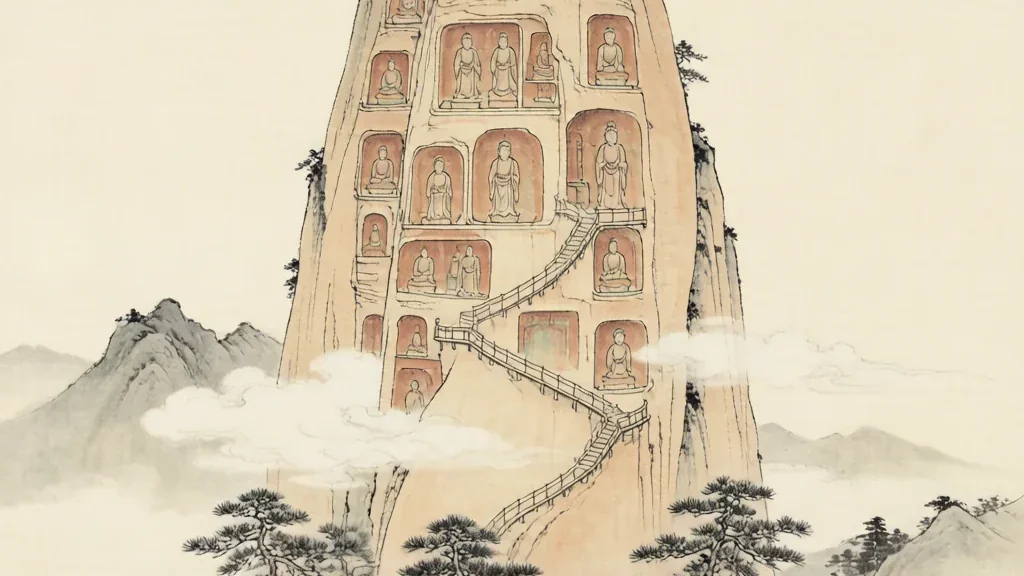
The Maijishan Grottoes: The Cliff of Stacked Wheat
Rising from the foothills of the Qinling mountains in Gansu province is a conical hill that looks, from a distance, like a giant stack of wheat. This is 麦积山 (Màijī Shān), the Maiji Mountain, and cut into its vertical faces are nearly two hundred cave niches filled with some of the most graceful Buddhist sculpture in China.

The Ming Tombs: Thirteen Emperors at Rest
Some thirty miles northwest of Beijing, where the sky presses down on a basin of low hills, thirteen emperors of the Ming dynasty lie entombed beneath orderly mounds of earth and stone. Known in Chinese as 明十三陵 (Míng Shísān Líng), the Ming Tombs are not a single grave but a vast necropolis — a planned city of the dead that grew across two centuries.
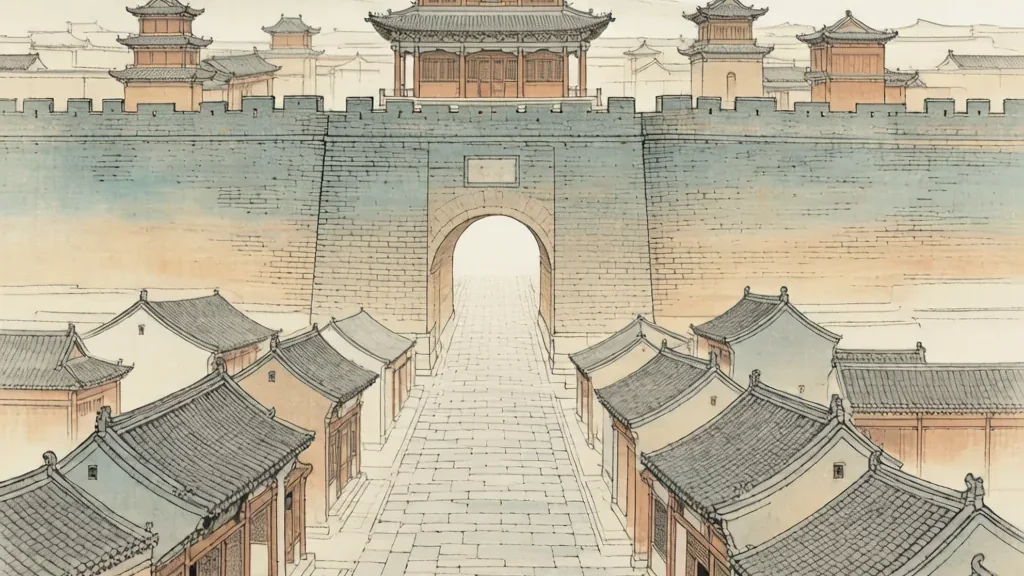
Pingyao Ancient City (平遥古城) — China's Best-Preserved Ming-Qing Walled City
Pingyao Ancient City (平遥古城, Píngyáo Gǔchéng), located in central Shanxi Province approximately 100 kilometers south of Taiyuan, stands as the most complete and best-preserved walled city from the Ming (1368–1644) and Qing (1644–1912) dynasties in all of China — a living museum where over 40,000 residents still inhabit the same courtyards, walk the same cobblestone lanes, and conduct business in the same shopfronts that their ancestors did centuries ago. Founded during the Western Zhou Dynasty (1046–771 BCE) as a military garrison, Pingyao reached its golden age during the Ming and Qing periods when it became the undisputed financial capital of China — the Wall Street of imperial China — home to the headquarters of the nation's first piaohao (票号), or draft banks, which revolutionized Chinese commerce by inventing a nationwide system of paper remittance that eliminated the need to transport heavy silver bullion across vast distances.
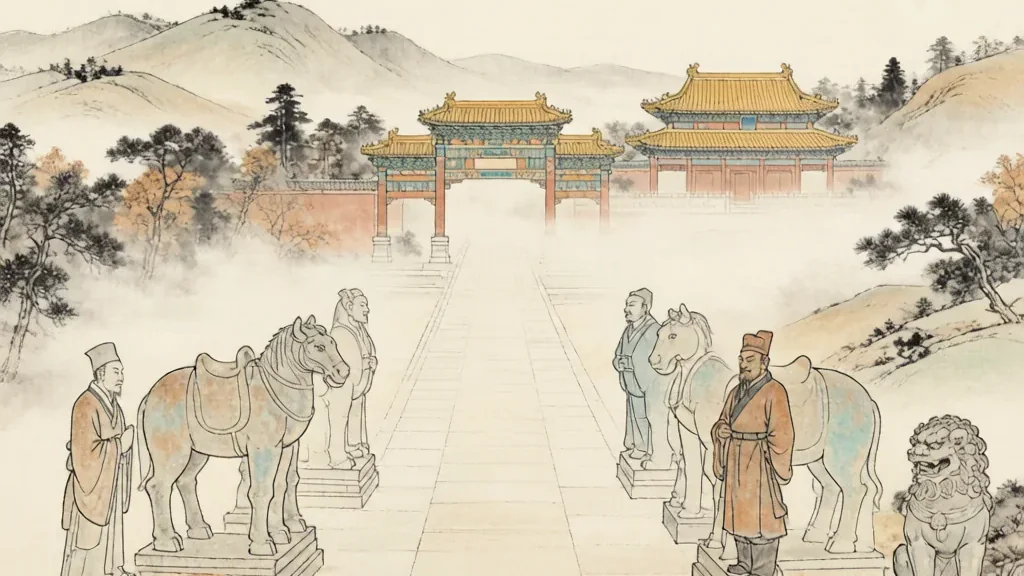
The Qing Imperial Tombs: Last Resting Place of an Empire
In the rolling hills of Hebei province, southeast of the old Ming capital region, a second great necropolis holds the rulers of China's last dynasty. Known in Chinese as 清东陵 (Qīng Dōng Líng), the Eastern Qing Tombs are the principal burial ground of the Manchu Qing emperors who governed China from 1644 to 1912.
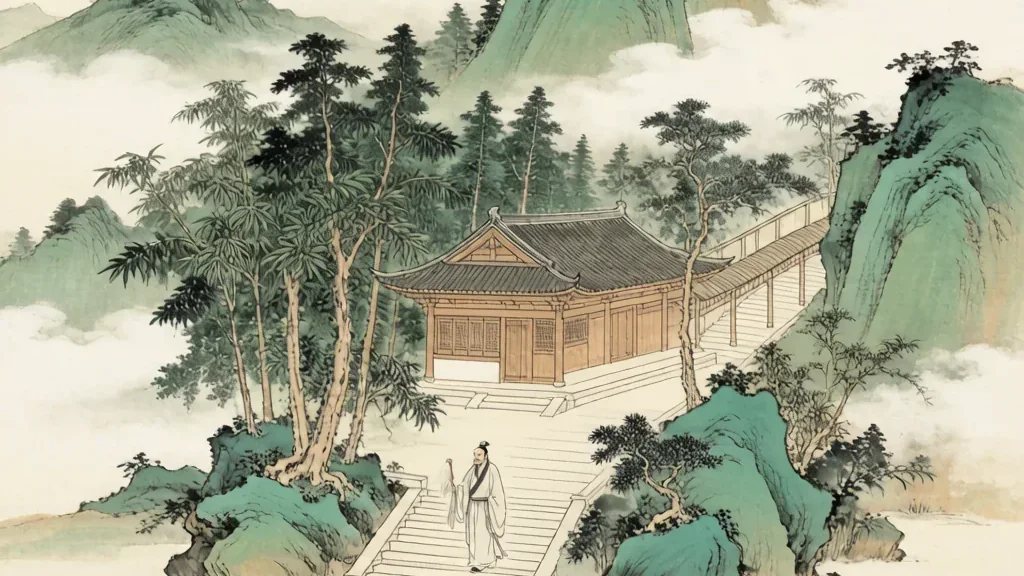
Mount Qingcheng: The Cradle of Taoism
In the misty hills west of Chengdu in Sichuan province rises a mountain so closely tied to the origins of a religion that it is often called its cradle. This is 青城山 ( Qīngchéng Shān ), Mount Qingcheng, the birthplace of Daoism as an organized faith.
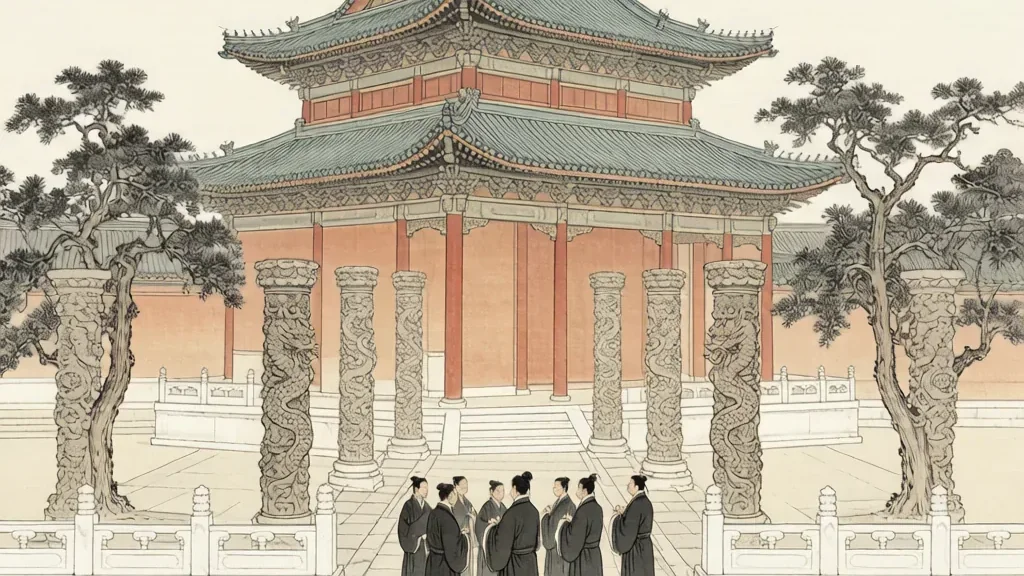
Qufu: The Hometown of Confucius
In the flat plains of southwest Shandong province lies a modest city that shaped the moral imagination of an entire civilization. Known in Chinese as 曲阜三孔 (Qūfù Sān Kǒng), Qufu is the hometown of Confucius, the teacher whose ideas ordered Chinese life for more than two thousand years.
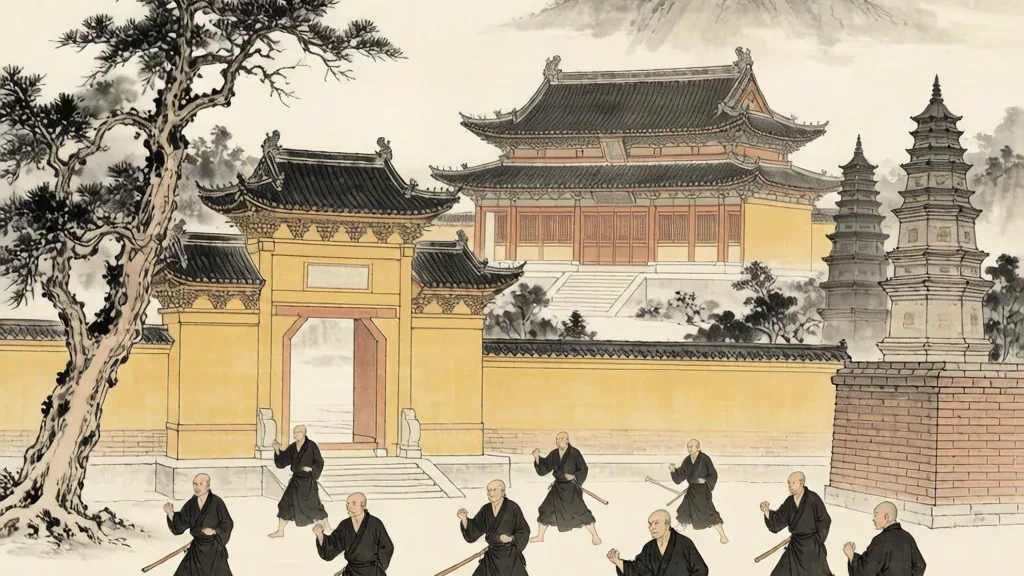
Shaolin: The Temple That Invented Kung Fu
On the northern slope of Mount Song in Henan province stands a monastery that has become a byword for Chinese martial arts across the entire world. This is 少林寺 ( Shàolín Sì ), the Shaolin Temple, founded in the fifth century and famed as the birthplace of Chan Buddhism in China and of the fighting style known in the West as kung fu.
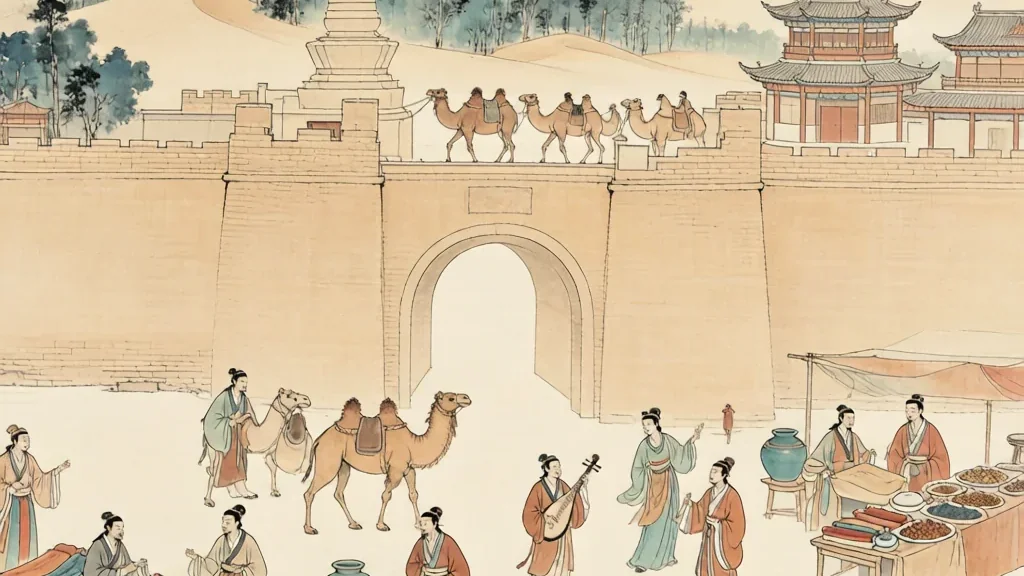
Silk Road Cities: Crossroads of Civilization
The Silk Road (丝绸之路, Sīchóu zhī lù ) was never a single road but a sprawling, ever-shifting network of caravan routes that stretched over 6,400 kilometers, linking the great civilizations of China, India, Persia, Arabia, and the Mediterranean world. For over 1,500 years, from roughly 130 BCE to the 15th century, these routes carried not only silk, spices, and precious stones but also ideas, technologies, religions, and artistic traditions.

The Summer Palace: A Garden of Imperial Dreams
On the northwestern edge of Beijing lies a landscape of lakes, hills, and pavilions that has captivated emperors and visitors for more than two and a half centuries. This is the Summer Palace, known in Chinese as 颐和园 ( Yíhé Yuán ), which literally means "Gardens of Nurtured Harmony.

Mount Tai (泰山) — The Sacred Mountain of the East
Mount Tai (泰山, Tài Shān), rising to 1,545 meters above the North China Plain in Shandong Province, is the most revered and culturally significant mountain in Chinese civilization — a place where, for over 3,000 years, emperors have ascended to perform the most solemn rituals of state, poets have sought inspiration, and ordinary pilgrims have climbed the 6,660 stone steps to the summit in search of spiritual renewal. Mount Tai is the foremost of China's 'Five Sacred Mountains' (五岳, Wǔ Yuè), the eastern mountain associated with sunrise, birth, renewal, and the cycle of life.
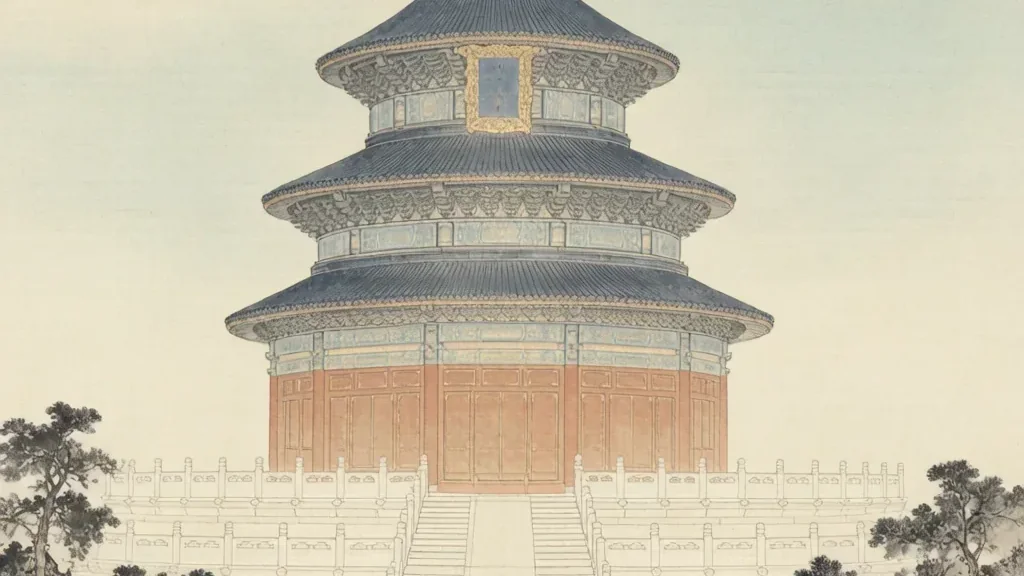
The Temple of Heaven: Where Emperors Prayed to the Sky
In the southern part of central Beijing stands a walled park of altars, terraces, and circular roofs that was once the most sacred ground in the empire. This is the 天坛 ( Tiāntán ), the Temple of Heaven, where for nearly five hundred years the emperors of the Ming and Qing dynasties came to pray for good harvests and to commune with the powers of heaven.
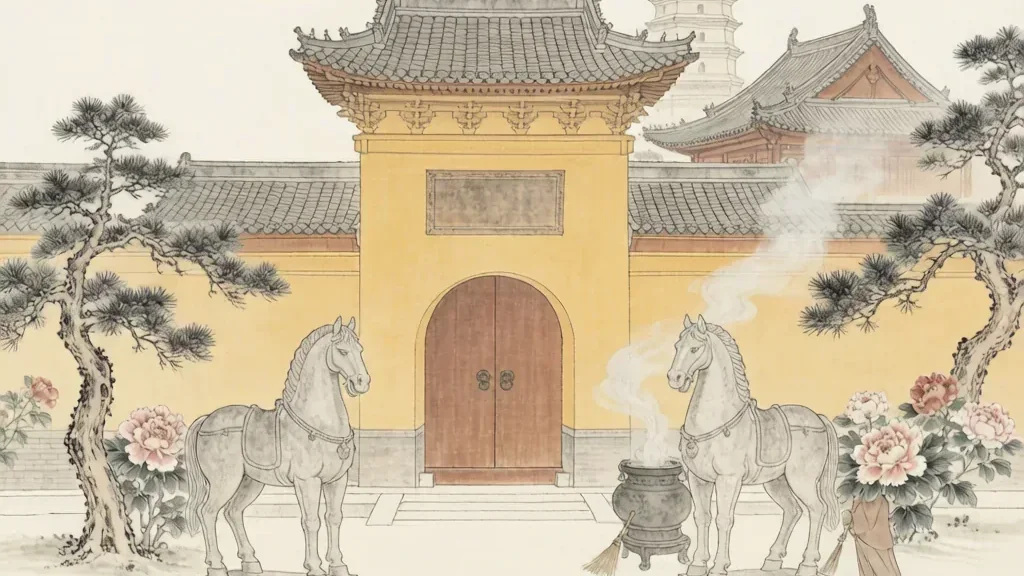
The White Horse Temple: Buddhism's First Footprint in China
In the city of Luoyang, in Henan province, stands a temple that calls itself the cradle of Chinese Buddhism. Known in Chinese as 白马寺 (Báimǎ Sì), the White Horse Temple was, by tradition, the first Buddhist monastery established on Chinese soil.
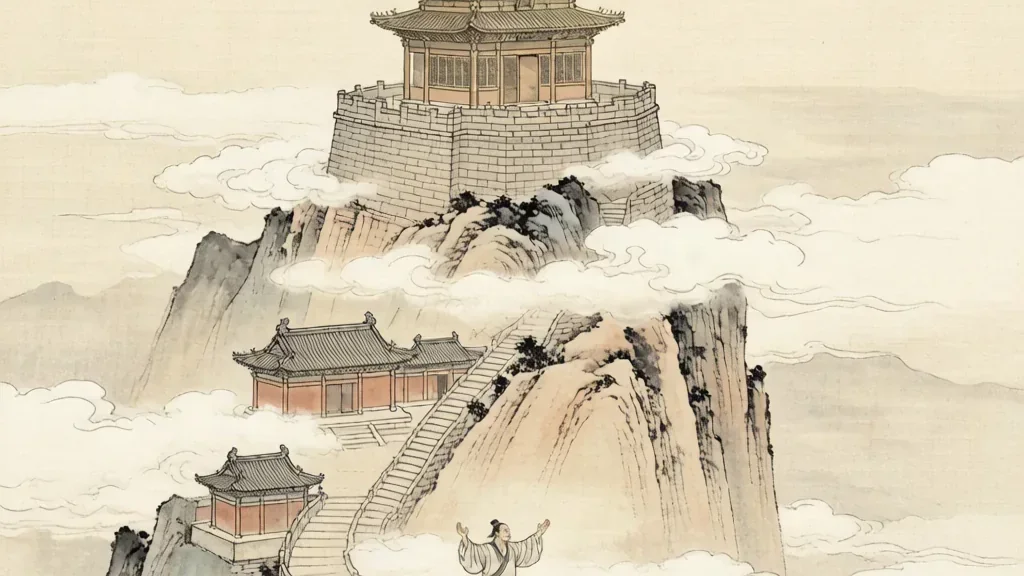
Wudang: The Mountains Where Taoism Took Flight
Rising in the northwest of Hubei province, the 武当山 ( Wǔdāng Shān ), Wudang Mountains, are among the most sacred landscapes in China. For centuries they have been the spiritual home of Daoism and the legendary birthplace of tai chi, the slow, flowing martial art practiced by millions today.
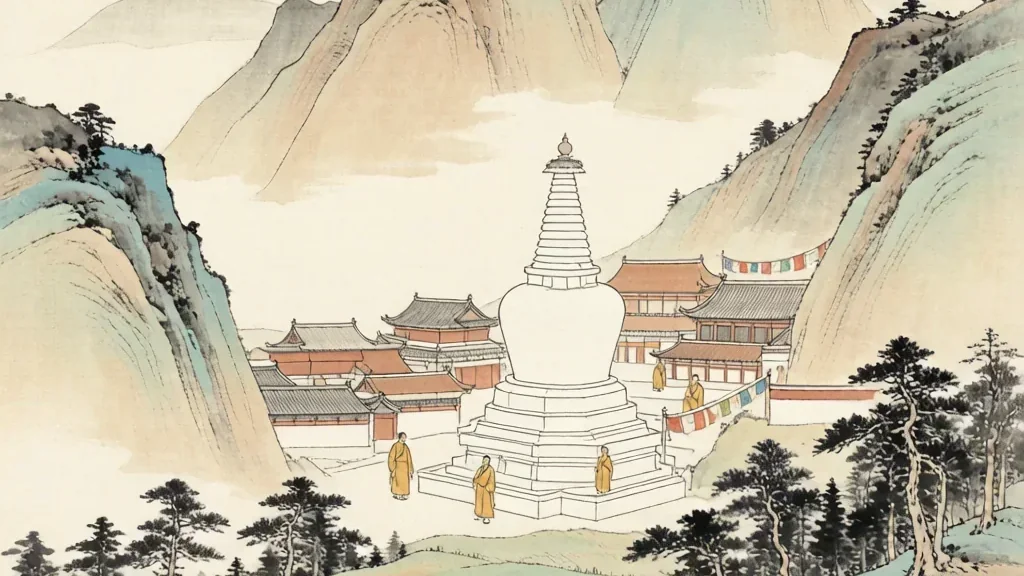
Mount Wutai: The Sacred Peak of Buddhism
In the northeast of Shanxi province rises a mountain honored for more than fifteen hundred years as the dwelling place of wisdom itself. This is 五台山 ( Wǔtái Shān ), Mount Wutai, the "Mountain of Five Terraces," one of the four sacred mountains of Chinese Buddhism and the earthly home of Manjushri, the bodhisattva of wisdom.
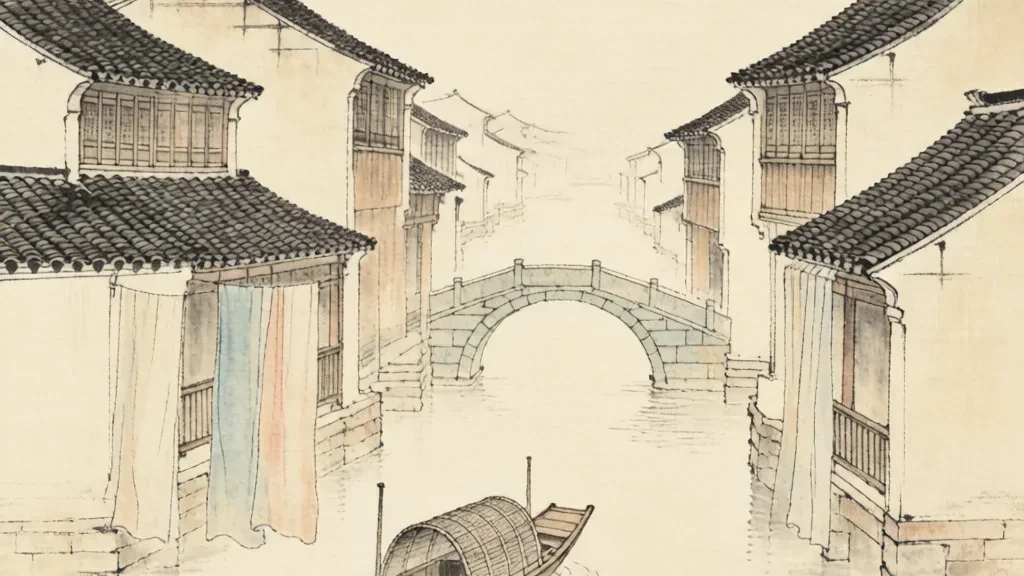
Wuzhen: The Water Town Frozen in Time
In the flat river country of northern Zhejiang, where canals replace streets and the water mirrors a thousand tiled roofs, lies a town that seems to have paused in time. Known in Chinese as 乌镇 (Wūzhèn), Wuzhen is one of the best-preserved water towns of the Jiangnan region — the "Land South of the Yangzi" that has been the economic and cultural heart of China for a thousand years.
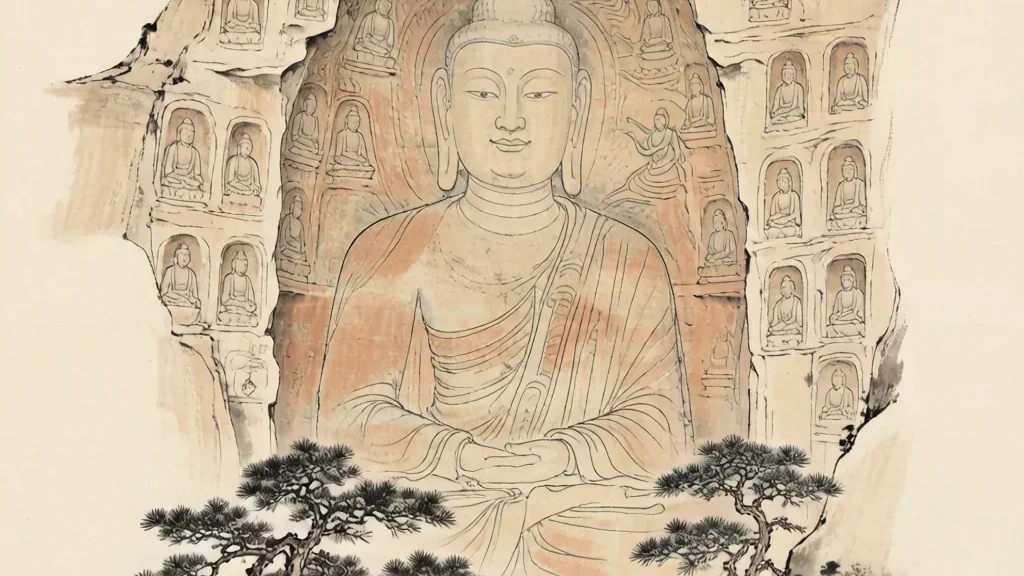
Yungang Grottoes (云冈石窟) — Buddhist Caves of Datong
The Yungang Grottoes (云冈石窟, Yúngāng Shíkū), located 16 kilometers west of Datong in Shanxi Province, represent one of the greatest achievements of Buddhist art in world history — a monumental complex of 252 caves and niches carved into a 1-kilometer-long sandstone cliff face, containing over 51,000 Buddhist statues that range from just a few centimeters to a colossal 17 meters in height. Constructed primarily between 460 and 525 CE during the Northern Wei Dynasty (386–534 CE), the grottoes mark a pivotal moment in the history of Asian art: the first large-scale imperial-sponsored Buddhist cave complex in China, created when Buddhism was transforming from a foreign religion into a state ideology.
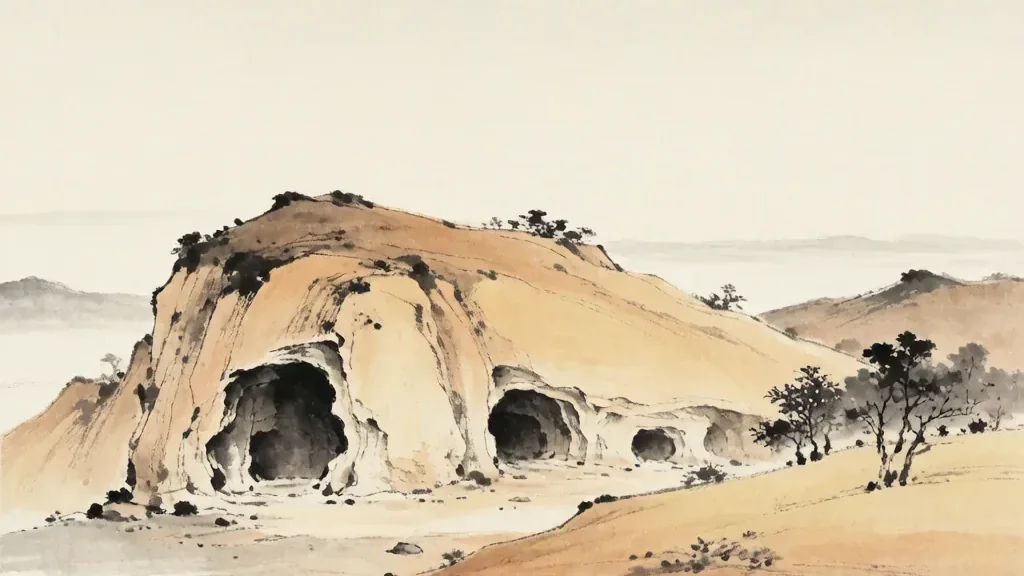
Zhoukoudian: The Cave of Peking Man
In the limestone hills southwest of Beijing lies a cluster of caves and gullies that rewrote the human story in East Asia. This is 周口店 ( Zhōukǒudiǎn ), Zhoukoudian, the site where excavations early in the twentieth century uncovered the fossils of "Peking Man," an ancient human ancestor who lived in these caves hundreds of thousands of years ago.