📚 Classic Literature
35 articles — Four great classical novels and poetry
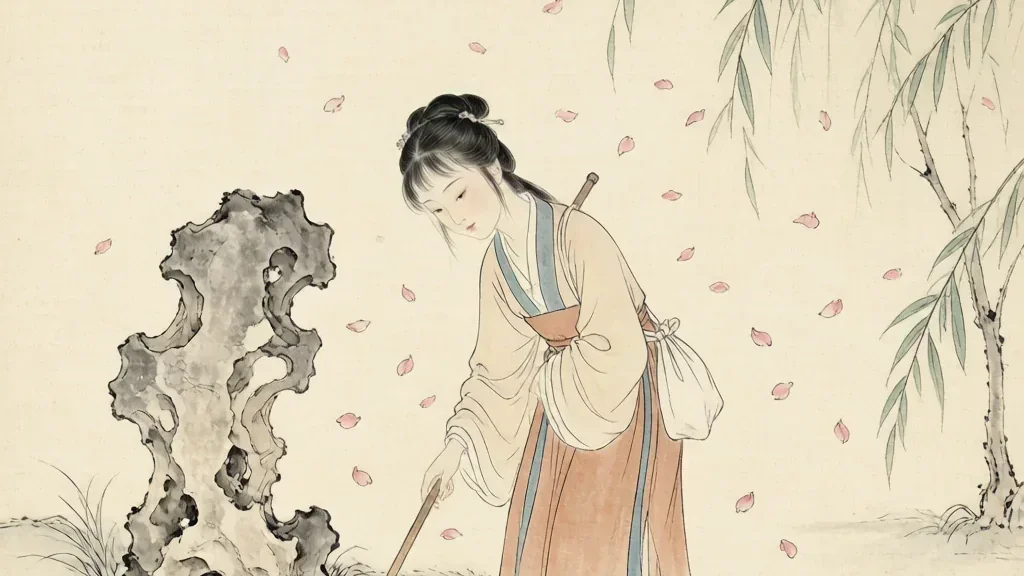
Dream of the Red Chamber: China's Greatest Novel
If world literature were a mountain range, Dream of the Red Chamber (红楼梦) would be its Everest. Widely considered the greatest novel ever written in Chinese, this eighteenth-century masterpiece achieves a depth of psychological realism, a richness of cultural texture, and a philosophical resonance that places it in the company of Proust, Tolstoy, and Joyce.
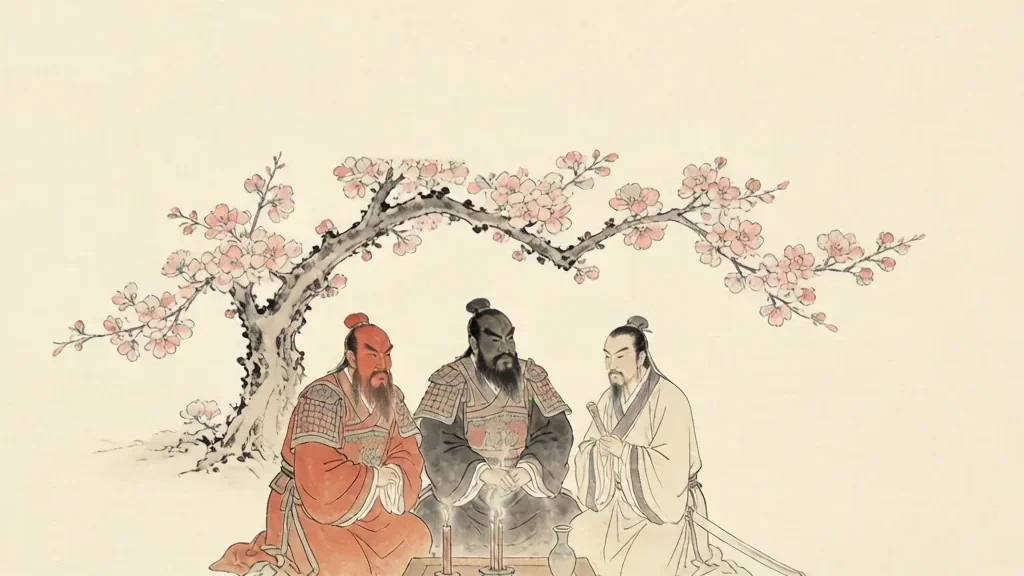
Romance of the Three Kingdoms: Heroes and Strategy
The opening lines of Romance of the Three Kingdoms (三国演义) contain perhaps the most famous observation in Chinese literature: "The empire, long divided, must unite; long united, must divide. " This cyclical vision of history — in which order and chaos alternate like breathing — sets the stage for one of the world's great epics of war, politics, and human character.
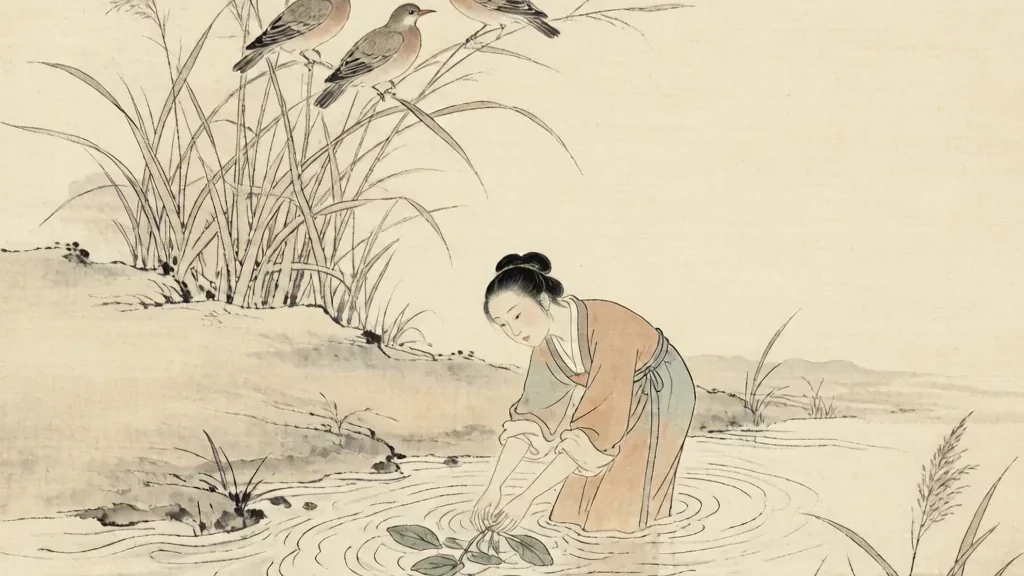
The Book of Songs: China's Oldest Poetry Collection
Before the Tang poets perfected the quatrain, before the Song lyricists set words to music, before any of the literary traditions we now call "Chinese" had taken shape, there was the Shijing (诗经) — the Book of Songs . This collection of 305 poems, dating from the eleventh to the seventh centuries BCE, is the fountainhead of Chinese poetry.
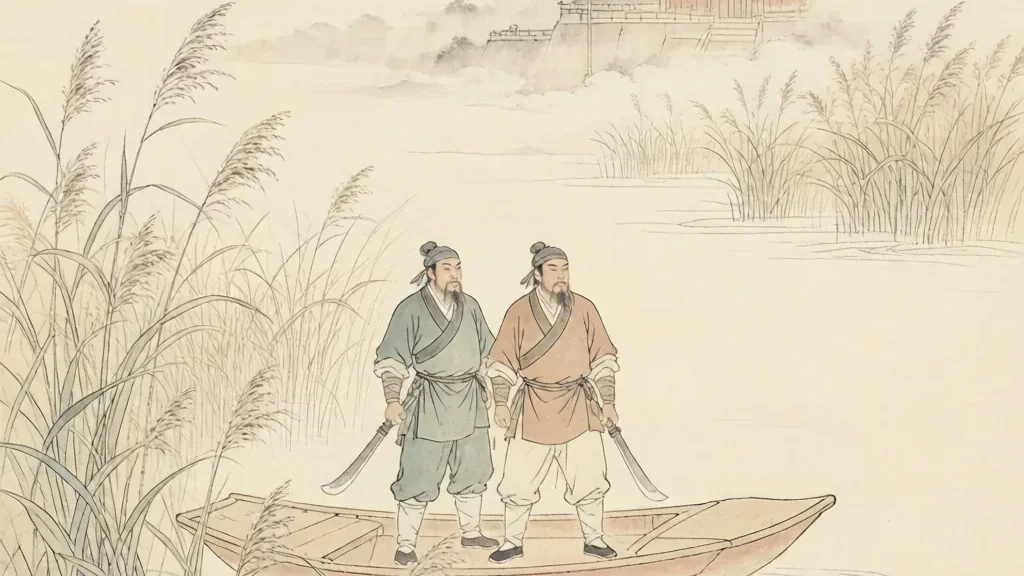
Water Margin: Outlaws of the Marsh
In the pantheon of Chinese classical novels, Water Margin (水浒传) occupies a unique and transgressive position. It is the great outlaw epic — a sprawling, violent, morally ambiguous chronicle of 108 men and women driven to banditry by a corrupt system, who gather at the mountain stronghold of Liangshan Marsh and wage a righteous war against injustice.
Song Dynasty Ci Poetry: Music in Words
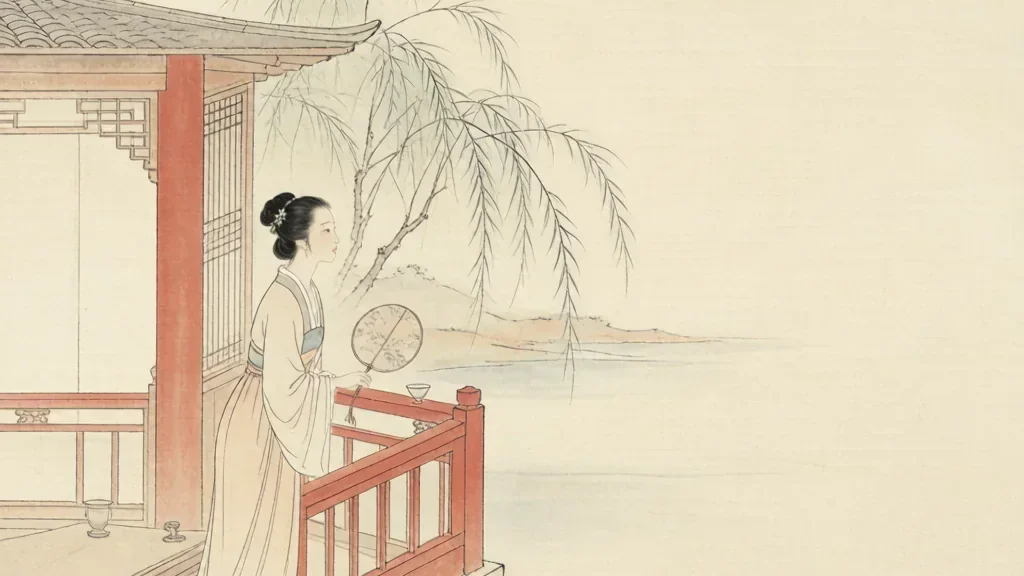
If Tang Dynasty poetry is classical Chinese literature at its most majestic, Song Dynasty ci poetry (宋词) is Chinese literature at its most intimate. Emerging from the entertainment quarters of the Tang and perfected during the Song (960-1279), ci were originally lyrics written to fit existing melodies — the pop songs of their day.
Tang Poetry: The Golden Age of Chinese Verse
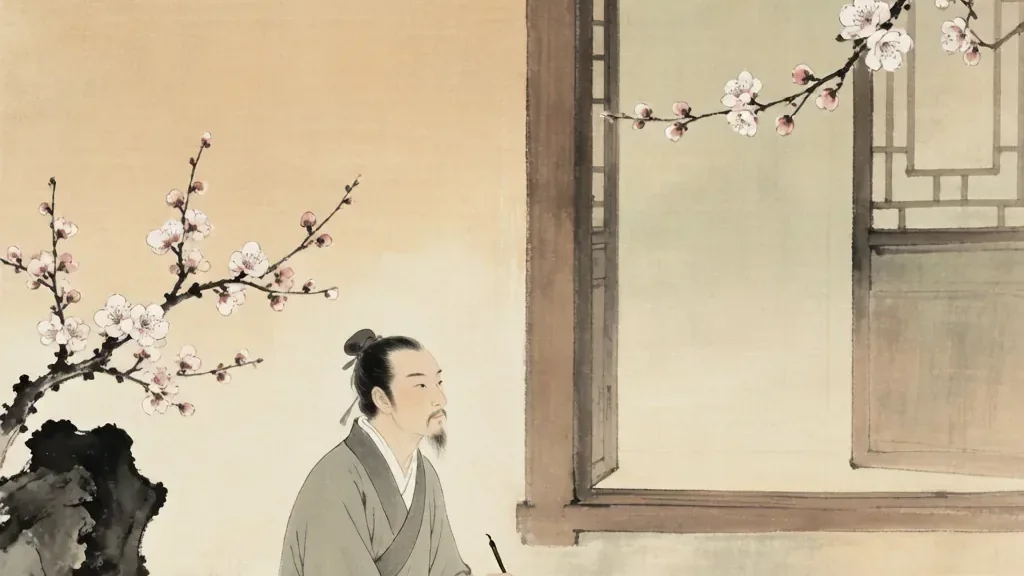
When scholars speak of the "golden age" of Chinese poetry, they invariably point to the Tang Dynasty (618-907 CE). This remarkable period produced nearly 50,000 surviving poems by over 2,200 known poets, collected in the monumental anthology Quan Tang Shi (Complete Tang Poems).
Journey to the West: China's Greatest Adventure Novel
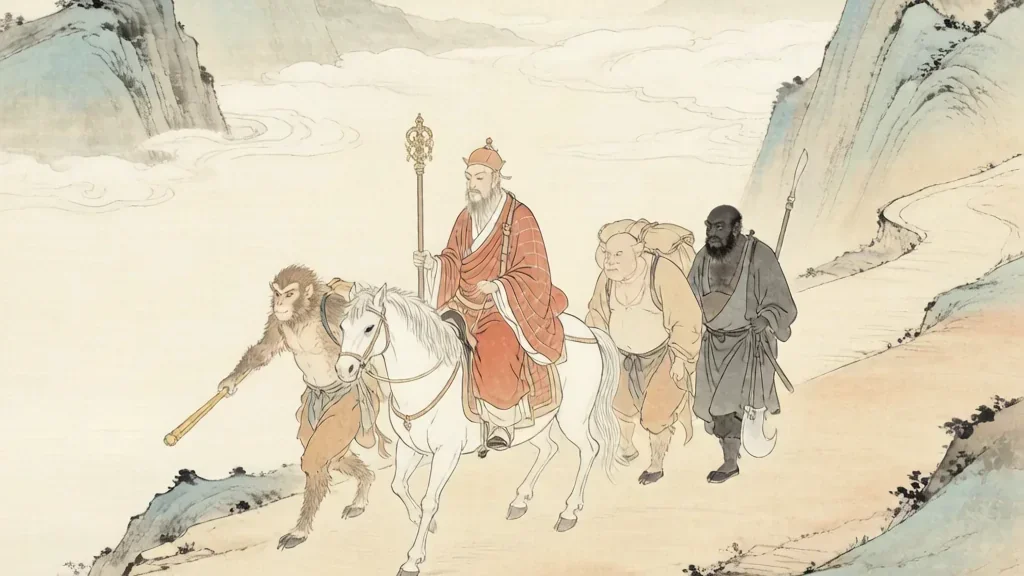
Imagine a novel that combines the epic scope of Homer's Odyssey , the spiritual allegory of Bunyan's Pilgrim's Progress , the slapstick comedy of a cartoon, and the cosmic scale of superhero mythology — all filtered through the unique sensibilities of sixteenth-century China. That is Journey to the West (西游记), one of the Four Great Classical Novels of Chinese literature, and arguably the most beloved work of fiction ever written in the Chinese language.
Yuan Drama: The Rise of Chinese Opera
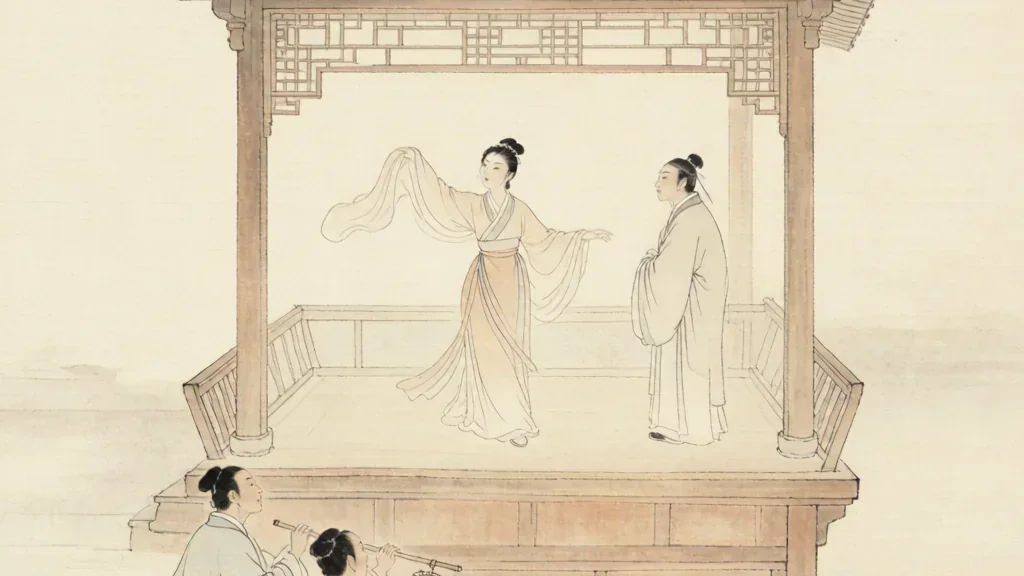
Before the Yuan Dynasty (1271-1368), Chinese literature belonged overwhelmingly to the elite. Poetry, history, and philosophy were written in classical Chinese — a compressed, allusive language that required years of study to master.
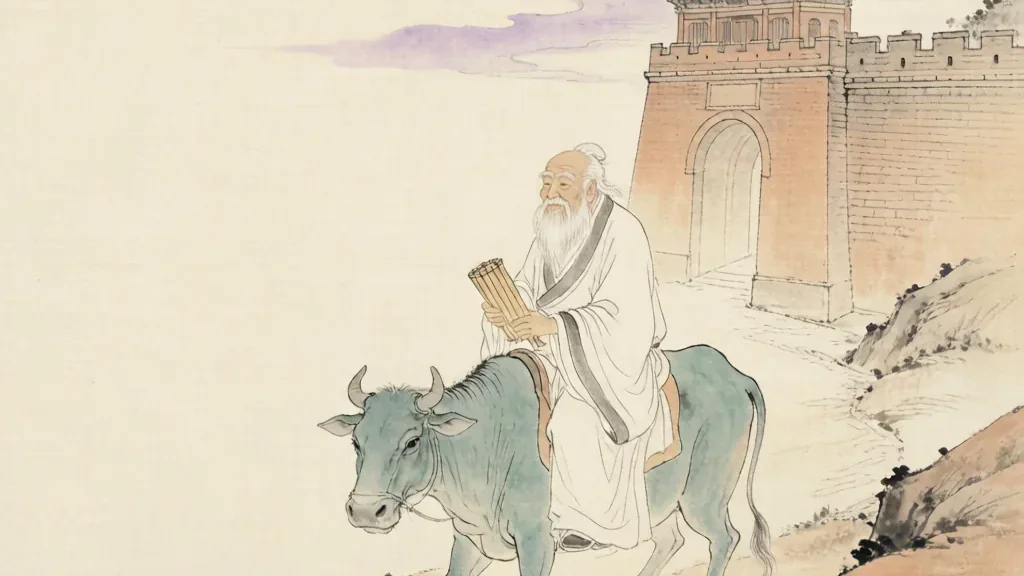
The Daodejing
Some books whisper; the Daodejing speaks in paradoxes that have echoed for more than two thousand years. Known in Chinese as the Daodejing, "the classic of the way and its power," this slender text of about five thousand characters is the foundational scripture of Daoism and one of the most translated works in all of world literature.

The Zhuangzi
If the Daodejing whispers, the Zhuangzi laughs. This exuberant collection of stories, parables, and wordplay — written in Chinese as the Zhuangzi — is the other great pillar of Daoist thought.

Yuefu Poetry
Before there were cafes with guitarists or radio ballads, the Chinese imperial court was already collecting the songs of ordinary people. The tradition is called yuefu, "Music Bureau poetry," and it gave Chinese literature some of its most direct, emotionally raw, and unforgettable verses.
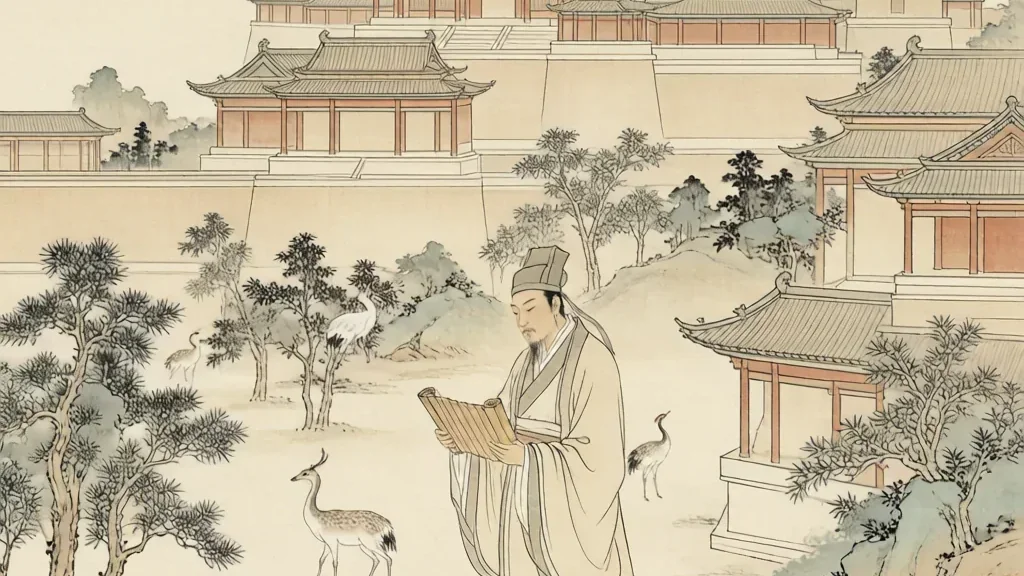
Han Fu
If the Tang dynasty is remembered for its poetry, the Han dynasty is remembered for its fu. Written in Chinese as the han fu, "Han rhapsody," this was the dominant literary form of the great empire that unified China, a vast, ornate, and hypnotic mode of writing that is part description, part argument, part word-music.

Jin Ping Mei
Sometimes the most revolutionary book is the one that simply looks at everyday life without flinching. Jin Ping Mei, usually translated "The Plum in the Golden Vase," is exactly that book.
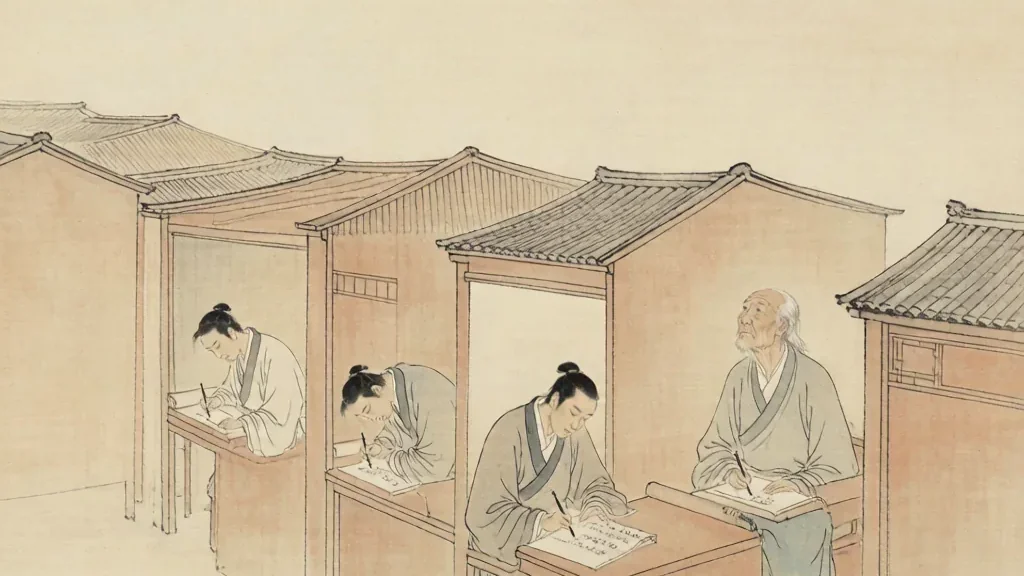
The Scholars
What happens to a society that teaches its brightest young men that the only worthy goal in life is to pass an exam? Rulin Waishi, "The Scholars," answered that question with a hundred chapters of savage, loving, and very funny satire.
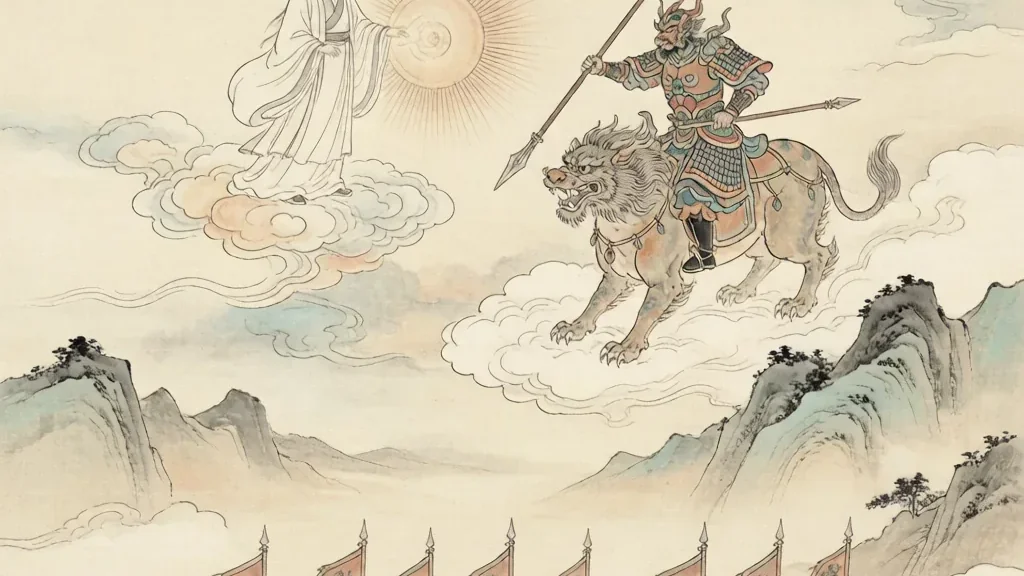
Investiture of the Gods
When gods go to war, the rules of heaven and earth are rewritten. Fengshen Yanyi, "Investiture of the Gods," is the Ming-dynasty novel that turns a fragment of ancient history into a meteor shower of immortals, demons, and magic weapons.
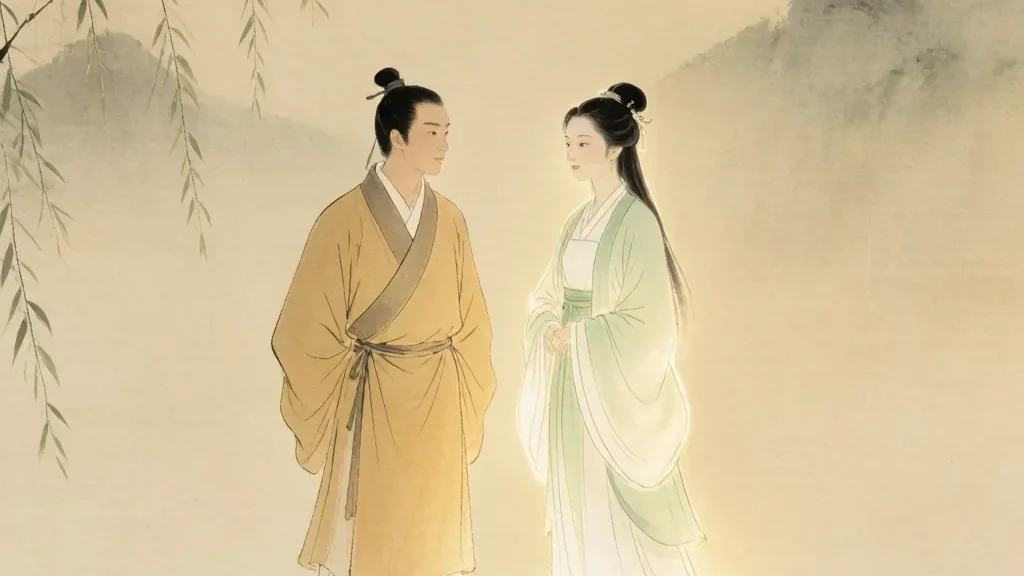
The Legend of the White Snake
Some love stories are told to make us sigh; the legend of the White Snake was told to make us question where humanity ends and the natural world begins. Baishe Zhuan, "The Legend of the White Snake," is one of China's four great folk tales, the story of a thousand-year-old white snake spirit who takes human form, falls in love with a mortal pharmacist, and battles a jealous monk to keep him.
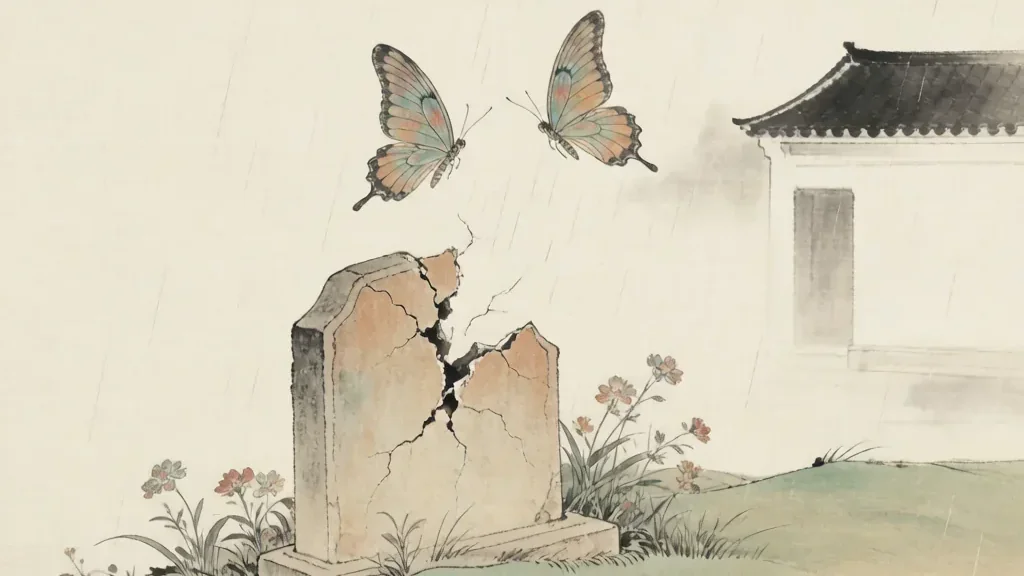
Butterfly Lovers
Of all China's love stories, none ends more purely than the one where the lovers simply grow wings. Liang Zhu, known in English as "Butterfly Lovers," is one of the four great Chinese folktales and arguably the most beloved.
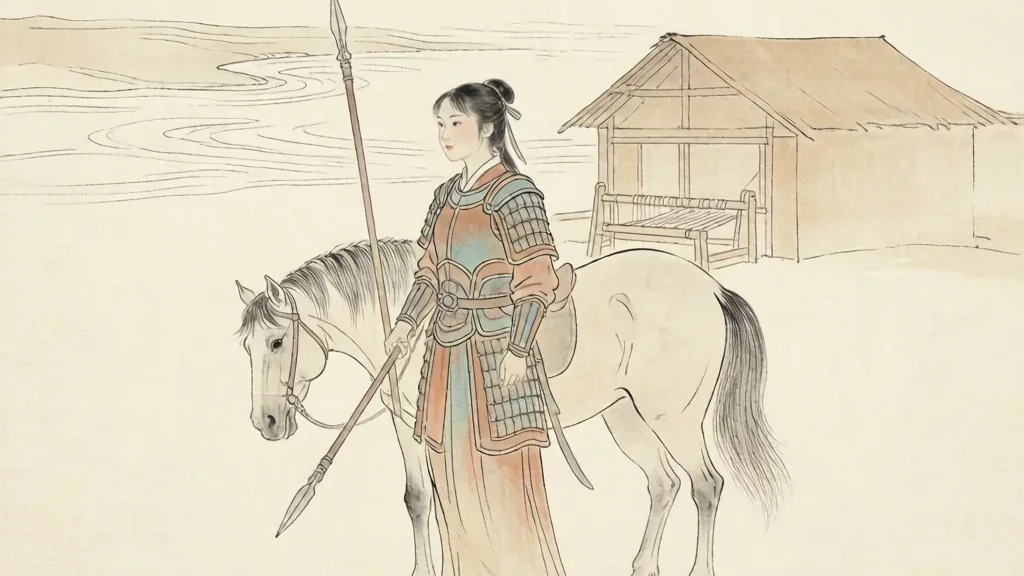
The Ballad of Mulan
Before she was an animated Disney heroine, Mulan was a few dozen lines of anonymous Chinese verse — and those lines have outlasted empires. Mulan Ci, "The Ballad of Mulan," is a northern folk song preserved in a sixth-century collection, the story of a girl who takes her aged father's place in the army, fights for a dozen years, and returns home to put on her old clothes.
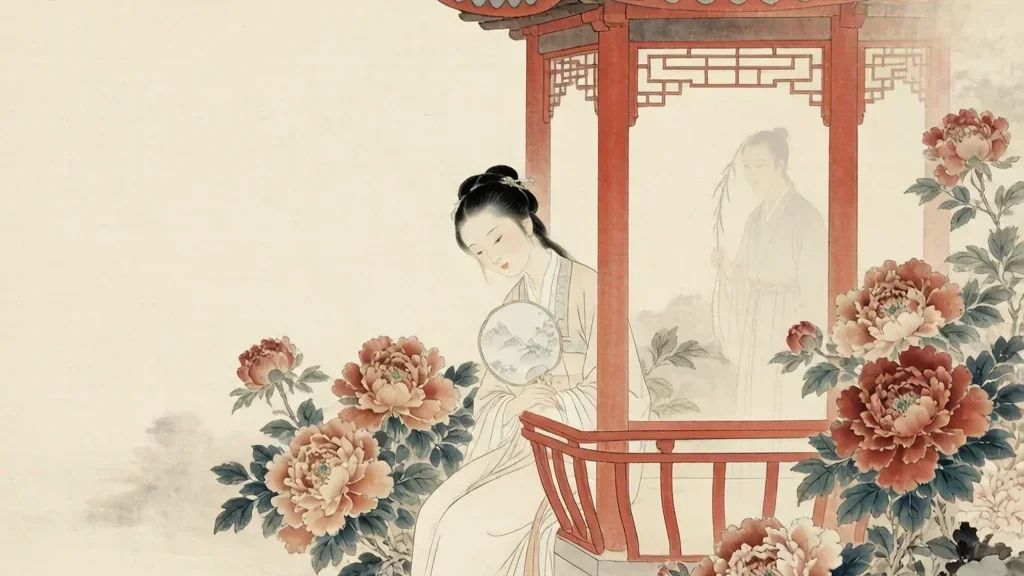
The Peony Pavilion
What if love were so strong it could wake the dead? Mudan Ting, "The Peony Pavilion," asked exactly that in 1598 and changed Chinese theatre forever.

Romance of the Western Chamber
Long before "Romeo and Juliet," a Chinese play asked a bolder question: what if the lovers simply ran off together? Xixiang Ji, "Romance of the Western Chamber," is the most influential love comedy in Chinese drama.

The Injustice to Dou E
Some plays are entertainment; one Yuan-dynasty drama became a weapon against injustice. Dou E Yuan, "The Injustice to Dou E," by Guan Hanqing, is the most famous tragedy in Chinese theatre — the story of a devoted widow falsely accused of murder who, on the execution ground, calls down a supernatural proof of her innocence: snow in midsummer and a three-year drought.
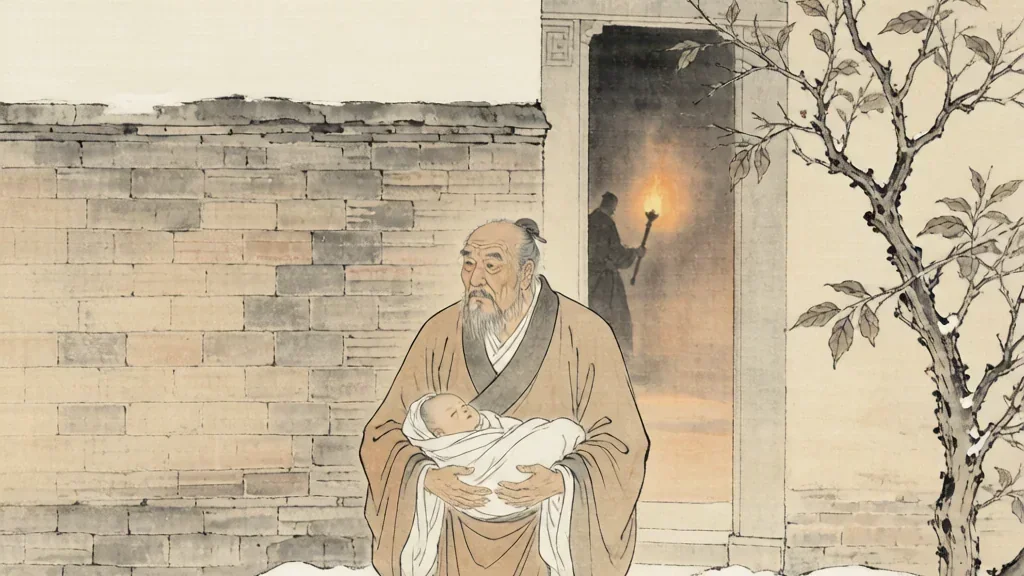
The Orphan of Zhao
Revenge is a dish best served by a child who does not know he is the dish. Zhao Shi Gu Er, "The Orphan of Zhao," is the great tragedy of the Yuan stage and one of the few Chinese plays to conquer the Western theatre directly — Voltaire adapted it, and it reached Europe two centuries before most Chinese literature did.
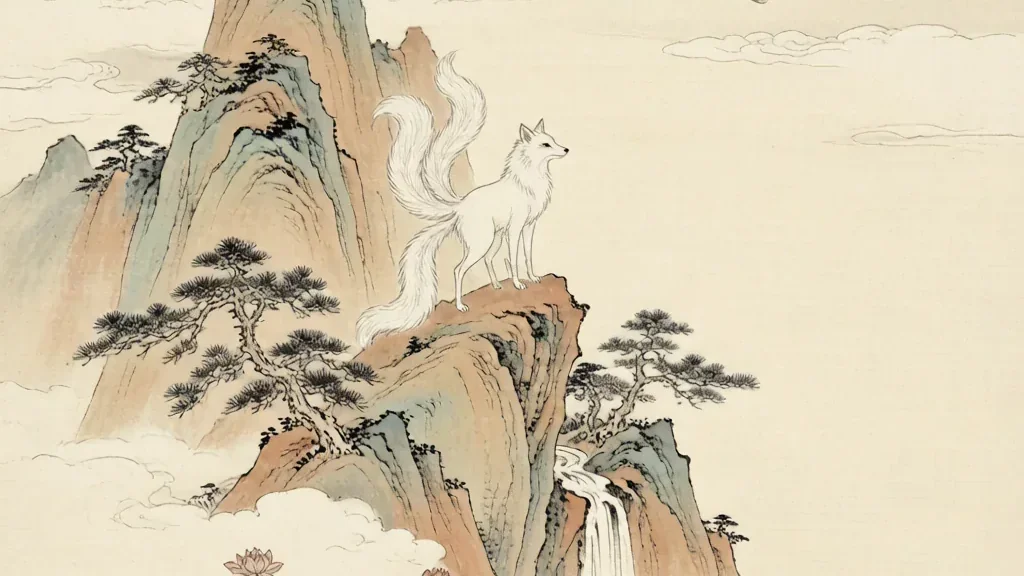
The Classic of Mountains and Seas
Long before China had a single map, it had a book of monsters. Shanhai Jing, "The Classic of Mountains and Seas," is the strangest survivor of ancient Chinese literature — a compendium of mountains, rivers, creatures, gods, and far-off lands, part geography, part mythology, part natural history, and wholly unlike anything else.
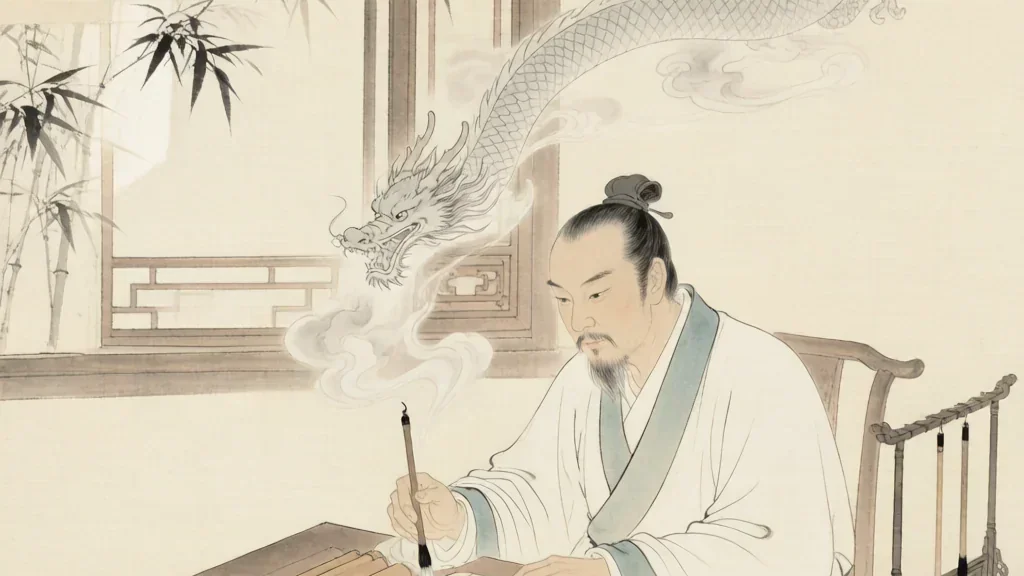
The Literary Mind
Before there was literary criticism in the modern sense, there was a man who compared good writing to a carved dragon and a finely tuned mind. Wenxin Diaolong, "The Literary Mind and the Carving of Dragons," is the first great work of Chinese literary theory, written by Liu Xie around the year 500 CE.

The Comprehensive Mirror
History, the Song dynasty scholar Sima Guang believed, was a mirror in which rulers could see their own faces. Zizhi Tongjian, "The Comprehensive Mirror in Aid of Governance," is the greatest chronological history ever compiled in China — a sweeping account of more than thirteen centuries, from 403 BCE to 959 CE, finished in 1084 after nineteen years of labor.
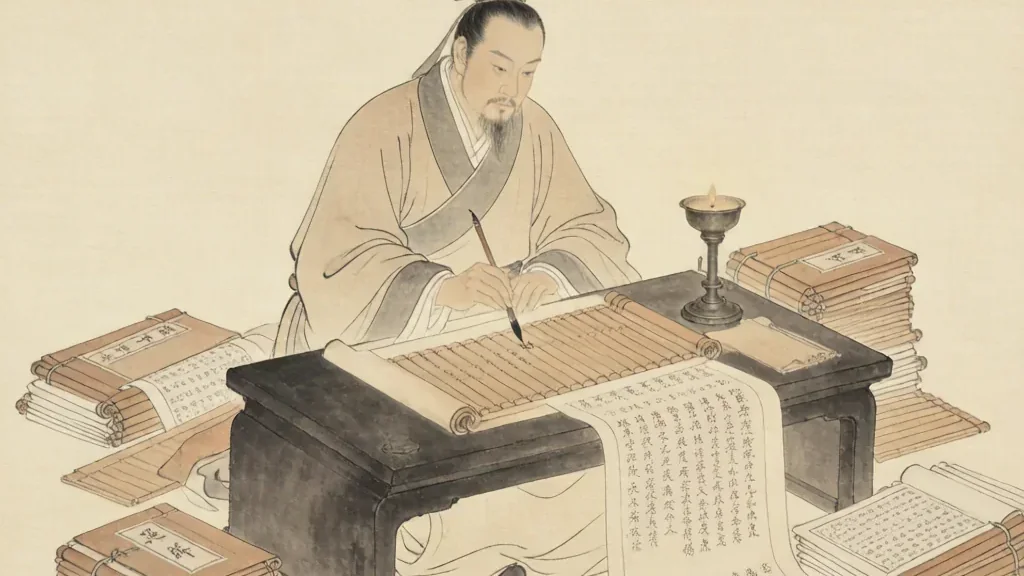
The Records of the Three Kingdoms
Everyone knows the novel, but few know the history beneath it. San Guo Zhi, "Records of the Three Kingdoms," is the official history of the turbulent era (220–280 CE) when China split into the rival states of Wei, Shu, and Wu.
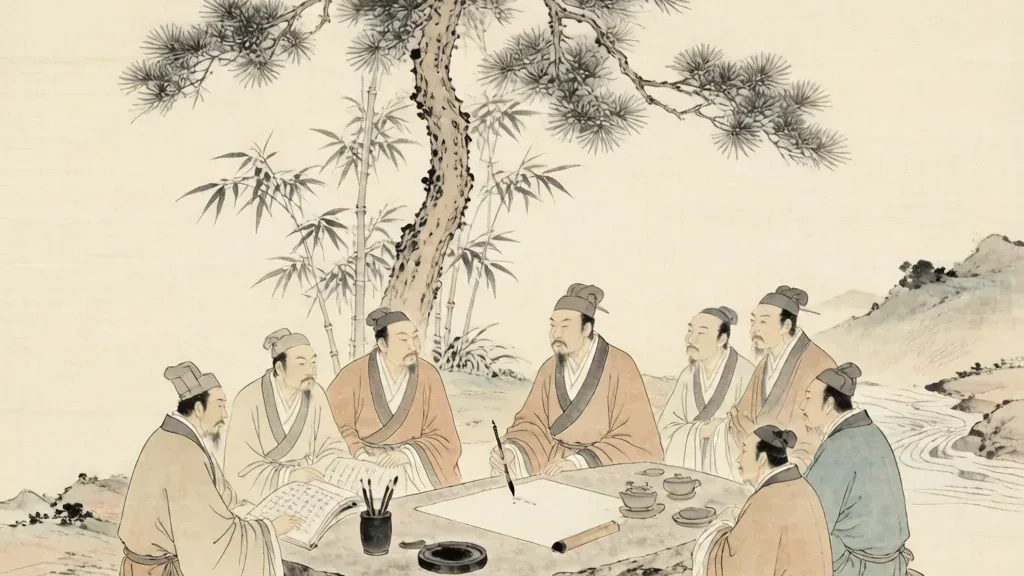
The Eight Masters of Tang and Song
When the Chinese wanted to define good prose, they named eight men. Tang Song Ba Da Jia, "The Eight Masters of Tang and Song," is the collective name for the writers who revived and perfected guwen, "ancient-style prose" — clear, direct writing modeled on the pre-imperial classics rather than the ornate parallel prose of their day.
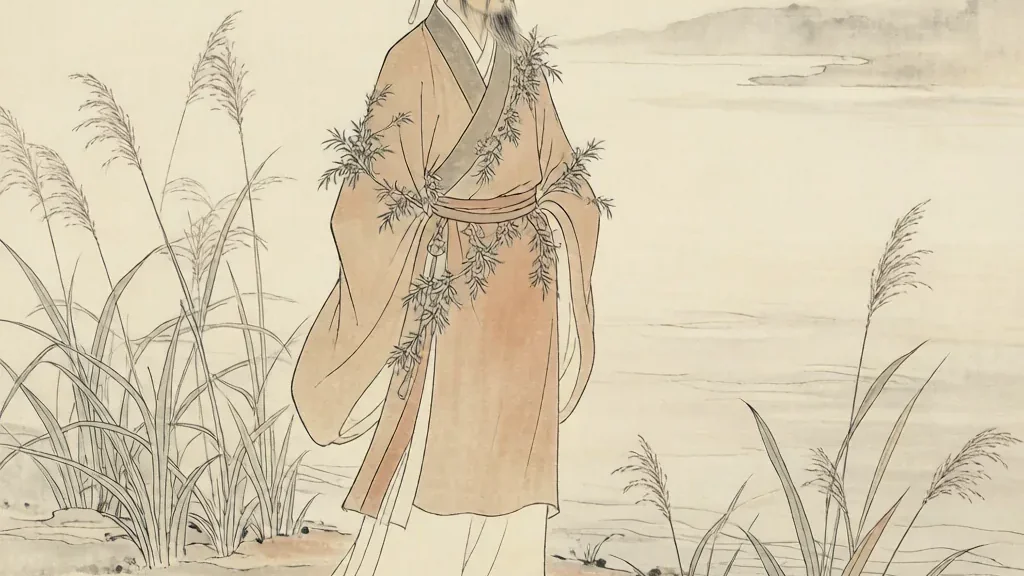
Chu Ci (楚辞) — Songs of Chu
Chu Ci (楚辞), or 'Songs of Chu,' is one of the two foundational anthologies of classical Chinese poetry alongside the Shi Jing (Book of Songs). Compiled during the Western Han dynasty around the 2nd century BCE by Liu Xiang, the collection is primarily attributed to Qu Yuan (c.
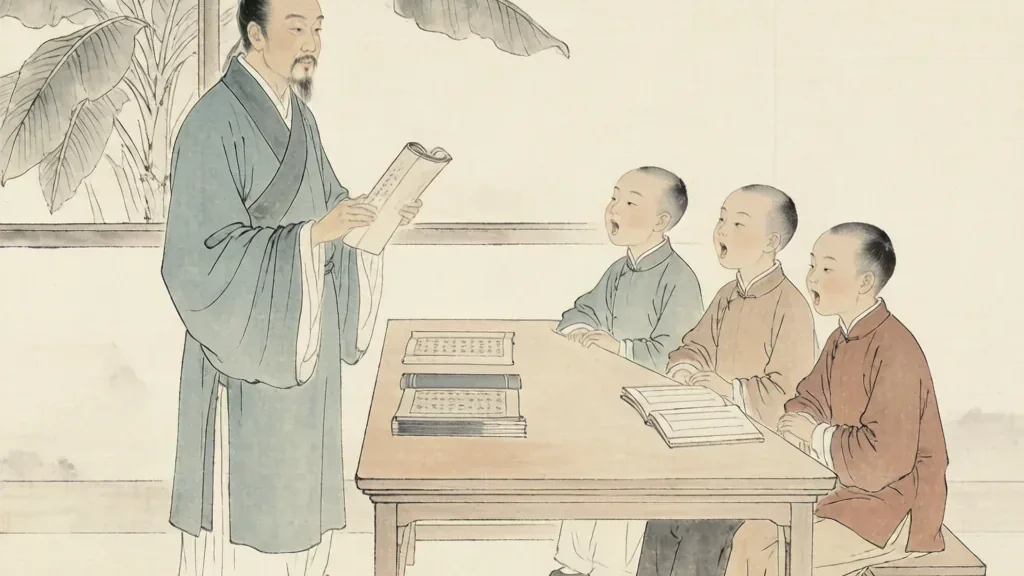
Guwen Guanzhi (古文观止) — The Ultimate Classical Prose Anthology
Guwen Guanzhi (古文观止), which translates as "The Ultimate Anthology of Classical Prose," has been the standard introduction to Chinese literary prose since its compilation in 1695. Edited by Wu Chucai and Wu Diaohou, two obscure schoolteachers from Shaoxing in Zhejiang province, the anthology contains 222 pieces spanning roughly 2,000 years — from the Zhou dynasty (c.
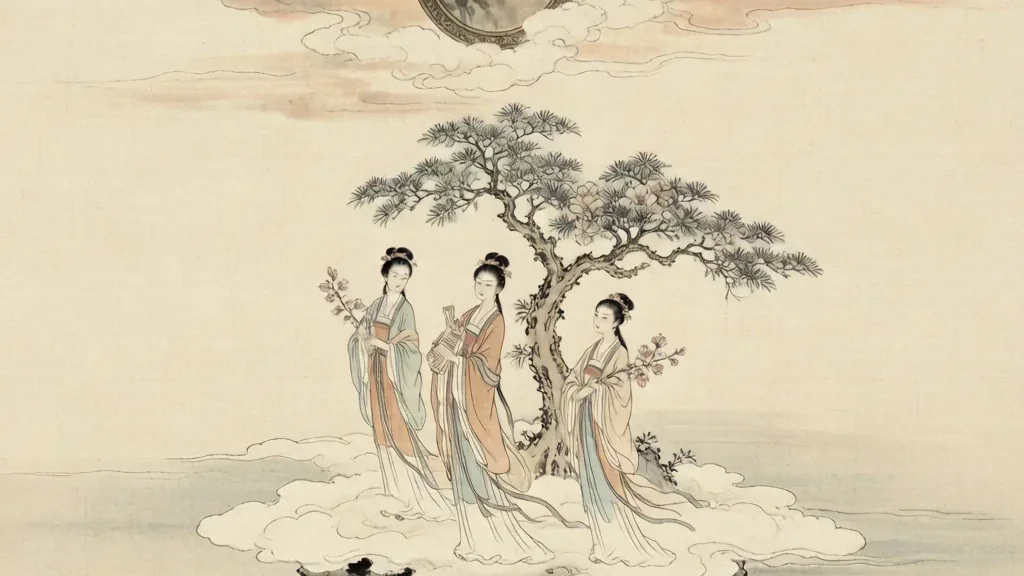
Flowers in the Mirror (镜花缘) — Li Ruzhen's Feminist Fantasy
Jing Hua Yuan (镜花缘), or "Flowers in the Mirror," completed by Li Ruzhen around 1818 and published in 1828, is one of the most peculiar and delightful novels of the Qing dynasty. Ostensibly a story about a Tang dynasty scholar's overseas adventures and the reunion of 100 flower spirits reincarnated as talented women, the novel is actually a sprawling vehicle for social satire, proto-feminist polemic, and a display of the author's encyclopedic knowledge of wordplay, mathematics, phonology, and classical literature.
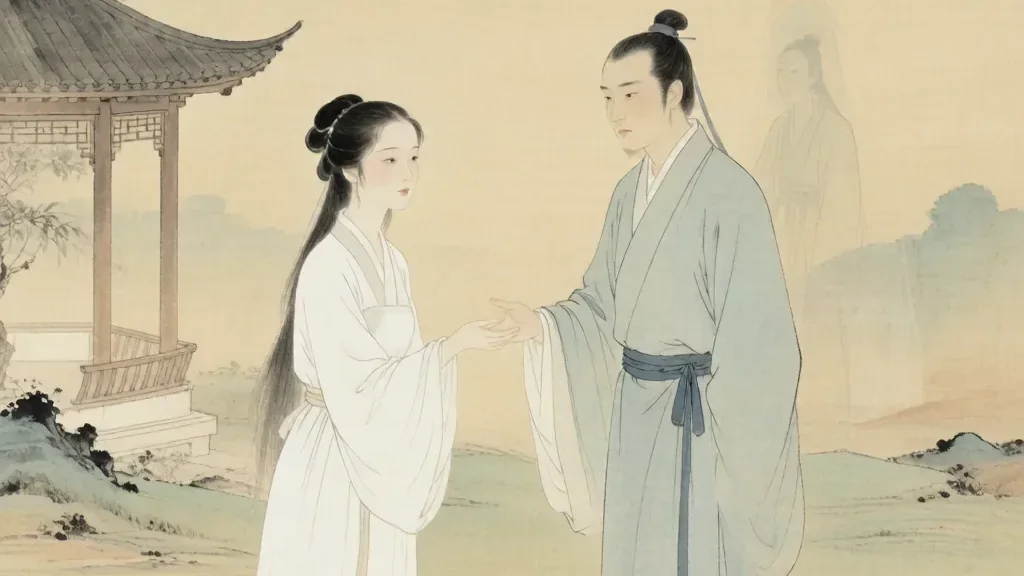
Strange Tales from a Chinese Studio (聊斋志异) — Pu Songling
Liaozhai Zhiyi (聊斋志异), or "Strange Tales from a Chinese Studio," is the crowning achievement of classical Chinese supernatural fiction. Compiled over approximately four decades by Pu Songling (1640–1715), a failed examination candidate from Zichuan, Shandong, the collection contains nearly 500 tales of ghosts, fox spirits, demons, Taoist immortals, and other denizens of the Chinese paranormal imagination.

The Analects (论语) — Sayings of Confucius
The Lun Yu (论语), known in English as the Analects, is a collection of sayings, conversations, and anecdotes attributed to Confucius (Kongzi, 孔子, 551–479 BCE) and his disciples. Compiled by second-generation followers over several decades after Confucius's death, the Analects is not a systematic treatise but a mosaic of wisdom — 20 books containing roughly 500 passages that range from terse aphorisms to extended dialogues.

Mencius (孟子) — The Second Sage
The Mengzi (孟子), named after its author Meng Ke (Mencius, c. 372–289 BCE), stands as the most eloquent and rhetorically powerful text in the Confucian canon.

Records of the Grand Historian (史记) — Sima Qian
The Shiji (史记), or "Records of the Grand Historian," completed around 94 BCE by Sima Qian, is the first universal history of China and arguably the most influential historical work ever written. Spanning more than 2,500 years — from the mythical Yellow Emperor (c.
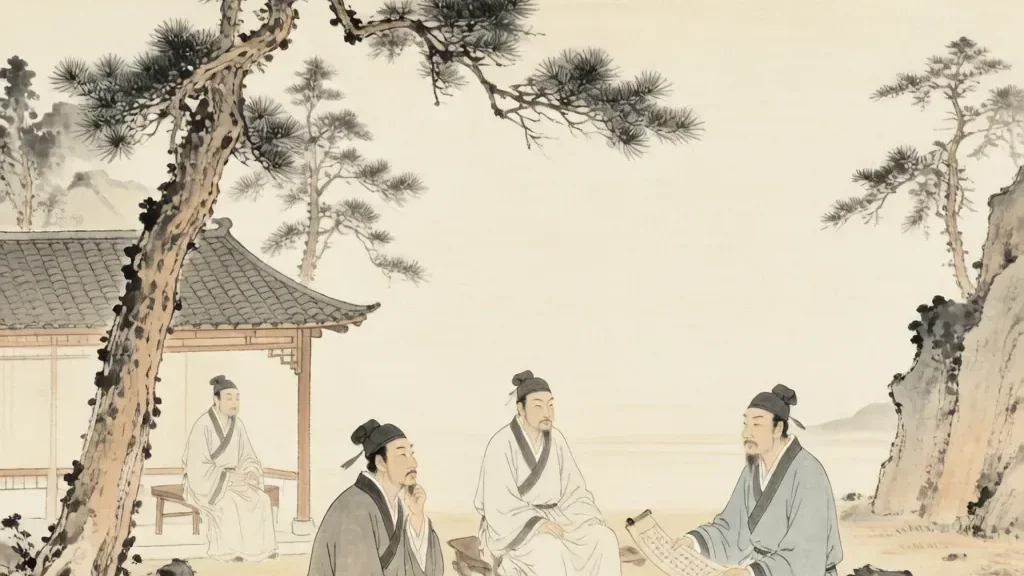
A New Account of Tales of the World (世说新语)
Shishuo Xinyu (世说新语), translated as "A New Account of Tales of the World" or "New Accounts of Old Episodes," is a collection of approximately 1,130 anecdotes about historical figures from the late Han through the Eastern Jin dynasty (c. 150–420 CE).