🎵 Music & Dance
54 articles — Traditional instruments and performing arts
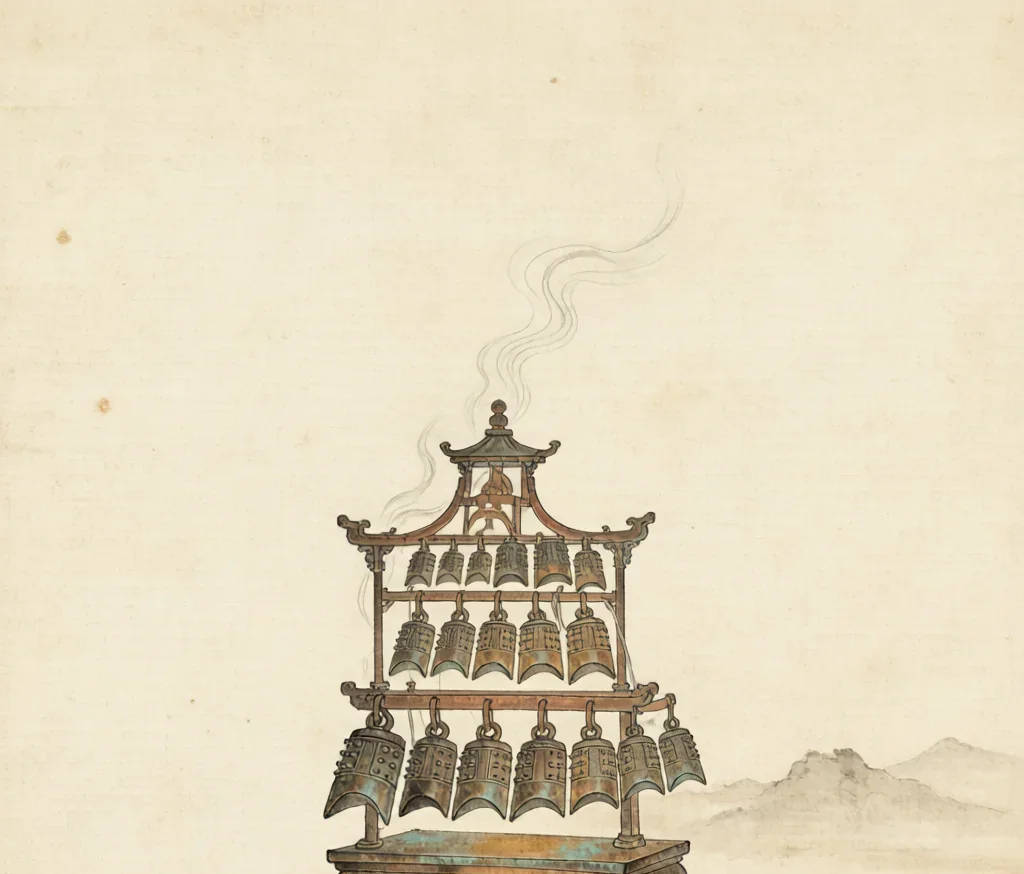
Bianzhong: The Bronze Bells of Ancient Kings
In the summer of 1977, soldiers digging a factory foundation in Hubei Province made a discovery that would rewrite the history of music. Buried deep underground, undisturbed for nearly 2,500 years, lay the tomb of Marquis Yi of Zeng.
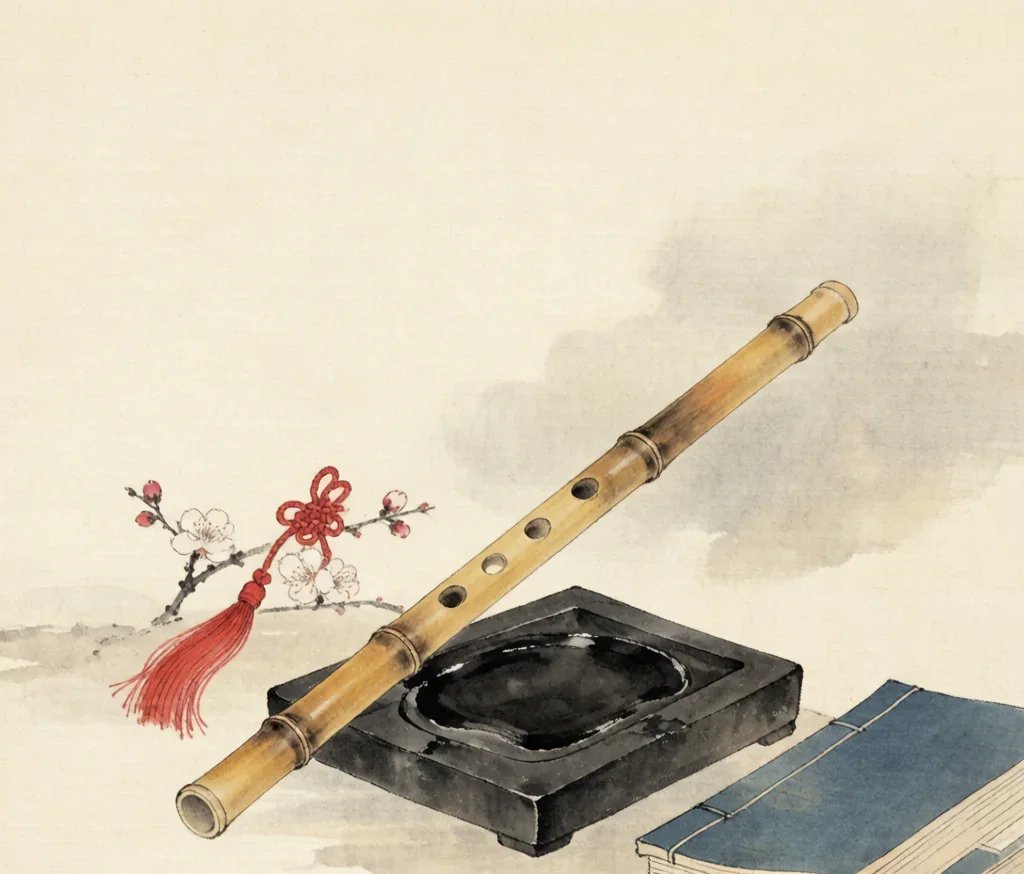
Dizi: The Bamboo Flute of China
Long before the first bronze bell was cast or the first silk string was stretched across a zither, there was the flute. In the floodplains of the Yellow River, nearly 9,000 years ago, people carved the wing bones of cranes into hollow tubes, drilled finger holes, and breathed music into existence.
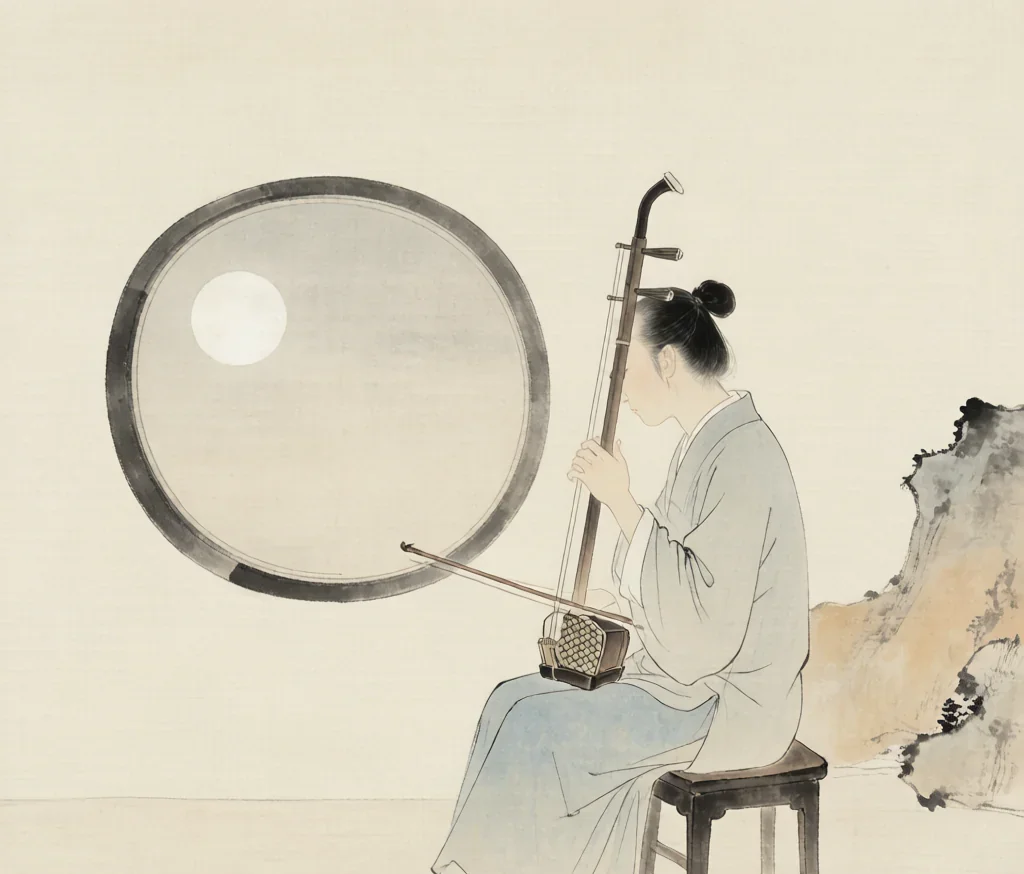
Erhu: The Two-Stringed Voice
There is a sound in Chinese music that, once heard, is never forgotten. It is the voice of the erhu — a two-stringed fiddle whose haunting, vocal quality seems to bypass the ears and speak directly to the heart.
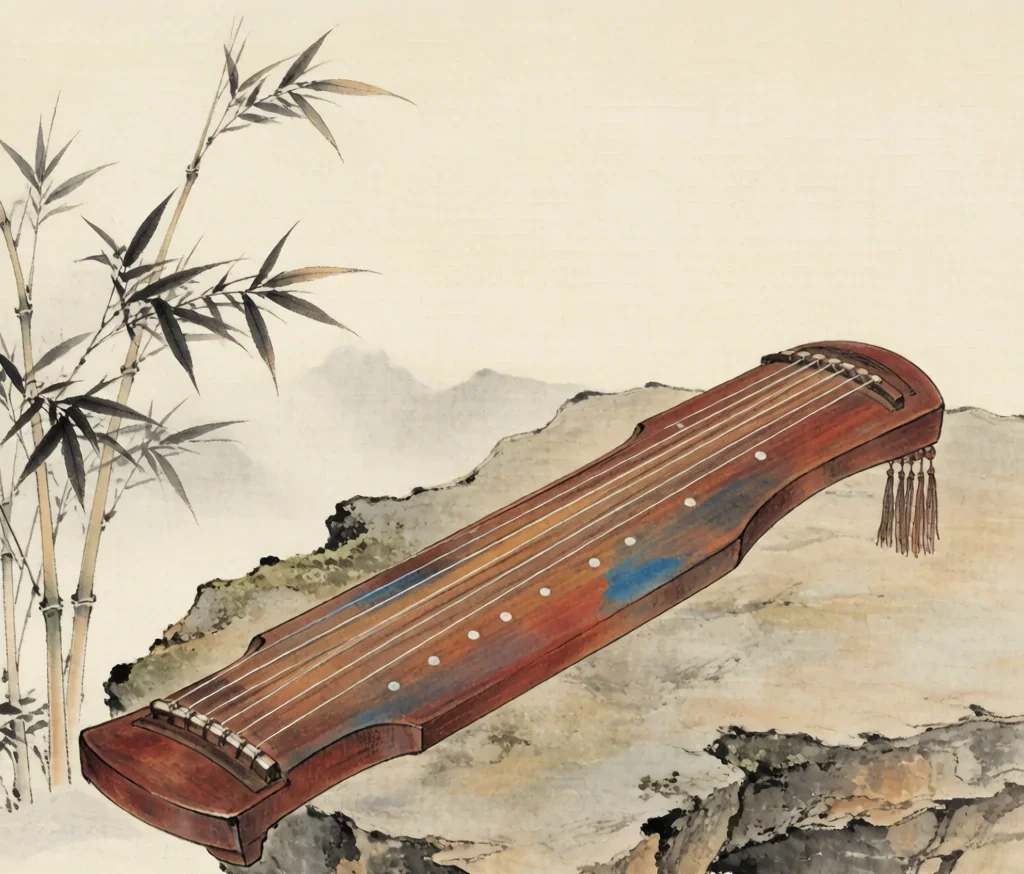
Guqin: The Instrument of the Sages
Of all the musical instruments ever created by human hands, few carry the weight of history and philosophy quite like the guqin. This ancient seven-string zither has been the companion of sages, poets, and emperors for over three millennia.
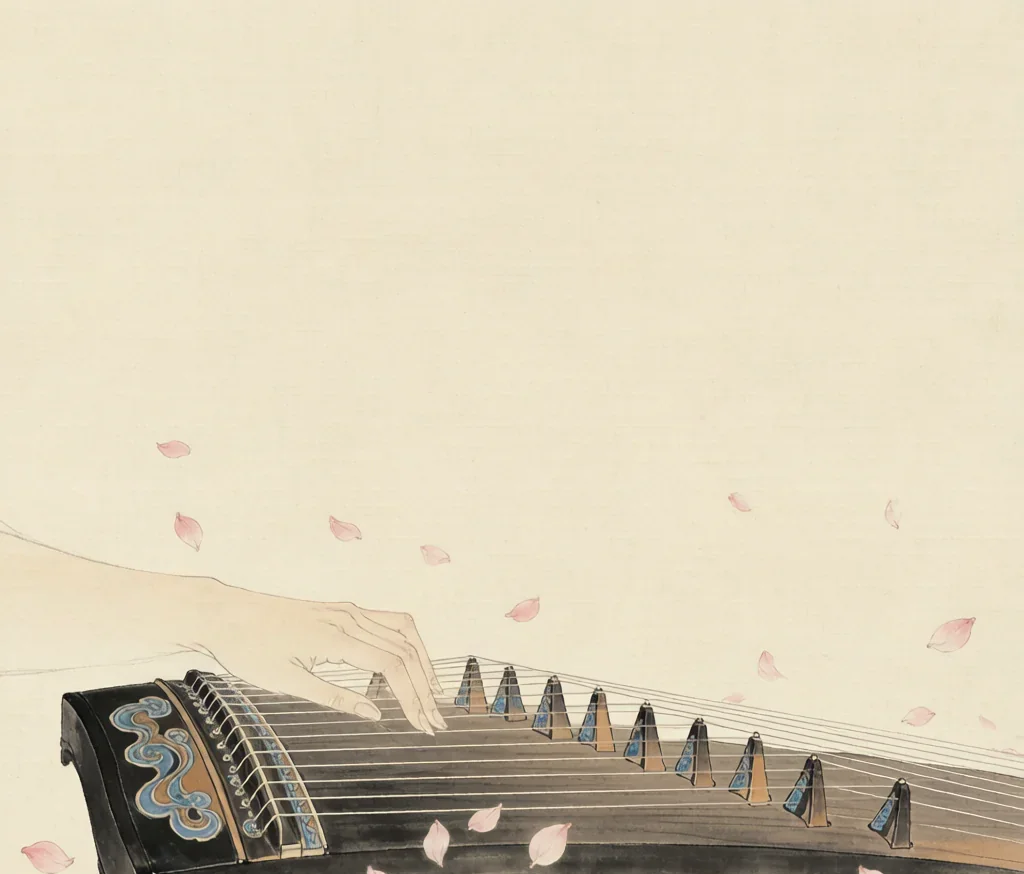
Guzheng: The Soaring Zither
When you hear a guzheng for the first time, you might feel as though you have stumbled upon a waterfall of sound. Cascading arpeggios, shimmering glissandi, and a rich, resonant tone pour from the instrument like liquid silver.
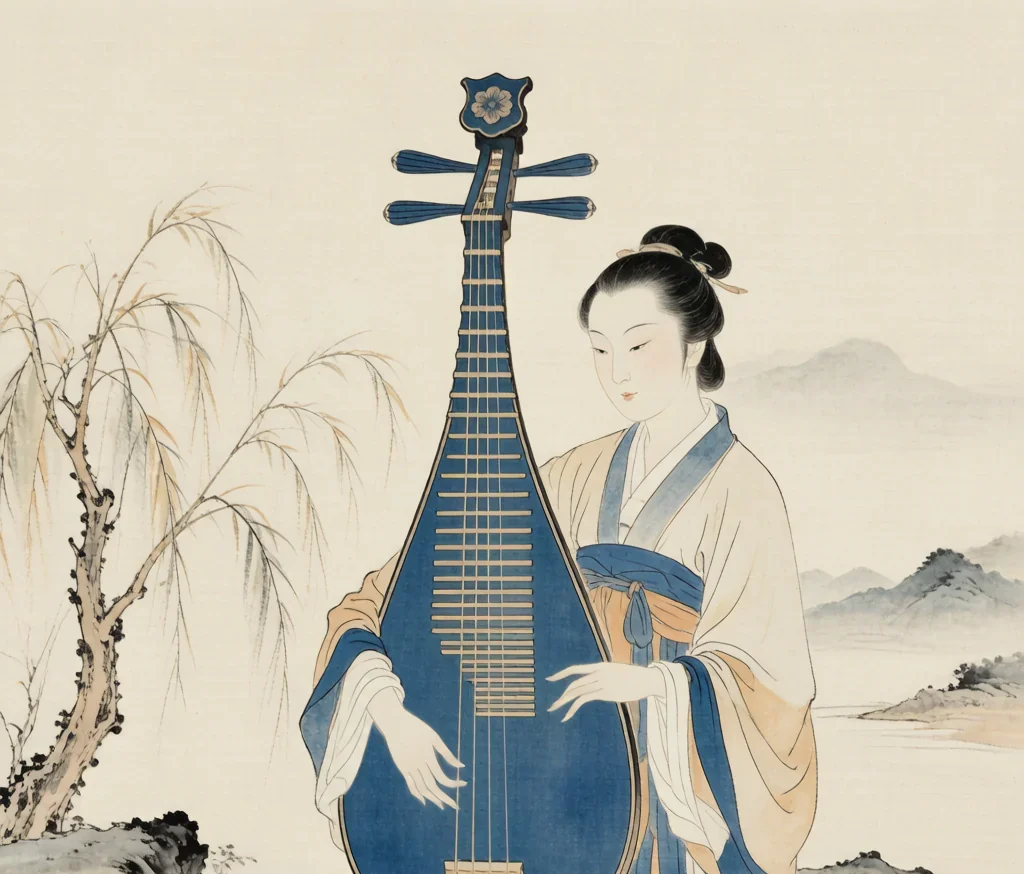
Pipa: The Four-Stringed Storyteller
Hold a pipa in your hands, and you hold a piece of the Silk Road. This pear-shaped lute, with its four strings and fretted neck, is the product of centuries of cultural exchange between China, Central Asia, and Persia.
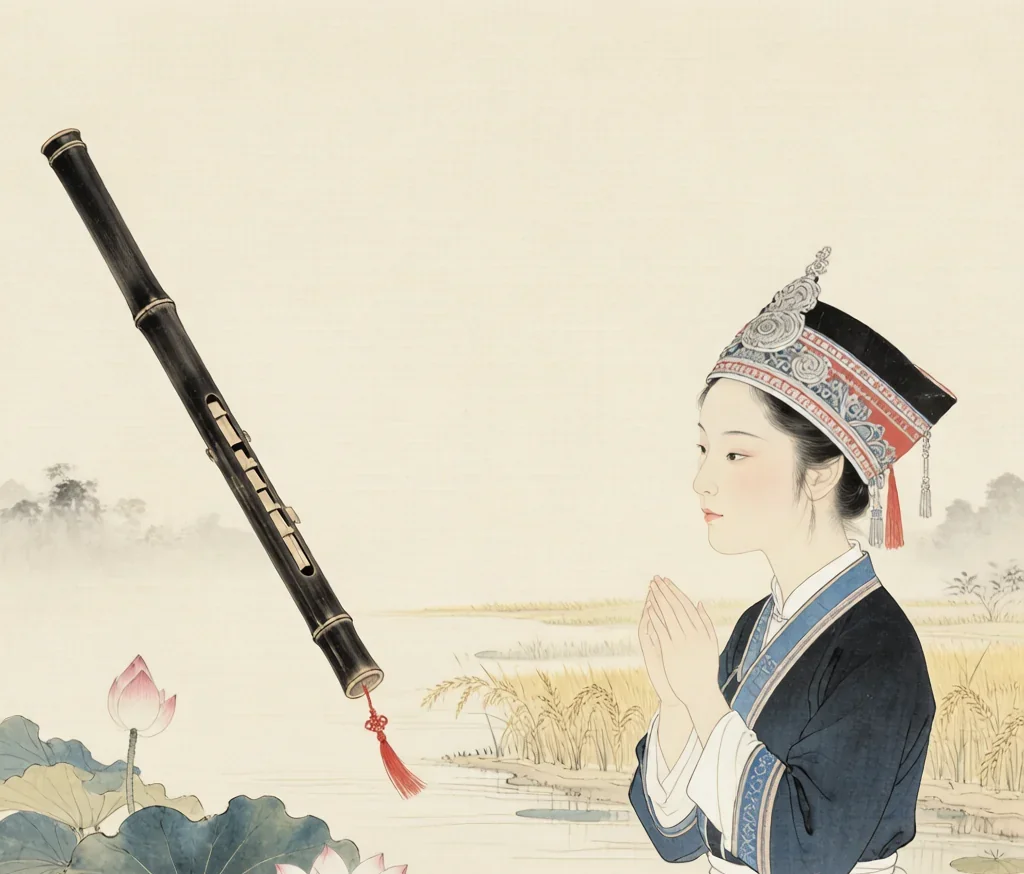
The Bawu: The Free-Reed Flute of the South
The 巴乌 ( bā wū ) is a free-reed flute of the south, a bamboo tube with a reed at the mouthpiece that gives it a soft, reedy, almost vocal tone somewhere between a flute and an oboe. Unlike the airy xiao or the bright dizi, the bawu sings with a gentle buzz that Southern Chinese and several ethnic-minority peoples have cherished for generations.
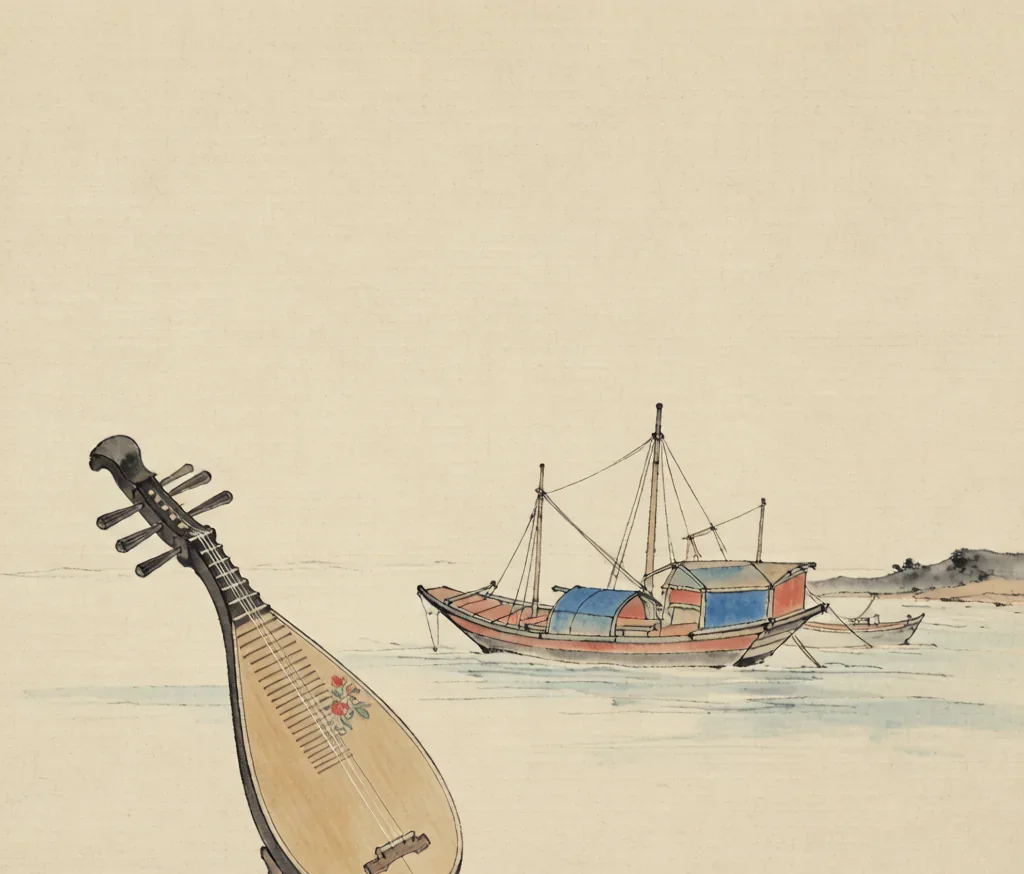
The Duxianqin: The One-String Zither of the Jing
One string, one voice, and a whole sea of feeling: the duxianqin (独弦琴, dú xián qín) is the one-string zither of the Jing people, an ethnic minority of China's southern coast. Its name says everything and nothing at once, for "one string" hardly suggests the liquid, singing, endlessly sliding melodies this instrument produces.
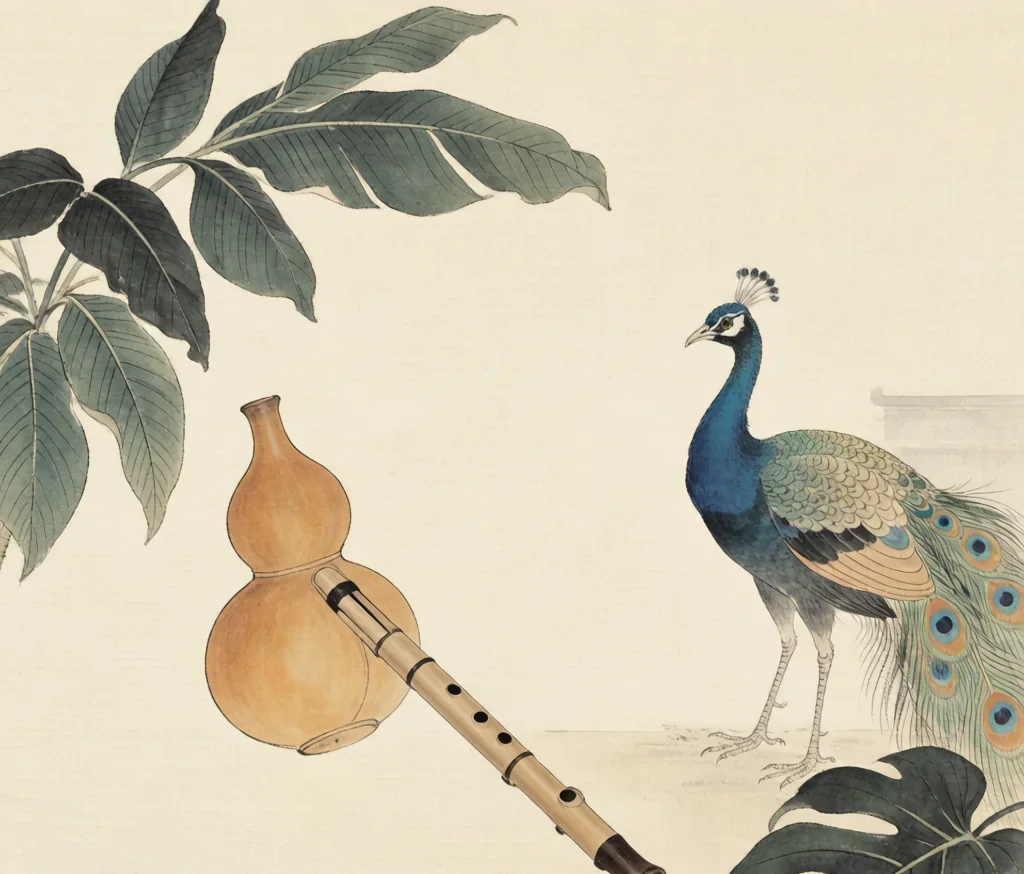
Hulusi (葫芦丝) — Gourd Flute of Yunnan
The hulusi (葫芦丝, húlusī), also known as the 'gourd flute' or 'calabash flute,' is one of the most distinctive and beloved traditional instruments of China's ethnic minorities, particularly associated with the Dai (傣族), Achang (阿昌族), and Wa (佤族) peoples of Yunnan Province in southwestern China. The instrument's name is descriptive: 'hulu' (葫芦) means 'gourd' and 'si' (丝) means 'silk,' referring to the gourd wind chamber and the silk-like quality of its sound.
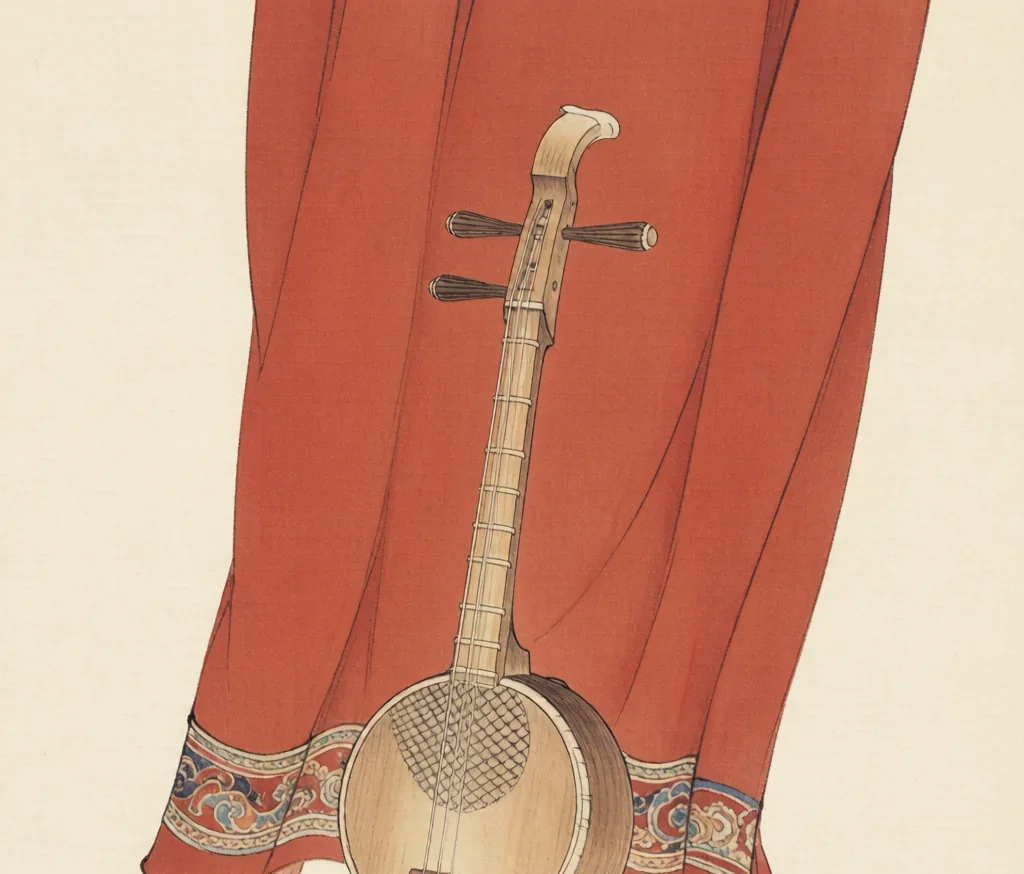
The Jinghu: The Fiddle of Peking Opera
High, bright, and impossible to ignore, the jinghu (京胡, jīng hú) is the small fiddle that leads the music of Beijing opera. Its name tells you both where it belongs and what it is: "jing" points to the capital, Beijing, and "hu" is the short form of huqin, the great family of Chinese bowed string instruments.
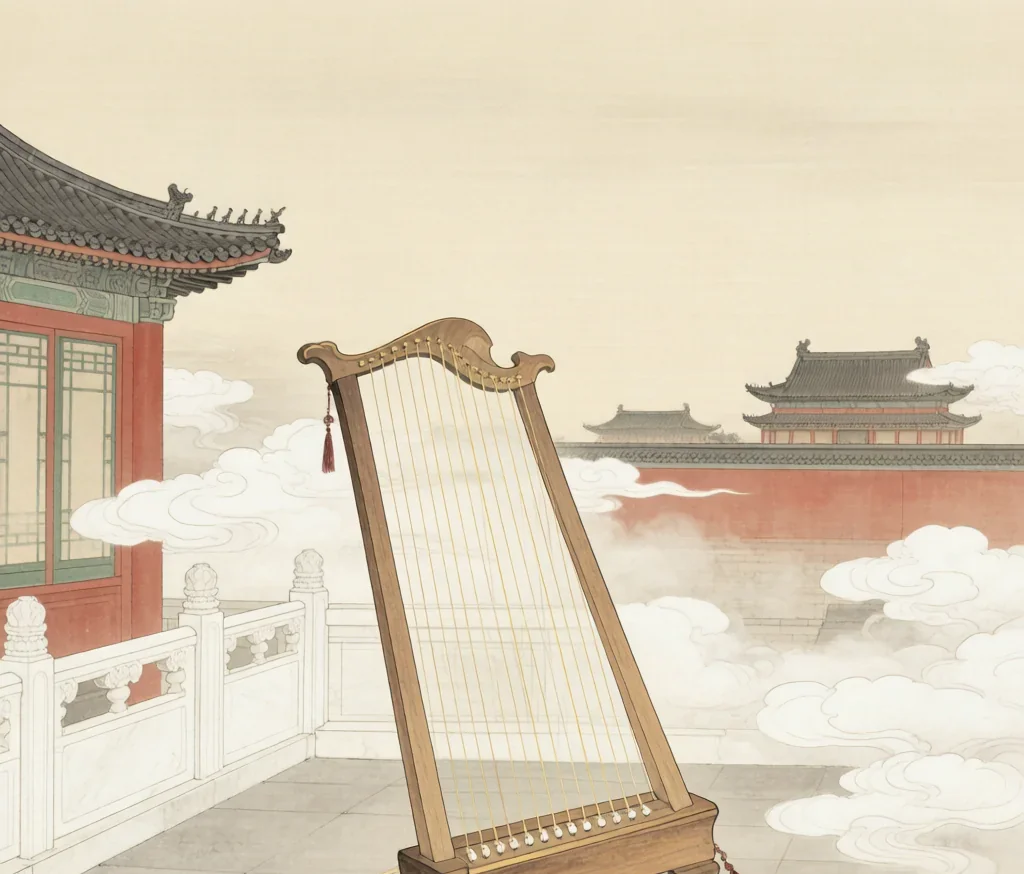
The Konghou: China's Lost Harp Rediscovered
The 箜篌 ( kōng hóu ) is China's harp, an instrument with a long and curious history of disappearance and rediscovery. In ancient times a harp-like instrument entered China from the west, was played at court and in poetry for centuries, and then faded from use so completely that for a long stretch no one in China played a native harp at all.
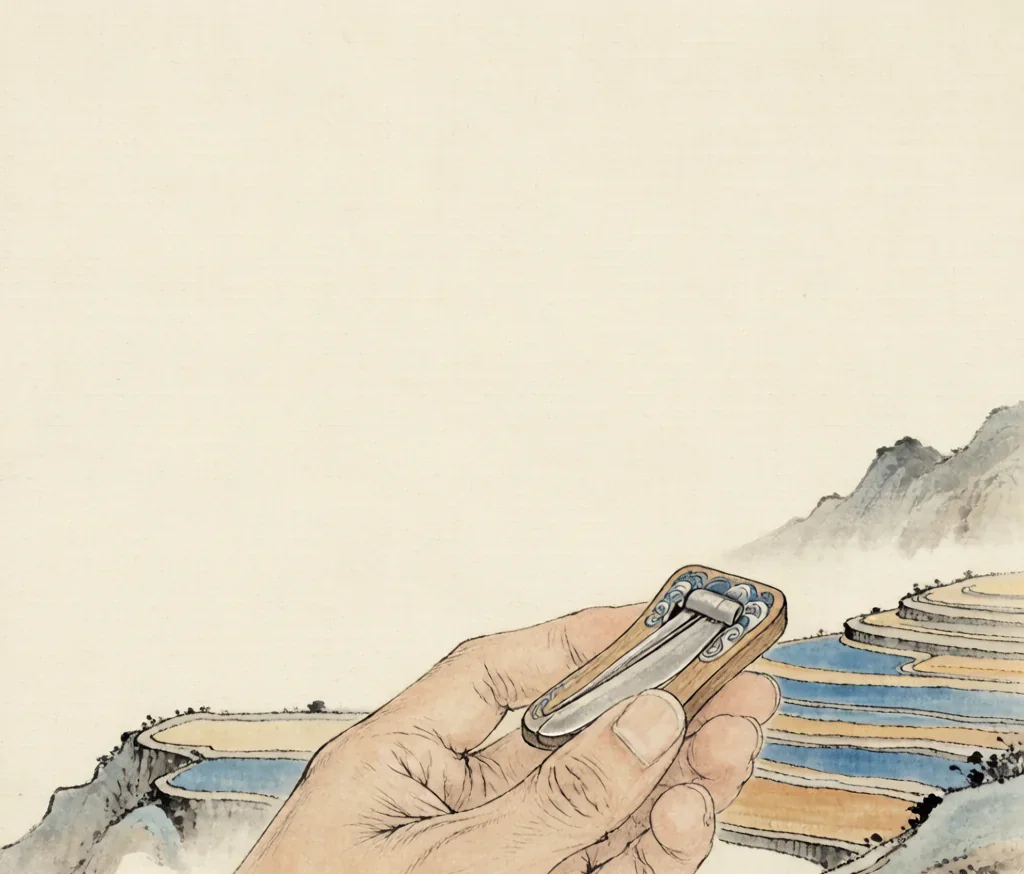
The Kouxian: The Jew's Harp of the Mountains
Small enough to hide in the palm of a hand, the kouxian (口弦, kǒu xián) is one of the most intimate instruments in the world. It is a kind of Jew's harp: a slender frame, usually of bamboo or metal, holding a thin flexible tongue that the player plucks with a finger.
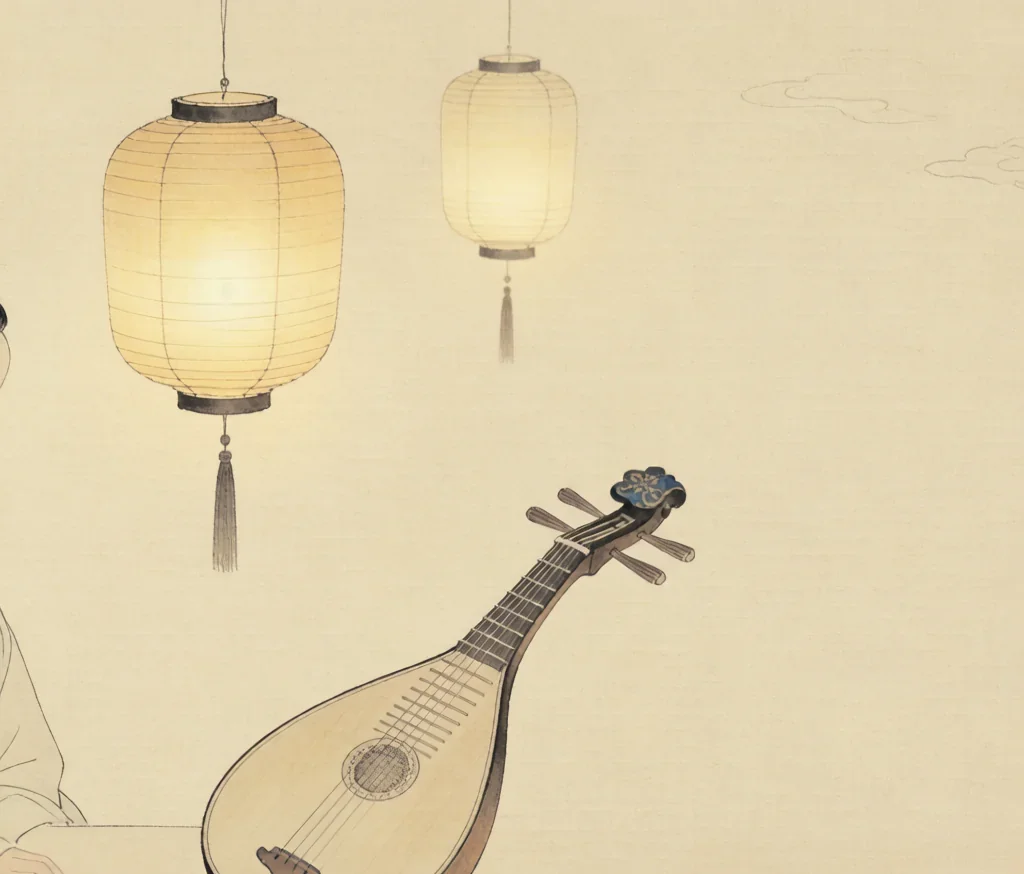
The Liuqin: The Soprano of the Lute Family
The 柳琴 ( liǔ qín ), literally the "willow lute," is the small, bright soprano of the Chinese lute family. With a tiny pear-shaped body, a short neck, and three or four strings plucked with a hard plectrum, it sings in the highest register of the plucked strings, cutting cleanly through an ensemble with a crisp, almost mandolin-like sparkle.
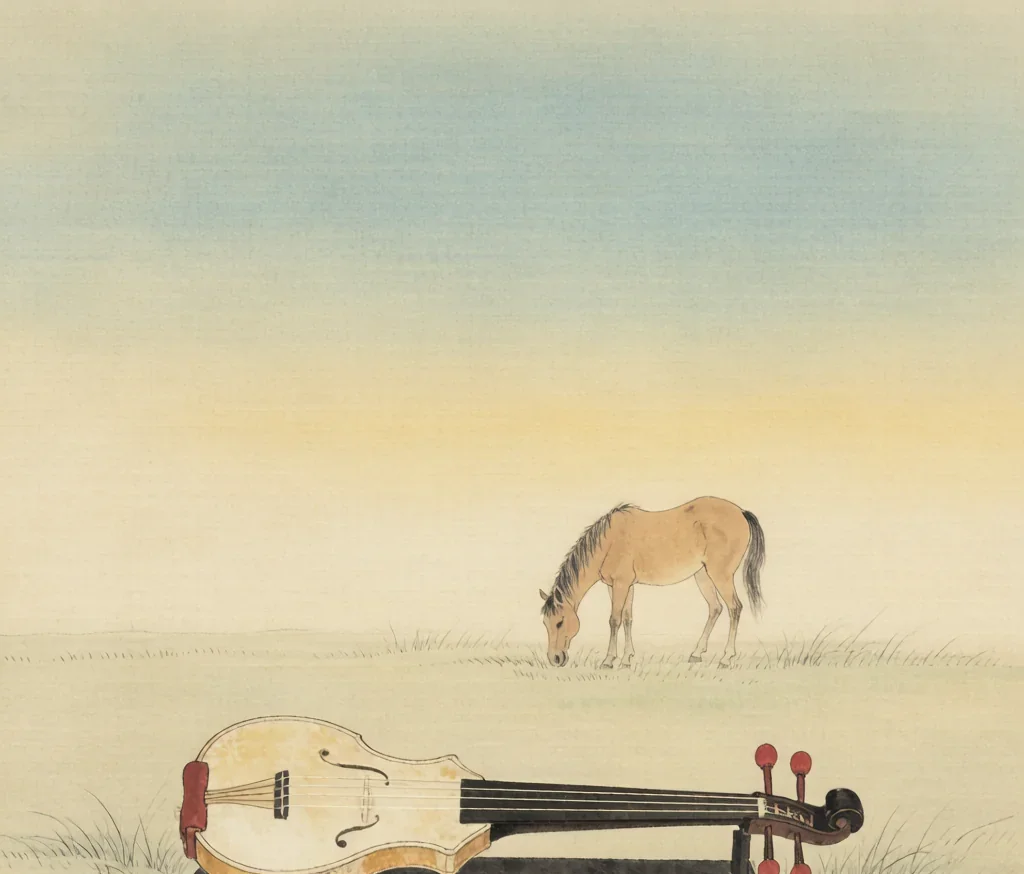
The Maguhu: The Horse-Bone Fiddle
Made from the leg bone of a horse and speaking in a bright, reedy voice, the maguhu (马骨胡, mǎ gǔ hú) is one of the most distinctive fiddles in China. Its name is almost a complete description: "ma" means horse, "gu" means bone, and "hu" is the familiar short form of huqin, the family of Chinese bowed strings.
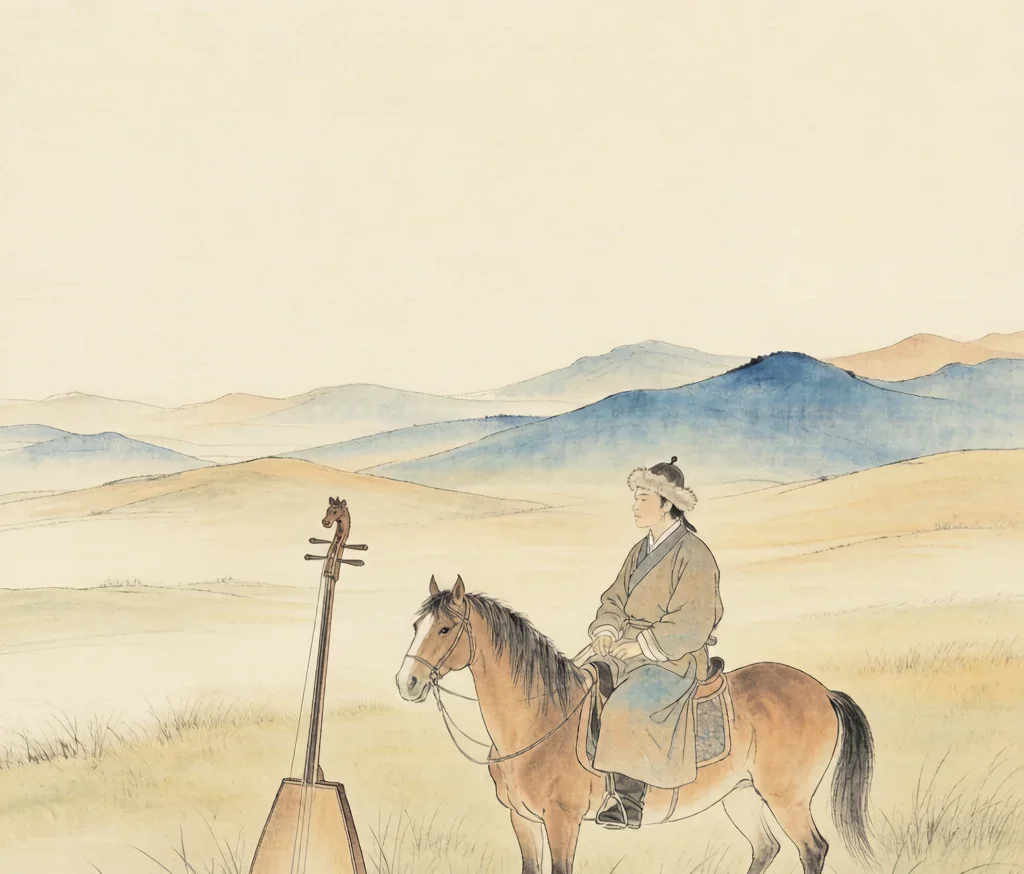
Horsehead Fiddle (马头琴) — Voice of the Mongolian Steppe
The horsehead fiddle (马头琴, mǎtóu qín), known in Mongolian as 'morin khuur,' is the most iconic musical instrument of the Mongolian people — a two-stringed bowed instrument whose scroll is carved into the shape of a horse's head, and whose soulful, resonant tone evokes the vast grasslands, galloping herds, and nomadic spirit of the Mongolian steppe. The instrument's history stretches back over a millennium, with ancient representations appearing in cave paintings and stone carvings across the Mongolian plateau.
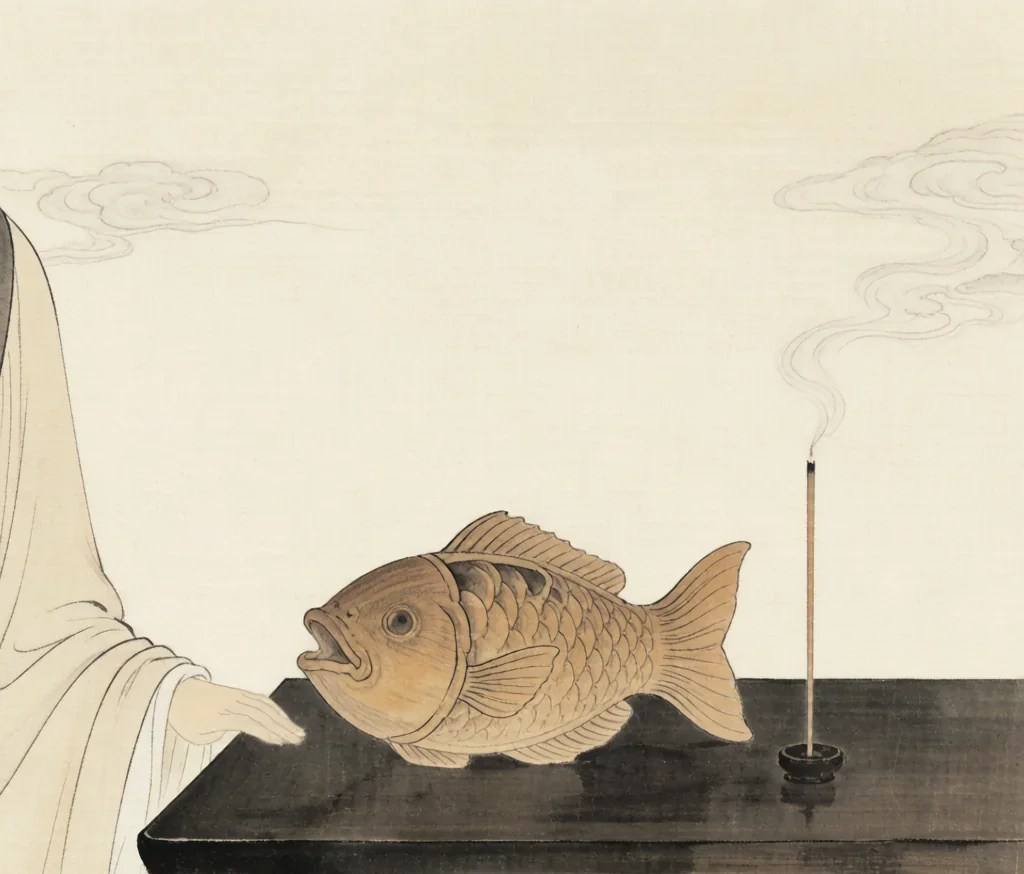
The Muyu: The Wooden Fish of the Temple
Carved in the shape of a fish and struck with a wooden stick, the muyu (木鱼, mù yú) is one of the most familiar sounds of the Chinese Buddhist temple. Its name means simply "wooden fish," and the resemblance is plain: a rounded, hollow block of wood, often with stylized scales and a gaping mouth, that produces a dry, hollow knock when hit.
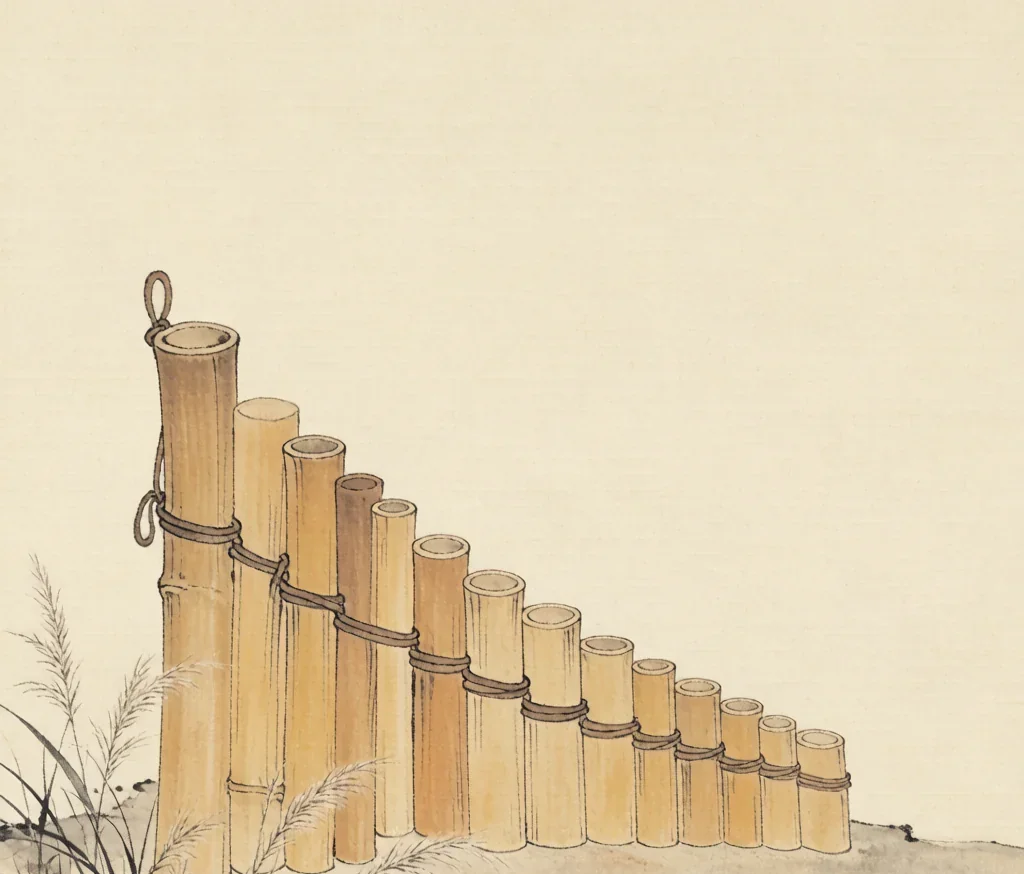
The Paixiao: The Panpipes of Antiquity
The 排箫 ( pái xiāo ) is the panpipe, a row of bamboo tubes of graduated length bound side by side, each tube a stopped pipe that sounds a single note when the player blows across its open top. Among the oldest of all musical instruments, panpipes appear in the myth and archaeology of many cultures, and China has its own long tradition of them reaching back thousands of years.
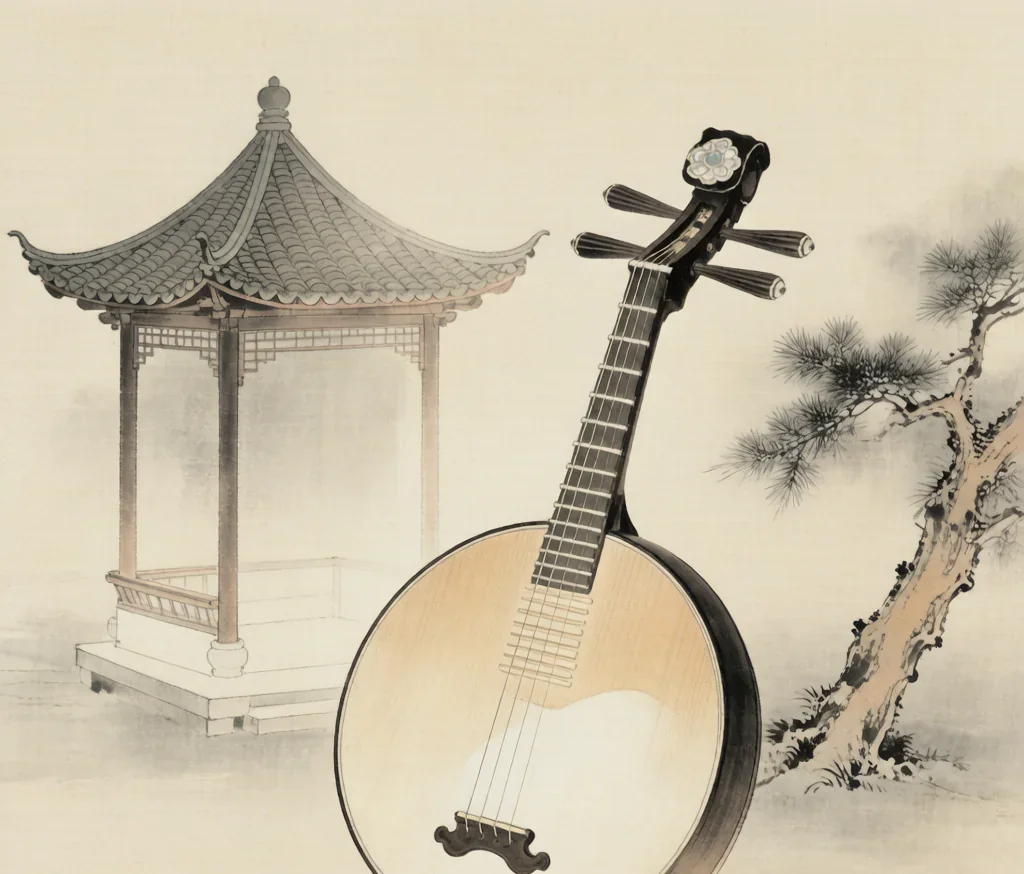
The Ruan: The Round-Bodied Chinese Lute
The 阮 ( ruǎn ) is the round-bodied Chinese lute, a plucked string instrument with a full moon-shaped soundbox, a long fretted neck, and a tone often described as mellow, round, and gentle. Named after a famed musician and scholar of the Jin dynasty, the ruan has sounded in Chinese ensembles for well over a thousand years, from the courthouses of ancient capital cities to the modern concert stage.
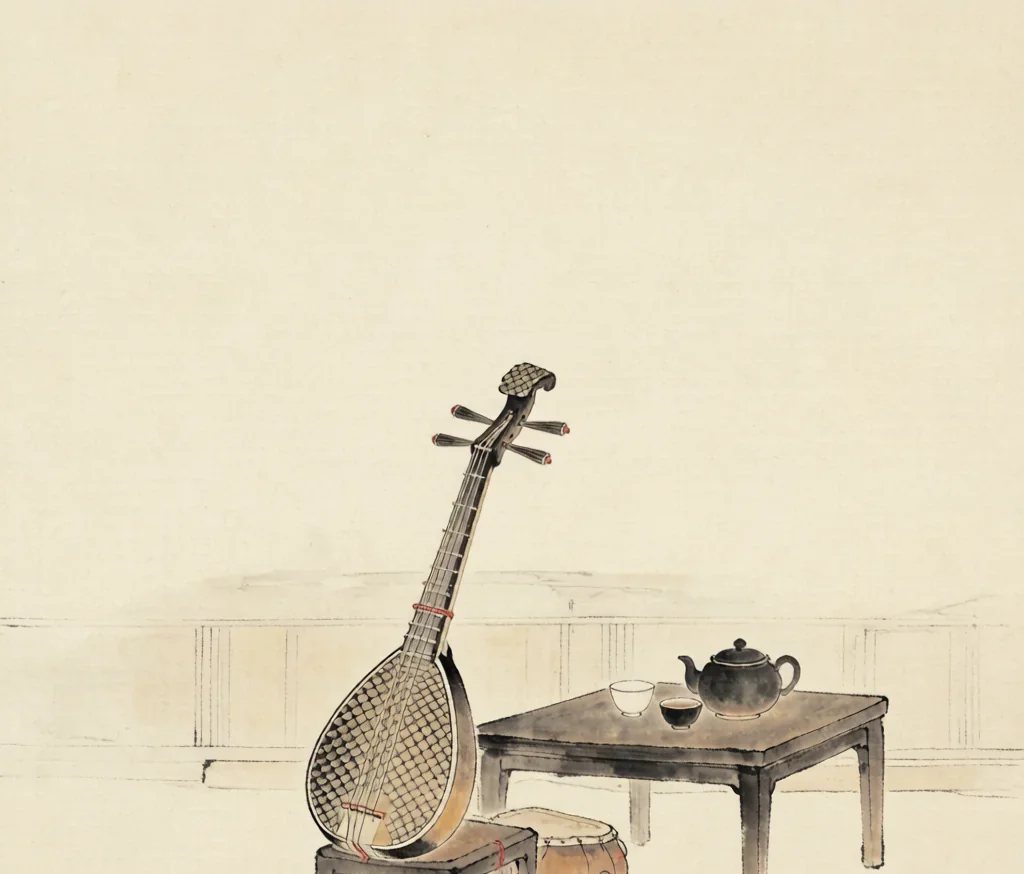
The Sanxian: The Three-String Lute of the North
Imagine a long-necked lute with only three strings and no frets at all, its round soundbox wrapped not in wood but in the patterned skin of a snake. This is the sanxian (三弦, sān xián), a plucked string instrument whose very name announces its defining feature: "three strings.
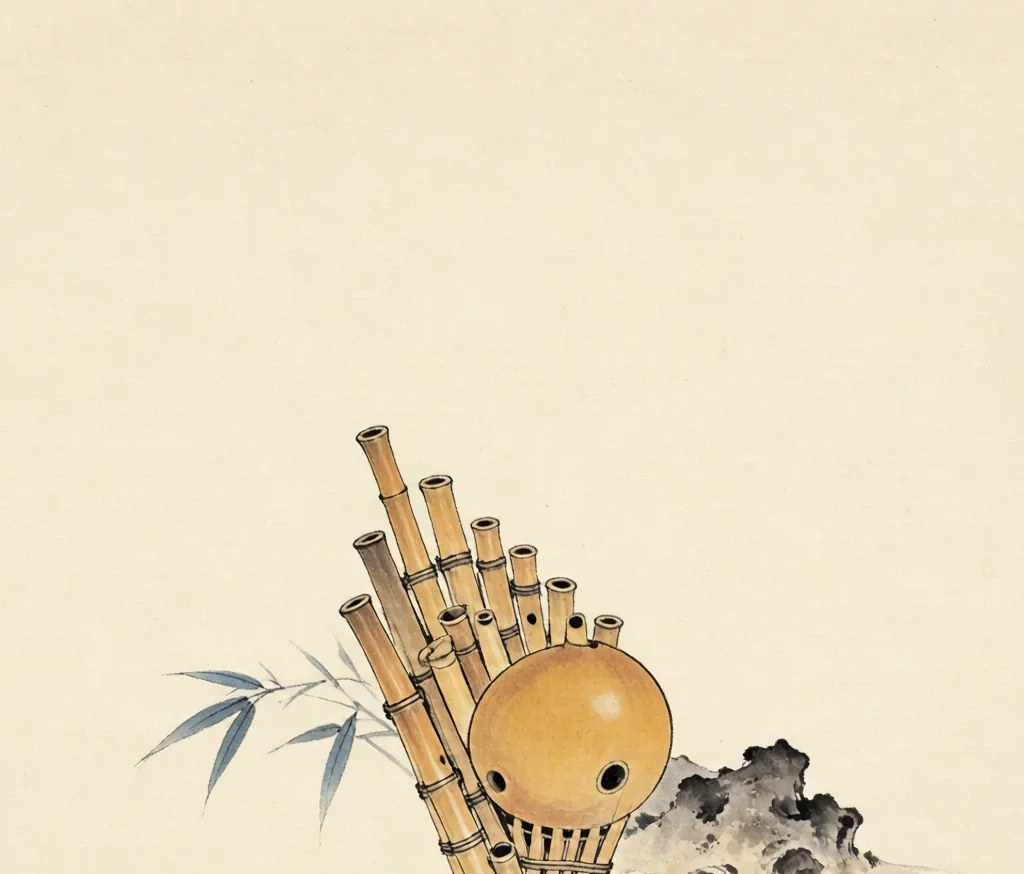
The Sheng: The Ancient Chinese Mouth Organ
The 笙 ( shēng ) is the ancient Chinese mouth organ, a bundle of bamboo pipes rising from a small wind chest that the player breaths into through a mouthpiece. What makes the sheng extraordinary is that it is one of the very oldest free-reed instruments in the world, capable of sounding several pipes at once to produce chords and a shimmering, sustained tone.
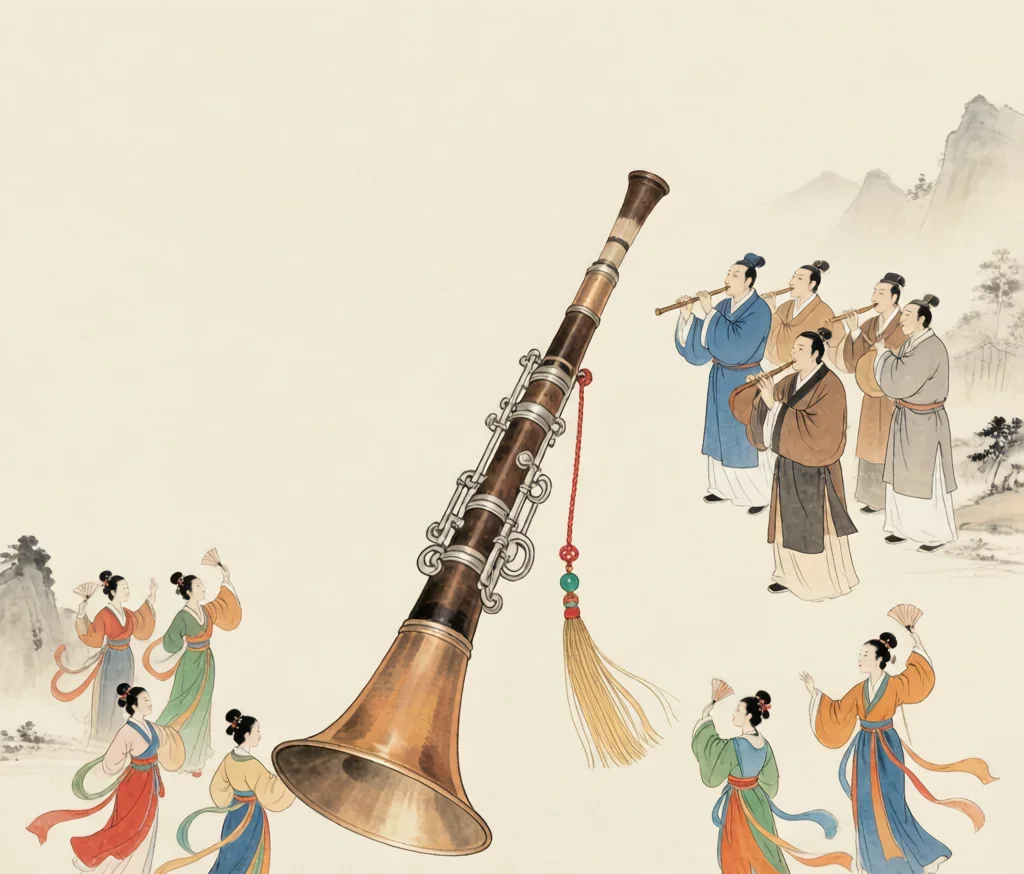
Suona (唢呐) — The Chinese Oboe
The suona (唢呐, suǒnà), a double-reed woodwind instrument with a flared metal bell, is one of the most distinctive and emotionally powerful instruments in Chinese music — its piercing, resonant tone can express the heights of wedding joy and the depths of funeral grief with equal intensity. Often described as the 'Chinese oboe' or 'Chinese trumpet' by Western observers, the suona is neither a direct relative of European double-reed instruments nor native to China proper: it entered China along the Silk Road from Central Asia or Persia during the 3rd to 5th centuries CE, likely originating from the Persian 'sorna' or 'zurna,' and was gradually absorbed into Chinese musical culture, where it evolved into a family of instruments in various sizes and tonal ranges.
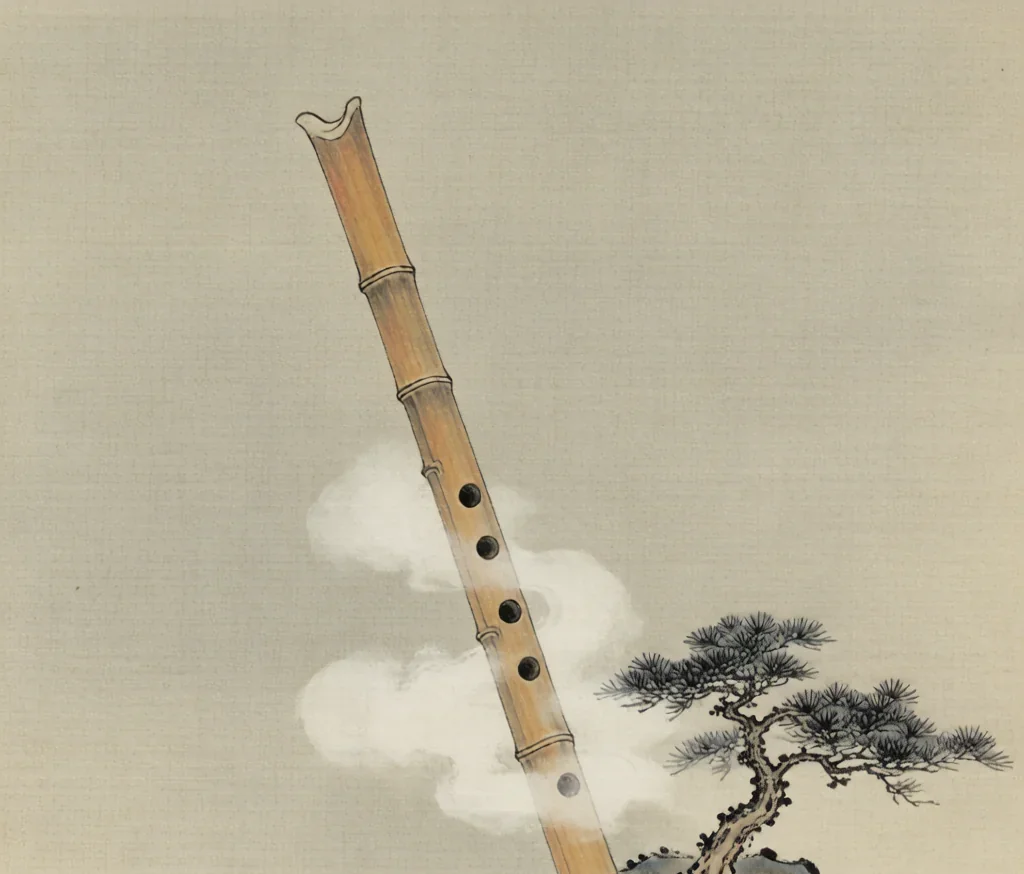
The Xiao: The Meditative Vertical Flute
The 箫 ( xiāo ), often called the vertical bamboo flute, is among the quietest yet most profound voices in the Chinese musical tradition. Unlike its brighter, sideways cousin the dizi, the xiao is held straight down and blown across the rim of its top opening, producing a soft, breathy tone that seems to blend with the air itself.
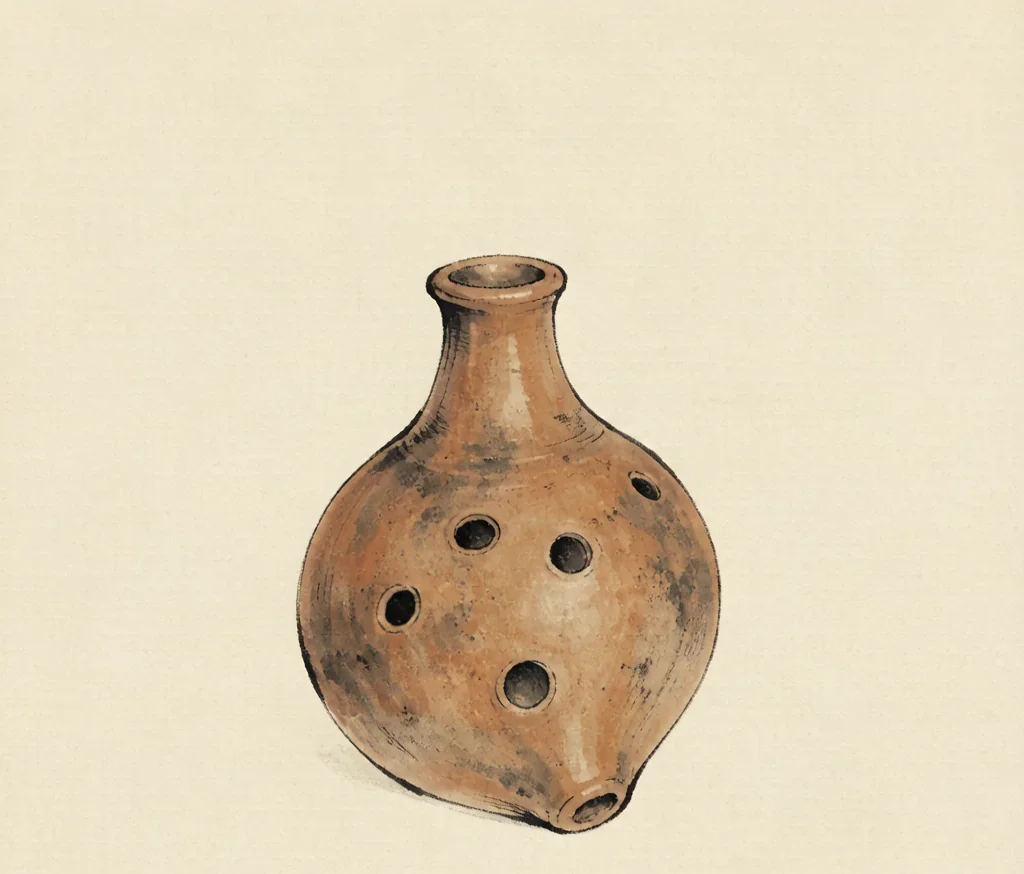
Xun (埙) — The Ancient Clay Ocarina
The xun (埙, xūn) is one of the oldest musical instruments in China — and indeed in the world — a vessel flute made of baked clay or ceramic, typically egg-shaped or globular, with a blow hole at the top and finger holes along the body. Its haunting, ethereal tone — hollow, breathy, and somehow both ancient and timeless — has echoed across Chinese civilization for over 7,000 years.
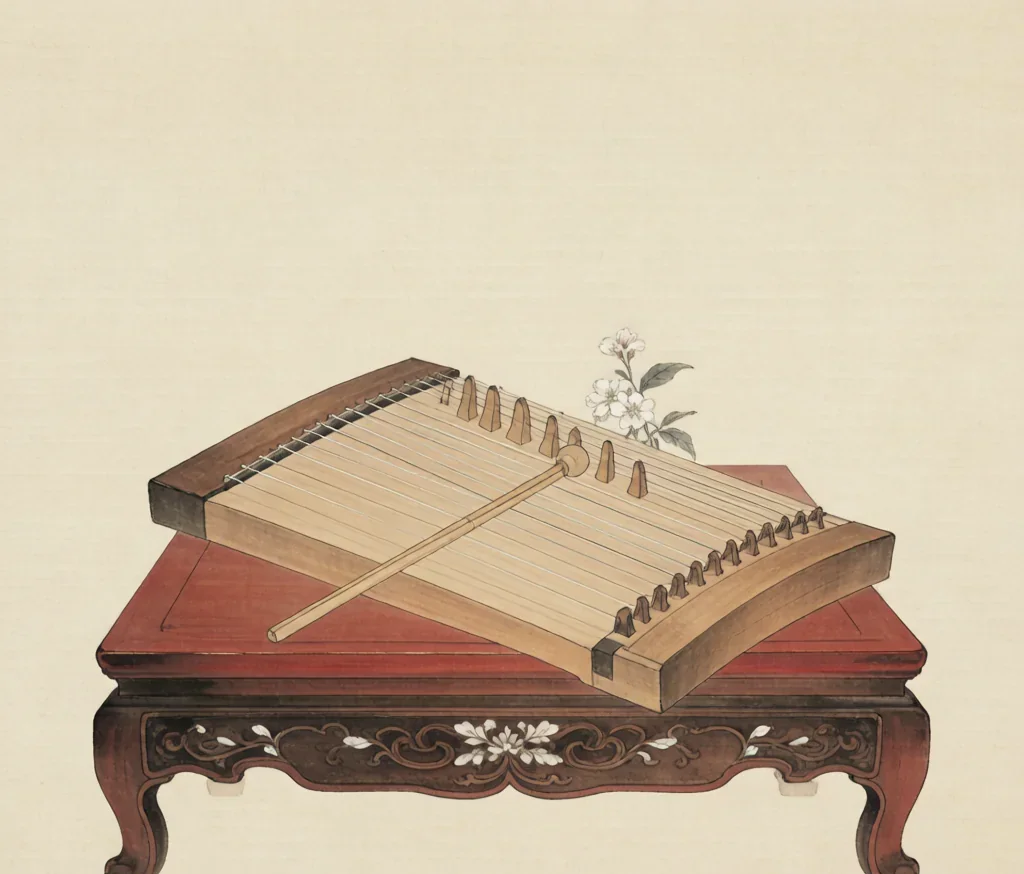
The Yangqin: The Chinese Hammered Dulcimer
The 扬琴 ( yáng qín ), known in English as the Chinese hammered dulcimer, is the bright, ringing heart of many Chinese instrumental ensembles. Played by striking rows of metal strings with a pair of light bamboo hammers, it produces a brilliant, bell-like cascade of notes that can sparkle like rain or roll like a distant thunder of strings.
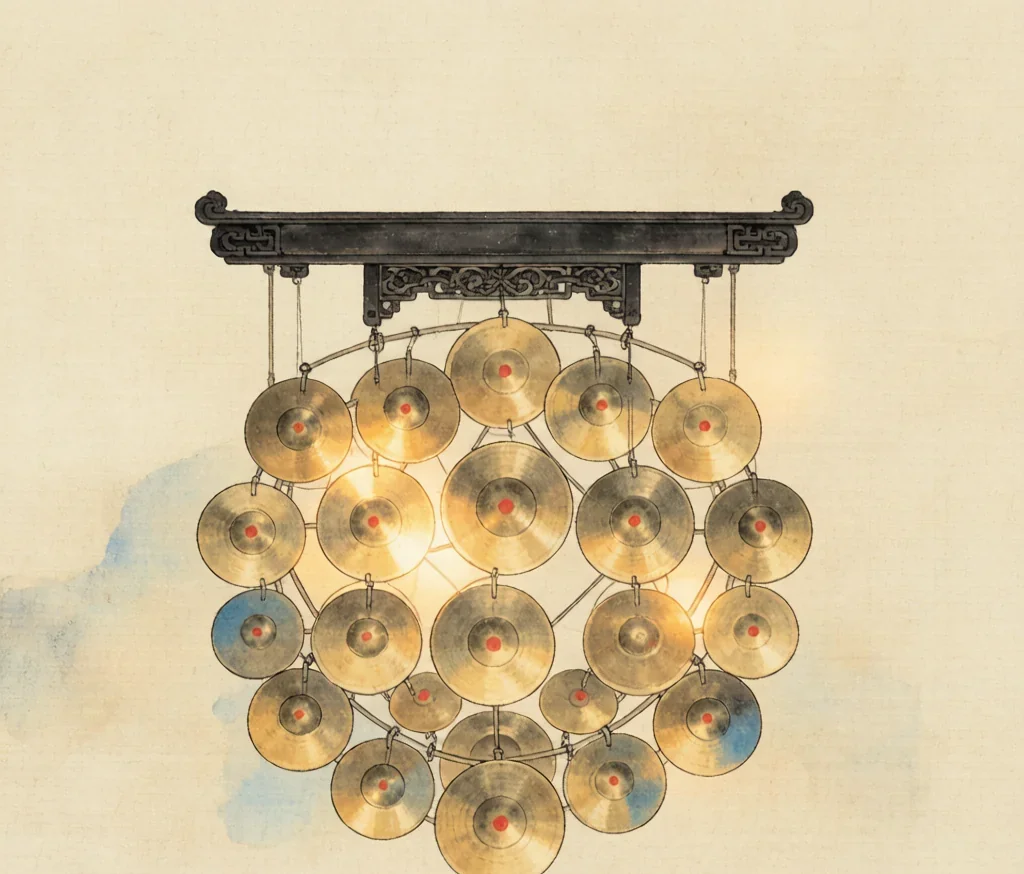
The Yunluo: The Cloud of Gongs
Hang a row of small, shining gongs in a frame and strike them one by one, and you begin to understand the yunluo (云锣, yún luó), the "cloud of gongs. " Unlike the great concert gongs that boom with no fixed pitch, each gong of the yunluo is tuned, so the instrument can actually play melodies.
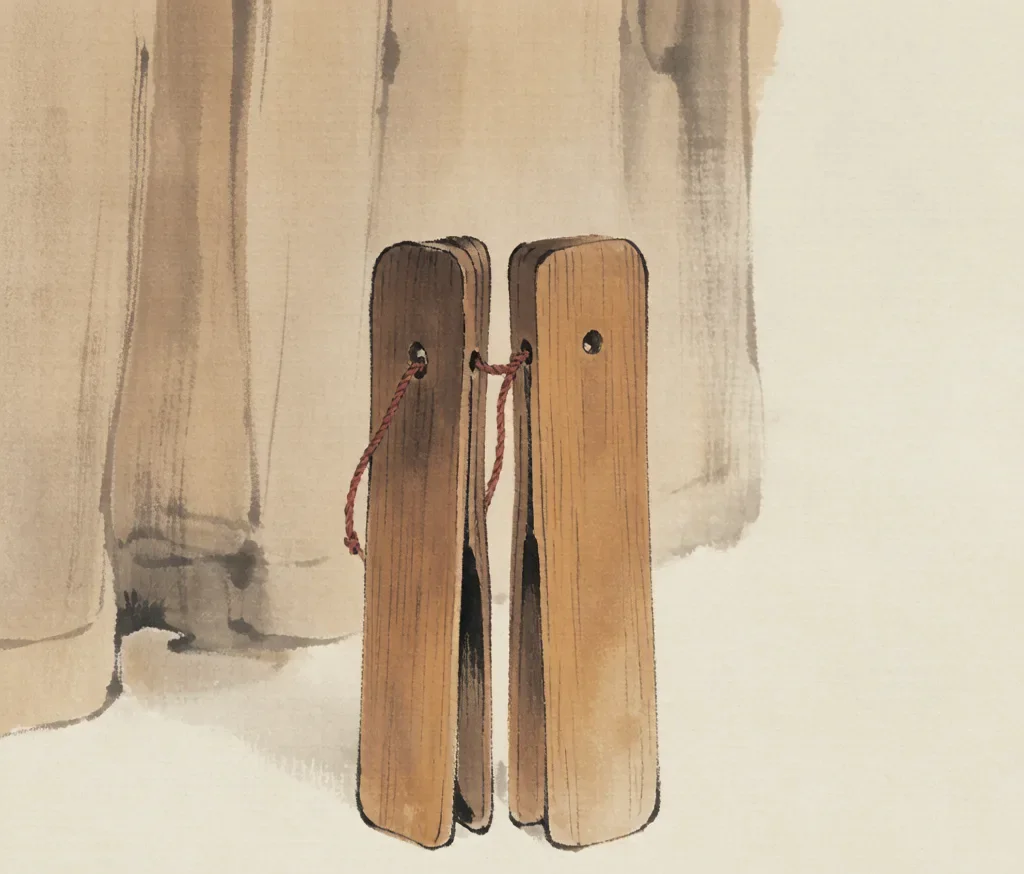
The Clappers: The Time-Keeper of the Opera Stage
The bāngzi (梆子) are a pair of hardwood clappers that set the tempo of northern Chinese clapper opera. Struck together to mark the beat, they are the rhythmic backbone of an entire theatrical tradition.
The Bianqing: The Musical Stone Chimes of Antiquity
The biānqìng (编磬) is a lithophone of L-shaped stone slabs hung in a rack and struck with a mallet. As a core instrument of ancient court ritual music, it translated cosmic order into sound.
Wind and Percussion: The Outdoor Music of Chinese Village
Chuīdǎ (吹打) is a wind-and-percussion ensemble genre of Chinese village life, pairing suona, dizi, and sheng with drums and gongs for weddings, funerals, and festivals.
The Chunyu: The Tiger-Shaped Bell of the Ancient South
The chúnyú (錞于) is a bronze, tiger-topped bell of the ancient Ba state in present-day Chongqing, used as a military signal instrument during the Warring States and Han periods.
The Big Drum: The Heartbeat of Chinese Festival
The dàgǔ (大鼓) is the large barrel drum whose heartbeat opens festivals, lion dances, and northern drum ensembles across China.
The Dianzi: The High-Pitched Gong of the Opera
The diǎnzi (点子) is a small high-pitched gong of the Chinese opera percussion section, used to punctuate entrances, strikes, and comic beats.
The Airs of the States: The Folk Songs of the Book of Songs
Guófēng (国风), the 'Airs of the States,' are the 160 folk songs collected in the Shijing (Book of Songs), China's oldest poetry anthology.
The Flower Drum Song: The Folk Opera of the Villages
Huāgǔxì (花鼓戏), the flower-drum opera, is a lively folk form of the Yangtze-Huai villages, pairing a small flower-decorated drum with comic song and dance.
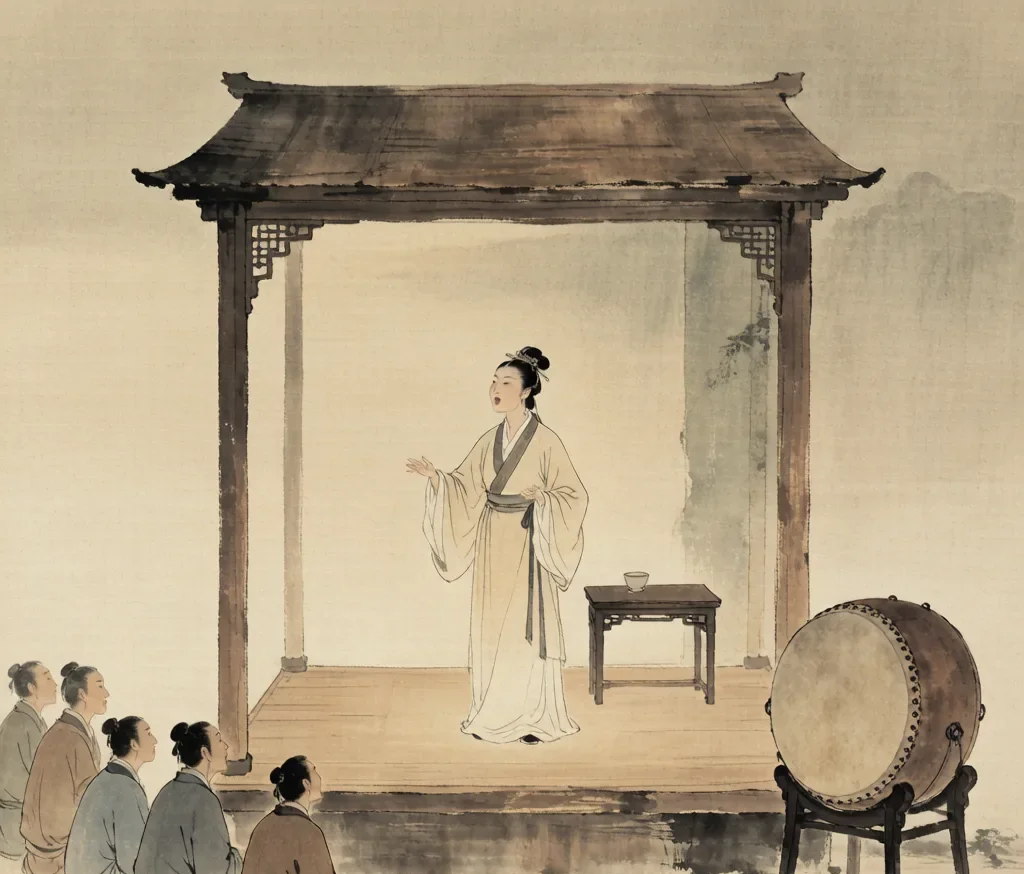
The Jingyun Drum Song: The Opera of the Storyteller
Jīngyùn dàgǔ (京韵大鼓) is the refined northern story-song of Tianjin and Beijing, sung by a soloist over a small drum and a string quartet.
The War Drum: The Command of the Battlefield
The jūnlìng gǔ (军令鼓), the war drum, was the battlefield instrument that conveyed commanders' orders across the noise of combat.
The Laba: The Long Trumpet of Tibetan Buddhism
The lǎba (喇嘛筒 / rag-dung) is the long Tibetan-Buddhist trumpet whose deep drone opens monastic rituals and signals across mountain valleys.
Nanyin: The Ancient Music of the Southern Ports
Nányīn (南音) is the 'southern sound' of Quanzhou — a conserved chamber repertoire claiming Tang and Song roots, sung in an archaic southern dialect.
The Buddhist Recitation Instrument: Music as Devotion
The niànfó qì (念佛器) are the handheld instruments — above all the wooden fish (mùyú) — that pace Buddhist chant and keep the mind focused.
The Se: The Twenty-Five String Zither of Ancient Court
The sè (瑟) is a long ancient zither of up to twenty-five strings, the courtly companion to the qin and a symbol of refined music since the Zhou.
The Reed of the Sheng: The Free Reed That Inspired the World
The shēng (笙) is a free-reed mouth organ of bamboo pipes around a wind chest — an instrument so old it is credited with inspiring the Western free reed.
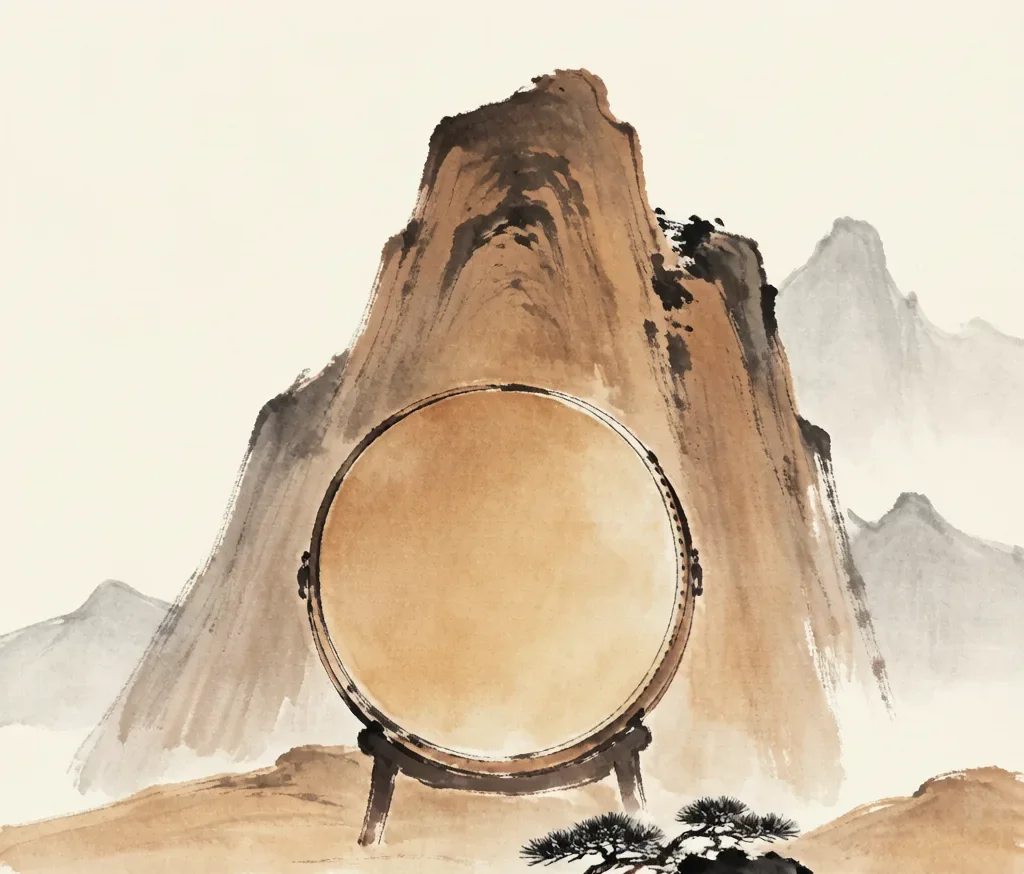
The Shifan Drum: The Percussion Suite of the South
Shífāngǔ (十番鼓) is a southern percussion suite of Nanjing and Suzhou, layering drums, gongs, and wind in intricate, evolving patterns.
Silk and Bamboo: The Chamber Music of Jiangnan
Sīzhú (丝竹), 'silk and bamboo,' is the intimate chamber music of Jiangnan — plucked and bowed strings with flutes, played in teahouses and homes.
The Tanci: Plucking and Singing the Stories of Suzhou
Táncí (弹词) is Suzhou story-singing in which a seated performer plucks the pipa or sanxian while narrating and voicing characters in the Wu dialect.
The Taogu: The Rattling Drum of the Shang Dynasty
The táogǔ (鼗鼓) is the rattling hand-drum of antiquity — a small drum with two side beads on cords, flicked to click as it is spun.
The Tiepian: The Metal Percussion of Chinese Opera
Tiěpiàn (铁片) denotes the metal percussion — small cymbals and gongs — that adds bright edge to Chinese opera's rhythm section.
The Wooden Horn: The Signal of the Mountains
The tóngjiǎo (铜角) is a long curved signal horn of mountain and pastoral regions, used to call across valleys and herds.
The Xihe Drum Song: Storytelling of the North
Xīhé dàgǔ (西河大鼓) is the northern drum-song of Hebei, a solo art of narrative singing accompanied by a small drum and the sanxian or daxian.
Banquet Music: The Entertainment of the Tang Court
Yànyuè (燕乐) was the banquet music of the Tang court — a cosmopolitan blend of Chinese, Central Asian, and Indian sounds for entertainment.
The Yaozheng: The Bowed Zither of the Tang
The yàzhēng (轧筝) is an ancient bowed zither of the Tang, its strings sounded by a bamboo stick drawn across them — an early bowed instrument.
Elegant Music: The Court Music of Confucian Ritual
Yǎyuè (雅乐) is the 'elegant music' of Confucian and court ritual — strictly codified, slow, and symbolic, meant to embody cosmic and moral order.
The Eight Sounds: The Classification of Chinese Instruments
The bāyīn (八音), or 'Eight Sounds,' is the ancient Chinese classification of instruments by material: metal, stone, silk, bamboo, gourd, clay, leather, wood.
The Zhen: The Ancient Mouth Organ of the Zhou
The zhēng (筝) in this context refers to the ancient free-reed mouth organ of the Zhou court, an ancestor of the later sheng.
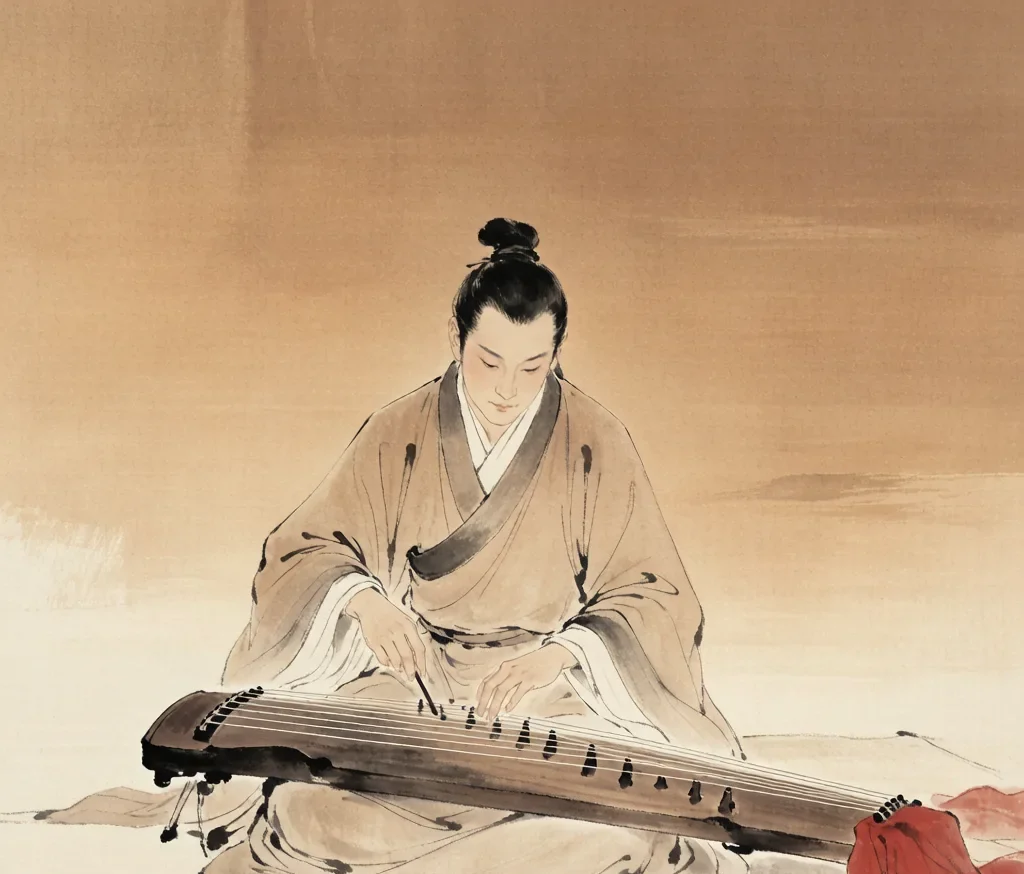
The Zhu: The Ancient Zither Played with a Stick
The zhù (筑) was an ancient long zither struck with a slender stick — the instrument played by the assassin Gao Jianli for the First Emperor.
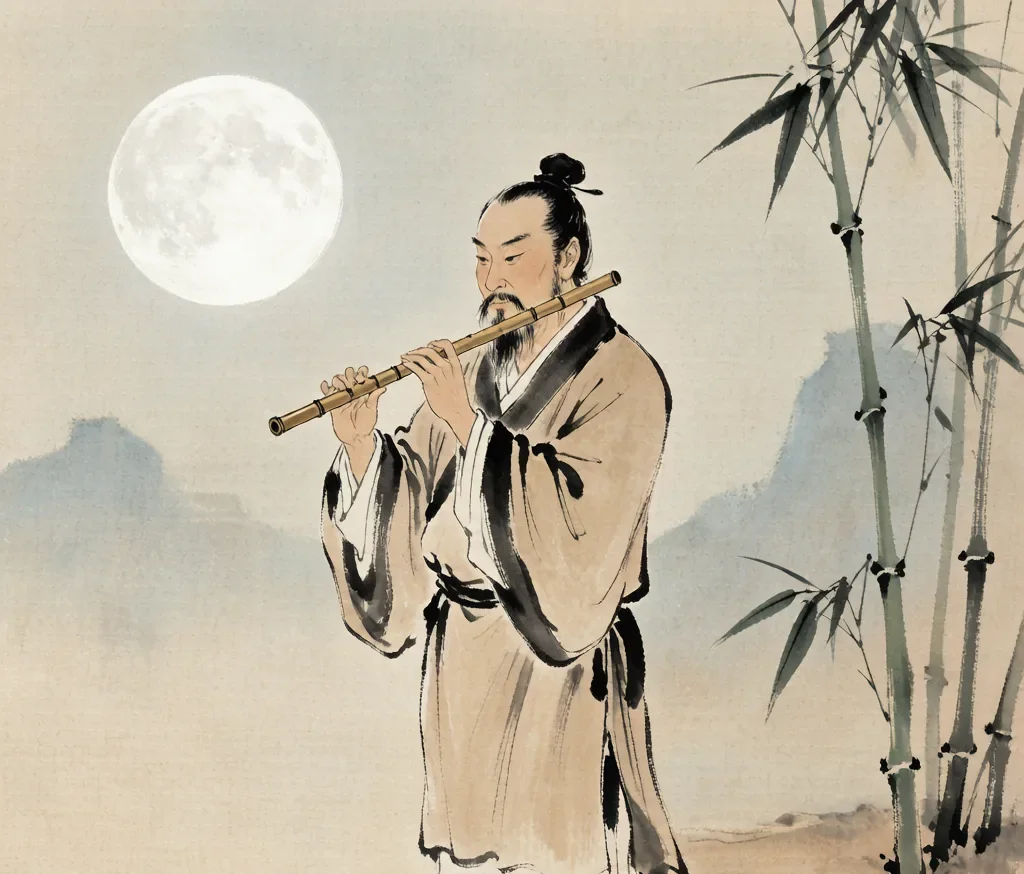
The Vertical Bamboo Flute: The Quiet Voice of the Night
The zhúxiāo (箫) is the vertical bamboo flute of the scholar — breathy, intimate, and the instrument of moonlit solitude in poetry.