Buddhism in China
45 articles — The Middle Path as it took root in China.

Buddhism in China: The Middle Path Eastward
Two thousand years ago, a teaching born beneath the bodhi tree in India began a slow eastward migration across mountains and deserts, arriving in China not as a conquering army but as a whisper carried by merchants, monks, and translators. What happened next was one of history's great acts of cultural translation: a foreign faith was debated, domesticated, and finally so thoroughly woven into Chinese life that it became impossible to imagine Chinese art, language, or philosophy without it.
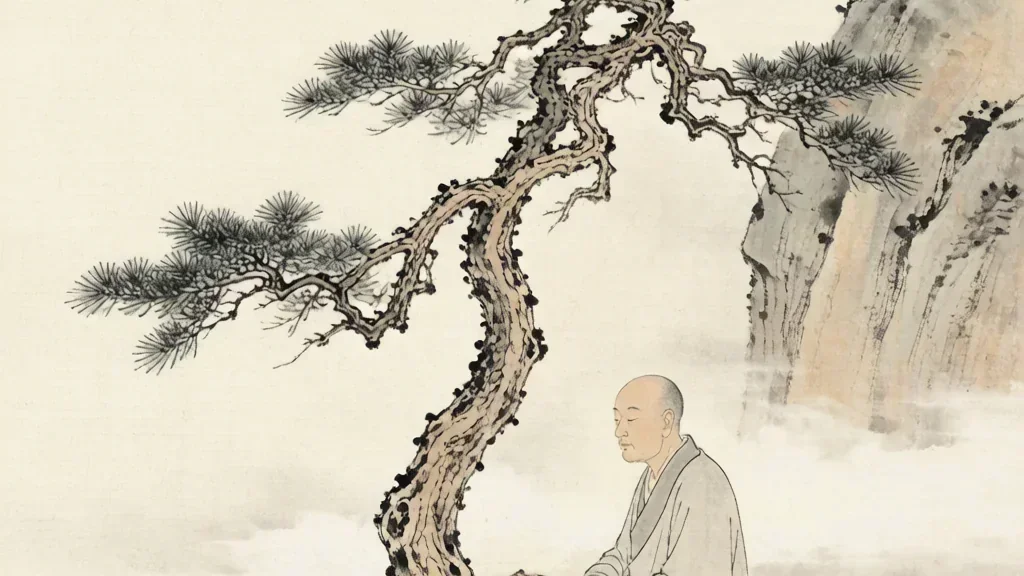
Chan Buddhism (禅宗): The Meditation School
Of all the schools Buddhism spun off on Chinese soil, none became more famous in the modern world than Chan (禅宗) — the tradition the Japanese would later call Zen, and the West would come to associate with raked gravel, sudden laughter, and ink brushstrokes. Yet Chan began as something far grimmer and more disciplined: a refusal to trust words, a conviction that awakening could not be read but only realized.

Dunhuang and the Mogao Caves: A Thousand Buddhas
Out in the Gobi, where the singing sand dunes of Mingsha (鸣沙山) meet a thread of spring-fed green, a caravan town once stood at the crossroads of the world. Dunhuang (敦煌) was the place where the Silk Road's northern and southern loops around the Taklamakan Desert came back together before the long road turned east into China.
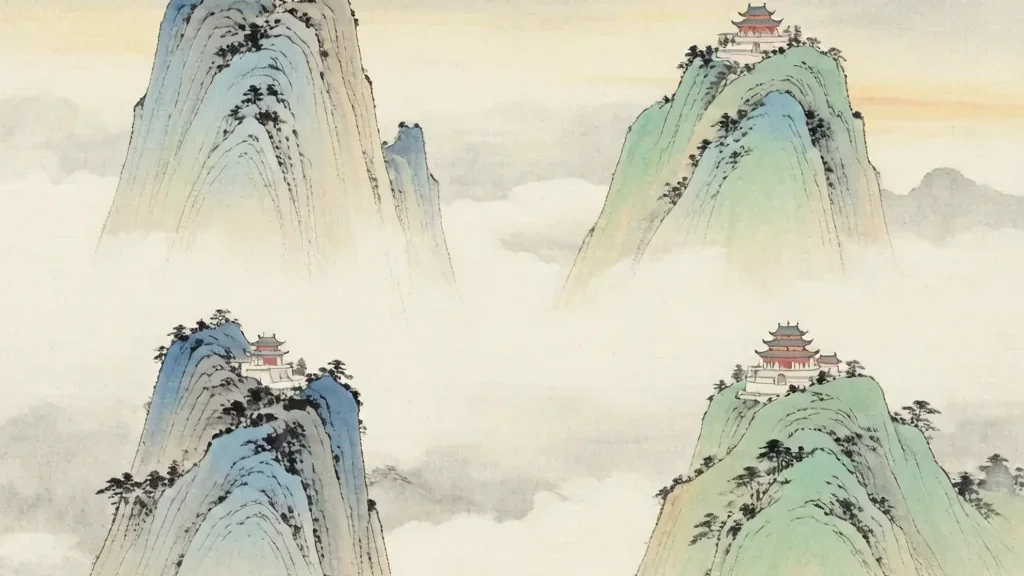
The Four Sacred Buddhist Mountains of China
Long before mass tourism, Chinese pilgrims laced up straw sandals and set out on foot toward four specific peaks scattered across the map — a cold northern terrace in Shanxi, a green summit in Sichuan, a craggy crag in Anhui, and a sea island off the Zhejiang coast. Each mountain was believed to be the earthly dwelling of one of the great bodhisattvas (菩萨, púsà), enlightened beings who postpone their own final liberation to help others.

Guanyin (观音): The Bodhisattva of Compassion
Walk into almost any Chinese household altar, seaside temple, or roadside shrine and you will meet the same calm figure: a slender woman in white, a willow sprig in one hand and a vase of pure water in the other. She is Guanyin (观音), the Bodhisattva of Compassion, and she may be the most loved deity in all of Chinese religion.
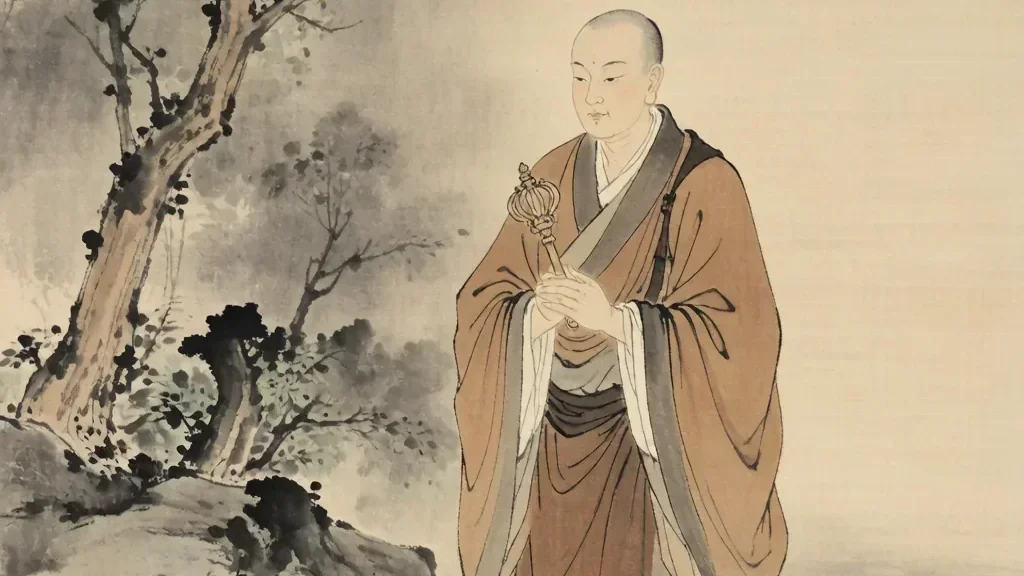
Amoghavajra: The Esoteric Master of the Tang Court
From a remote monastery in Sri Lanka to the innermost chambers of the Tang imperial palace, the life of Amoghavajra reads like a Silk Road adventure story — except that every step was driven by an unshakeable conviction that the secret, ritual methods of Esoteric Buddhism could protect an empire, heal its emperors, and reveal the cosmic truth hidden beneath ordinary reality. Amoghavajra (不空, bù kōng) was not just a monk; he was a diplomat, a miracle-worker, a translator, and arguably the most politically powerful Buddhist monk in Chinese history.
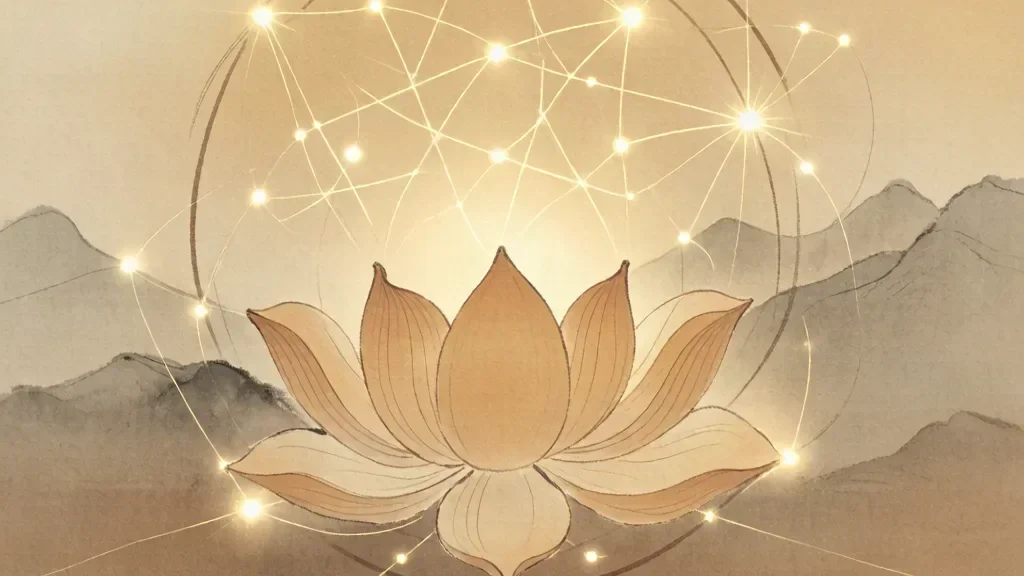
The Avatamsaka Sutra: The Cosmos Interwoven
If the Heart Sutra is a single drop of wisdom and the Lotus Sutra is a flowering tree, the Avatamsaka Sutra is an entire universe — a vision of reality so vast, so intricate, and so endlessly interconnected that reading it is less an act of study than an act of cosmic travel. The Avatamsaka Sutra (华严经, huá yán jīng), or Flower Garland Sutra, presents a universe in which every atom contains all other atoms, every being reflects every other being, and the entirety of existence is a single, radiant web of awakening. This text gave rise to the Huayan school, one of the most philosophically sophisticated traditions in Chinese Buddhism.
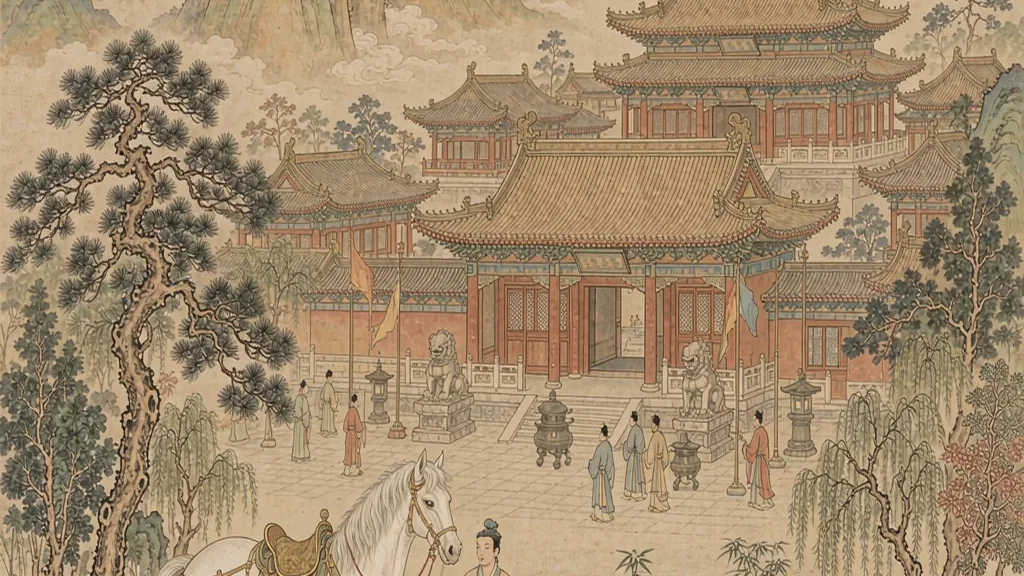
The White Horse Temple: Where Buddhism First Took Root
On the outskirts of the ancient city of Luoyang, a temple complex with white stone horses standing guard at its entrance marks the birthplace of Chinese Buddhism. The White Horse Temple (白马寺, bái mǎ sì), founded in 68 CE during the Eastern Han dynasty, was the first Buddhist temple ever built on Chinese soil. Its founding story, blending history and legend, encapsulates the dramatic encounter between Indian Buddhism and Chinese civilization that would transform both traditions.
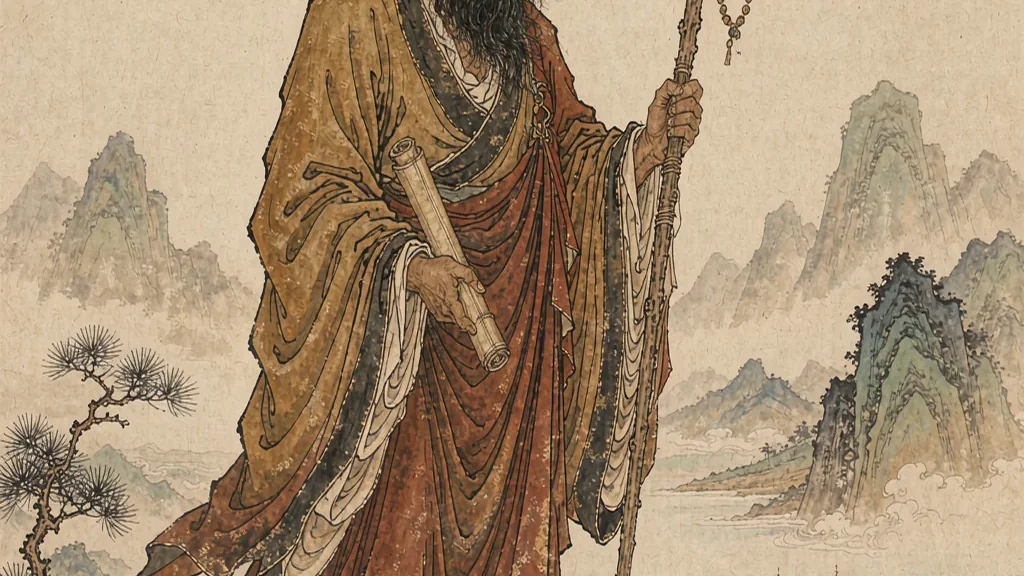
Bodhidharma: The Bearded Barbarian Who Brought Chan to China
Chinese Buddhist history is filled with gentle scholars and meticulous translators, but the man who supposedly founded Chan Buddhism was none of these — he was a fierce, bearded foreigner who refused to flatter emperors, crossed the Yangtze River on a single reed, and spent nine years staring at a cave wall until his legs fell off. Whether fact or legend, Bodhidharma (菩提达摩, pú tí dá mó) remains the most iconic figure in Chan Buddhism, a symbol of relentless determination and uncompromising directness who seems to have stepped out of a martial arts novel rather than a monastery.
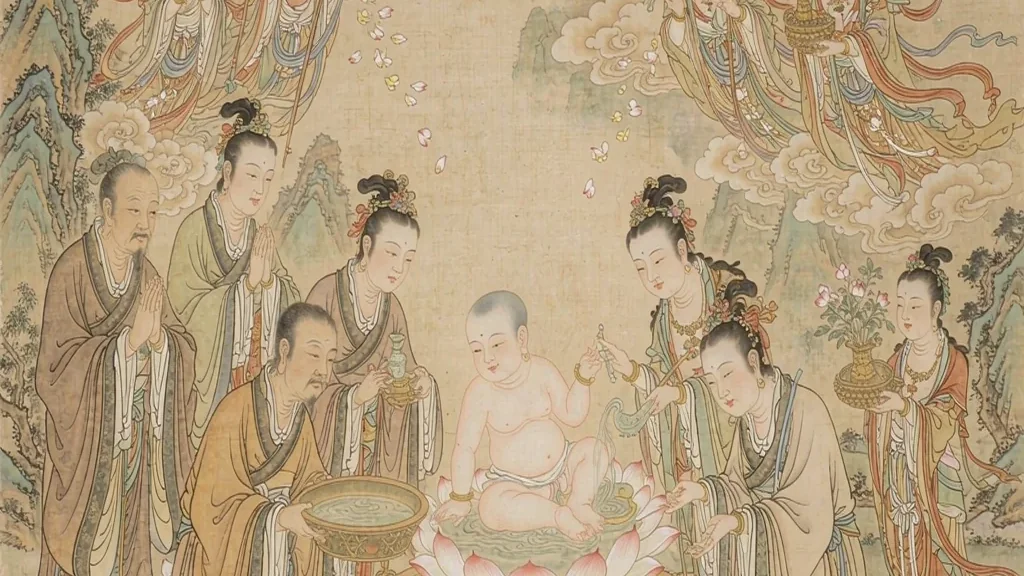
Buddha's Birthday: Bathing the Infant Prince
The observance of th fourth lunar month, across China, temple courtyards fill with the scent of sandalwood and the sound of chanting as Buddhists gather to celebrate the birth of Prince Siddhartha Gautama — the future Buddha who would awaken to the nature of reality and set the wheel of Dharma turning. The Buddha's Birthday (佛诞节, fó dàn jié), also known as the Bathing Buddha Festival, is the most joyous occasion in the Chinese Buddhist calendar, a celebration that combines solemn ritual with communal festivity.
Buddhist Chanting: The Music of Devotion
Step into a Chinese Buddhist temple during morning service, and the first thing you will notice is the sound — a layered tapestry of voices, bells, wooden fish, and gongs that fills the hall with a resonance that seems to bypass the ears entirely and vibrate directly in the chest. Buddhist chanting (梵呗, fàn bài) is one of the oldest continuously performed musical traditions in the world, a sonic art that has shaped Chinese music, literature, and spiritual practice for nearly two millennia. To understand Chinese Buddhism is to hear it as much as to read it.
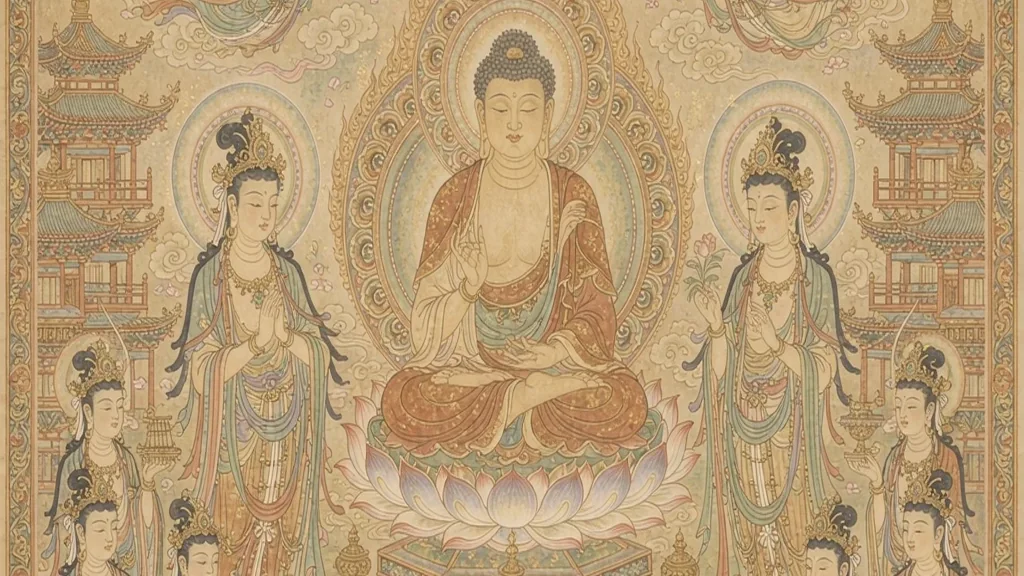
Buddhist Art: The Sacred Aesthetic of China
A Chinese Buddhist temple is not merely a place of worship — it is a total work of art, where architecture, sculpture, painting, and calligraphy converge to create an environment that is both aesthetically sublime and spiritually transformative. From the guardian kings who glare at the entrance to the serene Buddha who presides over the main hall, every element of the Buddhist temple is designed with a single purpose: to lead the visitor from the world of distraction into the presence of the sacred. Chinese Buddhist art is not art for art's sake; it is art as a vehicle of awakening, a visual Dharma that speaks directly to the heart.
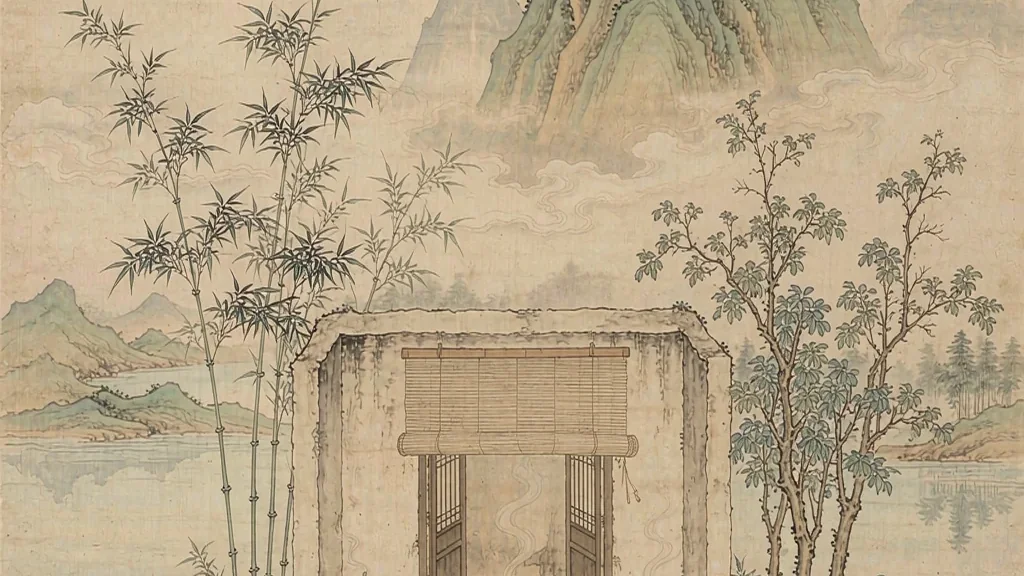
Chan Meditation: Sitting in Silent Illumination
Sit down. Cross your legs. Straighten your back. Place your hands in the cosmic mudra. And then do nothing — absolutely nothing — for the next forty minutes. This simple, maddeningly difficult instruction is the heart of Chan meditation (坐禅, zuò chán), a practice that has shaped the spiritual lives of East Asian Buddhists for over a millennium. Chan meditation does not involve visualization, mantra recitation, or breath counting — though all of these may appear as auxiliaries. At its core, it is a radical act of trust: the trust that the mind, when left entirely alone, will settle into its own natural clarity.
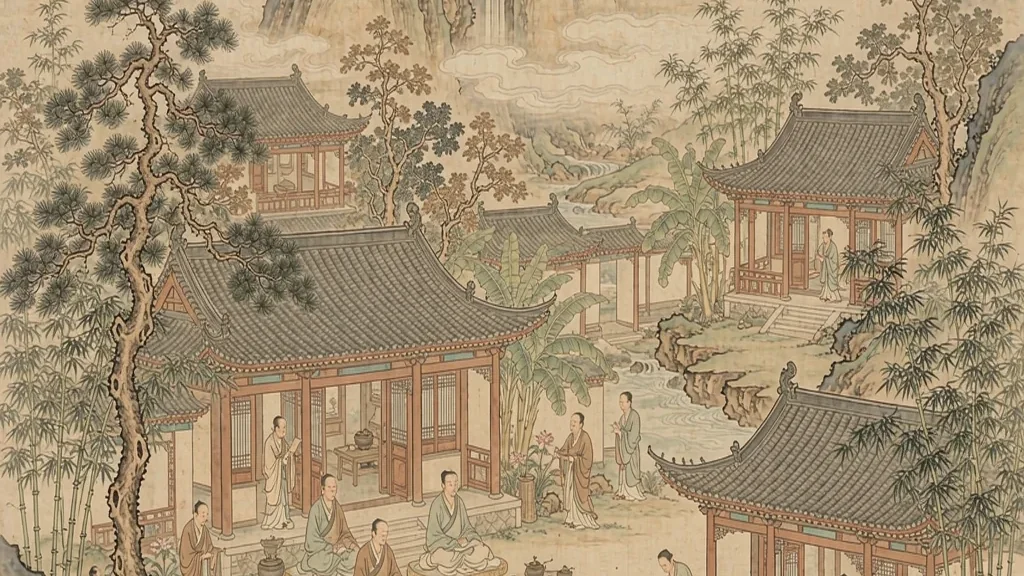
Monastic Life: The Forest of Chan
At 3:30 AM, while the cities of China are still dark and silent, a wooden board strikes three times in the meditation hall, and in disciplined response, a community of monks rises from their thin mats. The day of a Chinese Buddhist monastic begins not with breakfast or conversation but with cold water on the face and the first sitting of meditation. From this dark hour until the last bell at 9:00 PM, every moment of a monk's life is regulated by the monastic code, every action an opportunity for practice. Life in a Chan Buddhist monastery is not a retreat from reality but a systematic confrontation with it — a thousand small disciplines designed to wear away the ego and reveal the Buddha-nature within.
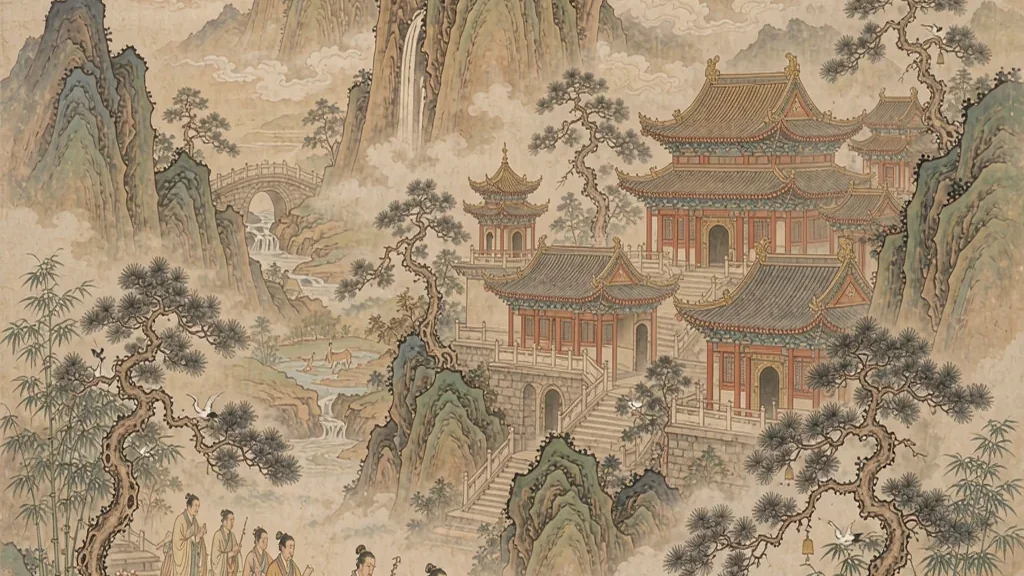
Chinese Buddhist Pilgrimage: Mountains of Devotion
For a Chinese Buddhist, the holiest ground is not found in a single place but scattered across the vast geography of the Middle Kingdom — four sacred mountains where the bodhisattvas have made their earthly abodes, ancient caves that hold the Buddha's relics, and monasteries perched on cliffs and peaks that seem to touch the heavens themselves. Chinese Buddhist pilgrimage (朝山, cháo shān) is a practice as old as Buddhism in China, combining the physical demands of long journeys with the spiritual aspiration to encounter the sacred. To walk the pilgrim's path is to enact the Buddhist journey from ignorance to awakening, one step at a time.
Buddhist Vegetarianism: Compassion on the Plate
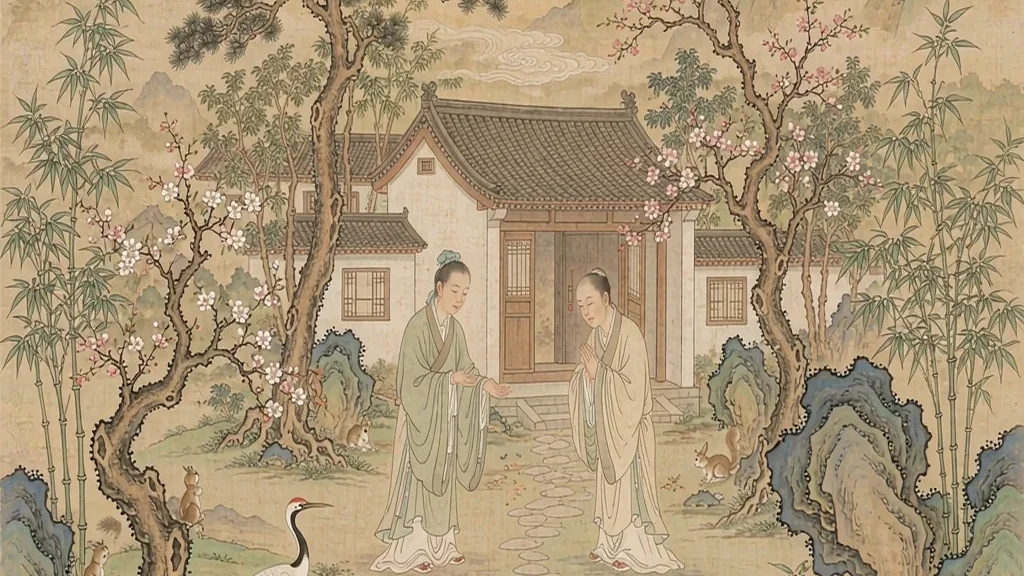
The clatter of woks in a Chinese Buddhist monastery kitchen signals more than the preparation of food — it announces a moral philosophy enacted three times daily, a commitment to non-harm that extends from the meditation cushion to the dining bowl. Buddhist vegetarianism (素食, sù shí) in China is not merely a dietary preference but a comprehensive ethical practice rooted in the first Buddhist precept: not killing. For over a millennium, Chinese Buddhists have transformed the simple act of eating into a vehicle for compassion, self-discipline, and spiritual progress.
Tea and Zen: The Taste of Enlightenment
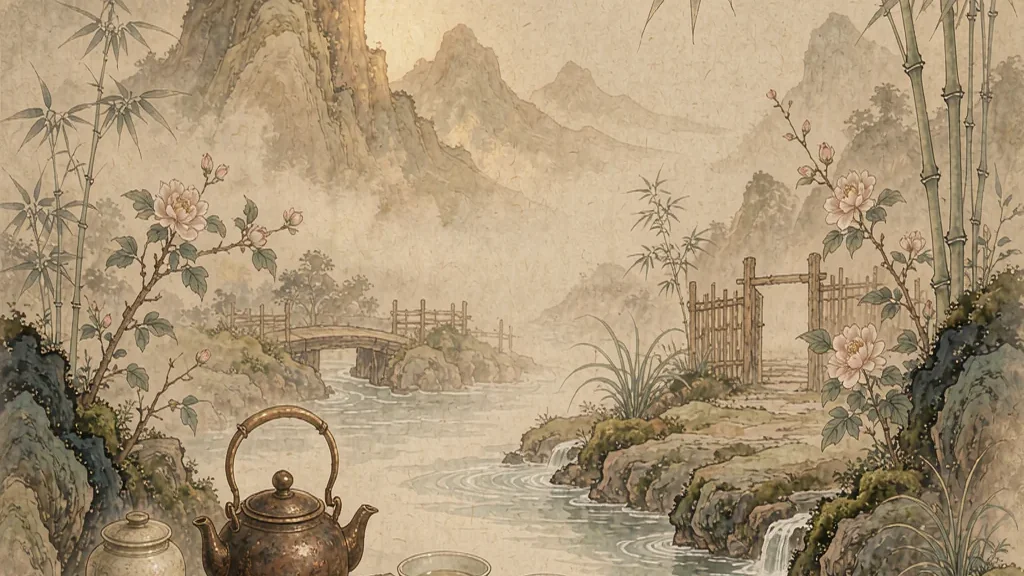
In a Chan monastery, the most ordinary act — that is, the act of drinking tea — is transformed into a ritual of awakening, a direct expression of the mind of the Buddha. The connection between tea and Chan Buddhism is so intimate that generations of Chinese scholars and monks have considered them two sides of the same coin: tea is Chan in liquid form, and Chan is the taste of tea. From the Tang dynasty to the present day, the tea ceremony has served as a vehicle for meditation, a medium for teaching, and a metaphor for the awakened life itself.
Chan Buddhism: The Sudden School of Enlightenment
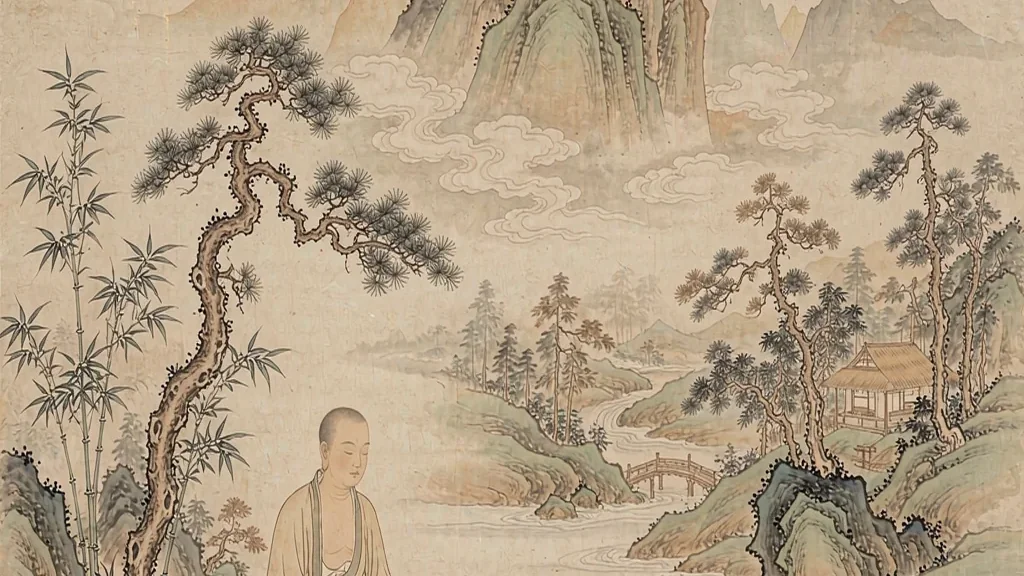
Tang dynasty China bristled with monastic scholarship, yet one school declared that the entire Buddhist canon was a finger pointing at the moon — and that the moon itself was already inside you. Chan Buddhism (禅宗, chán zōng), which would later flourish as Zen in Japan, broke from every contemporary tradition by insisting that enlightenment was not earned through centuries of textual study or ritual repetition, but could flash into being in a single, unguarded moment. This radical claim reshaped Chinese Buddhism and produced some of the most iconoclastic teachers, paradoxical koans, and austere ink paintings in Asian history. Understanding Chan means entering a world where the master might answer your deepest question with a shout, a slap, or a cup of tea.
Chengguan: The Great Commentator of the Avatamsaka
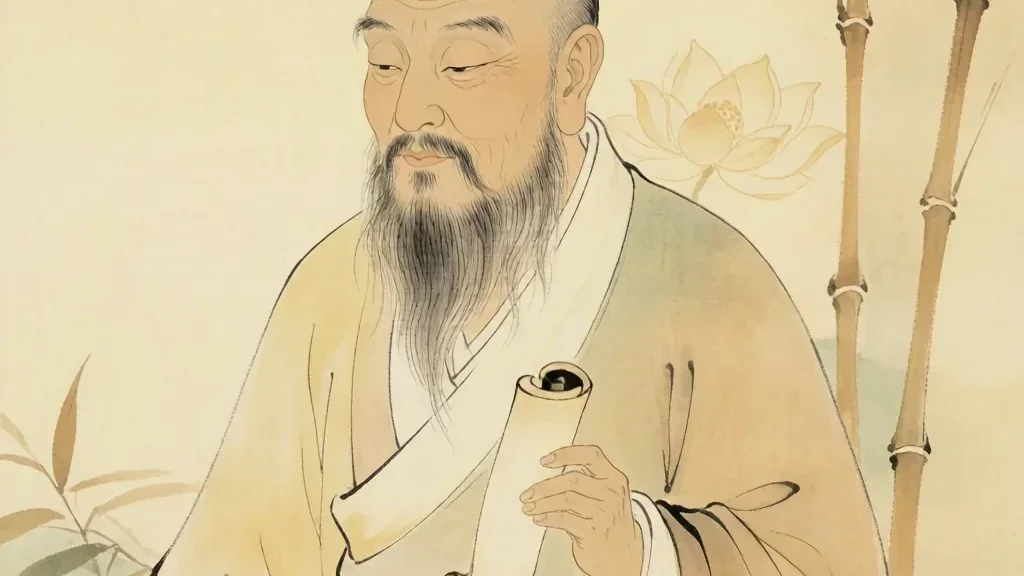
If Fazang was the architect of Huayan philosophy, Chengguan was its master builder — the commentator who took the system Fazang had outlined and expanded it into a cathedral of thought, brick by logical brick. Chengguan (澄观, chéng guān) lived to be over one hundred years old, served seven Tang emperors, and produced the most detailed and authoritative commentary ever written on the Avatamsaka Sutra. His life spanned almost the entire ninth century, and he witnessed both the glory of Tang Buddhism and the first tremors of the persecution that would nearly destroy it.
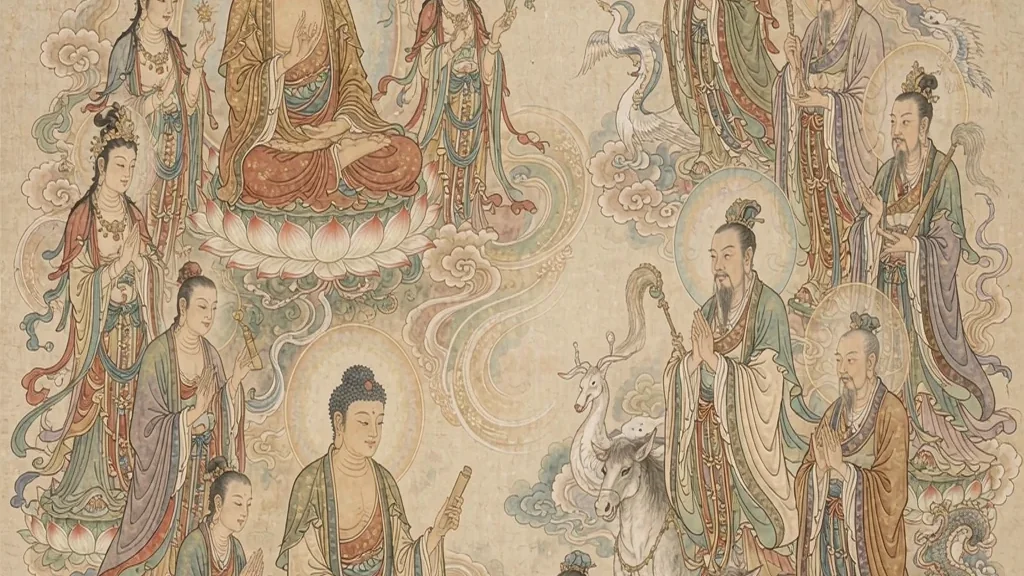
Buddhism, Daoism, and Confucianism: The Three Teachings
Chinese civilization has a unique distinction in world religious history: for over a millennium, three radically different systems of thought — Buddhism, Daoism, and Confucianism — have coexisted, competed, and ultimately interpenetrated within a single cultural sphere. The relationship among the "Three Teachings" (三教, sān jiào) is not one of simple harmony but of dynamic tension: periods of fierce conflict and persecution alternating with periods of creative synthesis and mutual enrichment. Understanding this triangular relationship is essential to understanding Chinese Buddhism, for the tradition was shaped as much by its rivals as by its own internal dynamics.

The Diamond Sutra: Cut Through Illusion
"So you see, Subhuti, all conditioned phenomena are like a dream, a fantasy, a bubble, a shadow, like a dew drop or a flash of lightning — thus you should contemplate them." These words, spoken by the Buddha in the Diamond Sutra, encapsulate a radical vision of reality that has shaped East Asian Buddhism for nearly two millennia. The Diamond Sutra (金刚经, jīn gāng jīng) takes its name from the cutting power of a diamond — the sharpest blade, symbolizing the wisdom that slices through all illusion. It is one of the most important texts in the entire Mahayana Buddhist canon.

Emperor Wu of Liang: The Buddhist Emperor Who Ate His Empire's Sins
Some Chinese emperors supported Buddhism as a matter of policy. One emperor, however, lived it so completely that he gave up meat, sex, and his own royal dignity, building temples with the frenzy of a man trying to outrun his karma. Emperor Wu of Liang (梁武帝, liáng wǔ dì), also known as Liang Wudi, was the most personally devout Buddhist ruler in Chinese history — a monarch who tried to renounce his throne three times, who banned animal sacrifice throughout his kingdom, and who forced his court to follow vegetarianism. Yet his reign ended in rebellion, starvation, and the destruction of his dynasty. His story is a cautionary tale about the limits of even the most sincere Buddhist practice.
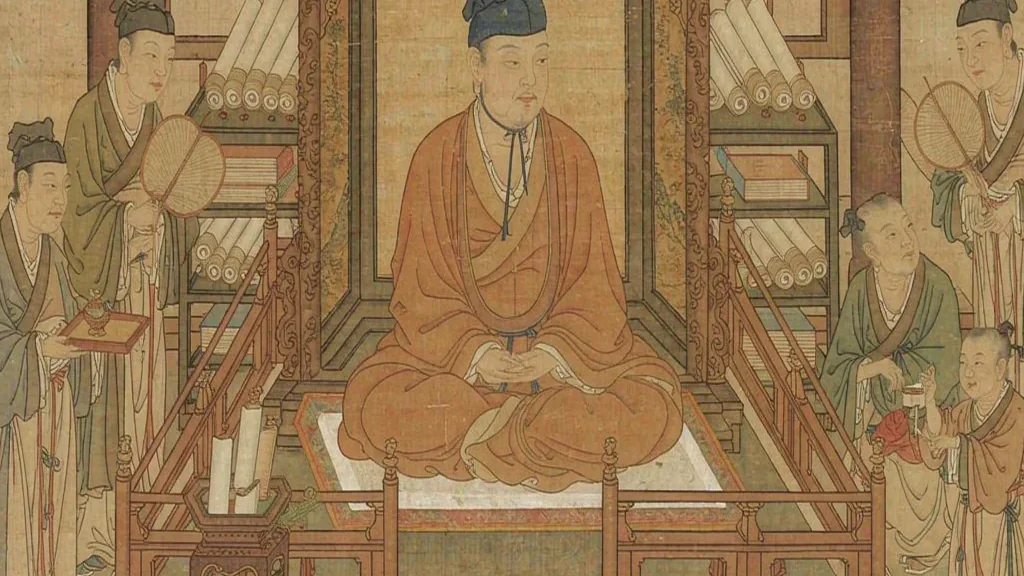
Fazang: The Systematizer of Huayan
When Empress Wu Zetian — the only woman to rule China in her own name — wanted to understand the Buddhist doctrine of interpenetration, she turned not to a Chan master or a sutra reciter but to a Sogdian monk from a Central Asian merchant family who had entered the monastery at a young age and would become the greatest philosopher of the Huayan tradition. Fazang (法藏, fǎ zàng) was not only a brilliant thinker but also a political survivor, a master of metaphor, and a teacher so effective that he once demonstrated the interpenetration of all phenomena using a hall of mirrors and a golden lion.
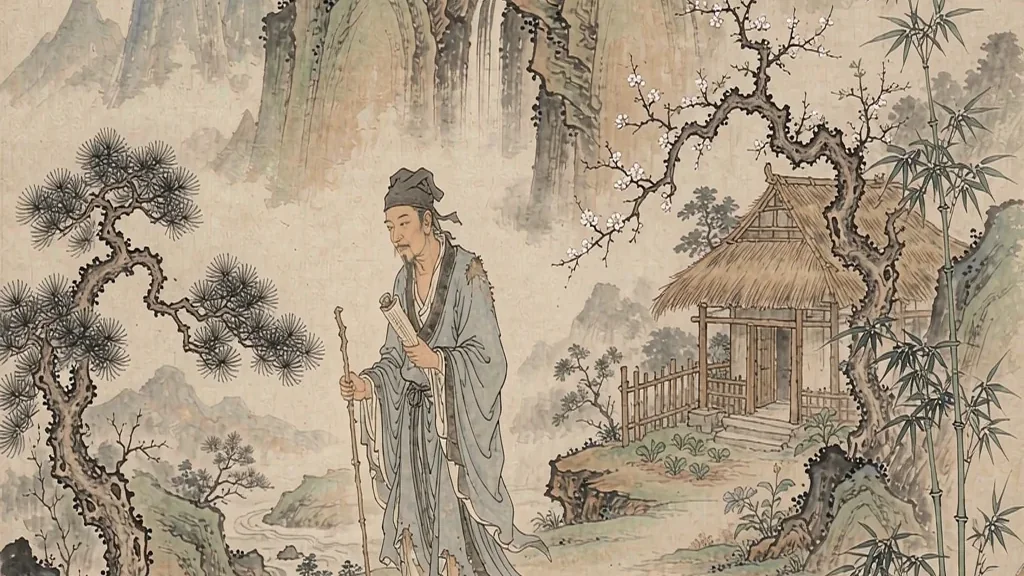
Hanshan: The Hermit Poet of Cold Mountain
To walk through a Chinese bookstore and pick up a volume of classical poetry, you expect the serious elegance of Du Fu, the wine-soaked brilliance of Li Bai, or the refined melancholy of Wang Wei. But tucked among these giants is a voice like no other: rough, unpolished, coarse, and utterly unforgettable — the voice of a wild man who lived in a cave on Cold Mountain and wrote poems on rocks, trees, and temple walls. Hanshan (寒山, hán shān) — "Cold Mountain" — is one of the most beloved and most mysterious figures in Chinese literature, a Chan Buddhist hermit whose poems speak across fourteen centuries with startling freshness.
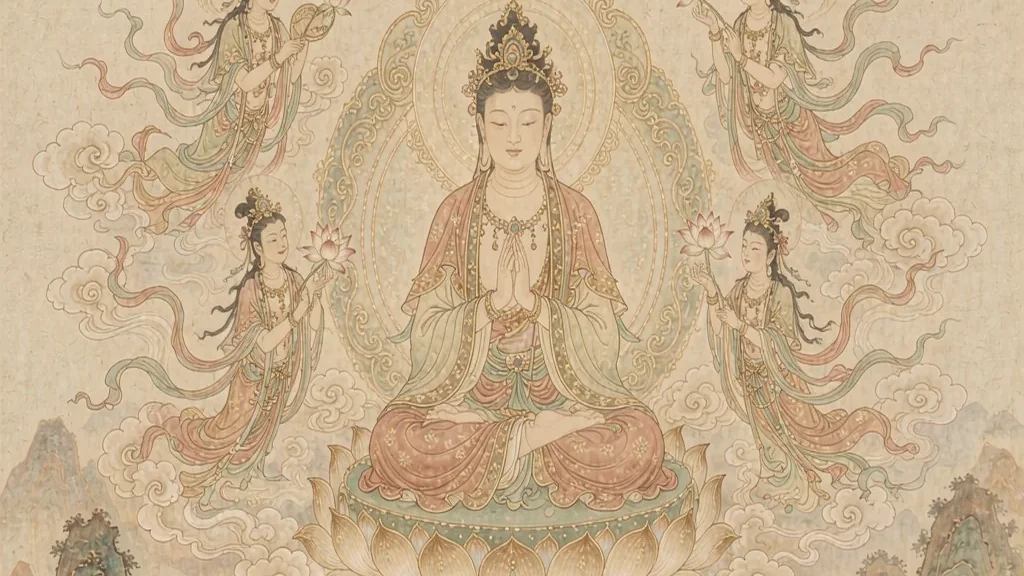
The Heart Sutra: Emptiness That Liberates
No Buddhist text in East Asia is chanted more frequently, copied more often, or memorized by more people than the Heart Sutra — a scripture so concise that its entire message fits on a single page, yet so profound that it has generated commentaries spanning thousands of volumes. The Heart Sutra (心经, xīn jīng) distills the essence of Mahayana Buddhist philosophy into a radical declaration: form is emptiness, emptiness is form. Understanding this short text is essential to understanding Chinese Buddhism itself.

Huayan: The Garland Sutra and Interpenetration
Imagine a net stretching infinitely in all directions, and at each knot of the net hangs a bright jewel. Every jewel reflects every other jewel, and each reflection contains the reflection of all the others, so that the entire net is present in each of its countless facets. This stunning image from the Avatamsaka Sutra is not merely a metaphor — it is the central doctrine of the Huayan school (华严宗, huá yán zōng), a tradition that built an entire philosophy of reality on the idea of total interpenetration. For Huayan thinkers, every particle of dust contains the entire universe, every moment contains all time, and the smallest atom radiates the light of all Buddhas.

Huike: The Disciple Who Cut Off His Arm for Truth
If you wanted to become a student of Bodhidharma, the fierce Indian monk who founded Chan Buddhism, you would need to be prepared for a test of sincerity far beyond anything expected in a modern interview process. According to tradition, the first test involved standing in a snowstorm, refusing to leave, and then — when the master still would not accept you — cutting off your own arm and offering it as proof of your determination. This is the story of Huike (慧可, huì kě), the second Chan patriarch, whose desperate act of devotion established the Chan tradition of radical sincerity and launched one of the great spiritual lineages of East Asia.

Jizang: The Dialectician of Emptiness
Every philosophical school needs its sharp-eyed critic, the thinker who can spot a concealed assumption from across the room and dismantle it with surgical precision. In Chinese Buddhism, that thinker was Jizang (吉藏, jí zàng), a monk of Central Asian descent whose razor-sharp dialectic cleared the intellectual ground for every school that came after him. Jizang was to Buddhist philosophy what a master fencer is to a crowd of brawlers: he did not merely defeat arguments — he showed that the arguments themselves were the problem.
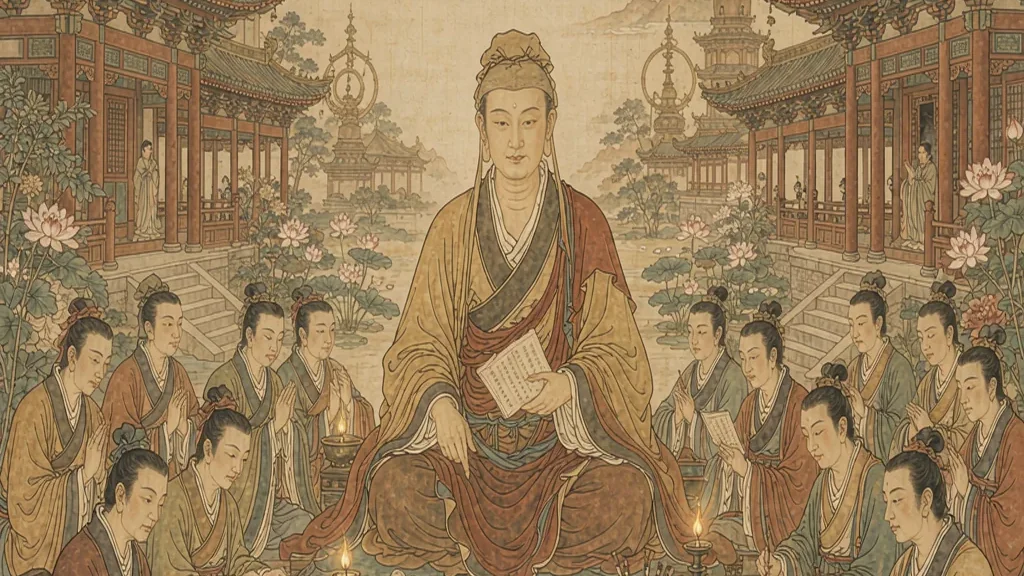
Kumarajiva: The Translator Who Shaped Chinese Buddhism
The Chinese Buddhist canon is unimaginable without him, yet he was kidnapped by two different armies, forced to abandon his monastic vows, and spent the last seventeen years of his life in a gilded cage, churning out translations that would determine the shape of East Asian Buddhism for centuries. Kumarajiva (鸠摩罗什, jiū mó luó shí), the great translator from the Silk Road kingdom of Kucha, is arguably the single most important figure in Chinese Buddhist history — not because he wrote original philosophy, but because he gave the Chinese people a language in which to think about enlightenment.
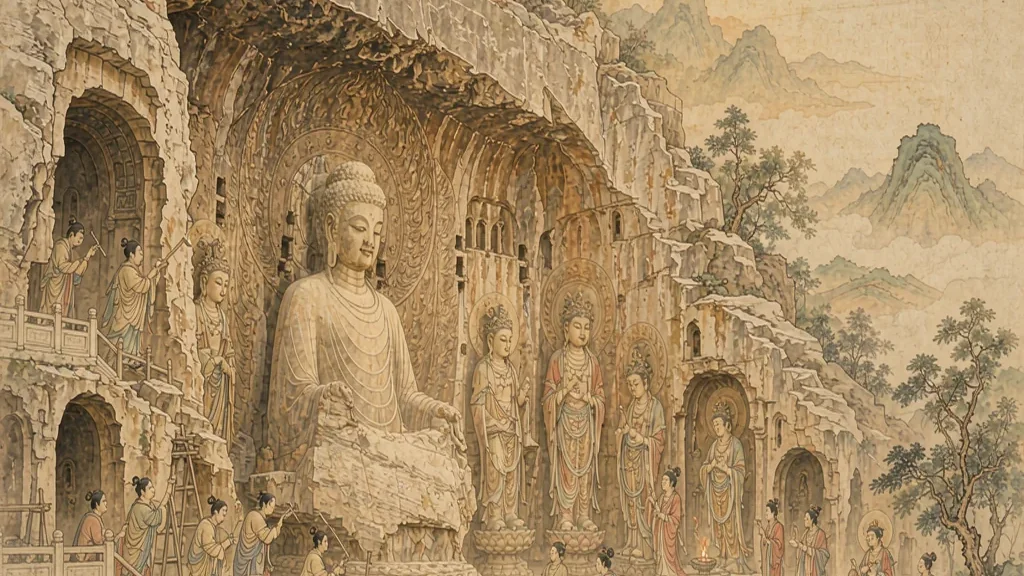
Longmen: Tang Dynasty Faith Carved into Limestone
The Yi River flows silently past the southern outskirts of Luoyang, and on its western bank, a limestone cliff face has been transformed into a gallery of Buddhist devotion that rivals any monument on earth. The Longmen Grottoes (龙门石窟, lóng mén shí kū), carved over four centuries from the Northern Wei to the Tang dynasty, represent Chinese Buddhist art at its most refined. Unlike the fierce, monumental Buddhas of Yungang, the Longmen statues embody grace, serenity, and the confident sophistication of the Tang empire at its height.
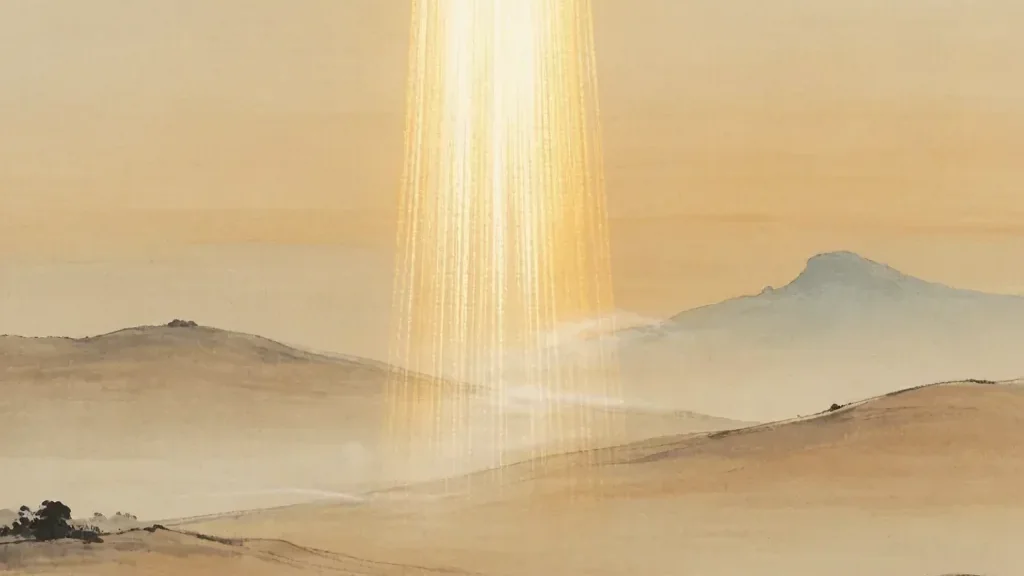
The Lotus Sutra: The One Buddha Vehicle
Imagine a scripture that opens with a beam of light so brilliant it illuminates eighteen thousand worlds, where the Buddha reveals that his entire lifetime of teaching has been a skillful deception, and where a dragon princess attains enlightenment in the space of a single moment. This is the Lotus Sutra (妙法莲华经, miào fǎ lián huā jīng), perhaps the most influential and certainly the most beloved text in East Asian Buddhism. Its message — that there is only one vehicle to enlightenment, that all beings are destined for Buddhahood, and that the Buddha's apparent death is but an expedient teaching — reshaped the Buddhist imagination of China, Japan, and Korea.
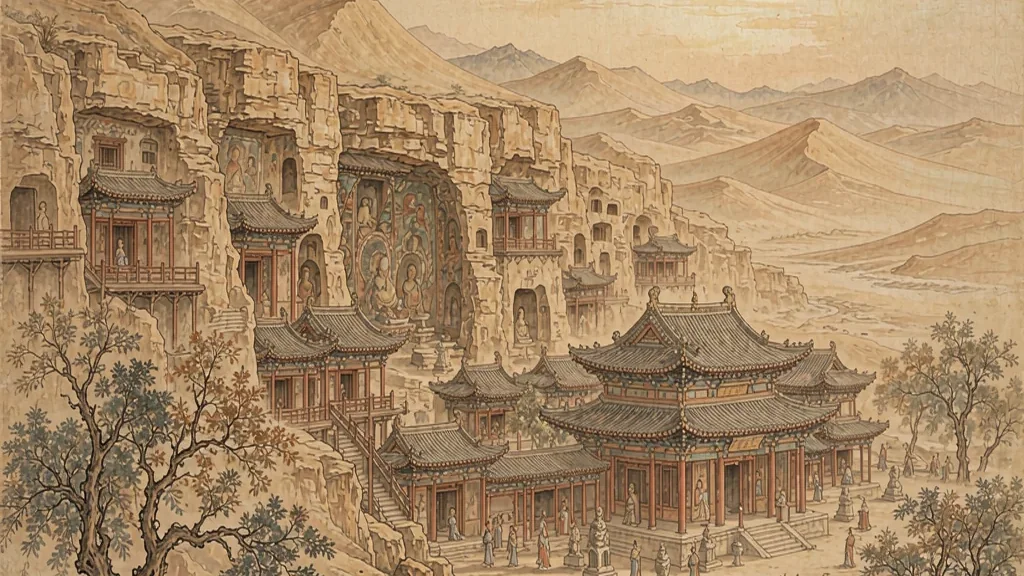
Mogao Caves: A Thousand Buddhas in the Desert
At the edge of the Gobi Desert, where the Silk Road once carried caravans laden with spices, silks, and scriptures, a cliff face honeycombed with hundreds of caves holds one of the greatest treasures of Buddhist civilization. The Mogao Caves (莫高窟, mò gāo kū), also known as the Thousand Buddha Grottoes, represent a millennium of continuous Buddhist artistic creation — a gallery of devotion that spans the Northern Wei through the Yuan dynasties. The story of Mogao is the story of Buddhism's journey across Asia, told in clay, pigment, and gold leaf.

Paramartha: The Wandering Translator of the South
History remembers Kumarajiva as the great translator of northern China, the master of the imperial translation bureau at Chang'an. But Chinese Buddhism had another translator of equal importance, one who worked in obscurity in the southern kingdoms, fleeing war and persecution, translating Yogacara texts that would not be fully appreciated for centuries. His name was Paramartha (真谛, zhēn dì), and his life was a story of relentless dedication against impossible odds — a scholar who never stopped translating even as the world around him collapsed into chaos.
Pure Land: The Gate of Easy Practice and Faith
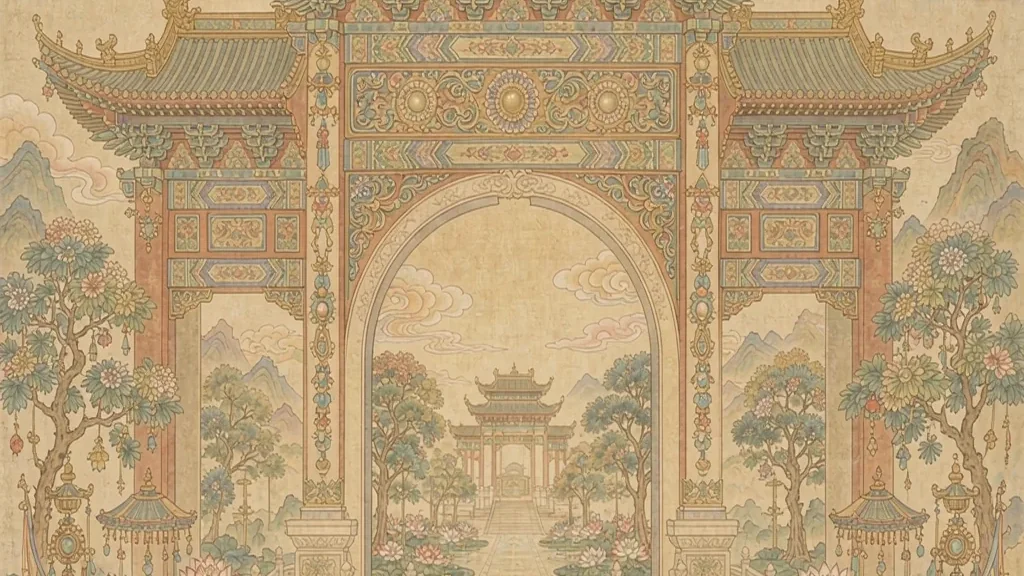
A fisherman with a criminal record, exhausted by a life of wrong choices, hears a wandering monk chant the name of Amitabha Buddha. He repeats it once, dies, and is reborn in a paradise of golden light where lotuses bloom in jeweled ponds and the air vibrates with dharma music. This is not a fairy tale but a foundational narrative of Pure Land Buddhism (净土宗, jìng tǔ zōng), a tradition that argued — against the entire monastic establishment — that ordinary people, mired in desire and ignorance, could achieve liberation not through their own efforts but through the compassionate power of a Buddha's vow.
Sanlun: The Middle Way School of Emptiness
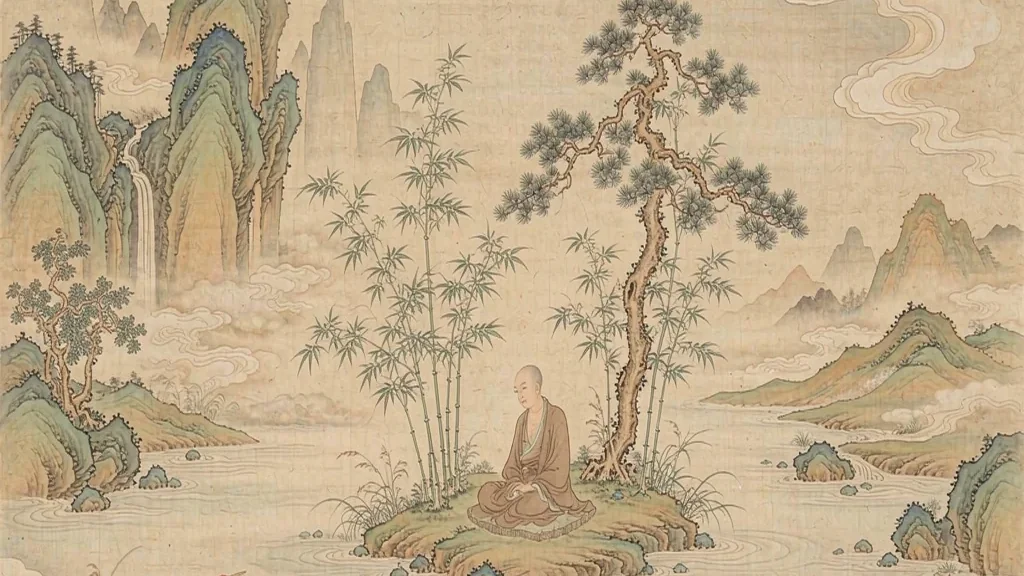
A Zen monk once said that the highest truth cannot be spoken — but if it cannot be spoken, how can a school of Buddhism be built around a set of texts that spend thousands of pages systematically demolishing every possible statement about reality? The Sanlun school (三论宗, sān lùn zōng), or the Three Treatises School, took up this challenge by making negation itself a method of liberation. Influenced by the Indian philosopher Nagarjuna, Sanlun argued that all views — including Buddhist views — must be deconstructed, and that true awakening lies not in adopting the right doctrine but in abandoning the very activity of holding doctrines.

Shaolin: Where Zen Meets the Martial Way
Nestled in the misty foothills of Mount Song in Henan Province, a monastery of gray stone walls and curved eaves has become the most famous Buddhist institution on earth — not for its philosophy, but for its fists. The Shaolin Temple (少林寺, shǎo lín sì) is where Buddhist meditation met martial discipline, producing a tradition that blends the pursuit of enlightenment with the art of combat. Understanding Shaolin means peeling back layers of legend, film fantasy, and national pride to find a real monastery where monks have indeed been practicing kung fu for over a millennium.
Esoteric Buddhism: The Tantric Way in Tang China
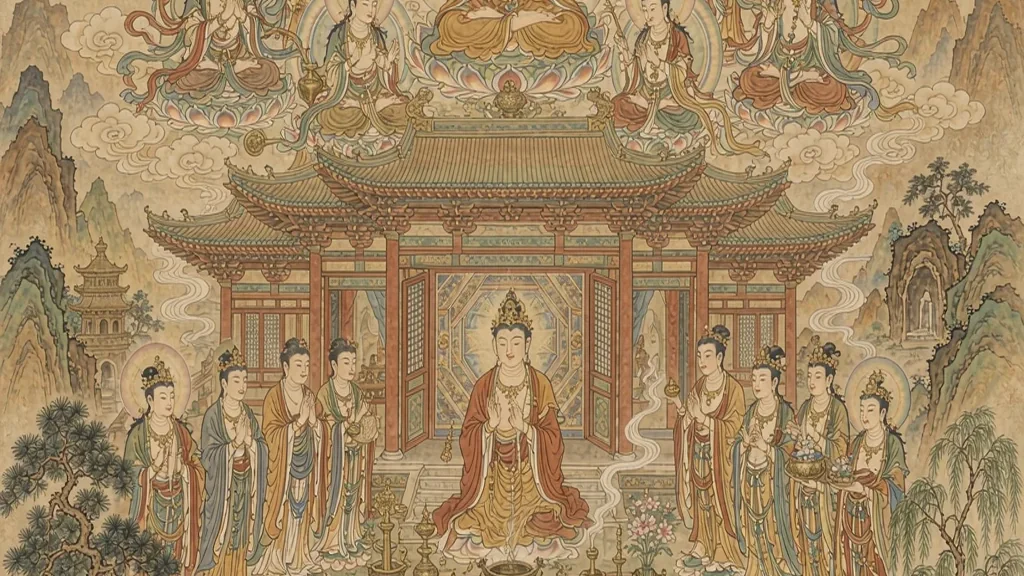
While most Chinese Buddhist schools insisted that enlightenment came through study, meditation, or faith, a thunderous alternative arrived from India bearing flaming rituals, cosmic Buddhas with multiple faces, hand gestures that bent reality, and a promise that liberation could come in a single lifetime — even in a single ritual session. This was Esoteric Buddhism (密宗, mì zōng), also known as Tantric or Vajrayana Buddhism, a tradition that swept through the Tang court, dazzled emperors, built pagodas filled with wrathful deities, and then faded so completely that later Chinese Buddhists barely remembered its grandeur.
Tiantai: The Lotus School of Perfect Harmony
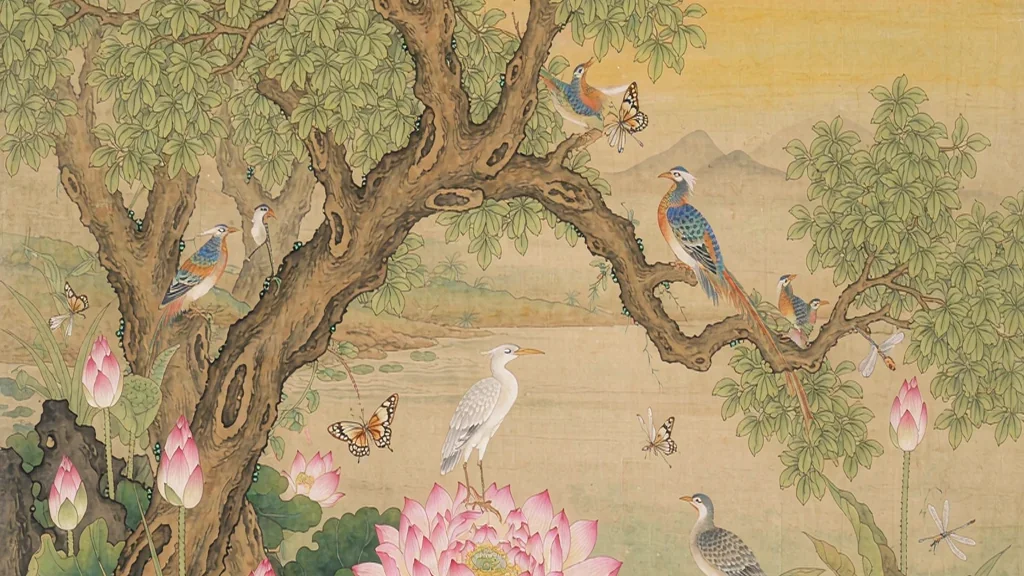
When the great translator Kumarajiva rendered the Lotus Sutra into Chinese in 406 CE, he could not have known that the text would inspire one of the most sophisticated philosophical systems ever produced in East Asia. The Tiantai school (天台宗, tiān tāi zōng) takes its name from Mount Tiantai in present-day Zhejiang Province, where the master Zhiyi (智顗) established a comprehensive doctrine that classified all Buddhist teachings into a single, harmonious hierarchy. Tiantai's central insight — that every moment of consciousness contains the entire universe, simultaneously empty and full — made it the first truly Chinese Buddhist school and set the stage for all later indigenous traditions.

The Ullambana Festival: Feeding Hungry Ghosts
When the seventh lunar month arrives in China, the veil between worlds grows thin. According to Buddhist tradition, the gates of the ghost realm open, and hungry spirits wander the earth in search of sustenance. For Chinese Buddhists, this month — particularly the fifteenth day, known as Ullambana (盂兰盆节, yú lán pén jié) — is a time of intense ritual activity dedicated to feeding the departed and liberating suffering beings. The Ullambana Festival is simultaneously a celebration of filial piety, a confrontation with death, and a demonstration of the transformative power of monastic virtue.
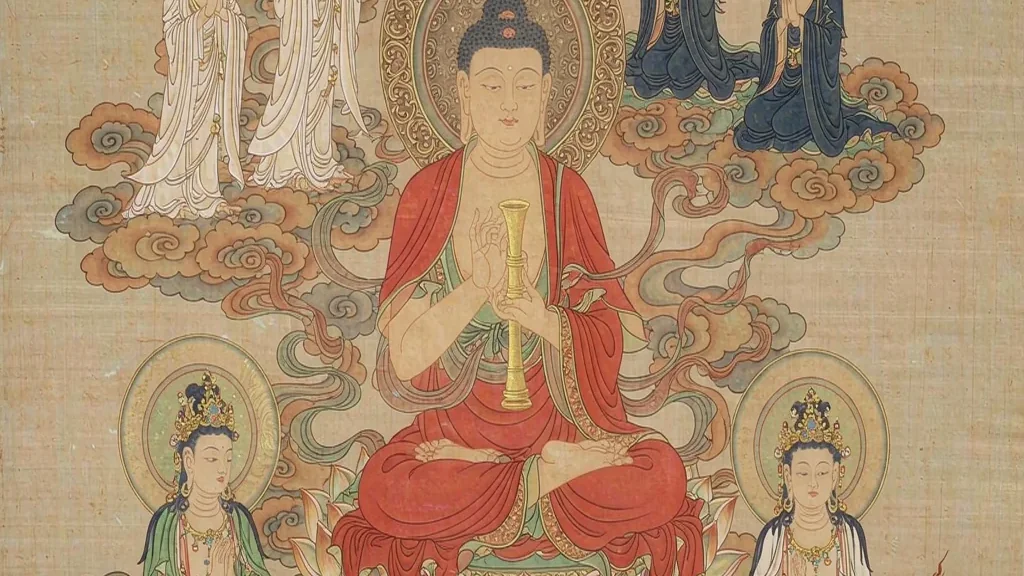
The Vinaya School: Discipline as the Path
Chinese Buddhism did not arrive in a vacuum — it arrived with a full code of monastic law, and from the very beginning, Chinese Buddhists argued about how to follow it. The Vinaya school (律宗, lǜ zōng) centered on the precise observation of the vinaya, the monastic disciplinary code attributed to the historical Buddha. While other schools debated philosophy and enlightenment, the Vinaya masters focused on the seemingly mundane details of ordination, robe-wearing, meal times, and confession — because they believed that liberation itself depended on getting the rules exactly right.
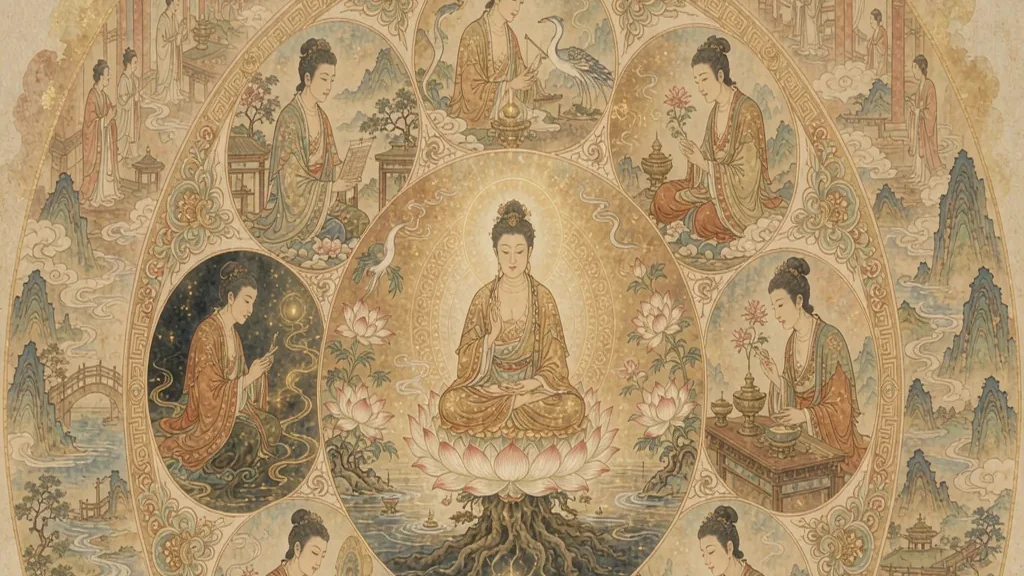
Weishi: The Consciousness-Only School of Yogacara
What if the entire world — mountains, rivers, stars, other people, even your own body — is nothing but a projection of your mind? This startling claim was not made by a science fiction writer but by the Weishi school (唯识宗, wéi shí zōng), also known as the Consciousness-Only or Yogacara school. Weishi developed a meticulous analysis of the mind that anticipated modern cognitive science by over a thousand years, mapping the architecture of consciousness into eight distinct levels and arguing that what we call "reality" is constructed entirely from mental impressions.

Yixing: The Astronomer-Monk Who Bridged Heavens and Earth
Most Chinese monks dedicated their lives to sutras and meditation, but one remarkable figure divided his time between the meditation cushion and the observatory, producing the most accurate calendar of the medieval world while simultaneously receiving esoteric Buddhist initiations from the greatest tantric masters of the age. Yixing (一行, yī xíng), also known as Yi Xing, was a Chan monk, an astronomer, a mathematician, an engineer, and an esoteric master — a man who saw no contradiction between charting the stars and contemplating the void, because for him, both were expressions of the same luminous dharma.
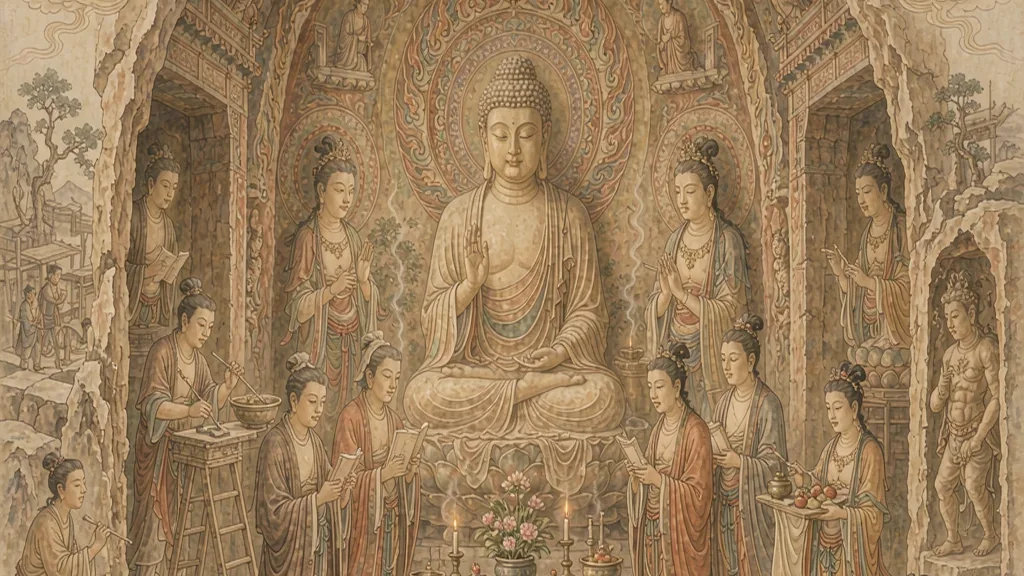
Yungang: The Northern Wei in Living Stone
The cliffs outside the ancient city of Datong bear the marks of an empire's faith, carved into sandstone with a devotion that borders on obsession. The Yungang Grottoes (云冈石窟, yún gāng shí kū) are the surviving testament of the Northern Wei dynasty (386–534 CE), a non-Chinese ruling house that adopted Buddhism as its state religion and then set about rendering that faith in monumental stone. Here, against all expectations of Chinese artistic tradition, colossal Buddhas stare out from the rock face with an intensity that has not dimmed in fifteen centuries.
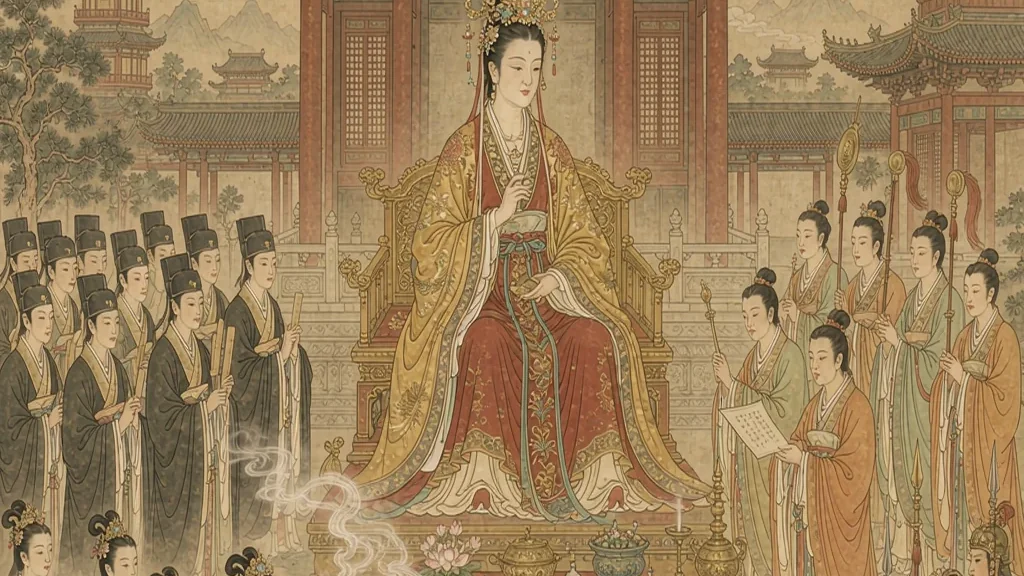
Empress Wu: Power, Patronage, and the Rise of Buddhism
For over half a century, a woman held the reins of the most powerful empire on earth, and her hand guided Buddhism from a tolerated faith into the commanding height of Chinese spiritual life. Empress Wu Zetian (武则天, 624–705 CE), the only female emperor in Chinese history, did not merely patronize Buddhism — she weaponized it, reformed it, and elevated it to a state ideology that would shape East Asian Buddhism for centuries. Her reign marked a turning point where religion, politics, and gender converged in a drama that still fascinates historians.
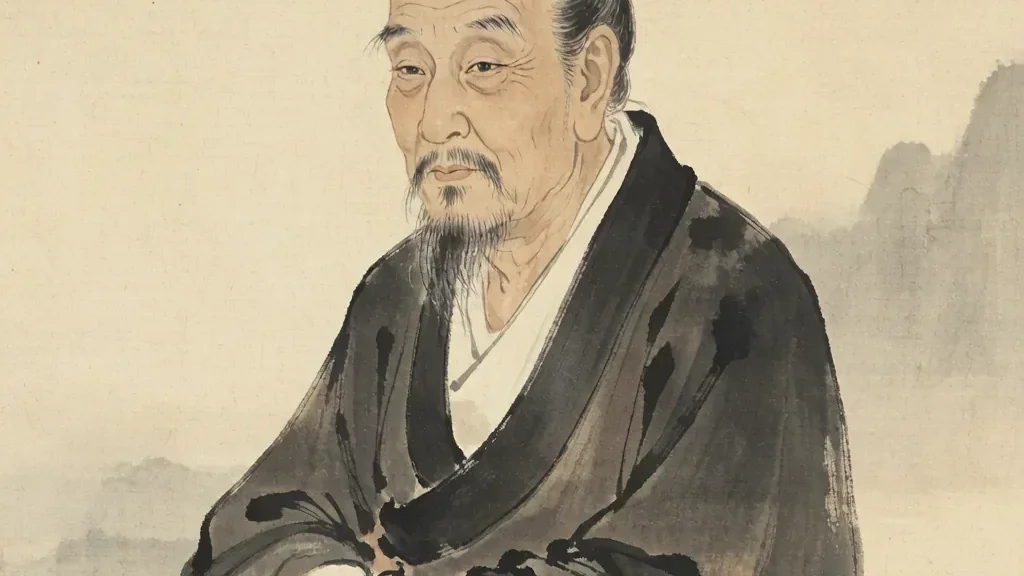
Zhiyi: The Founder of Tiantai Buddhist Philosophy
Among the founders of Chinese Buddhist schools, one man stands out not for his travels, his miracles, or his political influence, but for the sheer depth and systematic rigor of his philosophical vision. Zhiyi (智顗, zhì yǐ) never left China — he never made the pilgrimage to India that was the dream of every serious monk — yet he created the first genuinely Chinese system of Buddhist philosophy, a comprehensive synthesis of Indian doctrine and Chinese sensibility that would shape East Asian thought for over a millennium. He is the philosopher's philosopher of Chinese Buddhism.