🎊 Traditional Holidays
44 articles — Chinese festivals throughout the year
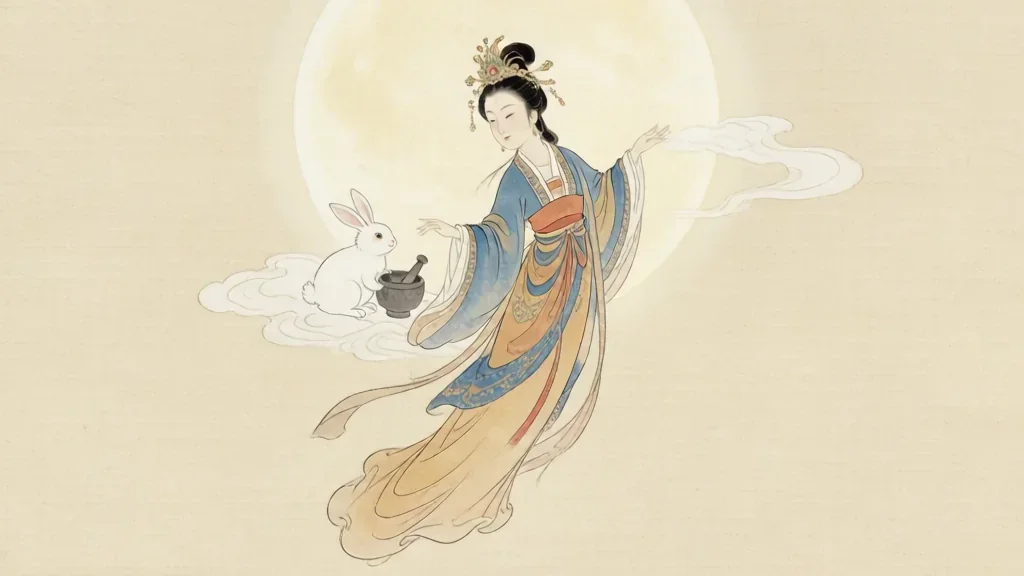
Chang'e and the Moon
On the 15th night of the eighth lunar month, when the moon hangs fullest and brightest in the autumn sky, families across China and East Asia gather outdoors. They set out tables covered with round fruits, pots of fragrant tea, and ornate boxes of mooncakes — dense, sweet pastries stamped with intricate patterns.
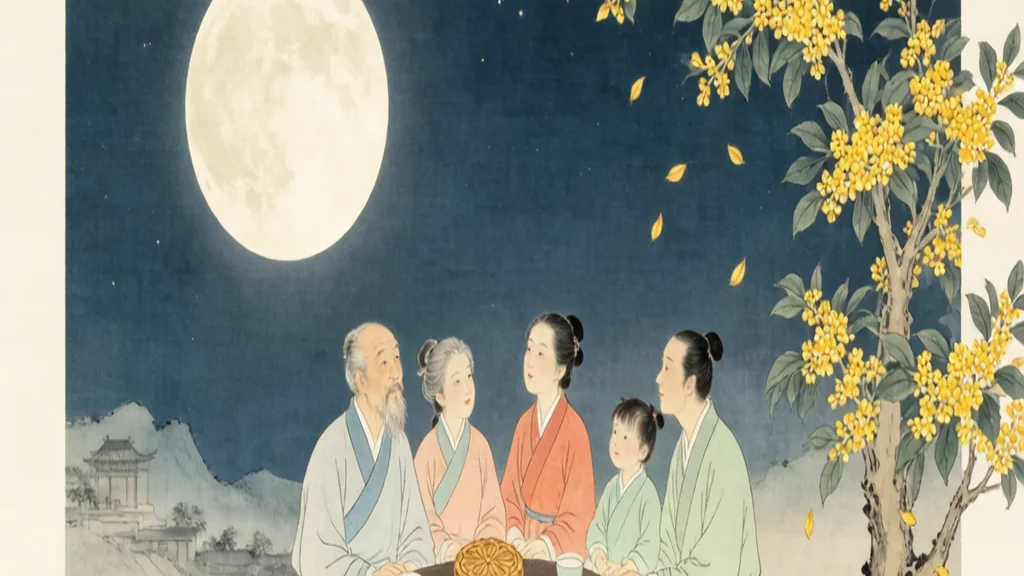
The Mid-Autumn Festival: Mooncakes, Moons, and Family Reunion
On the fifteenth night of the eighth lunar month, the moon hangs fullest and brightest. Families across China and East Asia gather for mooncakes, lanterns, and reunion under the silver light — the second most important festival of the Chinese year, and the night of the full moon itself.
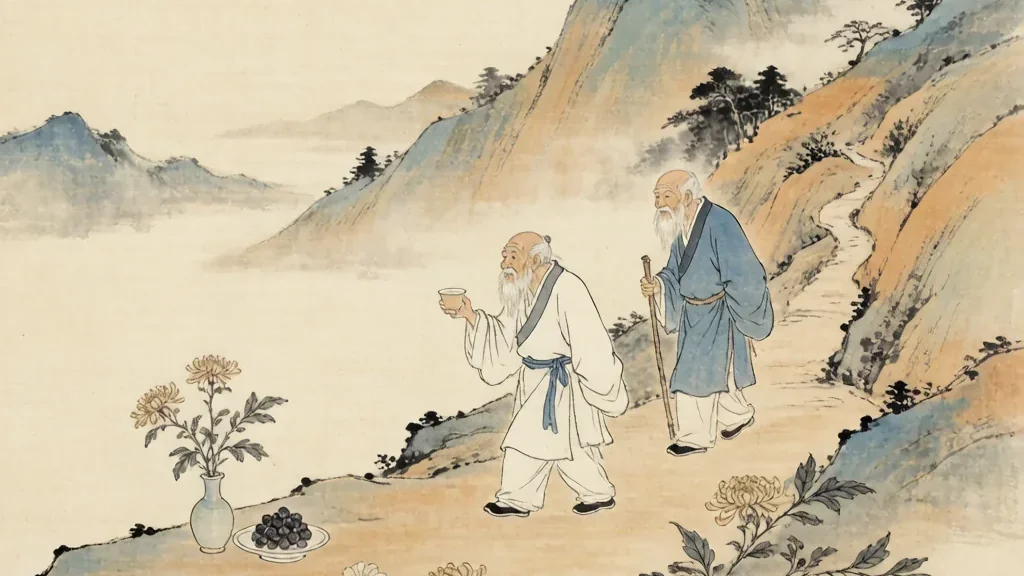
The Double Ninth Festival: Chongyang
On the ninth day of the ninth lunar month, when autumn paints the mountains in shades of amber and gold, millions of Chinese people climb to high places. They carry sprigs of dogwood (zhūyú), sip cups of chrysanthemum wine (júhuā jiǔ), and breathe the crisp mountain air.
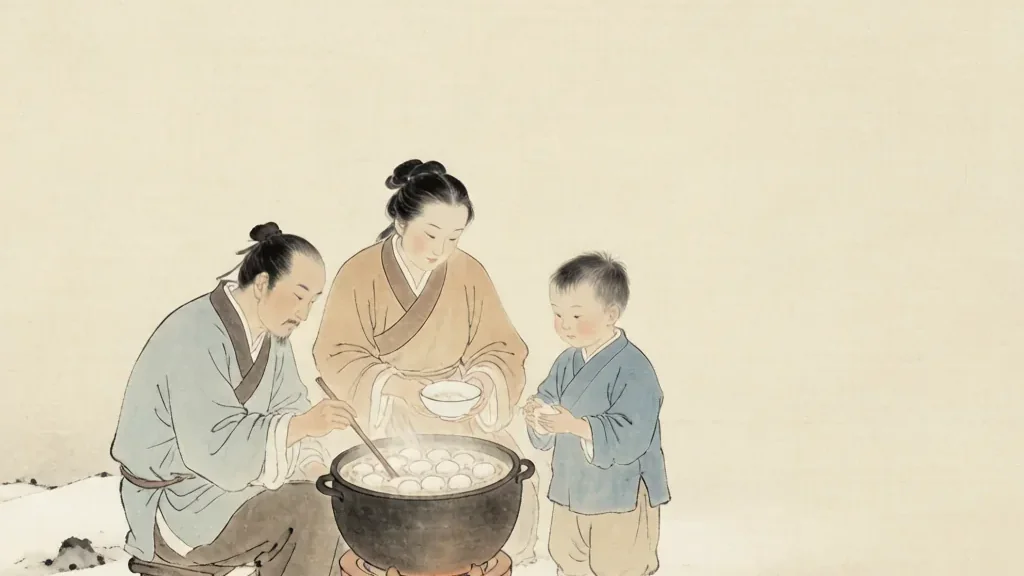
Dongzhi
On the longest night of the year, when the sun reaches its southernmost point and the shadows stretch their furthest across the land, Chinese families gather around steaming bowls of food to celebrate Dongzhi (冬至, Dōngzhì) — the Winter Solstice Festival. It is one of the oldest and most important festivals in the Chinese calendar, older than the Spring Festival itself, and it carries a message of extraordinary hope: from this moment on, the darkness begins to retreat, and the light returns.
The Dragon Boat Race
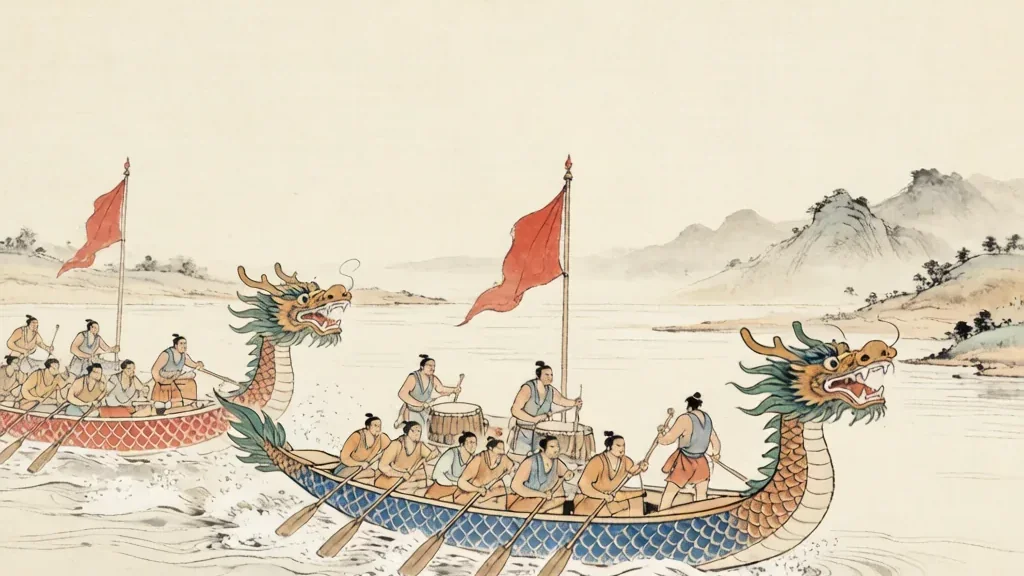
Every year, on the fifth day of the fifth lunar month, the waters of rivers and lakes across China and beyond come alive with the thunder of drums and the flash of painted scales. Long, narrow boats carved like dragons slice through the water, propelled by teams of paddlers moving in perfect unison.

Hanshi
Just before the sweeping of tombs at Qingming, there is a quieter, older festival — one built around an act of extraordinary loyalty and a tragedy born of the best of intentions. This is Hanshi (寒食节, Hánshí Jié), the "Cold Food Festival.

Huazhao
In the soft, damp days of early spring, when the plum blossoms have faded and the peach buds are just beginning to swell, the Chinese calendar once held a festival of pure, unalloyed beauty: Huazhao (花朝节, Huāzhāo Jié), the Flower Festival. It was, quite literally, the birthday of flowers — the day on which all blossoms were said to be born, and on which the goddess of flowers herself was honored.
The Laba Festival: Porridge and Gratitude
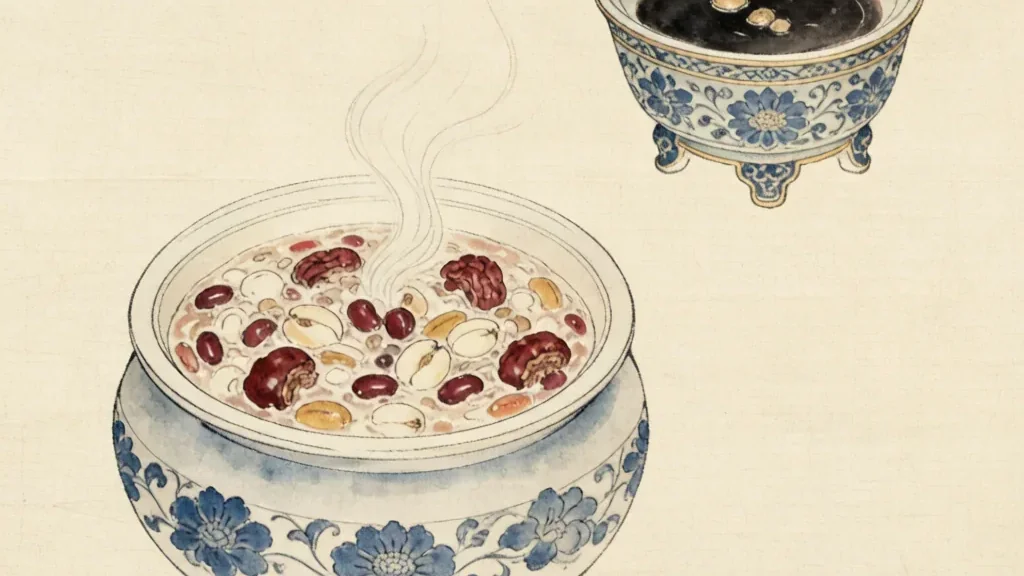
On the eighth day of the twelfth lunar month, as winter grips the land and the Chinese New Year approaches, the kitchens of China fill with the warm, nutty aroma of Laba congee (腊八粥, làbā zhōu). This thick, nourishing porridge — simmered from rice, millet, beans, nuts, dried fruits, and sometimes up to twenty or more ingredients — is the heart of Laba Festival (腊八节, Làbā Jié).

Longtaitou
On the second day of the second lunar month, something stirs beneath the earth. The dragon — that ancient, serpentine being who coils through Chinese mythology as the master of rain, rivers, and clouds — lifts its great head from its winter slumber and turns its gaze toward the sky.

Nian and the Chinese New Year
Every year, as winter begins to loosen its grip and the first hints of spring appear, over a billion people across China and the world gather with their families for the most important celebration in the Chinese calendar: Chinese New Year , or the Spring Festival. Streets glow with red lanterns, the air crackles with firecrackers, children receive crimson envelopes filled with money, and families feast on dumplings late into the night.
Qingming Festival: Honoring Ancestors
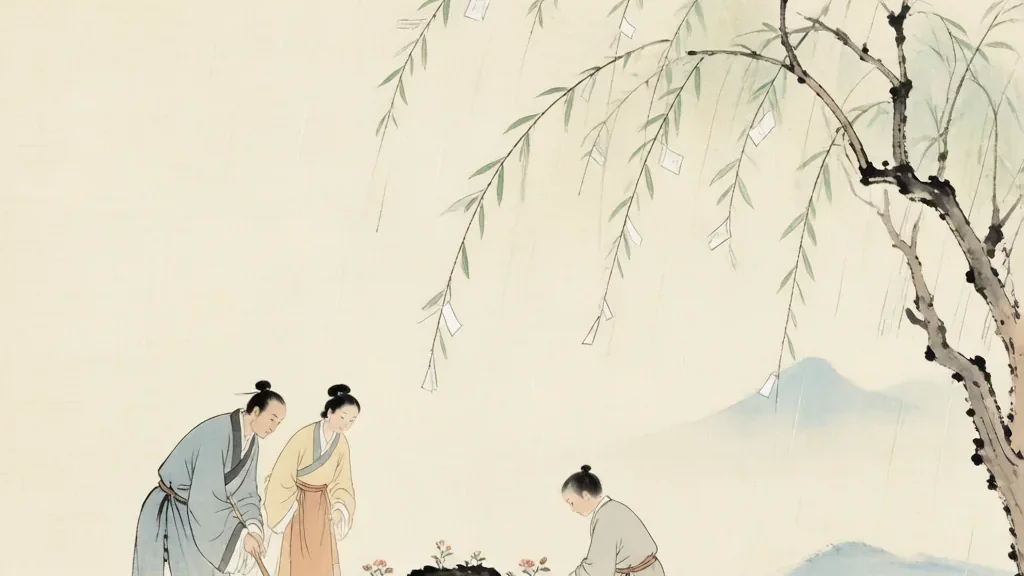
In early April, when willow branches unfurl their first tender green and the air carries the soft warmth of spring, millions of Chinese families make a journey they have made for centuries. They travel to hillside cemeteries and ancestral graves, carrying flowers, incense, paper money, and offerings of food.
The Cowherd and the Weaver Girl: Qixi Festival
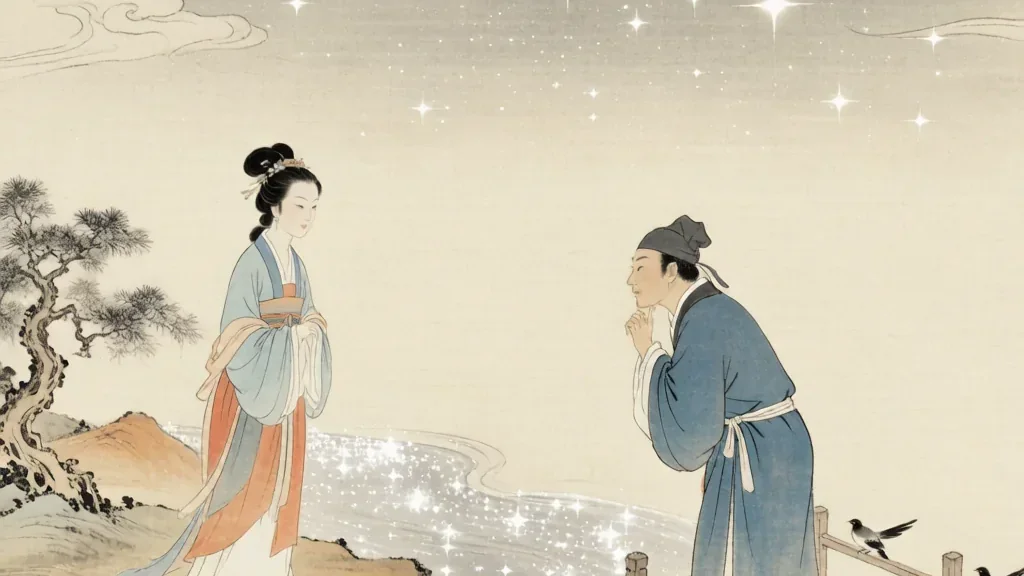
On the seventh night of the seventh lunar month, when the summer sky is clearest and the stars burn brightest, Chinese lovers look up and remember a story that has been told for over two thousand years. It is the story of Qixi (七夕, Qīxī) — China's Valentine's Day — and at its heart are two stars, separated by the entire Milky Way, who are allowed to meet only once a year.

Renri
The seventh day of the Chinese New Year is a quiet, contemplative festival — one that turns the gaze of celebration inward, away from firecrackers and feasts, toward a profound question: What does it mean to be human? This day is called Renri (人日, Rén Rì), "Human Day" or "People's Day," and according to one of the oldest creation myths in Chinese culture, it is the day on which human beings were made.
Xiaonian
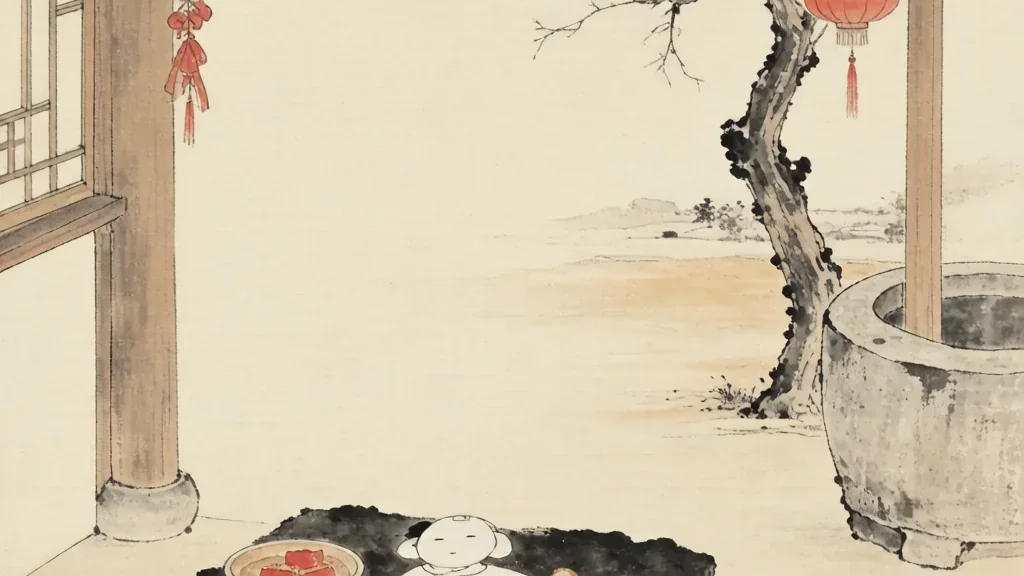
About a week before the great explosion of the Spring Festival, a quieter but equally important celebration takes place in Chinese homes: Xiaonian (小年, Xiǎonián), the "Little New Year. " Falling on the 23rd or 24th of the twelfth lunar month, Xiaonian is the opening act of the New Year season — the moment when families begin the great cleaning, the great cooking, and the great settling of accounts that will prepare them for the fresh start of the Spring Festival.
The Lantern Festival: Yuanxiao Jie
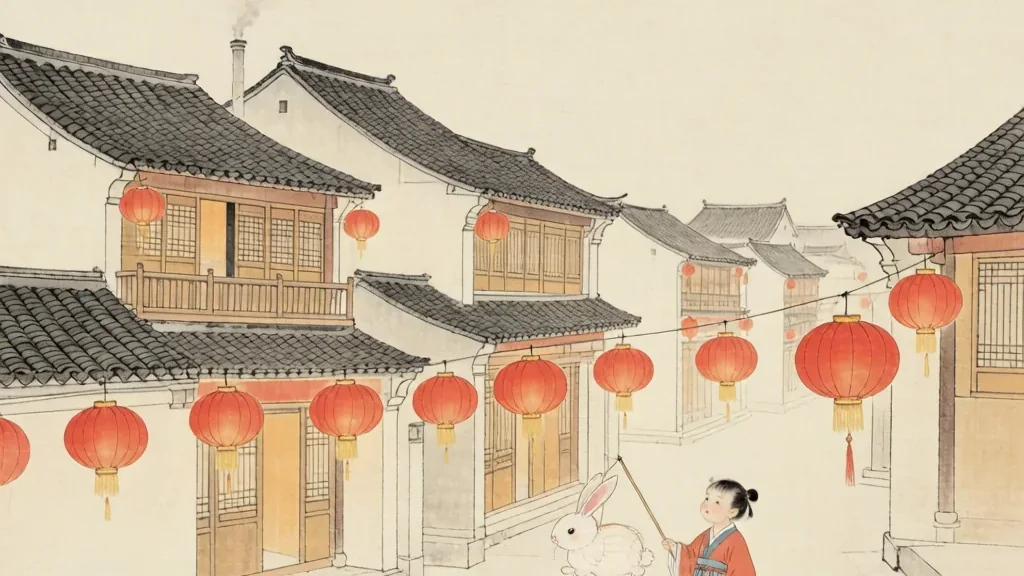
Imagine a night when the sky glows not with stars alone, but with thousands of crimson lanterns drifting upward like fiery prayers. Streets buzz with laughter, the air smells of sweet glutinous rice, and riddles dangle from every eave, daring passersby to solve them.
Zhongyuan
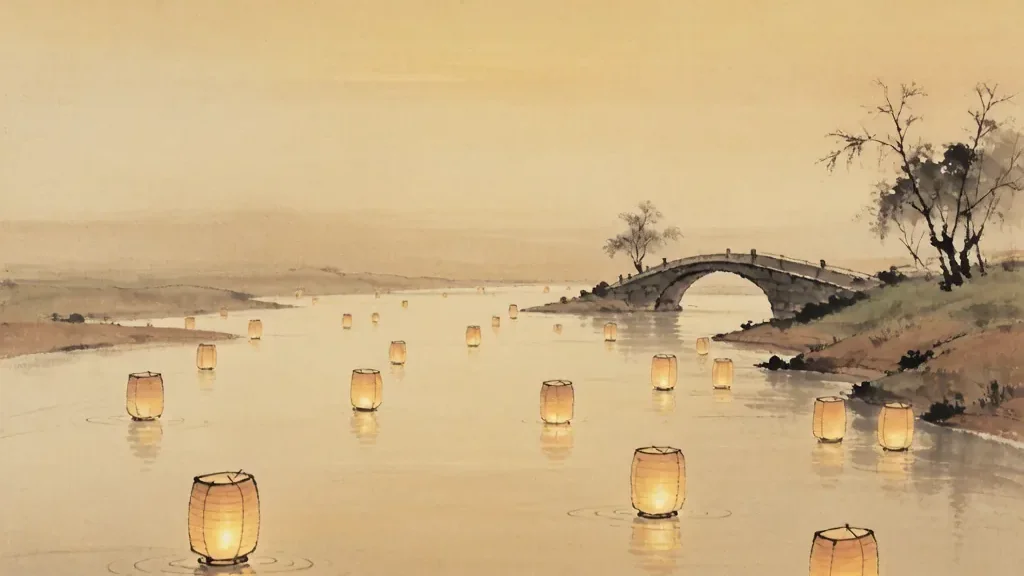
On the fifteenth day of the seventh lunar month, the gates of the underworld swing open. For one month — the entire seventh lunar month, in many traditions — the spirits of the dead are allowed to walk the earth, to visit the homes of their descendants, to enjoy offerings of food and paper money, and, if they are lost or forgotten, to wander.
The Double Ninth: Climbing High for Longevity
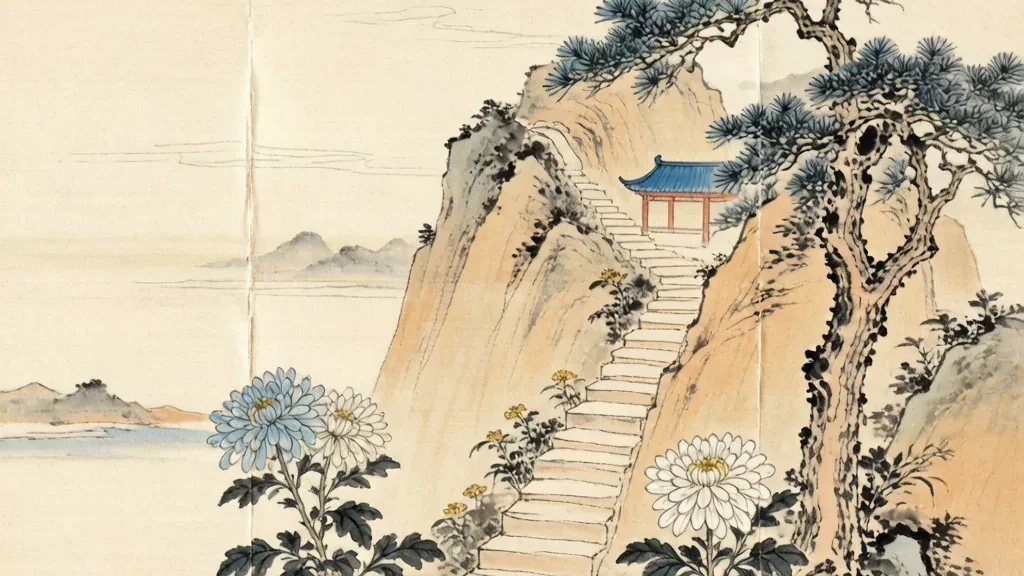
On the ninth day of the ninth lunar month, when autumn is at its clearest and the air turns crisp, Chinese families climb hills, drink chrysanthemum wine, and look out from high places. This is 重阳 (Chongyang) , the Double Ninth Festival, a day built around a wish for long life.
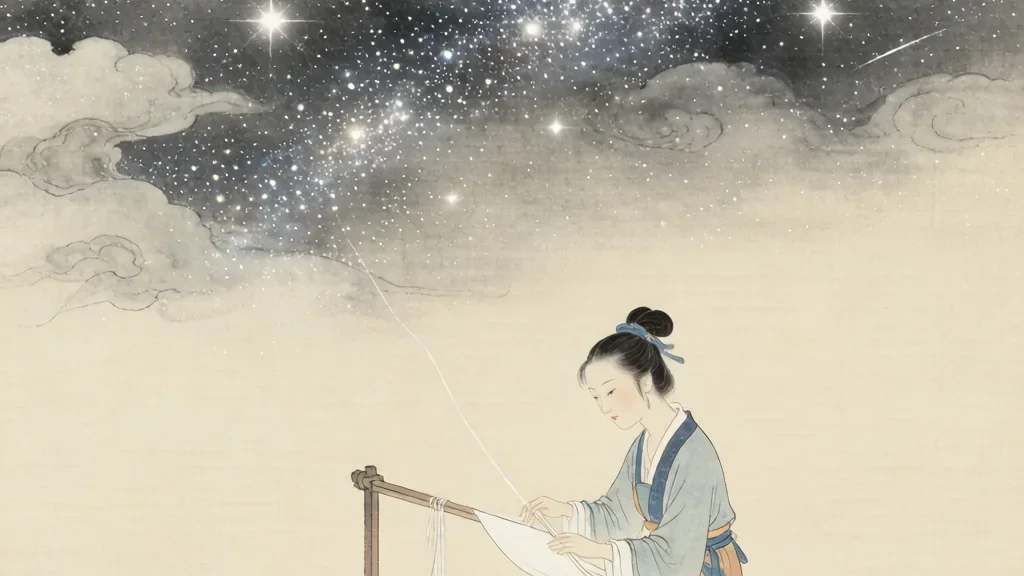
The Double Seventh: China's Valentine in the Stars
On the seventh night of the seventh lunar month, Chinese tradition turns its eyes to the summer sky. This is 七夕 (Qixi) , the Double Seventh Festival, often called China's Valentine's Day.
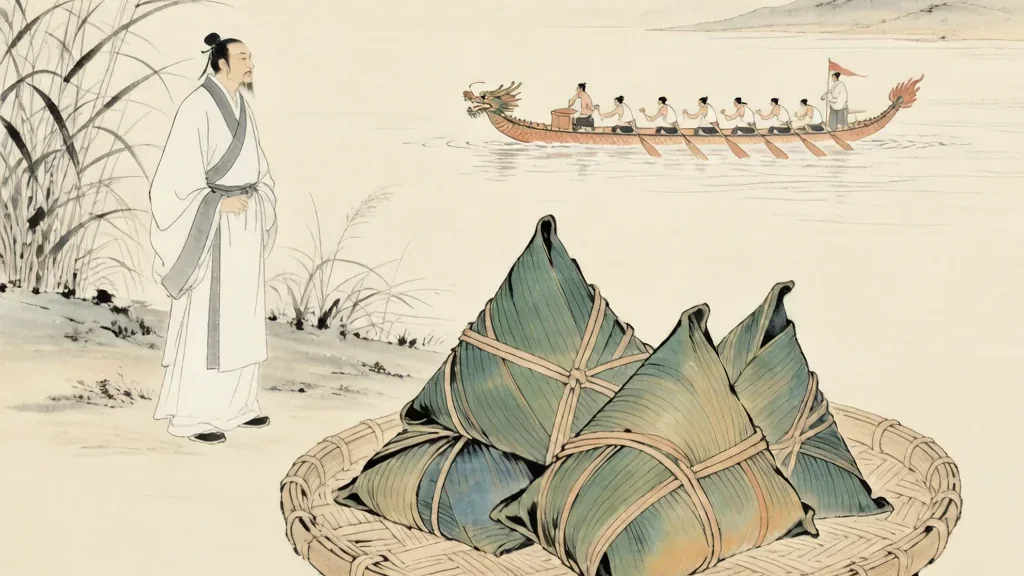
The Dragon Boat Festival: Rice, Races, and a Poet's Memory
On the fifth day of the fifth lunar month, the rivers and lakes of China come alive with the beat of drums and the flash of paddles. This is 端午 (Duanwu) , the Dragon Boat Festival, a day of racing boats, eating fragrant rice parcels, and remembering a poet who drowned more than two thousand years ago.
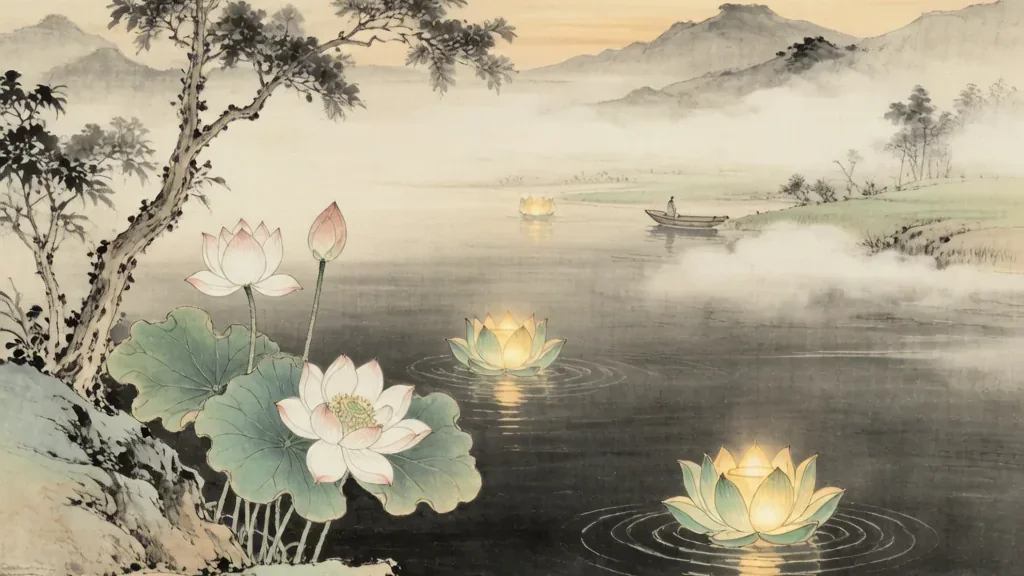
The Ghost Festival: When the Gates of the Dead Open
On the fifteenth day of the seventh lunar month, Chinese tradition says the boundary between the living and the dead grows thin. This is 中元 (Zhongyuan) , the Ghost Festival, when the gates of the underworld open and ancestors and wandering spirits are believed to walk the world of the living.
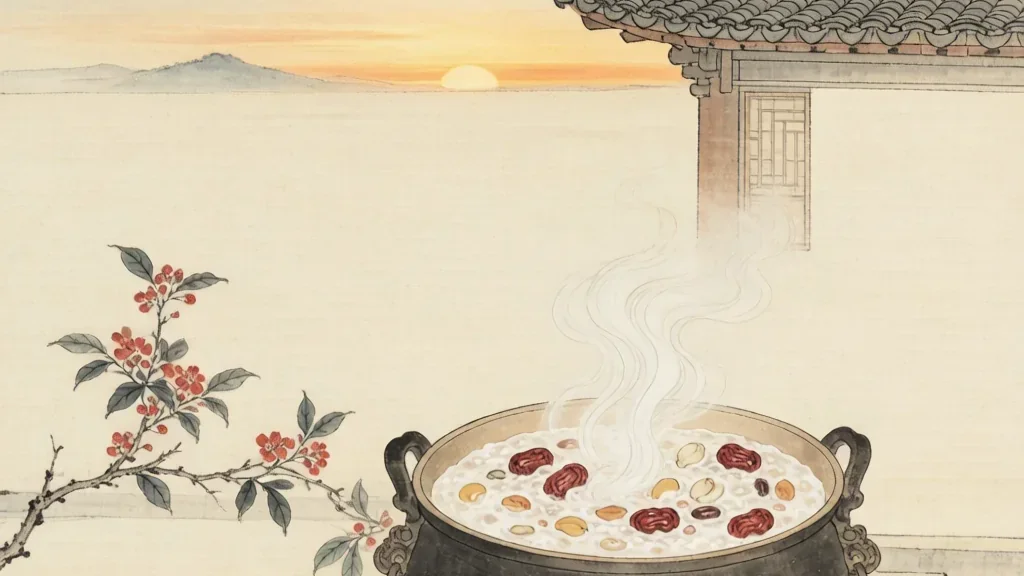
Laba: The Porridge That Counts Down to New Year
The observance of th twelfth lunar month, as the coldest part of winter settles in and the new year looms just weeks away, Chinese households cook a pot of thick, sweet grain porridge. This is 腊八 (Laba) , the Laba Festival, named for the eighth day of the la month.
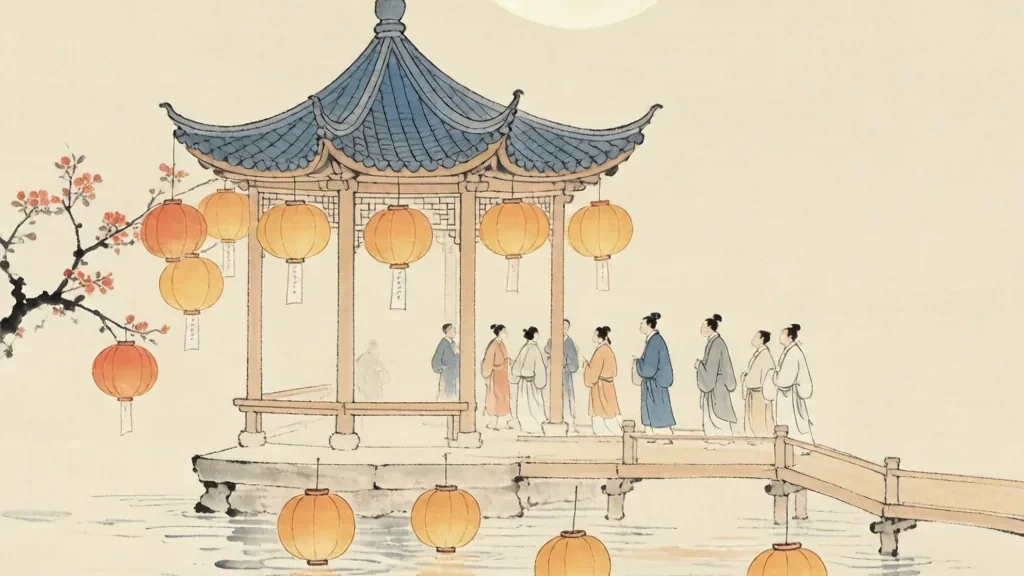
The Lantern Festival: Night of the First Full Moon
Fifteen days after the Spring Festival, when the first full moon of the lunar year rises, the streets of China fill with light. This is 元宵 (Yuanxiao) , the Lantern Festival, the bright closing of the New Year season.
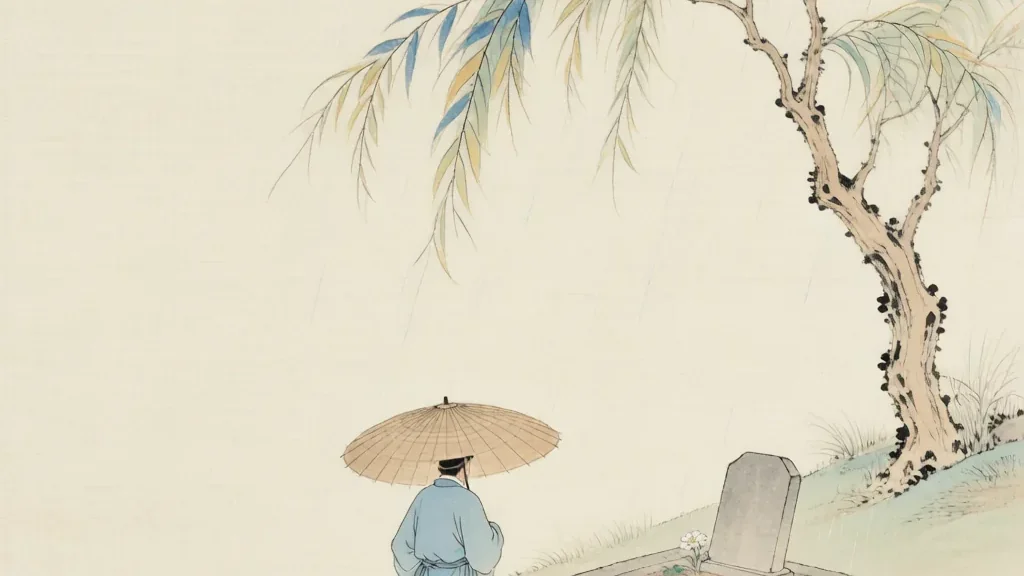
Qingming: Sweeping the Graves in Spring Rain
Between early April and the heart of spring, when the rain comes soft and the willows turn green, Chinese families step out of their homes to the graves of those they have lost. This is 清明 (Qingming) , the Pure Brightness Festival, a day of tomb-sweeping, quiet remembrance, and the first taste of the warm season.
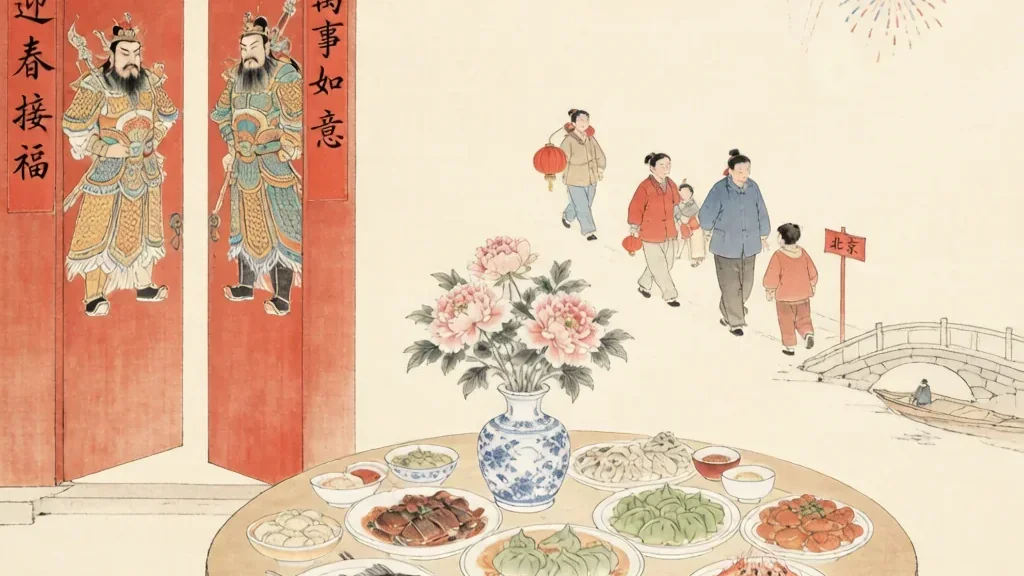
Spring Festival: The World's Greatest Migration Home
Every winter, as the lunar calendar turns toward its end, hundreds of millions of people across China begin the largest regular movement of human beings on the planet. This is 春节 (Chunjie) , the Spring Festival, better known in the West as Chinese New Year.

The Water-Splashing Festival: A Dai New Year of Joy
In the heat of mid-April, in the valleys of Yunnan and across the lands of the Dai people, the air fills with laughter and flying water. This is 泼水节 (Poshui Jie) , the Water-Splashing Festival, the Dai New Year and one of the most joyful celebrations in all of China.
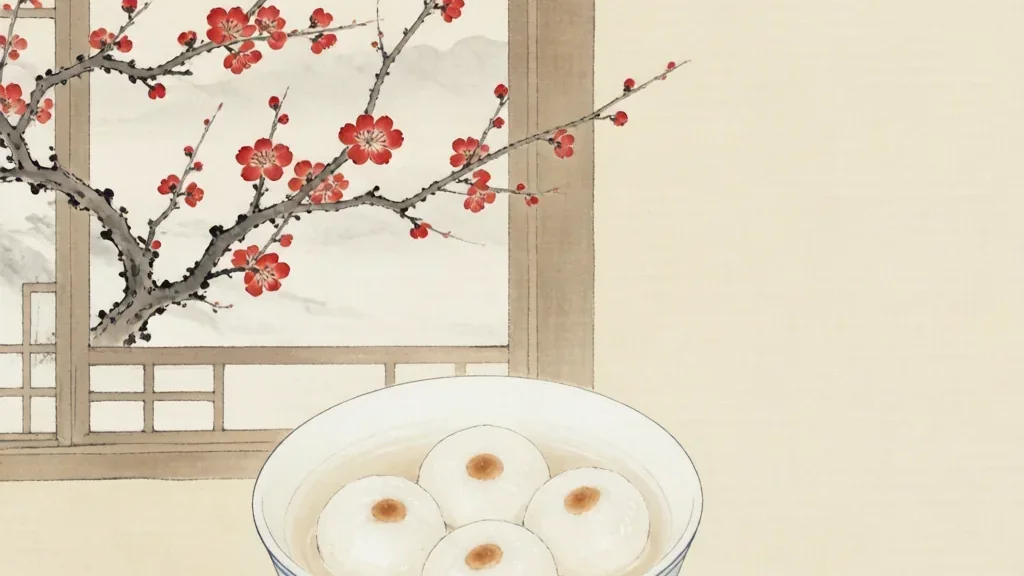
Winter Solstice: The Day the Light Returns
Long before the Spring Festival, when the year's nights are at their longest and the cold bites deepest, Chinese families gather for a quieter observance. This is 冬至 (Dongzhi) , the Winter Solstice Festival, built around the moment when the sun stands still and then, almost imperceptibly, begins to return.
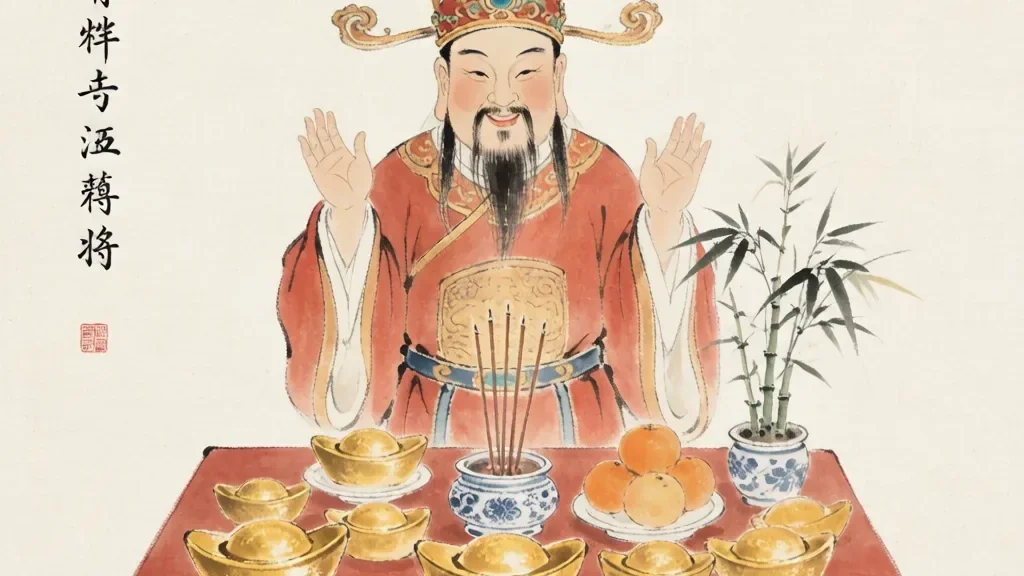
The God of Wealth Birthday: Worshipping Prosperity
The God of Wealth's Birthday (财神诞) is a day of worshipping prosperity — offerings and open ledgers to court fortune.

The Knife-Pole Festival: Walking on Blades
The Knife-Pole Festival (刀杆节) is the Lisu ordeal of walking on blades — climbing a ladder of sharp swords in devotion.
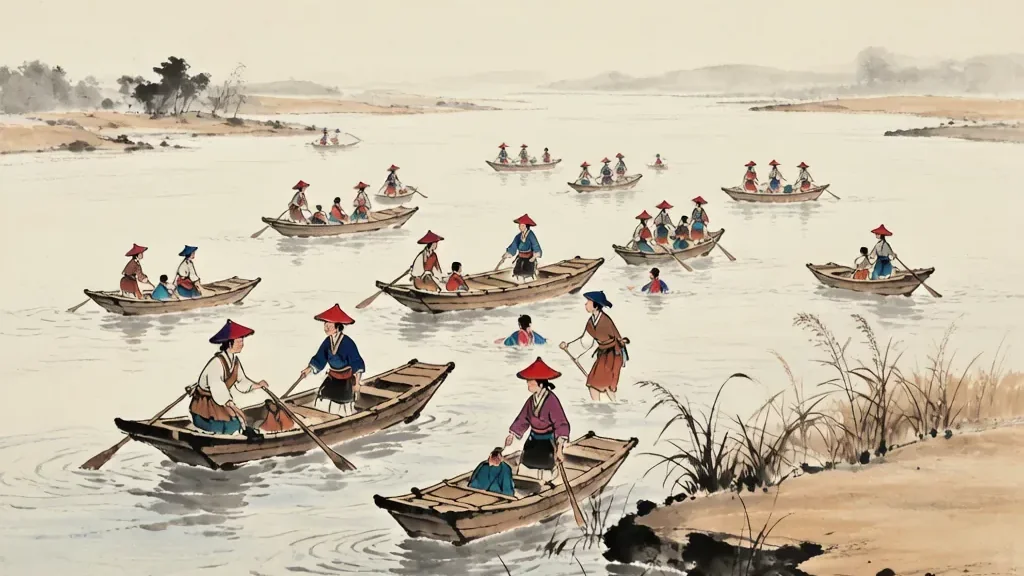
The Miao Dragon Boat Festival: Racing Dragons on the Qingshui River
The Miao Dragon Boat Festival of Guizhou's Qingshui River — where villages race giant single-log dragon boats to pray for rain, harvest, and community.
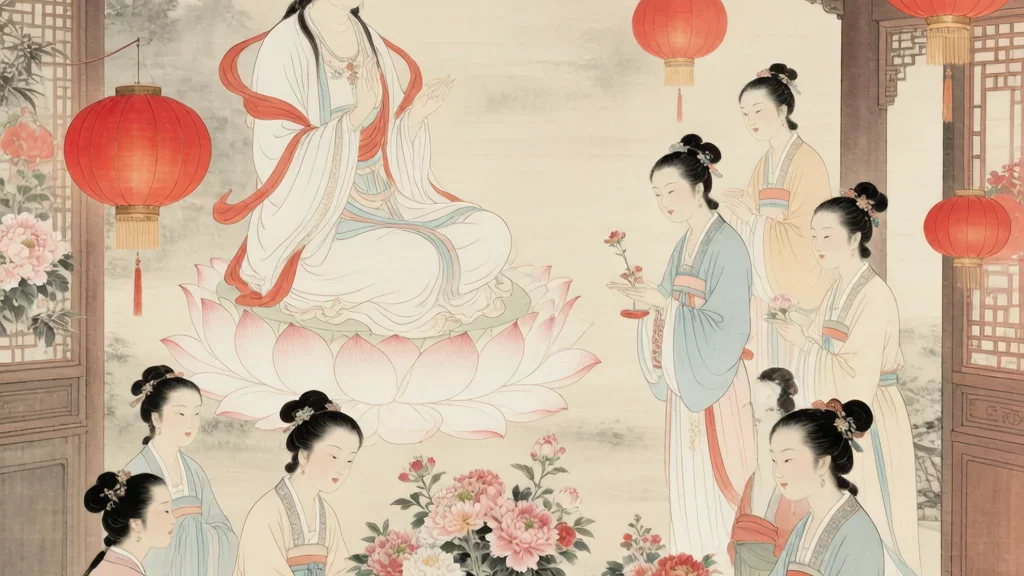
Guanyin Birthday: The Bodhisattva Festival
Guanyin's Birthday (观音诞) is the bodhisattva festival — the day devotees honor the Goddess of Mercy with vegetarian vows.

Cold Food Festival: A Day Without Fire
The Cold Food Festival (寒食) is a day without fire — a spring rite of eating only cold food to honor a loyal subject.
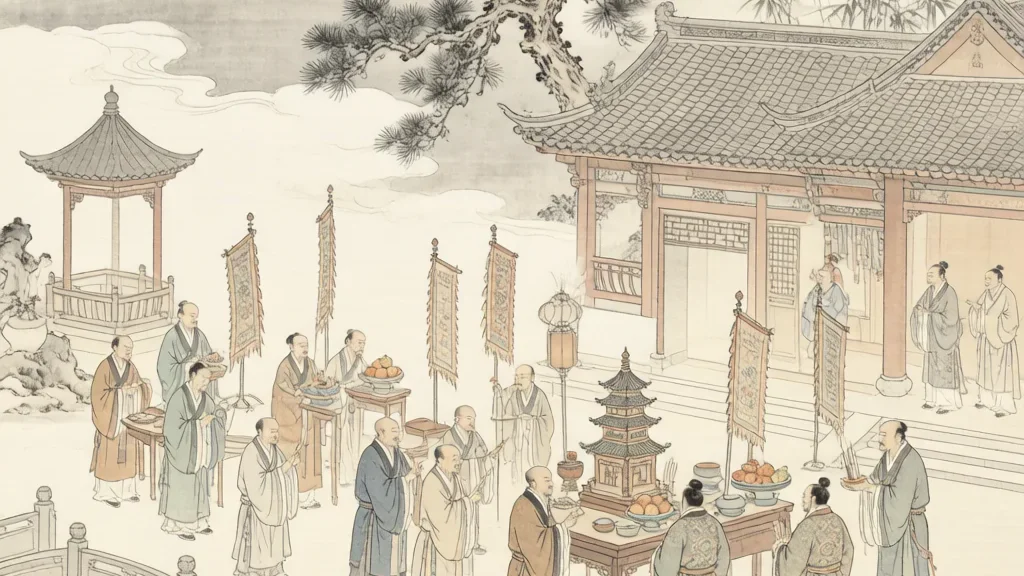
The Festival of a Hundred Gods
The Festival of a Hundred Gods (赛神) is the village's procession of its pantheon — a parade of local deities for rain and peace.

The Beginning of Spring: The First Solar Term Festival
The Beginning of Spring Festival (立春节) is the first solar-term festival — welcoming the year with whipped spring cattle.
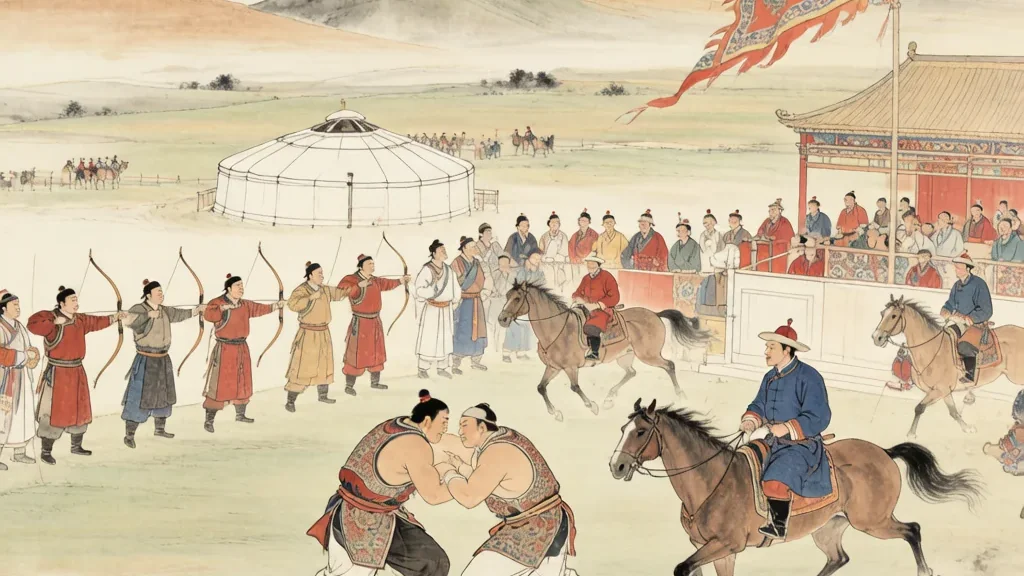
Nadam: The Mongolian Summer Games
Nadam (那达慕) is the Mongolian summer games — wrestling, horse racing, and archery on the open steppe.
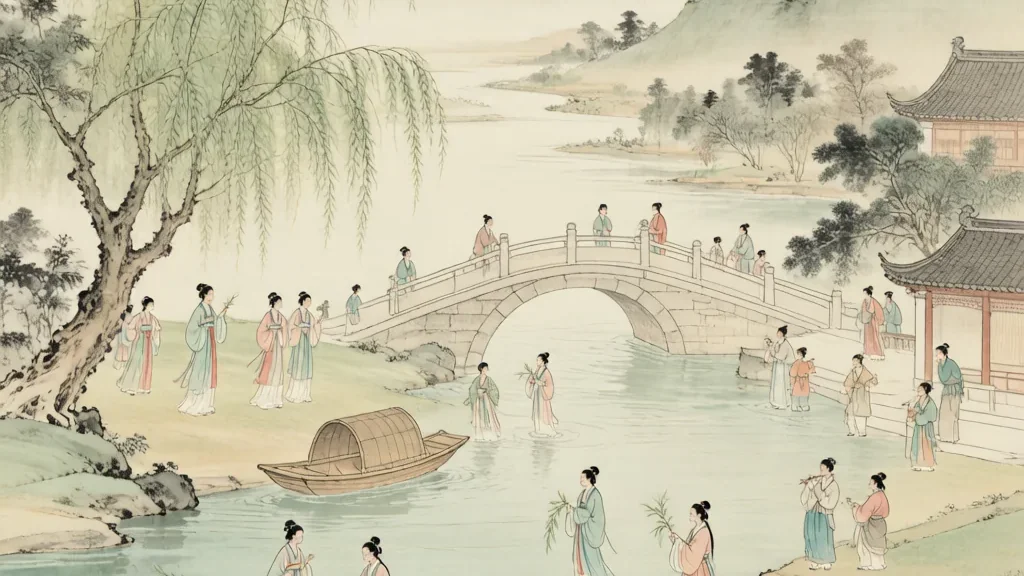
The Shangsi Festival: Cleansing by the River
The Shangsi Festival (上巳) is the spring cleansing by the river — an ancient day of bathing and courtship by the water.

The She Day: Festival of the Earth God
The She Day (社日) is the festival of the Earth God — the village feast to the soil spirit for a good harvest.
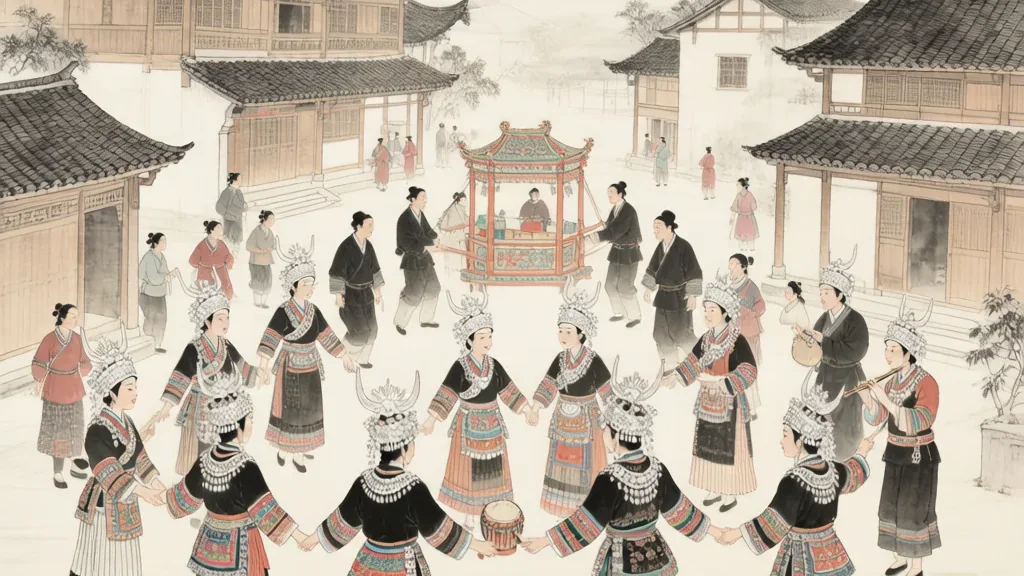
The Sisters Meal Festival: Love Among the Miao
The Sisters' Meal Festival (姊妹节) is love among the Miao — girls offer colored rice to courting youths in a game of hidden signs.
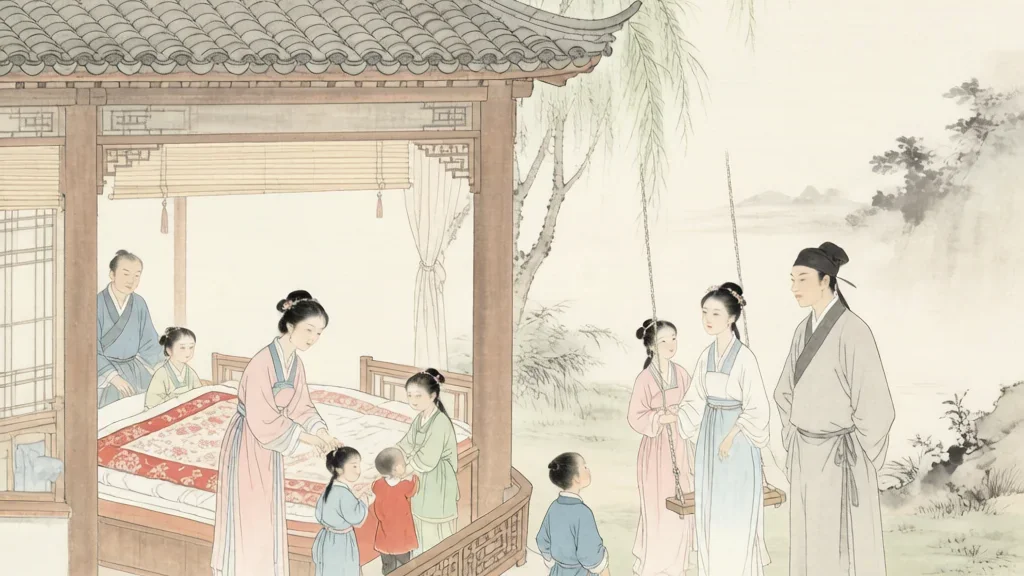
The Double Sixth: Sunning the Household
The Double Sixth (天贶/晒经) is the day of sunning the household — books, clothes, and scriptures aired against the damp.

The Torch Festival: Fire of the Yi Mountains
The Torch Festival (火把节) is the fire of the Yi mountains — lines of torches driving off pestilence and lighting the night dance.
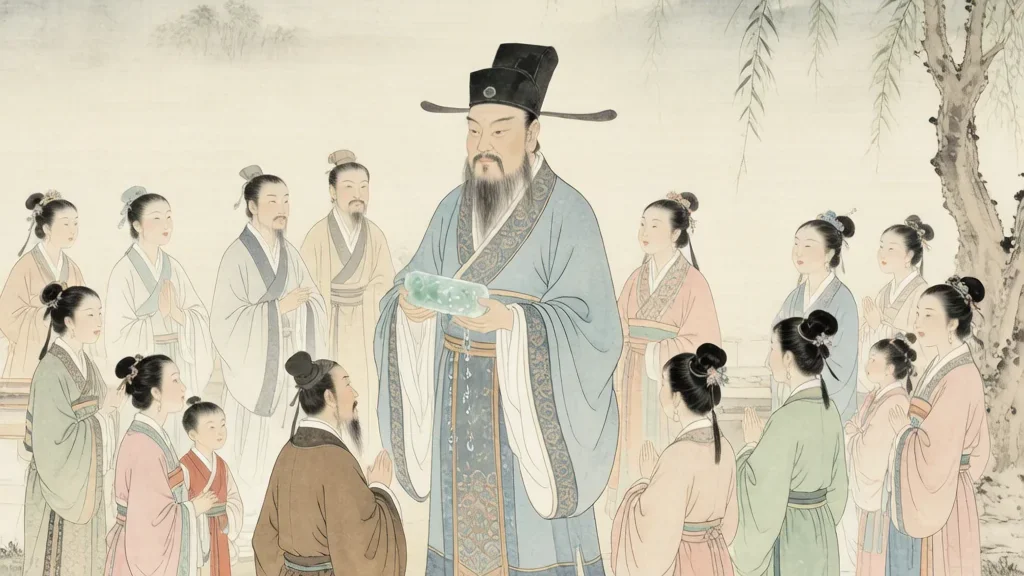
The Xiayuan Festival: The Water Official Blessing
The Xiayuan Festival (下元) is the Water Official's blessing — the lower of the Three Officials' days, for pardon of faults.
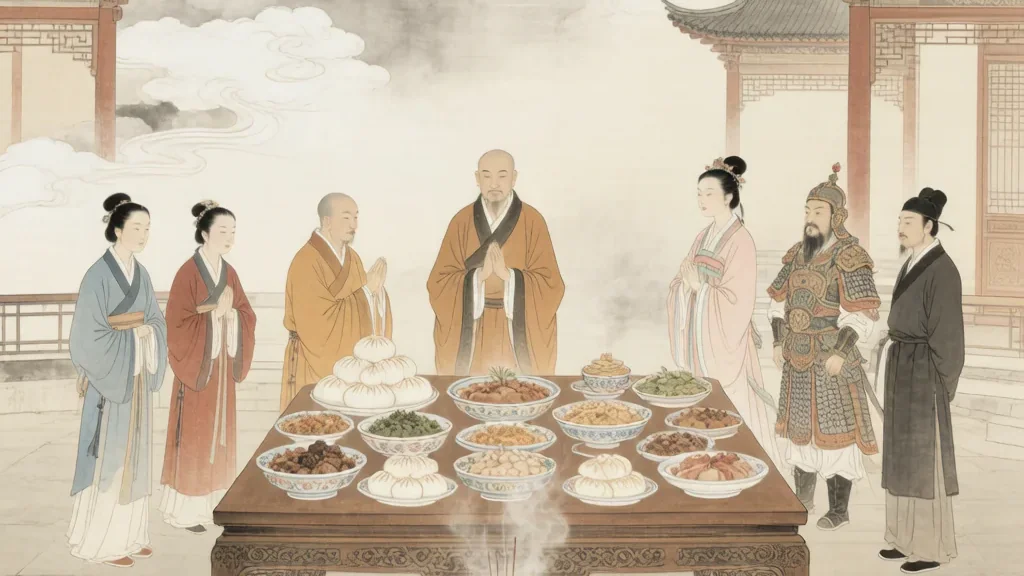
The Ullambana Festival: The Hungry Ghost Feast
The Ullambana Festival (中元/盂兰盆) is the hungry ghost feast — the day the dead return and are fed.

The Lantern Festival: The Night of the First Full Moon
The Lantern Festival (元宵节) is the night of the first full moon — lanterns, riddles, and glutinous yuanxiao balls.

The Zhonghe Festival: Harmony and the Sun
The Zhonghe Festival (中和) is the day of harmony and the sun — an old spring rite of sun-cakes and the tying of the year.