☯ Philosophy & Thought
47 articles — Confucianism, Taoism, Legalism, and more
For more than two thousand years, Chinese life has been shaped by a handful of great schools of thought. Confucianism taught how to live well with others through ritual, family, and virtue; Taoism urged flowing with the natural way of things; Legalism argued for clear laws and strong rule; and Mohism preached universal love. These philosophies were never just classroom ideas — they guided emperors, families, and ordinary choices. This guide walks through the schools that still echo in Chinese culture today.

Taoism: The Way of Nature
If Confucianism offers a map for navigating human society, Taoism (道家思想, Dàojiā sīxiǎng ) invites us to step off the map entirely — to listen to the rhythms of nature, to flow with rather than against the currents of existence, and to find wisdom not in doctrine but in direct experience. For over 2,500 years, Taoism has offered an alternative to the rigid hierarchies and social prescriptions of Confucian orthodoxy, championing spontaneity, simplicity, and harmony with the natural world.

Legalism: The Rule of Law
Among the great philosophical traditions of ancient China, none is more controversial — or more consequential — than Legalism (法家思想, Fǎjiā sīxiǎng ). While Confucianism appealed to virtue and Taoism to nature, Legalism placed its faith in something far less romantic: the cold, hard power of law.
Mohism: Universal Love
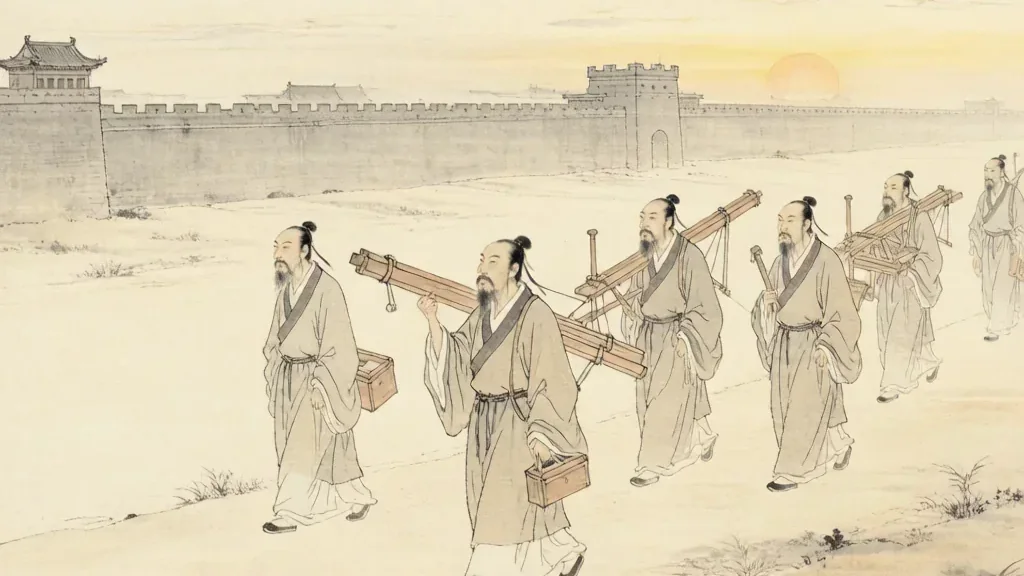
Imagine a school of philosophy whose followers were willing to walk hundreds of miles to stop a war, who developed sophisticated theories of optics and mechanics centuries before the Scientific Revolution, and who preached a doctrine of impartial love so demanding that even their rivals admired their integrity. This was Mohism (墨家思想, Mòjiā sīxiǎng ), one of the most fascinating and tragically short-lived movements in Chinese intellectual history.
Confucianism: The Way of Benevolence
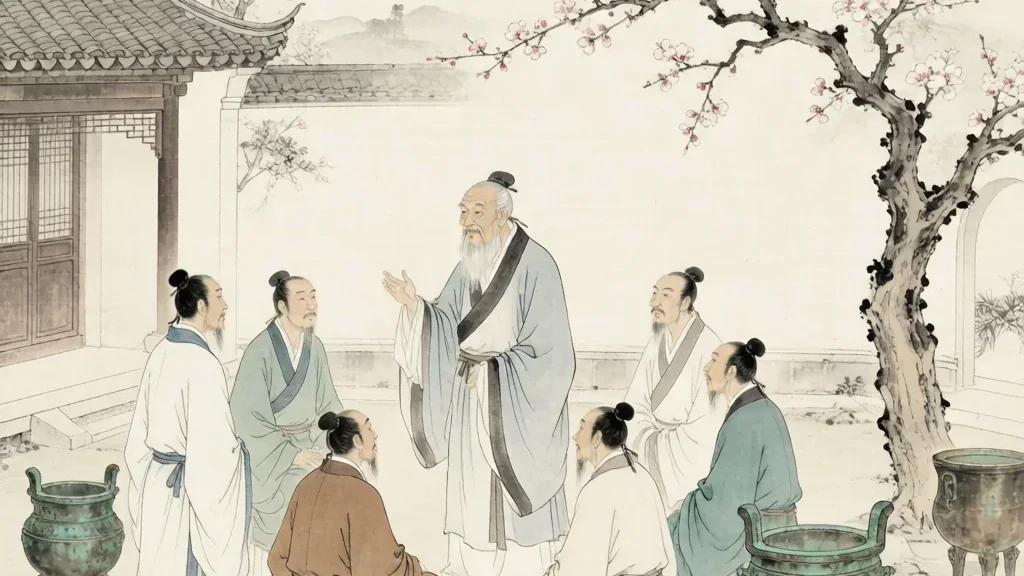
Few philosophical traditions have shaped human civilization as profoundly and enduringly as Confucianism (儒家思想, Rújiā sīxiǎng ). Originating in China over 2,500 years ago, this school of thought — centered on moral cultivation, social harmony, and righteous governance — became the ethical backbone of East Asian civilization.
Yin-Yang and Five Elements: The Philosophy of Balance
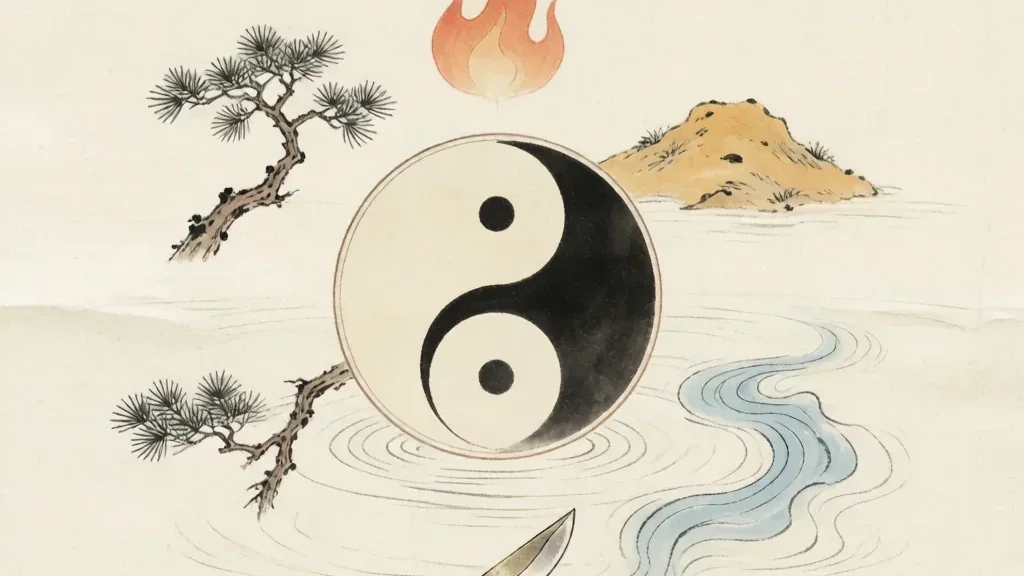
At the heart of Chinese thought lies a worldview so elegant, so intuitively compelling, that it has shaped everything from medicine to martial arts, from architecture to agriculture. This is the philosophy of Yin-Yang and the Five Elements (阴阳五行, yīn yáng wǔ xíng ) — not a religion, not a superstition, but a systematic framework for understanding how the universe works.

Chinese Medicine: The Wisdom of Yin and Yang
For over two millennia, Traditional Chinese Medicine (中医, Zhōngyī ) has offered a radically different approach to health and healing from that of the West. Rather than viewing the body as a machine with discrete, interchangeable parts, TCM sees it as an integrated whole — a microcosm of the natural world, governed by the same rhythms and forces that shape the cosmos.
Confucianism: The Ethics That Ordered a Civilization
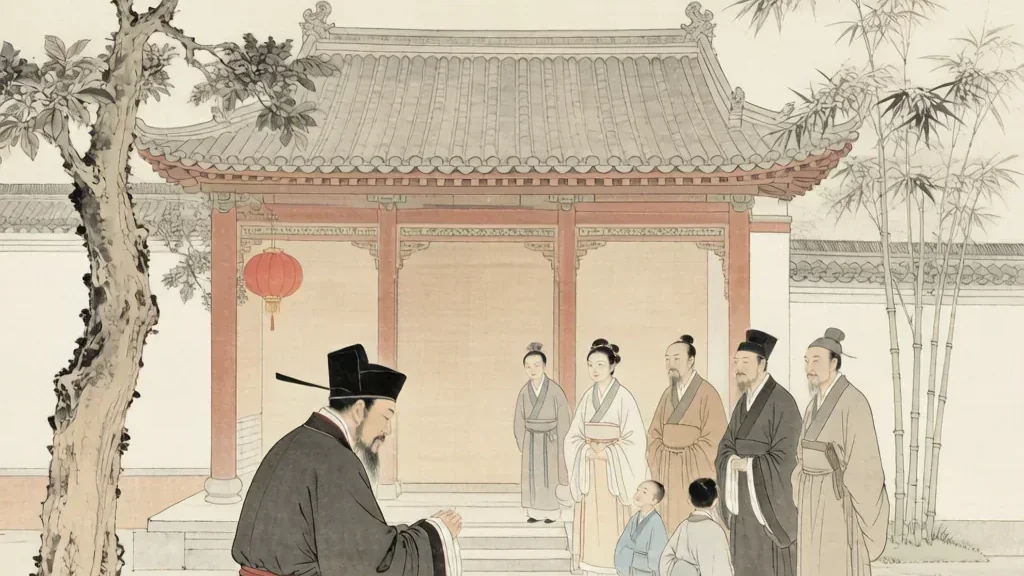
Imagine a civilization that measured the health of its society not by armies or wealth, but by the quality of its human relationships. For over two millennia, the st, China was shaped by exactly such a vision, and the name behind it is 儒家 (Rújiā) — Confucianism.
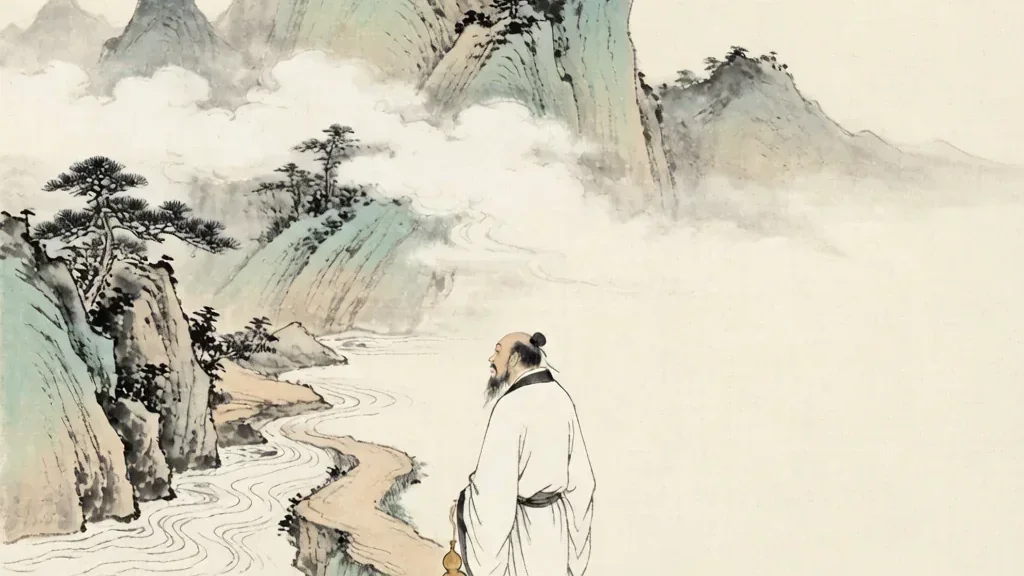
Daoism: The Way That Flows
Where Confucianism built order through ritual and duty, another great Chinese tradition chose a different path: not against the world, but with it. That tradition is 道家 (Dàojiā) — Daoism, or Taoism.
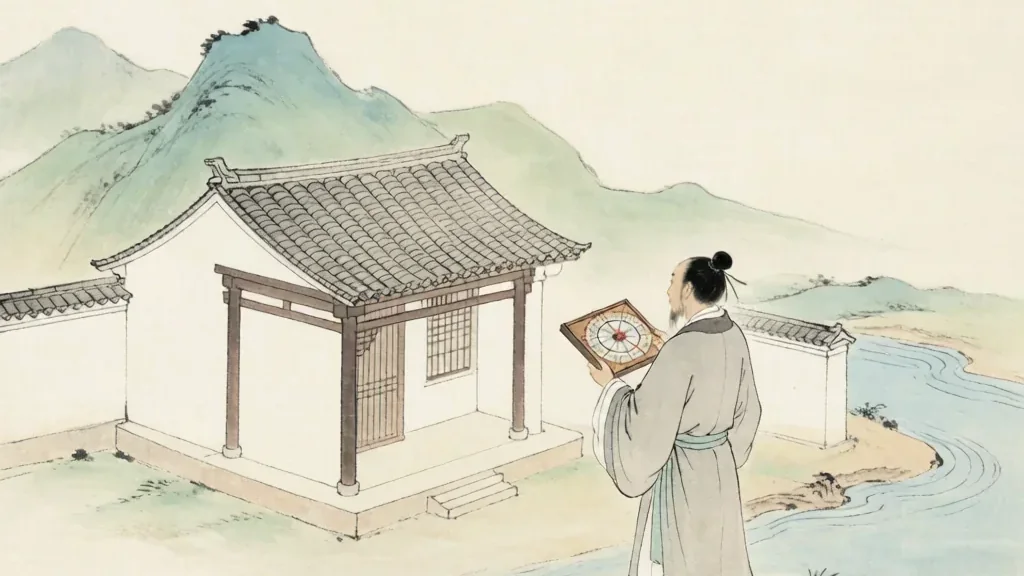
Feng Shui: Arranging the World in Harmony
To walk into a Chinese home is often to step into a quiet argument about invisible forces. The arrangement of a door, a bed, a desk, even a fish tank, can be defended as good 风水 (Fēngshuǐ) — literally "wind and water.
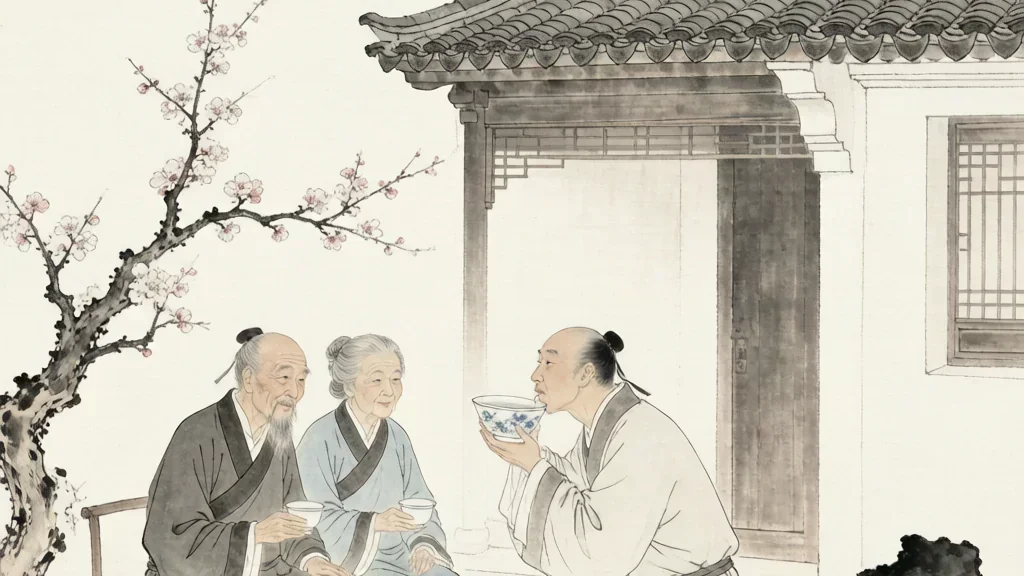
Filial Piety: The Root of Chinese Family Life
If one value above all explains the shape of Chinese family life, it is 孝 (Xiào) — filial piety, the reverent care of one's parents and ancestors. More than obedience, it is a whole posture of the heart: gratitude, respect, and responsibility flowing from child to parent and onward to the dead.
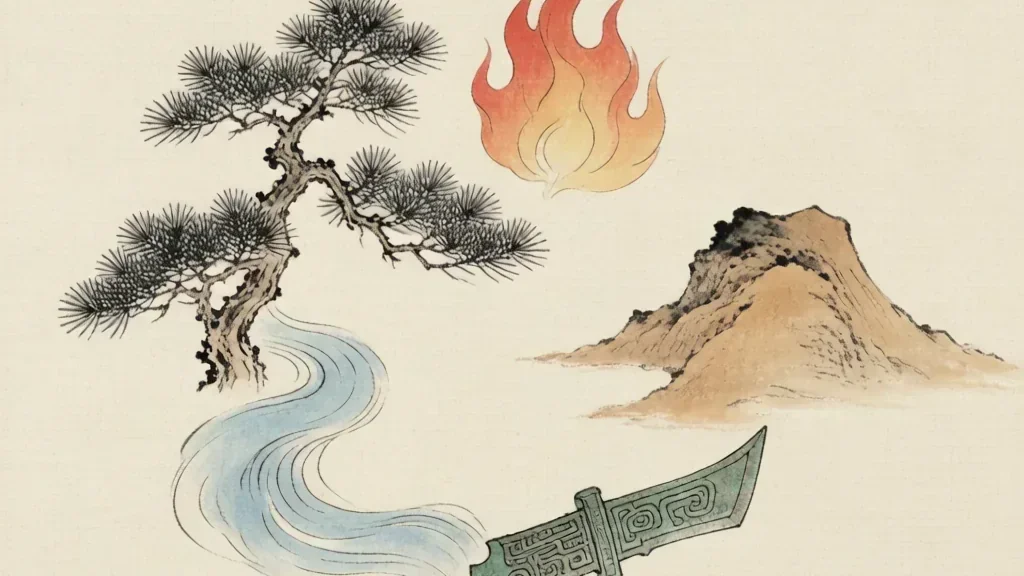
The Five Elements: Wu Xing and the Pulse of Nature
Long before the periodic table, the Chinese had their own map of matter's basic kinds — not atoms but 五行 (Wǔxíng), the "Five Elements" or "Five Phases. " Usually listed as wood, fire, earth, metal, and water, these are not substances so much as modes of energy and change.
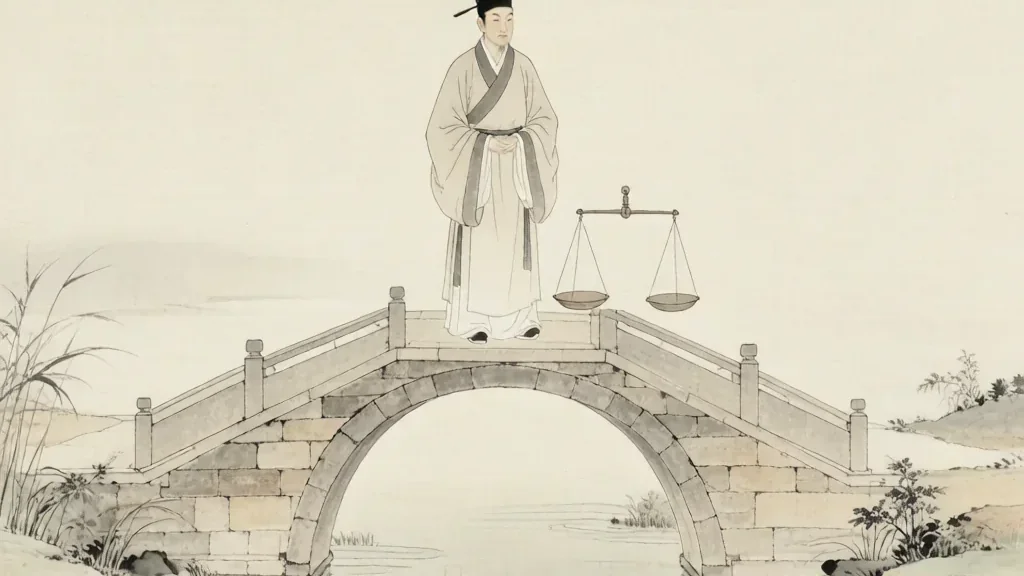
The Golden Mean: The Virtue of the Middle Way
Every culture warns against excess, but China turned moderation into a doctrine and gave it a name: 中庸 (Zhōngyōng), usually rendered as "the Golden Mean" or "the Middle Way. " Far from meaning a timid compromise, the Mean is the active virtue of hitting the right point between too much and too little, in the right way, at the right time.

Harmony (He): The Highest Value of Chinese Culture
Ask what single idea holds Chinese culture together, and many would answer one word: 和 (Hé) — harmony. Not mere agreement, and certainly not the silencing of difference, harmony in China means a living music of many parts, each in its proper place and rhythm, none overwhelming the rest.

The Imperial Examination System: China's Meritocracy
For over 1,300 years, from its establishment in the Sui Dynasty (605 CE) to its abolition in 1905, the Imperial Examination System (科举制度, Kējǔ zhìdù ) served as the engine of Chinese governance, social mobility, and intellectual life. It was the world's first large-scale, standardized merit-based civil service recruitment system — a revolutionary concept in an era when most societies distributed power based on birth, wealth, or military prowess.
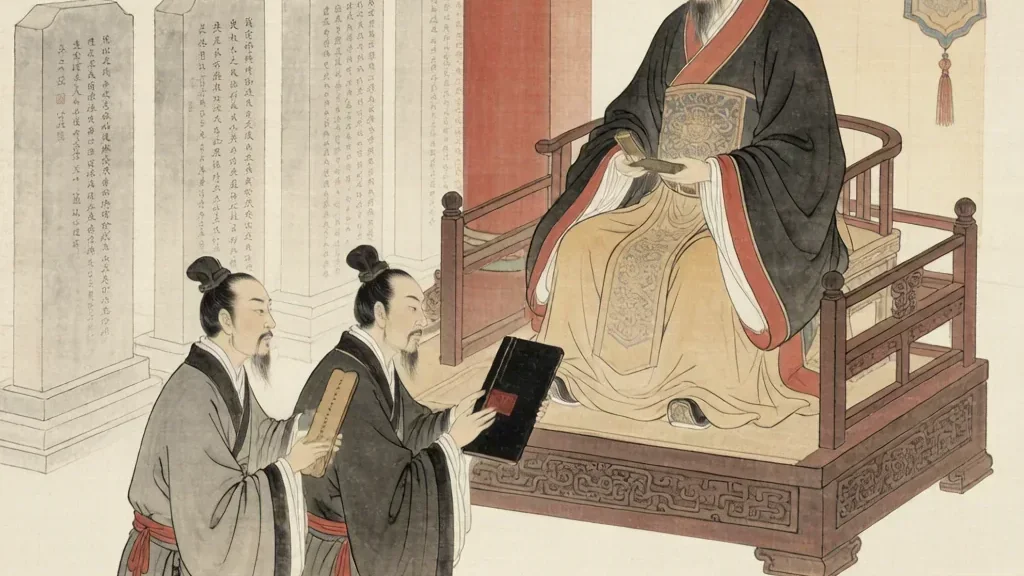
Legalism: The Iron Hand That Unified China
If Confucianism hoped to make people good and Daoism hoped to leave them free, one Chinese school of thought took a harder, colder view: assume people are selfish, and build a system that works anyway. That school is 法家 (Fǎjiā) — Legalism.
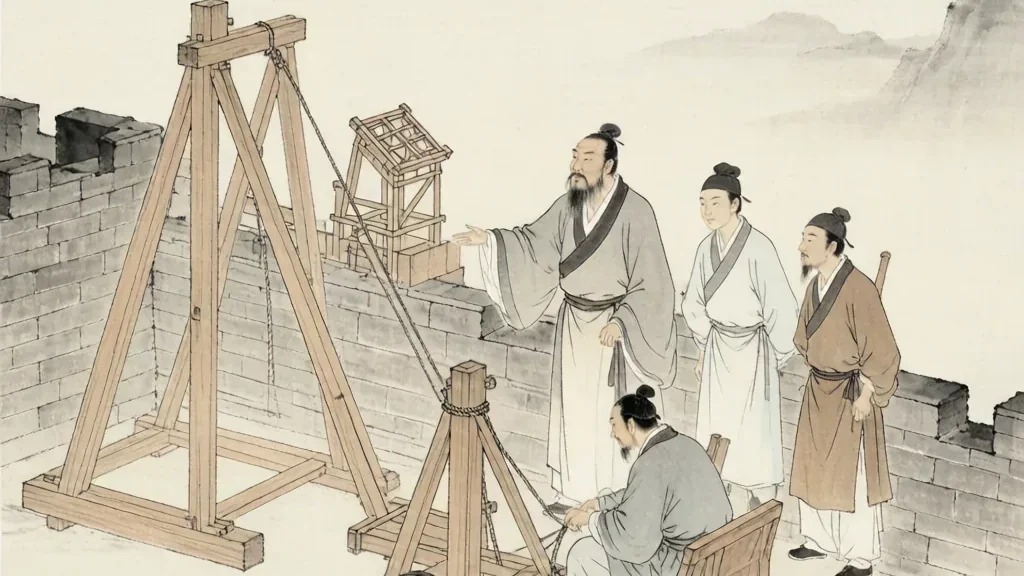
Mohism: The Forgotten Creed of Universal Love
Among the great schools of ancient Chinese thought, one stands out as the most startlingly modern — and the most tragically forgotten. It is 墨家 (Mòjiā), Mohism, founded by a man named 墨子 (Mòzǐ), Mozi, who lived in the fifth century BCE.
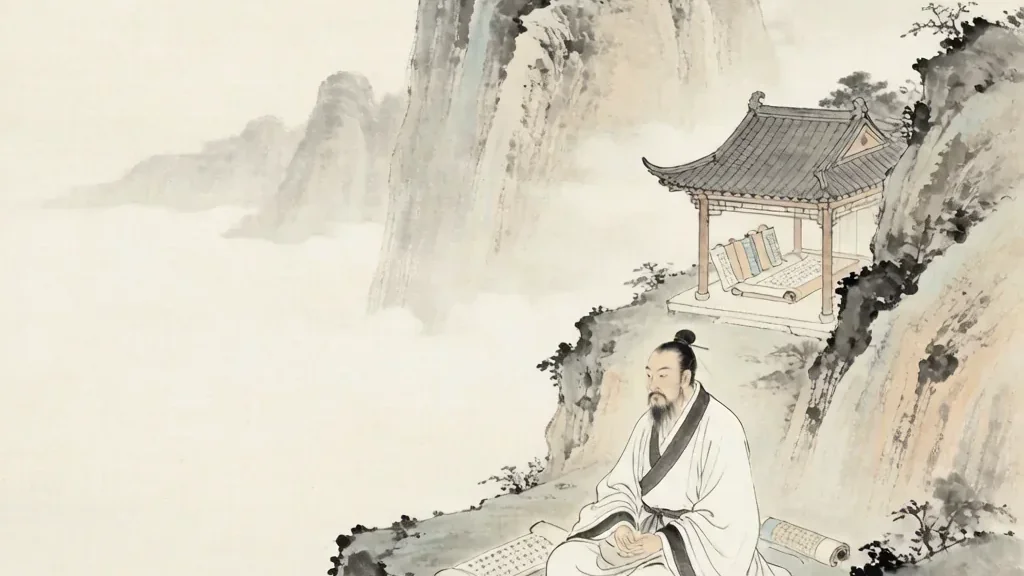
Neo-Confucianism: When Buddhism Met Confucius
By the time the Tang dynasty faded, Confucianism had grown thin. Buddhism, with its vivid promises of rebirth and its subtle metaphysics, had captured the Chinese imagination, while Daoism offered its own consolations.

Qi: The Life Breath of Chinese Thought
Ask a Chinese doctor, a martial artist, or a poet what keeps a person alive, and you may hear the same word: 气 (qì). Often translated as "breath," "vital energy," or "life-force," qi is the most basic notion running through Chinese medicine, philosophy, and daily speech.
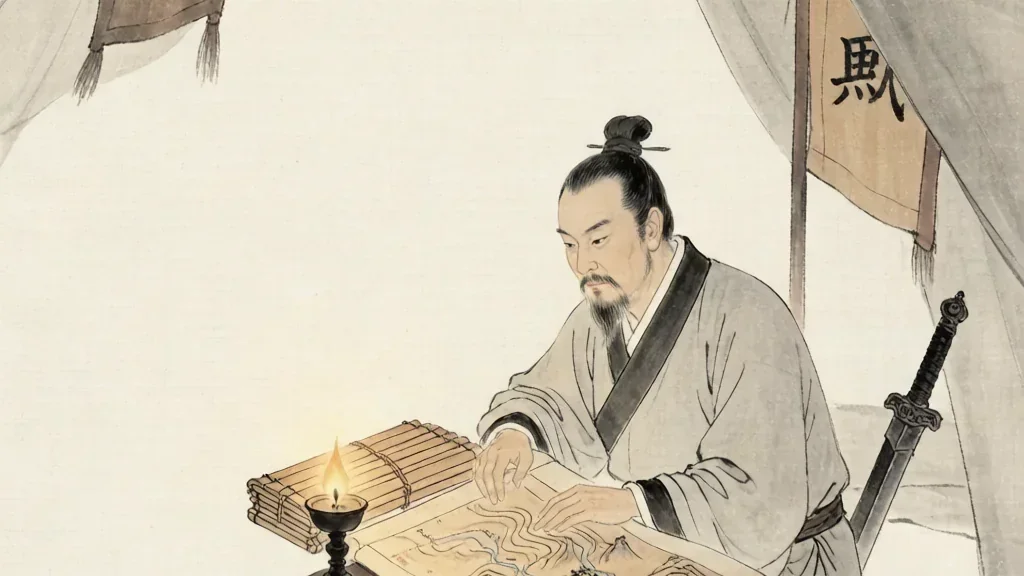
The Art of War (孙子兵法) — Sun Tzu's Timeless Strategy
The Sunzi Bingfa (孙子兵法), known universally as "The Art of War," is the most influential military treatise ever written and one of the most widely read books in the world. Attributed to the Chinese general and strategist Sun Wu (Sun Tzu), who lived during the late Spring and Autumn period (c.
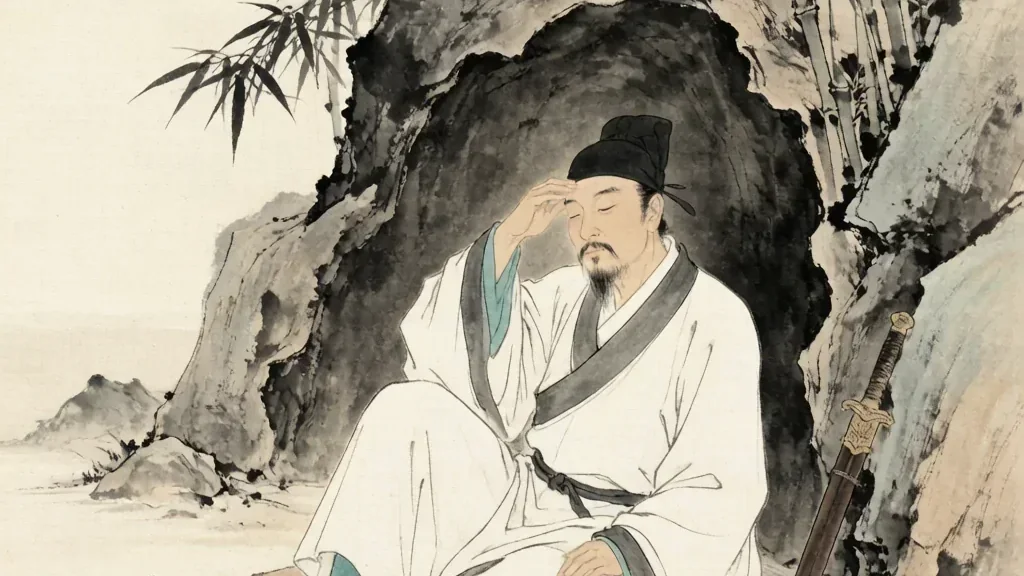
Wang Yangming's Philosophy (王阳明心学) — The Unity of Knowledge and Action
Wang Yangming (王阳明, 1472–1529), born Wang Shouren, was the most influential Chinese philosopher of the past millennium and the last figure in the Confucian tradition to found a major new school of thought. A scholar, poet, calligrapher, and military commander who suppressed rebellions and captured bandit kings, Wang developed a radical philosophy that challenged the orthodox Neo-Confucianism of his day and reshaped East Asian intellectual history.

Xuanxue / Neo-Daoism (玄学) — The Profound Learning
Xuanxue (玄学), literally "Dark Learning" or "Profound Learning," was a major philosophical movement that flourished in China during the Wei-Jin period (220–420 CE). Reacting against the scholastic rigidity of Han dynasty Confucianism and responding to the political chaos that followed the Han empire's collapse, Xuanxue thinkers returned to the classical Daoist texts — the Laozi (Dao De Jing), the Zhuangzi, and the Yijing — collectively known as the "Three Mysteries" (三玄) — to construct a new metaphysics that could address the existential questions of a disintegrating world.
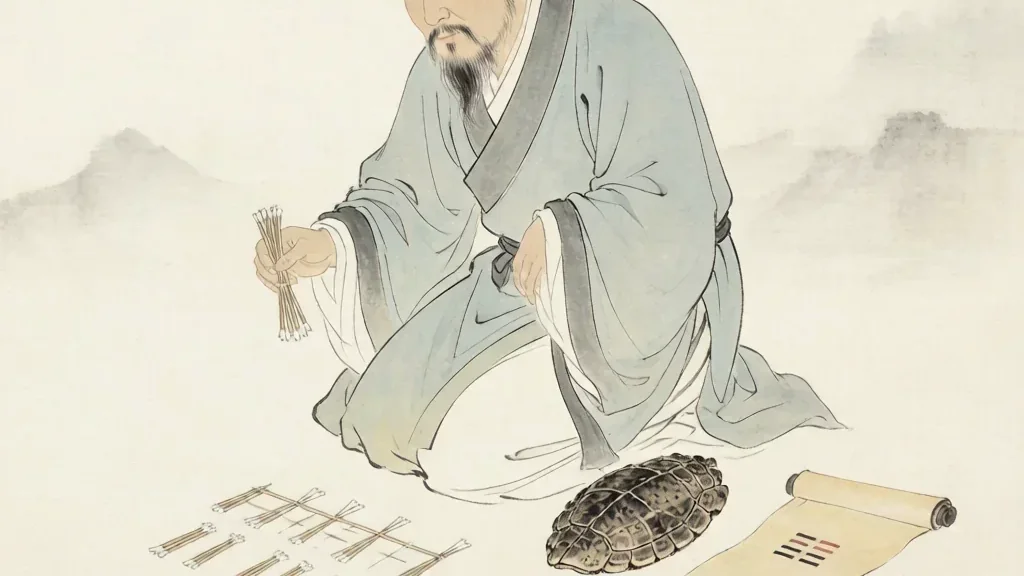
I Ching Philosophy (易经哲学) — The Book of Changes
The Yijing (易经), or "Book of Changes," is the oldest of the Chinese classics and arguably the most influential text in the entire Chinese philosophical tradition. Originating as a divination manual during the Western Zhou dynasty (c.

Yin and Yang: The Dance of Opposites
Look at the circle split into a dark swirl and a light swirl, each holding a seed of the other — almost everyone recognizes this symbol, but few know how deeply it runs. It is the emblem of 阴阳 (Yīnyáng), the Chinese idea that reality is made of two complementary forces whose interplay generates everything.
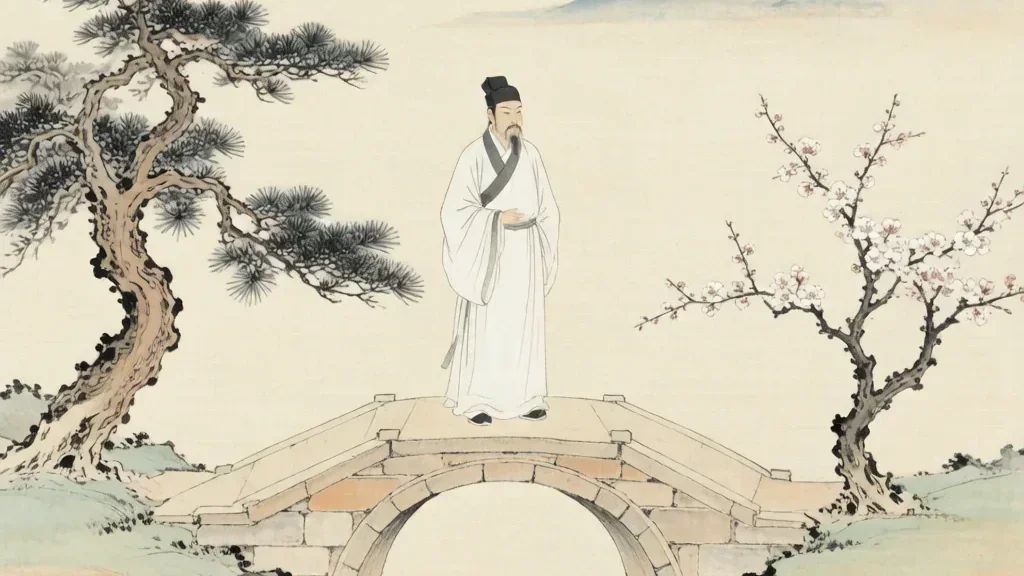
Doctrine of the Mean (中庸) — The Way of Balance
The Zhongyong (中庸), translated as "The Doctrine of the Mean" or "The State of Equilibrium and Harmony," is one of the most profound and philosophically dense texts in the Confucian canon. Originally a chapter in the Book of Rites (礼记), it was elevated to independent canonical status by the Song dynasty Neo-Confucian master Zhu Xi (1130–1200), who made it one of the "Four Books" (四书) that formed the core of Chinese education for nearly 700 years.
Chinese Buddhist Philosophy: Emptiness in the Middle Kingdom
Chinese Buddhist philosophy is the story of how an Indian religion became a Chinese one. Over a millennium, from the first century CE, Buddhism was translated,...

Chan Thought: The Sudden Enlightenment School
Chan (禅, Chán) — known in Japan as Zen — is the Chinese Buddhist school that made enlightenment a matter of sudden insight rather than gradual study. Born from...
The Daoist Canon: Beyond the Dao De Jing
Beyond the Dao De Jing, the Daoist canon (道藏, Dàozàng) gathers thousands of scriptures on cosmology, alchemy, ritual, and the art of living in accord with the...
Feng Shui Philosophy: Harmony with the Landscape
Feng shui (风水, fēngshuǐ, literally "wind and water") is the traditional Chinese art of siting buildings, tombs, and cities in harmony with the living landscape....

The Hundred Schools of Thought: China's Golden Age of Philosophy
The Hundred Schools of Thought (诸子百家, zhūzǐ bǎijiā) denotes the remarkable efflorescence of philosophy in China's Warring States period (475–221 BCE) — an age...
The School of the Mind: Lu Jiuyuan and Wang Yangming
The School of the Mind (心学, xīnxué), associated above all with Lu Jiuyuan (陆九渊, 1139–1193) and Wang Yangming (王阳明, 1472–1529), was the most radical and...

The School of Names: Logic and Paradox in Ancient China
The School of Names (名家, míngjiā) were the logicians and debaters of ancient China — the thinkers who turned their attention to language, definition, and paradox...
The New Culture Movement: Tradition Under Question
The New Culture Movement (新文化运动, xīn wénhuà yùndòng), flourishing roughly from 1915 to the mid-1920s, was the moment modern China turned most radically against...
New Text Confucianism: The Interpretive Tradition of Han
New Text Confucianism (今文经学, jīnwén jīngxué) was the dominant way of reading the Confucian classics in the Han dynasty. Its name refers to the "new text"...

The Agricultural School: Farming as Statecraft
The Agricultural School (农家, nóngjiā) was the strand of classical Chinese thought that treated farming as the true foundation of the state. Where the Confucians...

Old Text Confucianism: The Philological Tradition
Old Text Confucianism (古文经学, gǔwén jīngxué) was the rival tradition to New Text learning, built on classics discovered decades after the Han founding and written...

Evidential Learning: The Qing Turn to Empirical Scholarship
Evidential Learning (考证学, kǎozhèngxué) was the great intellectual turn of the Qing dynasty (1644–1912): a move away from speculative philosophy toward rigorous,...
The Confucian Classics: The Foundation of a Civilization
The Confucian classics — the Five Classics (五经, wǔjīng) and the later Four Books (四书, sìshū) — were the foundation of Chinese civilization for more than two...
Neo-Confucianism: The Rational Philosophy of Song and Ming
Neo-Confucianism (理学, lǐxué) of the Song (960–1279) and Ming (1368–1644) dynasties was the great philosophical synthesis of late imperial China. Faced with the...
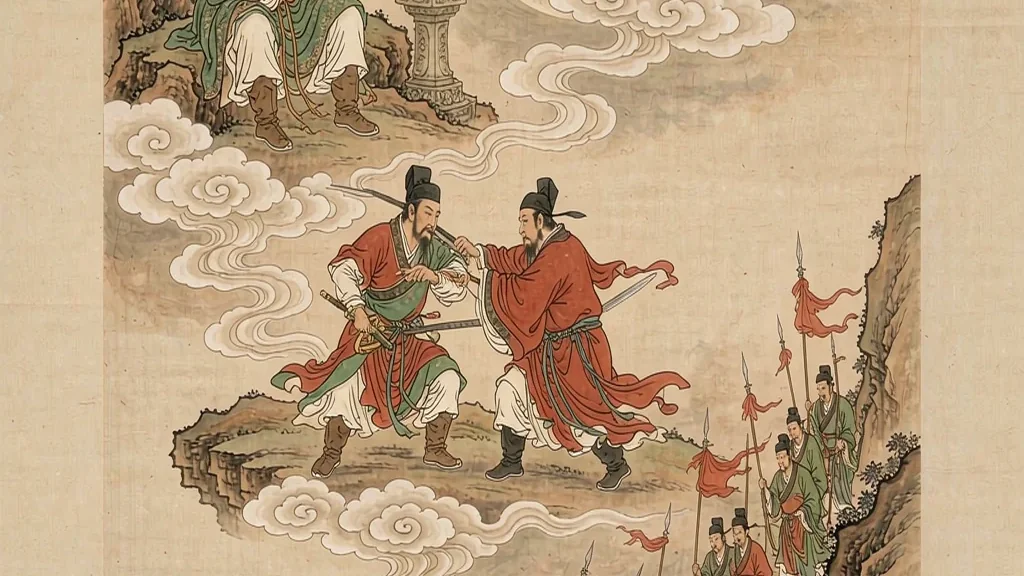
The Philosophy of the Art of War: Strategy as Life
The philosophy of the Art of War (孙子兵法, Sūnzǐ Bīngfǎ) is more than a manual of battle; it is a philosophy of strategy as a way of living wisely. Attributed to...
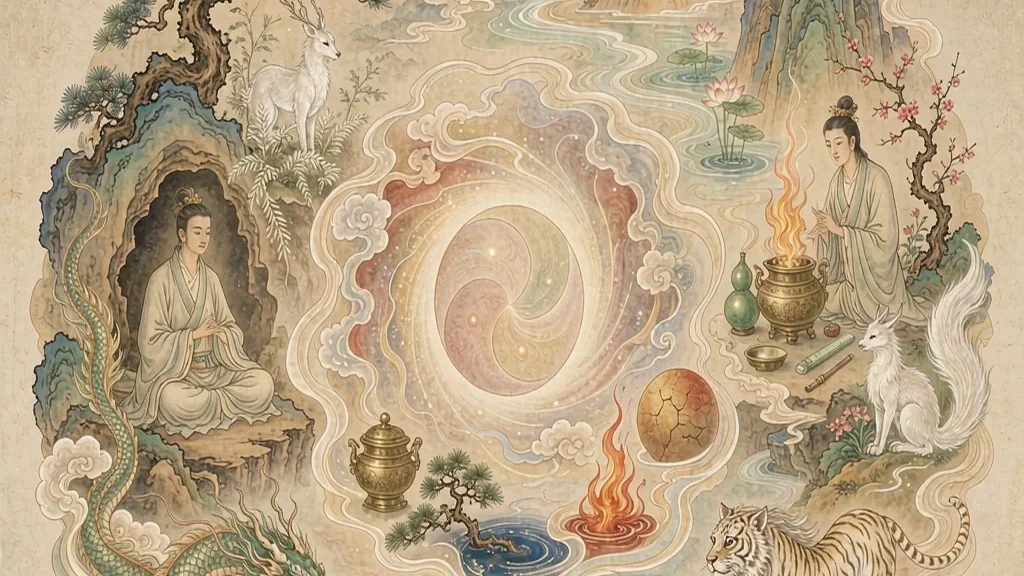
Daoist Internal Alchemy: The Philosophy of Transformation
Daoist internal alchemy (内丹, nèidān) is the great spiritual technology of later Daoism — the art of refining the body, breath, and mind into a condition of...
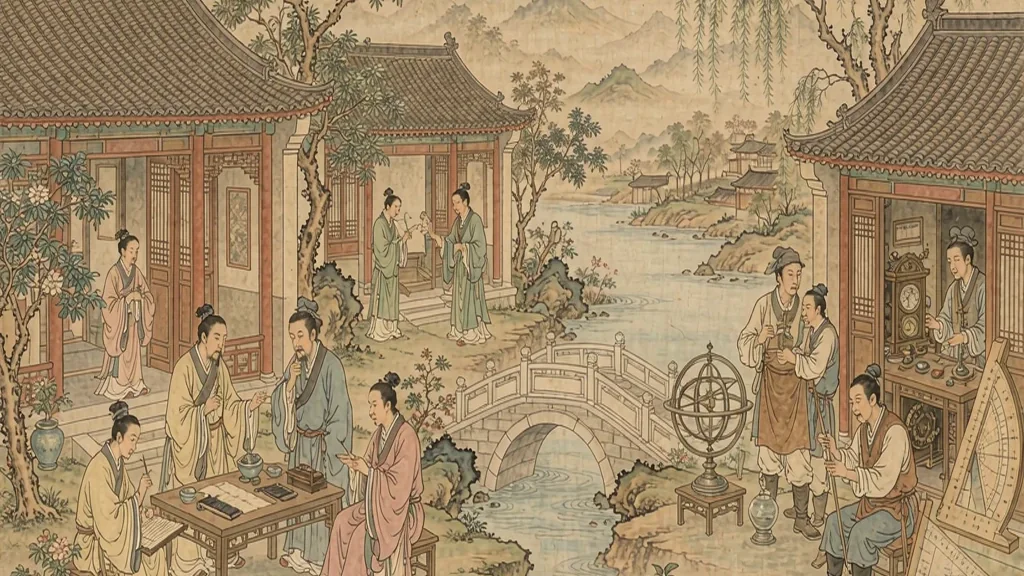
Chinese Learning as Substance, Western as Function
"Chinese learning as substance, Western learning as function" (中体西用, zhōngtǐ xīyòng) was the formula that framed China's encounter with the West in the late...
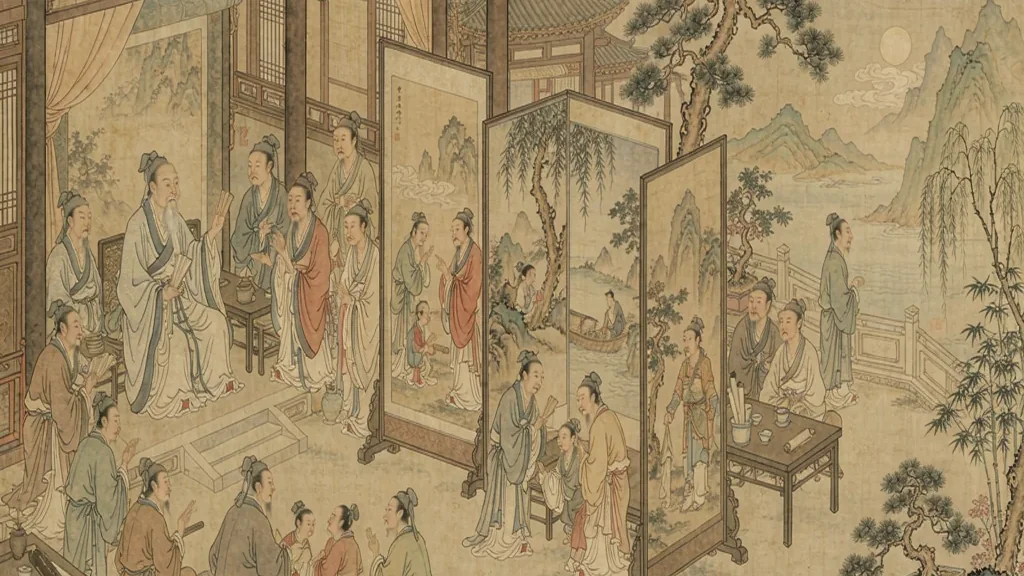
The Storyteller School: Fiction as Philosophy
The Storyteller School (小说家, xiǎoshuōjiā) is the oddity of the classical Chinese catalogues. In the Hanshu ("Book of Han"), the bibliographers of the first...
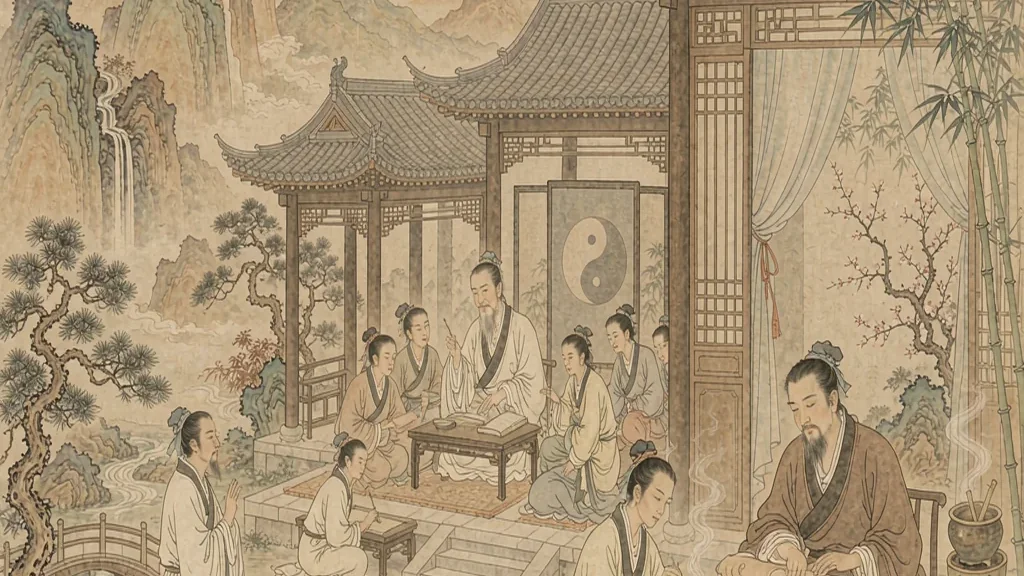
The Medical School: Chinese Medicine as Philosophy
The Medical School (医家, yījiā) occupies a unique place among the Hundred Schools: it was the tradition that turned philosophy into practice on the body itself....
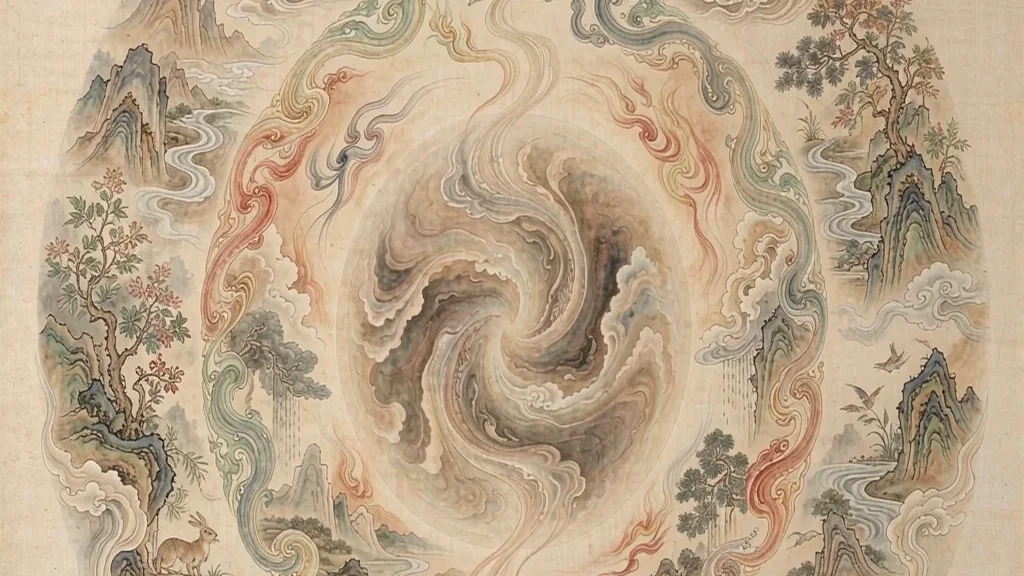
The Cosmology of the Yijing: Change as the Ultimate Reality
The cosmology of the Yijing (易经, "Classic of Changes") makes change itself the ultimate reality. From a core of sixty-four hexagrams — patterns of broken and...

The Yin-Yang School: Cosmic Dualism as Philosophy
The Yin-Yang School (阴阳家, yīnyángjiā) was the tradition that turned the ancient intuition of cosmic duality into a systematic natural philosophy. Its masters —...

The Syncretic School: Mixing a Hundred Ideas
The Syncretic School (杂家, zájiā) was the "eclectic" tradition of classical China — the compilers who refused to choose between the Hundred Schools and instead...
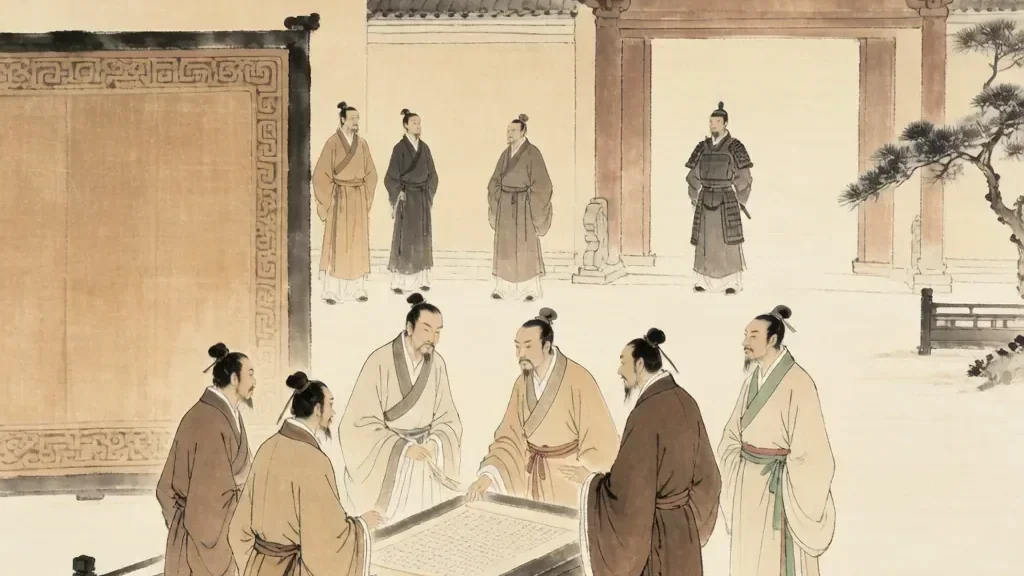
The School of Diplomacy: Persuasion and Alliance
The School of Diplomacy (纵横家, zònghéngjiā) were the strategists of persuasion and alliance in China's Warring States period (475–221 BCE). At a time when seven...