Calligraphy
47 articles — The art of the brush — China's supreme visual art.
For over three thousand years, the Chinese have treated writing as art. Calligraphy — the dance of the brush across paper — was long considered the highest of the visual arts, above painting and sculpture, because it joined language, beauty, and the writer's character in a single living line. From the squared seal script on imperial jade to the wild cursive of drunken masters, each script carries its own spirit. This guide explores the brushes, styles, and masters behind China's most revered art.
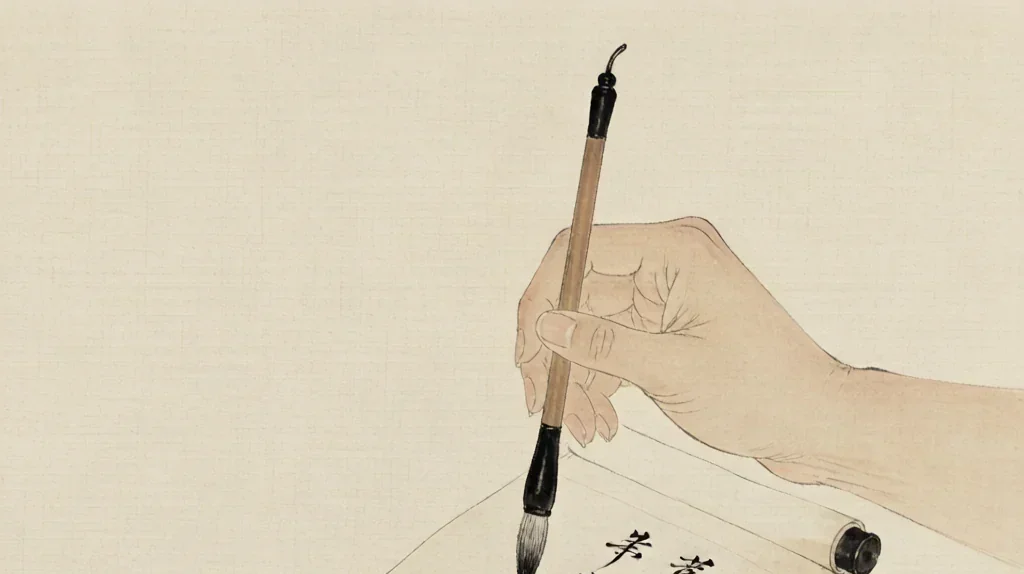
Chinese Calligraphy (书法): The Art of the Brush
For over two millennia, the st, the Chinese have treated writing not merely as a way to record words but as one of the highest visual arts. Calligraphy, known as 书法 (shū fǎ), literally "the method of writing," transforms the act of putting brush to paper into a discipline of breath, posture, and mind.
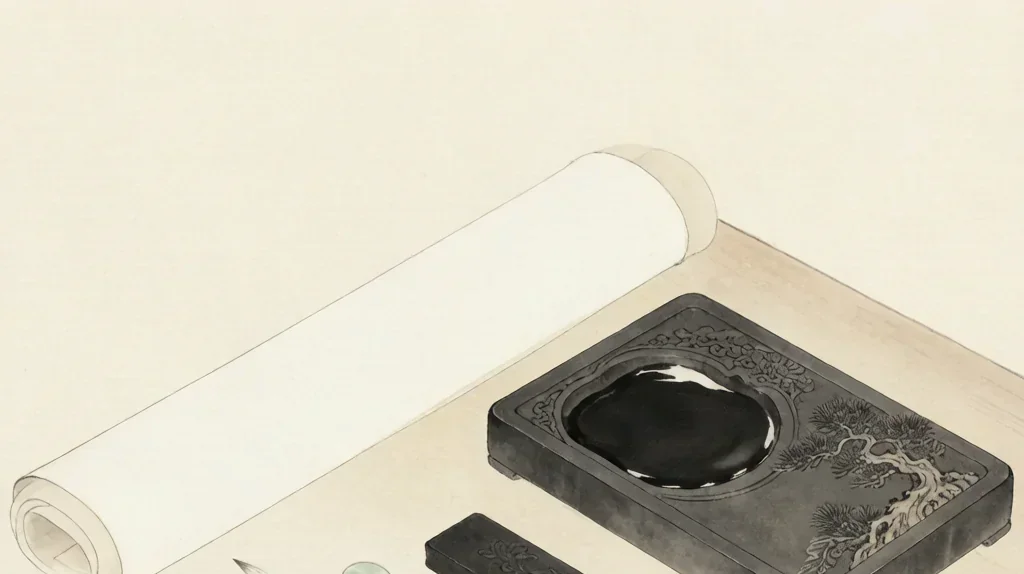
The Four Treasures of the Study (文房四宝)
No calligrapher works with a pen. The Chinese tradition depends instead on a small set of hand-made implements whose quality can decide the fate of a stroke.
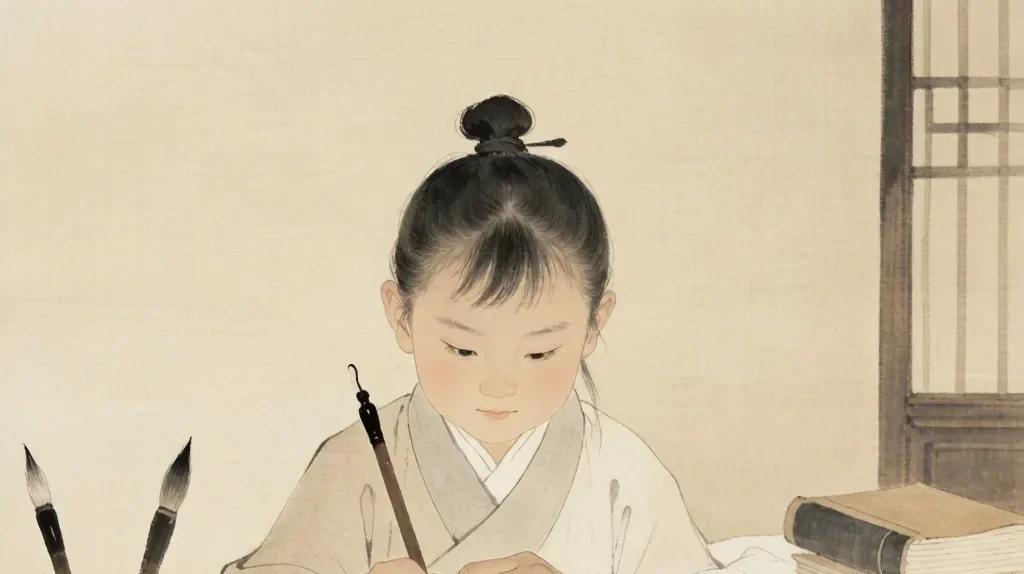
The Four Masters of Regular Script (楷书四家)
If a Chinese child learns to write by copying one of a handful of historical hands, that hand almost certainly belongs to one of the Four Masters of Regular Script (楷书四家, kǎi shū sì jiā). The group—Ouyang Xun, Yan Zhenqing, Liu Gongquan, and Zhao Mengfu—spans six centuries from the Tang to the Yuan dynasty.
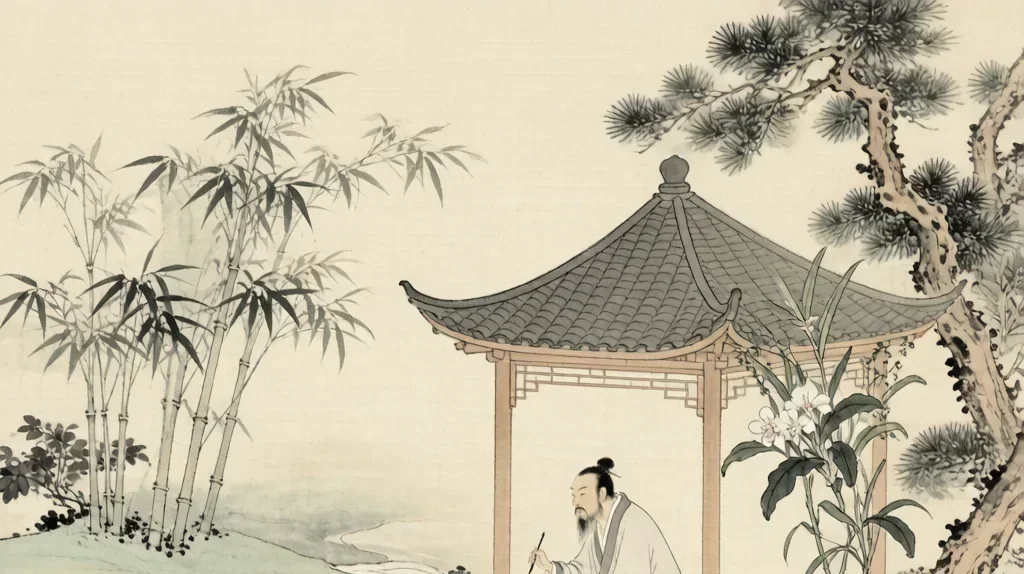
Wang Xizhi and the Orchid Pavilion Preface (兰亭序)
No single name is more revered in Chinese calligraphy than Wang Xizhi (王羲之, Wáng Xīzhī). A gentleman of the Eastern Jin dynasty, he earned the title Sage of Calligraphy (书圣, shū shèng), a honor given to no other.

Grass Script: The Dance of the Brush (草书)
Among the five major scripts of Chinese calligraphy, none inspires as much awe — and confusion — as Grass Script, or cao shu (草书, cǎo shū). At first glance it looks like a tangle of ink: characters abbreviated to a few wild loops, strokes bleeding into one another, and lines that swoop across the page as if the brush has taken on a life of its own.
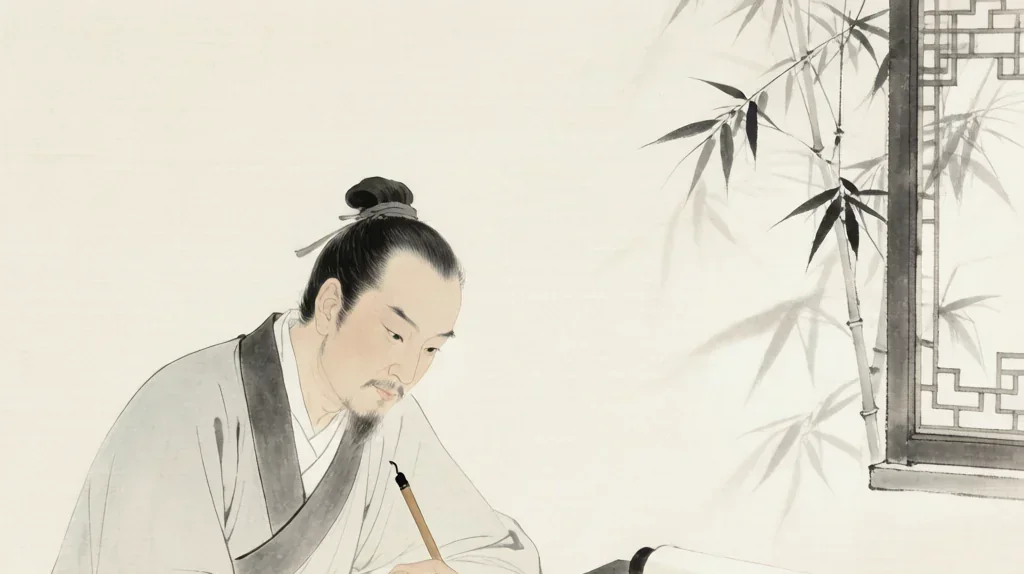
Running Script: The Walking Hand (行书)
If Regular Script is calligraphy standing at attention and Grass Script is it sprinting flat out, then Running Script, or xing shu (行书, xíng shū), is the art of the walking hand — a graceful, fluid middle path that for nearly two millennia has been the default script of Chinese literate culture. The character 行 (xíng) means "to walk" or "to move," and that is precisely what the strokes do: they move, flow, and connect without breaking into the wild abbreviation of cao shu .

Bei and Tie: Stele and Model-Book Calligraphy (碑帖)
For over two millennia, the st, Chinese calligraphy has been transmitted through two distinct but complementary channels: Bei (碑, bēi, "stele") and Tie (帖, tiè, "model-book" or "rubbing"). One is carved into living rock with hammer and chisel; the other is traced in ink from the original brushwork of the masters.

Zhuanke: The Art of Seal Carving (篆刻)
In the corner of almost every Chinese painting and calligraphy scroll, nestled beside the artist's signature, is a small vermilion square: the seal (印章, yìn zhāng). No larger than a thumb, it contains a world of meaning.
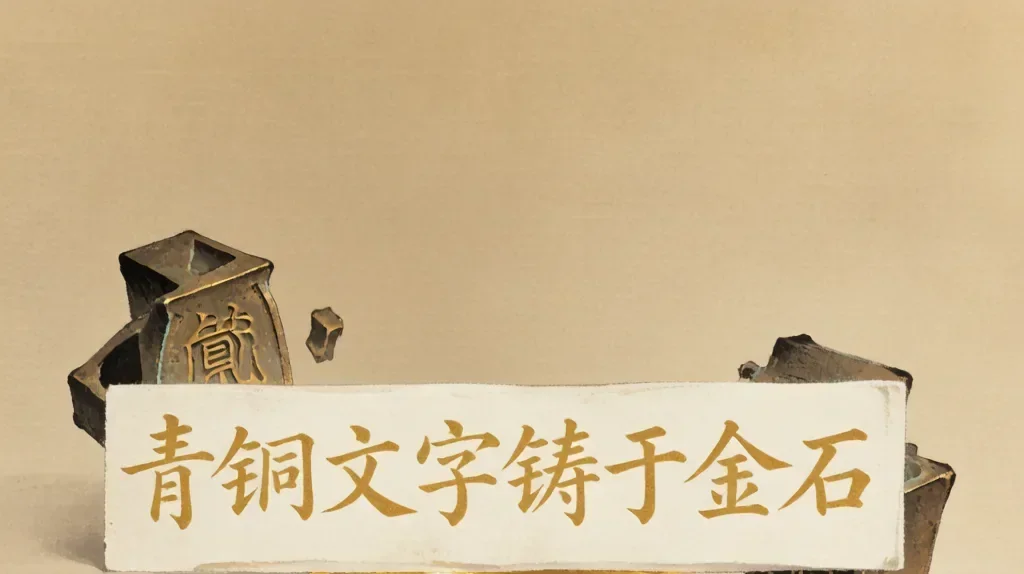
Bronze Inscriptions: Words Cast in Metal
When the Zhou dynasties supplanted the Shang, the center of gravity in Chinese writing shifted from brittle bone to enduring bronze. Bronze inscription script (金文, jīn wén) — also called zhōngdǐng wén (钟鼎文), "bell and tripod script" — was cast onto ritual vessels that were intended to last forever. These vessels, buried in tombs and hoards, survived the millennia that destroyed the wood, bamboo, and silk on which most Zhou writing was recorded. The result is a vast epigraphic record spanning over a millennium, from the Shang through the Zhou and into the Han dynasty. Unlike the terse divinatory records of the oracle bones, bronze inscriptions could run to hundreds of characters, recording treaties, land grants, military campaigns, and the pious hopes of their owners.
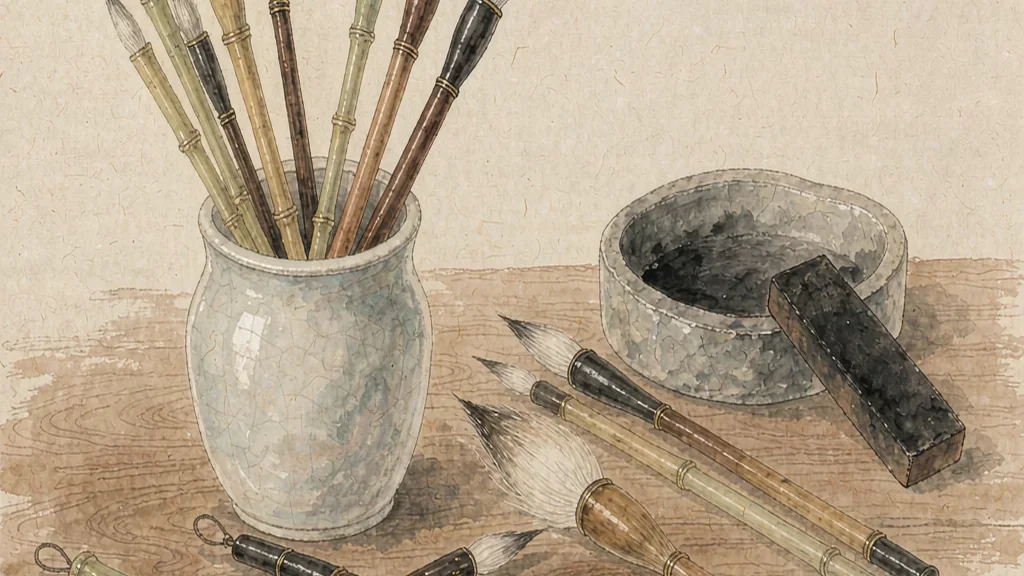
The Brush: The Tool That Wrote a Civilization
The calligraphy brush (毛笔, máo bǐ) is the most personal and the most essential of the Four Treasures of the Study. Unlike the ink stick or the ink stone, the brush must be intimately matched to the calligrapher's hand, style, and purpose. A brush for regular script differs fundamentally from a brush for wild cursive; a brush for small characters is useless for large ones. The variety of Chinese brushes is vast, classified by material, size, shape, and hardness. Understanding this variety is essential for any calligrapher, for the brush determines what the hand can express. As the saying goes, "To do good work, one must first sharpen one's tools."
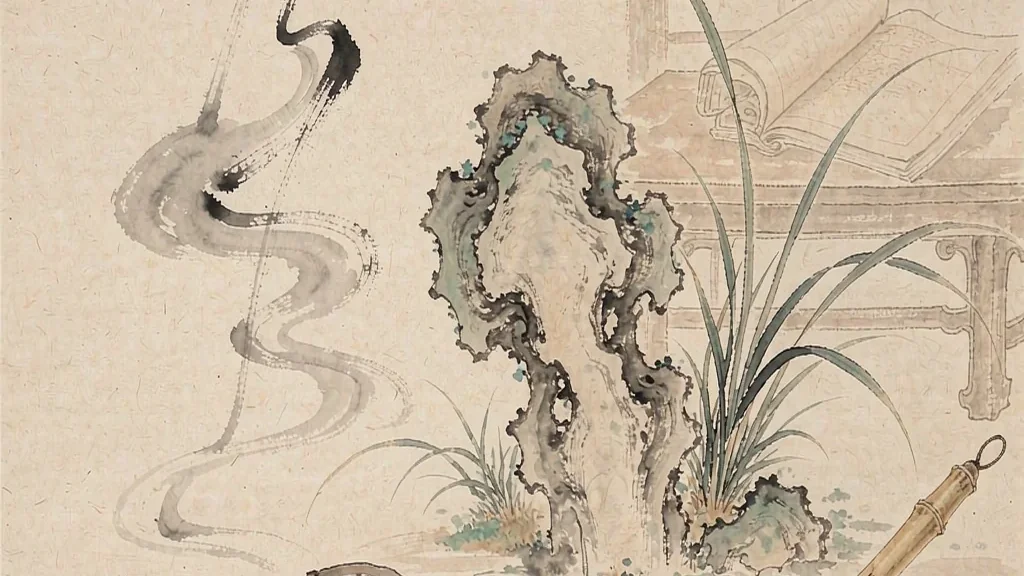
Brush Technique: The Bones of the Character
Chinese calligraphy is, at its most fundamental level, an art of the brush. The character for "brush" (笔, bǐ) appears in the word for calligraphy itself — shū fǎ (书法), "the method of writing." The brush is not merely a tool but an extension of the calligrapher's body, a conduit through which qi (气), the vital energy of life, passes from the body to the paper. The techniques of brush use — how to hold it, how to move it, how to vary pressure and speed — constitute the essential grammar of the art form. Without brush technique, there is no calligraphy — only writing. This article explores the fundamental techniques that every calligrapher must master and the deeper principles that transform technique into art.
The Copybook: Learning Through Imitation
Since the Tang dynasty, the primary method of learning calligraphy has been through copying model texts — tracing the strokes of the masters until the hand internalizes the movements that produced them. The copybook (字帖, zì tiē), containing carefully reproduced works of the great calligraphers, is the textbook of the calligraphy student. But the copybook tradition is more than a pedagogical tool; it is the mechanism by which the history of Chinese calligraphy has been transmitted. Without the copybook, the works of Wang Xizhi, Yan Zhenqing, and Ouyang Xun would be known only through scattered inscriptions on stone. The copybook made the classics accessible to every student and preserved the continuity of the tradition across dynasties and revolutions.

Theories of Calligraphy: The Philosophy of the Brush
Chinese calligraphy has not only been practiced for two millennia — it has also been theorized, analyzed, and judged. Calligraphy criticism (书学批评, shū xué pī píng) is a sophisticated tradition that reaches back to the Han dynasty and has produced some of the most subtle and penetrating art criticism in any culture. Chinese critics did not merely say whether a work was "good" or "bad"; they classified styles into categories, traced lineages of influence, identified the moral qualities revealed by brushwork, and debated the relative merits of the masters. This critical tradition shaped how calligraphy was practiced, collected, and valued. Understanding calligraphy criticism is essential to understanding calligraphy itself.
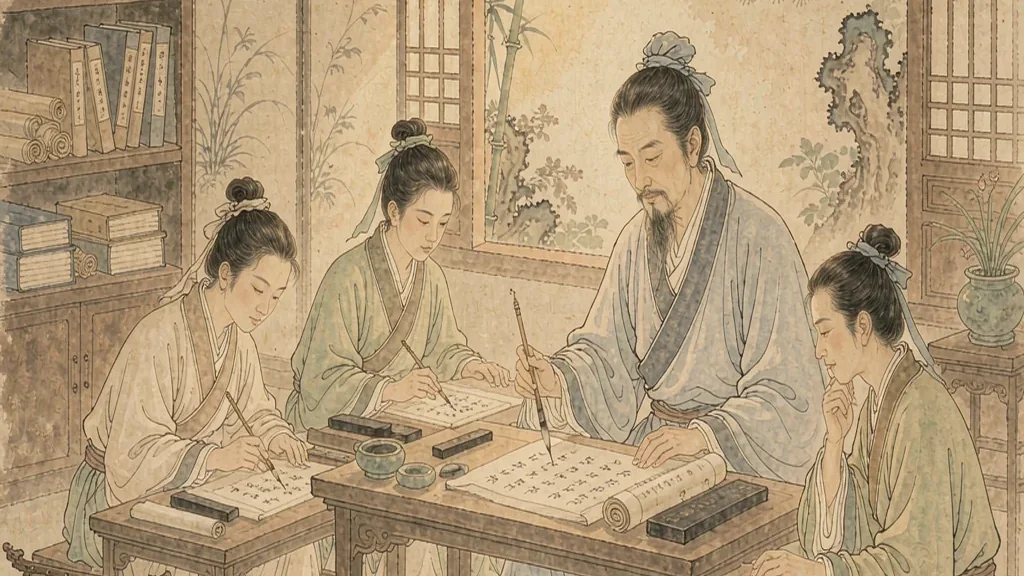
Calligraphy Education: Training the Hand
In China, the practice of writing has been inseparable from moral education for over two thousand years. Learning to write with a brush was traditionally the first step in a child's education — not merely a practical skill but a discipline that cultivated patience, concentration, and moral character. Calligraphy education (书法教育, shū fǎ jiào yù) was the foundation of the entire Chinese educational system, the gateway through which every educated person passed. Today, despite the dominance of keyboards and touchscreens, calligraphy education remains an important part of Chinese schooling, and the methods used to teach it still reflect the traditions developed over centuries.

The Calligraphy Exhibition: Art Displayed
For most of its history, Chinese calligraphy was a private art — the product of the scholar's studio, seen by a few friends and appreciated in intimate settings. The public exhibition of calligraphy, as we know it today, is a relatively modern phenomenon, dating from the late nineteenth and early twentieth centuries. The emergence of the calligraphy exhibition transformed the art in fundamental ways: it changed how calligraphy was produced, how it was judged, and how it was consumed. Today, calligraphy exhibitions are held in every major Chinese city, and international exhibitions have brought Chinese calligraphy to a global audience. The exhibition is now the primary context in which calligraphy is experienced as a public art.
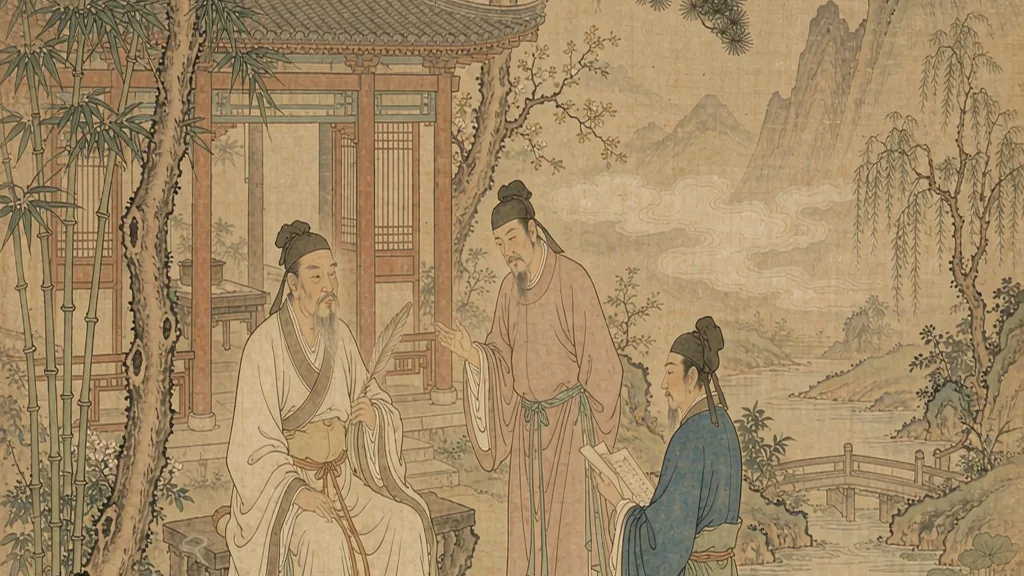
The Great Calligraphers of Sui and Tang
The Sui (581–618) and Tang (618–907) dynasties represent the classical age of Chinese calligraphy, the period when regular script achieved its definitive forms and the art of writing reached a level of technical mastery that later generations could only admire. This was the age of Ouyang Xun, Yan Zhenqing, Liu Gongquan, Yu Shinan, and Chu Suiliang — names that have been household words in China for over a millennium. The Sui-Tang period also saw the flourishing of cursive script in the hands of Zhang Xu and Huai Su, and the establishment of a canonical tradition centered on the works of Wang Xizhi. Understanding the calligraphy of this period is essential for anyone who wishes to understand Chinese calligraphy as a whole.
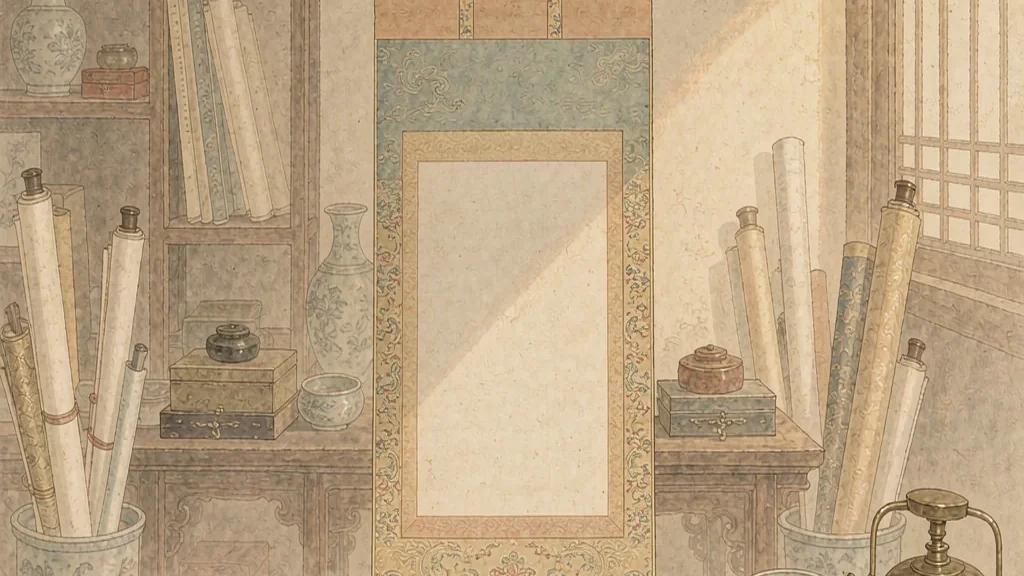
The Mounting: Framing the Art of the Brush
A finished piece of calligraphy is fragile: a sheet of paper, thin and absorbent, easily torn, wrinkled, or discolored. To be preserved, displayed, and appreciated, it must be mounted — backed with layers of paper, surrounded by silk or paper borders, and attached to a scroll. The art of mounting (装裱, zhuāng biǎo) is as old as calligraphy itself, and its techniques have been refined over centuries. A well-mounted scroll is not merely a protected document but an enhanced work of art, with margins and borders that frame the writing and guide the viewer's eye. The mounter is a collaborator in the creation of the artwork, and the best mounters are honored as artists in their own right.
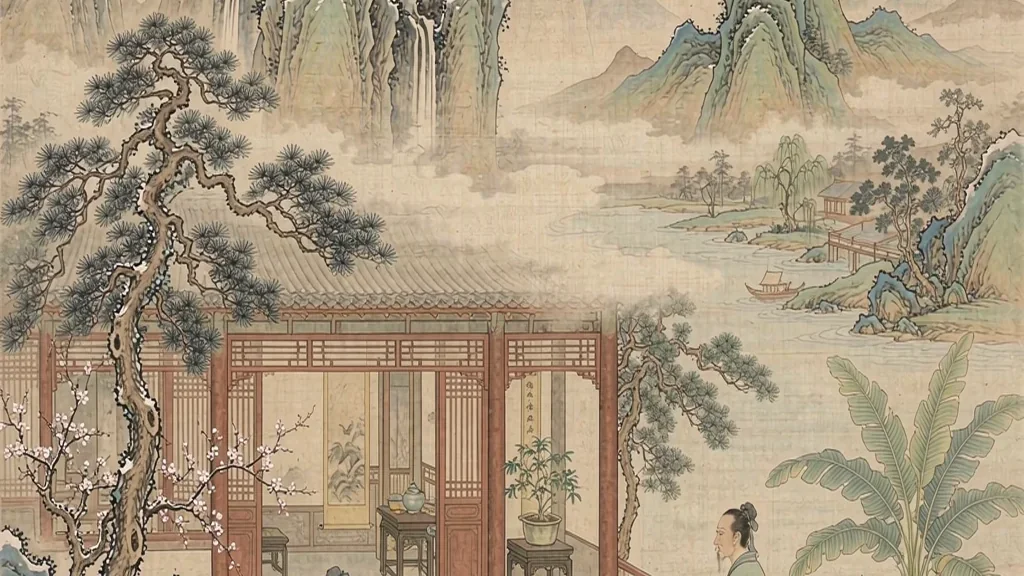
The Northern and Southern Schools of Calligraphy
One of the most persistent and influential ideas in Chinese calligraphy criticism is the distinction between Northern and Southern schools — two supposedly distinct traditions that have shaped the art from its origins to the present. The theory, most famously articulated by the Qing scholar Ruan Yuan, held that the Northern school was characterized by the vigorous, angular styles of stone inscriptions, while the Southern school was defined by the graceful, flowing styles of the Wang Xizhi tradition transmitted through copybooks. While modern scholarship has shown the Northern-Southern distinction to be more rhetorical than historical, the idea has been enormously influential in shaping how calligraphers understand their tradition. The debate between North and South is, at bottom, a debate about what kind of calligraphy is most authentic.
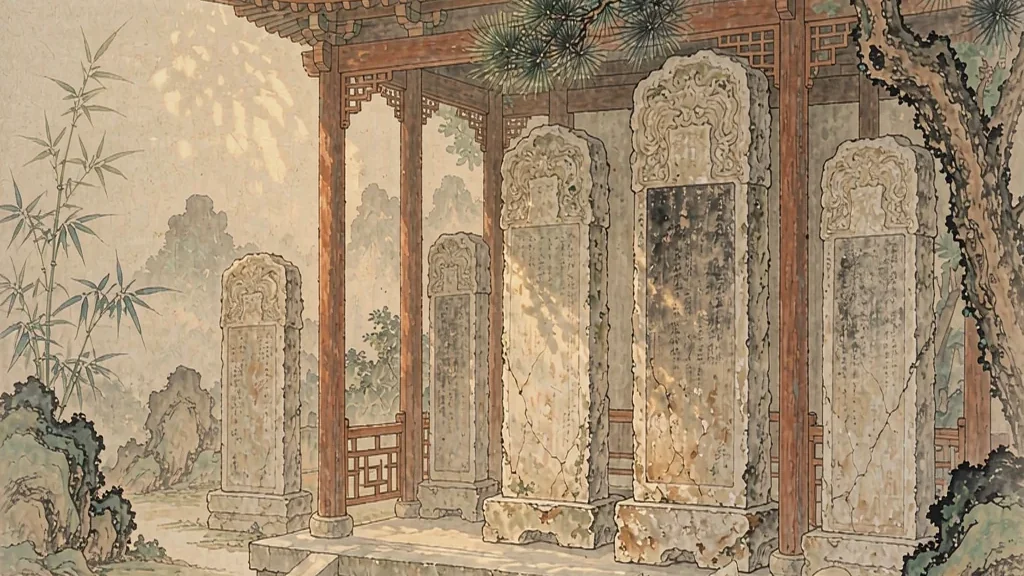
The Rubbing: Preserving History on Paper
Before photography, before printing, there was the rubbing — a technique for reproducing the carved characters of stone stelae onto paper. Calligraphy rubbing (拓片, tà piàn) is deceptively simple: a sheet of paper is pressed onto a carved stone surface, and ink is dabbed onto the paper, leaving the incised characters white against a black background. But in practice, this technique requires extraordinary skill and patience, and the finest rubbings are themselves works of art — prized by collectors, studied by scholars, and copied by calligraphers. For over a millennium, rubbings were the primary means of transmitting the masterpieces of Chinese calligraphy. Without them, the tradition would be immeasurably poorer.
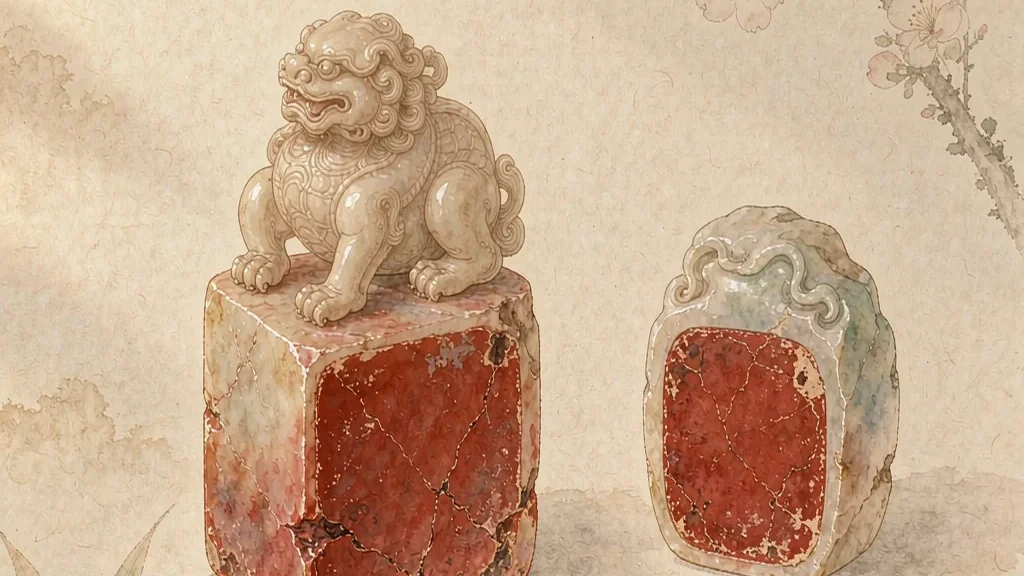
The Seal: The Signature of the Artist
When a Chinese calligrapher finishes a work, he or she affixes a crimson seal (印章, yìn zhāng) to the paper — a small square or rectangle of carved stone that declares the artist's name, studio, or artistic motto. This seal is not a mere signature but an integral part of the composition, a point of red that balances the black ink and empty white space. The art of seal carving (篆刻, zhuàn kè) is considered a sister art to calligraphy, sharing its principles of composition, balance, and expressive power. A fine seal is a miniature calligraphic masterpiece, and the study of seal carving is an essential component of a complete calligraphy education.

The History of Calligraphic Styles
The history of Chinese calligraphy is a story of evolution spanning over three millennia — a continuous development from the first scratched marks on oracle bones to the bold experiments of contemporary artists. This evolution was not a simple linear progression but a complex process of diversification, standardization, and revival. Each major script style — seal, clerical, regular, running, and cursive — emerged at a specific historical moment in response to particular needs, and each carried within it the values and aesthetics of its time. Understanding the historical development of calligraphic styles is essential for understanding Chinese civilization itself, for writing in China has never been merely a technology but always an art, a philosophy, and a record of the human spirit.
Clerical Script: The Birth of Modern Chinese Writing
While seal script represented imperial authority carved in stone, a humbler script was quietly transforming Chinese writing in the cramped offices of Han dynasty bureaucrats. Clerical script (隶书, lì shū) — literally "script of the clerical class" — was born from the need for faster, more efficient writing. Its creation is traditionally attributed to Cheng Miao (程邈), a Qin dynasty prisoner who supposedly invented the script while in jail, though the historical reality is more complex. What is certain is that clerical script marks a watershed in the history of Chinese calligraphy: the first script to fully break from pictographic origins into an abstract, stroke-based system that directly prefigures modern Chinese writing.
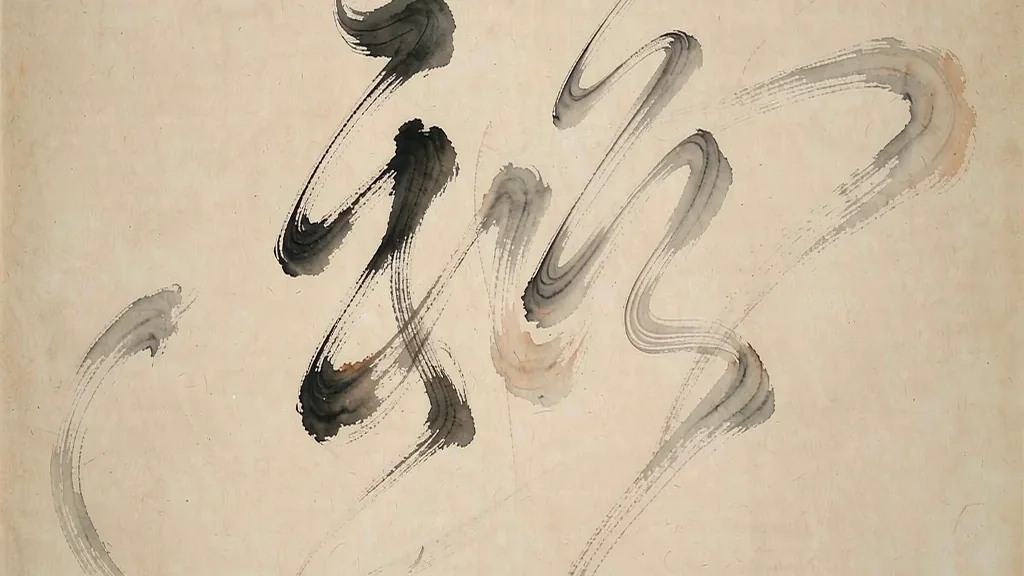
Cursive Script: The Wild Freedom of the Brush
Among all the scripts of Chinese calligraphy, cursive script (草书, cǎo shū) is the most radical — a script that seems, to the uninitiated, like no script at all. Characters are reduced to abstract gestures, strokes merge into continuous ribbons of ink, and legibility is often sacrificed to expression. The word cǎo (草) means "grass" or "rough draft," suggesting something wild, untamed, and preliminary. But Chinese cursive script is anything but crude. It is a highly codified system of abbreviation and transformation, governed by rules as strict as those of regular script — rules that must be thoroughly mastered before they can be broken. Cursive script is the final freedom earned through long discipline, the dance that follows years of drill.
Dong Qichang: The Theorist of the Southern School
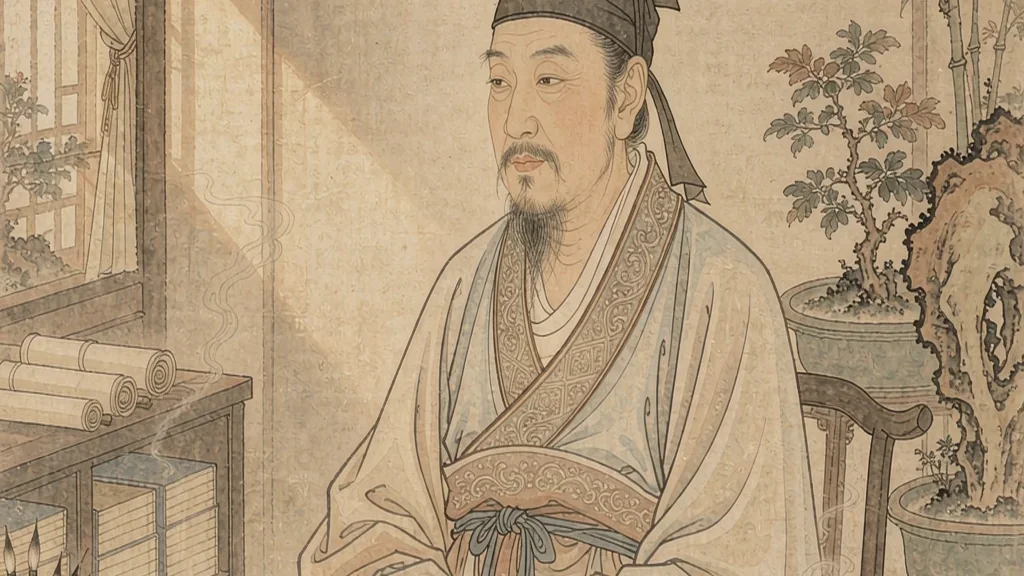
The Ming dynasty produced many fine calligraphers, but none more influential than Dong Qichang (董其昌, 1555–1636). Dong was the preeminent scholar-painter-calligrapher of his age, a figure whose theoretical writings shaped Chinese art criticism for centuries and whose calligraphic and painterly practice embodied the literati ideal. His calligraphy is characterized by a refined, understated elegance — "plain" (平淡, píng dàn) in the highest sense of the word, a quality that seems effortless but is the product of supreme mastery. Dong Qichang's influence extended beyond his own work: his theories about the Northern and Southern schools of painting were adapted to calligraphy, and his standards of taste dominated Chinese art criticism until the twentieth century.

The Eight Eccentrics of Yangzhou: Rebels of the Brush
In the eighteenth century, the wealthy merchant city of Yangzhou was the unlikely setting for one of the most remarkable artistic movements in Chinese history. The "Eight Eccentrics of Yangzhou" (扬州八怪, Yángzhōu Bā Guài) were a loose group of painters and calligraphers who shared a commitment to individualism, a rejection of orthodox conventions, and a willingness to sell their art on the open market — something that the scholar-amateur tradition considered beneath its dignity. Their work was bold, unconventional, and deliberately crude by the standards of the literati tradition. The Eccentrics were not a school in the formal sense — they had no single style, no common teacher, no shared manifesto — but they were united by a spirit of artistic independence that permanently changed Chinese art.
Huai Su: The Crazy Monk of Cursive Script
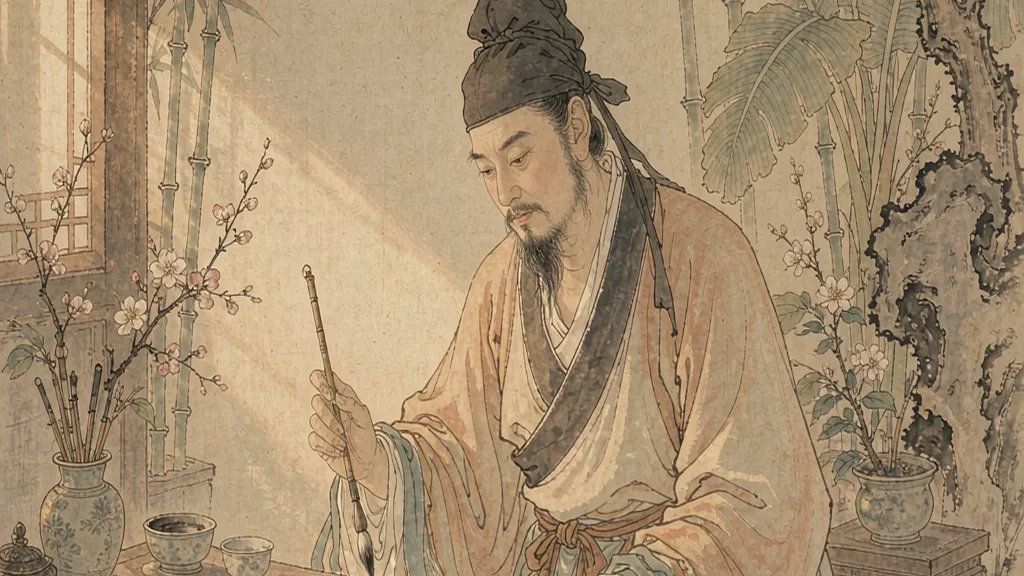
In the history of Chinese calligraphy, few figures are as legendary as the monk Huai Su (怀素, 737–799). A Buddhist monk who lived during the Tang dynasty, Huai Su represents the ultimate fusion of spiritual discipline with artistic expression. His monastic vows paradoxically set him free: unencumbered by the responsibilities of a scholar-official, Huai Su could dedicate his entire life to the art of cursive script. His Autobiography (自叙帖) is one of the most breathtaking achievements in Chinese calligraphy — a wild-cursive tour de force in which the characters seem less written than conjured, spiraling across the paper like smoke from incense. Huai Su was not merely a calligrapher but a vessel through which the Chinese cursive tradition reached its most ecstatic expression.
The Ink Stick: The Soul of the Brush
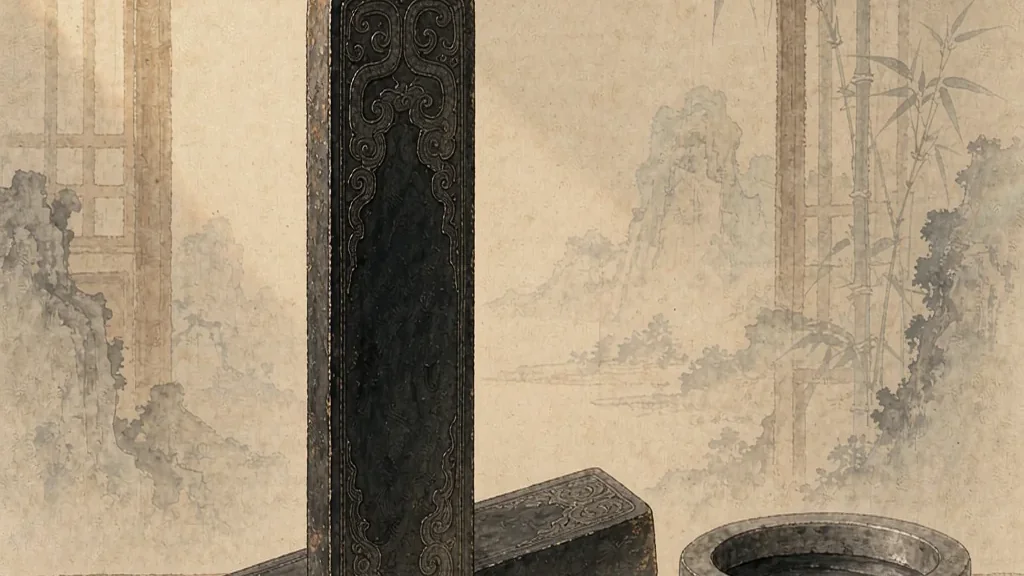
Before the ink reaches the paper, it exists in solid form — a stick of compressed soot and glue, often decorated with gold leaf and carved characters, as much an object of art as a tool. The Chinese ink stick (墨, mò) is not a convenience to be purchased ready-made but a medium to be prepared with care and ritual. The calligrapher grinds the ink stick against an ink stone, mixing the particles with water in a circular motion that is itself a form of meditation. The quality of the ink — its blackness, its sheen, its response to water — profoundly affects the quality of the calligraphy. Understanding ink is essential to understanding Chinese calligraphy, for ink is not merely color but substance, the material embodiment of qi.
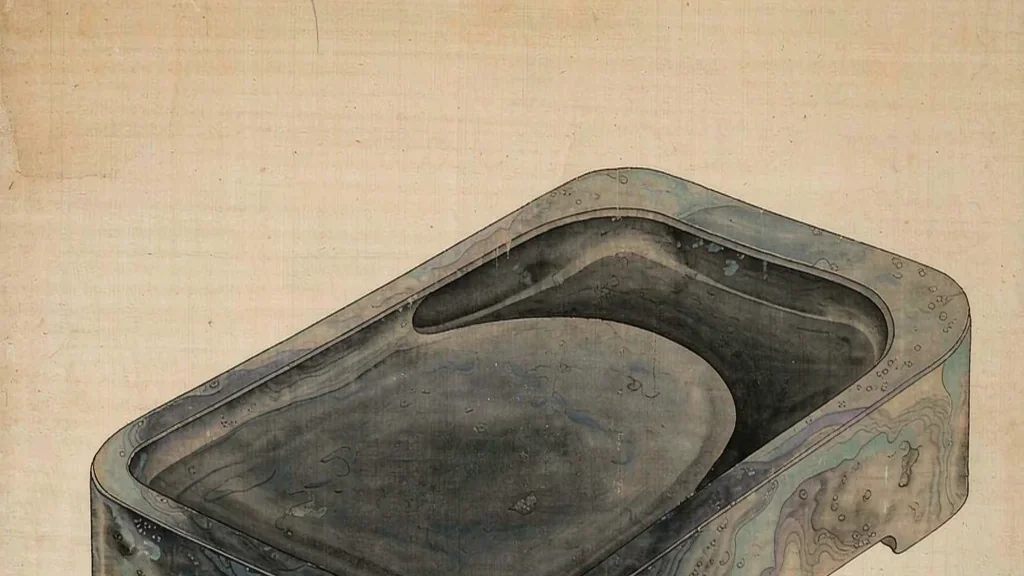
The Ink Stone: The Grinding Heart of the Desk
If the brush is the calligrapher's sword and the ink is the calligrapher's lifeblood, the ink stone (砚台, yàn tái) is the calligrapher's forge — the surface on which ink is born from the marriage of solid stick and clear water. Along with brush, ink, and paper, the ink stone completes the Four Treasures of the Study (文房四宝, wén fáng sì bǎo). But among these four, the ink stone is the most permanent. A fine ink stone, properly cared for, can last for millennia. It connects the calligrapher to an unbroken tradition, a physical link to the countless hands that have ground ink on similar stones over two thousand years of Chinese history.
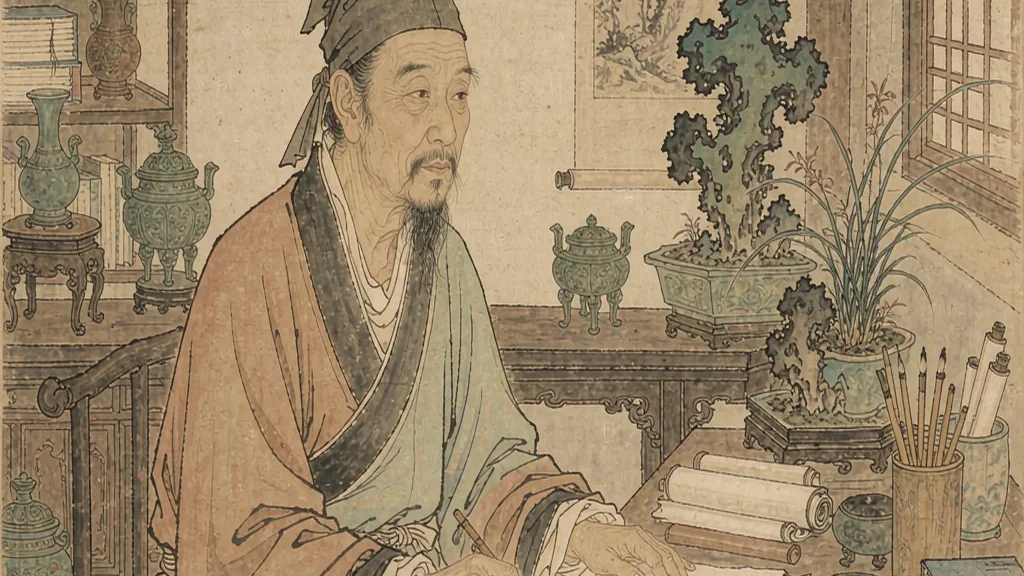
Jin Nong: The Eccentric of the Eight Eccentrics
Among the Eight Eccentrics of Yangzhou, no one was more singular than Jin Nong (金农, 1687–1763). A painter, poet, and calligrapher of prodigious originality, Jin Nong created a calligraphic style so strange that it seemed to belong to a different tradition. His "lacquer script" (漆书, qī shū) — written with a clipped brush that produced thick, blunt strokes — looked like nothing that had come before. Where the mainstream Ming and Qing tradition valued smooth, flowing brushwork, Jin Nong's characters seem carved from wood or squeezed from a tube. He was the ultimate outsider artist of Chinese calligraphy, a man whose eccentricity was not a pose but the necessary condition of his originality.
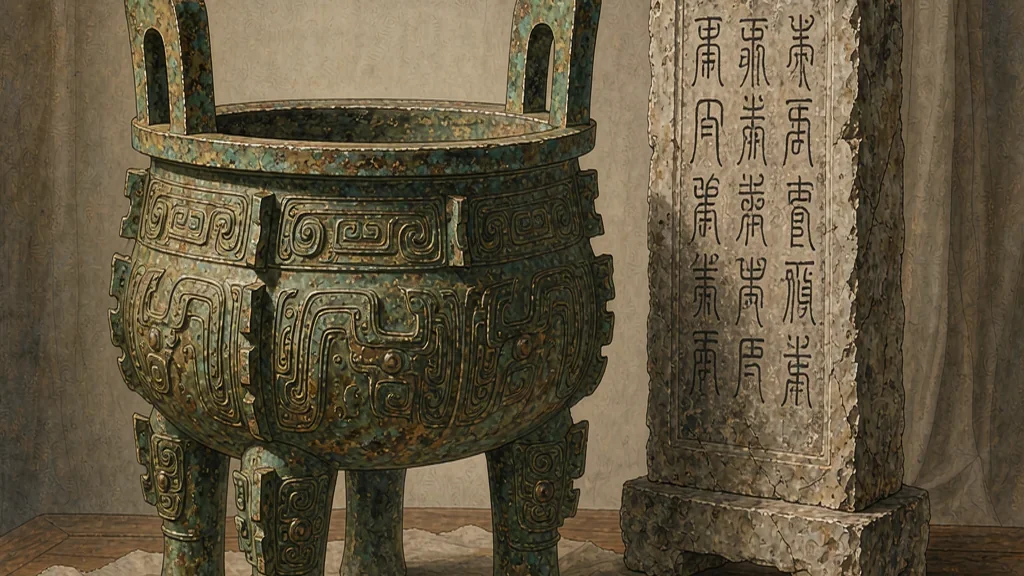
Metal and Stone: The Study of Ancient Inscriptions
Chinese calligraphy has always drawn energy from the past, but in the Qing dynasty, a scholarly movement turned the study of ancient inscriptions into a revolutionary artistic force. This was the jinshi (金石) tradition — the study of "metal and stone" — which encompassed bronze inscriptions, stone stelae, and other epigraphic materials. Jinshi studies became the basis for the epigraphic school (碑学) of calligraphy, which rejected the smooth elegance of the Wang Xizhi tradition in favor of the rough, vigorous quality of ancient inscriptions. The jinshi movement transformed Chinese calligraphy, opening up new aesthetic possibilities and creating a richer, more diverse tradition.
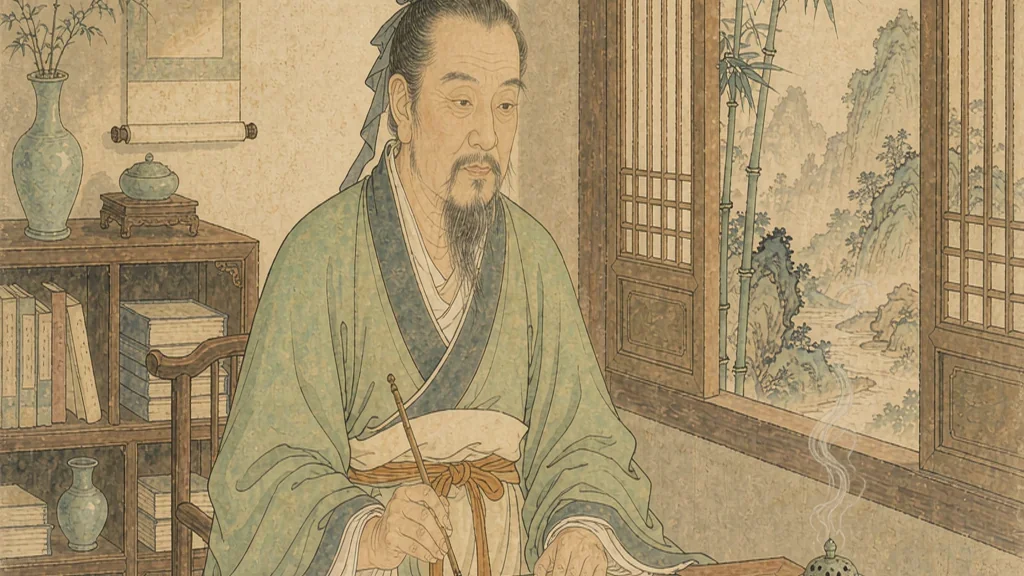
Liu Gongquan: The Calligrapher of the Strong Bones
If Yan Zhenqing's calligraphy is the embodiment of sturdy moral virtue, Liu Gongquan (柳公权, 778–865) offers its complement: the "bone" that gives structure to the flesh. Liu Gongquan is the fourth and last of the great Tang regular-script masters, and his style — known as Liu style (柳体, Liǔ tǐ) — represents the final formal development of Tang regular script. His characters are lean, precise, and sharply defined, with a clarity that has been compared to the clean lines of a well-cut skeleton. The phrase "Yan sinews and Liu bones" (颜筋柳骨, Yán jīn Liǔ gǔ) has become a standard formula in Chinese calligraphy criticism, pairing the two masters as complementary poles of the regular-script tradition. Liu Gongquan proved that power in calligraphy need not come from bulk — it could come from structure, proportion, and the relentless pursuit of formal perfection.
Mi Fu: The Eccentric Genius of the Brush
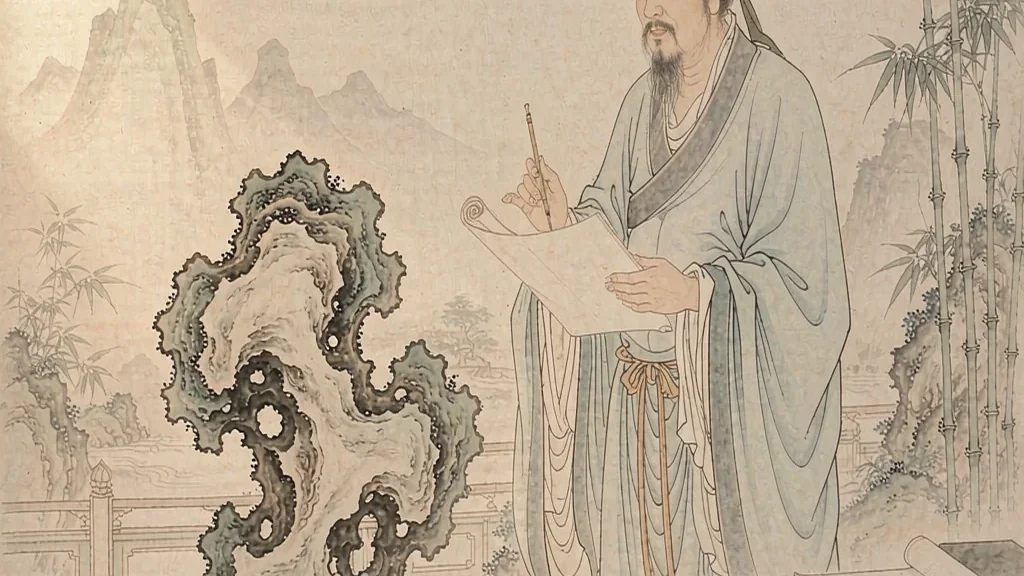
If Su Shi embodies the literatus as philosopher, Mi Fu (米芾, 1051–1107) embodies the literatus as eccentric — a man whose passion for calligraphy bordered on mania and whose behavior was so peculiar that he was known as "Mi the Madman" (米颠, Mǐ diān). He collected ancient calligraphy with obsessive fervor, blackmailing and bargaining to acquire works he coveted. He was known to bow to rocks as if they were people and to refuse to wash his clothes because he liked the accumulated patina of ink and tea. But Mi Fu's eccentricity was the reverse side of a profound artistic commitment. He is one of the most technically brilliant calligraphers in Chinese history, a master whose running script combines the discipline of a scholar with the wildness of a bohemian.

Oracle Bone Script: Writing on the Bones of Kings
Before there was brush, ink, or paper — before the very idea of "calligraphy" as an art form had been conceived — the earliest ancestors of Chinese writing were scratched into animal bone and turtle shell with a sharp tool, not for beauty but for divination. The oracle bone script (甲骨文, jiǎgǔ wén) of the Shang dynasty (c. 1600–1046 BCE) represents the oldest known form of Chinese writing, and its discovery in 1899 radically transformed the understanding of Chinese civilization. These angular, pictographic characters carved into scapulae and plastrons were the embryonic stage of a writing system that would evolve into one of the world's great artistic traditions. To study oracle bone script is to witness the moment when human speech first took visible, permanent form in East Asia.
Ouyang Xun: The Master of the Standard
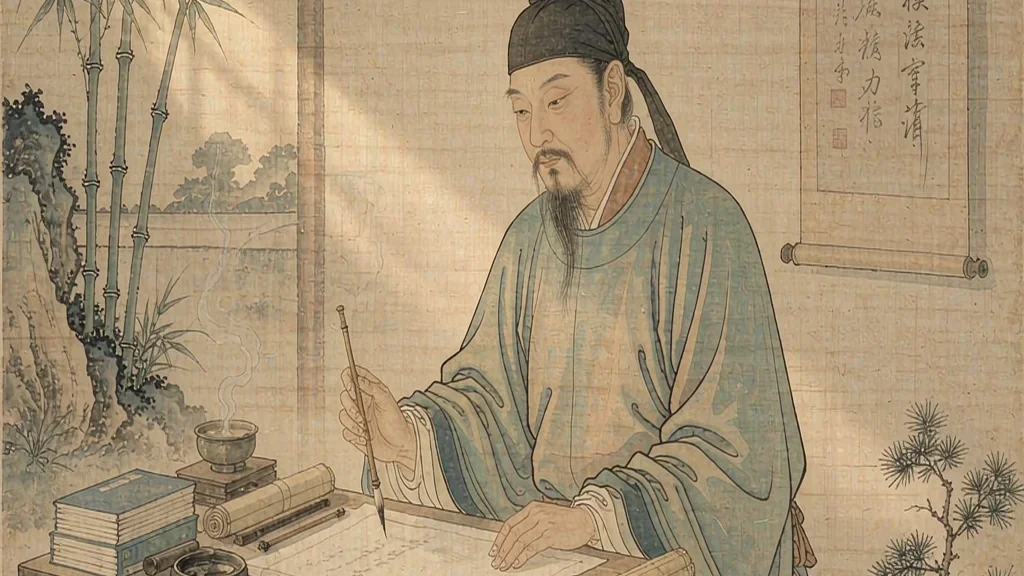
Among the masters of regular script, Ouyang Xun (欧阳询, 557–641) stands as the supreme formalist — a calligrapher for whom precision, structure, and clarity were the highest virtues. His style, known as Ou style (欧体, Ōu tǐ), is the most rigorously architectural of all regular scripts, with characters that seem built rather than written. Every stroke occupies its exact position, every proportion is mathematically precise, and every character is balanced with the inevitability of a geometric theorem. It is hardly surprising that Ouyang Xun's Jiucheng Palace Inscription (九成宫醴泉铭) became, and remains, the single most widely used model text for learning regular script. To write Ou style is to study calligraphy through the lens of pure structure.
The Qianlong Emperor: The Prolific Calligrapher on the Throne
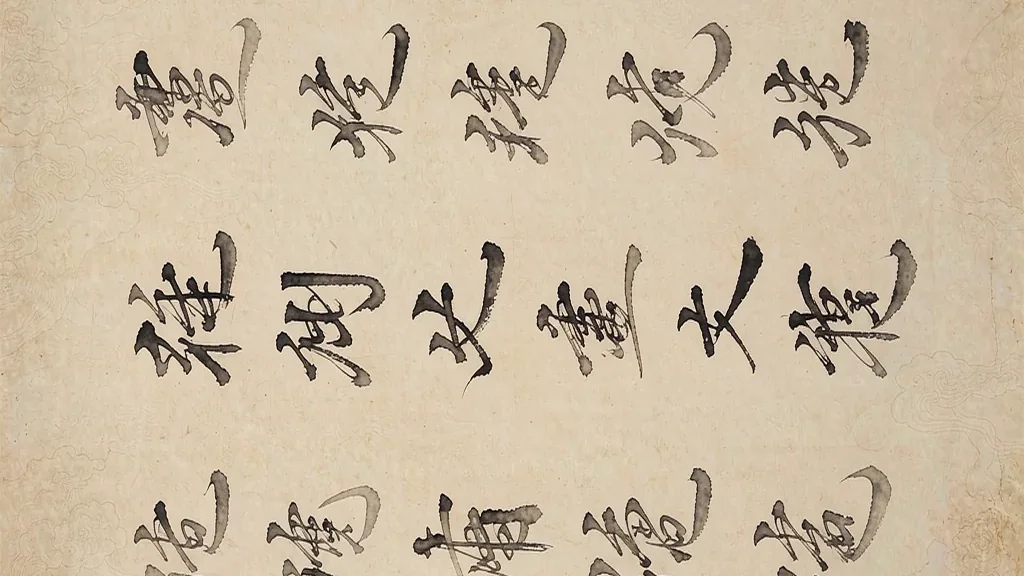
Among the emperors of China, few were more intimately involved with the arts than the Qianlong Emperor (乾隆皇帝, r. 1735–1796) of the Qing dynasty. He was a poet, a painter, a collector of immense ambition, and — most relevantly for our subject — a calligrapher who produced thousands of works over his sixty-year reign. Qianlong's calligraphy was not the work of a professional artist but of an imperial amateur, written between the demands of ruling the largest empire on earth. Yet his influence on the calligraphic tradition was enormous, both through his own practice and through his patronage of the art. Qianlong's reign was the last golden age of Chinese calligraphy before the upheavals of the modern era.
Regular Script: The Standard of a Civilization
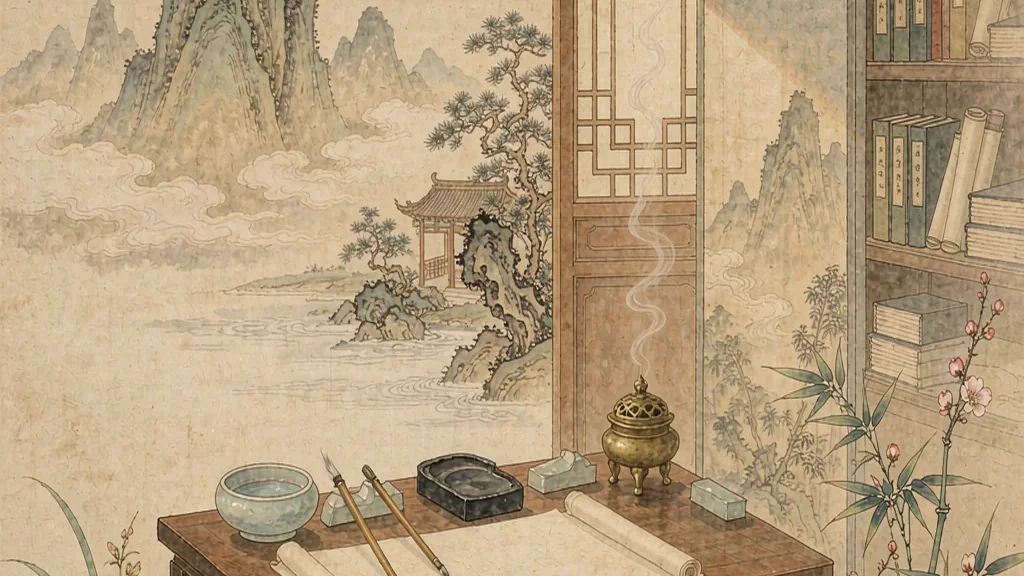
If any script can claim to be the default mode of Chinese writing, it is regular script (楷书, kǎi shū) — the "model script" that every Chinese schoolchild learns, the script of books and newspapers, the most widely recognized form of Chinese characters worldwide. Regular script is the final major stage in the evolution of Chinese writing, the point at which the script attained a stable, standardized form that has persisted for nearly two millennia. But far from being a merely functional script, regular script represents the highest achievement of Chinese calligraphic art, a discipline in which every stroke must be perfect because there is no blur of speed or flourish of emotion to hide behind.
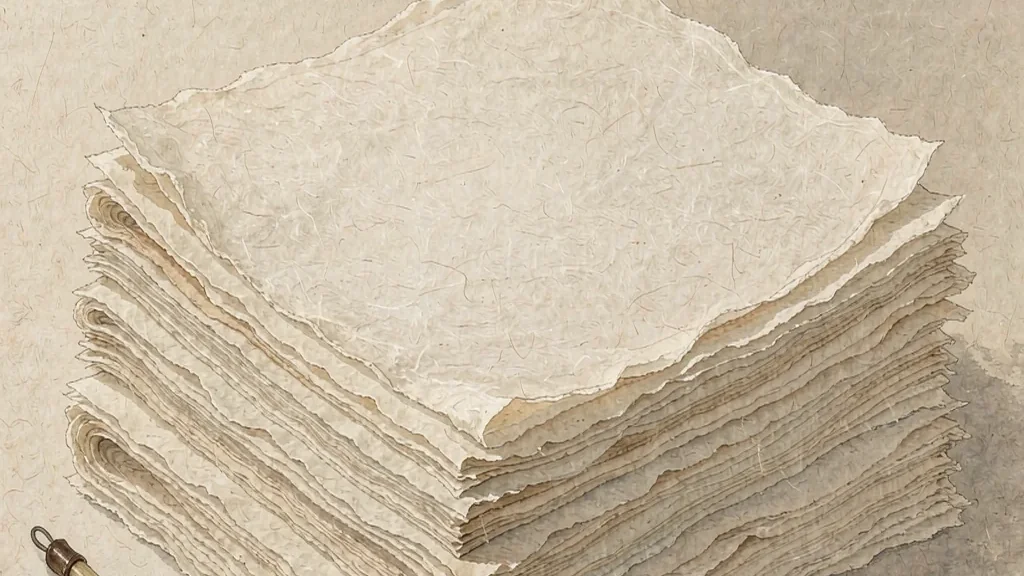
Xuan Paper: The Canvas of Chinese Calligraphy
When the calligrapher's brush meets paper, a silent transaction occurs: the ink surrenders its moisture, the paper accepts the mark, and the stroke is born. The quality of this transaction depends entirely on the paper. Chinese calligraphy paper — most famously Xuan paper (宣纸, xuān zhǐ) from Anhui Province — is not a neutral surface but an active participant in the creative process. Its absorbency, its texture, and its response to water determine how the ink flows, how the brush moves, and how the final work appears. For over a millennium, the papermakers of Jing County have produced the world's finest calligraphy paper, a material so revered that it is often called "the king of paper" (纸中之王).
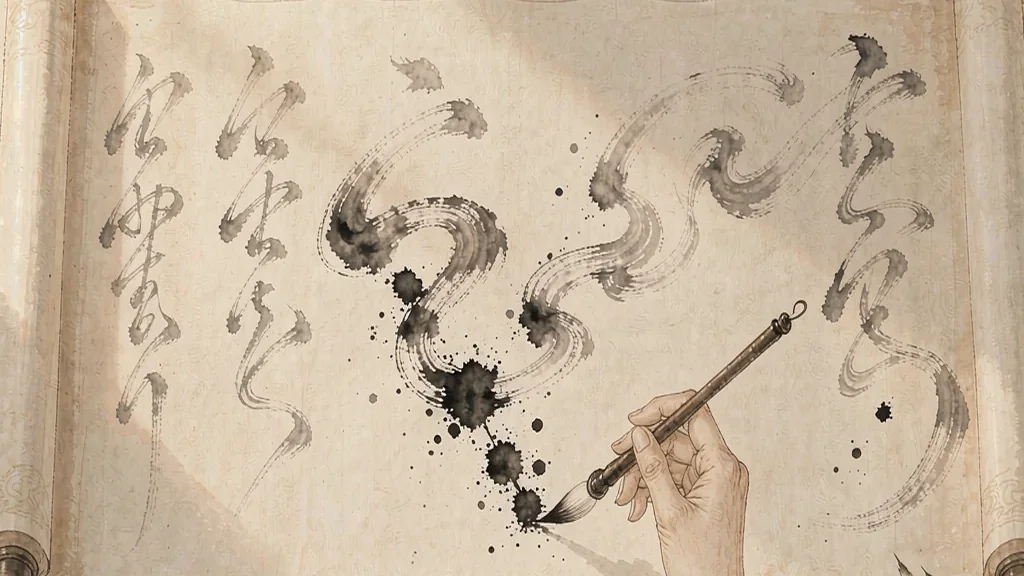
Running Script: The Dance Between Speed and Form
Between the strict formality of regular script and the wild freedom of cursive script lies running script (行书, xíng shū) — "the script that walks." It is the most practical and perhaps the most expressive of all Chinese scripts, combining legibility with spontaneity, discipline with flow. Running script is the everyday hand of the educated Chinese person, the script of letters and manuscripts, of poems dashed off in a moment of inspiration. But it is also the vehicle of some of the greatest masterpieces in Chinese art, most famously Wang Xizhi's Lanting Xu (兰亭序), the "Preface to the Orchid Pavilion" — a work so revered that it is called the greatest calligraphy under heaven.
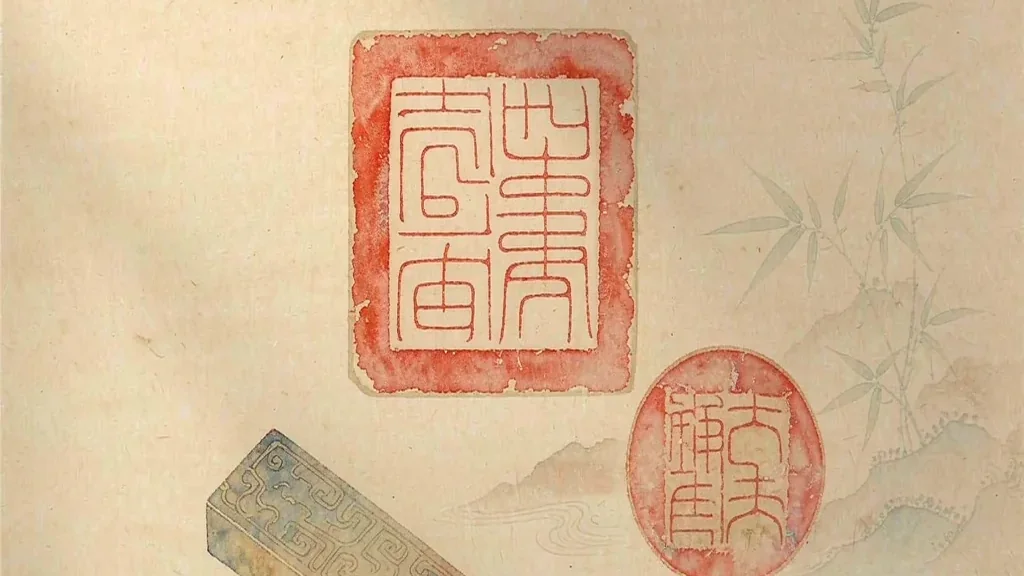
Seal Script: The Ancient Beauty of the Empire
If one script above all others symbolizes the antiquity and dignity of Chinese calligraphy, it is seal script (篆书, zhuàn shū). Its sinuous, symmetrical lines and balanced proportions evoke a world of ancient ritual and imperial order. Seal script was the first consciously standardized writing system in Chinese history, imposed by the first emperor of a unified China. It survived the fall of the Qin dynasty to become the script of choice for seals, signet rings, and formal monuments for two thousand years. Even today, when a Chinese artist signs a painting, the crimson seal impression is almost invariably carved in seal script — a living link to the script of the Qin dynasty.
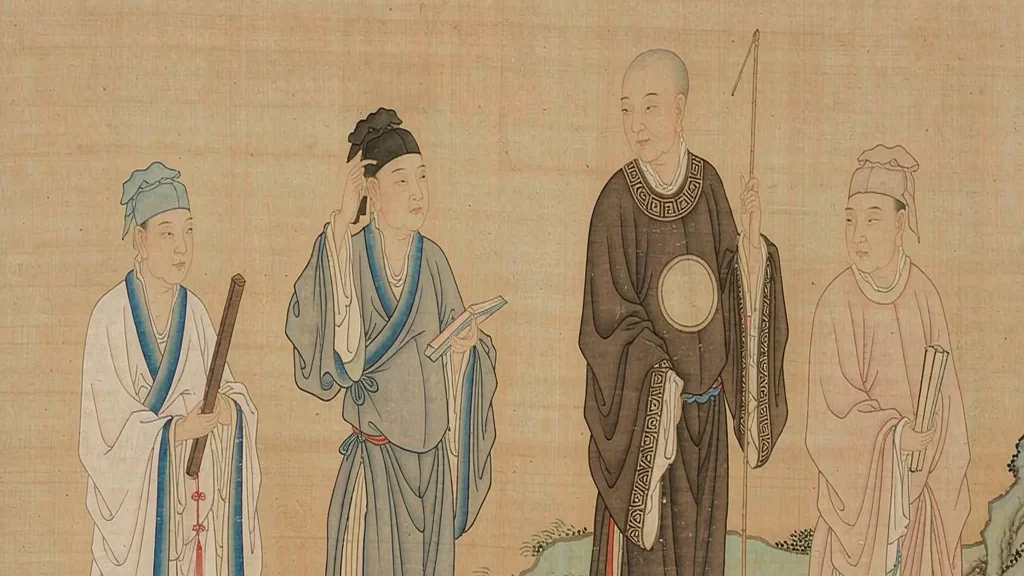
The Four Great Masters of Song Calligraphy
The Song dynasty (960–1279) was the age of the literatus — the scholar-official who cultivated calligraphy as one of the "four arts" (四艺, sì yì) of the cultivated gentleman, alongside painting, poetry, and music. The four greatest calligraphers of this period — Su Shi, Huang Tingjian, Mi Fu, and Cai Xiang — are known collectively as the "Four Masters of Song" (宋四家, Sòng Sì Jiā). Unlike the Tang masters, who were judged by their technical mastery of regular script, the Song masters were valued for their individuality, their expressiveness, and the seamless integration of calligraphy with their identities as poets, painters, and statesmen. The Four Masters marked a turning point in Chinese calligraphy: after the Song, personal expression became as important as technical correctness.
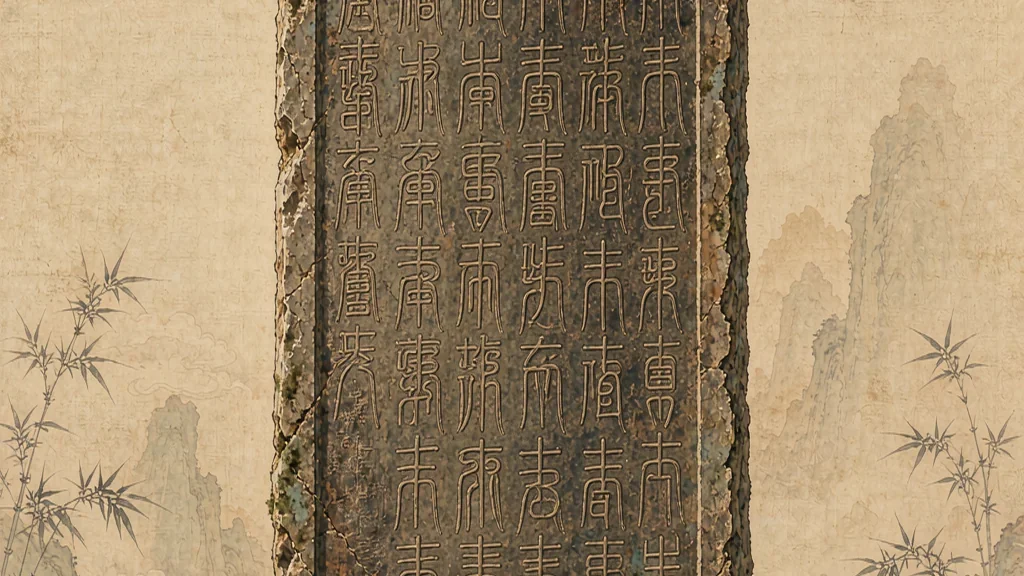
The Stele School: Learning from Ancient Stone
For most of Chinese calligraphy history, the "model letters" (帖学, tiě xué) tradition — based on the works of Wang Xizhi and transmitted through copybooks — was considered the orthodox canon. But in the Qing dynasty, a rival tradition emerged that challenged this orthodoxy. The stele school (碑学, bēi xué) advocated the study of stone inscriptions — stelae, cliff carvings, tomb epitaphs, and Buddhist cave inscriptions — as superior models for calligraphy. This movement did not merely add new models to the canon; it fundamentally changed how calligraphers thought about their art, shifting the aesthetic ideal from smooth elegance to rustic vigor, from the cultivated literatus to the anonymous stone carver.

Su Shi: The Poet-Calligrapher of the Song
Su Shi (苏轼, 1037–1101), better known to the Western world as Su Dongpo (苏东坡), was the quintessential Chinese literatus — a poet, essayist, painter, statesman, and calligrapher of the first rank. He belongs to that rare category of artists whose lives become inseparable from their work, whose personal vicissitudes are read into every brushstroke and every verse. Su Shi's calligraphy is the direct expression of an irrepressible personality — bold, unconventional, and utterly individual. He did not write to display technical mastery but to release the energy of his mind and heart. His influence on Chinese letters is so vast that he is remembered not merely as a calligrapher but as a cultural archetype: the scholar-official who maintained his integrity and his humor through a lifetime of political exile and personal loss.
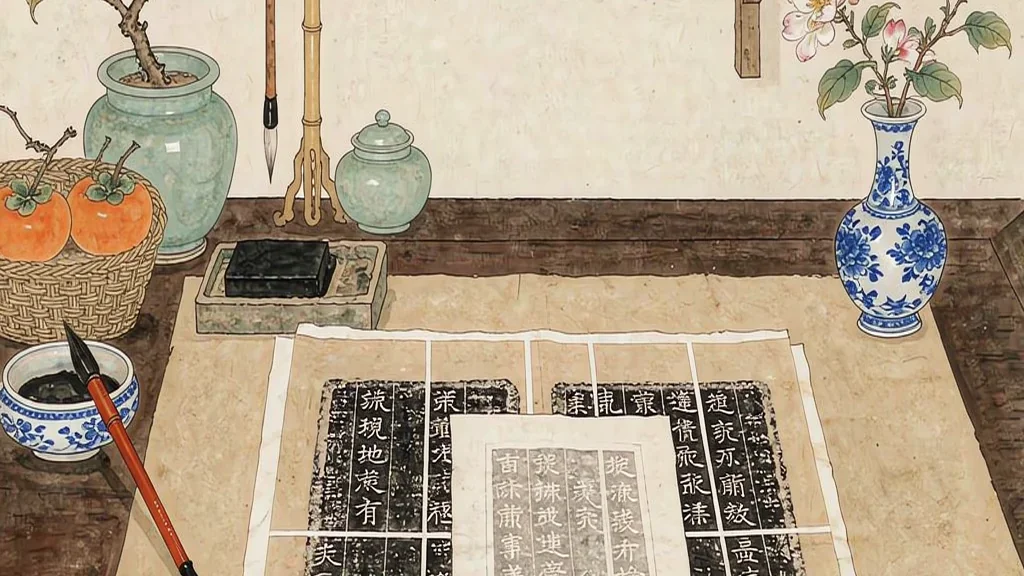
The Copybook School: The Tradition of Elegance
The tiě (帖) tradition — the "model-letters" or "copybook" school — was the orthodox mainstream of Chinese calligraphy for over a millennium. Centered on the works of Wang Xizhi and transmitted through carefully reproduced copybooks, the tie tradition shaped the handwriting of the Chinese elite from the Tang dynasty until the late Qing. Its aesthetic values — grace, refinement, balance, and the subtle modulation of brushwork — became the standard by which all calligraphy was judged. The tie tradition was challenged by the stele school in the Qing dynasty, but its influence remains fundamental. To understand Chinese calligraphy, one must understand the tie tradition.
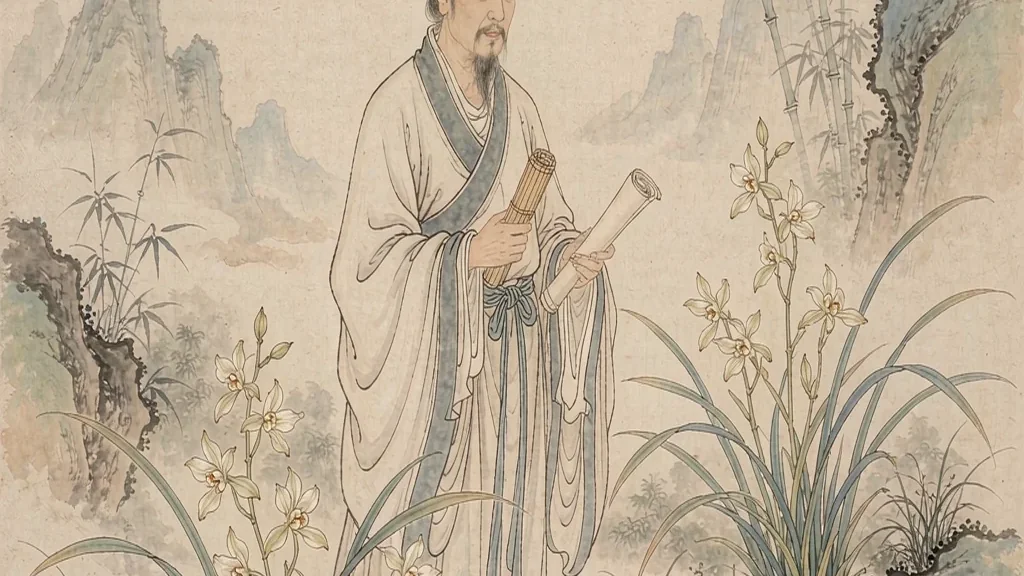
The Orchid Pavilion Preface: Wang Xizhi's Masterpiece
In the annals of Chinese art, no single figure looms larger than Wang Xizhi (王羲之, 303–361 CE), the "Sage of Calligraphy" (书圣, shū shèng). For over sixteen centuries, his name has been synonymous with the art of writing at its highest level. His Lanting Xu (兰亭序), the "Preface to the Orchid Pavilion," is the most famous and most copied work of calligraphy in Chinese history — a text that has spawned an entire industry of scholarly commentary, tracing copies, and artistic emulation. But Wang Xizhi was not merely a technical virtuoso; he was the first calligrapher to fully articulate the philosophical and aesthetic dimensions of the art, transforming writing from a craft into a vehicle for the expression of the scholar's innermost self.
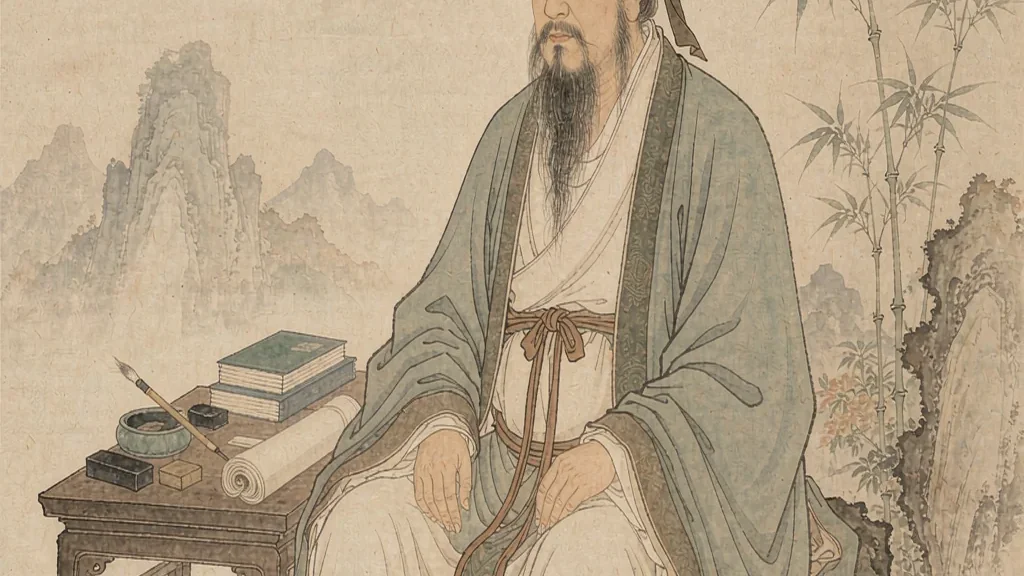
Yan Zhenqing: The Calligrapher of Righteousness
If Wang Xizhi is the Sage of Calligraphy, Yan Zhenqing (颜真卿, 709–785) is its hero — a man whose life and art were inseparable, whose brush was an instrument of moral conviction as much as aesthetic expression. Yan created the most powerful style of regular script in Chinese history, a style so distinctive that it bears his name: Yan style (颜体, Yán tǐ). Broad, bold, and uncompromising, Yan's calligraphy seems to embody the Confucian virtues of integrity, courage, and moral rectitude that defined his life. To study Yan Zhenqing is to encounter a calligrapher who believed that the art of writing was the art of being human — and that a person's character was revealed in every stroke.
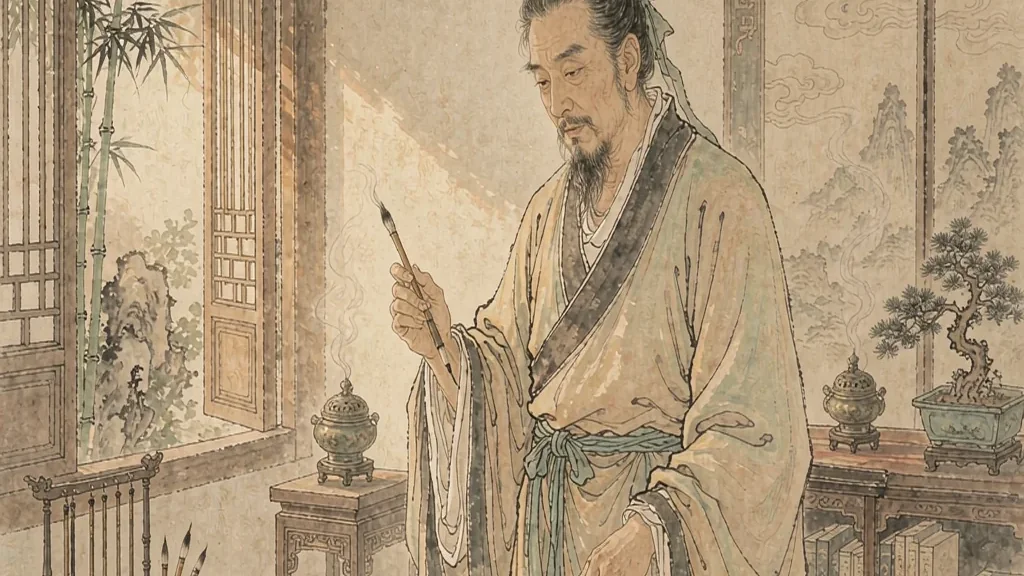
Zhang Xu: The Wild Sage of Cursive
When the calligrapher throws himself into his work so completely that he loses all self-consciousness, the result can be a kind of controlled madness — of art raised to the intensity of ecstatic possession. No one in the Chinese tradition embodied this state more fully than Zhang Xu (张旭, c. 658–747), known as "Crazy Zhang" (张颠, Zhāng diān). Zhang Xu's wild cursive script (狂草, kuáng cǎo) is the most extreme form of Chinese calligraphy, a torrent of ink and energy in which characters dissolve into abstract gesture. His methods were shocking to the refined sensibilities of the Tang establishment: he would drink heavily before writing, tear off his robes, and charge at the paper with his brush, shouting and dancing. But the results were beyond question — his calligraphy was recognized even in his own time as a supreme achievement, and he was honored as one of the "Eight Immortals of the Wine Cup" for his inspired intoxication.
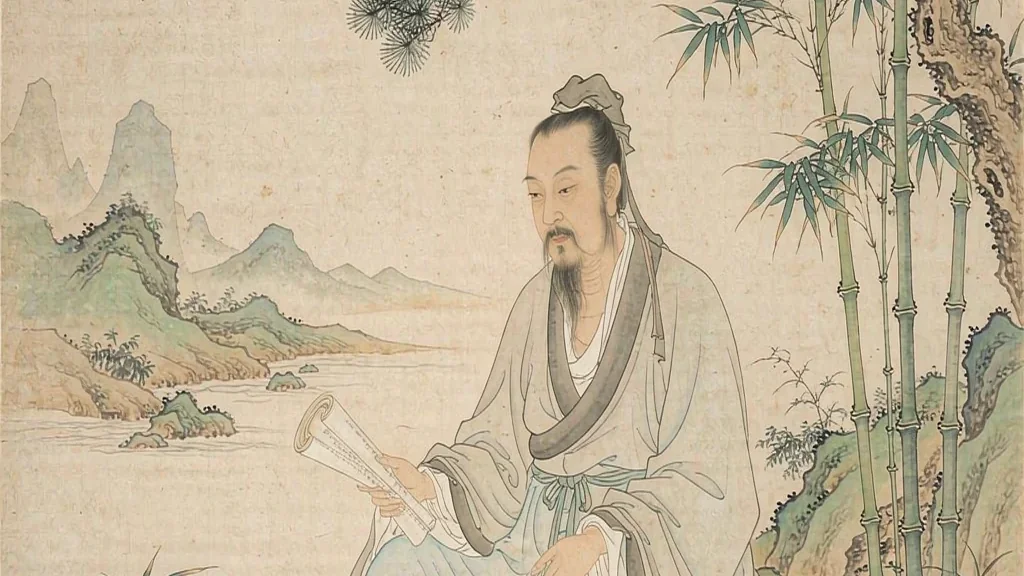
Zhao Mengfu: The Revivalist of Classical Calligraphy
After the fall of the Song dynasty to the Mongol Yuan dynasty, Chinese culture faced a crisis of identity. For educated Chinese, the question was how to preserve their tradition under foreign rule. Zhao Mengfu (赵孟頫, 1254–1322) offered an answer: return to the classical sources of Chinese painting and calligraphy, recover their essence, and transmit them to future generations. Zhao became the most influential artist of the Yuan dynasty, a figure who single-handedly revived the Jin and Tang traditions and redirected the course of Chinese art. His calligraphy, an exquisite synthesis of Wang Xizhi's elegance and Tang structural clarity, became the dominant model for the next six centuries. No calligrapher since the Tang has been so widely studied and so universally admired.