🍜 Chinese Cuisine
50 articles — Eight great cuisines and food culture
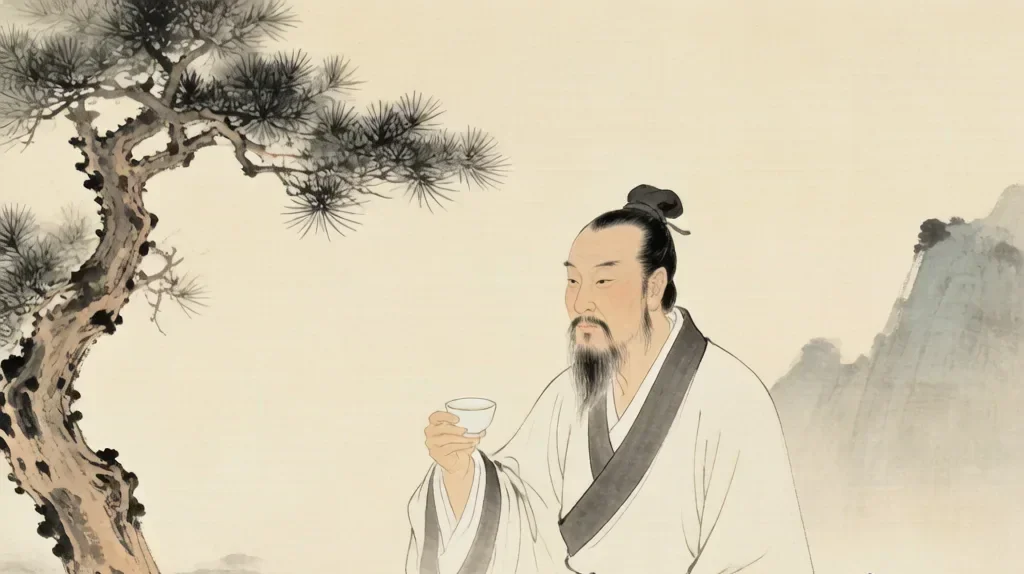
The Eight Great Cuisines of China (八大菜系)
If you have ever sat down at a Chinese banquet and marveled at the sheer variety of dishes on the table—steaming, fragrant, colorful, each one distinct in flavor and texture—you have experienced the legacy of the Eight Great Cuisines (八大菜系, bā dà cài xì). This is not simply a list of popular dishes.
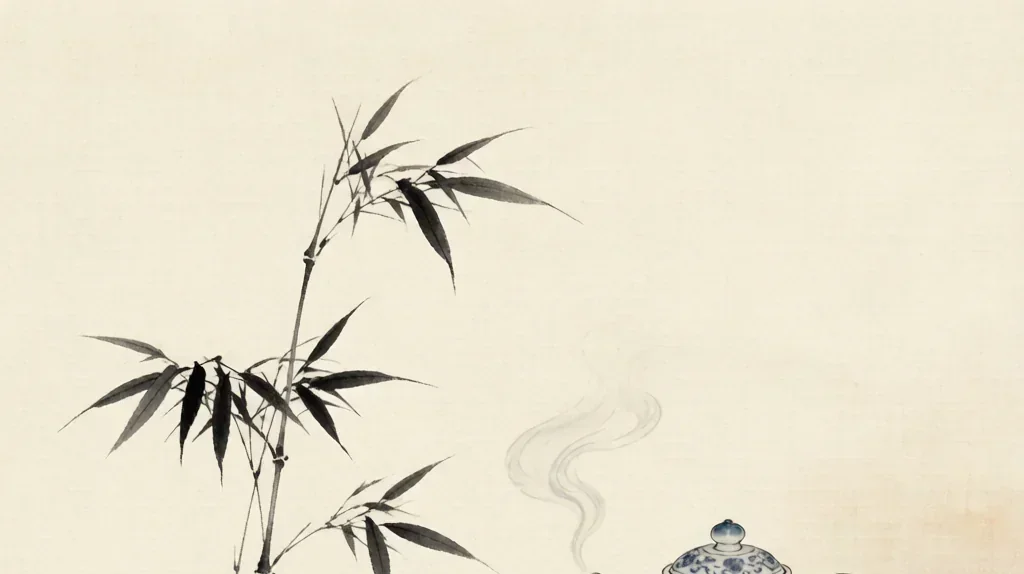
Tea and Life: Beyond the Cup (茶道与生活)
There is a Chinese saying: 开门七件事,柴米油盐酱醋茶—"The seven necessities to open one's door are firewood, rice, oil, salt, soy sauce, vinegar, and tea. " Notice that tea is the only one of the seven that is not essential for physical survival.

Sichuan Cuisine: The Art of Mala (川菜)
Sichuan cuisine (川菜, Chuān Cài), originating from China's southwestern Sichuan Province, stands as one of the 'Eight Great Culinary Traditions' (八大菜系, Bā Dà Càixì) of Chinese gastronomy. Renowned worldwide for its bold, pungent, and complex flavor profiles, Sichuan cuisine is defined by the legendary combination of chili pepper heat (辣, là) and Sichuan peppercorn numbingness (麻, má), creating the distinctive 'málà' (麻辣) sensation that has captivated food lovers across the globe.
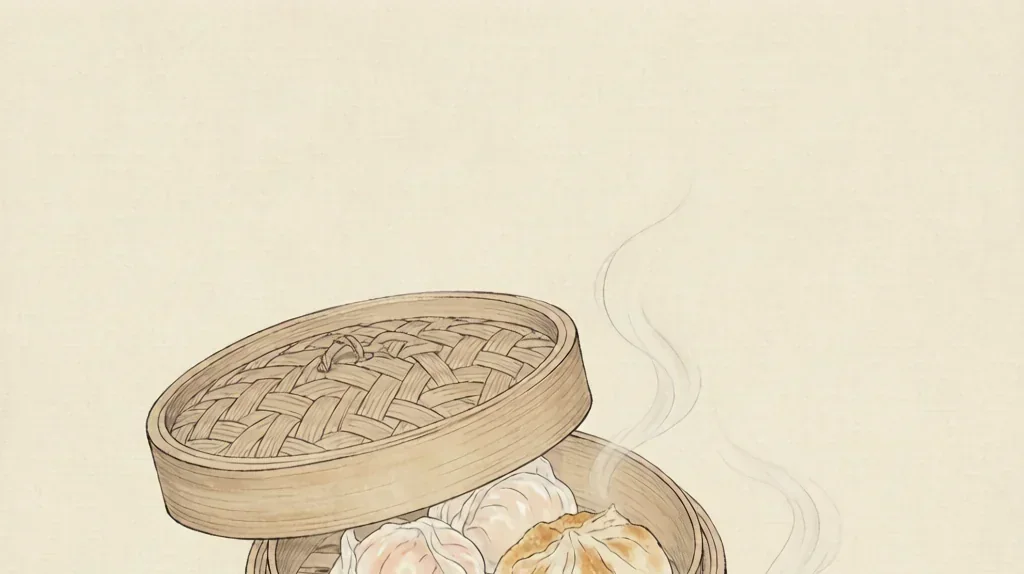
Dim Sum and Yum Cha: The Art of Small Bites (点心与早茶)
On a Sunday morning in Guangzhou, the great tea houses come alive. By 8 a.

Tofu: China's Gift to World Cuisine (豆腐)
It is a curious thing, tofu. A block of it sits on the plate—pale, trembling slightly, almost entirely without flavor of its own.
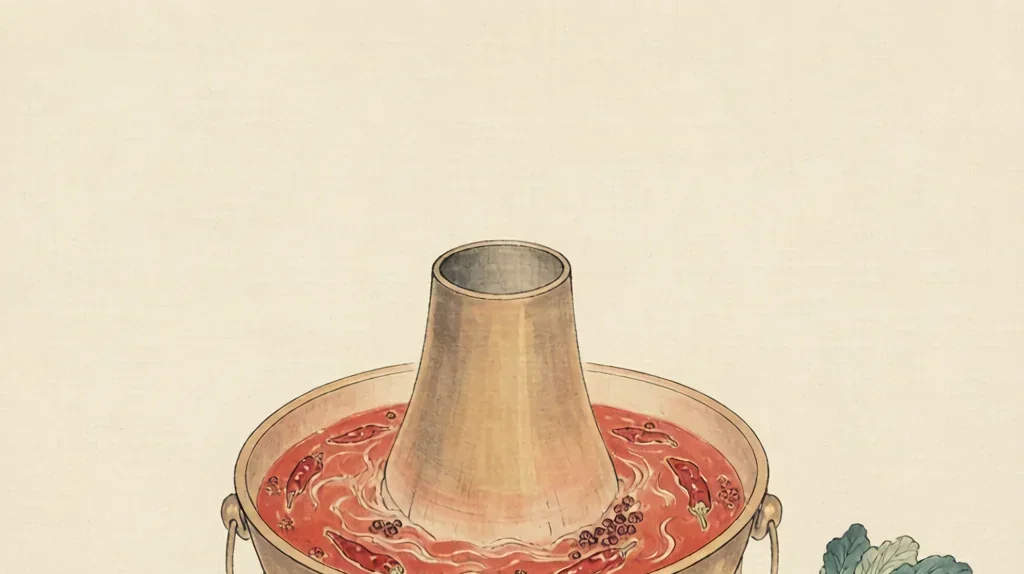
Hot Pot: The Ultimate Social Meal (火锅)
Picture a winter evening in Chengdu. Outside, the Sichuan mist has settled in, cold and damp, the kind of chill that seeps into your bones.
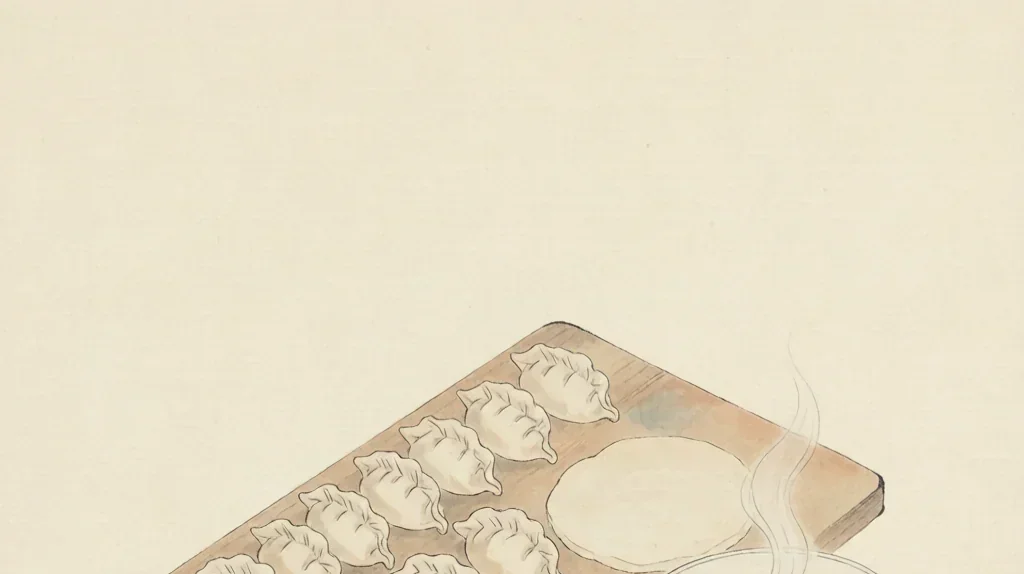
The World of Chinese Noodles and Dumplings (面食文化)
China is often described as divided between a wheat-eating north and a rice-eating south, and while the reality is more nuanced, there is truth at the heart of this generalization. The vast wheat fields of the Yellow River basin gave rise to an entire civilization of flour-based foods known collectively as 面食 (miàn shí)—a category that encompasses noodles, dumplings, buns, pancakes, and every conceivable transformation of wheat flour and water.

Cantonese Cuisine: Freshness Above All (粤菜)
Cantonese cuisine (粤菜, Yuè Cài), originating from Guangdong Province in southern China, is the most internationally recognized of all Chinese culinary traditions — when most people in the West think of 'Chinese food,' they are thinking of dishes rooted in Cantonese cooking. This global dominance traces back to the 19th century, when Cantonese laborers and merchants emigrated to Southeast Asia, North America, and Europe, bringing their culinary traditions with them and establishing the first Chinese restaurants abroad.
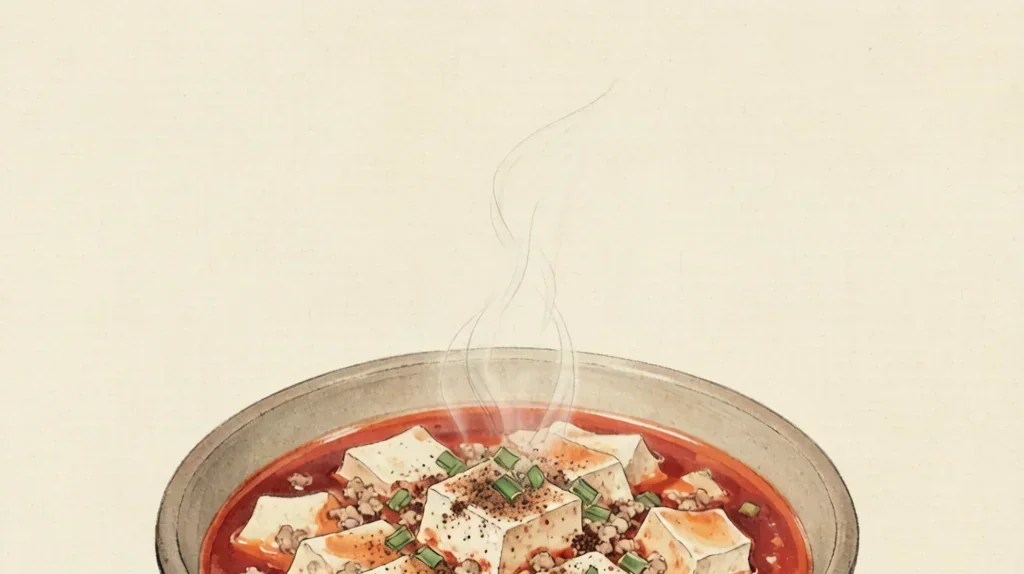
Mapo Tofu
Mapo tofu is one of the most recognizable dishes to travel out of China's southwestern Sichuan Province, and for good reason: few foods deliver as much drama in a single bowl. In Chinese it is called má pó dòu fu , written 麻婆豆腐.
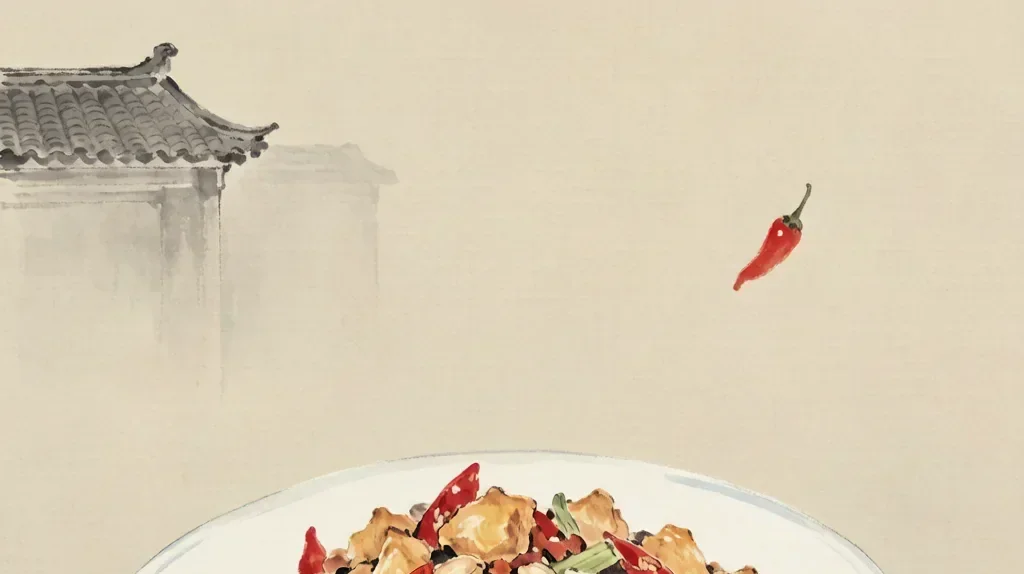
Kung Pao Chicken
Kung Pao chicken is probably the dish that introduced more Westerners to Chinese food than any other, yet its real Chinese self is richer and more interesting than the sweet, sticky version often found on overseas takeout menus. In Mandarin it is gōng bǎo jī dīng , written 宫保鸡丁.
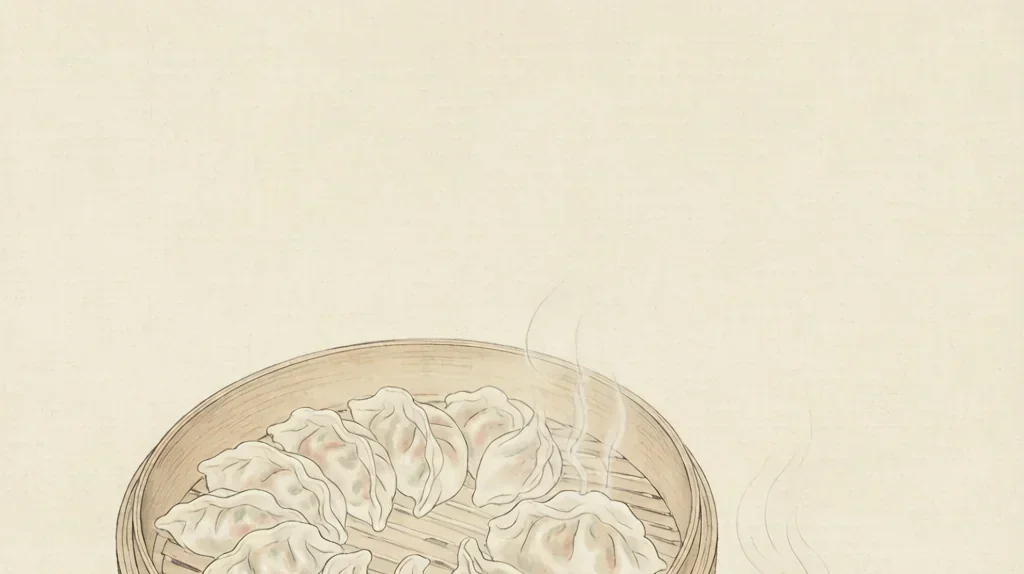
Jiaozi
Jiaozi are among the most beloved foods in all of China, and they carry more symbolic weight per bite than almost anything else on the Chinese table. In Mandarin they are jiǎo zi , written 饺子.
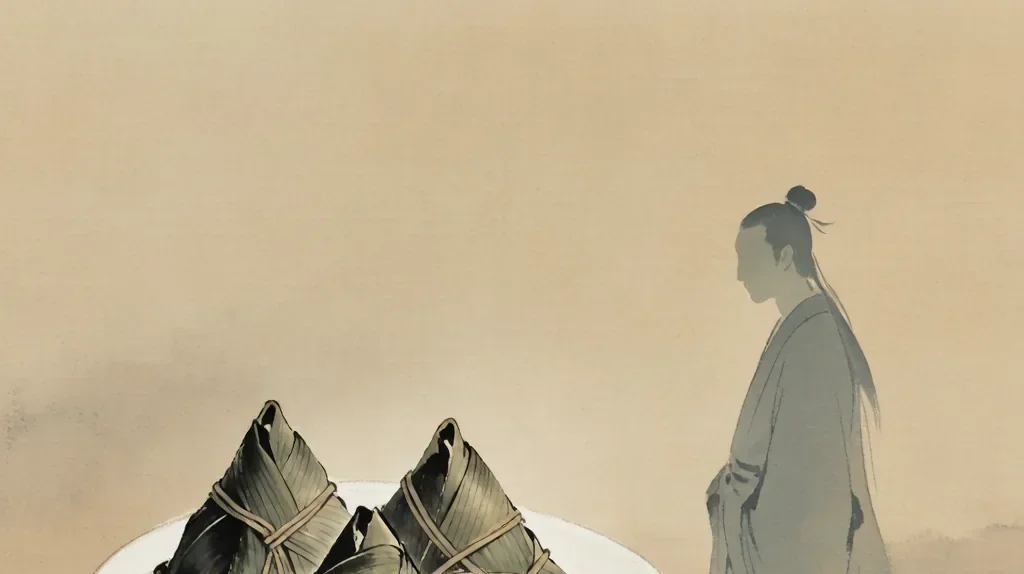
Zongzi
Zongzi are a food with a story, and the story is one of the most moving in Chinese culture. In Mandarin they are zòng zi , written 粽子.
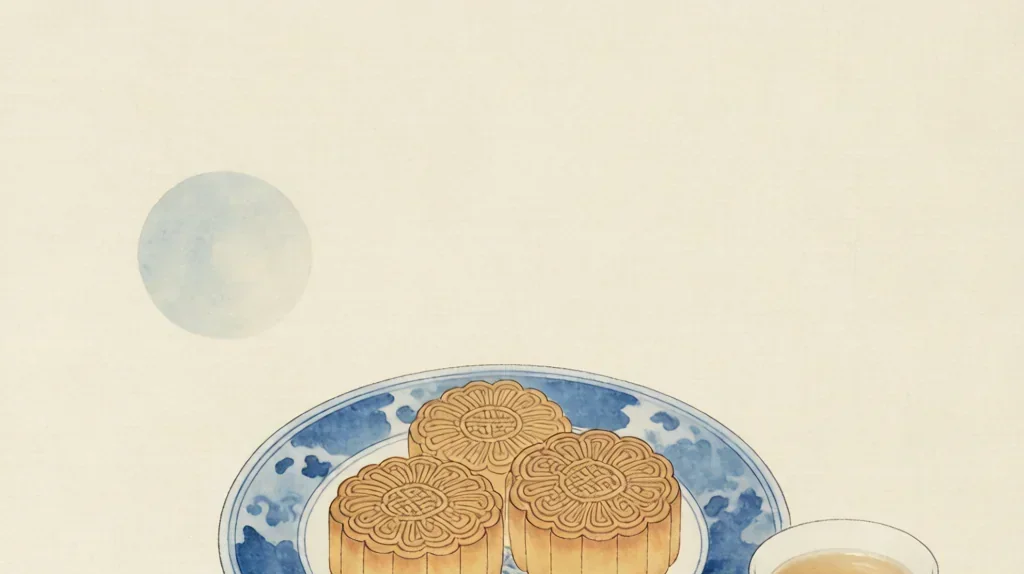
Mooncakes
Mooncakes are the most famous edible symbol of the Mid-Autumn Festival, and they are unlike almost any other Chinese food in both form and feeling. In Mandarin they are yuè bǐng , written 月饼 — literally "moon cake.
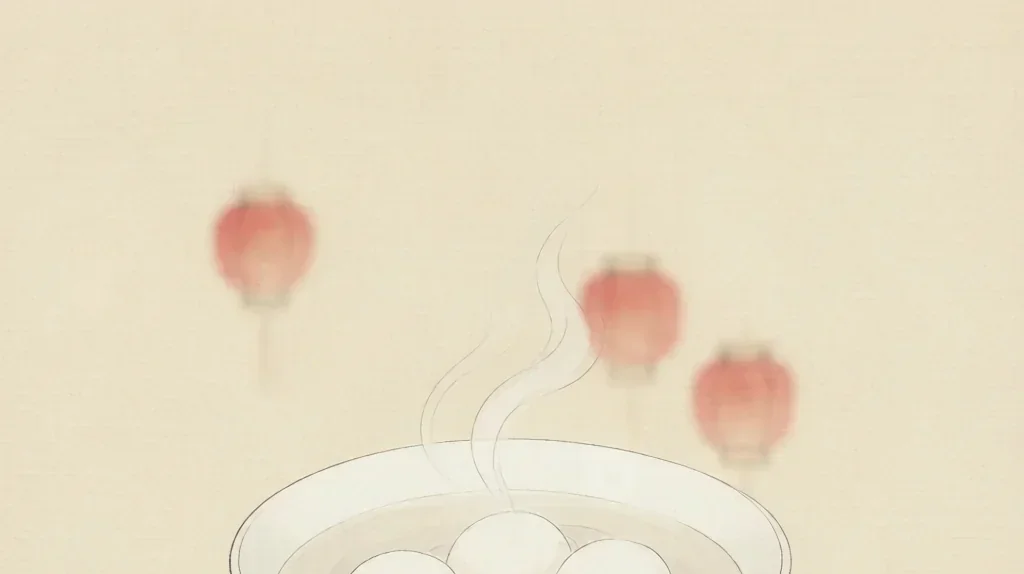
Tangyuan
Tangyuan are small, sweet, glutinous rice balls that shine at one of China's warmest festivals — the Lantern Festival — and at family reunions throughout the winter. In Mandarin they are tāng yuán , written 汤圆, literally "soup rounds.
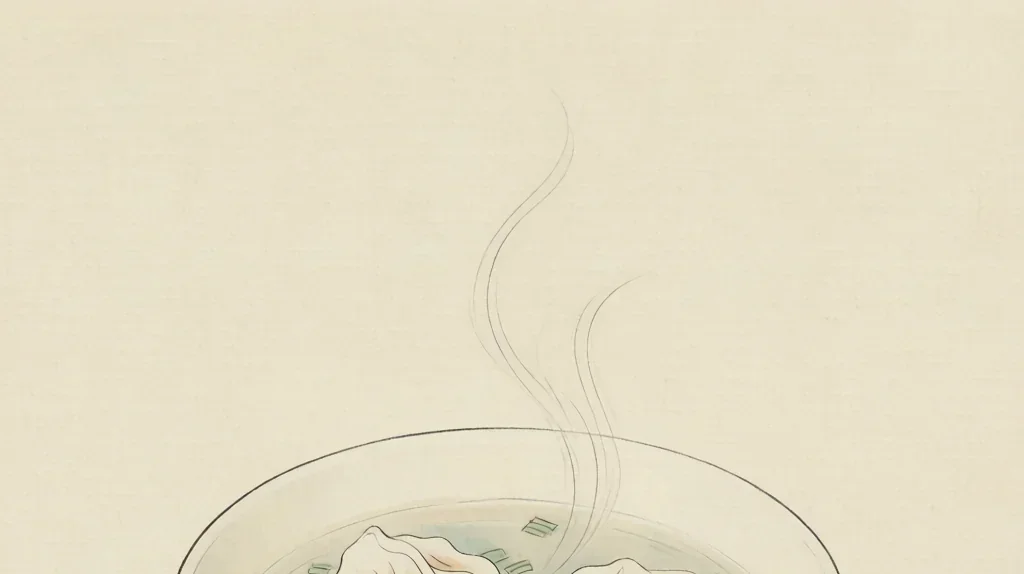
Wonton
Wonton are the quiet workhorse of Chinese comfort food — small, delicate parcels of seasoned meat wrapped in a tissue-thin sheet of dough, usually floated in a clear, fragrant broth. In Mandarin they are hún tún , written 馄饨.
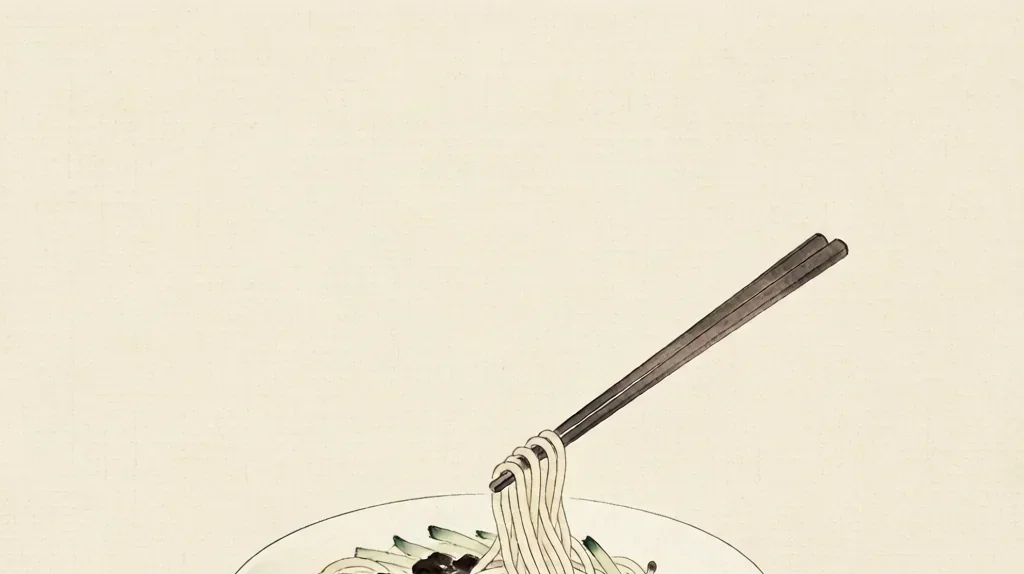
Zhajiangmian
Zhajiangmian is the dish that defines a Beijing childhood for millions — a bowl of springy wheat noodles under a dark, glossy mound of fried soybean paste, scattered with crunchy raw vegetables. In Mandarin it is zhá jiàng miàn , written 炸酱面, literally "fried sauce noodles.
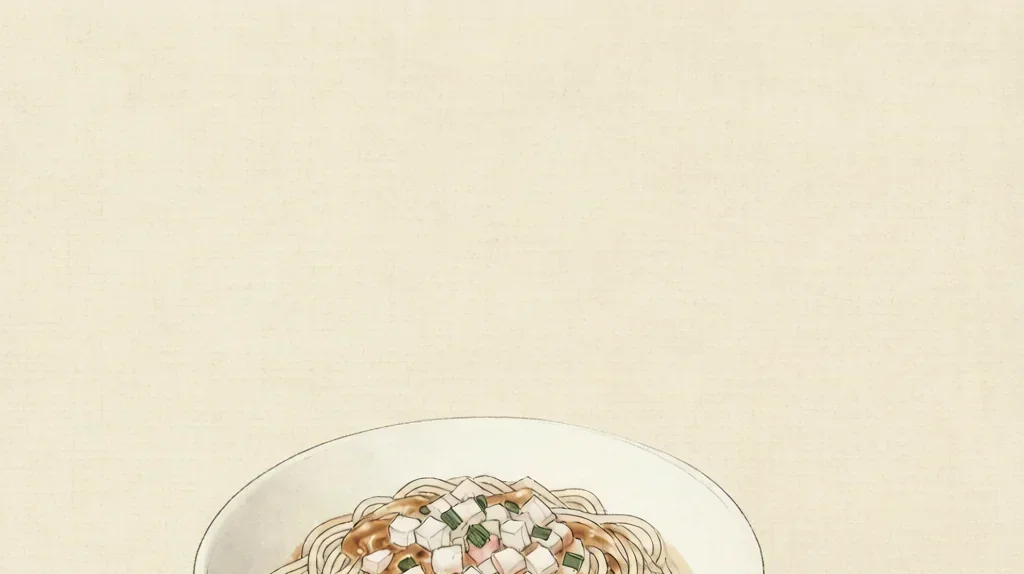
Reganmian
Reganmian is the breakfast of Wuhan, the sprawling river city at the heart of central China, and a dish with a wonderfully literal name. In Mandarin it is rè gān miàn , written 热干面 — "hot dry noodles.
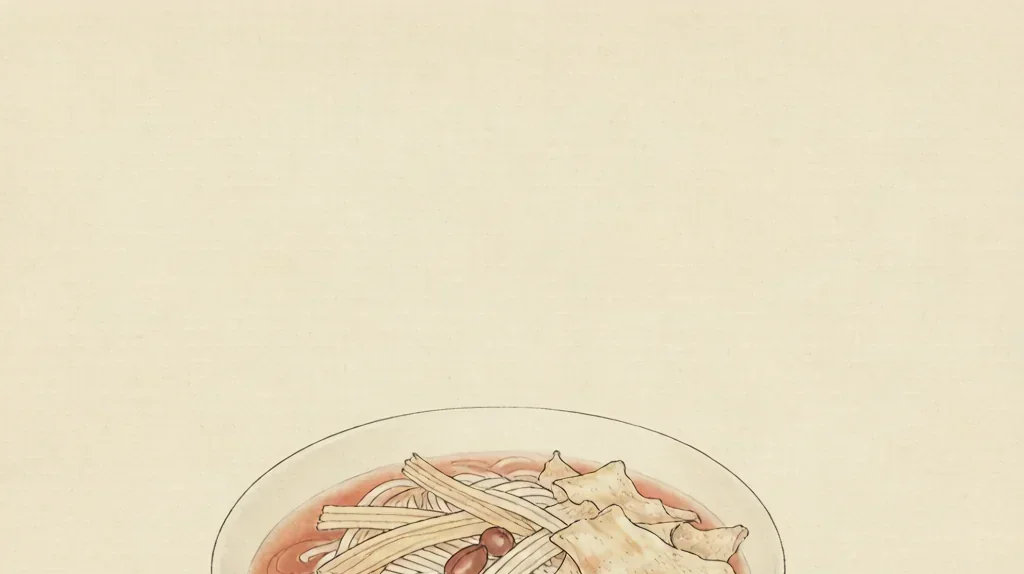
Luosifen
Luosifen is the most divisive bowl in Chinese food — a dish so pungent that it has been banned on some trains and in some dormitories, yet so addictive that it has become a nationwide craze. In Mandarin it is luó sī fěn , written 螺蛳粉, "river snail rice noodles.
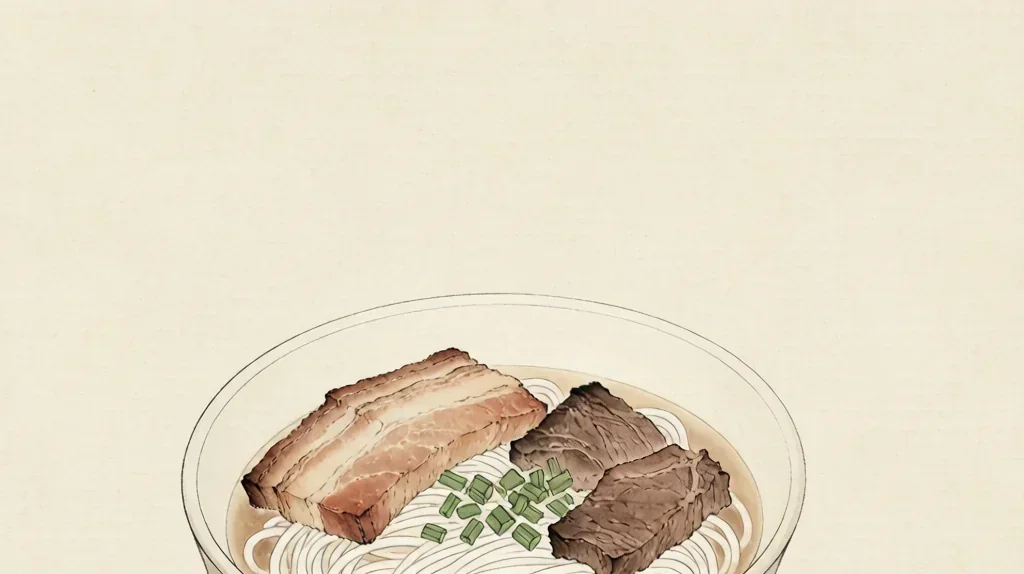
Guilin Rice Noodles
Guilin rice noodles are the morning ritual of one of China's most beautiful cities, a bowl so woven into daily life that locals say they cannot leave town for long without craving it. In Mandarin they are guì lín mǐ fěn , written 桂林米粉 — "Guilin rice flour.
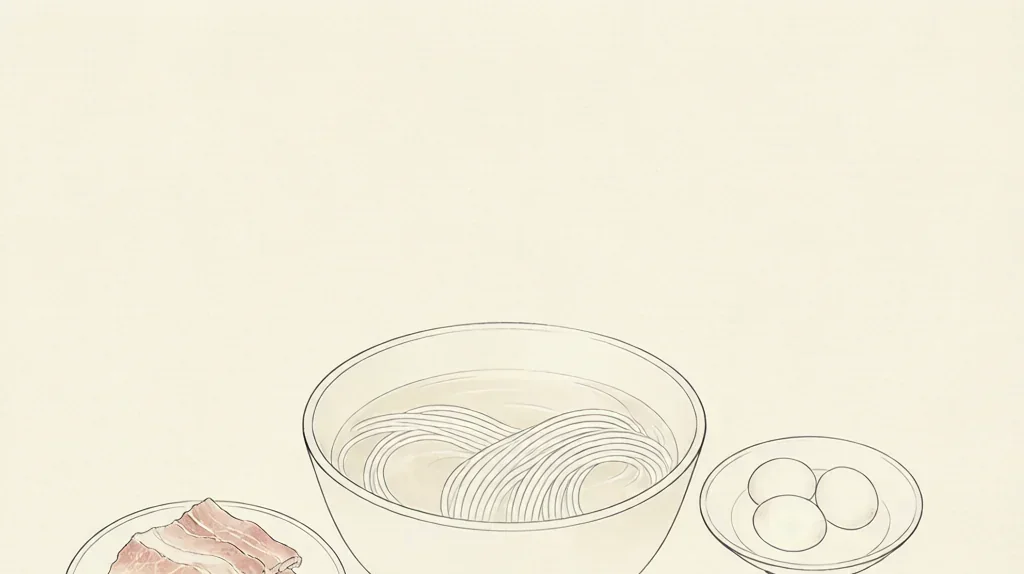
Crossing-the-Bridge Noodles
Crossing-the-Bridge Noodles is one of China's most romantic dishes — a bowl of rice noodles and tender toppings brought together by a legend of love and a clever wife. In Mandarin it is guò qiáo mǐ xiàn , written 过桥米线, literally "cross-the-bridge rice noodles.
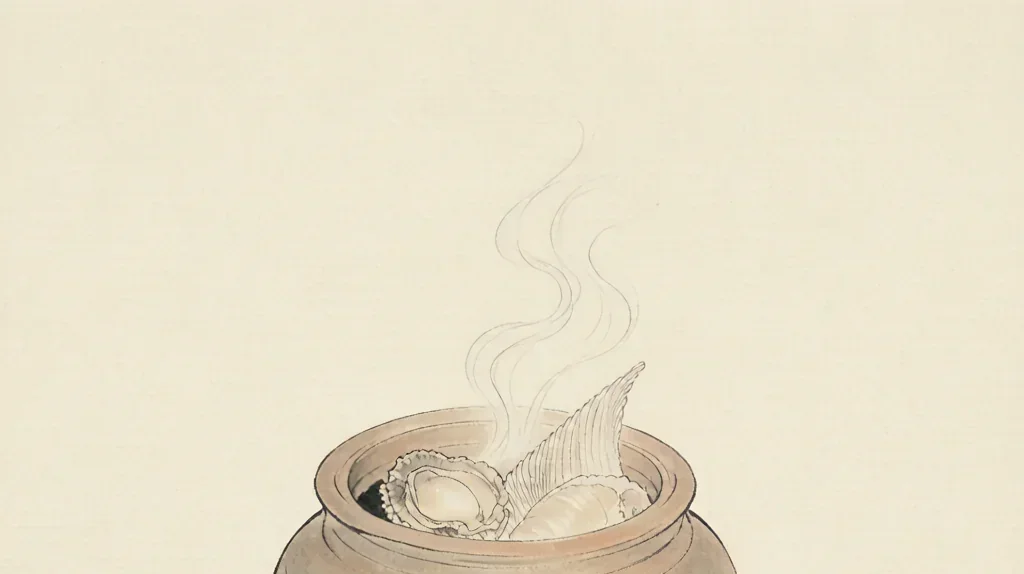
Buddha Jumps Over the Wall
Some dishes whisper; this one shouts from across a courtyard. Buddha Jumps Over the Wall ( 佛跳墙 , fó tiào qiáng ) is a lavish Fujian-style soup so rich, so fragrant, and so meticulously composed that, as legend has it, even a Buddhist monk abandoned his vows and leapt over a wall to get a taste.
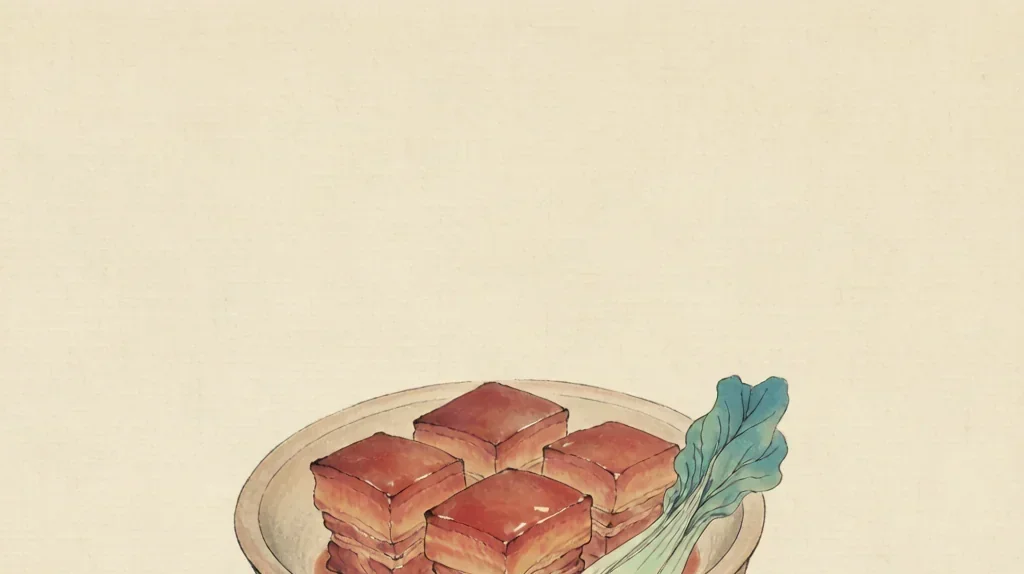
Dongpo Pork
A square of pork belly, glossy and trembling, braised until it melts at the touch of a chopstick — this is Dongpo Pork ( 东坡肉 , dōng pō ròu ), one of the most beloved dishes in all of Chinese cooking. Named after the Song-dynasty poet and statesman Su Shi, who styled himself "Dongpo Jushi" (the Lay Buddhist of Eastern Slope), the dish is famous for its perfect balance of fat and lean, its deep mahogany glaze, and its almost custard-like tenderness.
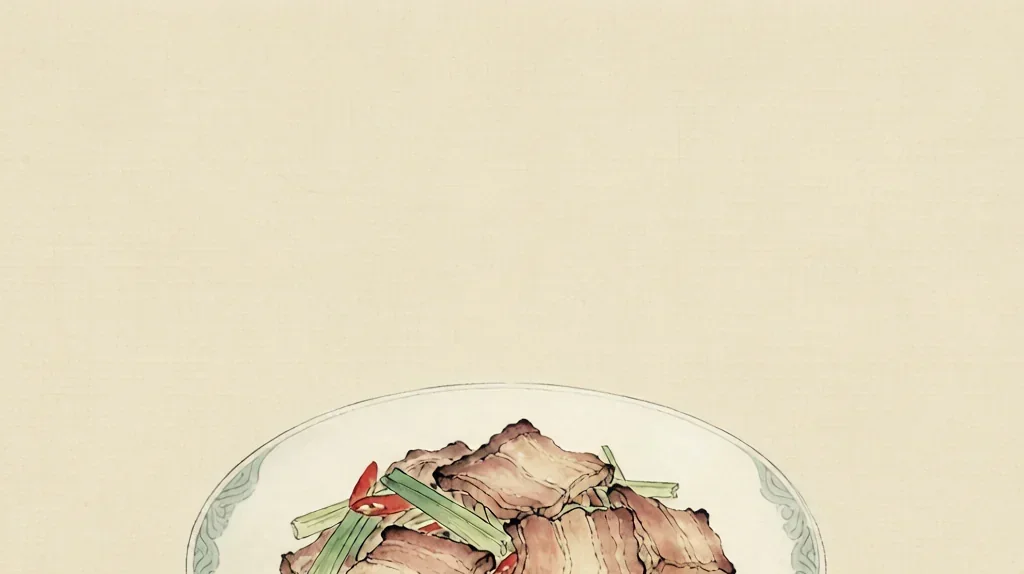
Twice-Cooked Pork
If Sichuan cuisine had a home movie — the dish cooks make on a normal Tuesday night — it would be Twice-Cooked Pork ( 回锅肉 , huí guō ròu ). Translating literally as "return-to-the-pot meat," it takes boiled pork belly, slices it thin, and returns it to a screaming-hot wok with chili bean paste, fermented black beans, and a tangle of leeks or garlic sprouts.
Beggar's Chicken
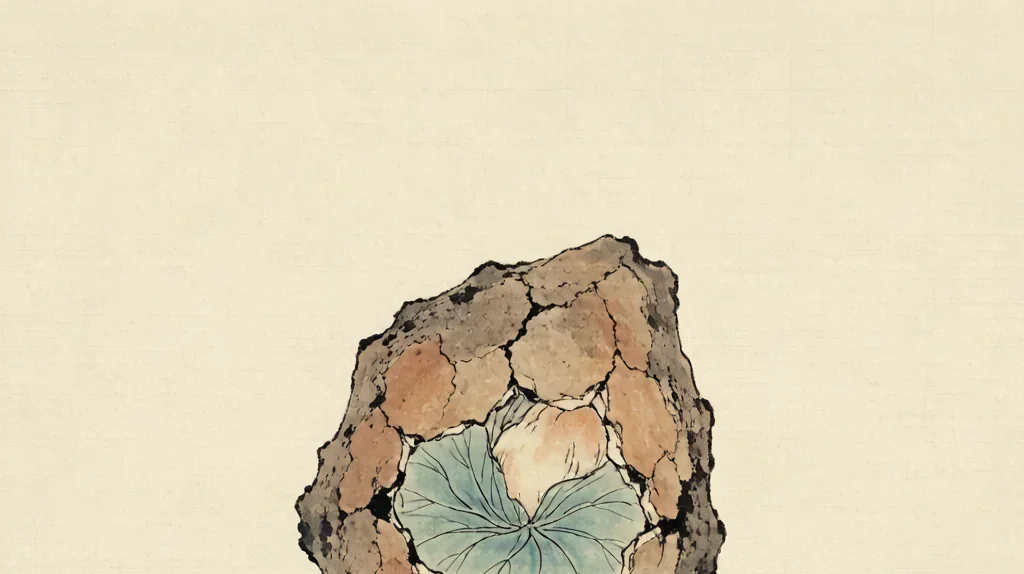
There is a Chinese dish whose very name sounds like a folk tale, and whose cooking method seems lifted from one: Beggar's Chicken ( 叫花鸡 , jiào huā jī ). A whole chicken is stuffed, wrapped in lotus leaves, encased in a shell of clay, and baked or buried in embers until the mud hardens and the meat inside turns astonishingly tender and fragrant.

Tea Eggs
Walk through almost any train station, night market, or school gate in China and you will find them: a battered metal pot of dark, glossy eggs simmering in a broth of black tea and spices, their shells cracked into a web of veins so the liquid can creep inside. These are Tea Eggs ( 茶叶蛋 , chá yè dàn ), the most democratic snack in the country — cheap, portable, fragrant, and endlessly comforting.

Congee
If there is one bowl that spans the whole of Chinese life, from a baby's first spoonful to a grandmother's last easy meal, it is Congee ( 粥 , zhōu ) — rice simmered for a long time in abundant water until it breaks down into a soft, silken porridge. Known in the south as jook ( Cantonese) or zhou (Mandarin), it is the original comfort food: gentle on the stomach, endlessly adaptable, and deeply woven into the rhythm of Chinese mornings.

Baozi
Soft, snowy, and faintly sweet, a freshly steamed Baozi ( 包子 , bāo zi ) fits in the palm and hides a treasure inside: a spoonful of juicy pork, a smear of sweet red bean, or a tangle of vegetables. These steamed stuffed buns are among the most beloved foods in China, eaten for breakfast, lunch, and late-night snacks from Shanghai to Sichuan.

Scallion Pancake
Hot, flat, and shattering into dozens of crisp, oily layers, the Scallion Pancake ( 葱油饼 , cōng yóu bǐng ) is the king of Chinese street snacks — not a pancake in the Western sense at all, but a griddled flatbread built from stretched dough, scallion, and oil. Sold from pushcarts and breakfast stalls across eastern China, it crackles when you fold it and leaves your fingers gleaming.

Liangpi
On a scorching summer day in Xi'an or any town across Shaanxi, the most refreshing thing you can eat is a plate of Liangpi ( 凉皮 , liáng pí ) — cold wheat noodles with a chewy, jelly-like bite, dressed in a sharp sauce of aged vinegar, chili oil, garlic, and a little sesame, then topped with cucumber shreds and sprouted beans. The name means "cold skin," a nod to the noodles' slippery, skin-like texture.

Malatang
Picture a self-service fridge of skewers and bowls: lotus root, tofu skin, quail eggs, leafy greens, sliced meat, fish balls, noodles — you pick what you want, weigh it, and hand it to a cook who dips your selection into a bubbling, fiery broth scented with chili and numbing peppercorn. Minutes later you get a steaming bowl of Malatang ( 麻辣烫 , má là tàng ): "numbing, spicy, and hot.
Stinky Tofu
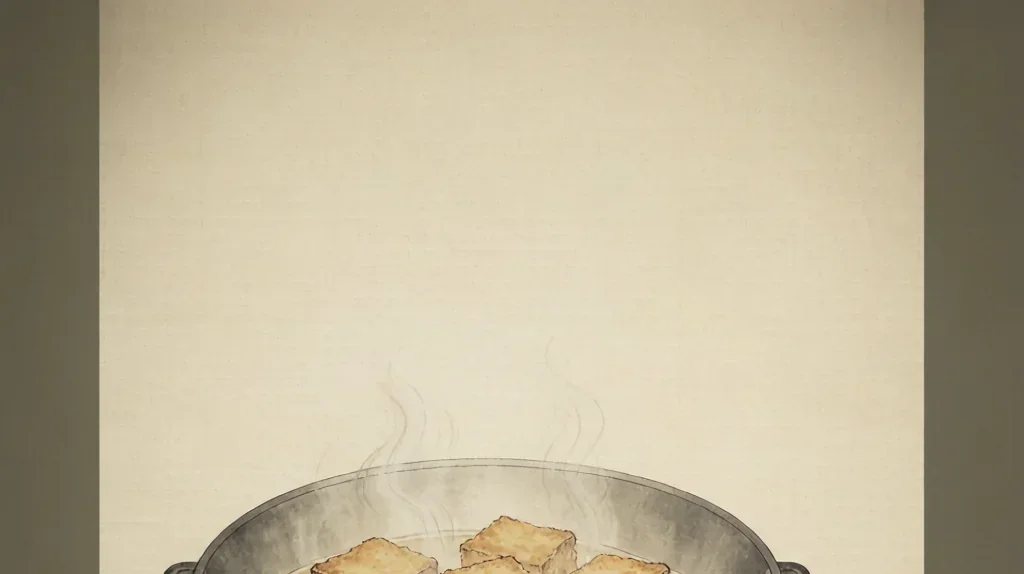
Love it or flee from it — there is little middle ground. Stinky Tofu ( 臭豆腐 , chòu dòu fu ) is fermented tofu with an aroma so powerful it can announce a night market from a block away.
Beijing Roast Duck (北京烤鸭) — A Culinary Imperial Treasure
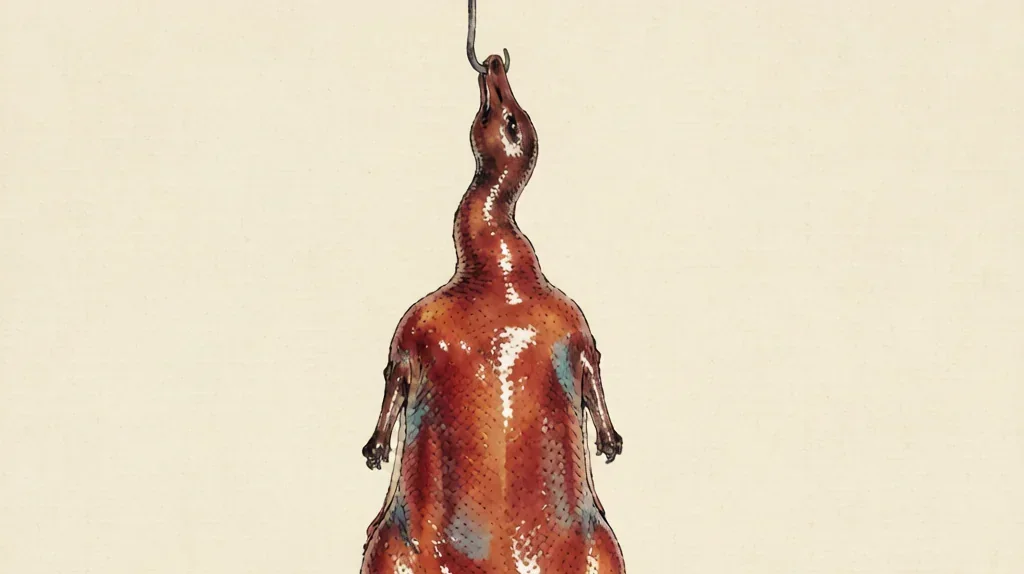
Beijing Roast Duck (北京烤鸭, Běijīng Kǎoyā) stands as the undisputed crown jewel of Chinese imperial cuisine—a dish so iconic that no visit to China's capital is complete without experiencing it. With a documented history spanning over 600 years, this magnificent dish evolved from the imperial kitchens of the Yuan Dynasty through the refinements of Ming and Qing court chefs to become one of the most celebrated culinary achievements in the world.
Biluochun — Spring Snail of Suzhou (碧螺春)
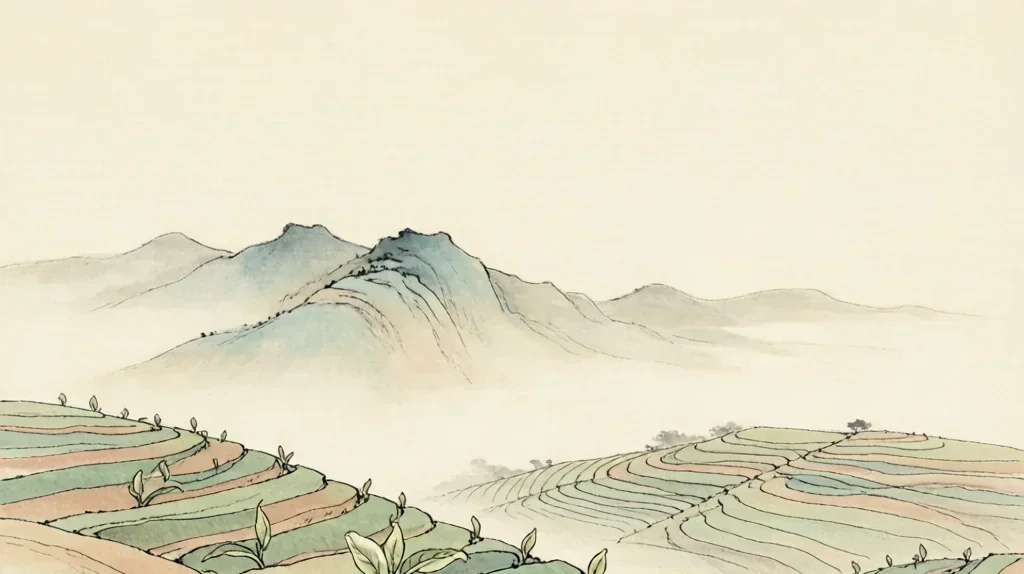
Biluochun (碧螺春, Bìluóchūn), whose name translates poetically to 'Green Snail Spring,' is one of China's most cherished green teas, produced on the misty slopes of Dongting Mountain (洞庭山) on the shores of Lake Tai (太湖) near Suzhou in Jiangsu Province. What distinguishes Biluochun from all other Chinese green teas is its extraordinary appearance — the leaves are tightly curled into delicate spirals, covered with a dense layer of silvery-white downy hairs, resembling tiny snails emerging after spring rain.

Chinese Alcohol Culture (中国酒文化) — A Toast to Five Thousand Years
Chinese alcohol culture (中国酒文化, Zhōngguó Jiǔ Wénhuà) represents one of the oldest and most sophisticated drinking traditions in human history, stretching back over 5,000 years to the Neolithic settlements of the Yellow River Valley. Alcohol in China has never been merely an intoxicant—it is a medium of social bonding, a ritual offering to gods and ancestors, a catalyst for artistic creation, a tool of diplomacy, and a mirror reflecting the values and contradictions of Chinese civilization itself.
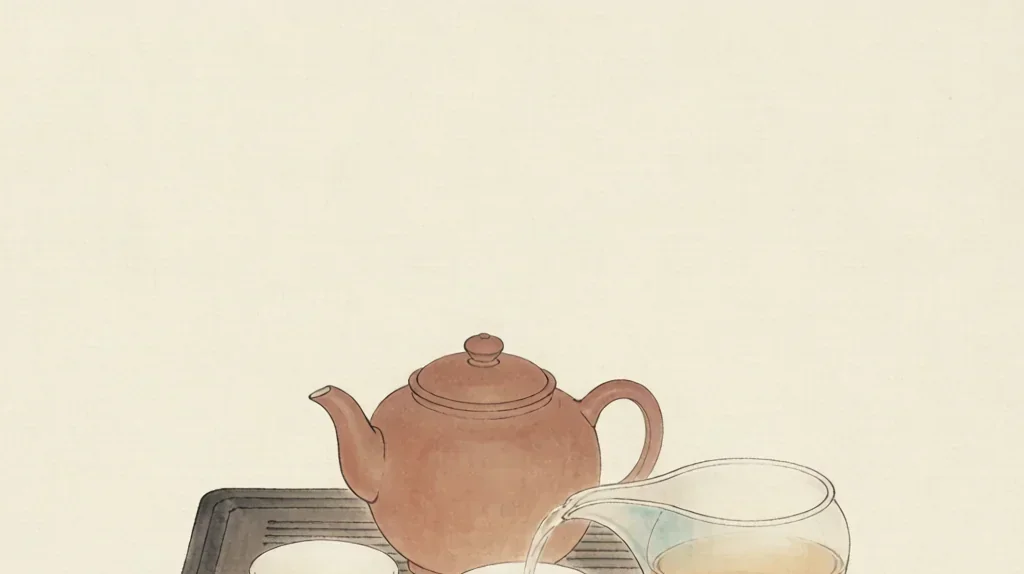
Gongfu Tea Ceremony (工夫茶) — The Art of Chaozhou Tea Ritual
The Gongfu Tea Ceremony (工夫茶, Gōngfū Chá) is one of the most refined and elaborate tea rituals in Chinese culture, originating from the Chaozhou (潮州) region of Guangdong Province in southern China. The term 'gongfu' (工夫) — not to be confused with the martial art 'kung fu' (功夫) — means 'skill cultivated through time and effort,' emphasizing that this is a tea practice requiring patience, precision, and deep appreciation.
Huaiyang Cuisine (淮扬菜) — Elegant Jiangsu Cooking
Huaiyang cuisine (淮扬菜, Huáiyáng Cài) represents the culinary tradition of the Huai'an and Yangzhou regions in Jiangsu Province, an area historically known as one of China's wealthiest and most culturally sophisticated regions. Among the Eight Great Culinary Traditions, Huaiyang cuisine is widely considered the most technically demanding and artistically refined — it is the cuisine of scholars, poets, and the imperial examination halls, characterized by meticulous knife work, delicate flavors, and presentations that elevate cooking to the level of fine art.
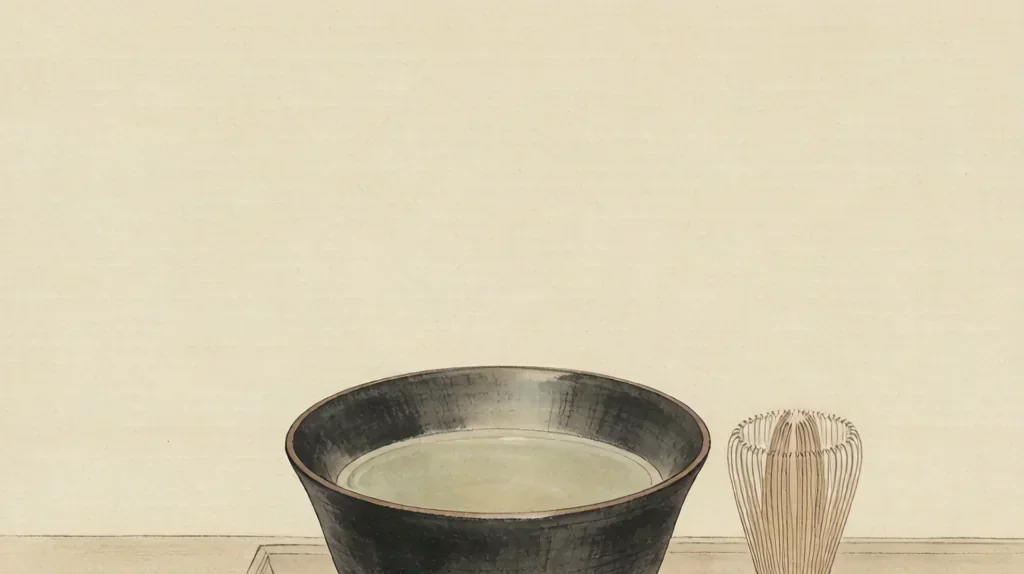
How Chinese Tea Became Japanese Chanoyu (日本茶道与中国渊源)
The Japanese tea ceremony, or chanoyu (茶の湯, 'hot water for tea'), is widely regarded as one of the world's most refined cultural practices — a choreographed ritual of hospitality, aesthetics, and Zen spirituality that has captivated the global imagination. Yet the roots of this quintessentially Japanese tradition lie not in Japan but in Tang and Song Dynasty China, carried across the East China Sea by Buddhist monks seeking the deepest teachings of their faith and returning with something unexpected: tea.
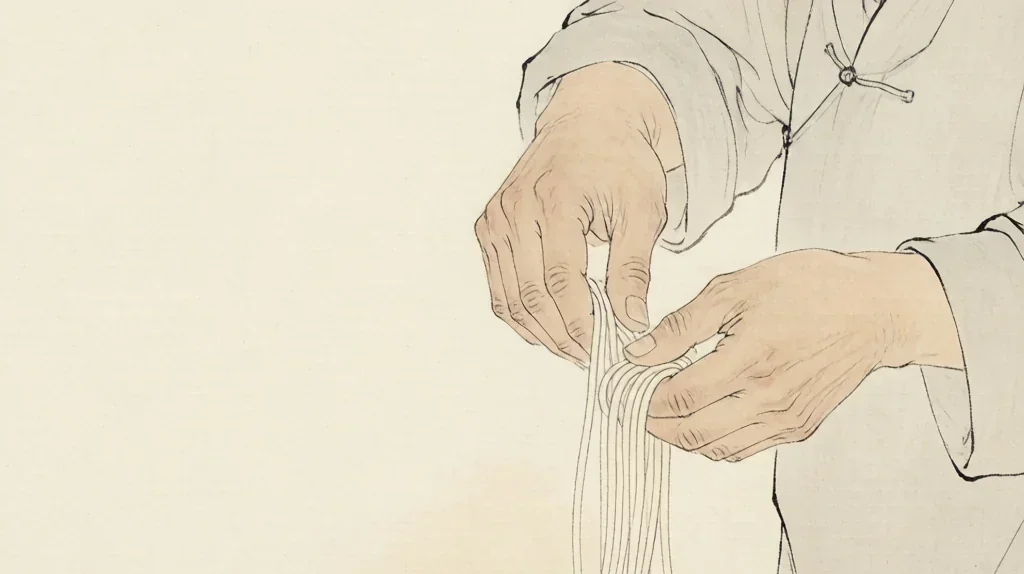
Lanzhou Hand-Pulled Noodles (兰州拉面) — Silk Road in a Bowl
Lanzhou Hand-Pulled Noodles (兰州拉面, Lánzhōu Lāmiàn), known throughout China simply as 'Lanzhou Lamian,' is far more than a bowl of noodle soup—it is a living artifact of the Silk Road, a testament to centuries of cultural exchange, and one of the most technically demanding dishes in the Chinese culinary repertoire. Originating from Lanzhou, the capital of Gansu Province and the historic gateway between China and Central Asia, this dish carries the flavors of the ancient trade routes in every steaming bowl.
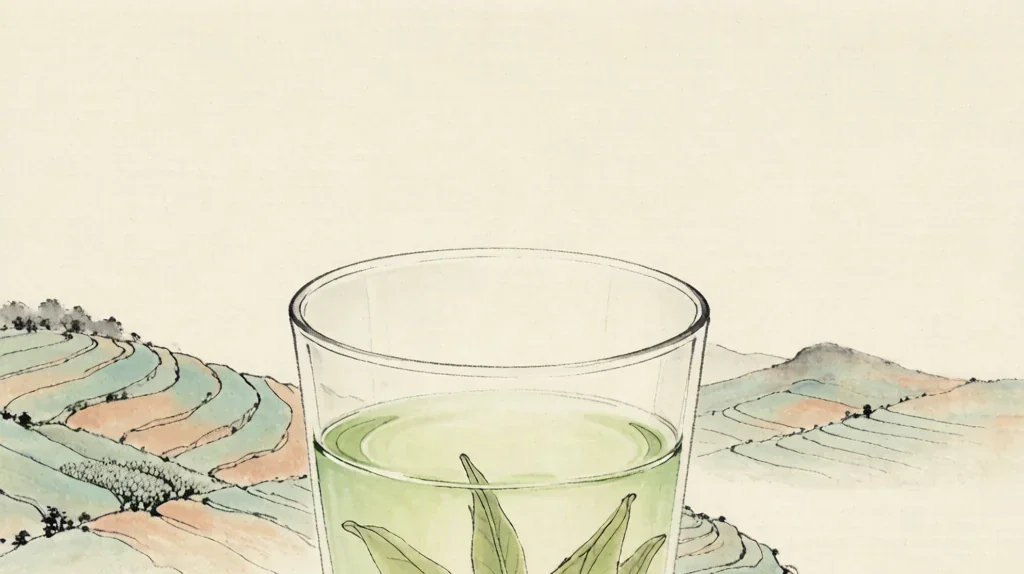
Longjing Tea (龙井茶) — The Dragon Well Legend
Longjing tea (龙井茶, Lóngjǐng Chá), known in English as Dragon Well tea, stands as China's most iconic green tea and one of the most celebrated teas in the world. Grown on the mist-shrouded hills surrounding Hangzhou's West Lake (西湖, Xī Hú) in Zhejiang Province, Longjing has been prized for over a thousand years for its distinctive flat, sword-shaped leaves, its jade-green infusion, and its uniquely sweet, chestnut-like flavor with delicate orchid undertones.

Shandong Cuisine (鲁菜) — Northern Imperial Style
Shandong cuisine (鲁菜, Lǔ Cài), originating from the northeastern coastal province of Shandong, is considered the oldest and historically most influential of China's Eight Great Culinary Traditions. Often referred to as the 'grandfather of Chinese cuisines,' Shandong cooking formed the foundation of the imperial court cuisine of the Ming (1368–1644) and Qing (1644–1912) dynasties in Beijing.

Lu Yu and The Classic of Tea (陆羽与《茶经》) — The Sage Who Defined Tea
In the pantheon of Chinese cultural heroes, few figures are as singular and transformative as Lu Yu (陆羽, Lù Yǔ, 733–804 CE), the man universally revered as the 'Tea Sage' (茶圣, Chá Shèng) and the 'God of Tea' (茶神, Chá Shén). An orphan, scholar, recluse, and obsessive researcher who spent his life studying every aspect of tea, Lu Yu produced 'The Classic of Tea' (《茶经》, Chá Jīng), the world's first comprehensive treatise on the cultivation, preparation, and cultural significance of tea.
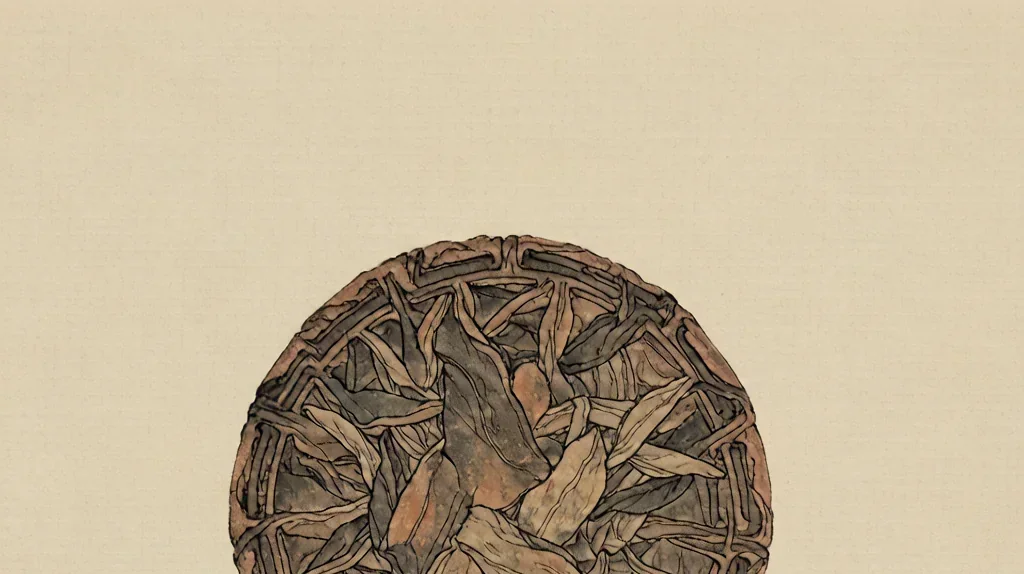
Pu'er Tea (普洱茶) — The Aged Treasure of Yunnan
Pu'er tea (普洱茶, Pǔ'ěr Chá) occupies a singular position in the world of tea — it is simultaneously a beverage, a collector's item, and a living artifact that improves with age. Produced exclusively in Yunnan Province in southwestern China, Pu'er is a post-fermented dark tea (黑茶, hēi chá) made from the large-leaf variety of the tea plant (Camellia sinensis var.
Silver Needle & White Tea — Pure Elegance (白毫银针)
Among the six major categories of Chinese tea, white tea (白茶, bái chá) occupies a unique and almost paradoxical position. It is the least processed of all teas — no kill-green, no rolling, no roasting, no fermentation — yet it produces some of the most complex and sought-after aged teas in the world.

The Tea Horse Road (茶马古道) — Ancient Trade Routes of Southwest China
The Tea Horse Road (茶马古道, Chá Mǎ Gǔ Dào) is one of the most extraordinary yet least known of the world's great ancient trade routes. Stretching for over 3,000 kilometers through some of the most challenging terrain on earth — the deep gorges of southwestern China's great rivers, the snow-capped peaks of the Hengduan Mountains, and the thin-air highlands of the Tibetan Plateau — this network of footpaths and mule trails connected the tea-producing regions of Yunnan and Sichuan with the Tibetan world for over a thousand years.
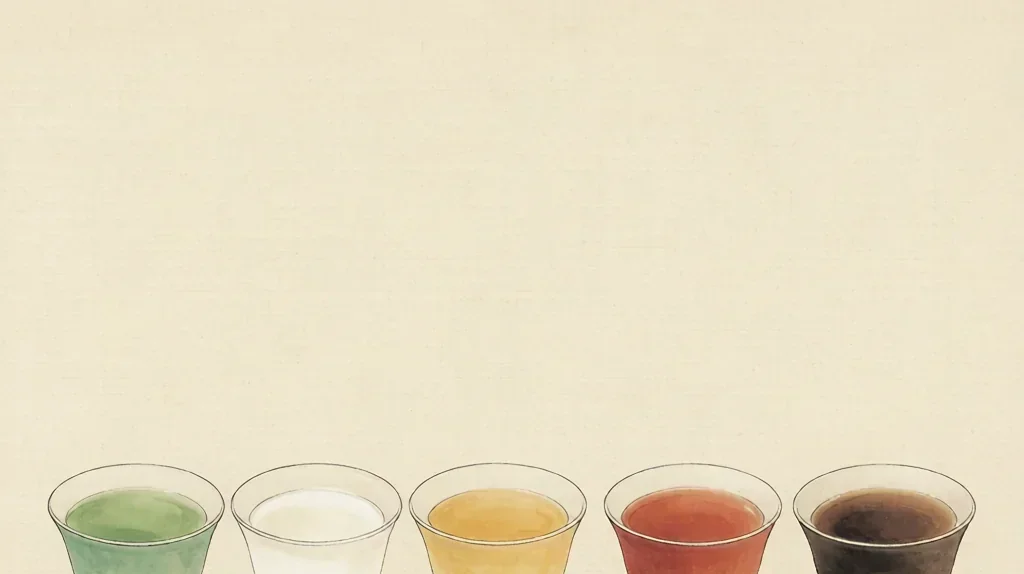
Chinese Tea Types (中国六大茶类) — Six Major Tea Categories
Chinese tea culture stretches back over four thousand years, making it one of the world's oldest and most sophisticated beverage traditions. At the heart of this tradition lies a classification system that divides all Chinese teas into six major categories (六大茶类, Liù Dà Chá Lèi): Green Tea (绿茶, Lǜ Chá), White Tea (白茶, Bái Chá), Yellow Tea (黄茶, Huáng Chá), Oolong Tea (青茶, Qīng Chá), Black Tea (红茶, Hóng Chá), and Dark Tea (黑茶, Hēi Chá).
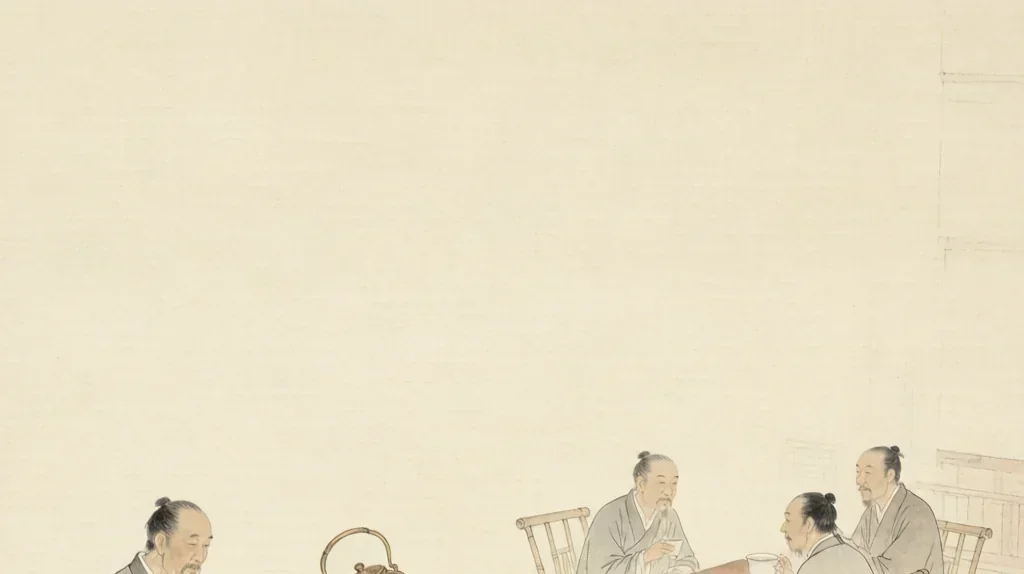
Chinese Teahouse Culture (茶馆文化)
The Chinese teahouse (茶馆, cháguǎn) is far more than a place to drink tea — it is one of the most enduring and beloved social institutions in Chinese civilization, a microcosm of community life where conversation flows as freely as hot water from a copper kettle. For over a thousand years, teahouses have served as China's living rooms, town squares, entertainment venues, and informal courts of public opinion, all wrapped into one.
Tieguanyin — The Iron Goddess of Mercy (铁观音)
Tieguanyin (铁观音, Tiě Guān Yīn), the 'Iron Goddess of Mercy,' stands as one of China's most celebrated oolong teas and a cornerstone of the tea culture of southern Fujian Province. Its name alone evokes mystery and reverence: a tea named after Guanyin (观音), the Buddhist bodhisattva of compassion, prefixed with 'iron' (铁, tiě) to suggest something of enduring strength.
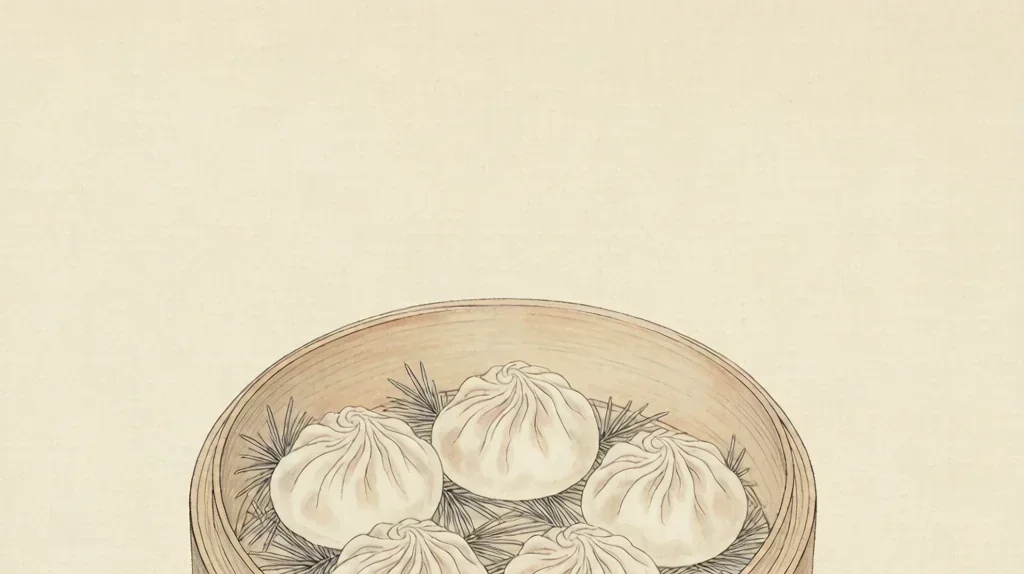
Xiaolongbao (小笼包) — The Art of the Soup Dumpling
Xiaolongbao (小笼包, xiǎolóngbāo), the ethereal soup dumplings that have captivated food lovers from Shanghai to San Francisco, represent perhaps the most delicate and technically challenging achievement in the vast universe of Chinese dim sum. These seemingly modest parcels—thin-skinned, pleated dumplings cradling a sphere of seasoned pork and a reservoir of molten, savory broth—are the product of a culinary tradition that demands years of training to master and seconds of care to consume properly.
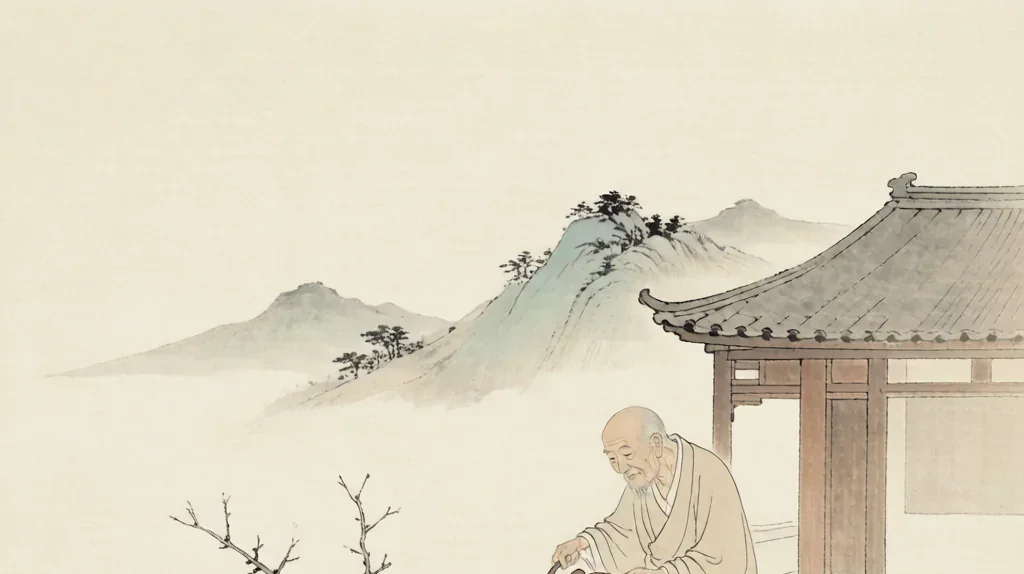
Zen and Tea — One Taste (禅茶一味)
The phrase 'Zen and tea are one taste' (禅茶一味, Chán Chá Yī Wèi) encapsulates one of the most profound spiritual syntheses in Chinese civilization — the thousand-year intertwining of Chan (Zen) Buddhism and the culture of tea. This is not merely a poetic metaphor but a lived reality that has shaped monasteries, inspired art and literature, and transformed the simple act of drinking tea into a path of spiritual cultivation.
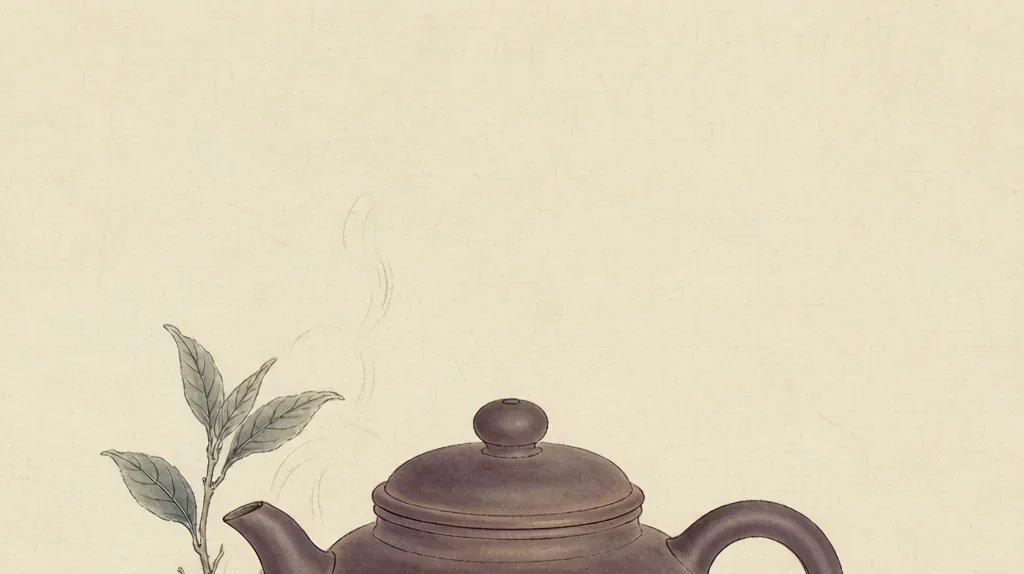
Yixing Zisha — The Soul of Chinese Teaware (宜兴紫砂)
In the pantheon of Chinese cultural artifacts, few objects embody the marriage of function and art as perfectly as the Yixing zisha teapot. Produced from the unique purple clay (紫砂, zǐshā) deposits found only in the hills surrounding Yixing (宜兴), a county-level city in southern Jiangsu Province, these unglazed stoneware teapots have been the vessel of choice for China's most discerning tea drinkers for over five hundred years.