👑 Historical Figures
58 articles — Emperors, scholars, and legendary heroes
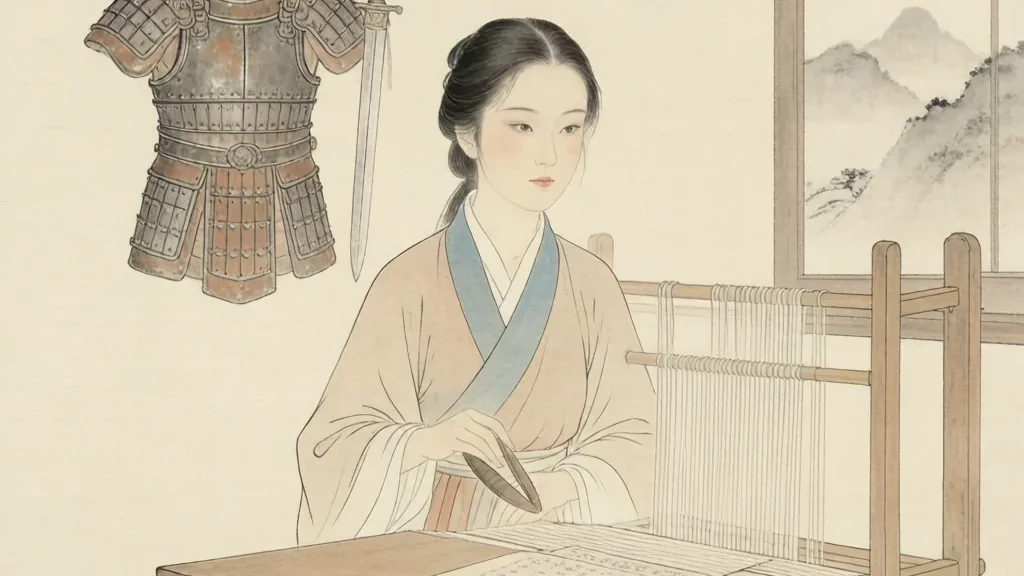
Hua Mulan: The Warrior Woman
At the loom she sat, weaving cloth, when the imperial messenger arrived with terrible news: the Khan had ordered a great mobilization, and every household must send one man to war. Her father's name was on the conscription rolls—an old man, weakened by age, who would surely die on the battlefield.
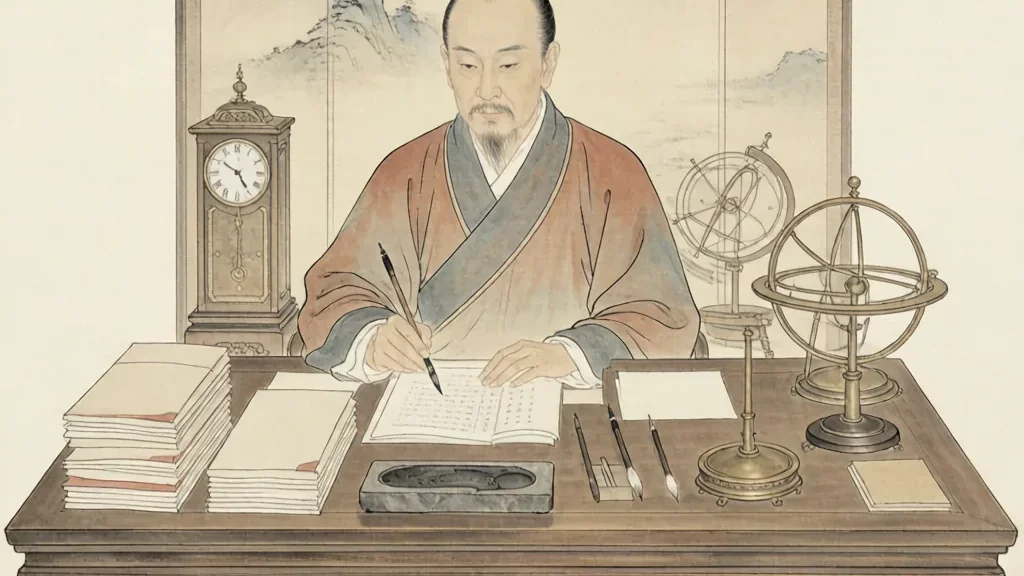
Emperor Kangxi: The Longest Reigning Emperor
In the long history of China, no emperor ruled longer than the Kangxi Emperor. For sixty-one years — from 1661 to 1722 — he sat on the Dragon Throne, guiding the Qing Dynasty through its most formative and prosperous period.
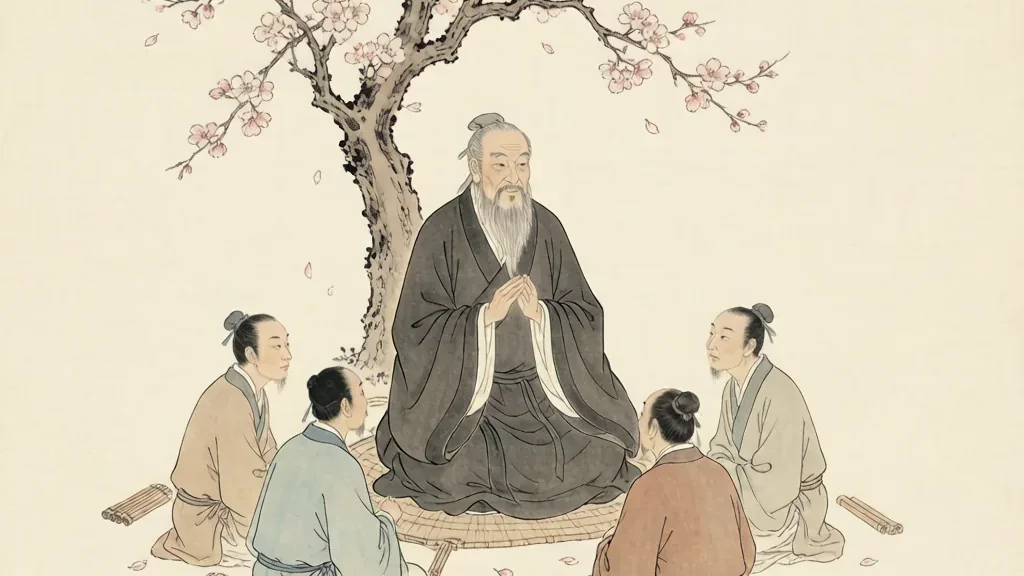
Confucius: The Teacher of Ten Thousand Generations
Few individuals in human history have influenced as many lives as Confucius. Born in 551 BCE in the small state of Lu, in what is now Shandong Province, Kong Qiu—later known to the world as Confucius—would grow to become the most important philosopher in Chinese history.

Laozi: The Sage of the Dao
Shrouded in mystery and legend, Laozi—whose name simply means "Old Master"—is one of the most enigmatic and influential figures in human history. The founding text attributed to him, the Tao Te Ching , is among the most translated books in the world, second only to the Bible.
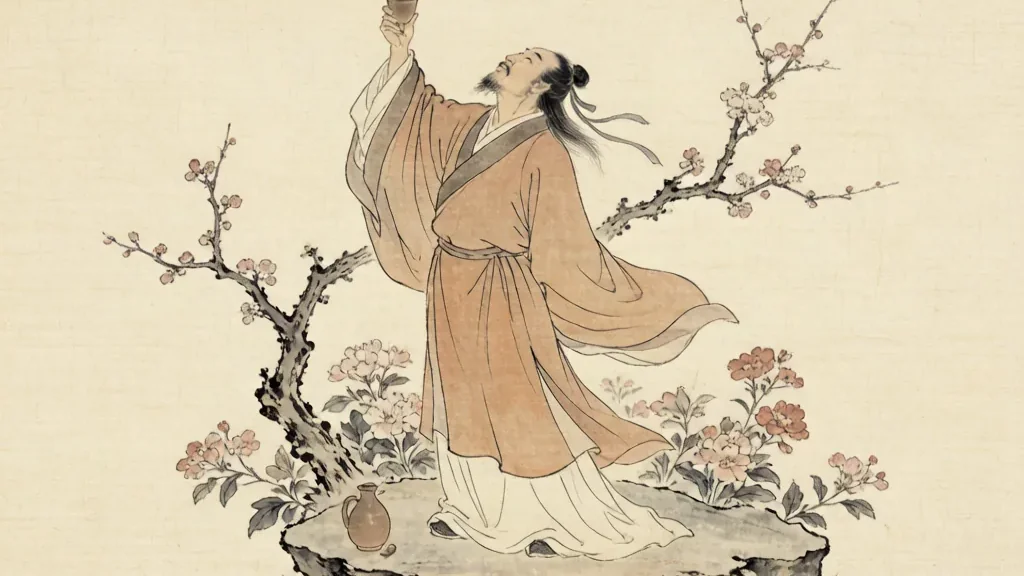
Li Bai: The Immortal Poet
If Chinese poetry has a single face, it is the face of Li Bai—raised to the moon, wine cup in hand, hair disheveled by the wind, laughing at the absurdity of existence while somehow capturing its deepest truths in lines of breathtaking beauty. Known as the "Immortal Poet" (诗仙), Li Bai is not merely the greatest poet of the Tang Dynasty, widely considered China's golden age of poetry—he is arguably the most beloved poet in all of Chinese history, a figure whose verses are memorized by schoolchildren and quoted by scholars, whose life has become legend, and whose spirit of wild freedom continues to inspire more than thirteen centuries after his death.
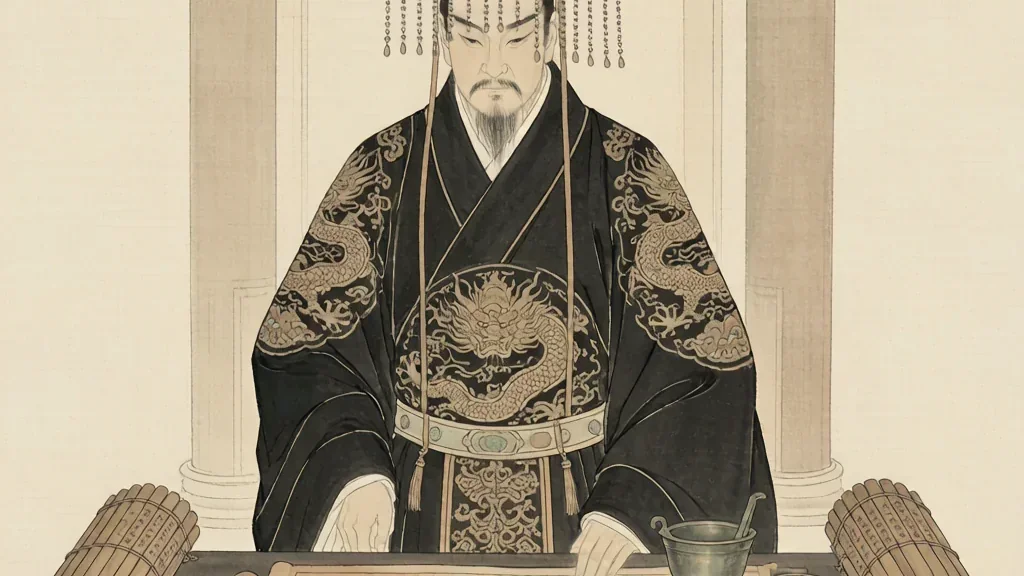
Qin Shi Huang: China's First Emperor
Few rulers in history have left a mark as deep and as controversial as Qin Shi Huang, the First Emperor of China. In a reign that lasted just over a decade as emperor—though built on centuries of Qin statecraft—he transformed a fractured collection of warring kingdoms into a unified empire, standardized its writing, its currency, its measurements, and its laws, and launched construction projects so ambitious that they continue to awe the world more than two thousand years later.

Shen Kuo: China's Leonardo da Vinci
Five hundred years before Leonardo da Vinci filled his notebooks with sketches of flying machines and anatomical studies, a Chinese scholar was quietly compiling one of the most remarkable scientific works in human history. Shen Kuo, an eleventh-century Song Dynasty polymath, was a diplomat, mathematician, astronomer, geologist, zoologist, botanist, pharmacologist, agronomist, archaeologist, ethnographer, cartographer, encyclopedist, general, hydraulic engineer, and poet.
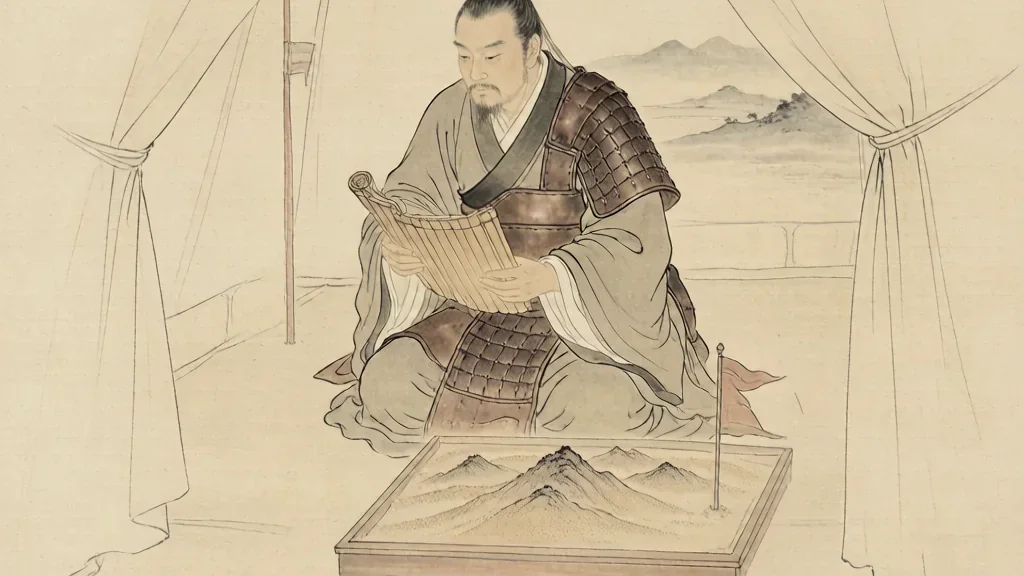
Sun Tzu: The Philosopher of War
More than two and a half millennia after his death, the name Sun Tzu still commands immediate respect in military academies, business schools, and sports locker rooms around the world. His slim volume of thirteen chapters, known simply as The Art of War (孙子兵法), has become the most influential treatise on strategy ever written.

Su Shi: The Renaissance Man of the Song
If you could invite any figure from Chinese history to dinner, Su Shi would be at the top of the list. He would cook the meal himself — perhaps his famous Dongpo pork, braised to melting perfection — while reciting one of his poems and offering witty observations on politics, philosophy, and the beauty of the moon.

Wang Xizhi: The Sage of Calligraphy
In every Chinese art museum, in every classroom where brush meets paper, in every temple where ancient words are carved into stone, one name towers above all others: Wang Xizhi. Known as the "Sage of Calligraphy," he lived in the fourth century CE during the Eastern Jin Dynasty, yet his influence on Chinese culture is as alive today as it was sixteen hundred years ago.
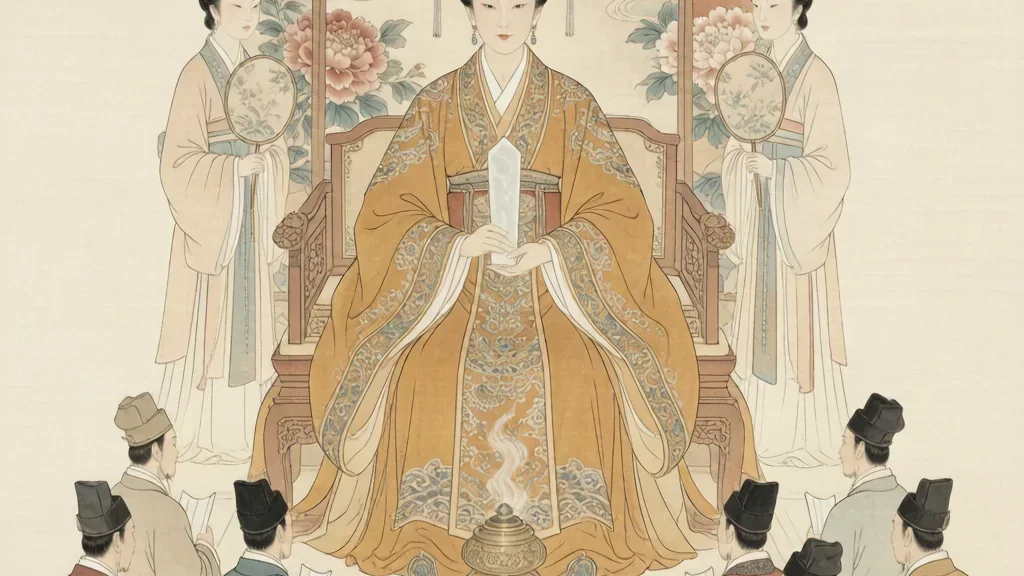
Wu Zetian: China's Only Female Emperor
In the entire four-thousand-year sweep of Chinese imperial history—through dozens of dynasties and hundreds of emperors—only one woman ever ruled in her own name. Her path from a thirteen-year-old concubine to the supreme ruler of the world's most powerful empire is one of the most remarkable stories of political ascent ever told.

Xuanzang: The Monk Who Walked to India
In the year 629 CE, a young Buddhist monk slipped out of the Tang Dynasty capital of Chang'an under cover of darkness. The emperor had forbidden foreign travel, and the monk was breaking the law.
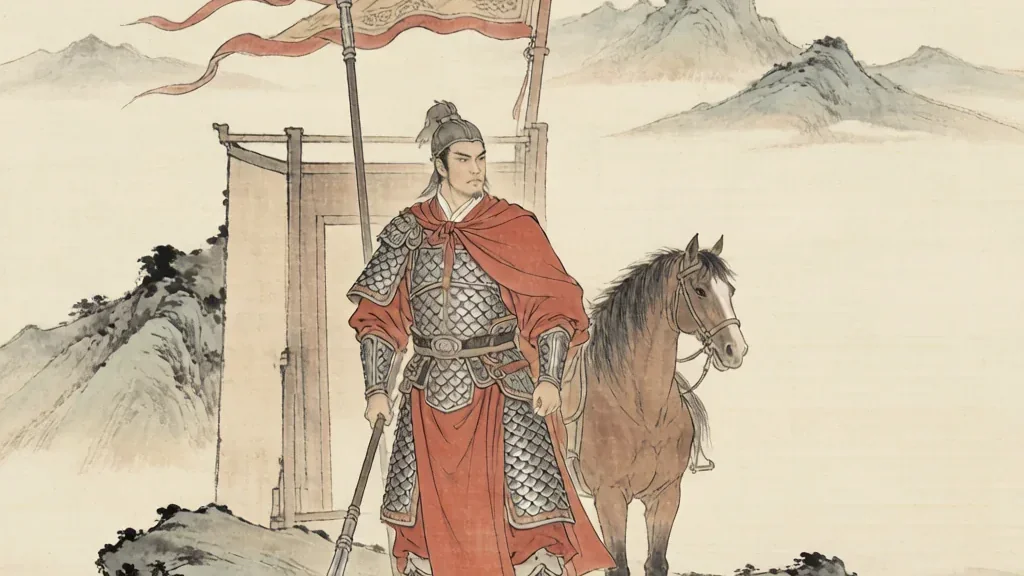
Yue Fei: The Loyal General
In the pantheon of Chinese heroes, few figures shine as brightly — or as tragically — as Yue Fei. Born to a poor farming family in 1103 CE, he rose to become the most celebrated general of the Southern Song Dynasty, a warrior whose name alone struck fear into enemy armies.

Zhang Qian: The Pioneer of the Silk Road
Imagine setting out on a diplomatic mission into completely unknown territory, only to be captured and held prisoner for ten years. Imagine finally escaping, continuing your mission across deserts and mountains no Chinese person had ever crossed, and returning home thirteen years after you left with only one of your hundred original companions still alive.
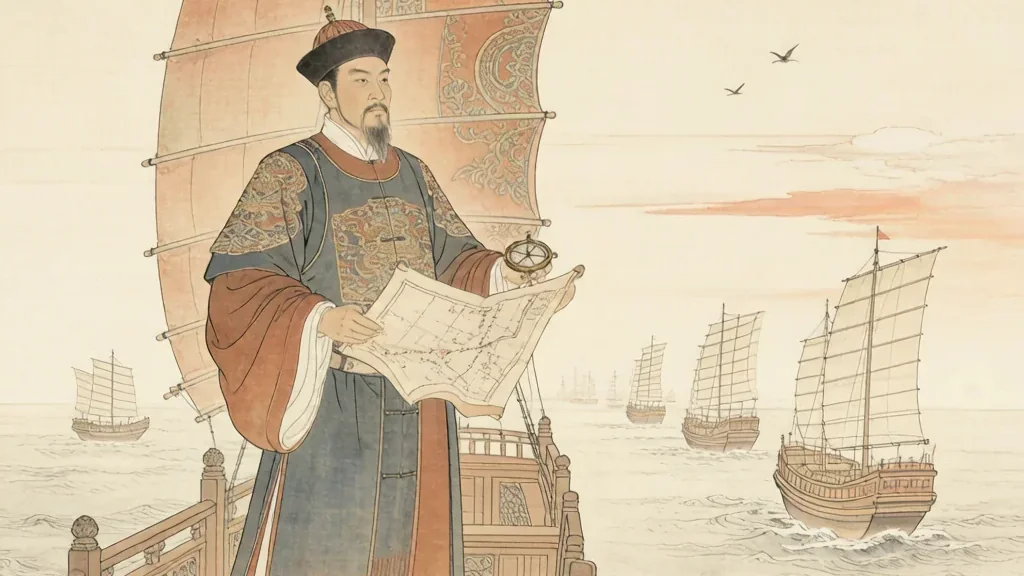
Zheng He: The Admiral Who Sailed the World
In the early fifteenth century, when European ships were still hugging the coastlines of the Mediterranean and the Atlantic, a massive Chinese fleet was sailing across the Indian Ocean, establishing diplomatic relations, mapping unknown waters, and projecting the power of the Ming Dynasty across half the globe. At its head stood a man whose life story is as remarkable as the voyages he commanded: Zheng He, the eunuch admiral who rose from captivity and servitude to become the greatest seafarer of his age.
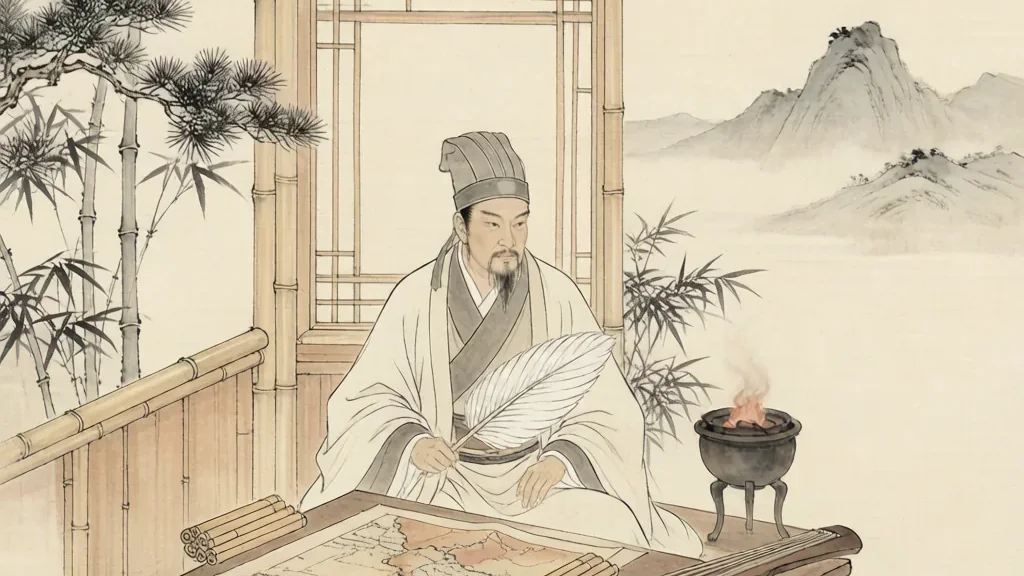
Zhuge Liang: The Sleeping Dragon
In the pantheon of Chinese heroes, no figure shines quite as brightly as Zhuge Liang. Known as the "Sleeping Dragon" for his hidden talents, he emerged from a quiet life of farming and scholarship to become the master strategist of the Shu Han kingdom during the turbulent Three Kingdoms period.

Sima Qian
More than two thousand years ago, a man in the service of the Han court set out to do something no Chinese writer had ever attempted: to record the entire sweep of his civilization's past in a single, continuous narrative. That man was Sima Qian (司马迁, Sīmǎ Qiān), a court astrologer and historian whom later generations would revere as the "Father of Chinese Historiography.
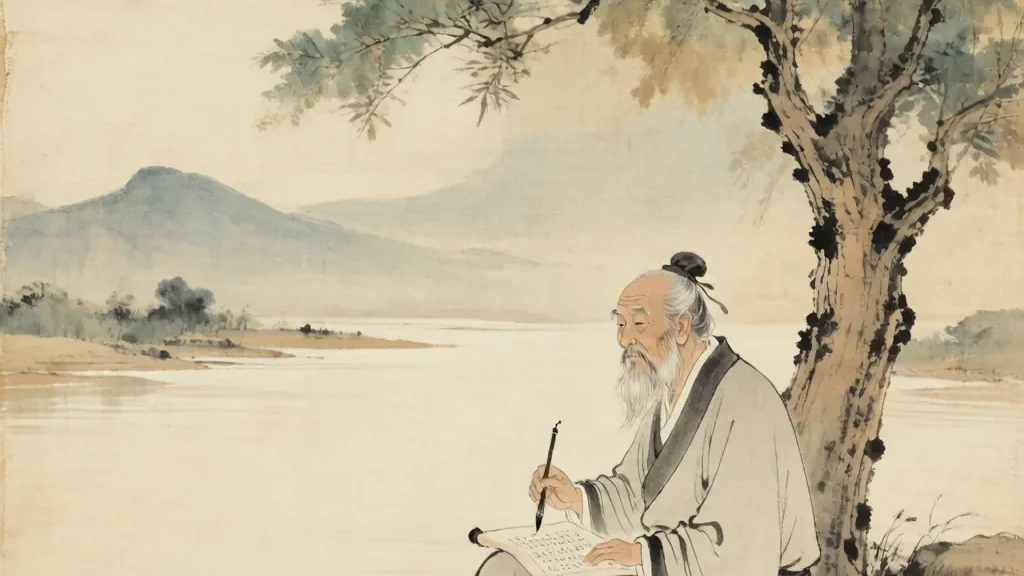
Bai Juyi
Among the poets of China's golden Tang dynasty, one name has always been loved by ordinary readers as much as by scholars. That name is Bai Juyi (白居易, Bái Jūyì), a poet of the ninth century who made it his lifelong mission to write verse that a village woman or a toothless farmer could understand and feel.
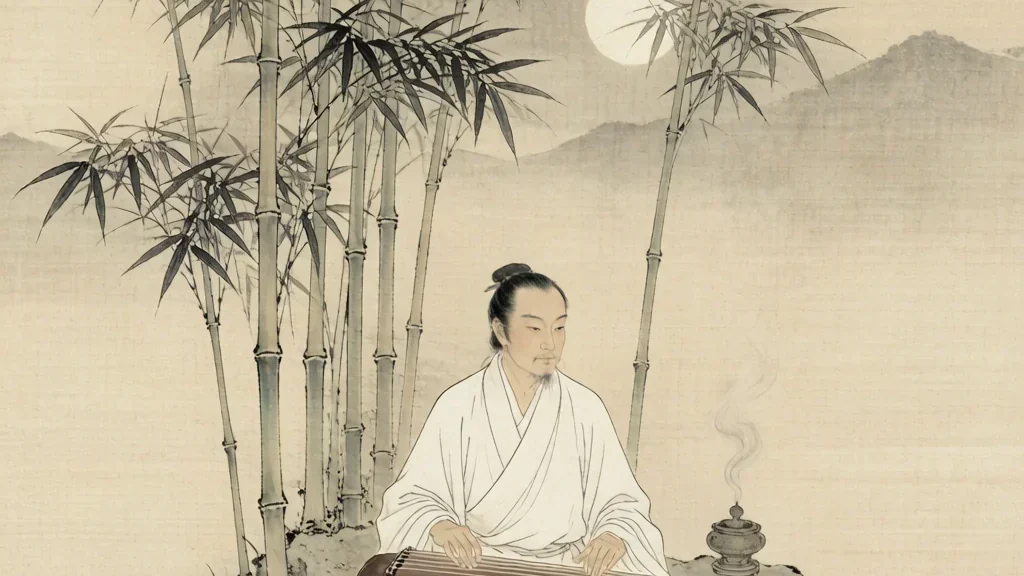
Wang Wei
If one Tang poet could be said to have painted with words and written with a brush, it was Wang Wei (王维, Wáng Wéi). A courtier, a devout Buddhist, a master of both poetry and painting, Wang Wei lived in the eighth century at the height of the Tang dynasty's cultural brilliance and through its most shattering catastrophe, the An Lushan Rebellion.
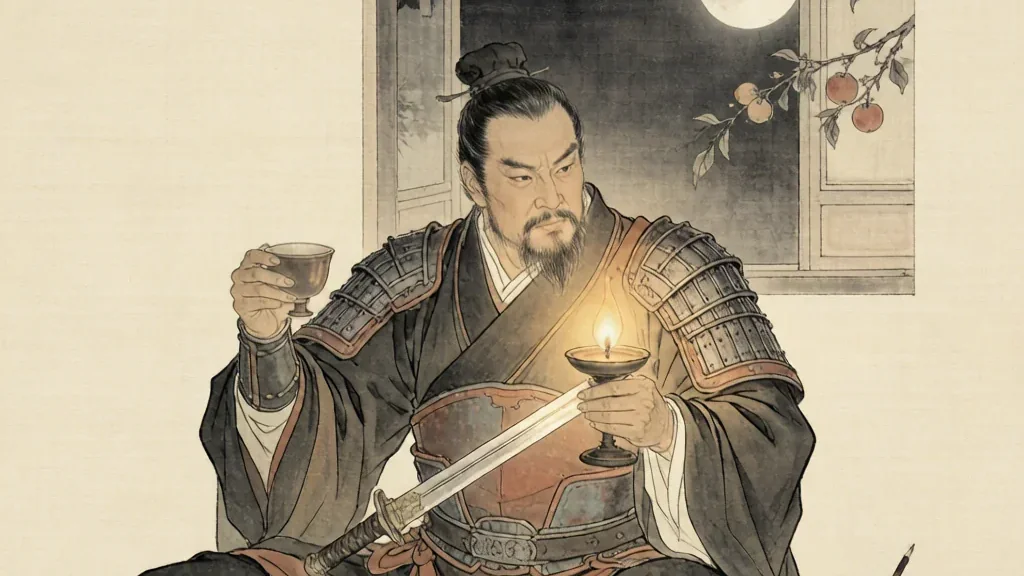
Xin Qiji
History rarely produces a man who was both a battlefield commander and one of the finest lyric poets who ever lived. Xin Qiji (辛弃疾, Xīn Qìjí) was exactly that rare fusion.

Li Qingzhao
She lived through the fall of a dynasty, lost her husband and her home, and turned her grief into verse so finely wrought that eight centuries later she remains China's acknowledged greatest woman poet. Li Qingzhao (李清照, Lǐ Qīngzhào) was born around 1084 into a family of scholar-officials at the height of the Northern Song, married a kindred spirit, and then watched the Jurchen invasions shatter everything she loved.
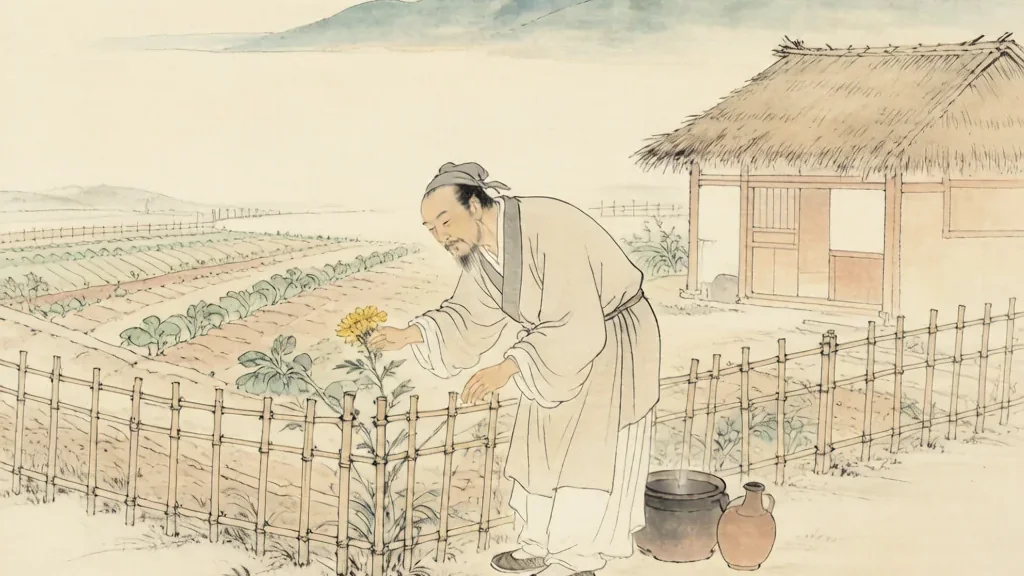
Tao Yuanming
Long before the West invented the "noble savage" or the weekend gardener, a Chinese official named Tao Yuanming (陶渊明, Táo Yuānmíng) quit his job, went home to his farm, and wrote poems about the simple joy of pulling weeds among chrysanthemums. He lived in the troubled fourth and fifth centuries, when China was split among rival states and public life was dangerous and corrupt.

Cao Cao
Few figures in Chinese history are as contested as Cao Cao (曹操, Cáo Cāo). To the novelists and opera-makers of later centuries he was the arch-villain: a cunning, suspicious, murderous usurper who preyed on a weakened throne.
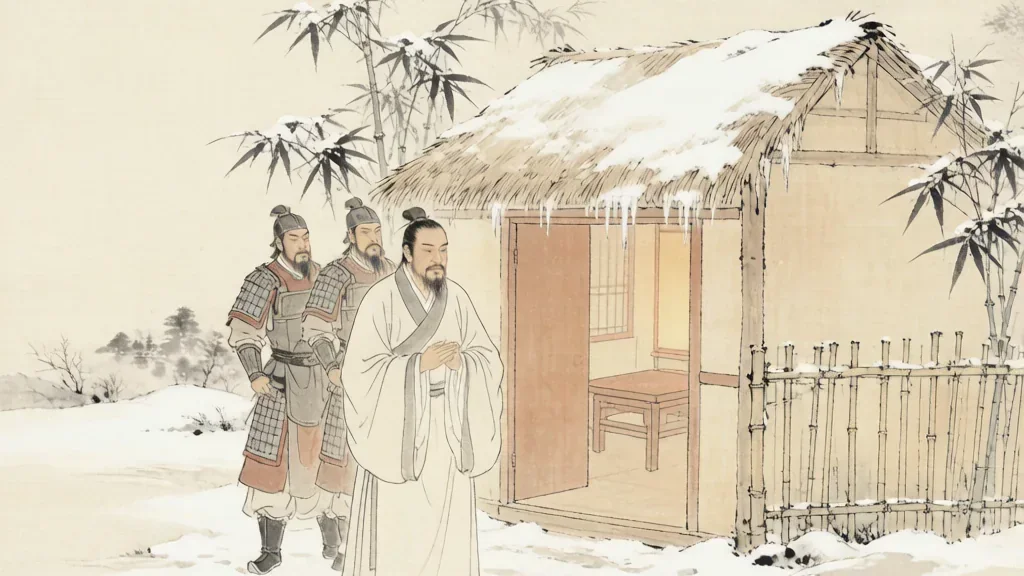
Liu Bei
If Cao Cao is the cunning realist of the Three Kingdoms, Liu Bei (刘备, Liú Bèi) is its conscience. A man who claimed descent from a Han imperial prince yet made his living weaving straw sandals and mats, Liu Bei rose from obscurity through sheer perseverance, kindness, and loyalty to found the state of Shu-Han and briefly realize the dream of restoring the fallen Han.

Emperor Wu of Han
He reigned for fifty-four years, longer than almost any emperor before him, and in that half-century he bent the Chinese state into the shape it would keep for two thousand years. Emperor Wu of Han (汉武帝, Hàn Wǔdì), who ruled from 141 to 87 BCE, was the expansionist who pushed China's borders to the Central Asian steppe, opened the Silk Road, elevated Confucianism to state doctrine, and waged ceaseless war against the nomads of the north.
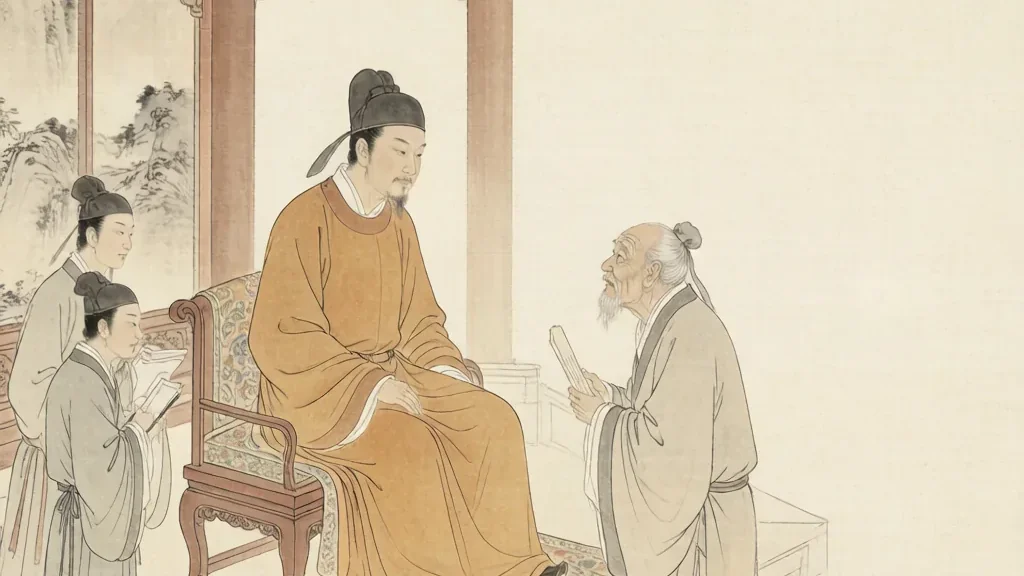
Emperor Taizong of Tang
Of all the emperors who sat on China's dragon throne, none became a more studied model of good rule than Emperor Taizong of Tang (唐太宗, Táng Tàizōng). Born Li Shimin, he seized power in a bloody palace coup, then governed for twenty-three years with such wisdom, openness to criticism, and military success that his reign — the Zhenguan era (627–649) — became the gold standard against which later emperors measured themselves.
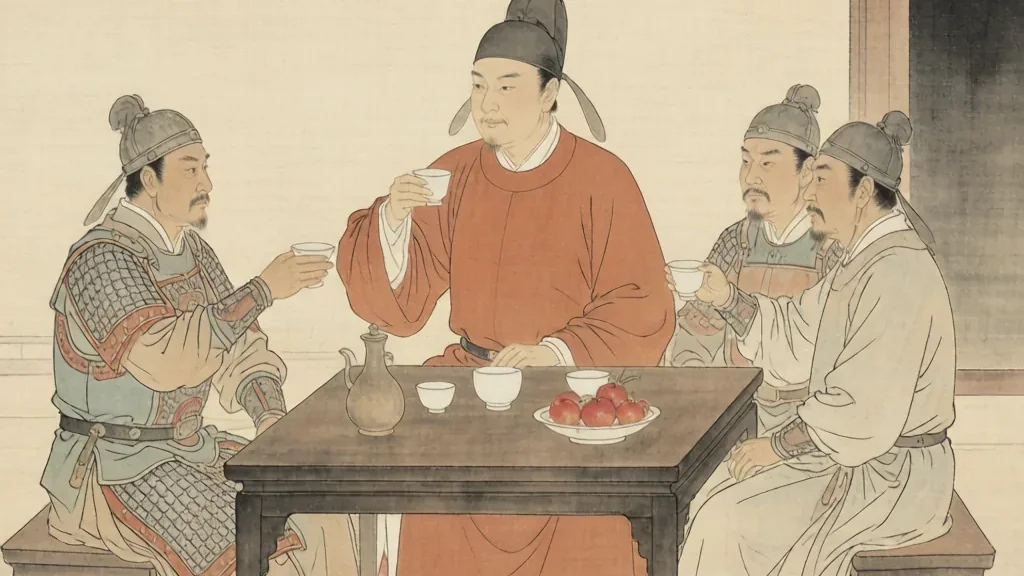
Emperor Taizu of Song
He founded a dynasty that would last three hundred years, yet he never fought a single major battle to do it. Emperor Taizu of Song (宋太祖, Sòng Tàizǔ), born Zhao Kuangyin, came to power in 960 through a bloodless coup, then solved the problem that had haunted China for centuries: how to stop ambitious generals from overthrowing the throne.

The Qianlong Emperor
He ruled China at the height of its last great empire, and he knew it. The Qianlong Emperor (乾隆, Qiánlóng), whose reign name means "Heavenly Prosperity," sat on the throne from 1735 to 1796 — sixty years as emperor plus a few more as retired "Supreme Emperor" — longer than any other Qing ruler and among the longest in world history.
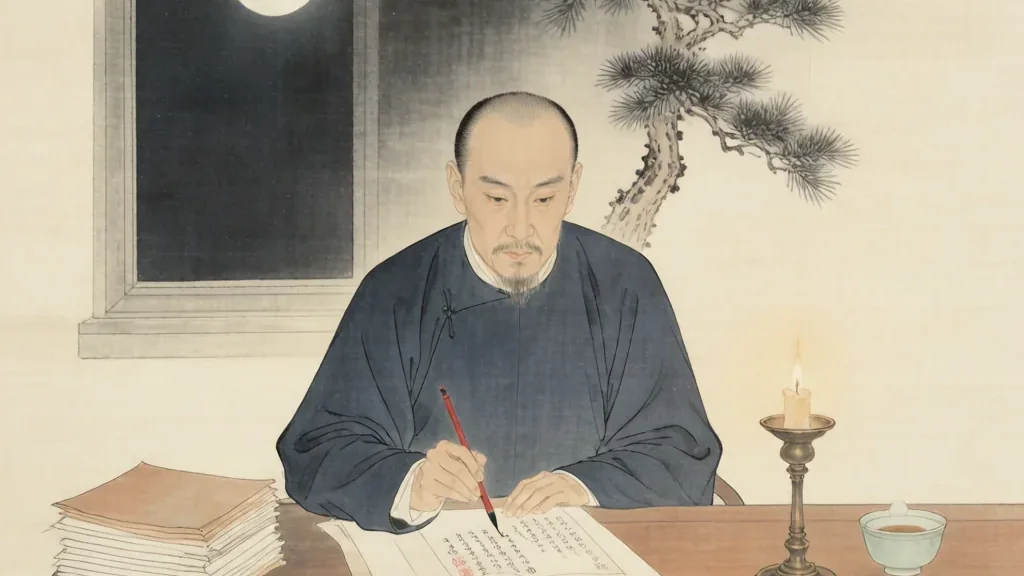
The Yongzheng Emperor
He ruled for only thirteen years, but he may have done more work than emperors who reigned for decades. The Yongzheng Emperor (雍正, Yōngzhèng), who sat on the Qing throne from 1722 to 1735, is the dynasty's great reformer and its great mystery.
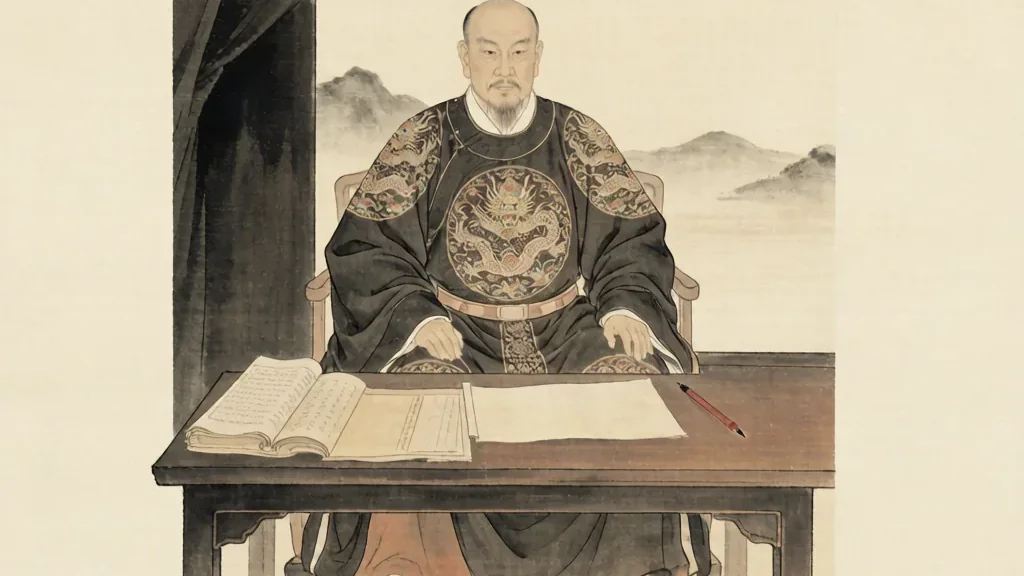
Zhu Yuanzhang
No rise in Chinese history is more improbable than that of Zhu Yuanzhang (朱元璋, Zhū Yuánzhāng). Born a desperately poor peasant in 1328, orphaned by plague, and forced to beg, he entered a Buddhist monastery to survive, then joined a rebel army against the Mongol Yuan dynasty.

Ban Zhao
In the first century of the common era, when Chinese historiography was a male preserve, a woman completed the greatest history of her age and became the empire's most trusted teacher. Ban Zhao (班昭, Bān Zhāo), also known by her literary name Cao Dagu, was a Han-dynasty scholar, historian, and court instructress who finished the Book of Han after the deaths of her father and brother, advised emperors, and wrote the influential Lessons for Women .

Cai Wenji
She was taken from her home by foreign cavalry, lived twelve years beyond the frontier among the Xiongnu, bore two sons to a nomadic lord, and then was ransomed back to China at the cost of leaving those children behind. Cai Wenji (蔡文姬, Cài Wénjī), a poet and musician of the late Han and Three Kingdoms era, turned that rupture into some of the most moving poetry in the Chinese language.
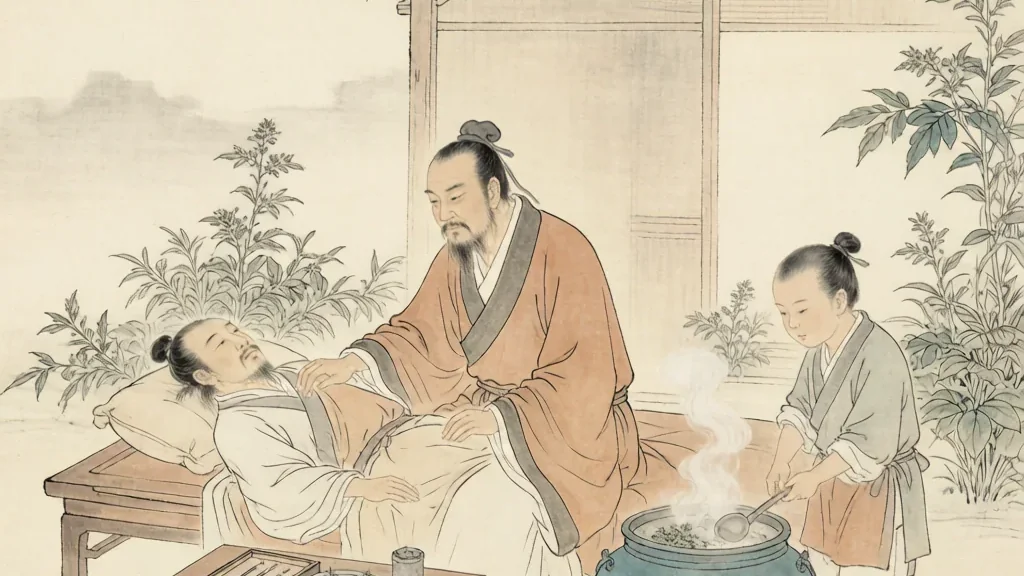
Hua Tuo
Long before European surgeons dared to cut open a living body, a wandering physician in the waning years of China's Han dynasty was already putting patients to sleep with an herbal brew and operating on their insides. His name was Hua Tuo , written 华佗 and pronounced Huà Tuó .
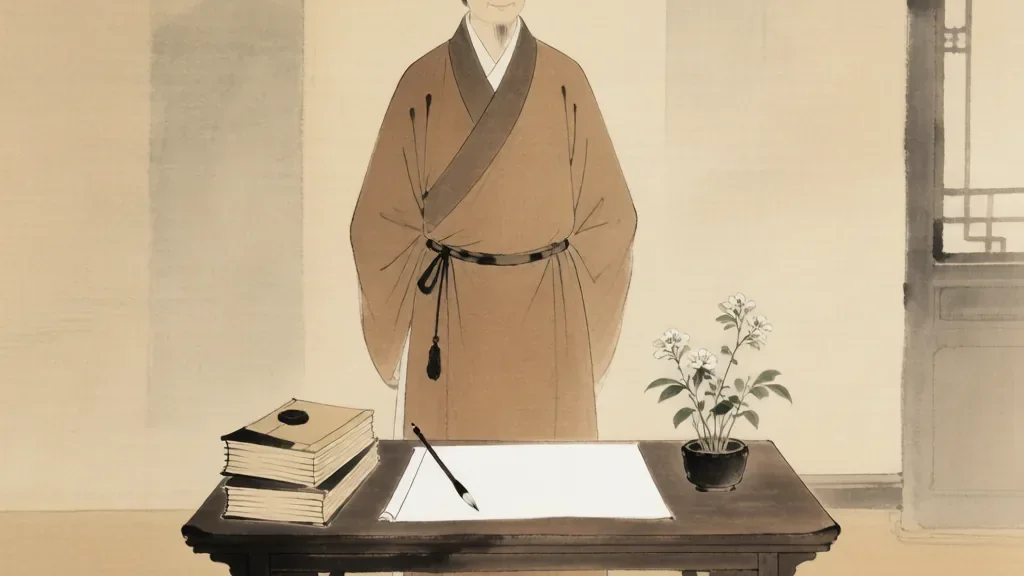
Li Shizhen
In the long history of medicine, few books have been as ambitious as the one a Ming-dynasty physician named Li Shizhen spent nearly thirty years writing. His Chinese name is 李时珍, pronounced Lǐ Shízhēn , and his masterwork, the Bencao Gangmu or "Compendium of Materia Medica," catalogued nearly two thousand drugs drawn from plants, animals, and minerals.
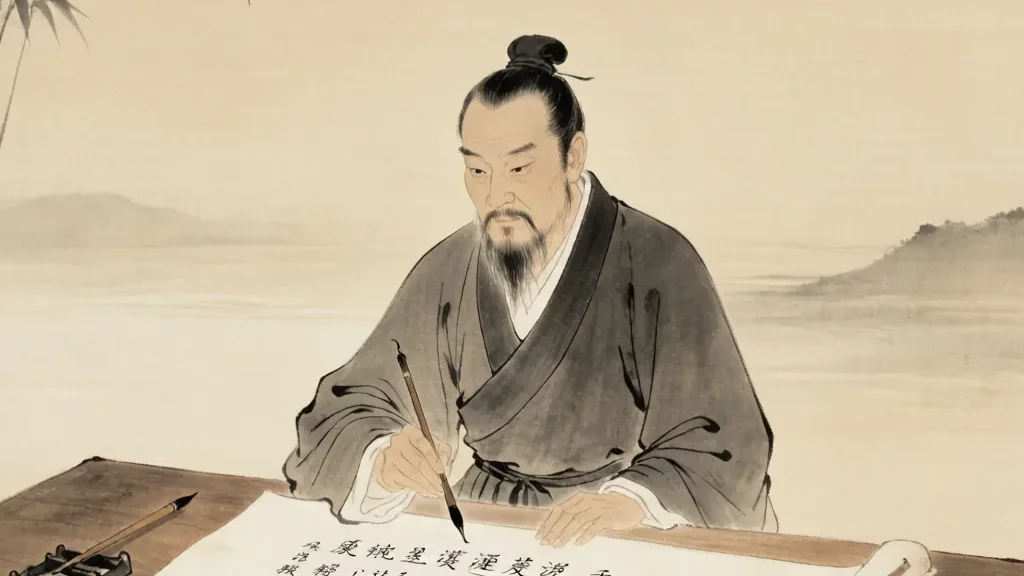
Zu Chongzhi
More than a thousand years before European mathematicians computed pi to seven decimal places, a Chinese scholar of the Southern Dynasties had already pinned it down with astonishing accuracy. His name was Zu Chongzhi , written 祖冲之 and pronounced Zǔ Chōngzhī .
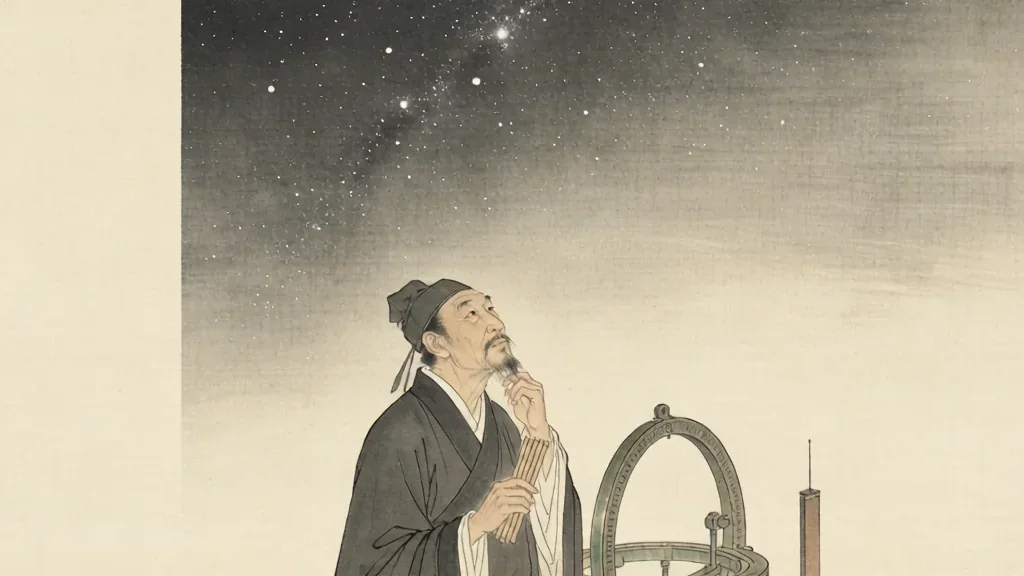
Guo Shoujing
At the height of the Mongol Yuan dynasty, a Chinese scientist undertook the most ambitious survey of the heavens and the land that his civilization had ever attempted. His name was Guo Shoujing , written 郭守敬 and pronounced Guō Shǒujìng .
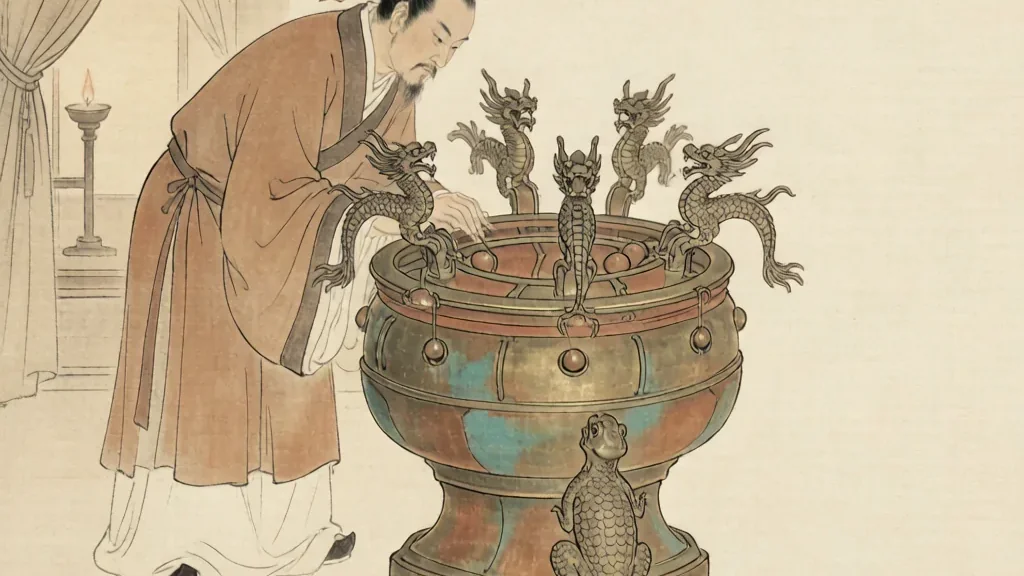
Zhang Heng
Almost two thousand years ago, in the court of the Han dynasty, a scholar built a bronze urn studded with dragons and toads that could tell, from the capital, exactly which direction an earthquake had struck hundreds of miles away. The inventor was Zhang Heng , written 张衡 and pronounced Zhāng Héng .
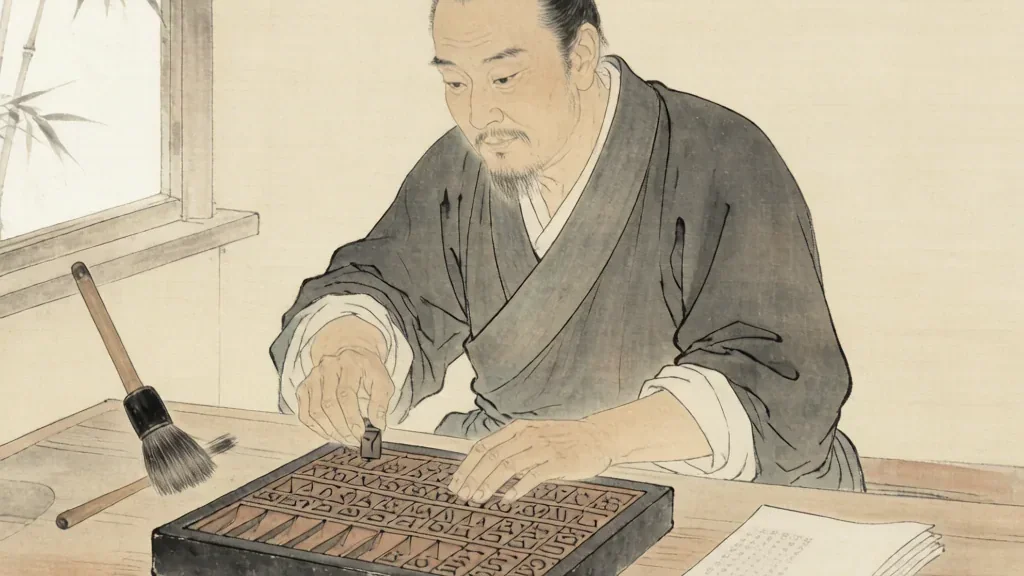
Bi Sheng
In the middle of the eleventh century, a common artisan working in the workshops of the Song dynasty found a way to print books that would change the world. His name was Bi Sheng , written 毕昇 and pronounced Bì Shēng .
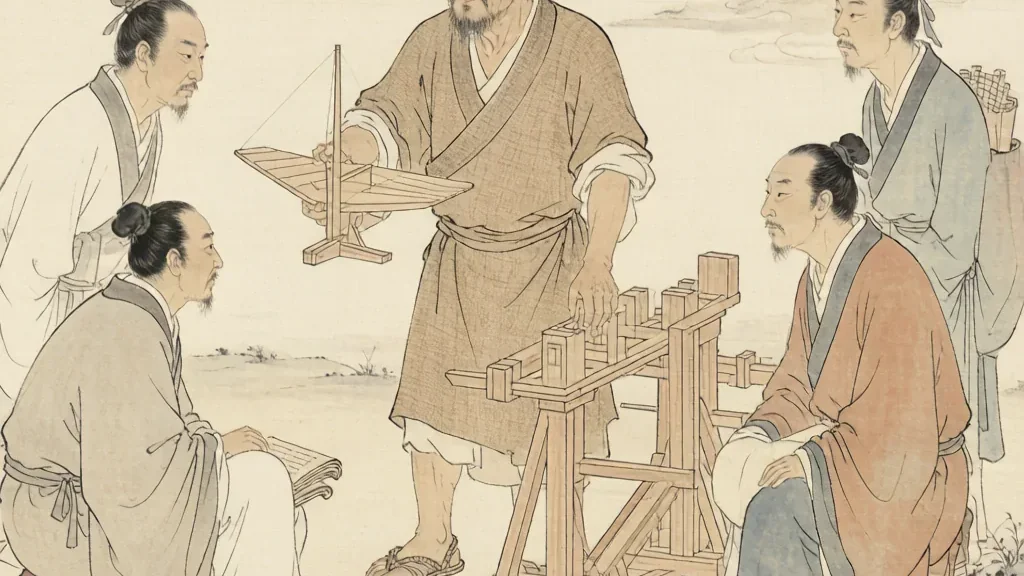
Mozi
In an age when China's thinkers debated how society should be ordered, one philosopher stood out for a radical and generous idea: that we should care for the welfare of others as we care for our own. His name was Mozi , written 墨子 and pronounced Mòzǐ .
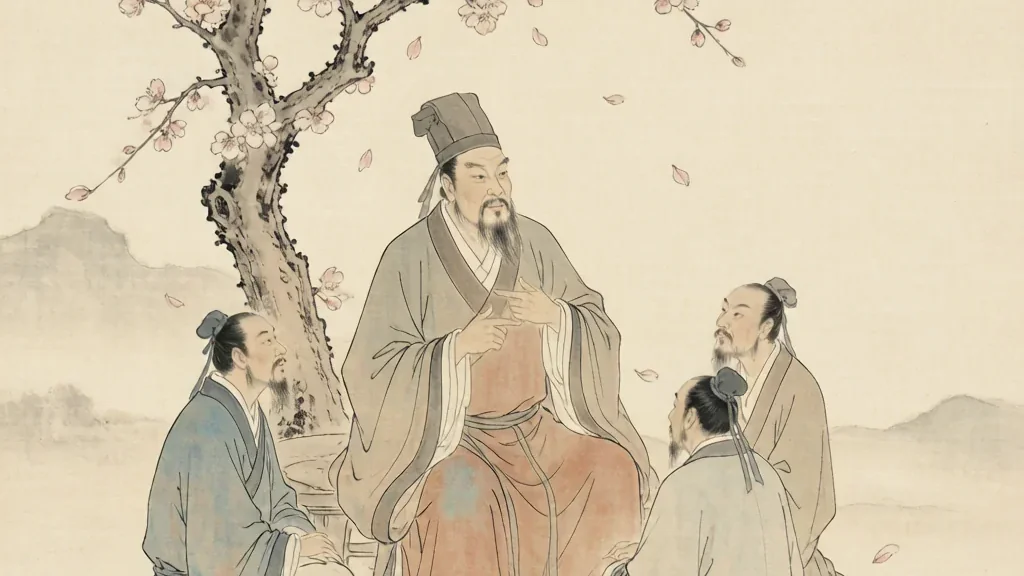
Mencius
Of all the thinkers who carried forward the teachings of Confucius, none shaped them more warmly or more lastingly than the man later honored as the "Second Sage. " His name was Mencius , written 孟子 and pronounced Mèngzǐ .
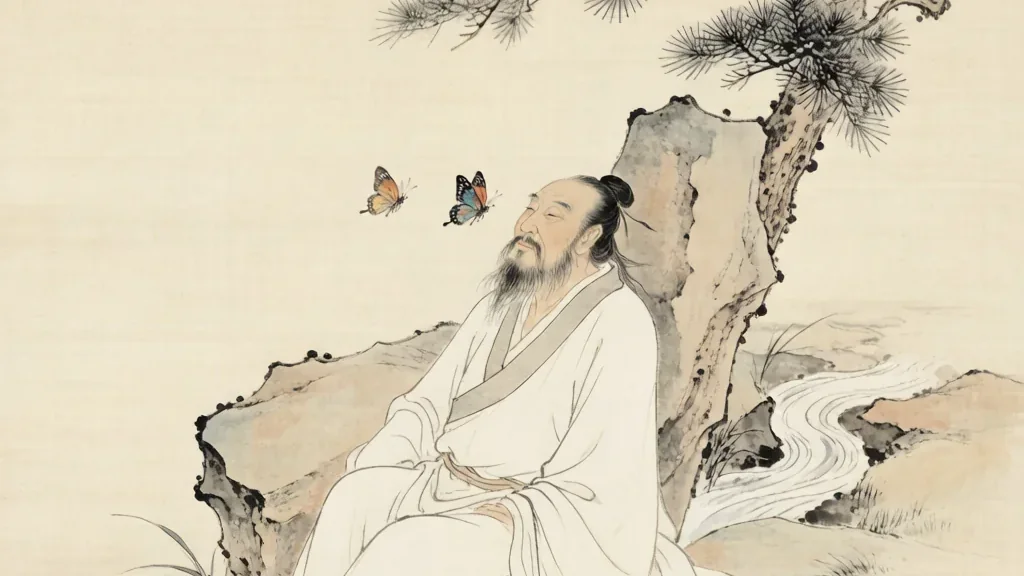
Zhuangzi
Among the voices of ancient China, none is stranger or more delightful than the philosopher who wondered whether he was a man who had dreamed of being a butterfly, or a butterfly now dreaming he was a man. His name was Zhuangzi , written 庄子 and pronounced Zhuāngzǐ .

Xunzi
Where Mencius saw a naturally good human being, another great Confucian looked at the same world and concluded the opposite. His name was Xunzi , written 荀子 and pronounced Xūnzǐ .

Han Feizi
When the warring states of ancient China finally merged into a single empire, the philosophy that powered that unification was not Confucianism but a hard-edged doctrine of law, power, and order. Its chief theorist was Han Feizi , written 韩非子 and pronounced Hánfēizǐ .

Guan Yu
Few figures in Chinese history have traveled so far from the battlefield to the altar. Guan Yu , written 关羽 and pronounced Guān Yǔ , began as a general of the late Han and Three Kingdoms era, yet ended as a god worshipped by soldiers, merchants, and police across the Chinese world.

Liu Bang
The founding emperor of China's Han dynasty began his life not as a prince but as a small-town tavern-keeper and minor sheriff with a taste for drink and a reputation for laziness. His name was Liu Bang , written 刘邦 and pronounced Liú Bāng , later honored as Emperor Gaozu.
Xiang Yu
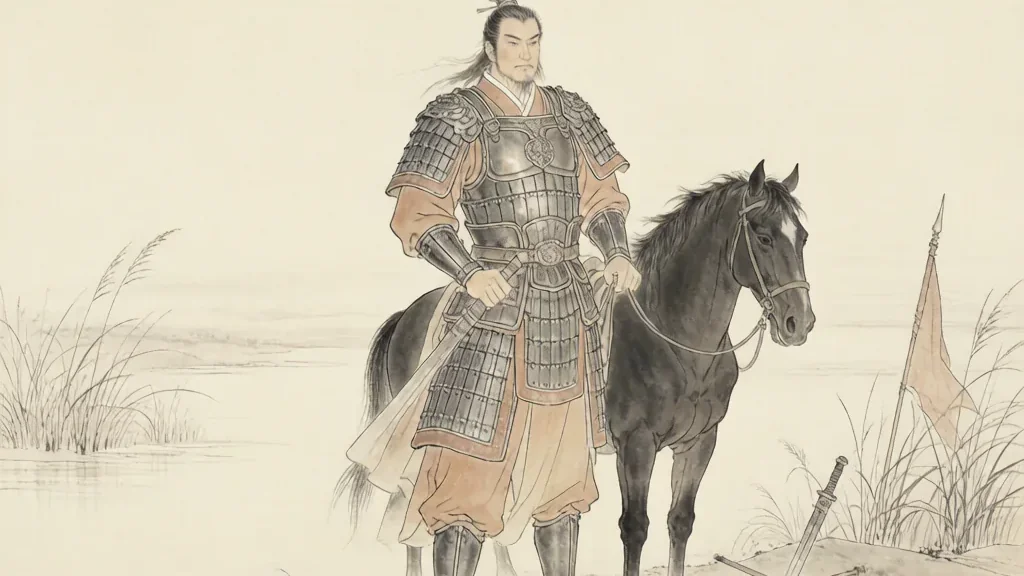
No defeat in Chinese history is more romanticized than that of Xiang Yu , written 项羽 and pronounced Xiàng Yǔ . A scion of the aristocracy of Chu, he was the mightiest warrior of the rebellions that toppled the Qin, a general of legendary strength who at last lost the empire to the tavern-keeper Liu Bang.

Jianzhen
In the eighth century, as China's Tang dynasty shone as the cultural lighthouse of East Asia, a Buddhist monk accepted a near-impossible mission: to carry the full ordination lineage of Chinese Buddhism across the sea to Japan. His name was Jianzhen , written 鉴真 and pronounced Jiànzhēn (known in Japan as Ganjin).
Cai Lun: The Father of Paper and the Revolution of Writing
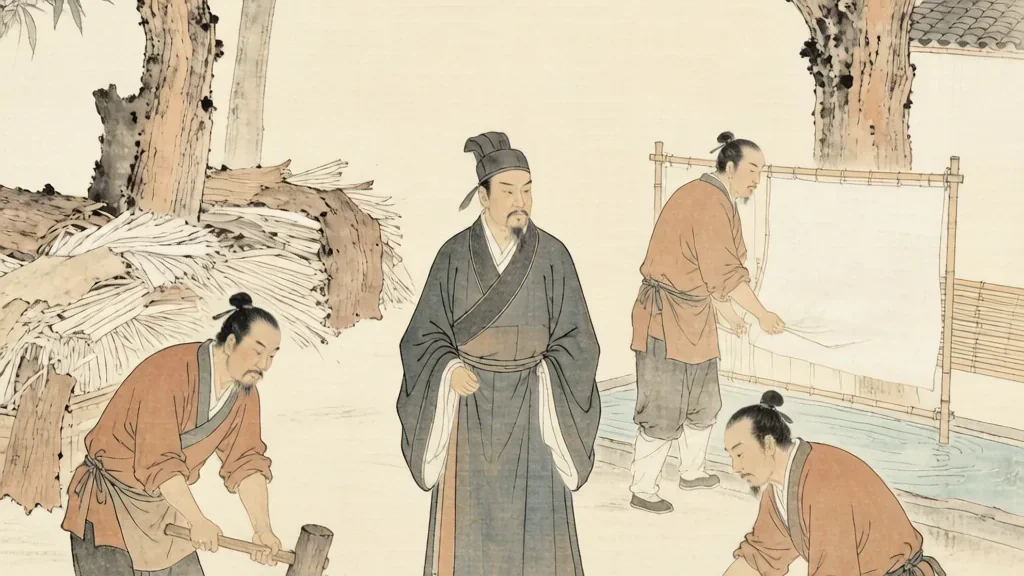
Imagine a world without paper. A world where every book must be laboriously copied onto bamboo strips or expensive silk, where a single text weighs as much as a small child and costs as much as a house.
Genghis Khan (成吉思汗): The Mongol Emperor Who Conquered the World
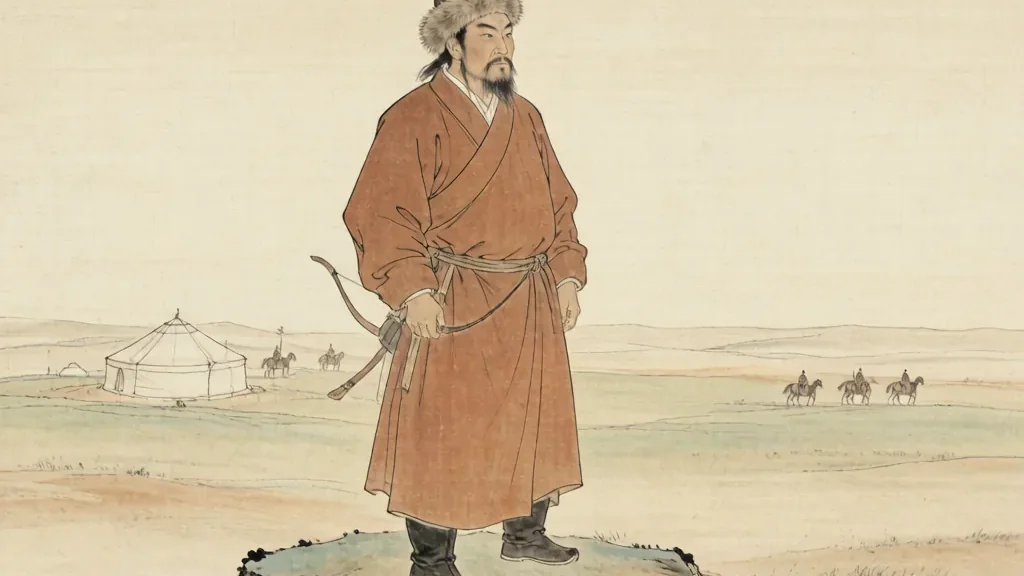
Born as Temüjin around 1162 CE on the windswept steppes of Mongolia, the man who would become Genghis Khan (成吉思汗, Chéngjísī Hán) rose from abject poverty and tribal warfare to forge the largest contiguous land empire in human history. At its height, the Mongol Empire stretched from the Sea of Japan to the Danube River, encompassing approximately 24 million square kilometers — roughly 16% of the Earth's total land area.
Diao Chan: The Moon's Rival
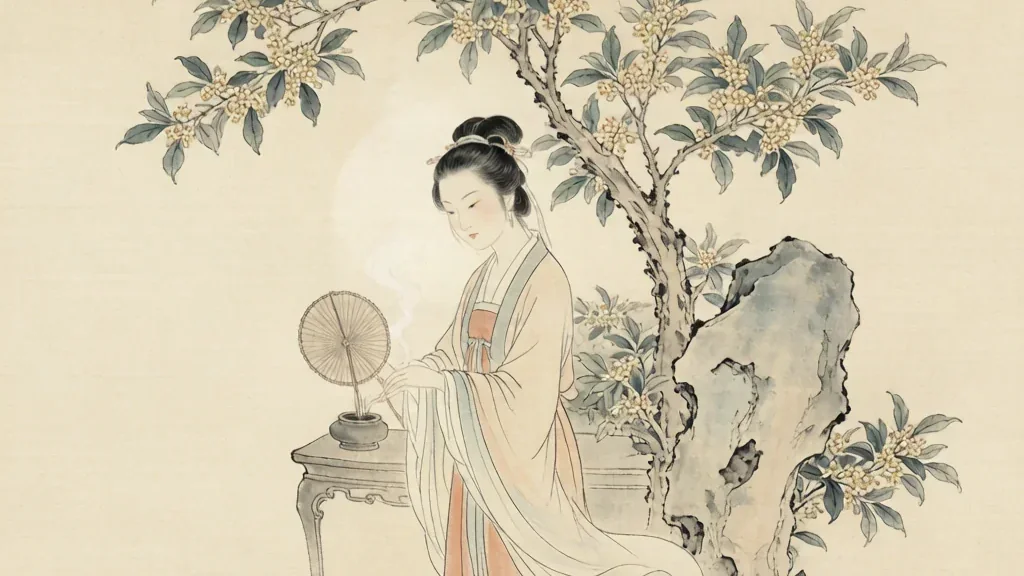
Among the Four Great Beauties of ancient China, Diao Chan occupies a unique position—she is the only one whose historical existence remains a matter of scholarly debate. Unlike Xi Shi and Wang Zhaojun, who appear in early historical records, Diao Chan emerges primarily from the pages of the fourteenth-century novel Romance of the Three Kingdoms, one of China's greatest literary masterpieces.
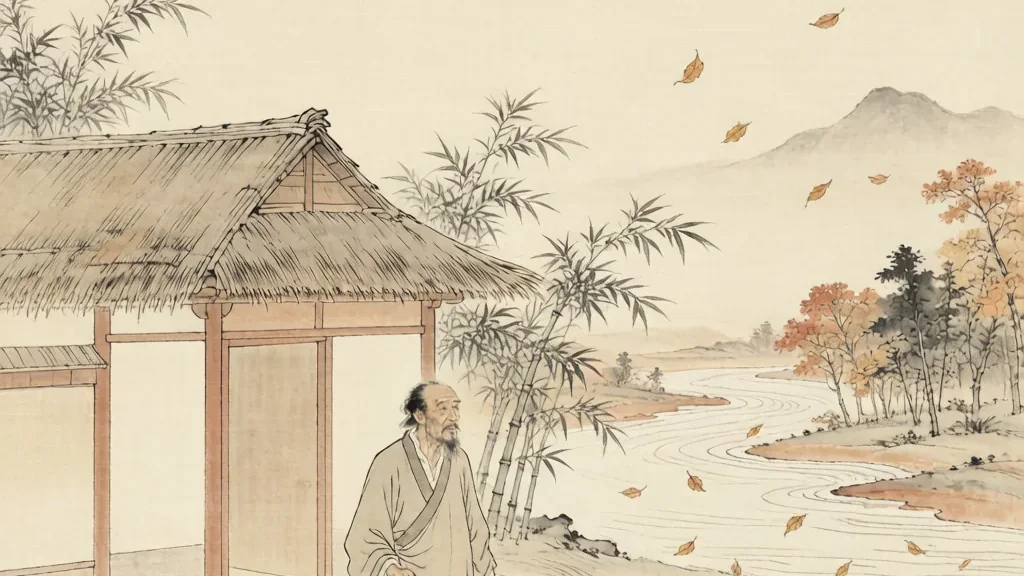
Du Fu: The Sage of Poetry
If Chinese poetry has a conscience, it is Du Fu. More than any other figure in the vast landscape of Chinese literature, Du Fu represents the union of technical mastery and moral seriousness, of artistic perfection and human compassion.
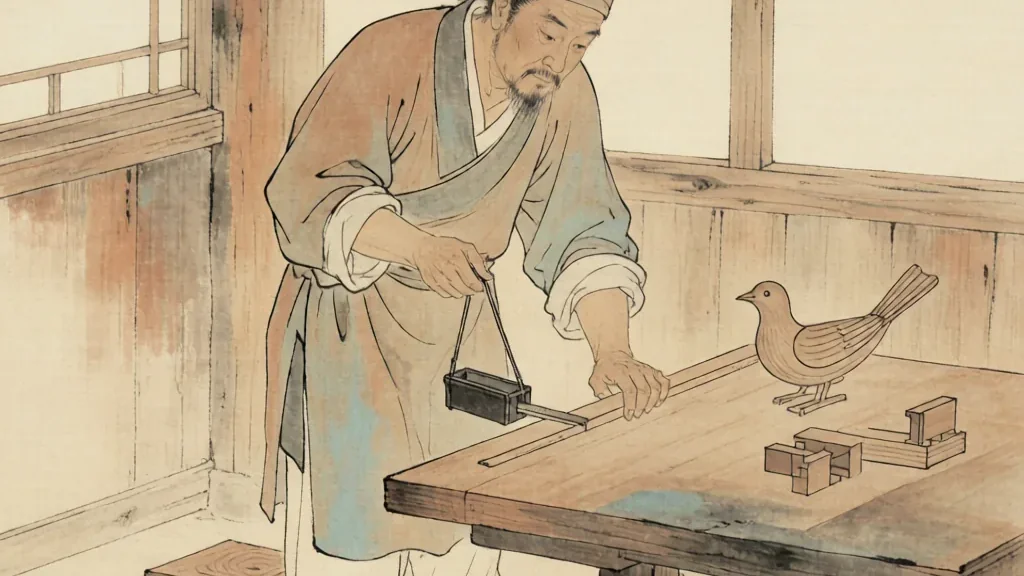
Lu Ban: The Father of Chinese Carpentry and Invention
In every carpenter's workshop across China, you will find a small shrine or at least a whispered prayer before a difficult job begins. The recipient of this reverence is not a god of mythology but a mortal craftsman who lived during the Spring and Autumn Period: Lu Ban, the undisputed patron saint of Chinese builders, carpenters, and inventors.

Qu Yuan: The Poet Who Became a Festival
Among the great figures of Chinese history, Qu Yuan occupies a unique position. He is simultaneously a historical statesman, China's first great individual poet, and the inspiration for one of the world's most vibrant cultural festivals.

Wang Zhaojun: The Bride Who Brought Peace
In the long history of China's relations with its northern neighbors, few figures shine as brightly as Wang Zhaojun. Her story is not one of conquest or intrigue but of courage, sacrifice, and the extraordinary power of a single individual to transform the relationship between civilizations.

Xi Shi: The Fairest of the Four Beauties
In the pantheon of Chinese history and folklore, few figures possess the enduring mystique of Xi Shi, the first and most celebrated of China's legendary Four Great Beauties. Her story, set in the twilight years of the Spring and Autumn Period around the fifth century BCE, is one of extraordinary beauty harnessed for political purpose—a tale where a common girl from a riverside village became an instrument of statecraft, bringing a mighty kingdom to its knees without ever wielding a weapon.

Yang Guifei: The Beauty Behind the Rebellion
In the annals of Chinese history, few love stories are as famous—or as tragic—as that of Emperor Xuanzong of Tang and his beloved consort Yang Guifei. Their romance, which began in the glittering splendor of the Tang Dynasty's golden age and ended in blood and tears on a dusty roadside, has inspired poets, painters, and playwrights for over twelve centuries.
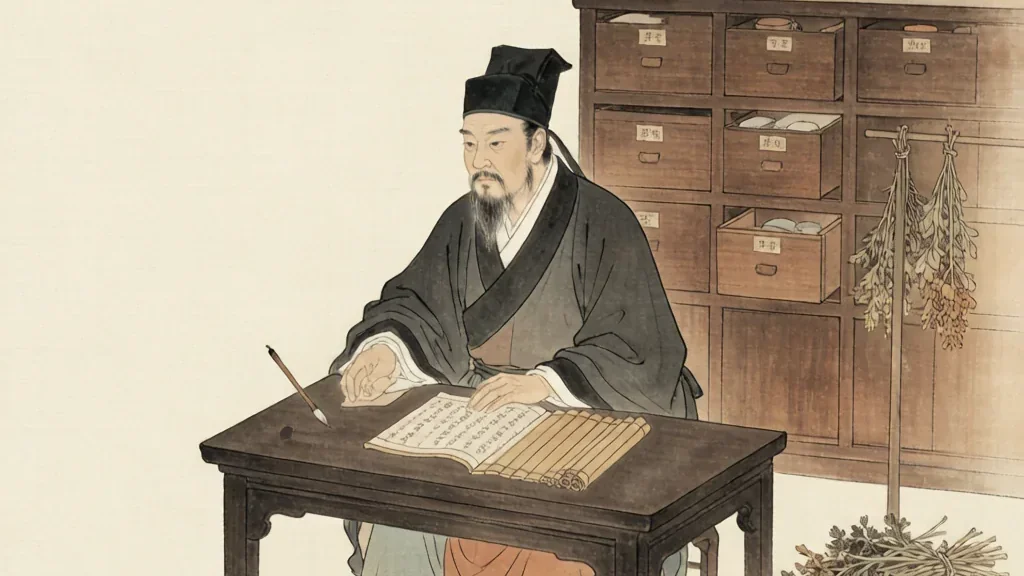
Zhang Zhongjing: The Sage of Chinese Medicine
In the pantheon of medical history, certain names stand above all others: Hippocrates in Greece, Galen in Rome, Avicenna in Persia. In China, that name is Zhang Zhongjing—a physician of the Eastern Han Dynasty whose work has saved countless millions of lives across nearly two thousand years.
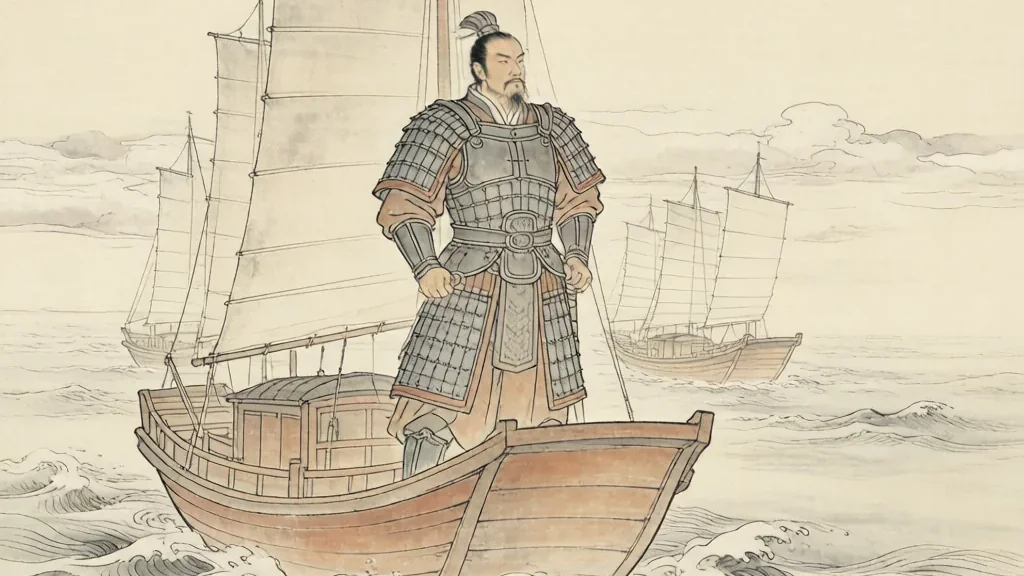
Zheng Chenggong: The Pirate King Who Reclaimed Taiwan
In the turbulent twilight of the Ming Dynasty, when Manchu armies swept across China and European colonial powers circled its coasts, one man stood at the crossroads of East and West with a sword in one hand and a compass in the other. Zheng Chenggong—better known to the Western world as Koxinga—was born of a Chinese pirate lord and a Japanese noblewoman, raised amid the clash of empires, and destined to become one of the most extraordinary military commanders in Asian history.