👥 Ethnic Cultures
55 articles — Discover all 55 ethnic minority groups of China
Achang (阿昌族)
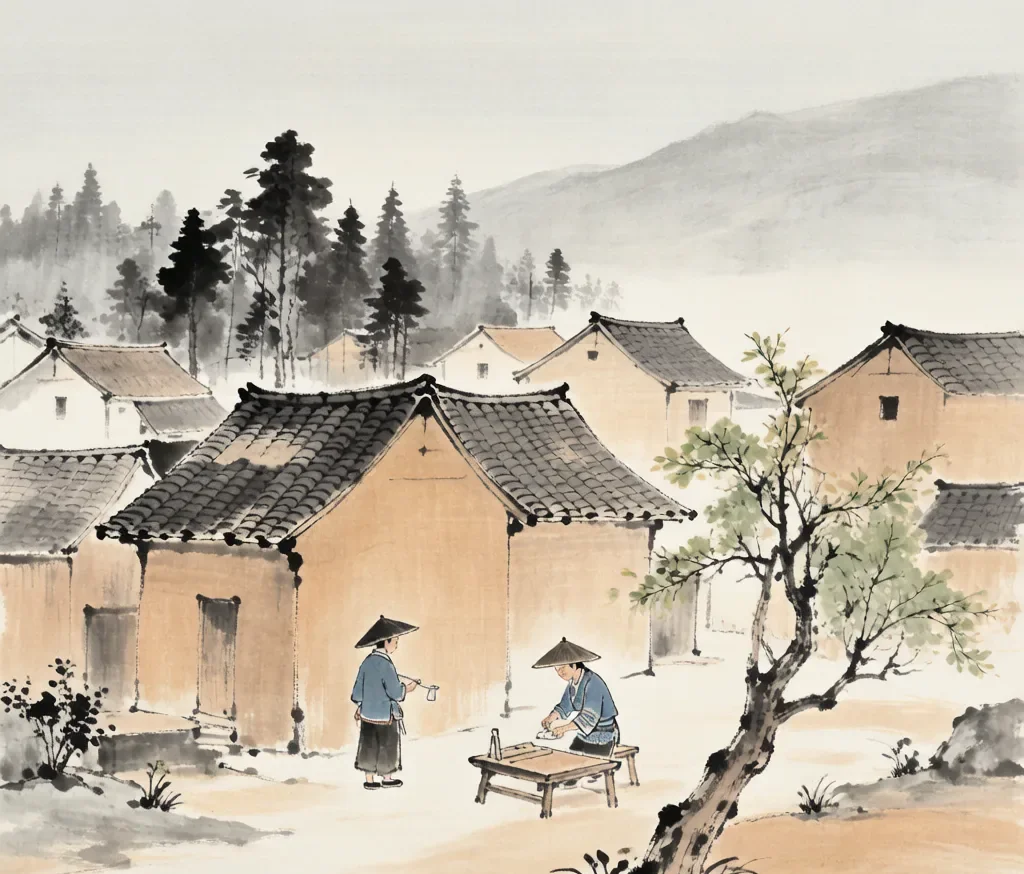
In the borderlands of western Yunnan, the Achang people (阿昌族, Ā chāng zú) are renowned throughout China for the Husa knife. With a population of approximately 44,000, they are one of China's smallest ethnic minorities, yet their metalworking skills have earned national fame.
Bai (白族)
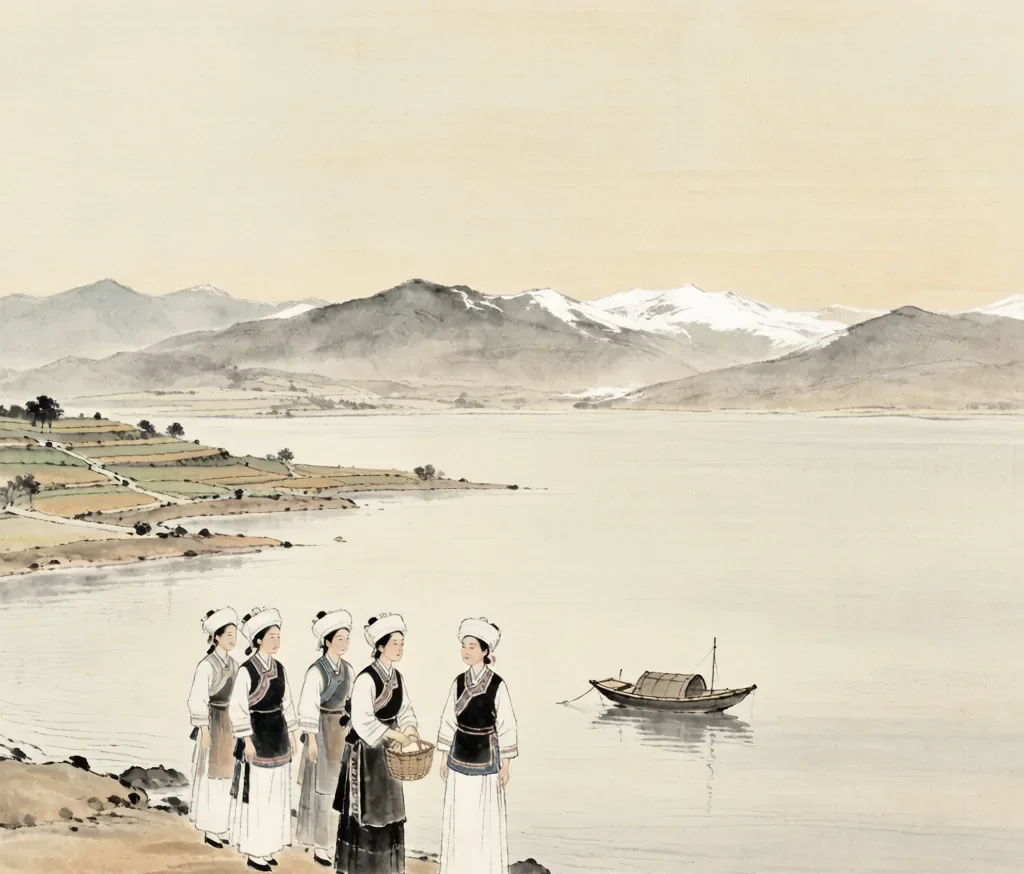
On the shores of Erhai Lake, with the snow-capped Cangshan Mountains rising behind them like a painted screen, the Bai people (白族, Bái zú) have created one of China's most sophisticated regional cultures. With a population of approximately 2.
Bonan (保安族)
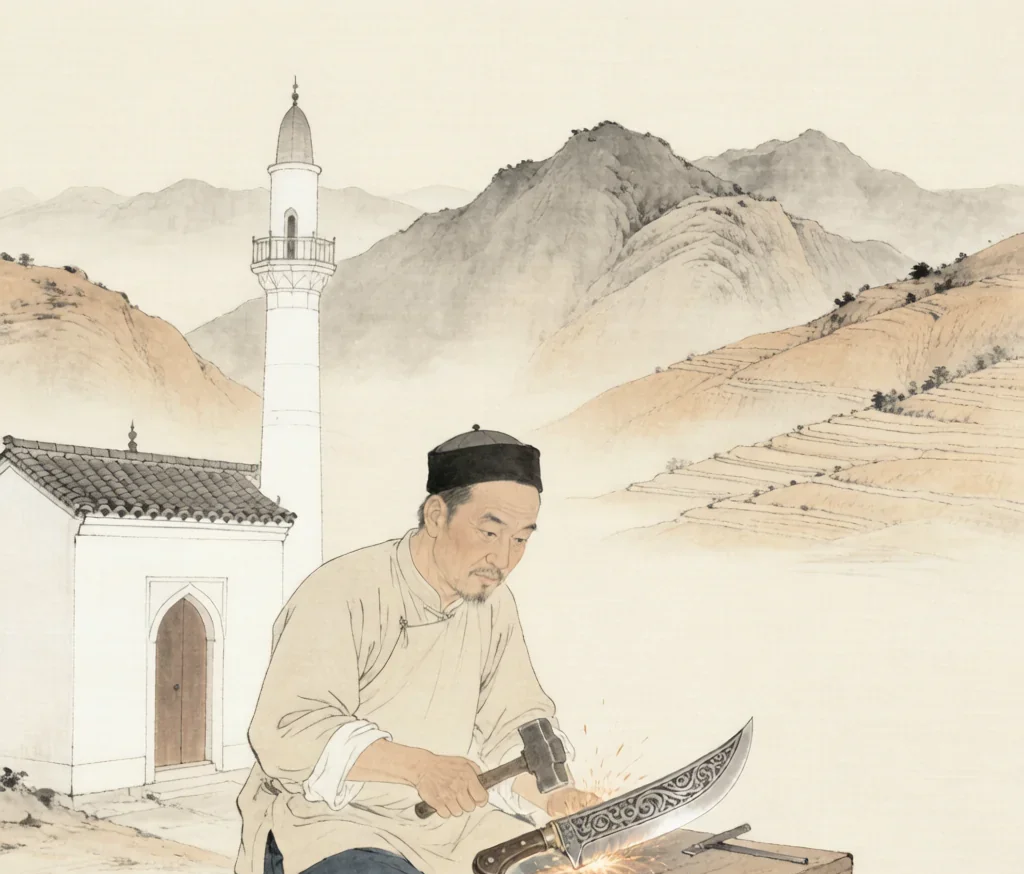
In the arid mountains of the Jishishan Bonan, Dongxiang and Salar Autonomous County in Gansu, the Bonan people (保安族, Bǎo ān zú) are one of China's smallest Muslim minorities, with approximately 24,000 people. They are renowned for their extraordinary craftsmanship: the Bonan waist knife.
Blang (布朗族)
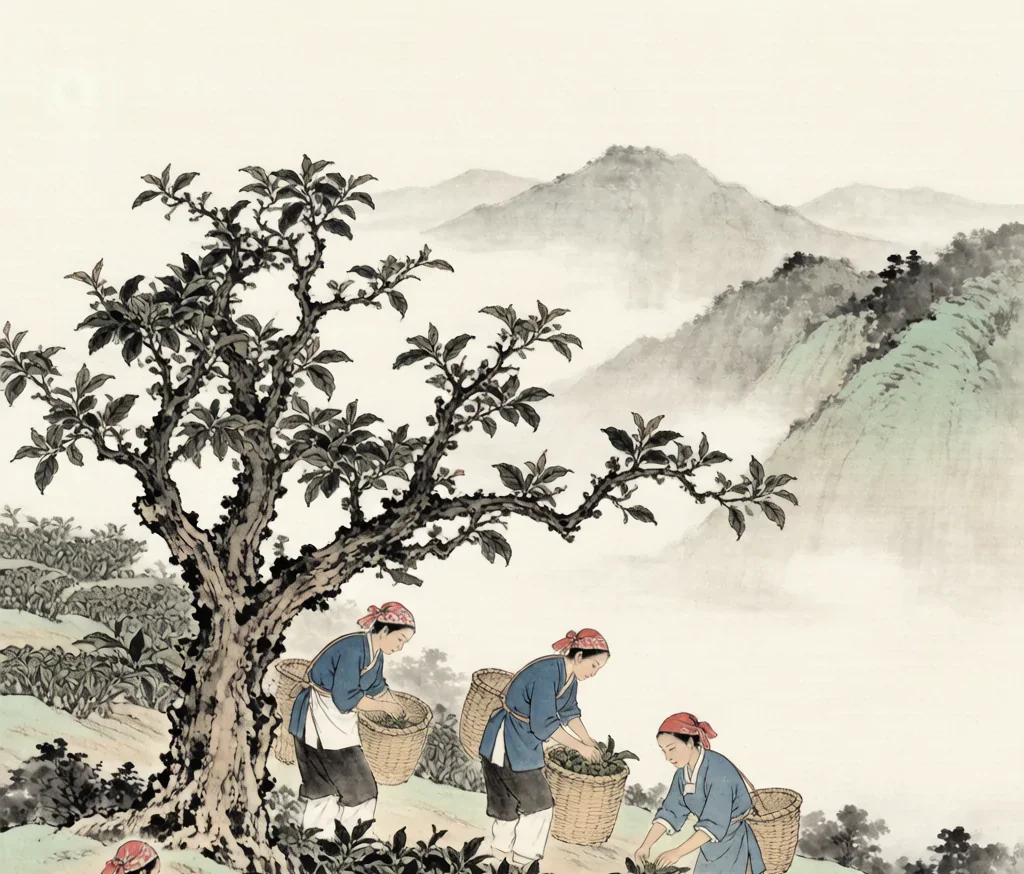
In the subtropical mountains of southern Yunnan, the Blang people (布朗族, Bù lǎng zú) have cultivated tea for over a thousand years. With a population of approximately 127,000, the Blang are among the world's earliest tea-cultivating peoples, and their ancient tea gardens contain trees over a millennium old.
Buyi (布依族)
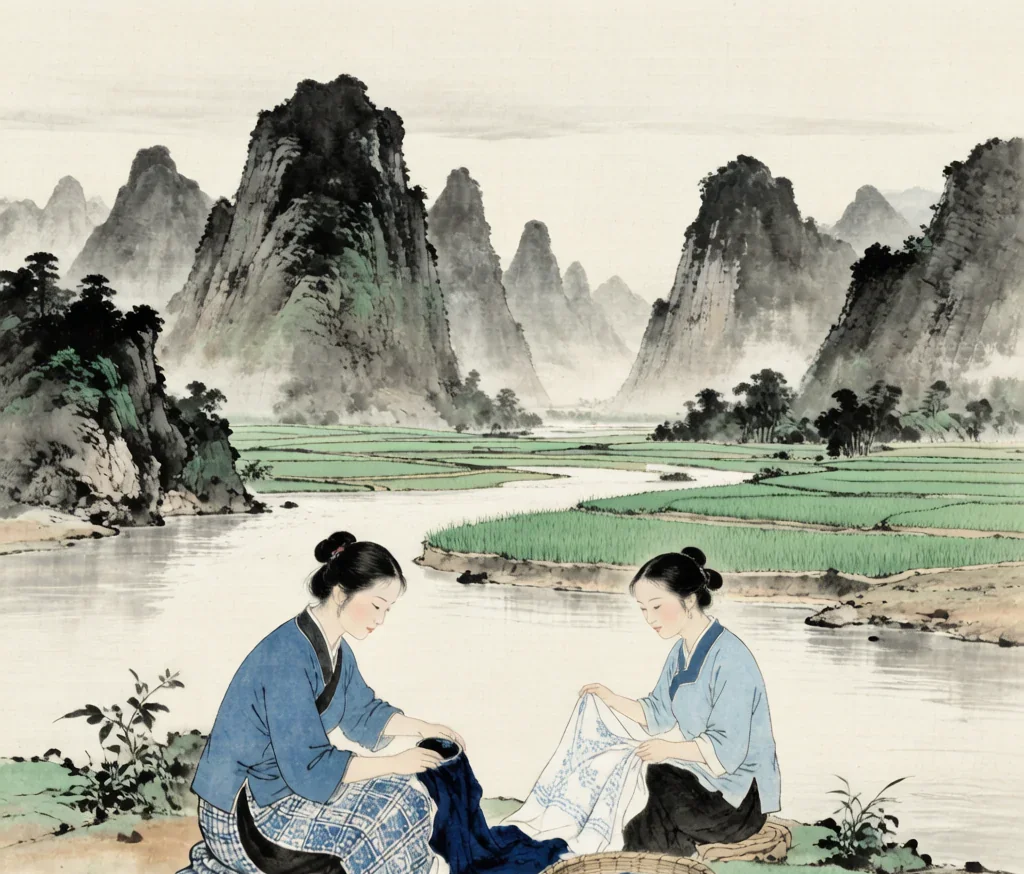
In the karst landscapes of southern Guizhou, where limestone peaks rise dramatically from emerald rice paddies and rivers carve their way through ancient stone, the Buyi people (布依族, Bù yī zú) have developed one of China's most refined textile traditions. With a population of approximately 3.
Korean (朝鲜族)
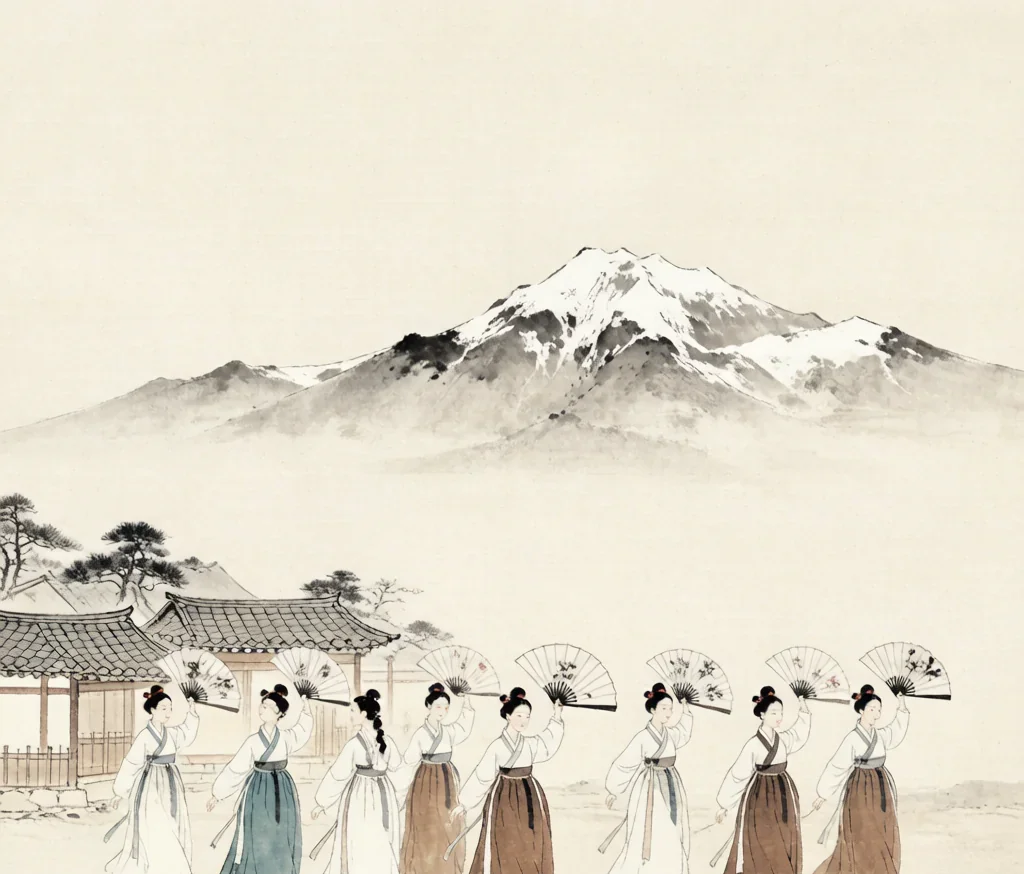
In the Yanbian Korean Autonomous Prefecture of northeastern Jilin province, where the Tumen River marks the border with North Korea and the Changbai Mountains rise snow-capped against the winter sky, the Korean Chinese (朝鲜族, Cháo xiǎn zú) have maintained a vibrant ethnic culture that bridges the Korean peninsula and the Chinese mainland. With a population of approximately 1.
Dai Culture: The Water-Splashing People
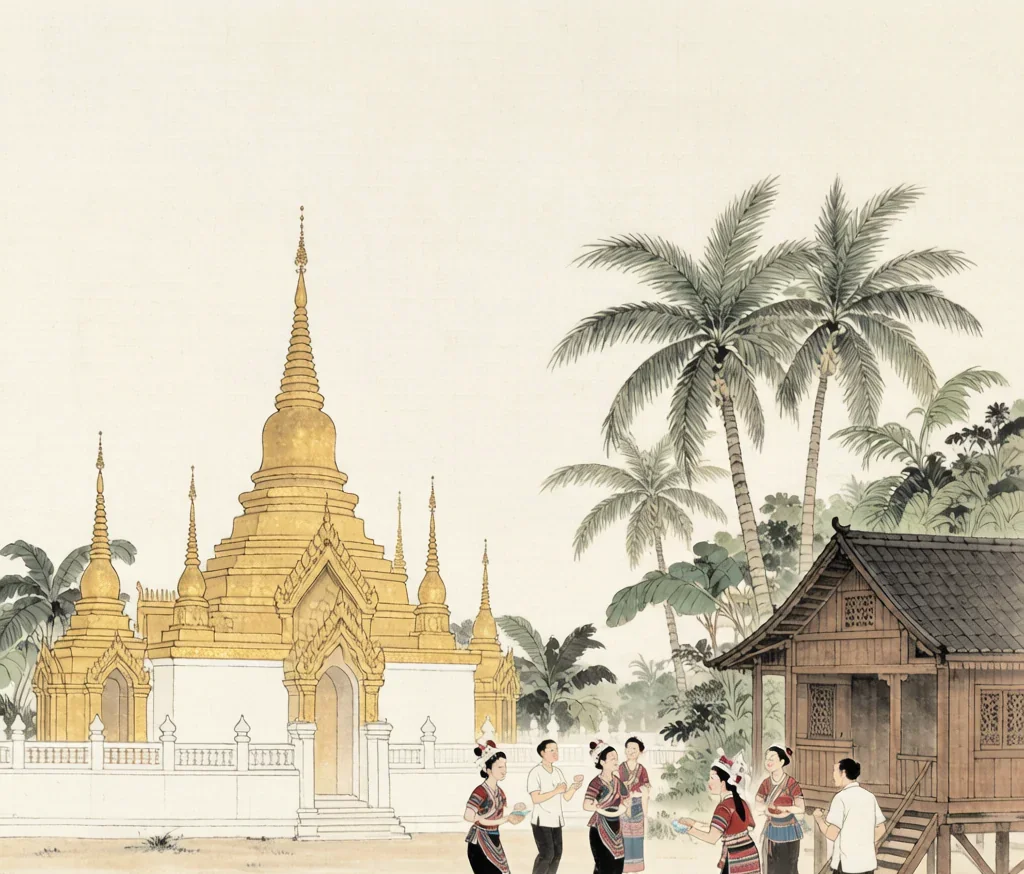
In the lush tropical valleys of Xishuangbanna, where the Mekong River flows south toward Southeast Asia and the air is heavy with the scent of frangipani, the Dai people have created a civilization that feels more like Thailand or Laos than the China of popular imagination. Known in Chinese as 傣族 (Dǎi zú), the Dai are masters of water — their most famous festival involves drenching everyone in sight, their architecture rises from rivers and ponds, and their entire culture seems to flow with the liquid grace of the tropical monsoon.
Daur (达斡尔族)
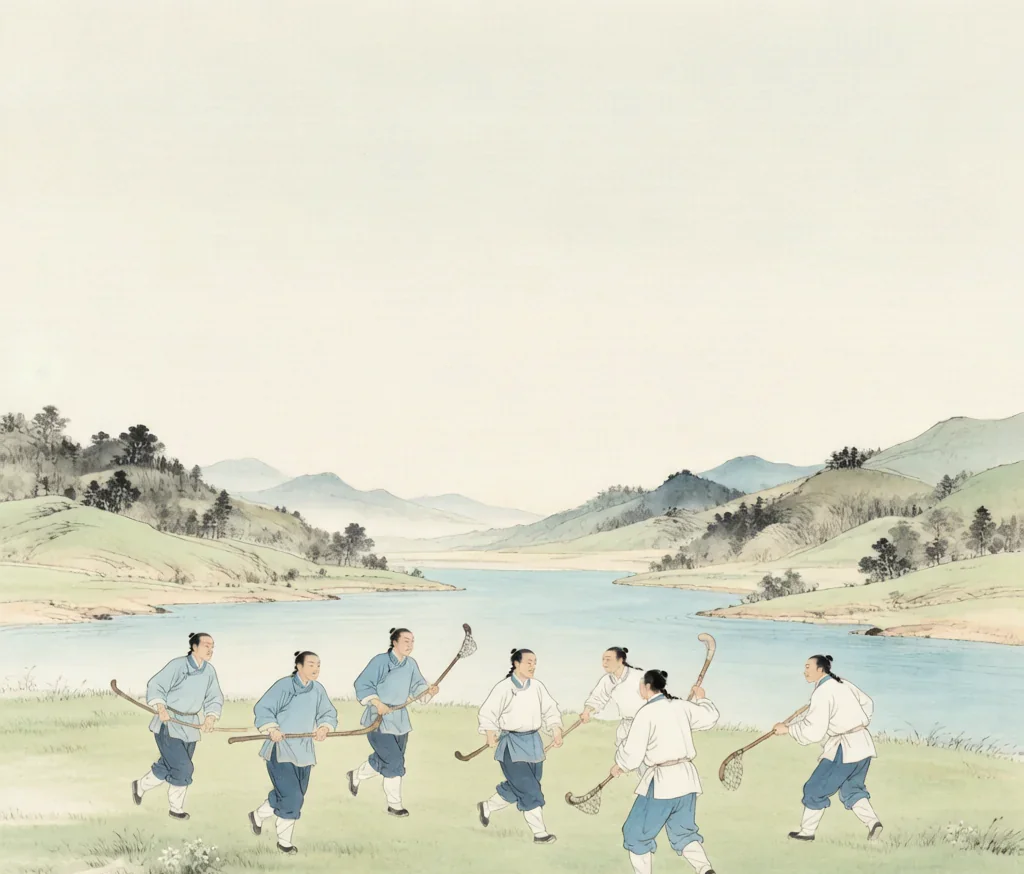
In the river valleys of the Nen River in Inner Mongolia and Heilongjiang, the Daur people (达斡尔族, Dá wò ěr zú) hold a surprising distinction: they are the originators of modern field hockey. With a population of approximately 132,000, the Daur have played beikou (贝阔) for over a thousand years — a game recognized as a direct ancestor of modern field hockey.
De'ang (德昂族)
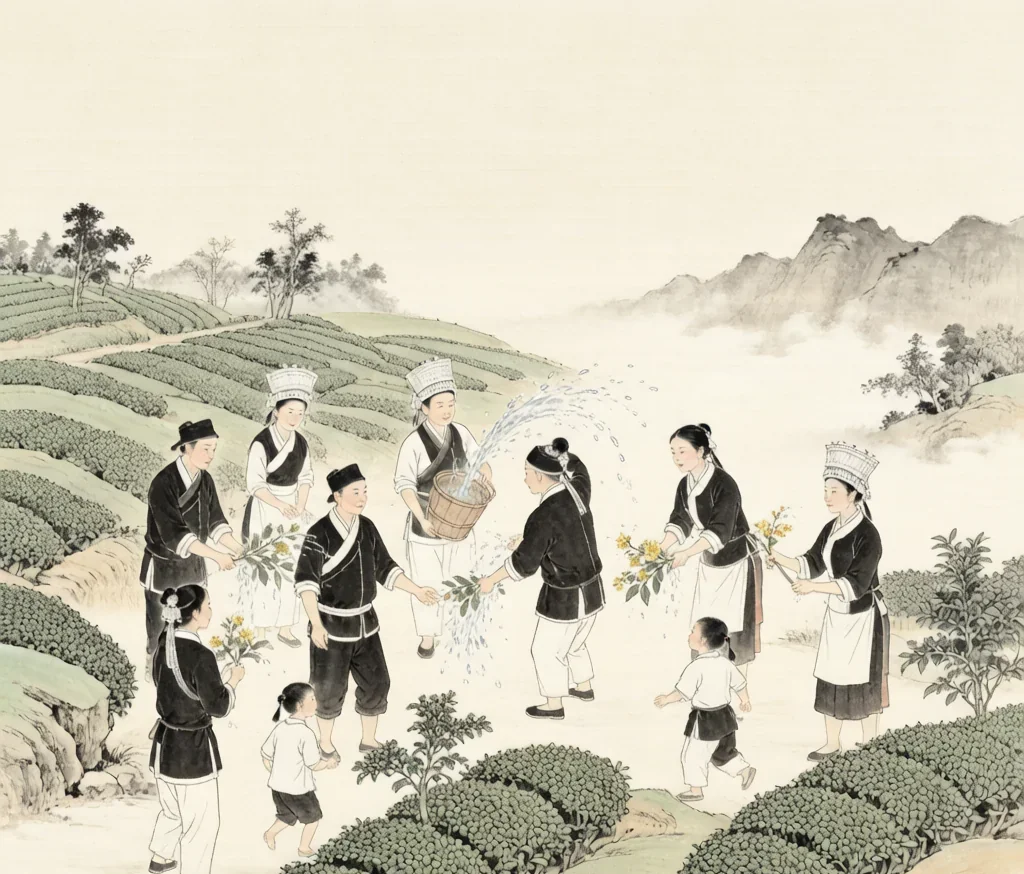
In the borderlands of western Yunnan, the De'ang people (德昂族, Dé áng zú) are one of China's smallest ethnic minorities, with approximately 22,000 people. They are renowned for their ancient tea culture — the De'ang consider themselves the "earliest tea-growing people" — and their unique Water-Splashing Flower Festival.
Dongxiang (东乡族)
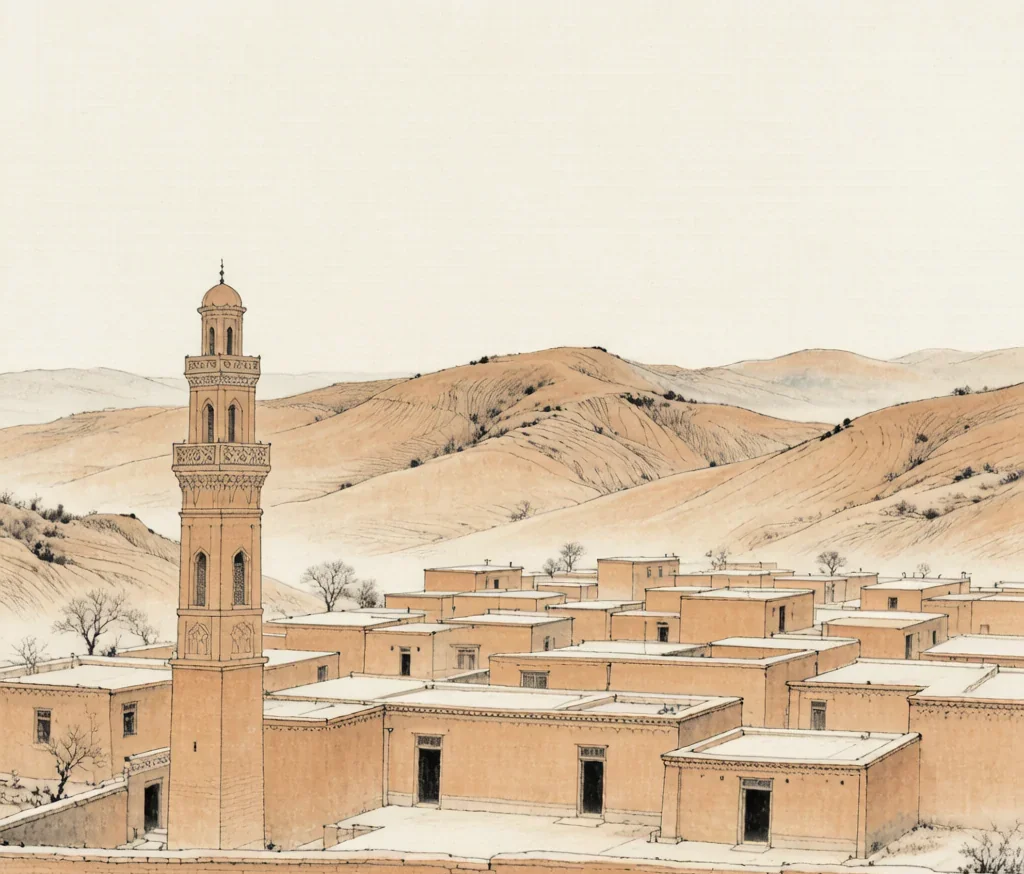
In the arid hills of the Linxia Hui Autonomous Prefecture in central Gansu, the Dongxiang people (东乡族, Dōng xiāng zú) represent one of China's smaller but most culturally distinctive Muslim minorities. With a population of approximately 775,000, the Dongxiang are descendants of Central Asian Muslims — primarily of Mongol and Turkic origin — who settled in the Hezhou region during the Yuan Dynasty (1271-1368 CE).
Dong (侗族)
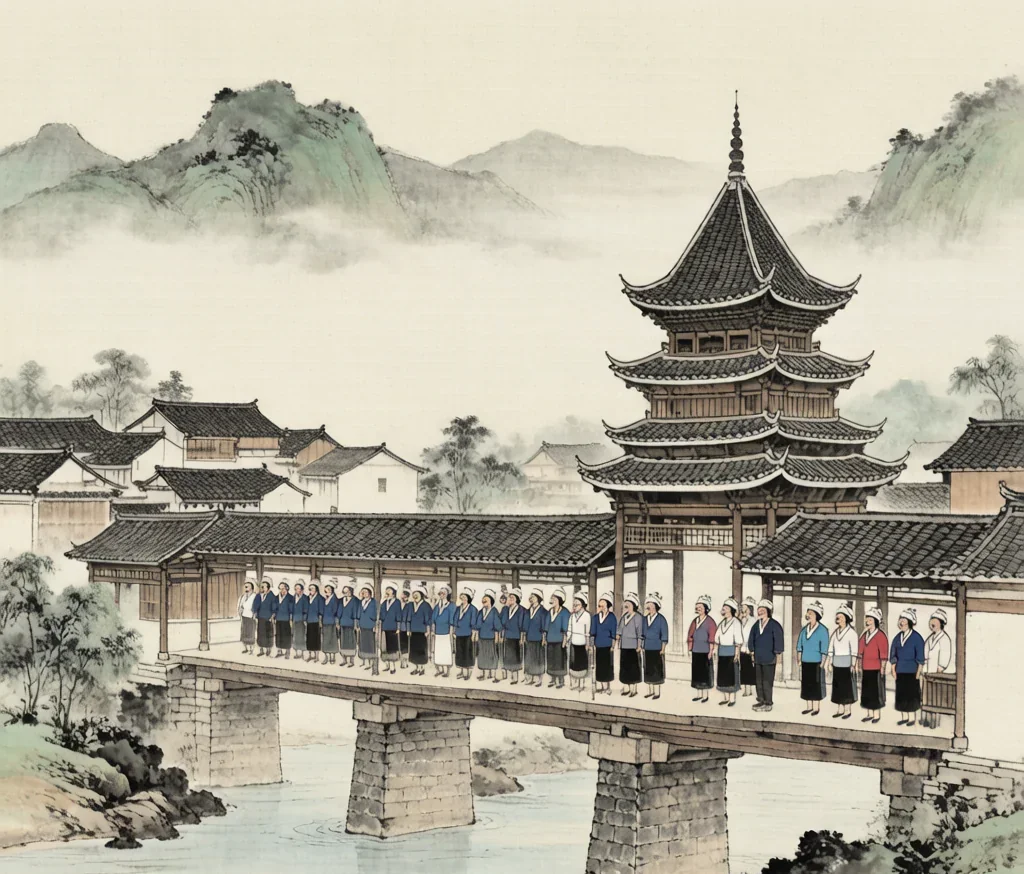
In the misty valleys where Guizhou, Hunan, and Guangxi provinces meet, the Dong people (侗族, Dòng zú) have built a civilization that sings. With a population of approximately 3.
Derung (独龙族)
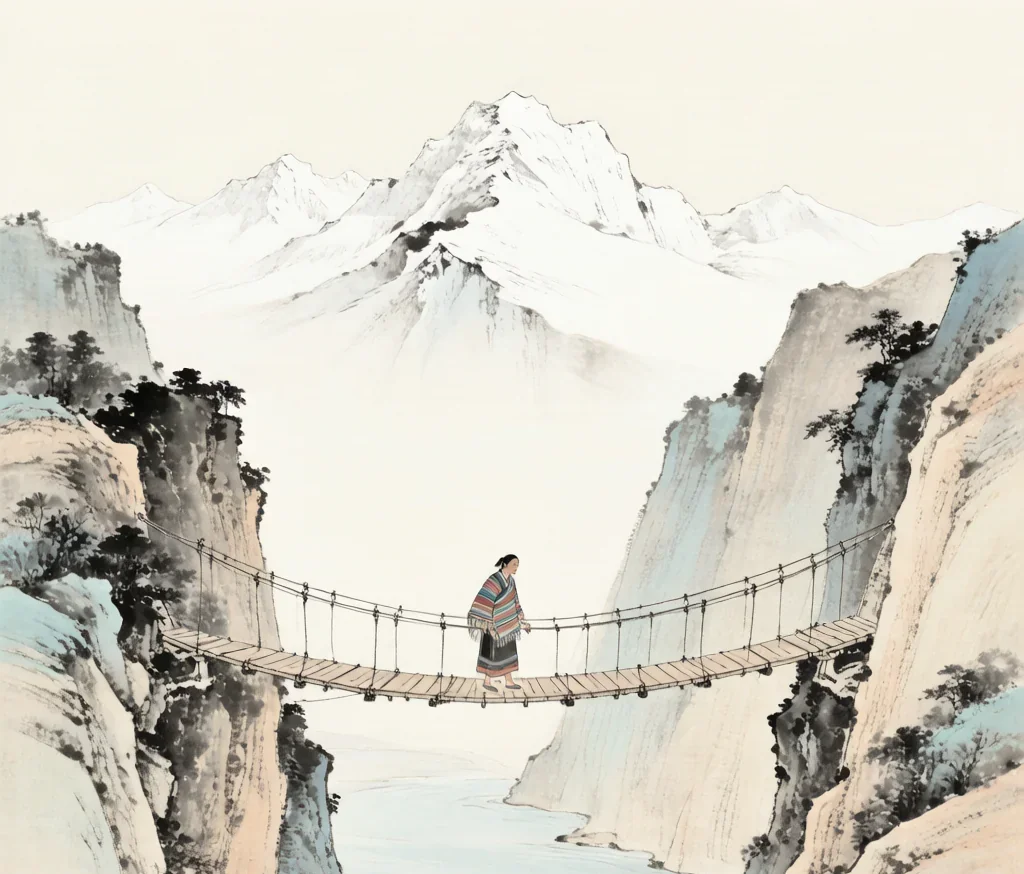
In the remote Dulong River valley of northwestern Yunnan, isolated by some of China's most rugged terrain, the Derung people (独龙族, Dú lóng zú) are one of China's smallest ethnic minorities with approximately 7,300 people. Until recently, their valley was accessible only by a treacherous mountain trail that was impassable for half the year due to snow, preserving a unique culture in extraordinary isolation.
Oroqen (鄂伦春族)
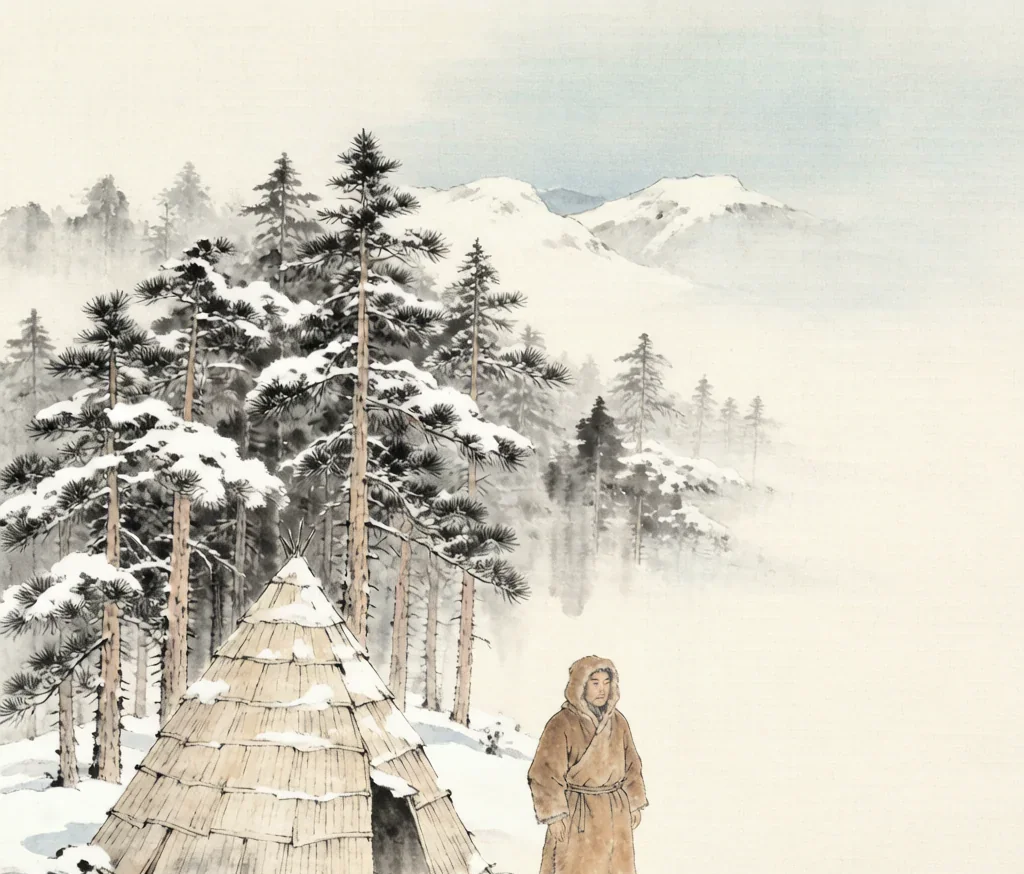
In the dense forests of the Greater and Lesser Khingan Mountains of Heilongjiang and Inner Mongolia, the Oroqen people (鄂伦春族, È lún chūn zú) represent one of China's last traditional hunting cultures. With a population of approximately 9,000, the Oroqen name means "people who keep reindeer" or "people on the mountains," and for millennia they lived as nomadic hunters in the northern forests.
Russian (俄罗斯族)
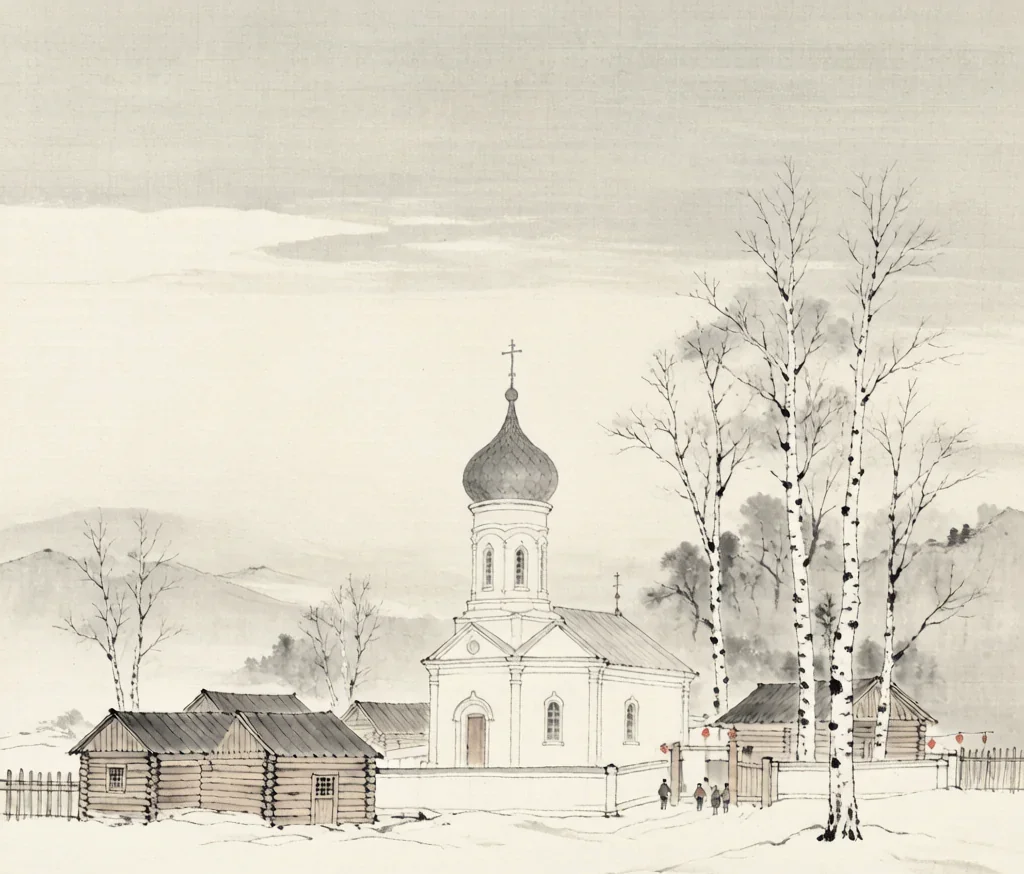
China's Russian ethnic minority (俄罗斯族, É luó sī zú), numbering approximately 16,000, represents a unique community — descendants of Russian traders, railway workers, and refugees who settled in China from the 18th through early 20th centuries. Concentrated primarily in Xinjiang, Heilongjiang, and Inner Mongolia, they maintain Russian Orthodox traditions, language, and customs while being fully integrated Chinese citizens.
Ewenki (鄂温克族)
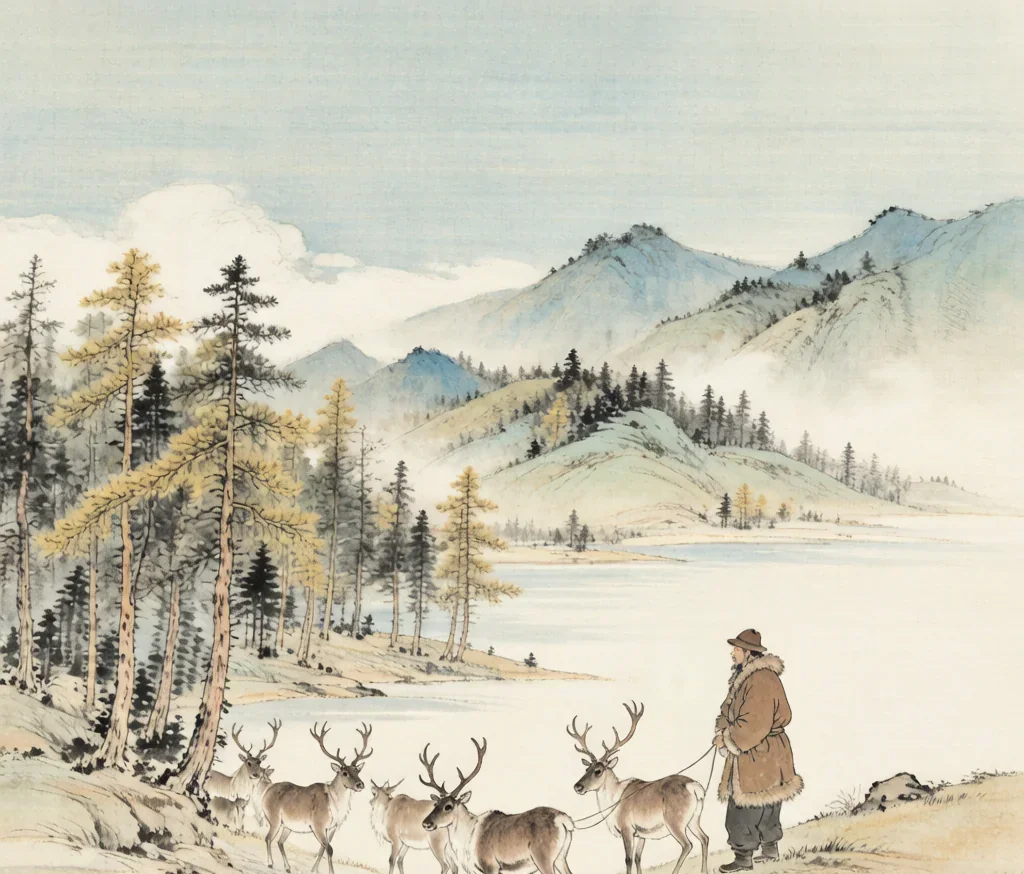
In the vast forests of the Greater Khingan Range, the Ewenki people (鄂温克族, È wēn kè zú) maintain one of the world's last reindeer-herding cultures. With a population of approximately 35,000, the Ewenki are a Tungusic people whose name means "people who live in the mountain forests.
Gaoshan (高山族)
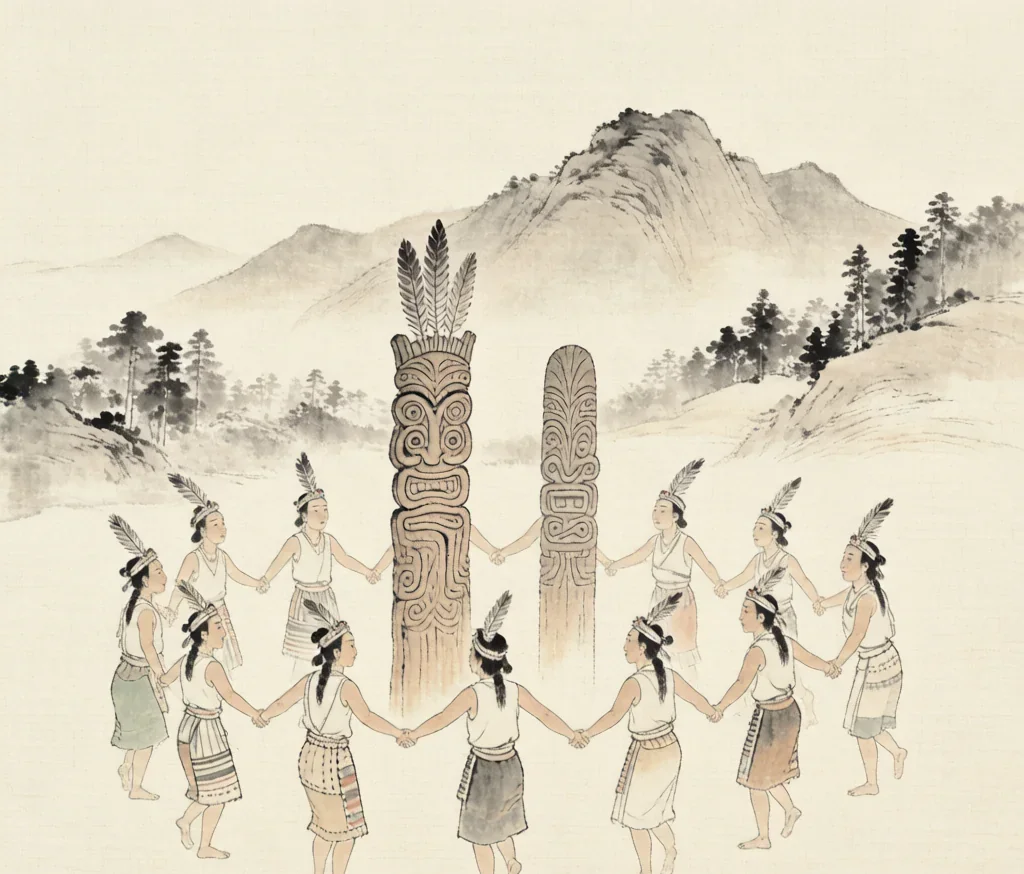
The Gaoshan (高山族, Gāo shān zú) — "High Mountain People" — is the collective name for the indigenous Austronesian peoples of Taiwan. With over 500,000 people comprising at least 16 officially recognized tribes including the Amis, Atayal, Paiwan, and Bunun, they represent one of the oldest continuous cultures in East Asia, with archaeological evidence of Austronesian settlement dating back at least 6,000 years.
Gelao (仡佬族)
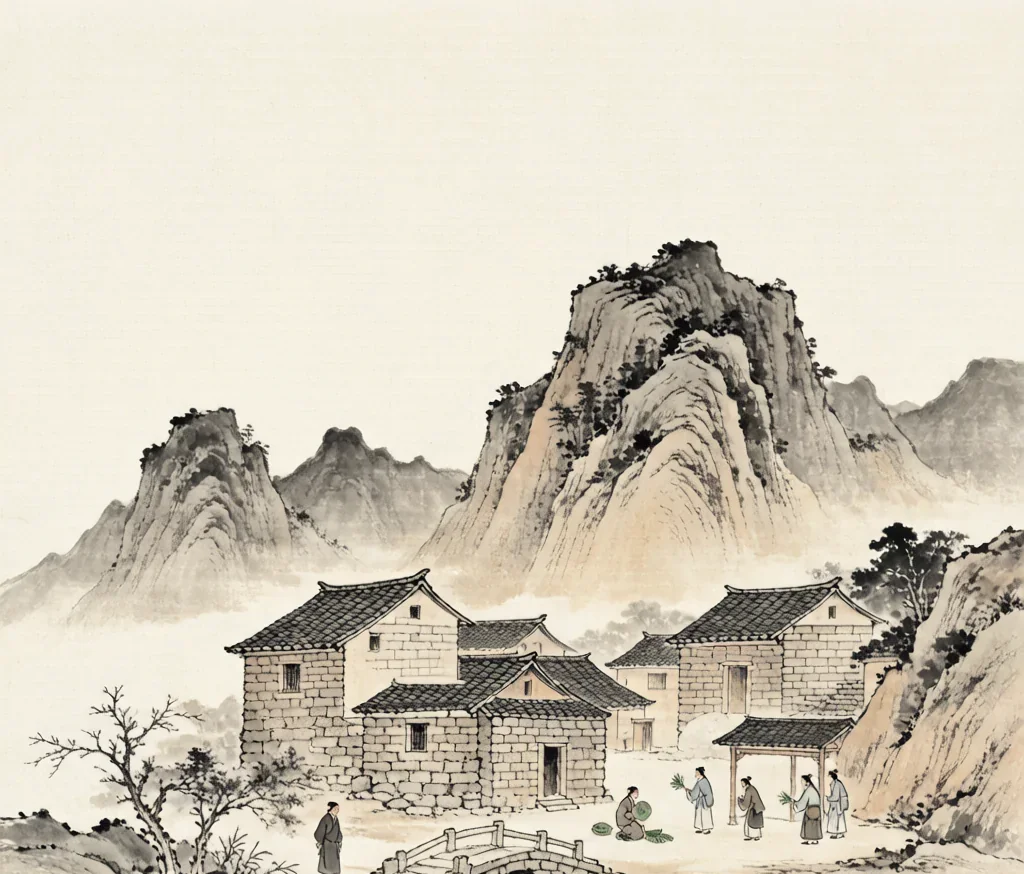
In the rugged karst highlands of northern Guizhou, the Gelao people (仡佬族, Gē lǎo zú) represent one of the oldest indigenous populations of southwestern China. With a population of approximately 677,000, the Gelao are believed to be descendants of the ancient Liao people who inhabited the region over two thousand years ago.
Hani (哈尼族)
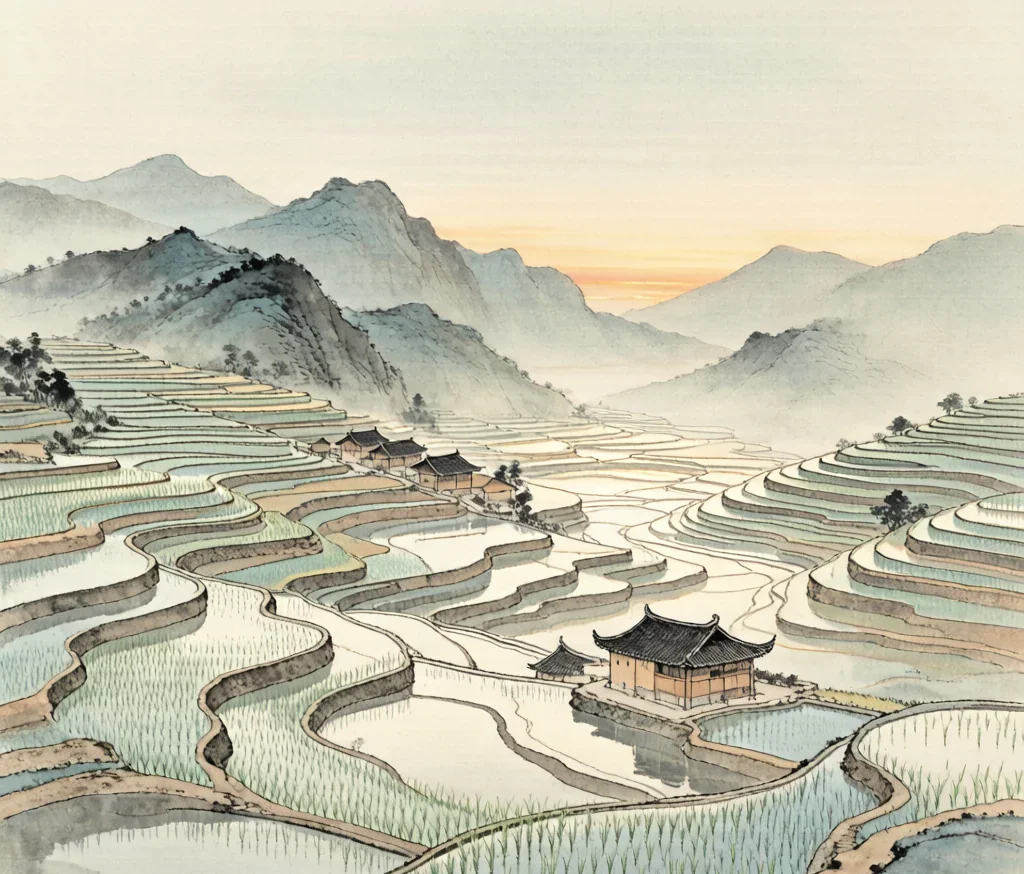
Carved into the slopes of the Ailao Mountains in southern Yunnan, the Hani Rice Terraces represent one of humanity's most magnificent collaborations with nature. The Hani people (哈尼族, Hā ní zú), numbering approximately 1.
Kazakh (哈萨克族)
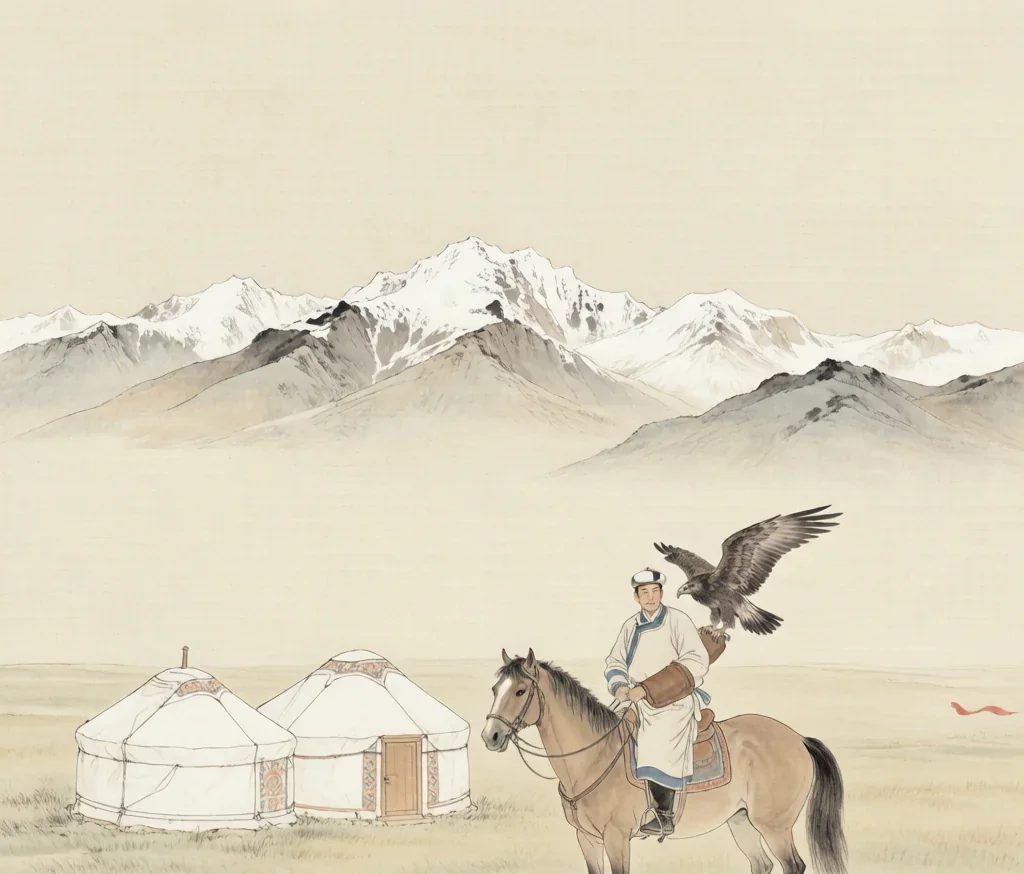
On the vast grasslands of northern Xinjiang, where the Tian Shan mountains rise snow-capped against an impossibly blue sky, the Kazakh people (哈萨克族, Hā sà kè zú) have maintained a nomadic pastoral culture among the most magnificent in the world. With a population of approximately 1.
Hezhen (赫哲族)
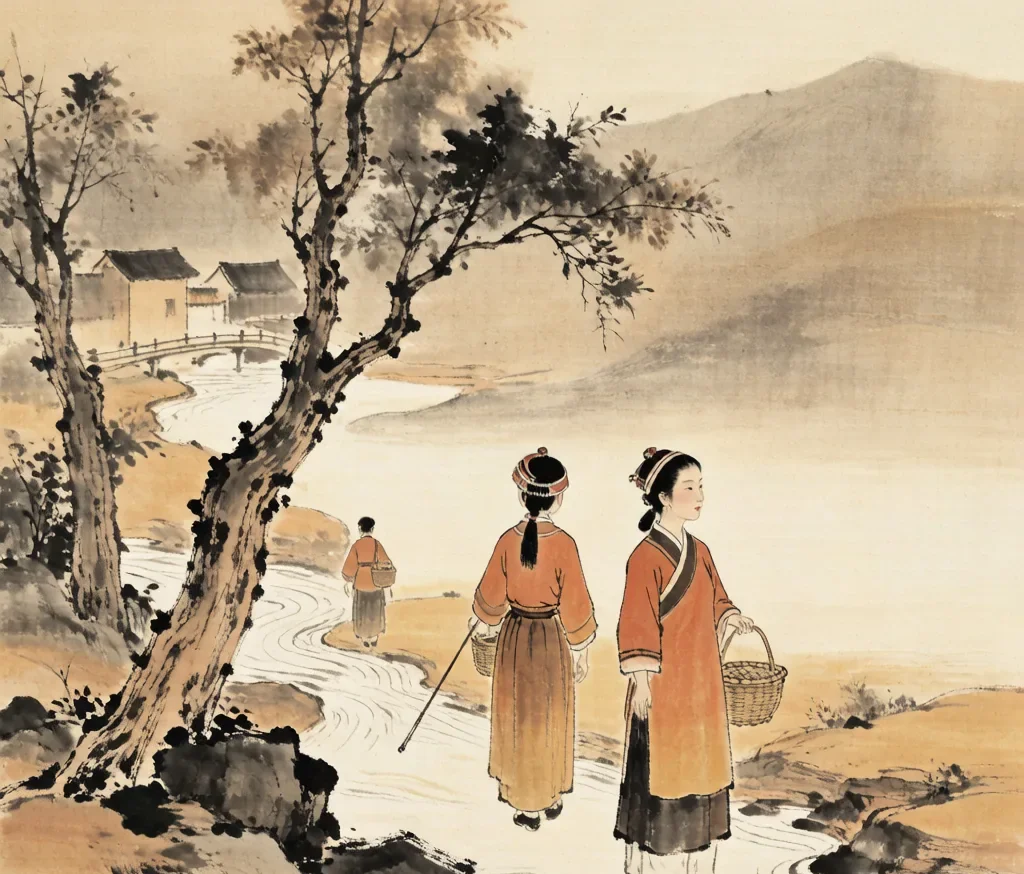
Along the banks of the Heilongjiang (Amur), Songhua, and Ussuri rivers in northeastern China, the Hezhen people (赫哲族, Hè zhé zú) are one of China's smallest ethnic minorities, with approximately 5,400 people. The Hezhen are China's only ethnic group traditionally centered on fishing, and they are renowned for their extraordinary fish-skin culture — crafting clothing, shoes, containers, and even thread from fish skin.
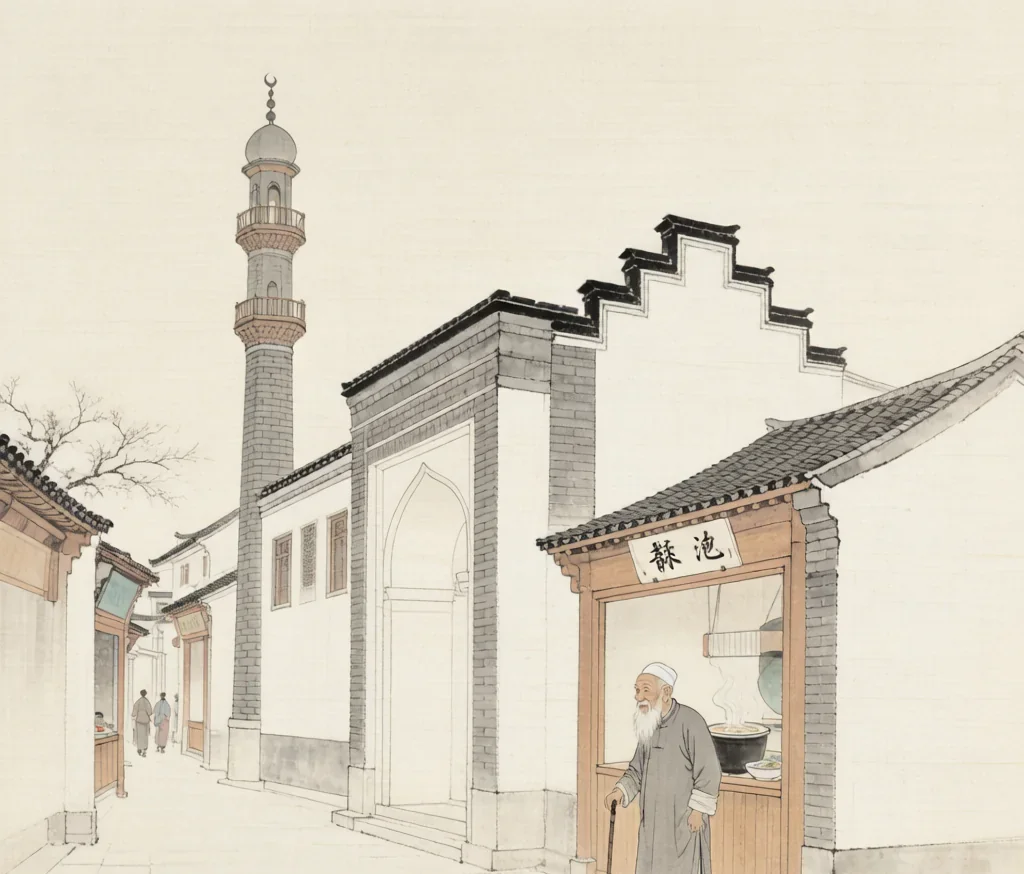
Hui (回族)
The Hui people (回族, Huí zú) represent one of the most widely distributed ethnic minorities in China, with a population of approximately 11. 4 million found in virtually every province and major city across the country.
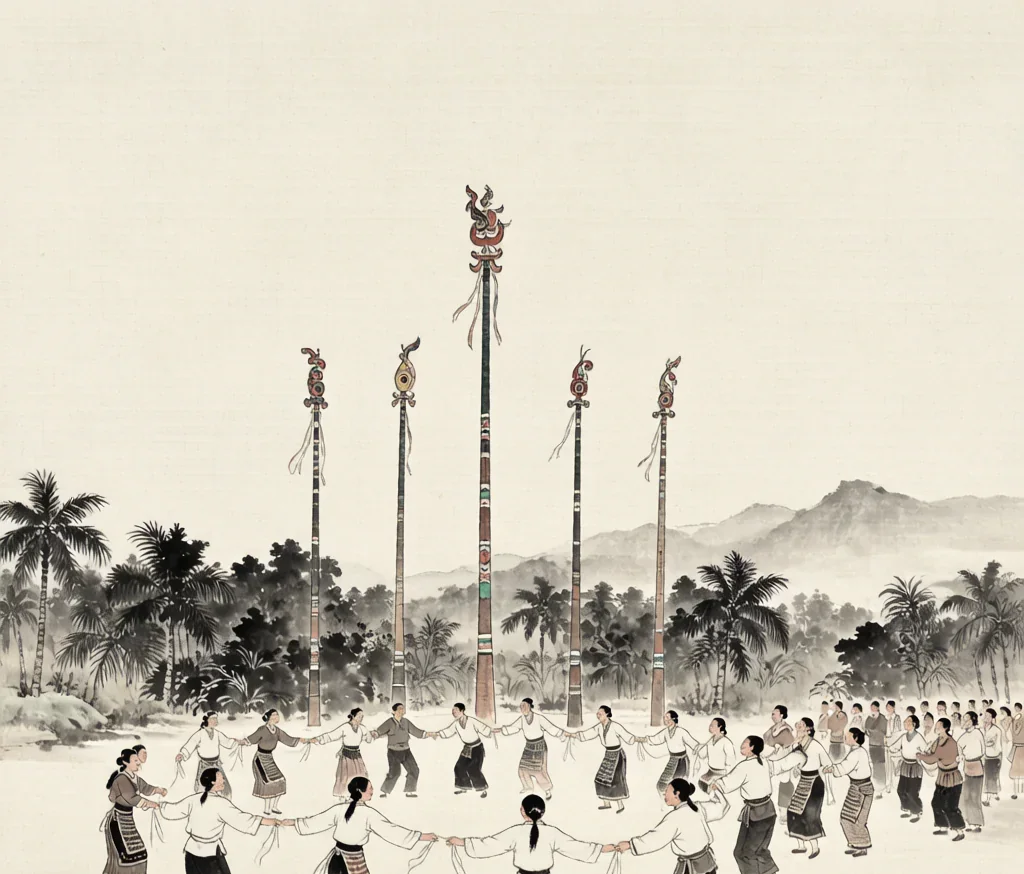
Jingpo (景颇族)
In the tropical borderlands of western Yunnan, the Jingpo people (景颇族, Jǐng pō zú) celebrate one of China's most spectacular festivals: the Munao Zongge, where thousands dance synchronized patterns around towering ceremonial poles. With a population of approximately 160,000 in China, the Jingpo are renowned for their rich oral tradition, distinctive textile arts, and elaborate clan organization.
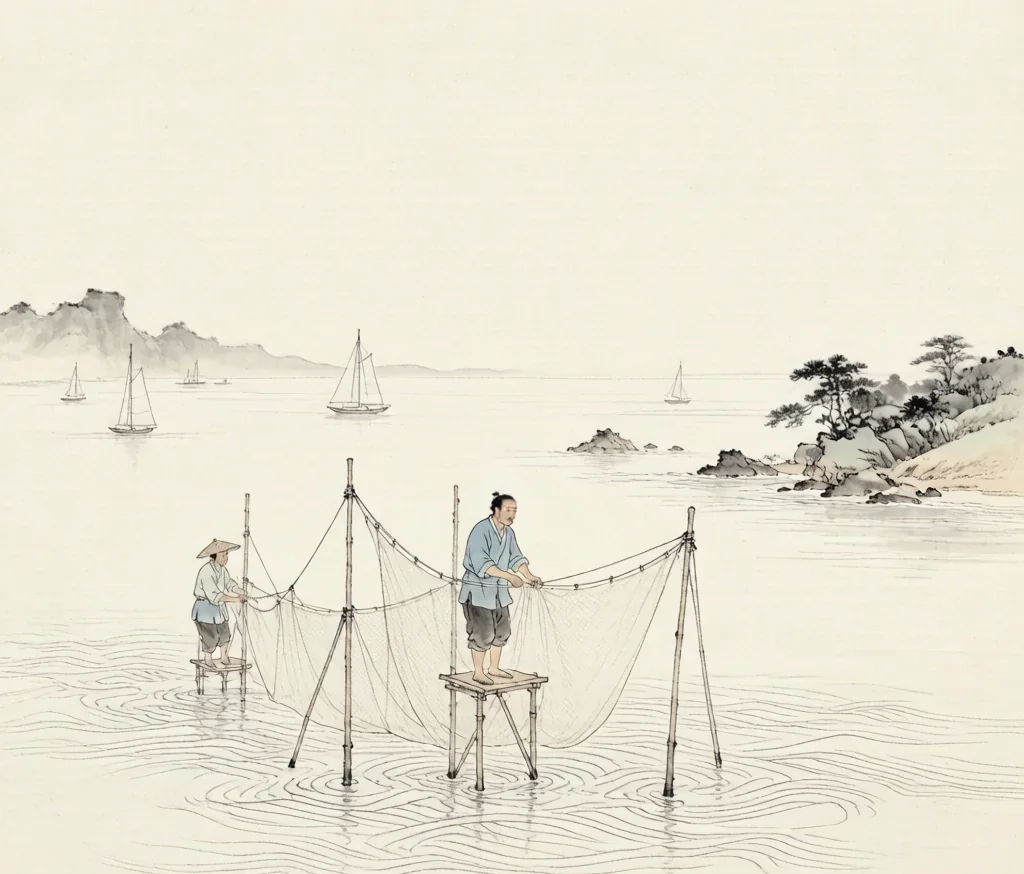
Jing (京族)
On the southern coast of Guangxi, where the Gulf of Tonkin meets the shores of three small islands, the Jing people (京族, Jīng zú) represent China's only predominantly maritime ethnic minority. With a population of approximately 33,000, the Jing are ethnically Vietnamese (Kinh) who migrated from northern Vietnam to China beginning in the 16th century.
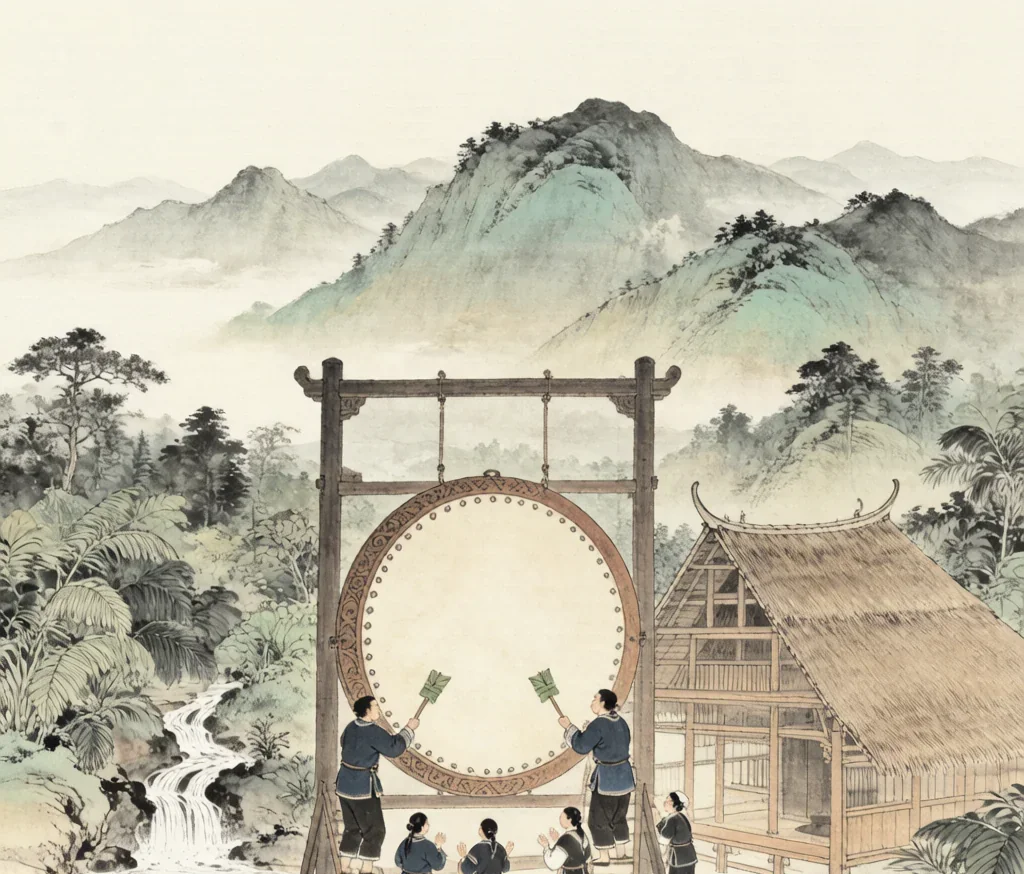
Jino (基诺族)
In the tropical mountains of Xishuangbanna, the Jino people (基诺族, Jī nuò zú) are China's last officially recognized ethnic minority, identified in 1979. With a population of approximately 26,000, the Jino are one of China's smallest ethnic groups, concentrated in the Jino Mountain area of southern Yunnan.
Kirgiz (柯尔克孜族)
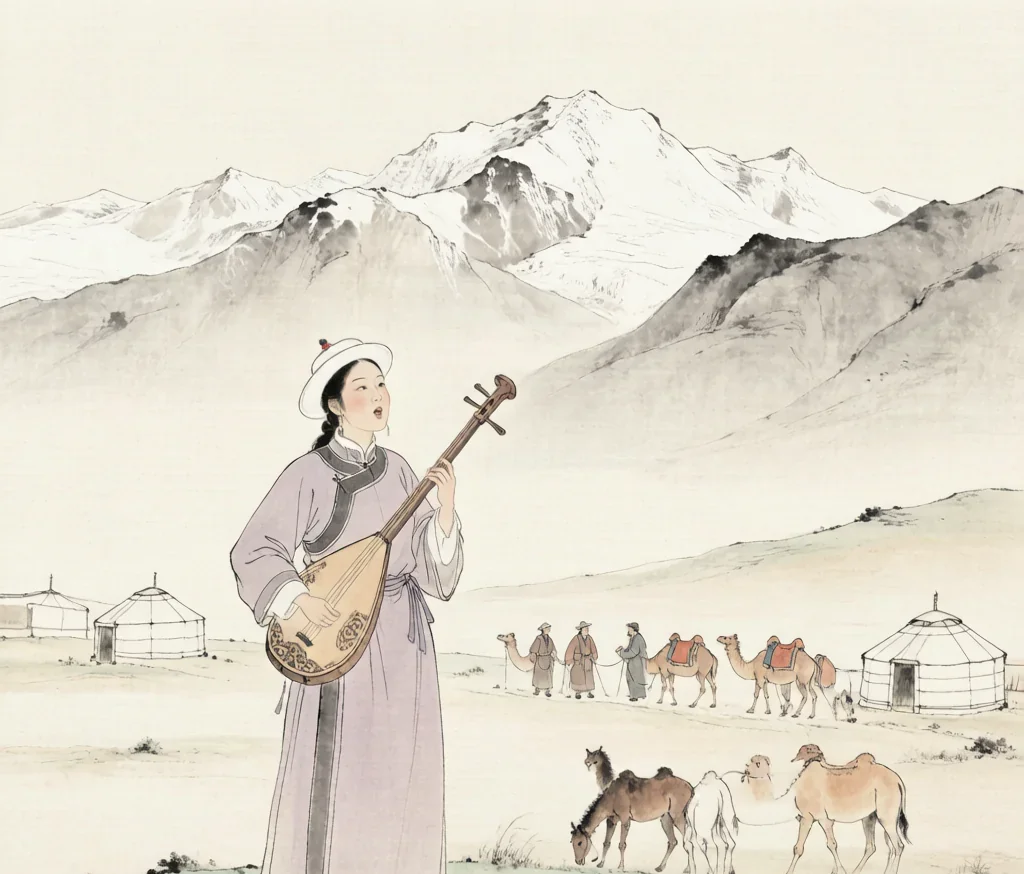
In the high Pamir Mountains of western Xinjiang, the Kirgiz people (柯尔克孜族, Kē ěr kè zī zú) are guardians of one of the world's great epic traditions. With a population of approximately 204,000 in China, the Kirgiz are renowned for the oral epic "Manas," one of the longest epic poems in world literature.
Lahu (拉祜族)
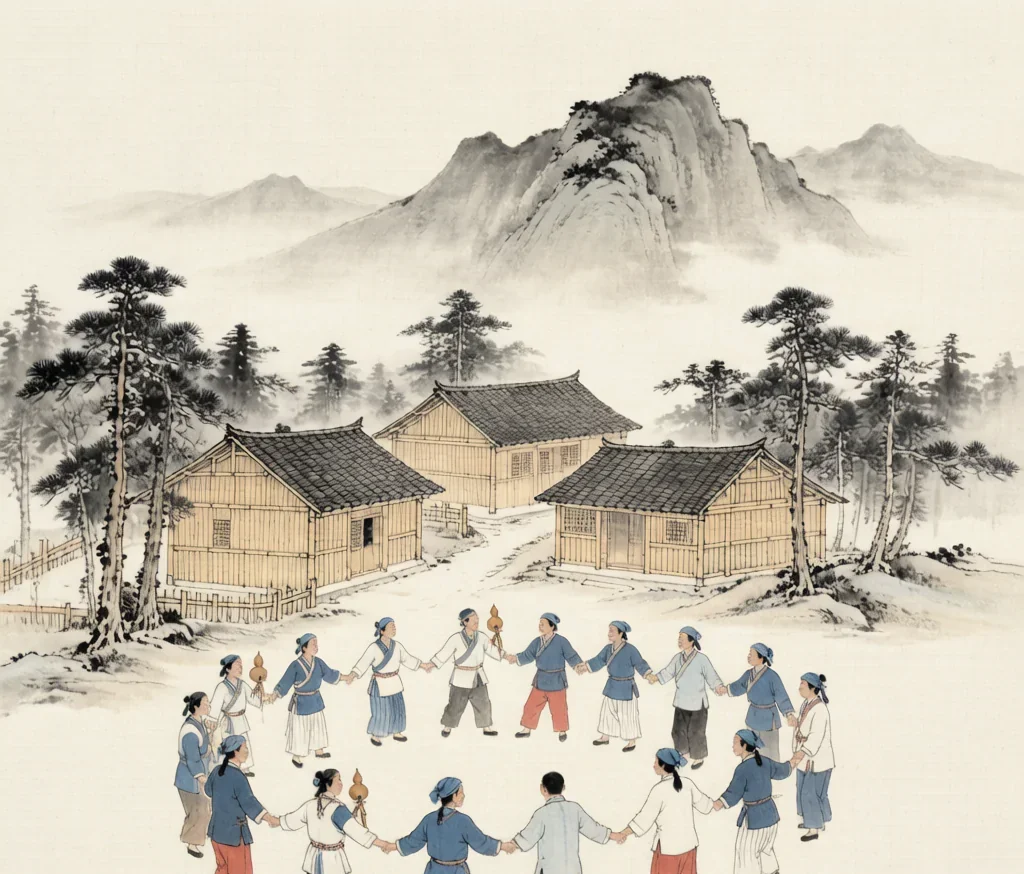
In the mountainous borderlands of southwestern Yunnan, the Lahu people (拉祜族, Lā hù zú) have maintained a distinctive culture centered on hunting, music, and a unique form of monotheistic religion. With a population of approximately 499,000, the Lahu name means "roasted tiger meat" — a reference to their legendary skill as hunters.
Lisu (傈僳族)
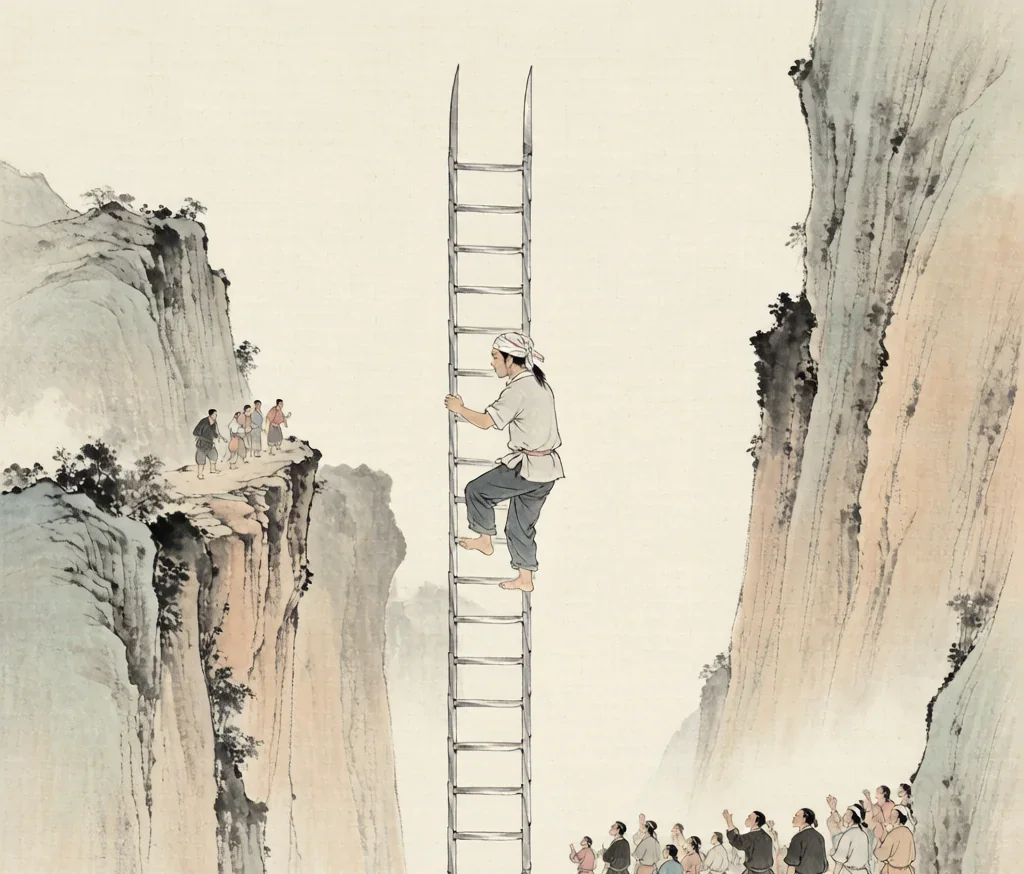
In the deep gorges of the Nujiang River in northwestern Yunnan, the Lisu people (傈僳族, Lì sù zú) maintain a culture of extraordinary vitality. With a population of approximately 763,000, the Lisu are known throughout China for the Knife Ladder Festival, where men climb ladders made of razor-sharp blades barefoot.
Li (黎族)
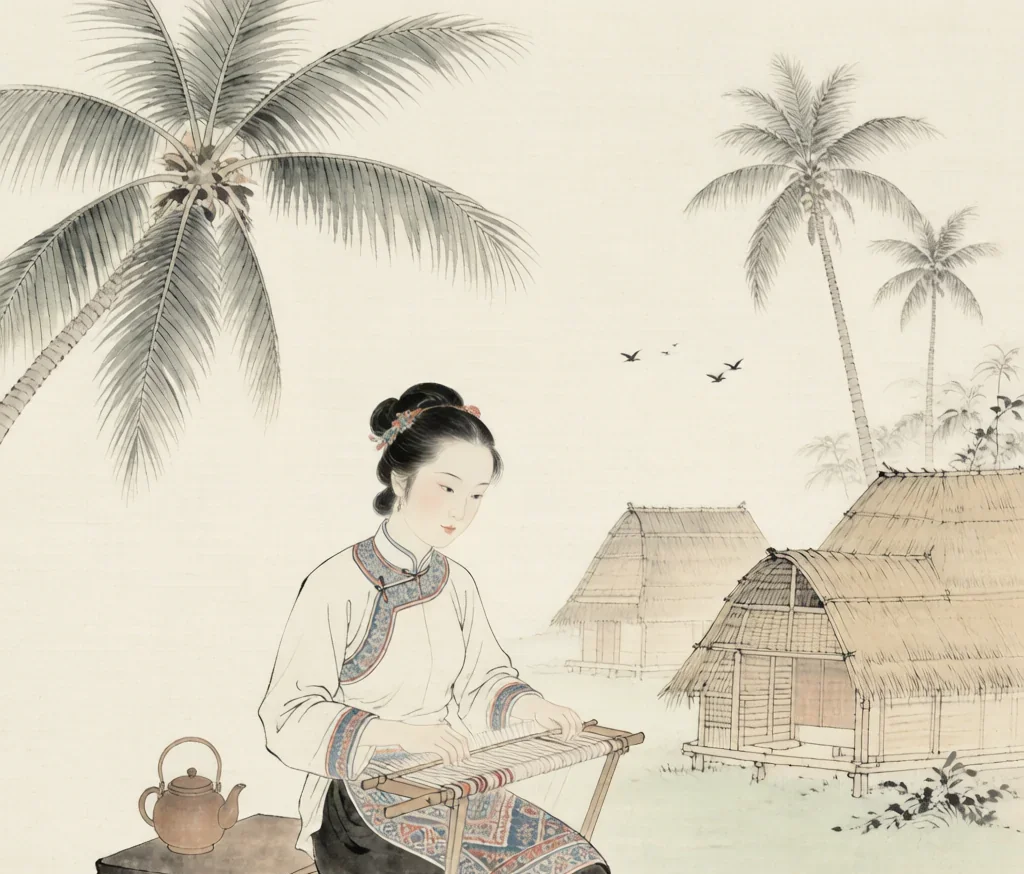
On the tropical island of Hainan, where coconut palms sway in the South China Sea breeze, the Li people (黎族, Lí zú) have created a distinctive island civilization. With a population of approximately 1.
Lhoba (珞巴族)
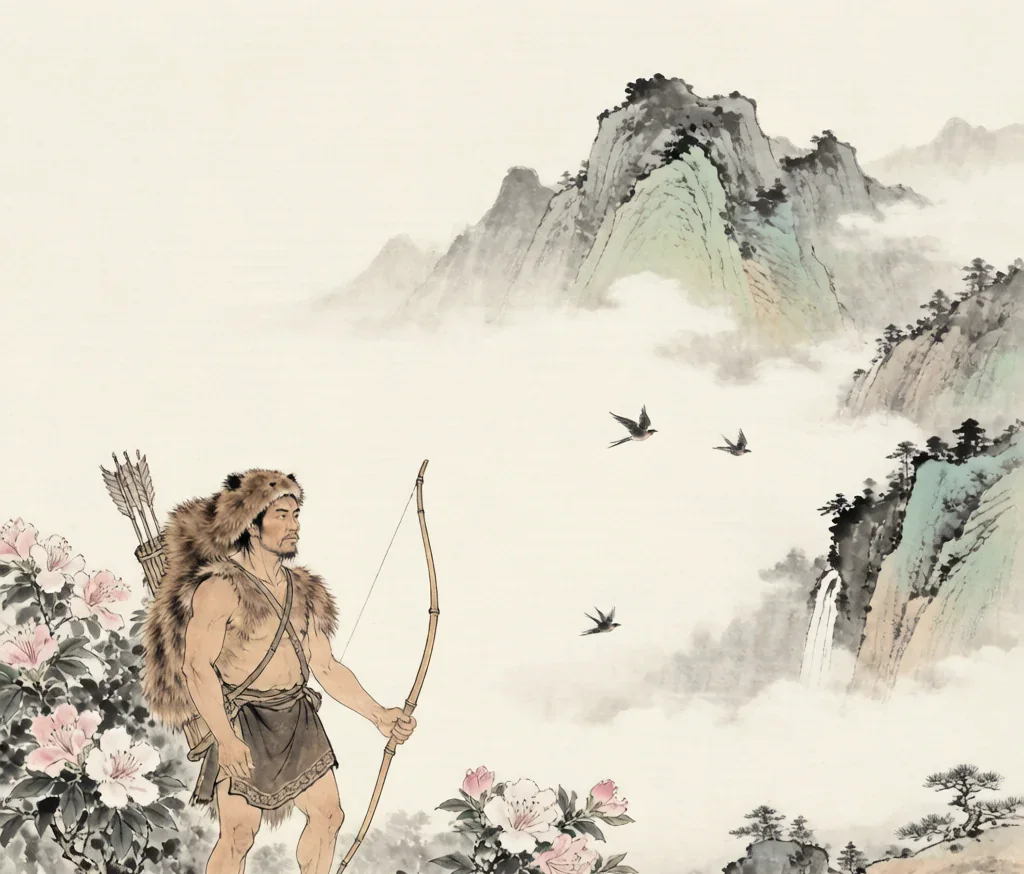
In the southern Himalayan valleys of the Tibet Autonomous Region, the Lhoba people (珞巴族, Luò bā zú) are China's smallest officially recognized ethnic minority, with approximately 4,200 people. The Lhoba name means "southerners" in Tibetan, and they are among the indigenous peoples of the eastern Himalayan region, with a history in the area stretching back thousands of years.
Manchu Culture: The Dragon's Heritage
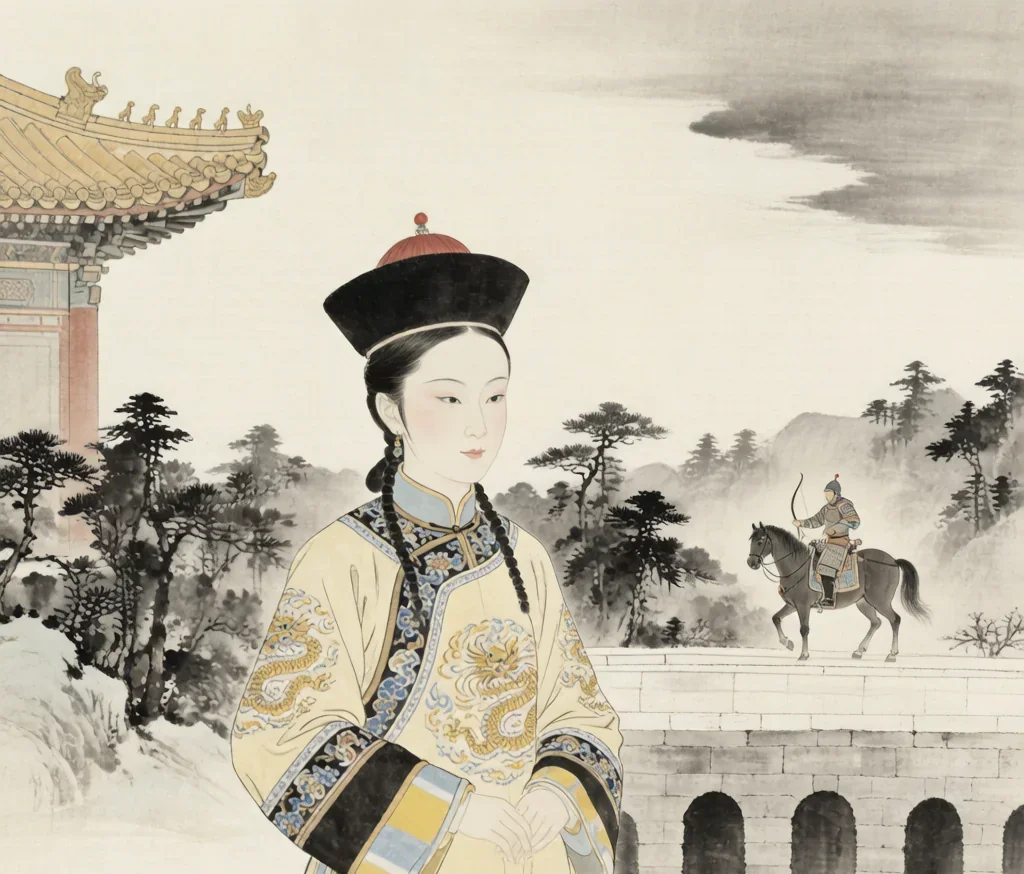
From the forests and plains of Manchuria emerged a people who would conquer China and rule it for nearly three centuries. The Manchu (满族, Mǎn zú), descendants of the Jurchen tribes who had menaced China's northern borders for centuries, established the Qing Dynasty (1644-1912), China's last imperial dynasty.
Maonan (毛南族)
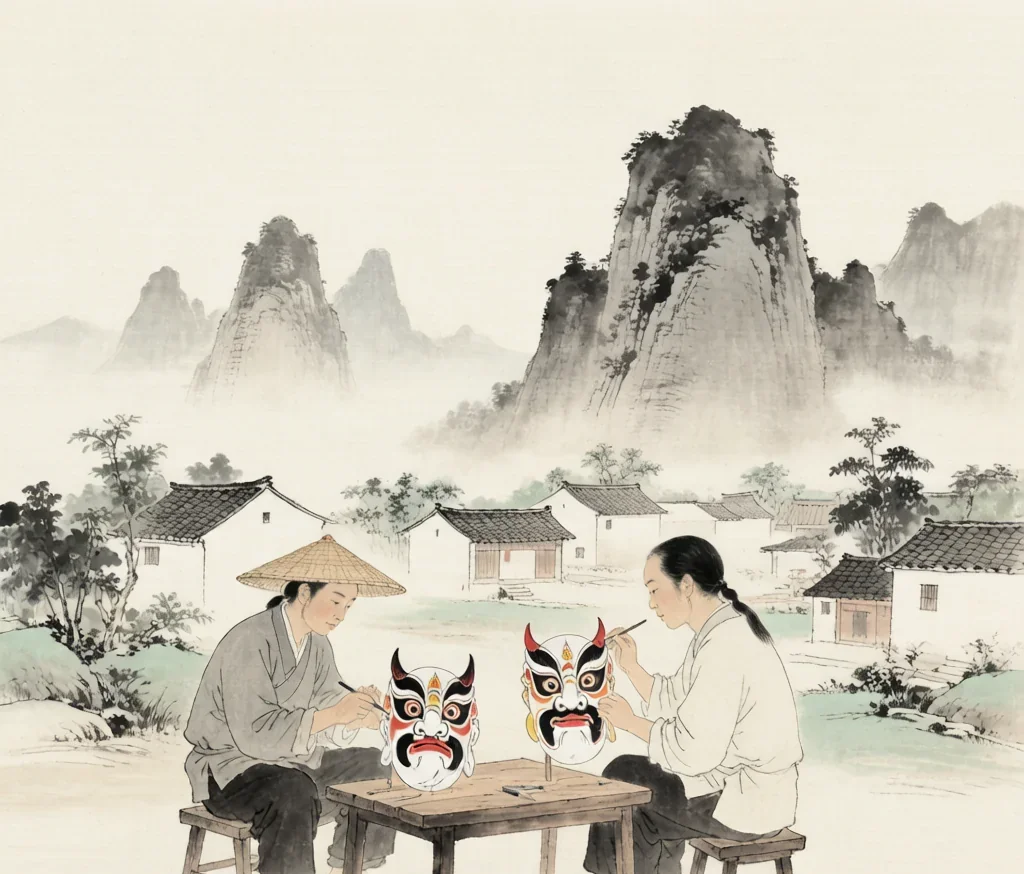
In the karst mountains of northern Guangxi, the Maonan people (毛南族, Máo nán zú) represent one of China's smallest ethnic minorities with approximately 124,000 people. Their culture centers on the Fenlong Festival and a rich tradition of mask carving and folk singing.
Monba (门巴族)
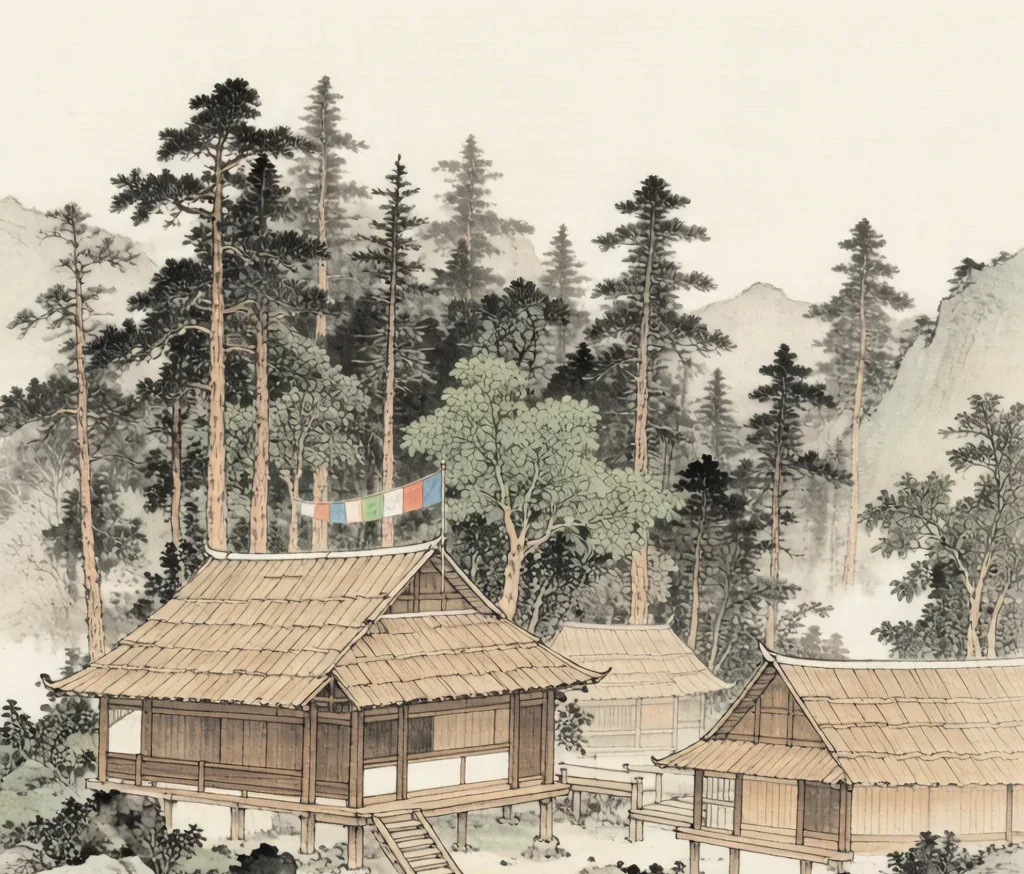
In the southern valleys of the Tibet Autonomous Region, where the Himalayas descend toward the Indian plains, the Monba people (门巴族, Mén bā zú) represent one of China's smallest ethnic minorities with approximately 11,000 people. The Monba are among the indigenous peoples of the Himalayan region, with a history in the area dating back over a thousand years.
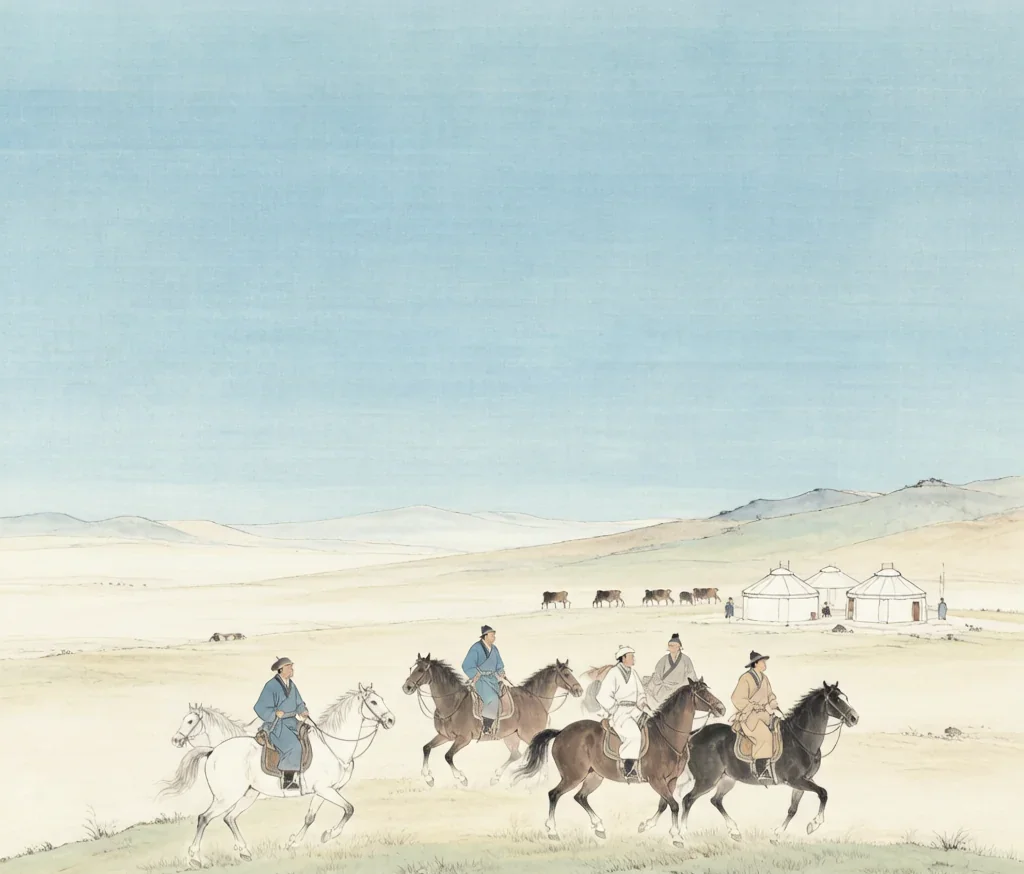
Mongolian Culture: The Eternal Blue Sky
Beneath the vast dome of the Mongolian sky, where the steppe stretches to every horizon and the wind carries the scent of grass and distance, a nomadic civilization has thrived for millennia. The Mongolian people, known in Chinese as 蒙古族 (Měng gǔ zú), are the heirs of Genghis Khan's empire-builders, but their culture runs far deeper than conquest.
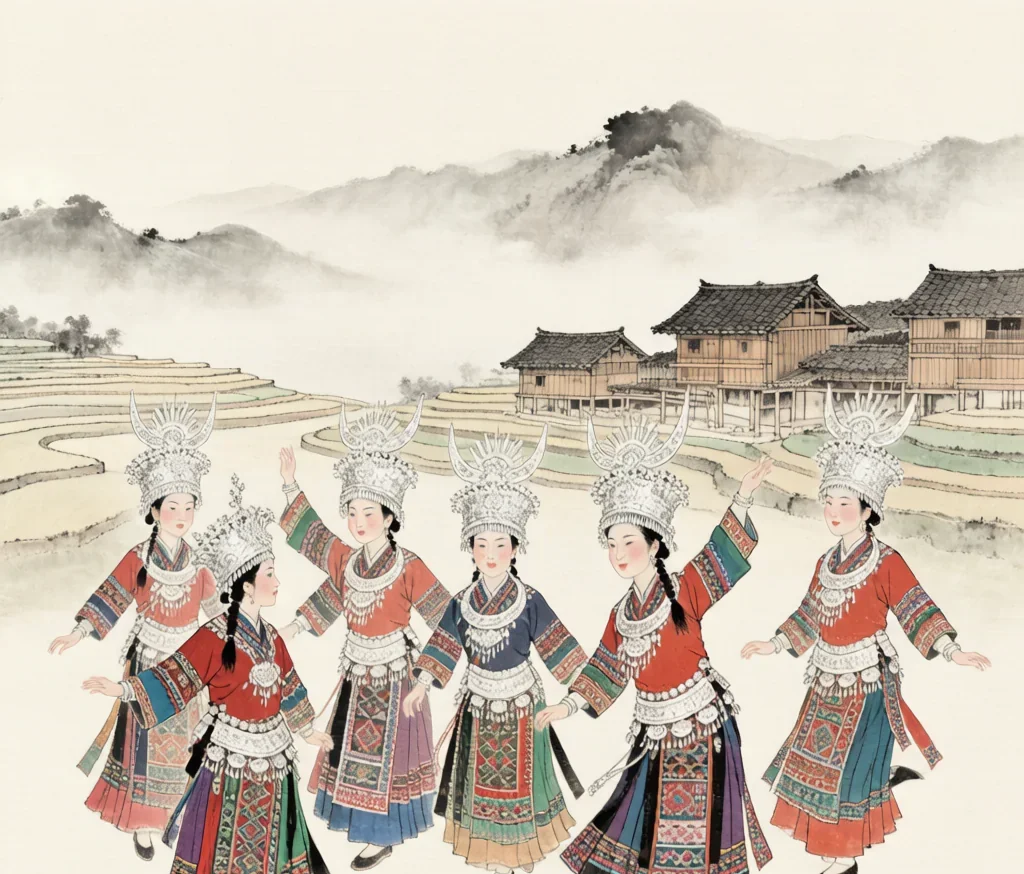
Miao Culture: The Silver Ornaments of the Mountains
In the mist-shrouded mountains of southwestern China, where terraced rice fields cascade down hillsides and wooden villages cling to steep slopes, the Miao people have preserved one of Asia's most visually spectacular cultures. Known in Chinese as 苗族 (Miáo zú), the Miao are renowned throughout the world for their silver ornaments, intricate embroidery, and vibrant festivals.
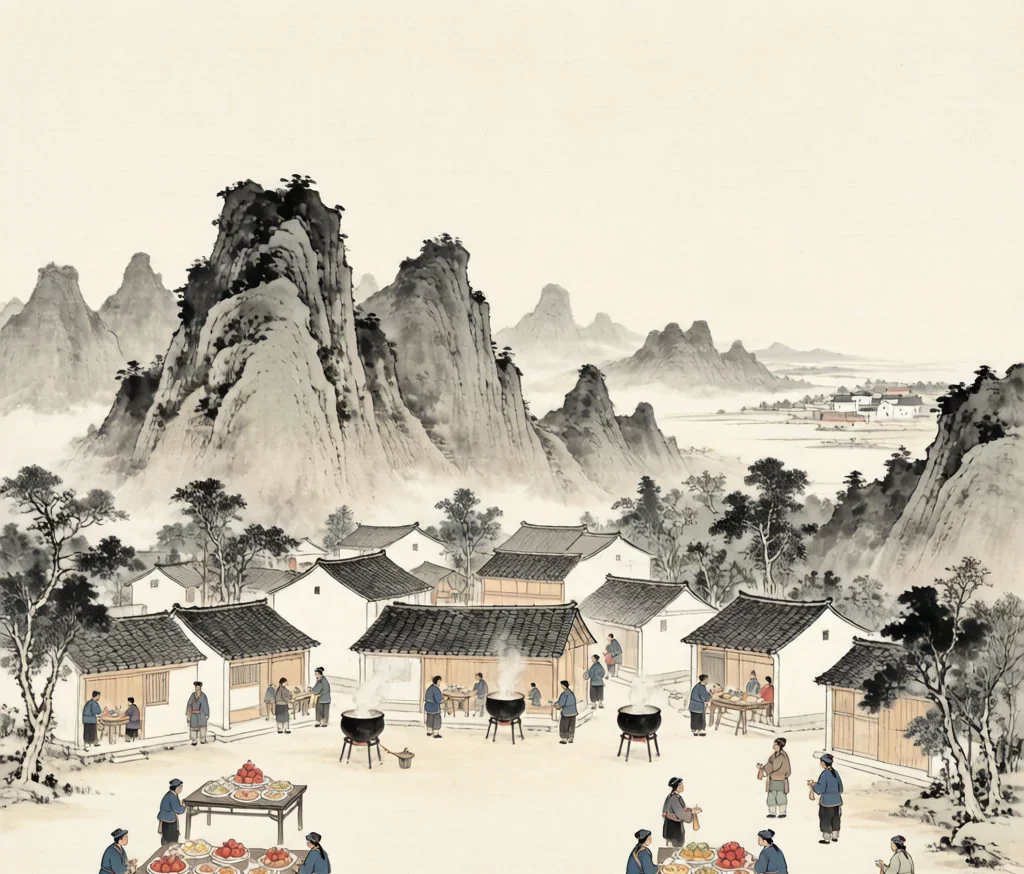
Mulao (仫佬族)
In the karst landscape of northern Guangxi, the Mulao people (仫佬族, Mù lǎo zú) maintain a distinctive agricultural culture. With a population of approximately 277,000 concentrated in the Luocheng Mulao Autonomous County, the Mulao possess a rich cultural heritage centered on the Yifan Festival and traditions of community solidarity.
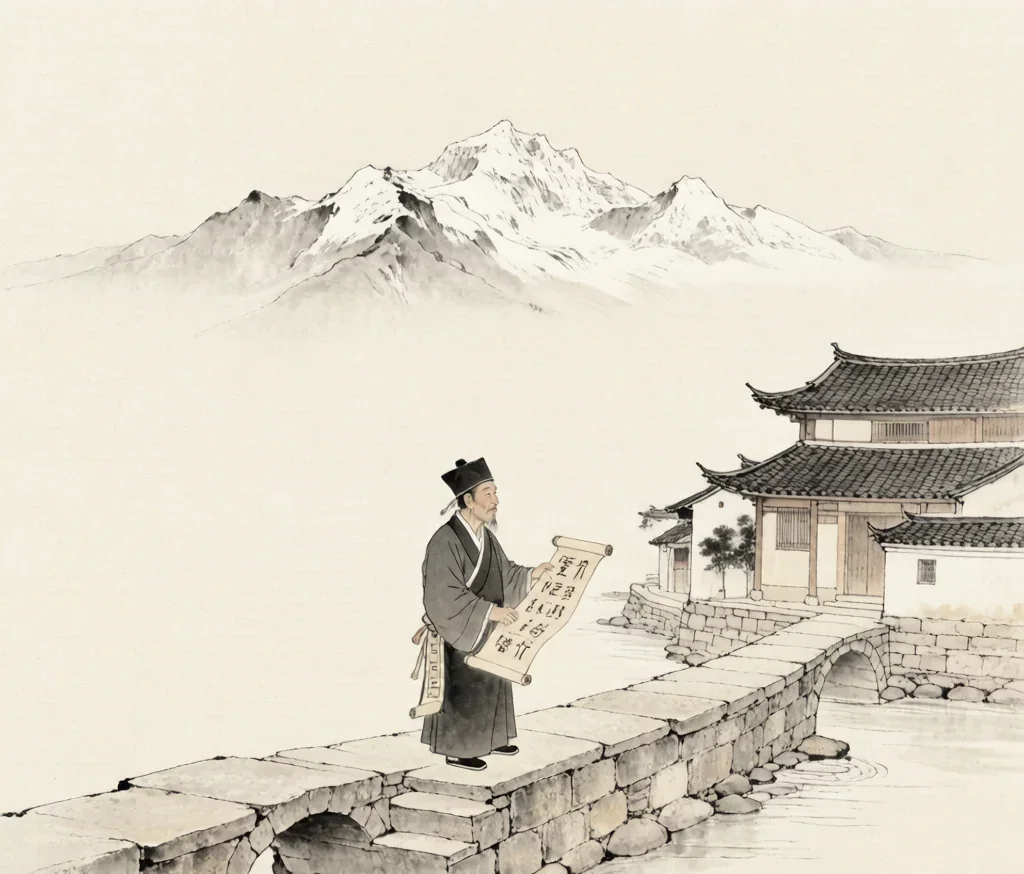
Naxi (纳西族)
In the ancient city of Lijiang, where snowmelt from Jade Dragon Snow Mountain flows through stone channels, the Naxi people (纳西族, Nà xī zú) have created a civilization of extraordinary cultural sophistication. With a population of approximately 326,000, the Naxi are known for the Dongba script — the world's last living pictographic writing system.
Nu (怒族)
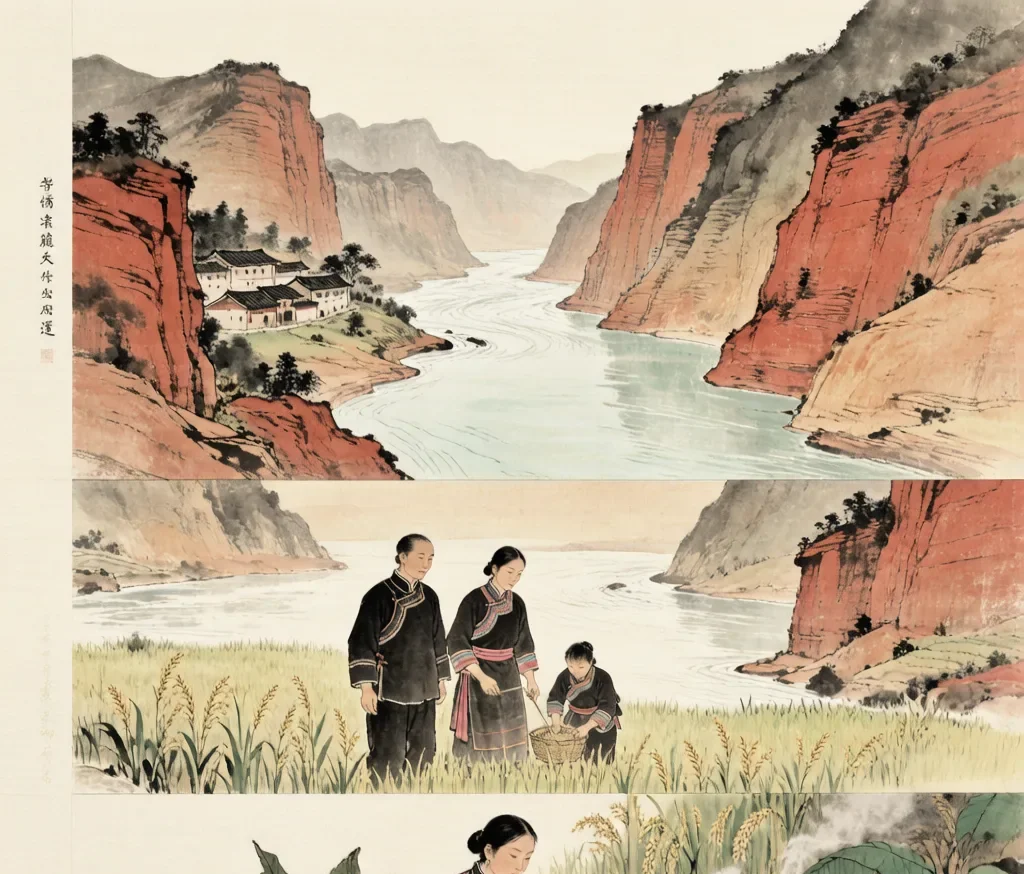
In the deep gorges of the Nujiang River in northwestern Yunnan, the Nu people (怒族, Nù zú) have created a culture as dramatic as their landscape. With a population of approximately 37,000, the Nu live along one of the world's deepest river valleys — the Nujiang, or "Angry River" that gives them their name.
Pumi (普米族)
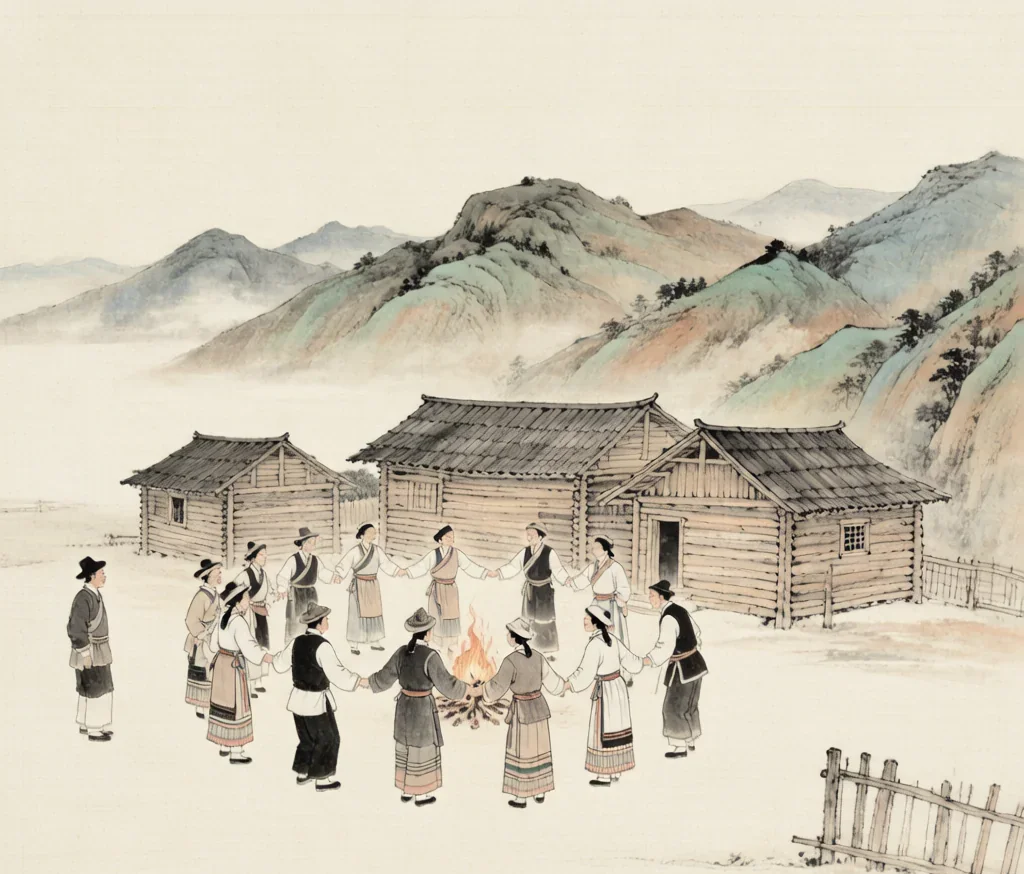
In the high mountain valleys of northwestern Yunnan, the Pumi people (普米族, Pǔ mǐ zú) maintain a distinctive culture bridging Tibetan and southwestern Chinese traditions. With a population of approximately 45,000, the Pumi are known for the Guozhuang circle dance and unique coming-of-age rituals.
Qiang (羌族)
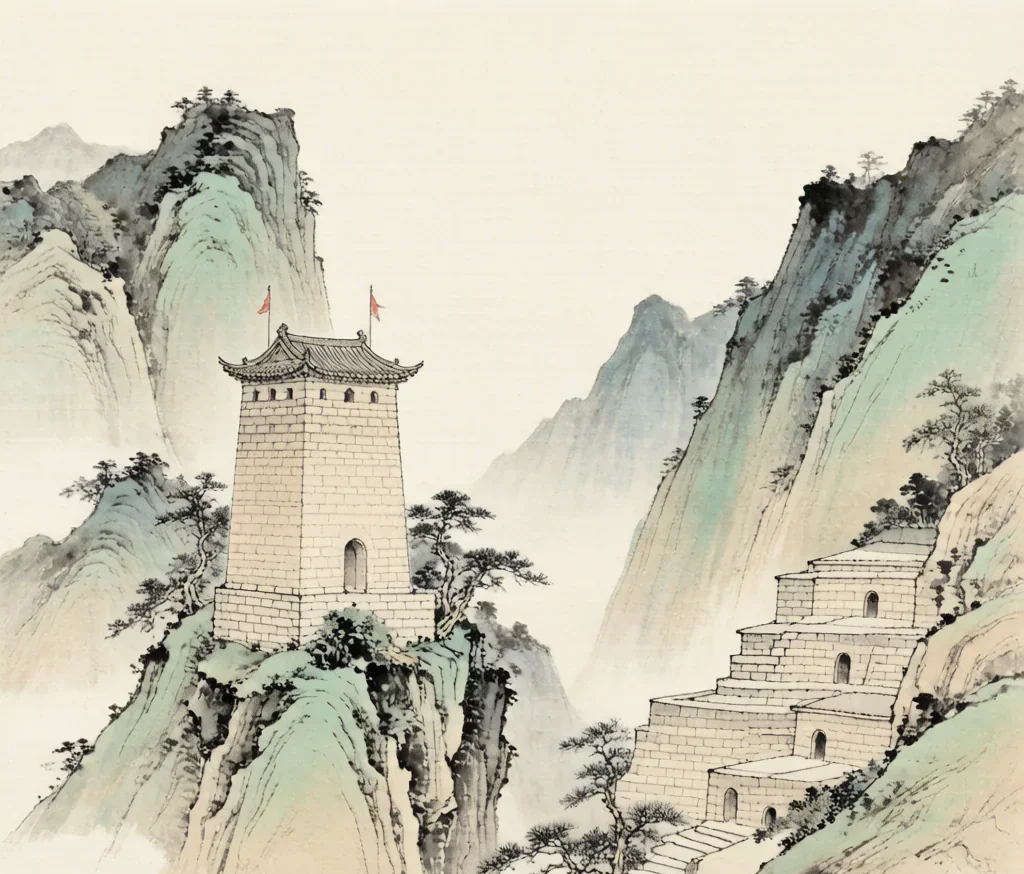
In the high mountain valleys of northwestern Sichuan, the Qiang people (羌族, Qiāng zú) maintain one of China's most ancient continuous cultures. With a population of approximately 313,000, the Qiang appear in Chinese oracle bone inscriptions from over 3,000 years ago, making them one of the oldest named peoples in the world.
Salar (撒拉族)
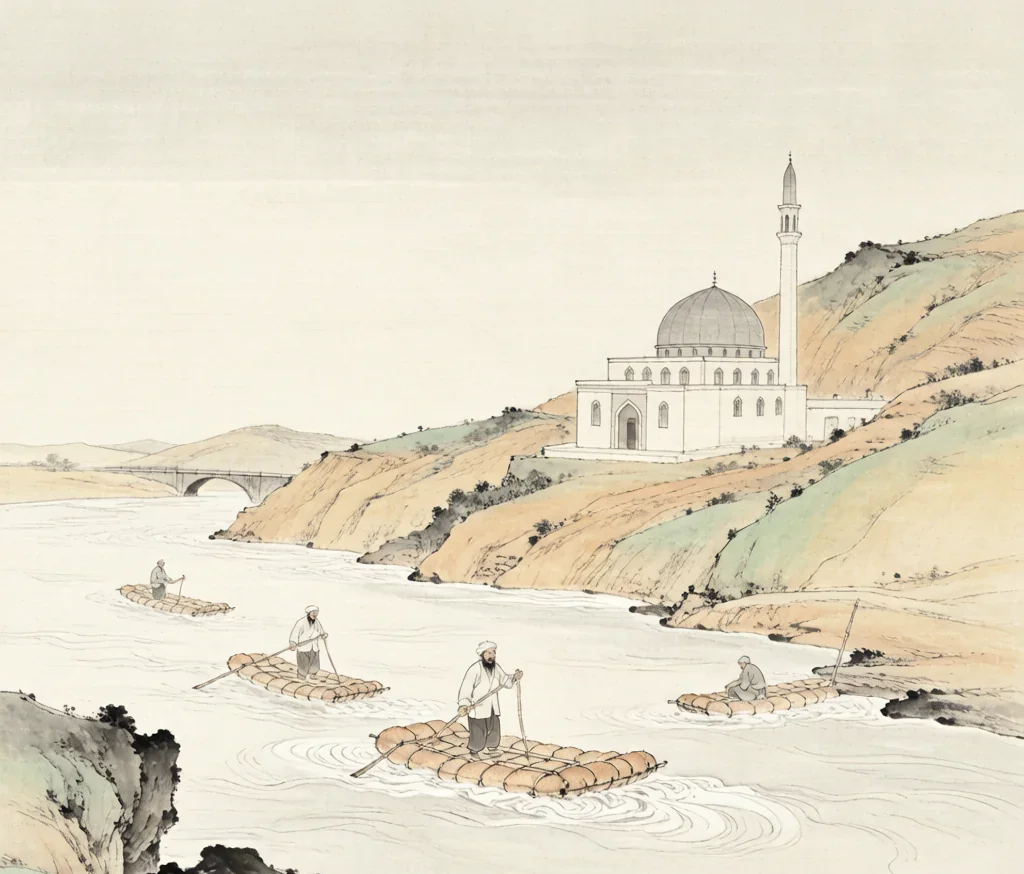
In the Yellow River valley of eastern Qinghai, the Salar people (撒拉族, Sā lā zú) represent one of China's most distinctive Muslim minorities. With a population of approximately 165,000, the Salar are descendants of Turkic-speaking Muslims who migrated from Samarkand in Central Asia over 700 years ago.
She (畲族)
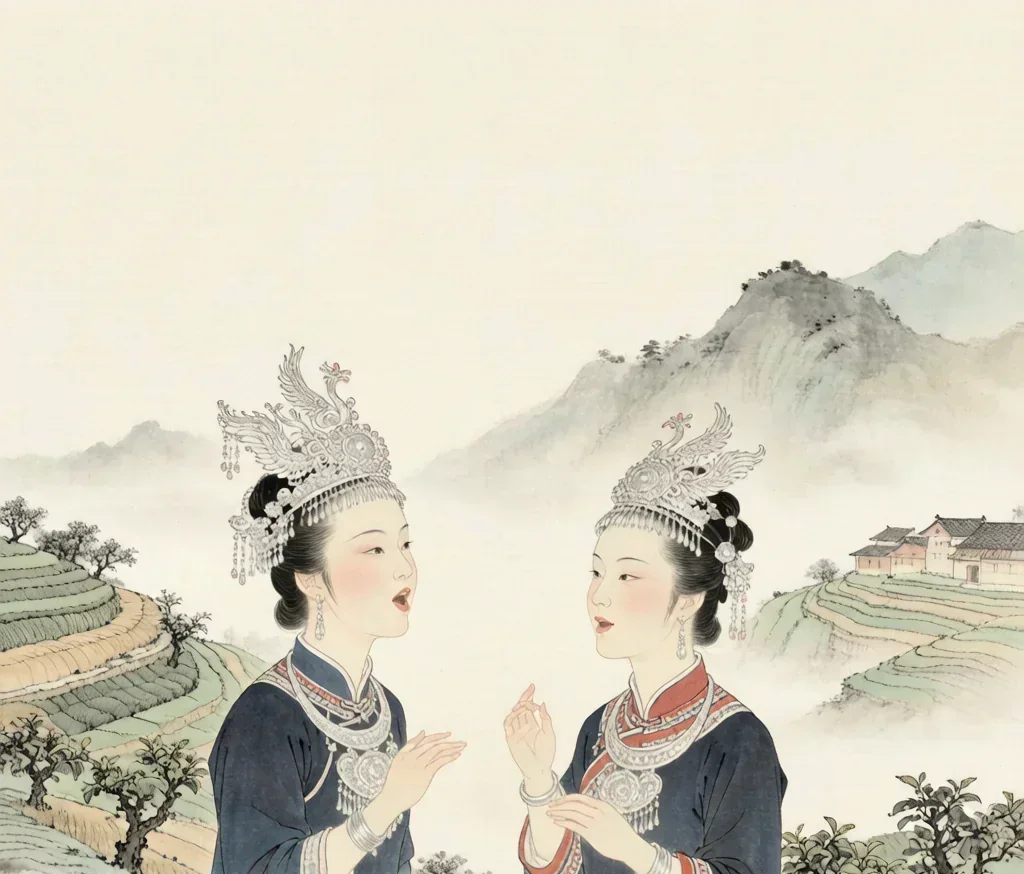
In the misty mountains of southeastern China, where Fujian and Zhejiang provinces meet, the She people (畲族, Shē zú) have maintained a distinctive mountain culture for over a thousand years. With a population of approximately 746,000, the She are the largest ethnic minority in southeastern China.
Shui (水族)
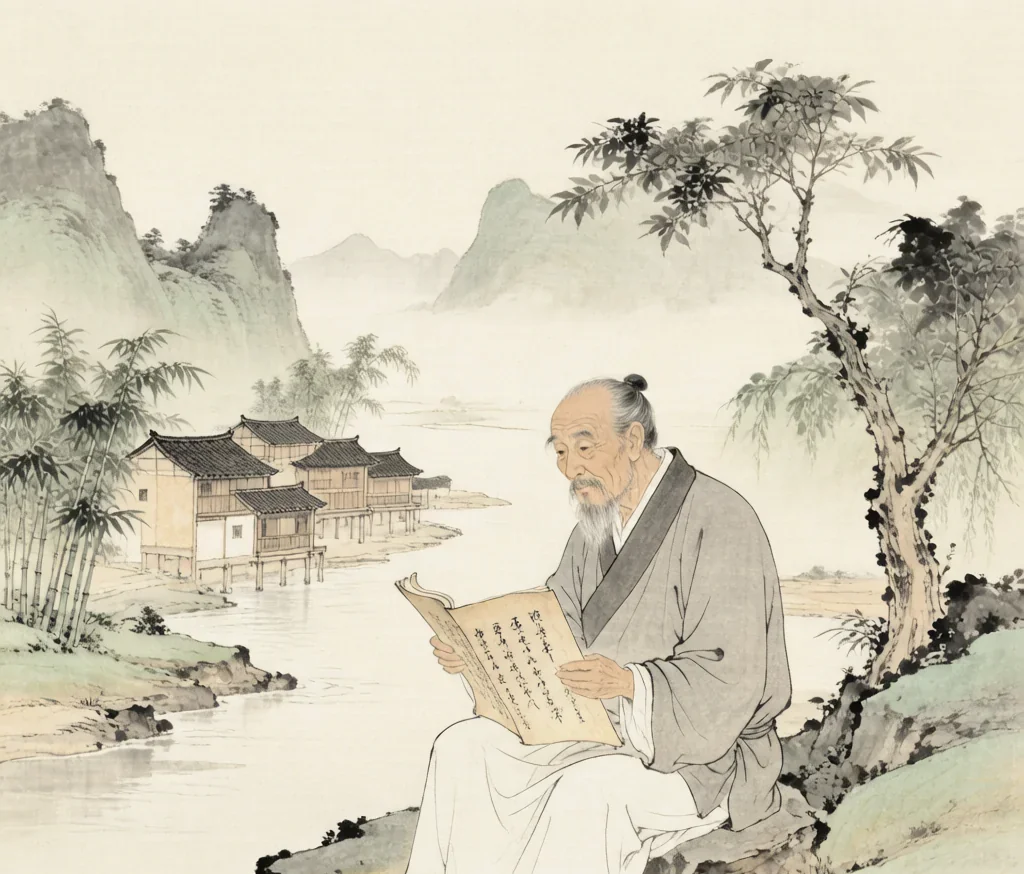
In the river valleys of southern Guizhou, the Shui people (水族, Shuǐ zú) possess one of the most remarkable cultural treasures of any Chinese ethnic minority: the Shuishu (水书, shuǐ shū) or "Water Script," an ancient writing system used exclusively for religious purposes. With a population of approximately 496,000, the Shui are concentrated in the Sandu Shui Autonomous County.
Tajik (塔吉克族)
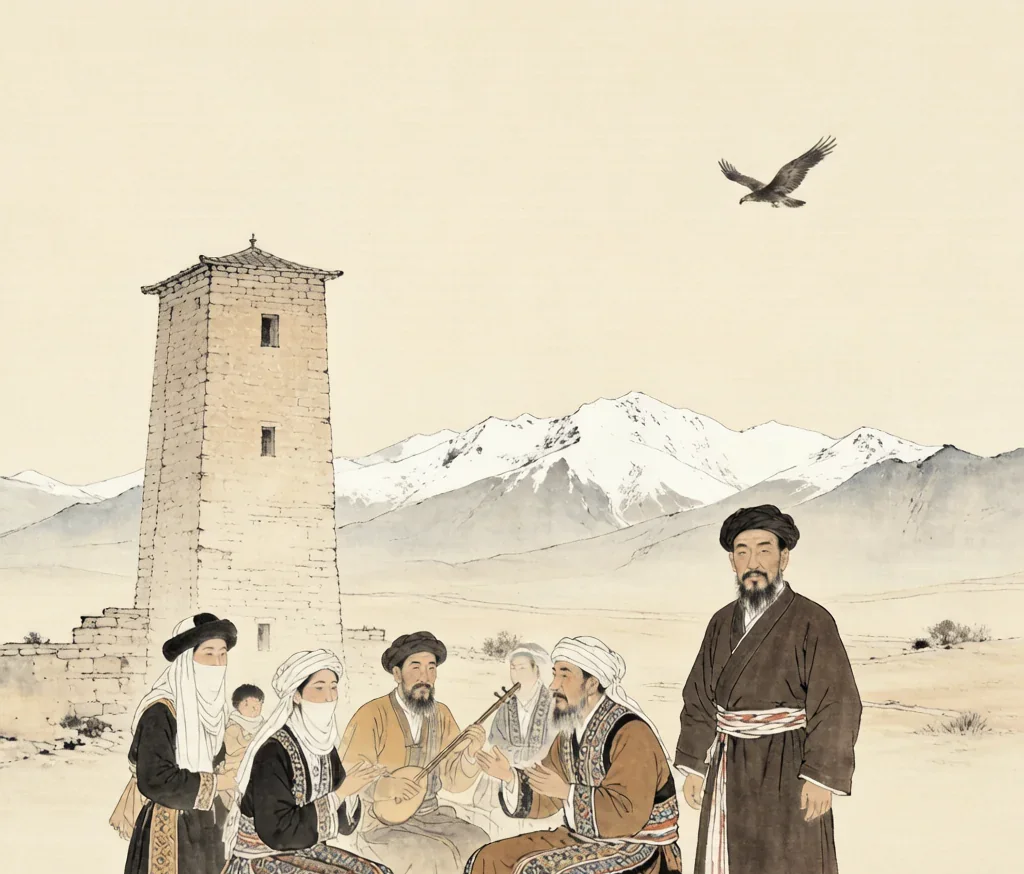
On the "roof of the world" — the Pamir Plateau of western Xinjiang — China's Tajik people (塔吉克族, Tǎ jí kè zú) maintain a culture of extraordinary beauty. With a population of approximately 51,000, they are the easternmost Tajik (Persian-speaking) people, living at elevations of 3,000-5,000 meters.
Tatar (塔塔尔族)
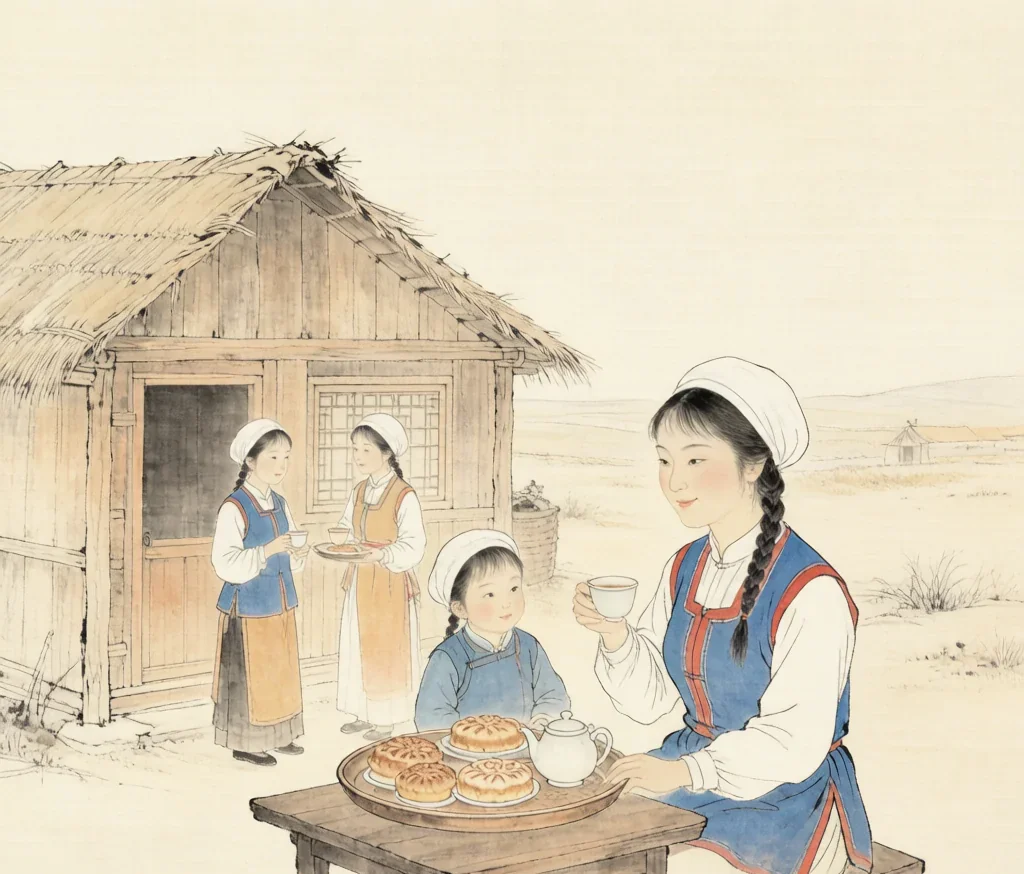
China's Tatar minority (塔塔尔族, Tǎ tǎ ěr zú), with approximately 3,500 people, is one of the smallest of China's 55 officially recognized ethnic minorities. Concentrated in Xinjiang, particularly in the cities of Yining, Tacheng, and Urumqi, the Tatar Chinese are descendants of Tatar merchants, scholars, and religious leaders who migrated from the Volga region and Crimea beginning in the 19th century.
Tujia (土家族)
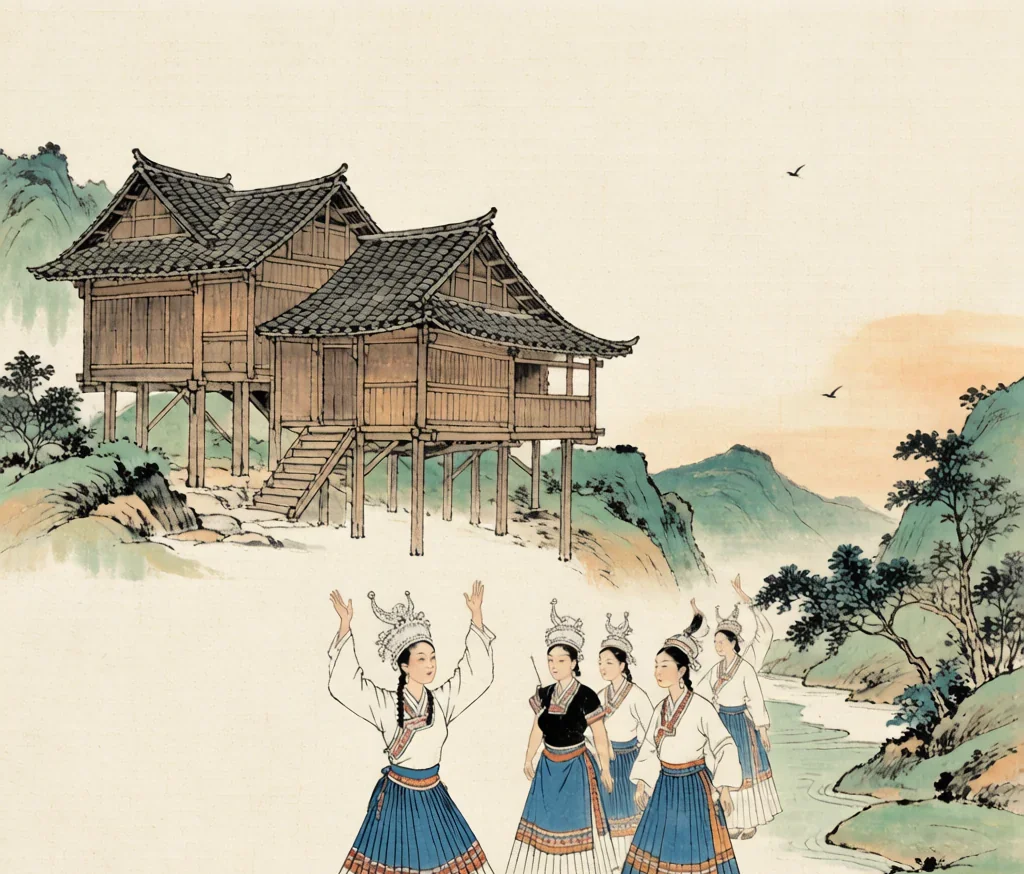
Nestled in the rugged Wuling Mountains that span the borders of Hunan, Hubei, Guizhou, and Chongqing, the Tujia people (土家族, Tǔ jiā zú) have created a culture as dramatic and vibrant as their mountain homeland. With a population of approximately 9.
Tu (土族)
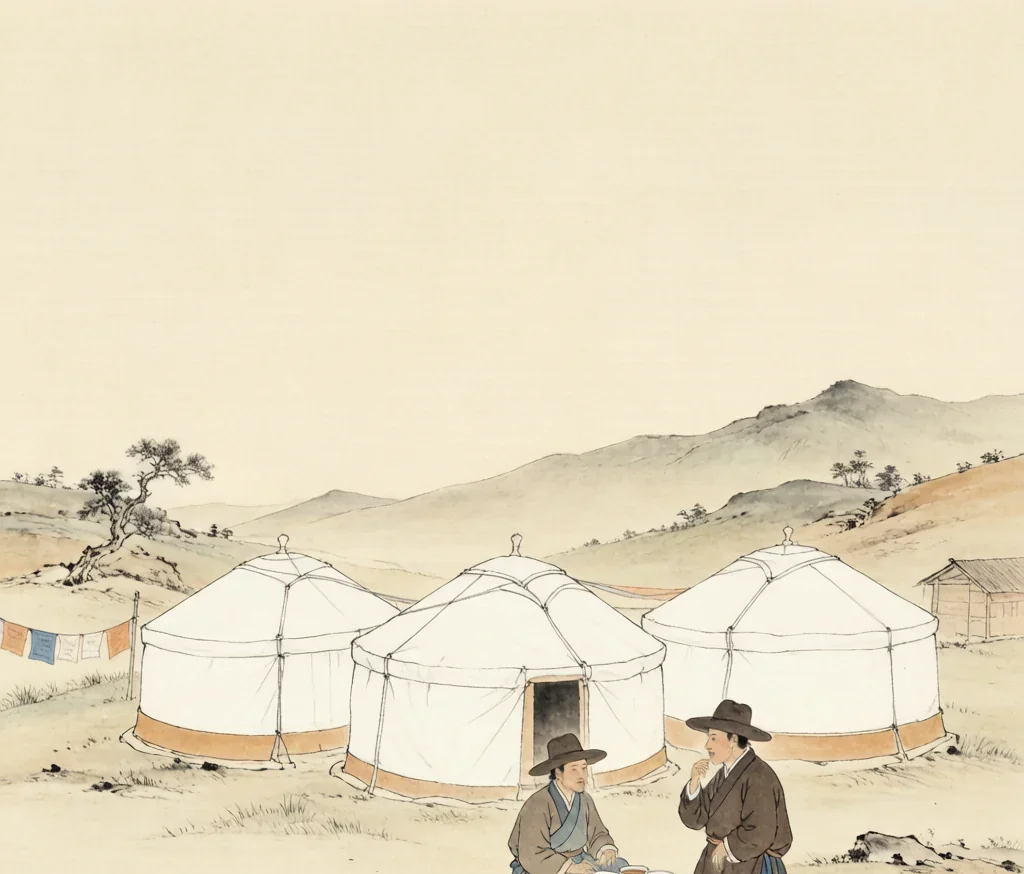
In the river valleys of eastern Qinghai, the Tu people (土族, Tǔ zú) have created a distinctive culture at the crossroads of Tibetan, Mongolian, and Chinese civilizations. With a population of approximately 282,000, the Tu are concentrated in the Huzhu Tu Autonomous County.
Wa (佤族)
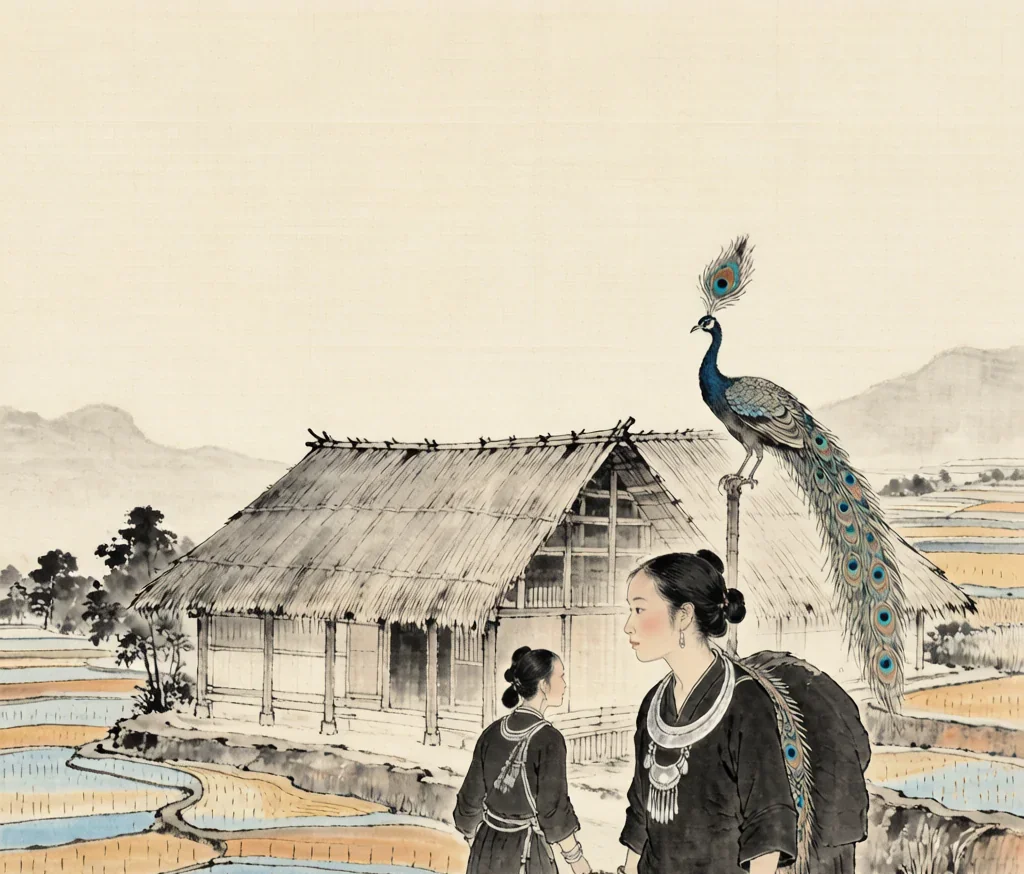
In the remote mountains of southwestern Yunnan, the Wa people (佤族, Wǎ zú) maintain one of the most distinctive cultural traditions in China. With a population of approximately 431,000, the Wa are known for their extraordinary Wooden Drum Dance and their historical practice of headhunting (now extinct).
Uyghur Culture: The Oasis of Central Asia
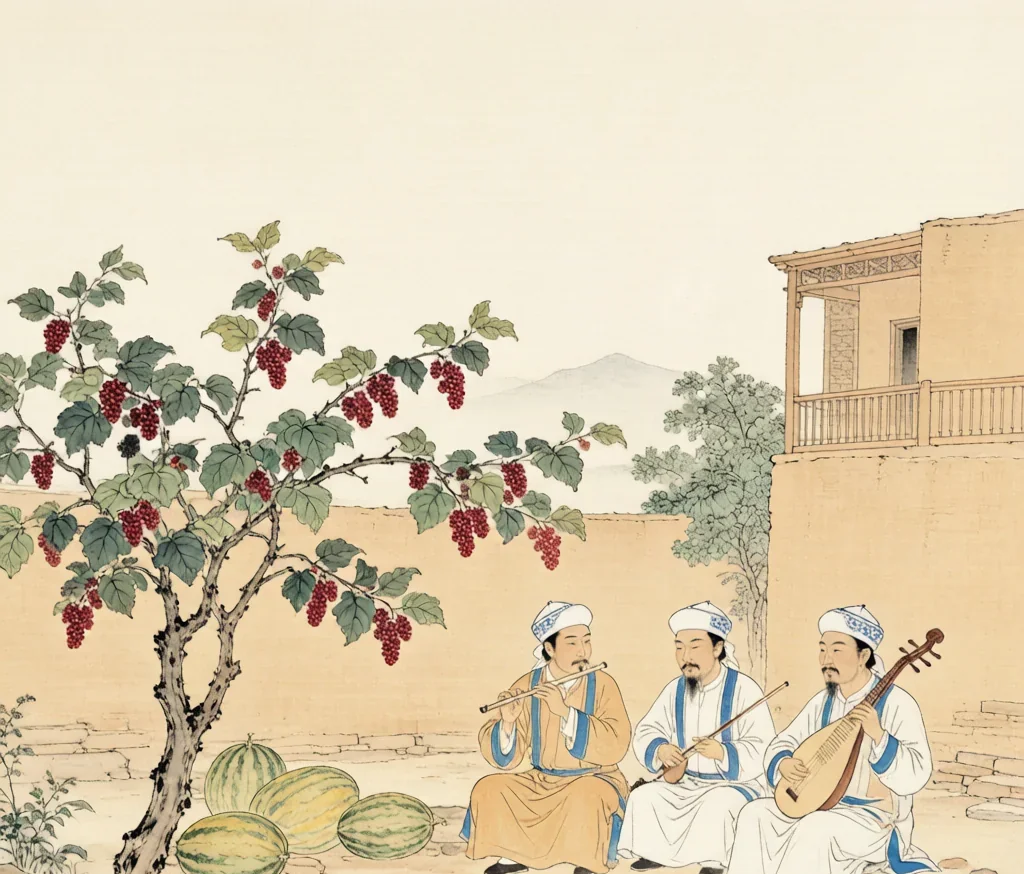
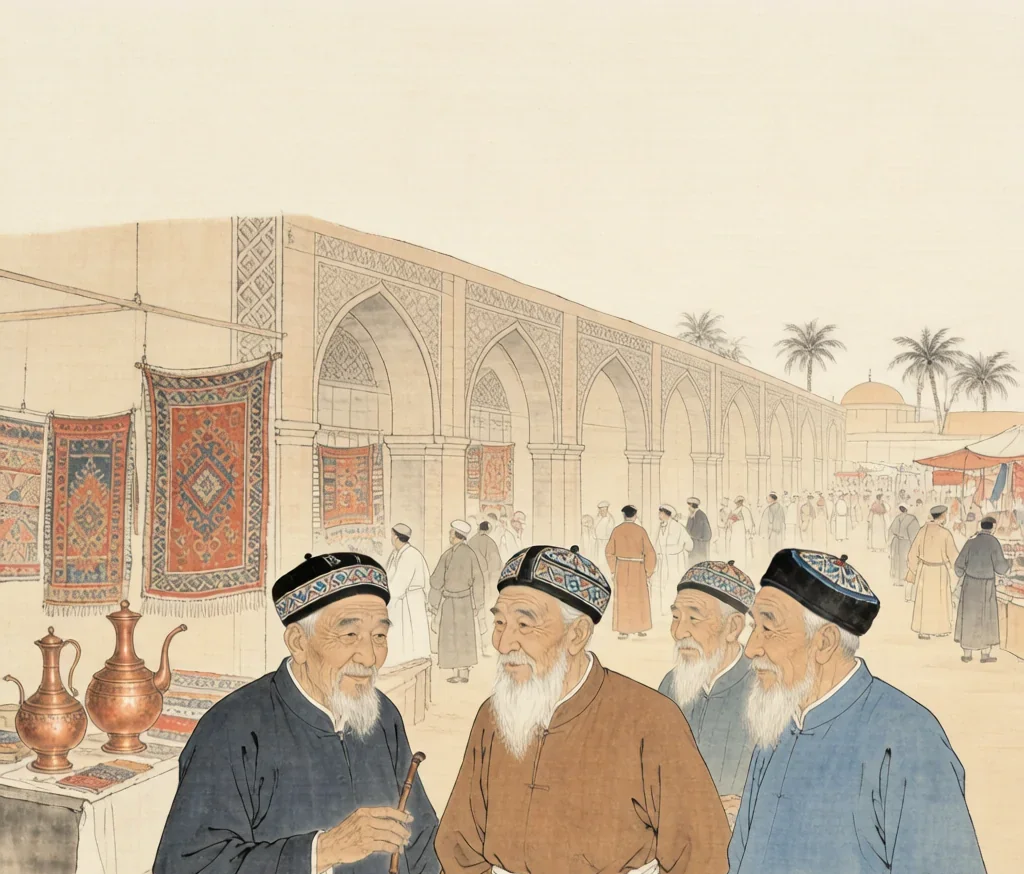
Along the ancient Silk Road, where the Taklamakan Desert meets the Tian Shan mountains, lies a chain of oasis cities that have nurtured one of Central Asia's most sophisticated cultures. The Uyghur people, known in Chinese as 维吾尔族 (Wéi wú ěr zú), are the inheritors of a civilization that has flourished at the crossroads of empires for over two millennia.
Uzbek (乌孜别克族)
China's Uzbek minority (乌孜别克族, Wū zī bié kè zú), numbering approximately 13,000, represents the easternmost community of the Uzbek people who primarily inhabit Uzbekistan in Central Asia. Concentrated in Xinjiang, particularly in cities like Yining, Urumqi, and Kashgar, the Uzbek Chinese are renowned for their rich musical traditions, distinctive cuisine, and historical role as merchants and cultural intermediaries along the Silk Road.
Xibo (锡伯族)
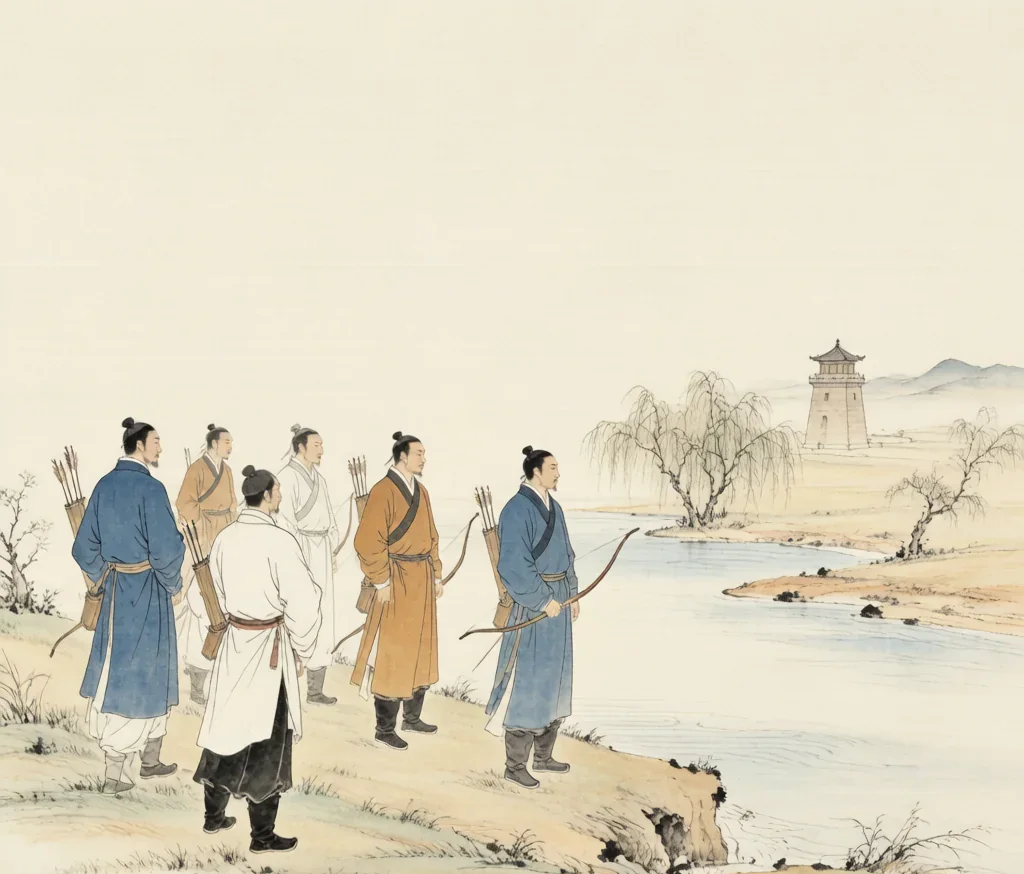
The Xibo people (锡伯族, Xī bó zú) are the protagonists of one of history's most remarkable stories — a mass migration across Asia in service of empire. With a population of approximately 192,000, the Xibo are divided between Liaoning and the Qapqal Xibo Autonomous County in Xinjiang, over 4,000 kilometers to the west.
Yao (瑶族)
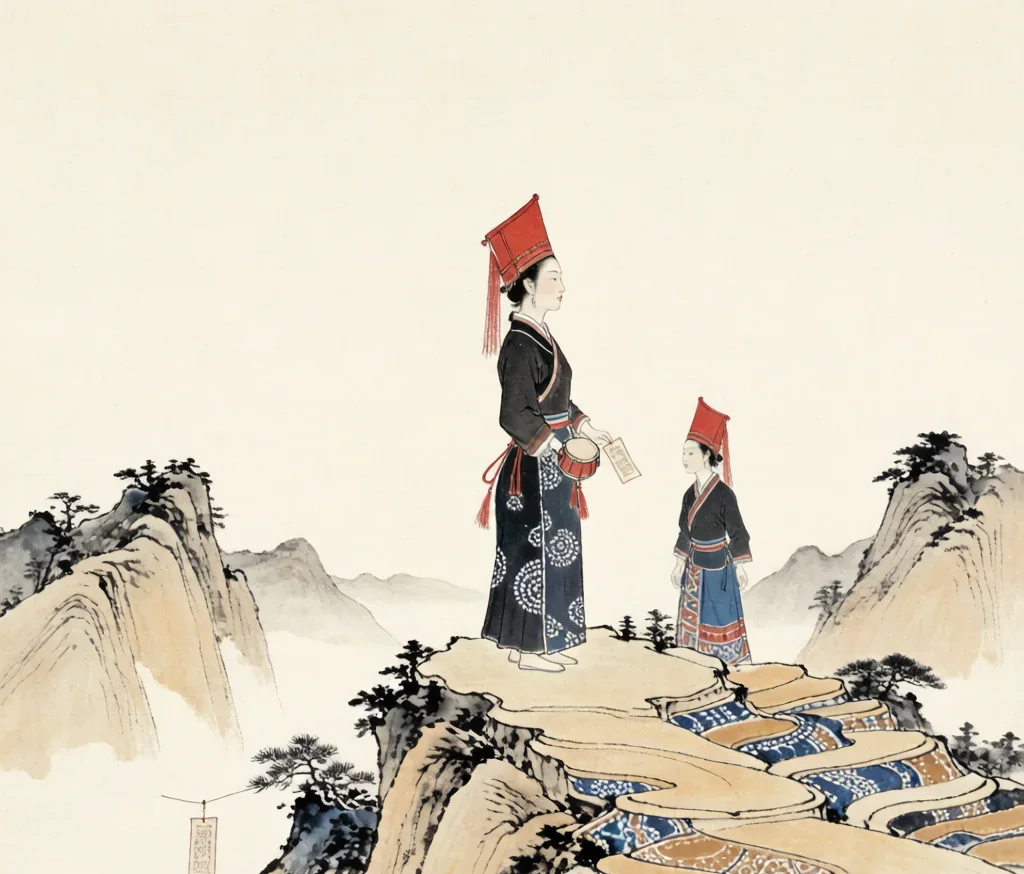
The Yao people (瑶族, Yáo zú), numbering approximately 3. 3 million, are among the most widely distributed ethnic minorities in southern China, with communities spread across Guangxi, Hunan, Yunnan, Guangdong, and Guizhou provinces.
Yi Culture: The Torch Festival People
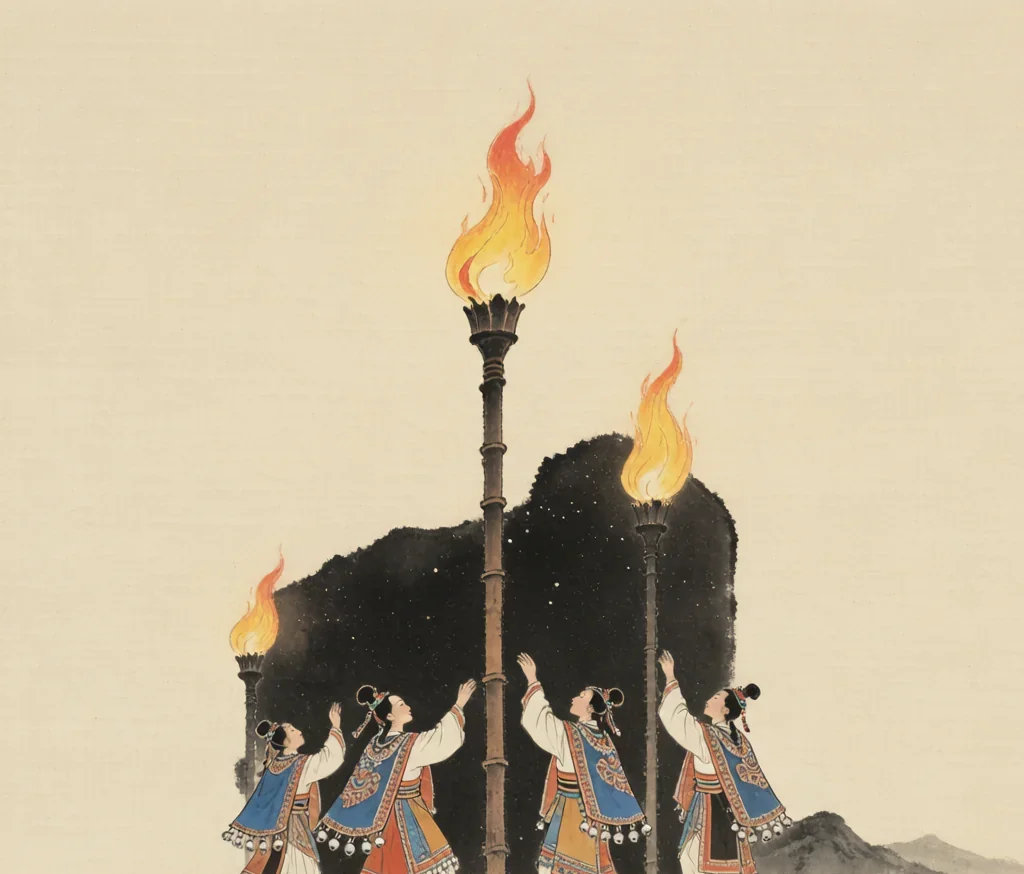
When night falls on the twenty-fourth day of the sixth lunar month, the mountains of southwestern China come alive with fire. On hillsides across Yunnan, Sichuan, and Guizhou, thousands of torches blaze to life, their flames tracing serpentine paths as villagers carry them through the darkness.
Yugur (裕固族)
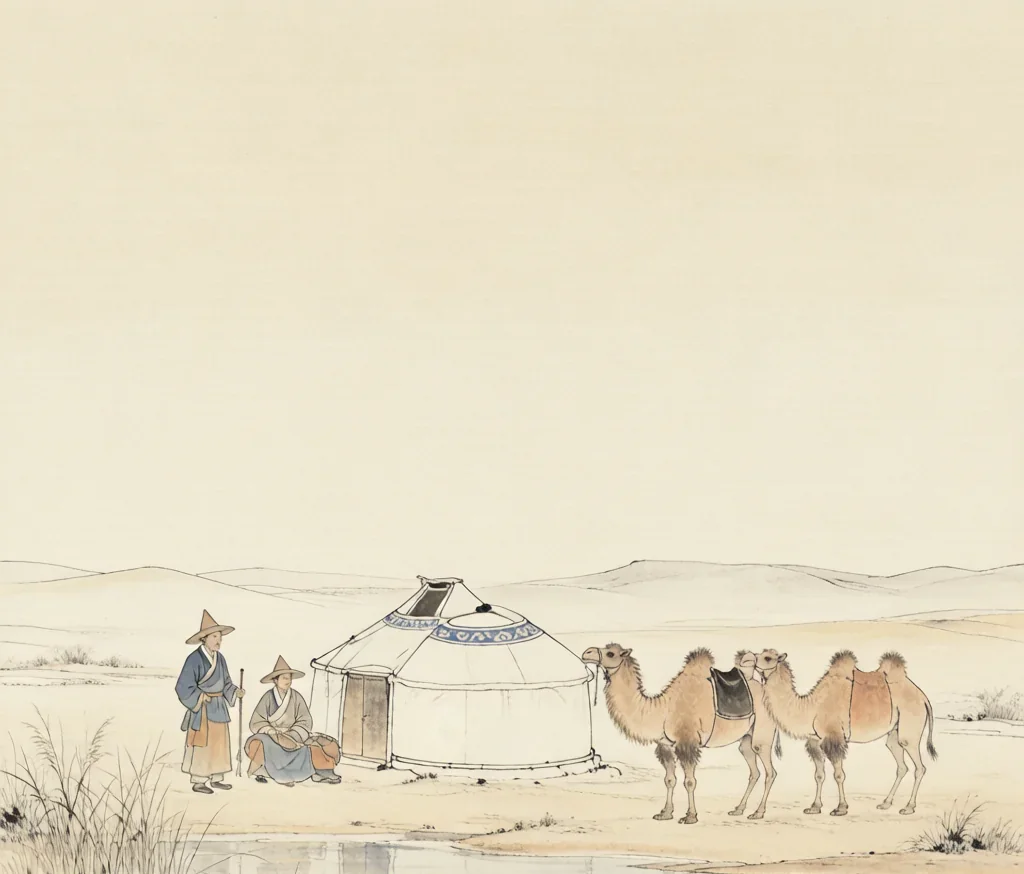
In the Sunan Yugur Autonomous County of Gansu province, the Yugur people (裕固族, Yù gù zú) are one of China's smallest ethnic minorities with approximately 15,000 people. They are unique among Chinese ethnic groups for being the only Turkic-speaking people who practice Tibetan Buddhism, reflecting their fascinating history at the crossroads of Central Asian and Tibetan civilizations.
Tibetan Culture: Life on the Roof of the World
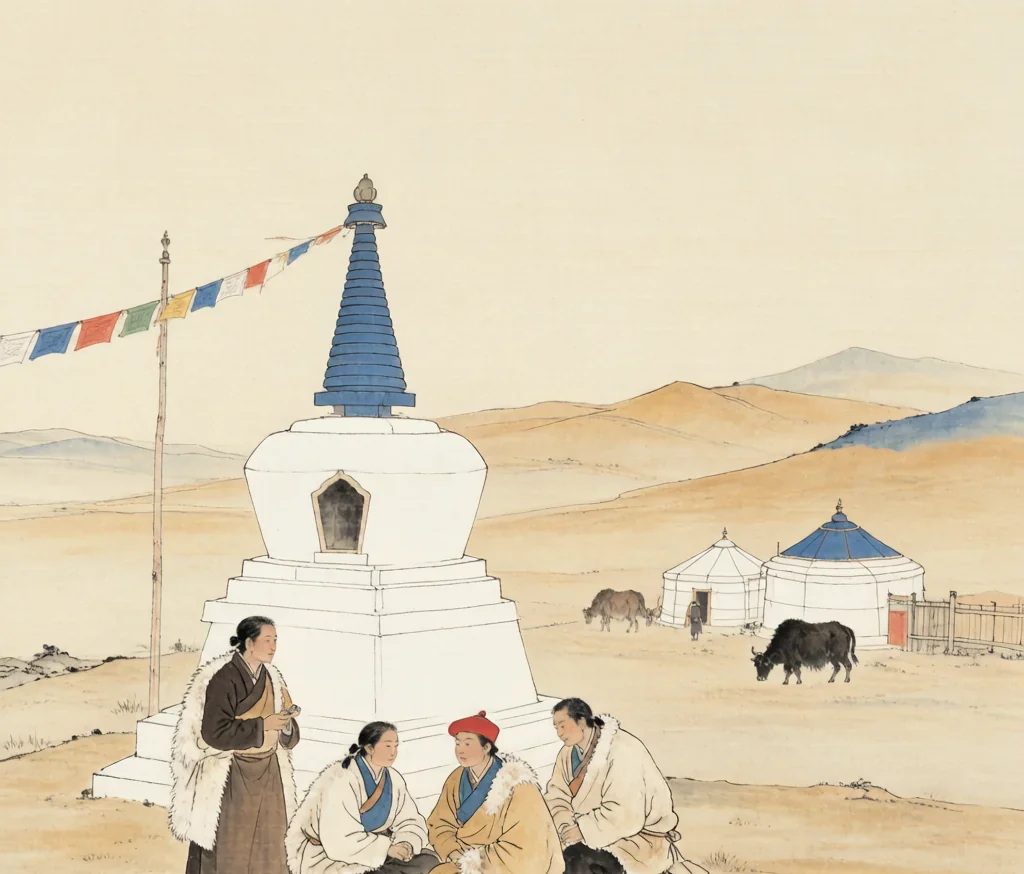
High on the Tibetan Plateau, at an average elevation exceeding four thousand meters above sea level, thrives one of the world's most distinctive cultures. The Tibetan people, known in Chinese as 藏族 (Zàng zú), have carved out a civilization on the "Roof of the World" that has endured for over a millennium.
Zhuang Culture: China's Largest Minority
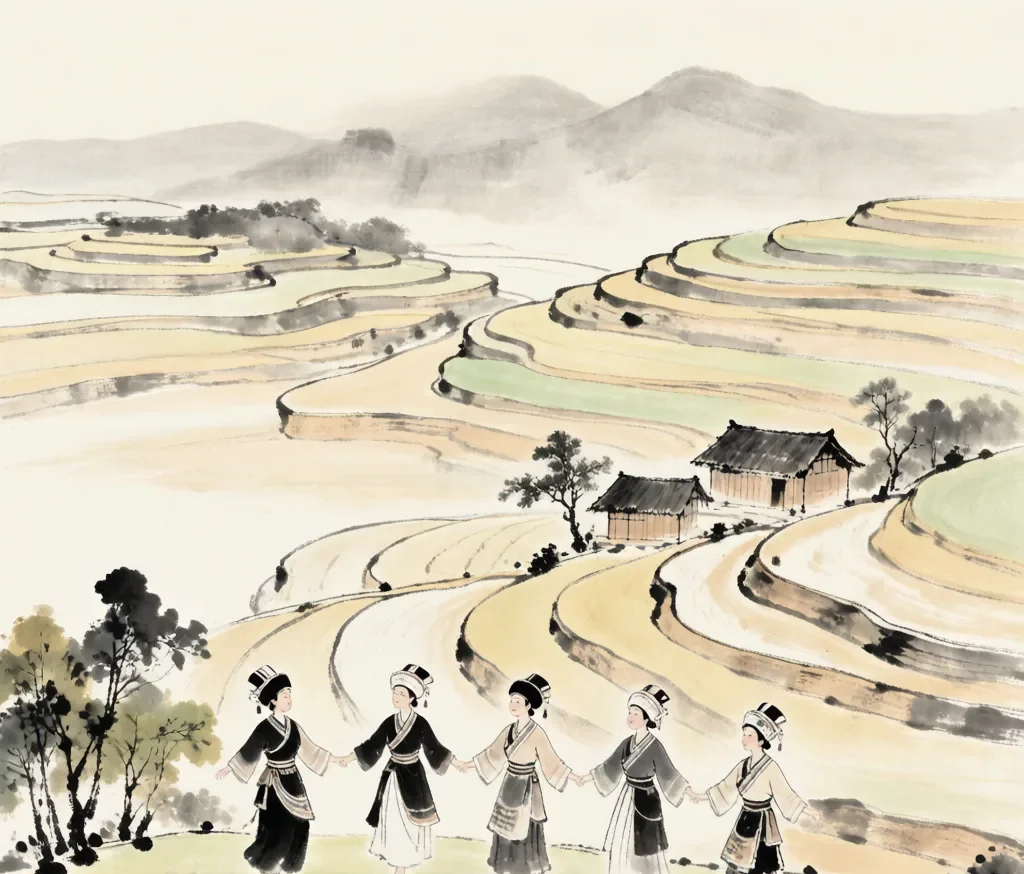
With a population exceeding eighteen million, the Zhuang people (壮族, Zhuàng zú) constitute China's largest ethnic minority — a vibrant community whose culture has shaped the landscape of southern China for millennia. Centered in the Guangxi Zhuang Autonomous Region, with communities extending into Yunnan, Guangdong, and Guizhou, the Zhuang have developed a civilization deeply rooted in the karst mountains and rice terraces of their homeland.