Chinese Poetry
59 articles — Three thousand years of Chinese verse, from the Book of Songs to the great Tang poets.

Chu Ci and Qu Yuan: The Birth of Chinese Romantic Poetry
Where the ancient Shijing spoke with the calm, collective voice of the northern plains, a very different music arose in the humid riverlands of the south. The Chu Ci (楚辞, chǔ cí), the "Songs of Chu," is the second great root of Chinese poetry — and unlike the anonymous folk songs before it, it carries the unmistakable voice of one man.

Du Fu (杜甫): The Poet-Historian of the Tang Dynasty
Where Li Bai is the moon-drunk immortal of Chinese poetry, Du Fu (712–770 CE) is its conscience. He lived through the collapse of the Tang golden age and turned that disaster into verse of unmatched moral weight.
Li Bai (李白): The Immortal Poet of the Tang Dynasty
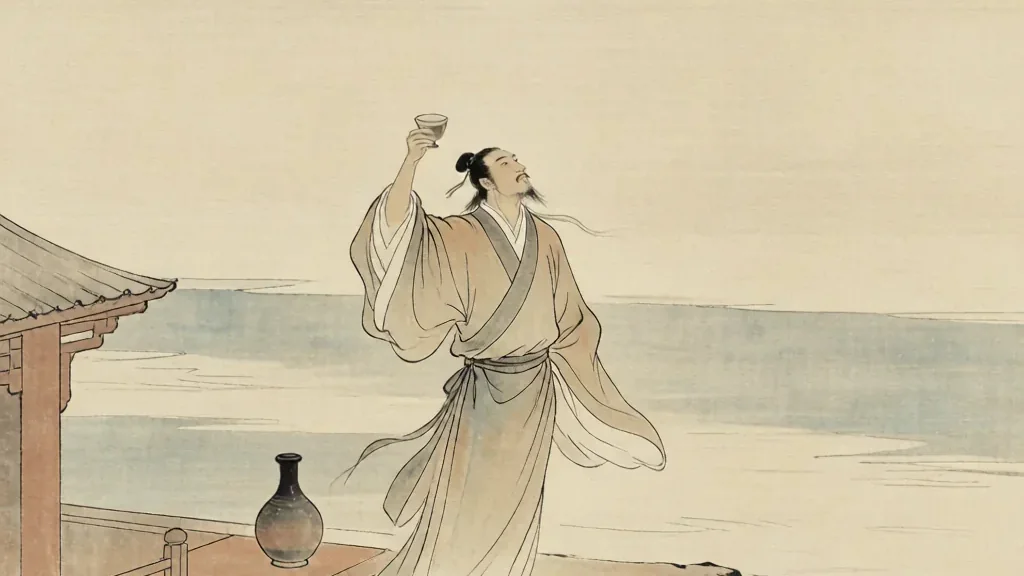
If Chinese poetry has a single face known to every household, it is Li Bai's. Born in 701 CE and dead in 762, he lived at the dazzling height of the Tang and wrote perhaps a thousand poems, of which about 900 survive.
Li Qingzhao (李清照): China's Greatest Female Poet
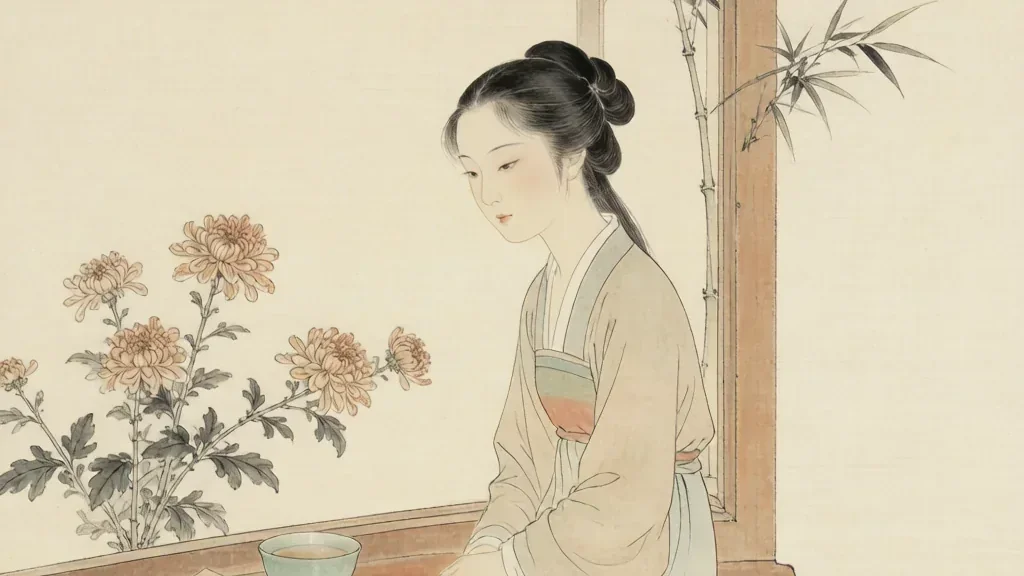
In a tradition written almost entirely by men, one woman's name sits unquestioned among the greatest Chinese poets. Li Qingzhao (1084–c.

The Book of Songs (诗经): China's First Poetry Collection
More than two and a half millennia before printed books, the rulers of the Zhou dynasty (周, Zhōu, c. 1046–256 BCE) dispatched officials into the countryside to collect the songs ordinary people sang while ploughing, weaving, and mourning.
Song Dynasty Ci Poetry: Lyrics of an Era
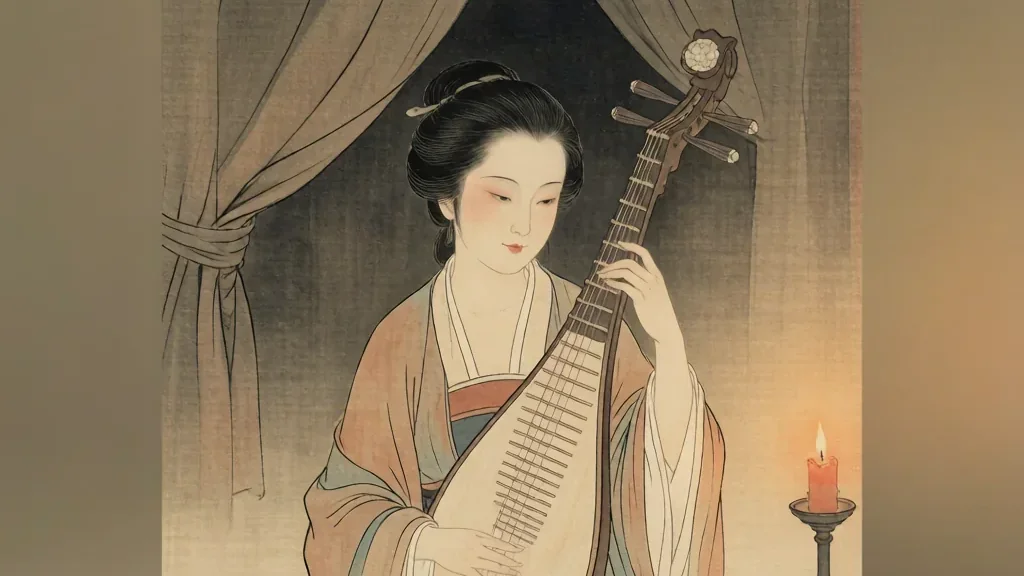
If the Tang perfected the shi (诗) — the regulated, freestanding poem — the Song dynasty (宋, Sòng, 960–1279 CE) perfected the ci (词). A ci is not a poem you recite; it is a poem you sing.

Su Shi (苏轼): The Polymath Poet of the Song Dynasty
No figure sums up the Song dynasty's refined, all-rounded ideal better than Su Shi (1037–1101 CE). He was at once a statesman, a master of the ci lyric, a leading calligrapher, a painter of bamboo, a classical prose stylist, an engineer, and — improbably — one of China's most beloved cooks.
Tang Dynasty Poetry: The Golden Age of Chinese Verse
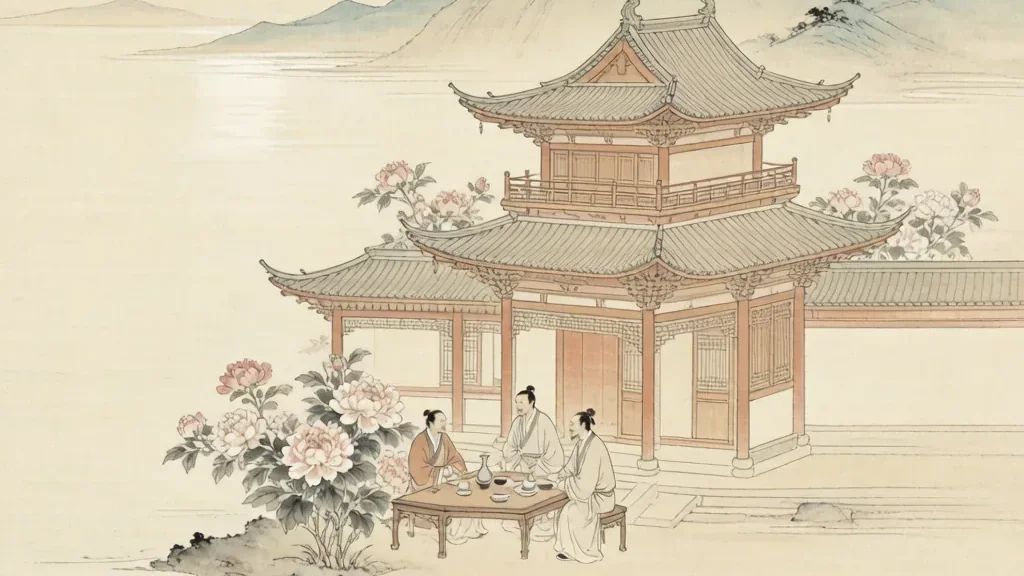
Ask any educated Chinese person which dynasty wrote the best poetry, and the answer is never in doubt: the Tang (唐, Táng, 618–907 CE). In just under three centuries the empire produced a roster of poets — Li Bai, Du Fu, Wang Wei, Bai Juyi — whose names are as familiar to Chinese readers as Shakespeare's are in English.
Bai Juyi (白居易): The People's Poet of the Tang Dynasty
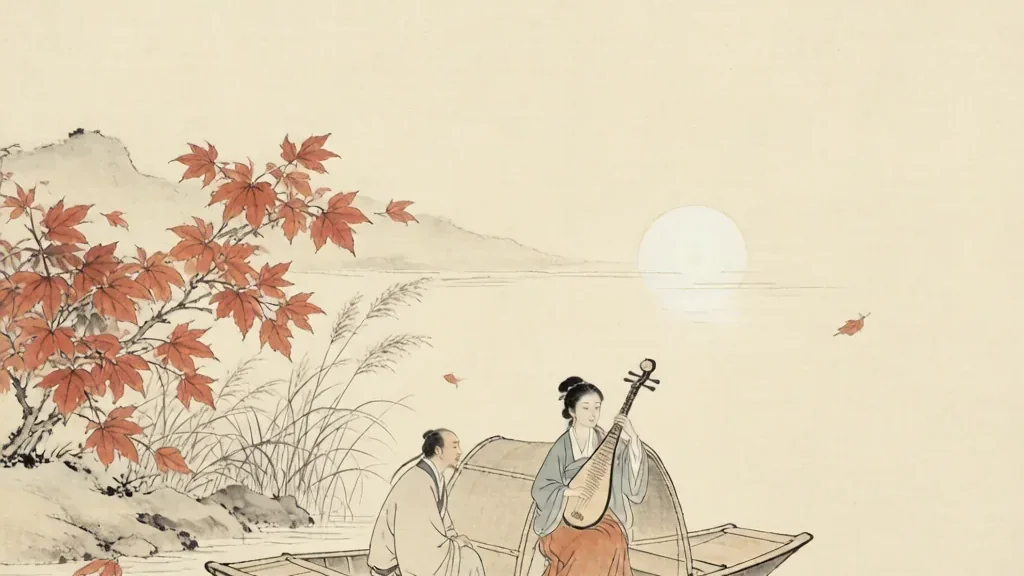
In the literary history of Tang China, no poet reached the common heart as directly as Bai Juyi (白居易, Bái Jūyì, 772–846 CE). While his contemporaries Li Bai and Du Fu wrote for the educated elite — their allusions dense, their diction elevated — Bai Juyi purposefully composed poems that an old village woman could understand at first hearing.
Wang Wei (王维): Poet-Painter of the Wang River
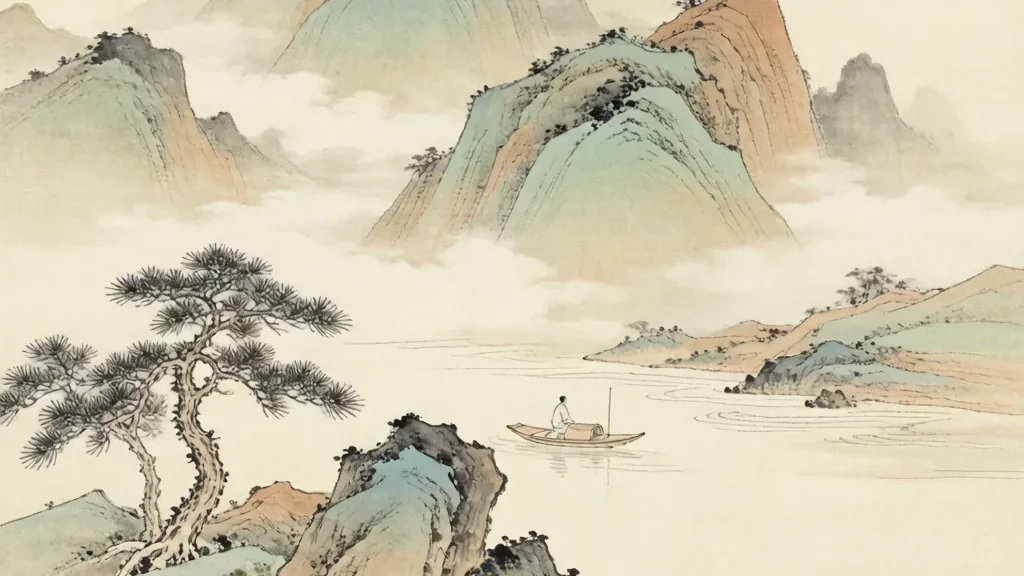
In the golden age of Tang poetry, Wang Wei (王维, Wáng Wéi, 699–759 CE) occupies a unique and serene space. While Li Bai reached for the moon and Du Fu wept over the empire's ruin, Wang Wei withdrew into the mountains — literally and spiritually.
Tao Yuanming (陶渊明): The Hermit Poet of the Peach Blossom Spring
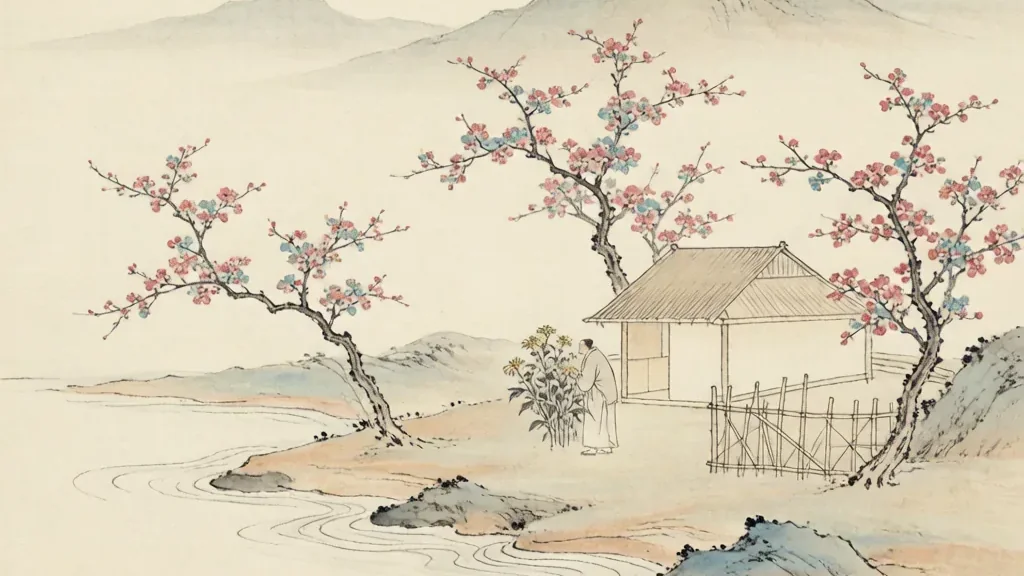
In the pantheon of Chinese poets, Tao Yuanming (陶渊明, Táo Yuānmíng, 365–427 CE) stands apart. He did not serve in a great court, win an imperial examination, or produce sprawling masterpieces of political philosophy.
Li Shangyin (李商隐): Master of the Veiled Poem
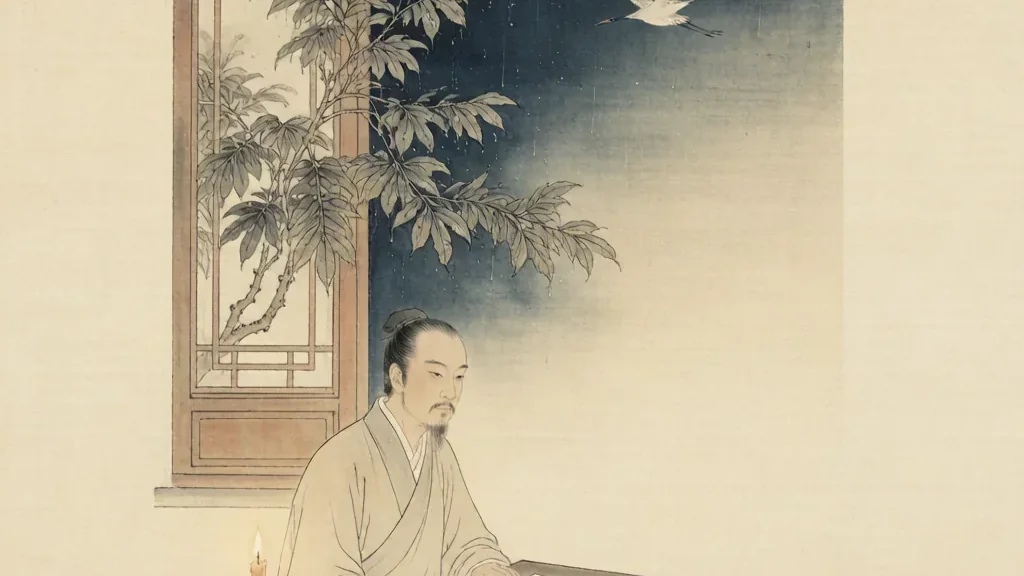
Among the great poets of the Tang dynasty, Li Shangyin (李商隐, Lǐ Shāngyǐn, 813–858 CE) stands as the most elusive. Where Li Bai is direct in his ecstasy and Du Fu direct in his grief, Li Shangyin is deliberately oblique — a poet of veiled references, untitled love poems, and lines that shimmer with multiple, contradictory meanings.
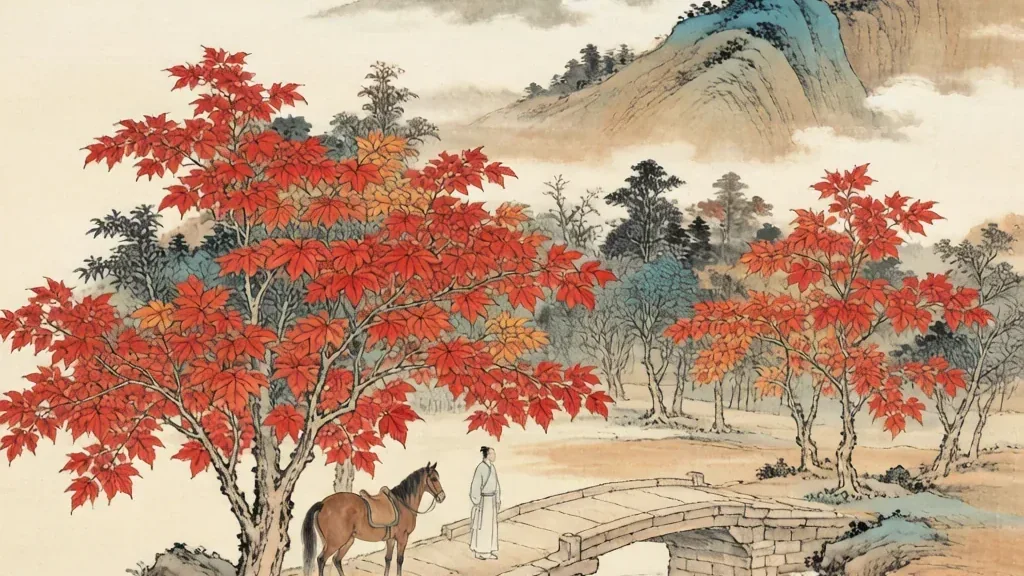
Du Mu (杜牧): The Late-Tang Romantic
In the twilight decades of the Tang dynasty, when the empire was fractured by rebellion and factional intrigue, poetry found its last great voice in Du Mu (杜牧, Dù Mù, 803–852 CE). Neither as towering as Du Fu nor as ecstatic as Li Bai, Du Mu was instead a poet of poignant elegance — a romantic who wrote about ruined palaces, Yangzhou courtesans, and the autumn mountains with equal lyrical grace.
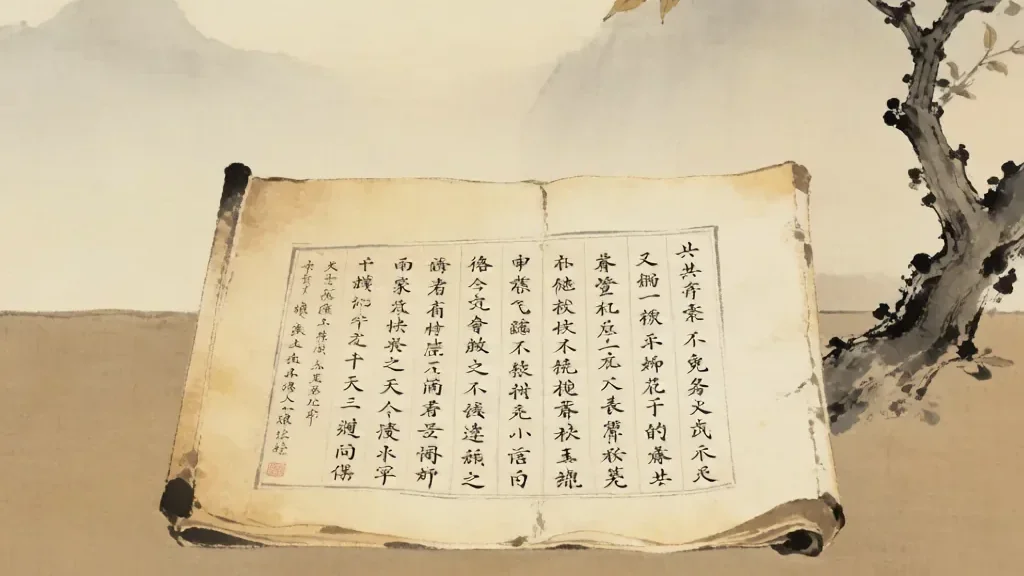
Three Hundred Tang Poems: The Essential Collection
If you ask any educated Chinese person to recite a classical poem, the chances are overwhelming that it will come from a single book: the 'Three Hundred Tang Poems' (唐诗三百首, Tangshi Sanbai Shou). Compiled in 1764 by the Qing dynasty scholar Sun Zhu (孙洙, also known as Hengtang Tuishi, 蘅塘退士), this anthology of 311 poems by 77 Tang dynasty poets has been the standard introduction to classical Chinese poetry for over 250 years. More than any other single volume, it has shaped what Chinese people remember, love, and value in their poetic heritage.
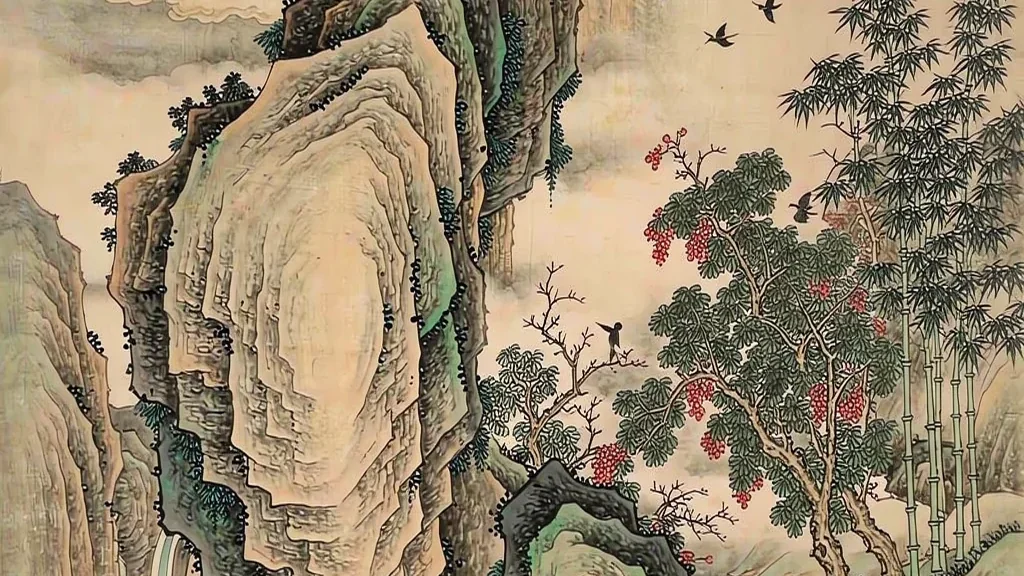
Ci Poetry: Sing to the Tune of the Moon
When the great Tang dynasty collapsed and the Song dynasty rose to replace it, Chinese poetry found a new voice. The shi forms — gutishi and jintishi alike — had been the dominant mode for centuries, but as the Tang faded into memory, poets began turning to a more flexible, more intimate, more musical form: the ci (词), or lyric poetry. Written to fit existing melodies, with lines of irregular length that followed the contours of a tune rather than a fixed meter, the ci opened up possibilities of expression that the regulated verse had never allowed. It was poetry for singing, poetry for the boudoir and the banquet hall, poetry that could be tender, playful, erotic, or sorrowful — and it produced some of the most beloved poems in all of Chinese literature.

Drinking Poetry: The Cup as Muse
Wine and poetry have been inseparable in China since the Shijing. The Zhou dynasty songs celebrate the joys of drinking; Qu Yuan's Li Sao mentions wine as a solace for political disappointment; Tao Yuanming wrote a famous series of twenty poems on drinking; and Li Bai — the greatest of all Chinese drinking poets — produced some of the most exuberant verses in the language while drunk. Chinese drinking poetry (饮酒诗, yinjiu shi) is not merely a celebration of intoxication; it is a philosophical genre that uses wine as a vehicle for exploring the deepest questions of existence.
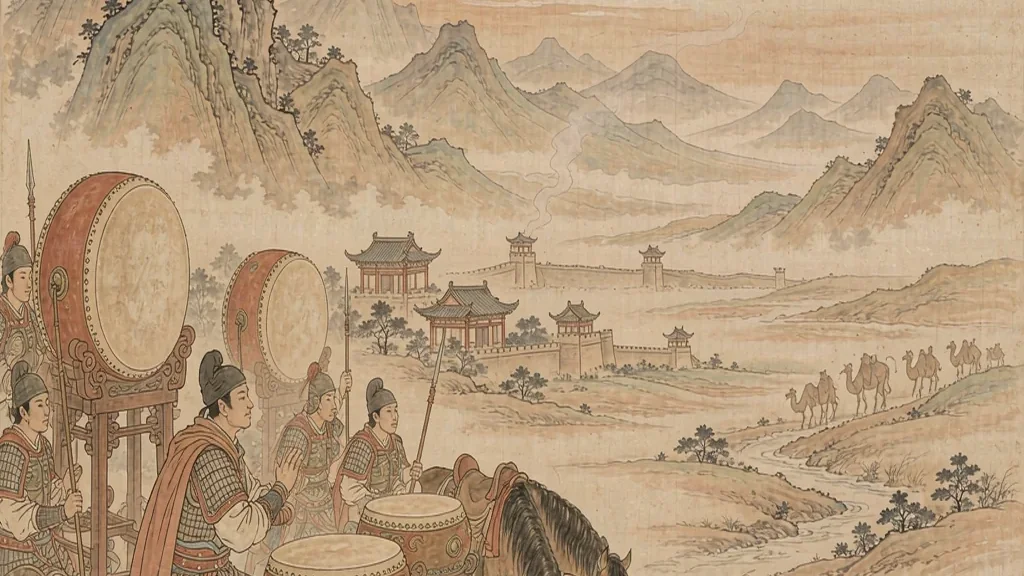
Frontier Poetry: The Drums of the Border
For the Tang dynasty soldier stationed at a lonely garrison on the edge of the Gobi Desert, poetry was not a refined entertainment — it was survival. Far from the capital, surrounded by vast emptiness and the constant threat of attack, frontier poets wrote about what they saw and felt with a directness that the court poets in Chang'an could never match. The frontier poetry (边塞诗, biansai shi) of the Tang dynasty is the most visceral and dramatic strand of Chinese classical poetry: a poetry of wind-scoured deserts, frozen rivers, desperate battles, and the aching homesickness of men who might never see their families again.
The Fu: The Rhapsody of Han Splendor
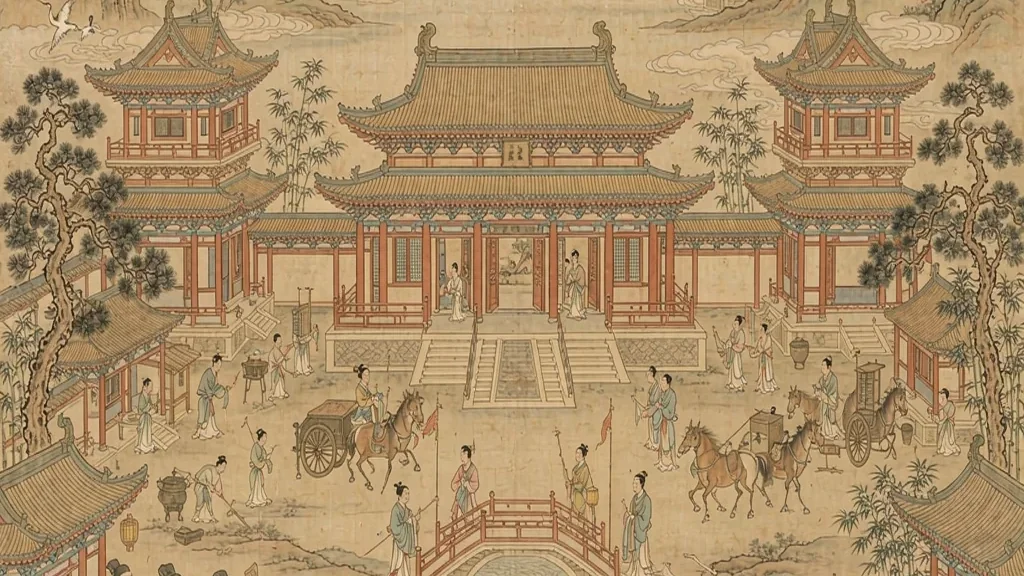
Chinese poetry is not all lyric brevity. Beside the compact intensities of the jueju and the lüshi stands a tradition that is expansive, ornate, and joyfully excessive — the fu (赋), often translated as "rhapsody" or "prose-poem." The fu is Chinese poetry let loose: it piles epithet on epithet, catalogues exhaustively, and describes its subject — a capital city, a hunt, a musical instrument, a landscape — with encyclopedic fullness. If the jueju is a diamond, the fu is a mural stretching across an entire palace wall. It was the first major poetic form developed after the Shijing and the Chuci, and it remained a prestigious literary mode for over a thousand years.
Incense Rhyme: Poetry and the Art of Fragrance
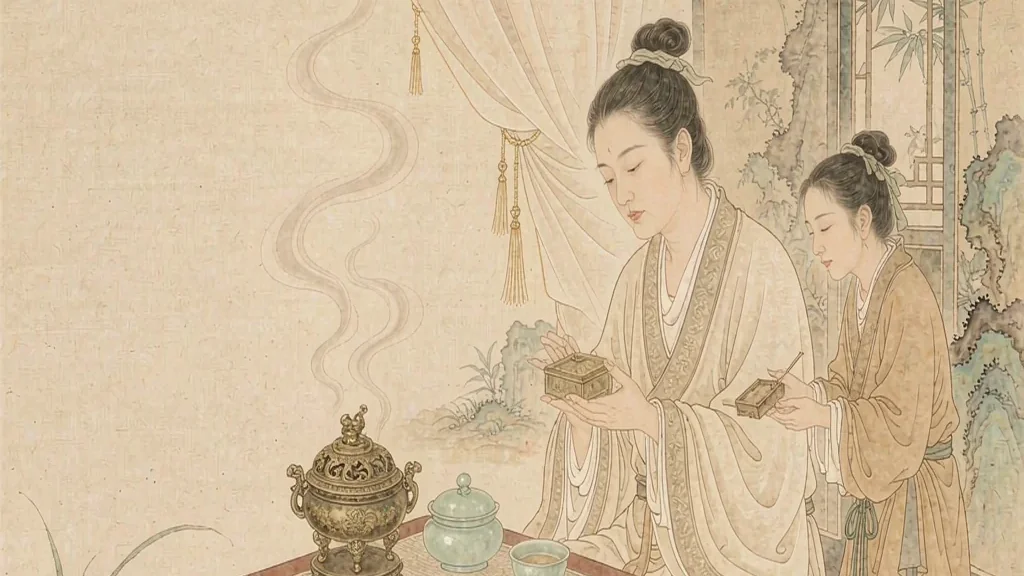
Among the many specialized genres of Chinese poetry, few are as evocative — and as misunderstood — as the 'incense-rhyme' style (香奁体, xianglian ti). This term, which literally means 'incense-and-mirror style,' refers to a tradition of poetry focused on the sensual, intimate details of boudoir life: the cosmetics, the perfumes, the silk garments, the midnight trysts and the lonely dawns. The incense-rhyme style has been both celebrated for its exquisite beauty and condemned for its decadence, enjoyed by countless readers while troubling Confucian moralists who worried about its influence.
Landscape Poetry: The Mountain and the Stream
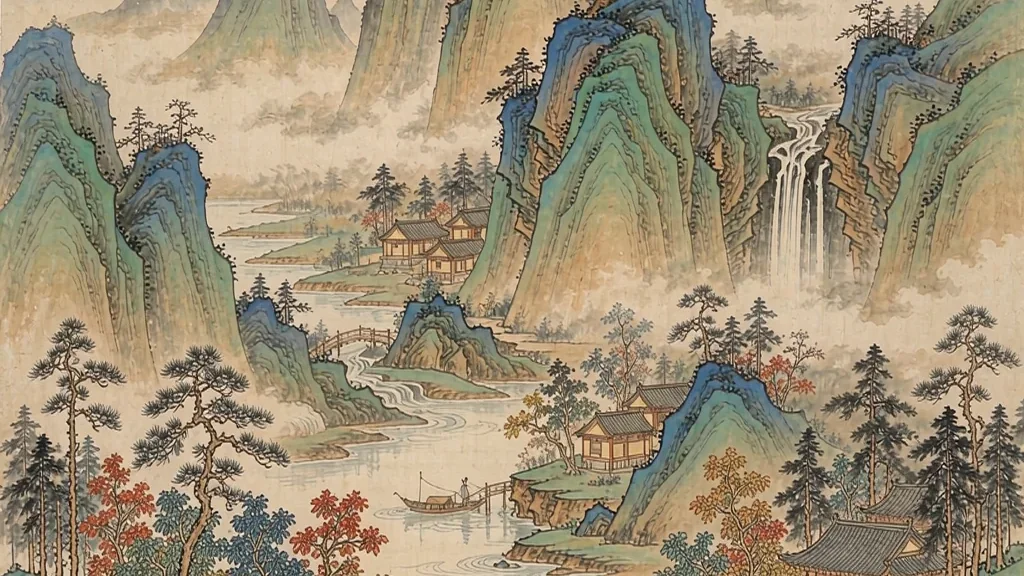
In the Chinese tradition, landscape is never merely a setting; it is a protagonist, a teacher, a companion, and a mirror of the soul. The great landscape poets of China — from Xie Lingyun in the fourth century to Wang Wei in the eighth — did not simply describe mountains and rivers; they entered into relationship with them, believing that the natural world held spiritual truths that could be accessed through attentive perception. Chinese landscape poetry (山水诗, shanshui shi) is one of the most enduring and beloved strands of the tradition, a poetry that invites us to slow down, look closely, and let the world speak in its own language.
Love Poetry in Classical China
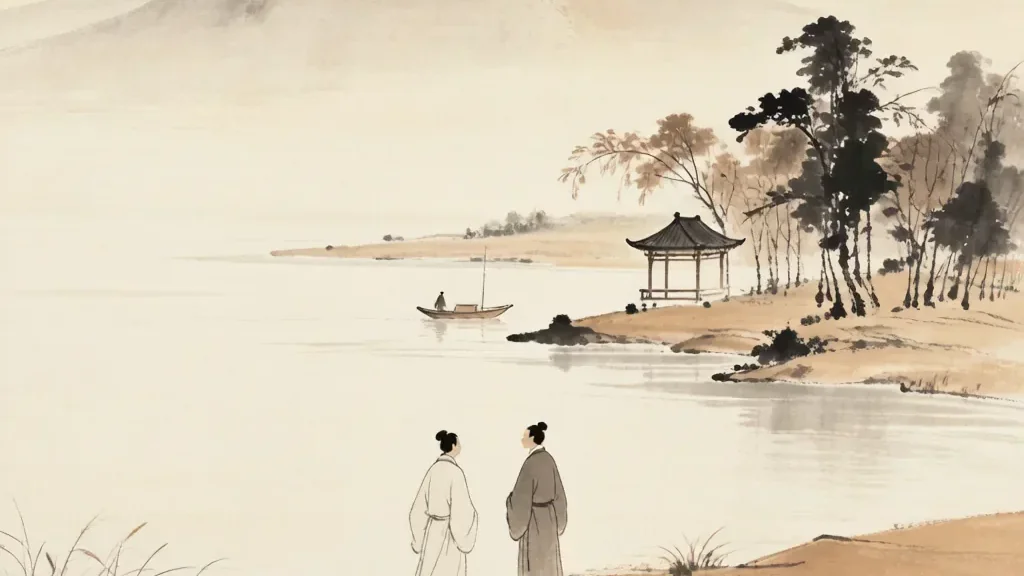
Chinese classical poetry is famous for its restraint. Emotions are implied, not declared; love is suggested through images of the moon, a pair of mandarin ducks, a red candle burning in the night, or a plum branch sent to a distant lover. And yet — beneath this surface of decorum — Chinese love poetry is capable of an intensity and sensuality that rivals any tradition in the world. From the folk songs of the Shijing to the exquisite ci of Li Qingzhao, Chinese poets have found ways to speak of love that are simultaneously indirect and devastating, chaste and passionate, conventional and utterly original.
Pastoral Poetry: The Fields of Home
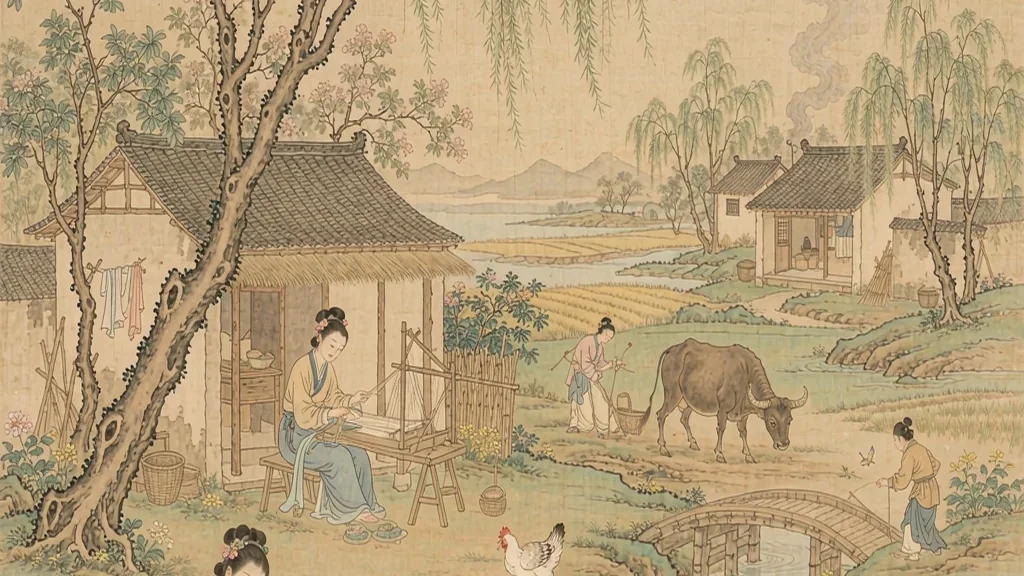
If landscape poetry (shanshui shi) takes you to the peaks of sacred mountains and the banks of rushing torrents, its gentler sister — pastoral poetry (田园诗, tianyuan shi) — invites you to a quieter place: a vegetable garden after rain, a farmhouse where wine is being heated, a path through mulberry trees leading to a village of a few dozen households. Chinese pastoral poetry celebrates the ordinary, the humble, and the close-at-hand. Its greatest practitioner, Tao Yuanming, discovered in the cycles of planting and harvest, in the company of old farmers and neighborhood children, a depth of meaning that grander subjects could not provide. The pastoral tradition reminds us that the most profound poetry often comes from the simplest circumstances.
Philosophical Poetry: Verse as Meditation
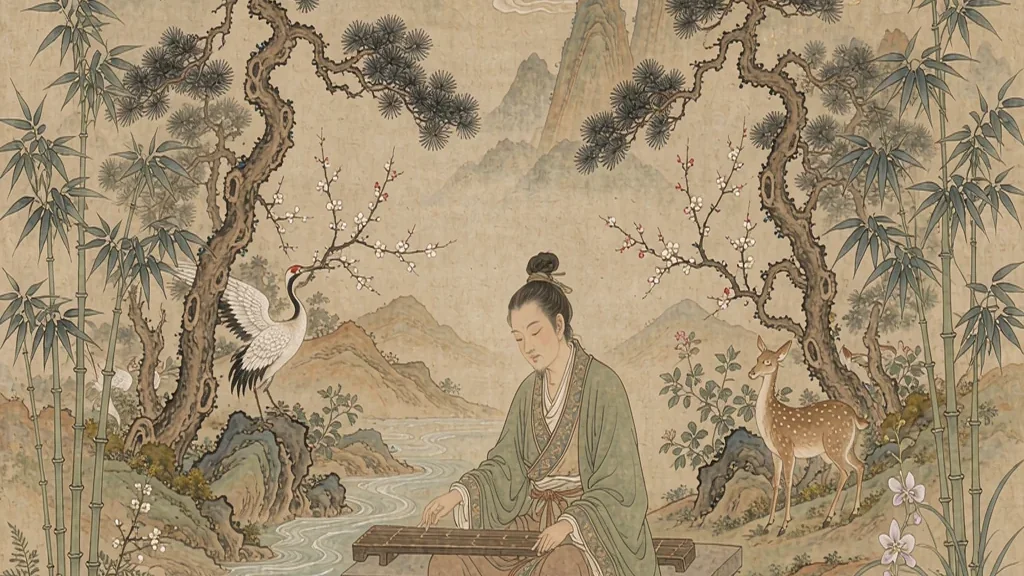
Chinese philosophers have always distrusted abstract argument. From Confucius, who said he would rather 'stop speaking' than explain the ultimate truths, to the Chan Buddhists who insisted that enlightenment could not be captured in words, Chinese thinkers have preferred to communicate through stories, images, and — above all — poetry. Philosophical poetry (哲理诗, zheli shi) is not a minor subgenre in China; it is nearly coextensive with the tradition itself. The greatest Chinese poets were also philosophers, and their poems are the places where the deepest questions about existence — life and death, time and eternity, knowledge and ignorance — are asked and answered in the language of the heart.
Autumn Poetry: Elegy for the Dying Year
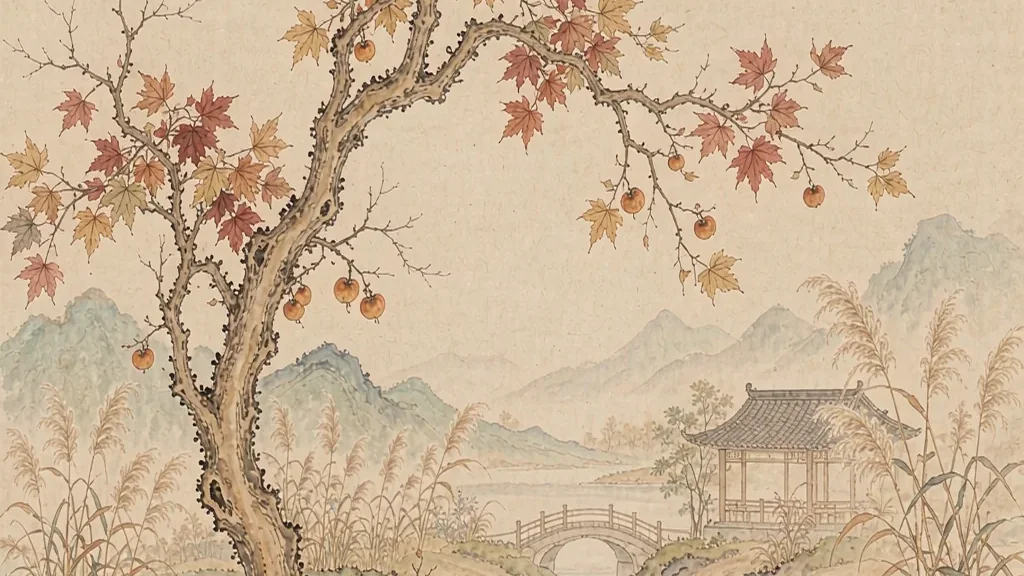
In China, autumn is the season of poetry. The spring may be the season of love and the summer the season of action, but autumn — with its clear skies, its falling leaves, its harvest moons, and its first chill in the air — is the season of reflection. Chinese poets have written more poems about autumn than about any other season, and the autumn poem (秋诗, qiu shi) is one of the most important genres in the tradition. Autumn in Chinese poetry is not merely a season; it is a state of mind, a philosophical condition, a vantage point from which the whole of life can be seen.
Chan Poetry: The Sudden Illumination in Verse
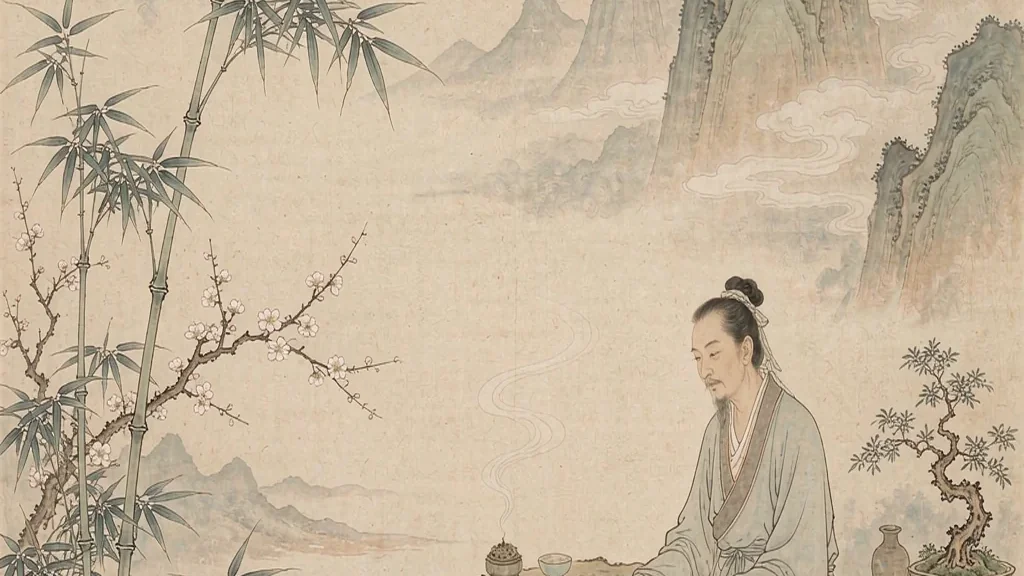
When Chan Buddhism declared that ultimate truth cannot be captured in words, it created a paradox for poets: how can you write poems about something that cannot be said? The answer, as Chan poets from Wang Wei to Hanshan to Su Shi demonstrated, is to write poems that show, not tell — poems that create the conditions for insight rather than explaining what the insight should be. Chan poetry (禅诗, chan shi) is one of the most fascinating strands of the Chinese tradition: a body of verse that systematically undermines confidence in language while producing some of the most beautiful poems in the language.
The Cicada in Poetry: The Voice of Late Summer
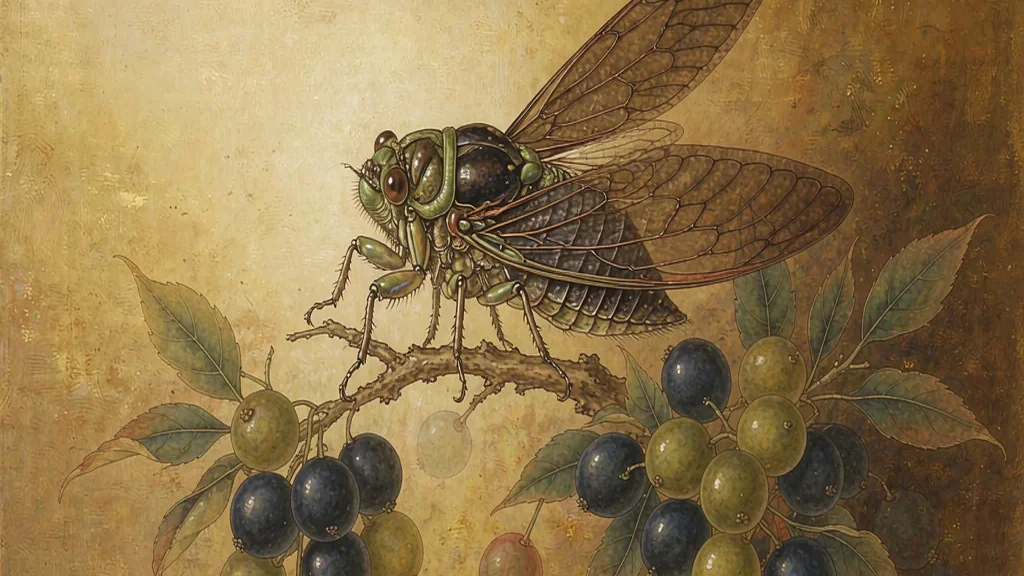
In the heat of a Chinese summer, the sound of cicadas (蝉, chan) is inescapable — a pulsing, electric drone that seems to vibrate in the air itself. For Chinese poets, this sound has been a source of profound meditation for over a thousand years. The cicada's short life above ground (a few weeks after years underground), its transformation from mud-dwelling nymph to winged singer, and its association with the heat of summer and the coming of autumn have made it a rich subject for poetry.
Poetry Criticism: The Words of the Masters
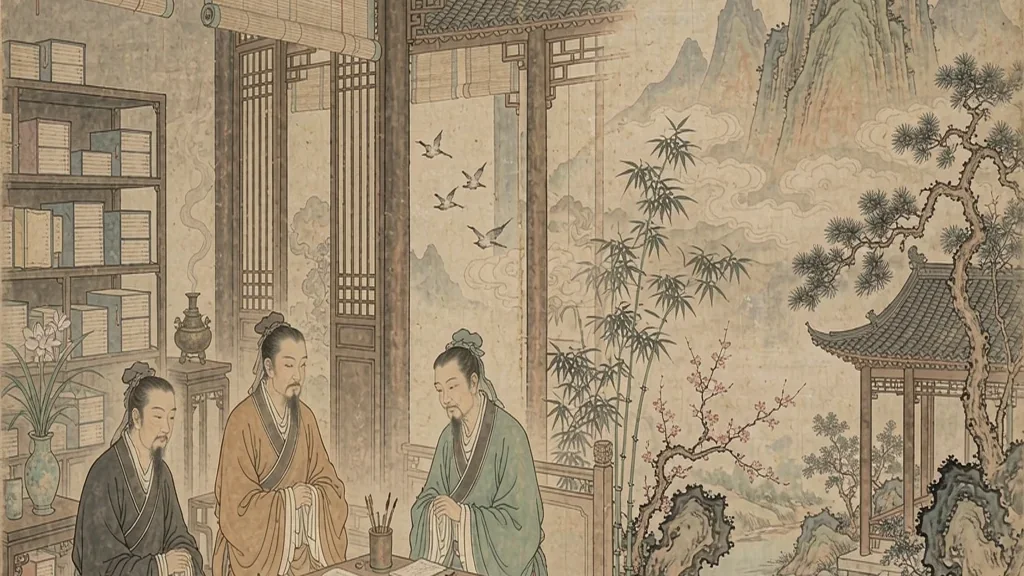
Chinese poets were also their own best critics. From the earliest theoretical reflections of the Six Dynasties to the elaborate poetics of the Qing dynasty, Chinese writers produced a vast body of criticism — not the dry, categorical kind that modern students dread, but a living, passionate conversation about what poetry is, what it should do, and how it can be perfected. Traditional Chinese poetry criticism (诗话, shihua, "poetry talk") is a genre of its own: anecdotal, personal, and unsystematic by Western standards, but rich with insight and experience.
Flower Poetry: The Botanic Verses of China
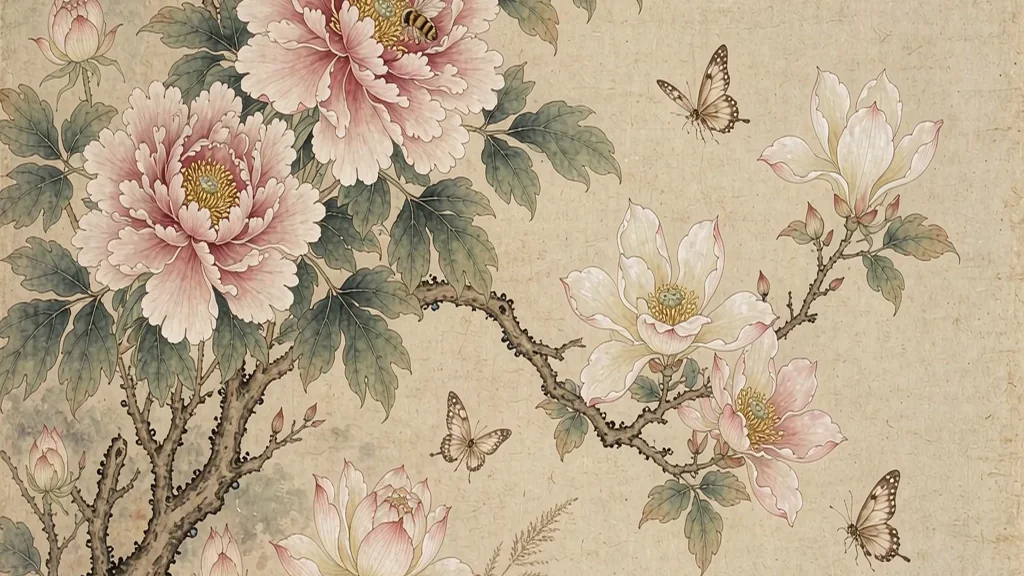
Chinese poets have always been obsessed with flowers. The Shijing mentions dozens of species; the Six Dynasties poets catalogued them like botanists; and the Tang and Song masters wrote thousands of poems about blossoms, petals, fragrances, and the wind that scatters everything. Flower poetry (咏花诗, yonghua shi) is not a minor subgenre; it is near the center of the tradition. Flowers in Chinese poetry are never simply beautiful; they are teachers of transience, mirrors of emotion, and companions in solitude.
Garden Poetry: Writing the Landscape
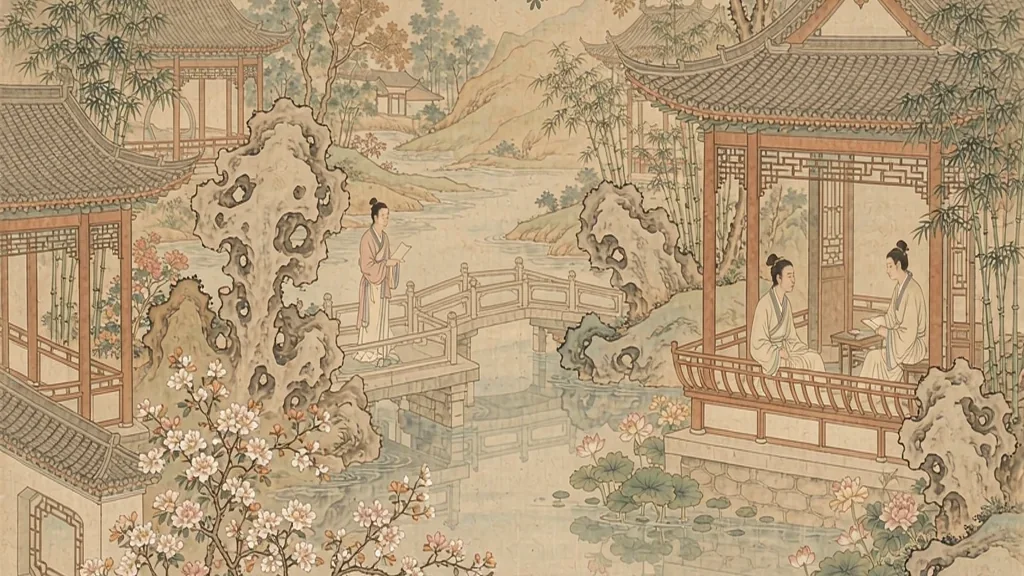
The Chinese garden (园林, yuanlin) is a work of art designed to be walked through, contemplated, and written about. It is not a copy of nature but a transformation of nature into a setting for human experience — a miniature landscape of rocks, water, plants, and pavilions that embodies the principles of Chinese aesthetics. Garden poetry (园林诗, yuanlin shi) is the literary counterpart of the garden itself: a poetry of designed spaces, of views that open and close, of the relationship between the human-made and the natural.

Poetry of the Goddess: Worshipping the Divine
Chinese poetry is filled with goddesses — beautiful, unattainable beings who descend from the sky or emerge from rivers and mountains to enchant mortal men. These goddess poems (神女诗, shennü shi) are among the most haunting and mysterious works in the tradition, blending mythology, eroticism, and spiritual longing in ways that resist simple explanation. The Chinese poetic goddess is never merely a figure from mythology; she is a symbol of the unattainable, the ideal, the beauty that can be glimpsed but never possessed.
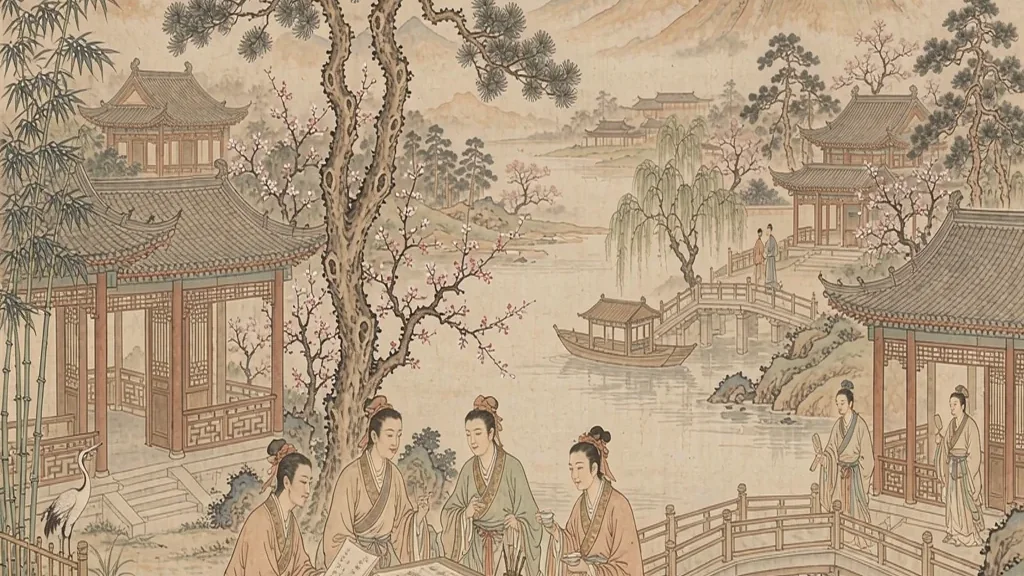
Historical Poetry: The Nation in Verse
Chinese poets have always been historians. From the earliest Zhou dynasty songs that recorded the feats of kings to the monumental poems of Du Fu that documented the An Lushan Rebellion, poetry has served as a vessel for historical memory. The 'poetry of history' (咏史诗, yongshi shi) is a genre that uses historical events, figures, and sites as the starting point for poetic reflection — a meditation on the meaning of the past, the lessons of history, and the pathos of time.
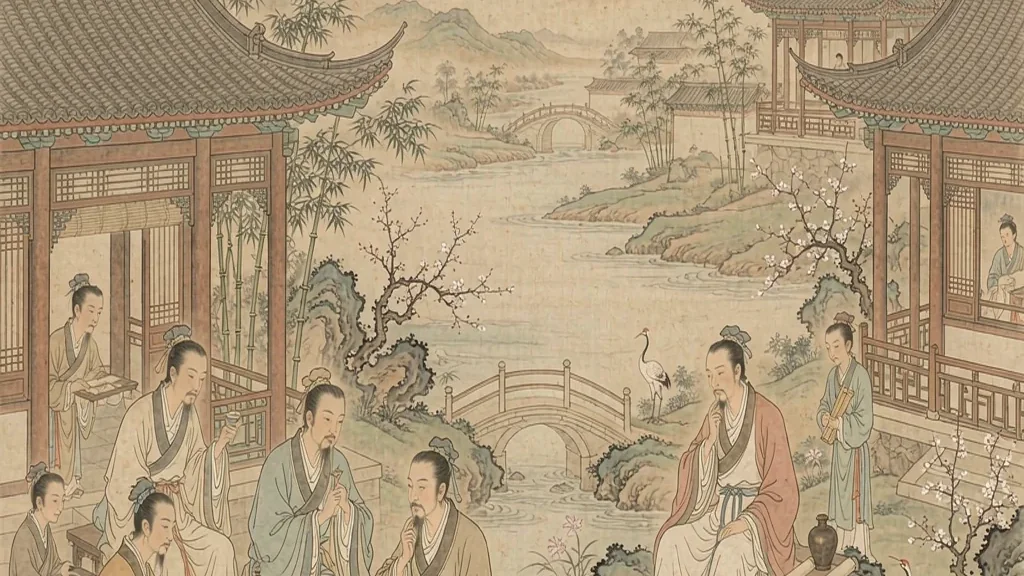
The Bitter Chant: Poets of Refinement
In the Tang dynasty, there was a poet who would spend days — sometimes weeks — polishing a single couplet. He would walk through the streets of Chang'an muttering possible variations, testing the sound and sense of each character. His name was Jia Dao (贾岛, 779–843 CE), and his obsessive dedication to craft made him a legend in his own time — and the symbol of a particular approach to poetry that values precision above all. The 'Jia Dao style' of refining poems (苦吟, kuyin, 'bitter chanting') represents one of the most distinctive and influential practices in Chinese literary history.
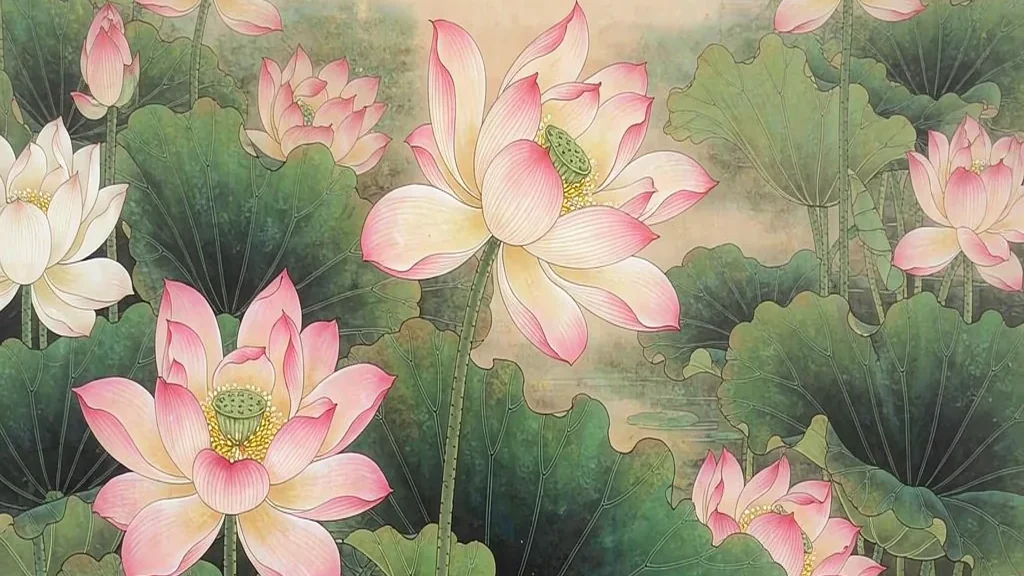
The Lotus in Poetry: Fragrance Above the Mud
No flower in Chinese poetry carries a heavier load of spiritual meaning than the lotus (莲花, lianhua). The lotus grows from mud, passes through murky water, and emerges into the sunlight as a flower of perfect purity — a natural allegory for the Buddhist journey from ignorance to enlightenment. But the lotus in Chinese poetry is more than a Buddhist symbol. It is also a lover's face, a summer's memory, a scholar's ideal, and a woman's quiet dignity.

The Moon Through Tang and Song Eyes
The Tang dynasty poets saw the moon and wrote of longing, war, and the vastness of the universe. The Song dynasty poets saw the same moon and wrote of philosophy, memory, and the persistence of human connection across distance. The moon in Tang and Song poetry (唐宋咏月诗, Tang Song yongyue shi) is the same celestial body, but it reflects the different sensibilities of two great poetic ages. To read Tang moon poems alongside Song moon poems is to see Chinese poetry — and Chinese culture — in transformation.
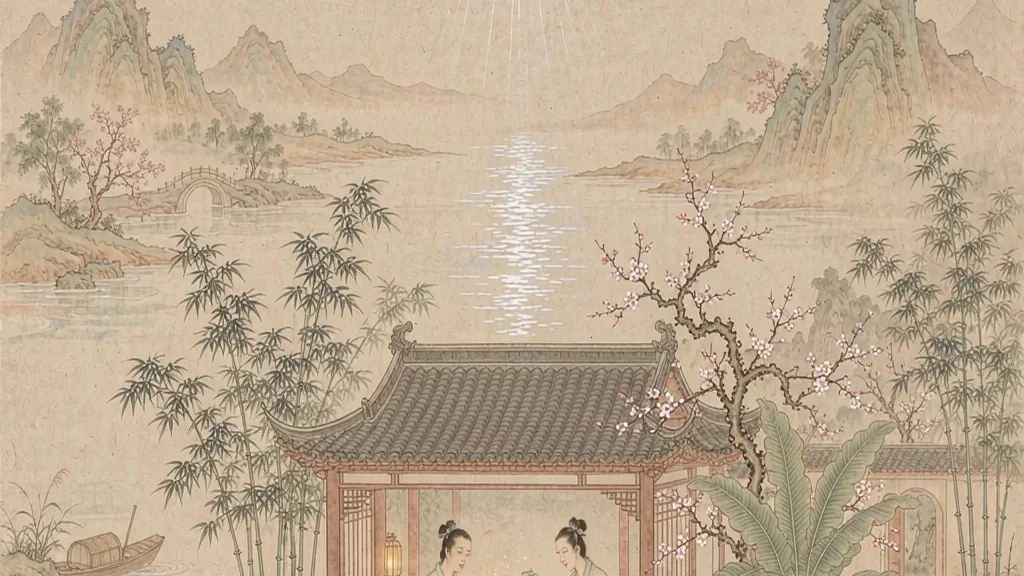
The Moon in Poetry: A Shared Light of Longing
No celestial body has inspired more Chinese poems than the moon. For over two thousand years, Chinese poets have looked up at the same pale disk and seen different things: a companion in loneliness, a mirror of longing, a witness to history, a symbol of Buddhist enlightenment, a friend to drink with, and a reminder of the loved ones who, though thousands of miles away, are looking at the same moon. The moon in Chinese poetry (咏月诗, yongyue shi) is not a single symbol but a thousand symbols, each poem discovering the moon anew.
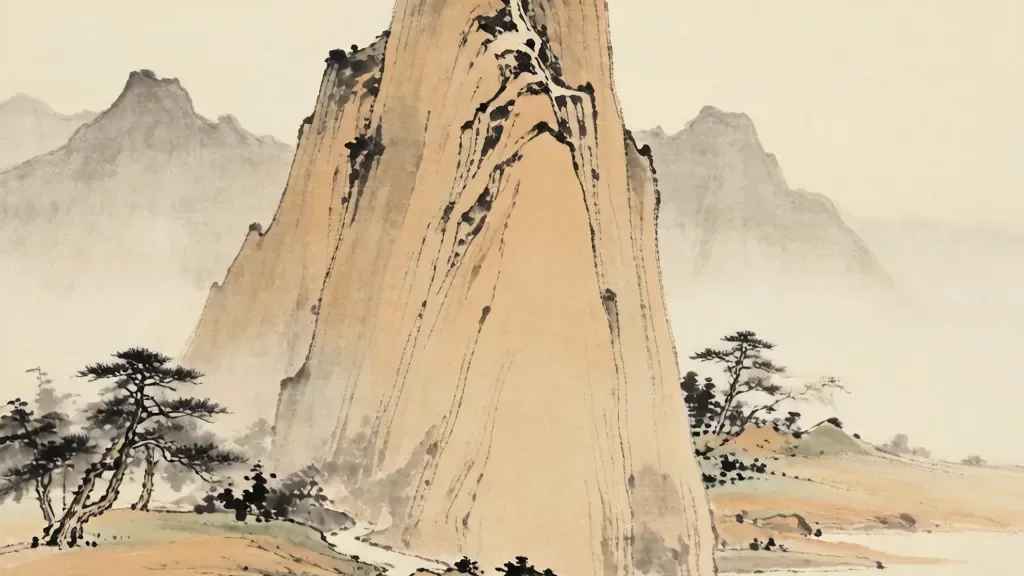
Mountain Poetry: The Vertical Axis
Mountains are the bones of the earth, and they are the bones of Chinese poetry. From the sacred peaks of the Five Great Mountains to the mist-wrapped ranges of the south, Chinese mountains have been climbed, painted, worshipped, and sung for as long as the Chinese people have written poetry. Mountain poetry (咏山诗, yongshan shi) is the tradition of verse that scales the heights — a poetry of ascent, of perspective, of the view from above that reveals the world in its true proportions.
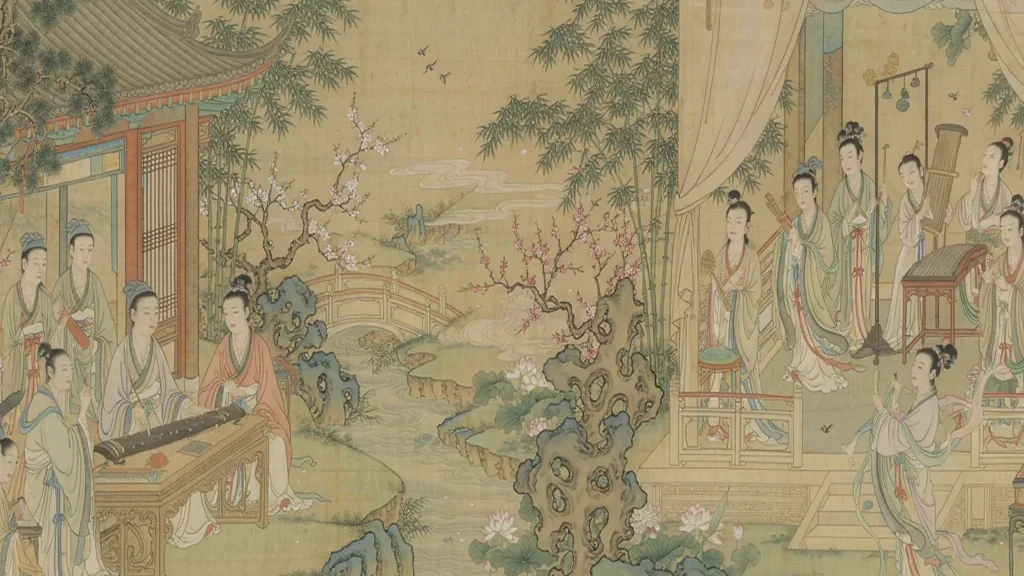
Poetry and Music: The Sung Verse of China
The connection between Chinese poetry and music is not metaphorical but literal. For most of Chinese history, a poem was not fully realized until it was sung. The Shijing poems were performed with music and dance; the Han yuefu were collected as song lyrics; the ci of the Song dynasty were written to be sung to popular tunes; and even the regulated verse of the Tang, though no longer sung, was chanted in a musical recitation that honored its tonal patterns. The relationship between poetry and music (诗乐关系, shi yue guanxi) is one of the defining features of the Chinese literary tradition, and no understanding of Chinese poetry is complete without it.
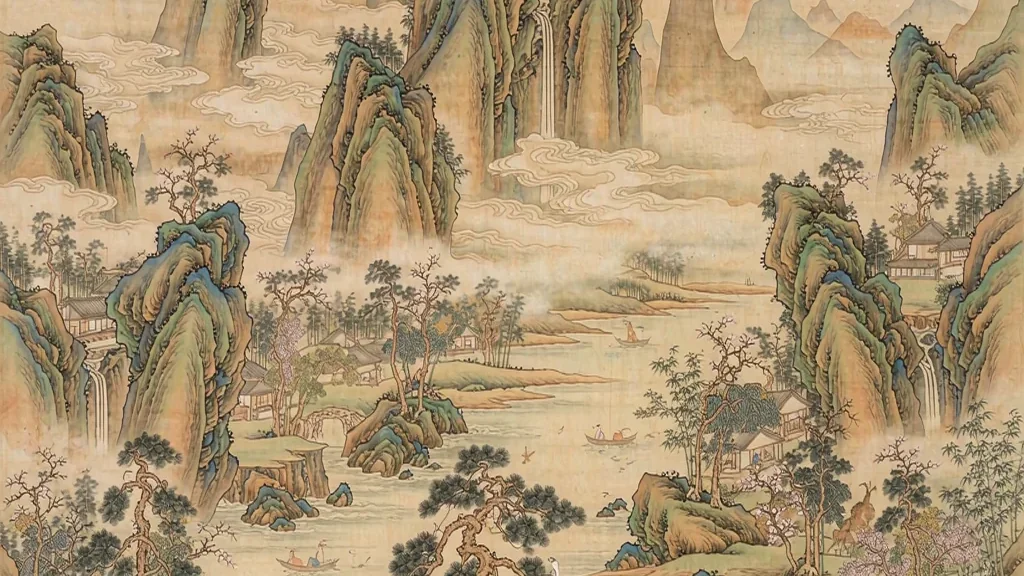
Nature as Chan: The Buddhist Poetry of Landscape
Chan Buddhism taught that enlightenment is not something to be achieved but something to be recognized — already present, like the Buddha-nature that shines in all things. Nature provided the Chan poet with the perfect language for this recognition. The mountain stream that flows without effort, the bird that sings without thought, the lotus that blooms without intention — these were not symbols of enlightenment but enlightenment itself, visible to anyone who learned to see. Nature-Chan poetry (自然禅诗, ziran chan shi) is the meeting point of Chinese landscape poetry and Buddhist spirituality.

Recluse Poetry: The Joy of Solitude
The Chinese word for 'recluse' (隐士, yinshi) literally means 'hidden gentleman' — a person of talent and cultivation who chooses to live outside the official system. The figure of the recluse appears throughout Chinese poetry, not just as a character in other people's poems but as the author of some of the most enduring works in the tradition. Recluse poetry (隐逸诗, yinyi shi) celebrates a life of withdrawal from society, but its meanings are complex: withdrawal can be a protest, a spiritual practice, a form of mourning, or simply a preference for mountains over cities.
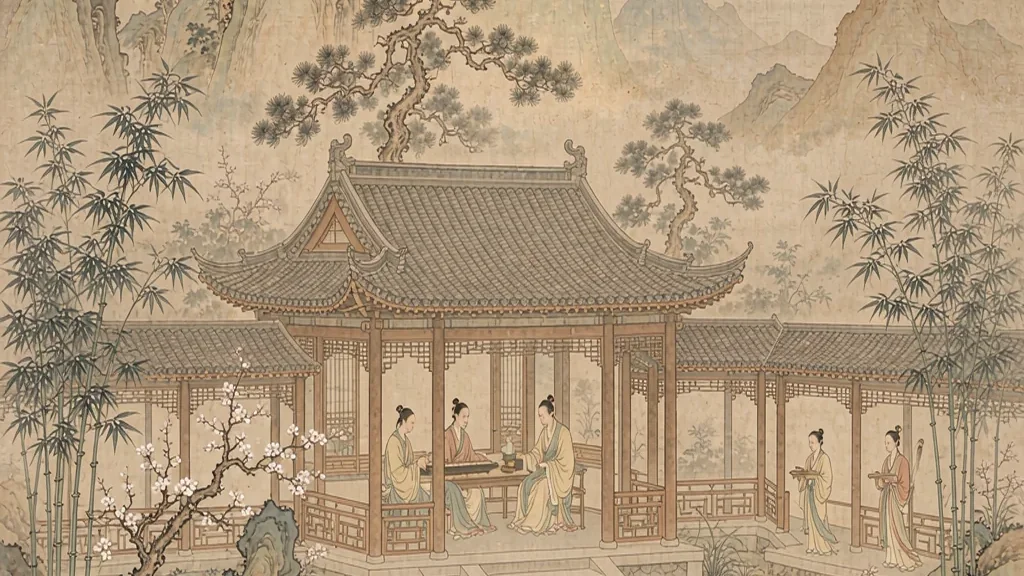
Poetry in Painting: The Integrated Art
The Chinese phrase 'painting within poetry, poetry within painting' (诗中有画, 画中有诗) encapsulates one of the most distinctive features of Chinese aesthetics: the intimate union of poetry and painting. In China, these two arts were never entirely separate. The same scholar-officials who wrote poems also painted landscapes; the same ink that wrote a poem on a scroll also depicted a mountain on a fan; and the same aesthetic values — suggestion over statement, emptiness over fullness, spontaneity over polish — governed both arts.

Pavilion Poetry: The View from the Tower
The Chinese pavilion (亭, ting) — a small structure open on all sides, built at a scenic spot — is one of the most important settings in Chinese poetry. It is a place to rest, to view the landscape, to say farewell, to compose a poem. The most famous pavilion in Chinese literature, the Pavilion of Prince Teng (滕王阁), inspired one of the greatest poems in the language. Other pavilions — the Yellow Crane Pavilion (黄鹤楼), the Pavilion of the Drunkard Old Man (醉翁亭), the Yueyang Pavilion (岳阳楼) — are inseparable from the poems that made them famous.
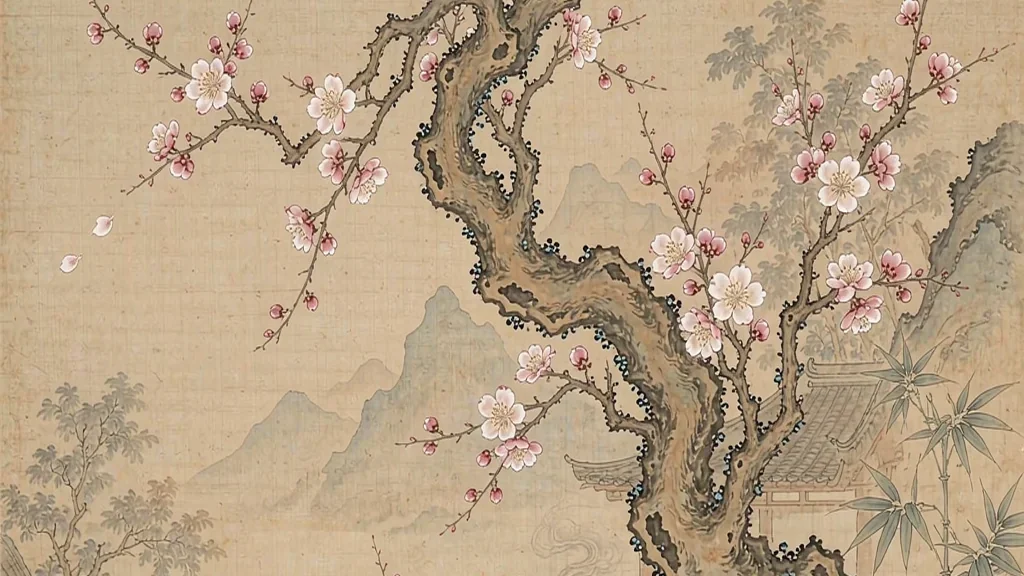
The Plum Blossom in Poetry
In the depth of winter, when every other flower has retreated, the plum blossom blooms. Its five petals open against the snow, delicate but indomitable, and its fragrance carries through the coldest air. For Chinese poets, the plum blossom (梅花, meihua) has been the supreme symbol of moral integrity, of beauty that endures through adversity, of the scholar-official who remains true to his principles even when the world turns against him.
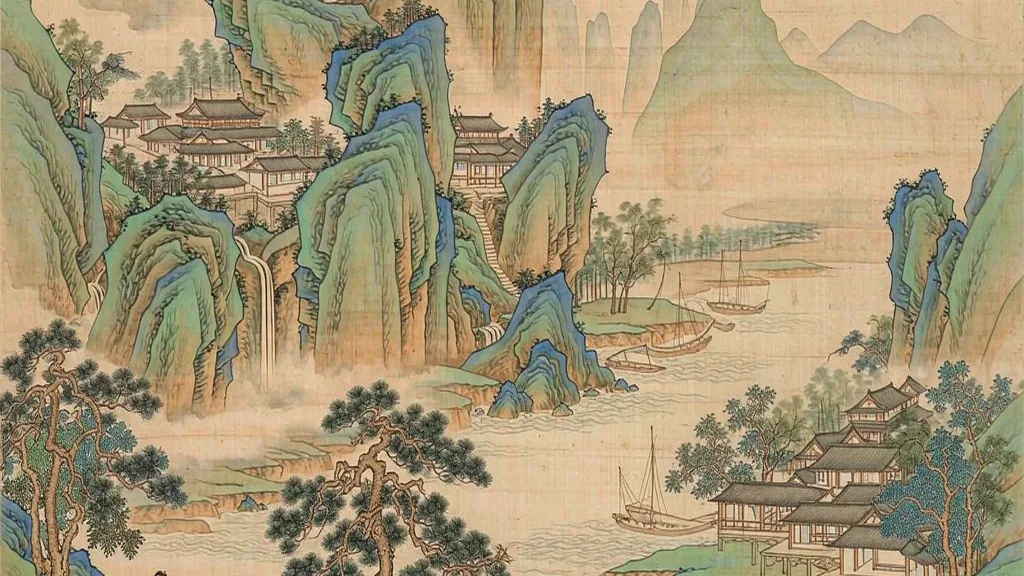
River Poetry: The Flow of History
China is a civilization shaped by rivers — the Yellow River in the north, the Yangzi in the south, and the countless streams, canals, and tributaries that connect them. Chinese poets have celebrated rivers for over two thousand years, finding in their flow the image of time, in their depths the symbol of eternity, and in their banks the settings for love, war, and meditation. River poetry (咏江诗, yongjiang shi) is one of the most important traditions in Chinese literature, a poetry that moves as ceaselessly as the waters it describes.
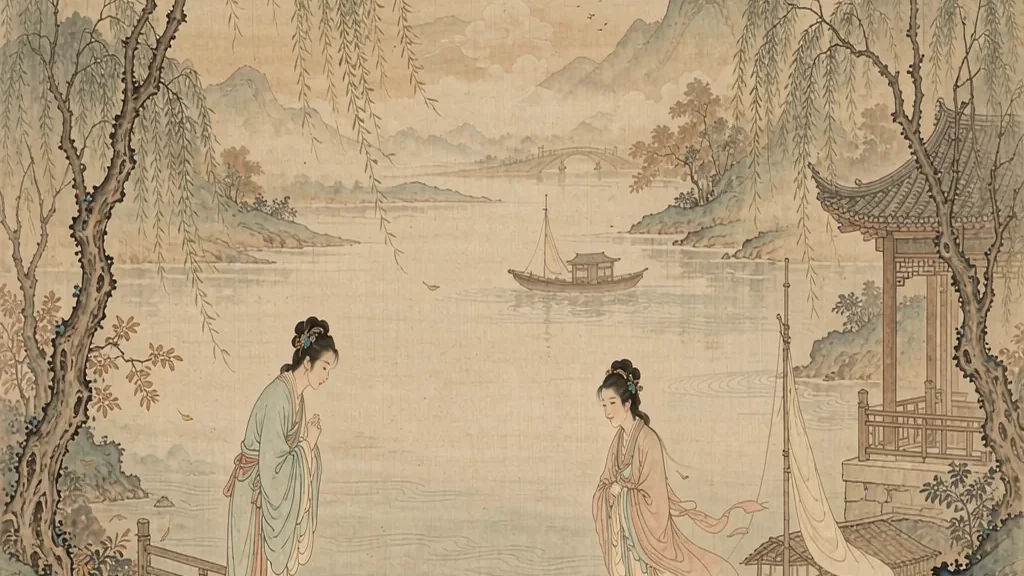
Parting Poetry: The Sorrow of Farewell
In traditional China, when friends parted — and they parted often, as officials were constantly transferred, exiled, or sent on missions — they wrote poems. Farewell poetry (送别诗, songbie shi) is one of the great genres of Chinese literature, a body of verse that transforms the pain of separation into something beautiful and enduring. The Chinese farewell poem is not a private document of personal grief; it is a ritual, a gift, and a promise that the friendship will survive distance and time.
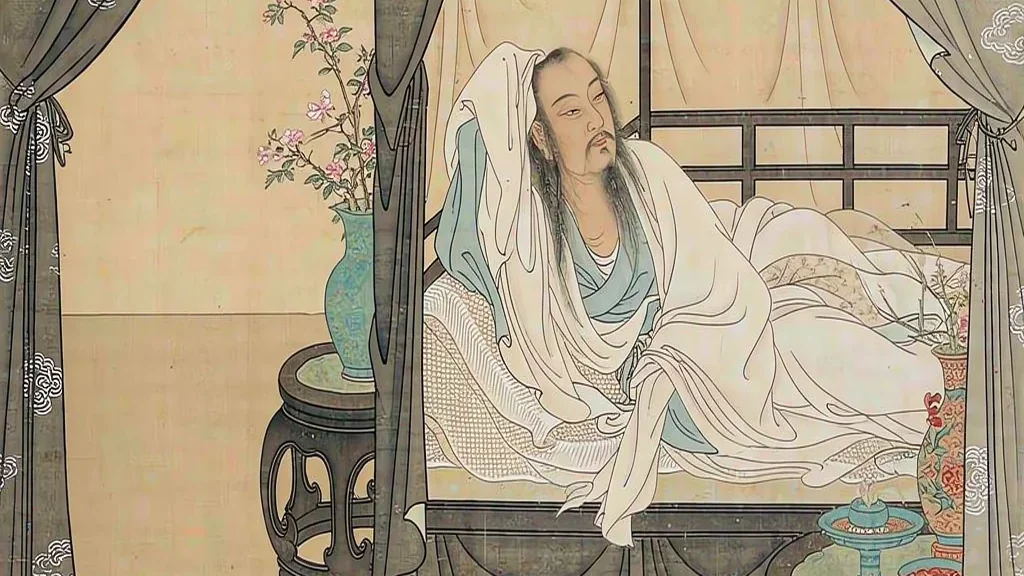
Sick-Bed Poetry: The Poet in Illness
Illness is a great revealer. In the solitude of a sickbed, the distractions of the world fall away, and what remains — the body's fragility, the mind's lucidity, the approach of death — becomes the subject of poetry. Chinese poets have written about illness (病中诗, bingzhong shi) for nearly two millennia, creating a body of verse that is intimate, unflinching, and often surprisingly serene. The poetry of illness is not a niche genre; some of the greatest Chinese poems were written by poets who were sick, exiled, and expecting death.

Snow Poetry: The Quiet That Covers All
In Chinese poetry, snow is never just snow. It is the white blanket that transforms the world into a scroll painting; it is the cold that tests the bamboo's resilience; it is the silence that falls over the mountain village, broken only by the sound of a branch snapping under its weight. The snow poem (咏雪诗, yongxue shi) is a genre of stillness and contemplation, a poetry that asks us to slow down and see the world made new.
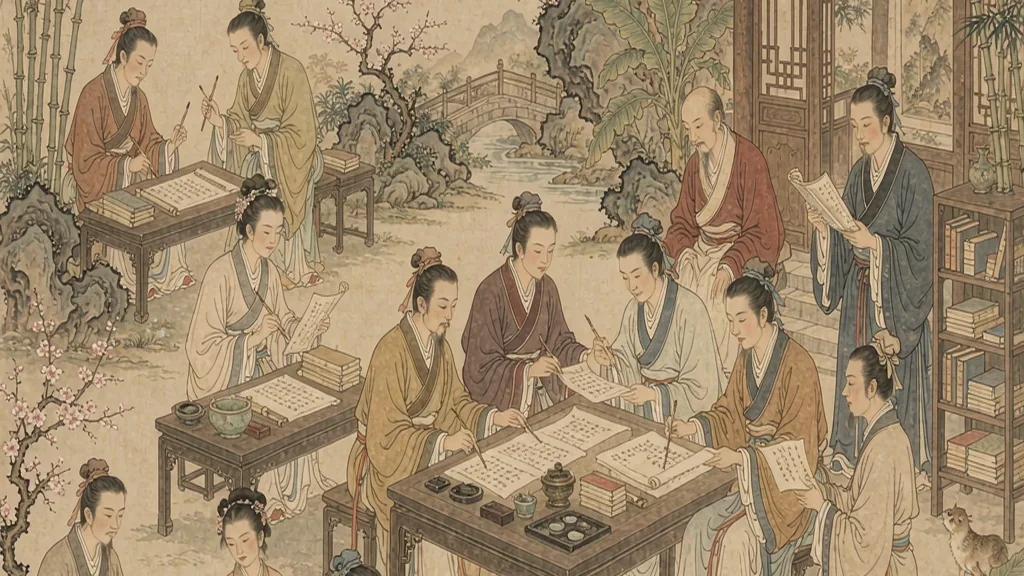
The Poetry Society: Writing Together Through the Ages
Chinese poetry has always been a social art. From the literary gatherings of the Jian'an poets in the third century to the vibrant online poetry communities of today, poets have come together to write, critique, and celebrate each other's work. The poetry society (诗社, shishe) was a central institution of Chinese literary life, especially during the Song, Ming, and Qing dynasties. These societies were not merely social clubs; they were the places where poetic standards were established, new forms were tested, and generations of poets learned their craft. To understand Chinese poetry, one must understand the communities that created it.

Spring Poetry: The Awakening of the World
If autumn is the season of reflection, spring in Chinese poetry is the season of renewal — of love, of hope, of life beginning again. The ice melts, the willows turn green, the plum blossoms bloom, and the birds return from their southern journeys. Chinese poets have welcomed spring for over two thousand years with poems of joy, of desire, of nostalgia, and of the sharp, sweet pain of beauty that will not last. The spring poem (春诗, chun shi) is one of the oldest and most beloved genres in Chinese literature.
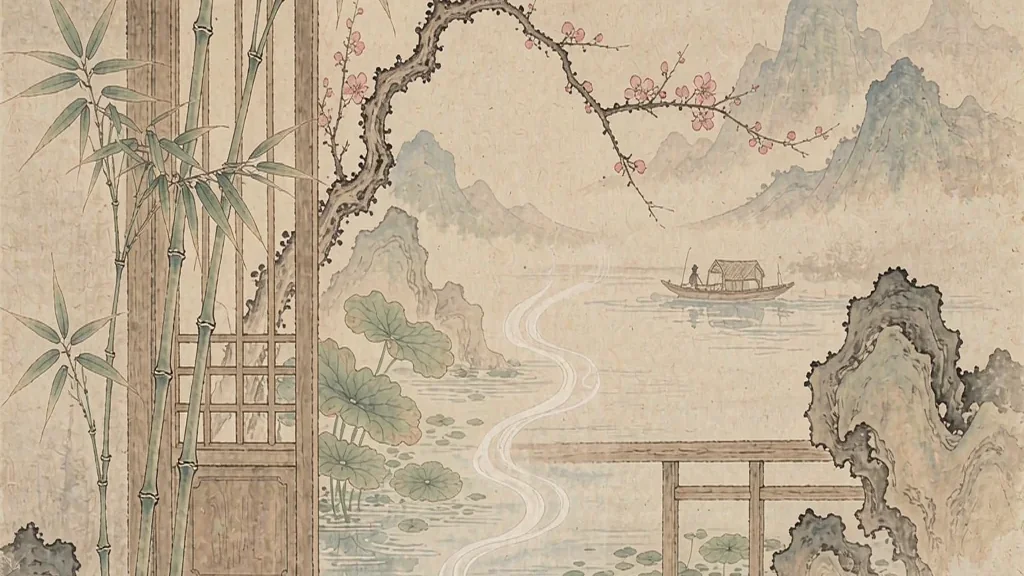
Tea Poetry: The Verses of the Cup
In China, tea is not merely a beverage; it is a way of attending to the world. The art of making and drinking tea — the careful heating of the water, the precise steeping, the contemplation of the cup — has been practiced for over a thousand years, and it has produced its own body of poetry. Tea poetry (咏茶诗, yongcha shi) celebrates the taste of tea, the company of friends, the solitude of a rainy afternoon, and the clarity of mind that a good cup of tea can bring.
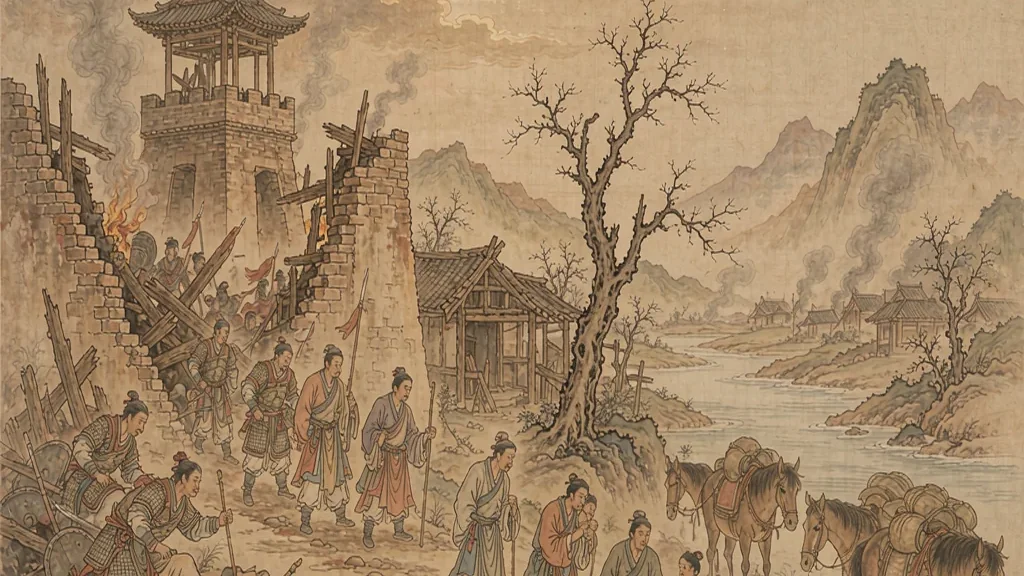
Poetry of War: The Cost of Conflict
Chinese civilization has known war for as long as it has known peace. The earliest poems in the Shijing are soldiers' songs and homesick wives' laments. The great dynasties expanded and collapsed through military force. And through it all, Chinese poets have written about war — its heroism and its horror, its glory and its waste, the fellowship of arms and the loneliness of the survivor. War poetry (战争诗, zhanzheng shi) in the Chinese tradition is not a celebration of conquest but a meditation on suffering, a demand for justice, and a record of what human beings do to each other.

The Willow in Poetry: Grace in Separation
The willow (柳, liu) is the most versatile tree in Chinese poetry. It can be a symbol of spring and renewal, when its golden catkins appear before any other leaf. It can be a symbol of parting, because its name sounds like the word for 'stay.' It can be a symbol of feminine grace, because its branches sway like a dancer's waist. It can even be a symbol of the fickle person, because its seeds are blown about by the wind. Few images in Chinese poetry carry as many meanings as the willow.

Women Poets of China
For most of Chinese history, women were excluded from the world of official letters. They could not take the civil service examinations; they could not hold government office; they could not participate in the public literary culture that produced most of the surviving classical poetry. And yet women wrote — wrote poems of extraordinary beauty and power that have survived the centuries, preserved by admirers who recognized their quality. The tradition of women's poetry in China (女性诗歌, nüxing shige) is a story of constraint and creativity, of voices that found ways to speak through the narrow spaces that society left open.
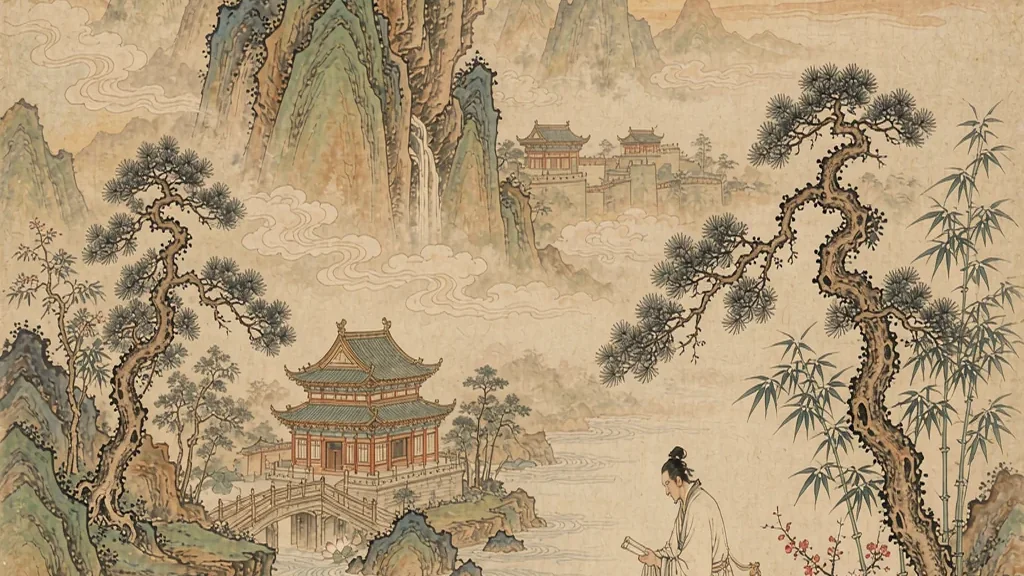
Political Poetry: The Poet as Critic
In China, poetry has never been a purely aesthetic pursuit. From its very beginnings, it has been entangled with politics — with the exercise of power, the critique of injustice, and the expression of the citizen's conscience. The earliest official in Chinese history, it was said, was the 'poetry collector,' a government agent who traveled the kingdoms gathering folk songs so that the ruler could hear the voice of the people. Political poetry (政治诗, zhengzhi shi) is not a niche in the Chinese tradition; it is central to the tradition's self-understanding. 'The poet,' wrote the Tang master Bai 'Juyi,' 'should not write for pleasure alone. Every poem must contain a judgment.'
The Jueju: A Poem in Four Lines
In the vast landscape of Chinese poetry, the jueju (绝句, "cut-off verse") is the smallest perfect thing — a four-line poem that compresses the resources of a great tradition into a handful of characters, each one so precisely chosen that removing a single syllable would shatter the whole. The Tang masters could evoke a parting, a landscape, a moment of enlightenment, or the entire tragedy of a civil war in just twenty or twenty-eight Chinese characters. The jueju is Chinese poetry at its most concentrated, a form that teaches us that less is not only more — it can be everything.

The Lushi: The Eight-Line Regulated Poem
If you wanted to demonstrate your complete mastery of Chinese classical poetry — your education, your sensitivity, your command of language, and your moral seriousness — there was one form that proved everything: the lüshi (律诗, "regulated poem"), an eight-line verse that subjected the poet to the most demanding formal constraints in Chinese literary history. The lüshi was the supreme test of poetic skill, a form where every syllable had to answer to multiple rules of tone, parallelism, and structure. To master the lüshi was to prove that you were not merely a versifier but a poet in the fullest sense.
Sanqu: The Free Verse of the Yuan Dynasty
When the Mongols conquered China and established the Yuan dynasty (1271–1368), the entire structure of Chinese society was shaken. The civil service examinations were suspended for decades, and the scholar-official class — the very class that had produced the Tang and Song literary masters — found itself marginalized and powerless. Out of this dislocation emerged a new poetic form: sanqu (散曲), or 'scattered songs,' a vernacular, colloquial lyric form that reflected the tastes of a society in flux. Sanqu was the poetry of the street, the marketplace, and the wine shop — direct, irreverent, often bawdy, and utterly unlike anything that had come before in Chinese literature.
Classical Shi Poetry: The Ancient Form
Long before the Tang poets perfected their regulated verses, before Li Bai drank himself into immortal stanzas and Du Fu ground his teeth through civil war, Chinese poetry had already been singing for over a thousand years. The classical shi (诗) tradition — the broad category of "old-style verse" that preceded the strict prosody of the Tang — is the deep soil from which all later Chinese lyric poetry grew. Its origins are as ancient as the Chinese written language itself, woven into the rituals of Zhou dynasty courts and the songs of common people working in the fields.
Regulated Verse: The Perfect Rules of Tang Poetry
If classical shi poetry was a broad, winding river flowing through centuries of Chinese literary history, then jintishi (近体诗, "modern-style verse") was the canal that the Tang poets dug — narrower, deeper, and governed by an elegant system of locks and gates that demanded extraordinary discipline from anyone who navigated it. Jintishi emerged during the Tang dynasty as a new regulated form that transformed Chinese poetry from a relatively free art into one of the most precisely crafted literary forms in world history. Its rules were strict, but within their constraints, Chinese poets achieved a density of meaning and musicality that free verse can only envy.
The Yuefu: Folk Songs of the Music Bureau
During the Han dynasty, Emperor Wu (r. 141–87 BCE) established a government office called the Music Bureau (yuefu, 乐府) with a remarkable mission: to collect folk songs from across the empire. The bureau sent scribes to the markets and fields of every province, transcribing the songs that ordinary people sang while working, mourning, celebrating, and loving. These anonymous poems — direct, passionate, often tragic — became one of the most influential bodies of poetry in Chinese history. The yuefu tradition, born from the voices of common people, would inspire generations of literary poets who heard in those folk songs a truth that court poetry could never reach.