🥋 Martial Arts
60 articles — Kung fu, Tai Chi, and martial traditions
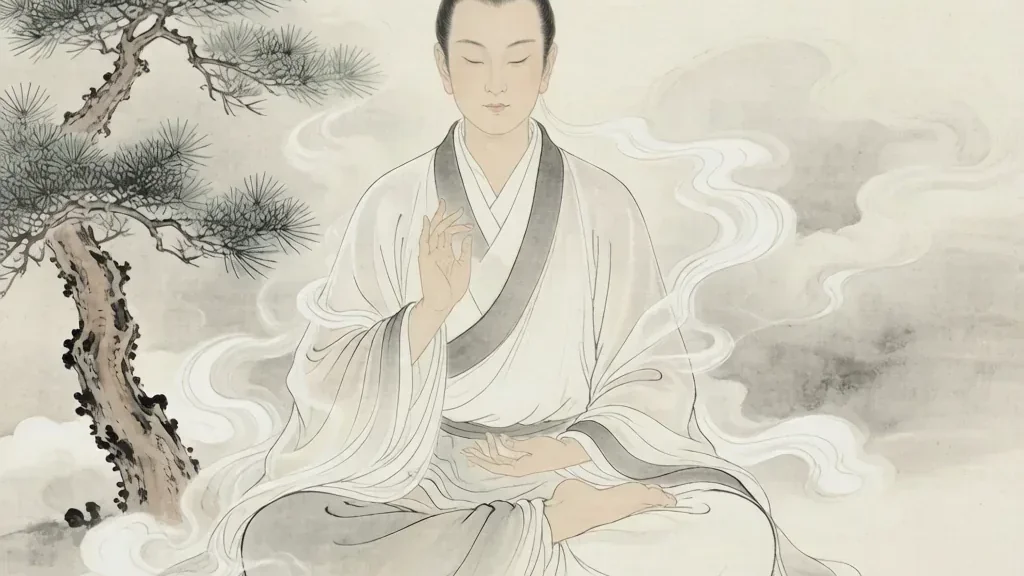
Qigong: Cultivating Life Energy
At the heart of Chinese culture lies a concept that has no exact equivalent in Western thought: qi (气). Often translated as "vital energy," "life force," or "breath," qi is understood as the fundamental animating principle of the universe — the energy that flows through all living things, that moves the stars and nourishes the grass.
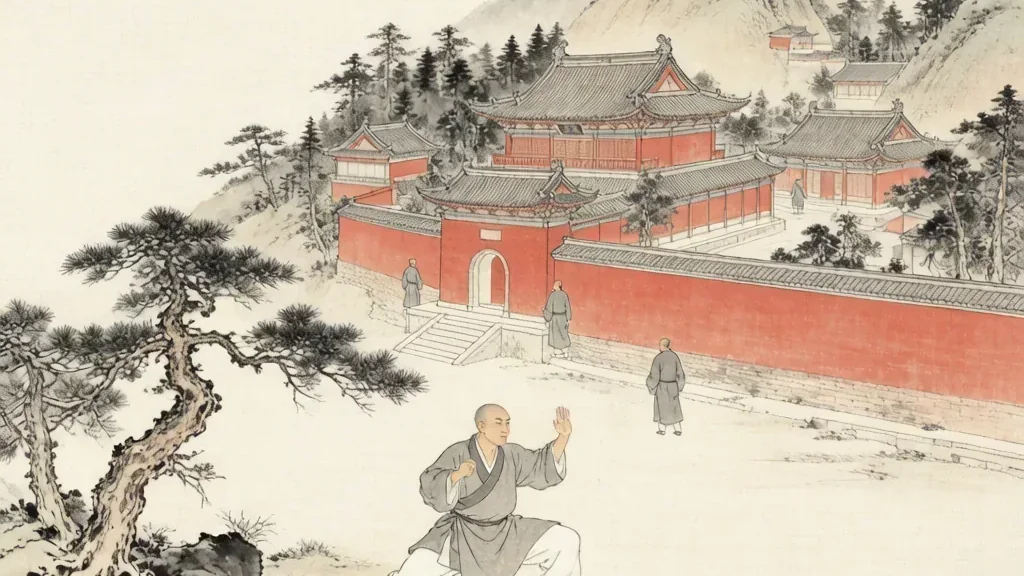
Shaolin Kung Fu: The Warrior Monks of Songshan
Perched on the forested slopes of Mount Song in Henan Province, the Shaolin Temple stands as the cradle of one of the world's most iconic martial traditions. For over 1,500 years, this Buddhist monastery has been synonymous with disciplined warriors, breathtaking physical feats, and a spiritual philosophy that blends Chan (Zen) meditation with combat training.
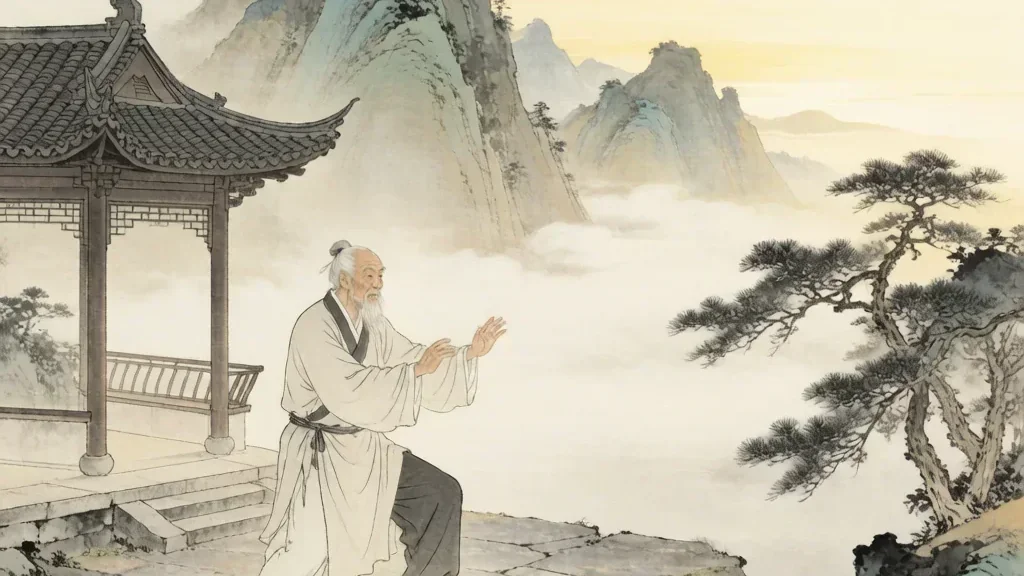
Tai Chi: Beyond Meditation — The Martial Art
Walk through any park in China at dawn, and you will see them — groups of people moving through slow, graceful postures, arms tracing arcs through the morning air. To most observers, Tai Chi (Taijiquan, 太极拳) appears to be a gentle exercise for the elderly, a moving meditation for health and relaxation.
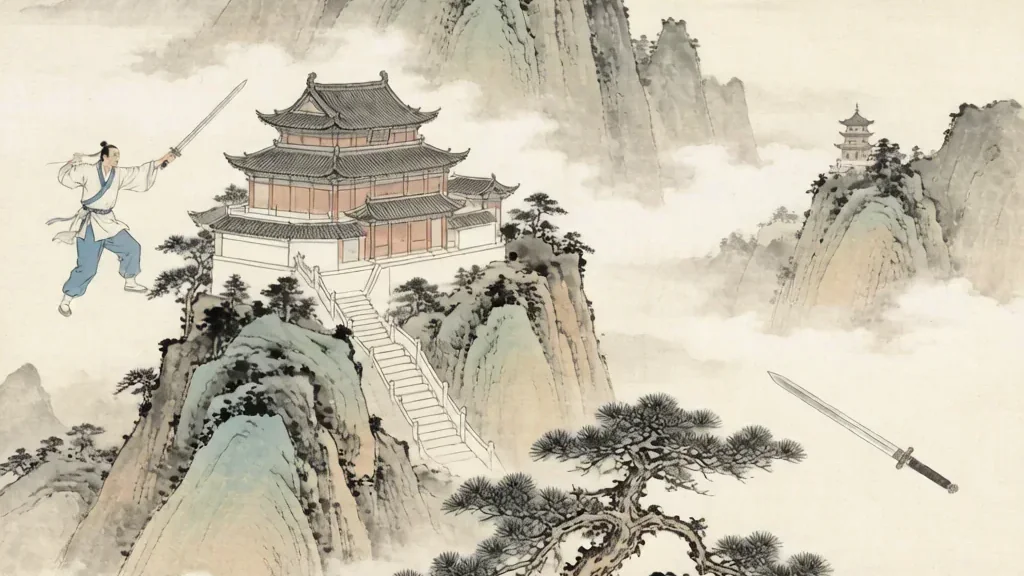
Wudang Martial Arts: The Taoist Way of the Sword
Rising from the landscape of Hubei Province like a scene from an ancient scroll painting, the Wudang Mountains have been a sanctuary of Taoist practice for over two thousand years. Shrouded in mist and dotted with temples that seem to float among the peaks, Wudang is the spiritual home of China's internal martial arts — a tradition that emphasizes the cultivation of qi (vital energy), the harmony of yin and yang, and the principle that softness can overcome hardness.
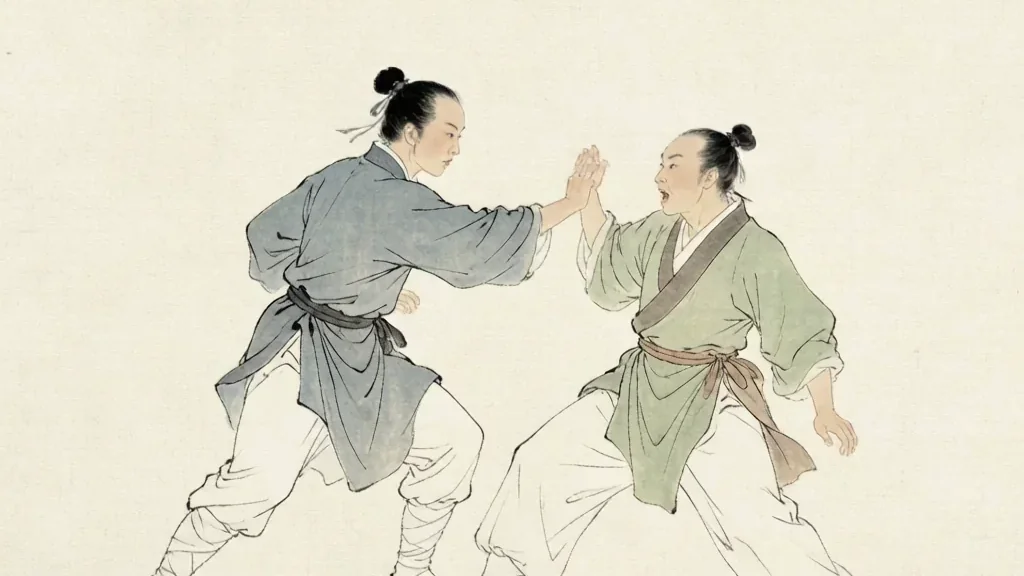
Wing Chun: The Art of Close Combat
In the landscape of Chinese martial arts, few styles have achieved the global recognition of Wing Chun (咏春拳). Known for its devastating close-range techniques, economy of motion, and scientific approach to combat, Wing Chun traces its roots to the turbulent world of 17th-century southern China.
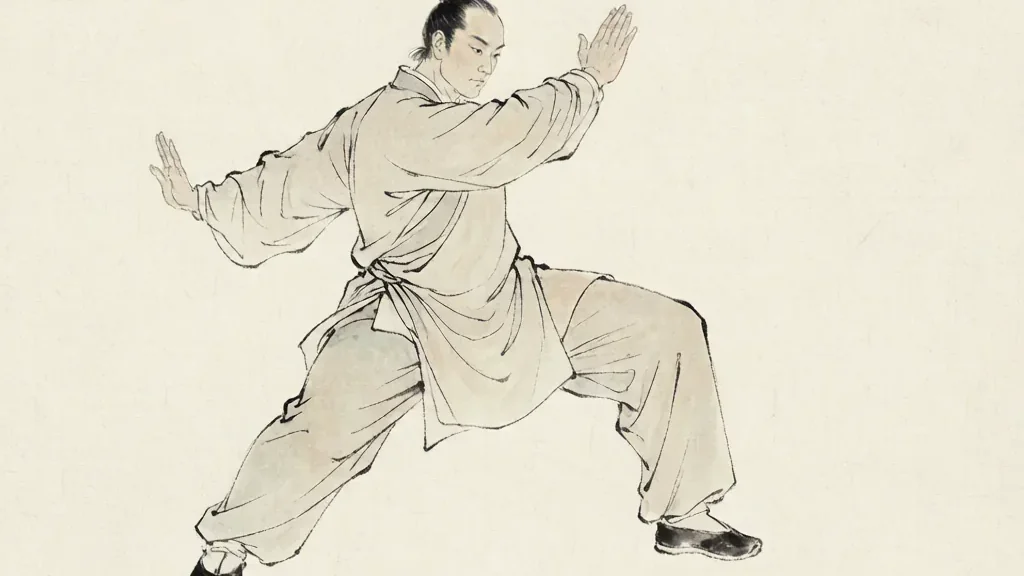
Baguazhang: The Eight-Trigram Palm
Imagine a fighter who never meets your strike head-on, who glides in a ceaseless circle around you, slipping past every attack while his open palms seem to appear from impossible angles. This is Baguazhang (八卦掌, Bā Guà Zhǎng ), the "Eight-Trigram Palm," one of China's great internal martial arts.
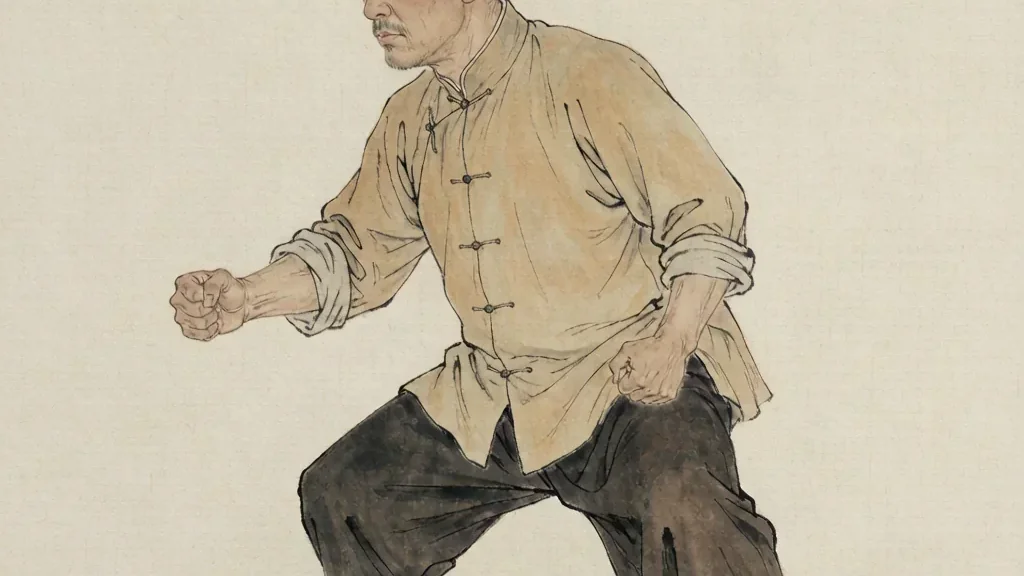
Bajiquan: The Eight-Extremes Boxing
Some Chinese martial arts flow like water; others strike like a battering ram. Bajiquan (八极拳, Bā Jí Quán ), the "Eight-Extremities Boxing," belongs emphatically to the second group.
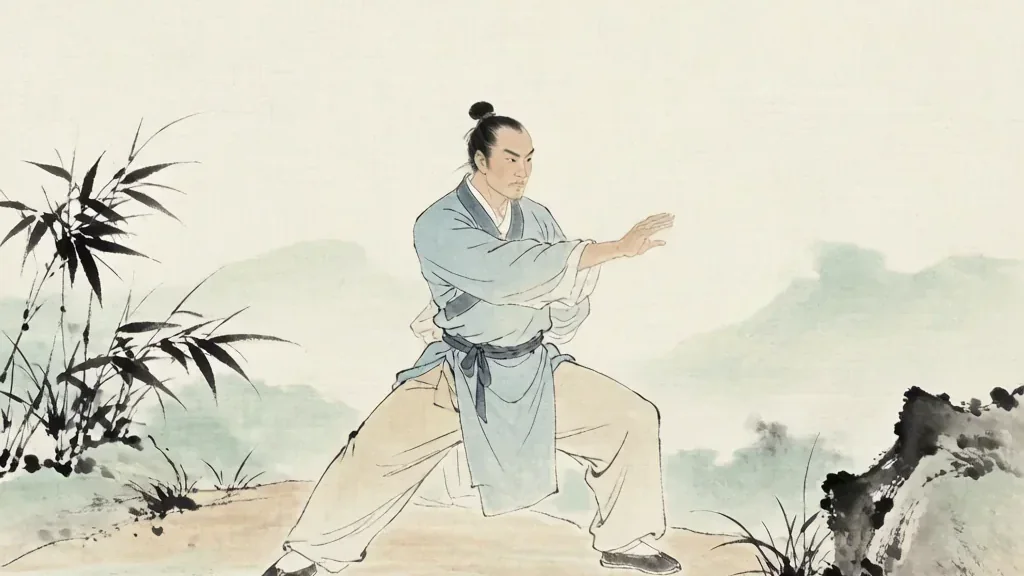
Choy Li Fut
Some southern styles are compact and close; Choy Li Fut (蔡李佛, Cài Lǐ Fó ) is the opposite—big, sweeping, and devastating at long range. Founded in 1836 by Chan Heung (陈享), it blends the Choy family's fist, the Li family's footwork, and the "Buddhist" (Fut) monk's techniques into one comprehensive system.
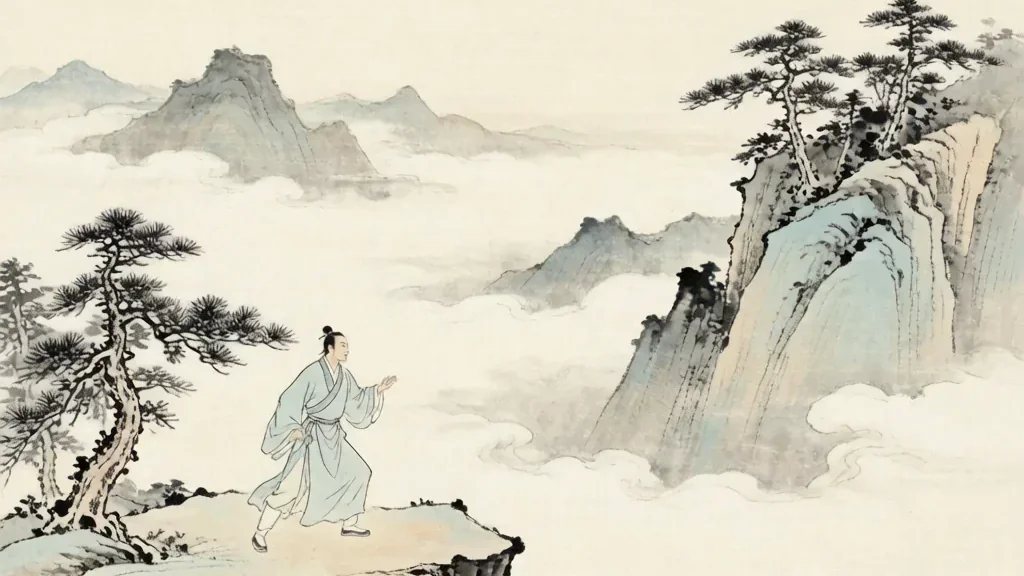
Emei School (峨眉派) — The Mystical Mountain Martial Arts
The Emei School (峨眉派, Emei Pai) is one of the three great traditional schools of Chinese martial arts, alongside Shaolin and Wudang. Named after Mount Emei (峨眉山) in Sichuan province — one of China's Four Sacred Buddhist Mountains — the Emei School is distinguished by its synthesis of Buddhist and Daoist influences, its legendary association with female practitioners, and its distinctive style that emphasizes fluidity, precision, and the redirection of force.
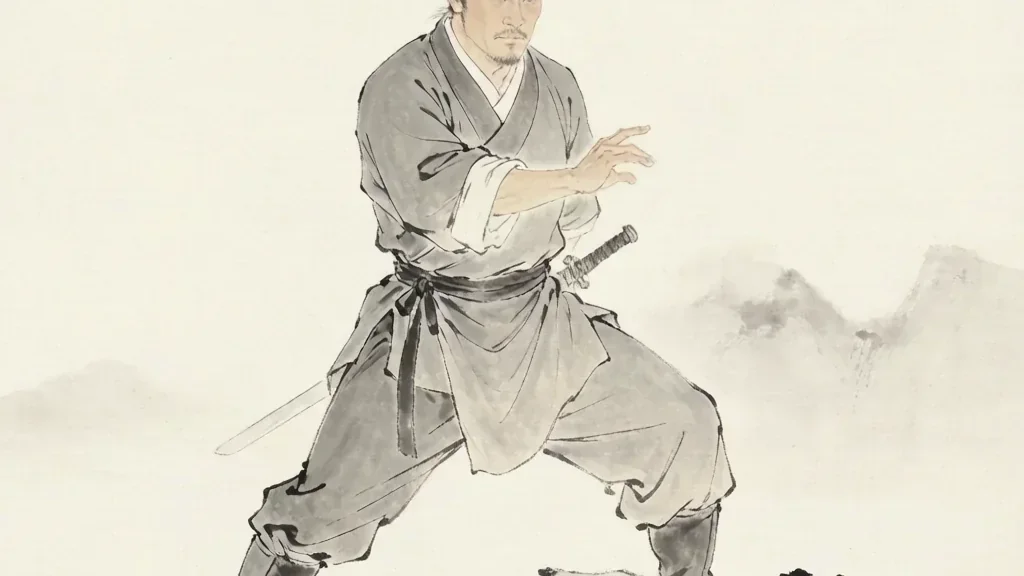
Hongquan: The Flood Boxing
When southern China thinks of kung fu, one name rises above the rest: Hongquan (洪拳, Hóng Quán ), the "Flood Boxing. " Tied in legend to the anti-Qing resistance and made famous by the real-life master Wong Fei-hung (黄飞鸿), Hongquan is the archetypal southern style—low stances, powerful forearm bridges, and the celebrated Tiger-Crane forms.
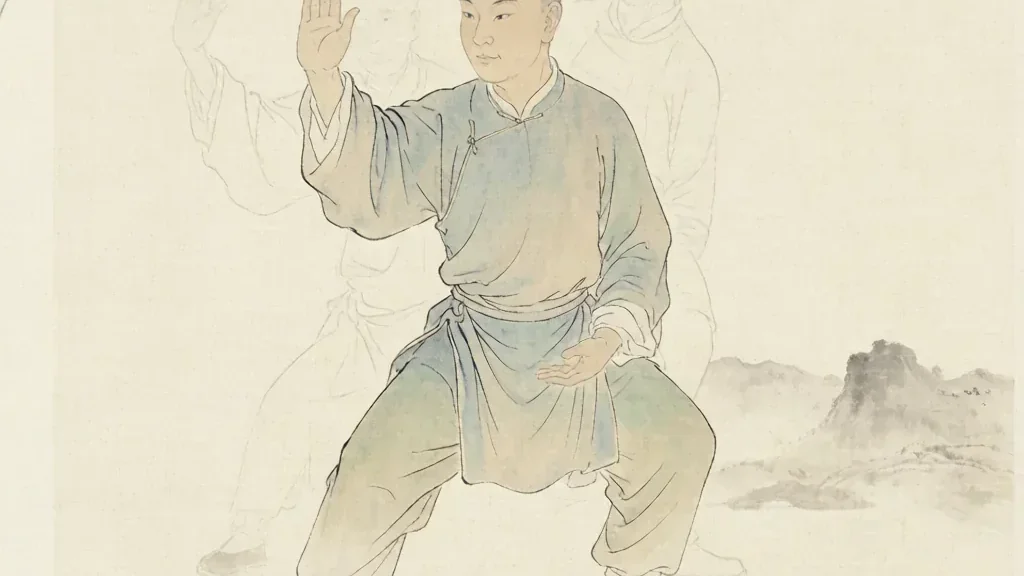
Liuhequan: Six-Harmony Boxing
Every Chinese martial art preaches coordination, but one style makes it the entire philosophy. Liuhequan (六合拳, Liù Hé Quán ), "Six-Harmony Boxing," is built on the principle that the body's six pairs of correspondences must unite into a single, efficient force.
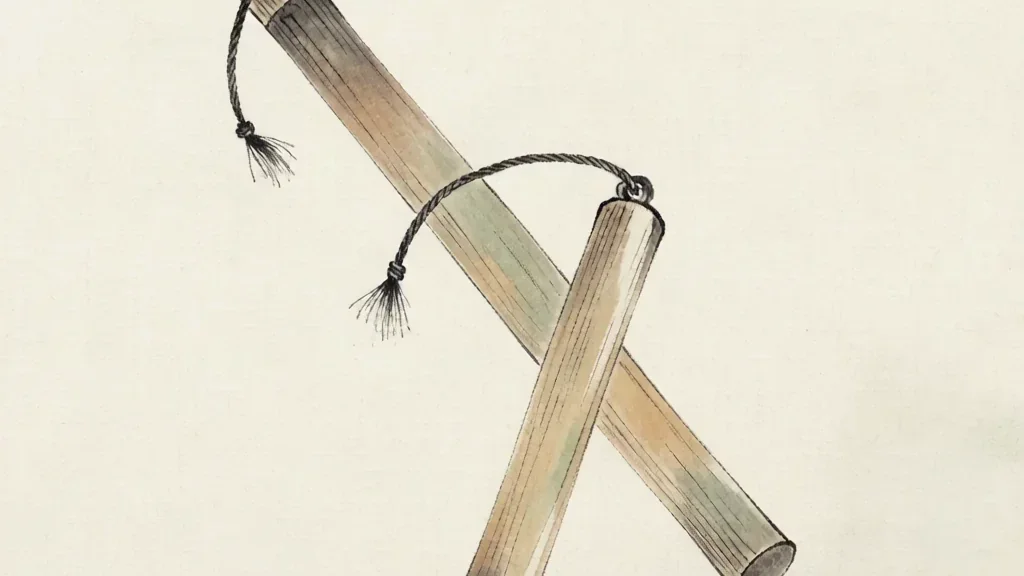
The Nunchaku
Few weapons are as instantly recognizable—or as misunderstood—as the nunchaku (双节棍, Shuāng Jié Gùn ), the two-section staff linked by a short cord or chain. Thanks largely to Bruce Lee, it became a global symbol of kung fu, whirling in films with hypnotic speed.
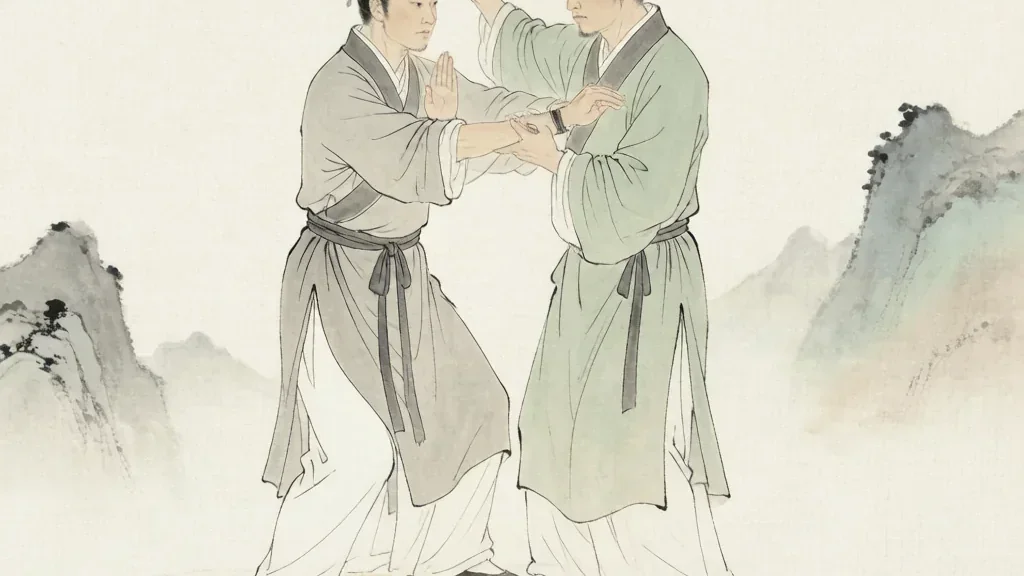
Qinna: The Seizing Art
Strikes break bones; locks control bodies. Qinna (擒拿, Qín Ná ), the "seizing and grabbing" art, is the Chinese discipline of joint locks, pressure-point control, and the manipulation of tendons and muscles to immobilize or submit an opponent.
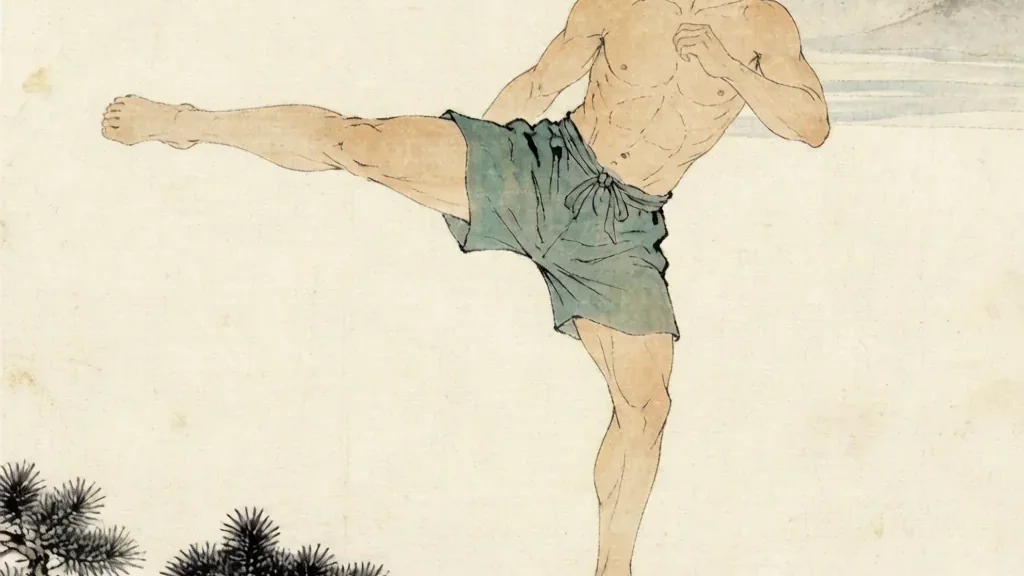
Sanda: Chinese Kickboxing
Not every Chinese martial art is ancient. Sanda (散打, Sàn Dǎ ), literally "free fighting," is the modern Chinese answer to full-contact combat sport—a blend of traditional techniques and international kickboxing, wrestling, and boxing.

Shaolin 18 Arhats (少林十八罗汉) — The Guardians of the Dharma
The Shaolin 18 Arhats (少林十八罗汉, Shaolin Shiba Luohan) is one of the most famous and historically significant forms in Chinese martial arts. The "Eighteen Arhats" — enlightened disciples of the Buddha who have attained liberation from the cycle of rebirth and serve as protectors of the Dharma (the Buddhist teachings) — have been depicted in Chinese Buddhist art for nearly two millennia, each with distinctive postures, expressions, and attributes.
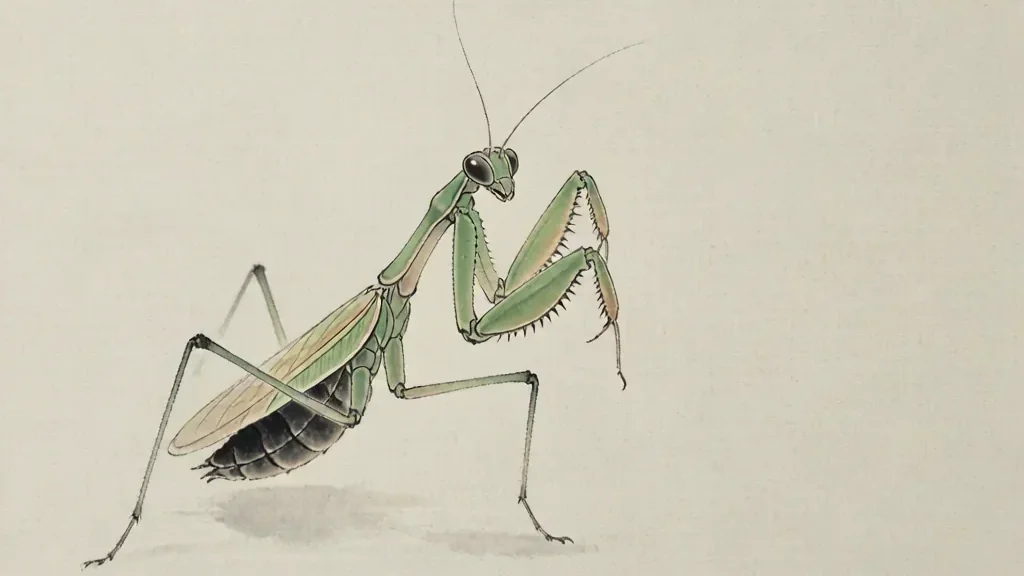
Praying Mantis Boxing
According to legend, the art was born when a man watched a praying mantis capture and subdue a far larger cicada, its hooked forelegs striking with perfect timing and leverage. That observer was Wang Lang (王朗), and the style he devised is Tanglangquan (螳螂拳, Táng Láng Quán ), "Praying Mantis Boxing.
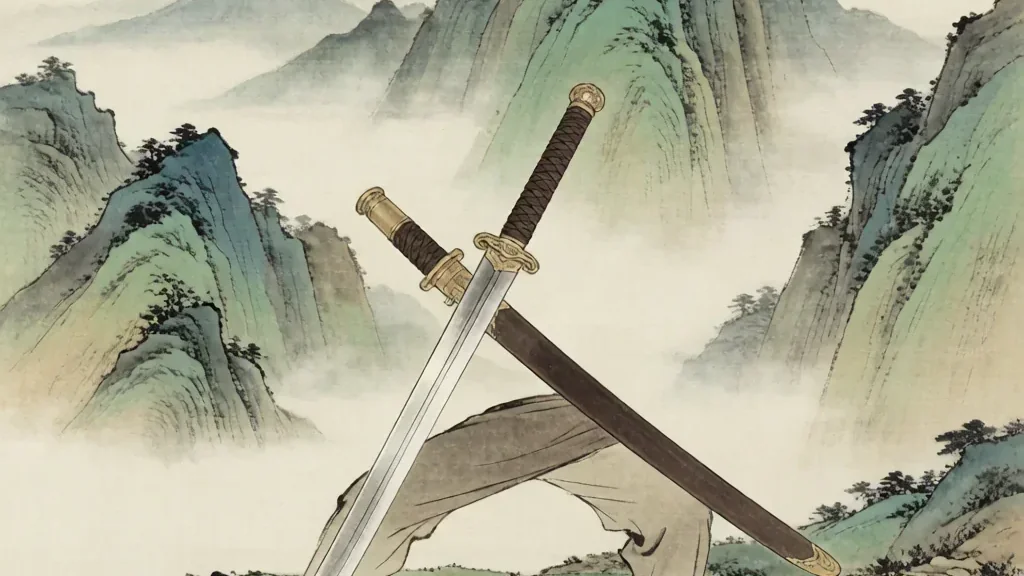
Wudang Sword (武当太极剑) — The Daoist Art of the Blade
Wudang Tai Chi Sword (武当太极剑), also known as Wudang Sword, is the signature weapon art of the Wudang Mountains (武当山) in Hubei province, the spiritual home of Daoist martial arts. More than a combat technique, Wudang sword is a form of moving meditation — a practice in which the practitioner's body, breath, mind, and blade unite in flowing sequences that embody the Daoist principles of yielding, circularity, and the reconciliation of opposites.
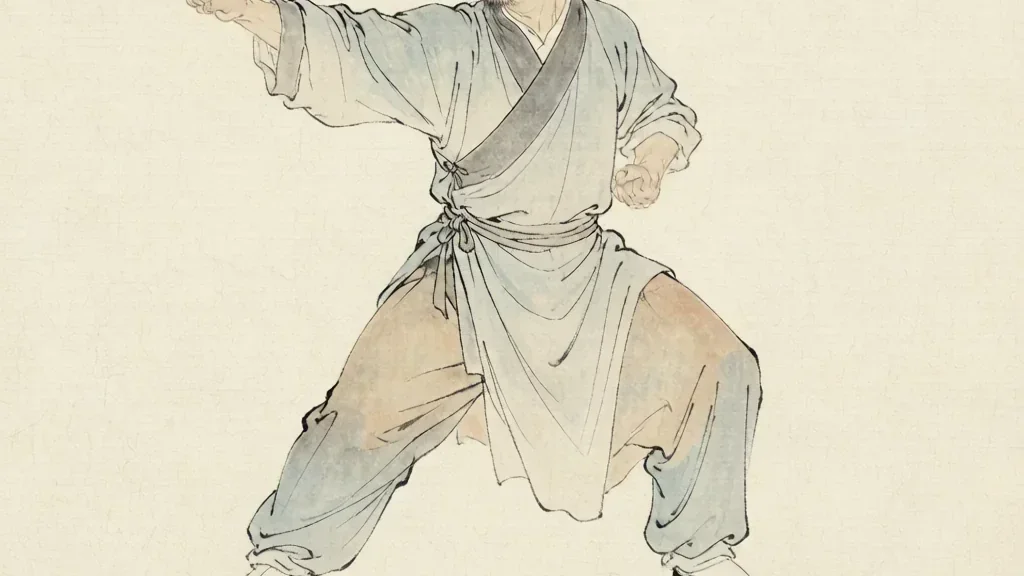
Xingyiquan: Form-Intent Boxing
There is a martial art in China that looks less like dancing and more like a spear thrust made flesh. It advances in straight lines, strikes with the simplicity of a hammer, and is built around five elemental movements that mimic metal cutting wood and water drilling stone.
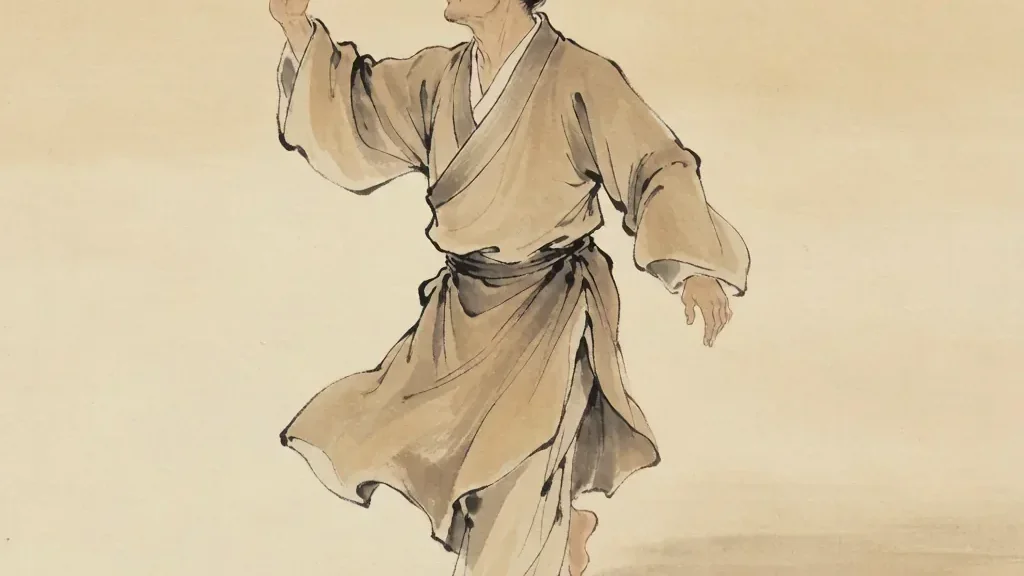
Drunken Boxing
Of all the images of Chinese martial arts, few are as unforgettable as the "drunken master": staggering, wobbling, seemingly helpless—then striking with stunning precision from a fall. This is Zuiquan (醉拳, Zuì Quán ), "Drunken Boxing.
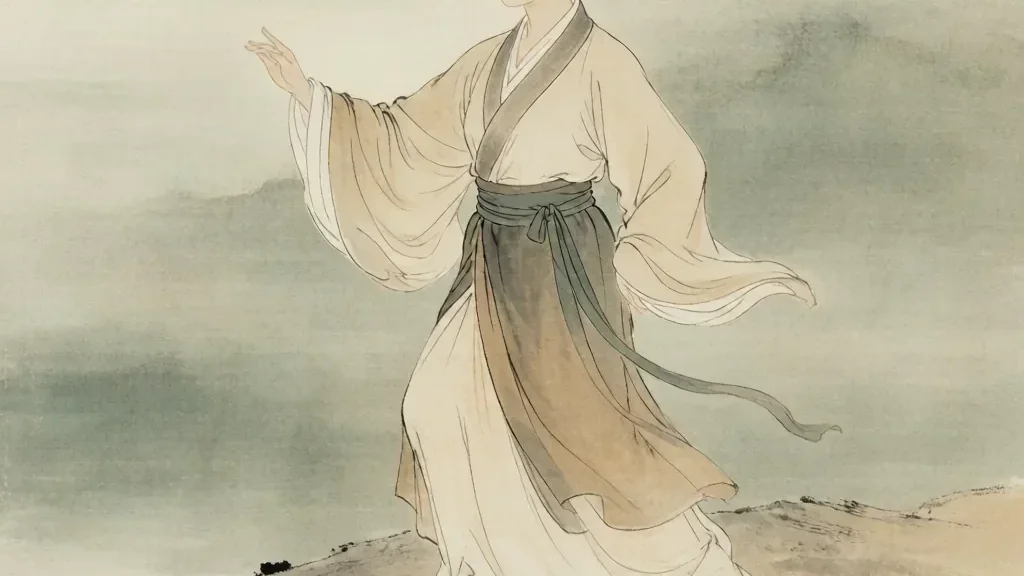
Eight Brocades: The Silk-Weaving Exercise of Health
The Eight Brocades (八段锦) is a gentle qigong set of eight linked exercises, a daily 'silk weaving' of breath and motion for health rather than combat.
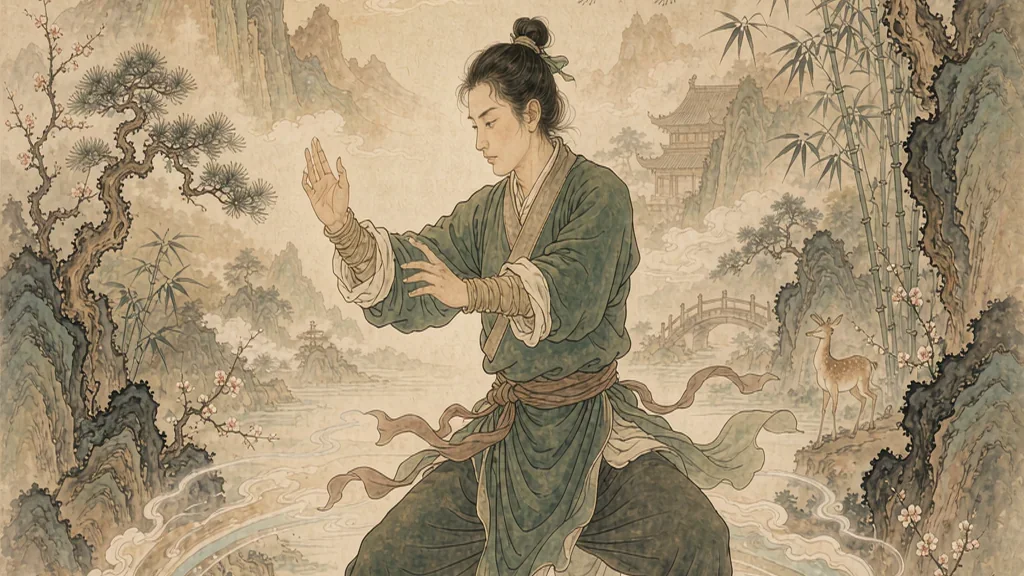
Eight Trigram Palm: The Circling Art
Baguazhang (八卦掌) is the 'eight-trigram palm,' a roaming, circle-walking art of evasive footwork and spiraling strikes based on the Yijing.
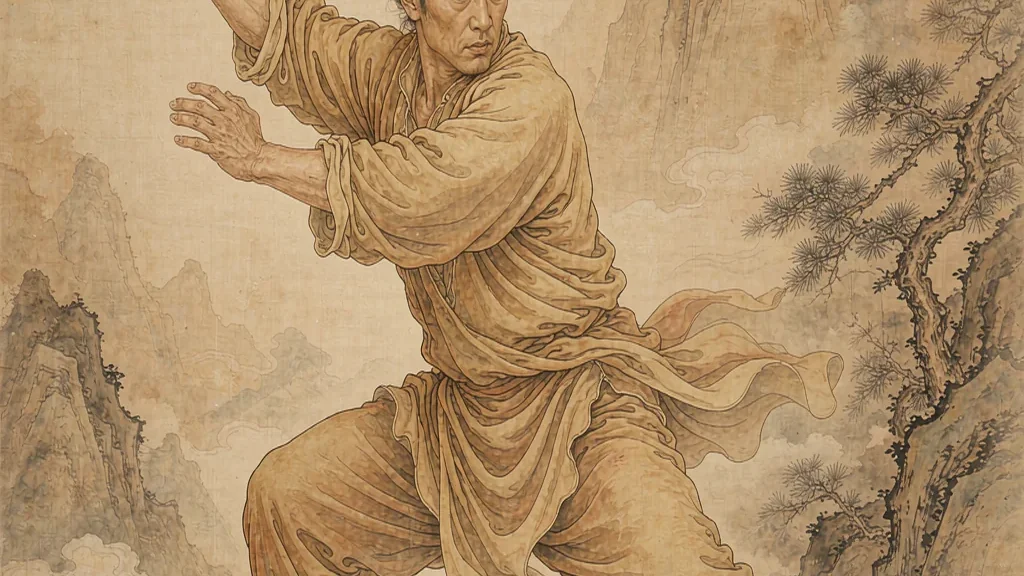
Baji Quan: The Explosive Art of the Body
Bajiquan (八极拳) is the 'eight-extremities fist,' a explosively close-range art of shoulder, elbow, and hip bursts favored by bodyguards.
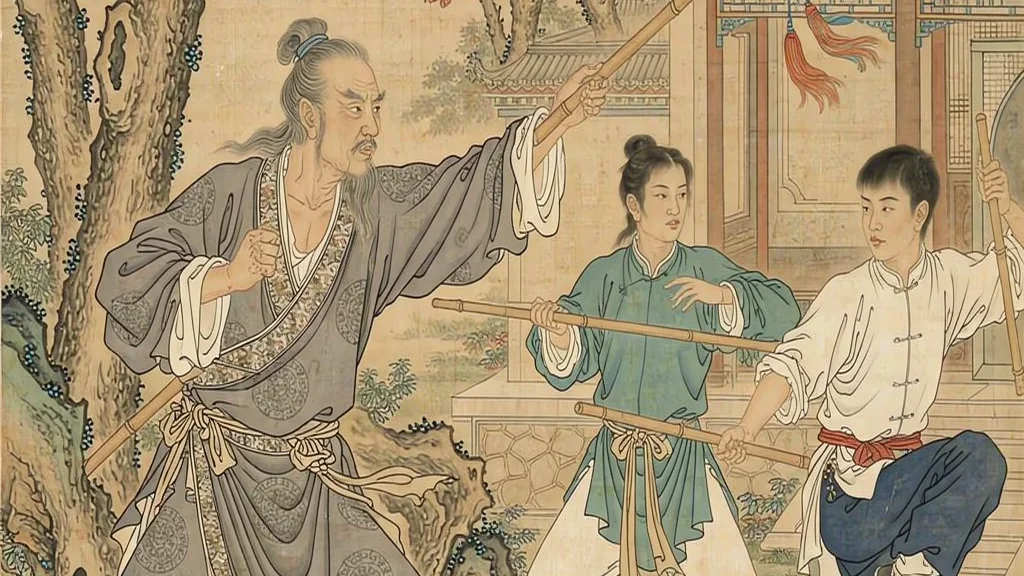
Choy Li Fut: The Powerful Fist of Three Masters
Choy Li Fut (蔡李佛) is a southern kung fu that blends the long-range power of Choy Gar, the bridging of Li Gar, and the footwork of Fut Gar.

White Crane: The Graceful Wing of Fujian
White Crane (白鹤拳) is the Fujian style built on calm stance, soft deflection, and precise pecking and winging motions drawn from the bird.

Dim Mak: The Death Touch of Legend
Dim Mak (点穴), the 'skill of striking points,' is the art of attacking the body's pressure points and meridians to stun, disable, or (in legend) kill.
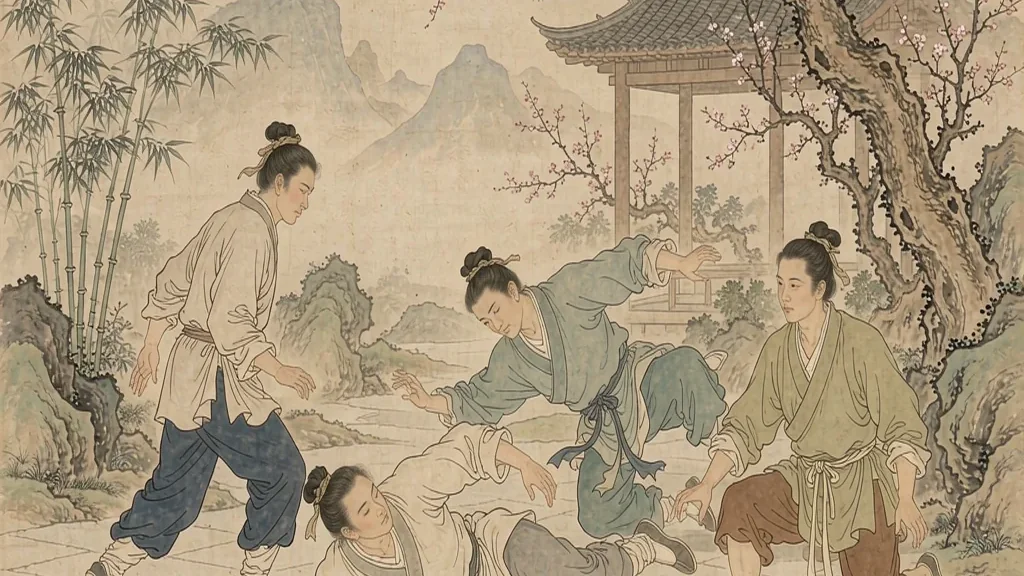
Ground Tumbling Boxing: The Art of Falling and Rolling
Ditanquan (地躺拳), 'ground-tumbling boxing,' is the acrobatic style of drops, rolls, and sweeps that fights from the floor as well as the feet.

Dragon Style: The Soaring Power of Myth
Dragon style (龙形拳) is the southern art of coiling, whipping limbs and evasive body waves that mimic the dragon's elusive power.
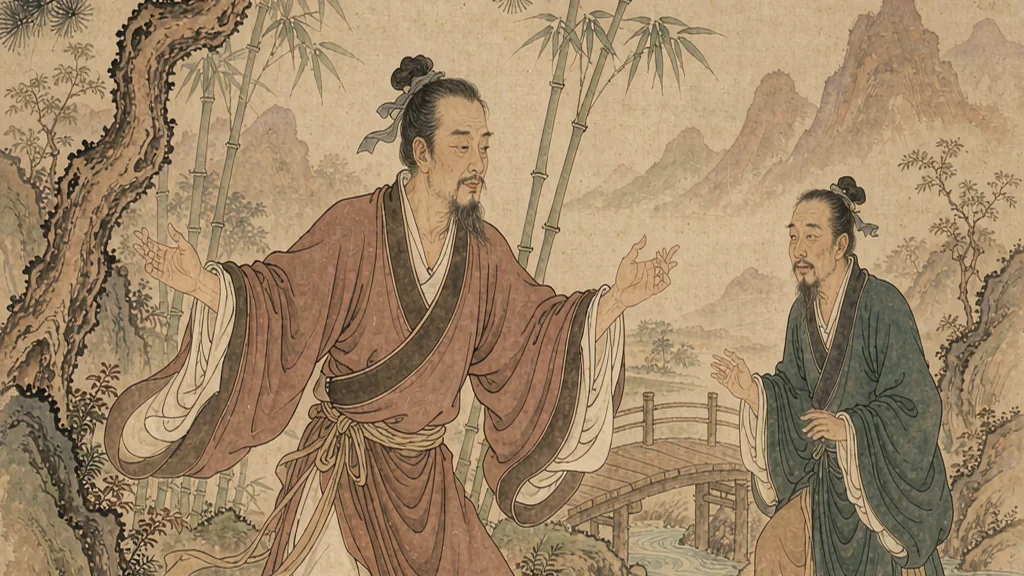
Drunken Boxing: The Staggering Art of Deception
Drunken boxing (醉拳) mimics inebriation — staggering, off-balance swaying that hides deadly, unpredictable strikes and low balance.

The Emei Sword: The Graceful Art of the Mount
The Emei sword (峨眉剑) is the blade art of Sichuan's Emei mountain, blending Daoist grace with swift, deceptive point-work.
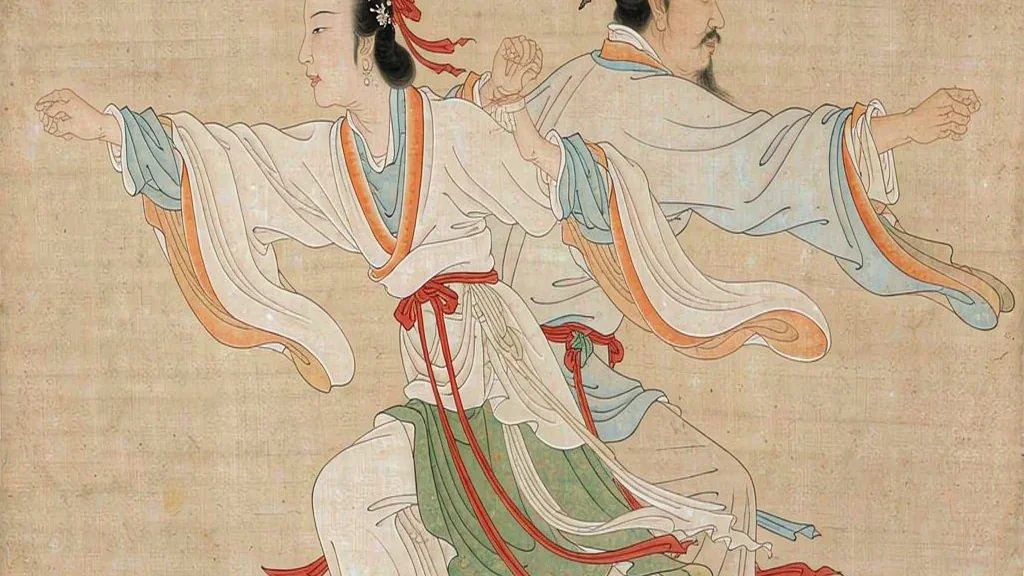
Fanziquan: The Continuous Strikes of the Rolling Fist
Fanziquan (翻子拳) is the 'tumbling fist,' a northern style of relentless, repeating strikes delivered in rapid successive waves.
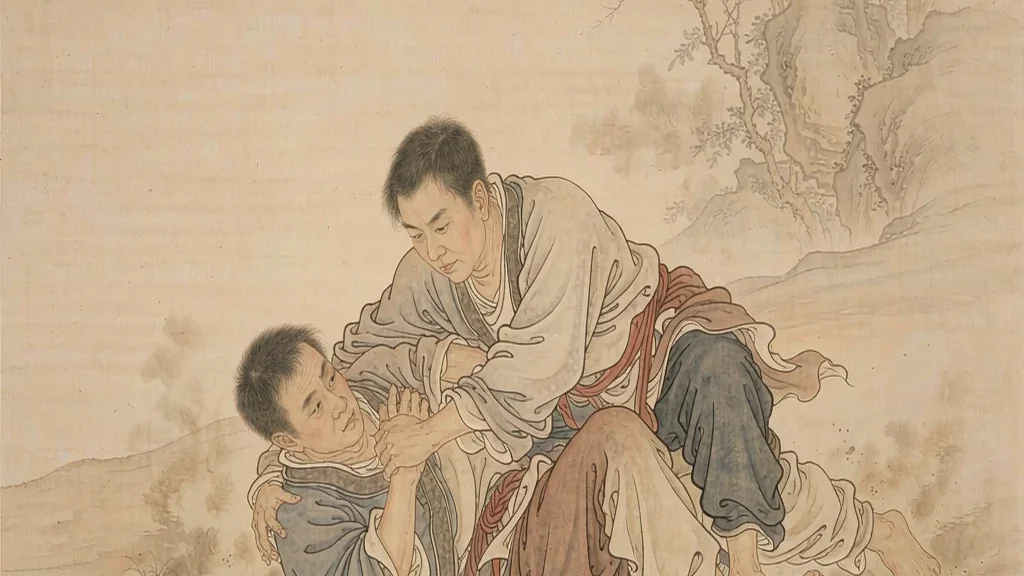
Dog Style Boxing: The Ground Art
Dog style (狗拳) is the rare southern art that drops to all fours to bite, claw, and sweep from a low, animal-imitation posture.

Monkey Fist: The Playful Art of Imitation
Monkey fist (猴拳) is the playful imitation style of leaps, scratches, and sly feints modeled on the mountain macaque.

Hung Gar: The Grand Fist of the South
Hung Gar (洪拳) is the 'grand fist' of southern China, a powerful, rooted style of low stances and iron-forearm conditioning.
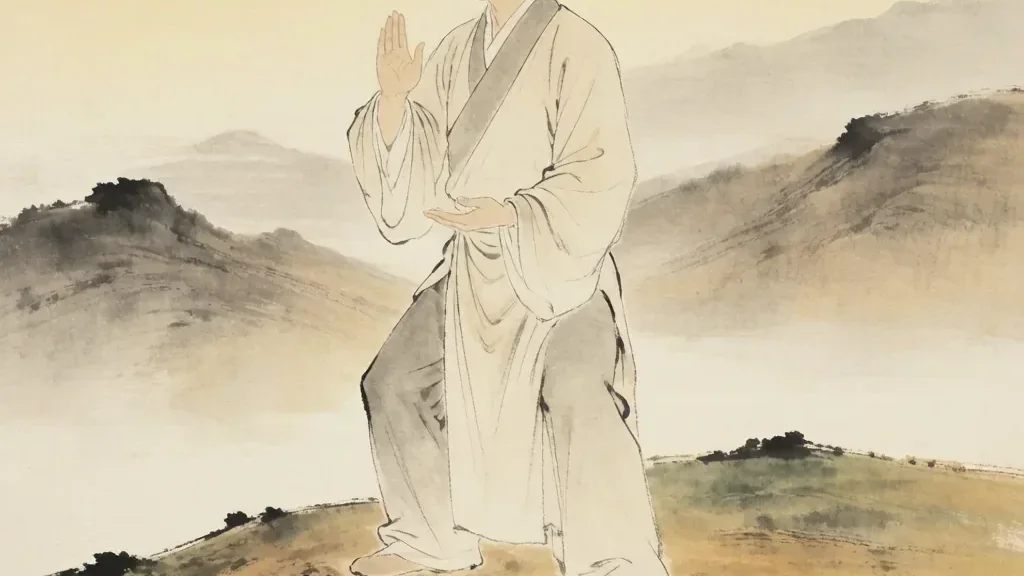
Golden Bell Cover: The Invulnerability Art
The Golden Bell Cover (金钟罩) is a hard-qigong method of conditioning the body to withstand blows, a 'living armor' of trained tissue.
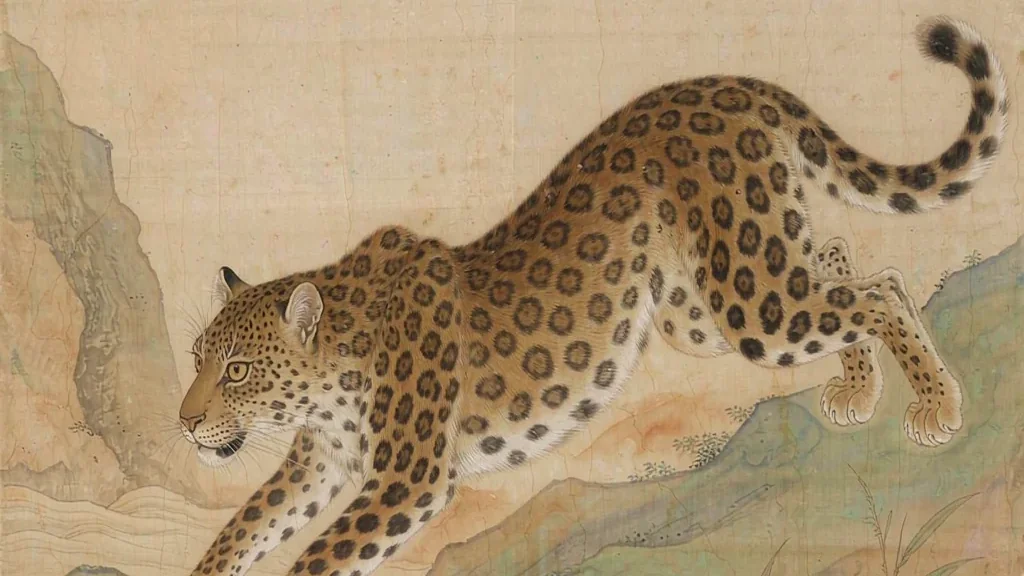
Leopard Style: The Speed of the Spotted Cat
Leopard style (豹拳) trades the tiger's heavy power for speed and bone-breaking fingertip strikes delivered in rapid succession.
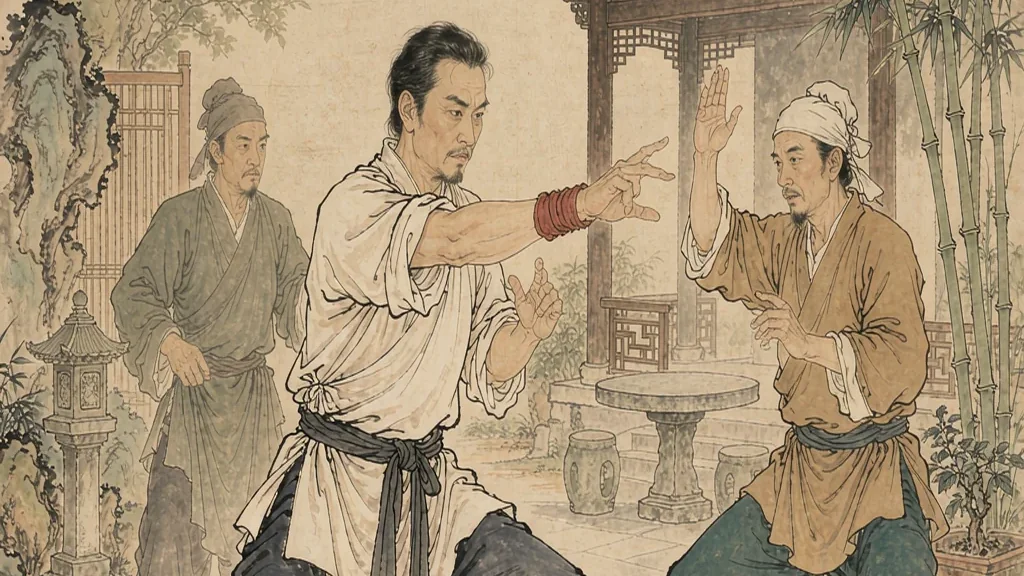
Praying Mantis Kung Fu: The Quick Hands of the North
Praying mantis kung fu (螳螂拳) is the Shandong art of hooked 'mantis' hands that trap, snap, and counter with the insect's predatory speed.
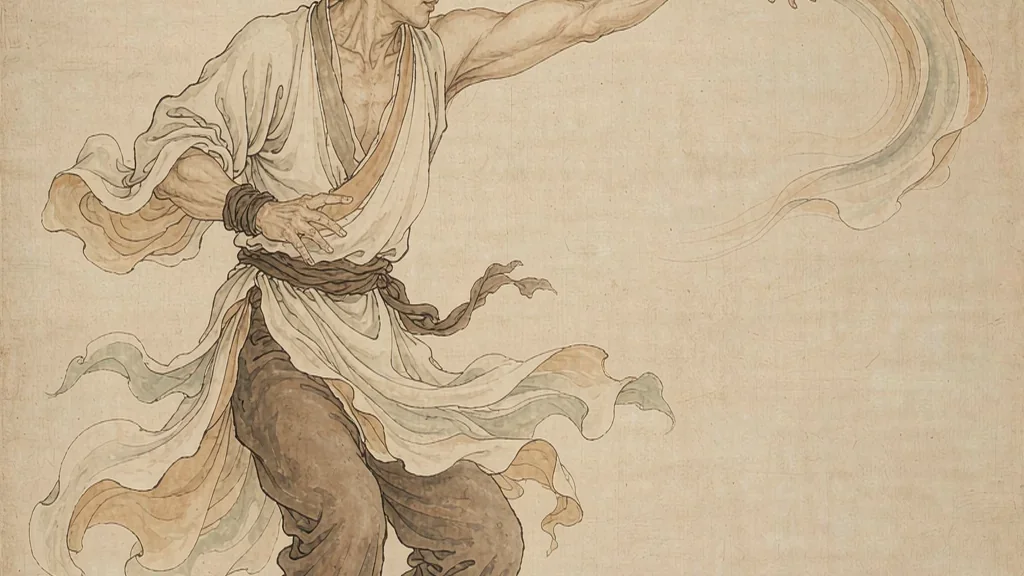
Pigua Quan: The Whipping Art of the Long Arm
Piguaquan (劈挂拳) is the 'chopping-and-hanging fist,' a northern style of long, whipping arm swings that generate power from the back.
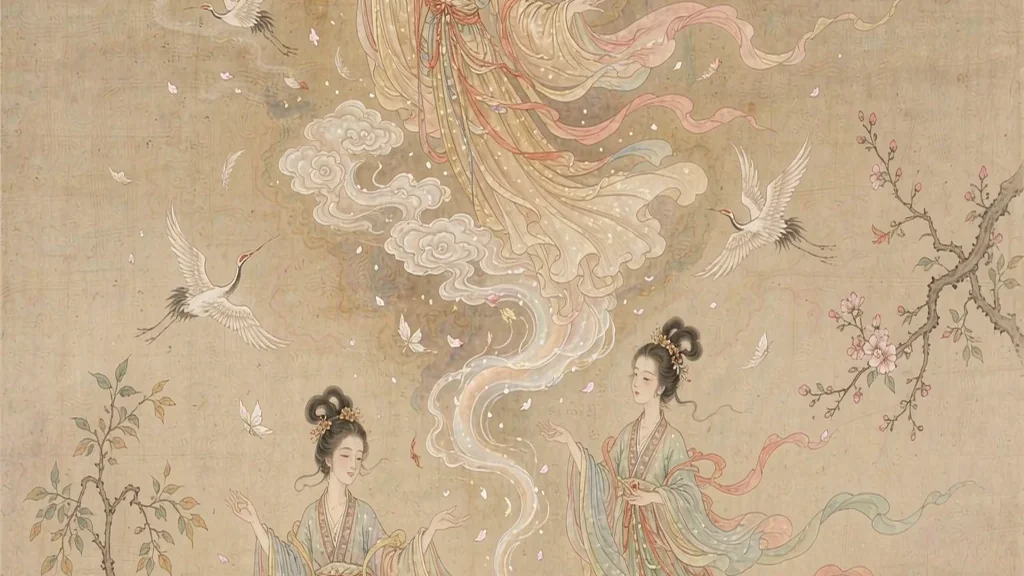
Lightness Skill: The Art of Defying Gravity
Qinggong (轻功) is the 'lightness skill' of leaping and balance training — real agility and tendon strengthening, not the flying of legend.

Qinna: The Art of Joint Locking
Qinna (擒拿) is the art of seizing and controlling — joint locks, pressure-point holds, and throws that neutralize without trading blows.
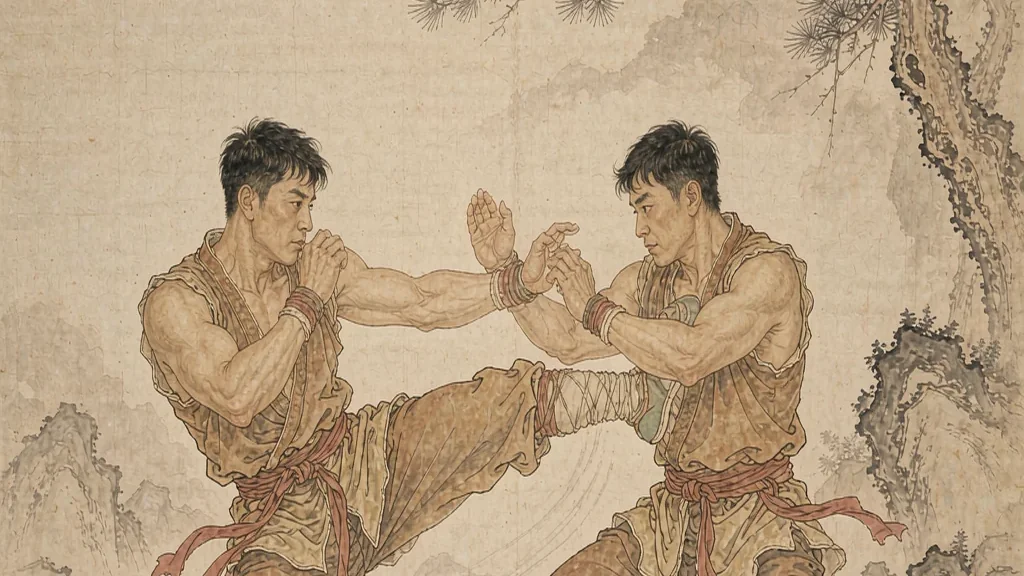
Sanda: The Full-Contact Sport of China
Sanda (散打) is modern Chinese kickboxing — a full-contact sport of strikes, throws, and kicks distilled from traditional wushu.

Shaolin Spear: The Dragon in the Hands
The Shaolin spear (枪) is called the 'king of the hundred weapons' in the monastery's curriculum — a long thrusting art of the 'dragon in the hand.'
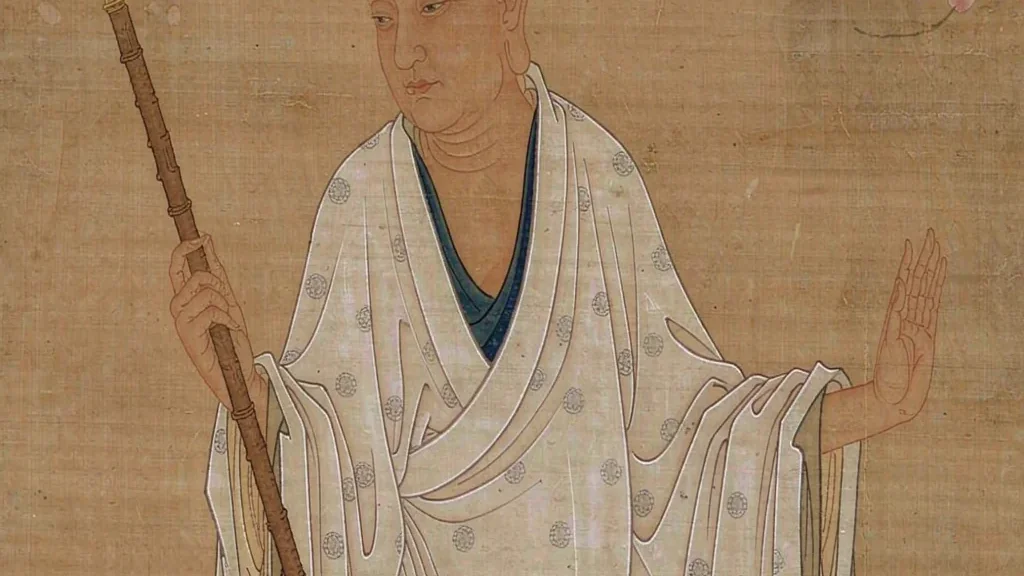
The Shaolin Staff: The King of Weapons
The Shaolin staff (棍) is the 'elder of weapons' — the monastery's foundational pole art of sweeping, smashing, and spinning defense.
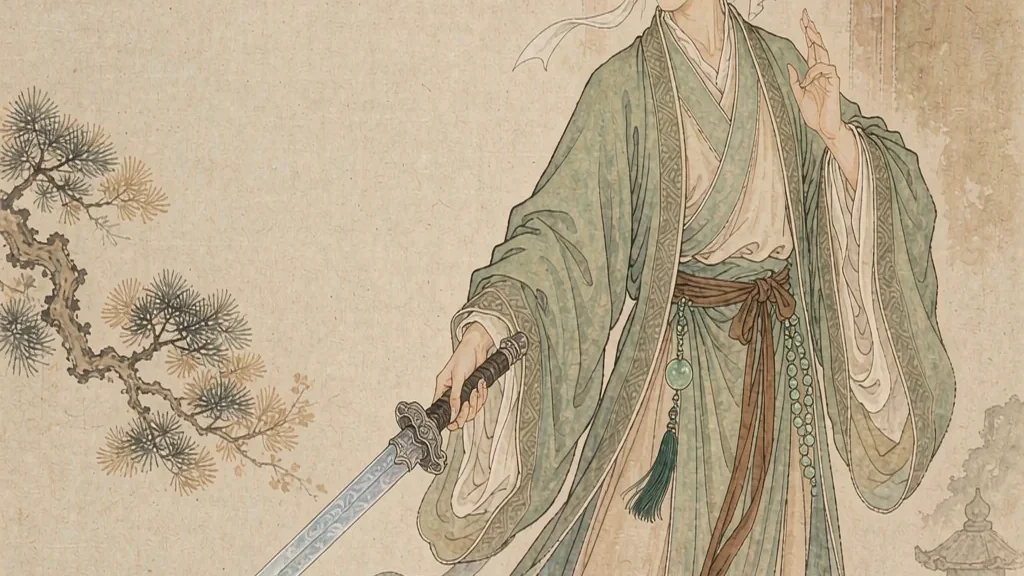
Shaolin Sword: The Scholar of Weapons
The Shaolin sword (剑) is the straight double-edge taught as the 'scholar of weapons' — precise, agile, and rooted in the jian tradition.
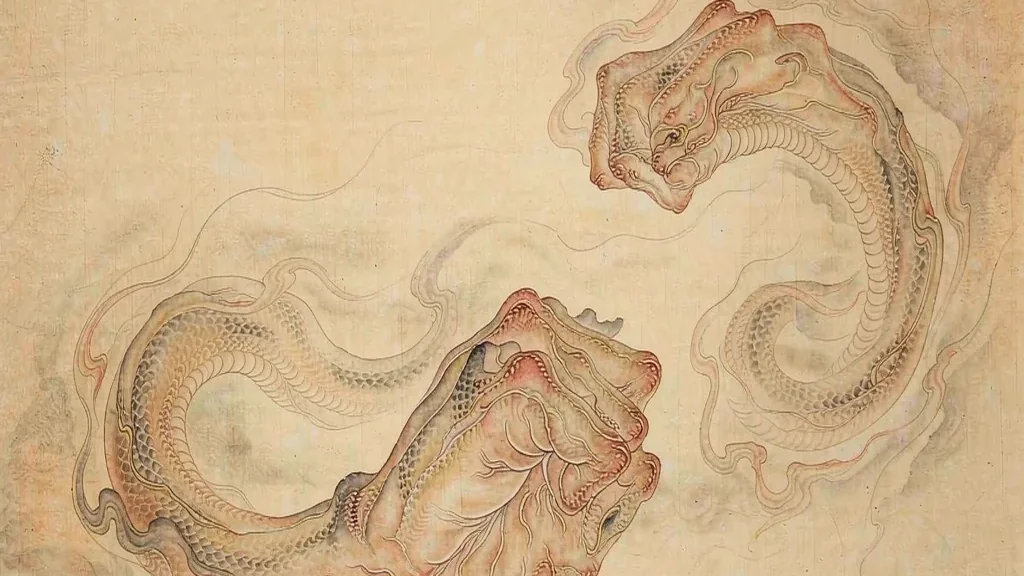
Snake Fist: The Fluid Strikes of the Serpent
Snake fist (蛇拳) is the fluid style of low, weaving hand strikes and soft deflection that mimics the serpent's coiled speed.
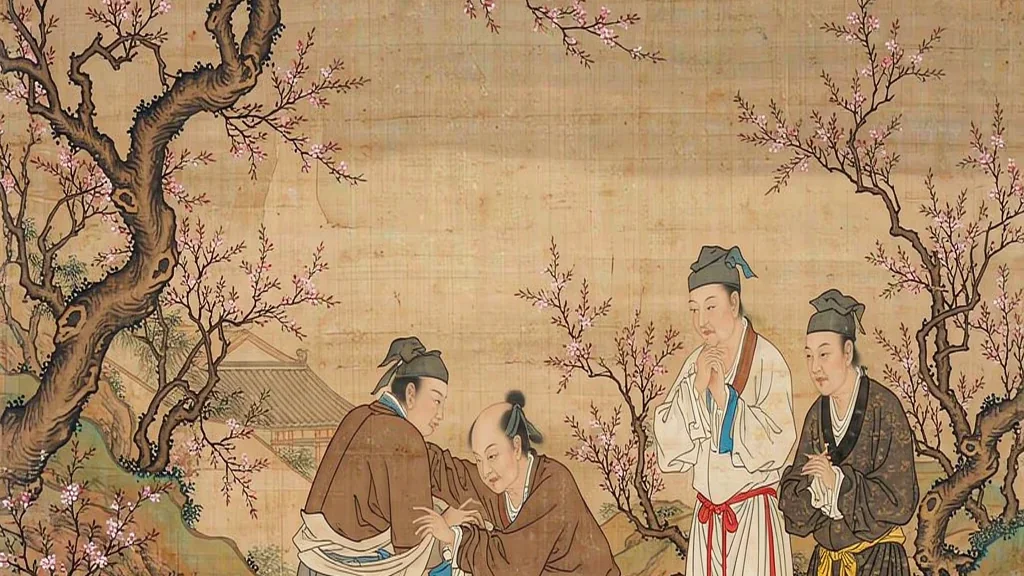
Shuai Jiao: The Ancient Wrestling of China
Shuai jiao (摔跤) is China's indigenous wrestling — a jacketed, throw-based art documented back to the Zhou and still a national sport.
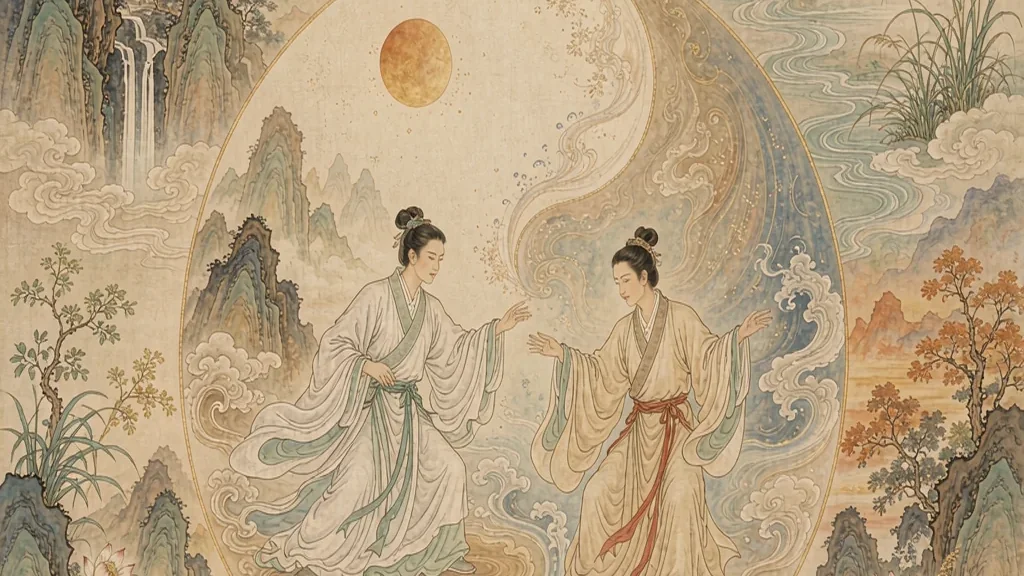
The Philosophy of Taiji: Yin, Yang, and the Art of Movement
The philosophy of taiji (太极) is the worldview of complementary opposites — yin and yang in perpetual, balanced change that the movement embodies.
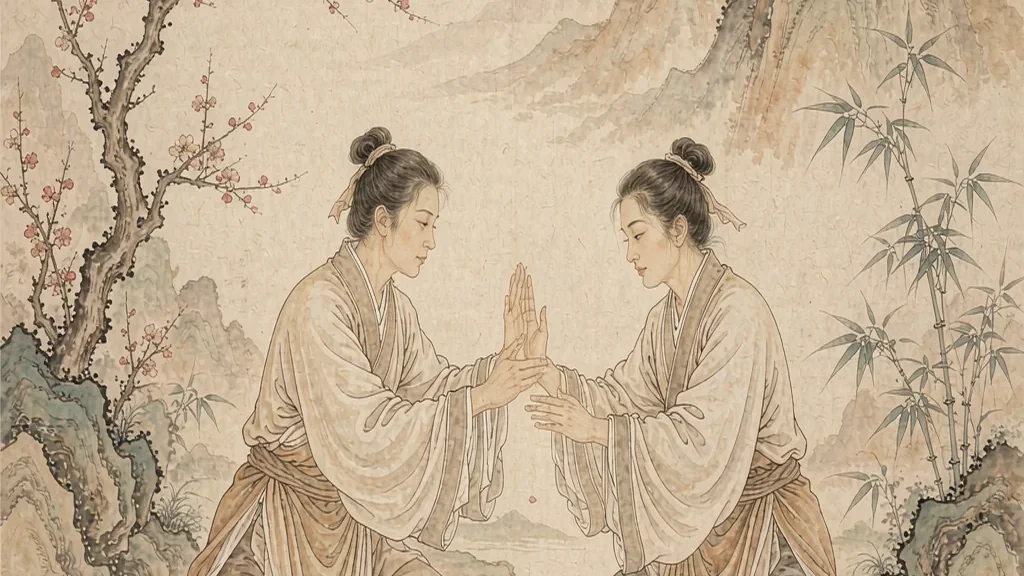
Pushing Hands: The Sensitivity Training of Taiji
Pushing hands (推手) is taiji's two-person training — a sensitive game of sticking, yielding, and issuing that turns form into live skill.

Taiji Sword: The Extension of the Mind
The taiji sword (太极剑) extends the art's principles into the jian — slow, circular cuts where the blade seems an outgrowth of the mind.

Iron Leg: The Kicking Art of the North
Iron Leg (铁腿) is the northern kicking art of powerful, conditioned legs trained to strike like a staff.

Iron Palm: The Conditioning of the Hands
Iron Palm (铁掌) is the hand-conditioning method of toughening the palm and edge to strike with bludgeoning power.

Tiger Style: The Ferocity of the King
Tiger style (虎拳) is the southern animal form of power and grip — low stances, crushing palms, and clawing takes modeled on the beast.
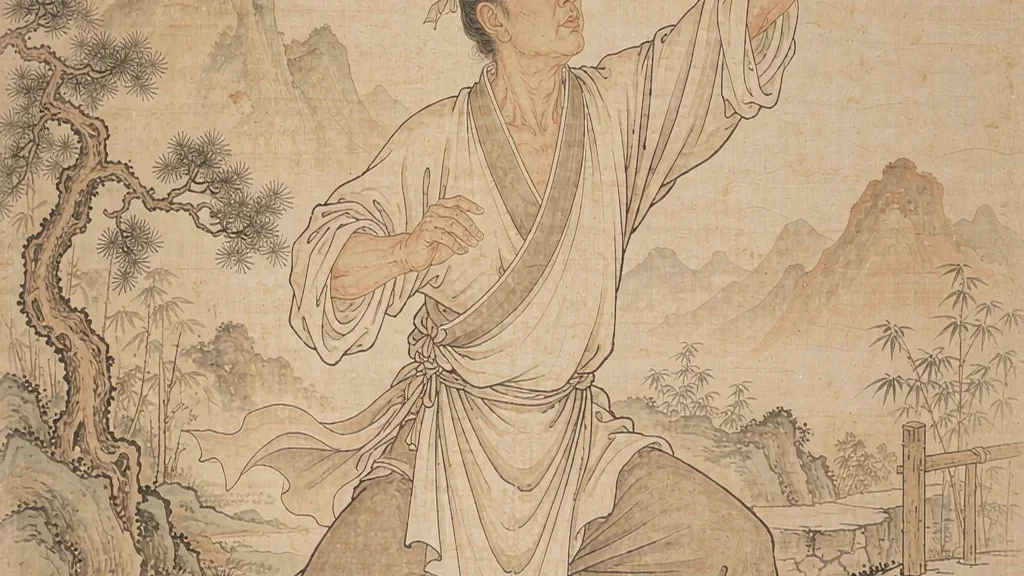
Tongbei: The Arm-Throwing Fist of the North
Tongbeiquan (通背拳) is the 'through-the-back fist,' a northern style that whips power from the back and shoulders down the arm like a lash.
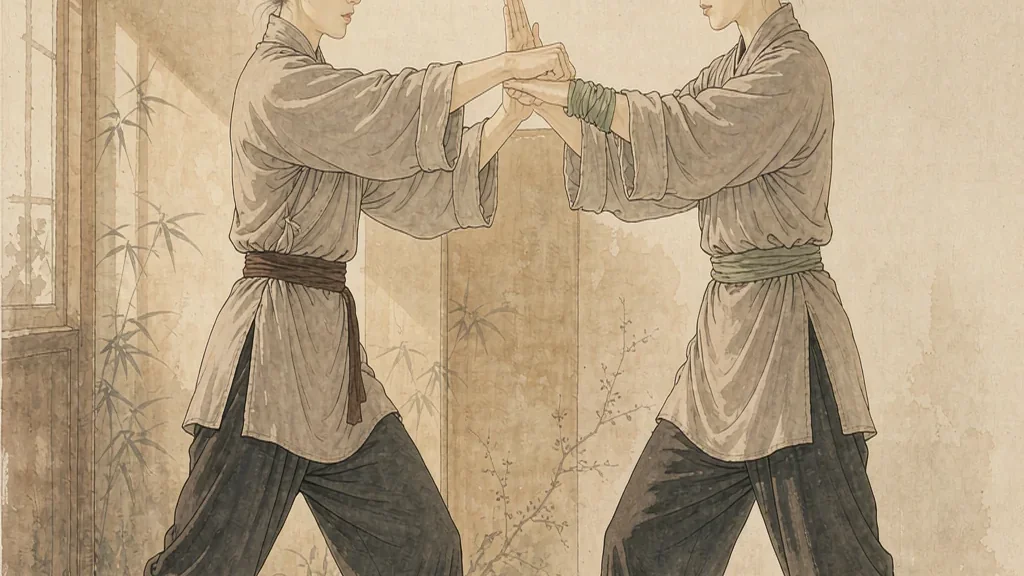
Wing Chun: The Practical Art of the Straight Line
Wing Chun (咏春) is the southern art of the straight line — compact, economical movements and sensitive trapping built for close range.
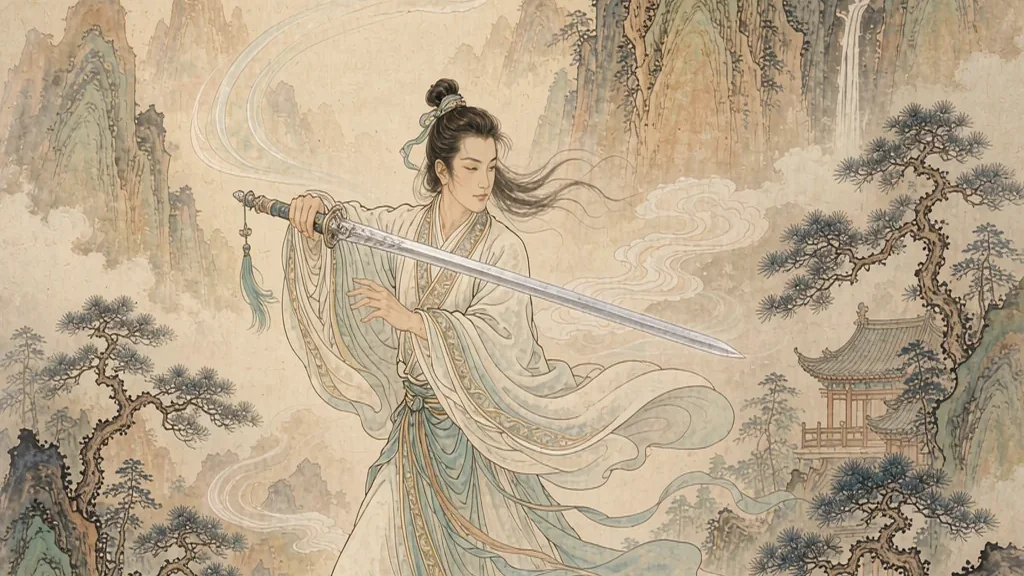
Wudang Internal Sword: The Dance of Qi
The Wudang sword is the internal blade art of the mountain Daoists — circular, soft, and guided by qi rather than muscular force.
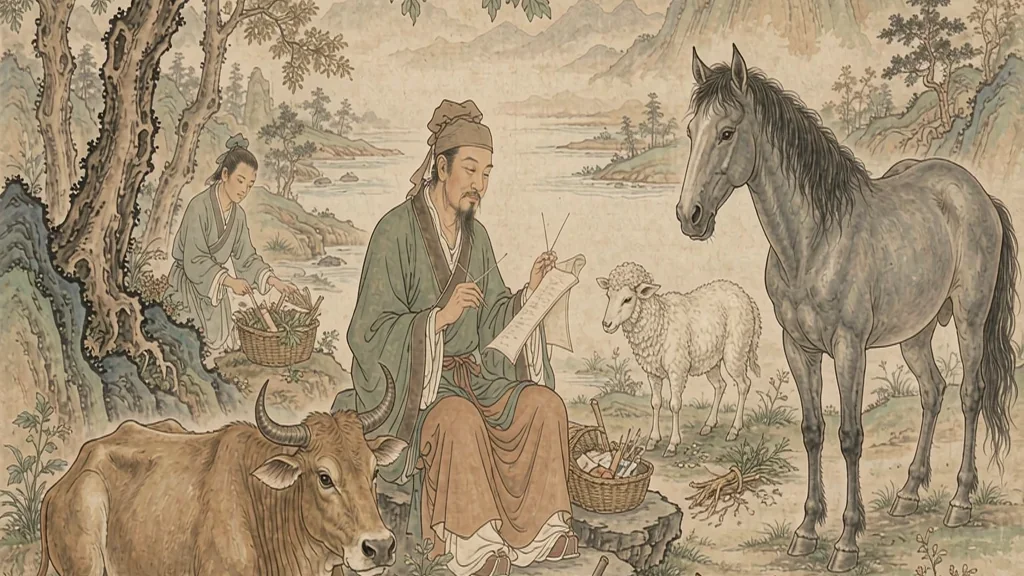
Five Animals Play: The Medical Kung Fu of Hua Tuo
The Five Animals Play (五禽戏) is the medical exercise set attributed to the physician Hua Tuo — imitating tiger, deer, bear, ape, and bird for health.
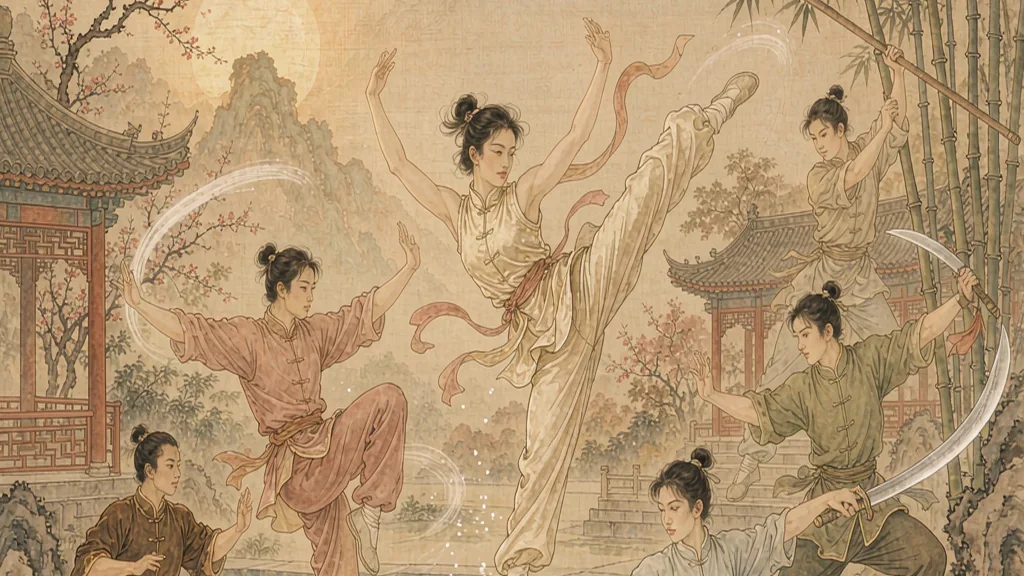
Modern Wushu: The Sport of the New Age
Modern wushu is the codified sport of forms and routines — a performance and competitive art standardized from regional kung fu since the 1950s.
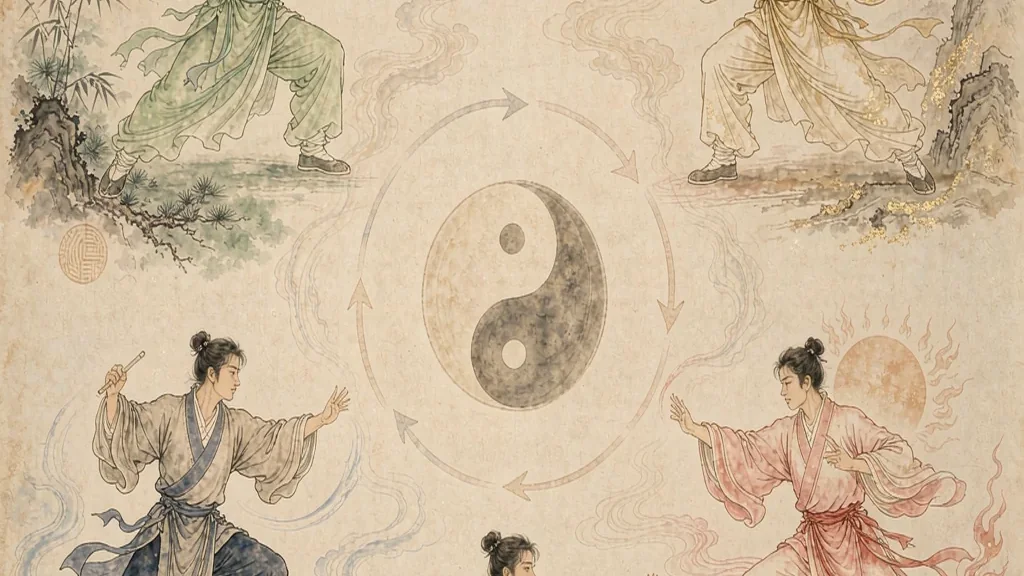
Shape-Intent Boxing: The Linear Art of Five Elements
Xingyiquan (形意拳) is the 'form-intent fist,' a linear, five-element art of direct striking where the mind's intent shapes the movement.
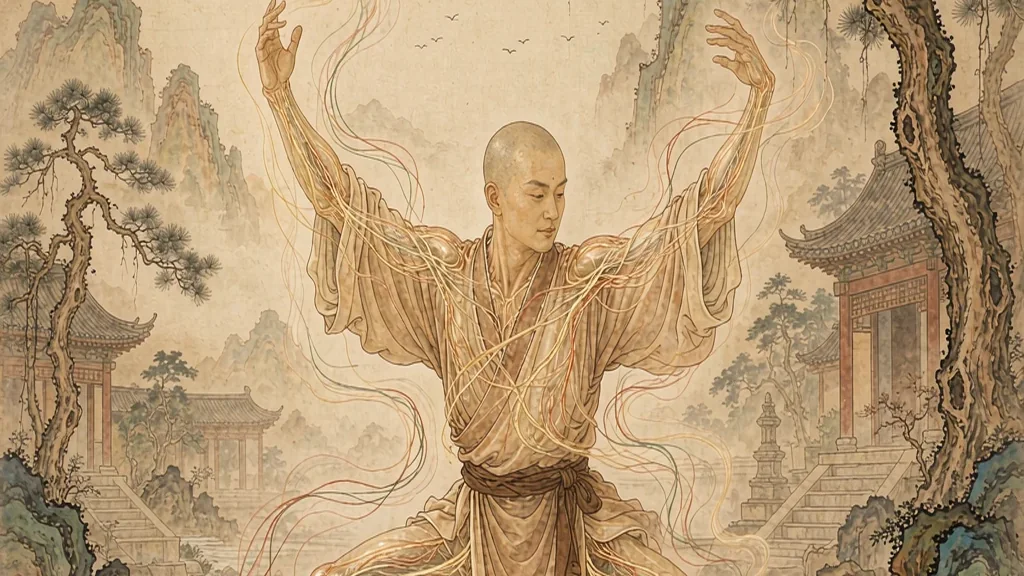
The Sinew Transformation Classic: The Shaolin Strengthening Art
The Yijin Jing (易筋经), 'Sinew-Transformation Classic,' is the Shaolin conditioning set of postures said to rebuild the body's sinews and strength.
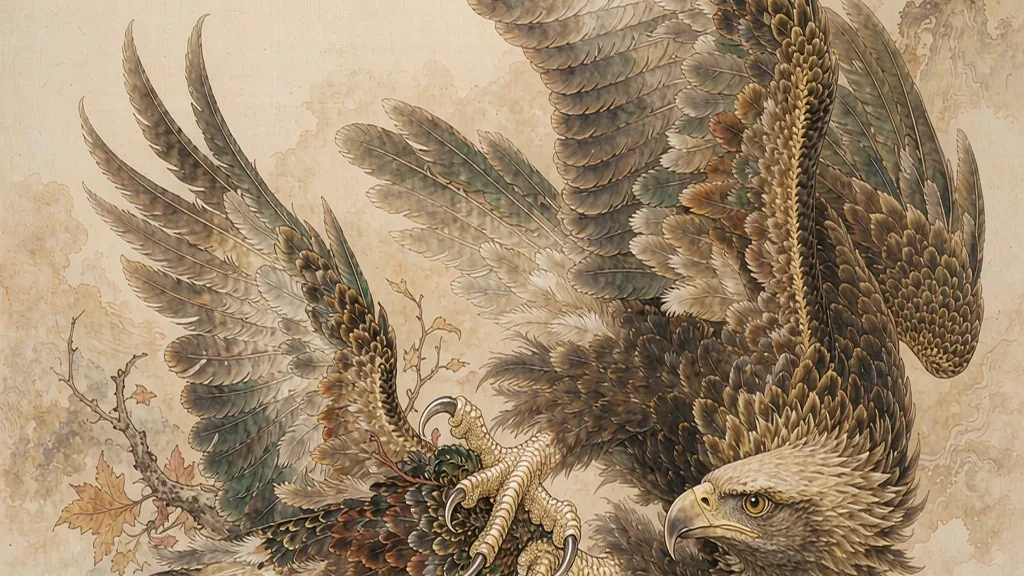
Eagle Claw: The Grip of the King of Birds
Eagle claw (鹰爪拳) is the northern style of hooked, gripping hands that seize and lock like the raptor's talons.
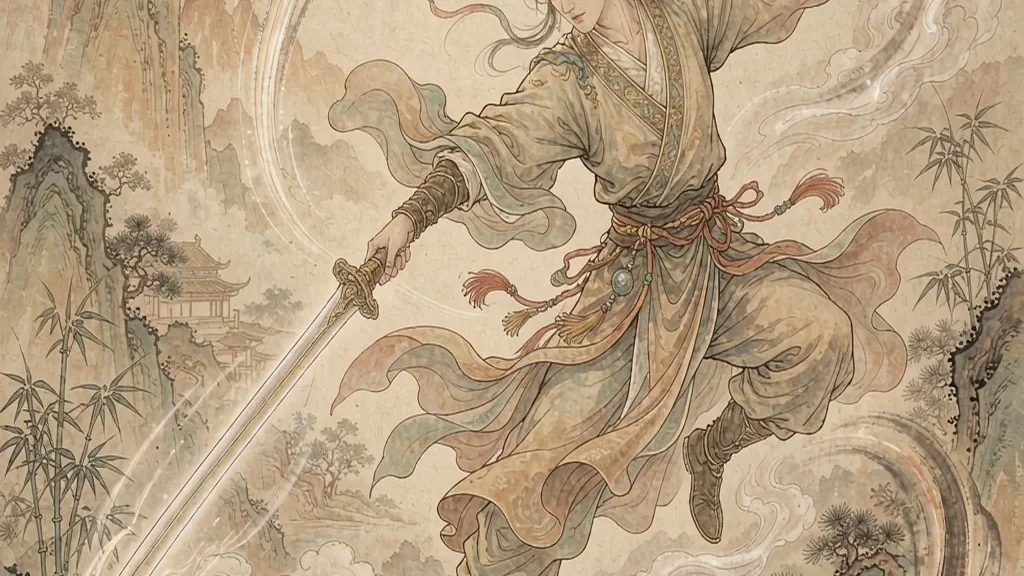
Drunken Sword: The Reeling Blade
Drunken sword (醉剑) is the saber art performed with reeling, off-balance footwork that hides precise cuts behind a 'drunk' disguise.