💬 Chinese Idioms
87 articles — Four-character idioms and their stories
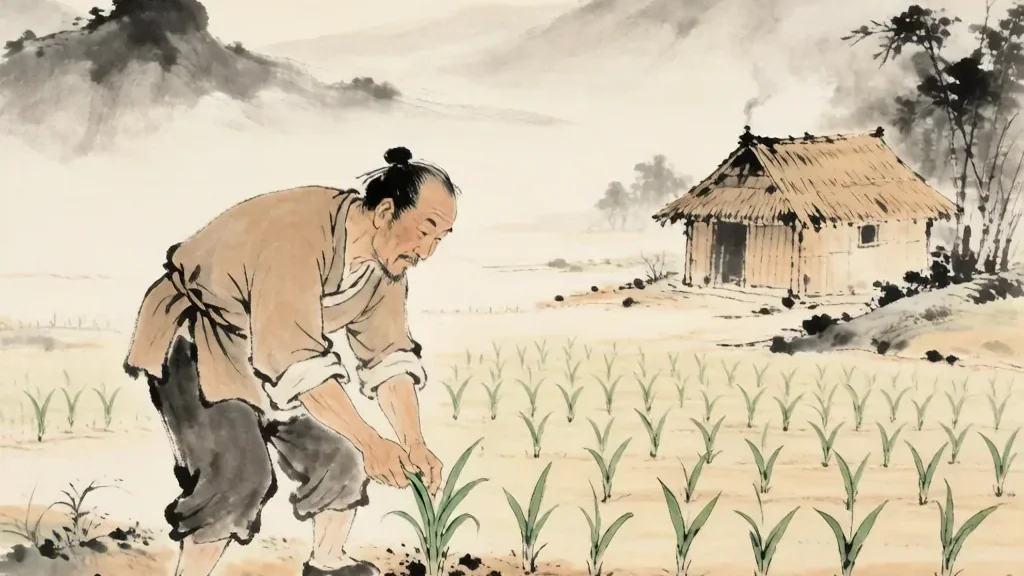
Bamiao Zhuzhang
There is a kind of impatience that does not look like impatience. It looks like diligence.
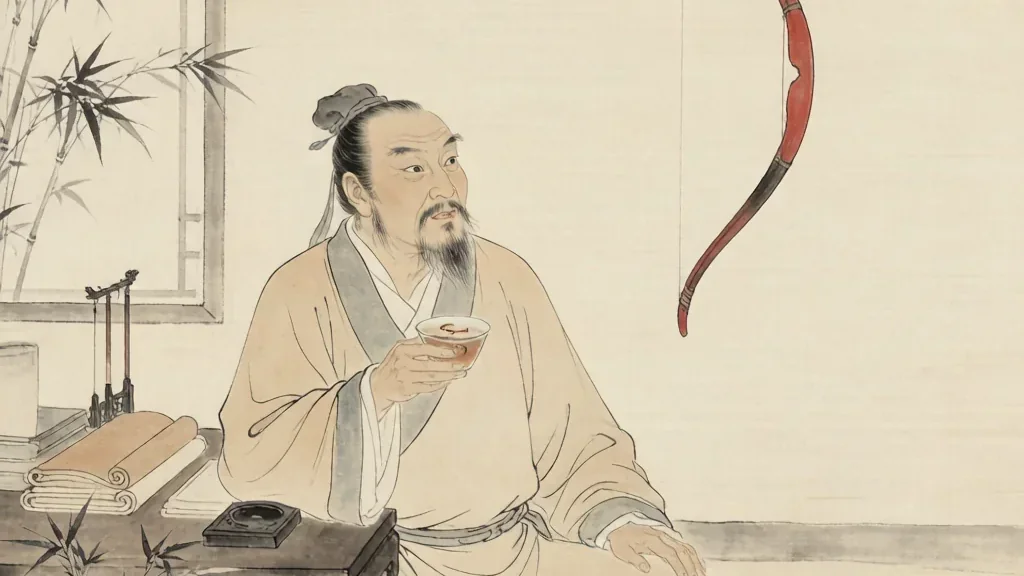
Beigong Sheying
Some fears are born from real danger — a tiger in the grass, a storm on the horizon, an enemy at the gate. But other fears are born from nothing at all, from the tricks our own minds play on us when we are tired, anxious, or simply too ready to believe the worst.

Duiniu Tanqin
There is a particular frustration known to everyone who has ever tried to share something beautiful with someone who cannot receive it. The painter explaining color to a person born blind.

Hualongdianjing
In every craft, there is a moment when a work of art stops being mere materials and begins to breathe. A sculpture finds its soul in the final curve of a chisel.
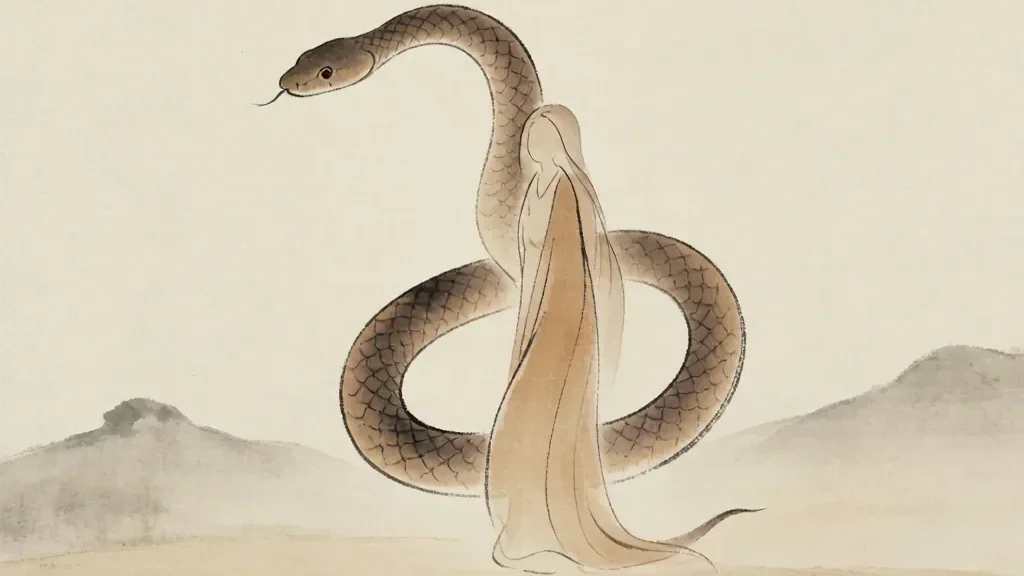
Huashe Tianzu
Among the many forms failure that haunts artists, cooks, writers, and lovers alike — the failure of adding too much. A sauce ruined by one extra pinch of salt.

Hujia Huwei
In the world of power, there are those who are genuinely strong and those who only appear to be strong because they stand next to someone who is. The Chinese idiom 狐假虎威 (hú jiǎ hǔ wēi), "the fox borrows the tiger's fierceness," is the definitive expression of this second type of power — the borrowed authority, the false reputation, the intimidation that comes not from one's own strength but from the strength of an ally that others dare not challenge.
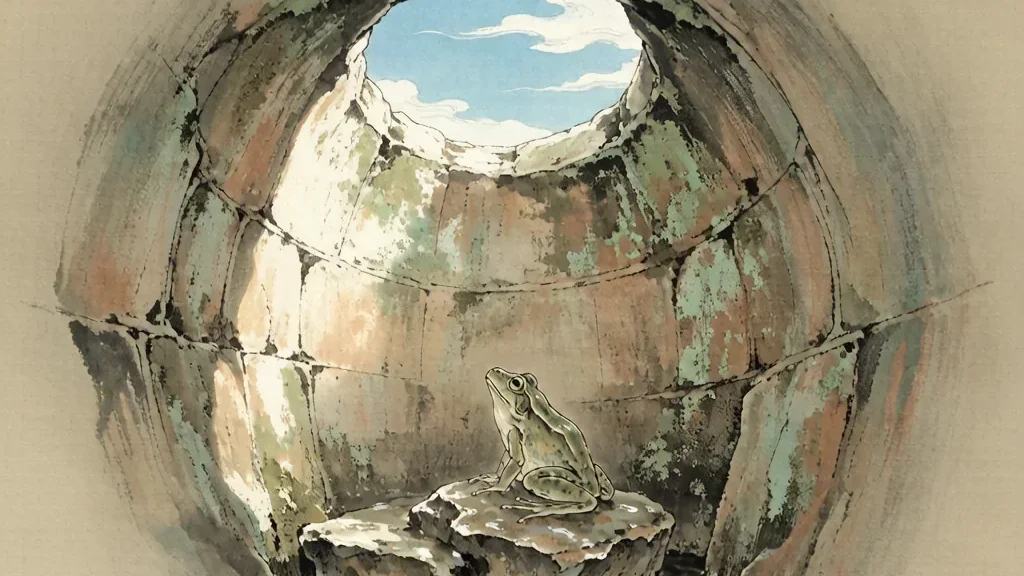
Jingdi Zhiwa
Among the many forms contentment that comes from knowing very little. It is not the contentment of the wise, who have seen the world and made peace with it.

Kezhou Qiujian
Of all the mistakes a mind can make, perhaps the most stubborn is the mistake of treating a moving world as if it were standing still. The Chinese have spent over two thousand years laughing at this mistake in the form of a four-character idiom: 刻舟求剑 (kè zhōu qiú jiàn), "marking the boat to seek the sword.
Lanyu Chongshu
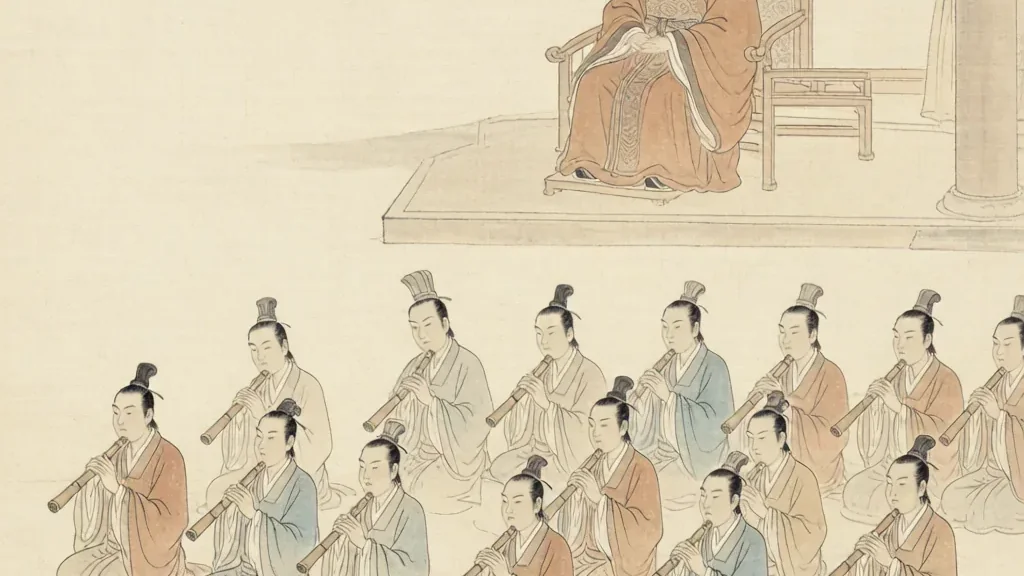
Among the many forms survival that depends on never being examined too closely. The colleague who speaks confidently in meetings but produces nothing.
Mingsichu
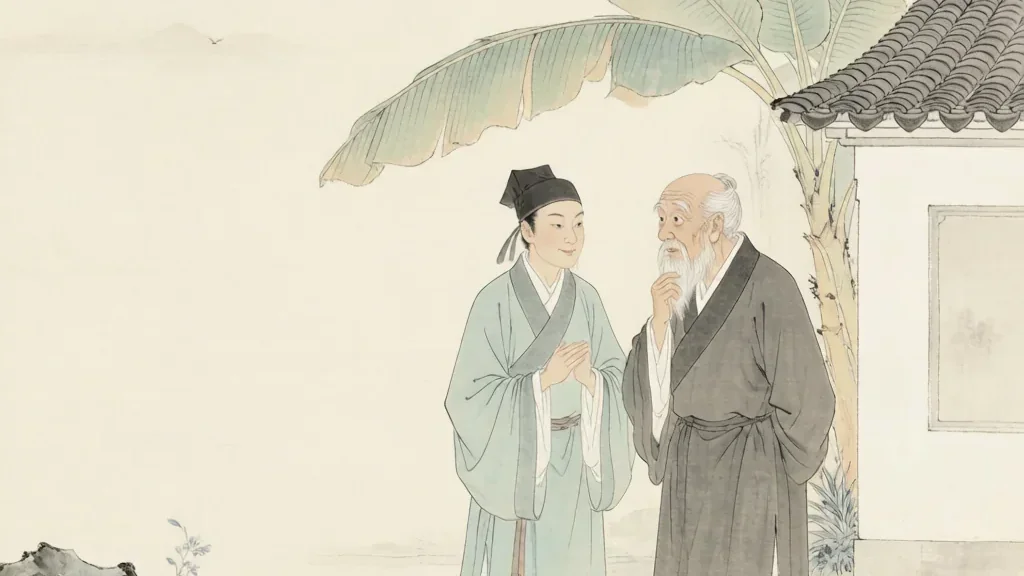
Few human experiences are as universal, or as awkward, as the need to deliver bad news gracefully. Tell someone too directly that they have failed, and you wound them.
Qianlv Jiqiong
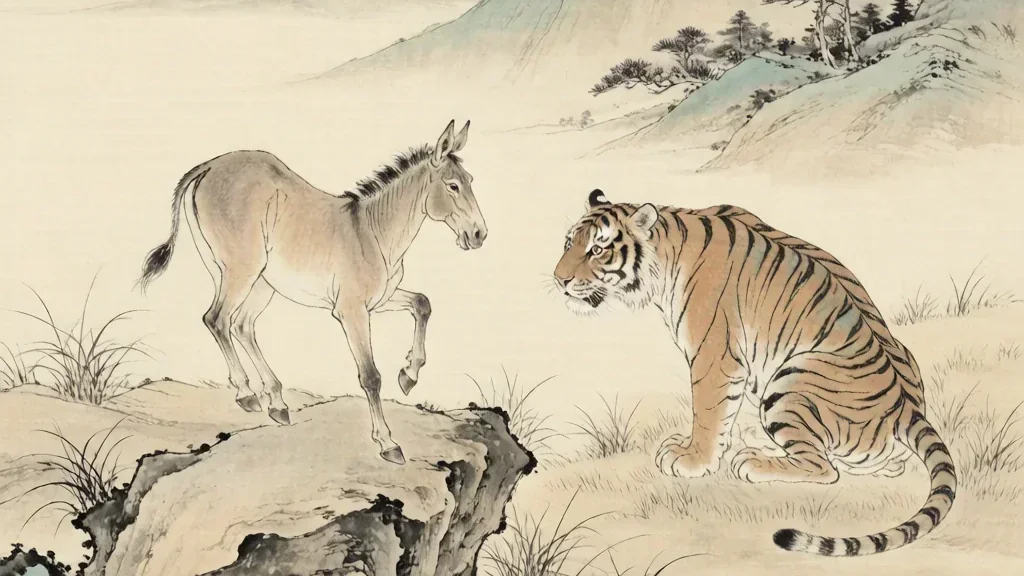
There is a kind of strength that is mostly appearance. A loud voice, an imposing presence, a single dramatic move repeated whenever challenged.

Saiweng Shima
Most stories teach us to tell the difference between good fortune and bad. A small handful of stories — the wisest, the most unsettling — teach us that the difference cannot be told at all, at least not at the moment it happens.
Shouzudaitu
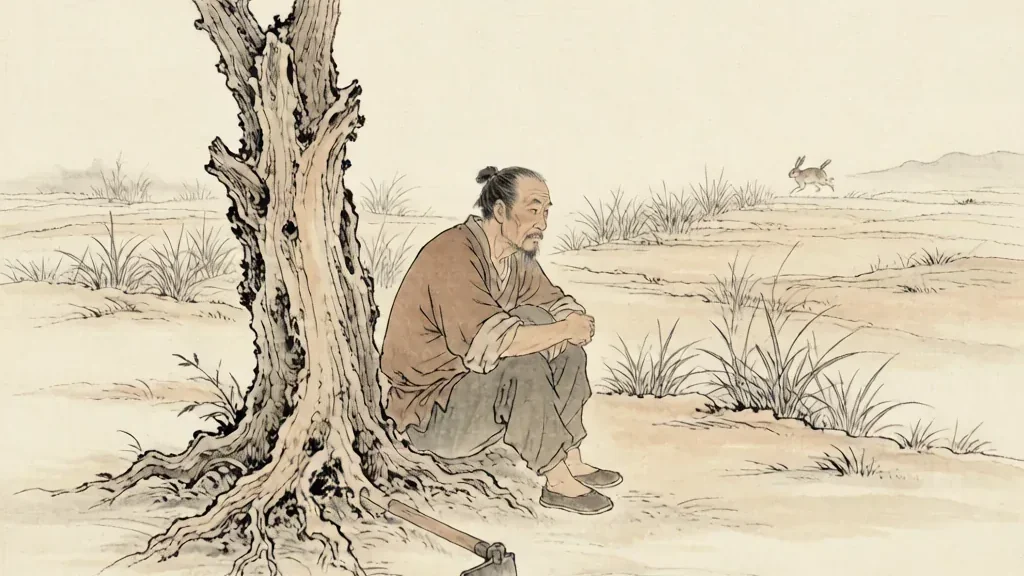
Of all the ways a person can ruin their life, perhaps the most quietly tragic is to mistake a single stroke of luck for a plan. The Chinese have a phrase for this exact mistake, and it has endured for over two thousand years: 守株待兔 (shǒu zhū dài tù), "waiting by the stump for a hare.
Wangyang Bulao
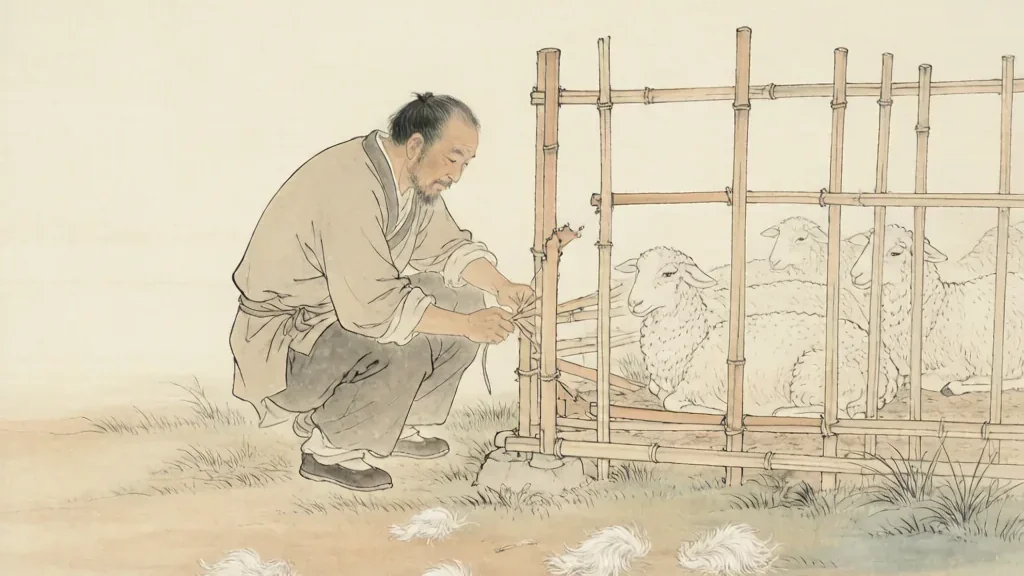
Most idioms are warnings. A smaller and quieter group are encouragements — small lanterns lit against the dark of regret.
Yaner Daoling
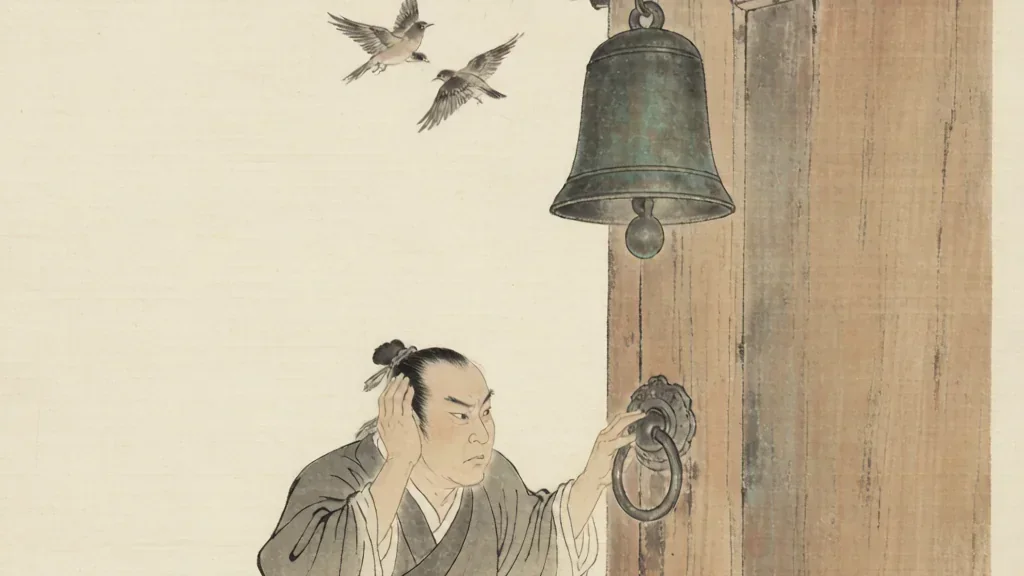
Of all the ways human beings deceive themselves, few are as vivid — or as embarrassing — as the one captured in the Chinese idiom 掩耳盗铃 (yǎn ěr dào líng), "covering one's ears to steal a bell. " The image is almost cartoonish: a thief, intent on making off with a large and loudly ringing bell, solves the problem of noise by plugging his own ears.

Yegonghaolong
It is easy to love something in the abstract. It is easy to love adventure before the first cold night in the wilderness.
Yubang Xiangzheng
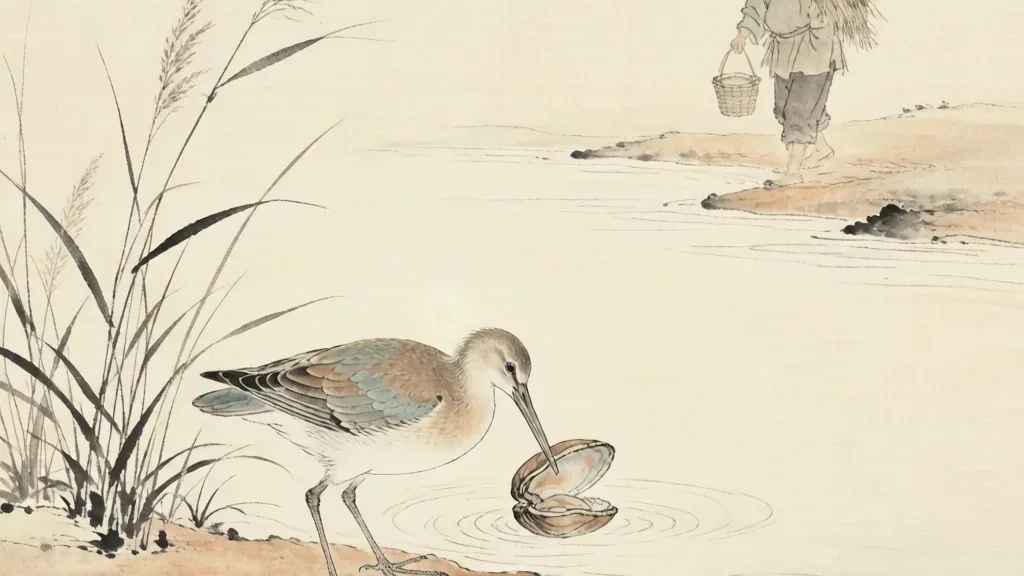
There is a kind of conflict that produces no winner. Two parties lock themselves into a struggle so total that even the victor, if there is one, will be too weakened to enjoy the victory.
Yugongyishan
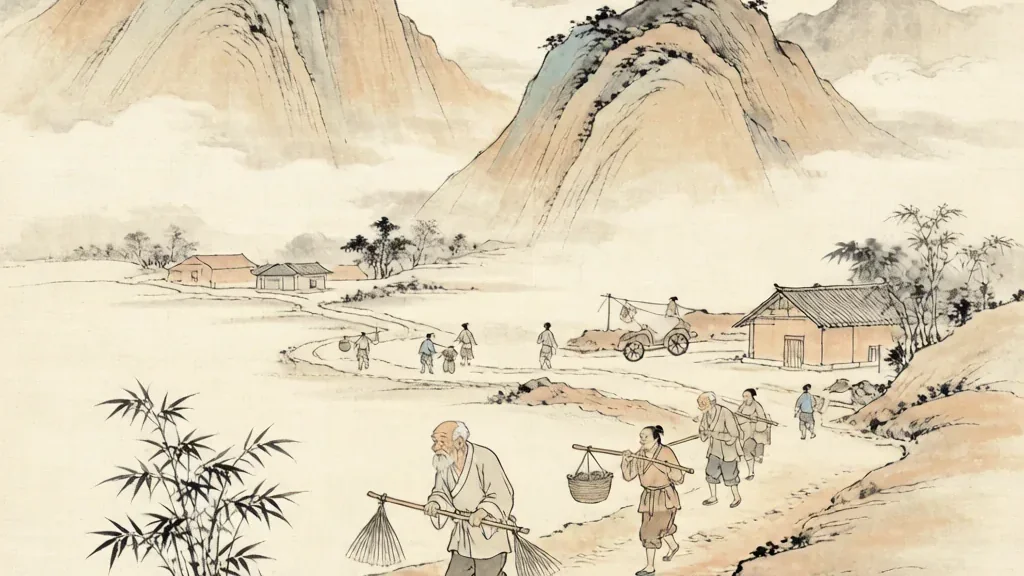
There are stories that celebrate cleverness, and there are stories that celebrate strength. And then there is a rarer kind of story — one that celebrates the stubborn refusal to accept the impossible.
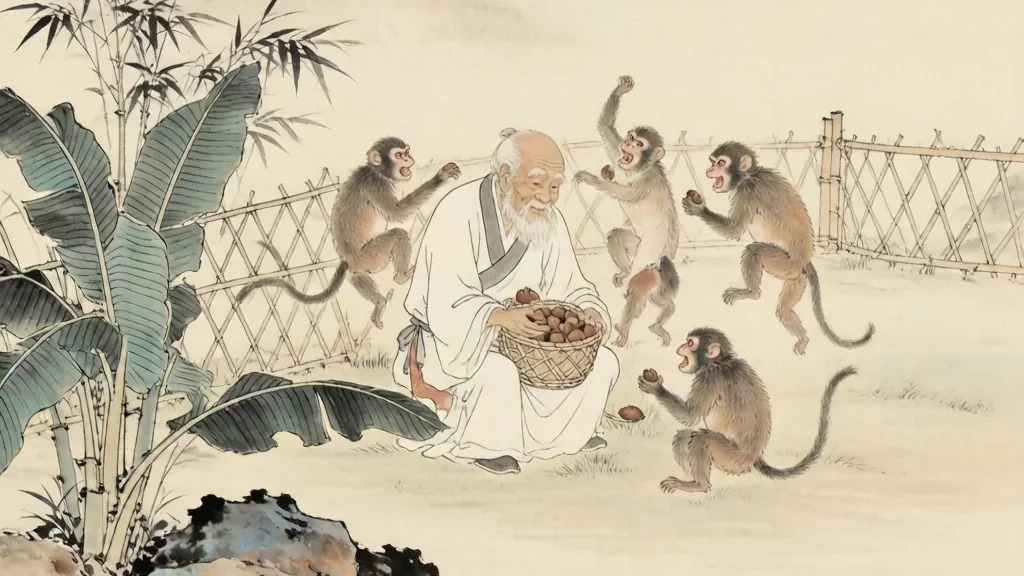
Zhaosan Musi
Of all the ways human beings can be fooled, the most embarrassing is to be fooled by a change of words rather than a change of facts. The thing itself remains exactly what it was.

Zhengren Mailv
There is a kind of mind that trusts the map more than the territory. The map, after all, is clean, precise, and portable.

The Spear and the Shield
Some of the wisest lessons in Chinese culture arrive disguised as a street-corner joke. The idiom zì xiāng máo dùn (自相矛盾), which we might translate as "the spear and the shield," captures the human habit of talking ourselves into impossible corners.

Jingwei Fills the Sea
There is a bird in Chinese myth who will never give up, and her name is Jīngwèi (精卫). The idiom jīng wèi tián hǎi (精卫填海) means "Jingwei fills the sea," and it describes a task so vast that reason says it cannot be finished, yet is pursued with unshakable determination.
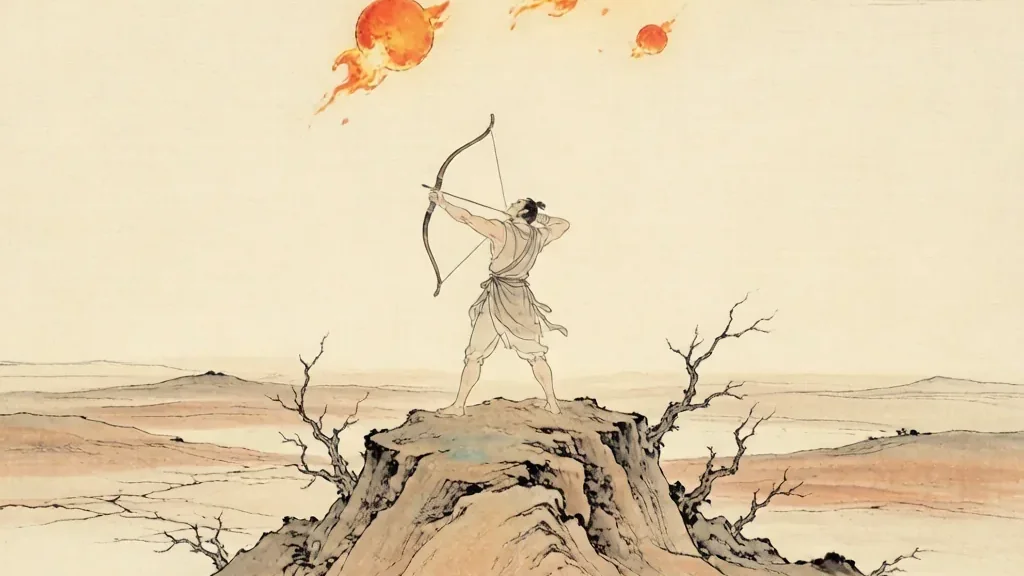
Houyi Shoots the Suns
Before there was one sun in the sky, Chinese myth says, there were ten. The idiom hòu yì shè rì (后羿射日) means "Houyi shoots the suns," and it tells of a divine archer who drew his bow against the heavens to save a scorched world.
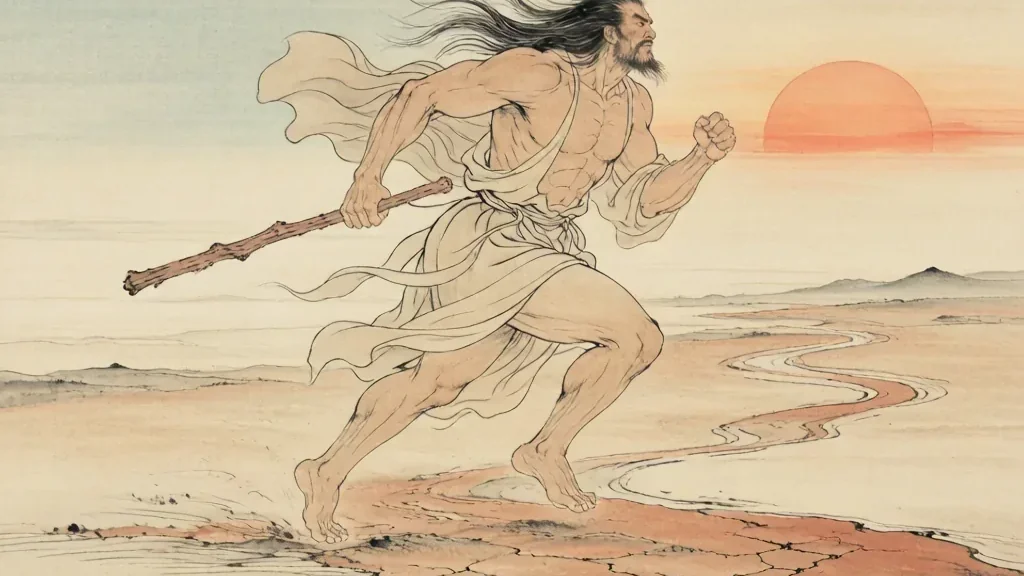
Kuafu Chases the Sun
Some heroes win, and some simply run until they cannot run anymore. The idiom kuā fù zhú rì (夸父逐日) means "Kuafu chases the sun," and it is the story of a giant who raced the celestial light across the sky, desperate to catch it before dusk.
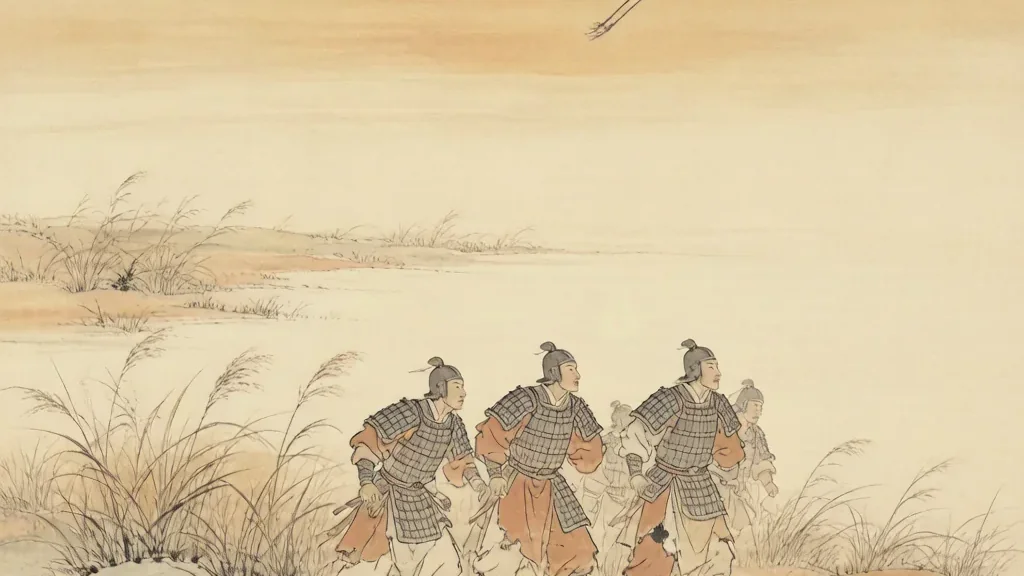
The Whistling Wind and Crying Cranes
Fear can defeat an army faster than any weapon. The idiom fēng shēng hè lì (风声鹤唳) means "the sound of the wind and the cry of cranes," and it describes a panicked force that hears enemy troops in every rustle of nature.

Songs of Chu on Every Side
Music can break a warrior's heart. The idiom sì miàn chǔ gē (四面楚歌) means "songs of Chu on every side," and it tells of a defeated hero surrounded not only by enemy troops but by the familiar songs of his own lost homeland.
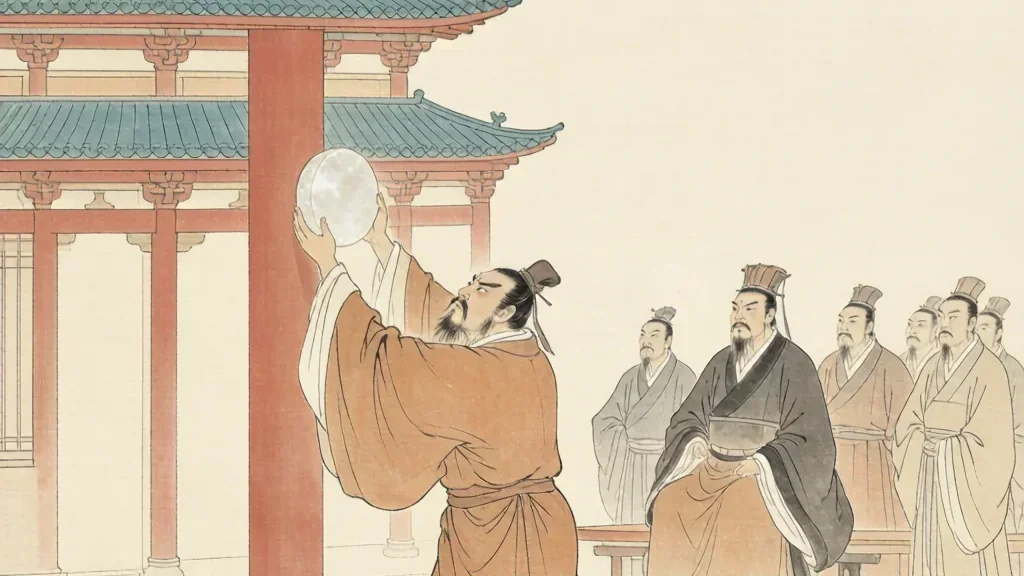
Returning the Jade Intact to Zhao
Some treasures are returned exactly as they were taken. The idiom wán bì guī zhào (完璧归赵) means "the intact jade returns to Zhao," and it celebrates a diplomat who, through nerve and wit, got a precious jade back to his state without ceding an inch of land.

Bearing the Rod in Penance
True greatness sometimes means showing up with a rod on your bare back. The idiom fù jīng qǐng zuì (负荆请罪) means "carrying a rod to ask forgiveness," and it tells of a proud general who humbled himself before the colleague he had wronged.

Armchair Strategy
Books can teach you to win a war on paper and lose it on the battlefield. The idiom zhǐ shàng tán bīng (纸上谈兵) means "discussing warfare on paper," and it warns against people who know theory but lack real experience.
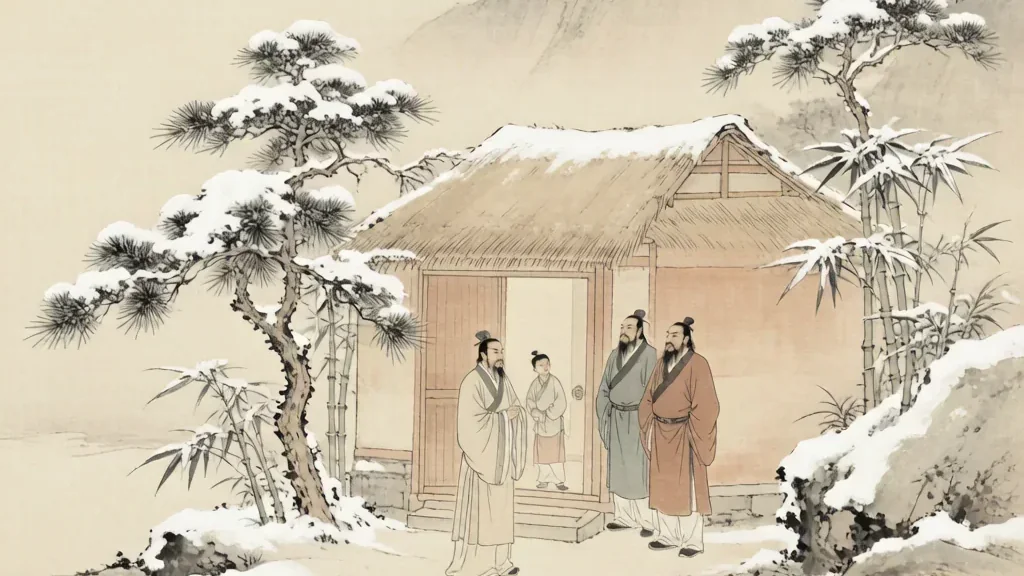
Three Visits to the Thatched Cottage
Great talent is worth chasing, even if it takes three tries. The idiom sān gù máo lú (三顾茅庐) means "three visits to the thatched cottage," and it tells of a warlord who humbled himself before a quiet scholar to win his service.
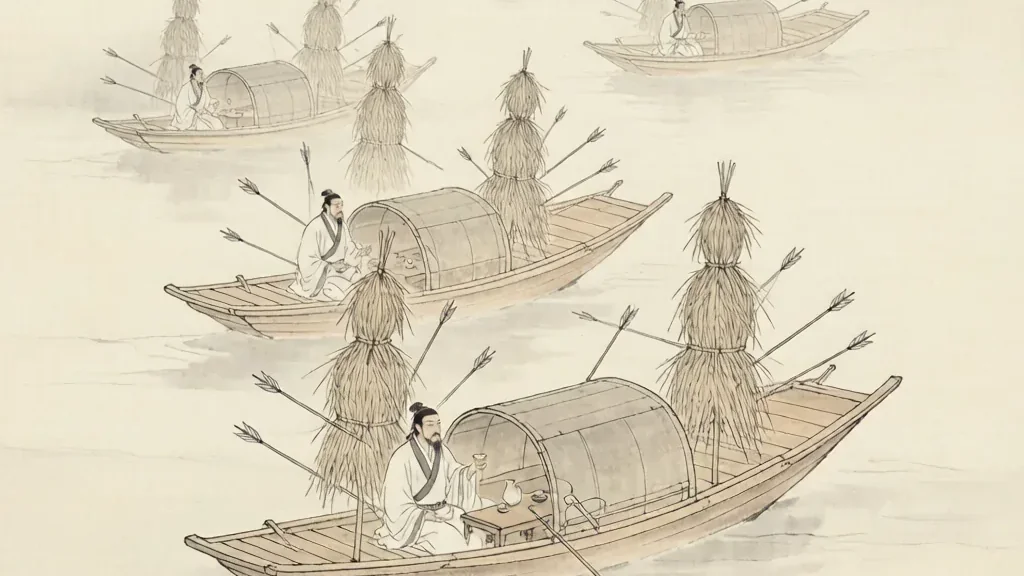
Borrowing Arrows with Thatched Boats
Sometimes the best way to get what you need is to let the enemy hand it to you. The idiom cǎo chuán jiè jiàn (草船借箭) means "borrowing arrows with thatched boats," and it tells of a strategist who, with no arrows of his own, tricked the enemy into showering him with theirs.

Quenching Thirst by Thinking of Plums
A clever word can quench a thirst that water cannot. The idiom wàng méi zhǐ kě (望梅止渴) means "gazing at plums to stop thirst," and it tells of a general who, with no water in sight, rallied his suffering troops by promising sour plums ahead.
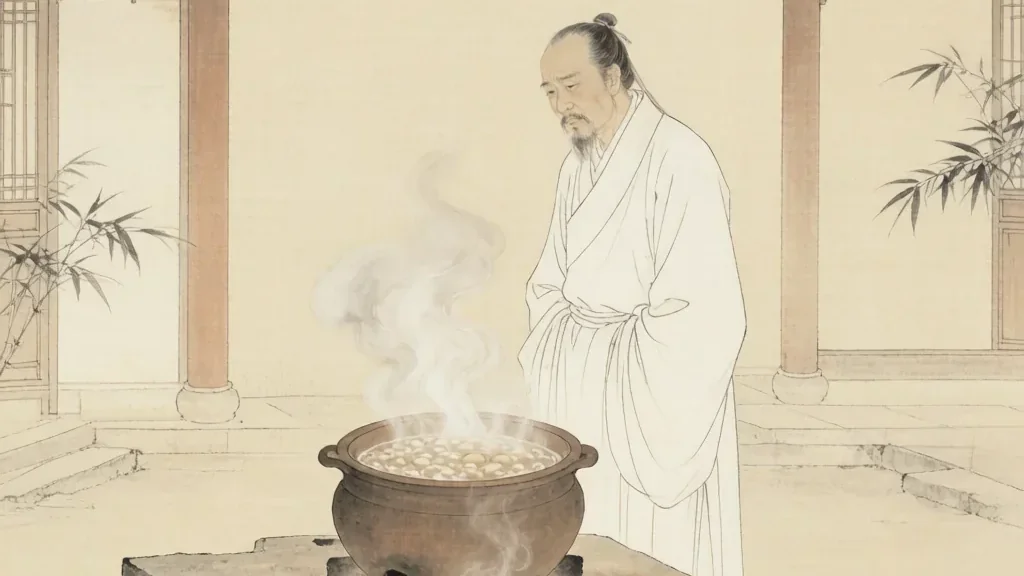
Boiling Beans with Their Own Stalk
The bitterest wars are often inside one family. The idiom zhǔ dòu rán qí (煮豆燃萁) means "boiling beans with their own stalk," and it comes from a poem in which one brother compares himself to a bean cooked over the fire of his own sibling's stalk.

Too Happy to Think of Shu
Comfort can make us forget where we came from. The idiom lè bù sī Shǔ (乐不思蜀) means "too happy to think of Shu," and it tells of a deposed prince who, living softly in his conqueror's court, confessed he was having too good a time to miss his lost homeland.

Entering the Wood Three Fifths
Some brushstrokes cut so deep they seem to enter the wood. The idiom rù mù sān fēn (入木三分) means "entering the wood three fen," and it honors calligraphy so forceful that the ink soaked a full third of an inch into the board.
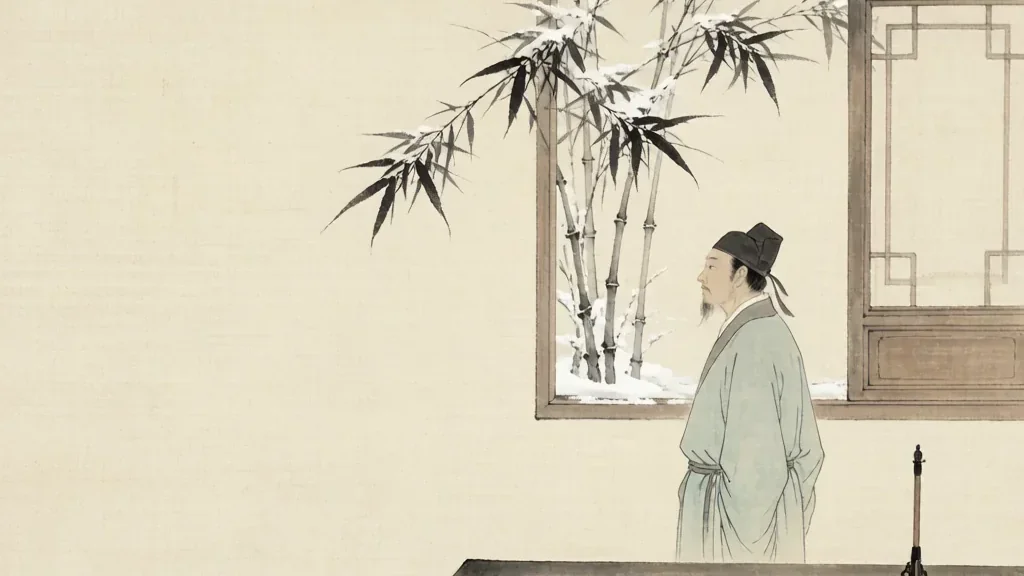
A Bamboo Already in the Chest
The best painting is finished in the artist's mind before the brush ever moves. The idiom xiōng yǒu chéng zhú (胸有成竹) means "there is a finished bamboo in the chest," and it describes the master who has so internalized his subject that creation is merely transcribing what he already sees.
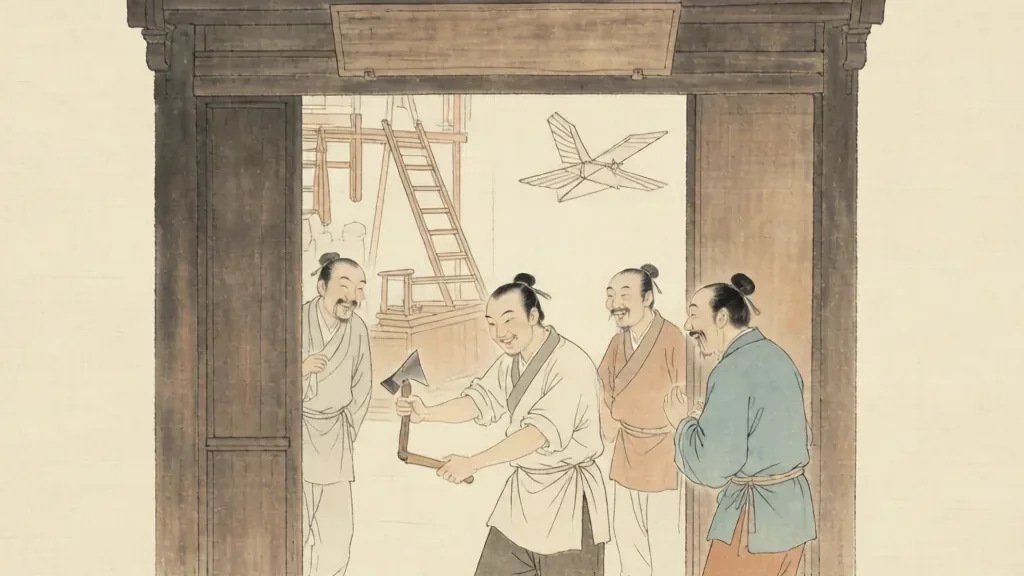
Wielding an Axe at Lu Ban's Gate
There is no point showing off your axe at the gate of the master carpenter. The idiom bān mén nòng fǔ (班门弄斧) means "wielding an axe at Lu Ban's gate," and it gently mocks anyone who flaunts a small skill before an expert.
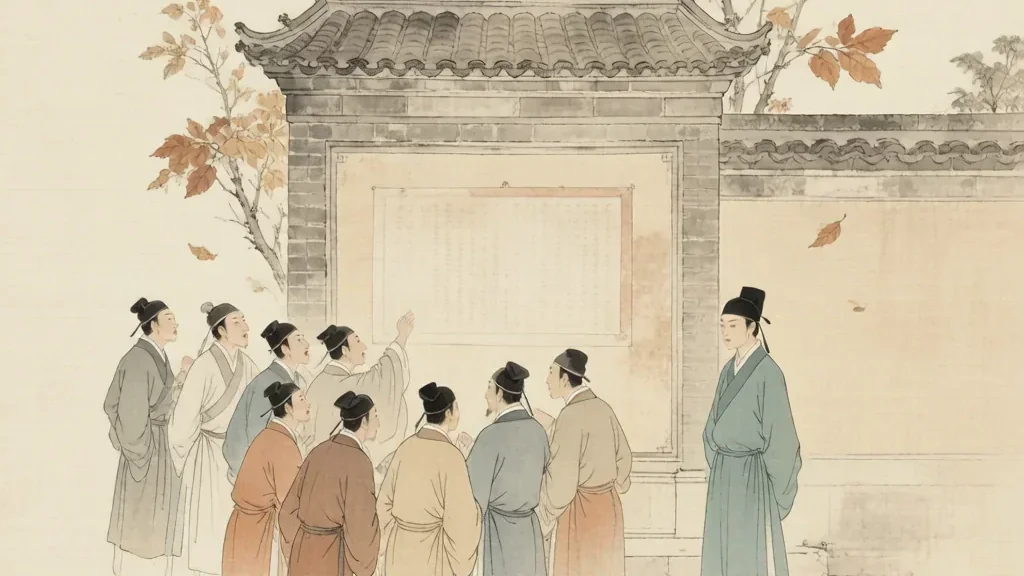
Failing Behind Sun Shan
Failing an exam has its own patron saint, and his name is Sun Shan. The idiom míng luò Sūn Shān (名落孙山) means "the name falls behind Sun Shan," and it describes the experience of coming just below the last person who passed.
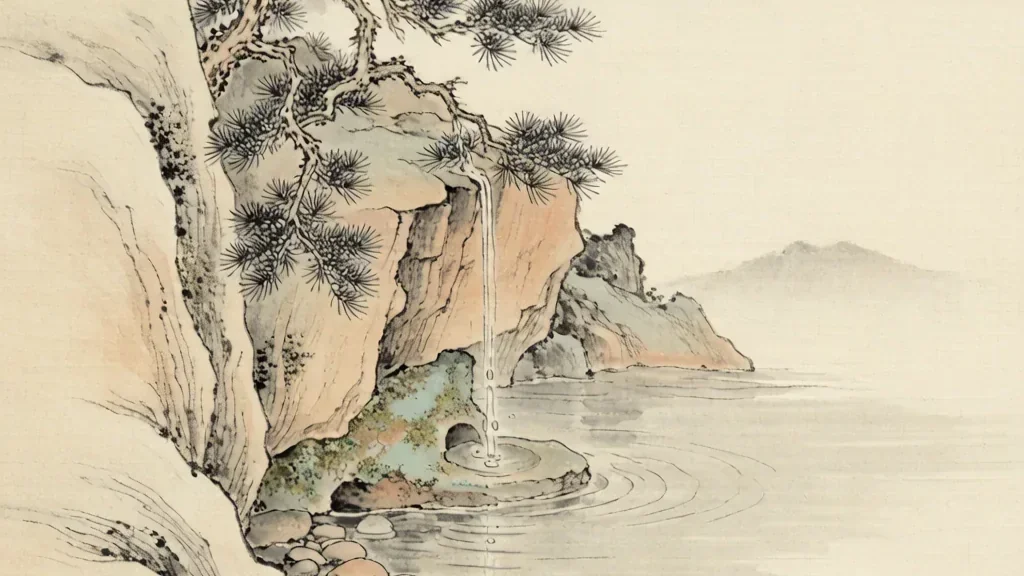
Dripping Water Pierces the Stone
Water seems helpless against stone, yet given time it wins. The idiom shuǐ dī shí chuān (水滴石穿) means "dripping water pierces the stone," and it teaches that patient, repeated effort can overcome even the hardest obstacle.
Grinding an Iron Rod into a Needle
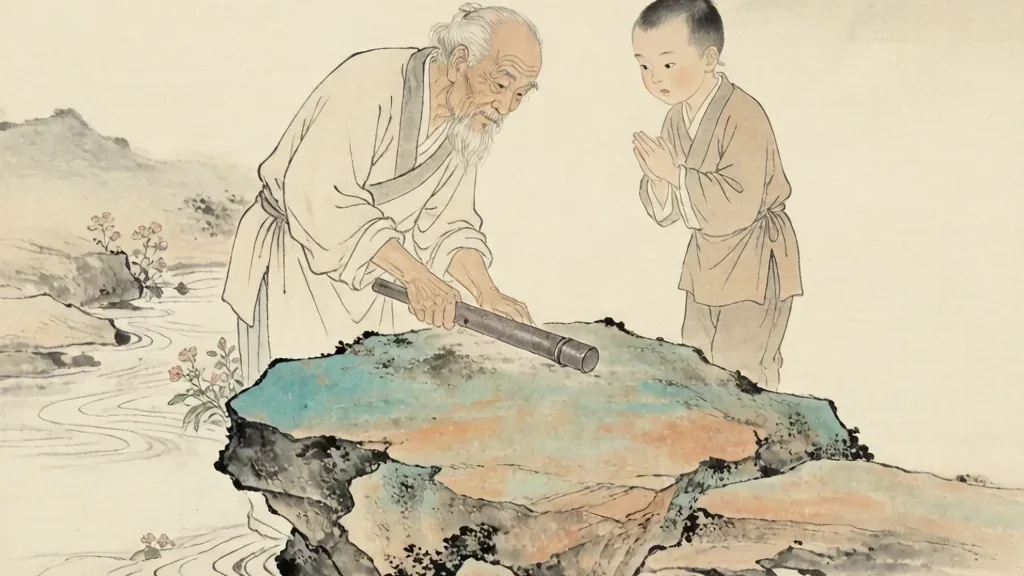
If a poor boy can grind an iron rod into a needle, what excuse do the rest of us have? The idiom mó chǔ chéng zhēn (磨杵成针) means "grind an iron rod into a needle," and it tells of the young Lǐ Bái meeting an old woman by a river who is slowly wearing down a massive iron bar to make a sewing needle.
Boring a Hole to Steal the Light
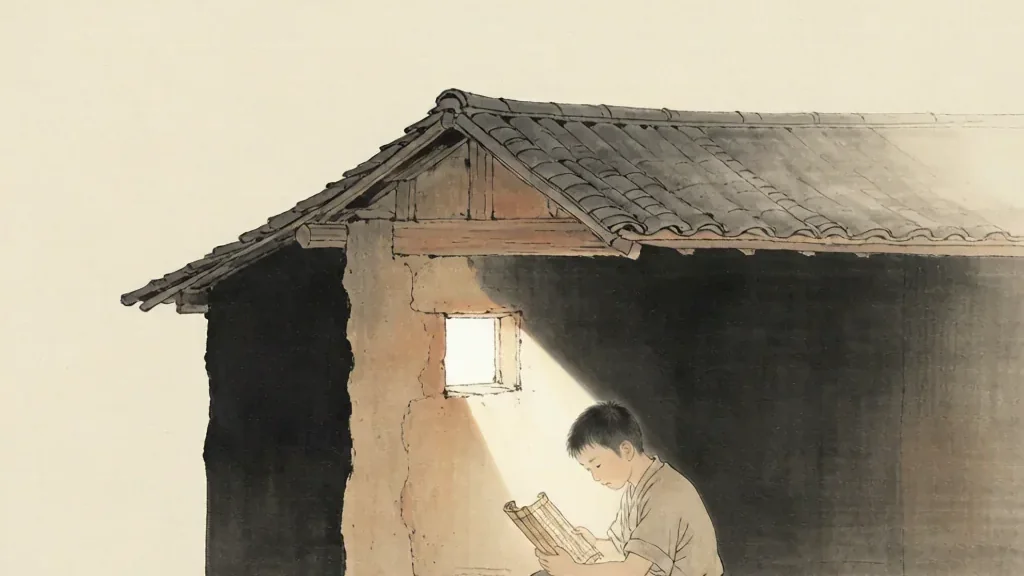
When you have no lamp, bore a hole in the wall and steal your neighbor's. The idiom záo bì tōu guāng (凿壁偷光) means "bore the wall to steal the light," and it tells of a poor boy who pierced his wall so a sliver of his rich neighbor's lamplight could reach his books.
Tying the Hair, Jabbing the Thigh
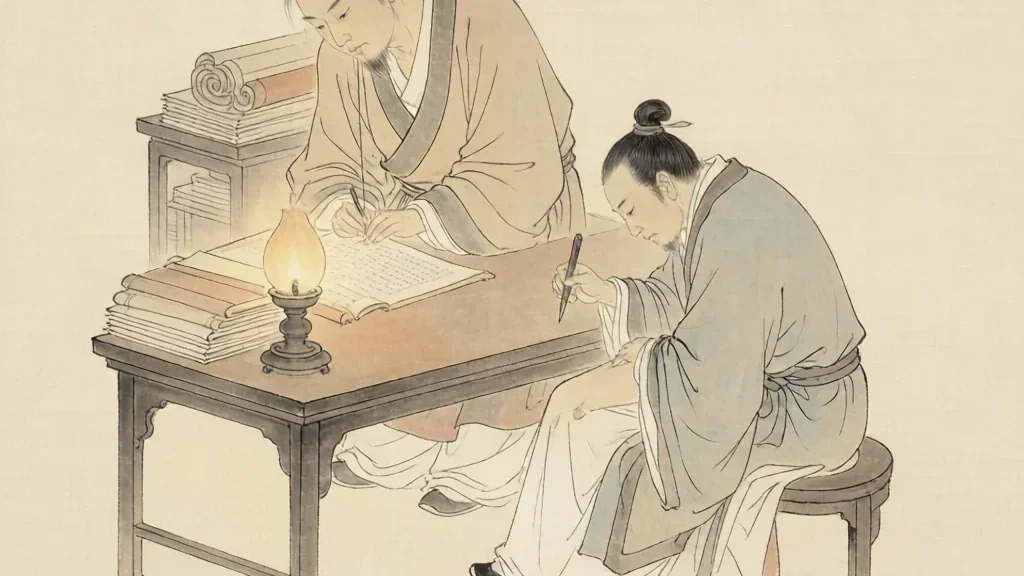
Some stories about study are gentle; this one is not. The Chinese idiom 悬梁刺股 (xuán liáng cì gǔ) — often rendered as "tying the hair to the beam and jabbing the thigh" — captures a degree of devotion to learning that borders on the extreme.
Standing in the Snow at the Master's Gate
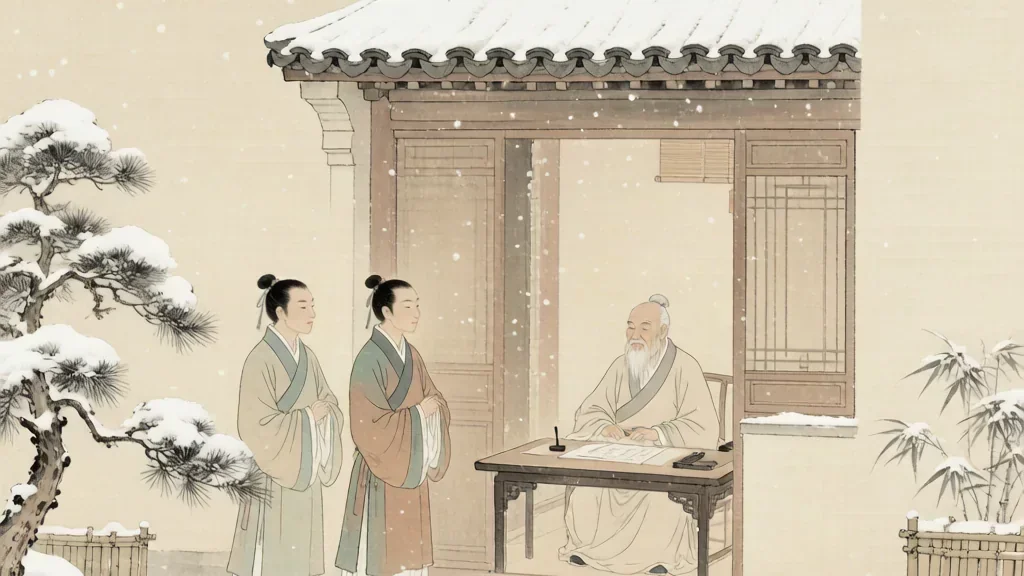
There is a famous Chinese image of patience that has nothing to do with suffering through study and everything to do with respect for the teacher. The idiom 程门立雪 (chéng mén lì xuě) — "standing in the snow at the Cheng gate" — tells of two young scholars who arrived to consult a master, found him resting, and chose to wait outside in falling snow rather than disturb him.
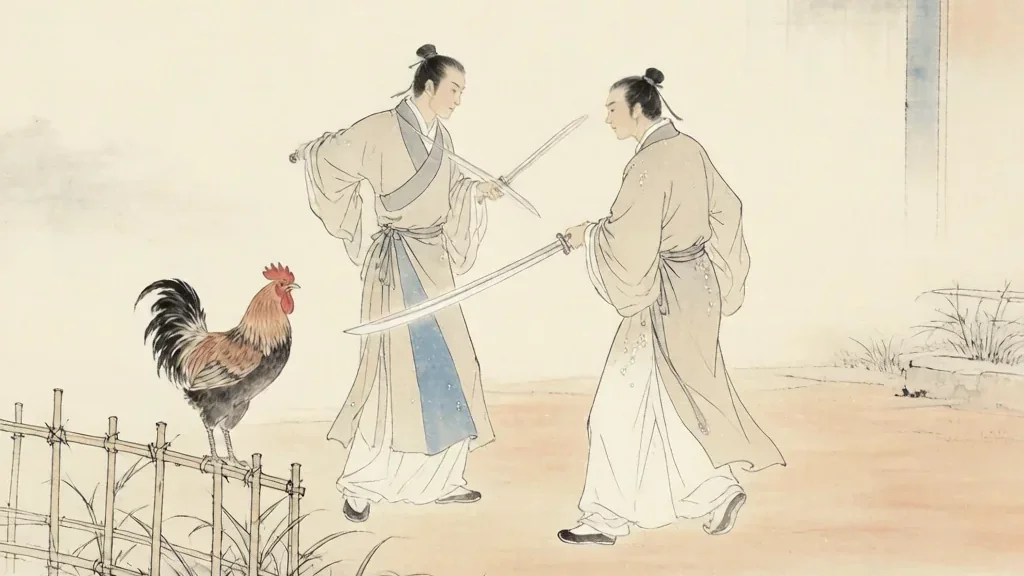
Rising at Cockcrow to Practice
Some people hear a rooster crowing in the dark and roll over to sleep a little longer. The heroes of one famous Chinese idiom heard it and jumped out of bed to practice sword fighting.
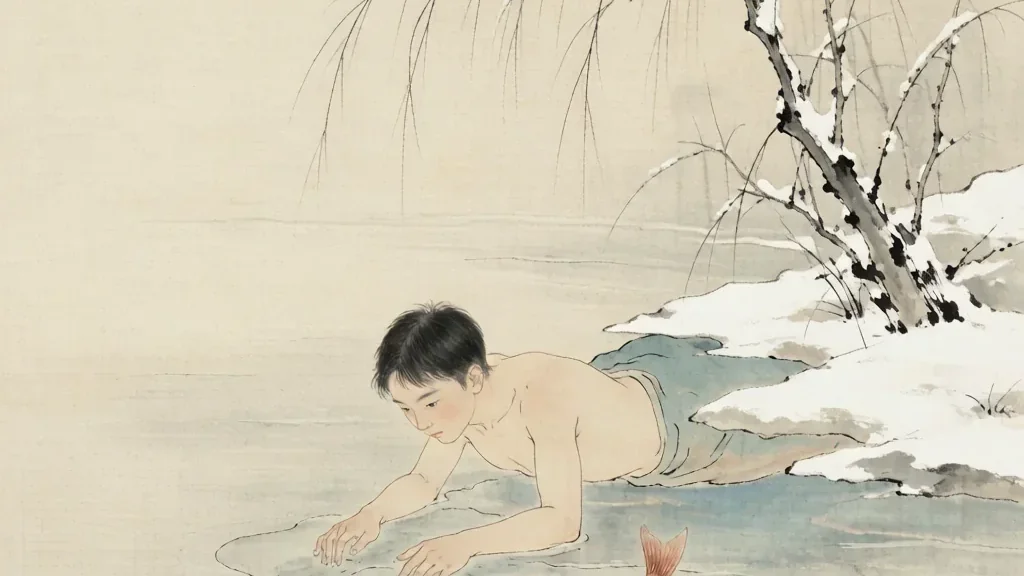
Lying on Ice to Catch a Carp
Of all the Chinese idioms about family duty, few are as strange and as moving as 卧冰求鲤 (wò bīng qiú lǐ) — "lying on ice to catch a carp. " It tells of a son who, to satisfy his ailing stepmother's craving for fresh fish in the dead of winter, stripped off his clothes and lay down on a frozen river, hoping his body heat would melt the ice and free the fish beneath.
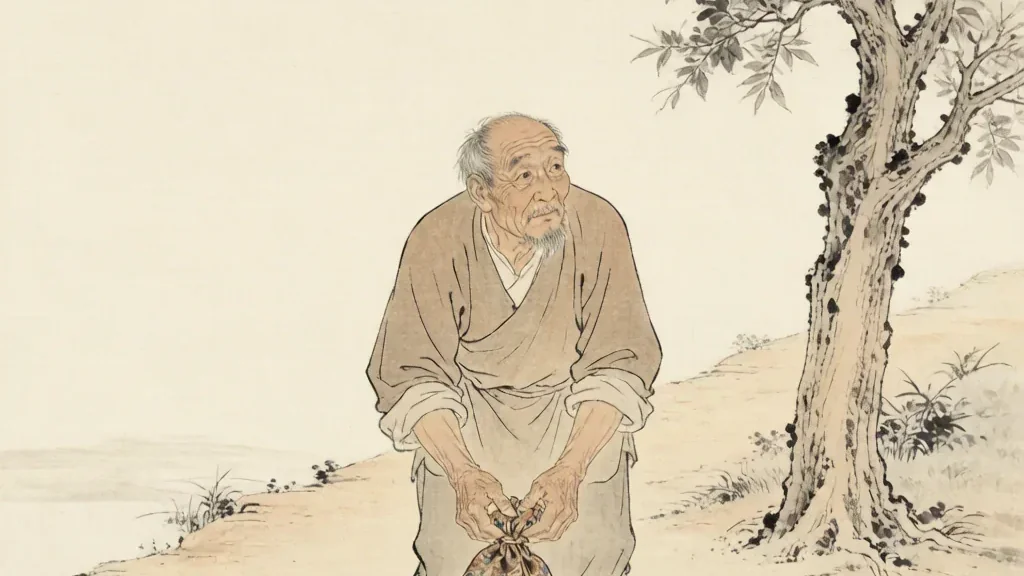
Not Pocketing Lost Gold
Not every Chinese idiom is about suffering, strategy, or myth. Some simply describe a decent human being doing the right thing.
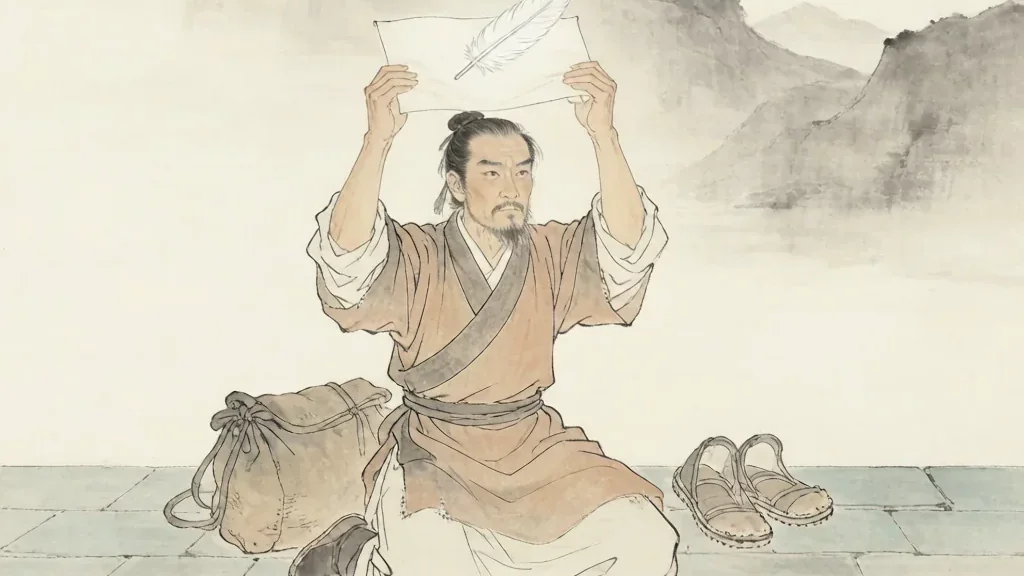
A Goose Feather from a Thousand Li
The smallest gift can carry the largest heart. The Chinese idiom 千里送鹅毛 (qiān lǐ sòng é máo) — "sending a goose feather from a thousand li away" — teaches that the value of a present lies not in its price but in the distance traveled and the sincerity behind it.
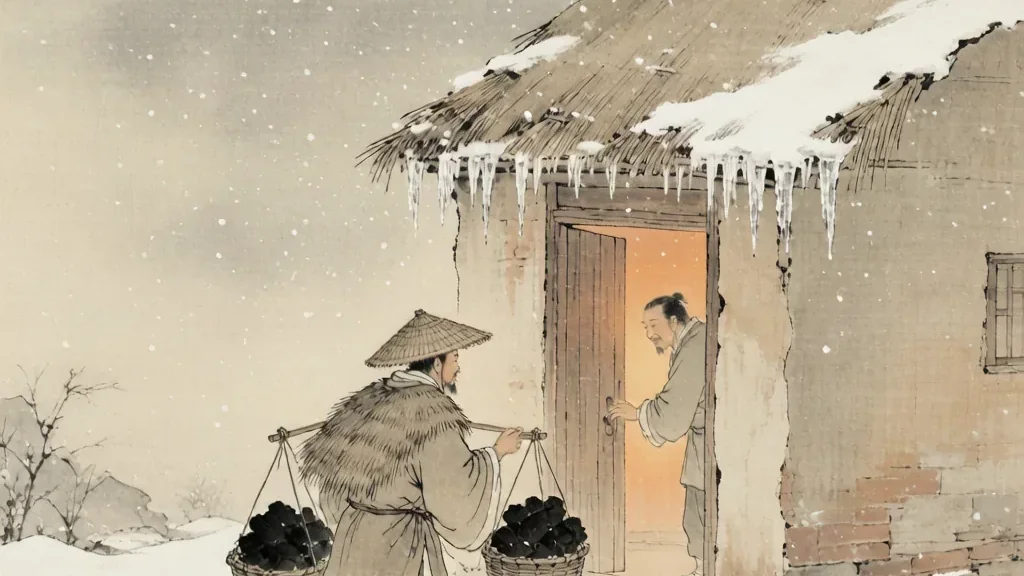
Sending Charcoal in the Snow
Help is easy to give when it costs nothing; the test of kindness is whether you show up when it matters. The Chinese idiom 雪中送炭 (xuě zhōng sòng tàn) — "sending charcoal in the snow" — captures the perfection of timely aid.
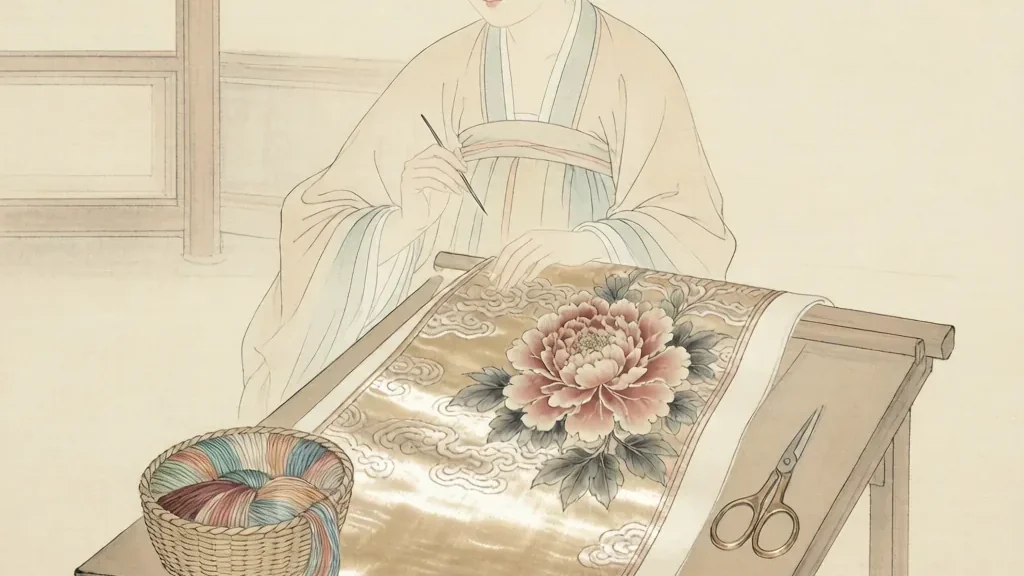
Adding Flowers to Brocade
Some acts of kindness are urgent; others are merely ornamental. The Chinese idiom 锦上添花 (jǐn shàng tiān huā) — "adding flowers to brocade" — describes the act of making something already beautiful even more beautiful.
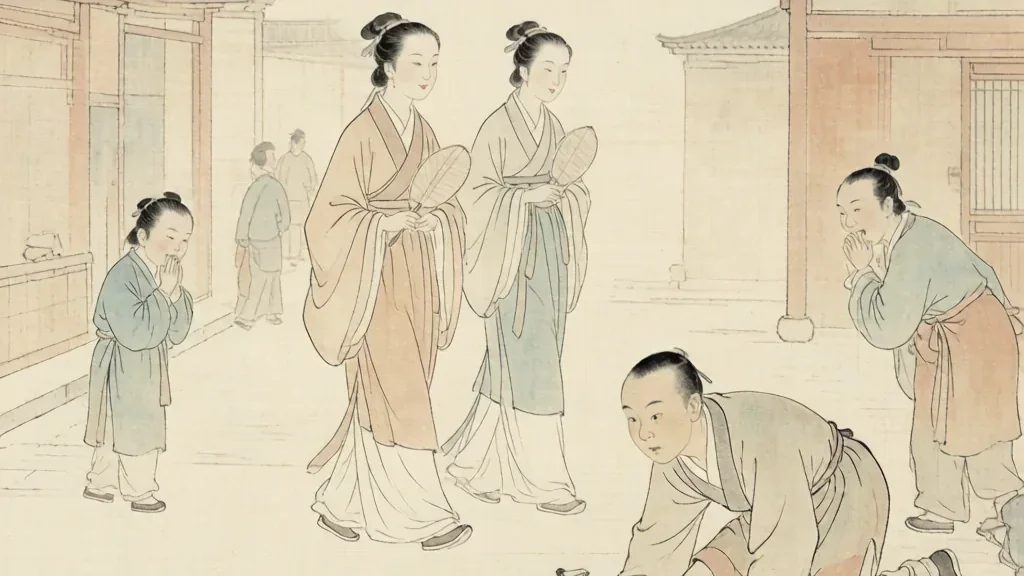
Learning to Walk in Handan
There is a Chinese idiom that is, at its heart, a warning against trying too hard to be someone else. 邯郸学步 (hán dān xué bù) — "learning to walk in Handan" — tells of a young man who traveled to the capital of the state of Zhao to copy its famously elegant gait, practiced so obsessively that he forgot his own way of walking, and had to crawl home in disgrace.

Dongshi's Imitation of the Frown
Not every imitation is flattery. The Chinese idiom 东施效颦 (dōng shī xiào pín) — "Dongshi imitates the frown" — tells of a plain woman who copied the winsome grimace of a famous beauty, only to make herself ridiculous.

The Mantis Raising Its Arm to the Chariot
Some gestures are doomed and yet somehow magnificent. The Chinese idiom 螳臂当车 (táng bì dāng chē) — "the mantis raising its arm against the chariot" — pictures a tiny praying mantis lifting its forelegs to block an oncoming carriage.

An Ant Trying to Shake a Tree
There is a Chinese phrase for the person who picks a fight with the impossible and does not realize it. 蚍蜉撼树 (pí fú hàn shù) — "a mayfly (or ant) shaking a great tree" — pictures a tiny insect throwing its whole small body against a trunk it cannot budge.
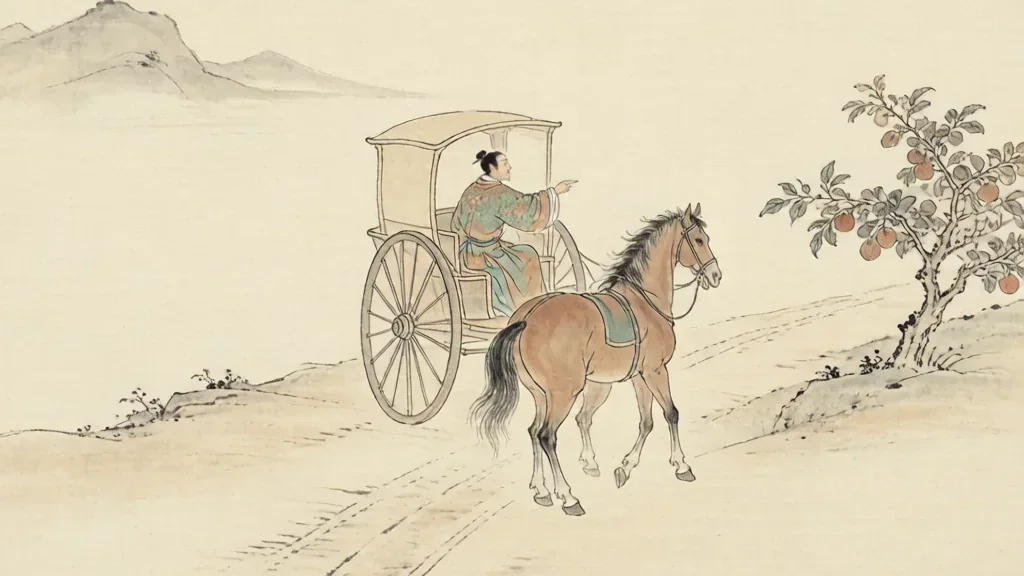
South Carriage, North Tracks
The faster you go in the wrong direction, the further you end up from where you want to be. The Chinese idiom 南辕北辙 (nán yuán běi zhé) — "the carriage heads south, the tracks go north" — captures this maddening truth with perfect economy.
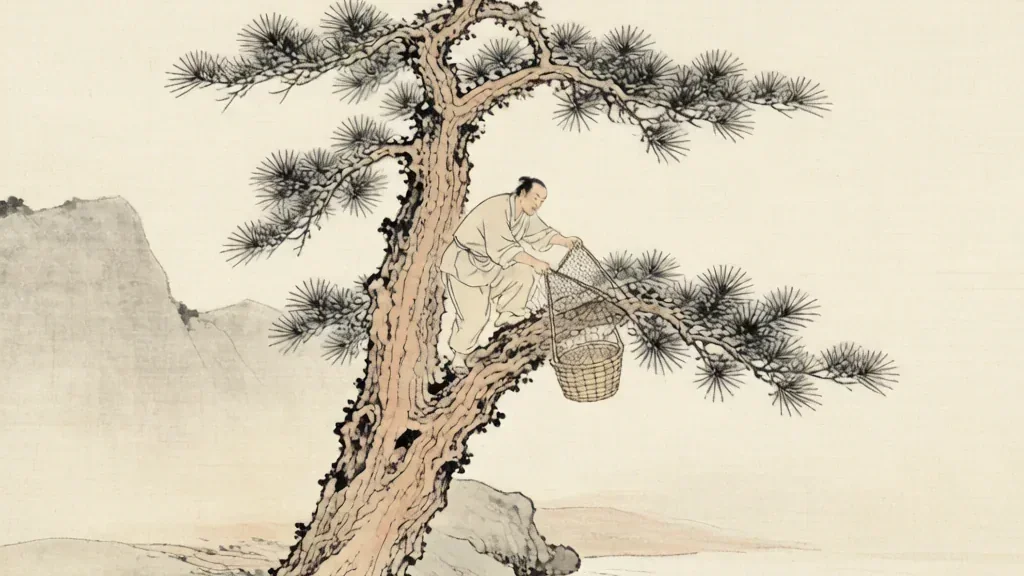
Climbing a Tree to Catch Fish
Some efforts are not just difficult; they are impossible by definition. The Chinese idiom 缘木求鱼 (yuán mù qiú yú) — "climbing a tree to catch fish" — pictures a person shinning up a trunk in search of a fish, an act so mismatched to its goal that failure is guaranteed.

A Roc's Flight of Ten Thousand Li
Some symbols soar. The Chinese idiom 鹏程万里 (péng chéng wàn lǐ) — "the peng bird's flight of ten thousand li" — invokes a colossal mythical bird that rises from the northern sea and wings southward across an unimaginable distance.
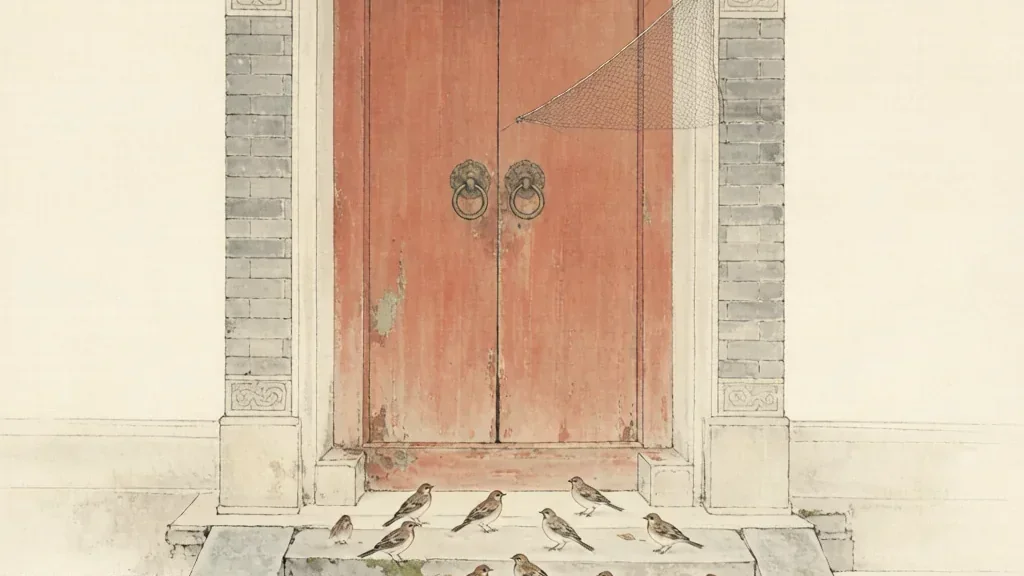
A Gate Where Sparrows Are Netted
Popularity is a weathervane, and the wind of fortune turns it. The Chinese idiom 门可罗雀 (mén kě luó què) — "at the gate one could net sparrows" — paints a deserted household so empty of visitors that birds settle and can be caught in a net at the threshold.

The Mantis Stalks the Cicada
Every hunter is hunted. The Chinese idiom 螳螂捕蝉 (táng láng bǔ chán) — "the mantis stalks the cicada" — usually arrives with its second half, 黄雀在后 (huáng què zài hòu), "the oriole is behind.
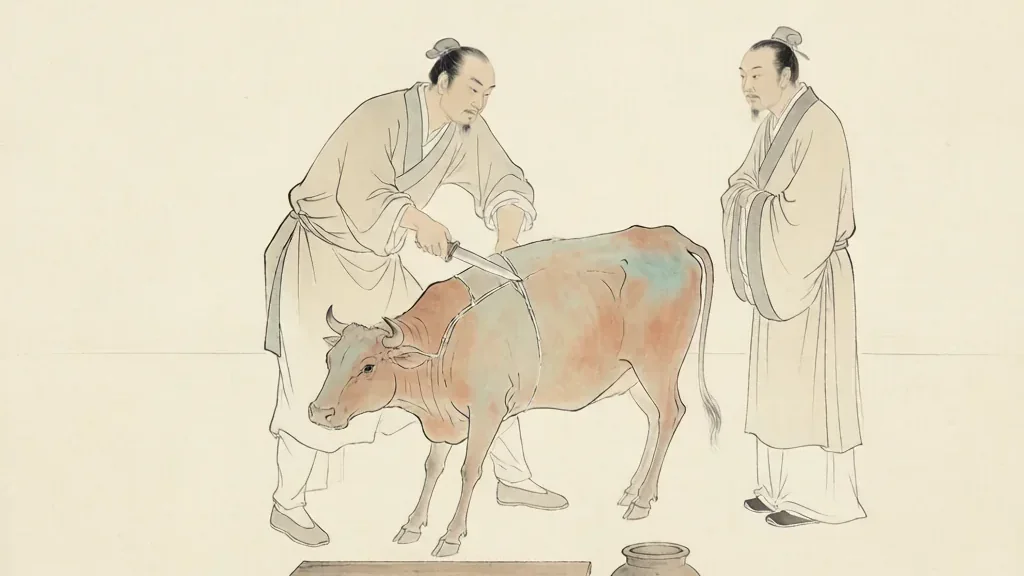
Cook Ding Carves the Ox
The highest skill looks like no skill at all. The Chinese idiom 庖丁解牛 (páo dīng jiě niú) — "Cook Ding carves the ox" — tells of a royal cook who butchers cattle with such effortless grace that his knife never dulls, because he follows the natural seams of the beast rather than hacking against bone.

Drawing a Cake to Ease Hunger
Some comforts are only pictures of comfort. The Chinese idiom 画饼充饥 (huà bǐng chōng jī) — "draw a cake to fill one's hunger" — pictures a person so hungry they sketch a cake and try to eat the drawing.
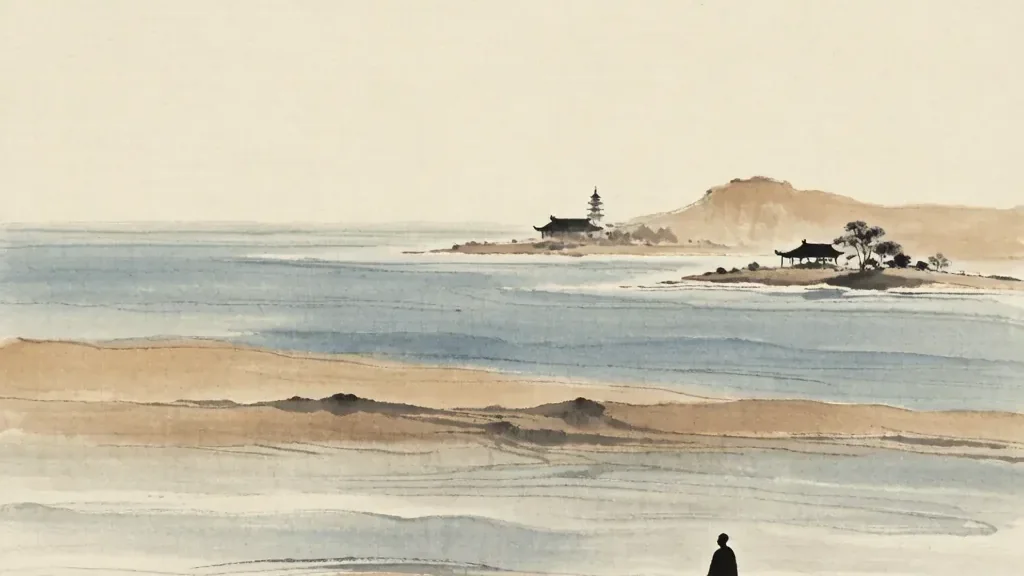
Gazing at the Ocean and Sighing
Humility begins at the shore of something vaster than you. The Chinese idiom 望洋兴叹 (wàng yáng xīng tàn) — often rendered "gazing at the ocean and sighing" — comes from the Zhuangzi and tells of the river god who, proud of his own full waters, travels to the sea and there realizes how small he is.

Carrying Faggots to Fight a Fire
The worst remedies feed the disease. The Chinese idiom 抱薪救火 (bào xīn jiù huǒ) — "carry faggots to fight a fire" — pictures someone rushing to put out a blaze by hugging an armful of firewood to it.
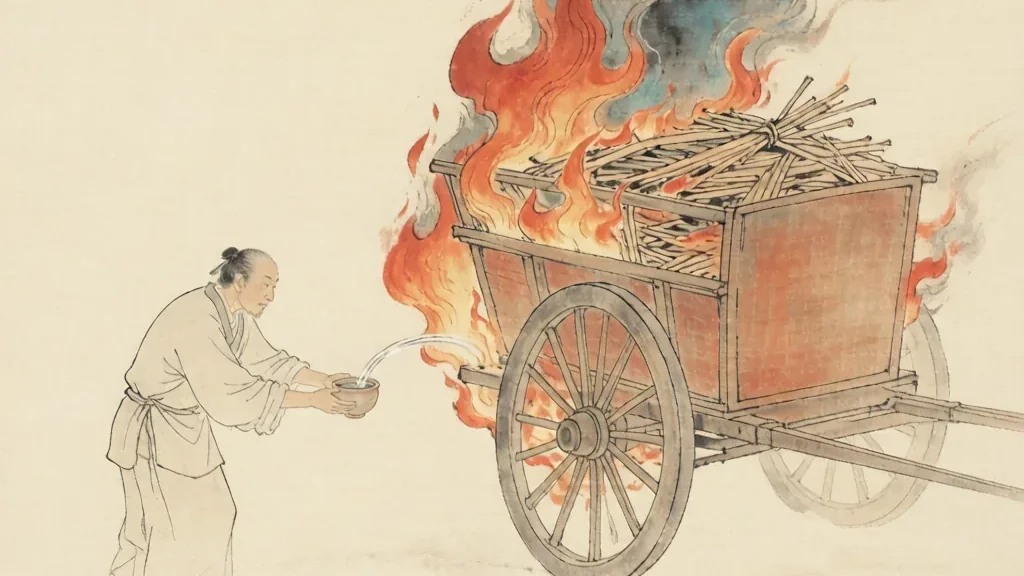
A Cup of Water on a Cartload of Embers
Some problems are so vast that the kindest gesture barely dents them, and the Chinese idiom bēi shuǐ chē xīn captures that helpless ratio perfectly. Written as 杯水车薪 and pronounced bēi shuǐ chē xīn , it means literally "a cup of water on a cartload of firewood" — and it is used whenever a small effort is thrown against a problem so large that it can never hope to matter.
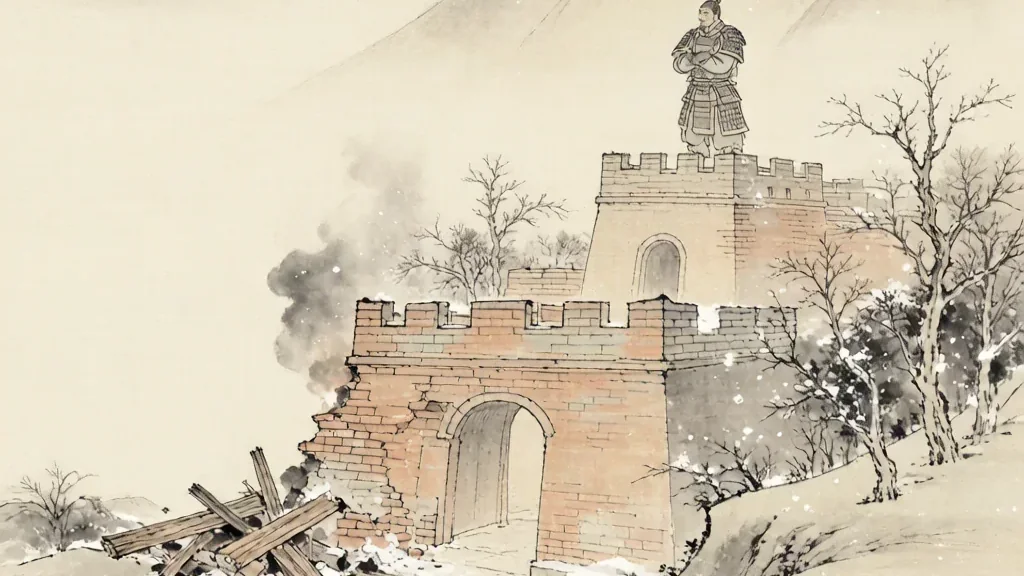
When the Lips Are Gone, the Teeth Are Cold
Neighbours who ignore each other's danger rarely survive alone, and the Chinese idiom chún wáng chǐ hán says exactly that with a single shiver. Written as 唇亡齿寒 and pronounced chún wáng chǐ hán , it means "when the lips are gone, the teeth are cold" — a plain image for a deep truth about interdependence.
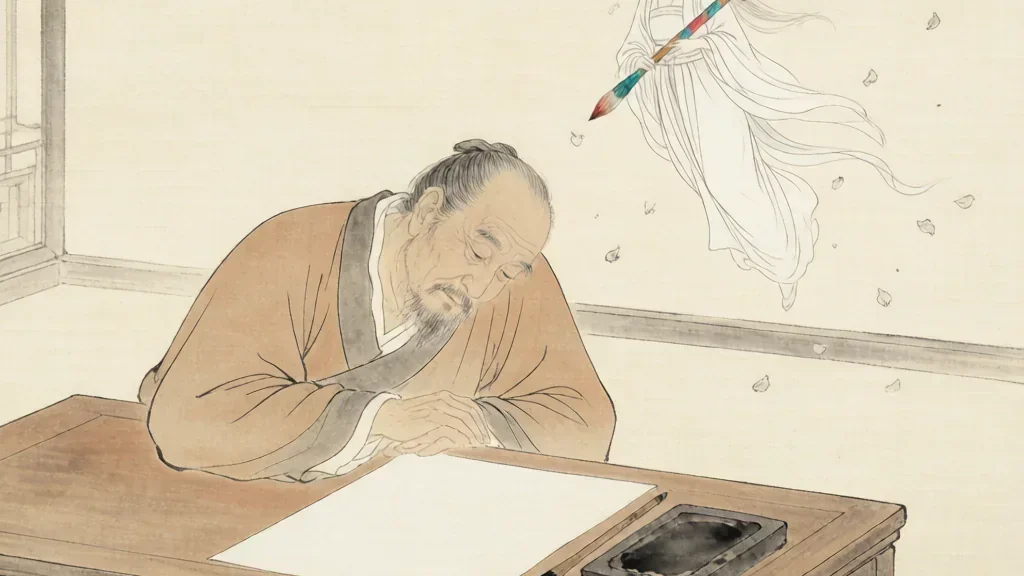
When Jiang Lang's Talent Ran Dry
Every creator dreads the silent morning when the words will not come, and Chinese has a phrase that names that dread exactly. The idiom jiāng láng cái jìn , written 江郎才尽 and pronounced jiāng láng cái jìn , means "Jiang Lang's talent is exhausted" — the moment a gifted writer loses the spark that once flowed freely.
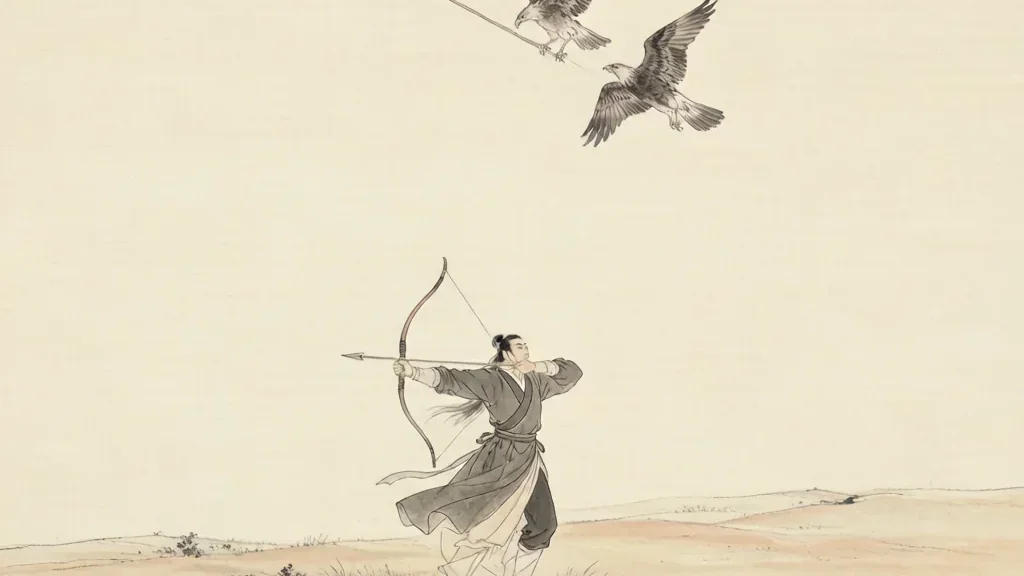
One Arrow, Two Hawks
Efficiency has always been admired, but the Chinese idiom yī jiàn shuāng diāo turns it into a feat of legend. Written 一箭双雕 and pronounced yī jiàn shuāng diāo , it means "one arrow, two hawks" — a single shot that brings down two birds at once.
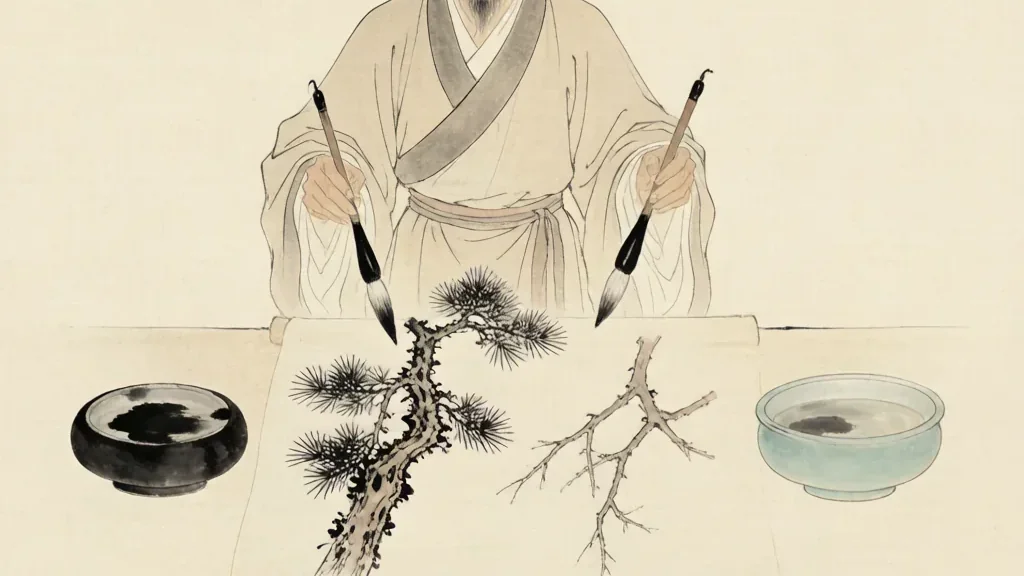
Wielding Two Brushes at Once
Some problems are too tangled for a single approach, and the Chinese idiom shuāng guǎn qí xià honours the person who meets them with two hands at once. Written 双管齐下 and pronounced shuāng guǎn qí xià , it means "two brushes applied simultaneously" — the image of a painter holding a brush in each hand and working both at once.
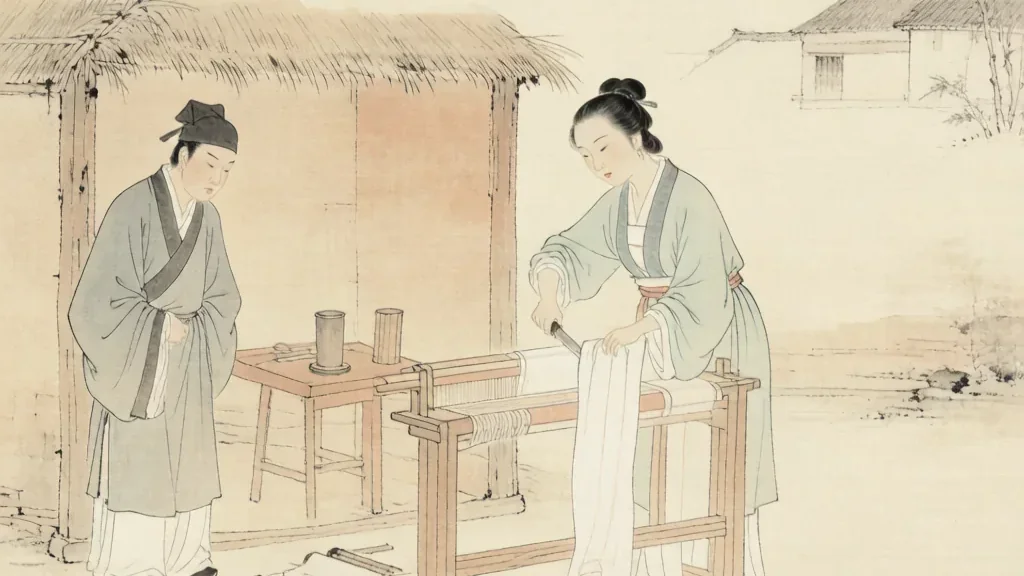
Giving Up Halfway
Nothing is sadder than a task abandoned just short of its reward, and the Chinese idiom bàn tú ér fèi names that loss with precision. Written 半途而废 and pronounced bàn tú ér fèi , it means "to give up halfway" — to stop a journey, a project, or a vow before it is finished.

Carving Without Stopping
Endurance is the quiet engine behind every great achievement, and the Chinese idiom qiè ér bù shě hands that truth to us in two small words of advice. Written 锲而不舍 and pronounced qiè ér bù shě , it means "carve without stopping" — the image of a hand that keeps cutting at stone, refusing to lay the tool down.
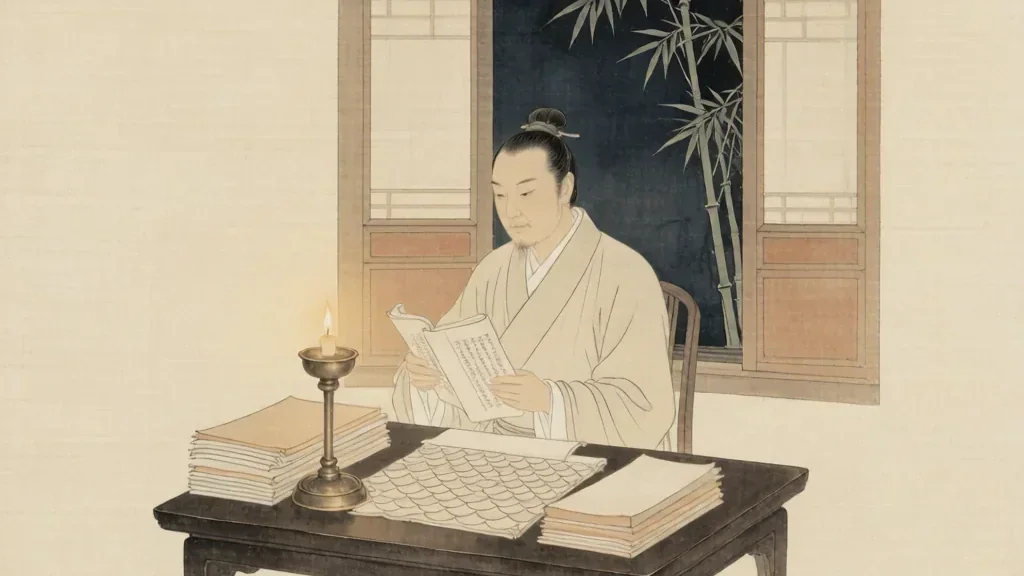
Opening a Book Brings Benefit
Reading has been called the cheapest ticket to a larger life, and the Chinese idiom kāi juàn yǒu yì says so with imperial authority. Written 开卷有益 and pronounced kāi juàn yǒu yì , it means "opening a book brings benefit" — the calm conviction that simply to read is to gain.

Learned Enough to Fill Five Carts
To call someone a walking library is high praise in any tongue, and the Chinese idiom xué fù wǔ chē does exactly that with ancient arithmetic. Written 学富五车 and pronounced xué fù wǔ chē , it means "learned enough to fill five carts" — a tribute to a mind so stuffed with knowledge that it would take five cartloads of books to carry it.
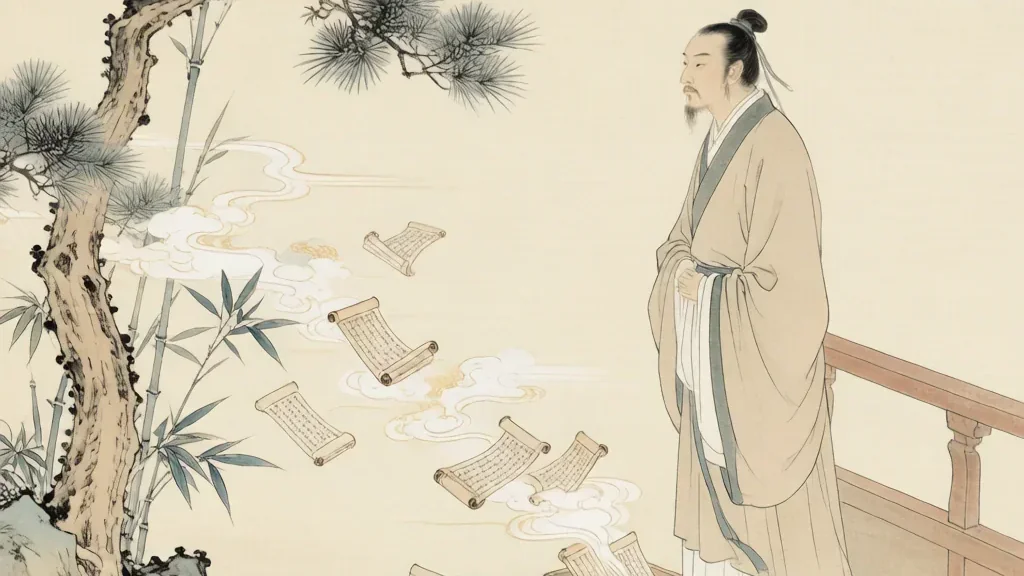
Eight Dou of Talent
Some praise is so extravagant it becomes arithmetic, and the Chinese idiom cái gāo bā dǒu does just that for literary gift. Written 才高八斗 and pronounced cái gāo bā dǒu , it means "eight dou of talent" — a tribute to a writer so gifted that, of all the talent in the world, he alone holds eight parts of a ten-part measure.
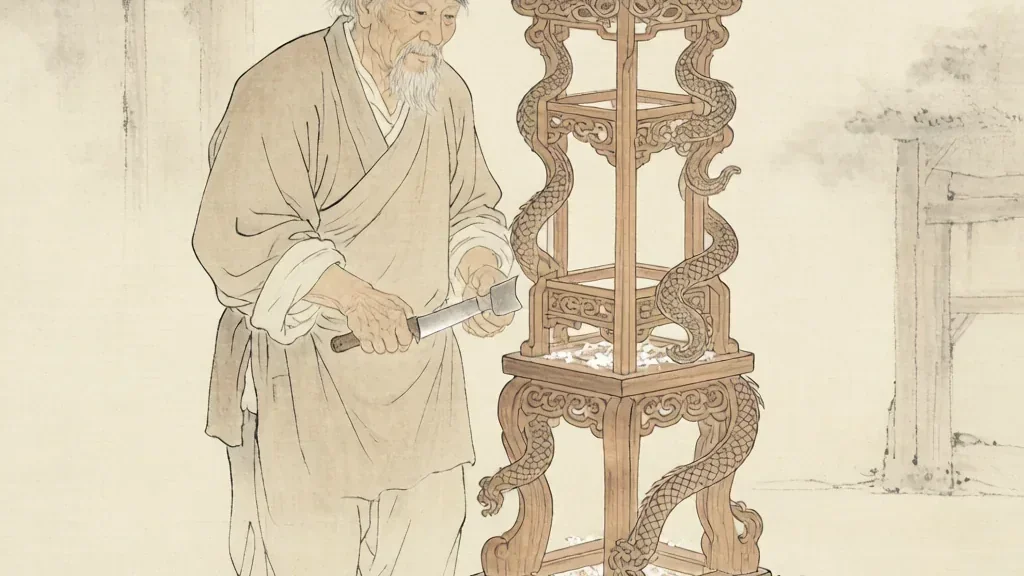
Ghostly Axe, Divine Work
Some craftsmanship is so uncanny it seems beyond human hands, and the Chinese idiom guǐ fǔ shén gōng says exactly that. Written 鬼斧神工 and pronounced guǐ fǔ shén gōng , it means "ghostly axe, divine work" — a tribute to skill so flawless it looks as if spirits, not people, made it.
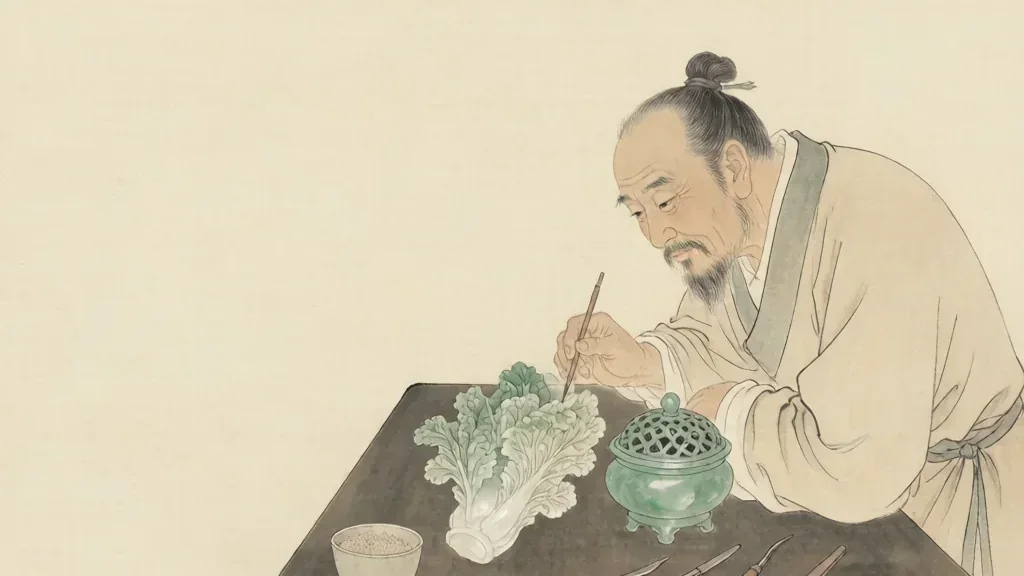
Craft That Outdoes Nature
When human hands surpass nature itself, language reaches for the supernatural, and the Chinese idiom qiǎo duó tiān gōng does just that. Written 巧夺天工 and pronounced qiǎo duó tiān gōng , it means "craft so clever it surpasses heavenly work" — the highest compliment to an artisan whose skill outdoes even the creations of nature.
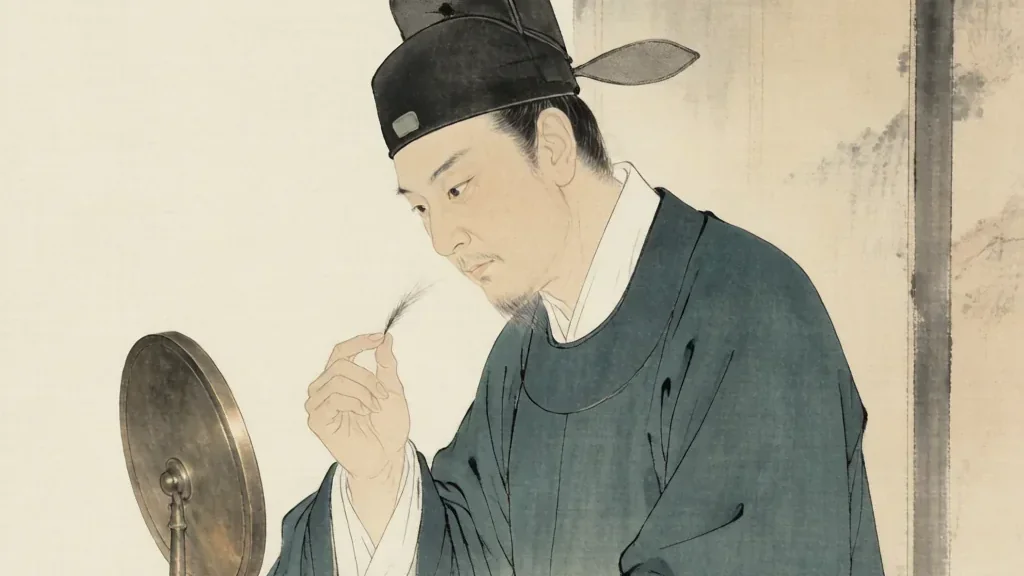
Seeing the Autumn Hair
True justice begins with seeing clearly, and the Chinese idiom míng chá qiū háo makes that sight almost supernatural. Written 明察秋毫 and pronounced míng chá qiū háo , it means "to observe clearly the autumn hair" — to notice the finest, slightest detail, like the down on a beast in fall.
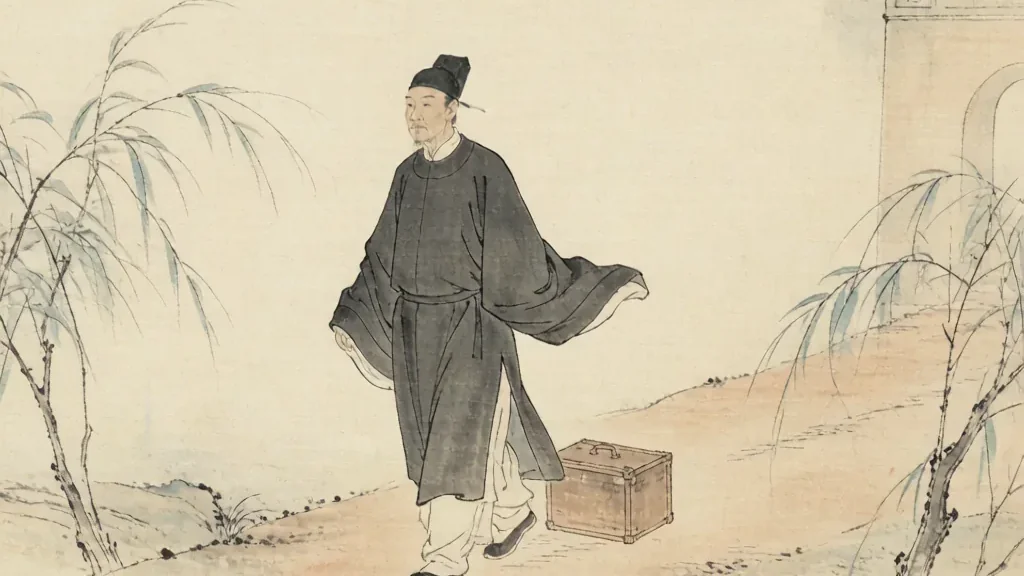
Two Sleeves Full of Clean Wind
An honest official is a rare and precious thing, and the Chinese idiom liǎng xiù qīng fēng dresses that virtue in wind and empty sleeves. Written 两袖清风 and pronounced liǎng xiù qīng fēng , it means "two sleeves full of clean wind" — the image of a departing official whose robes carry nothing but air, no bribe, no stolen treasure.
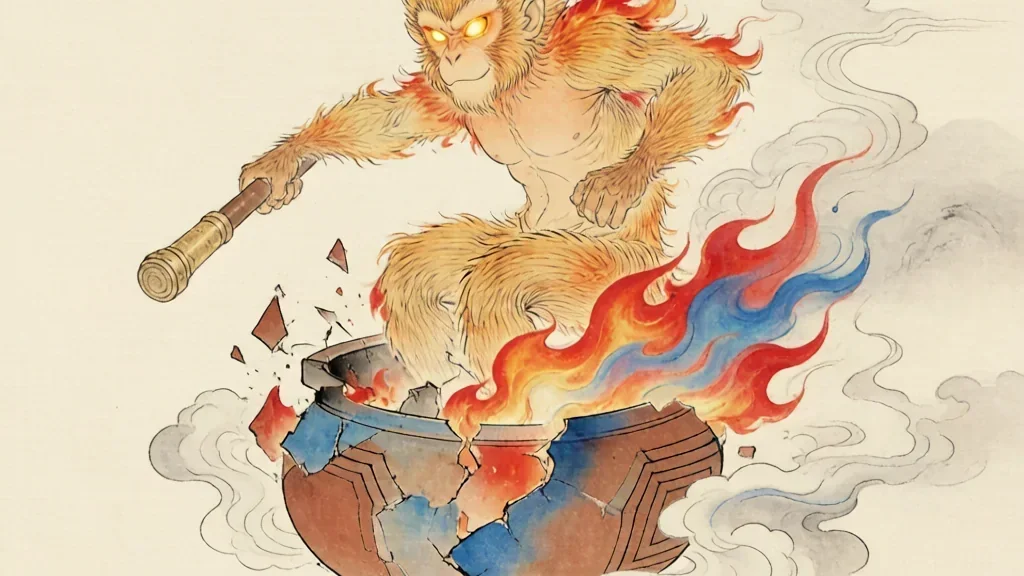
Fiery Eyes and Golden Pupils
Some eyes see through every lie, and the Chinese idiom huǒ yǎn jīn jīng gives those eyes a mythical glow. Written 火眼金睛 and pronounced huǒ yǎn jīn jīng , it means "fiery eyes and golden pupils" — the supernatural sight that can pierce any disguise.

Entering the Divine
The highest art seems to leave the human behind, and the Chinese idiom chū shén rù huà names that transcendence. Written 出神入化 and pronounced chū shén rù huà , it means "to exit the spirit and enter the transformation" — the state in which a maker's skill becomes so refined it touches the divine.
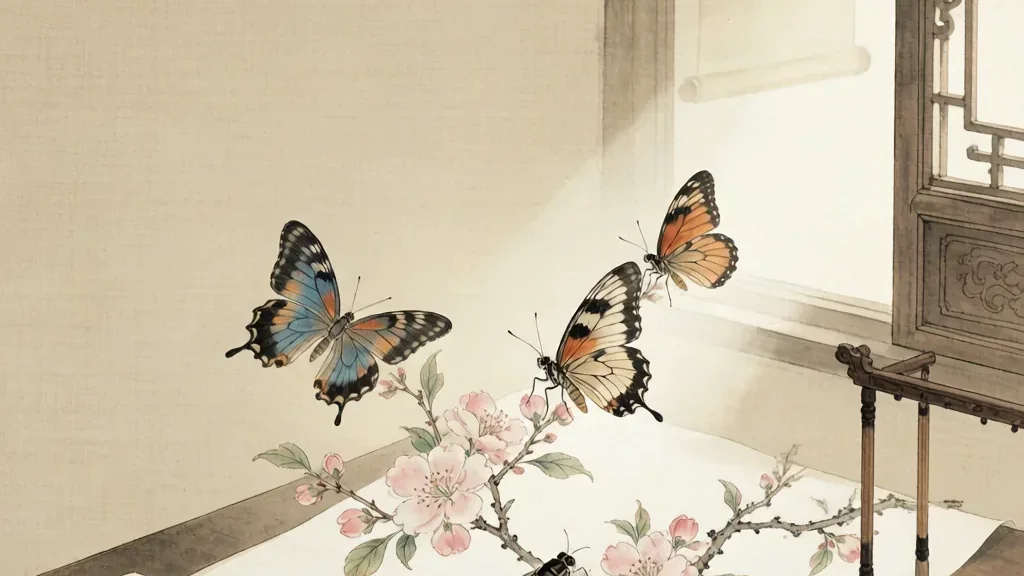
Lifelike and Vivid
The best likeness seems about to breathe, and the Chinese idiom xǔ xǔ rú shēng captures that breath in two soft syllables. Written 栩栩如生 and pronounced xǔ xǔ rú shēng , it means "lifelike and vivid, as if alive" — the praise for a painting, carving, or story so real it seems ready to move.
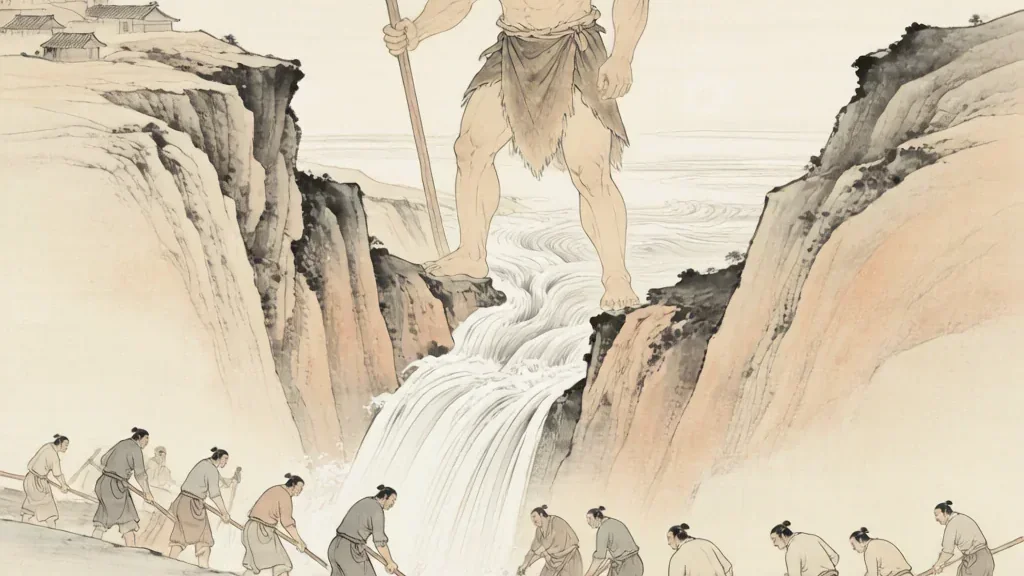
Yu the Great Tames the Flood
Some heroes are remembered not for conquest but for service, and the Chinese idiom dà yǔ zhì shuǐ honors the greatest servant of all. Written 大禹治水 and pronounced dà yǔ zhì shuǐ , it means "Yu the Great tames the floods" — the story of a man who spent years redirecting China's rivers and, in doing so, founded a dynasty.
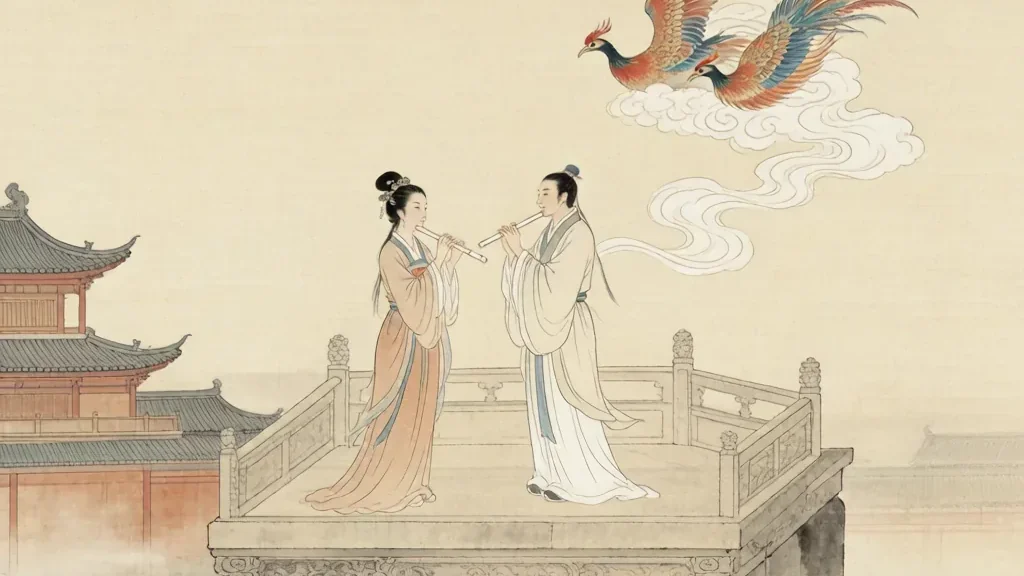
Nongyu Plays the Flute
Some love is so pure it rises above the world, and the Chinese idiom nòng yù chuī xiāo tells that ascension in music. Written 弄玉吹箫 and pronounced nòng yù chuī xiāo , it means "Nongyu plays the flute" — the legend of a princess whose flute drew a heavenly lover and carried them both to the skies.
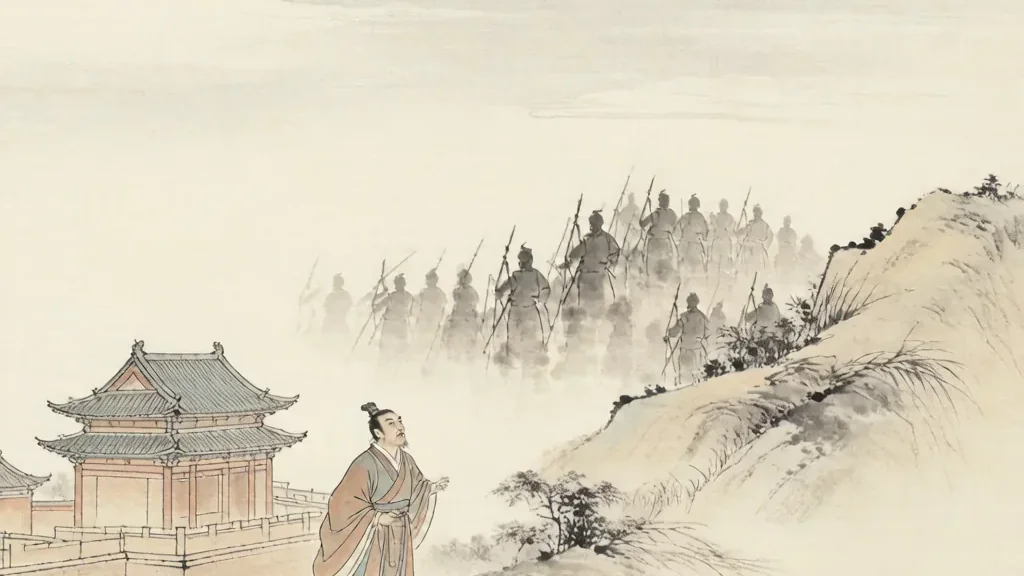
Every Bush and Tree Looks Like an Enemy: The Paranoia of Defeat
Among the many forms fear that comes not from facing a stronger enemy, but from having already been defeated in your own mind. It is the fear that transforms ordinary things — a bush stirring in the wind, a tree casting a long shadow — into threats.
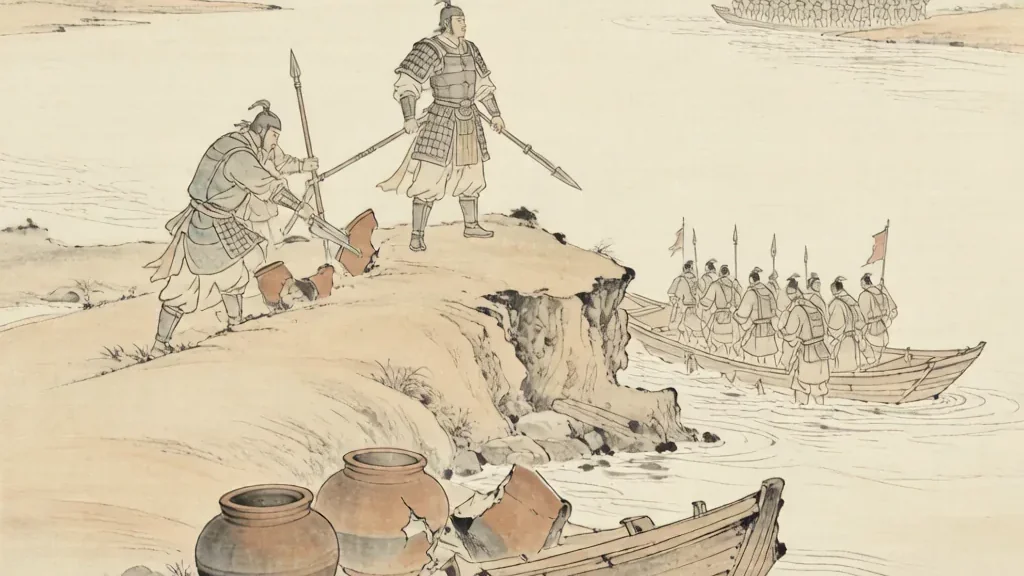
Breaking the Cauldrons and Sinking the Boats: Xiang Yu's All-or-Nothing Gamble
There are moments in history when a leader looks at an impossible situation and, instead of looking for a way out, burns every path of retreat so that there is only one direction left: forward. The Chinese idiom 破釜沉舟 (pò fǔ chén zhōu), "breaking the cauldrons and sinking the boats," describes exactly this kind of moment.

The Man of Qi Who Worried the Sky Would Fall: A Fable of Unnecessary Anxiety
Worry is a strange thing. It can be useful — the sharp edge of concern that keeps us alert to genuine dangers, the prickle of anxiety that makes us prepare for storms and save for hard times.
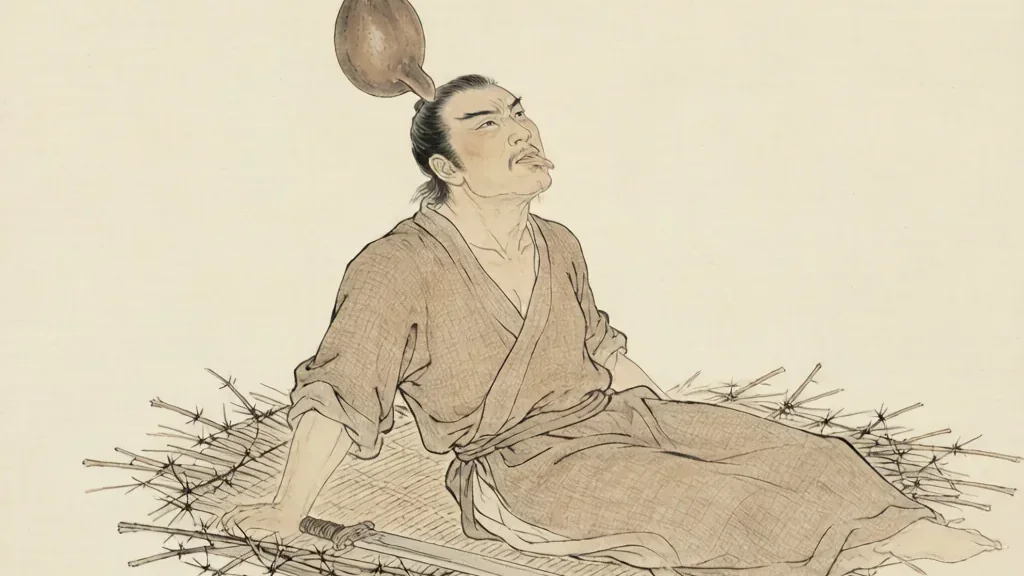
Sleeping on Brushwood and Tasting Gall: King Goujian's Vow of Vengeance
There is a kind of determination that does not burn bright and hot like a sudden fire, but smolders low and steady for years, decades even, until the moment is right. The Chinese idiom 卧薪尝胆 (wò xīn cháng dǎn), "sleeping on brushwood and tasting gall," is the story of this kind of determination — the long, grinding patience of a man who turned his own suffering into fuel for the greatest comeback in Chinese history.
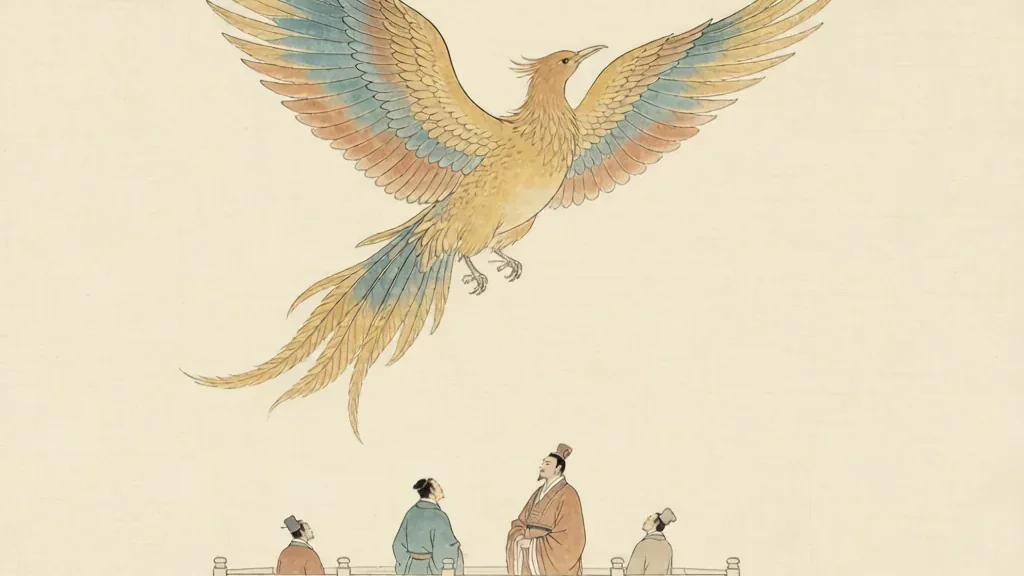
One Cry That Startles the World: King Zhuang's Three Years of Silence
Most people want to be noticed. They want their talents recognized, their achievements celebrated, their worth acknowledged.
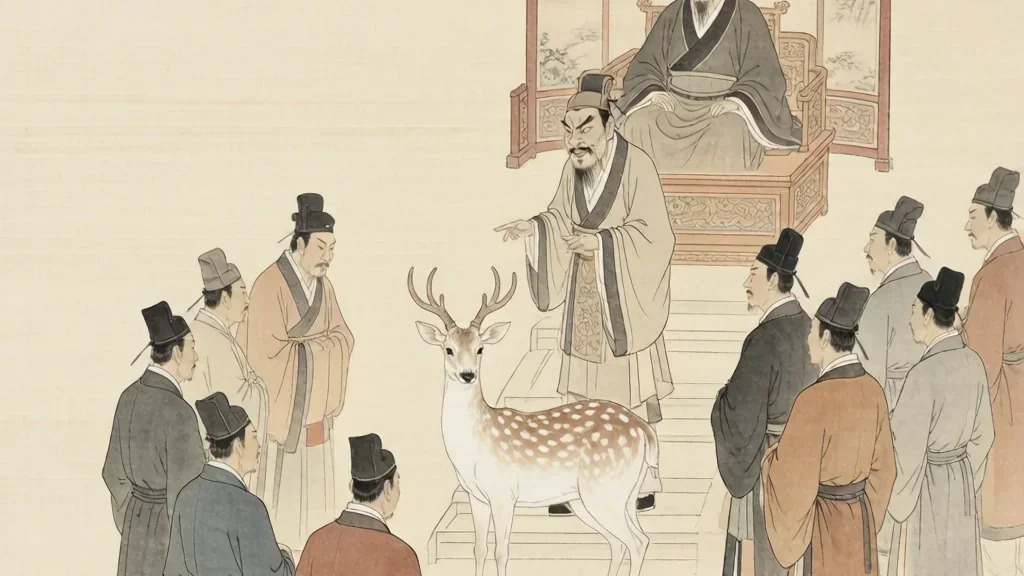
Calling a Deer a Horse: Zhao Gao and the Deliberate Distortion of Truth
There are lies that are told in secret, whispered in corners where no one can verify them. And then there are lies that are told in broad daylight, in front of everyone, with such brazen confidence that they test not just the truth but the very courage of those who witness them.